Open Shelving Is The Budget-Friendly Secret To Completing Your Kitchen, According To An Expert
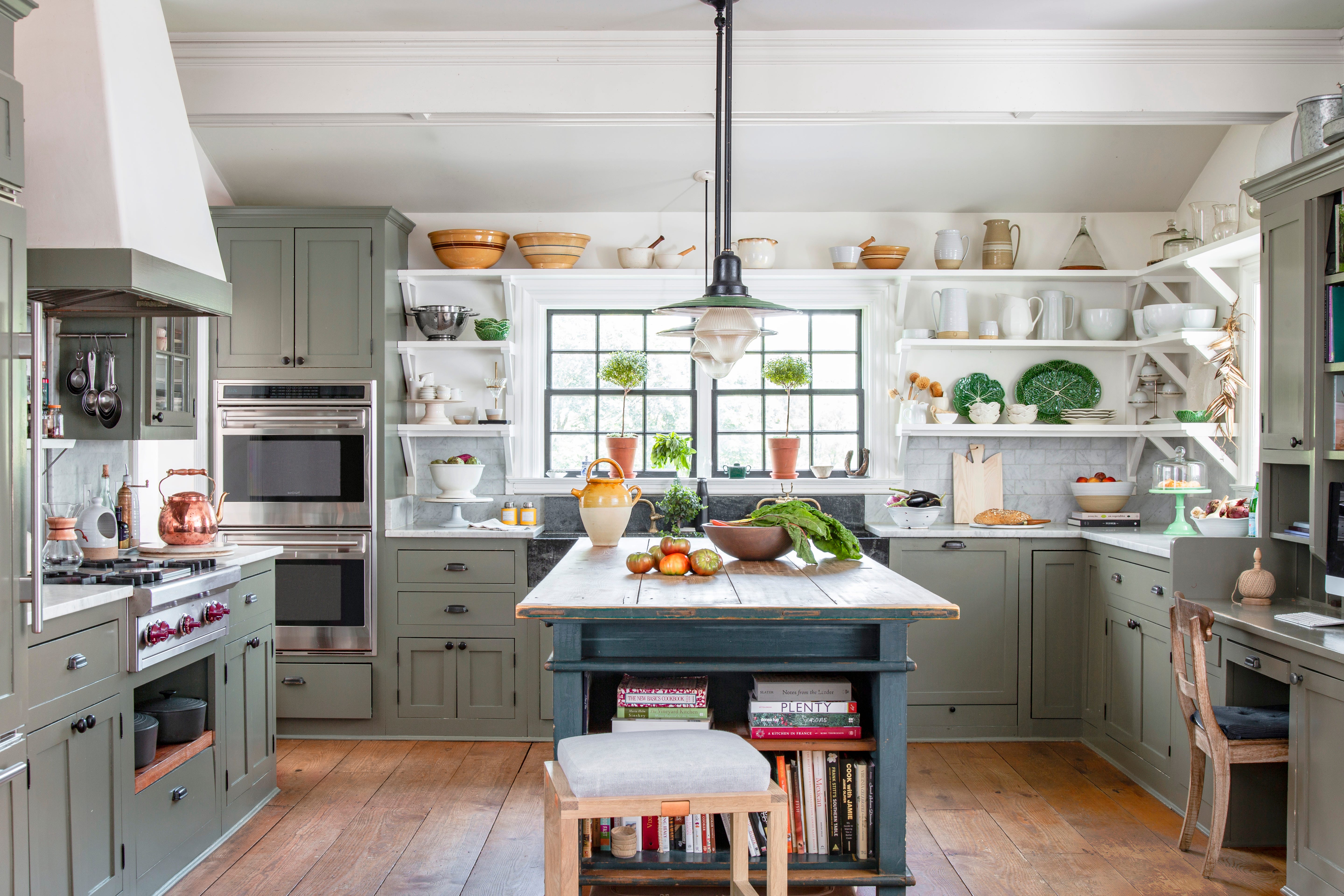
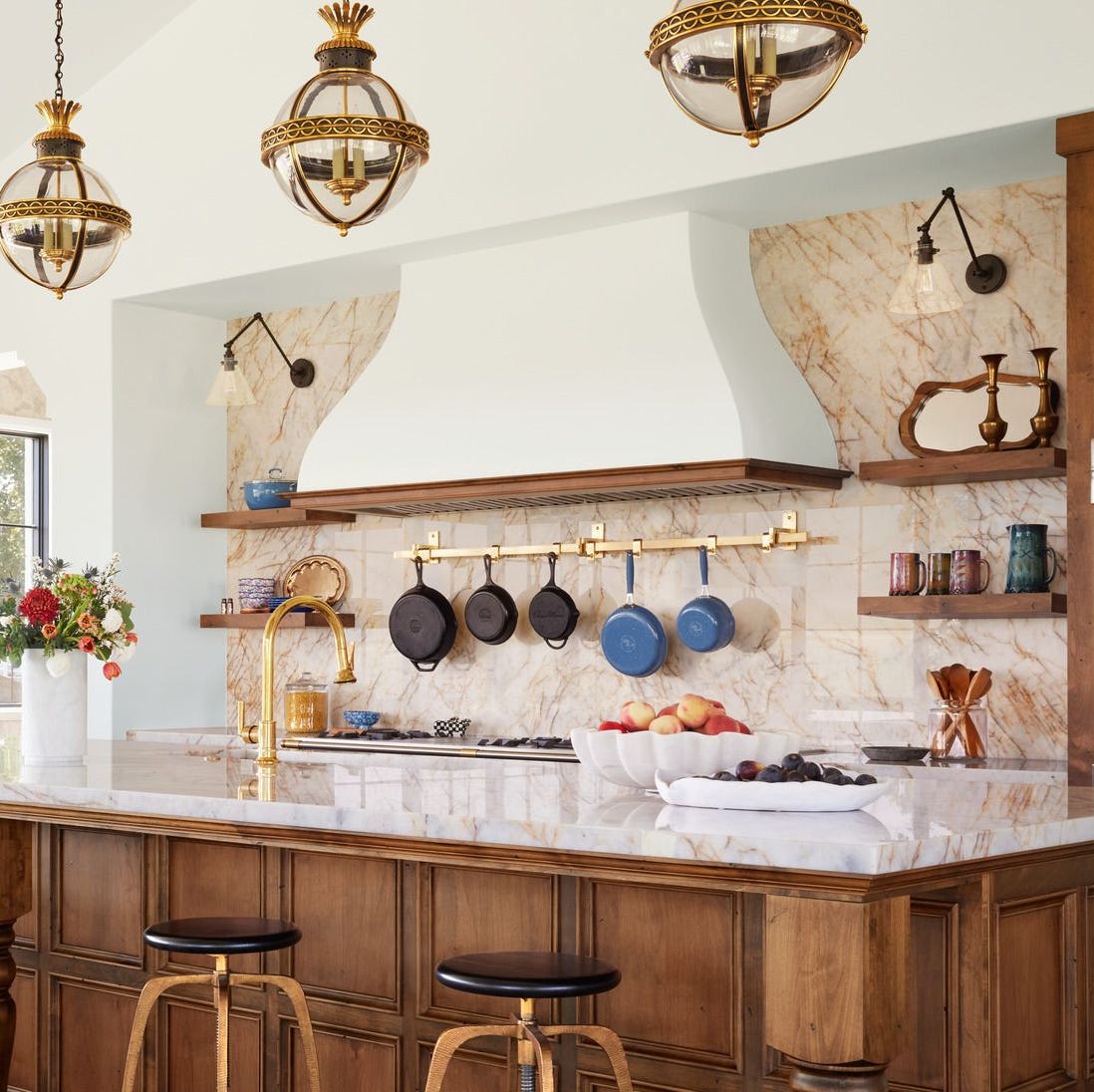
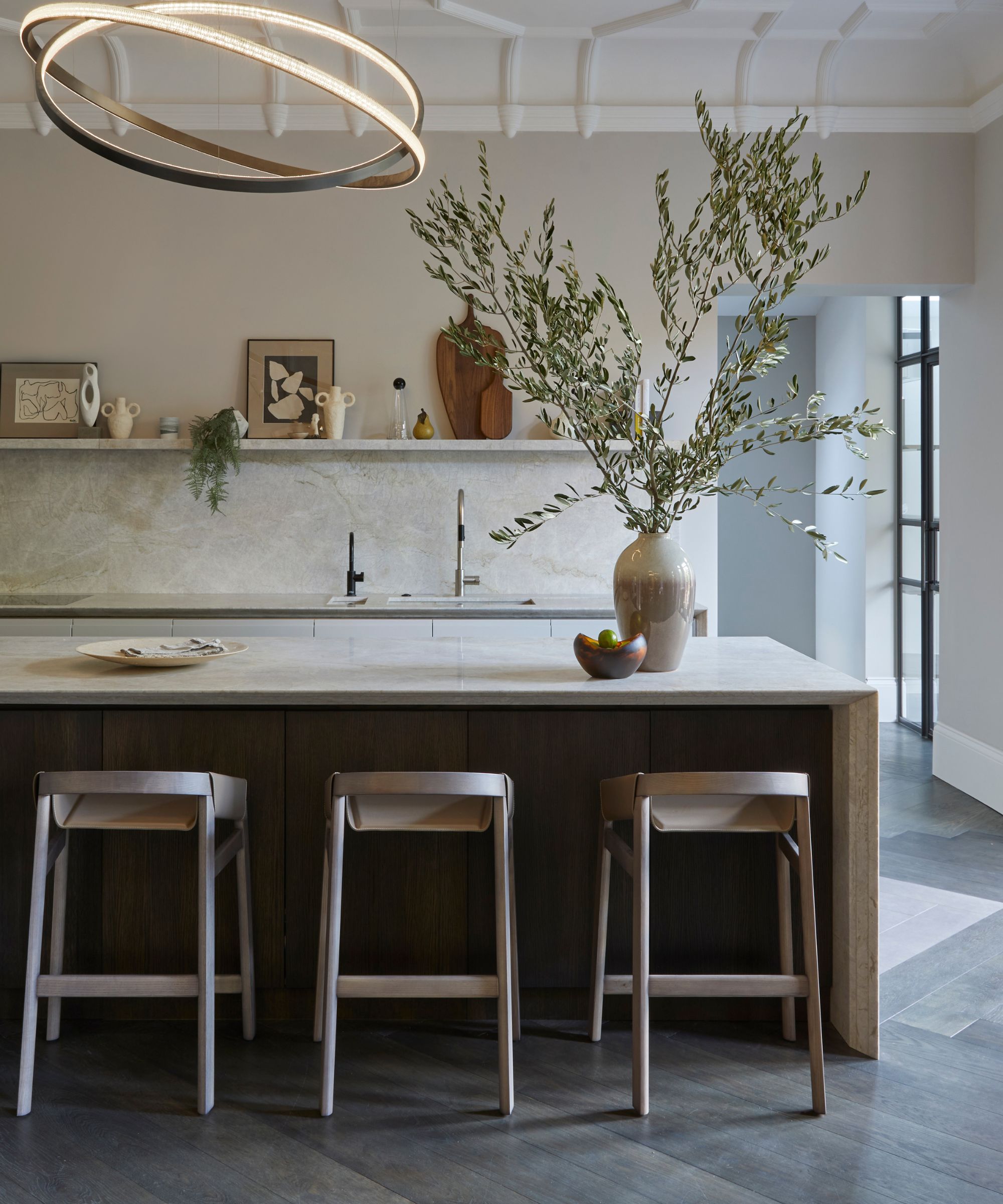
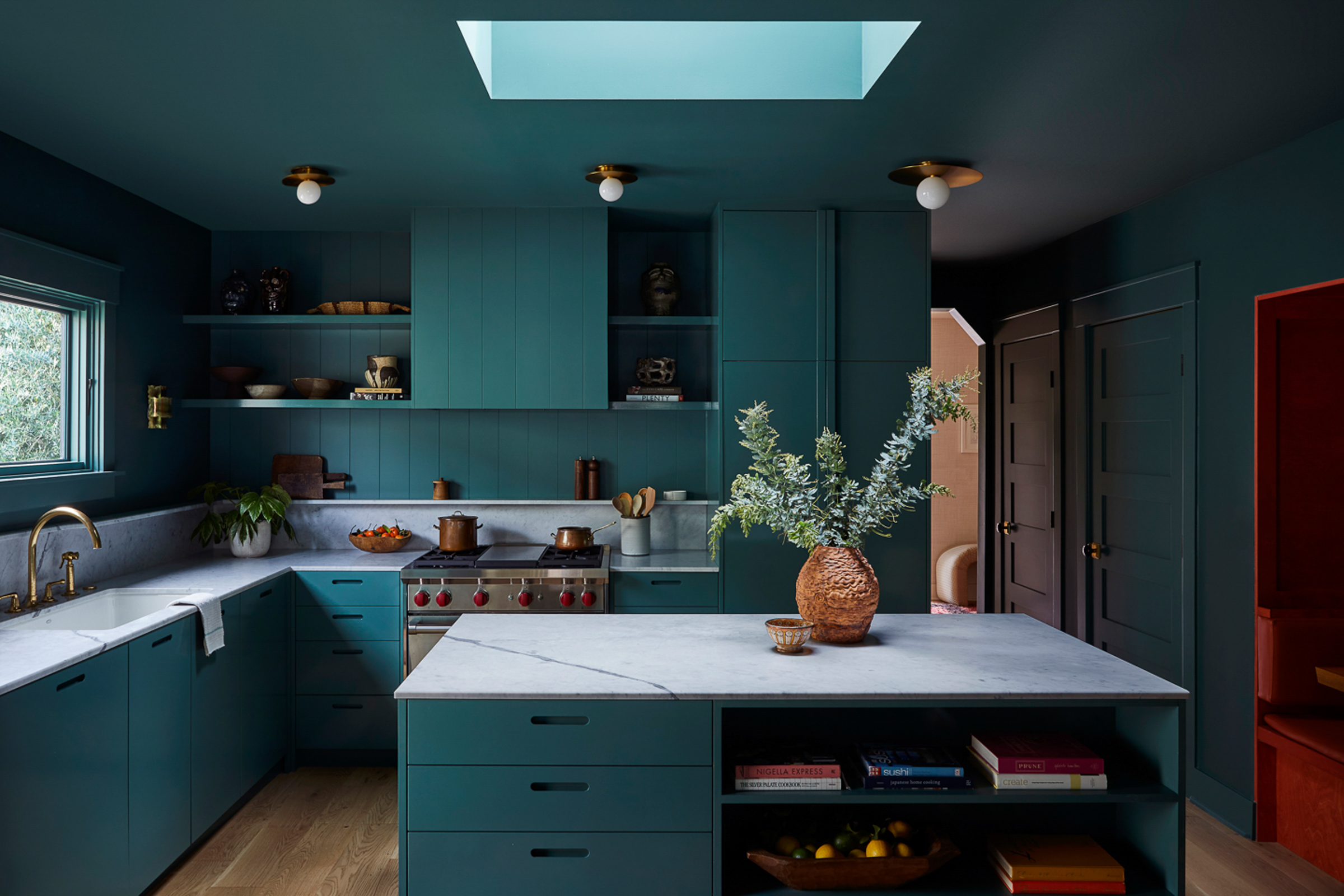
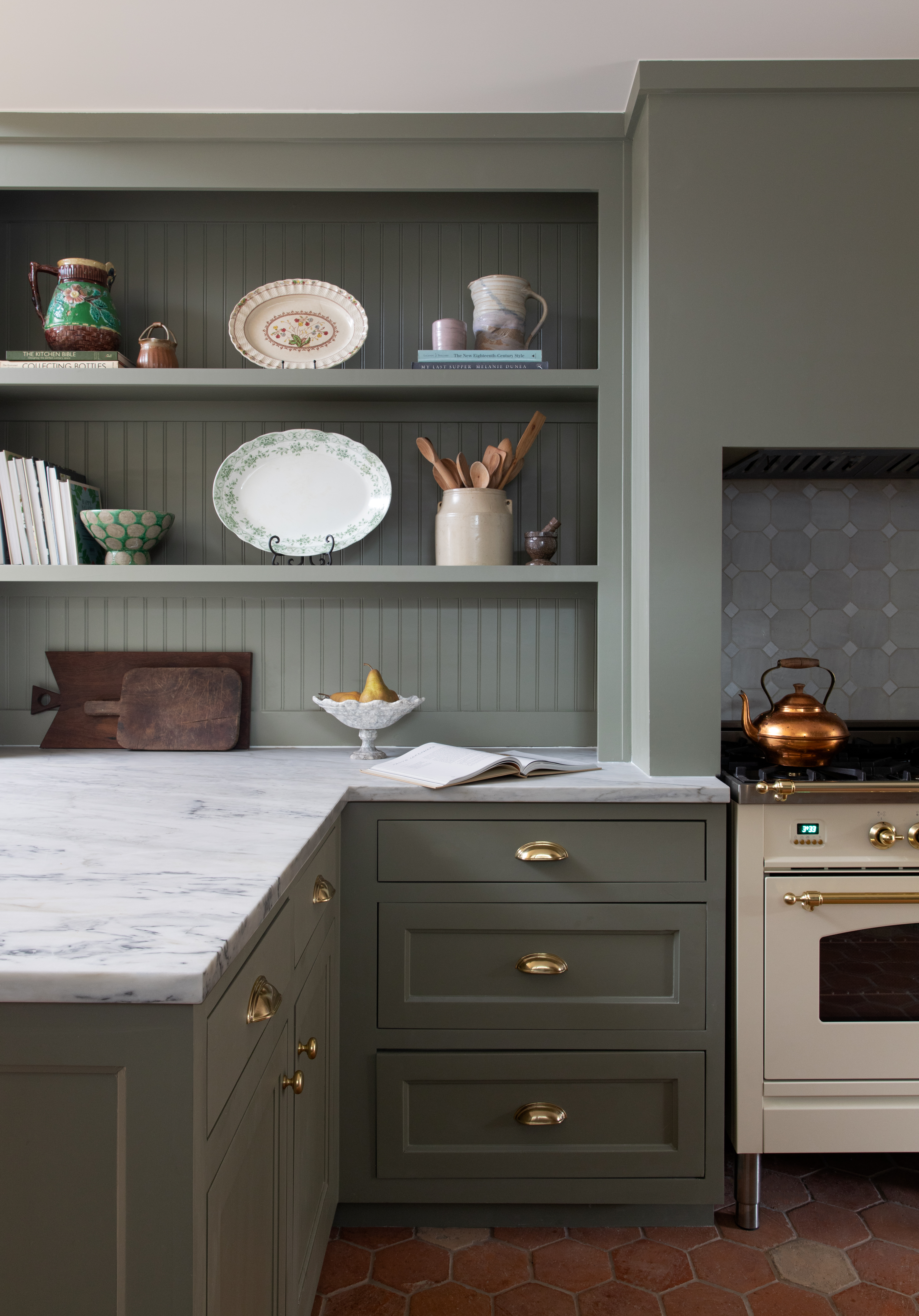
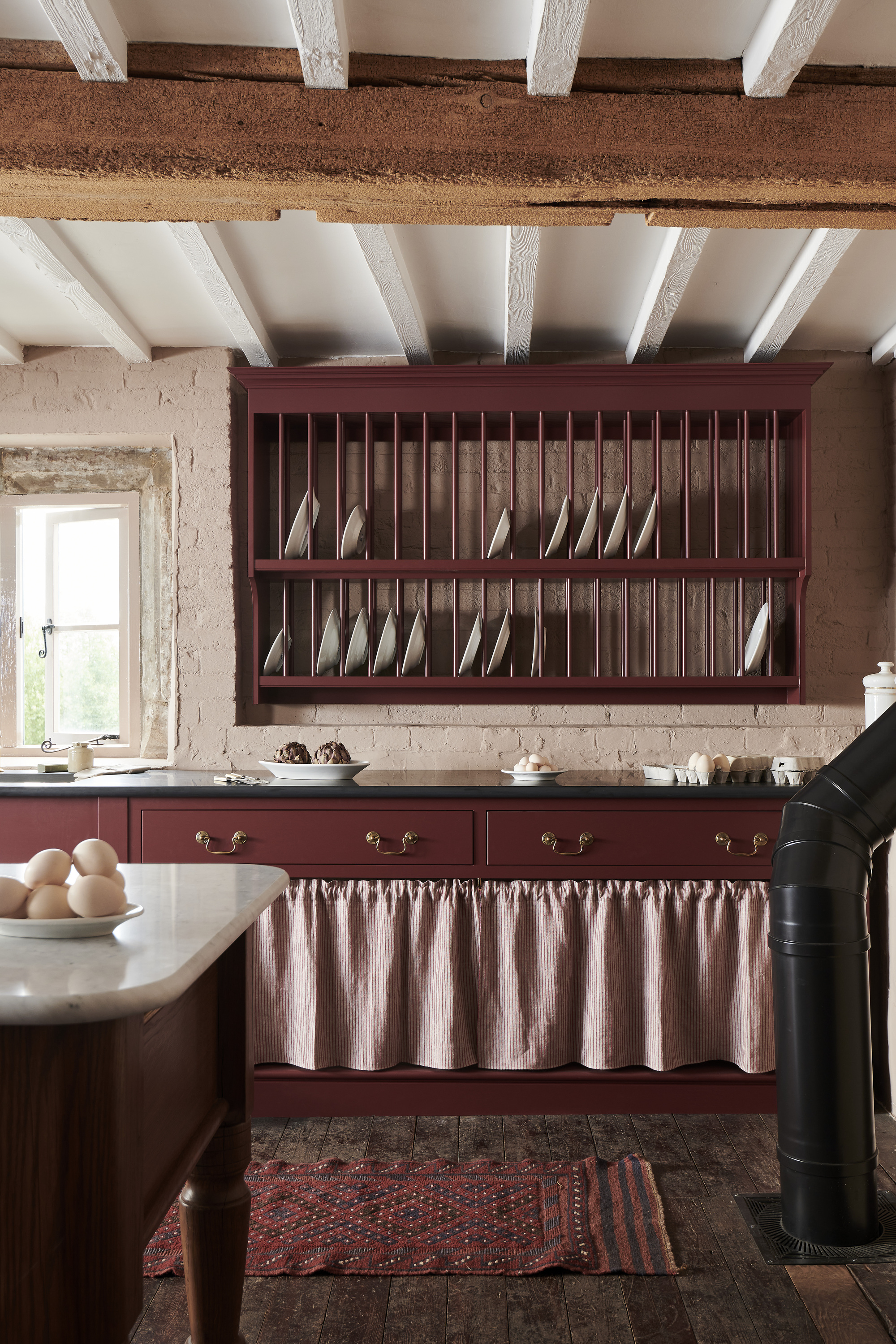
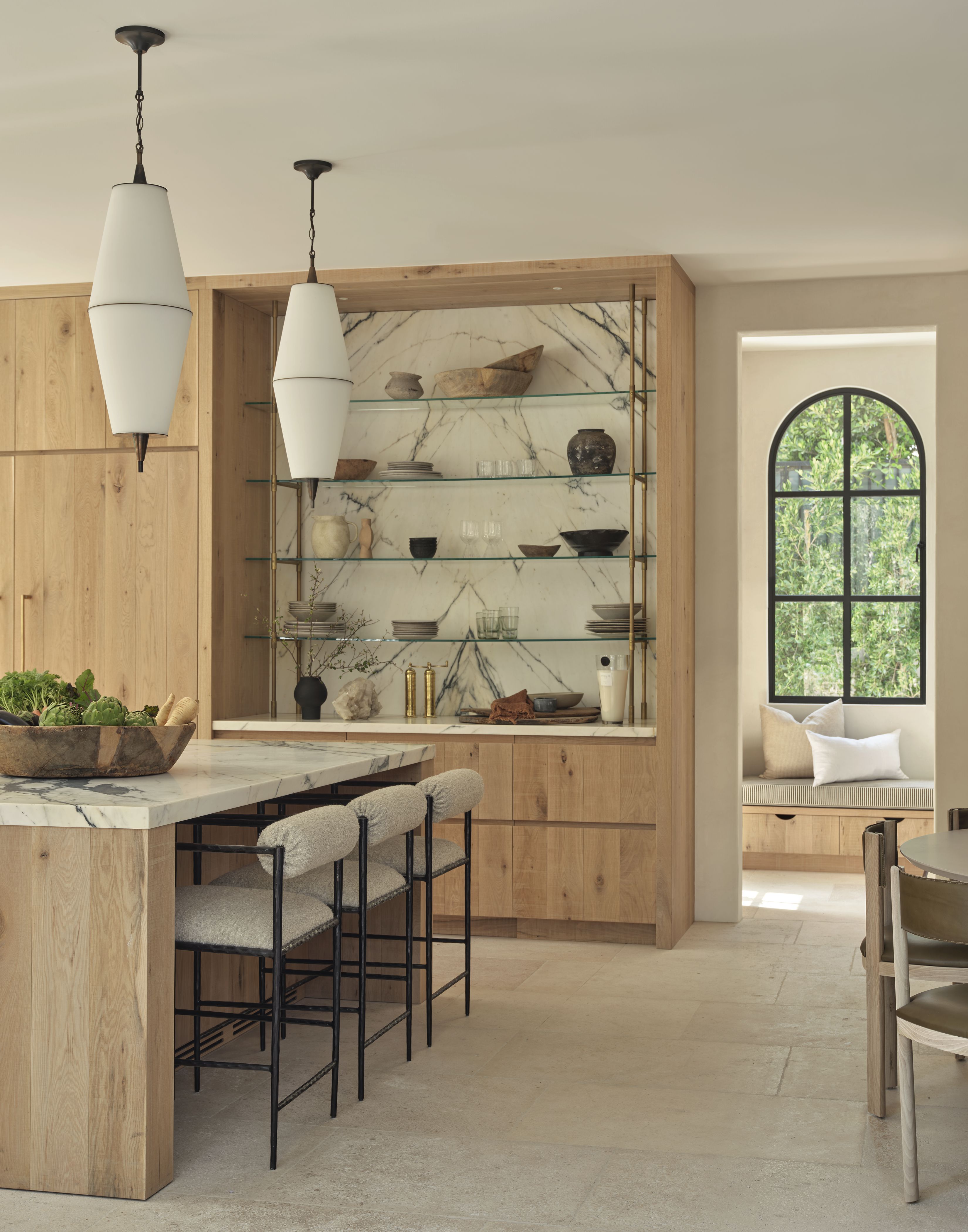
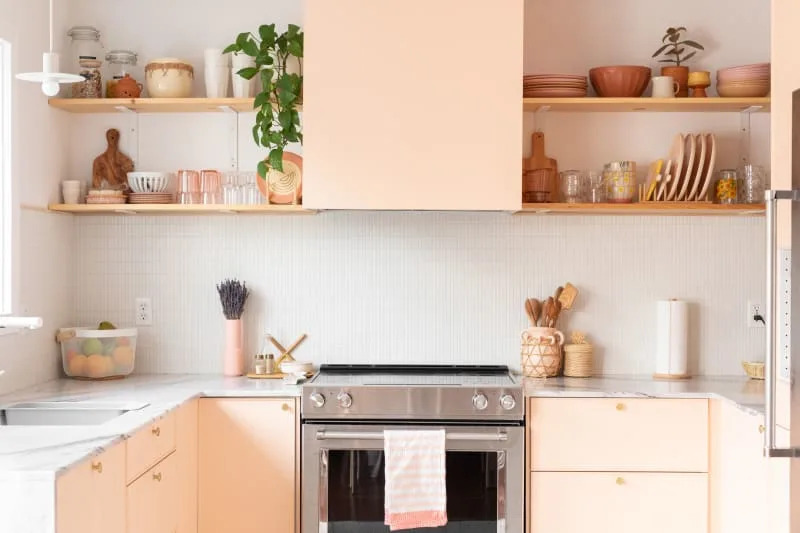
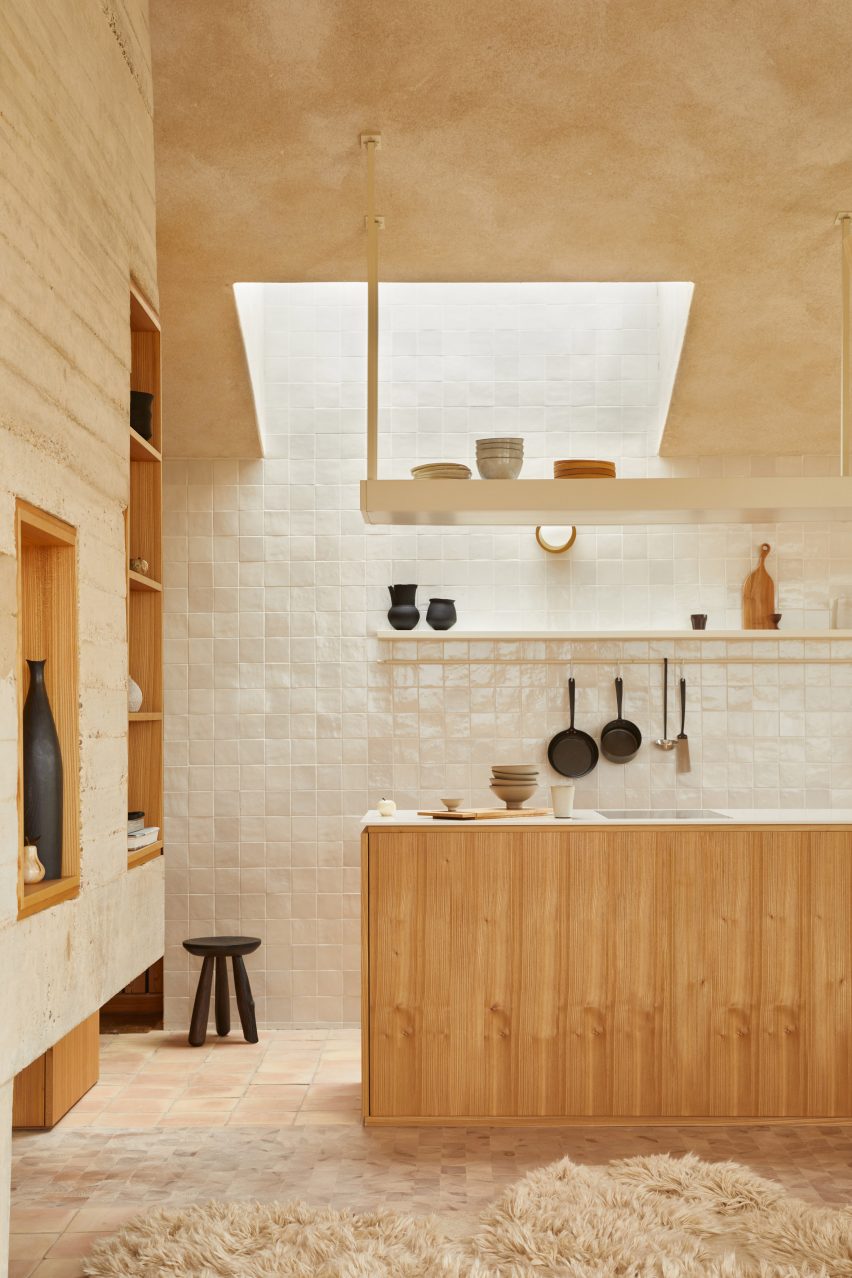
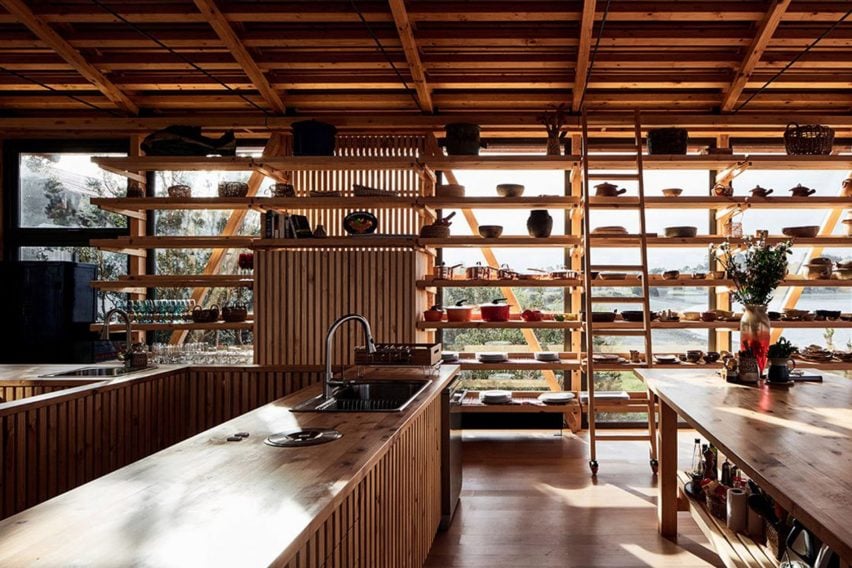
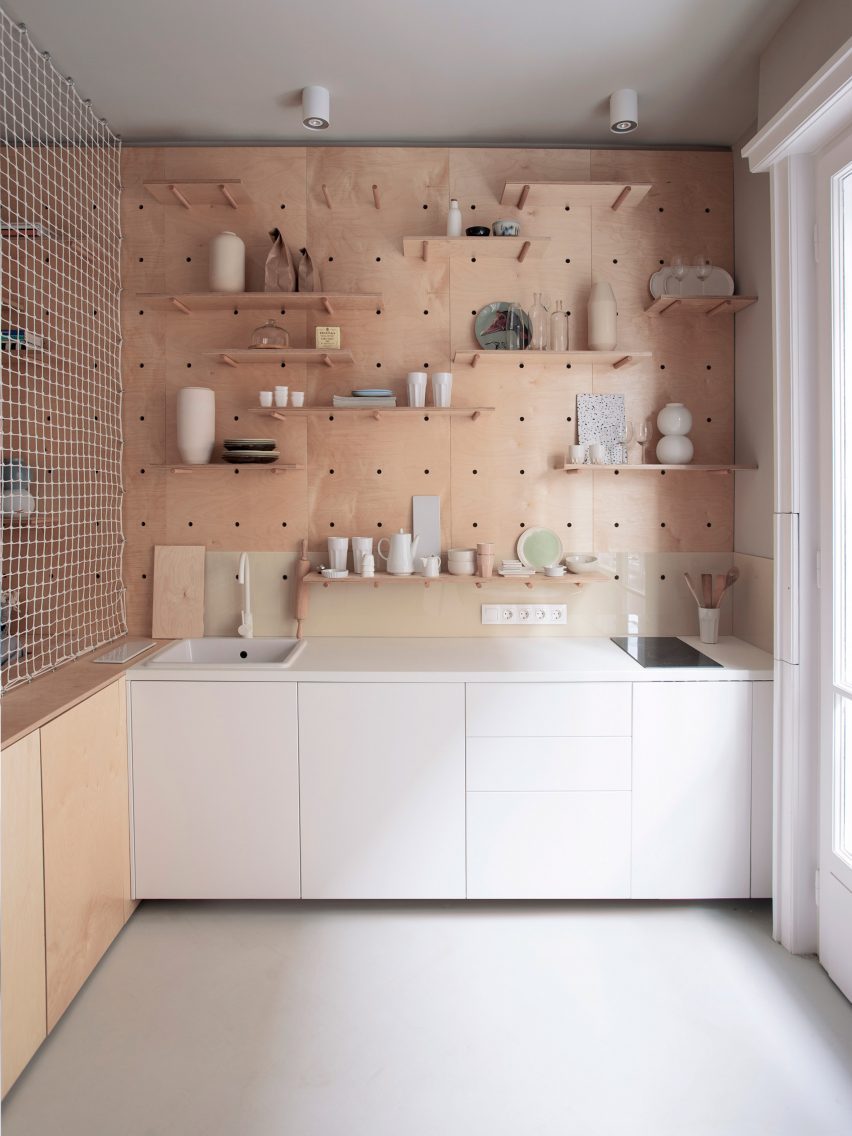
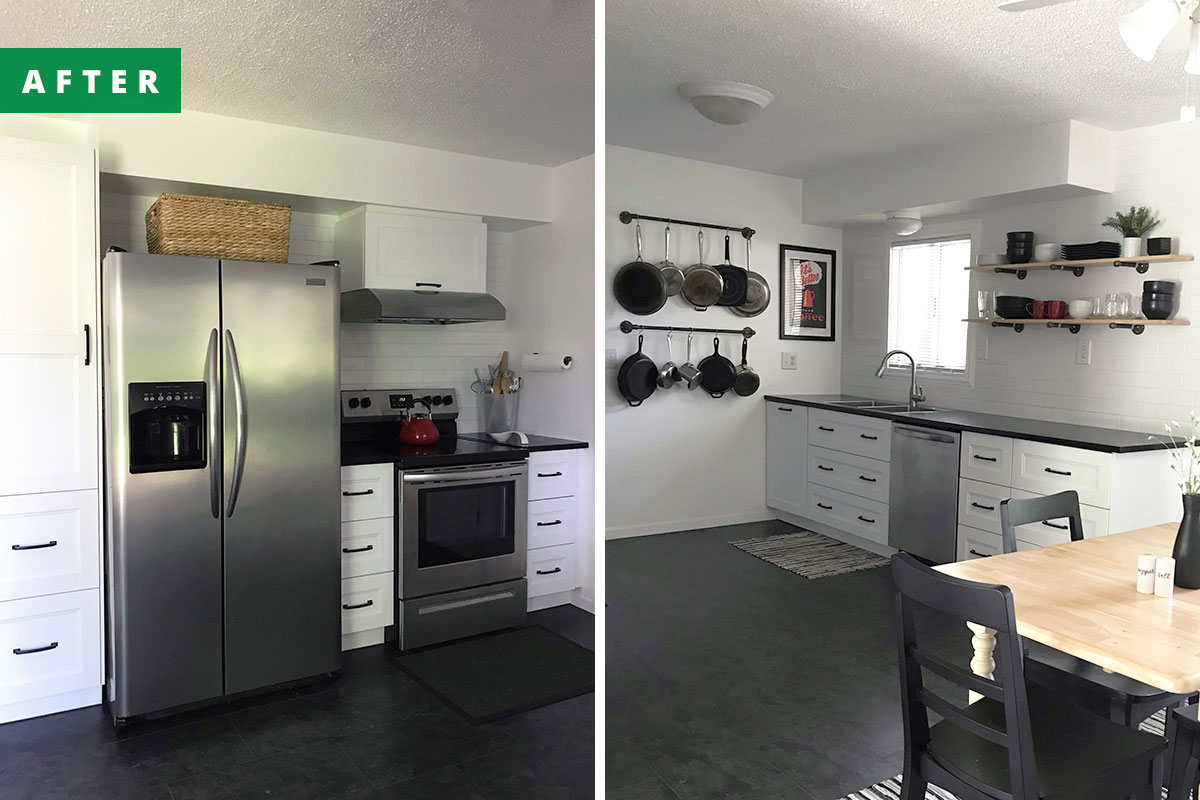
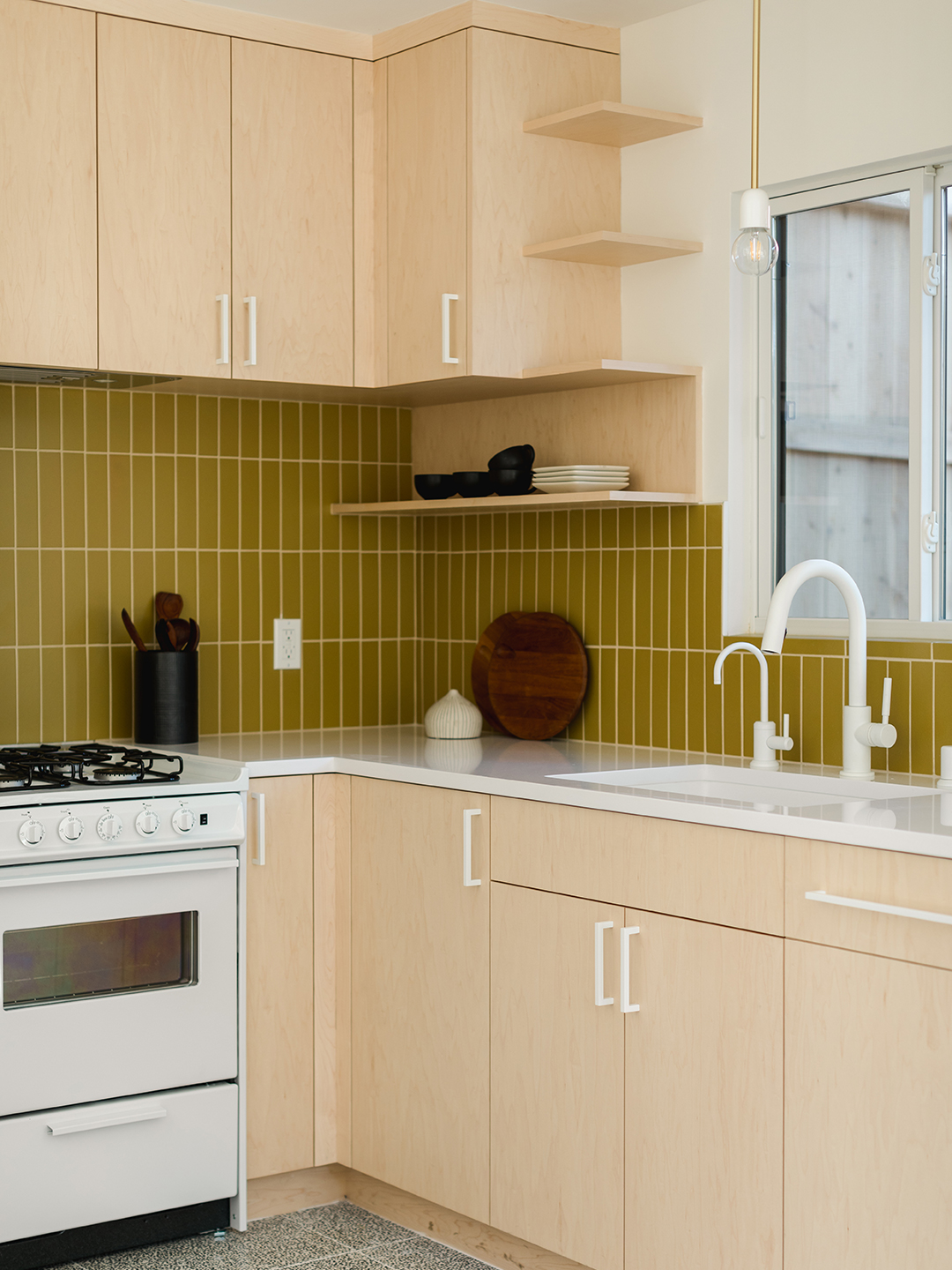
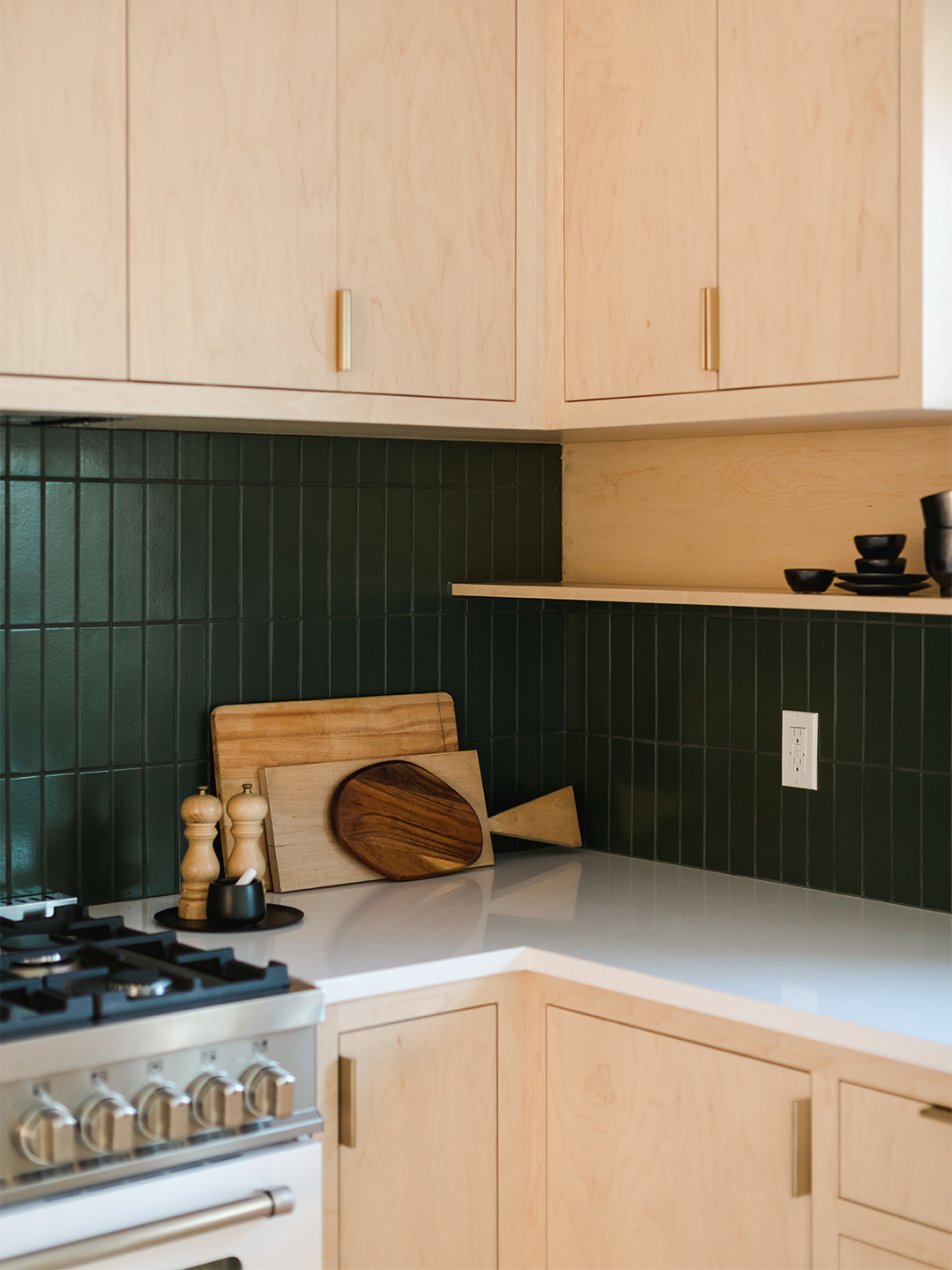
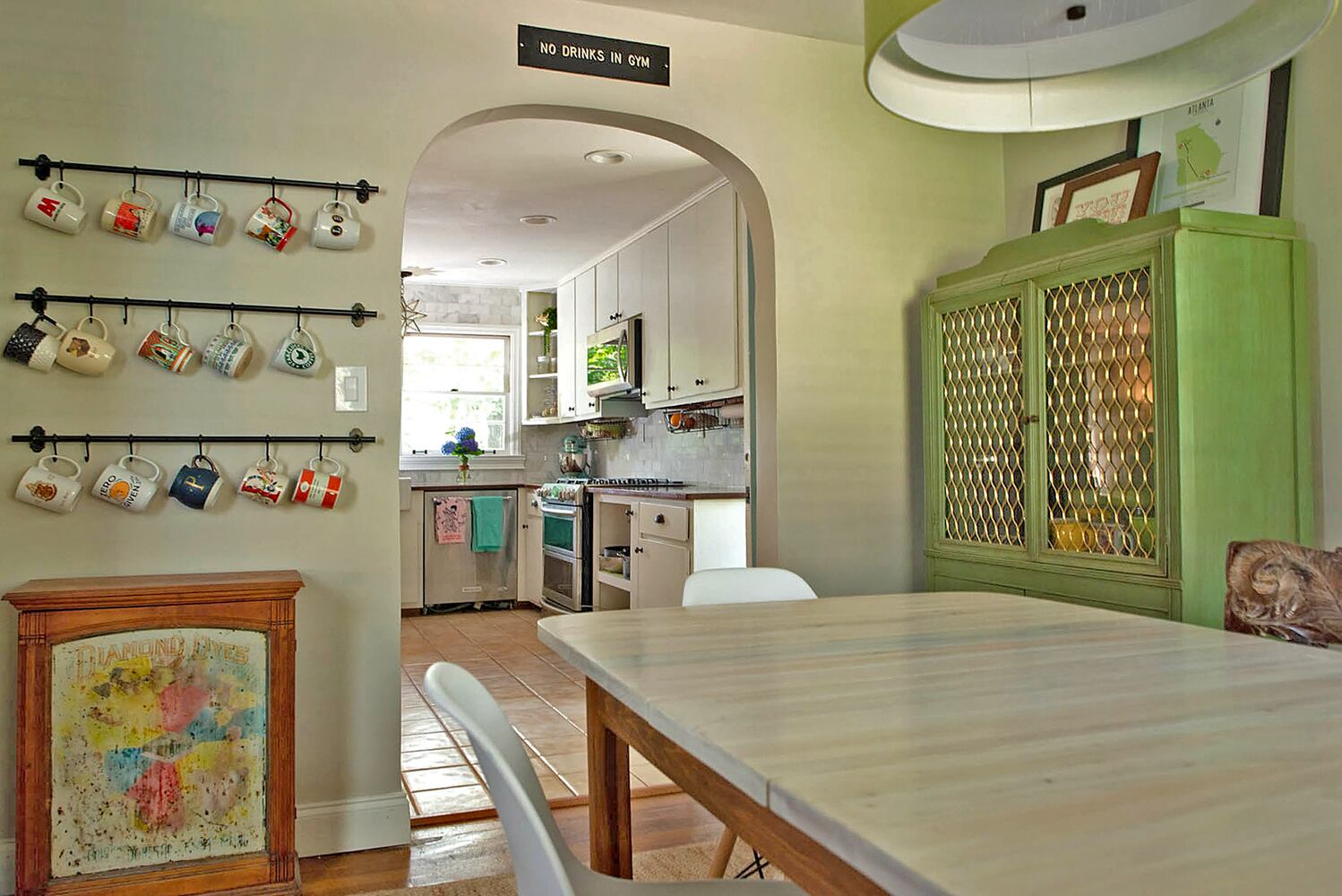
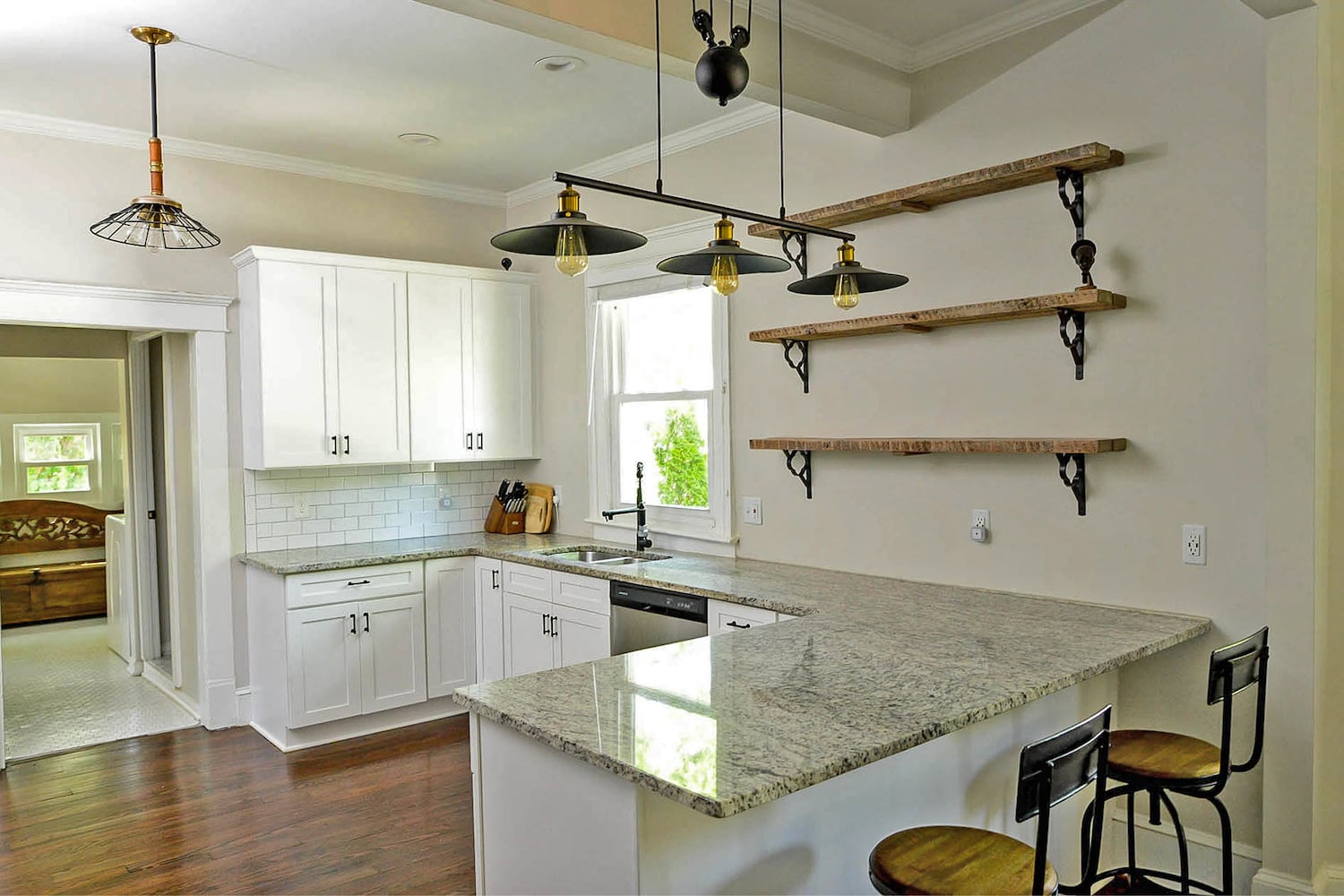
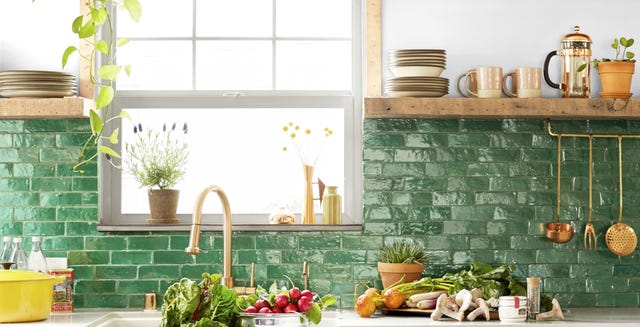
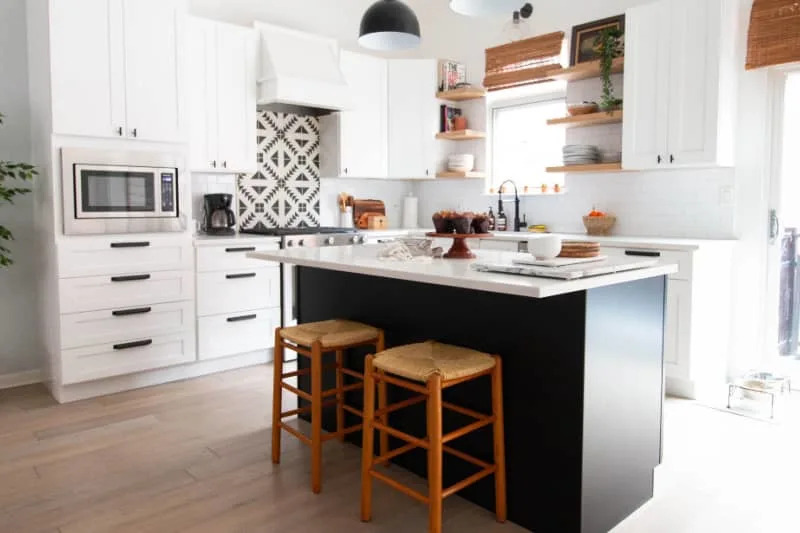
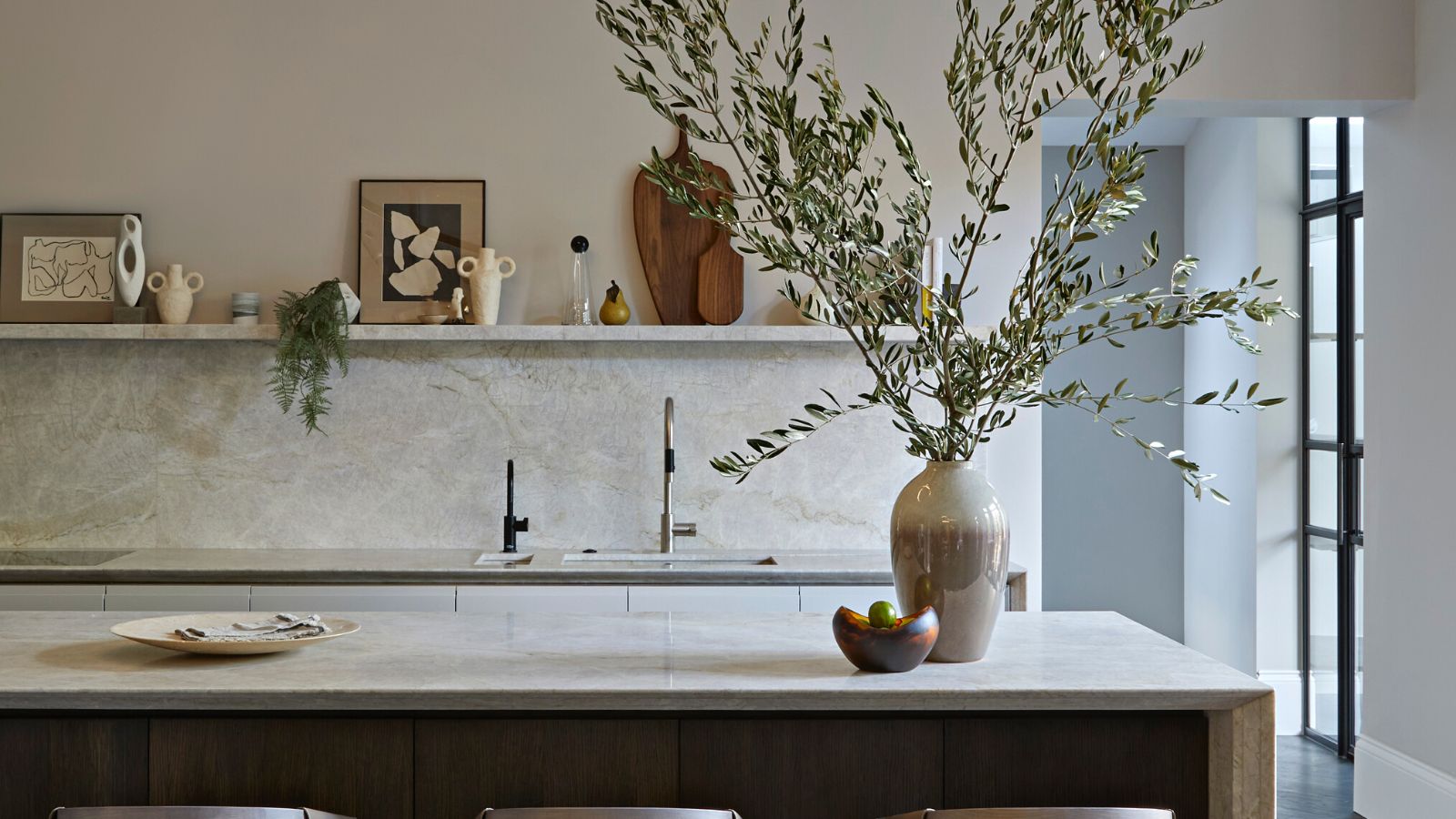
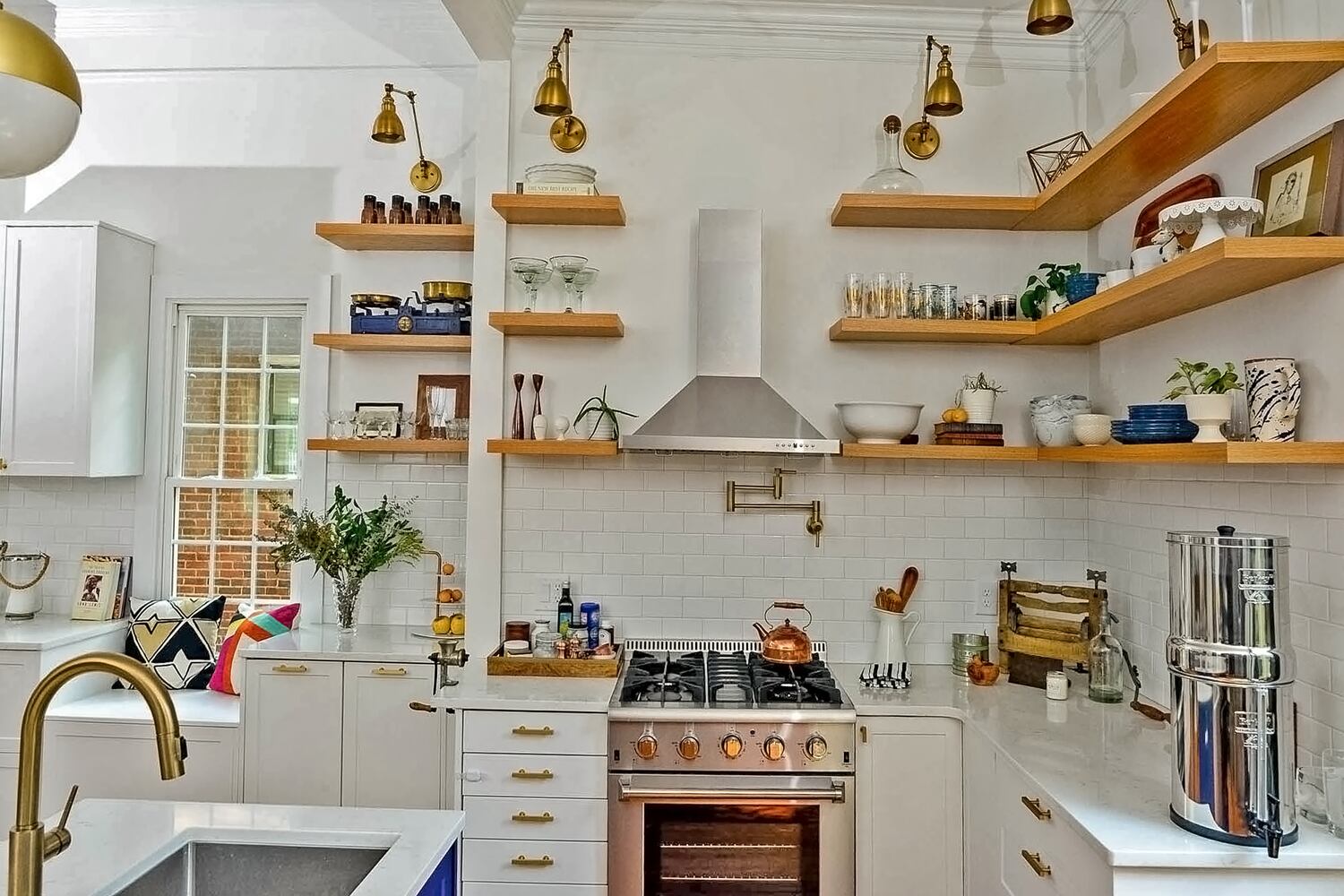
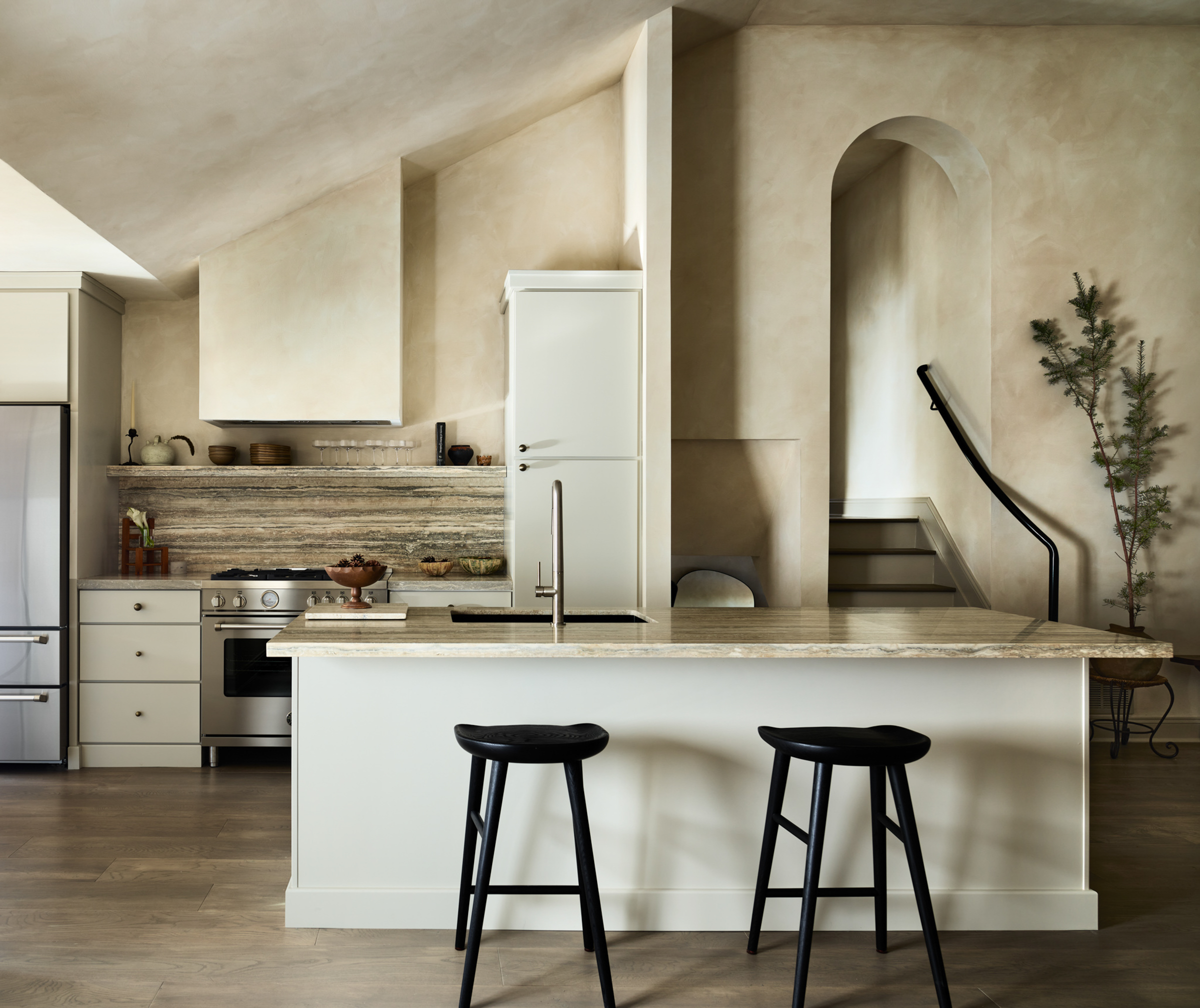
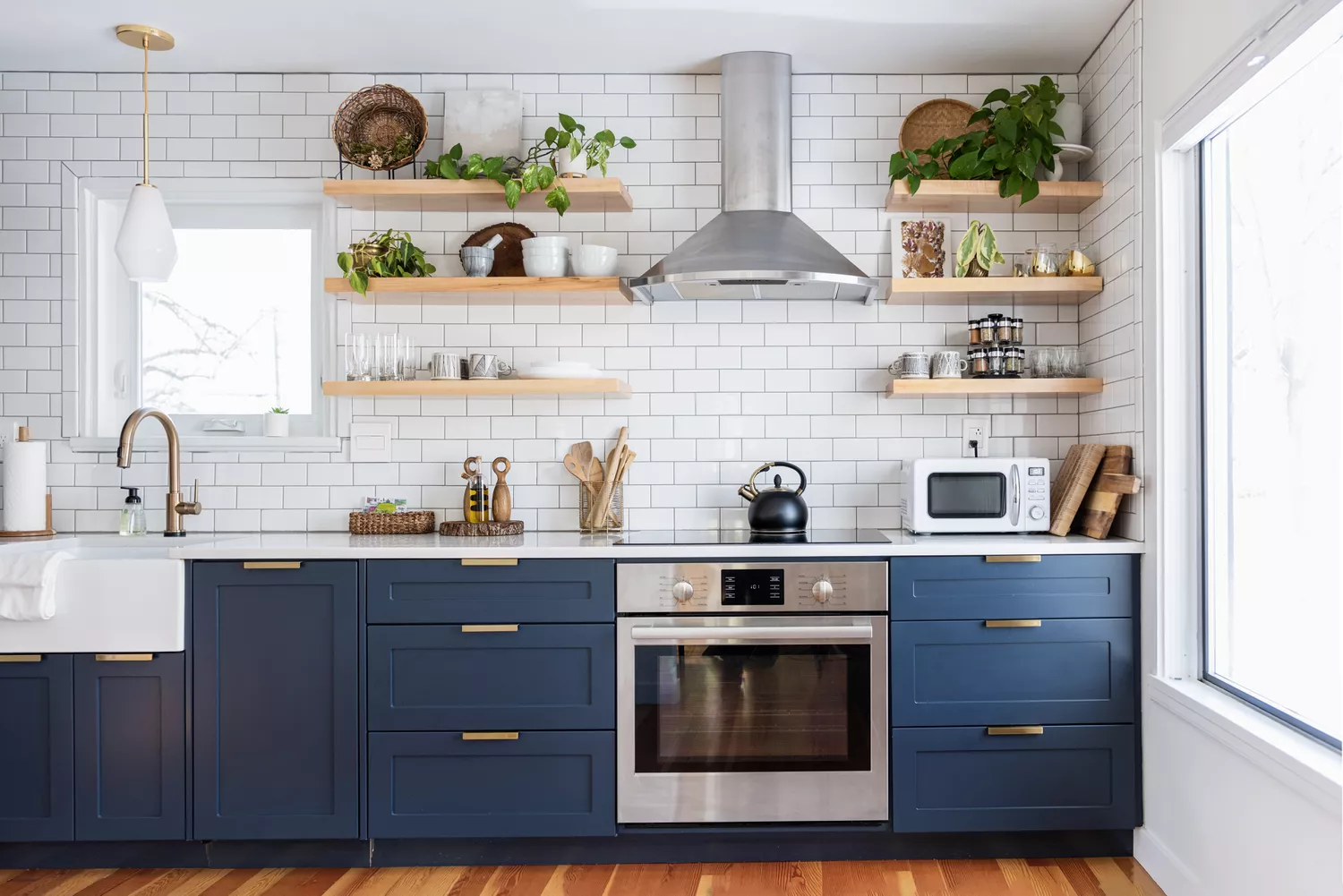
Open shelving has resurfaced as a significant kitchen design trend, offering both aesthetic appeal and practical benefits. Initially, all shelves were open, and while kitchen cabinets became prevalent in the 20th century, the open-shelf concept is regaining popularity. Clint Johnson, a principal at Newberry Architecture, notes that this trend, which started approximately ten years ago with the rise of reclaimed materials, introduces more colors and patterns into the kitchen, makes stored items more accessible, and breaks up the uniformity of traditional cabinets. However, open shelving requires careful consideration before implementation, as it is not suitable for every kitchen. The design looks best when kept clean and organized, demanding consistent upkeep to prevent clutter and dust accumulation. This means it might not be ideal for those who prefer to keep mismatched items out of sight. Moreover, a kitchen's layout plays a crucial role in determining the suitability of open shelves. Johnson suggests that open shelves are most effective when they can be viewed from a distance, making them a better fit for open-concept kitchens rather than smaller, tighter layouts where they might overwhelm the space.
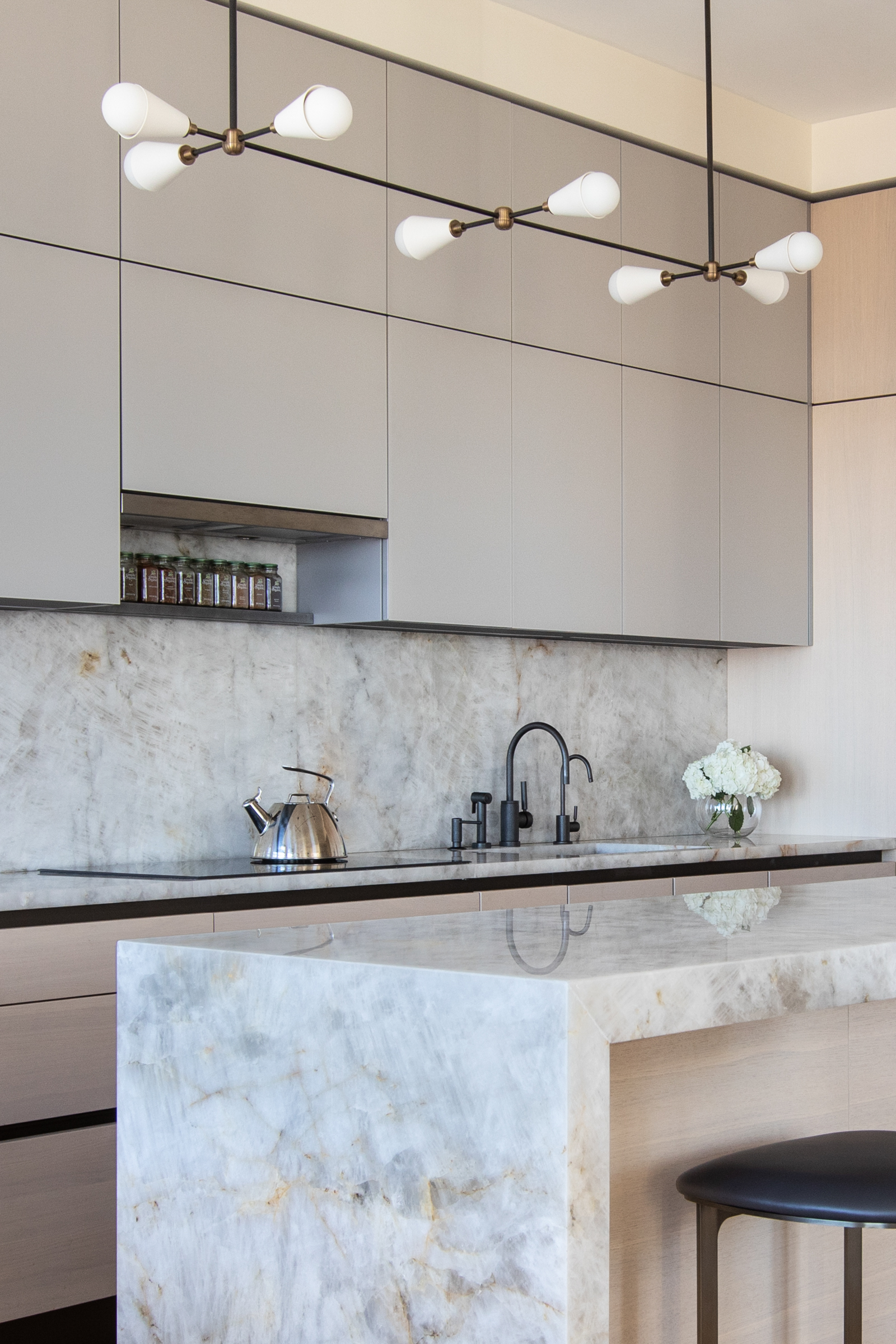
Beyond aesthetics, open shelving offers less storage capacity compared to conventional cabinets, a factor that needs careful evaluation, especially in kitchens with limited space. Maintenance is another key aspect; open shelves are prone to collecting dust, crumbs, and grease from cooking. Regular dusting—ideally every other week—and keeping items organized with sufficient space between them are essential for maintaining a tidy appearance. Despite these considerations, open shelving can be a cost-effective DIY project, with costs potentially as low as $60, depending on the chosen materials. To save money, Johnson advises using new materials instead of antiques and avoiding metal and glass for the shelving itself. Crucially, investing in robust anchors and attachments is paramount to ensure the shelves safely support their contents for an extended period, with concealed attachments being the preferred choice for a cleaner look.
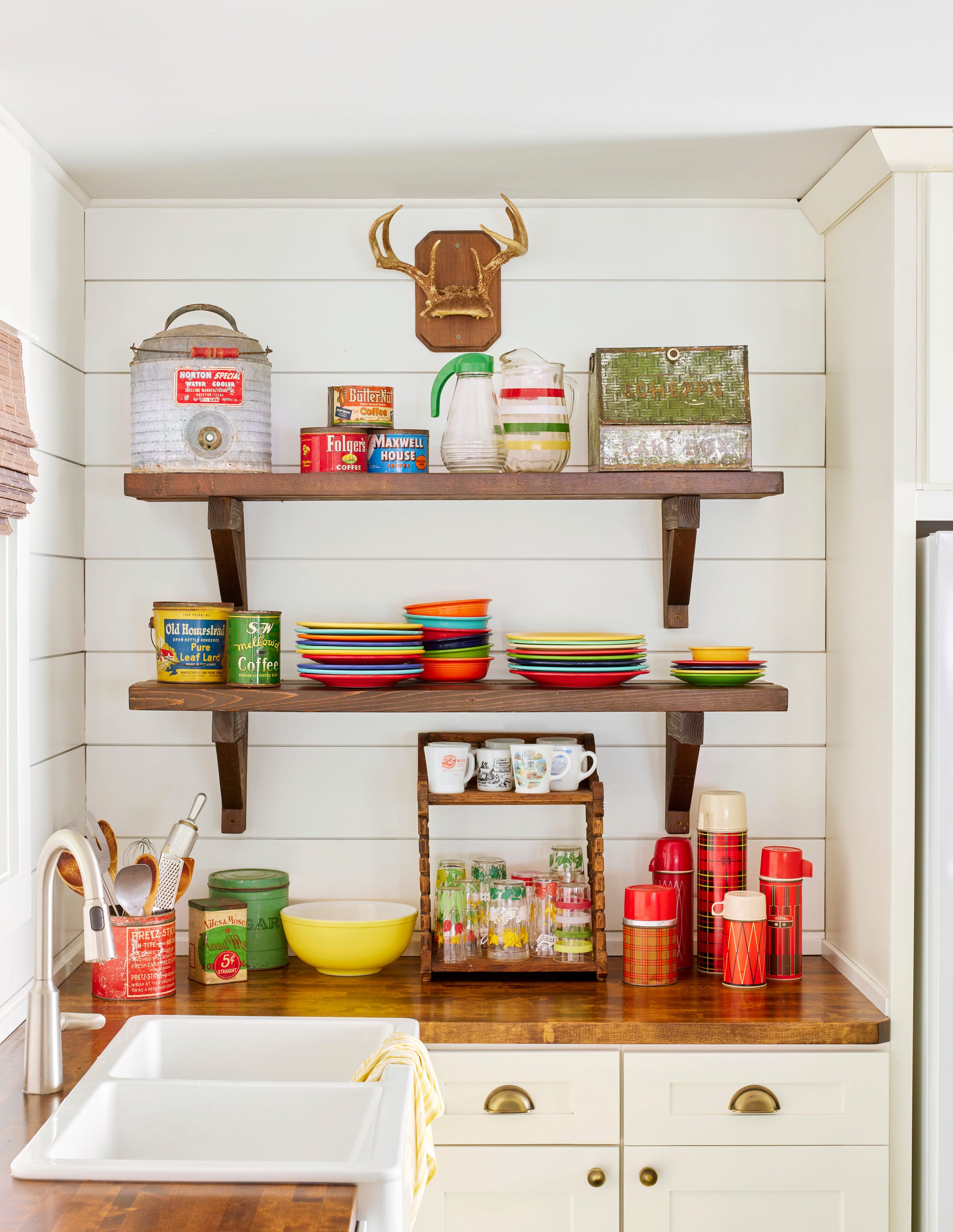
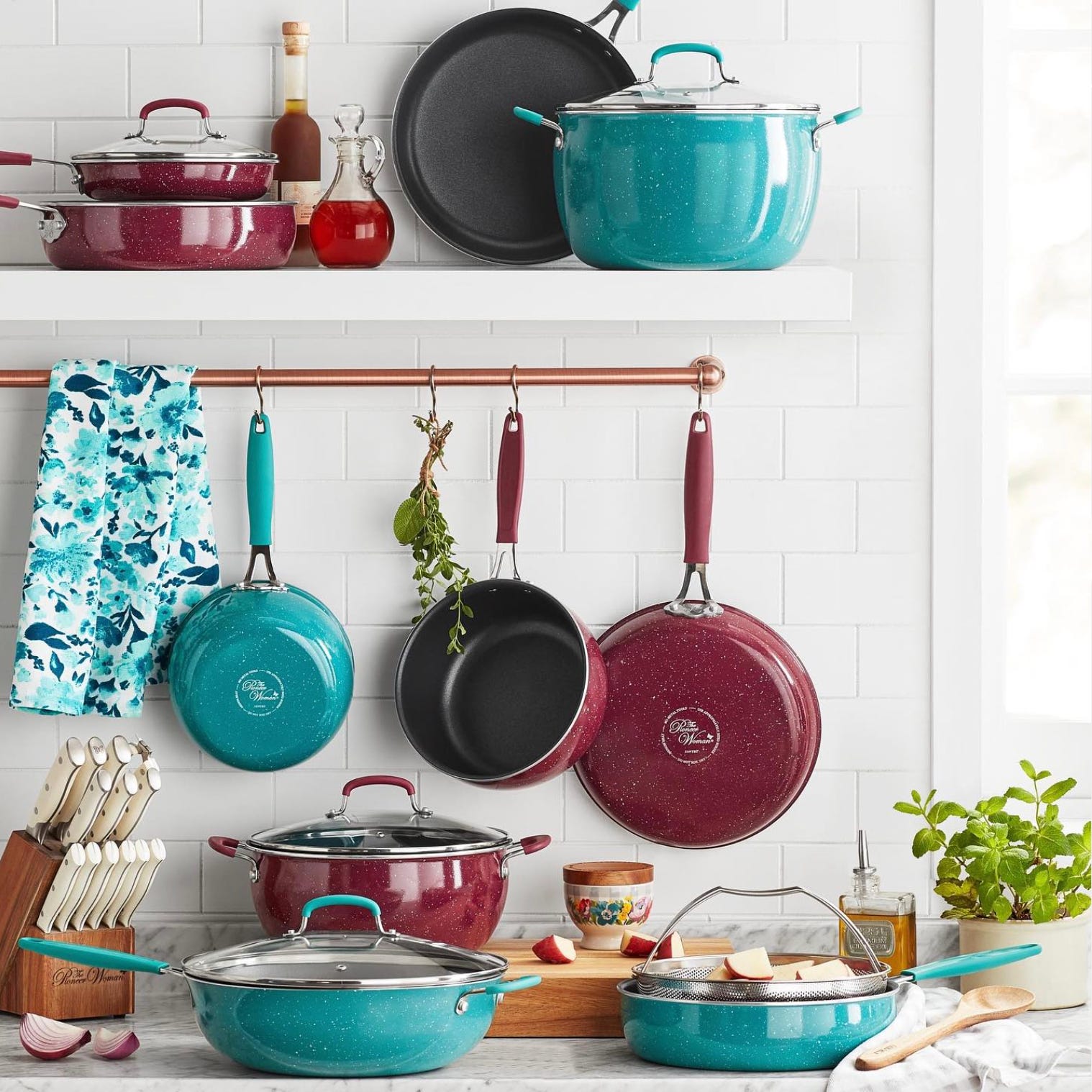
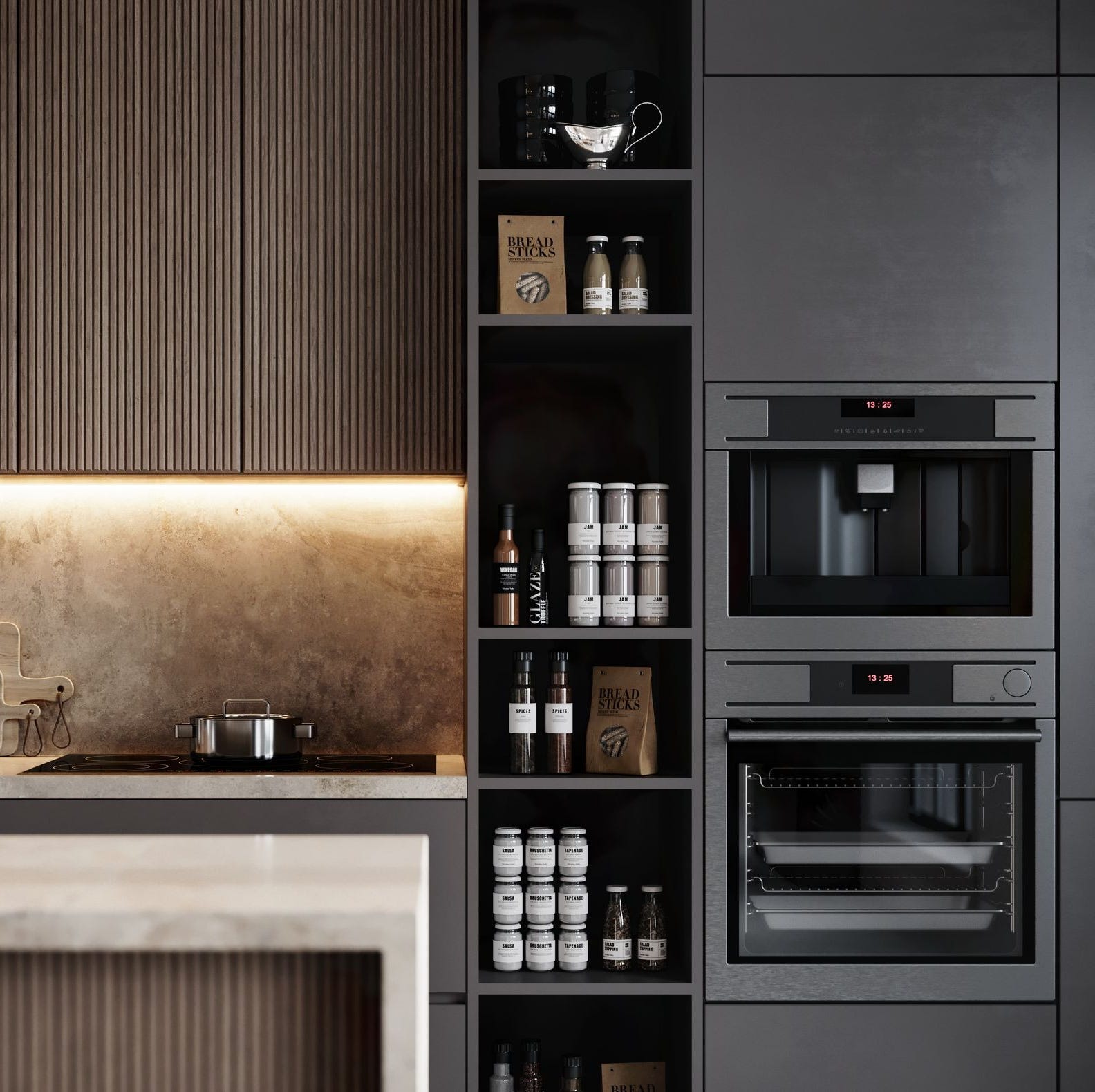
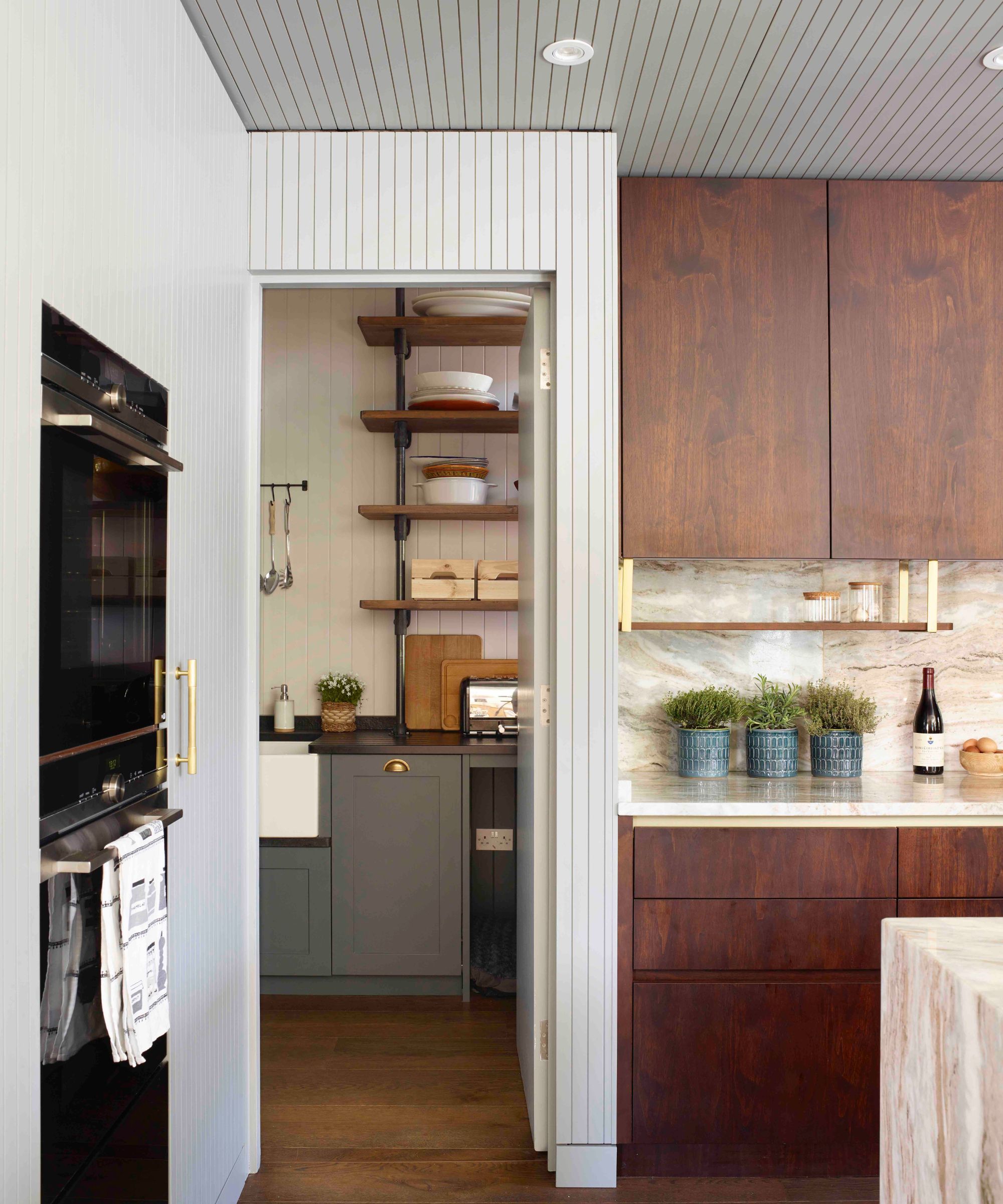
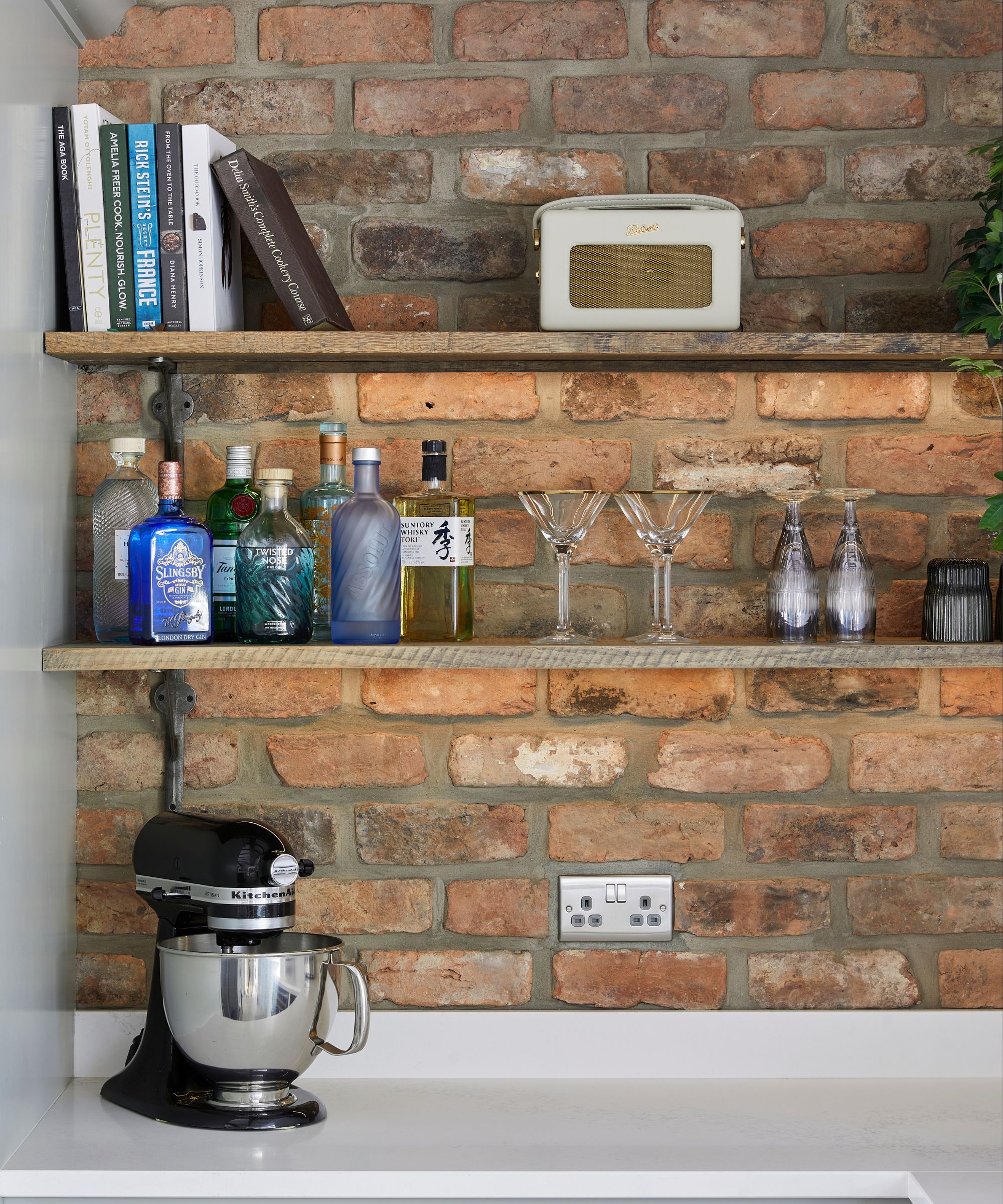
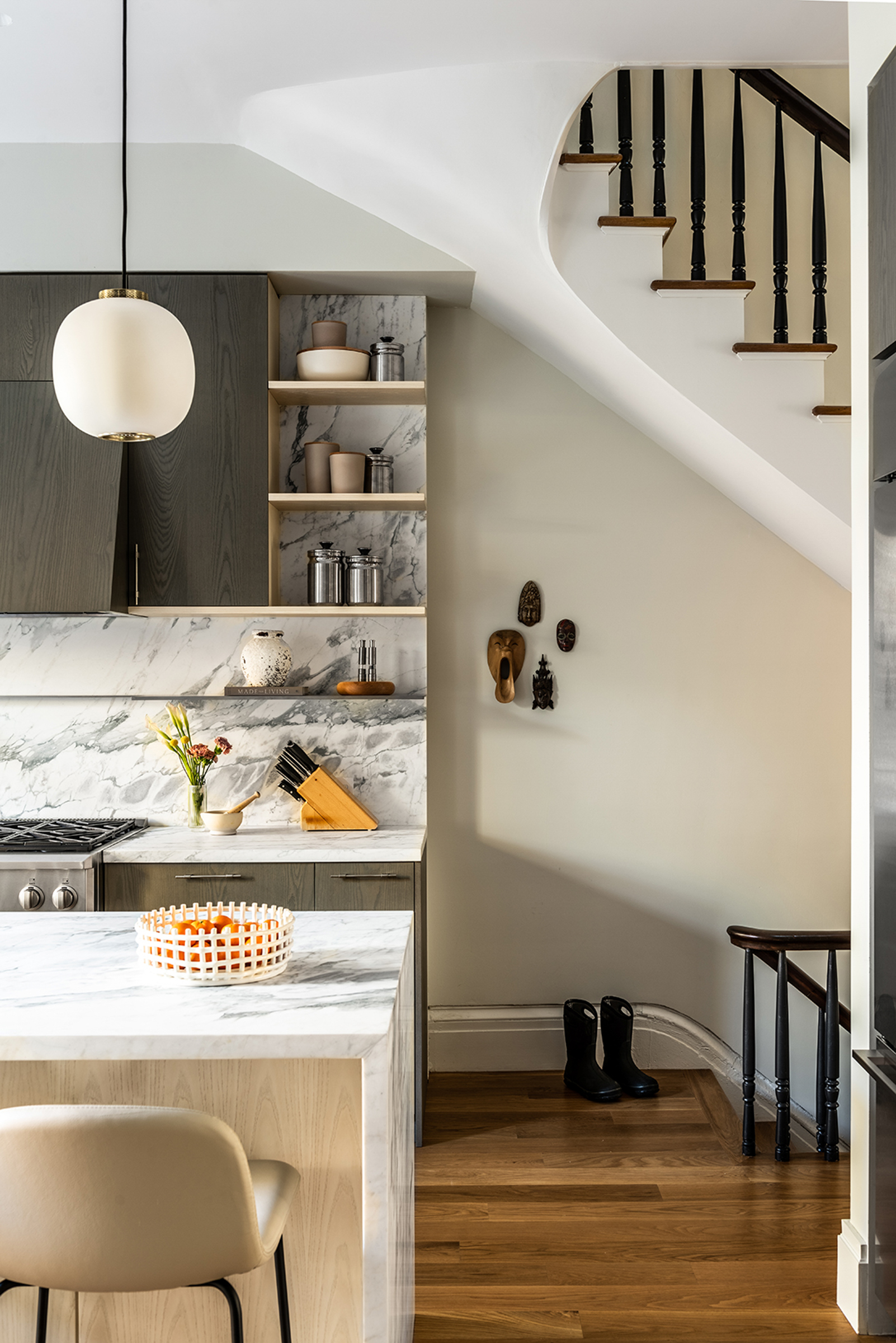
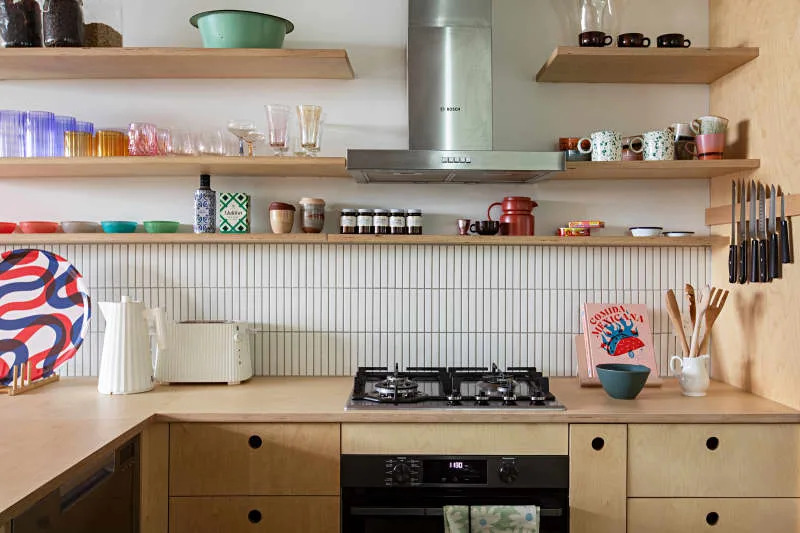
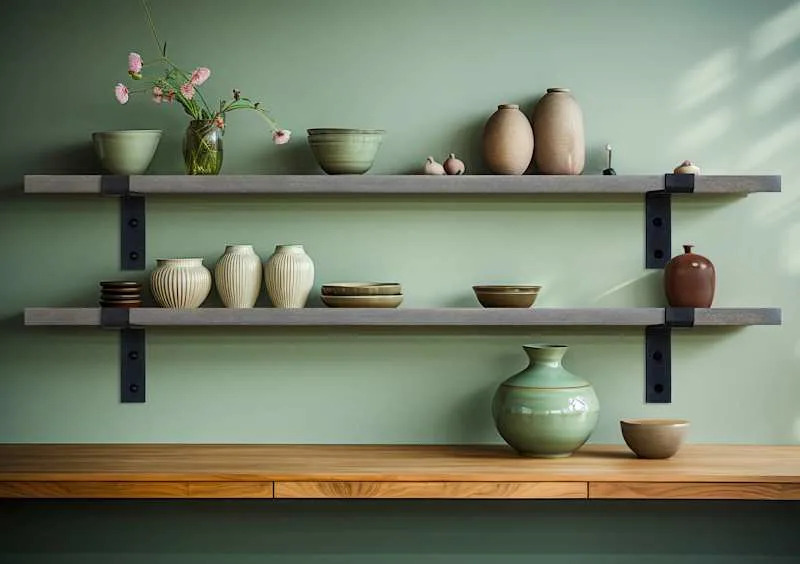
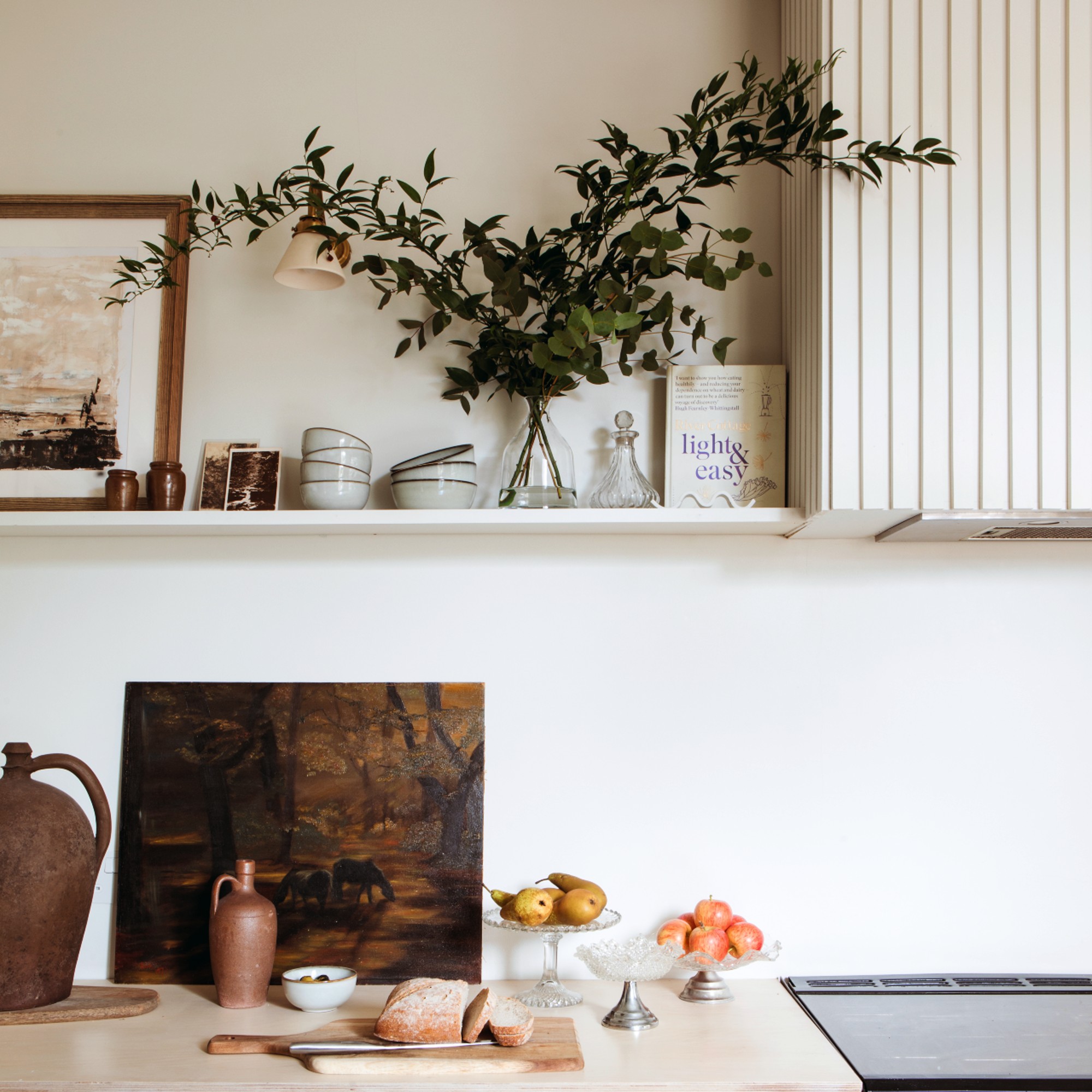
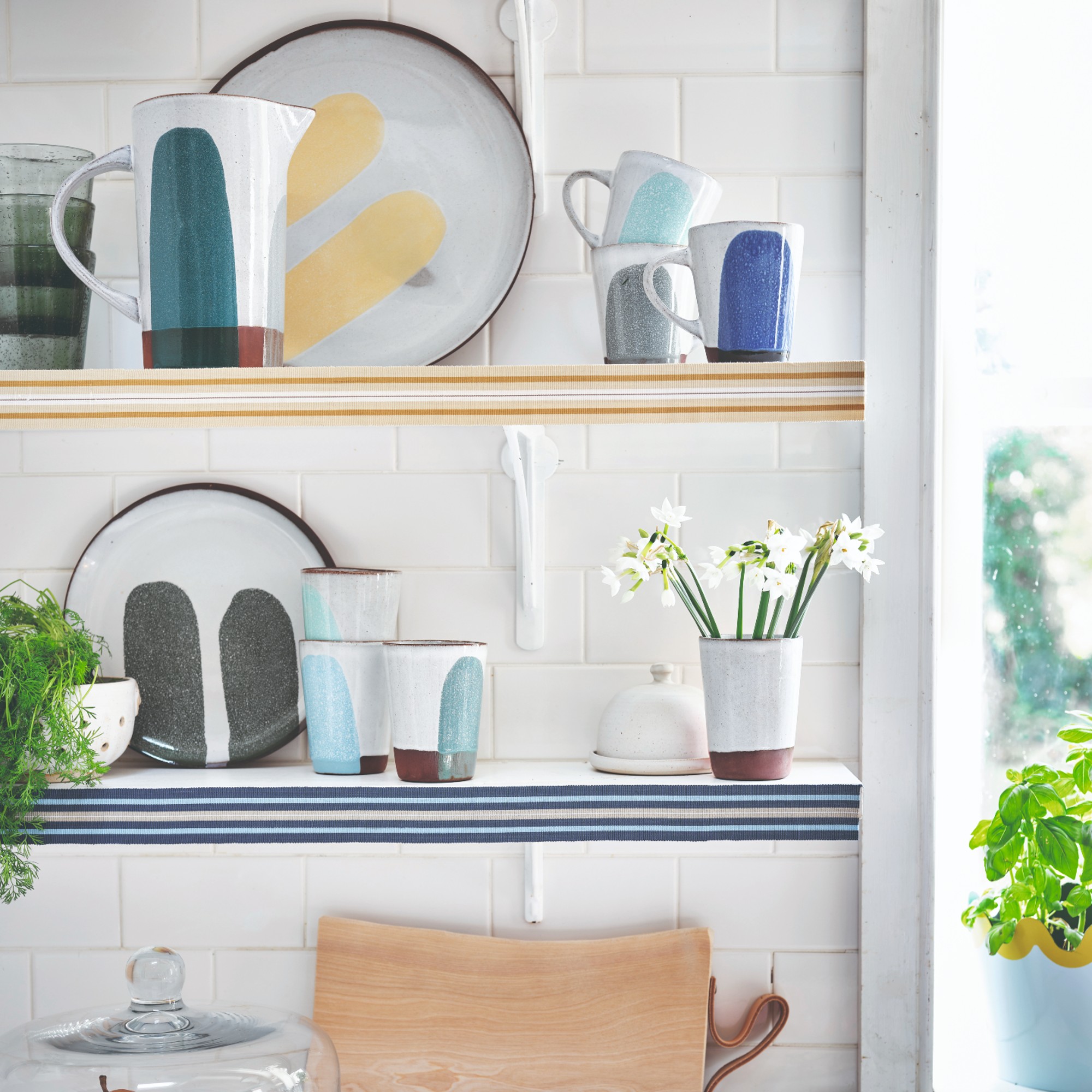
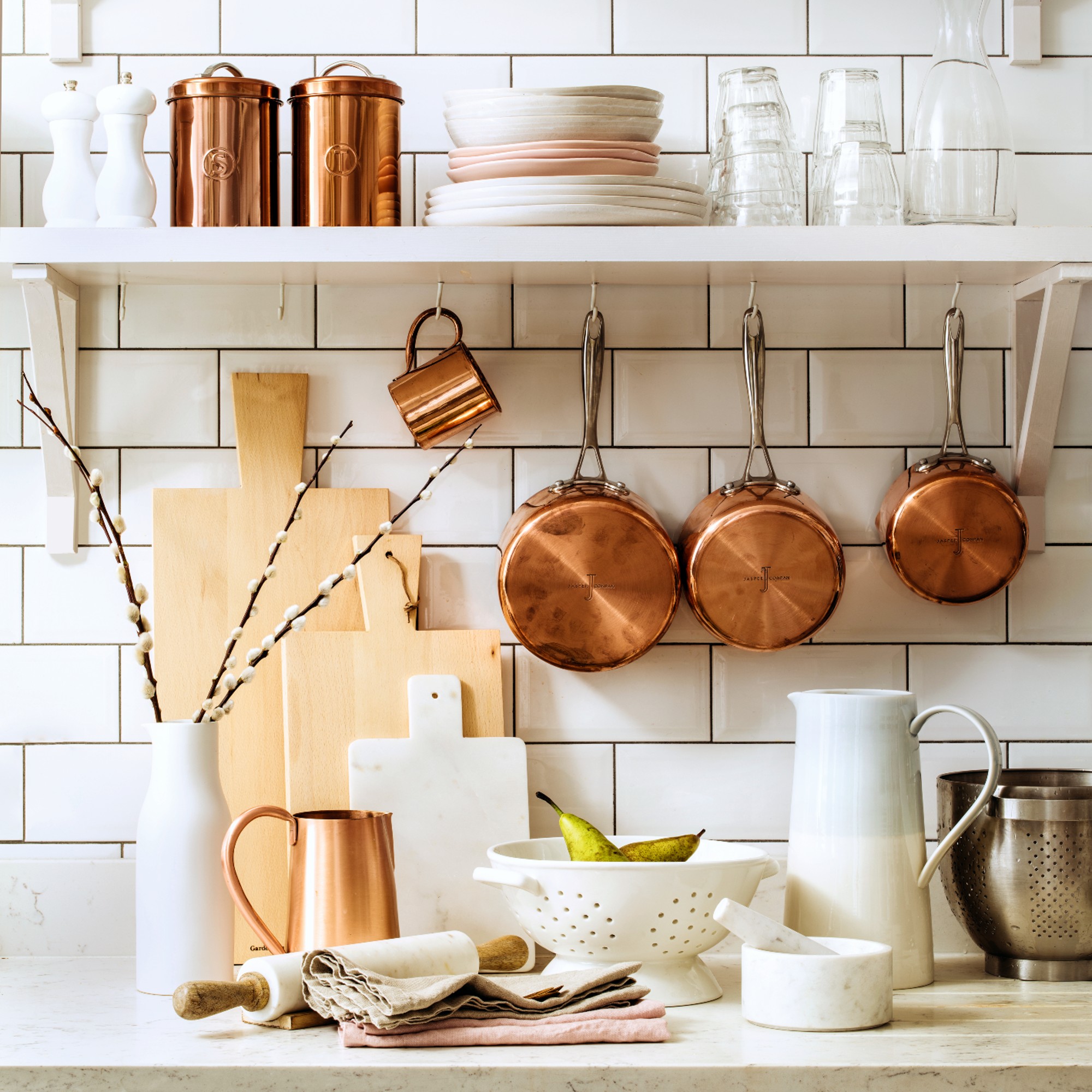
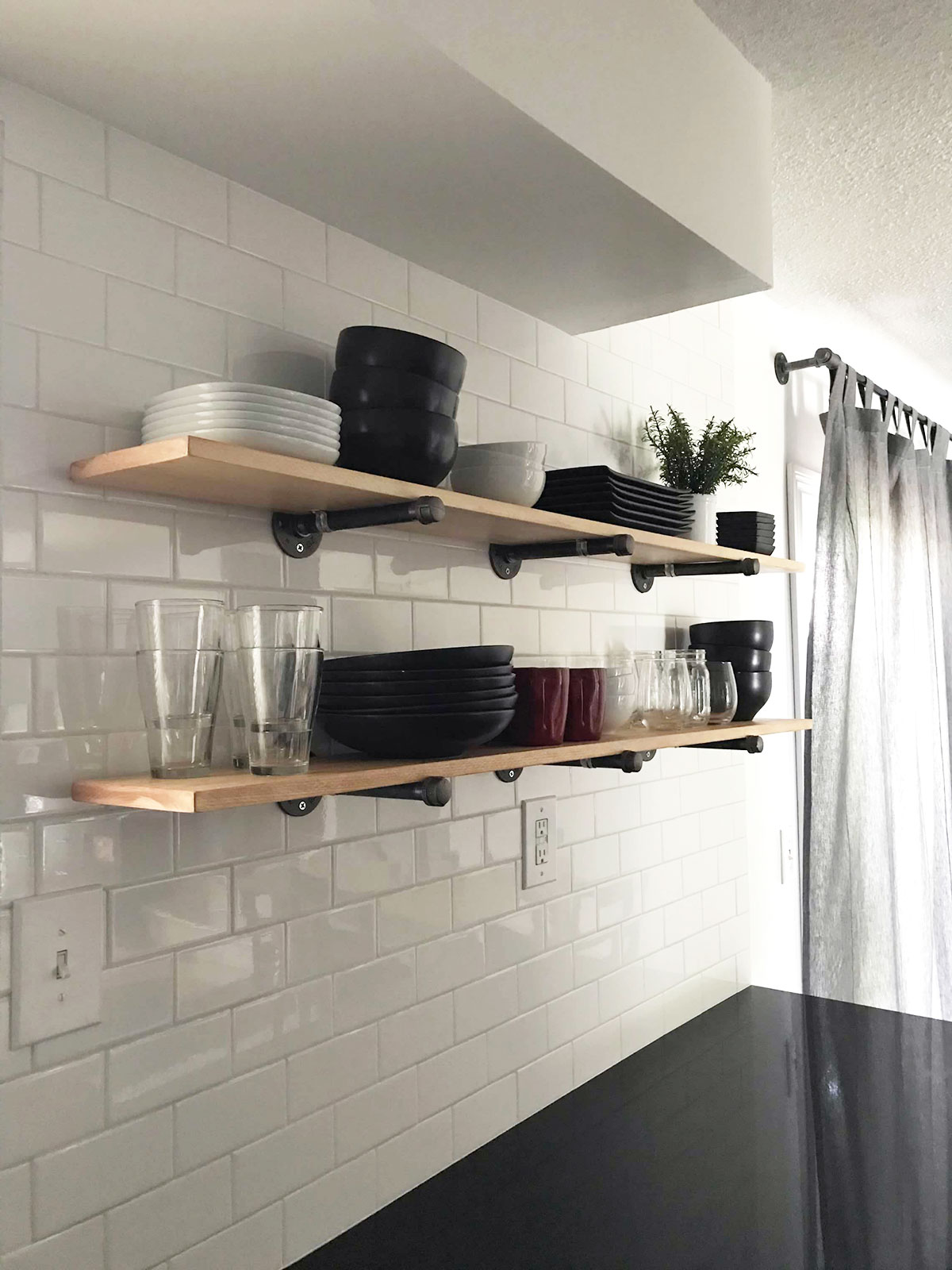
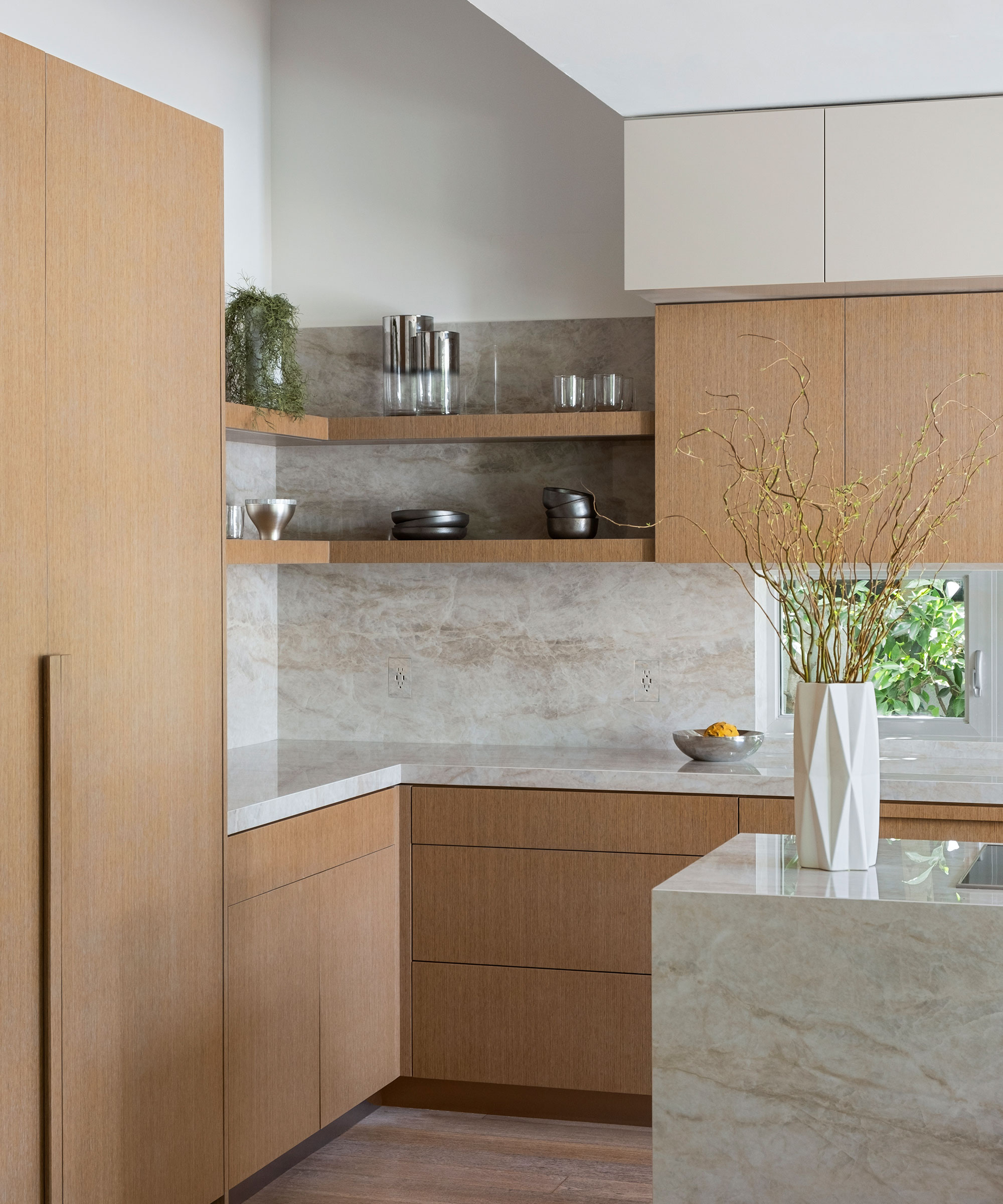
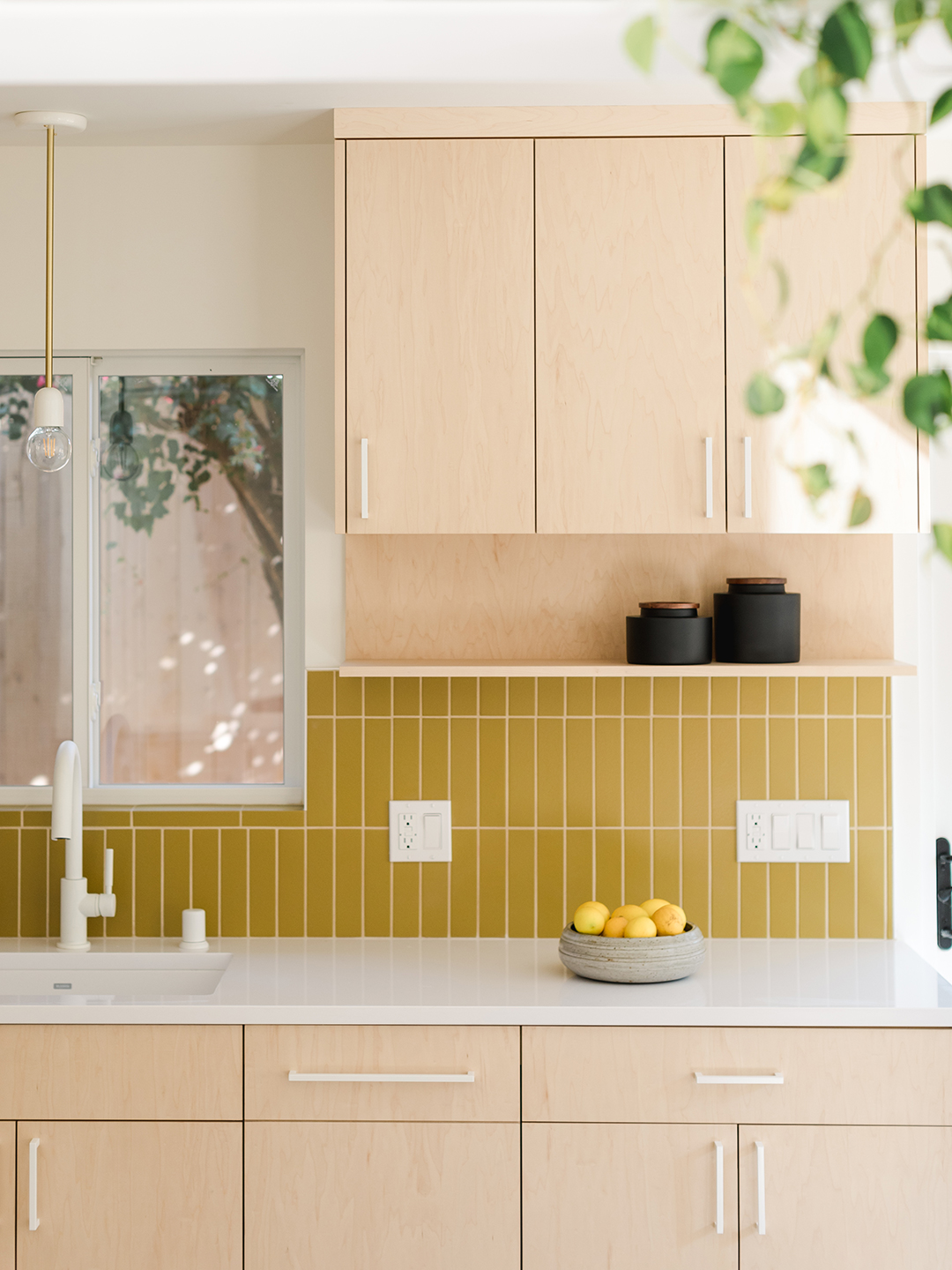
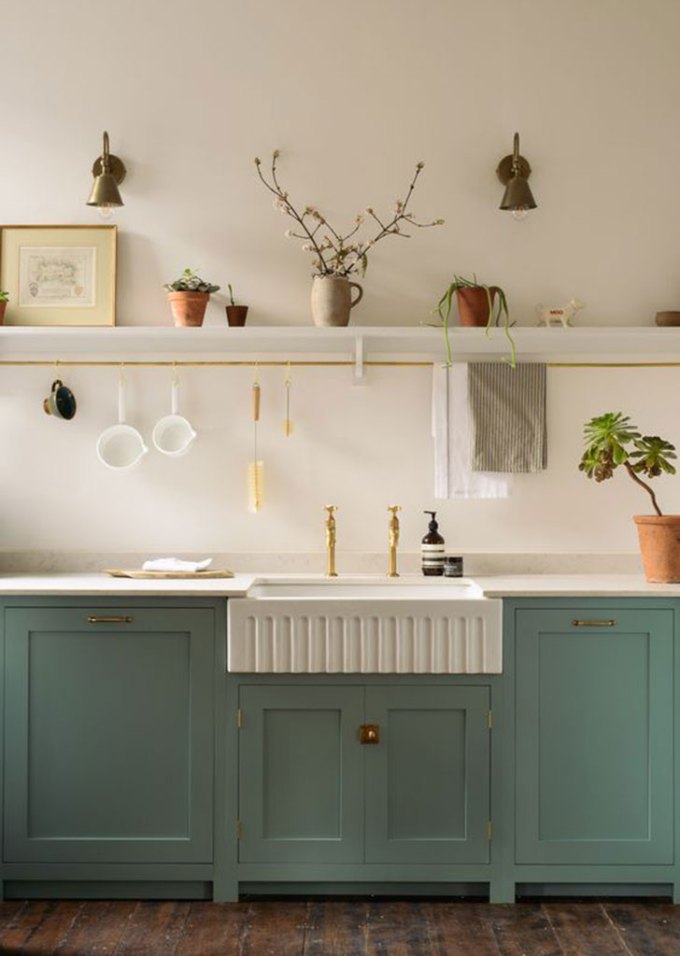
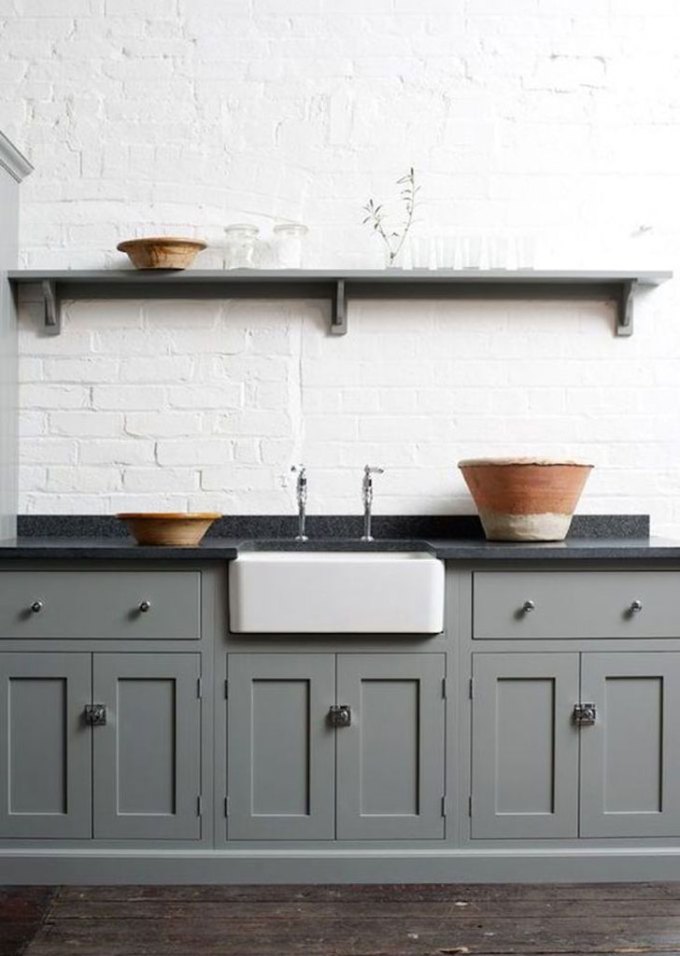
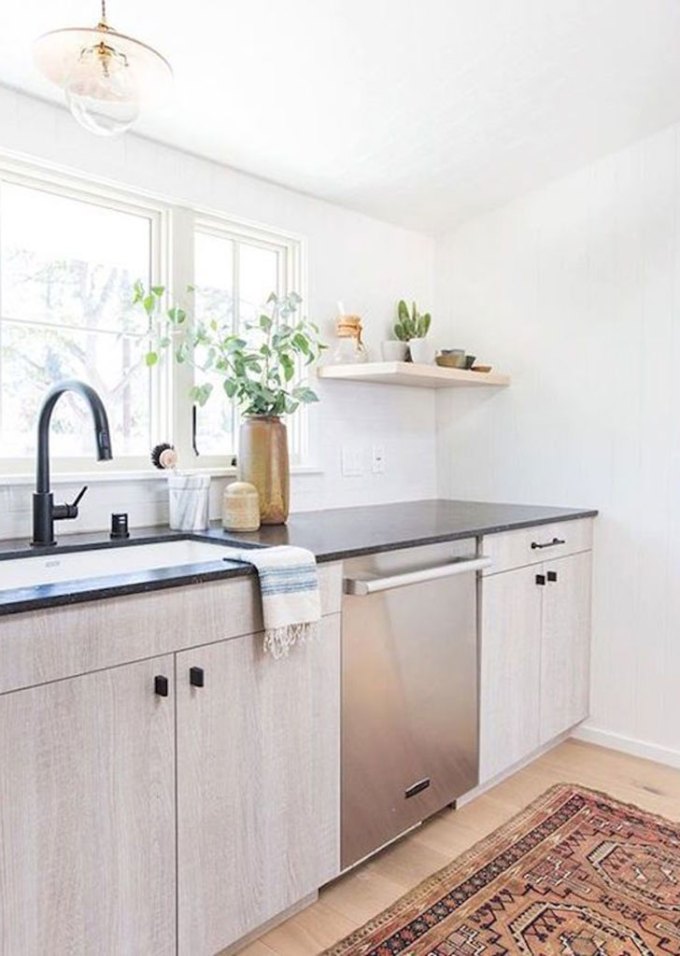
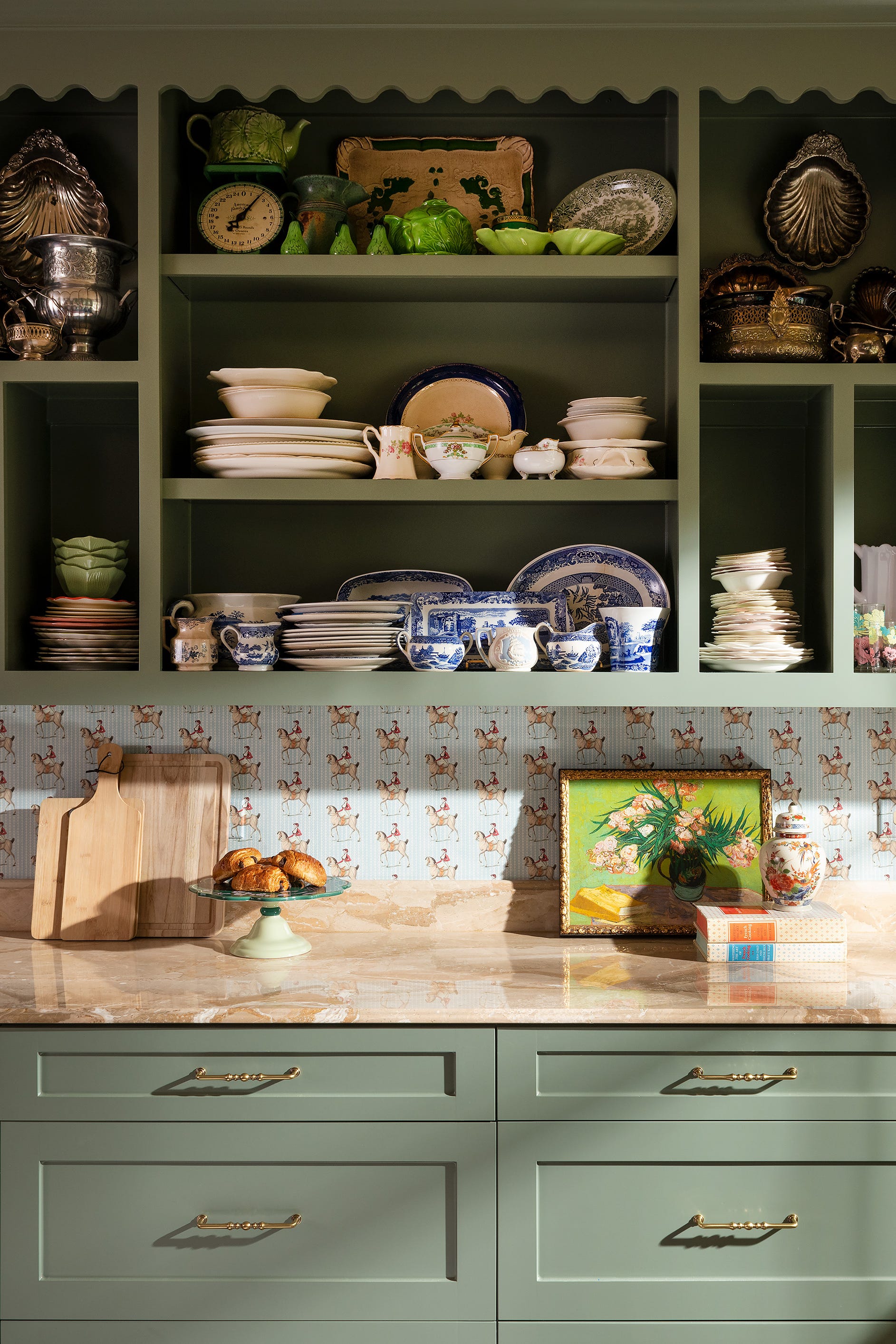
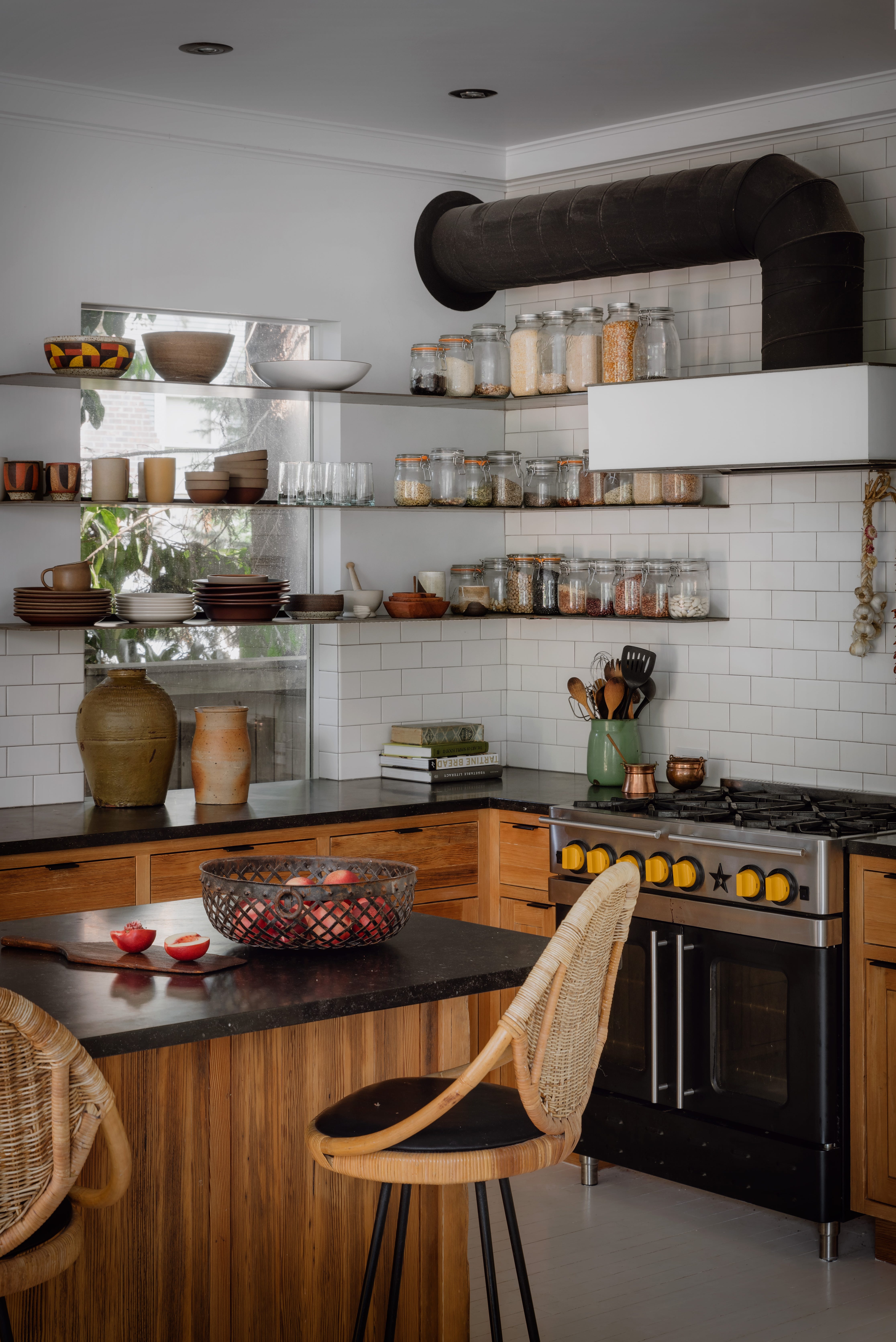
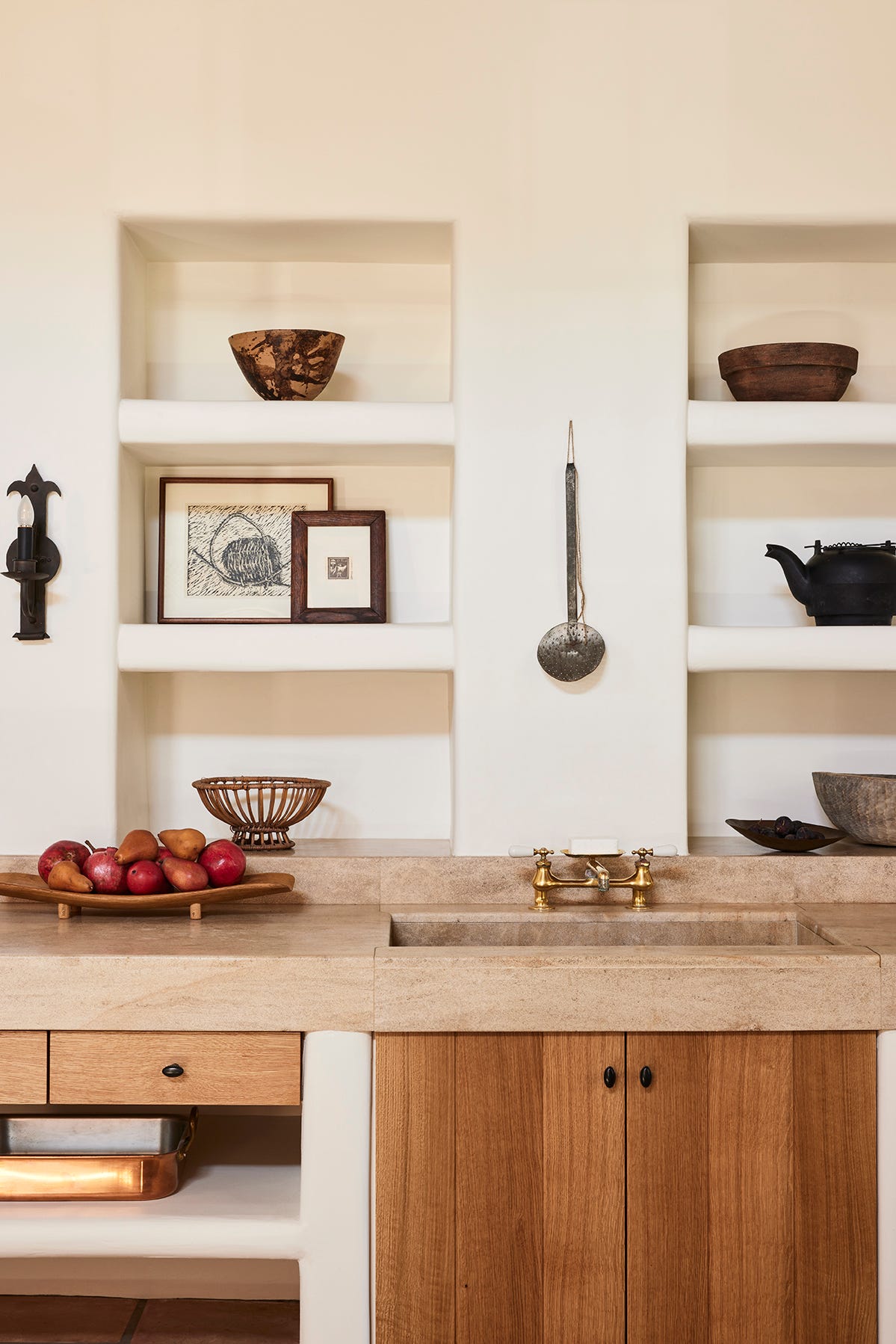
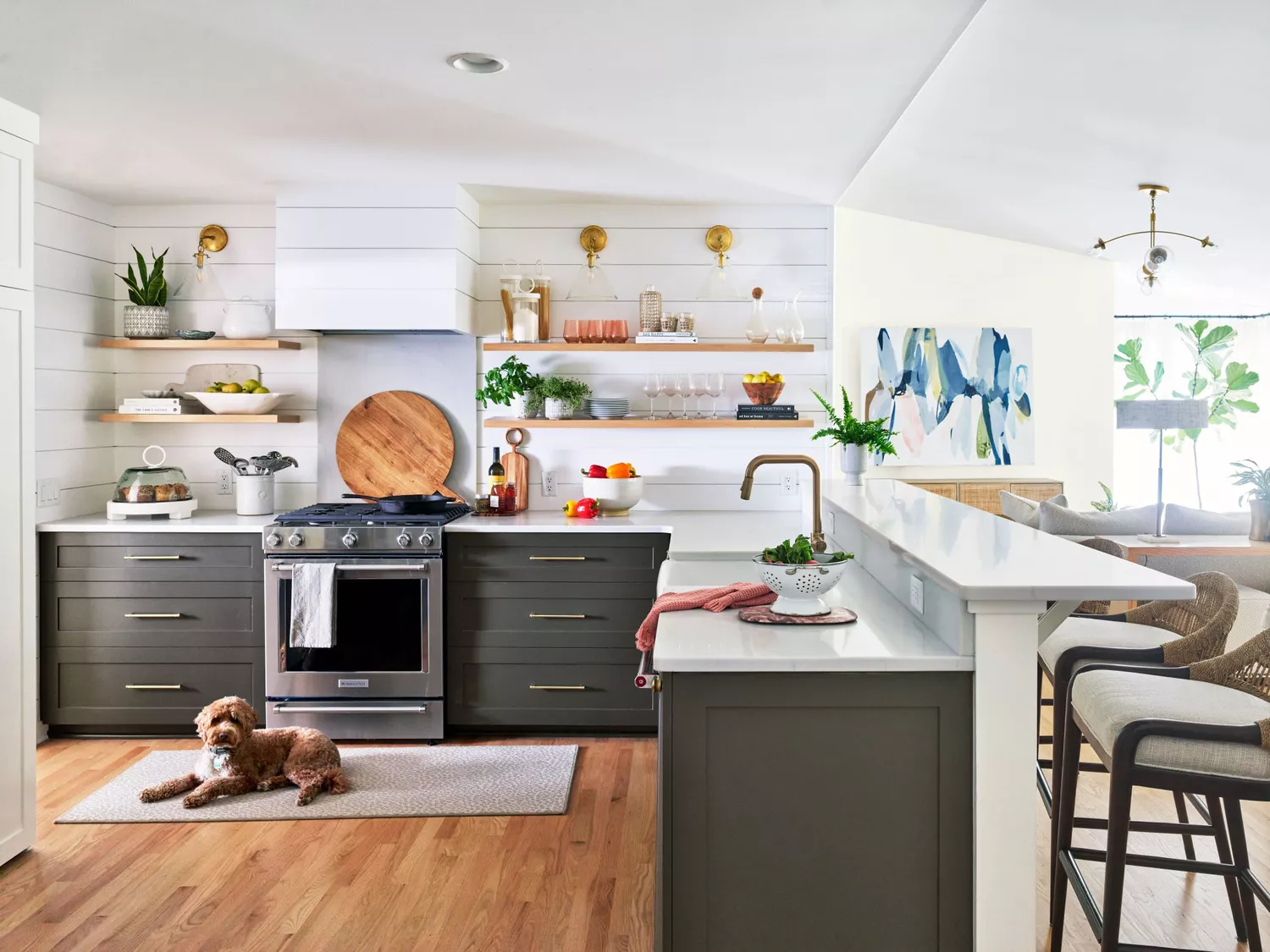
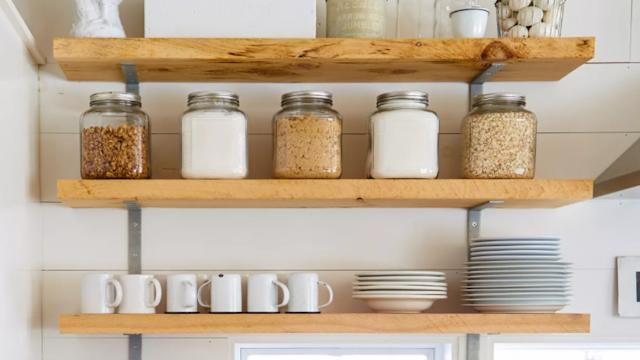
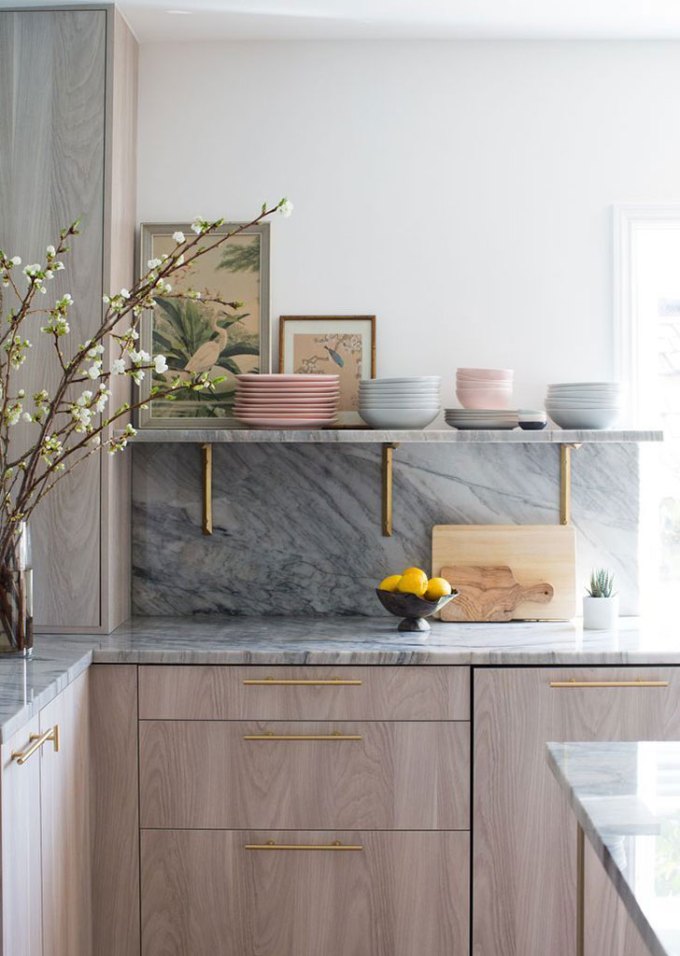
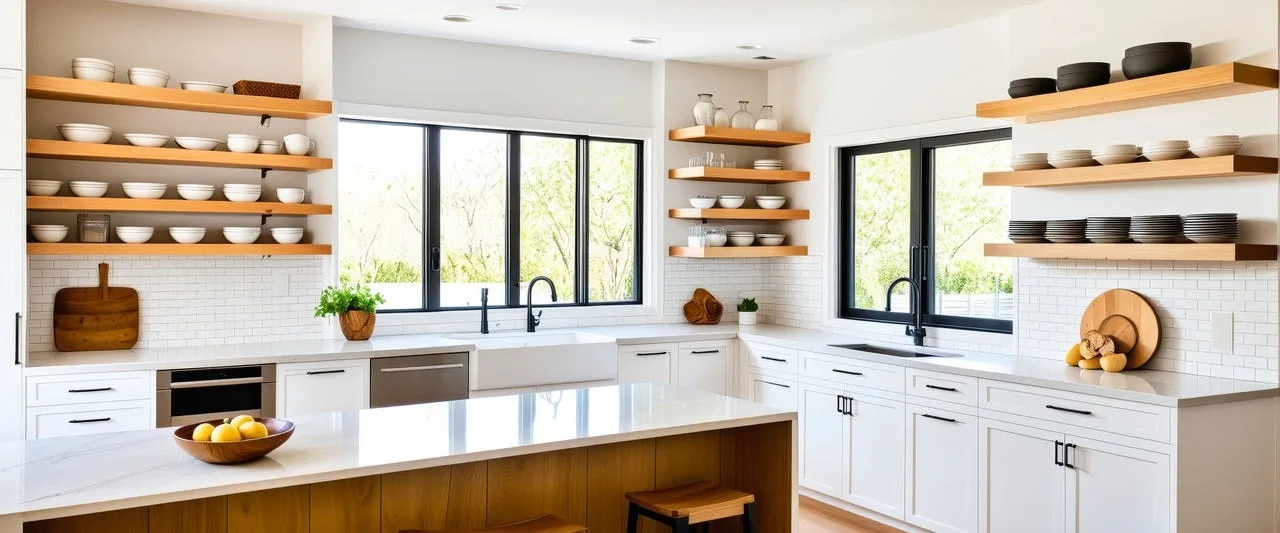
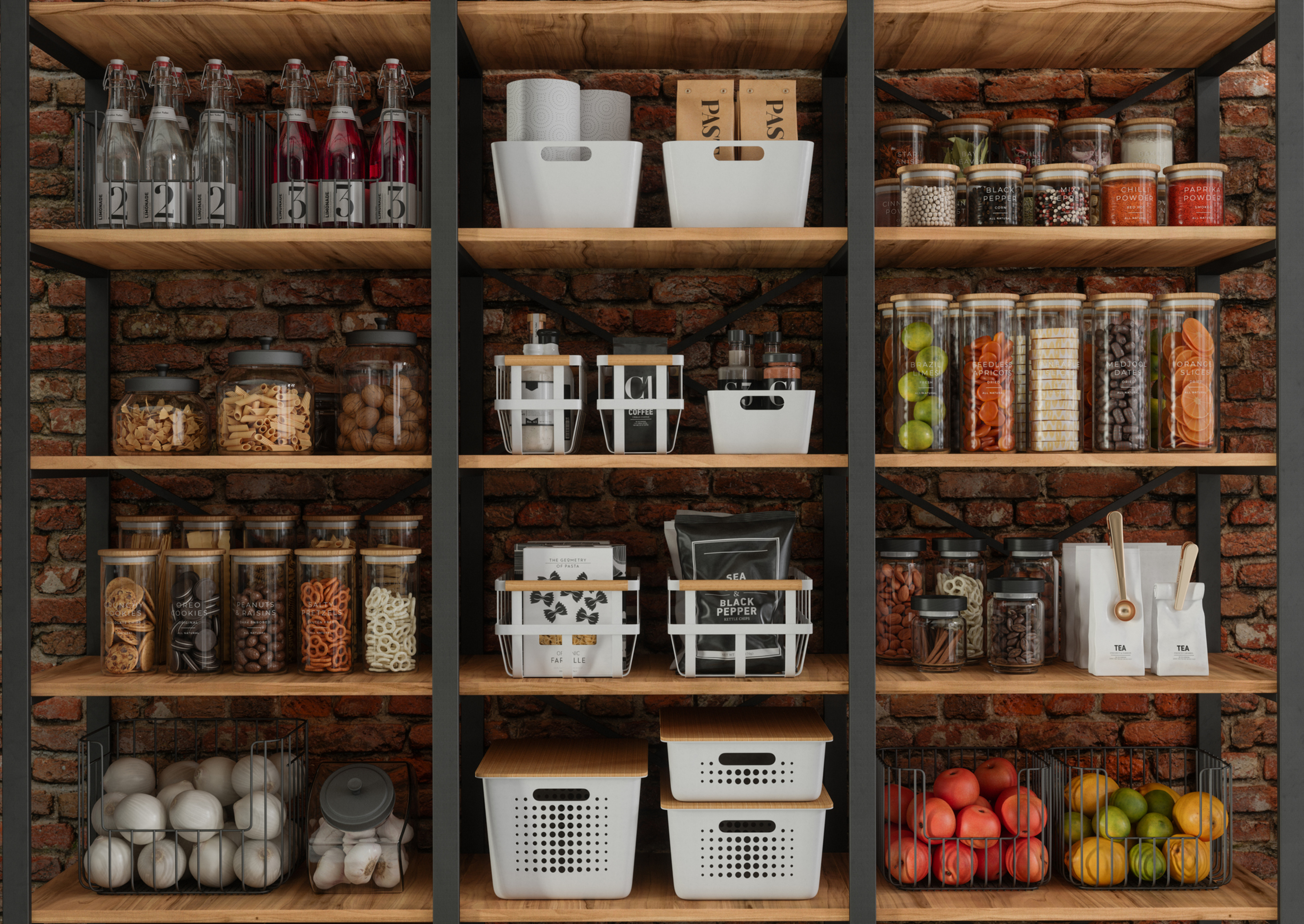
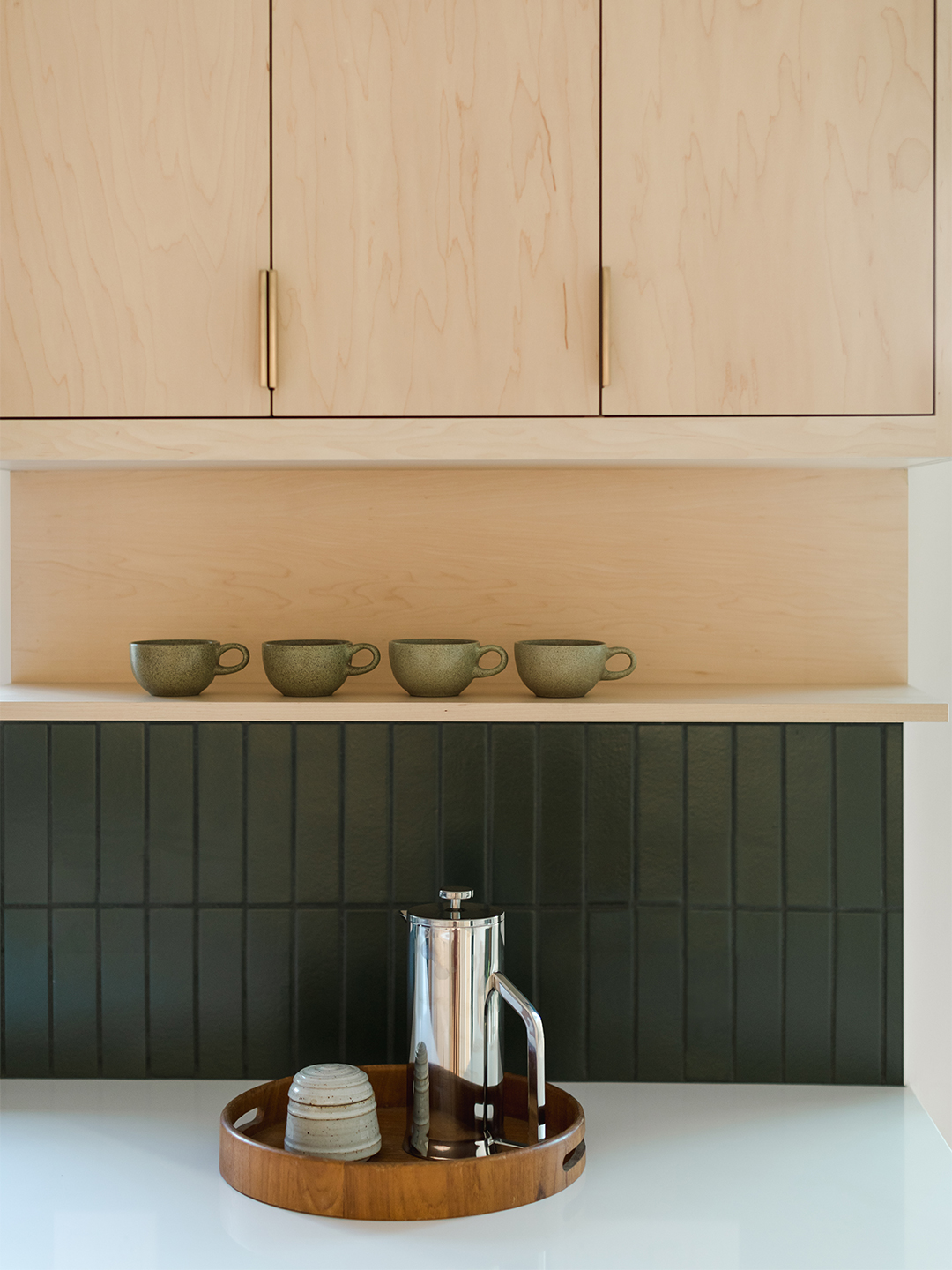
Once installed, styling open shelves allows for personalization and functionality. Everyday dishes, such as plates, bowls, glasses, and mugs, should be placed on lower shelves for easy access. Arranging them by color or matching sets can create a cohesive display, or they can be switched out seasonally for variety. Attractive canisters filled with pantry staples like pasta, flour, or spices can serve both decorative and practical purposes. Cookbooks are ideally stored on open shelves for convenient access, and if the collection is extensive, it can be interspersed with other items like dessert plates or cookware. Baskets or metal tins can conceal less aesthetically pleasing but frequently used items, maintaining a neat appearance while offering easy retrieval. Curating collections of antiques or favorite kitchenware on the top shelf can add visual interest, alongside artwork, pottery, glass vases, and decorative platters or cake stands. Plants, which thrive in natural light, can also enhance the visual appeal of open shelves, breaking up the monotony of dishes. Displaying prized cookware, such as a cast-iron pan or a Dutch oven, can add character. For shelves in a nook, creating a coffee or breakfast bar with mugs, coffee, cereals, bowls, and plates, along with appliances like a coffee machine, can provide a functional and inviting area for family and guests.
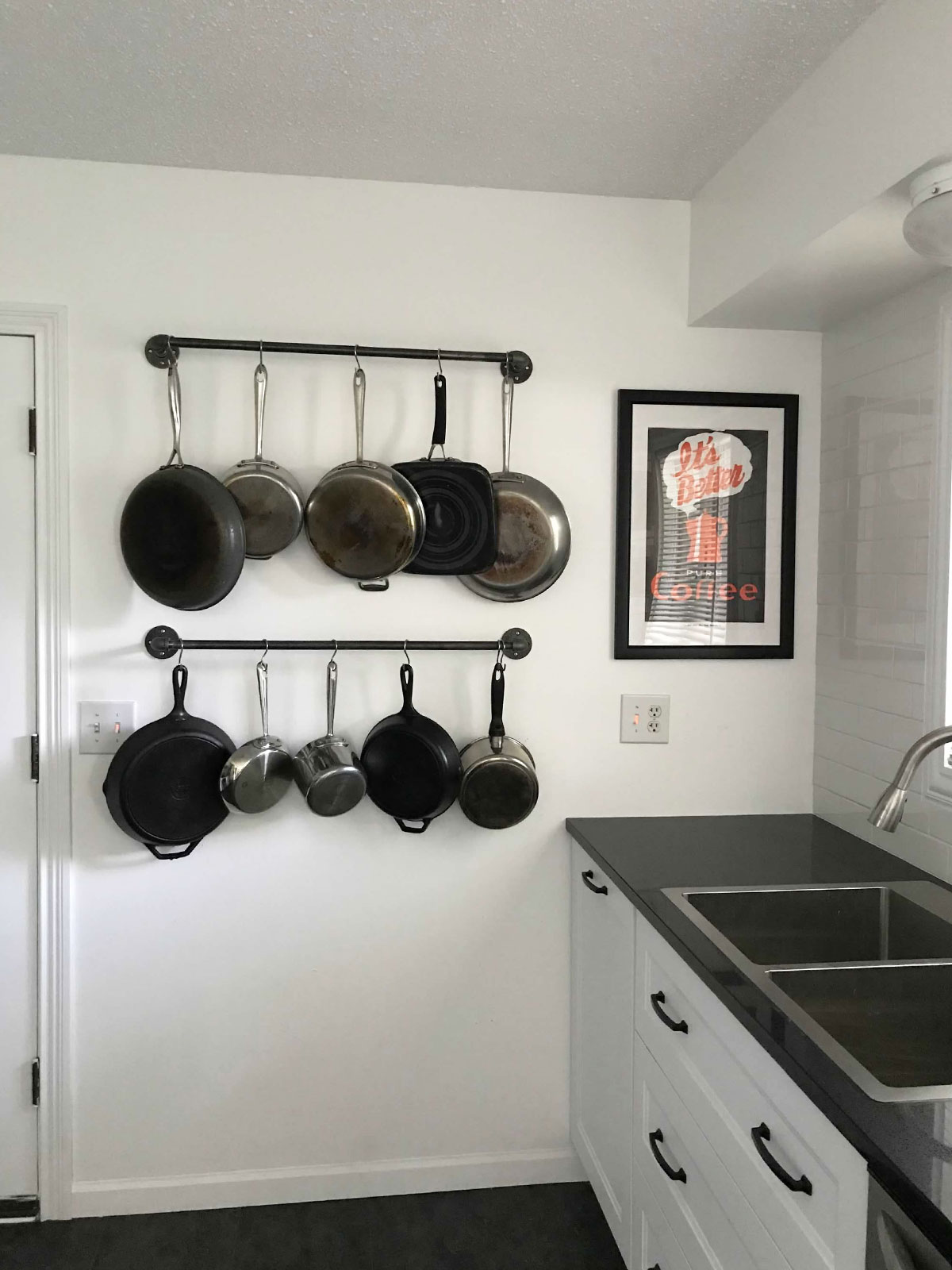
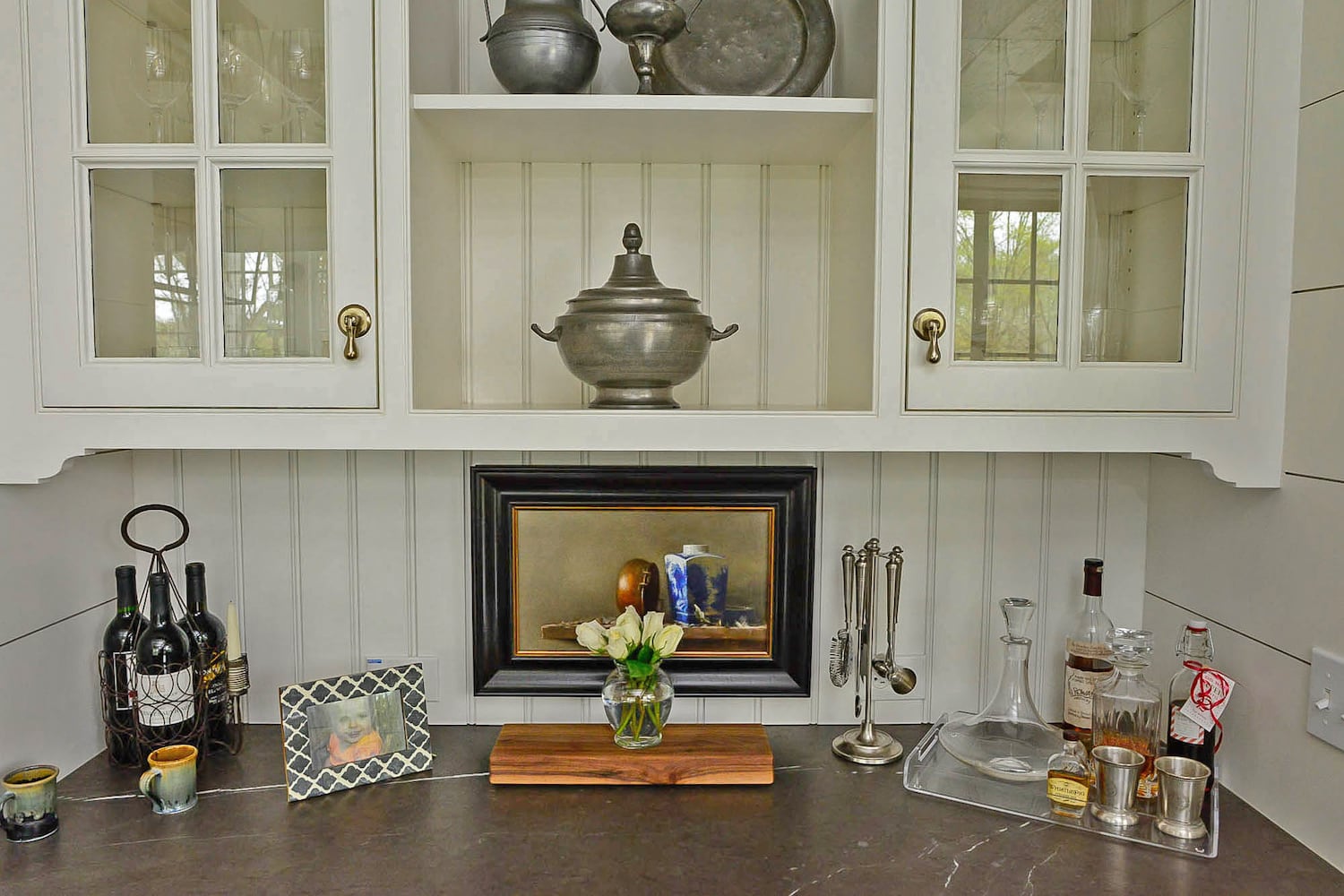
Alternatives to open shelving include glass-front cabinets, which offer a dust-free display, though they typically cost more and require frequent glass cleaning. Removing cabinet doors from existing cabinetry or utilizing pegboards for flexible storage with shelves and hooks are also viable options. While making shelves is generally more economical and allows for customization, ensuring secure wall attachment is critical. Open shelves are susceptible to grease buildup from cooking, necessitating the use of a range hood to minimize grease particles and regular dusting for upkeep.
#KitchenDesign #OpenShelving #HomeDecor #BudgetDecor #DIYHomeProjects #KitchenOrganization #HomeStyling #InteriorDesign #KitchenRemodel #KitchenDesign #OpenShelving #HomeDecor #BudgetDecor #DIYHomeProjects #KitchenOrganization #HomeStyling #InteriorDesign #KitchenRemodel
0 comment in total
 No comments yet
You may also like
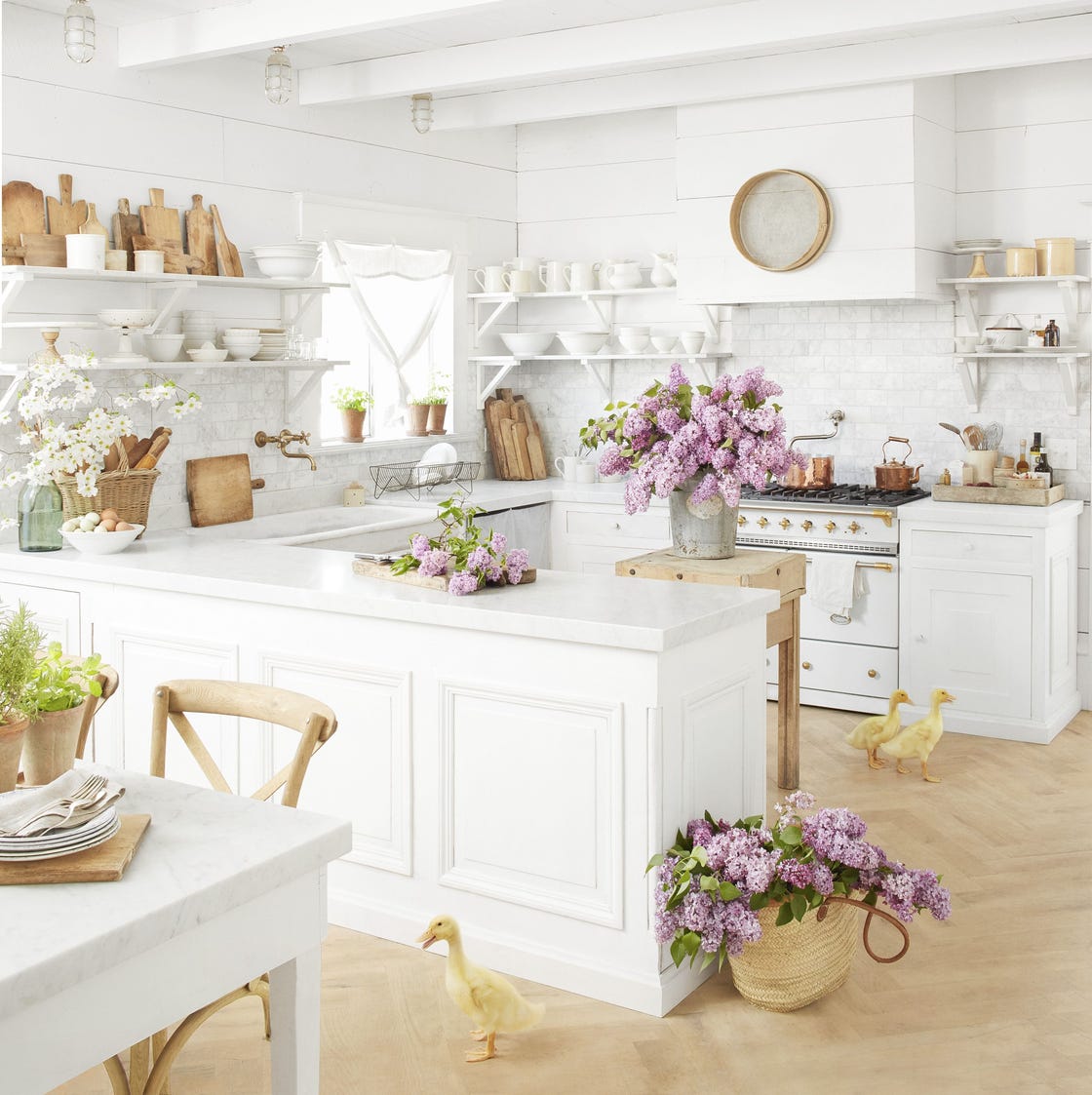
Yes, Open Shelving in a Kitchen Can Be Stylish and Functional
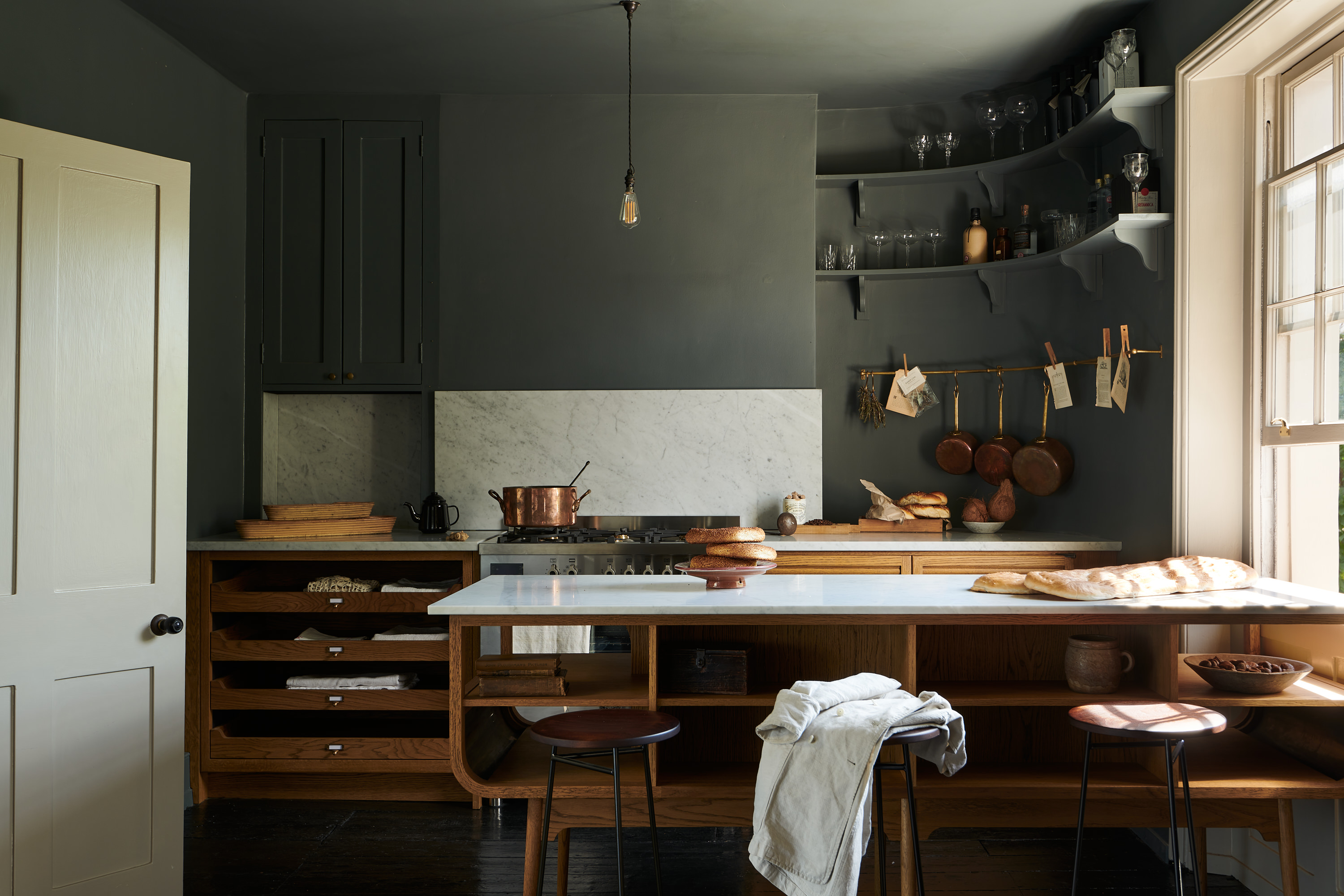
Are Open Kitchen Shelves Still in Style? This Interior Designer Told Us to Ditch Them — Here's Why

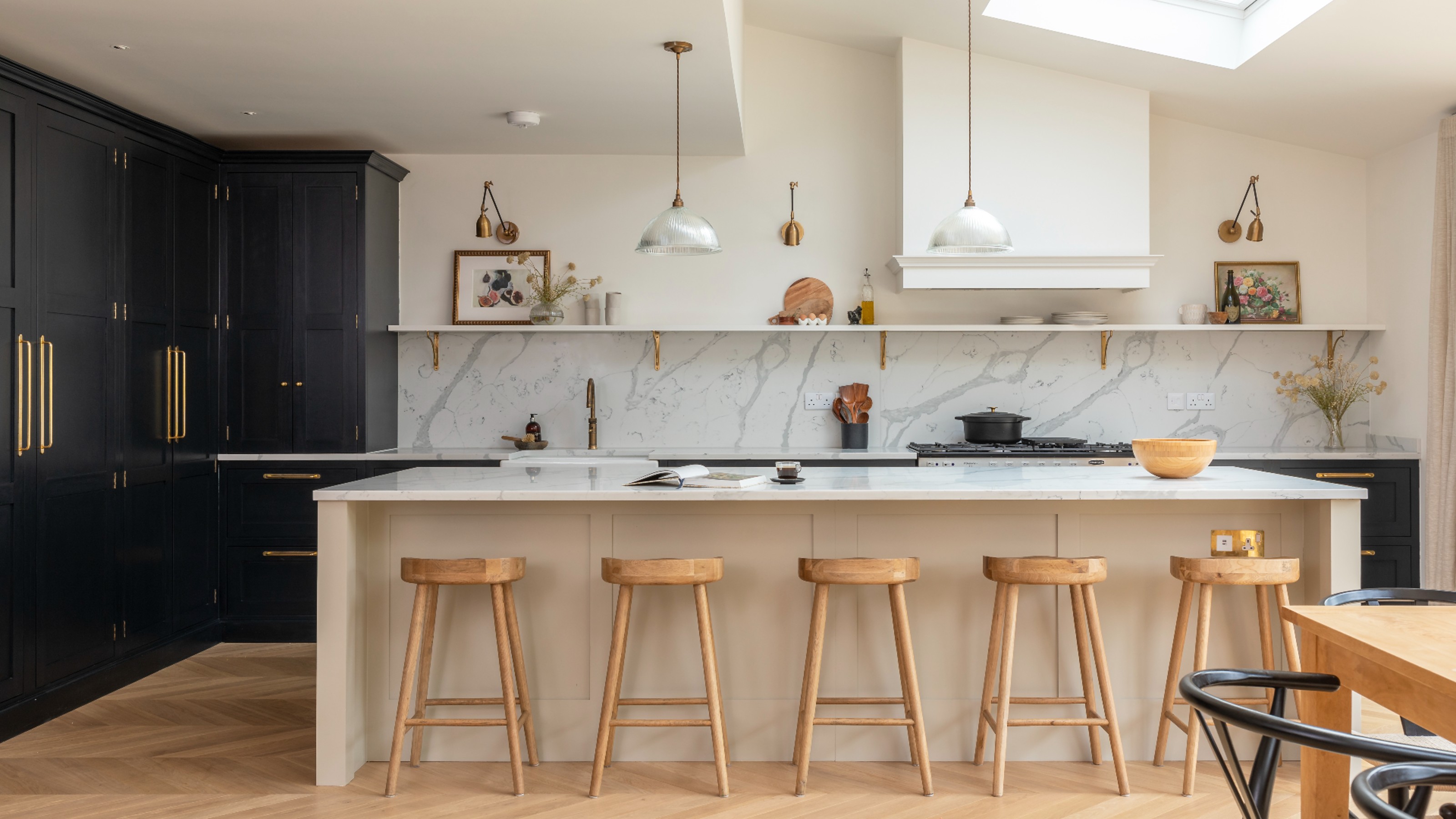
Never store these 6 things on open kitchen shelving, warn pro organisers
How to Transition from Cabinets to Open Shelves in Your Kitchen
Maximize Your Kitchen Space With These Open Shelving Ideas

Upper Kitchen Cabinets Are on Their Way Out in 2025 — Here’s What’s Replacing Them
How to Optimize Storage on Open Kitchen Shelves
The Controversial Kitchen Trend the Design World Is Buzzing Over
The downsides of open shelving – why this much-loved kitchen look may not be for you

Open kitchen shelves may look great, but are they for you? | At Home with Marni

I Swapped My Upper Kitchen Cabinets for Open Shelves—Here’s How I Feel About It Now
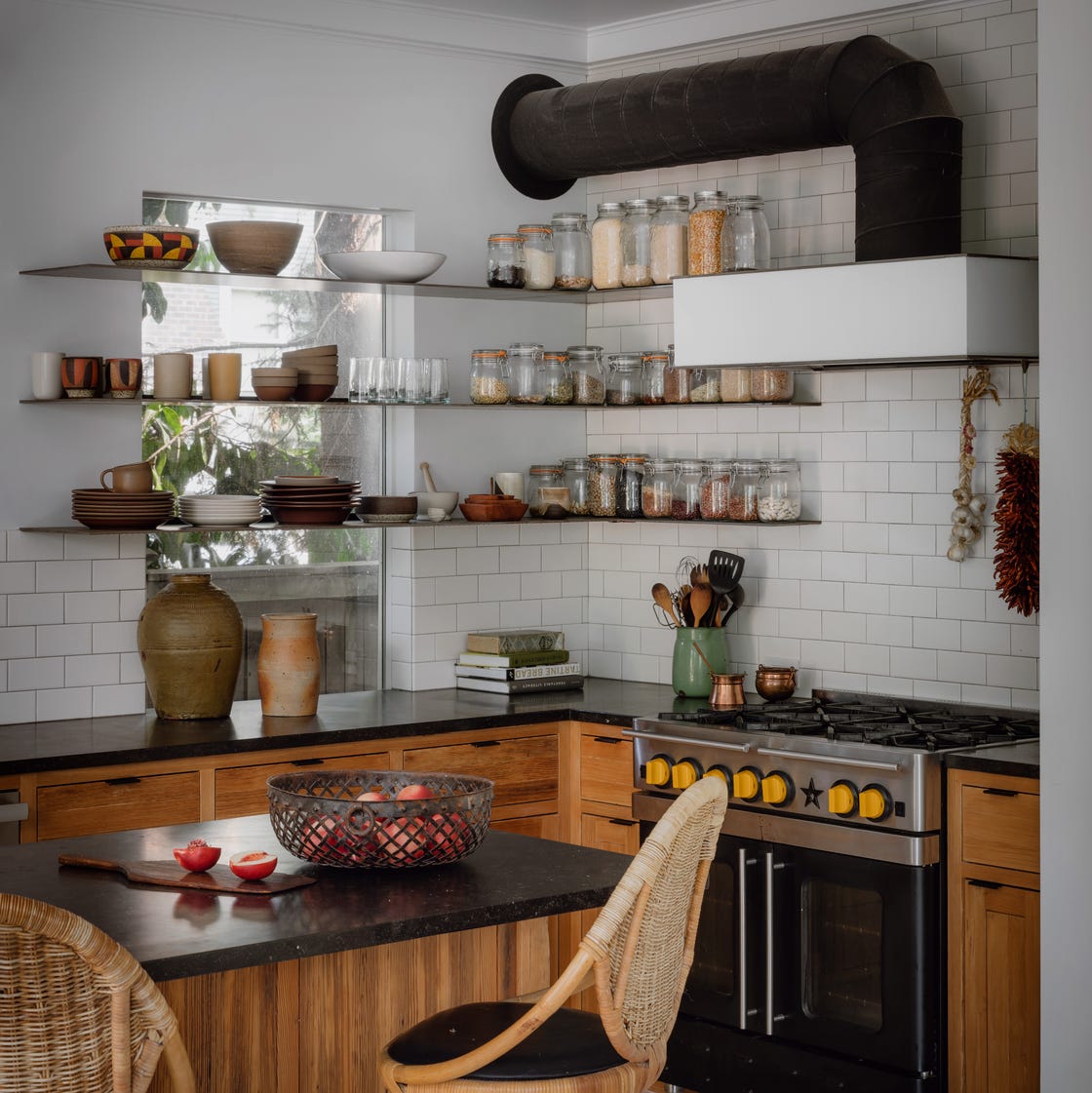
28 Open Shelving Ideas That'll Inspire You to Ditch Those Kitchen Cabinet Doors

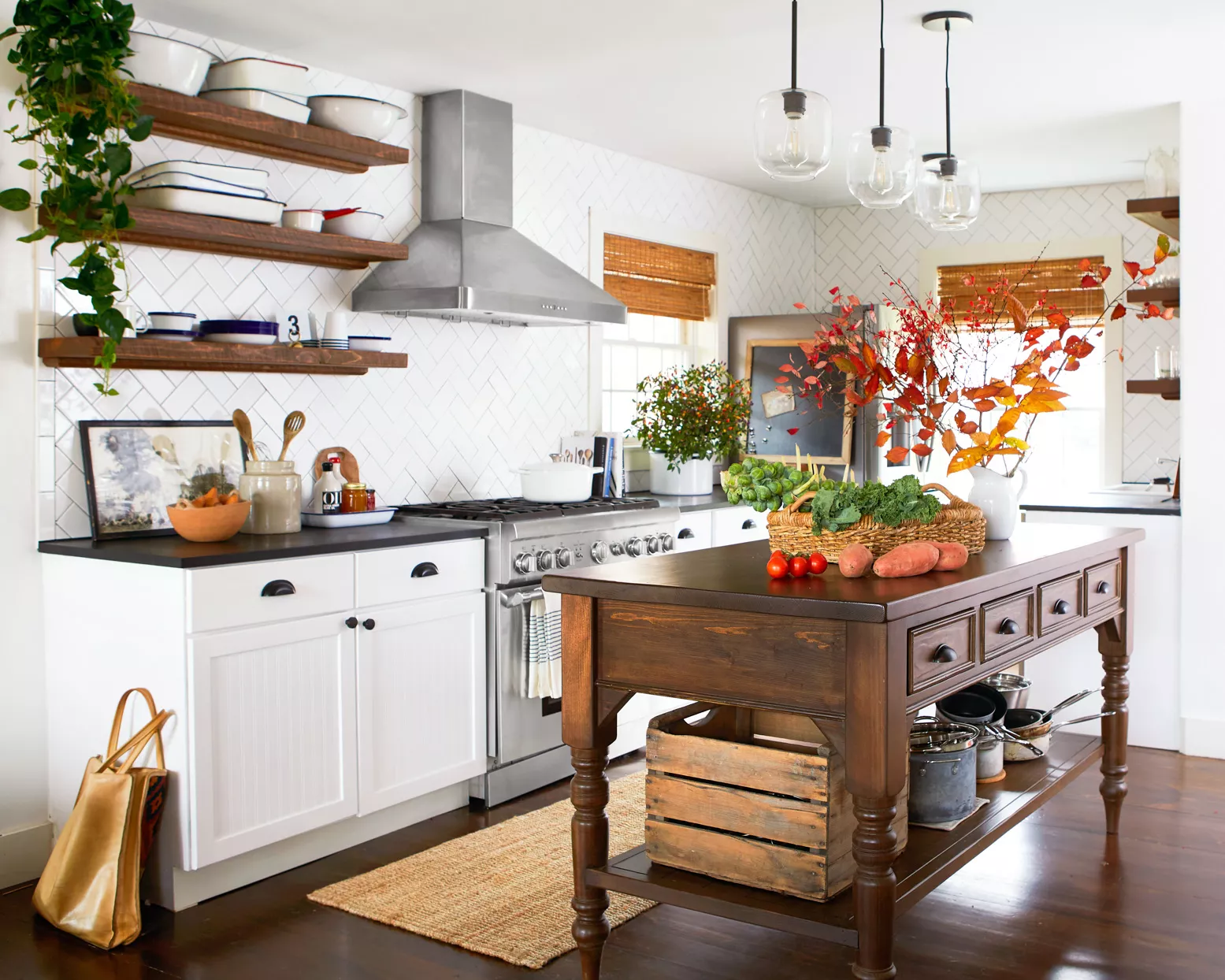
Designers Say They Secretly Hate This Popular Kitchen Design Trend

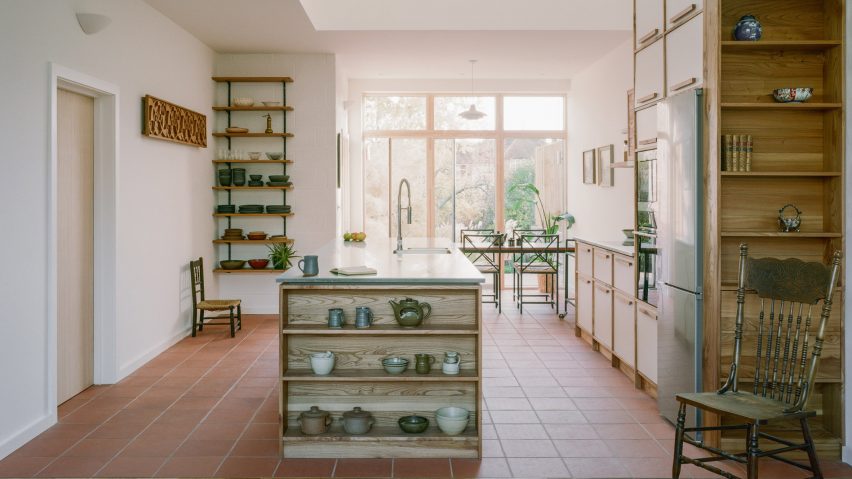
Eight kitchens where open shelving turns storage into display
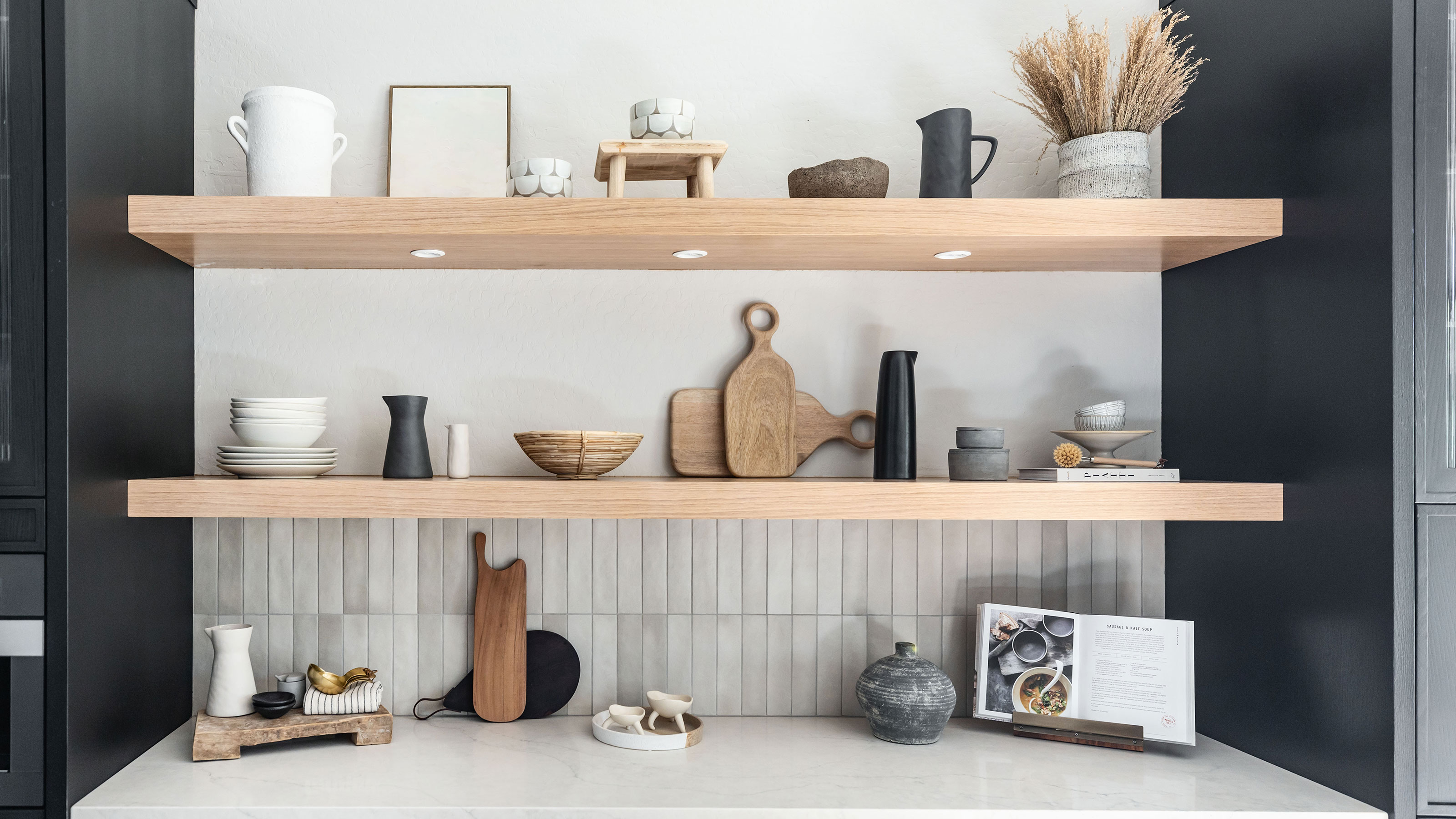
The 3 golden rules of organizing open shelving in the kitchen
Stunning kitchen cabinet organization designs you can put in your home
This Is the Most Optimal Place for an Open Shelf in Your Kitchen

"This $15 Buy Can Make Your Kitchen Shelves so Much More Practical," Say Professional Organizers
You Don’t Have to Choose Between Open Shelving and Upper Cabinets
Open Kitchen Shelves Are Losing Their Appeal—Here's What to Use Instead, According to Interior Designers