1/8
The downsides of open shelving – why this much-loved kitchen look may not be for you
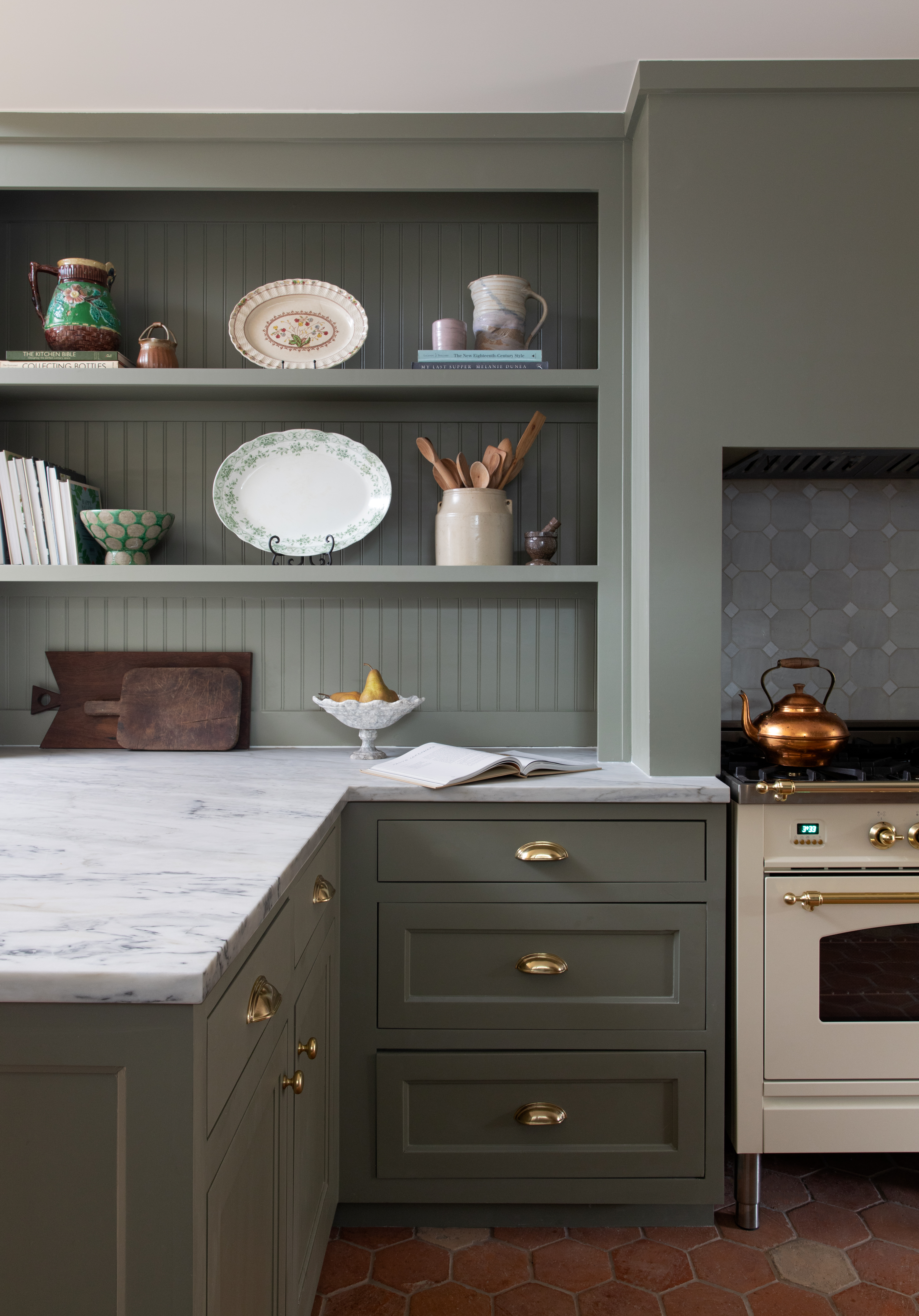
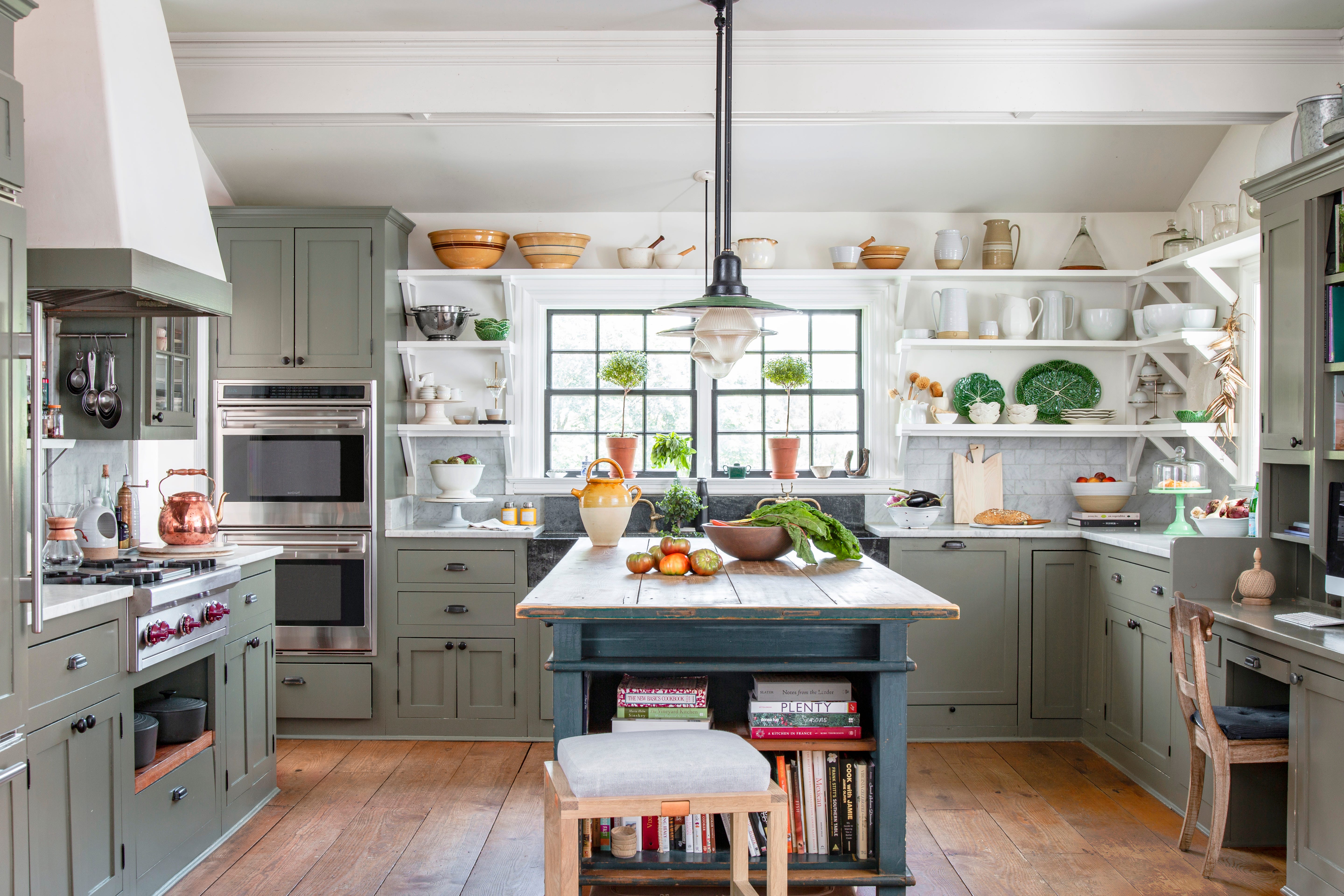
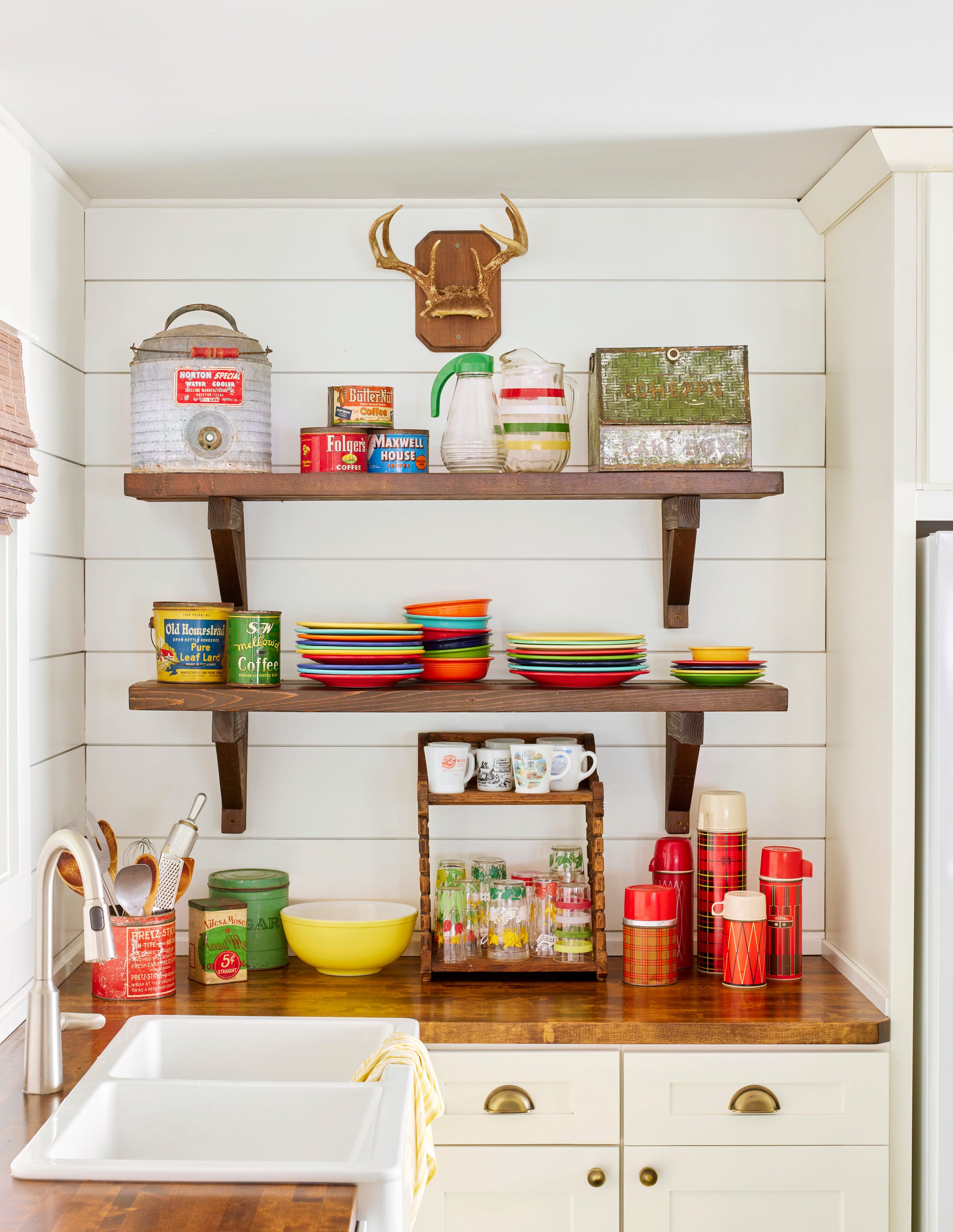
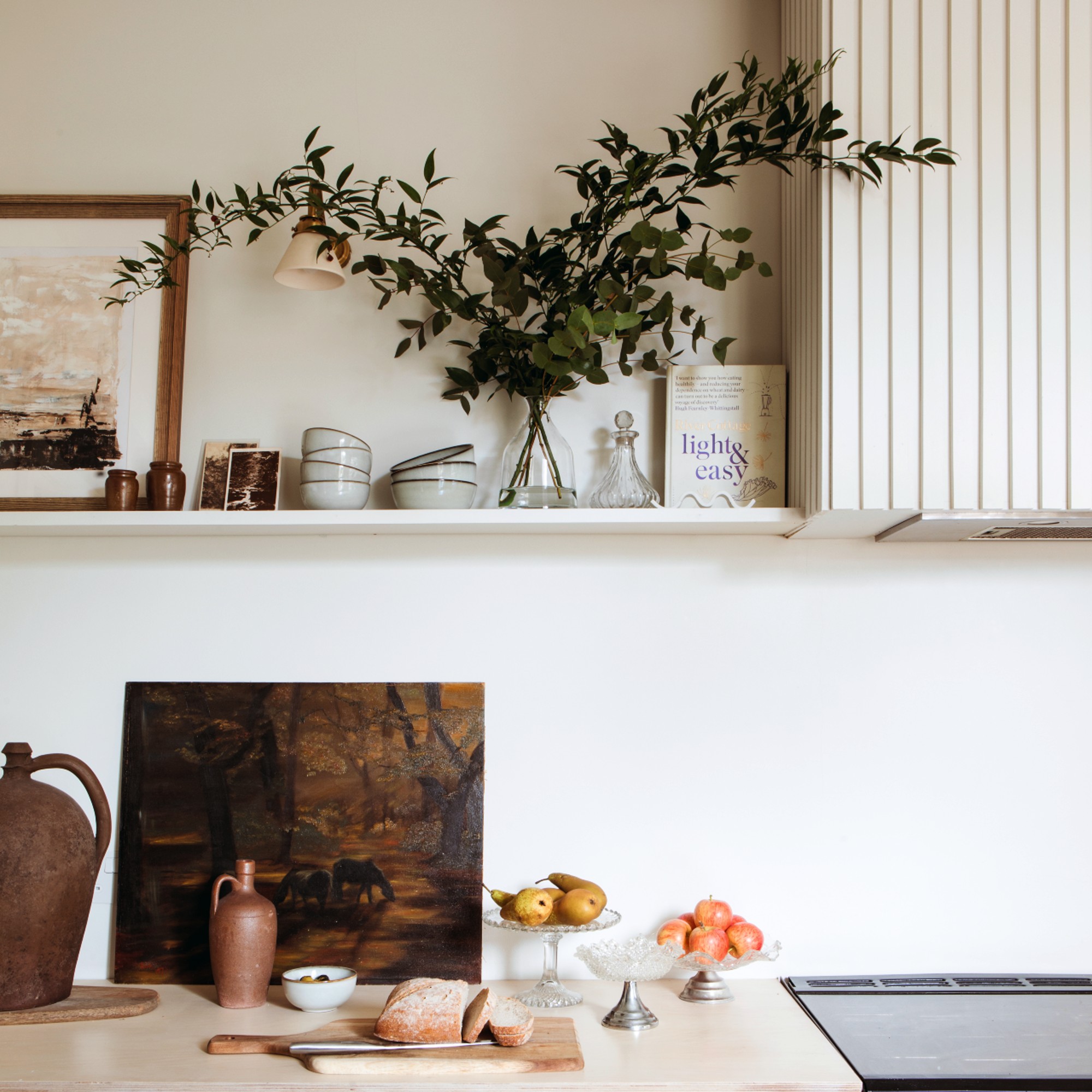
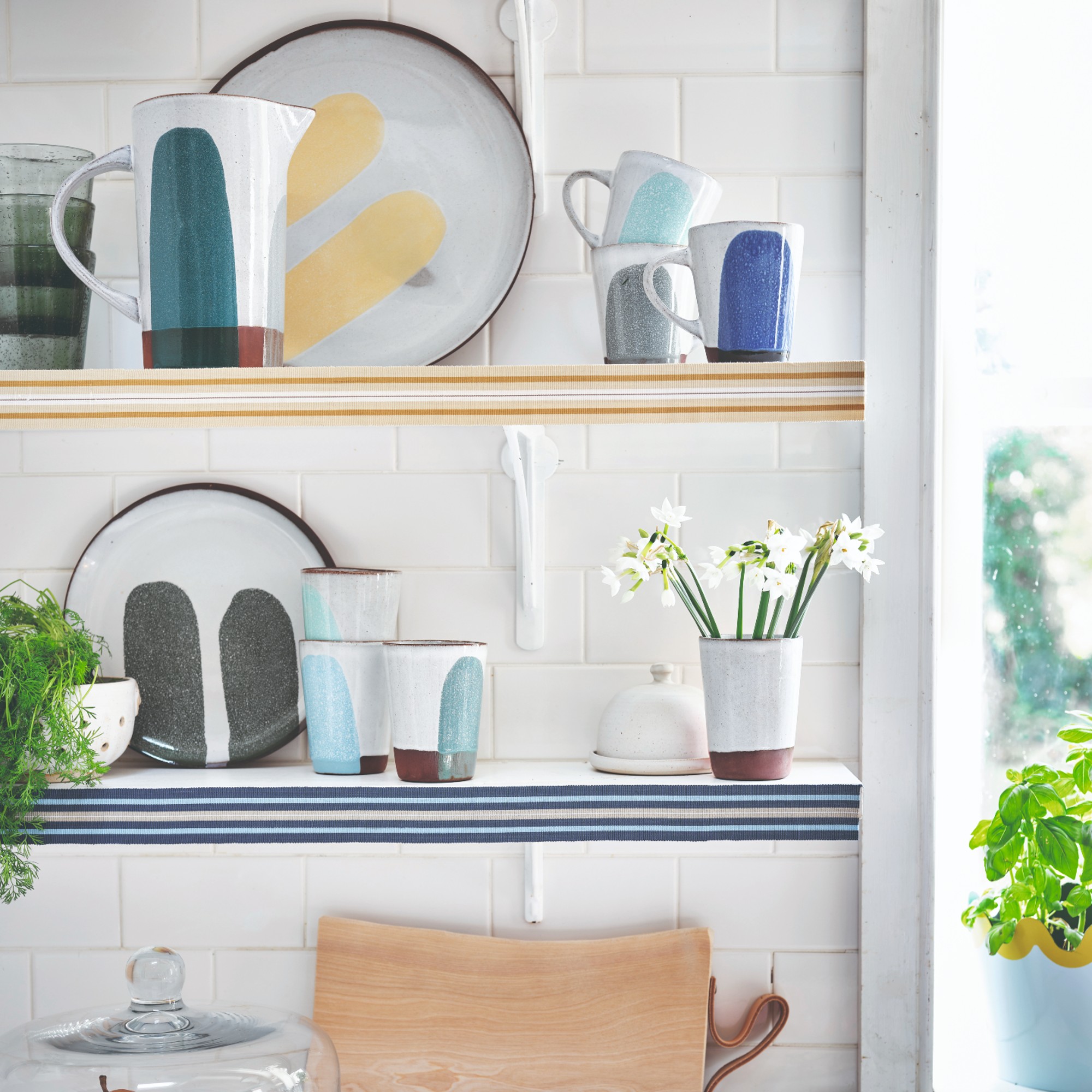
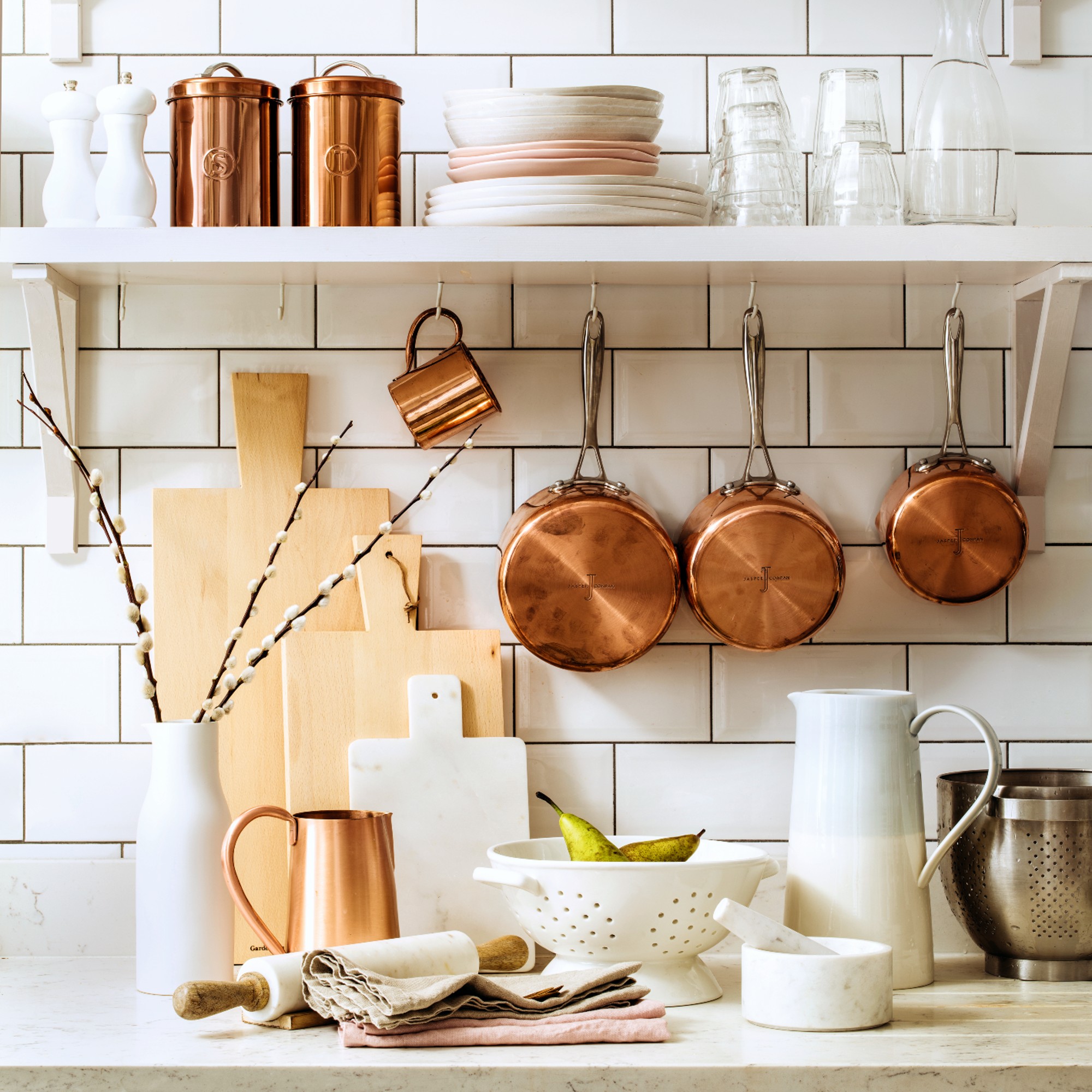
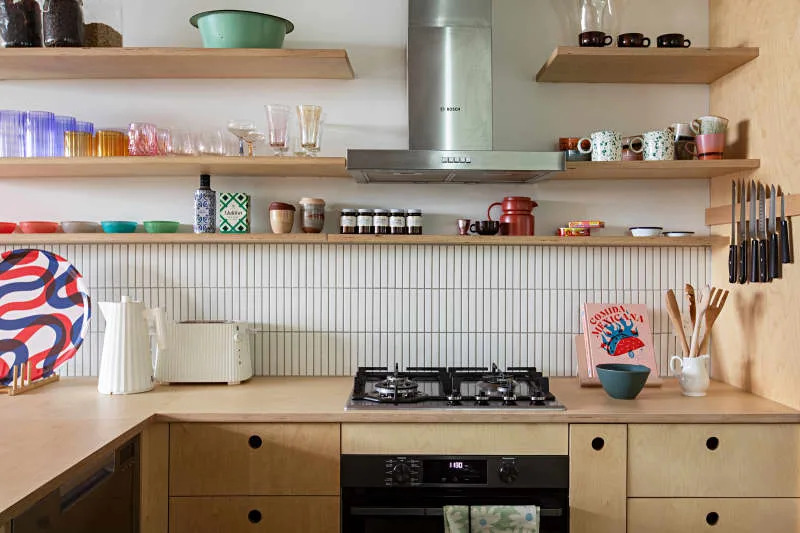
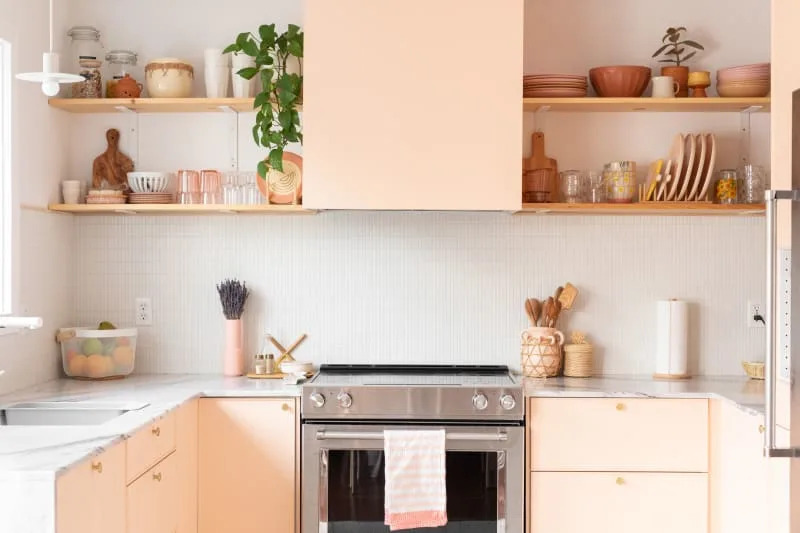
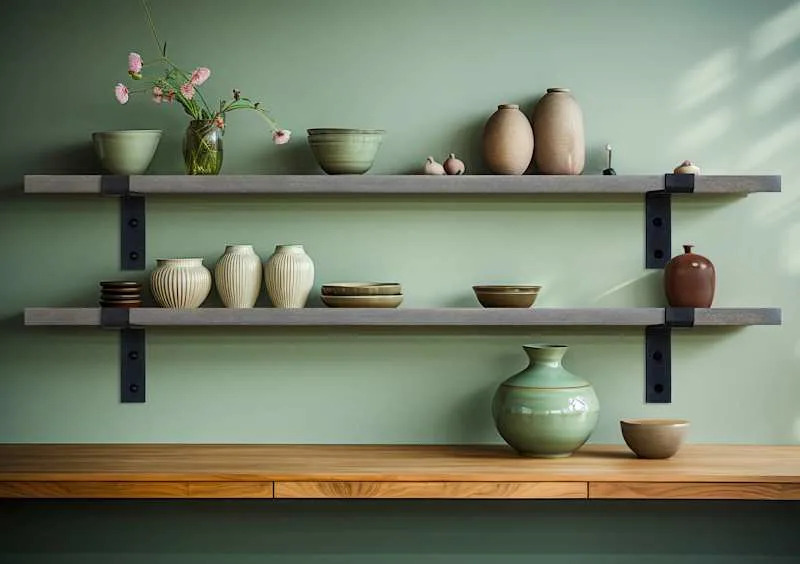
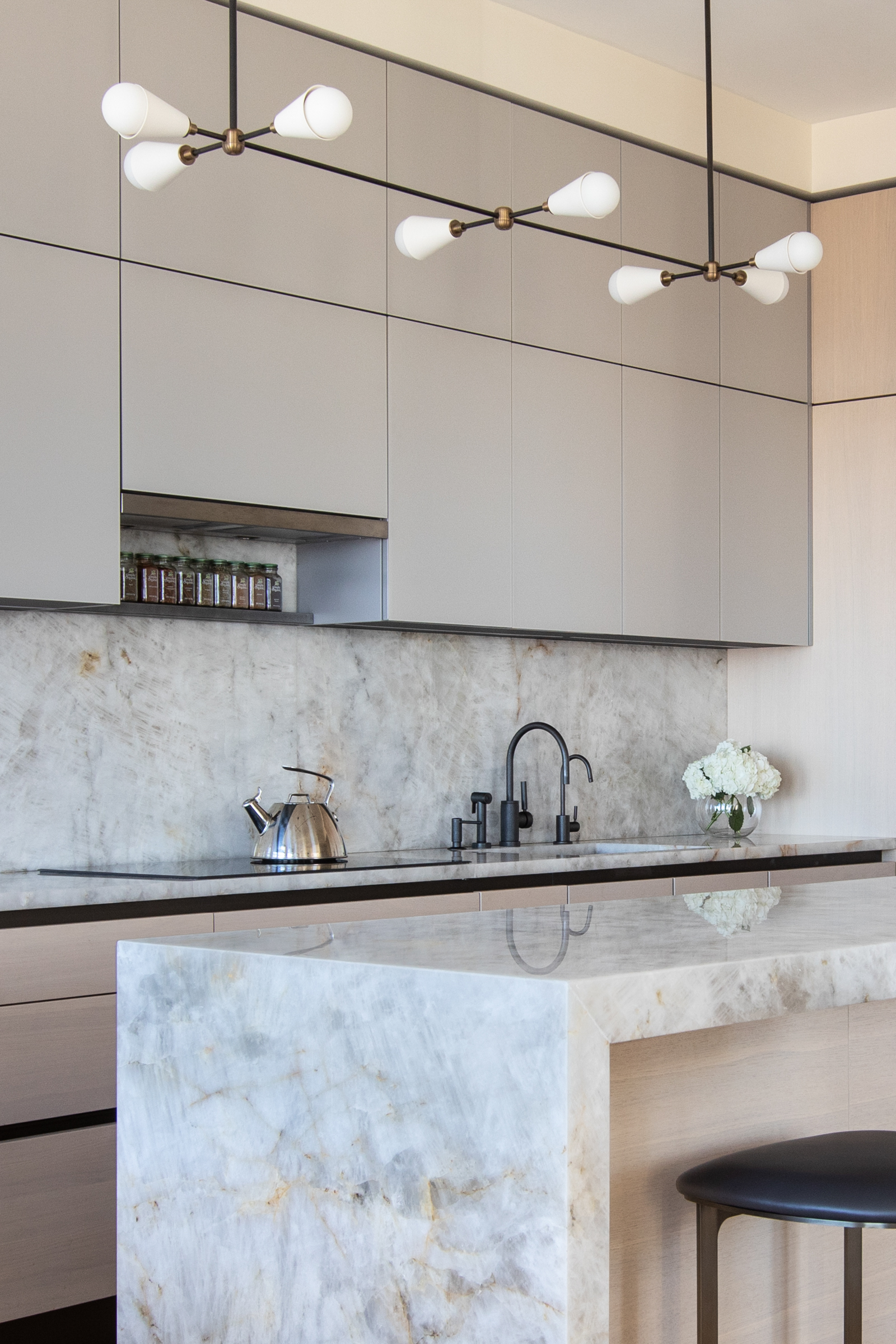
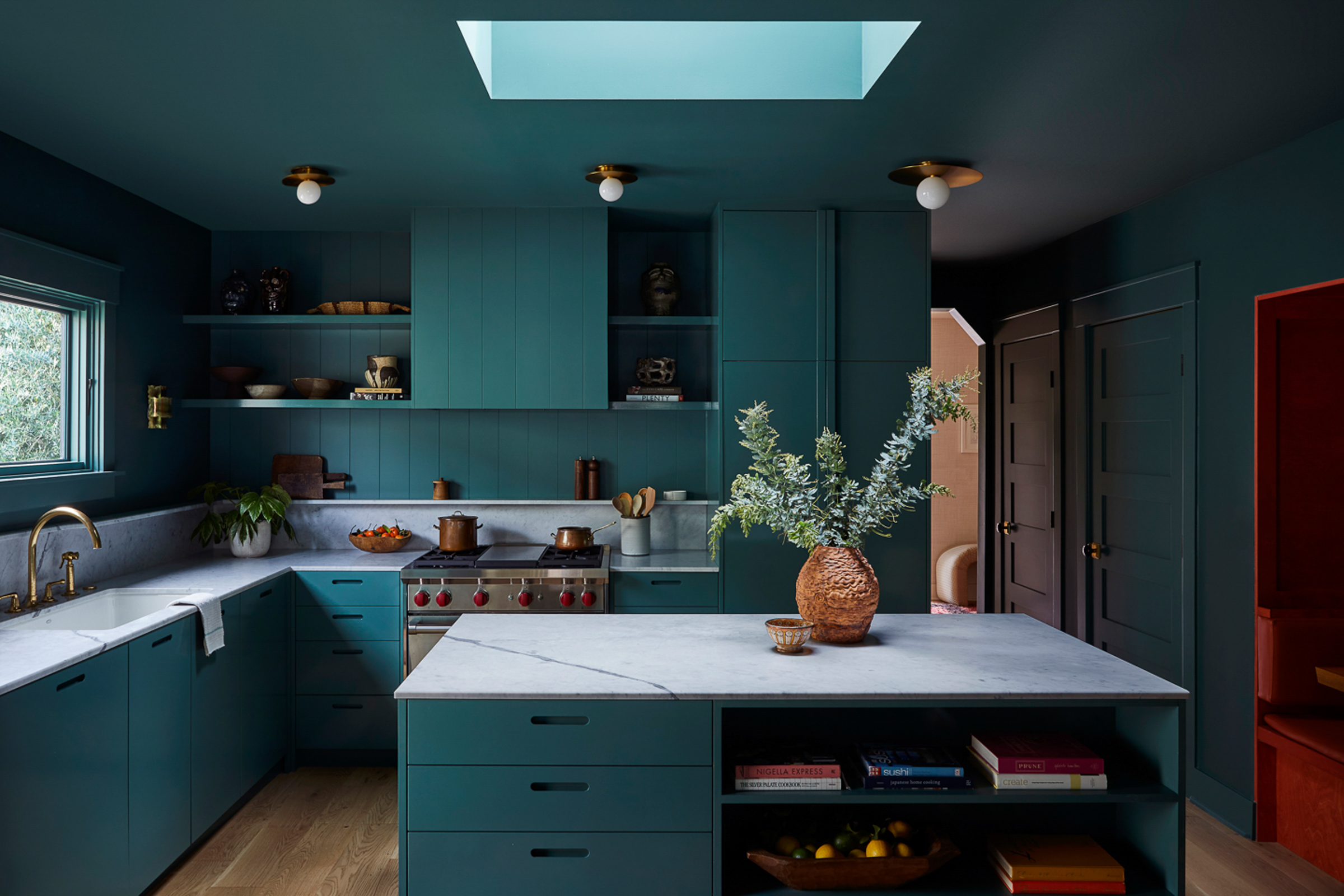
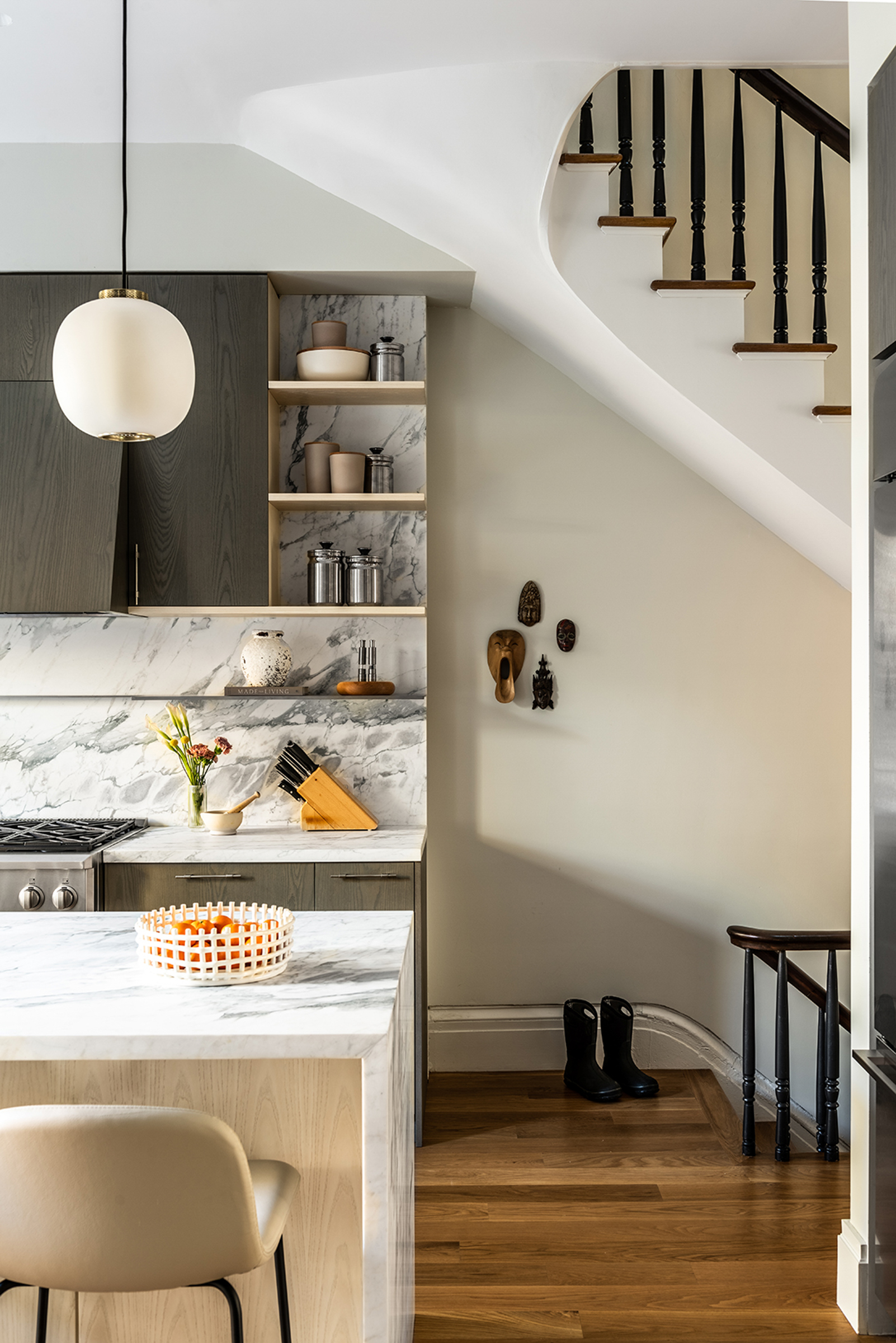
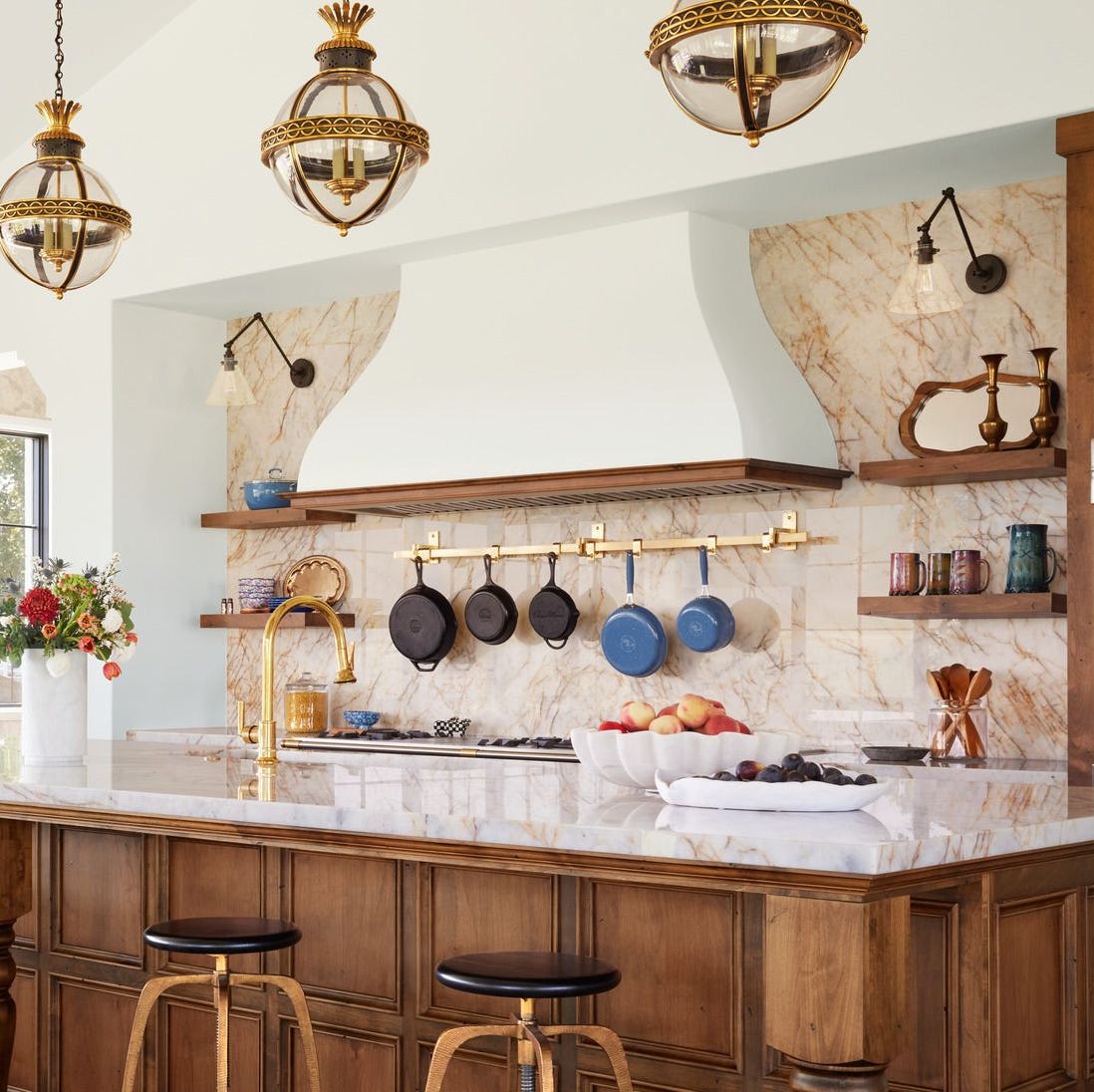
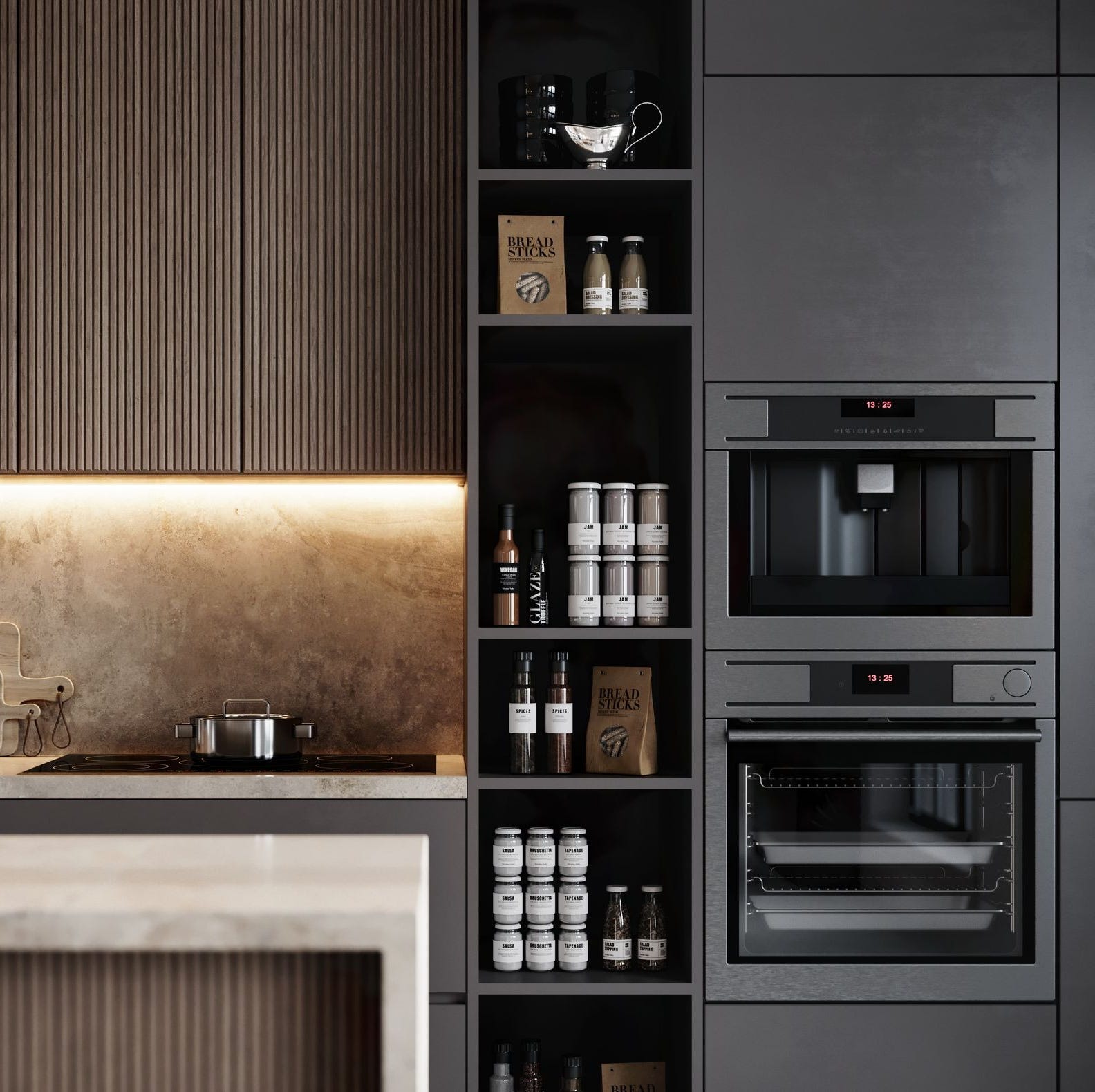
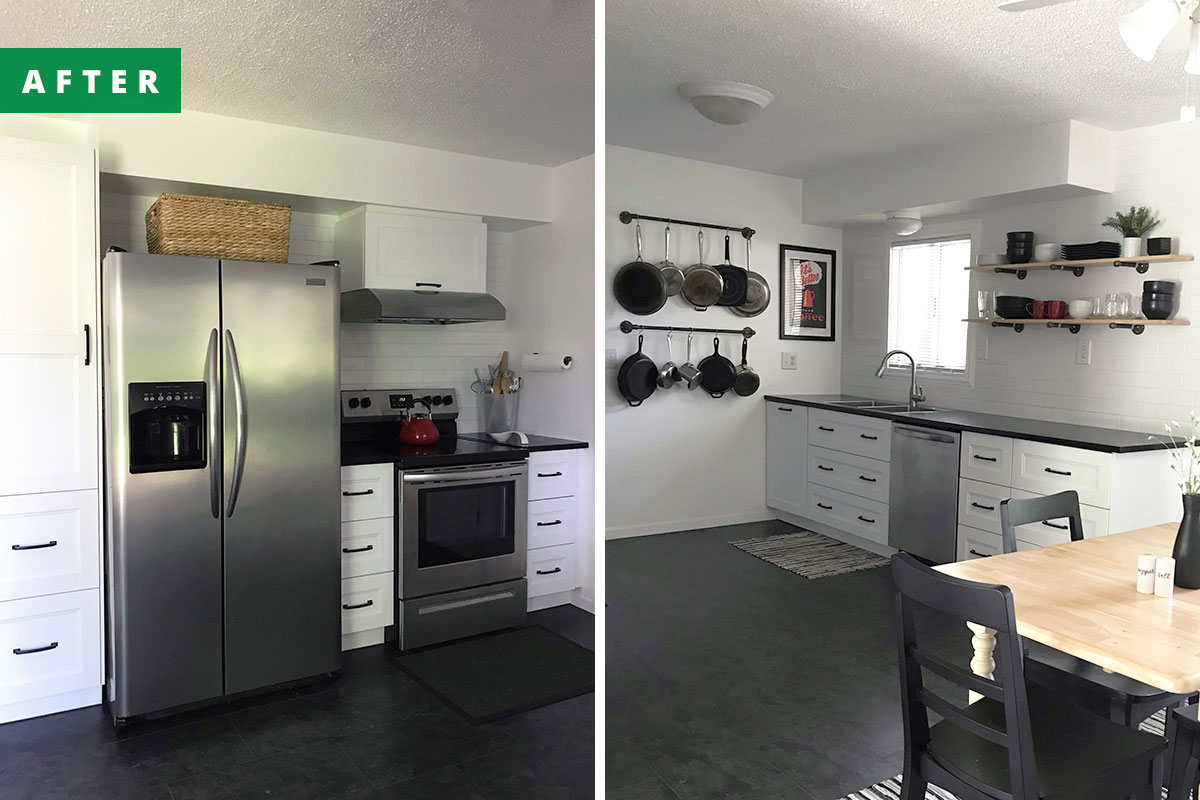
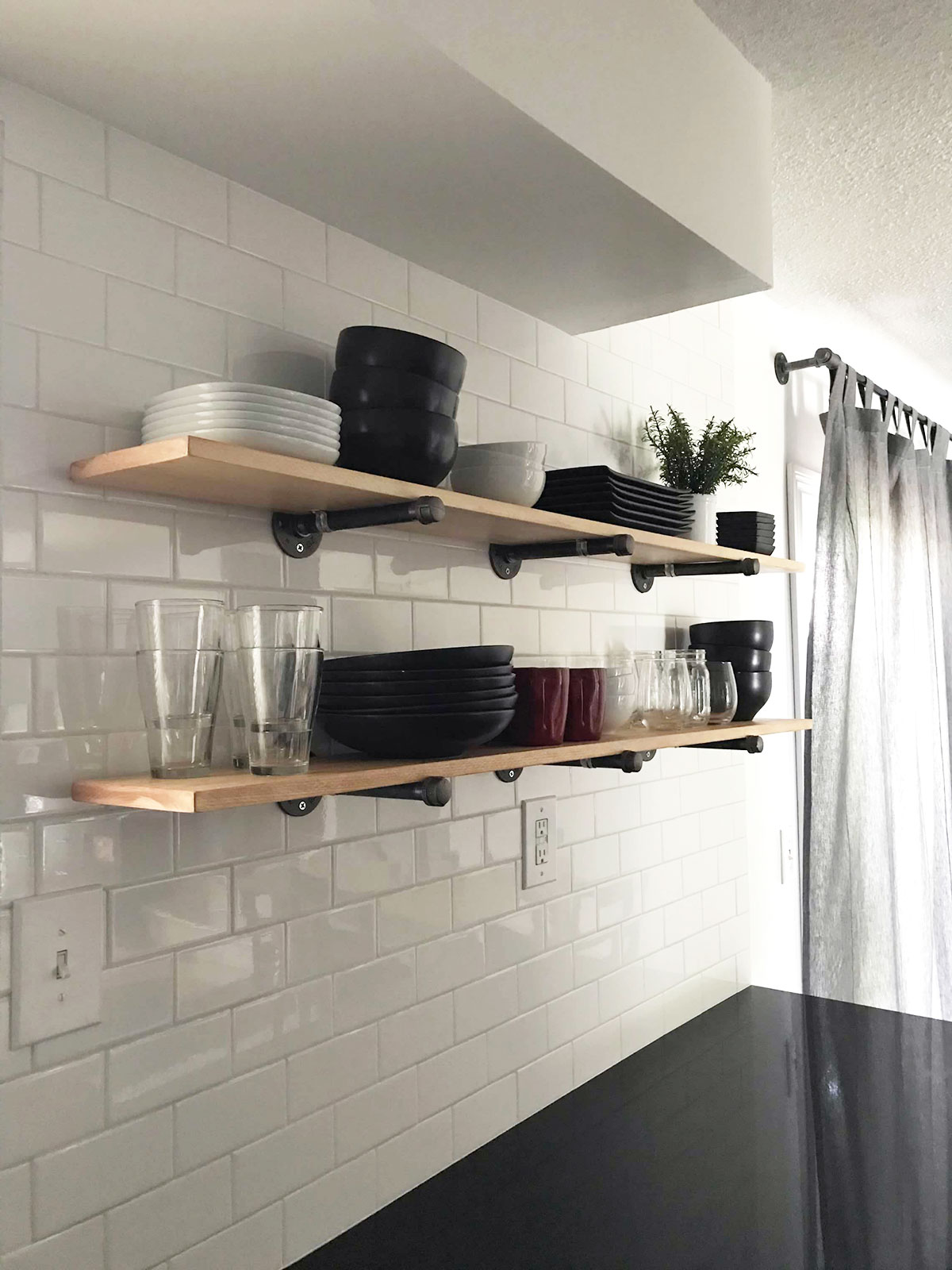
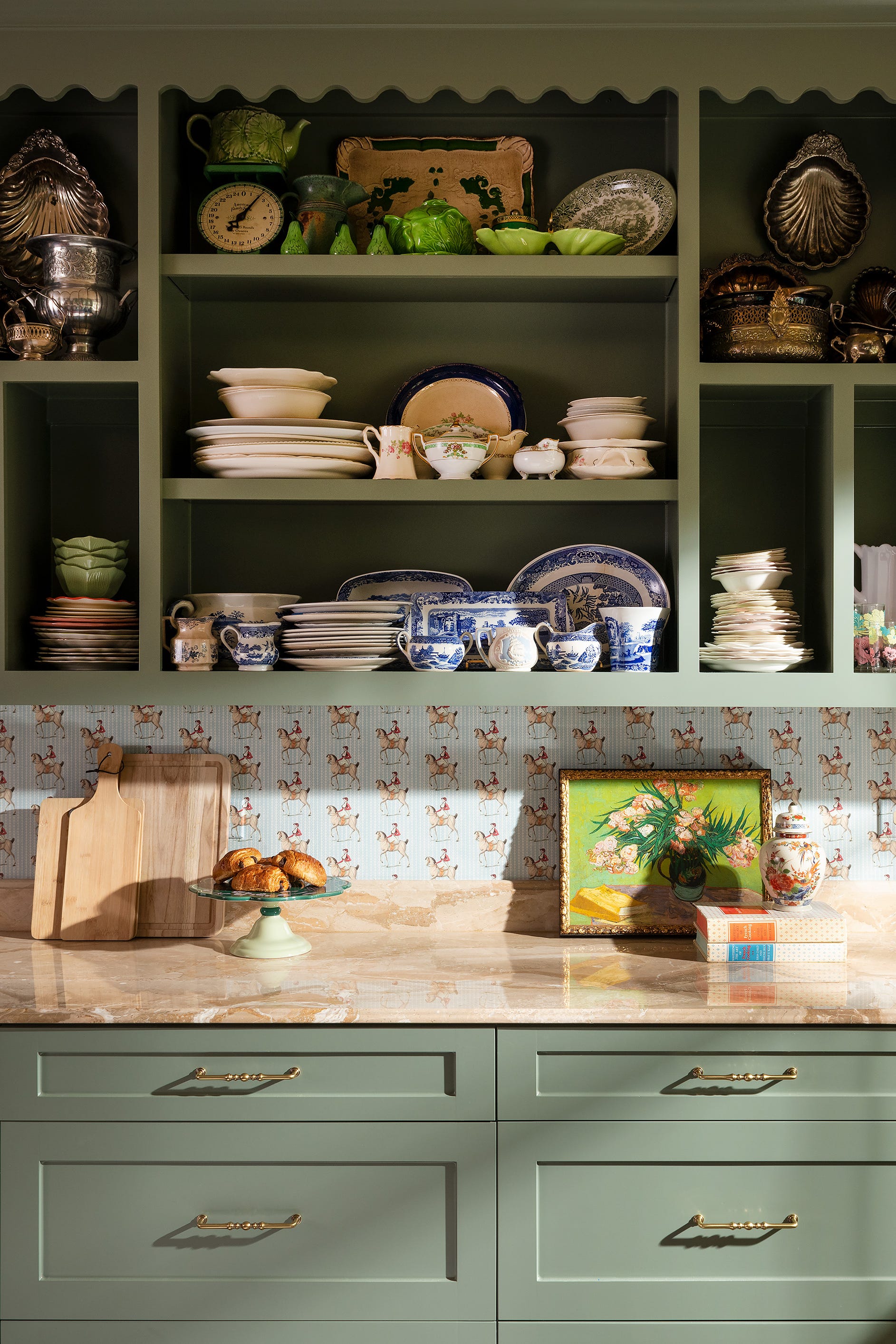
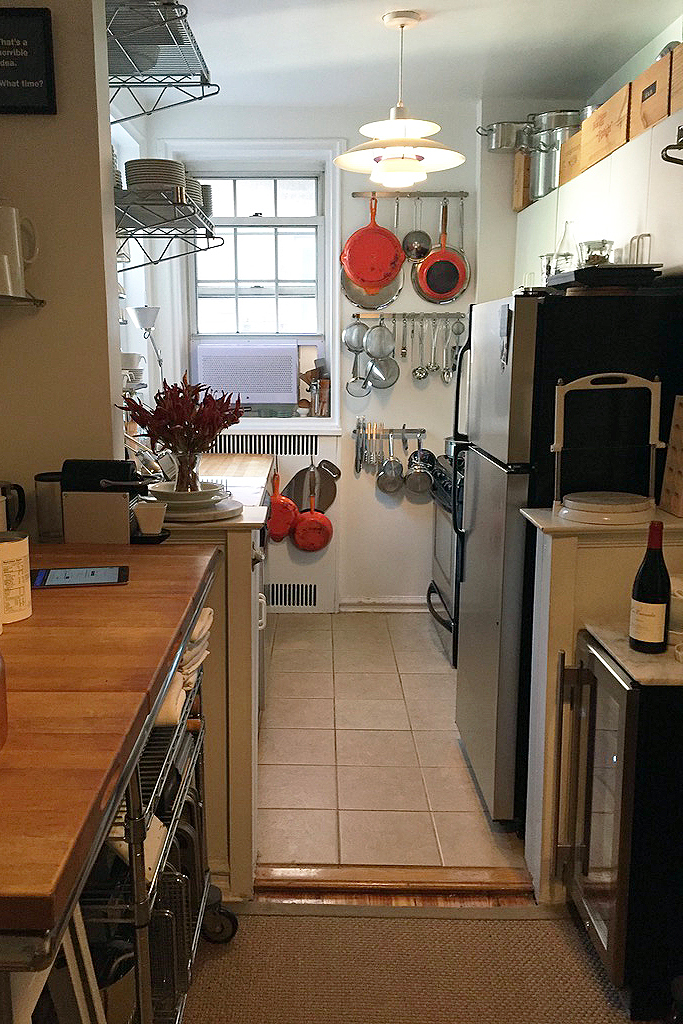
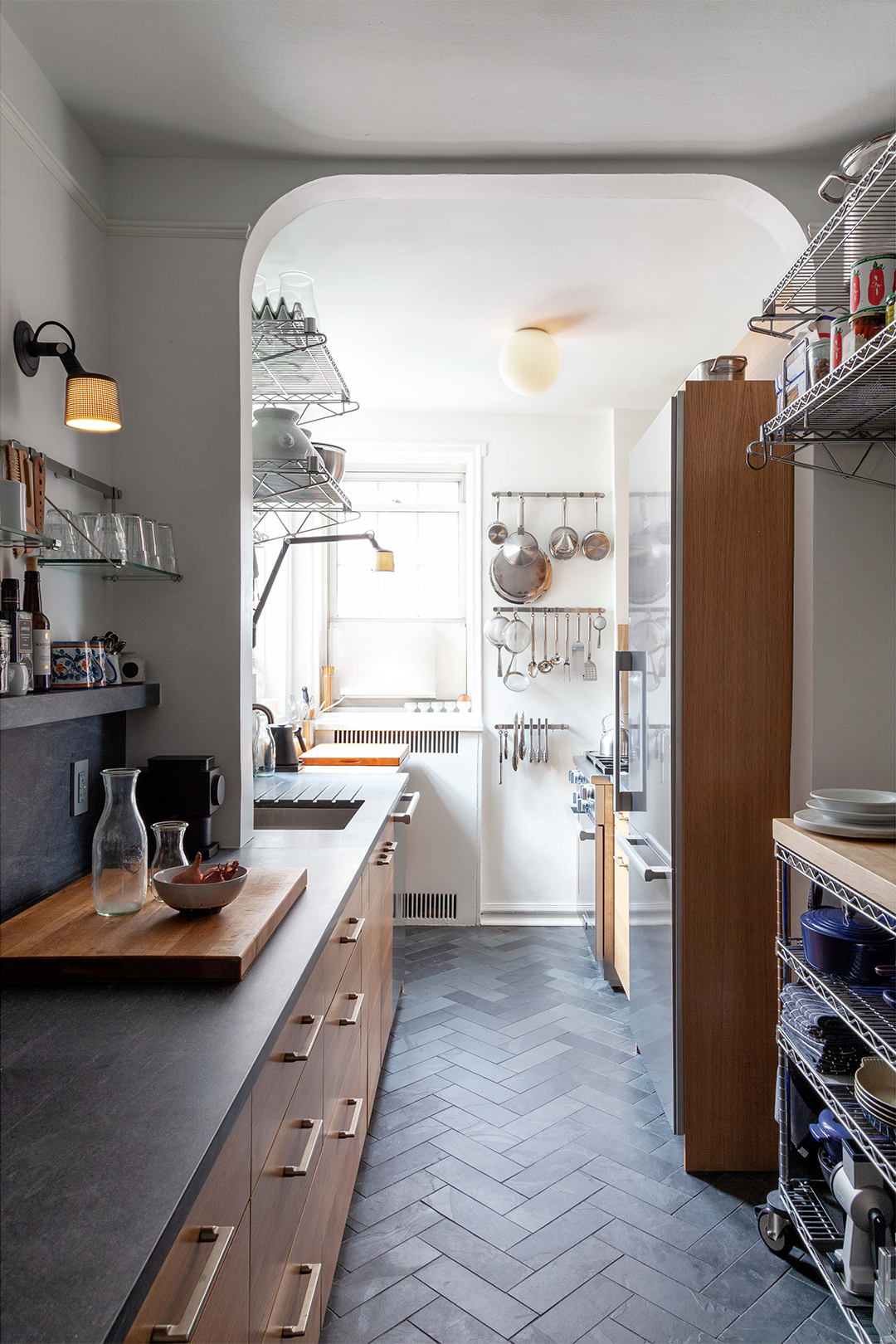
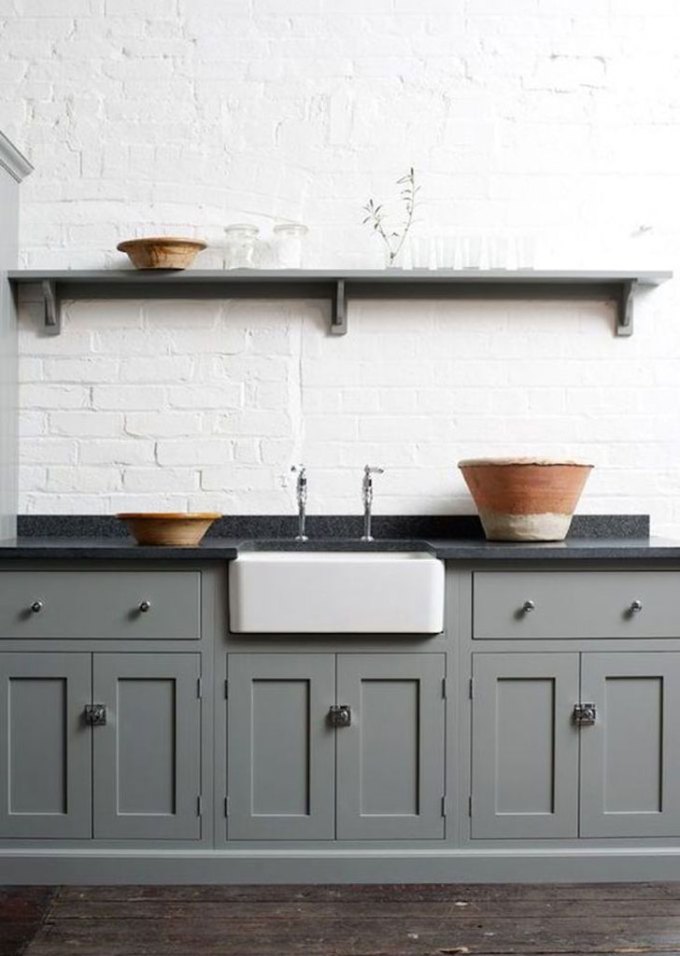
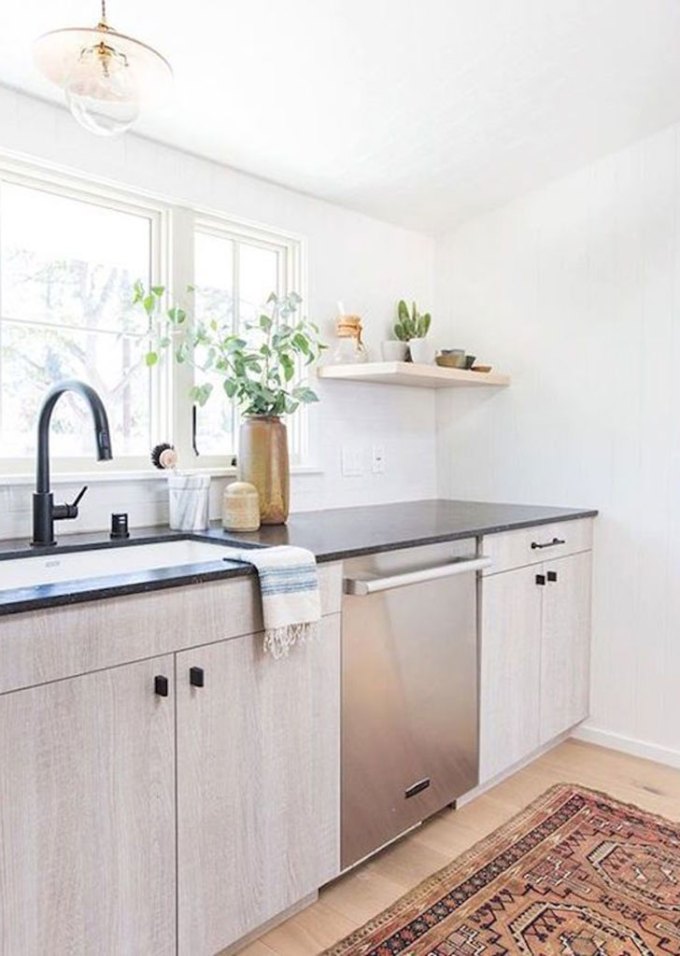
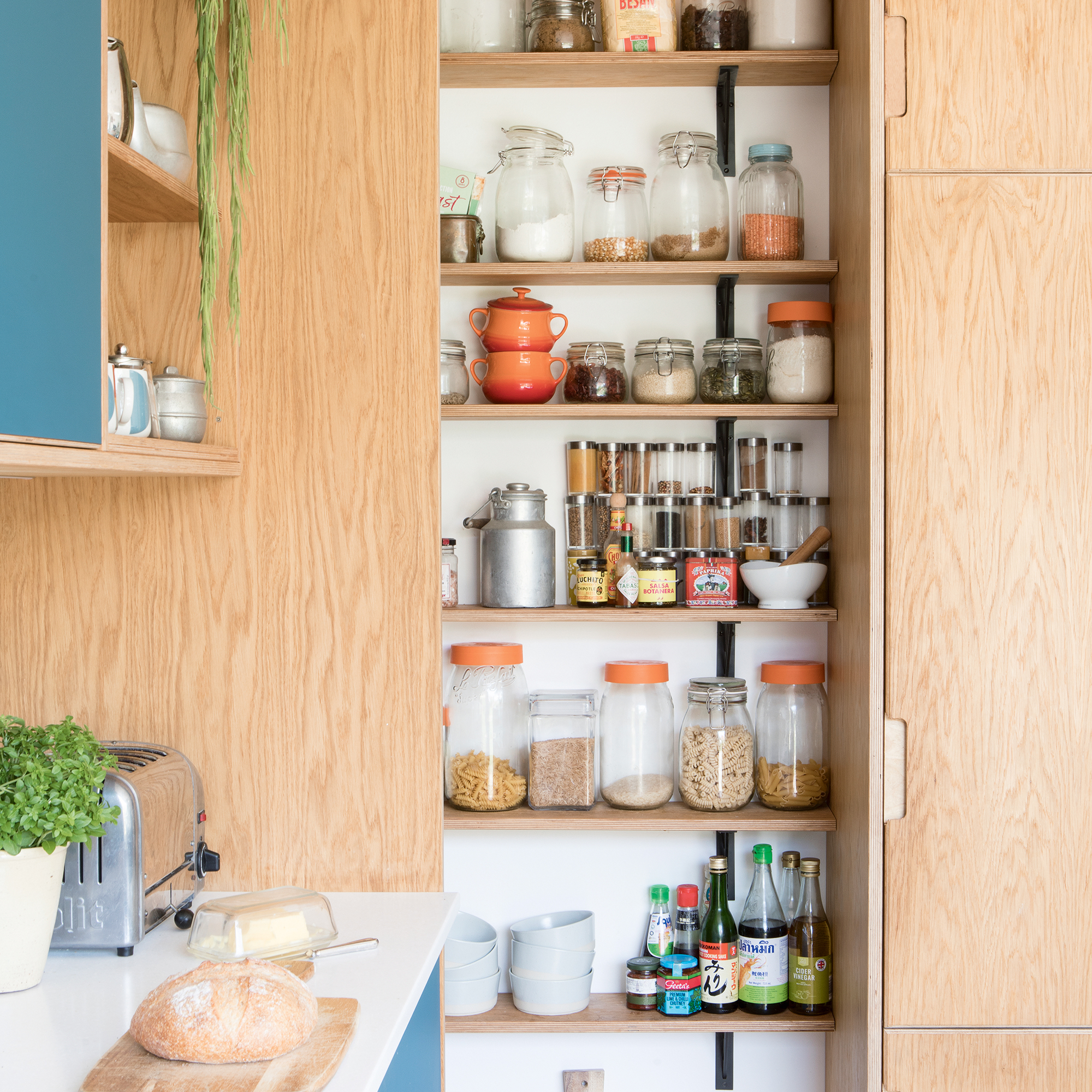
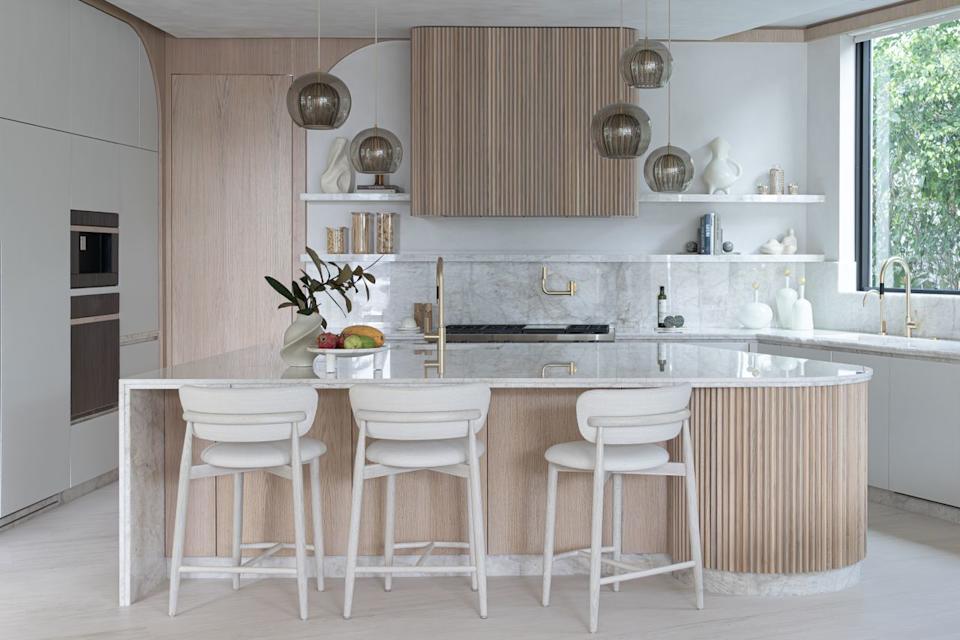
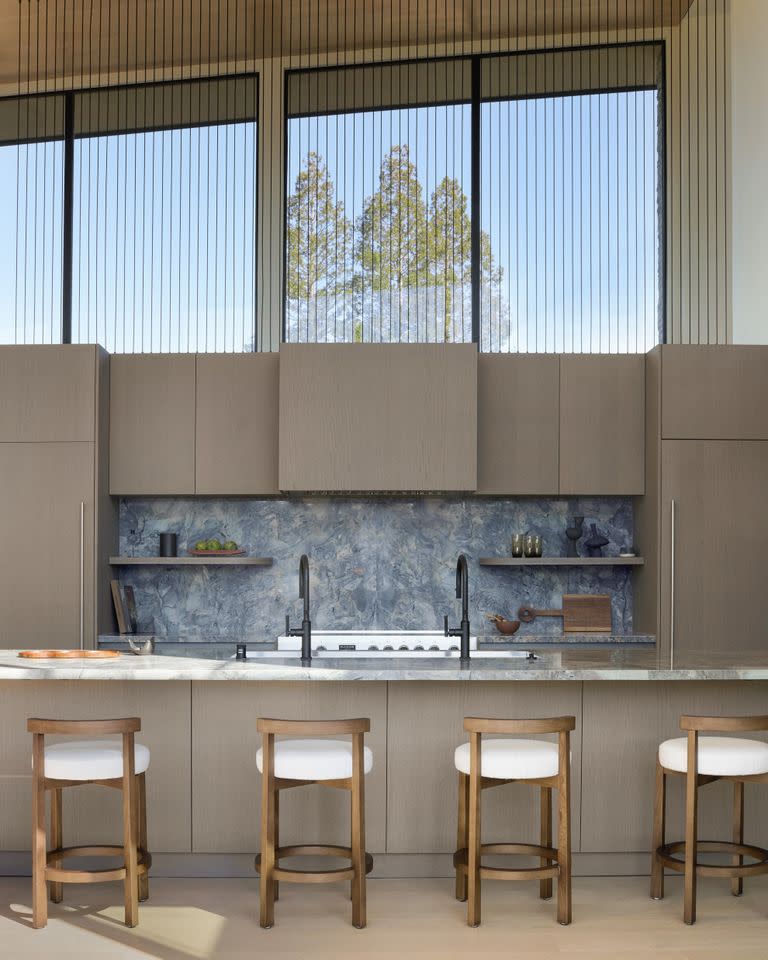
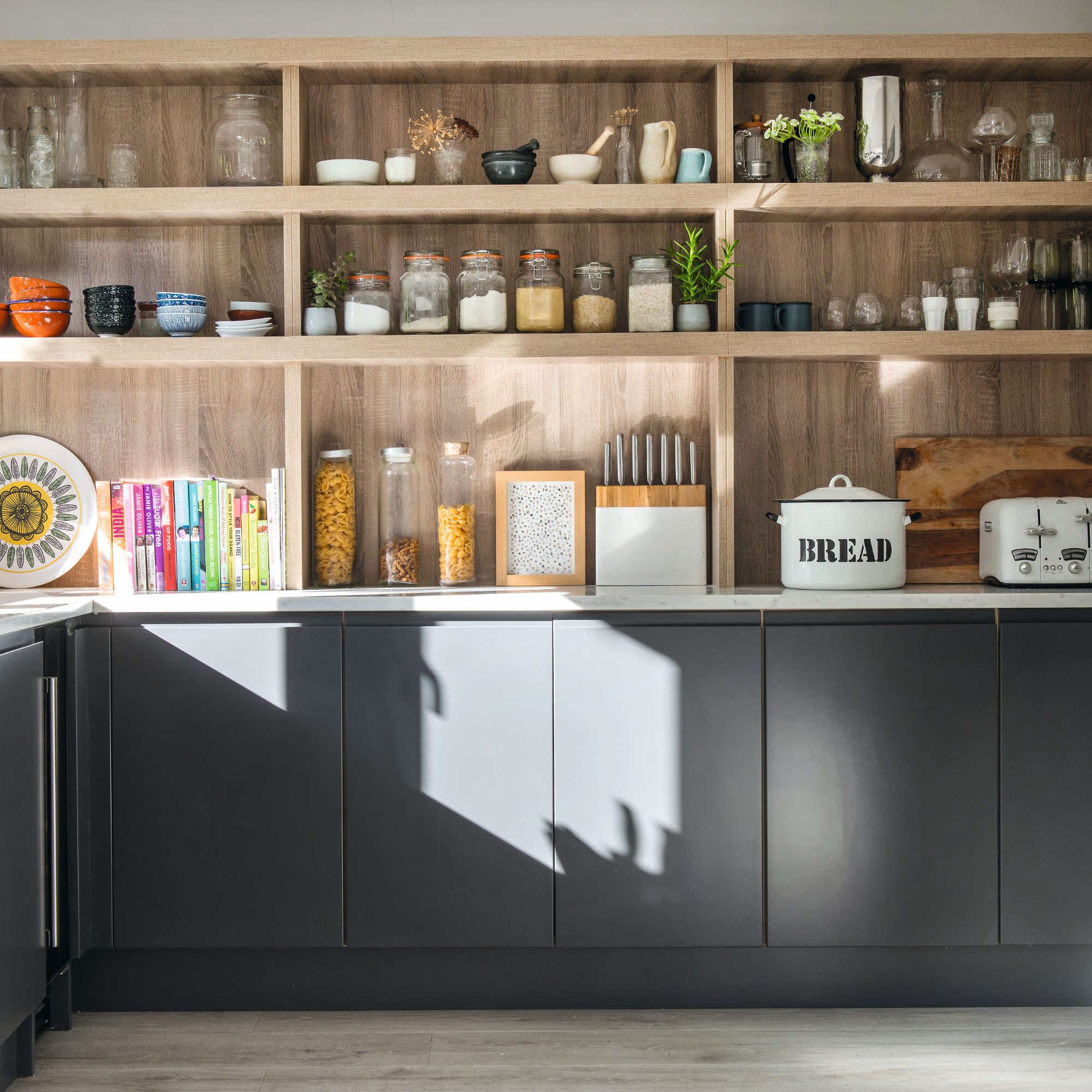
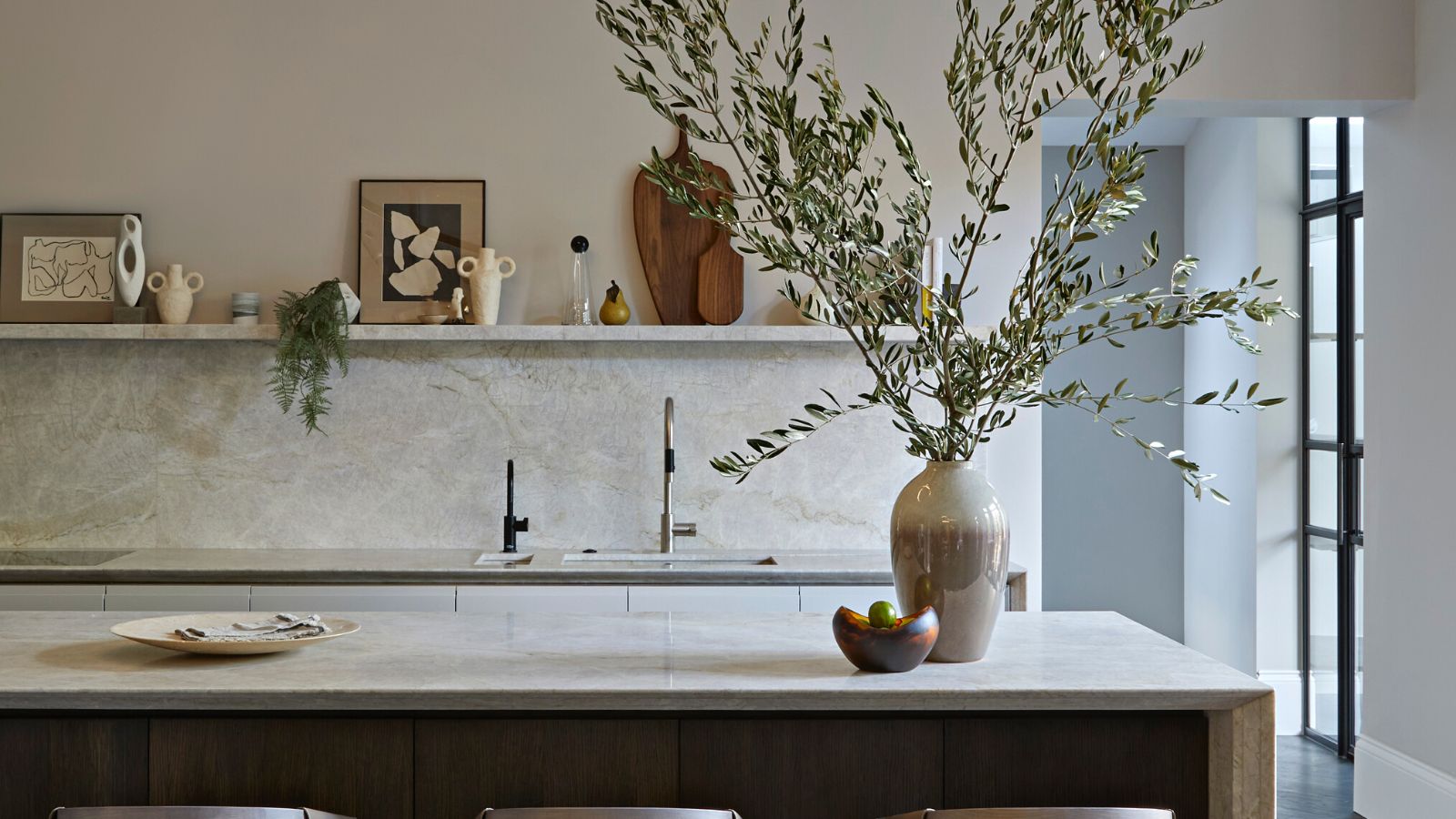
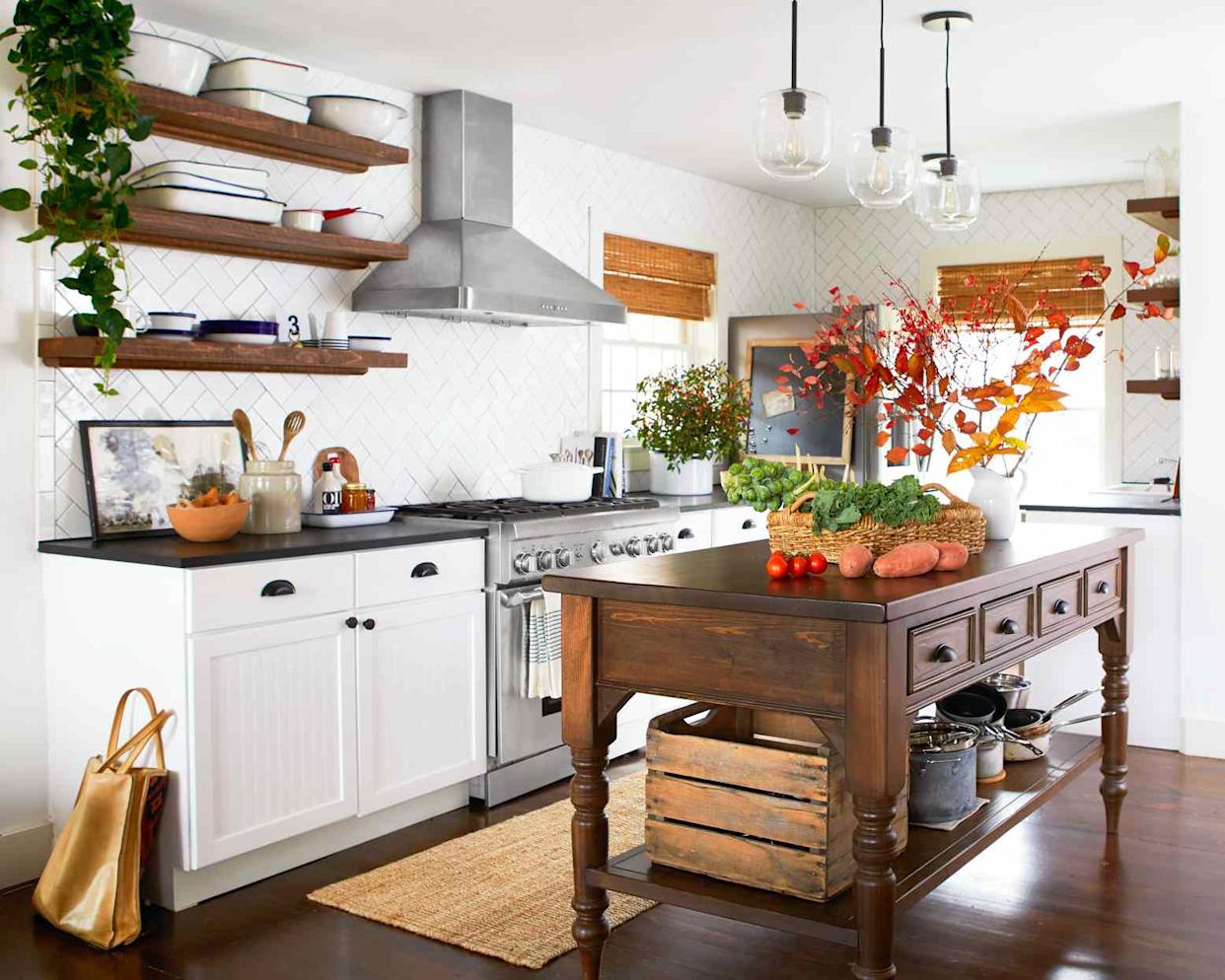
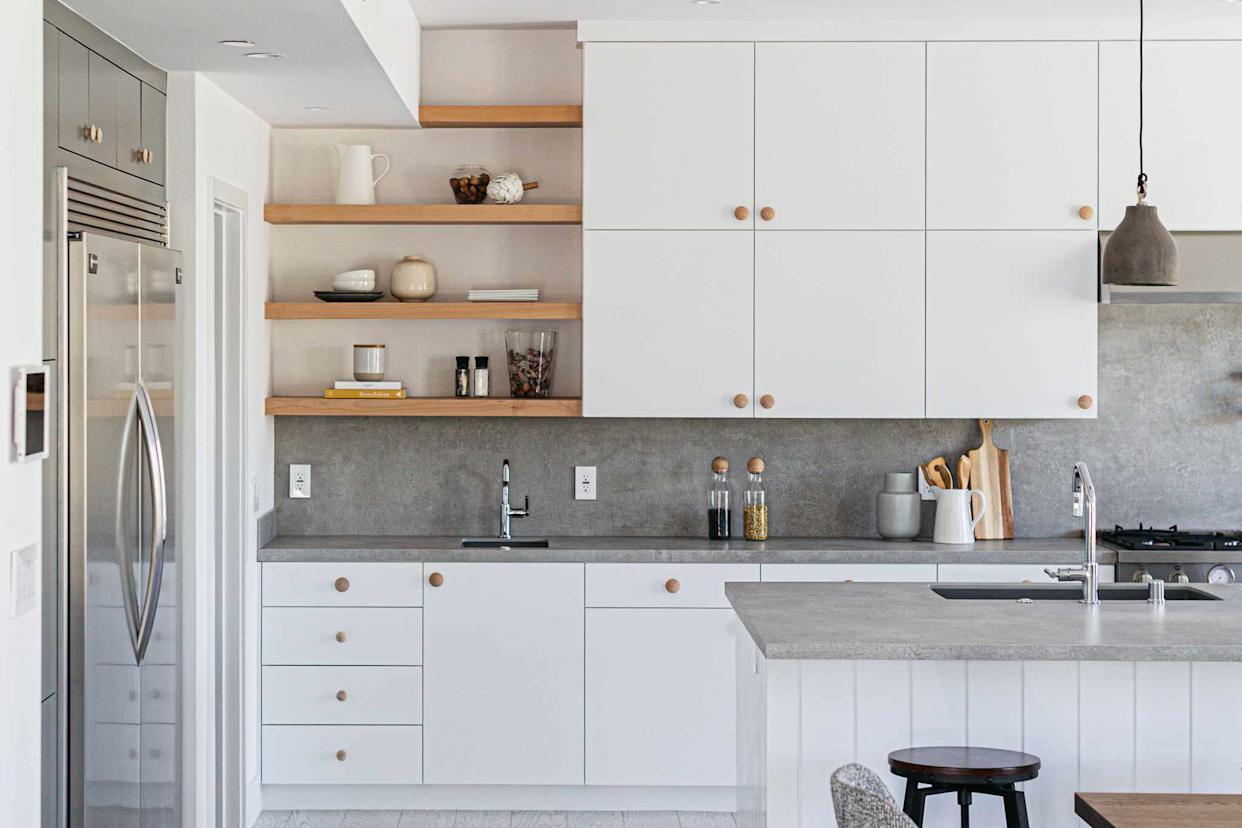
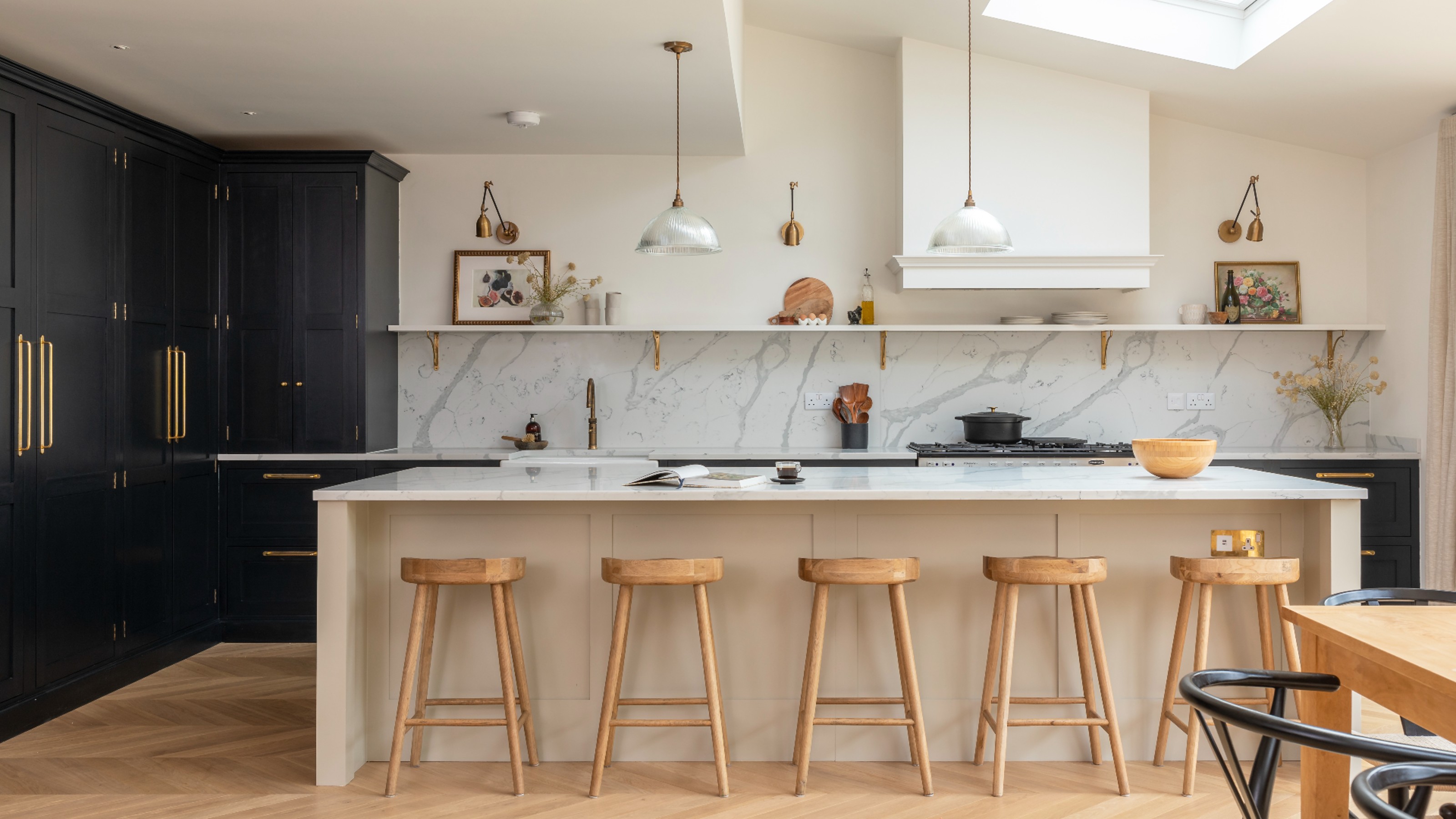
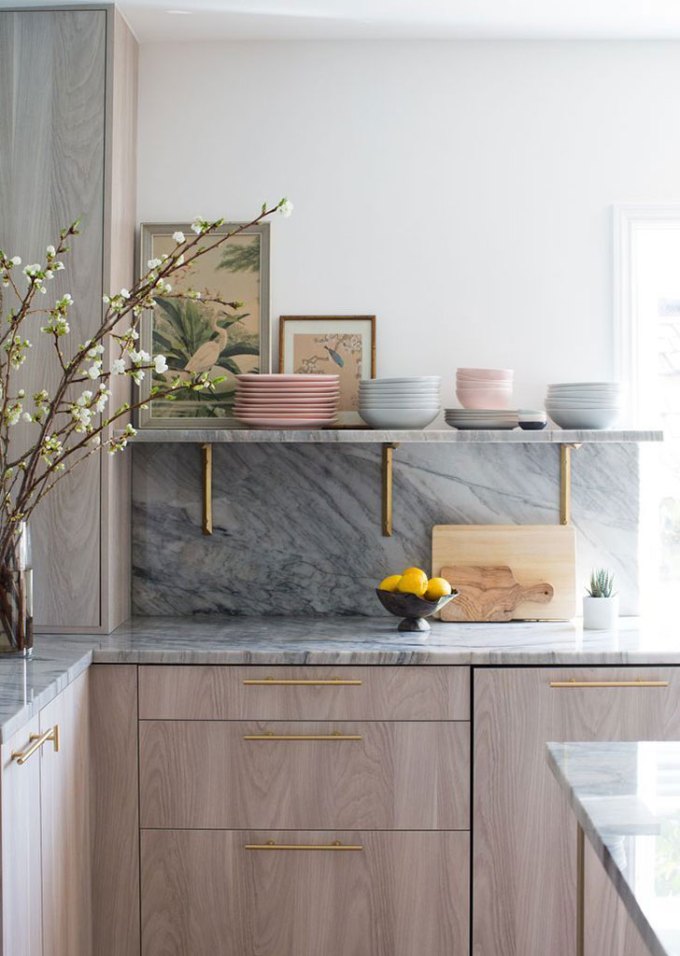
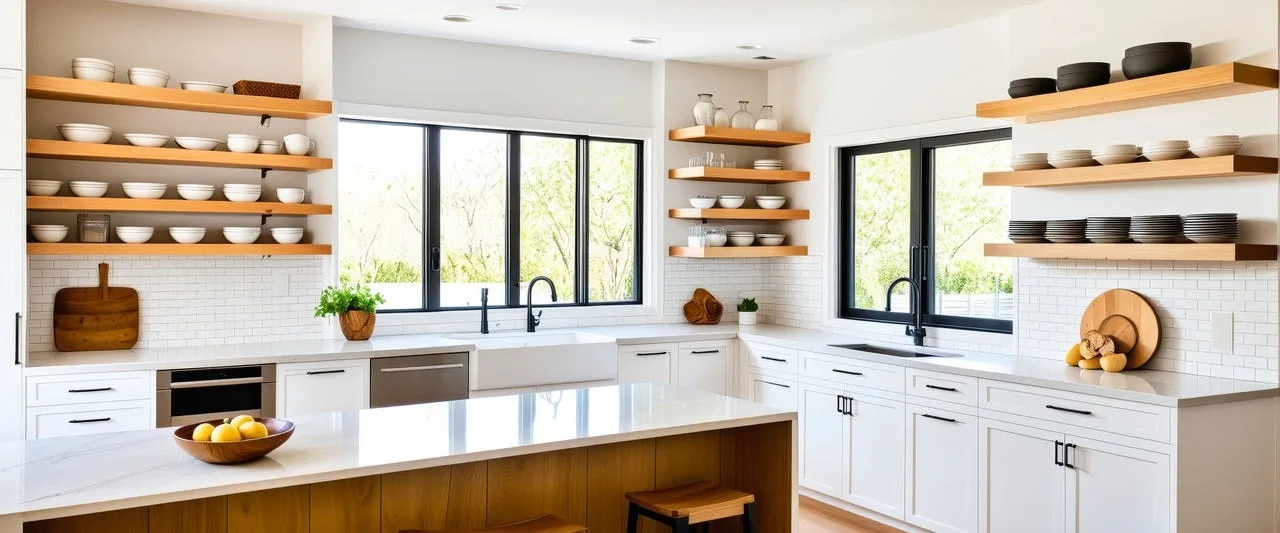
Open shelving has become a popular design trend in kitchens, often seen in various home design projects. While visually appealing and effective for making small spaces appear larger or displaying prized crockery, open shelving presents several practical challenges in an everyday kitchen environment. These issues include difficulties in maintaining organization, demanding frequent cleaning, and offering less-than-optimal storage solutions.
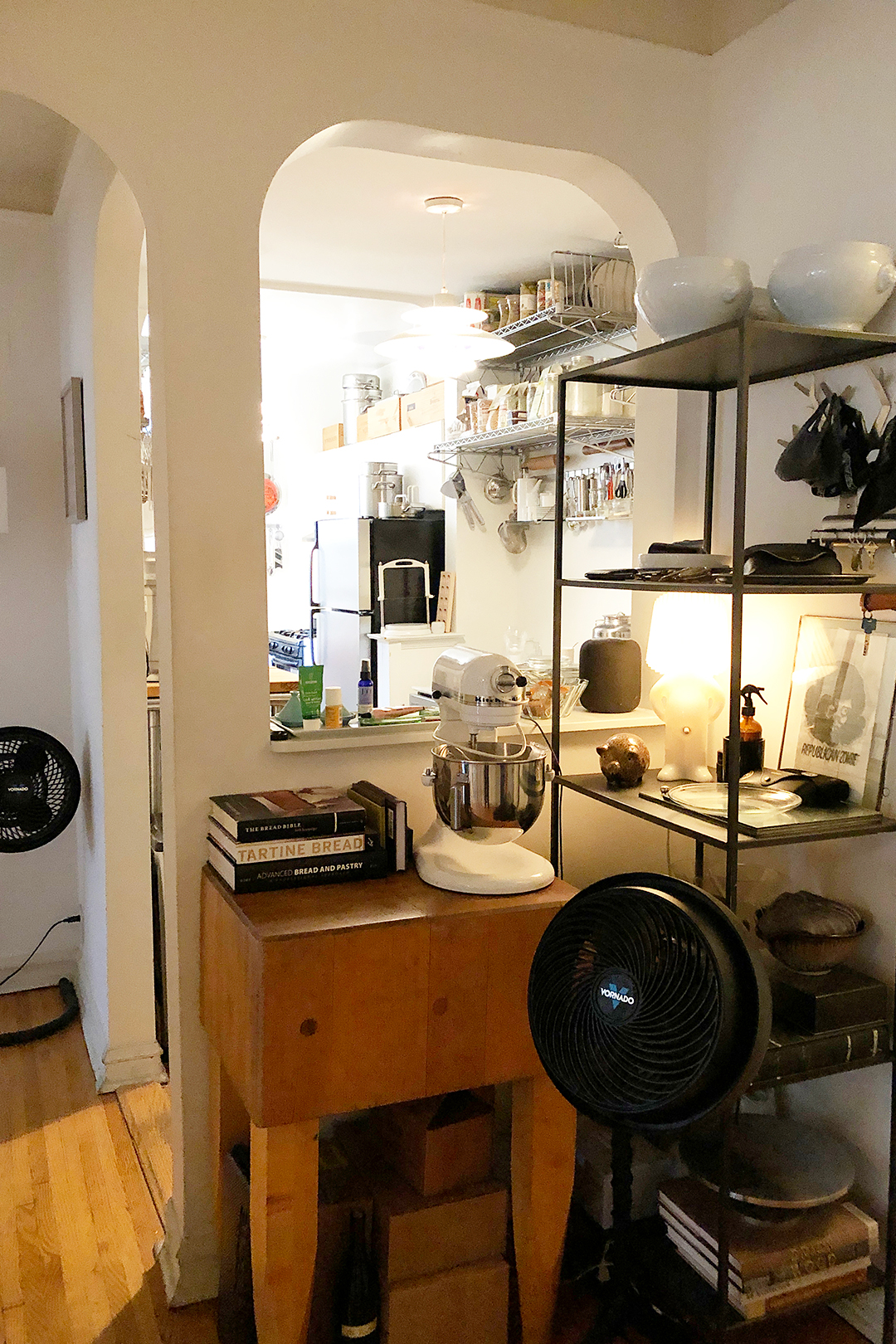
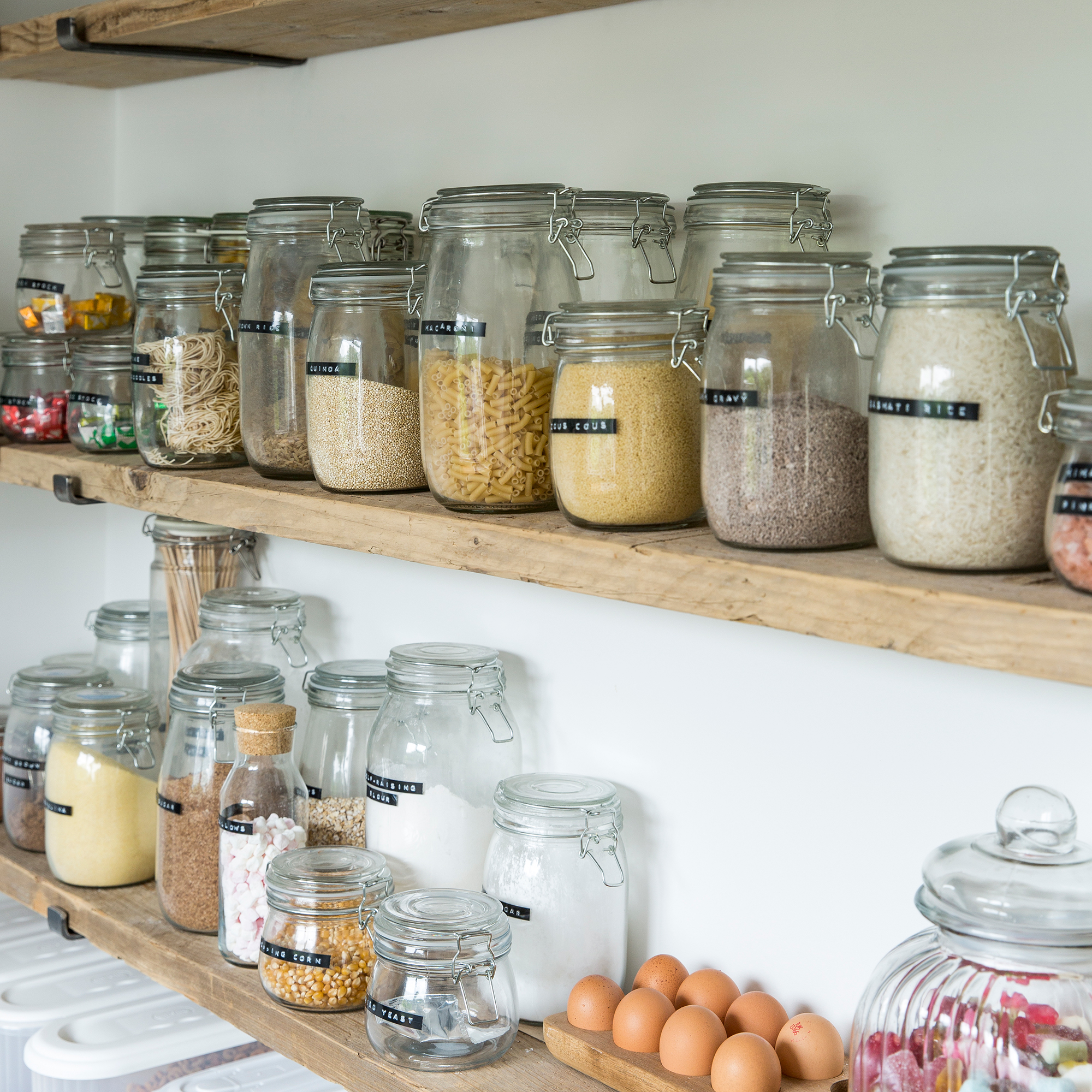
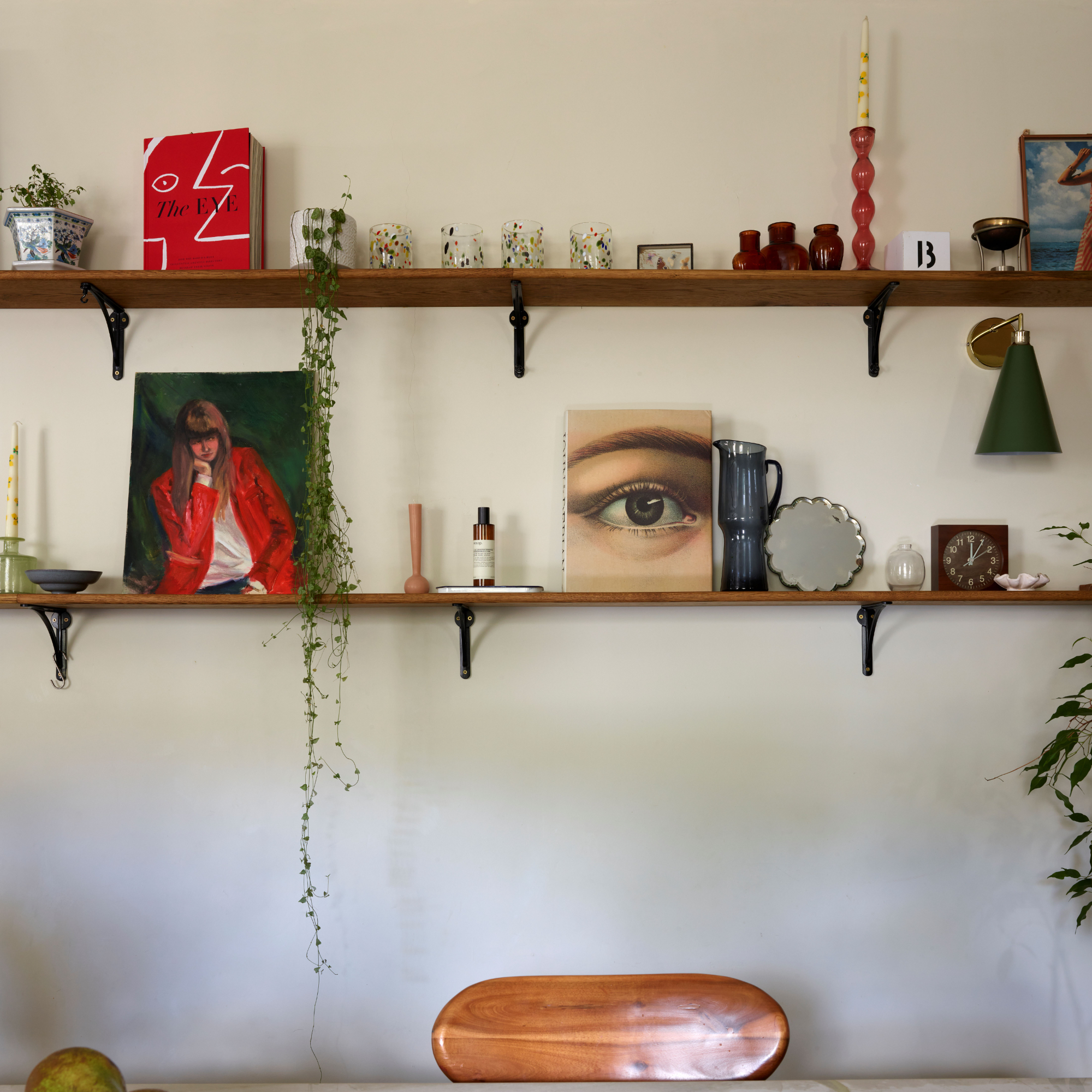
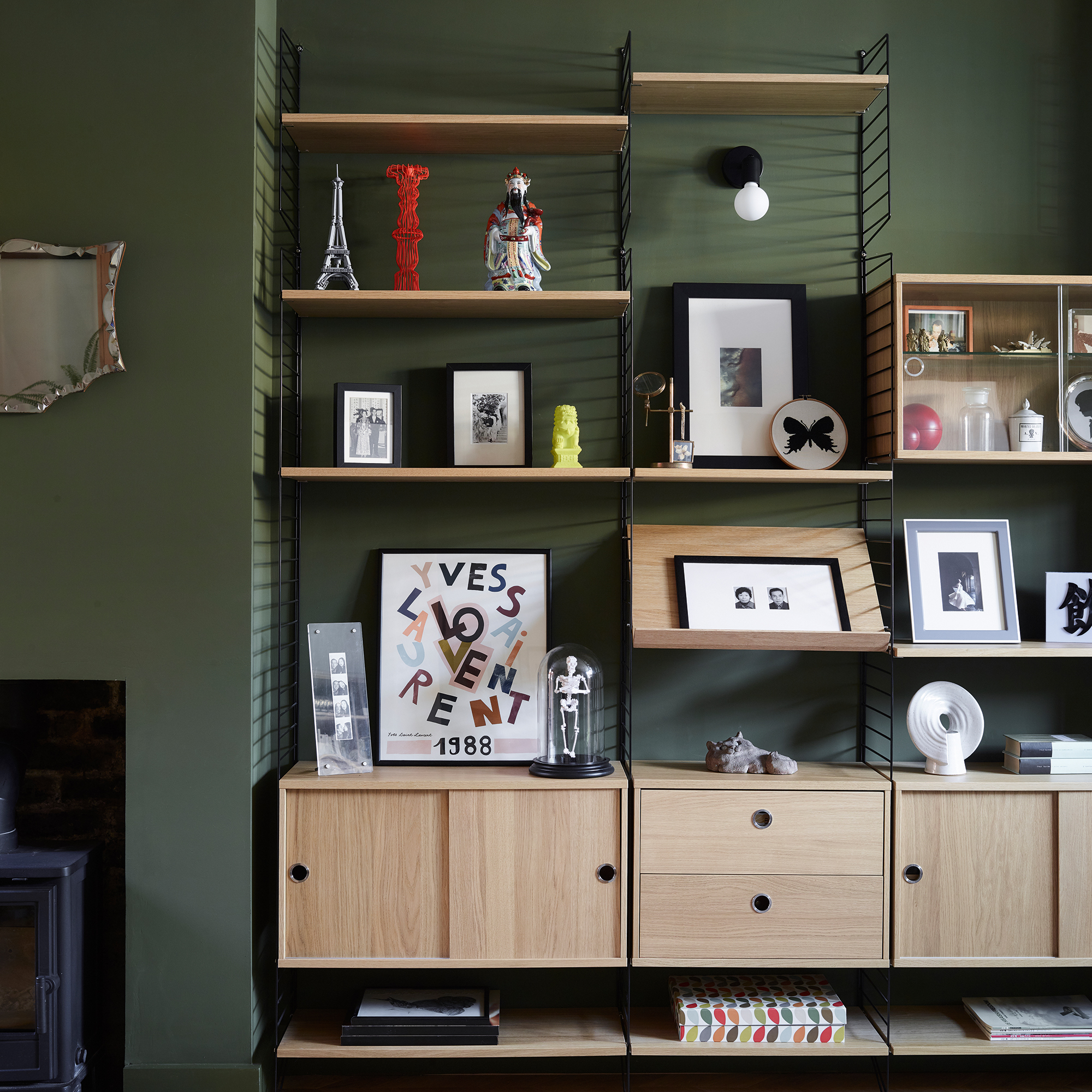
Maintaining an organized appearance on open shelves is a significant challenge. Unlike decorative shelves in living rooms that can be styled and left, kitchen shelves are constantly in use for items such as food, pans, and crockery. This constant movement can easily lead to clutter, making the shelves look untidy. Conversely, having too few items can make the shelves appear sparse or unfinished. Achieving the right balance requires careful styling and continuous effort to prevent disarray.
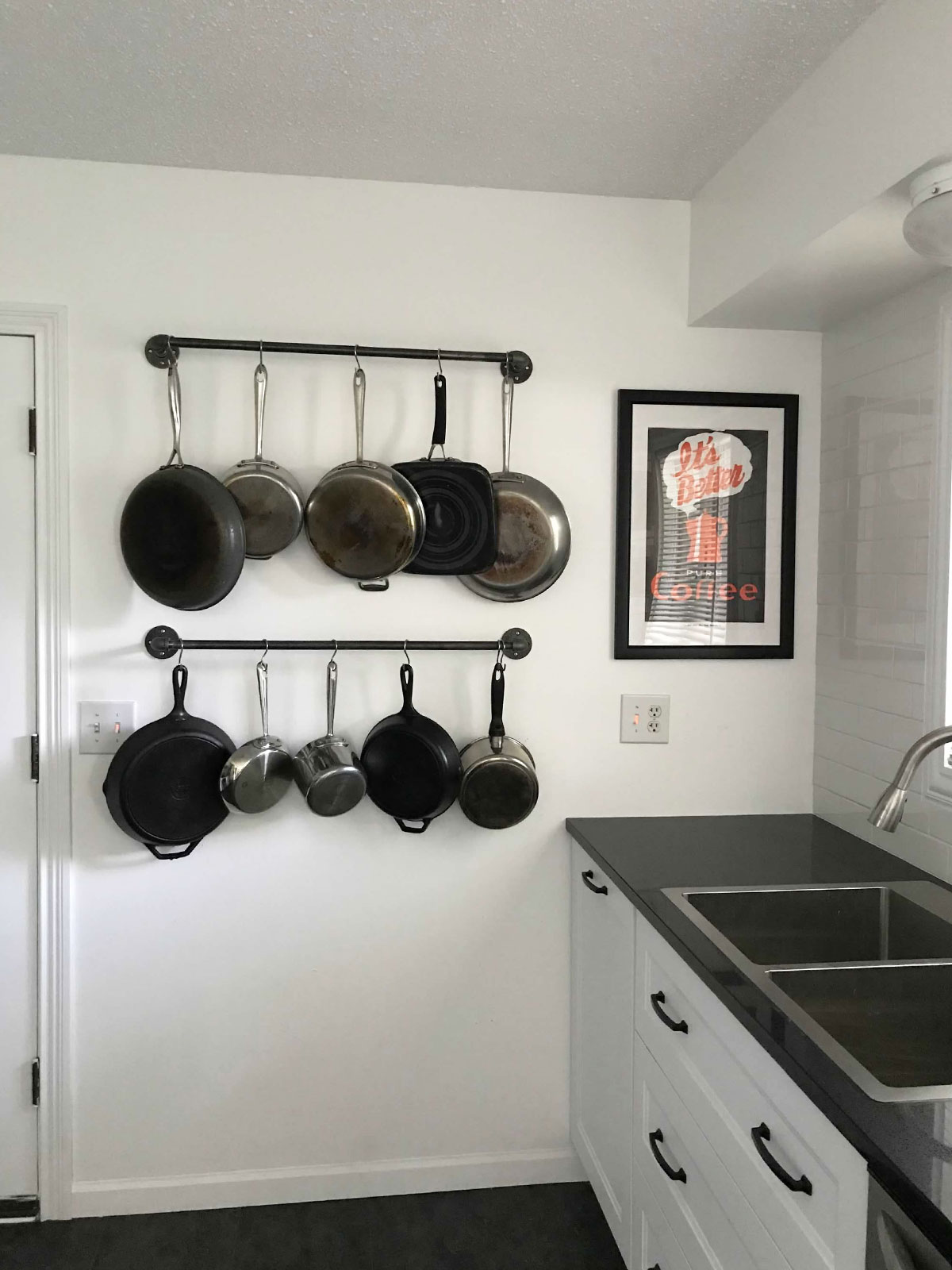
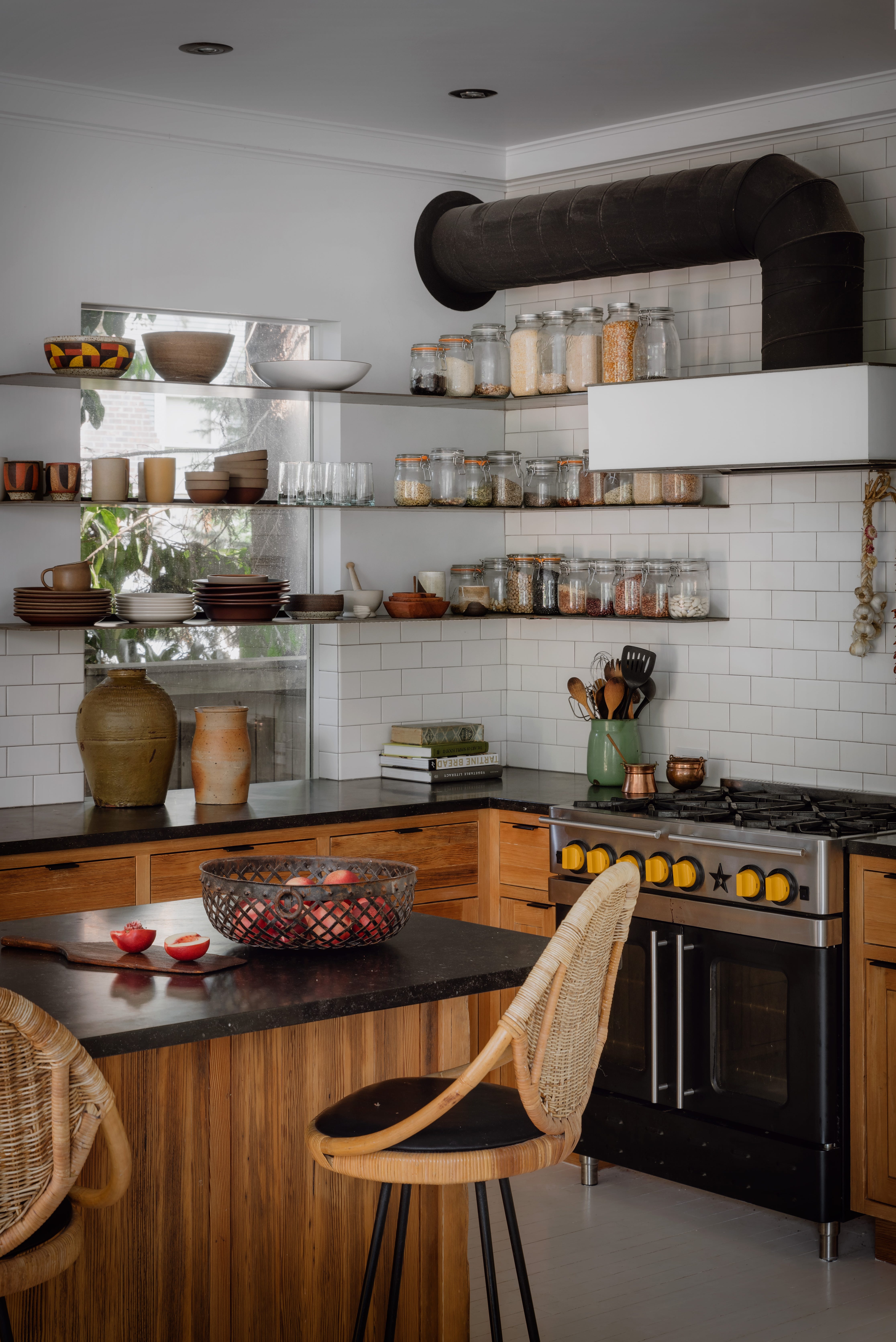
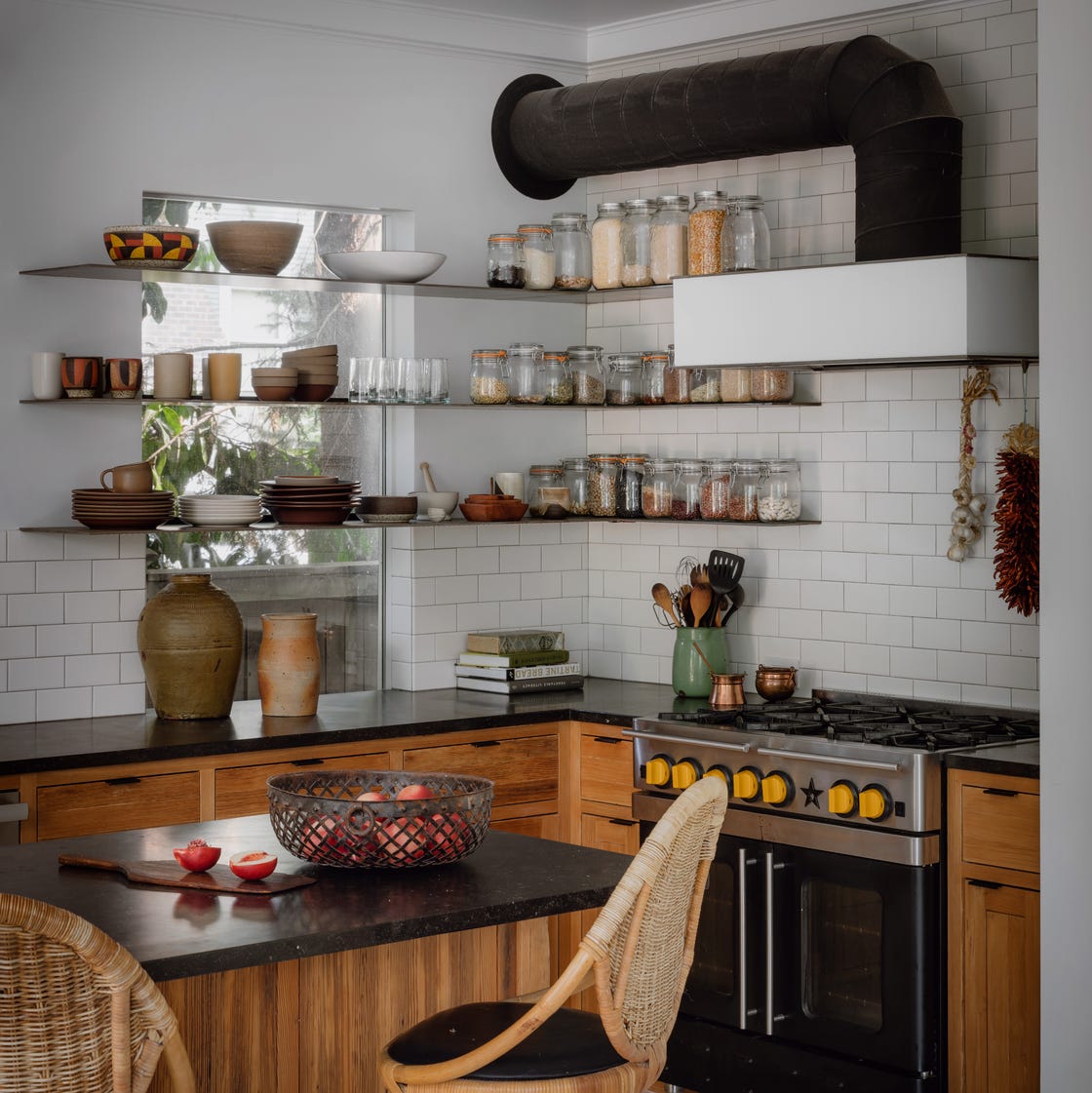
Another major drawback of open shelving is the difficulty in keeping items clean. Kitchen environments are prone to grease and dust accumulation, especially near cooking areas. Placing open shelving near an extractor fan or hob can result in greasy deposits, which attract dust and grime, making surfaces and displayed items notoriously difficult to clean. This often necessitates frequent cleaning of both the shelves and their contents, potentially every time an item is used, which significantly reduces their practicality for day-to-day use.
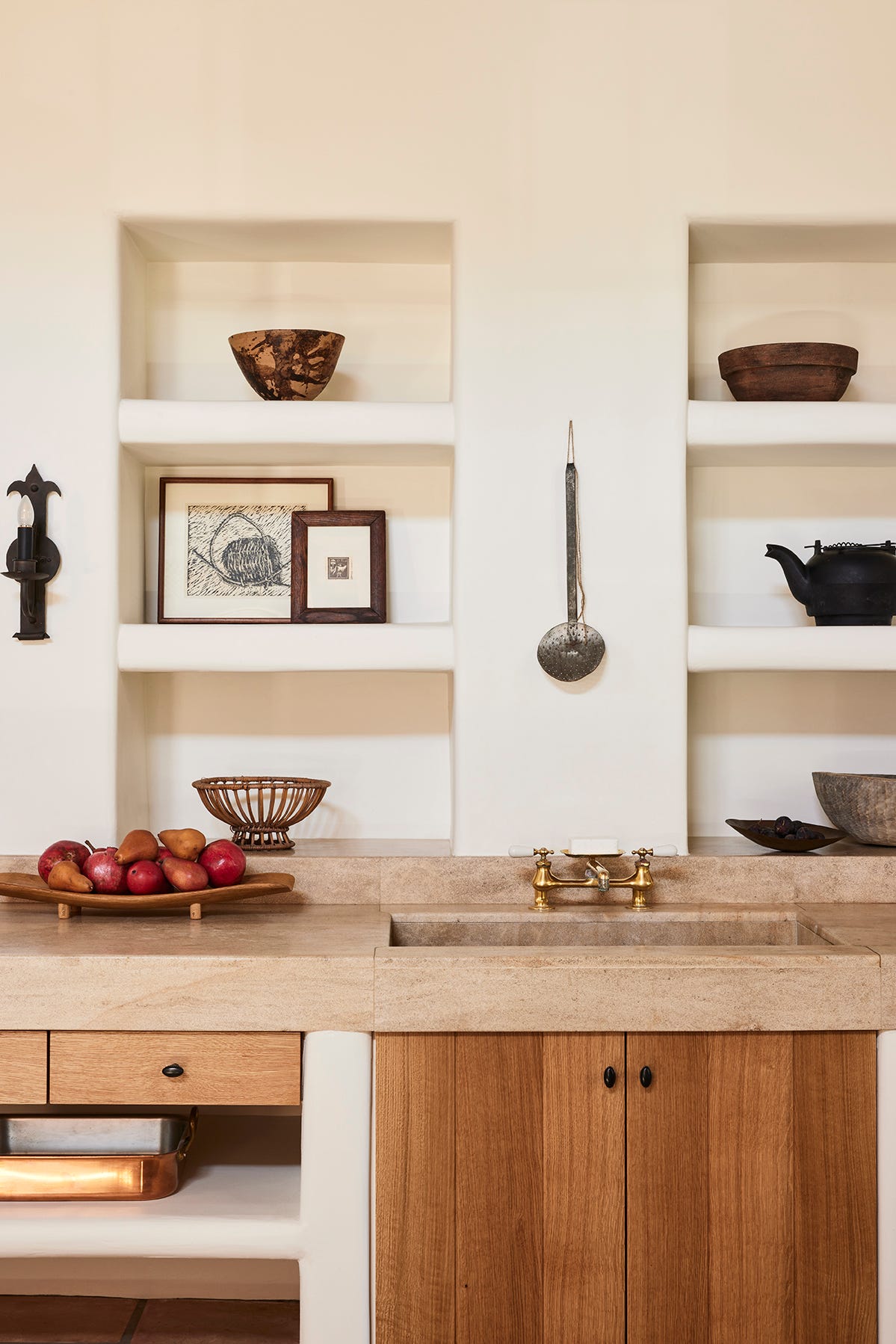
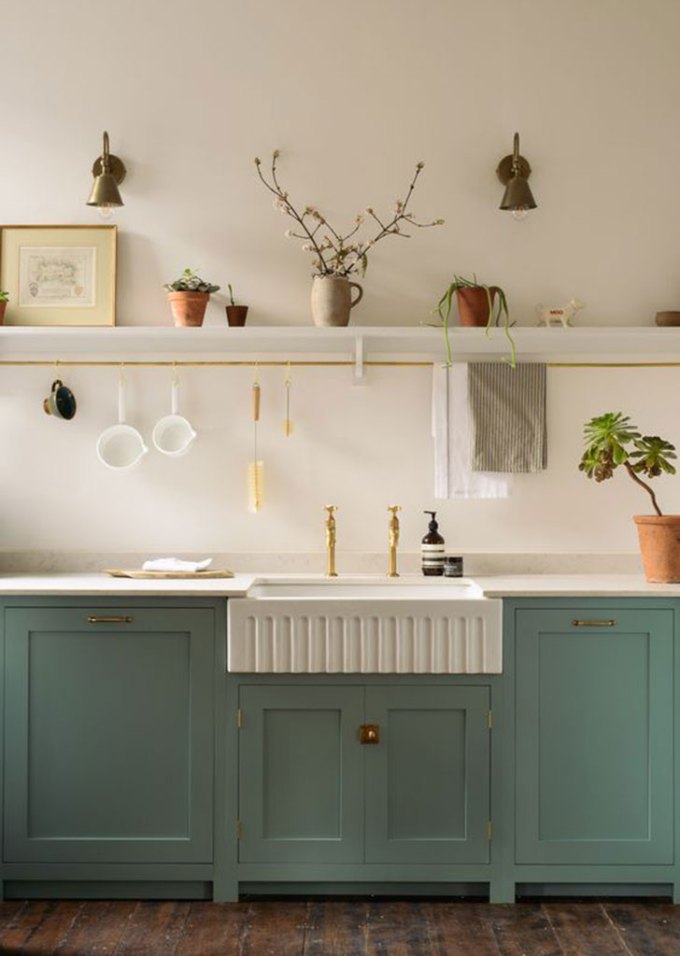
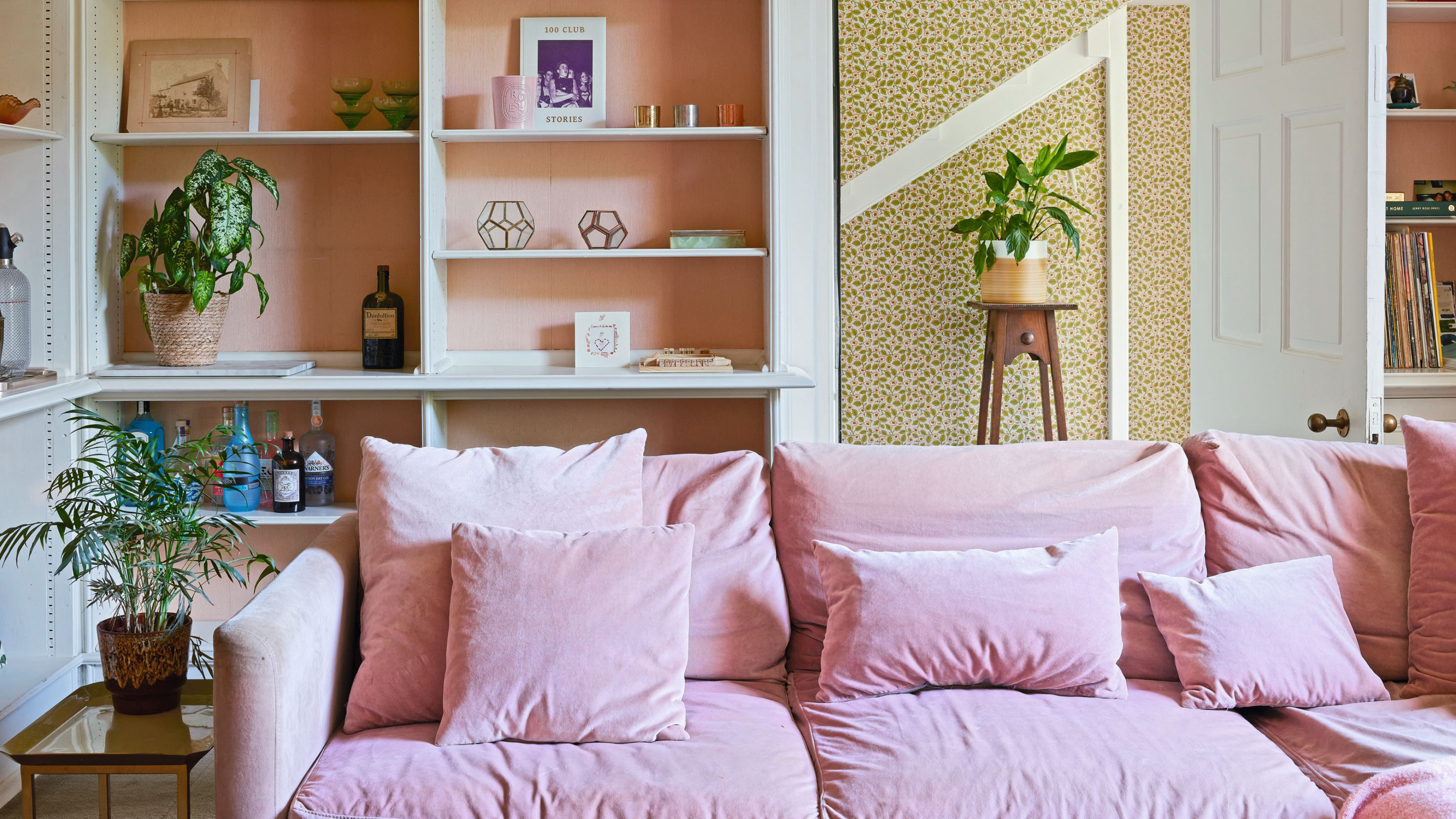
From a storage perspective, open shelving is not the most efficient option for a functional kitchen. While it can add personality and make a kitchen feel cozier by allowing for decorative elements like art, plants, or lamps, it is generally not recommended for storing everyday cups and plates. Such use can quickly lead to a cluttered appearance and expose dinnerware to dust and grime, rendering them unsuitable for immediate use without washing.
Furthermore, the cost-effectiveness of open shelving, particularly custom designs, is often overestimated. While it might seem like a cheaper alternative to traditional cabinetry, bespoke open shelving often does not result in substantial savings, especially when compared to the long-term durability and functionality of quality cabinets. Consumers are increasingly seeking products with longevity and durability, viewing such choices as wise investments, which open shelving may not always embody.
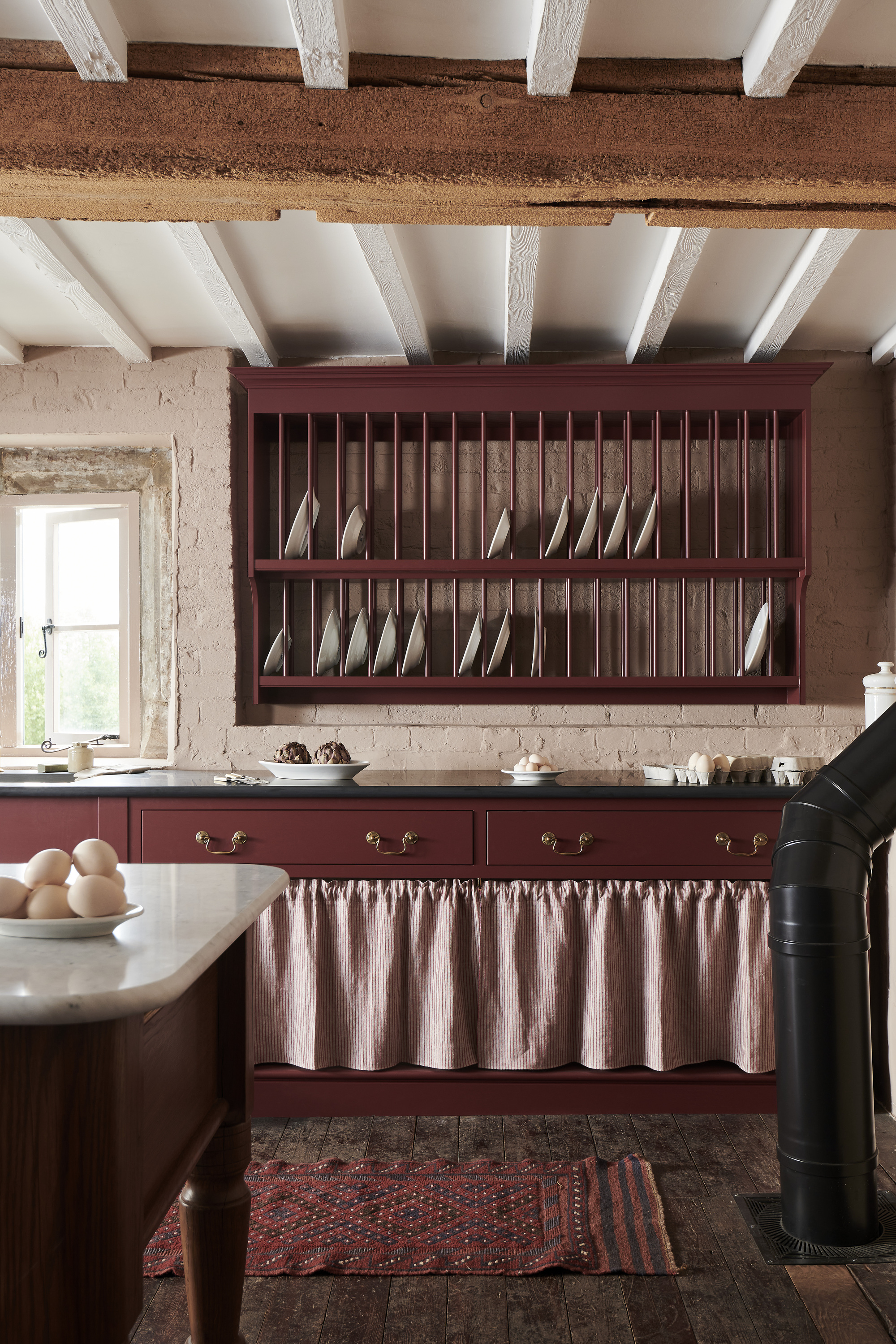
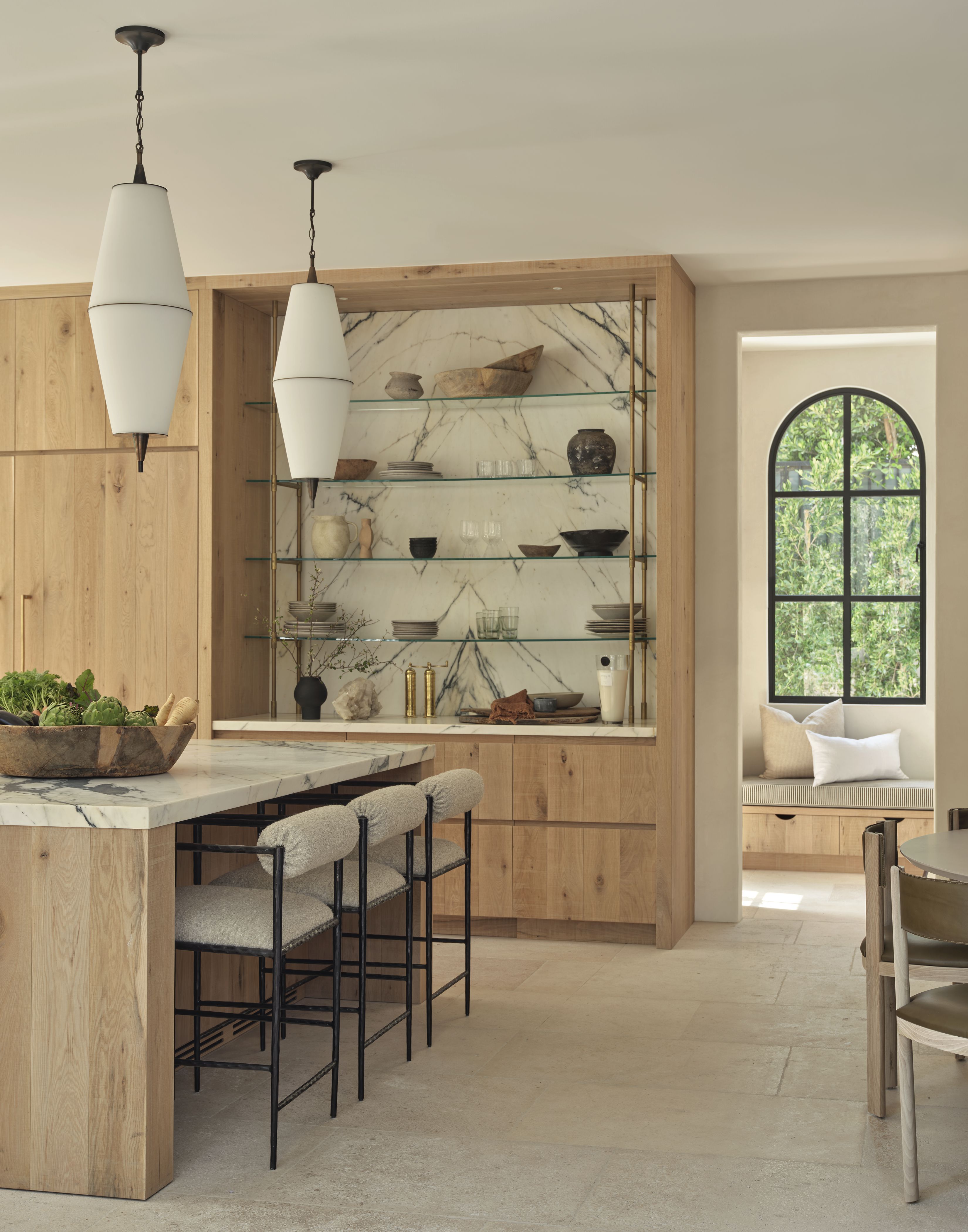
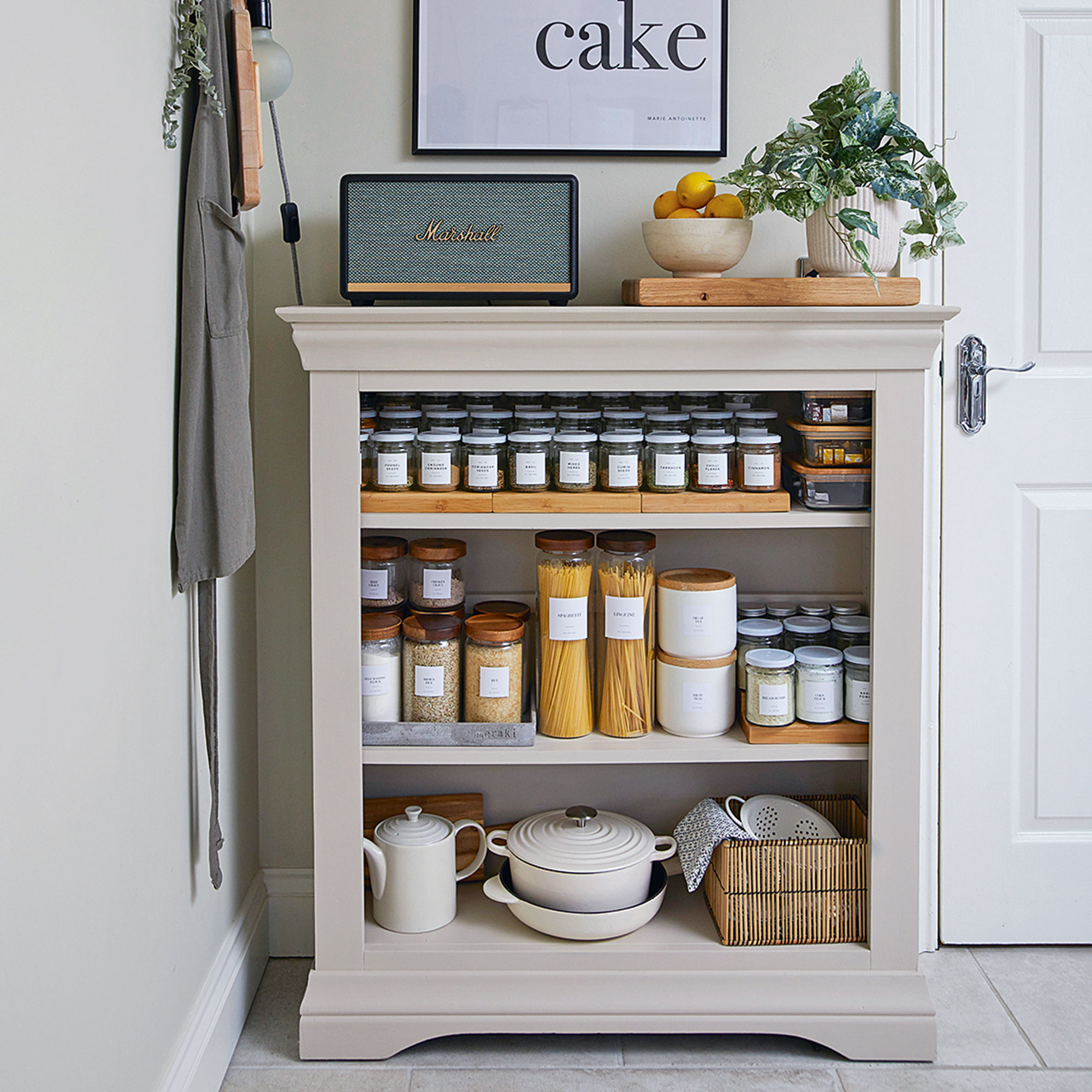
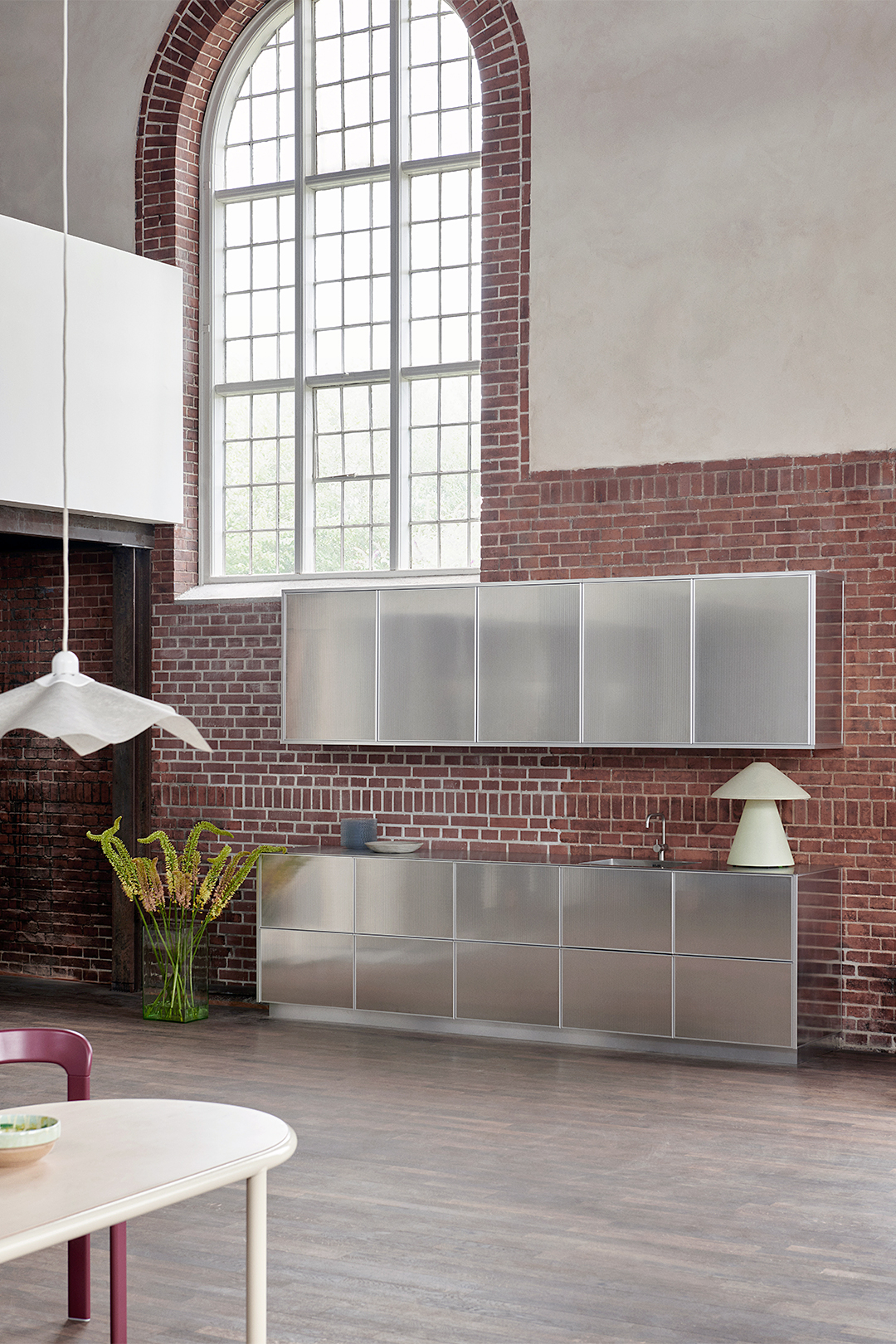
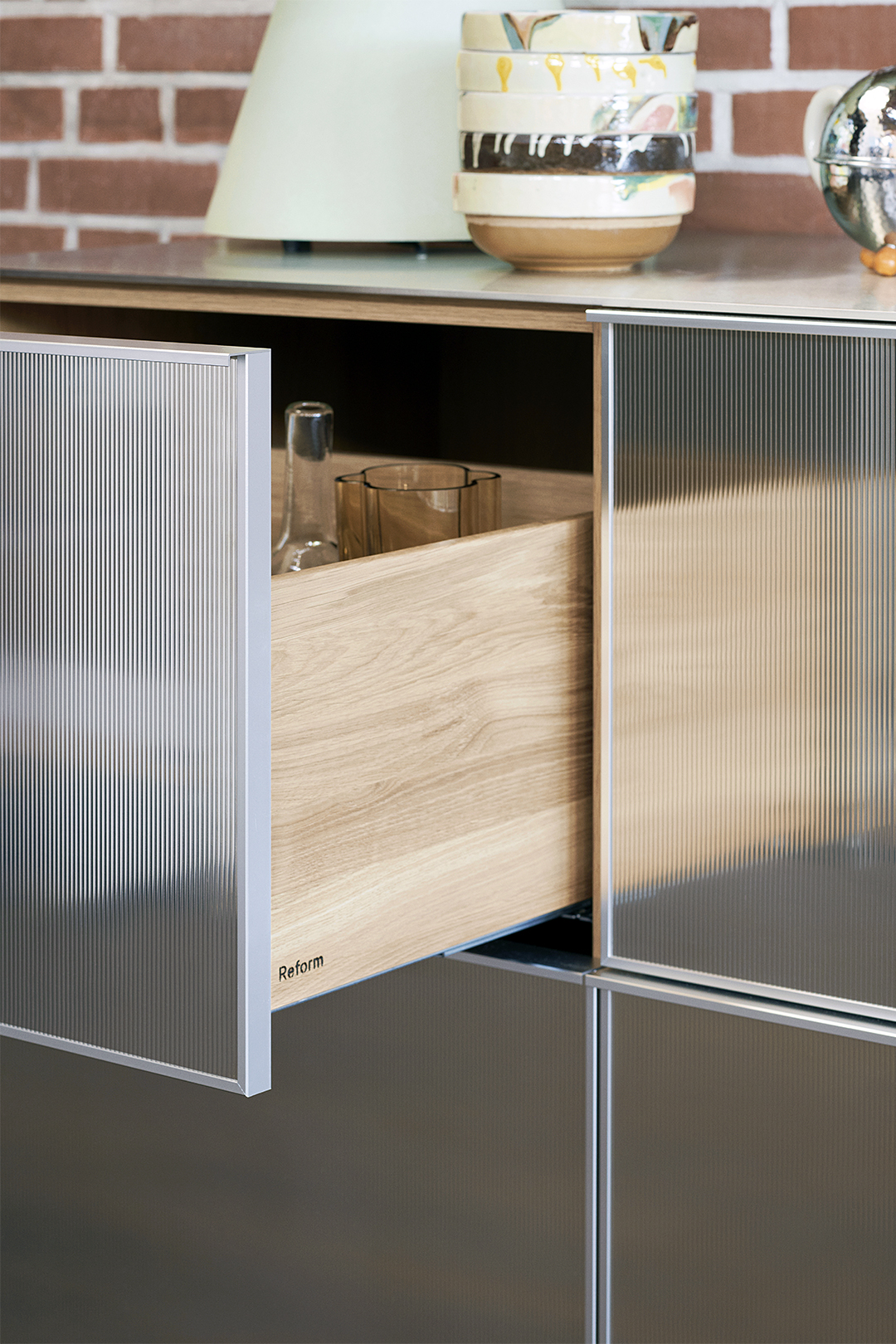
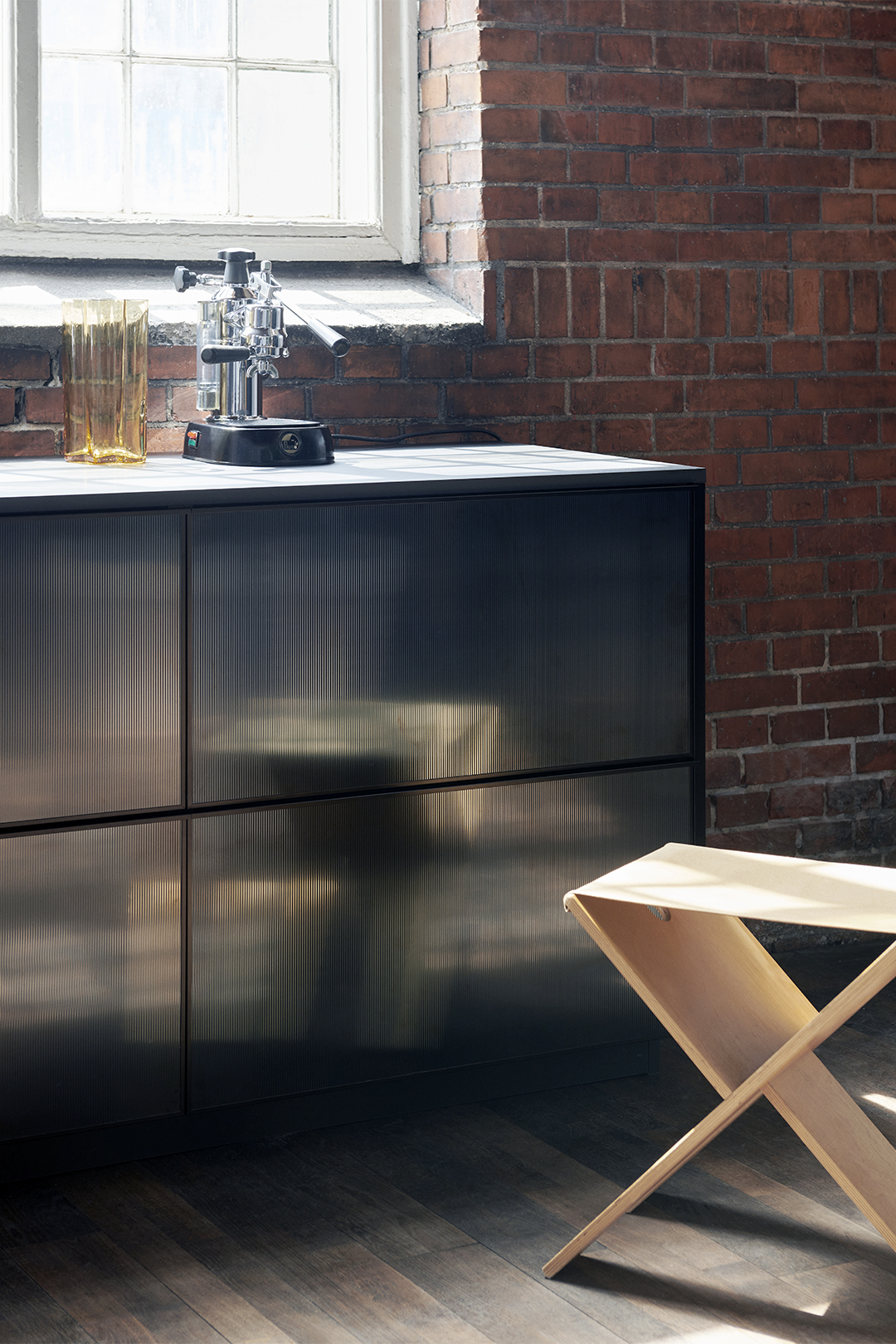
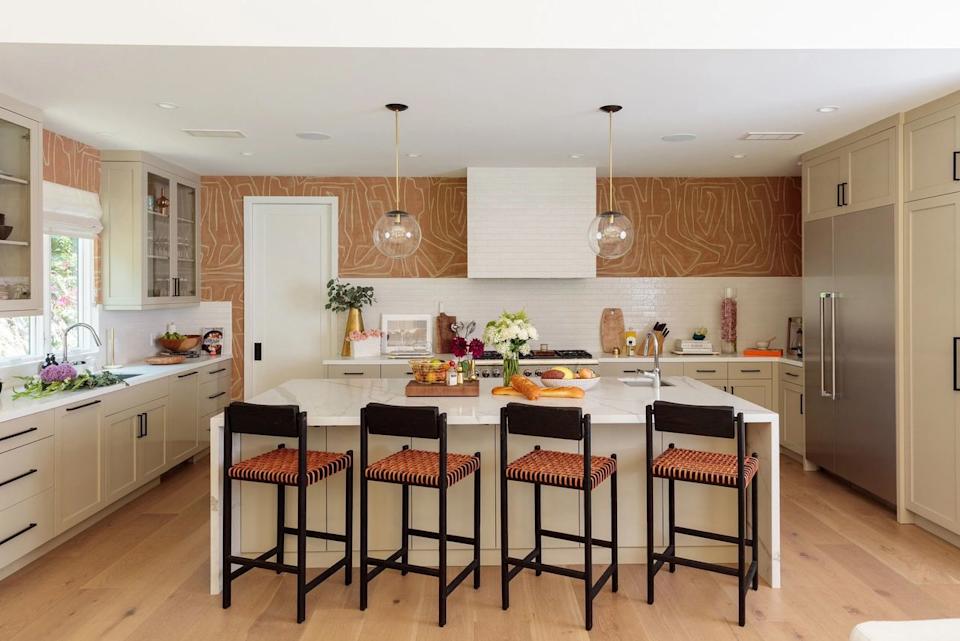
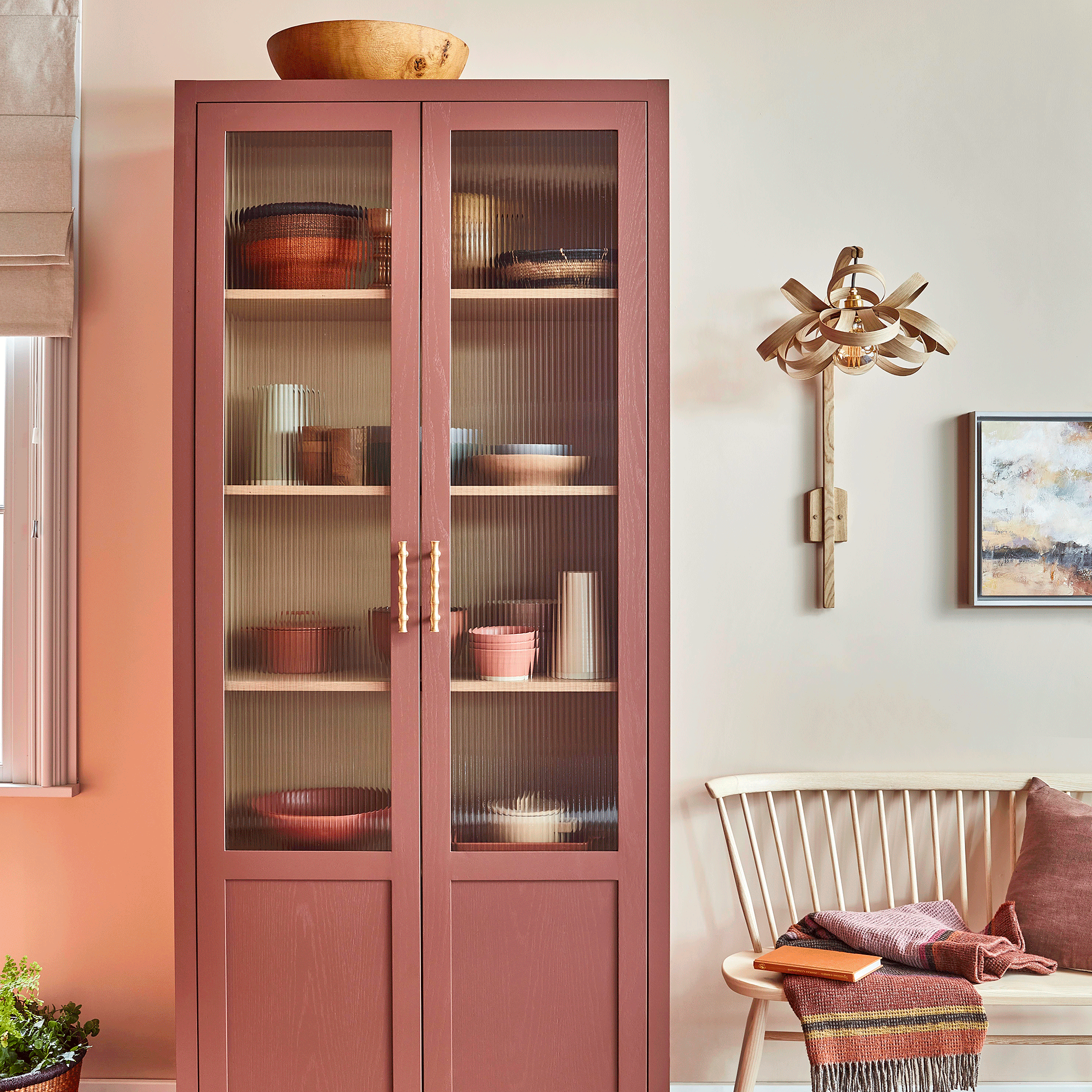
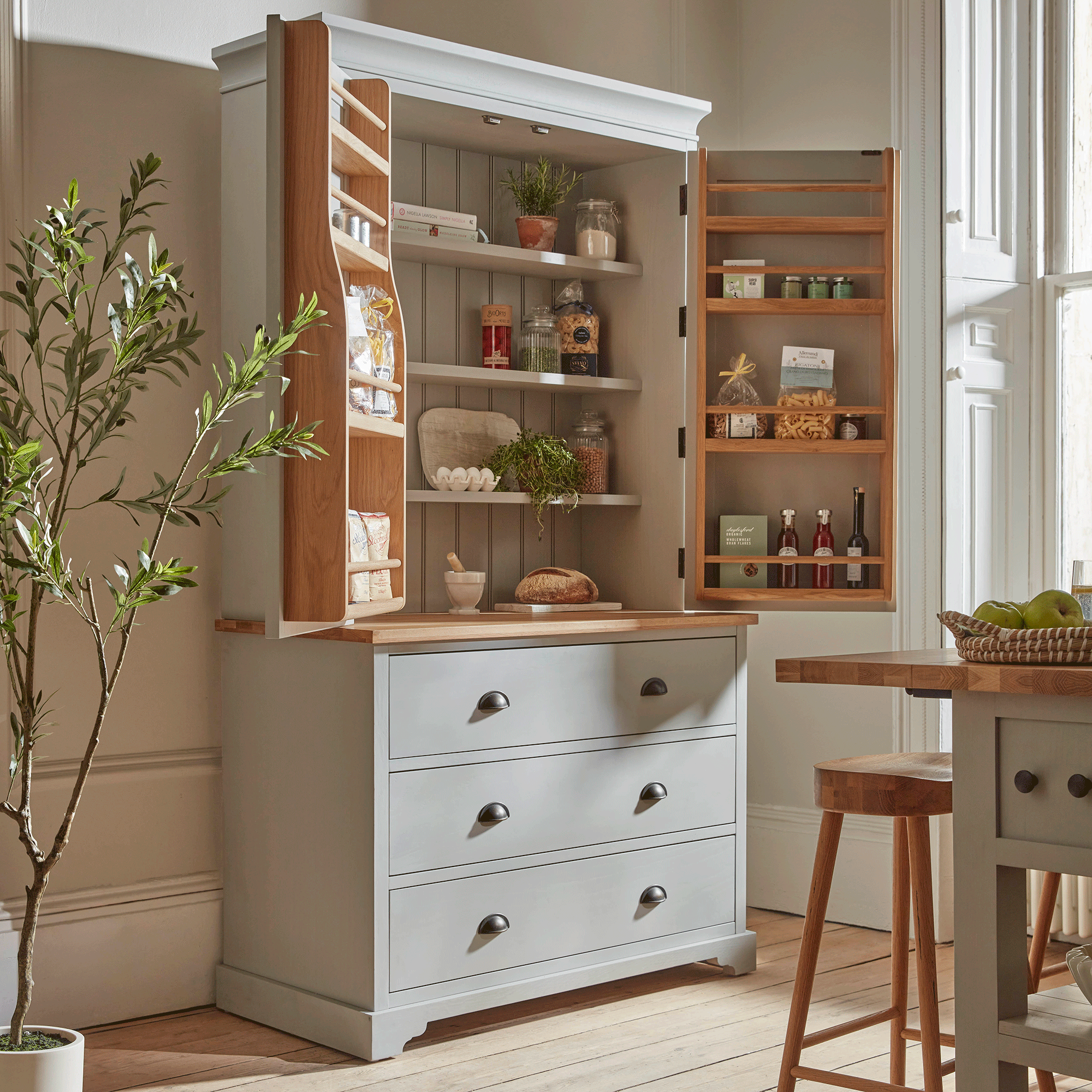
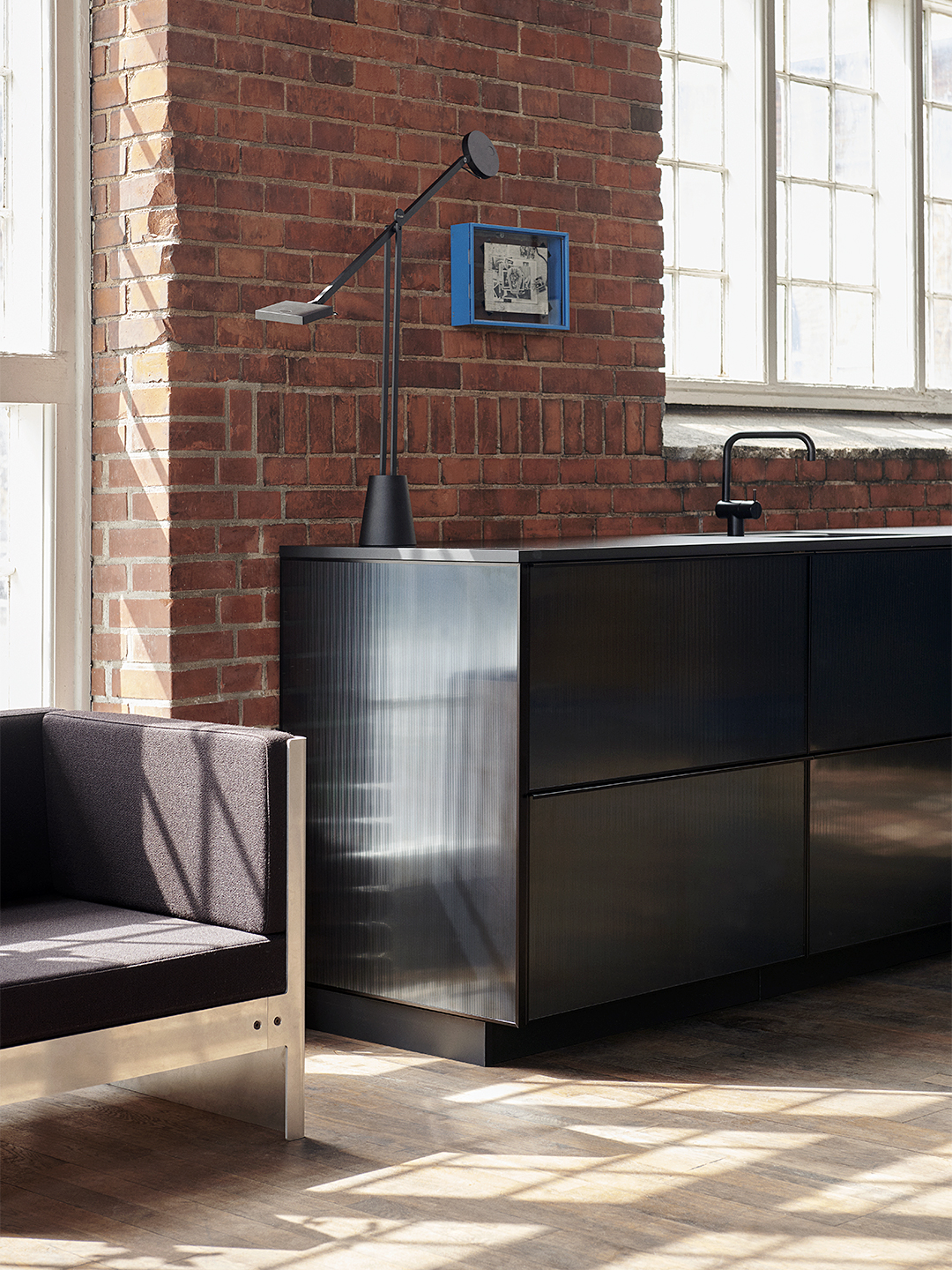
For those who appreciate the aesthetic of open shelving but wish to avoid its drawbacks, several alternatives exist. Decorative French dressers offer a blend of open display and enclosed storage, featuring neat shelves above for showcasing items and deep cupboards below for less attractive or frequently used pieces. Glass-front cabinets are another excellent option, providing the visual openness of shelves while protecting contents from dust and grease. Ribbed, frosted, or fluted glass can be used to obscure minor disorganization if needed. Lastly, utilizing the space around a kitchen island by incorporating built-in cabinetry, including glazed sections or bookshelves, can offer practical storage and display opportunities without compromising the main kitchen area's functionality. These alternatives allow for similar aesthetic benefits while addressing the practical concerns associated with open shelving.
#OpenShelving #KitchenDesign #HomeStorage #InteriorDesign #KitchenOrganization #HomeDecor #KitchenTrends #Practicality #OpenShelving #KitchenDesign #HomeStorage #InteriorDesign #KitchenOrganization #HomeDecor #KitchenTrends #Practicality
0 comment in total
 No comments yet
You may also like
Are Open Kitchen Shelves Still in Style? This Interior Designer Told Us to Ditch Them — Here's Why

This Is the Most Optimal Place for an Open Shelf in Your Kitchen

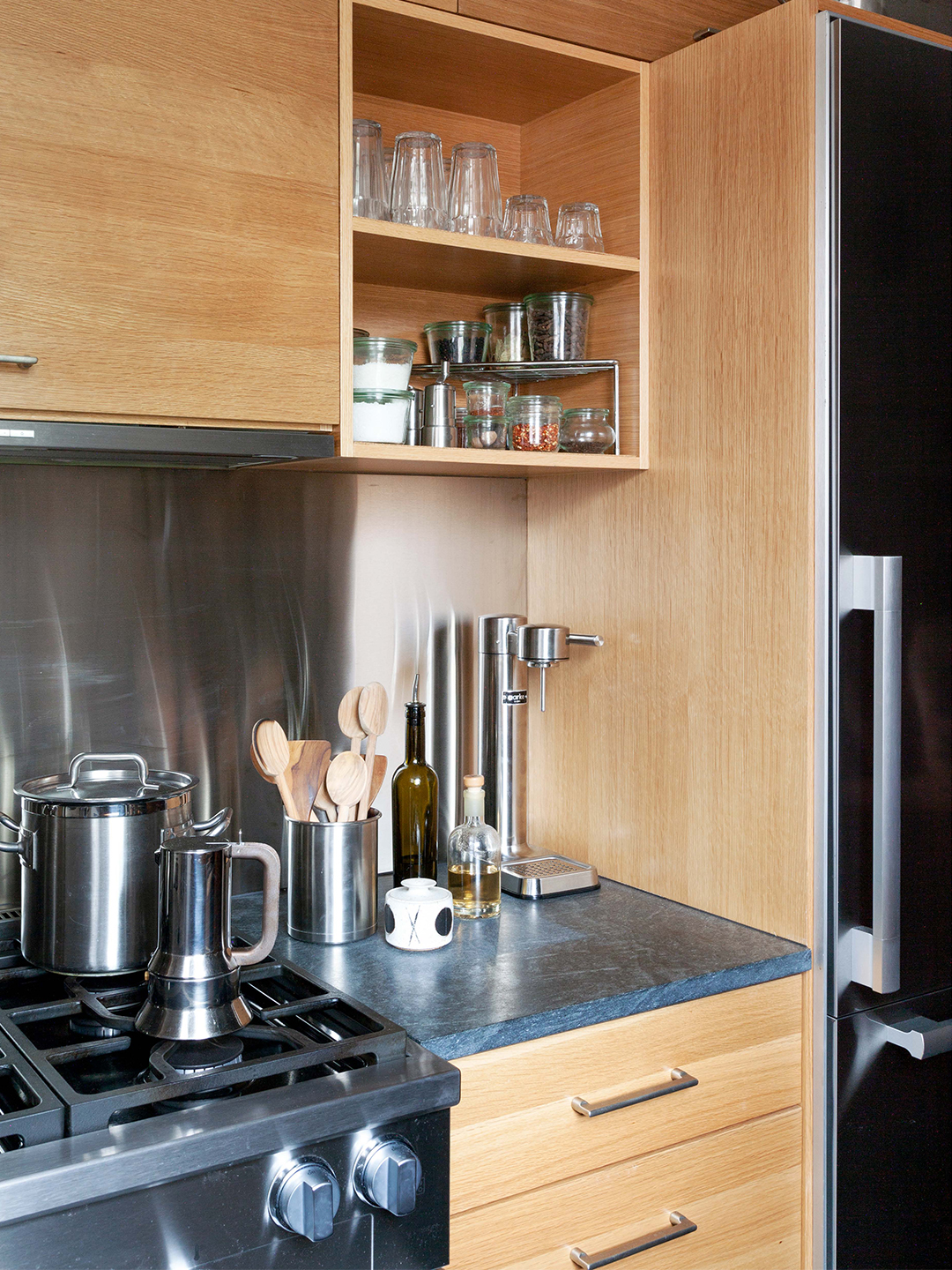
Why a Former Chef Swears by This Style of Open Kitchen Shelving
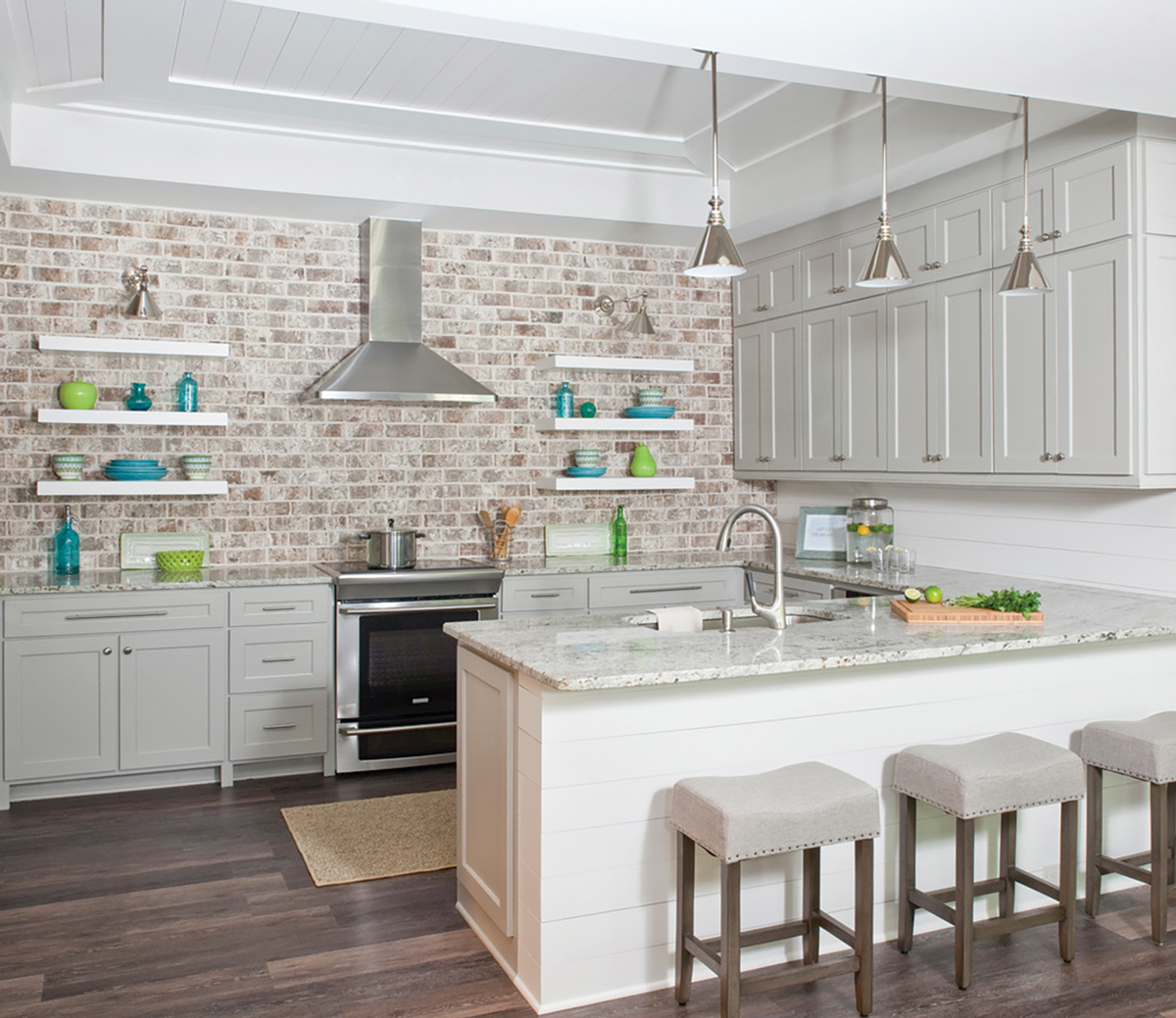
Kitchen cabinets? Or open shelving? We asked an expert for the pros and cons.
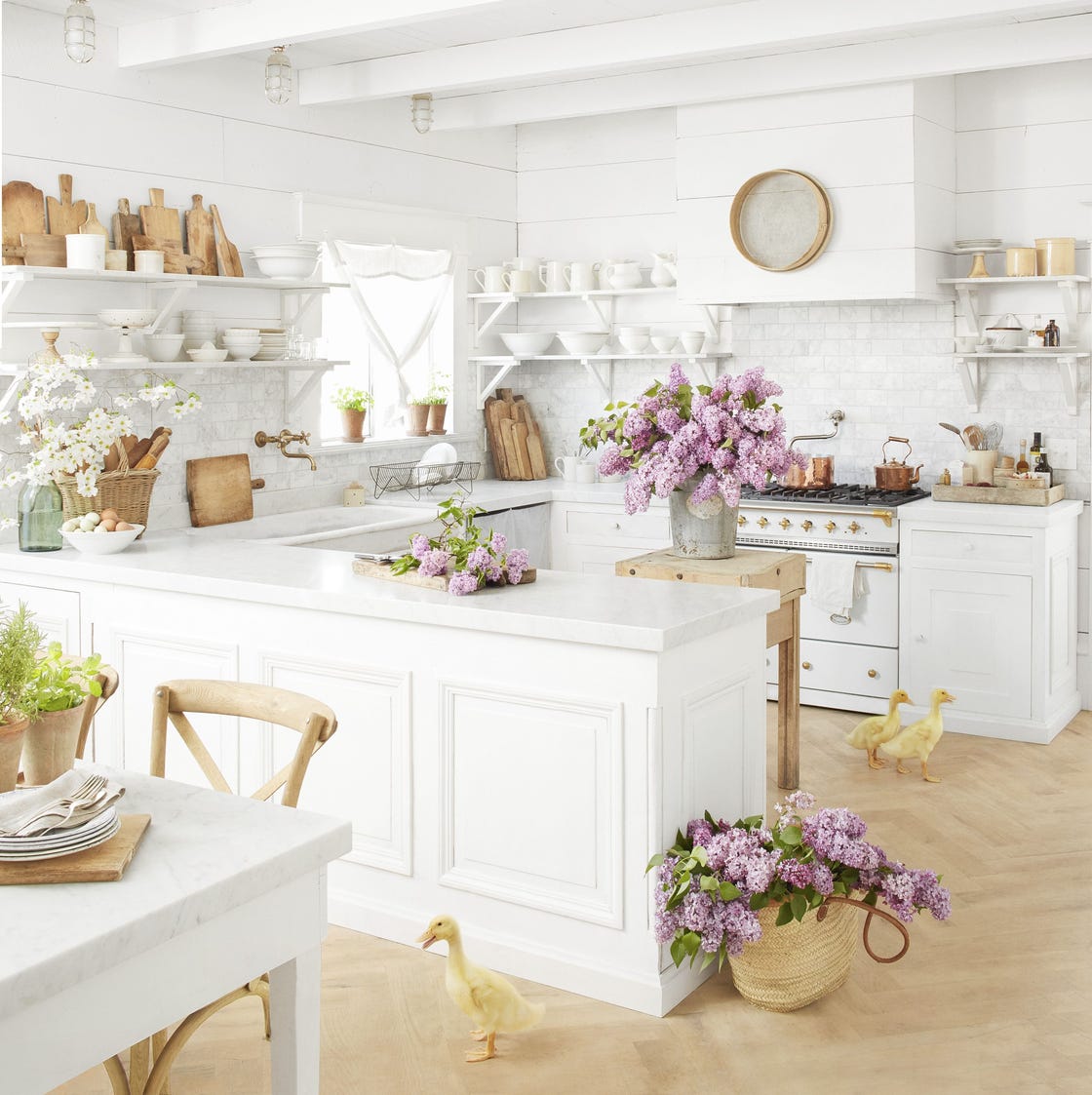
Yes, Open Shelving in a Kitchen Can Be Stylish and Functional
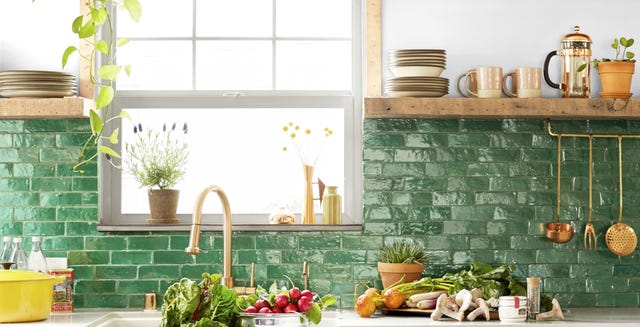
Maximize Your Kitchen Space With These Open Shelving Ideas

Designers Agree: This Kitchen Trend Instantly Makes Your Home Look Outdated

Are Open Shelves Finally Out of Style in 2026? Designers Weigh In
Never store these 6 things on open kitchen shelving, warn pro organisers
Designers Say They Secretly Hate This Popular Kitchen Design Trend

The Controversial Kitchen Trend the Design World Is Buzzing Over
Open storage might be causing you bad luck – here's why Feng Shui experts advise against it
Open kitchen shelves may look great, but are they for you? | At Home with Marni

I Swapped My Upper Kitchen Cabinets for Open Shelves—Here’s How I Feel About It Now
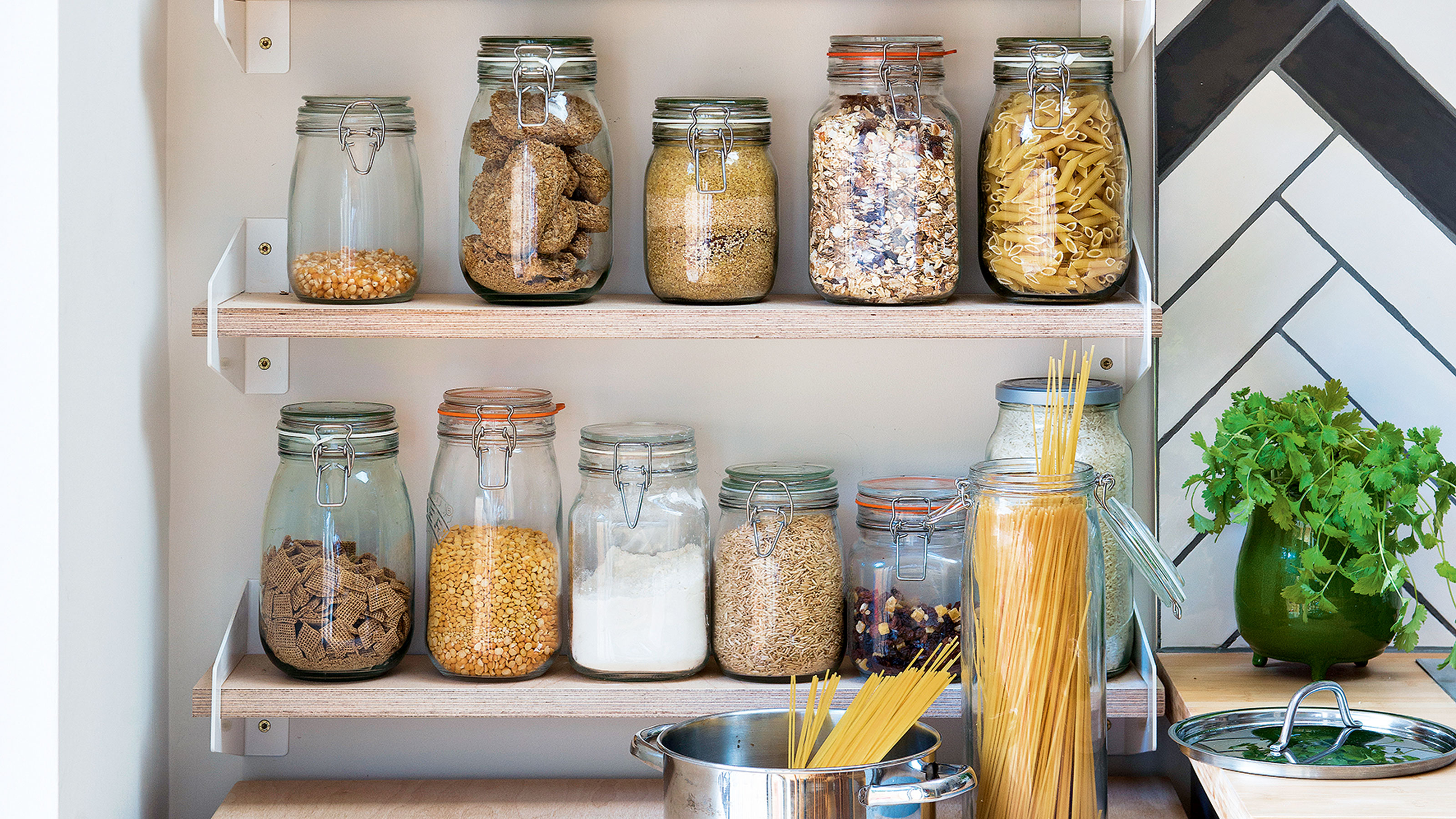
The kitchen storage trend I regret falling for – an open pantry might look great on Instagram, but this is why I ditched mine after 6 months
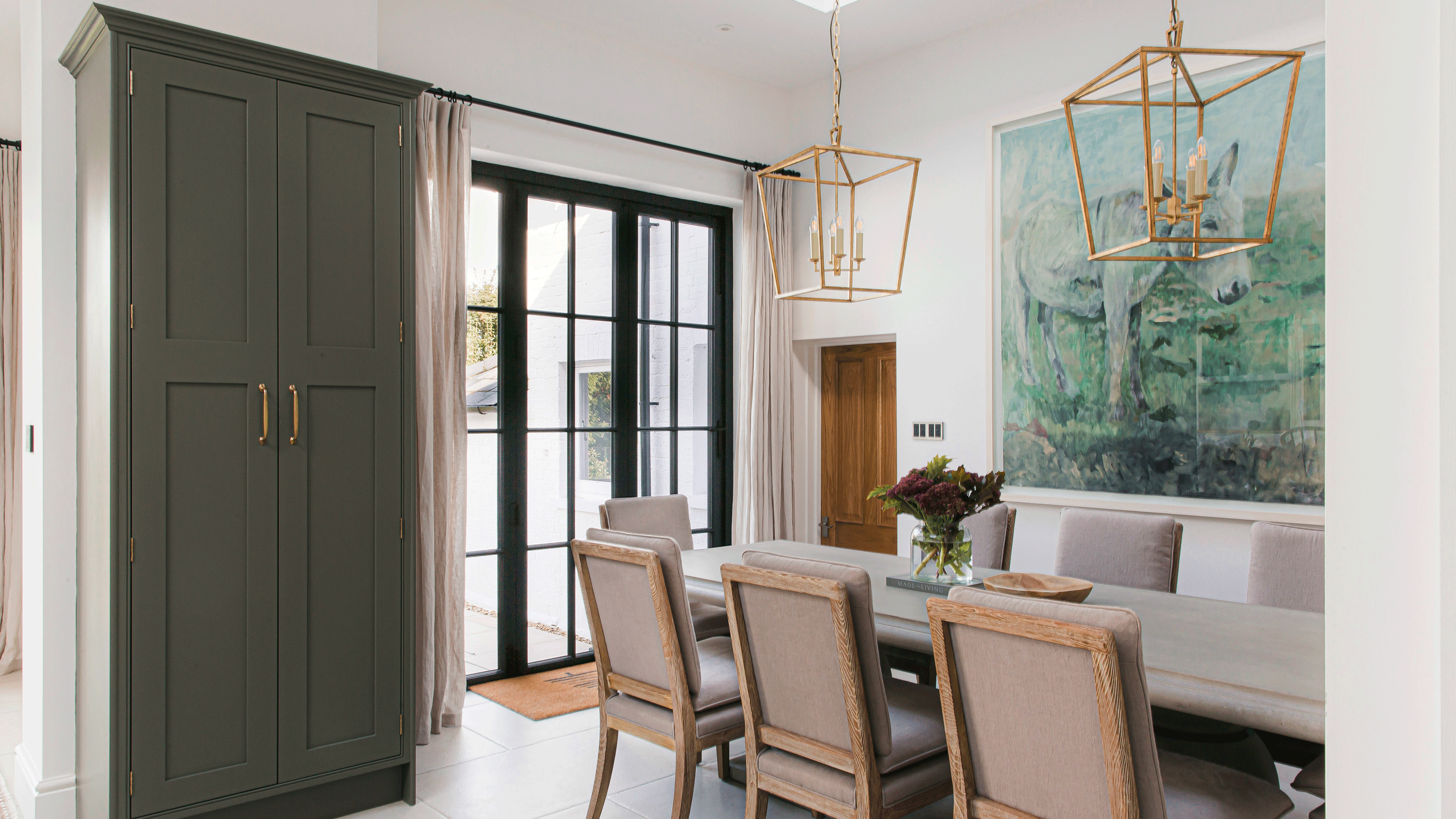
Sorry, open shelving, but this is the beautiful and practical storage trend taking over kitchens in 2025
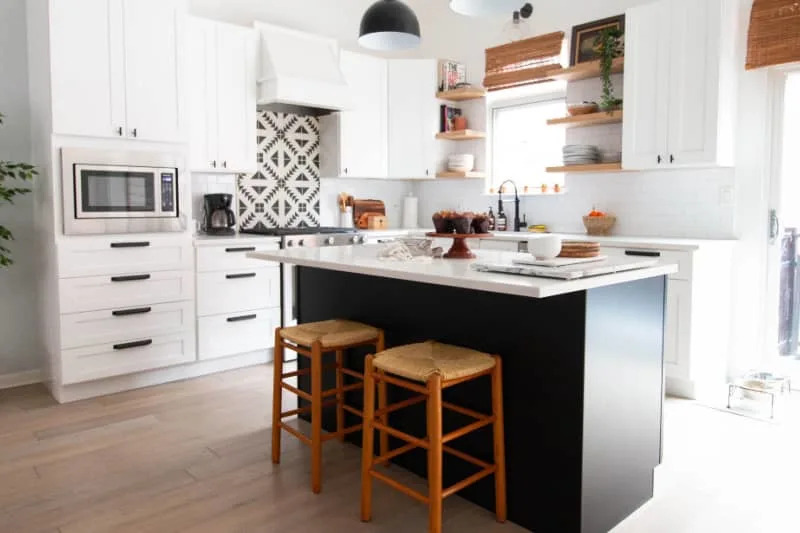
Upper Kitchen Cabinets Are on Their Way Out in 2025 — Here’s What’s Replacing Them
28 Open Shelving Ideas That'll Inspire You to Ditch Those Kitchen Cabinet Doors

This New Cabinet Style Gives You the Airiness of Open Shelving (Minus the Dust)

Open Kitchen Shelves Are Losing Their Appeal—Here's What to Use Instead, According to Interior Designers