1/24
3 simple steps to organised kitchen cupboards
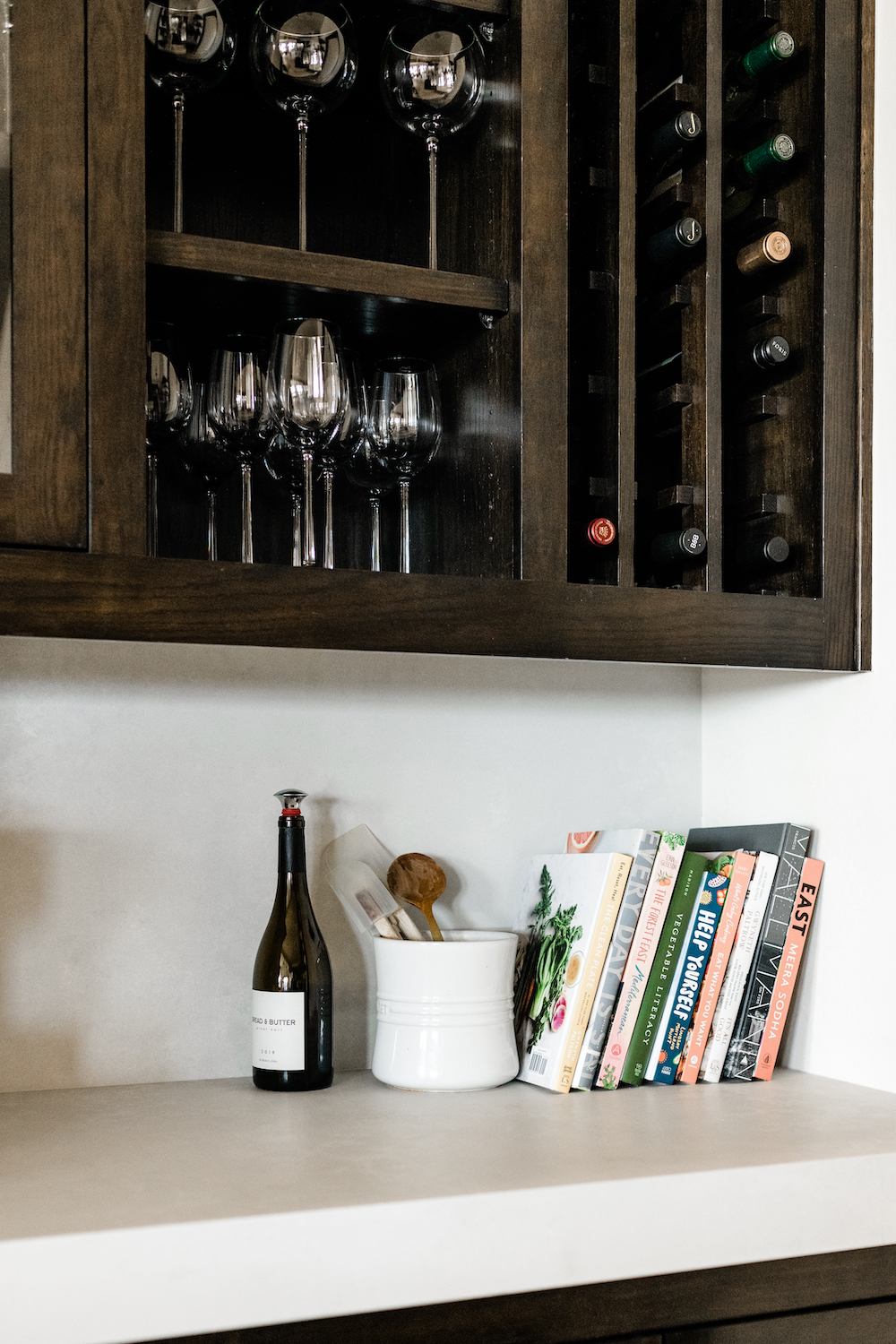
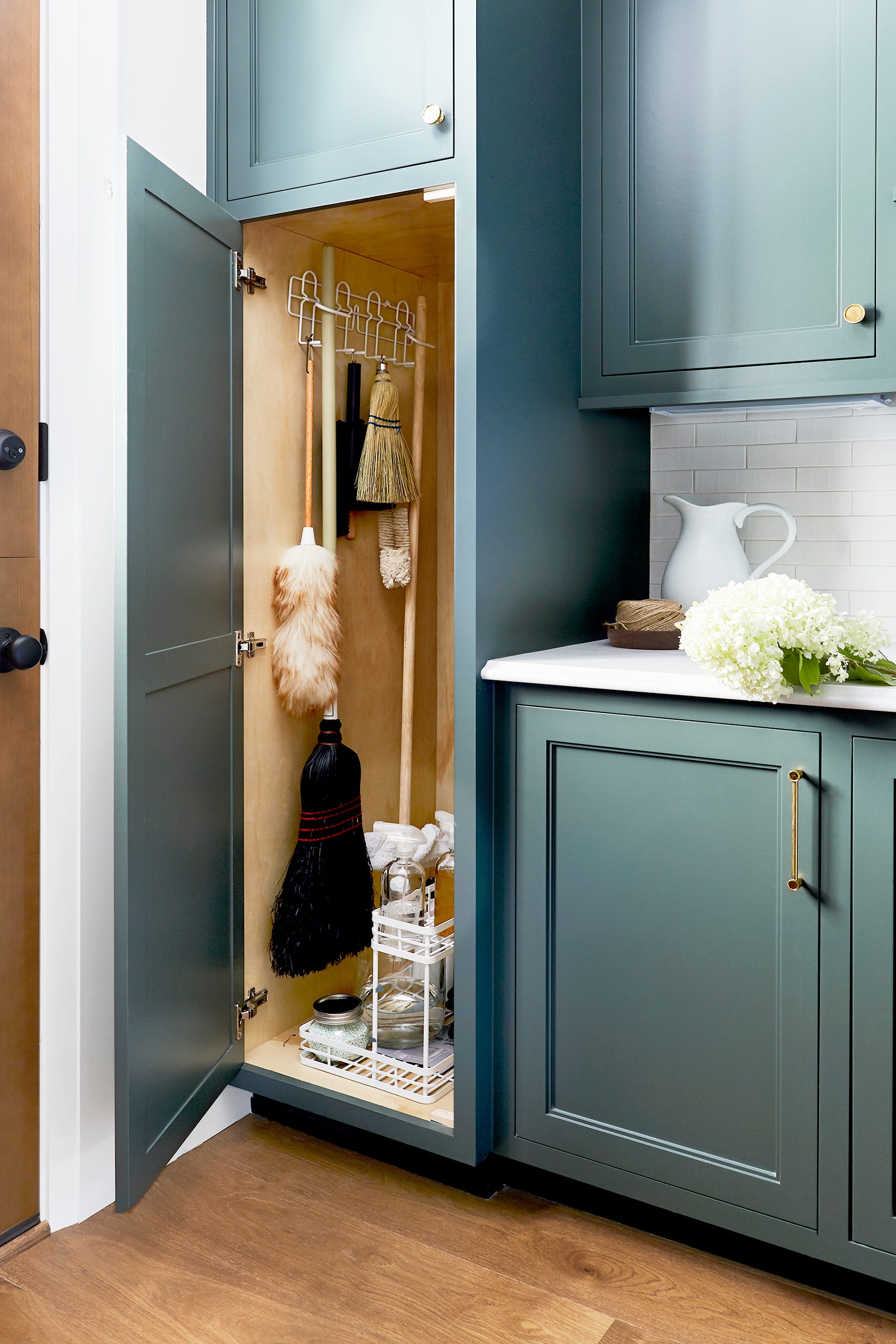
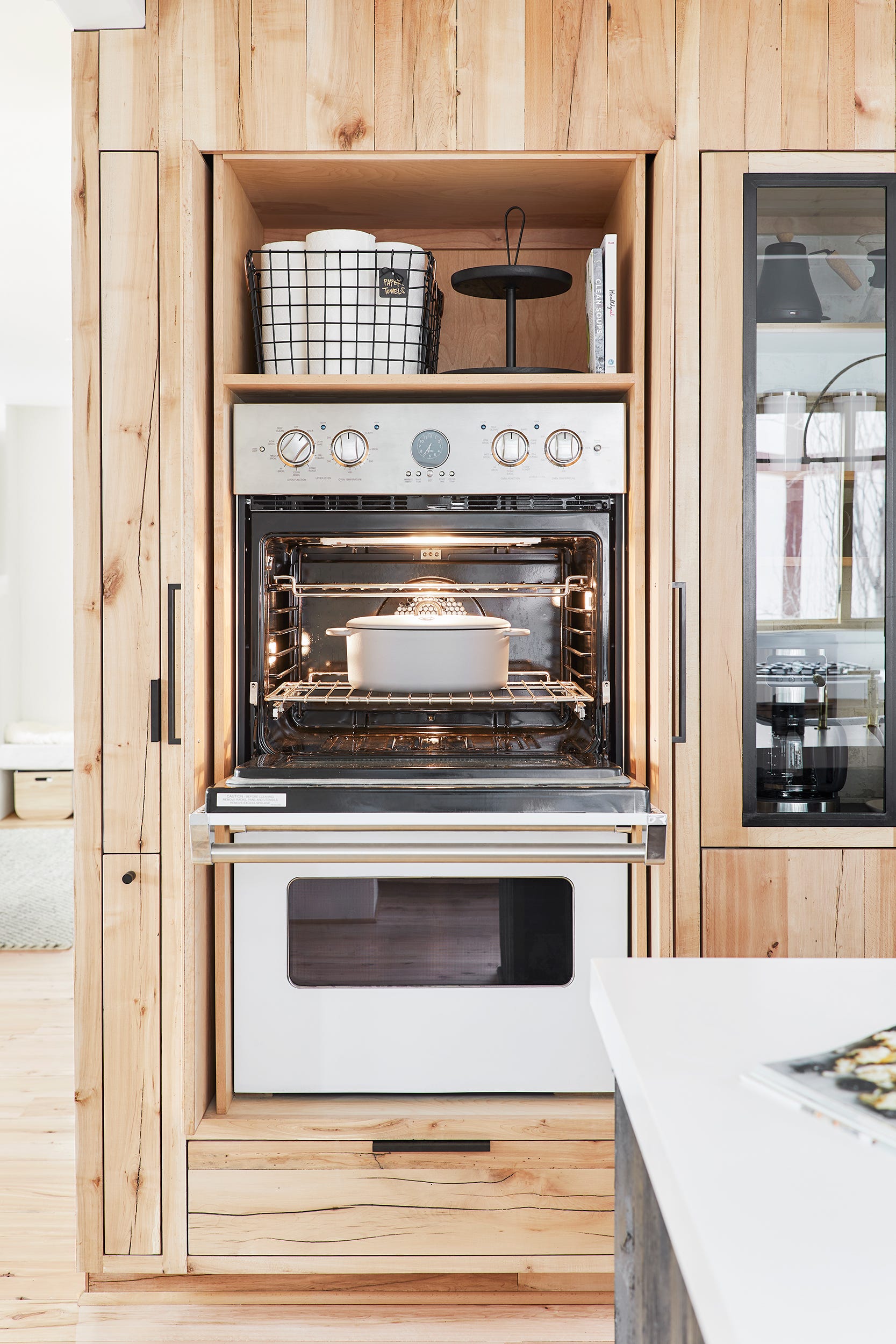
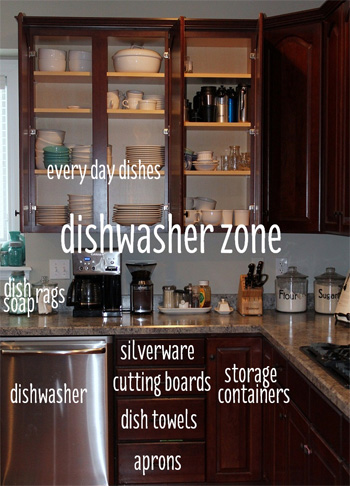
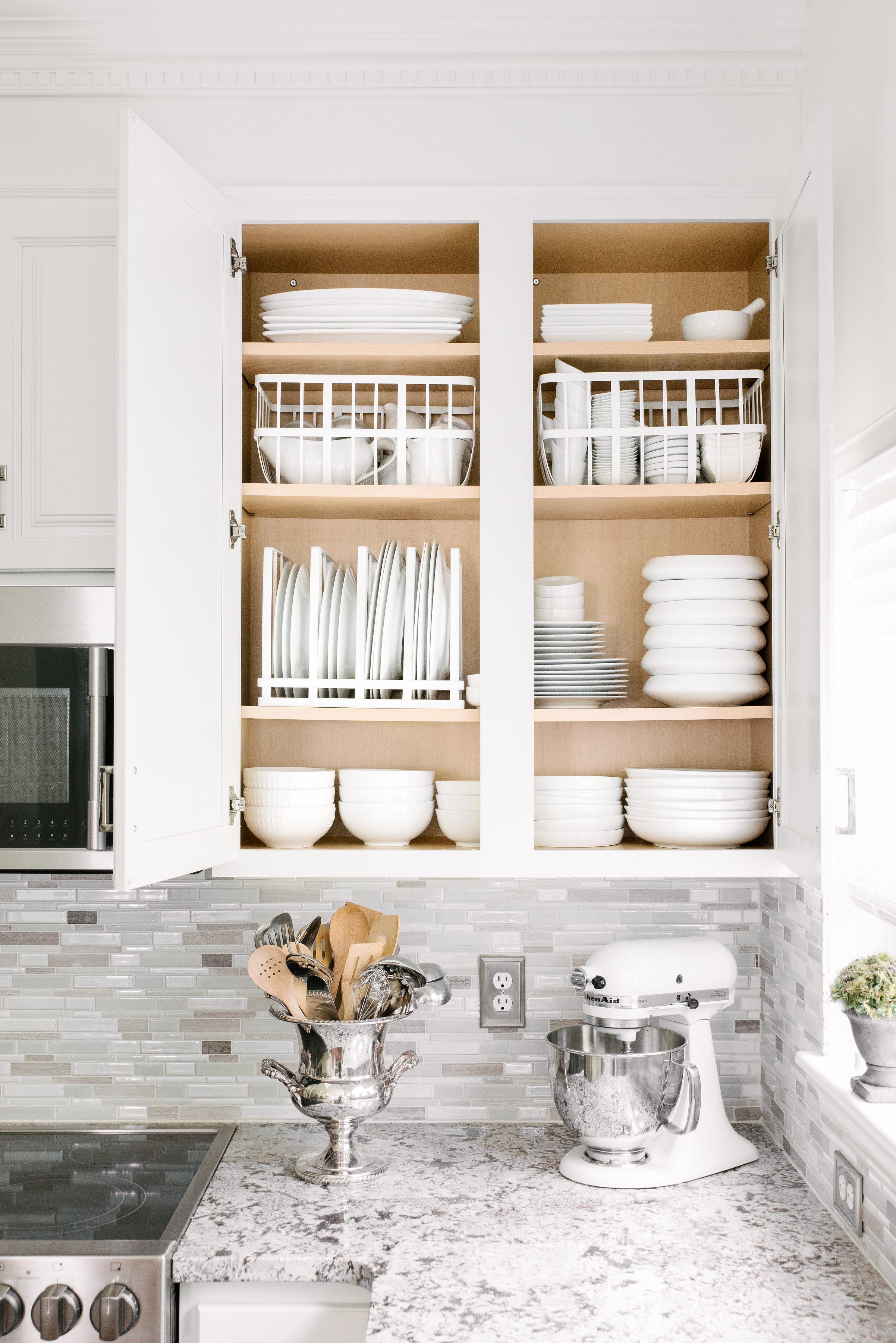
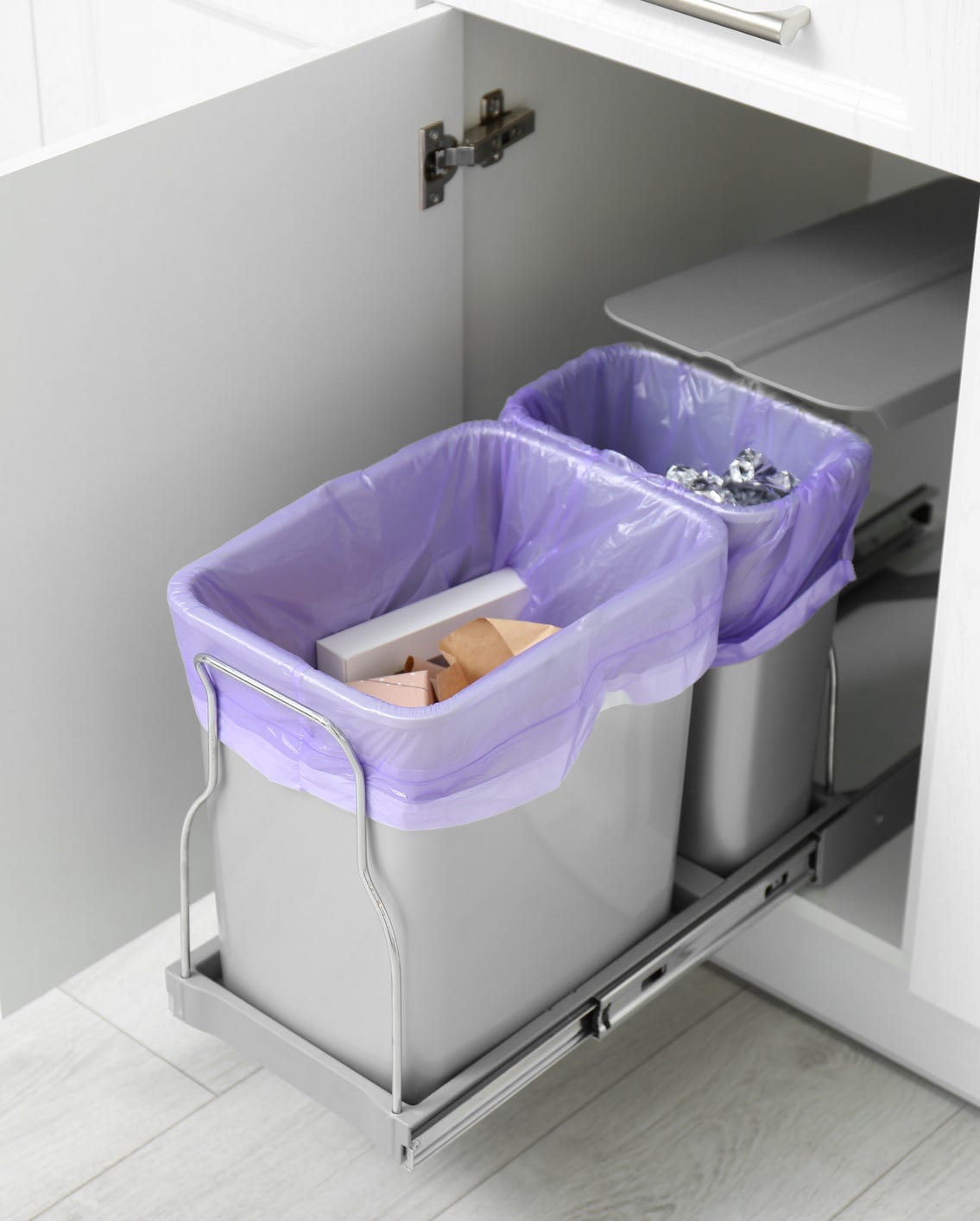
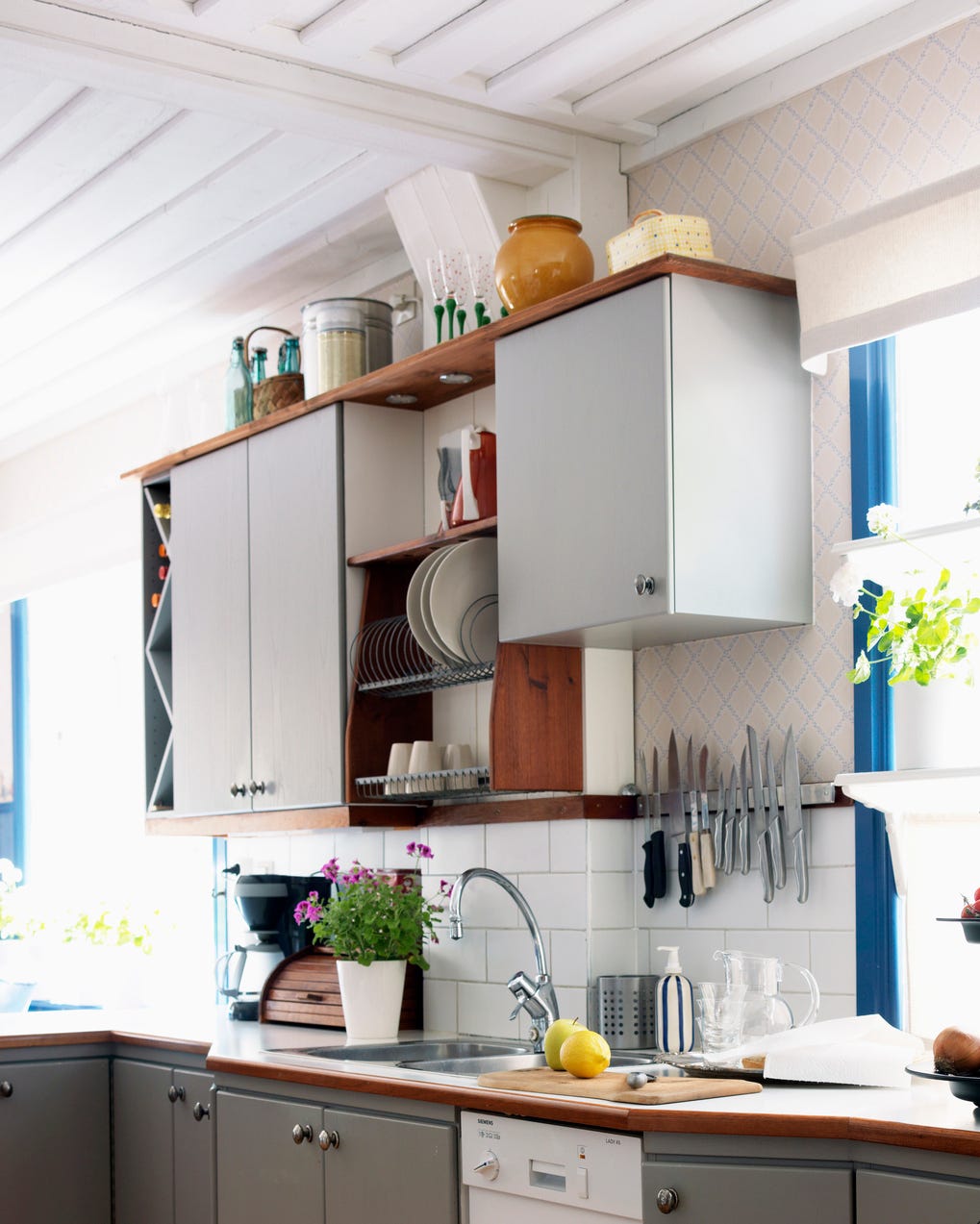
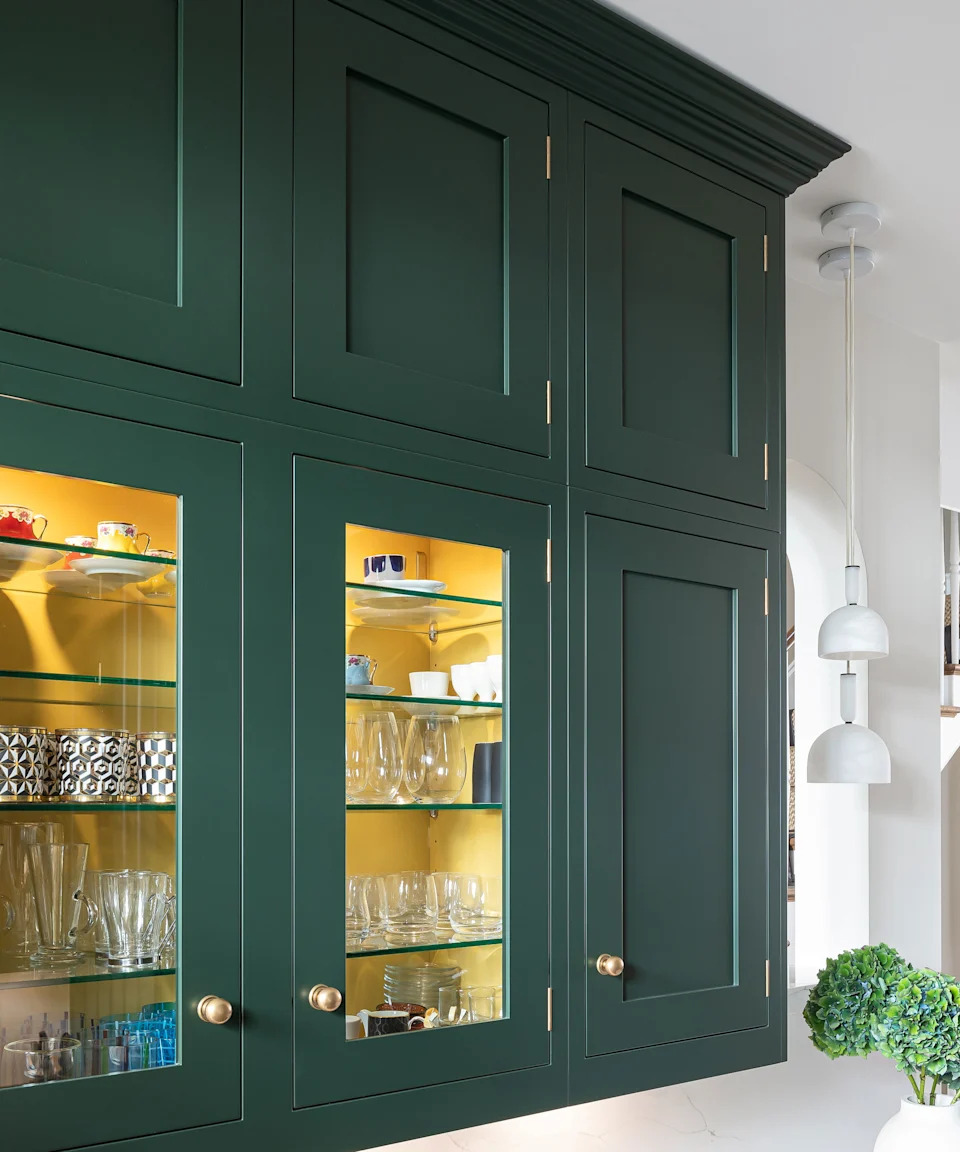
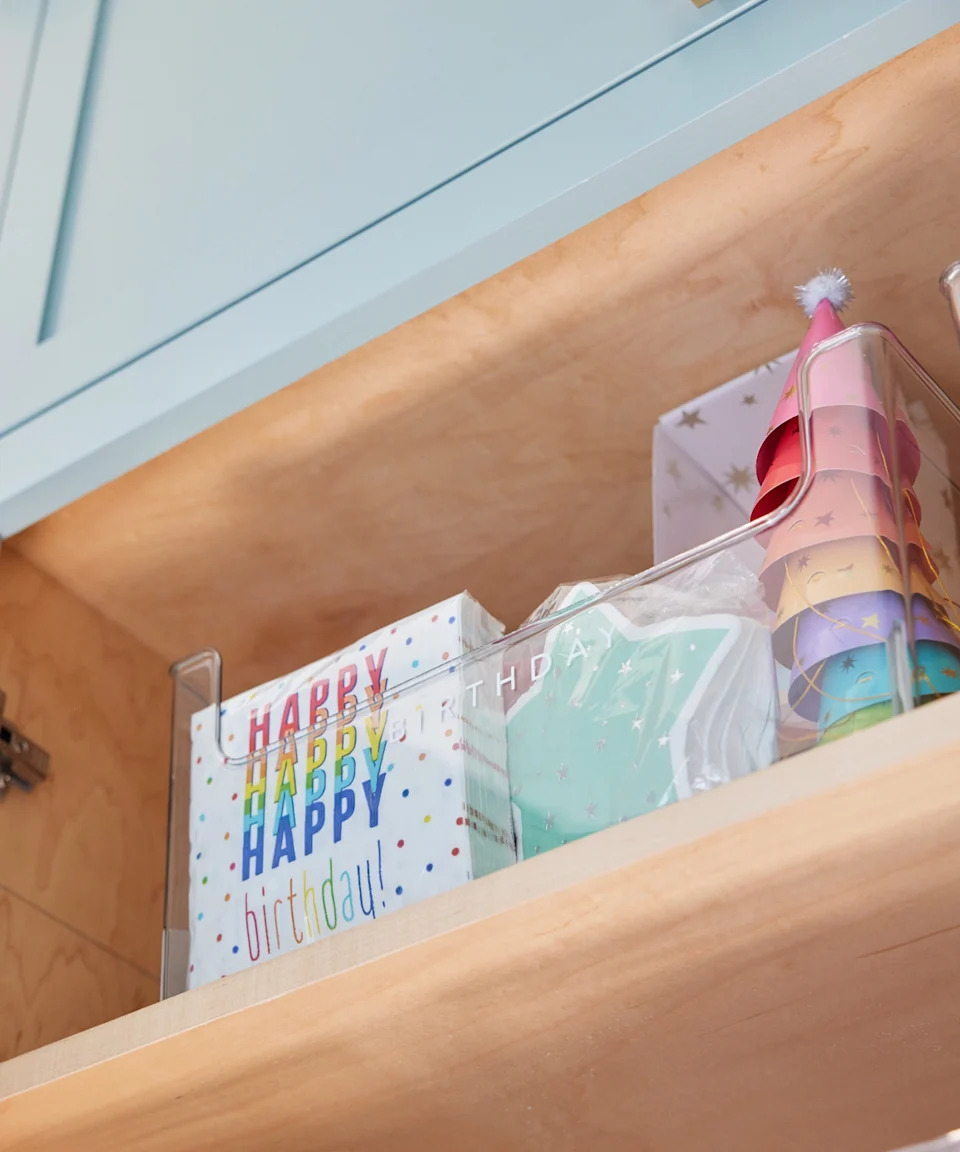
This blog post offers a straightforward, three-step guide to decluttering and organizing kitchen cupboards, an essential task as life returns to a more normal pace and homes are used more frequently for entertaining. Professional organizer Vicky Silverthorn emphasizes starting small, tackling a few cupboards at a time to avoid feeling overwhelmed. The first step, decluttering, focuses on retaining only necessary items within the cupboards. Heavy appliances and cookware should be stored in lower units, while food cabinets are ideally placed at eye level. Items used only occasionally, such as specialty glasses for dinner parties or holiday-specific dishes, are recommended to be stored in less accessible areas like lofts or atop cabinets, or even relocated to other parts of the home, thereby freeing up valuable kitchen space.
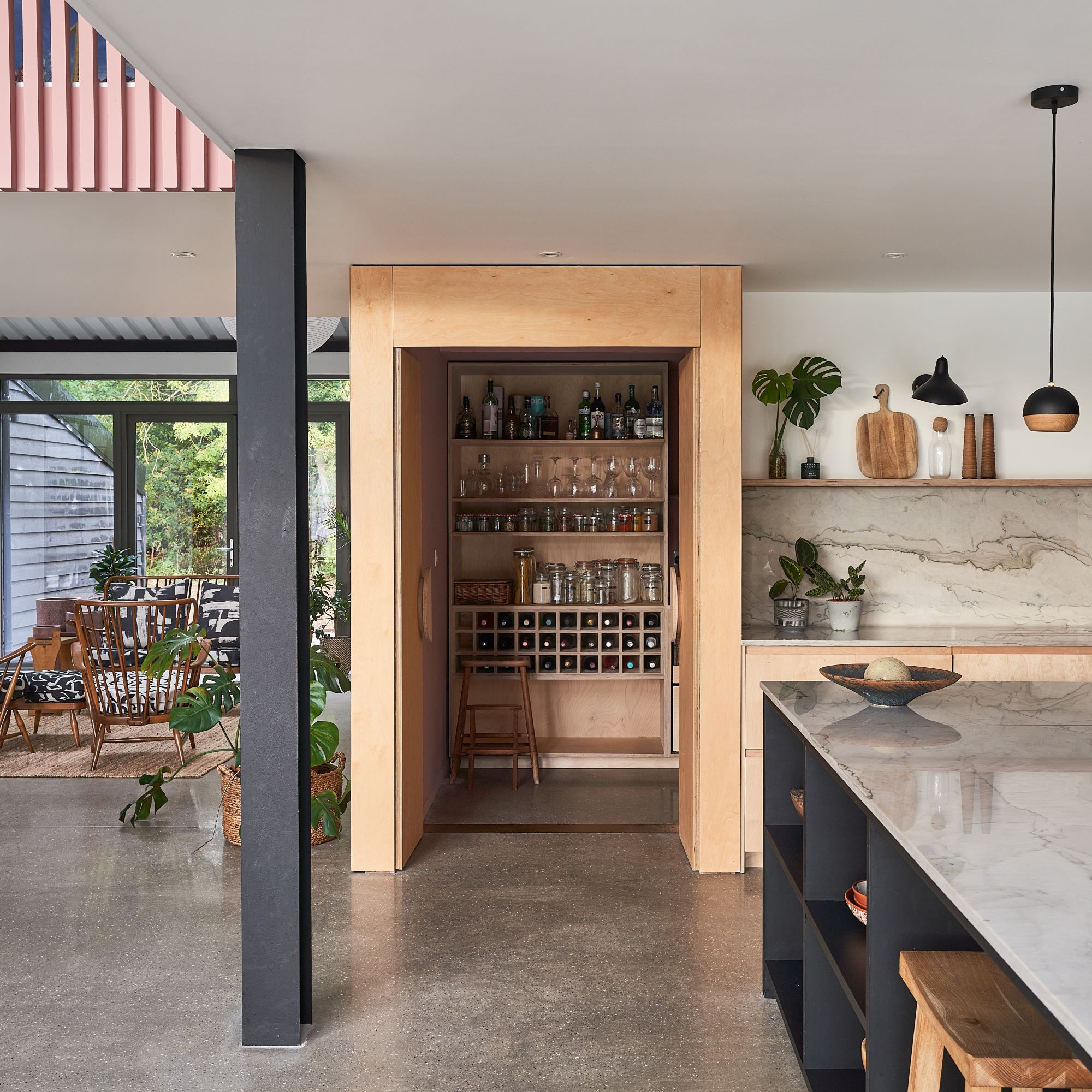
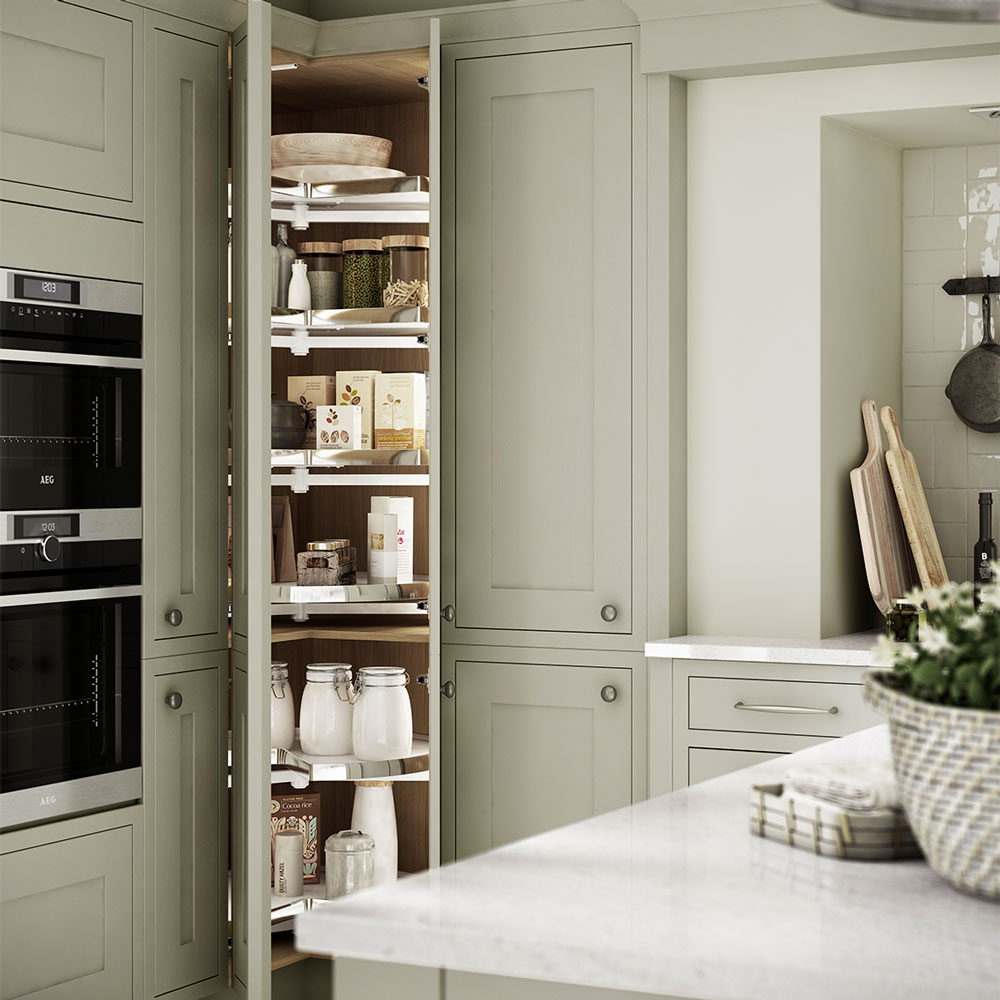
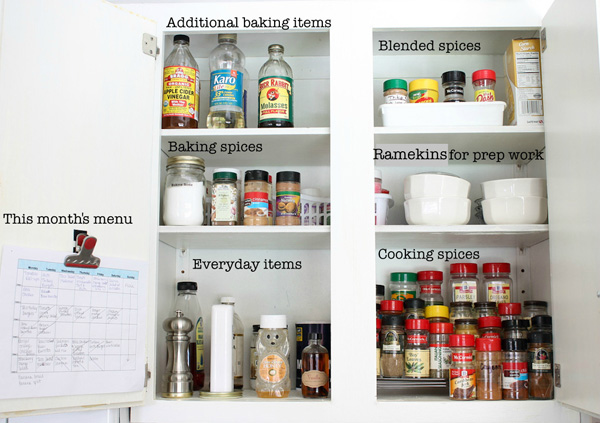
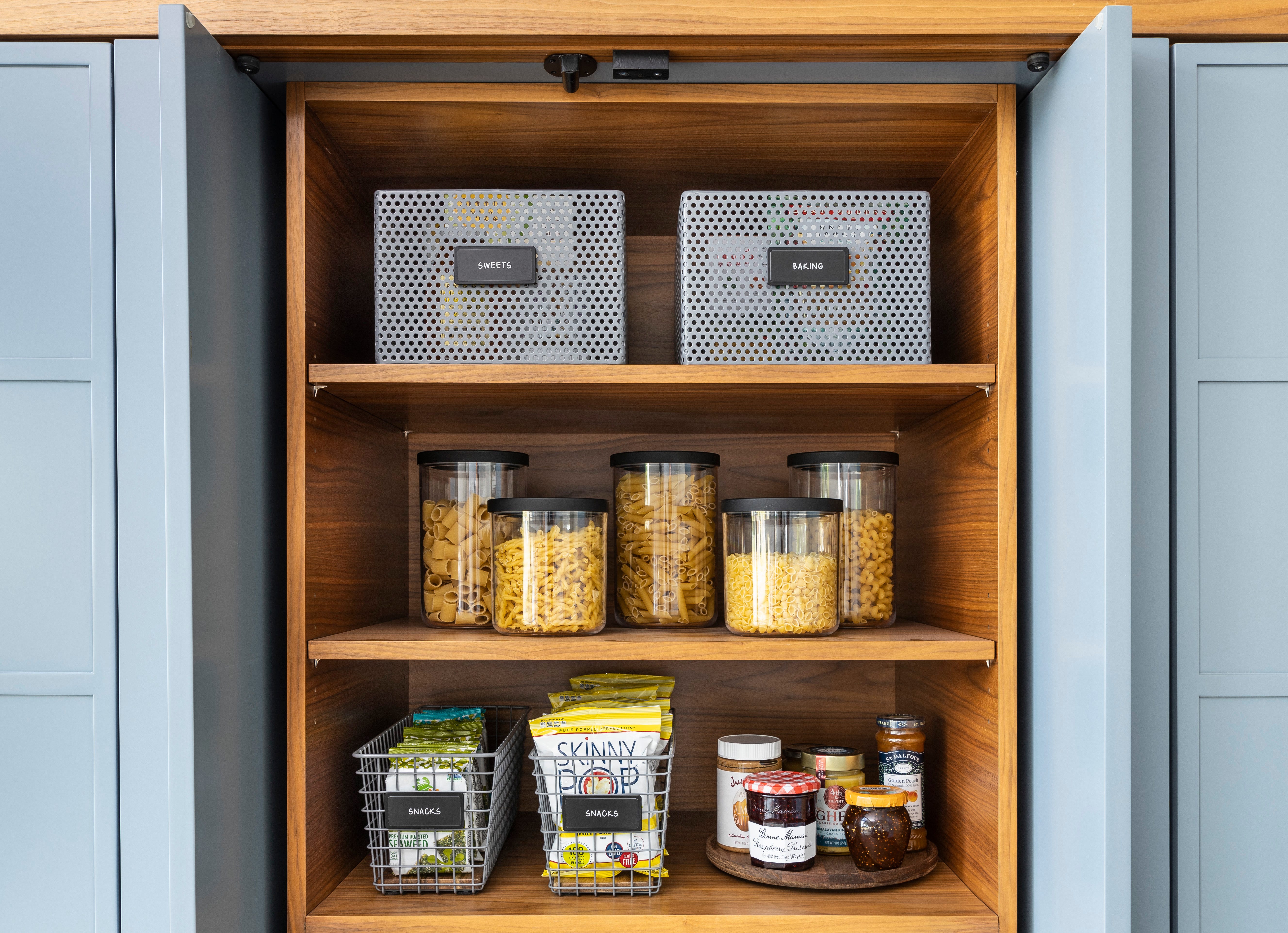
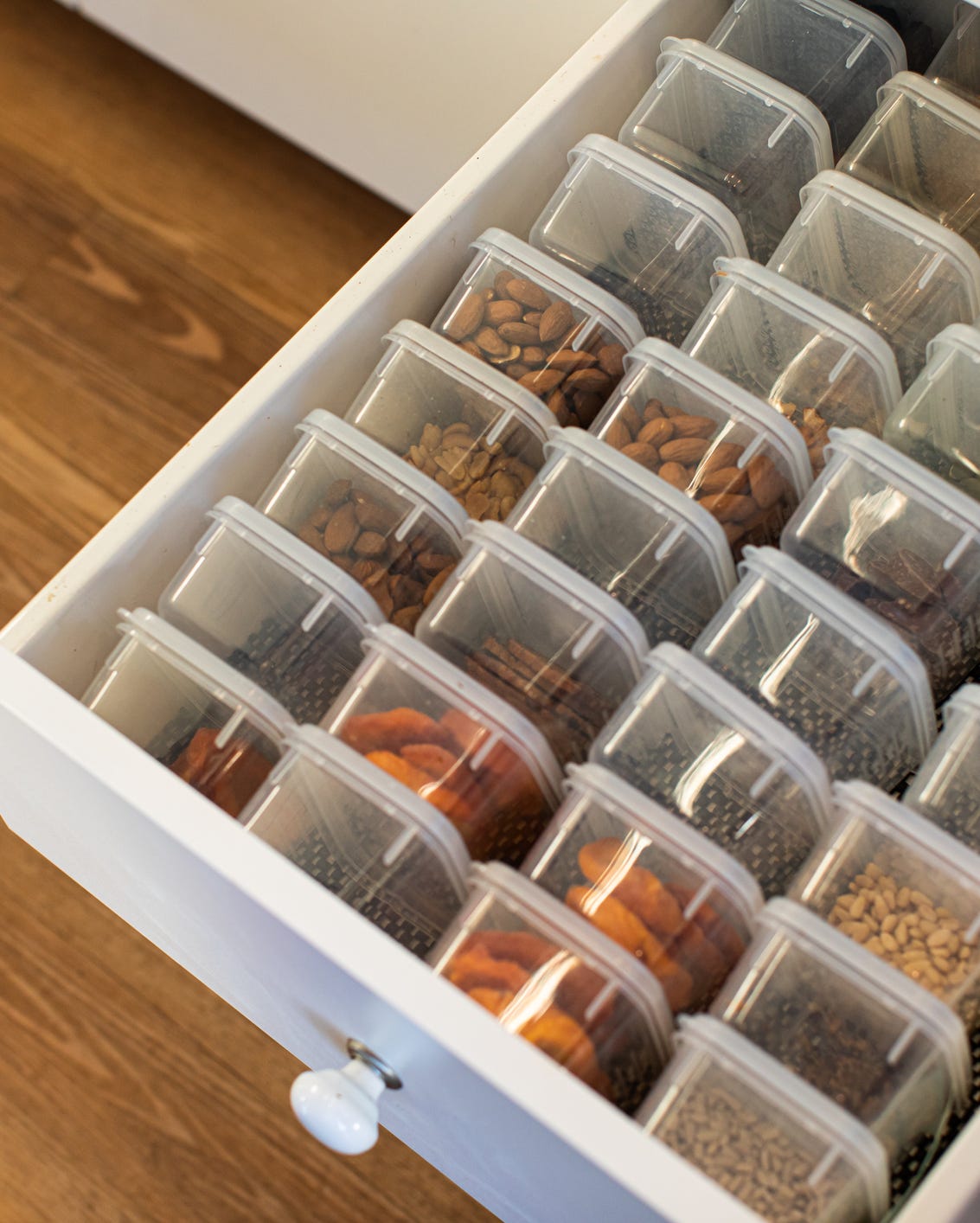
The second step, ordering, involves strategically placing essential items back into the cupboards. Oils, vinegars, and spices, along with other frequently used items, should be grouped in a single, easily accessible cupboard. Vicky suggests adjusting shelf heights to better accommodate items and, if a pantry is unavailable, utilizing double-door cabinets for food items to maintain visibility. The aim is to arrange items in a manner similar to a shop display, with labels facing forward and newer items placed behind older ones to encourage consumption and reduce waste. While organizing, Vicky advises against implementing overly rigid systems that might be difficult to maintain, suggesting that simpler solutions like rummage baskets for small packets and treats are more sustainable in the long run.
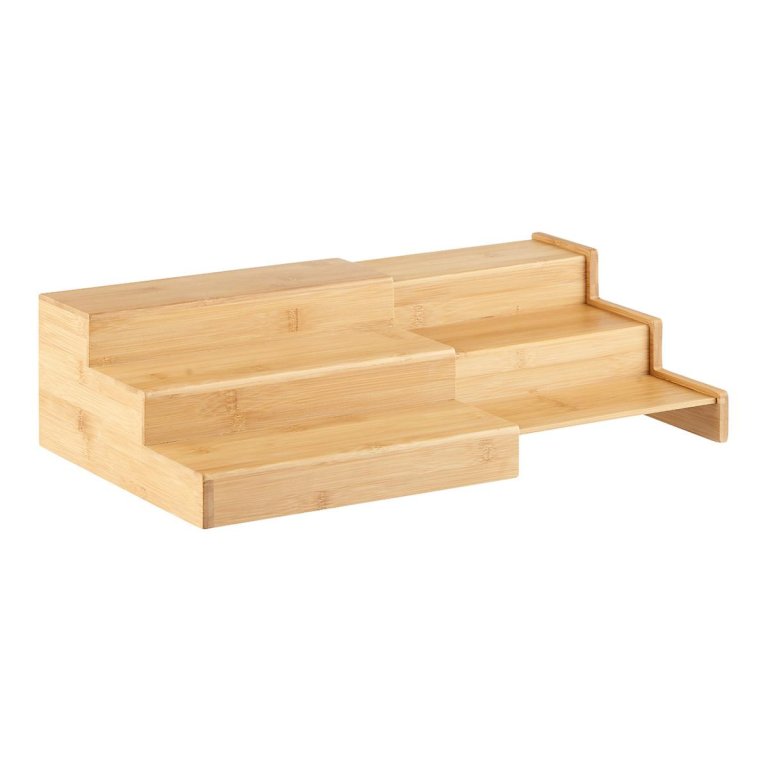
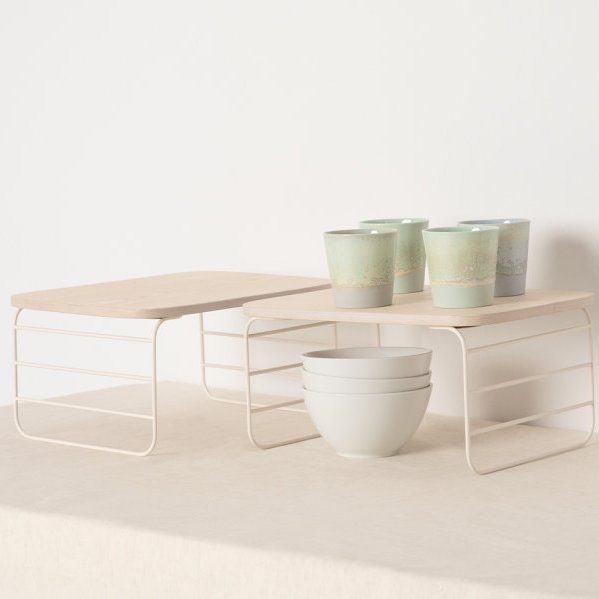
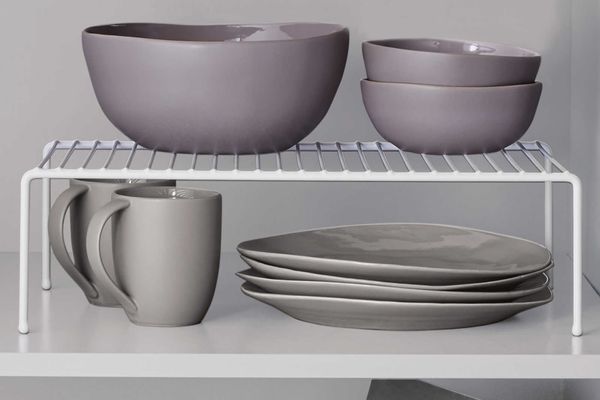
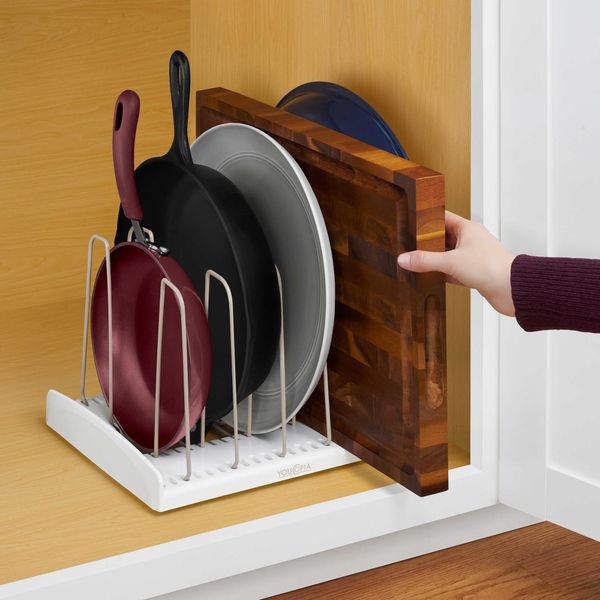
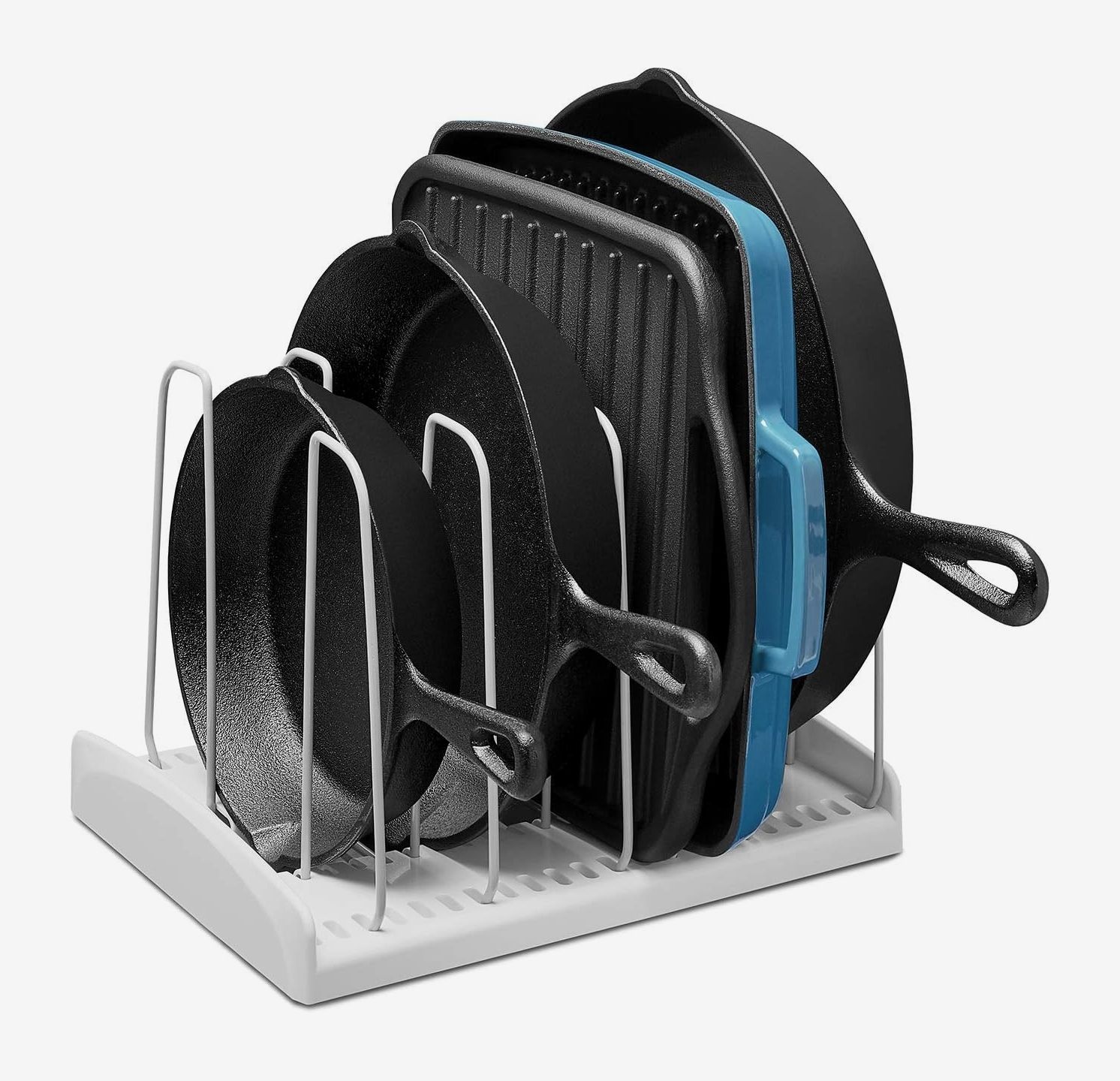
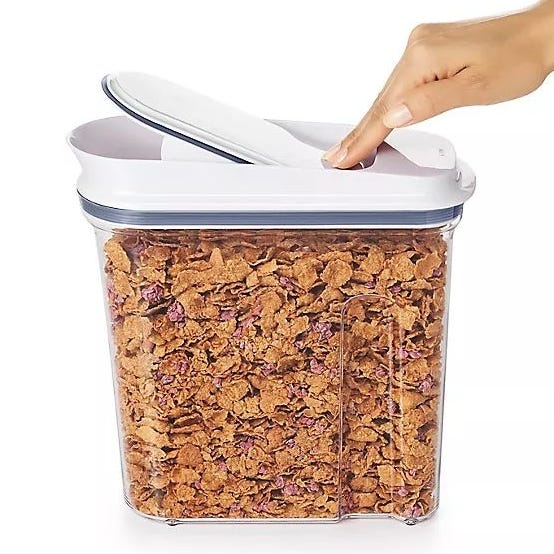
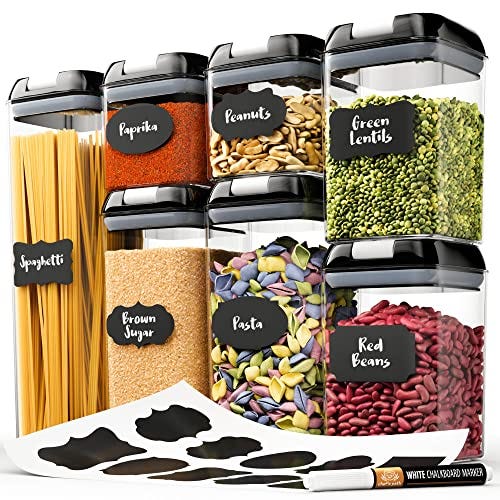
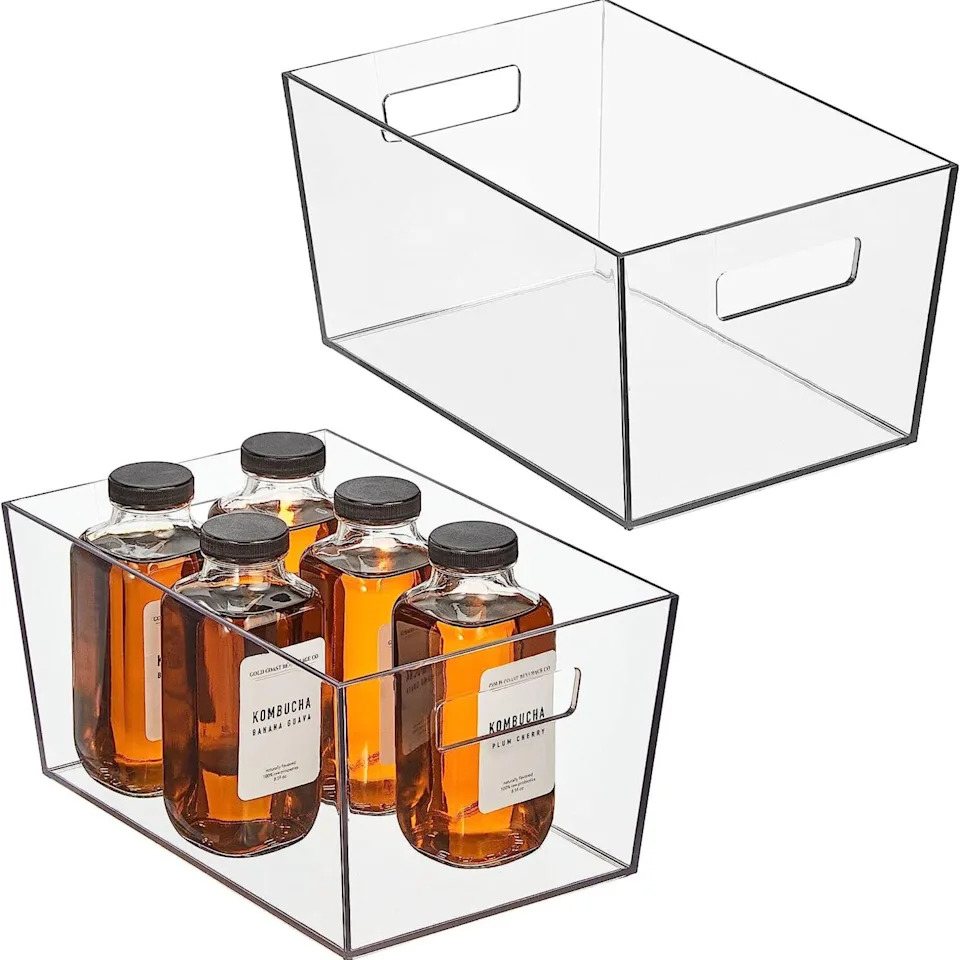
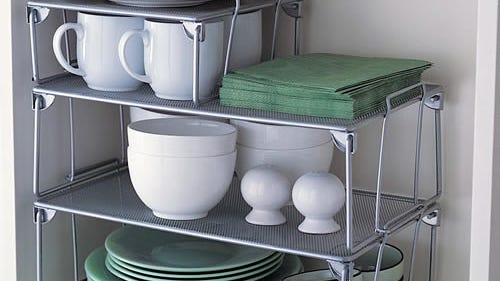
The final step, organizing, builds upon the previous two by ensuring optimal accessibility and sustainability. Items used most often should be placed at the front of cupboards to minimize effort and avoid disarray. Categorization is highlighted as crucial for understanding inventory, which in turn helps reduce food waste. This principle extends to the refrigerator, where Vicky recommends storing fruits and vegetables at eye level to encourage healthier eating habits and quicker consumption. Similarly, the placement of kitchen appliances should be considered; frequently used items like a juice maker should be easily reachable, while less common appliances like a deep fat fryer can be stored further back. The post also suggests various inexpensive organizers available from retailers like John Lewis and Amazon, including turntables for condiments, stepped organizers for tins and spices, and plate and mug racks, all designed to maximize space and prevent breakages. Overall, the guide emphasizes a practical, manageable approach to achieving a well-ordered and efficient kitchen.
#KitchenOrganization #HomeDecluttering #KitchenStorage #VickySilverthorn #SpaceSaving #FoodWasteReduction #HomeImprovement #KitchenAccessories #KitchenOrganization #HomeDecluttering #KitchenStorage #VickySilverthorn #SpaceSaving #FoodWasteReduction #HomeImprovement #KitchenAccessories
0 comment in total
 No comments yet
You may also like
How to organise kitchen cupboards – 23 expert tricks to keep kitchen cabinets tidy
You’re 3 Steps Away from Your Most Organized Kitchen Cabinets Yet
Decluttering Experts Share Their Best Kitchen Cabinet Organization Ideas

How to Organize Your Kitchen Cabinets—and Keep Them Organized—According to Pros

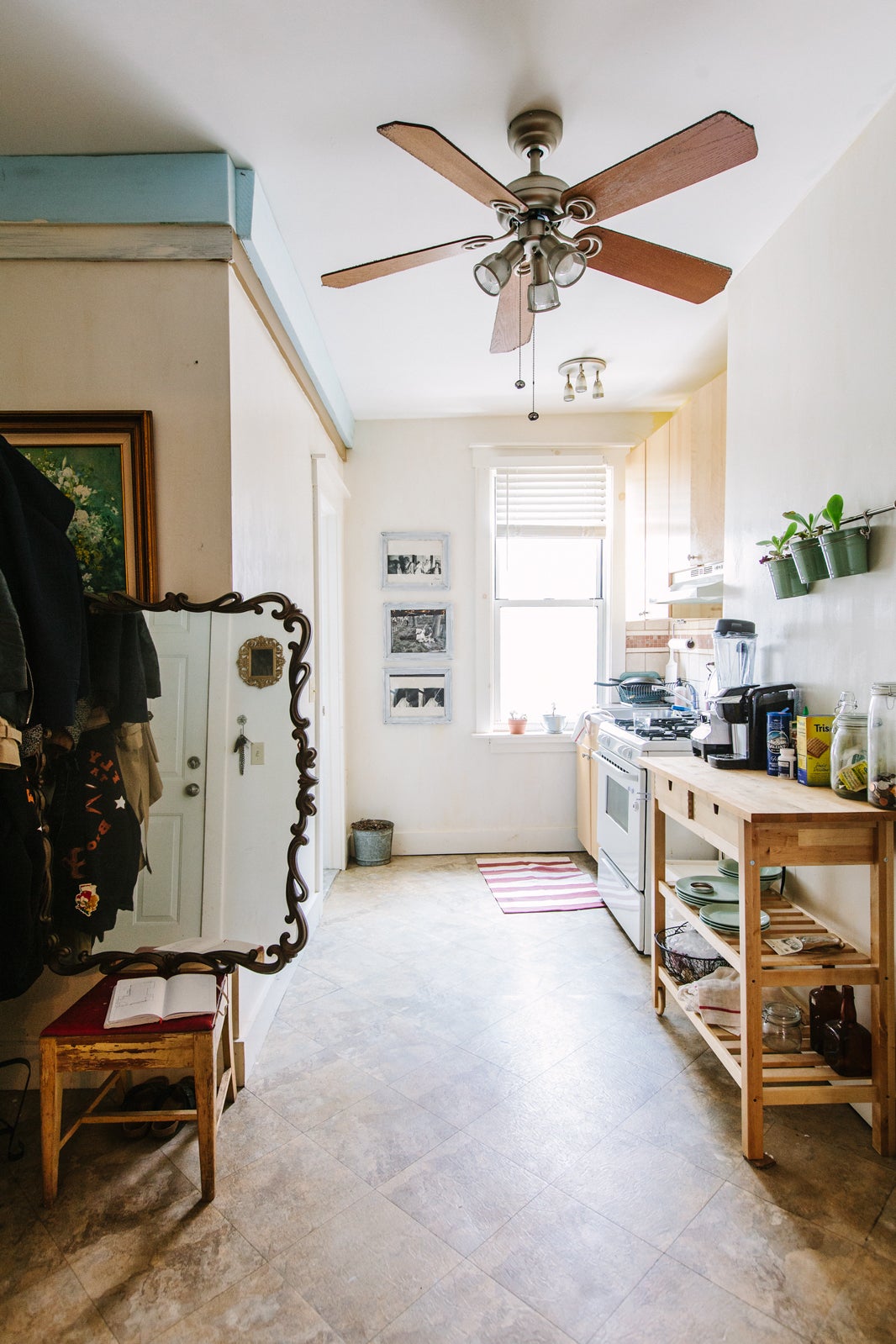
All The Secrets To Organize Your Kitchen

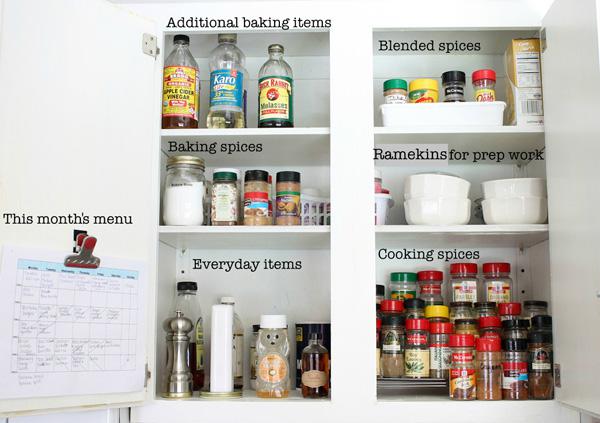
Know your way around the kitchen

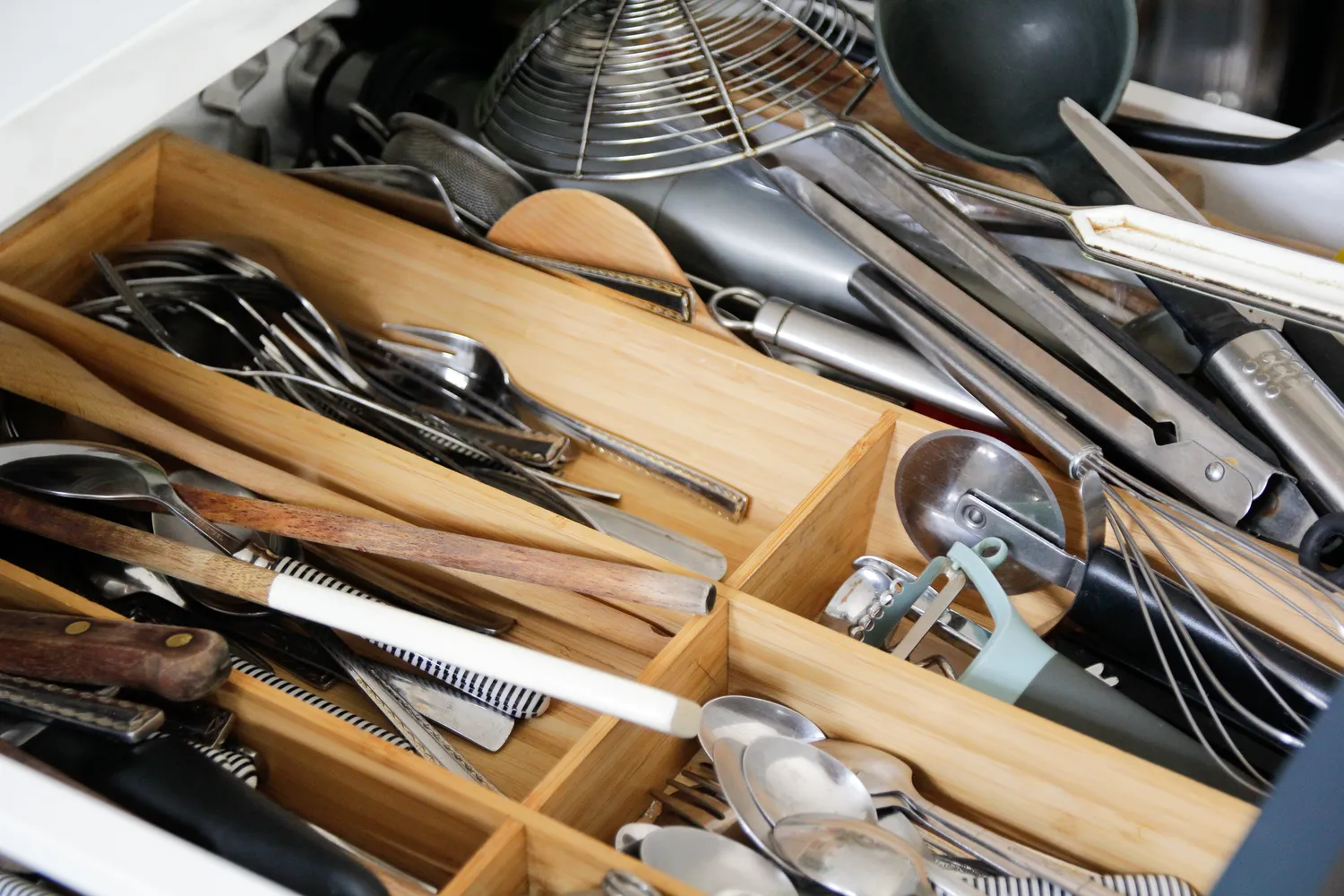
I Deep Cleaned My Sister's Kitchen for the First Time in Ages and I Threw Out These 9 Things Immediately

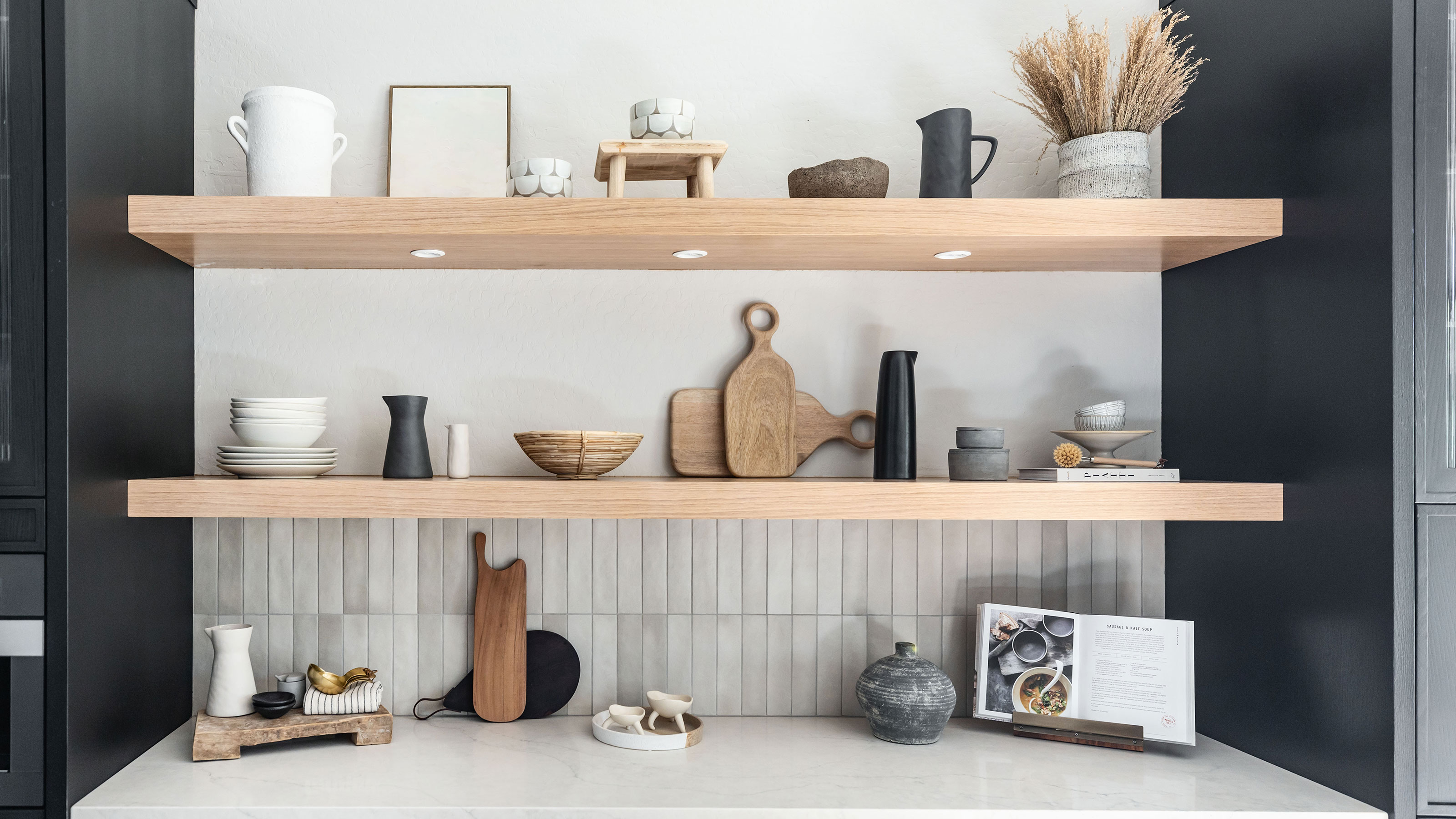
The 3 golden rules of organizing open shelving in the kitchen

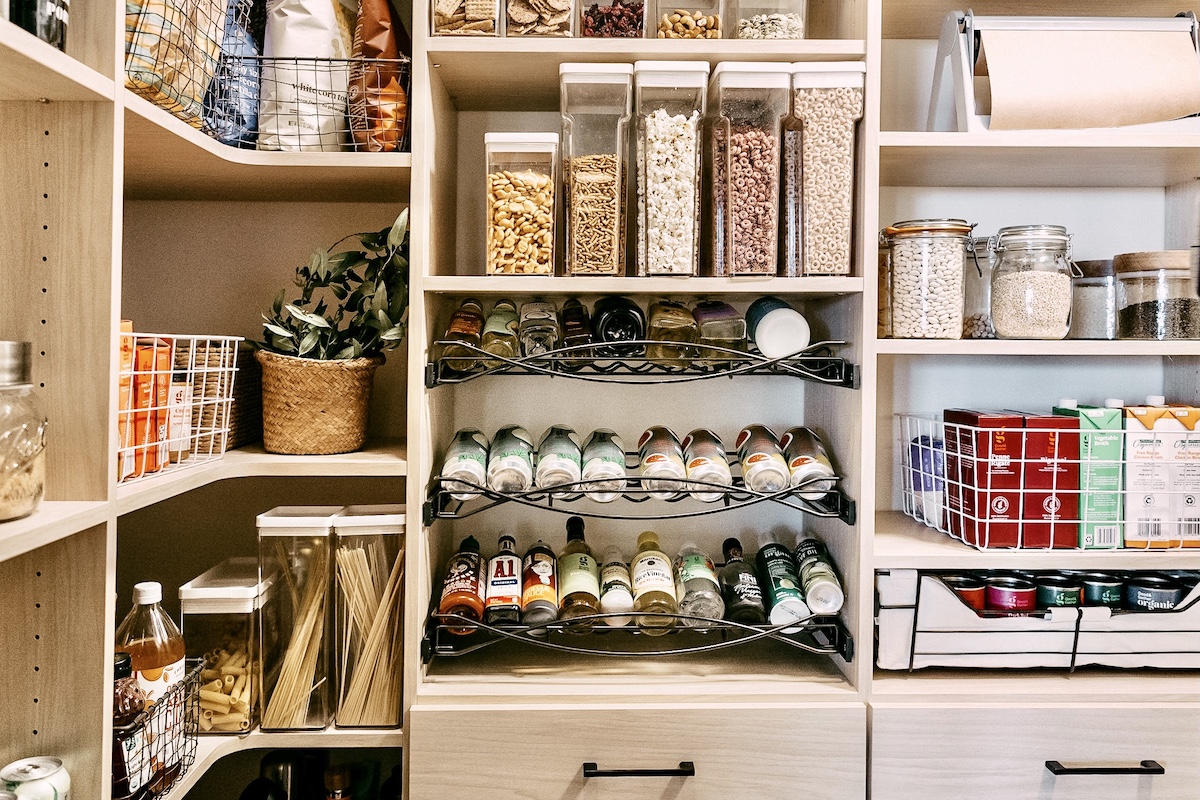
Finally, An Expert Guide on How to Organize Your Kitchen Cabinets

How to Organize Your Kitchen Cabinets | Wirecutter
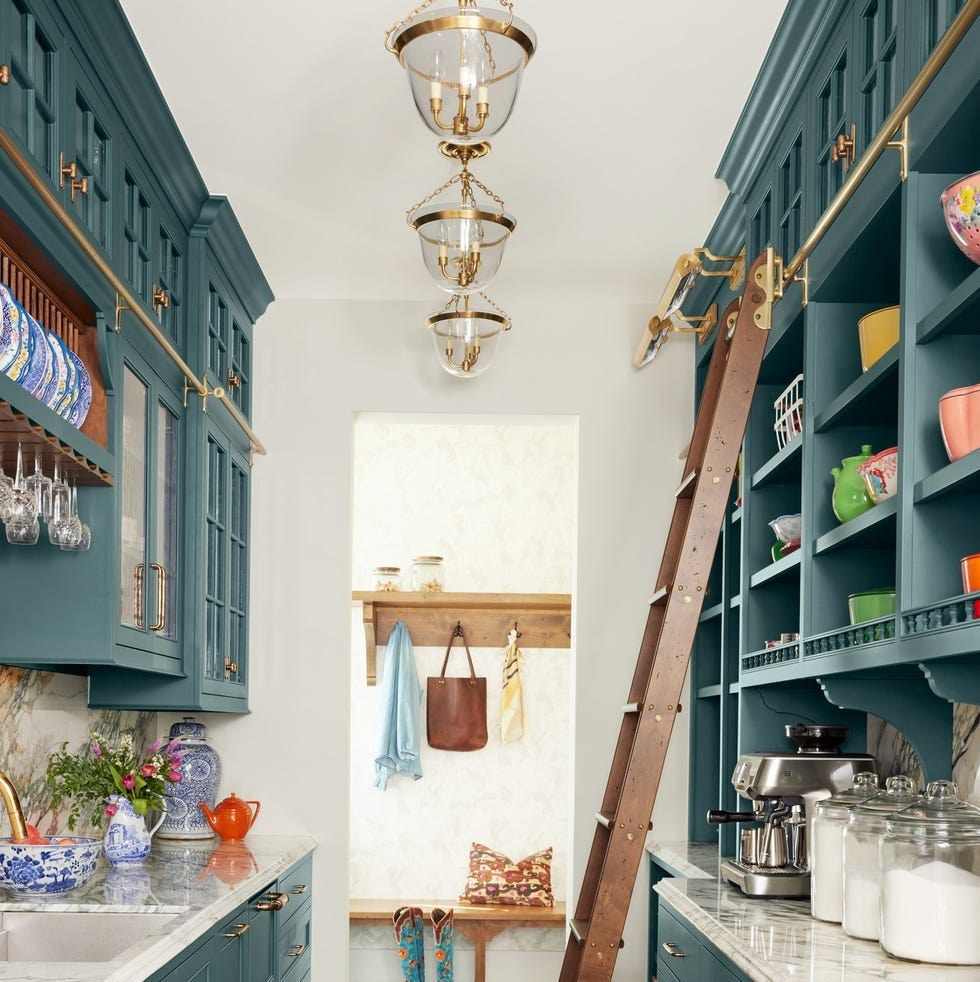
25 Smart Ways to Organize Your Kitchen Cabinets

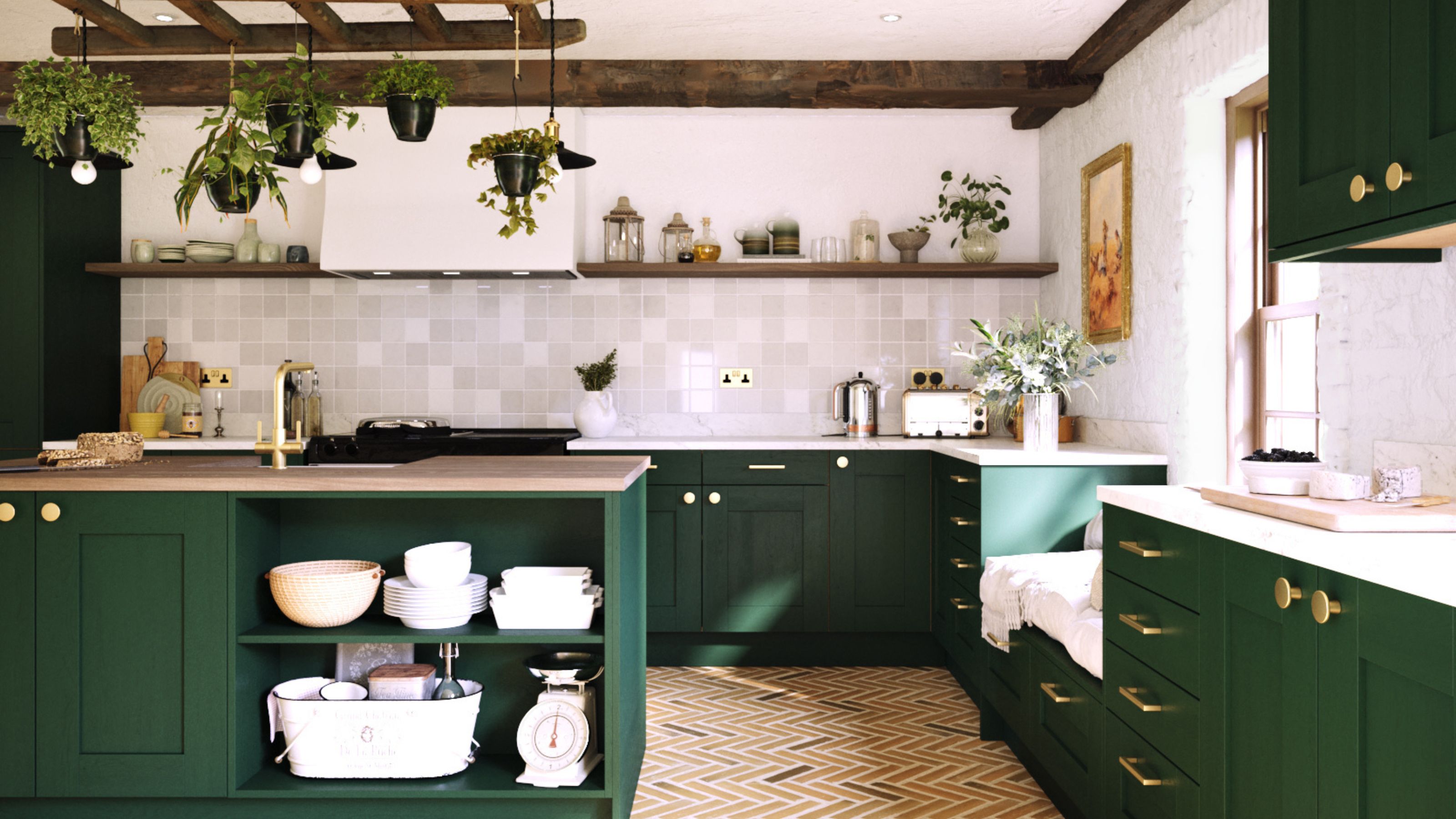
These are the 7 things to get rid of first in your kitchen cabinets, according to cleaning pros

These Ideas Will Help You Get Your Kitchen Organized Once and For All
How to Organize Your Kitchen and Pantry, According to Professional Organizers
12 Things That People Over 30 Should NEVER Have In Their Kitchen

What to put in high kitchen cabinets –according to professional organizers and designers
This Organization Hack Will Make Your Kitchen Cabinets Feel Like They're Twice the Size
10 things decluttering experts won't keep in their kitchen cupboards
How to Organize a Kitchen — 11 Simple Ways to Best Maximize Space and Clear Clutter

Keep Your Kitchen Cabinets Organized With These 21 Tips From Experts