1/7
Plywood-lined bedrooms feature in London loft conversion by Widger Architecture
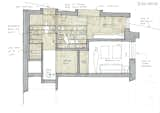
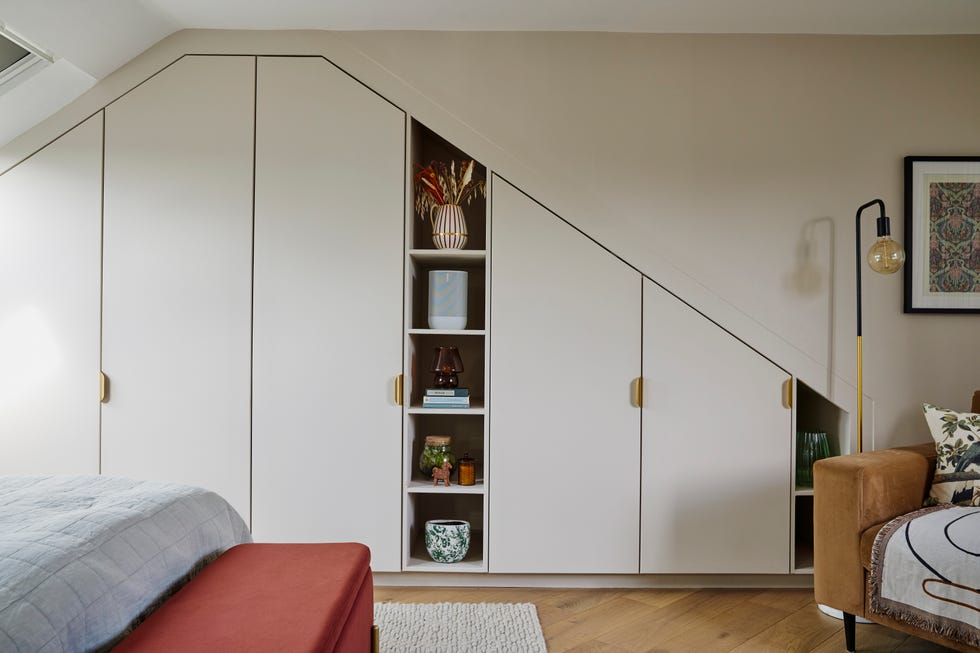
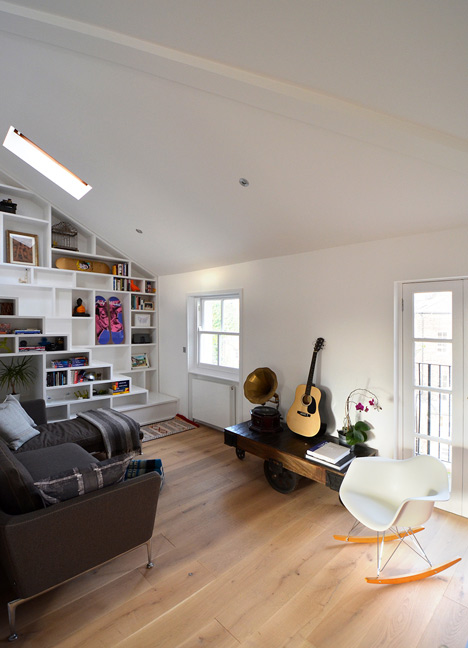
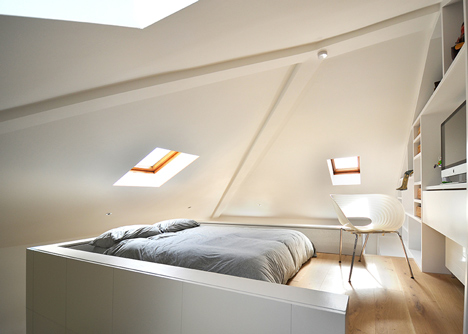
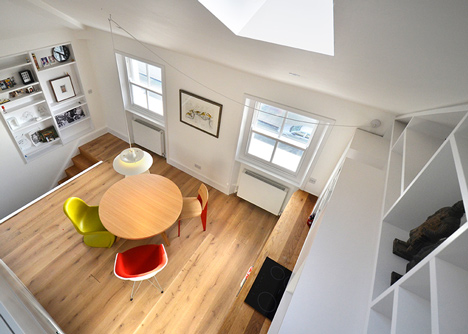
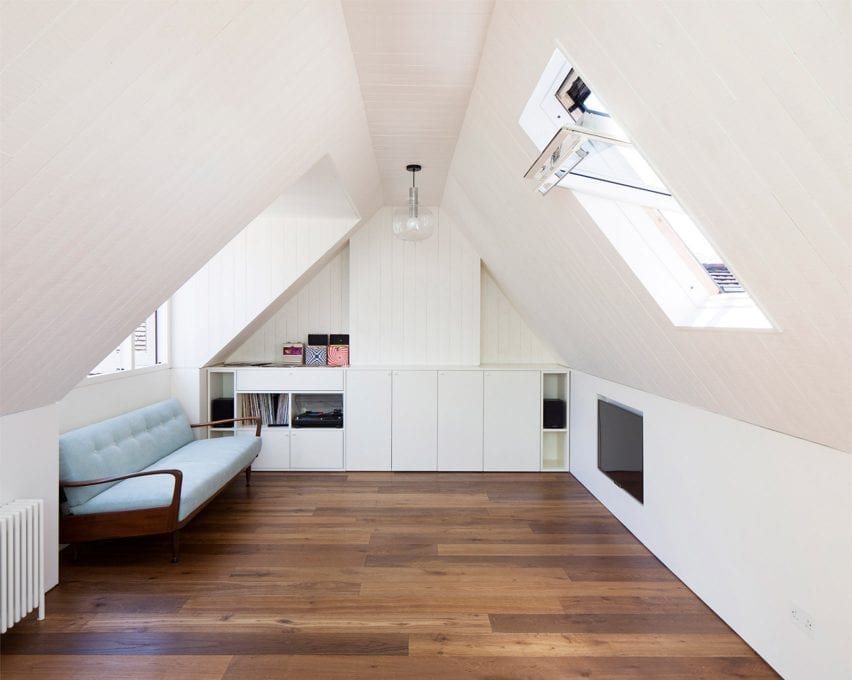
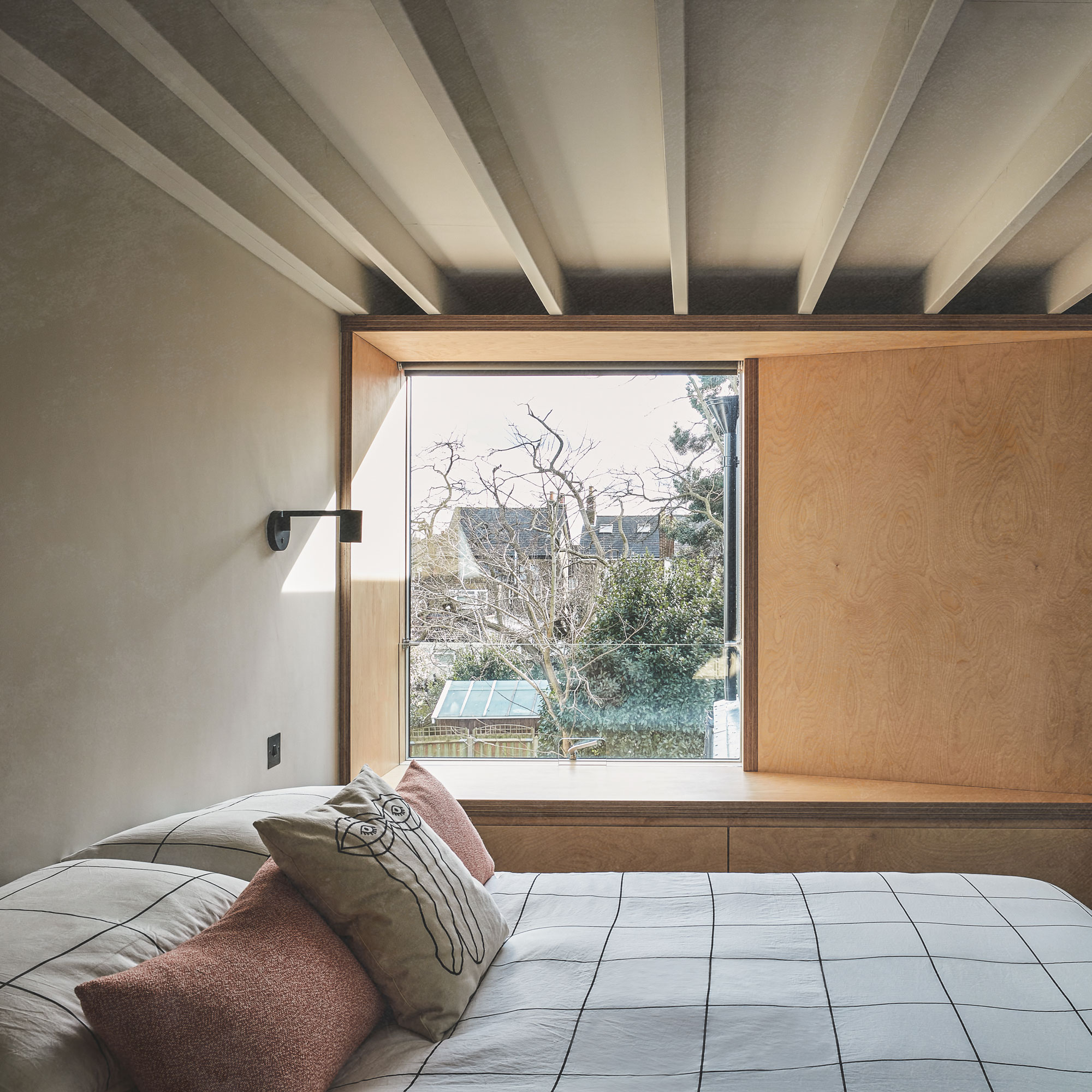
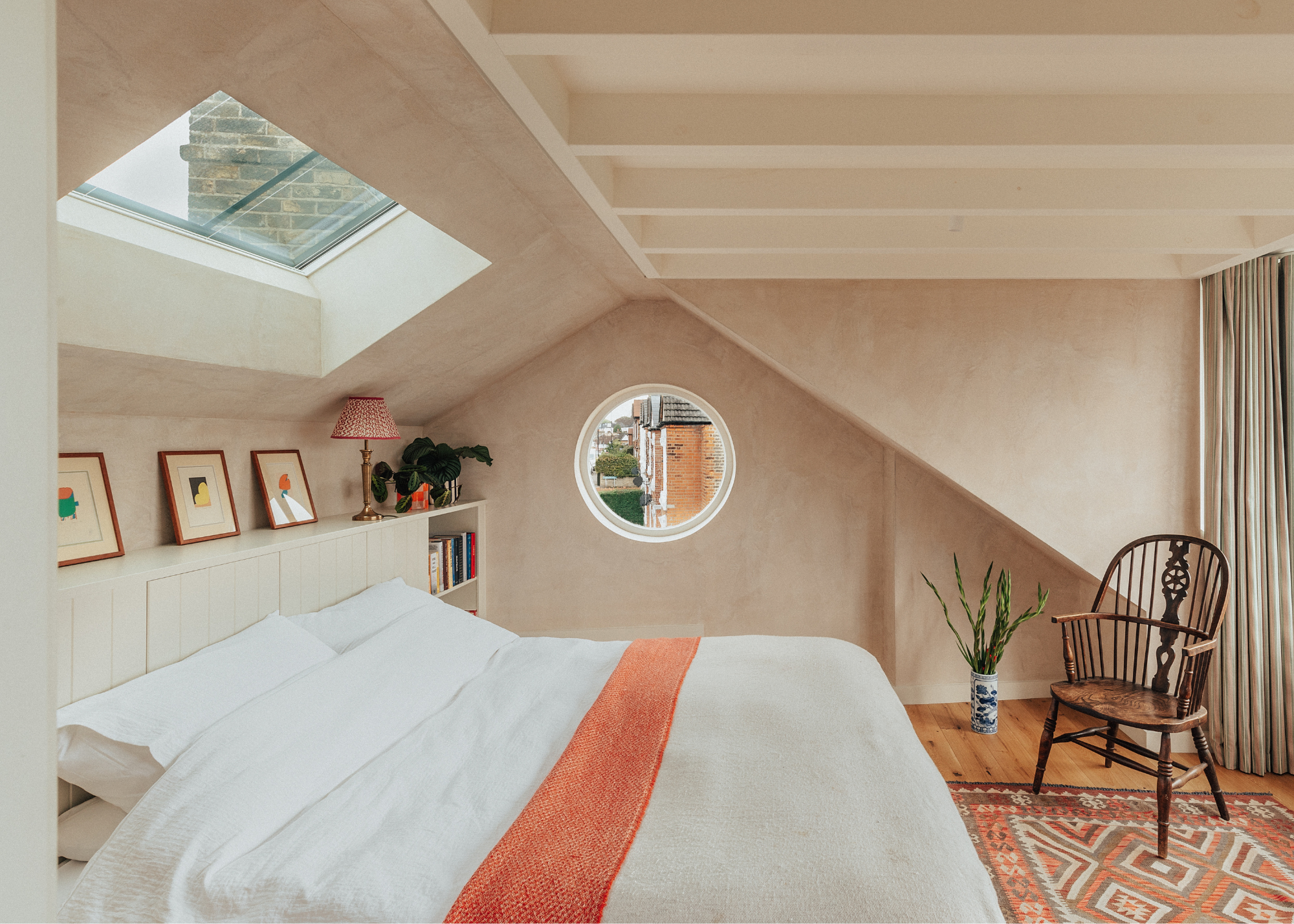
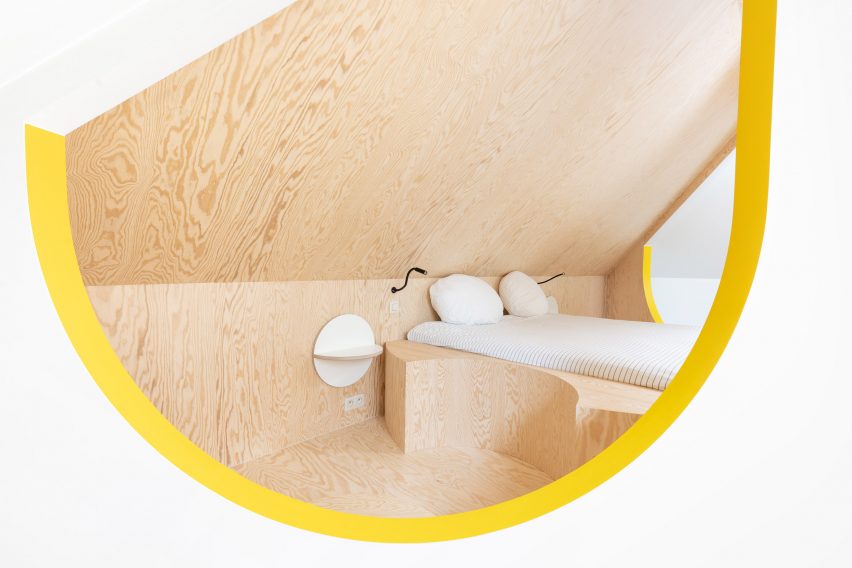
Widger Architecture, a British studio, transformed an attic in a first-floor flat in Walthamstow, east London, into a functional and aesthetically pleasing living space. The project, named 61AMR, focused on creating two new bedrooms by extending the existing structure. A key design challenge was the sloping roof, which limited head-height. The architects addressed this by incorporating a dormer window that spans the entire width of the property, effectively creating a flat ceiling for the new bedrooms. This architectural intervention not only resolved the spatial constraint but also contributed to the overall spaciousness of the loft.
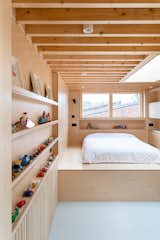
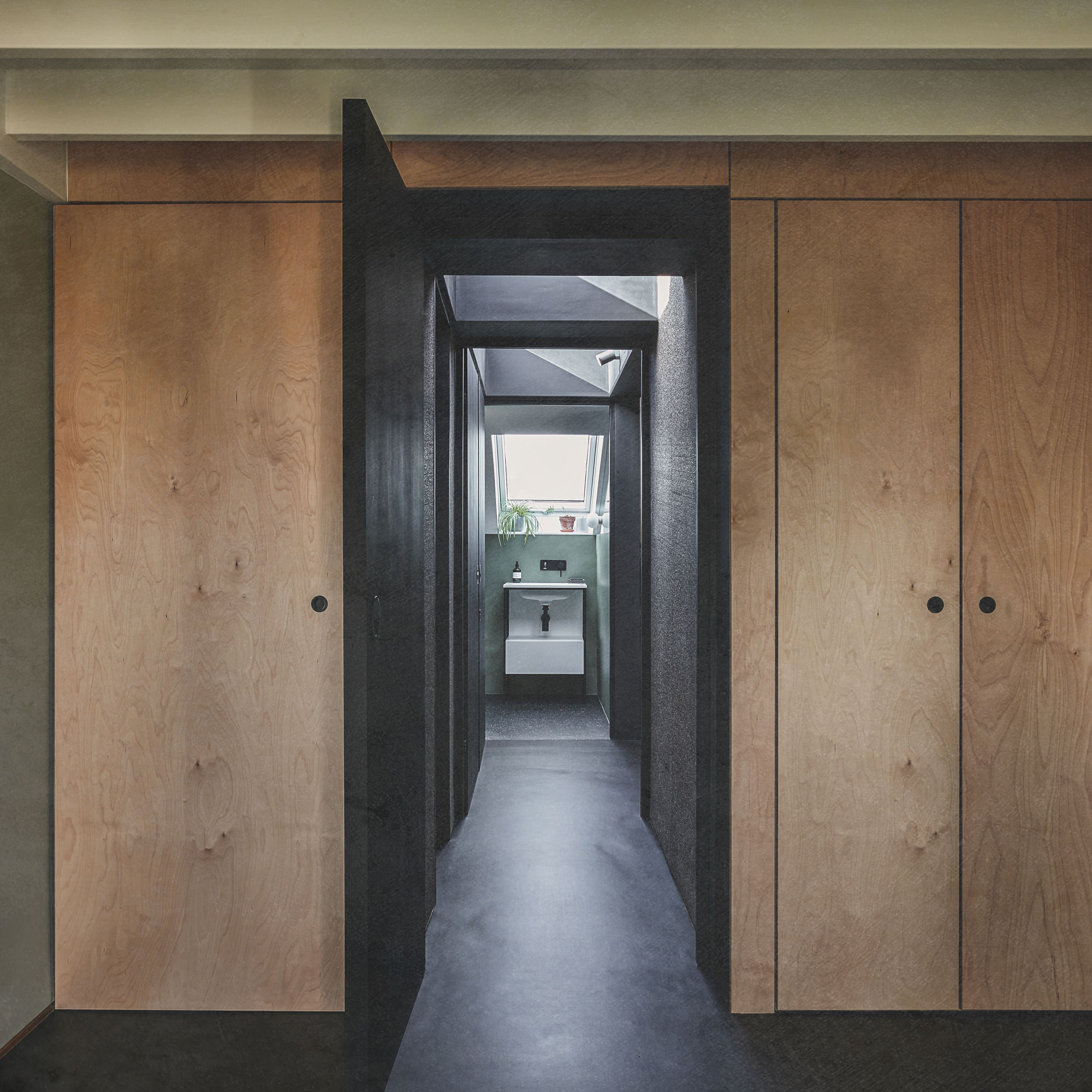
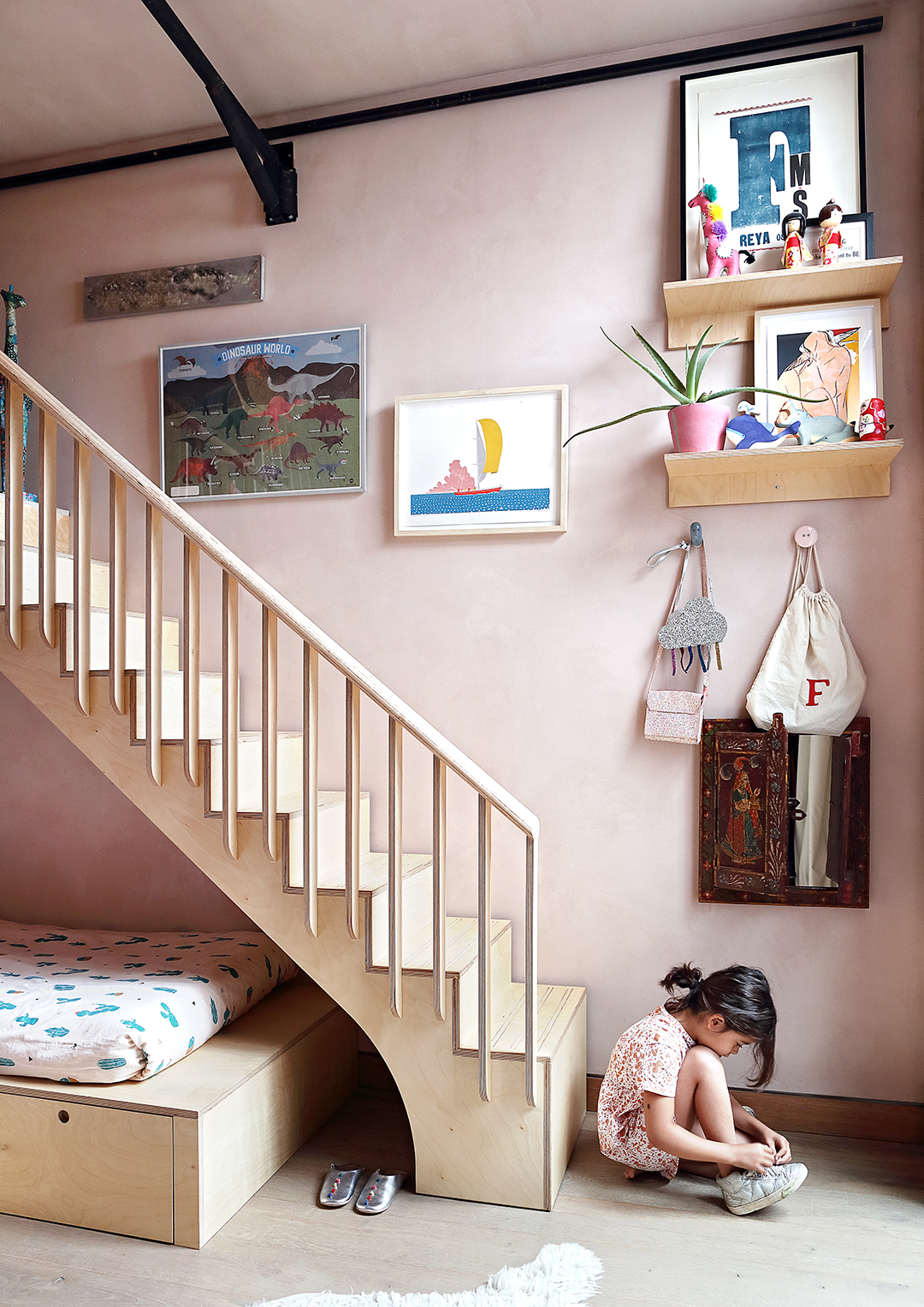
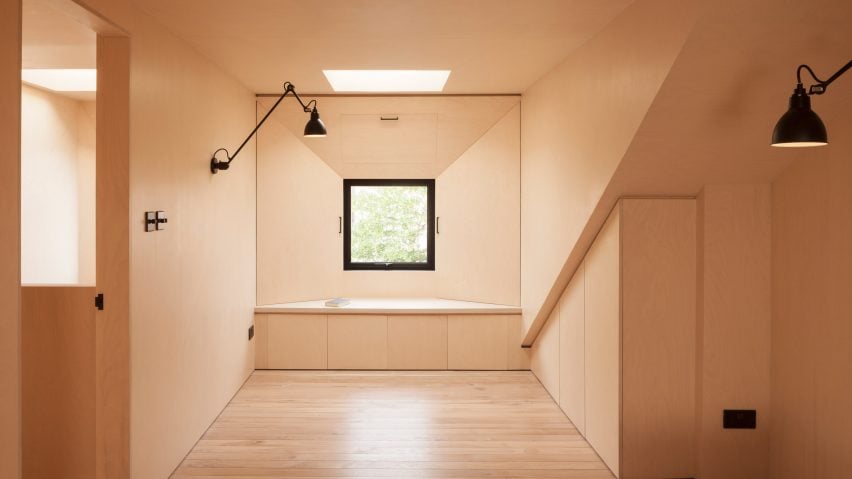
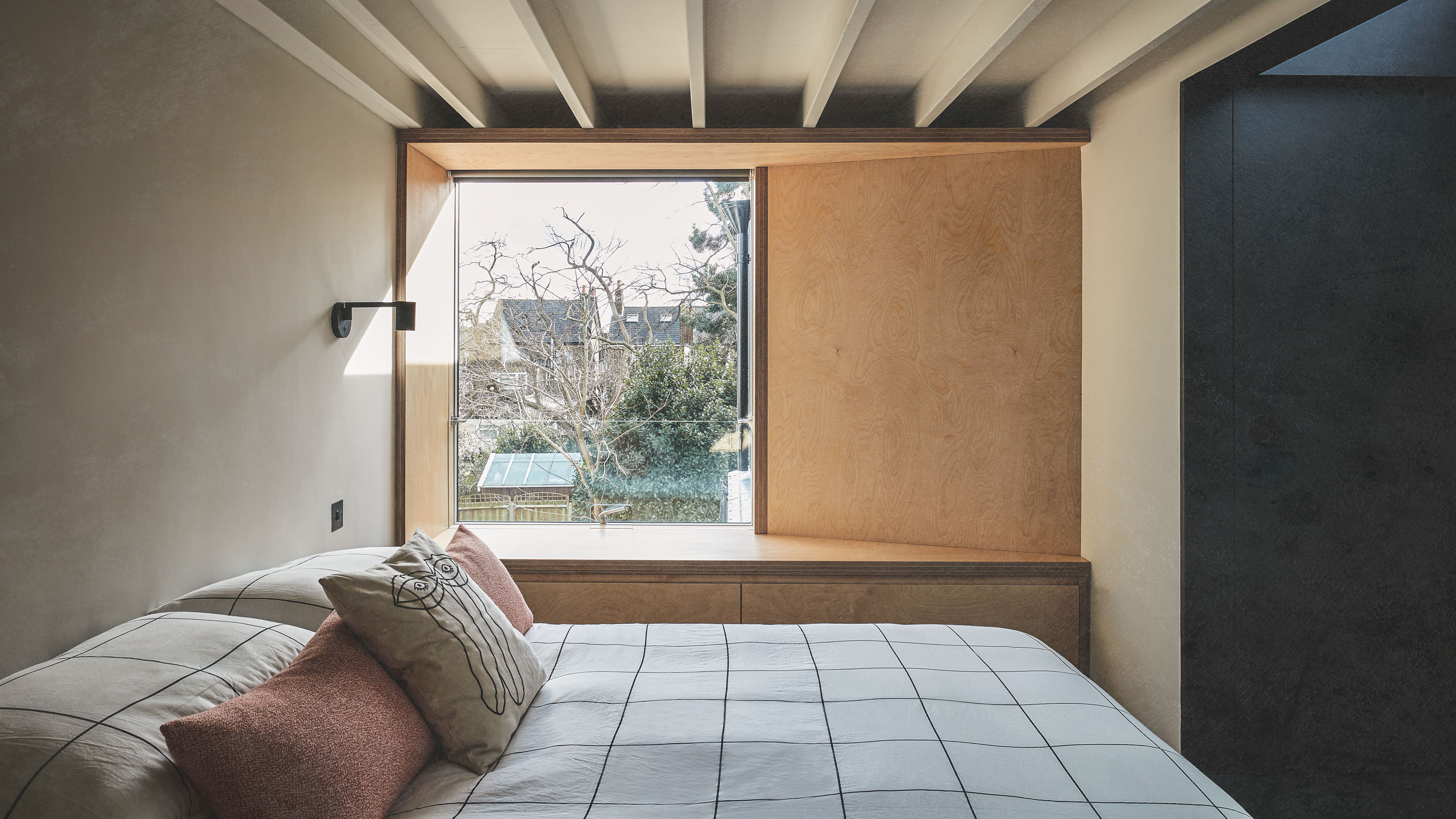
Birch plywood is a dominant material used throughout the interior of the loft extension. It covers the walls and ceilings, creating a continuous and cohesive aesthetic. Beyond surface finishes, plywood was also integrally used to craft built-in furniture, such as cupboards, desks, and a window seat. This integrated approach to design ensured a seamless flow between the structural elements and the functional components of the rooms. The studio also paid attention to intricate detailing, incorporating facets around the windows and striped frames around windows and doorways, which added subtle decorative touches to the plywood joinery. The architects emphasized that these details were not merely aesthetic but also served to define and enhance the unique angular forms inherent in the original attic space.
Kevin Widger, the lead architect, explained that the design approach aimed not only to improve the previously awkward wall and ceiling planes but also to embrace them. The existing forms, folds, and edges of the attic were complemented by new angular forms, demonstrating a sensitive integration of old and new. The extensive use of birch plywood is intended to create a sense of 'weightlessness,' making the rooms feel airy and open despite their attic location. The end grain of the plywood is intentionally exposed on elements like the staircase banister, architraves, and door and window frames, highlighting the material's natural beauty and texture. Dark fixtures, including wall-mounted lights, switches, and window frames, provide a contrasting element to the lighter wooden surfaces, adding depth and sophistication to the interior palette.
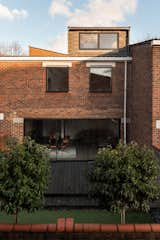
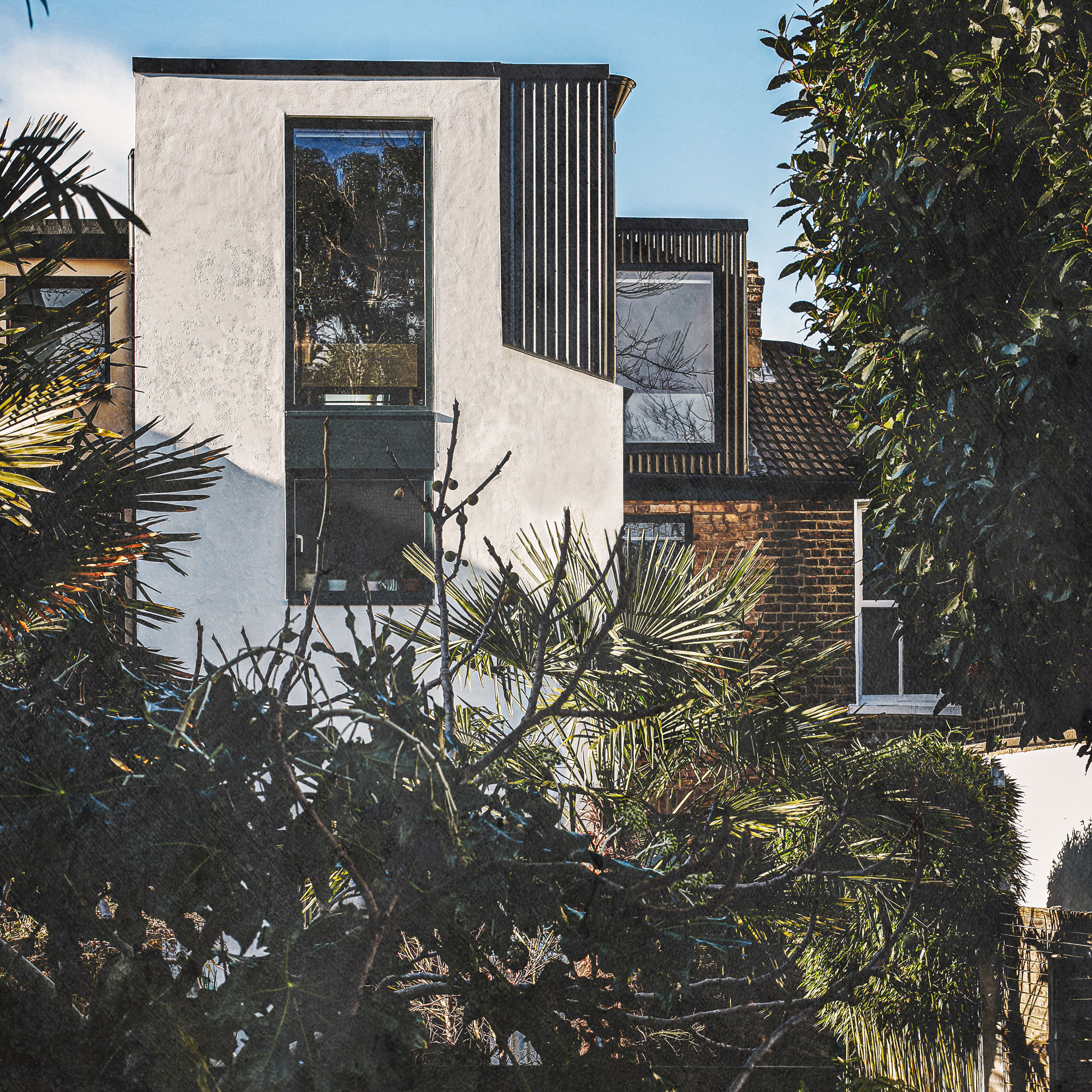
For the exterior, the extension is entirely clad in blackened larch. This material is arranged in horizontal stripes, providing a distinctive and refined appearance that contrasts with the surrounding residential buildings. The charring process applied to the larch not only offers protection to the timber cladding but also imparts a unique texture and color. The burnt wood folds inward to meet the windows, making it visible from the interior and allowing residents to appreciate its texture and visual quality up close. This thoughtful integration of interior and exterior materials, alongside the careful consideration of the existing structure's challenges, defines the success of this London loft conversion project by Widger Architecture.
#London #ResidentialArchitecture #Plywood #UK #BirchPlywood #England #WidgerArchitecture #LoftConversion #InteriorDesign #London #ResidentialArchitecture #Plywood #UK #BirchPlywood #England #WidgerArchitecture #LoftConversion #InteriorDesign
0 comment in total
 No comments yet
You may also like
This Half-Height Expansion for a Growing Family in London Is a Real Brainteaser

Ten loft conversions by architects that maximise usable space
5 Things That Will Make Your Loft Conversion Feel Dated — And What Designers Are Doing Instead

Guest bedroom ideas
an open-plan master bedroom loft conversion

'We built a smart new loft conversion for more space'
A bedroom design that grows with the child

5 Clever Ways to Squeeze Extra Storage Space Into Your Loft Conversion
Before & after: An unused attic converted into an airy bedroom sanctuary

Reaching for the rafters: Why double-height spaces are on the rise
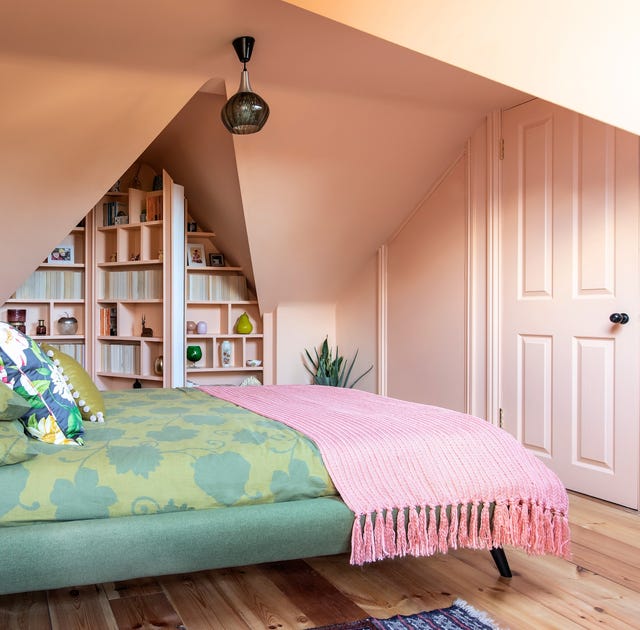
Photos: A pink, vintage-style loft conversion guest bedroom
Worrell Yeung + Colony Pair up to Transform Historic New York City Loft

9 Bedroom Trends That Will Dominate 2026, According to Interior Designers
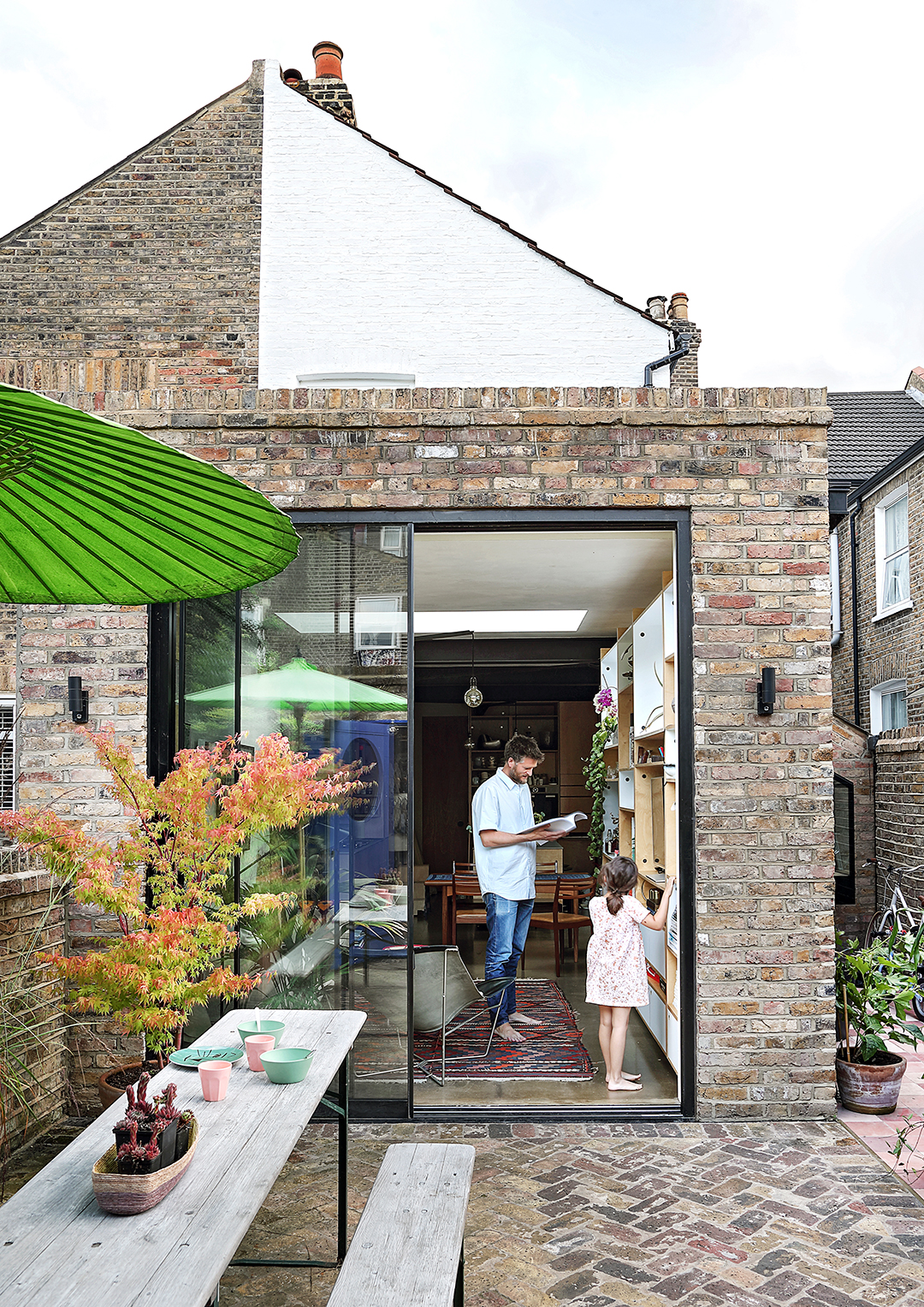
This Family’s London Home Sports a Genius Alternative to Recessed Lighting

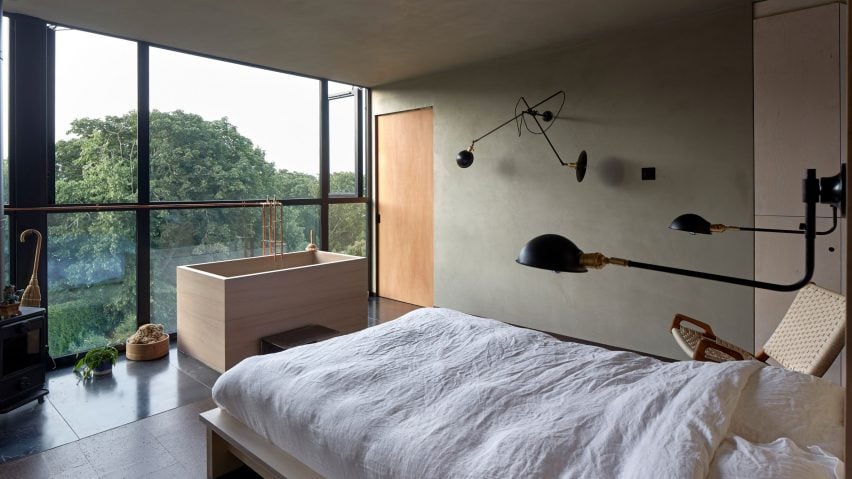
Eight airy and pared-back loft conversions
This 1872 Loft Survived a Century of Chaos Before Getting a Stunning Makeover
Loft Space in Camden by Craft Design
Before & After: Interior designer turns dilapidated loft into a dreamy dressing room and home office
This Once-Industrial Baltimore Loft Has Been Gloriously Transformed

Big decorating ideas for downtown Bridge Square loft