Reaching for the rafters: Why double-height spaces are on the rise
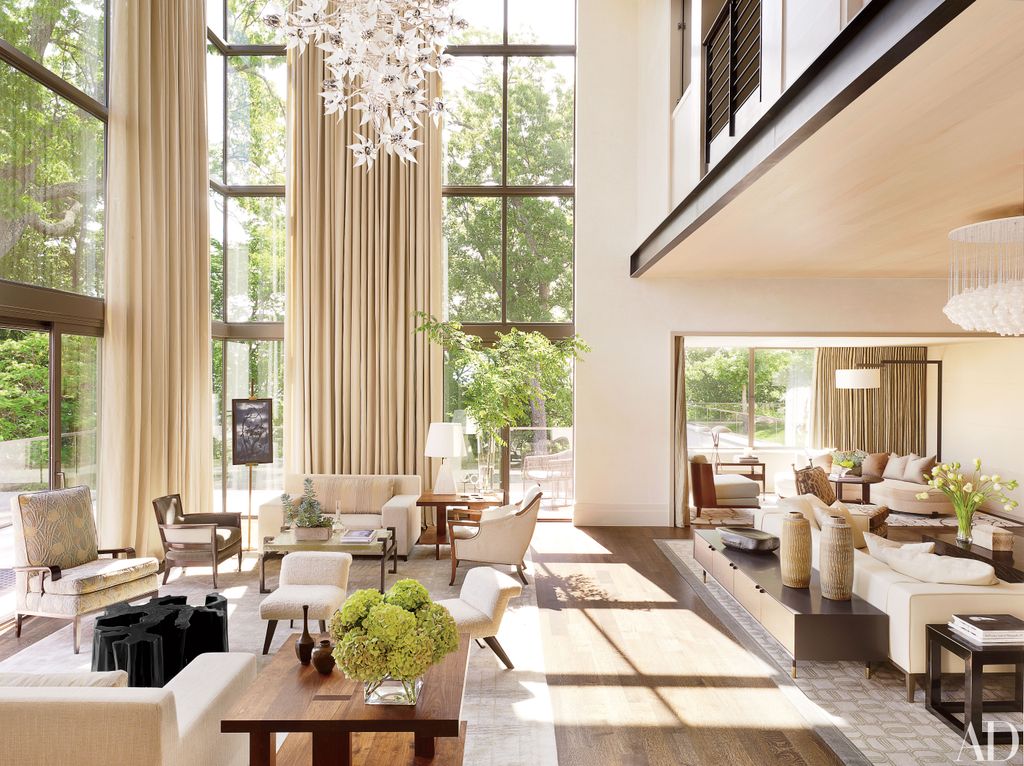
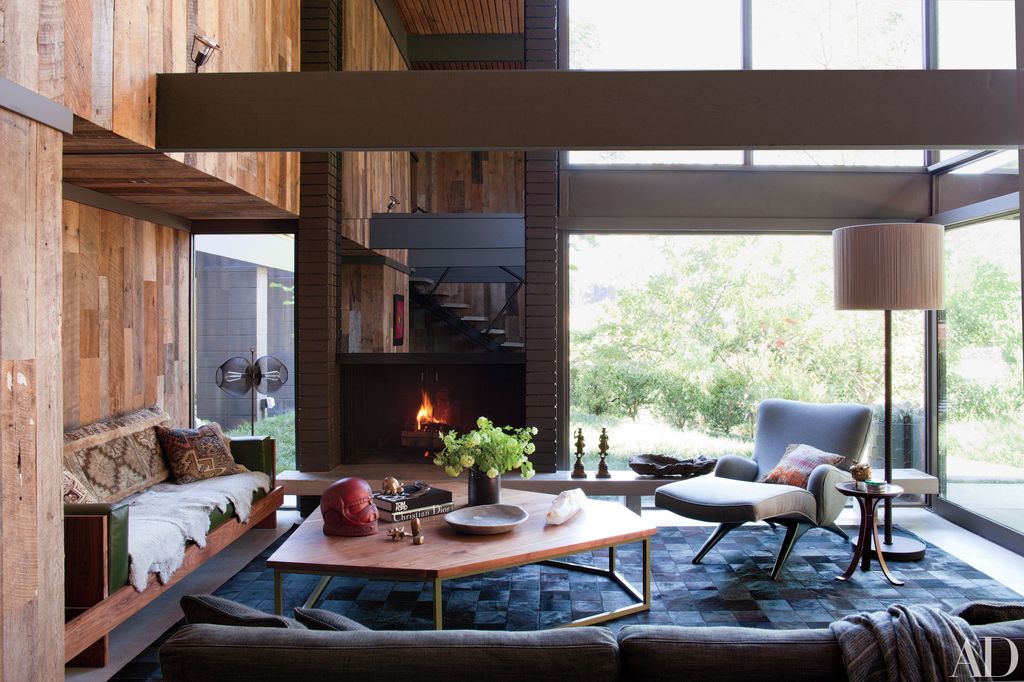
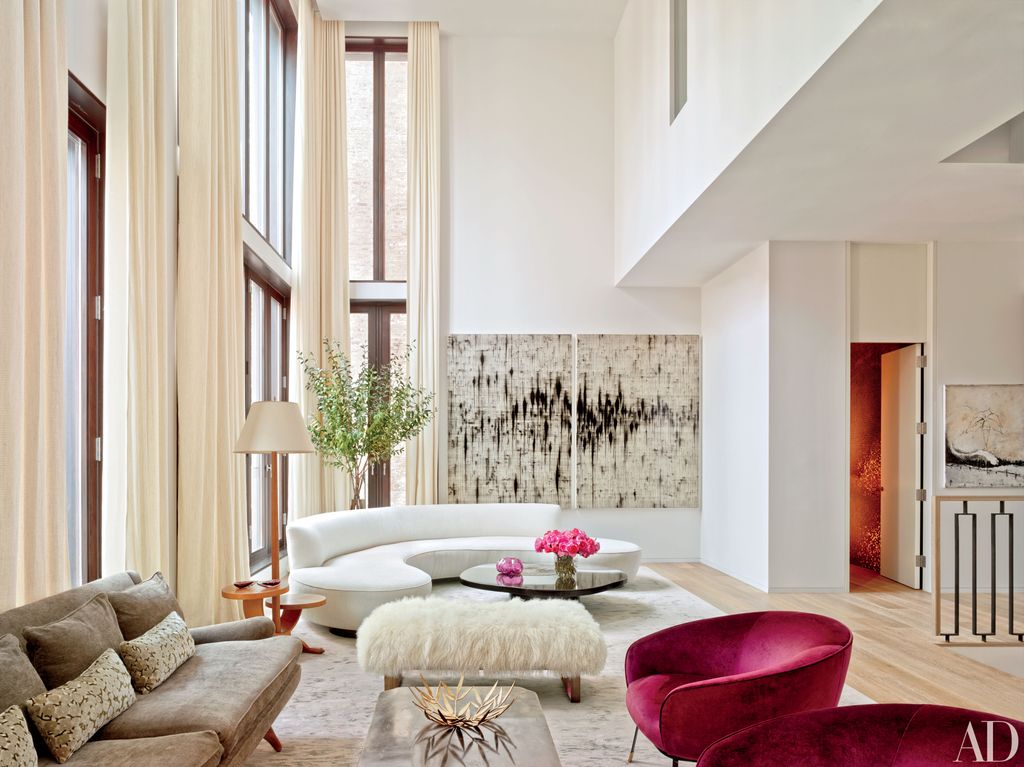
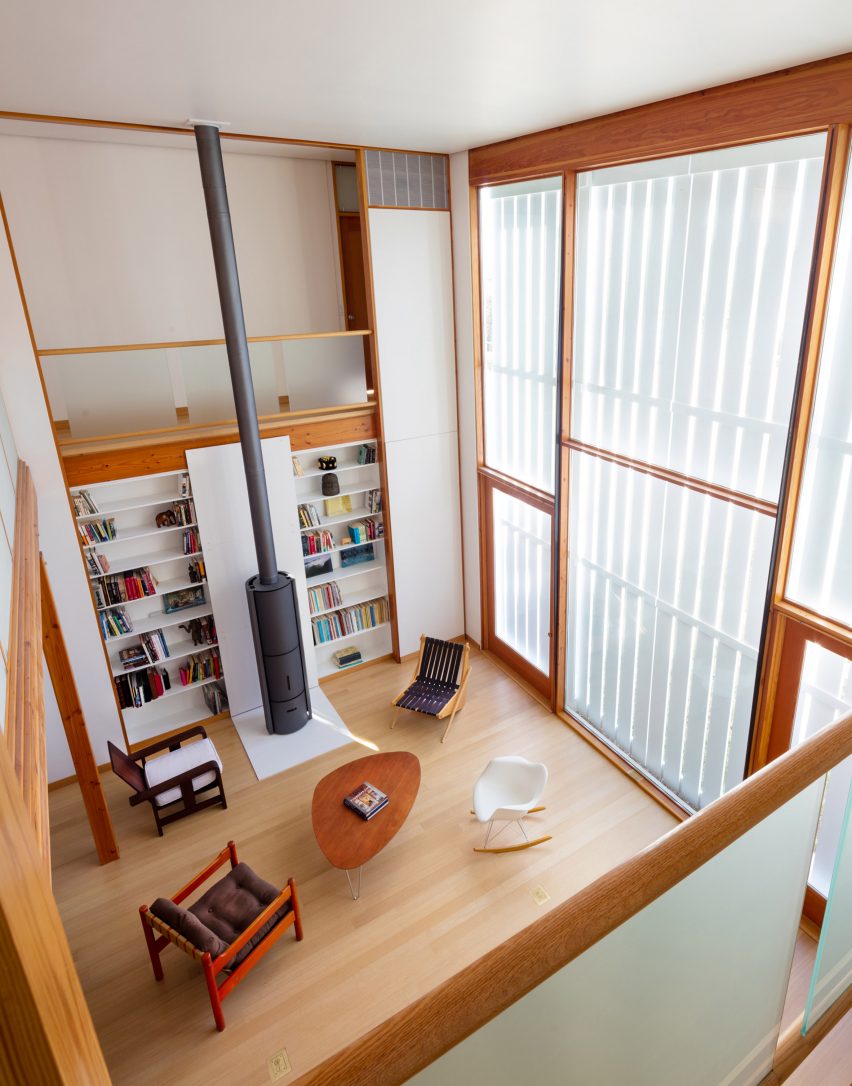
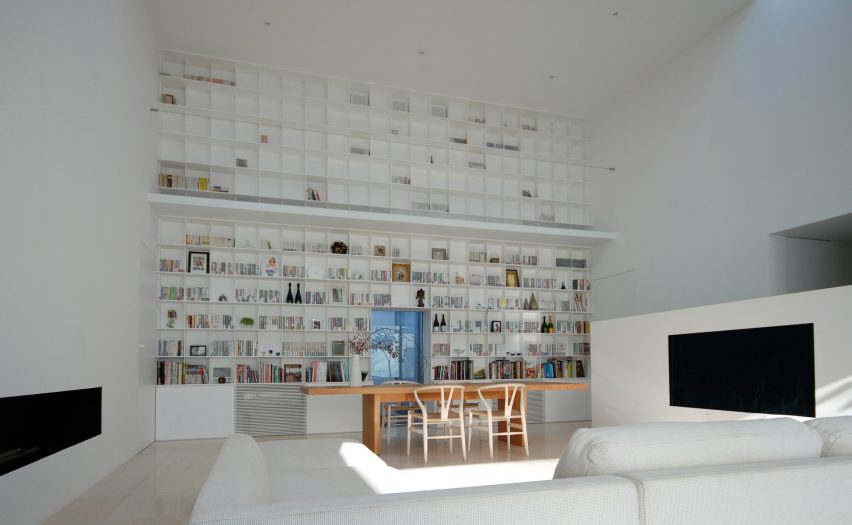
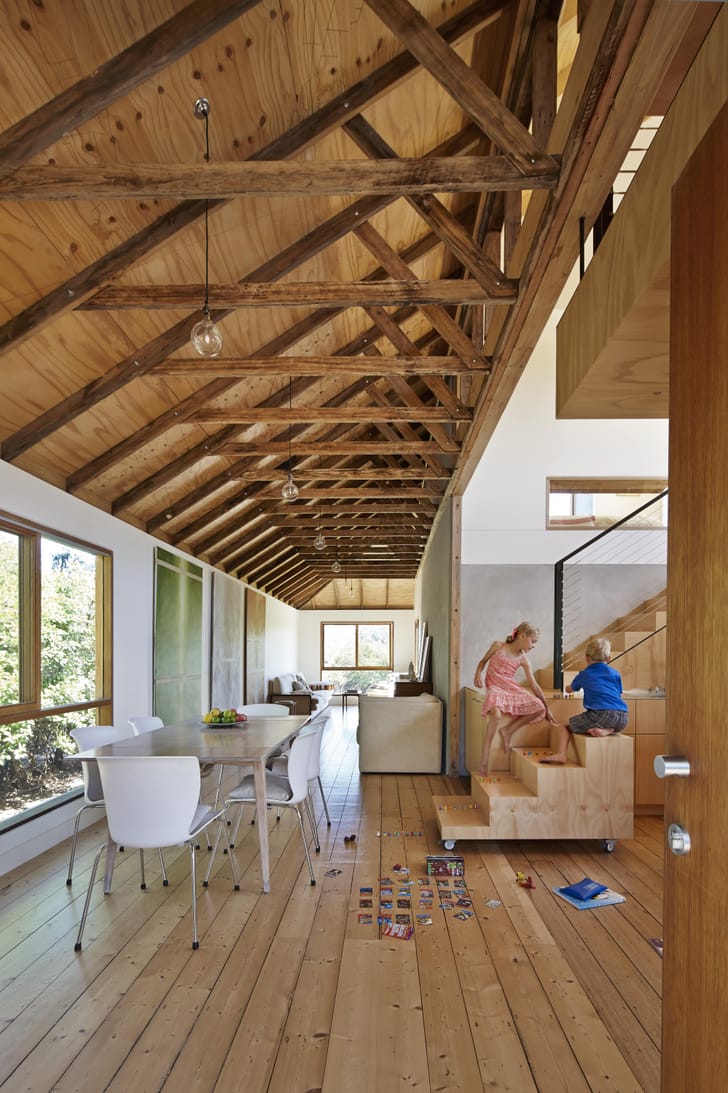
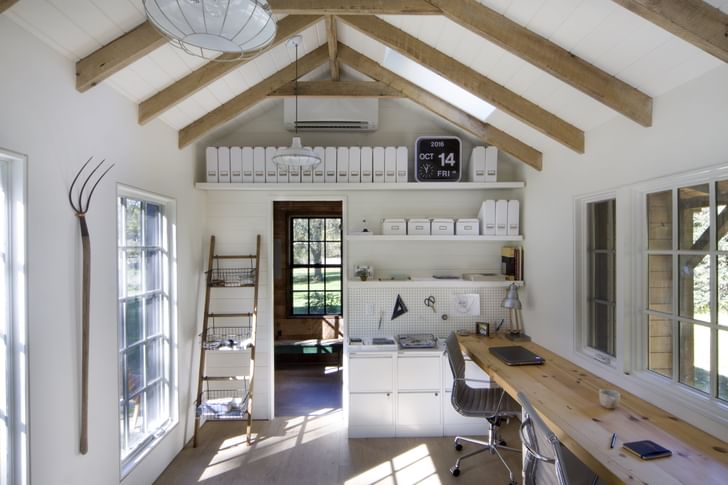
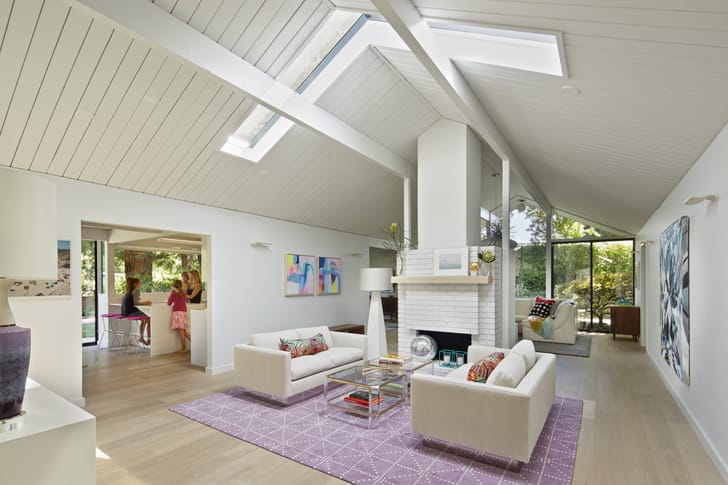
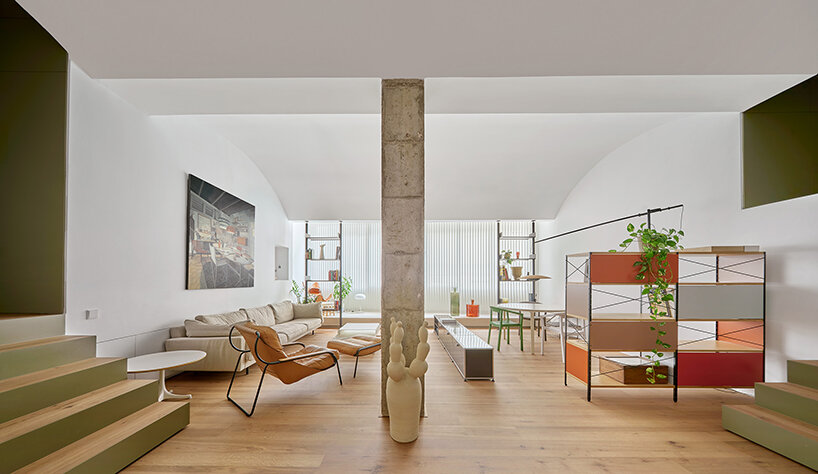
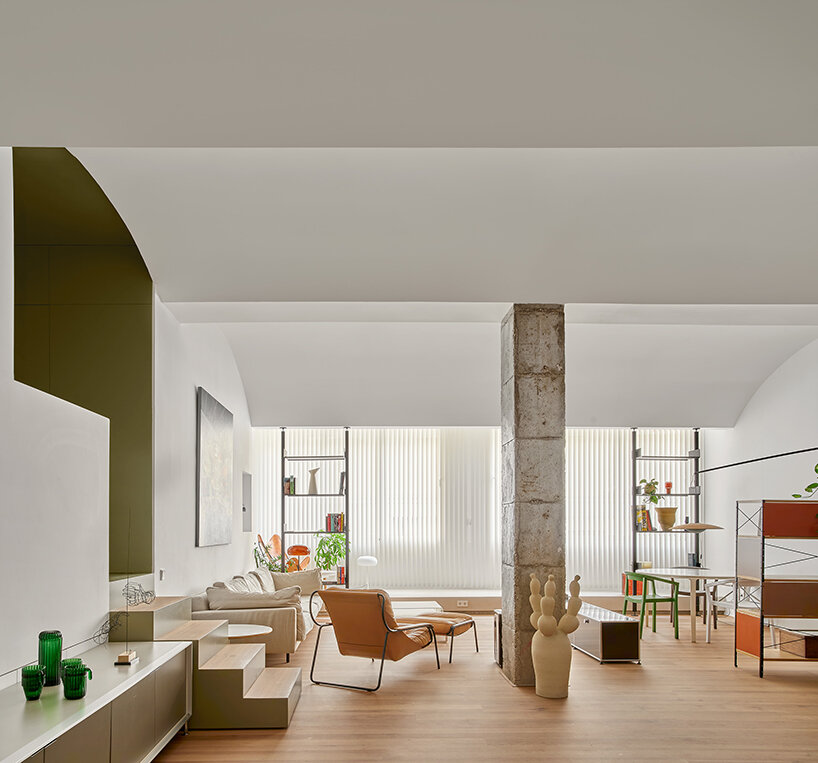
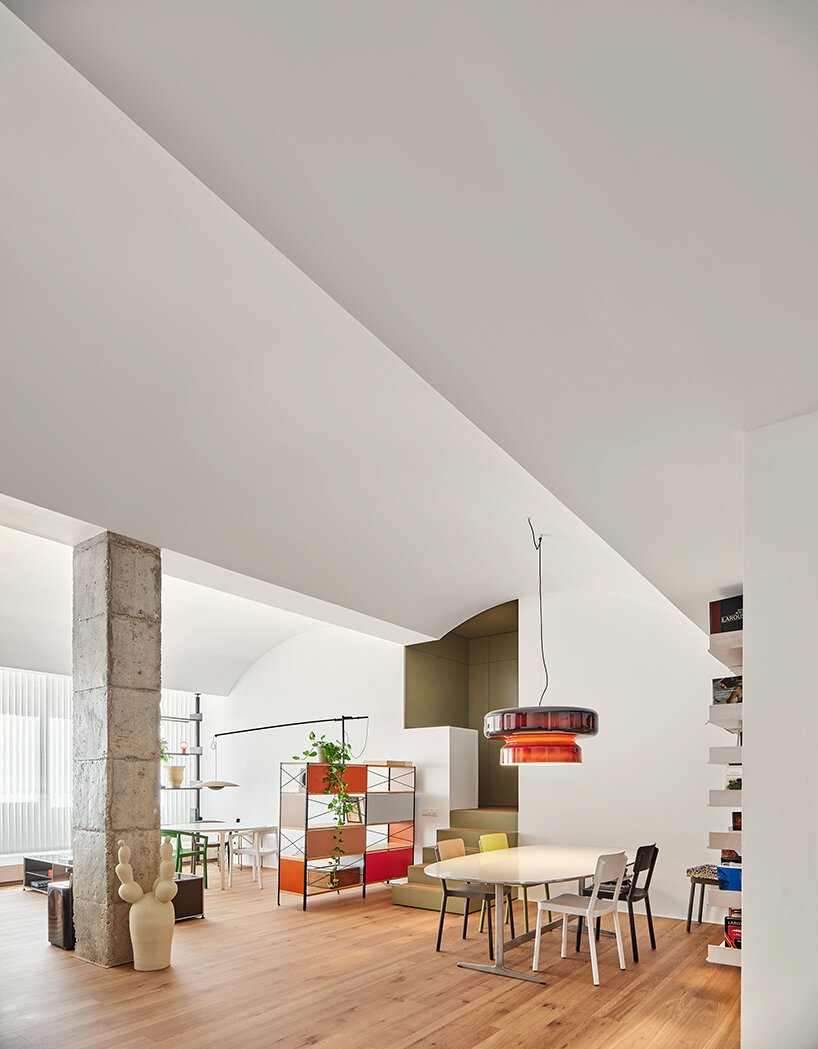
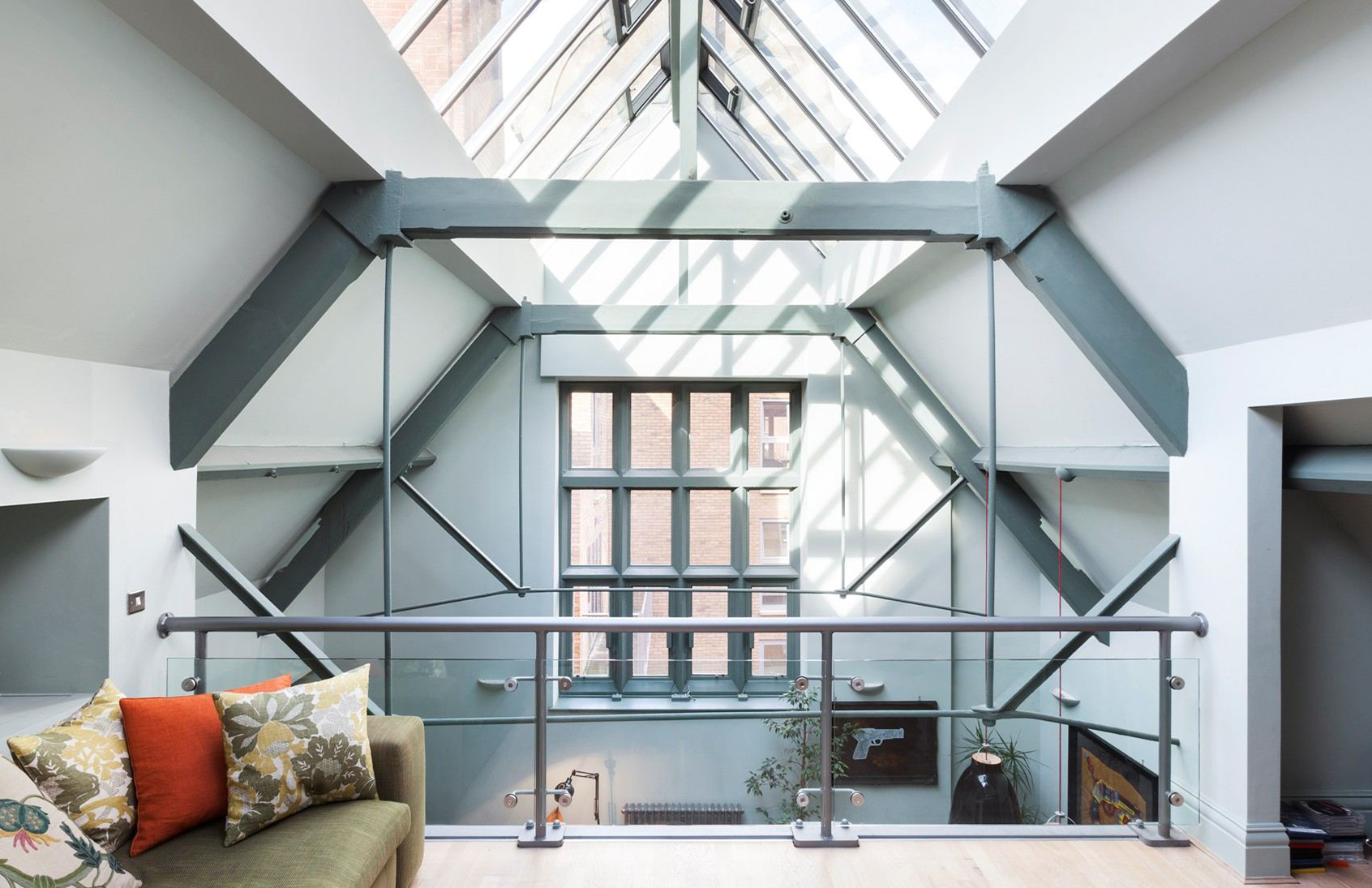
In the competitive London property market, while square footage has traditionally been a primary concern for buyers, there's a growing trend towards valuing cubic feet, specifically double or triple-height ceilings. Property experts note that ceiling height has become a crucial factor, with "How high are the ceilings?" now a common initial question from prospective buyers, indicating that a standard 2.6m ceiling is no longer considered sufficient. This shift is particularly evident in London, where properties often lack the expansive views found in cities like New York or Hong Kong, making high ceilings essential for creating an illusion of light and space.
Beyond aesthetics, there are practical advantages to these voluminous spaces. Matthew Creed of Khalil & Kane highlights that many high-end buyers are art collectors who require ample vertical space to display large art pieces effectively. He also points out that the ground floor of traditional stucco-fronted London homes commands a premium of 30 to 50 percent due to their extra height.


The article showcases several London properties that exemplify this trend. Hewer Street, North Kensington, features a triple-height living area and kitchen in a former Victorian dairy, designed by Theo Otten, which enhances light and drama. In Covent Garden, a four-bedroom townhouse modernized by Form Architecture includes a soaring, double-height seating area within a 30ft kitchen, extending to a terrace. A two-bedroom home in Battersea Park Road boasts a double-height living area and a skylight for abundant natural light. An apartment in Eton Avenue, Swiss Cottage, transformed by architect Paul Fineberg, offers a double-height ceiling and windows on all sides. Furthermore, a vast loft for rent on Shoreditch High Street, located in a former warehouse, is designed with "zero bedrooms" and two "sleeping decks" to maximize the open, high-ceilinged space.
The appeal of double-height spaces extends beyond art collectors. Creative professionals, such as photographers and musicians, are drawn to these properties, particularly in areas like Shoreditch and Bermondsey, for their ample light and space, which accommodates their work and lifestyle. Stephanie Lieu from Urban Spaces, an agency specializing in industrial conversions, notes that these buyers seek something beyond typical two-story homes and often resist adding mezzanines or extra floors that would diminish the prized height.
Even in older properties undergoing basement excavations, developers are recognizing the importance of increased ceiling heights. Matthew Morton-Smith from Savills explains that a voluminous and well-lit basement creates a more impressive and less claustrophobic feel. Ultimately, while double-height spaces might offer less traditional living area, their primary advantage lies in the dramatic visual impact and enhanced sense of grandeur they provide.
#DoubleHeightSpaces #LondonProperty #ArchitecturalTrends #LuxuryRealEstate #InteriorDesign #UrbanLiving #PropertyVision #CreativeSpaces #DoubleHeightSpaces #LondonProperty #ArchitecturalTrends #LuxuryRealEstate #InteriorDesign #UrbanLiving #PropertyVision #CreativeSpaces
0 comment in total
 No comments yet
You may also like
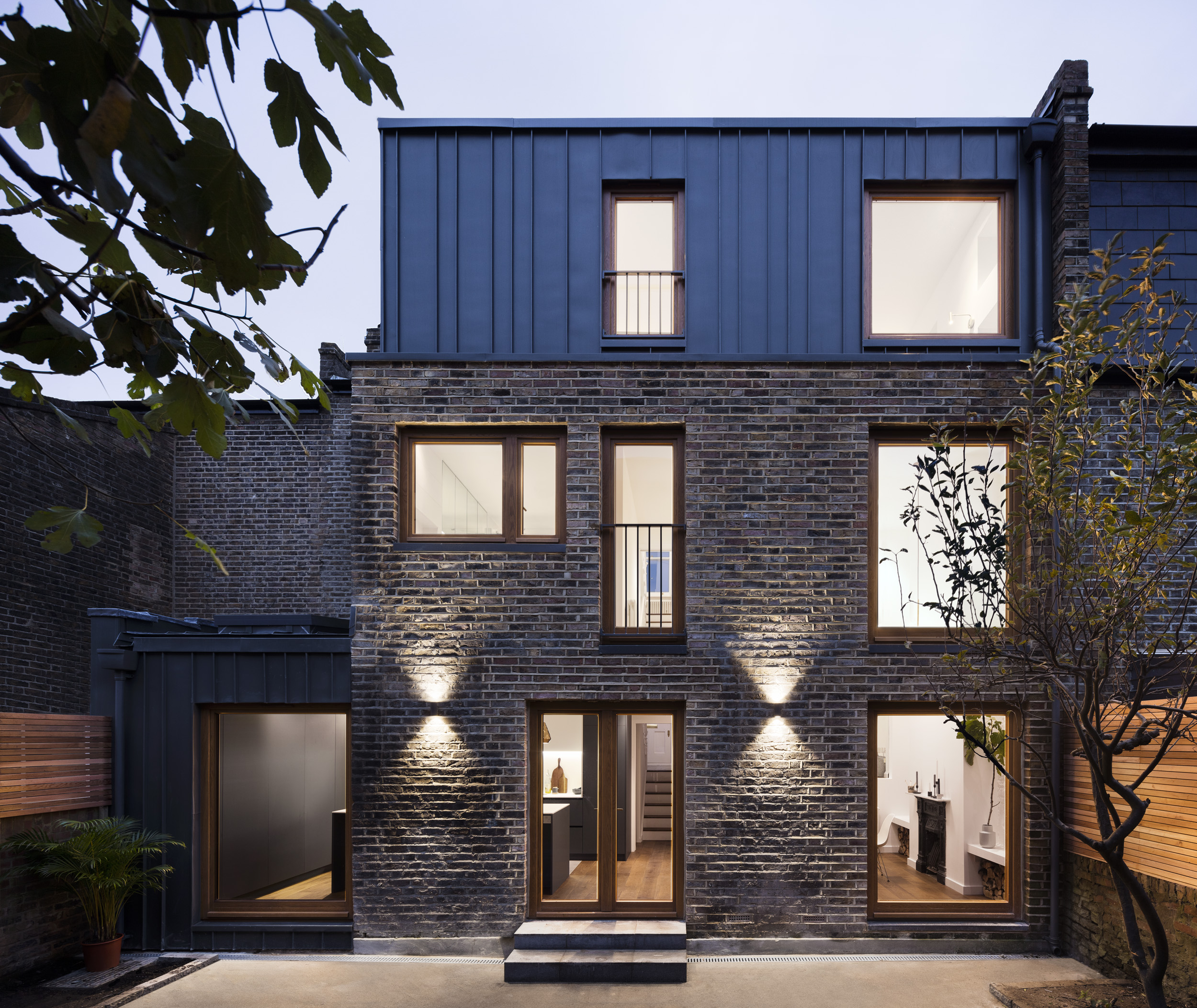
Double storey extensions - architects explain how to go full height in style

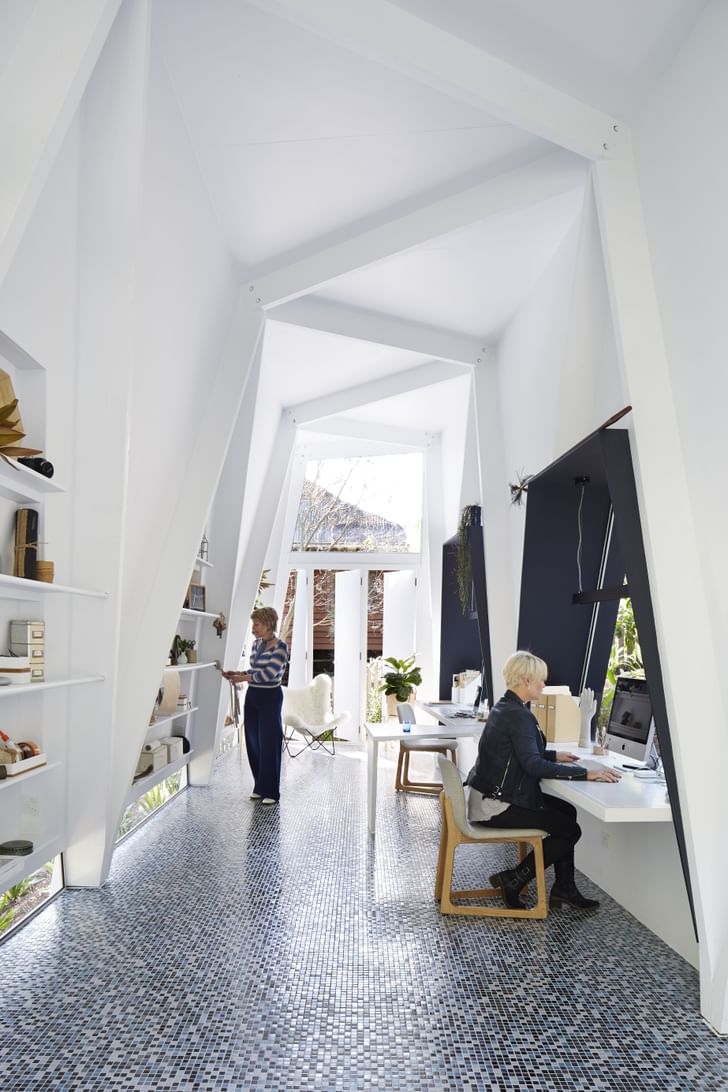
The Psychology of High Ceilings and Creative Work Spaces
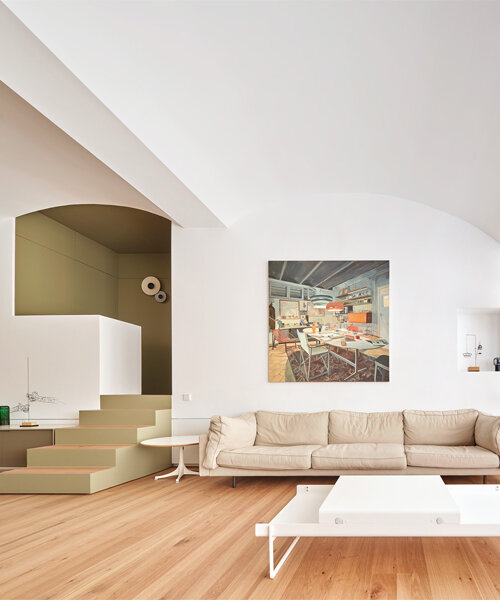
double-vaulted ceiling design by twobo adds depth to this renovated barcelona house
Two-tier kitchen islands are the future – 9 reasons why designers want you to invest now

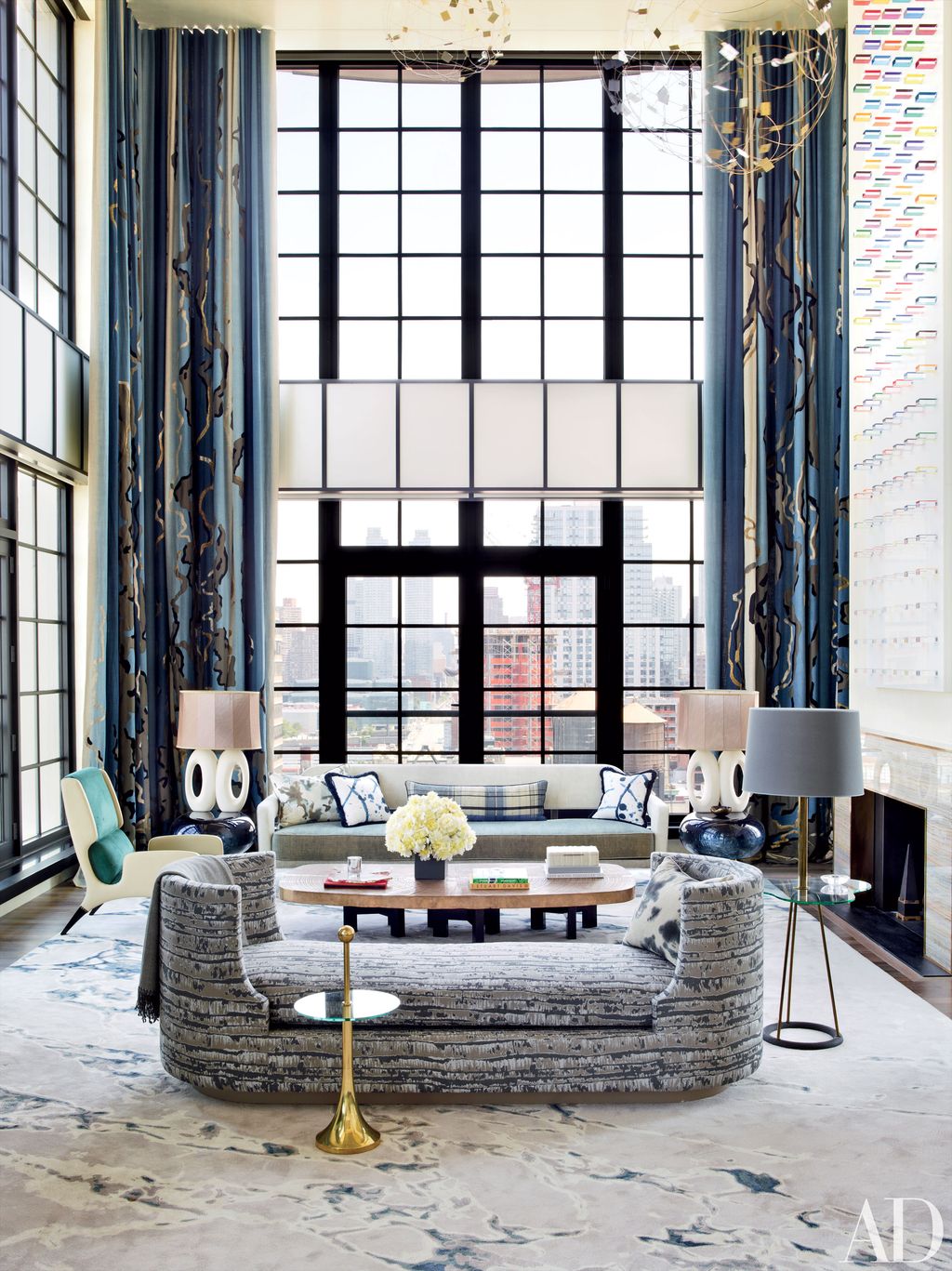
19 Gorgeous Rooms with Double-Height Ceilings

Double Occupancy
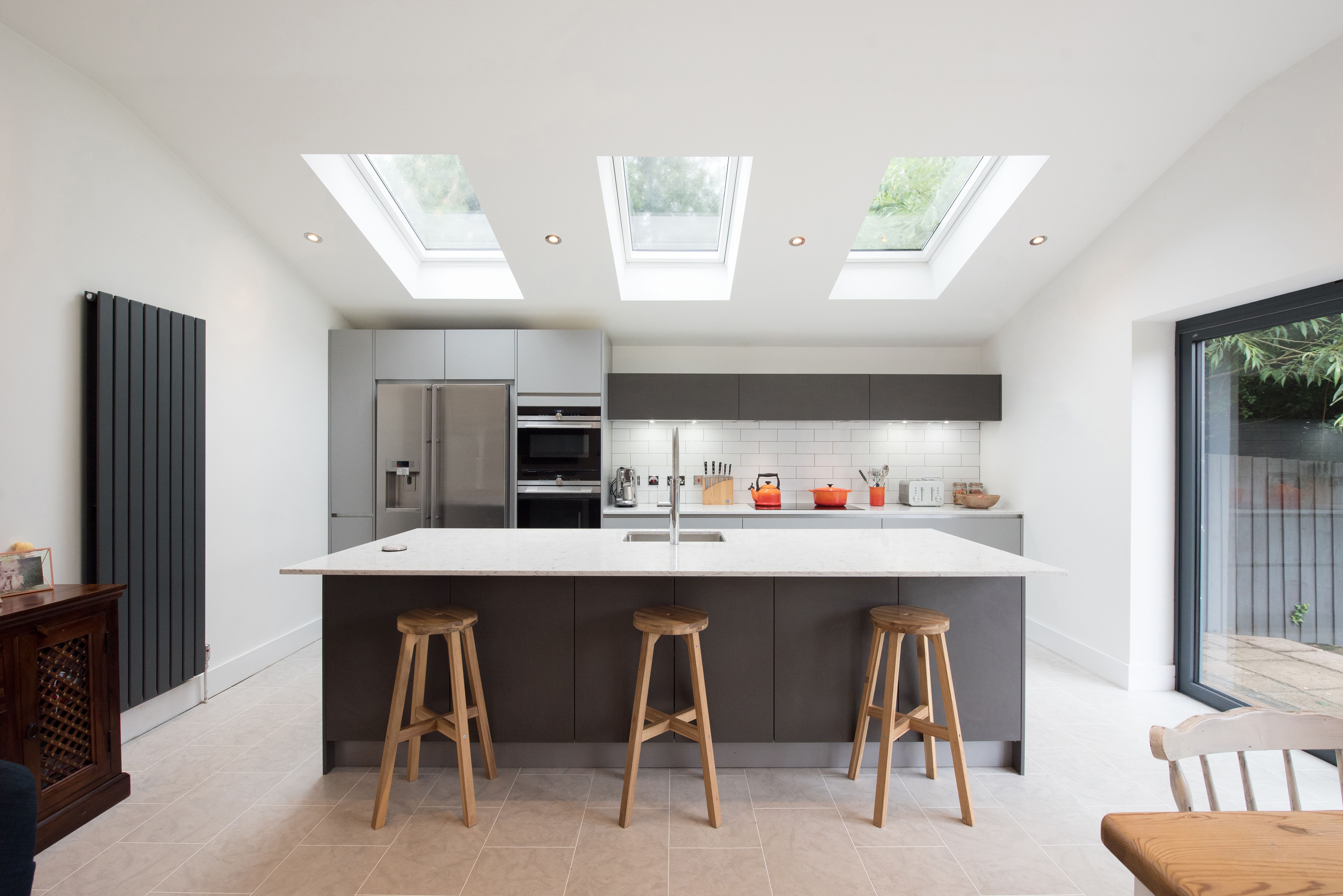
Skylights Are Back and More Popular Than Ever—Here’s Why


How They Pulled It Off: Floor-to-Ceiling Modular Shelving in a New Studio Extension

Designers Are in Love With "Unexpected Ceilings" — This Creative Trend is Elevating Modern Spaces

Room height is the most absurdly undervalued quality of a property
Achieving Precision in Flexible Design: The Path to 10,000 Vertically Folding Skyfold Walls

'We built a smart new loft conversion for more space'
Aug 2017: Use vertical space to fill small rooms

This Once-Popular Home Feature Is Falling Out of Favor

'It's a centuries-old movement!' This creative ceiling idea is trending as a way to elevate your room's 'fifth wall'
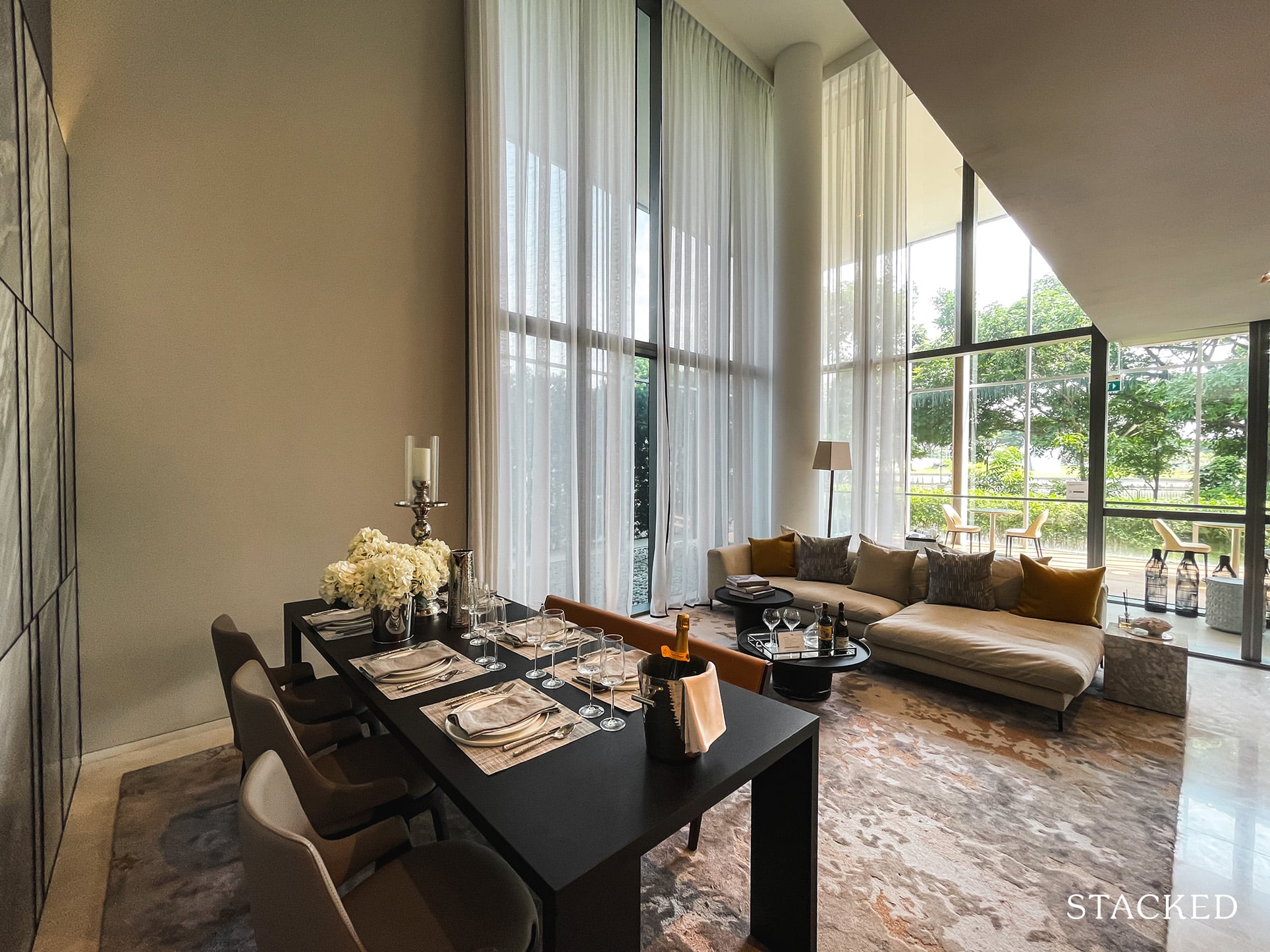
8 New Launch Condos With High Ceiling Loft Units

Seven double-height living rooms with a sense of high drama
On the double: The rise and rise of the twin basin style statement
Tented Ceilings Are Back—And More Magical Than Ever

Ceilings can be turned into eye-popping attention-getters