1/6
Tented Ceilings Are Back—And More Magical Than Ever
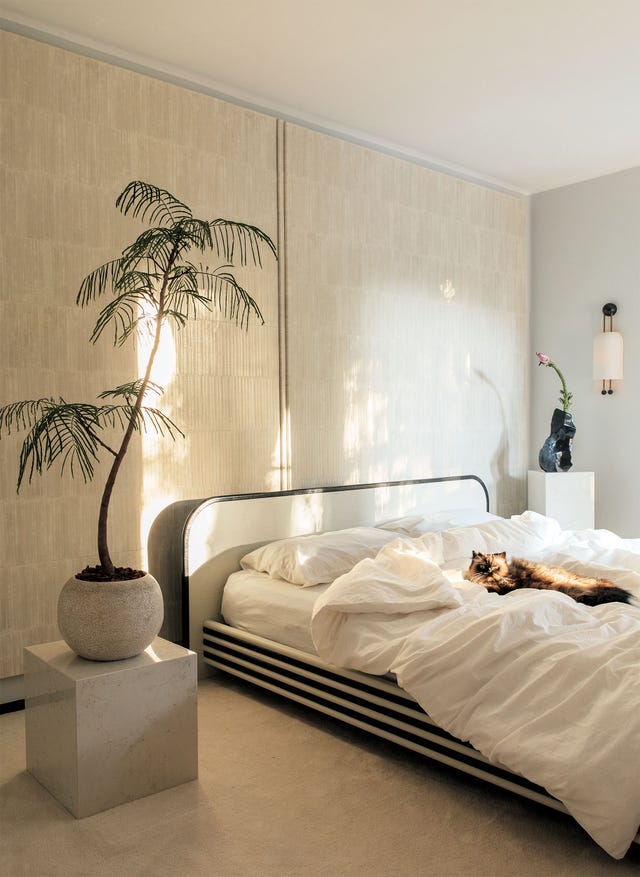
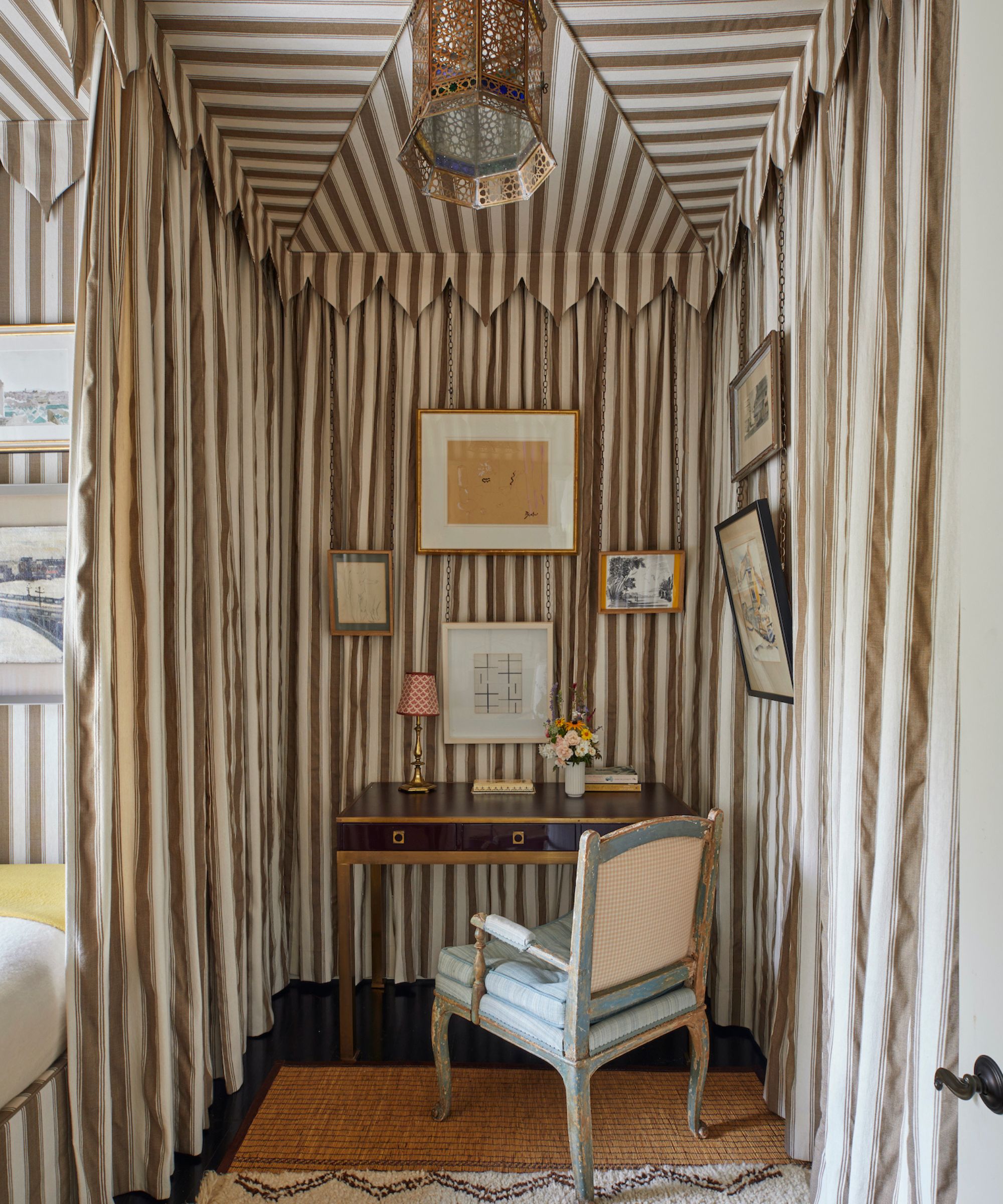
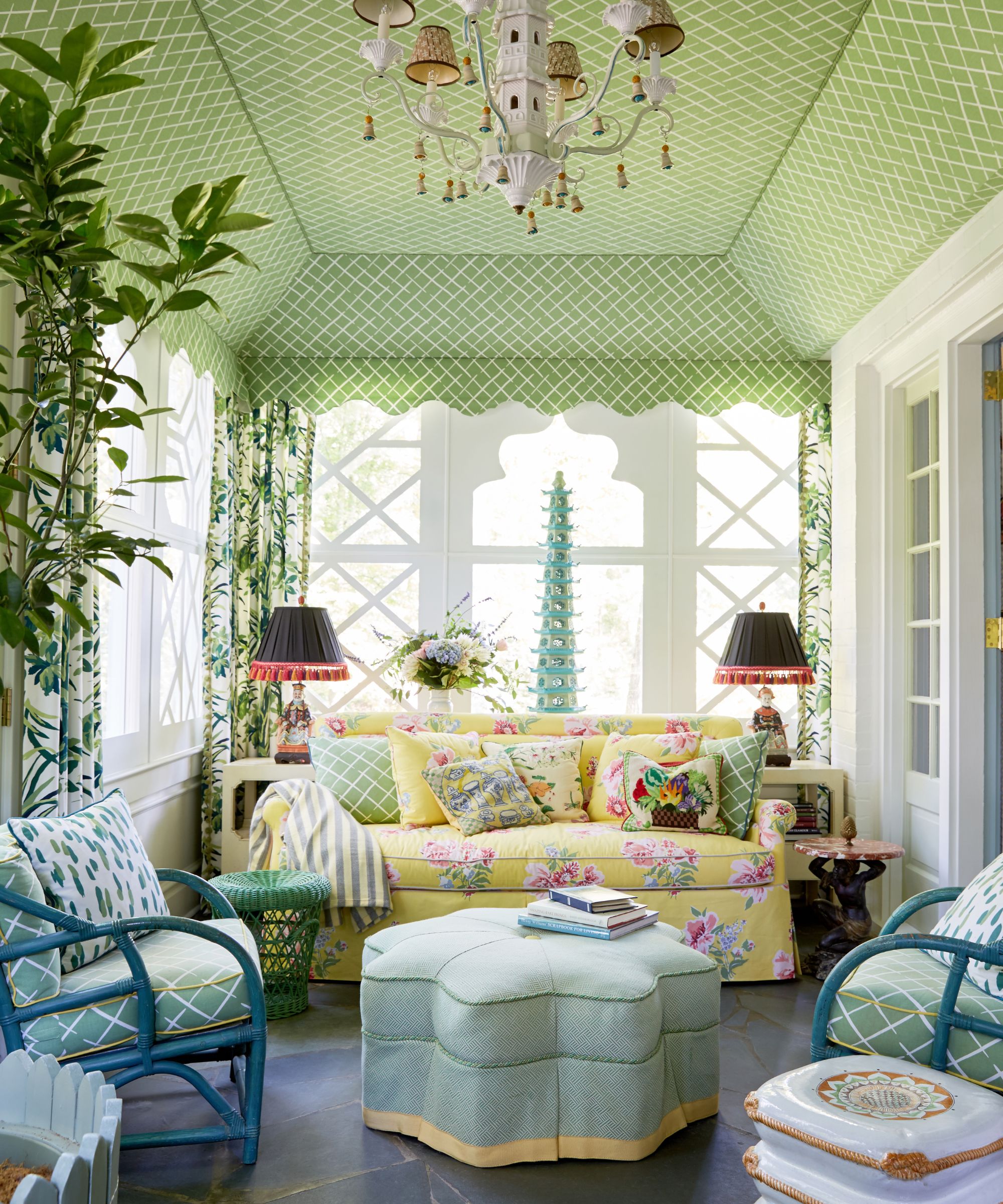
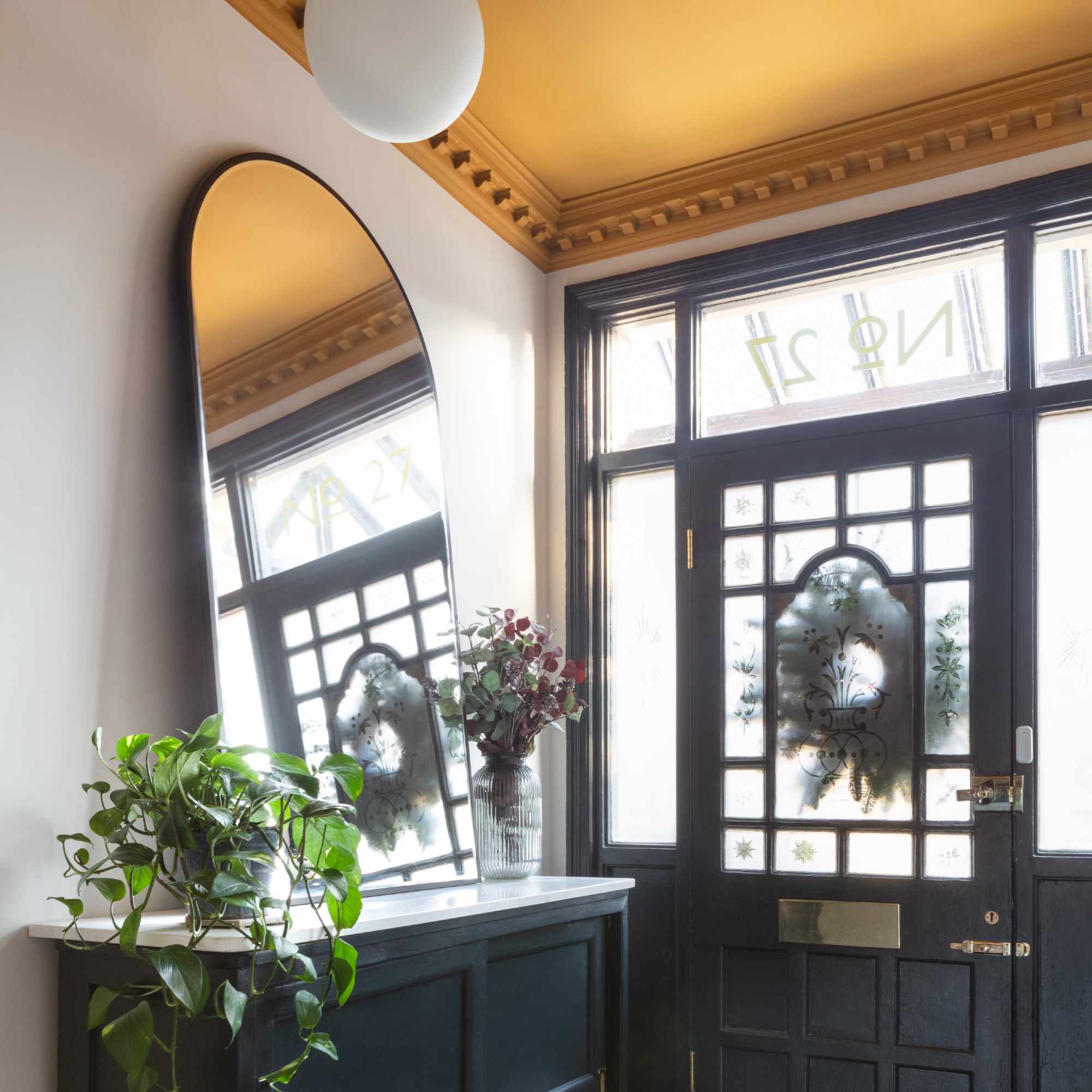
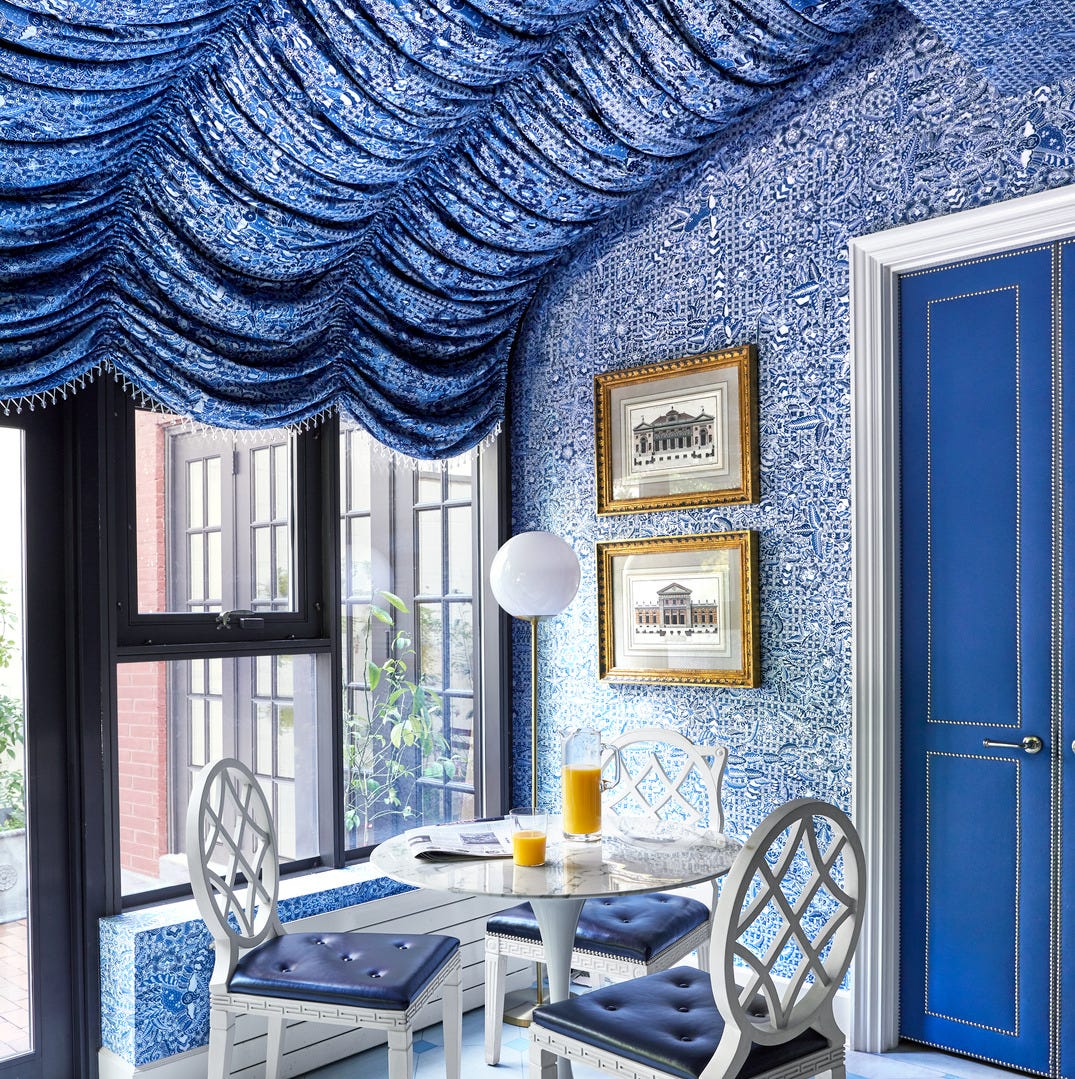
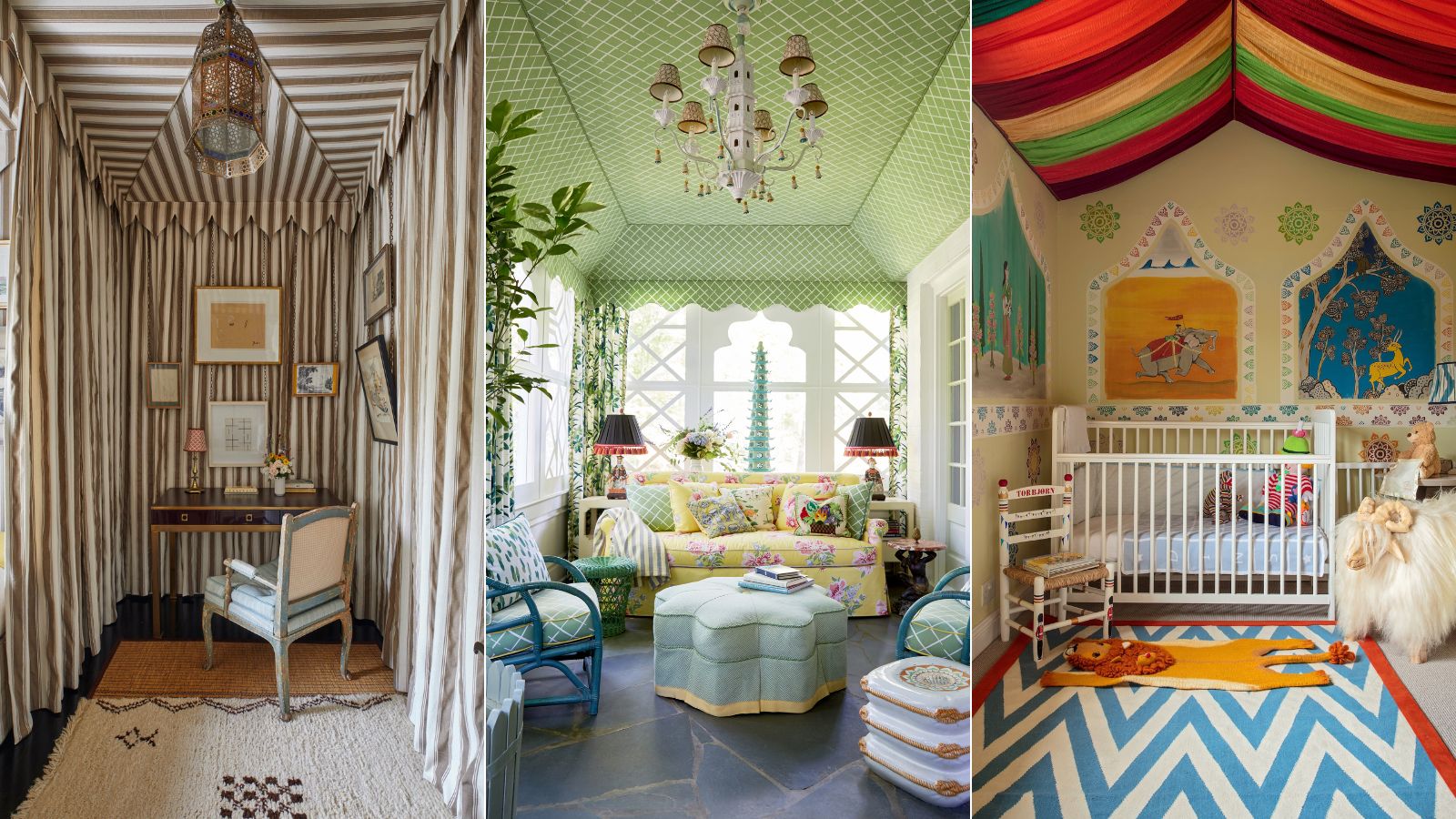
Tented rooms, a design trend with roots in the early 19th century, are experiencing a resurgence in popularity. This historical design, first brought into public view through Napoleon Bonaparte’s campaign tent and the redesign of the Château de Malmaison in 1799 by architects Charles Percier and Pierre Fontaine, is characterized by fabric-lined walls and circular tent-like structures. Today, while not directly inspired by Bonaparte, the appeal of tented rooms stems from their ability to create cozy, intimate, and often whimsical spaces.
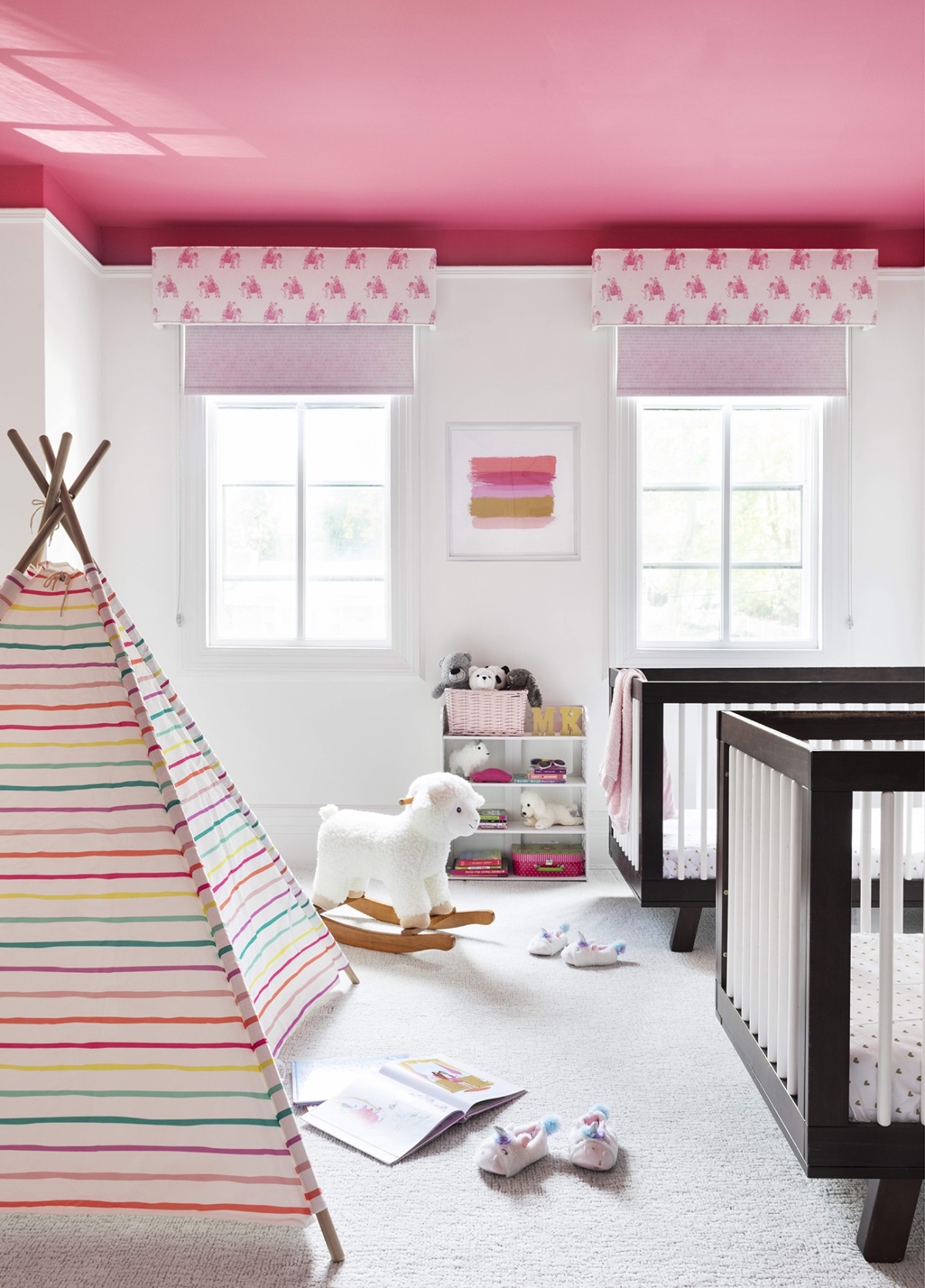
Designers, including Rosie Bossom of Rosanna Bossom Limited, Elizabeth Hay, and Leandra Fremont-Smith, attribute this renewed interest to a broader shift towards maximalist aesthetics in interior design, moving away from the previously dominant whites, grays, and minimalist philosophies. The COVID-19 pandemic, which led to increased time spent indoors, also contributed to a desire for warmer, more beautiful, and escapist home environments. Tented ceilings, in particular, evoke a sense of childhood dreams, adventure, and wonder, capable of transforming a room into something incredibly cozy or light and airy, resembling a treasure-filled space.
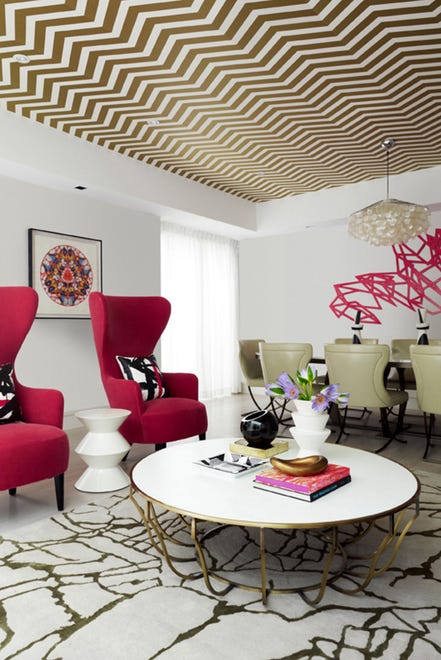
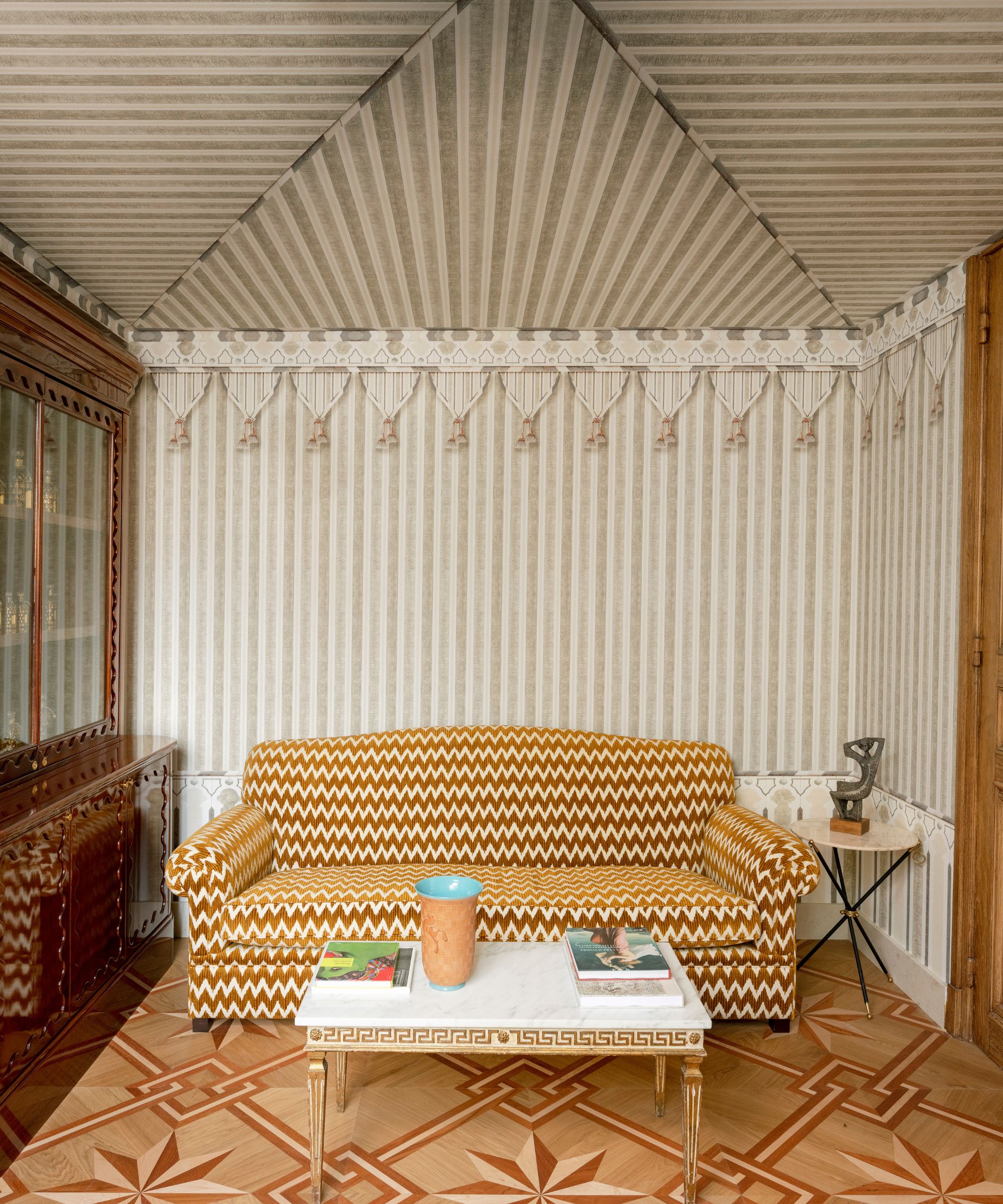
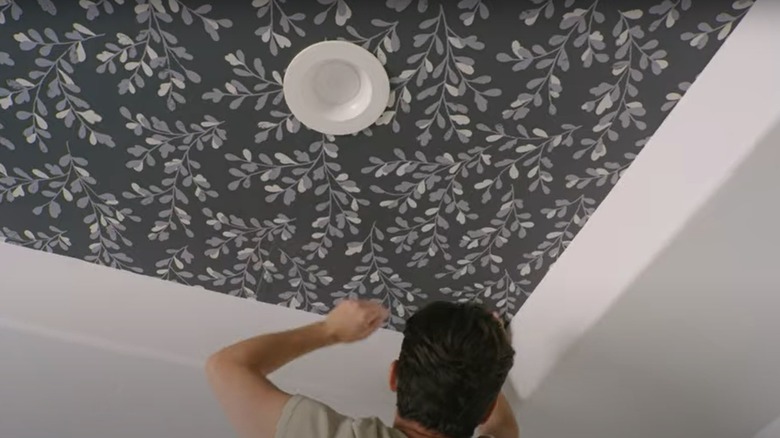
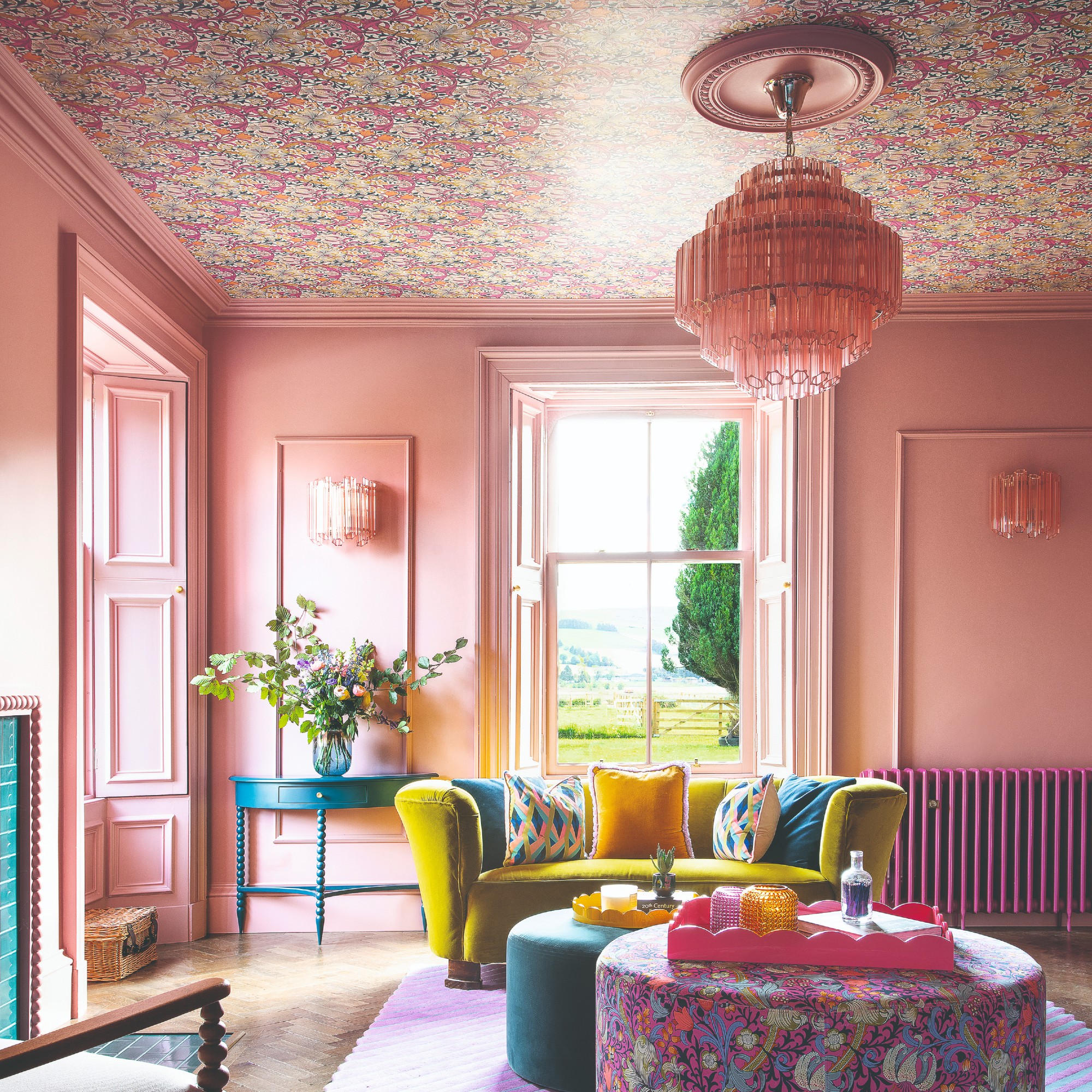
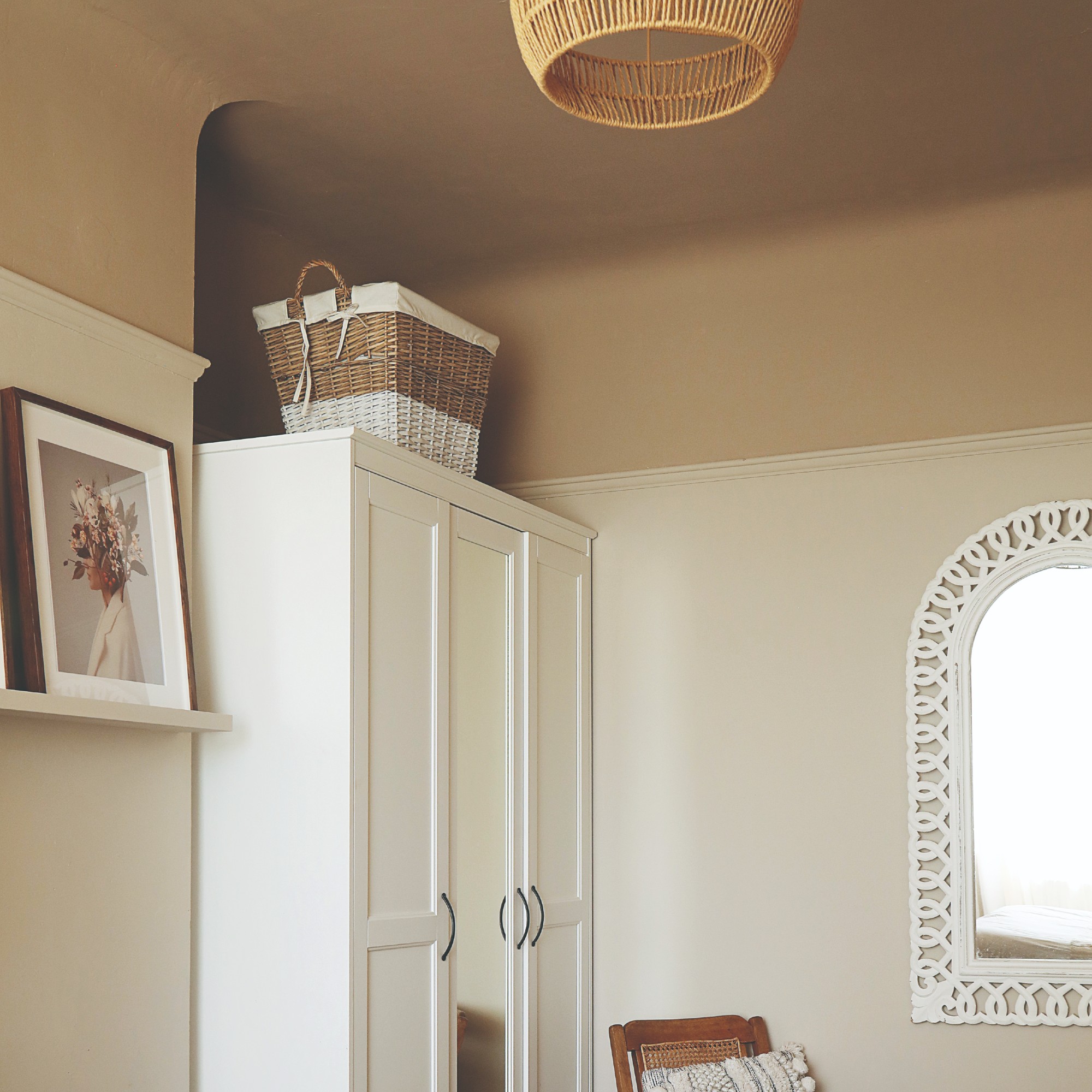
From a practical standpoint, tented ceilings offer functional benefits. They can create the illusion of added height or space, effectively concealing structural imperfections or uneven finishes. They also facilitate a softer transition between indoor and outdoor spaces, providing a more inviting atmosphere. While traditionally constructed with fabric, modern interpretations can achieve a similar aesthetic using wallpaper, paint, or strategic lighting. Designers advise against DIY fabric tent installations for beginners due to the complex templating and sewing required, recommending wallpaper or paint as easier alternatives.
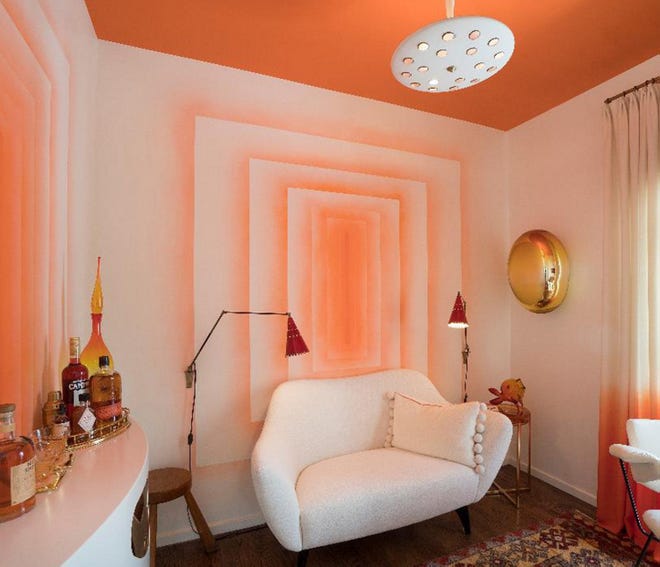
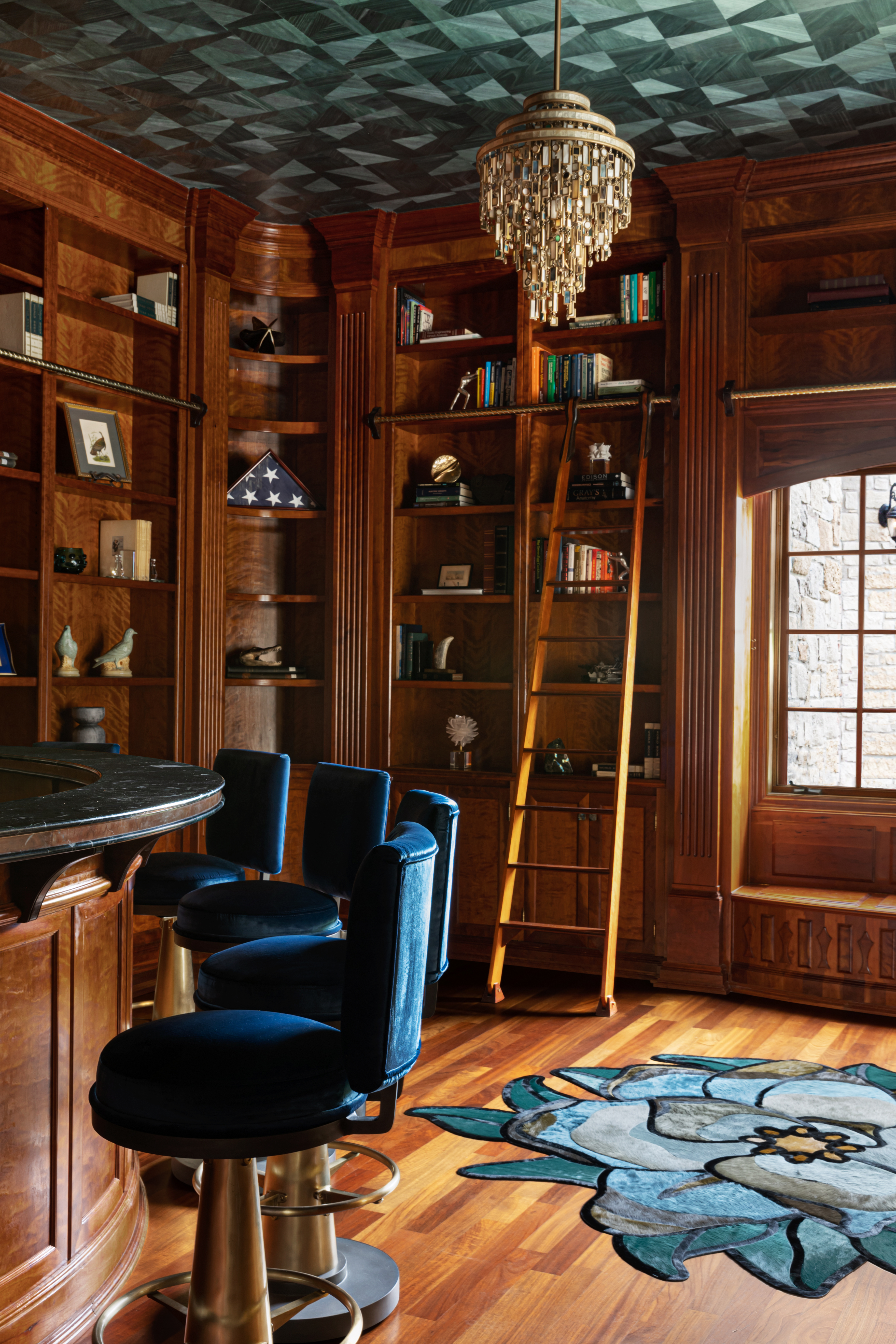
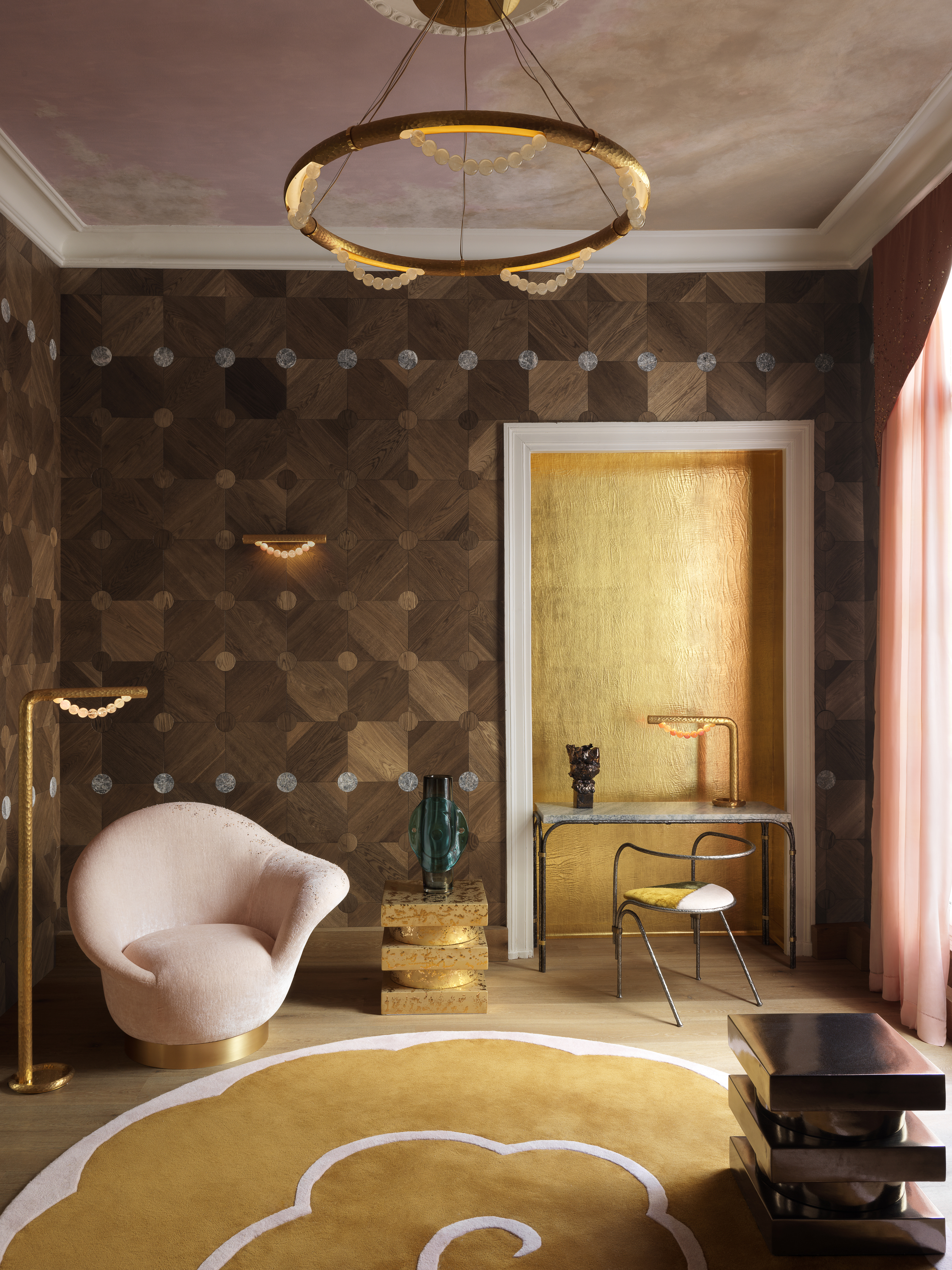
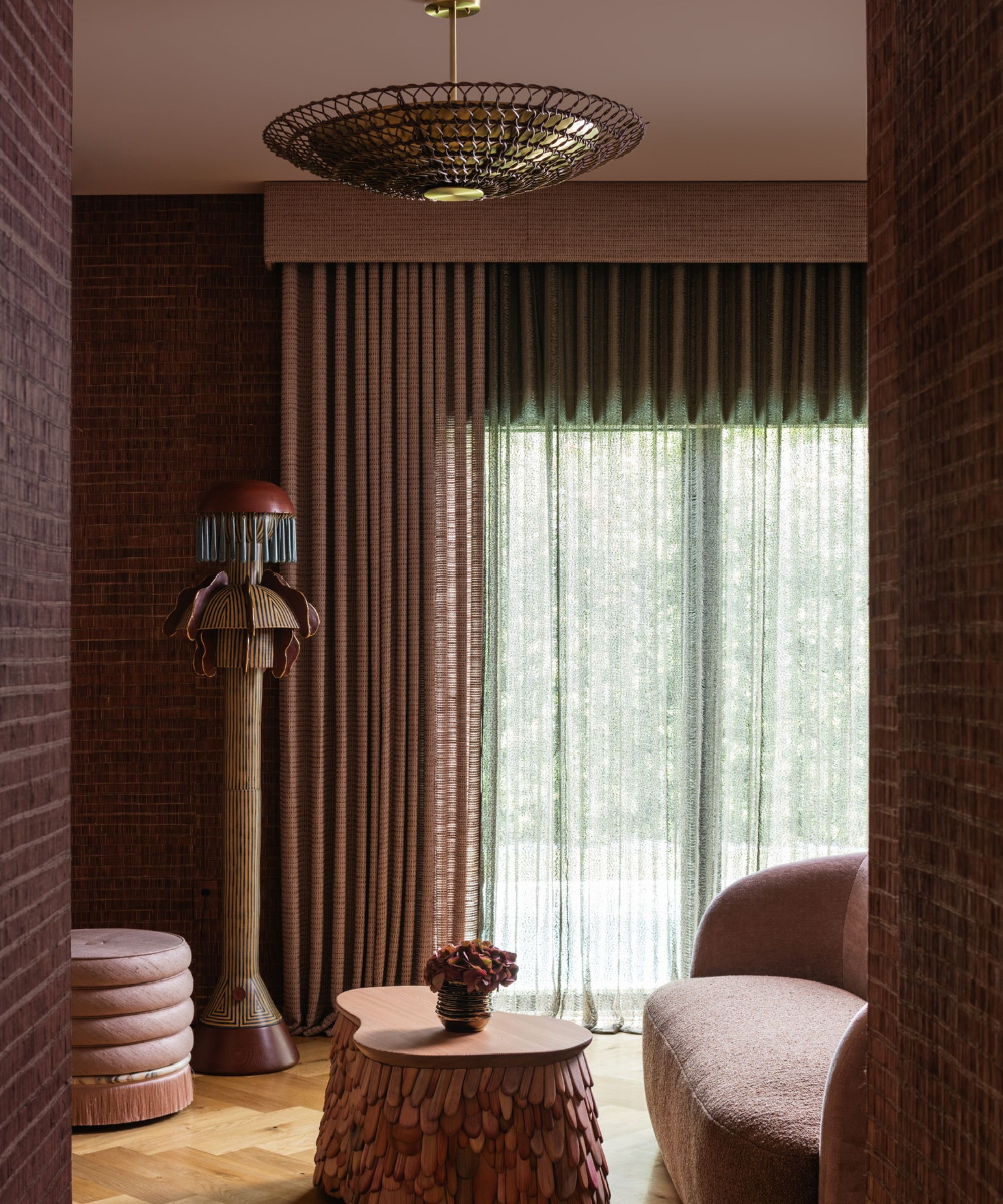
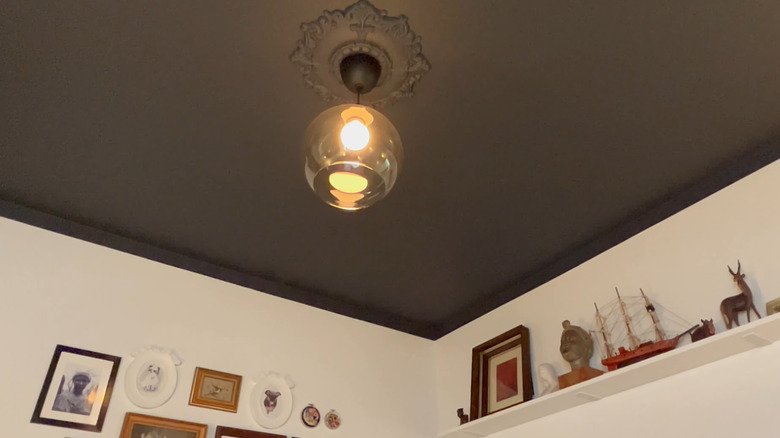
Key considerations for incorporating a tented ceiling include ceiling height, lighting, color, and room environment. For rooms with low ceilings, painted or wallpapered tent designs are suggested to enhance perceived height, whereas high ceilings are ideal for draped fabric to maximize the dreamy, cozy effect. Lighting a tented room is best achieved with a central pendant fixture, as downlights can detract from the intimate ambiance created by light reflecting off the angled surfaces. Wall sconces are an alternative if pendants are not feasible. Regarding color palettes, designers caution against dark colors, which can make the room feel heavy, and advise against overly busy patterns that might create a dizzying effect. While vibrant hues are common, tented ceilings can also be executed in subtle color schemes to achieve a quiet yet impactful effect.
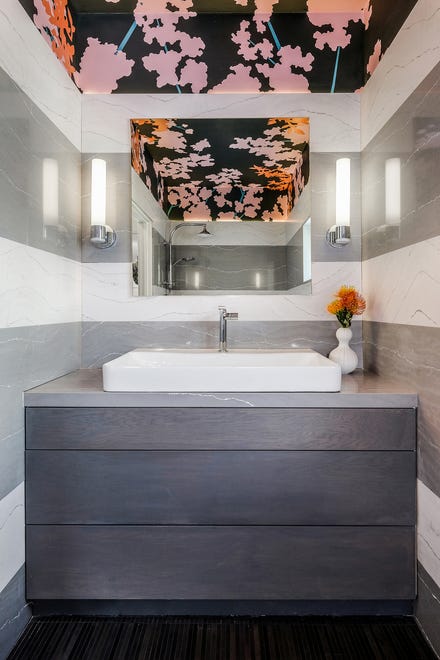
However, not all rooms are suitable for tented designs. Kitchens and bathrooms are generally discouraged due to their damp and odorous environments, which are detrimental to drapery. Instead, spaces like children’s rooms, sunrooms, and entry halls are ideal candidates for this style, offering a touch of whimsy and charm where cleanliness and dryness can be maintained.
#TentedRooms #InteriorDesignTrends #MaximalistDecor #CeilingDesign #HomeDecoration #DesignInspiration #ArchitecturalHistory #FabricDecor #WallpaperDesign #TentedRooms #InteriorDesignTrends #MaximalistDecor #CeilingDesign #HomeDecoration #DesignInspiration #ArchitecturalHistory #FabricDecor #WallpaperDesign
0 comment in total
 No comments yet
You may also like
Wood Paneling Is Back—and Better Than Ever
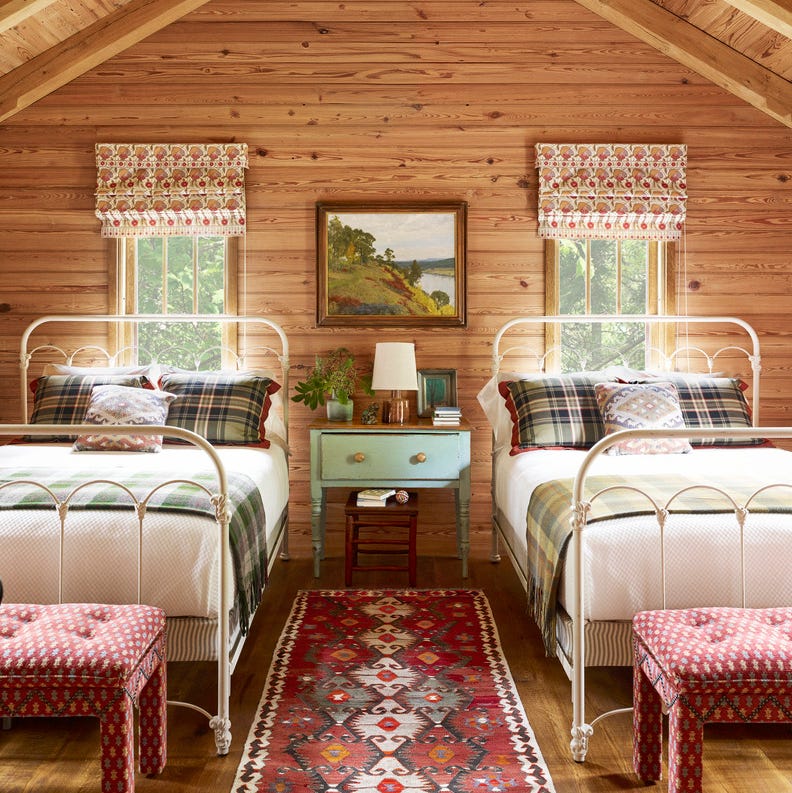
Trend Alert: Wood Walls Are BACK!
'It's a centuries-old movement!' This creative ceiling idea is trending as a way to elevate your room's 'fifth wall'

Ceiling makeovers uplifting
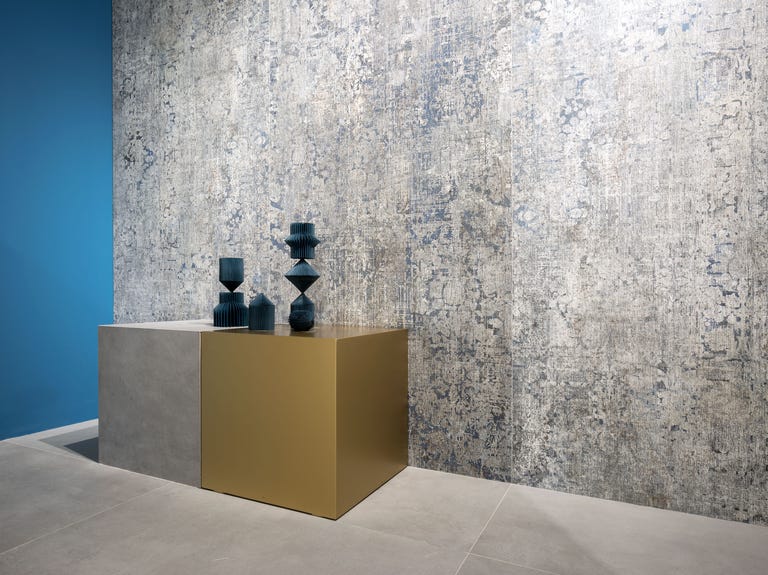
Decorative Tiles Are Back, Bigger and Better Than Ever
Designers Are in Love With "Unexpected Ceilings" — This Creative Trend is Elevating Modern Spaces
This Dramatic Window Treatment Is Making A Comeback—And We Couldn't Be More Thrilled
A once "unattractive" 1970s home takes a leap with colour and soaring ceilings

Tile Is BACK—and More Creative and Fun Than Ever, According to Experts
Skylights Are Back and More Popular Than Ever—Here’s Why

Bye-Bye Boring Drapes, The Once-Dated Trend for Luxuriously Dramatic Window Treatments Is Back – and Designers Very Much Approve

How to make your ceiling more attractive – 7 ways to turn the neglected fifth wall into a beautiful feature
Soaring Ceilings & Wrapped Windows
Wall-to-Wall Carpet Is Back (and We’re Not Mad About It!)

Tented rooms are the whimsical trend making a comeback in 2024 – here's how to get the look
Remember the wood-panelled walls from the 1970s? They're back, with a modern twist
Homestyle: Ceilings are where it's at
After a Bright Makeover, This Cabin’s 7-Foot-High Ceilings Aren’t Such a Low Point

Top Ceiling Trends You Can Expect To See More Of In 2025
Hot Home Trend: Painted Ceilings