1/9
How to design a room around your favourite artwork
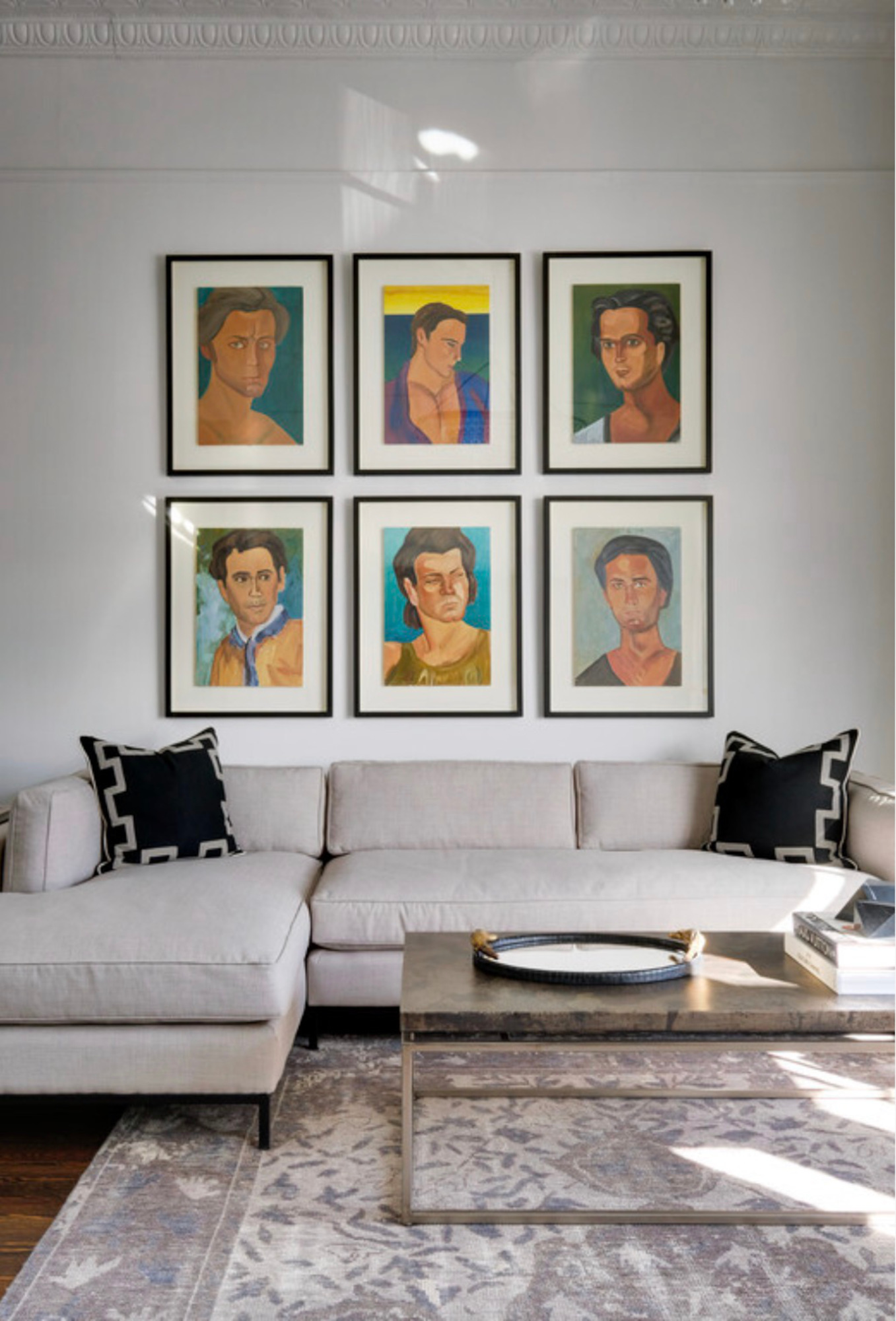
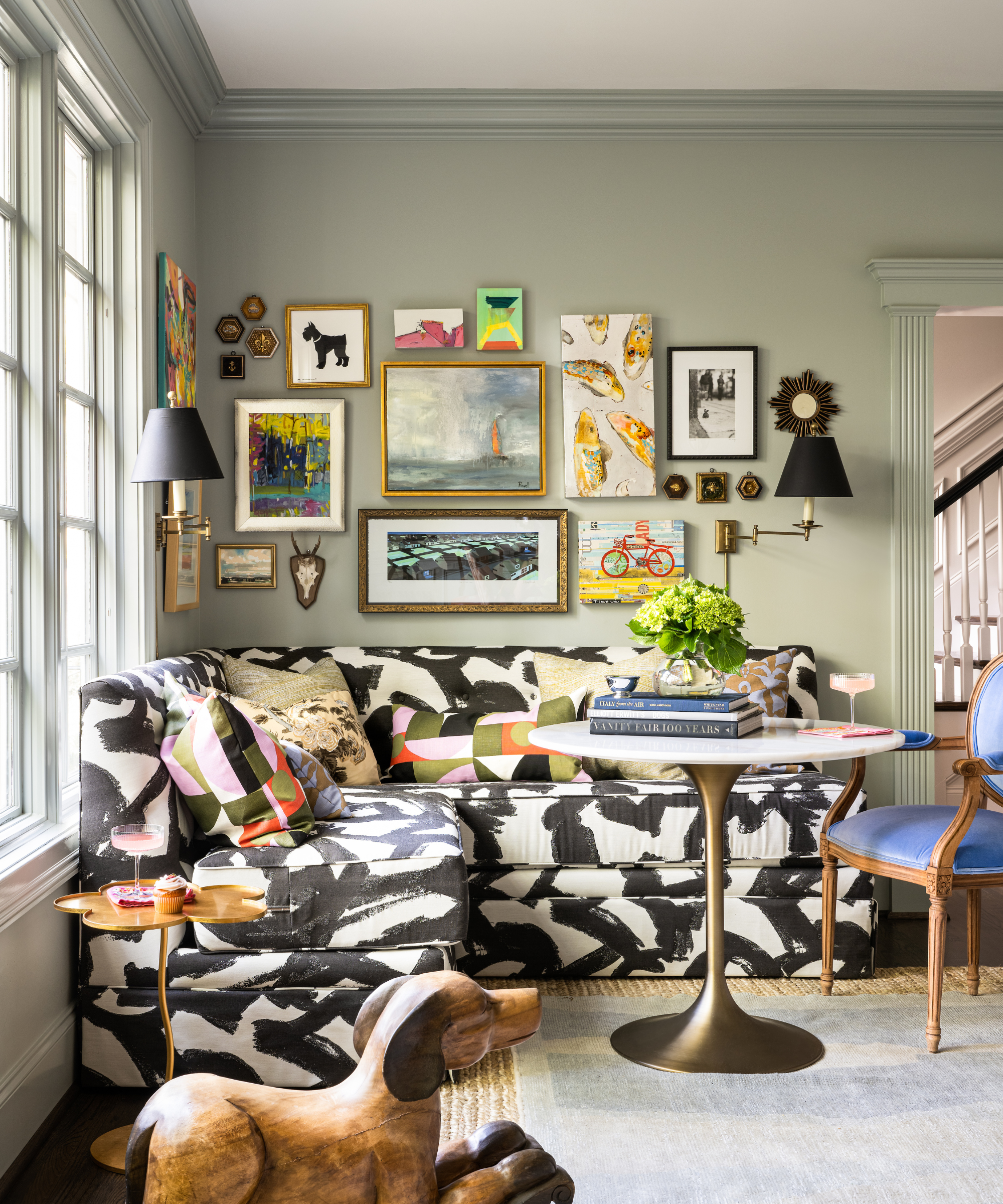
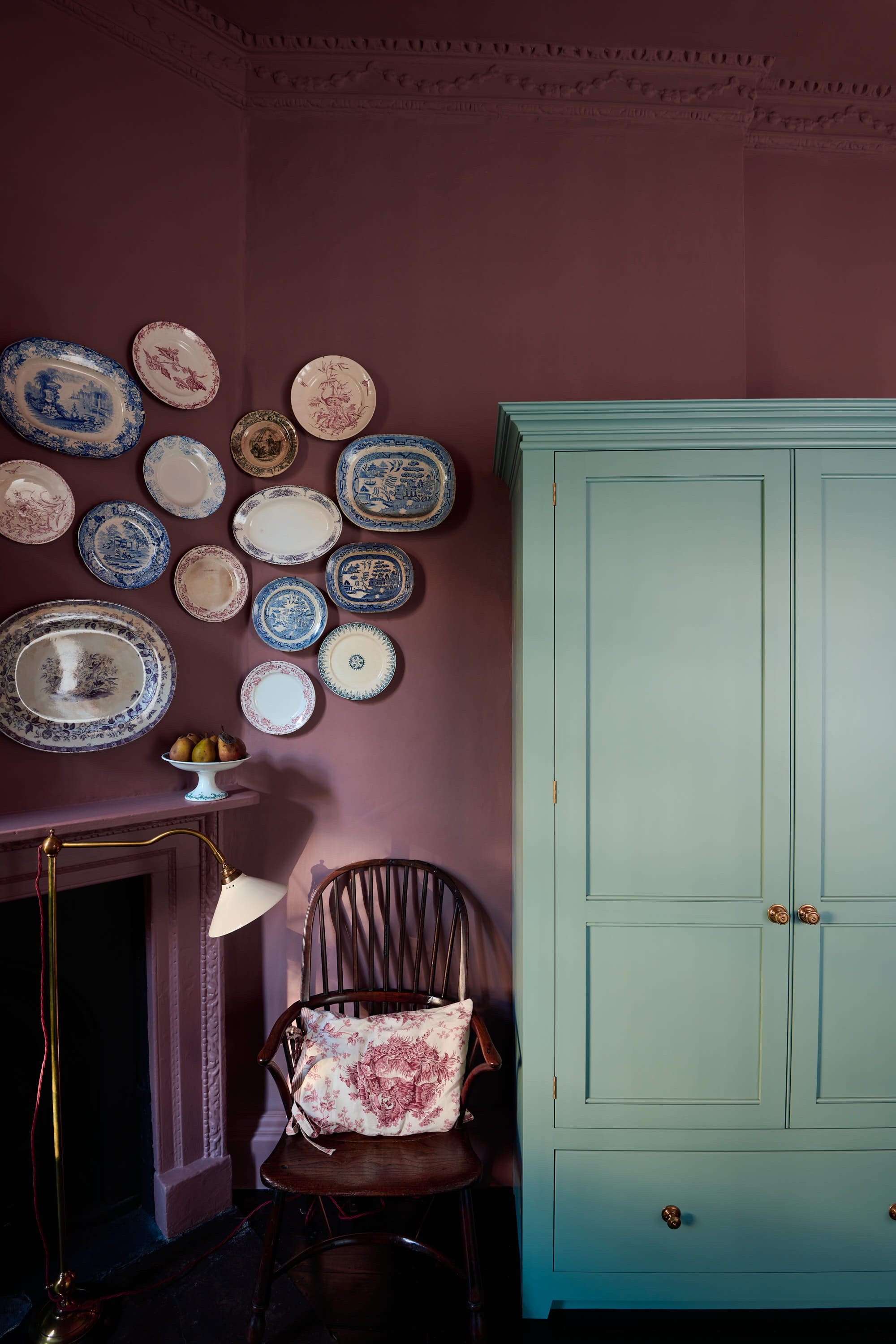
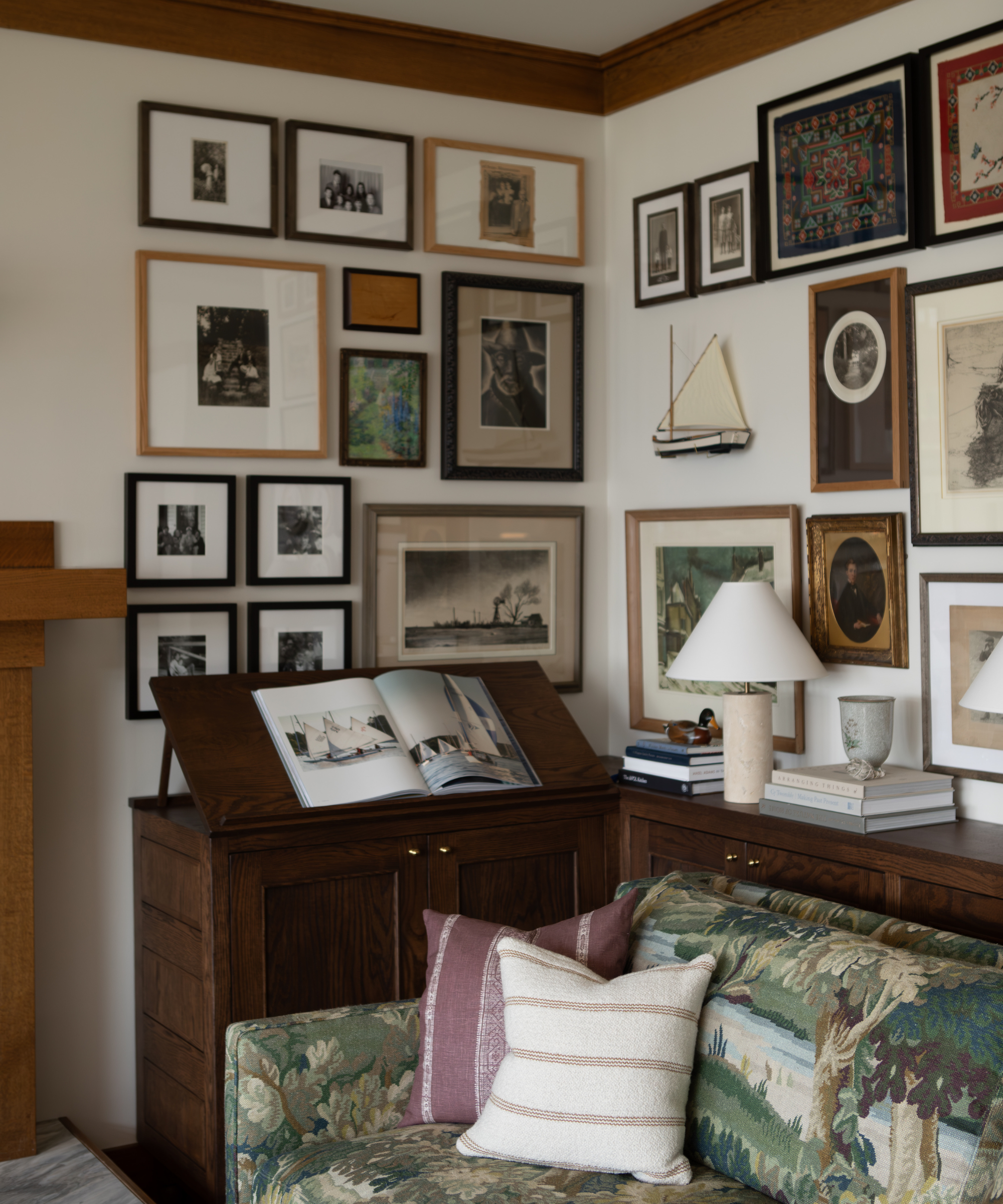
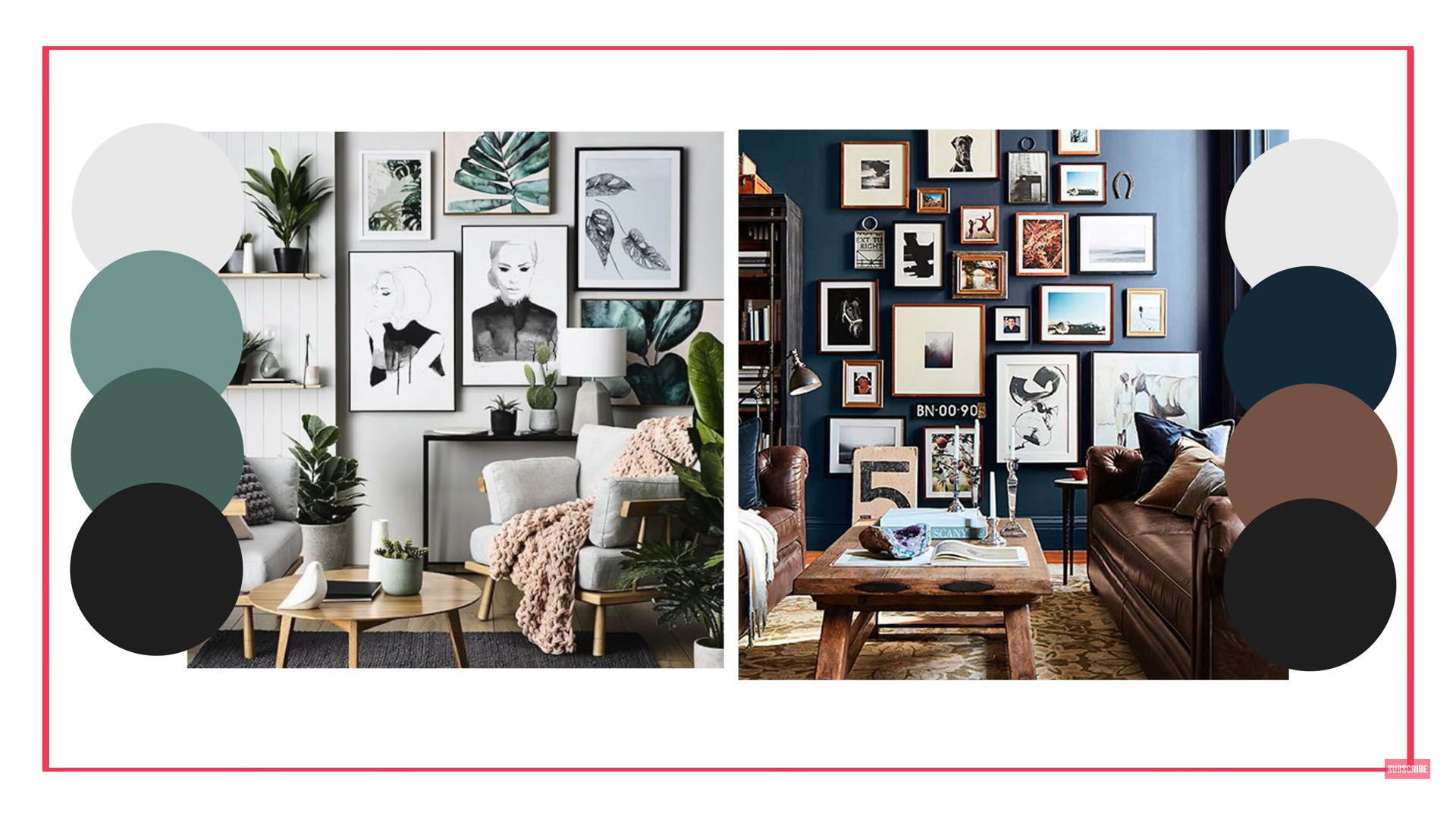
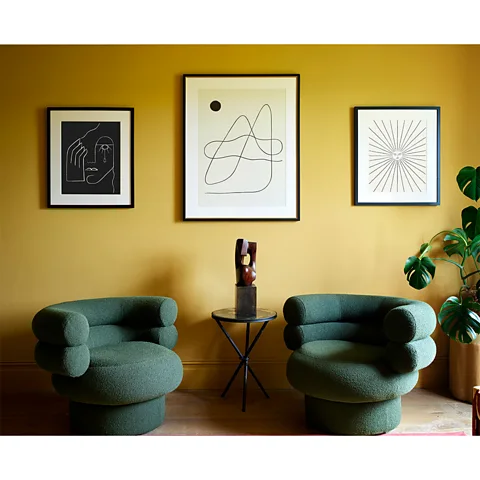
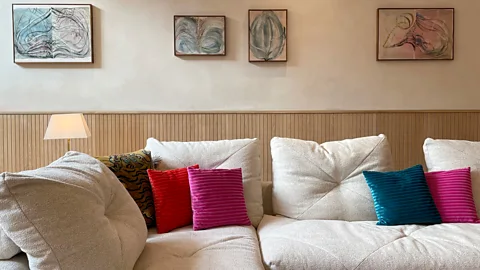
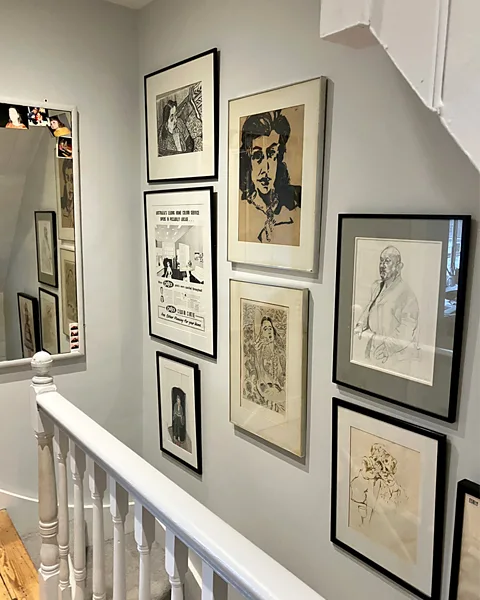
This article explores how four interior designers integrate art into their design schemes, highlighting art's role beyond mere decoration. It features insights from Rachel Chudley, Max Rollitt, Nicola Harding, and Faye Toogood, each offering a unique perspective on making art an integral part of a home's personality and design.
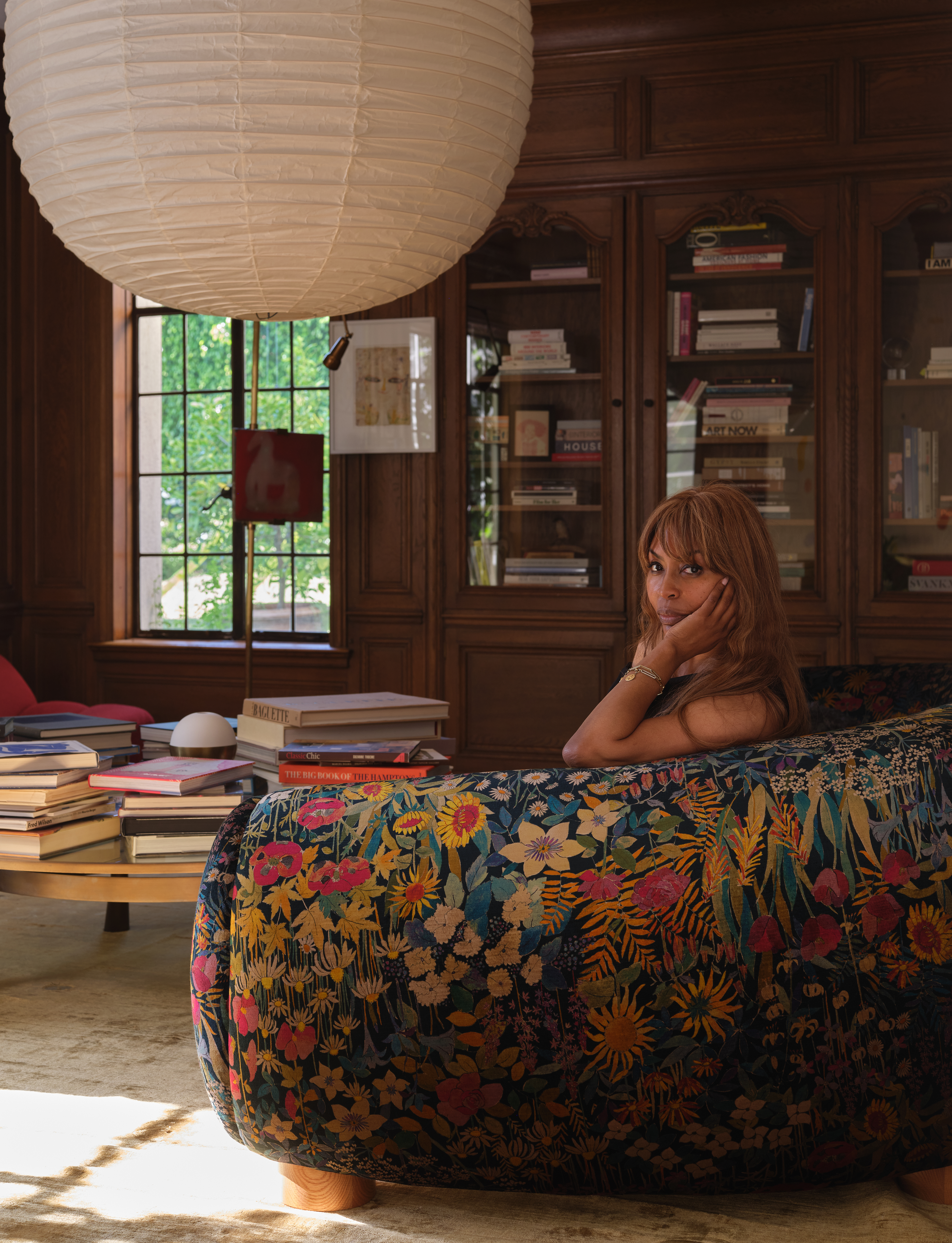
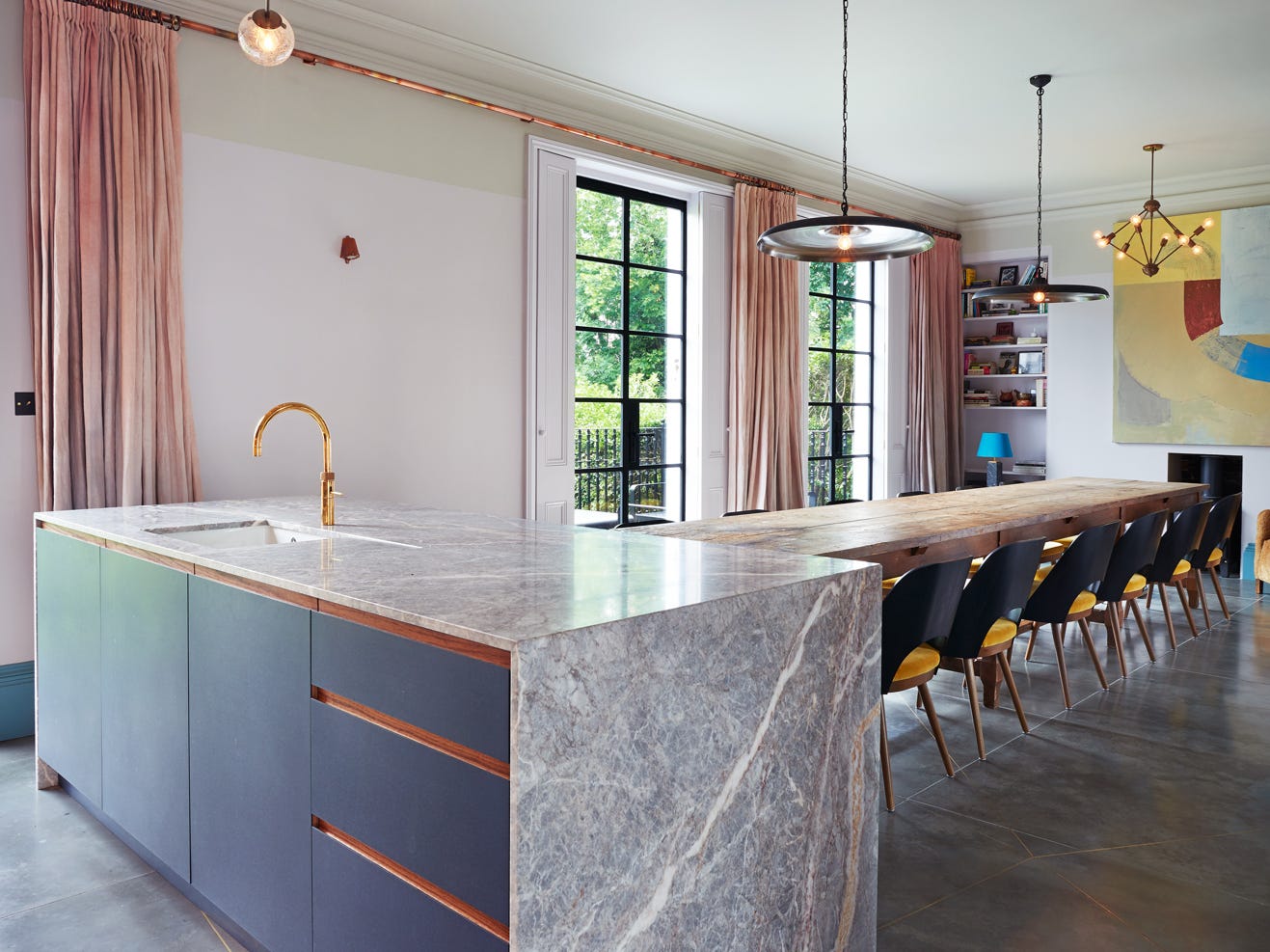
Rachel Chudley, with her background as a curator, emphasizes art as a foundational element in her projects. She details a dining room design where Joseph Goody's painting, 'Line, 2015,' served as the central muse. All elements, from antique furniture to bespoke concrete flooring and vintage light fixtures, were chosen to converse with the artwork. Chudley stresses the importance of selecting paint colors that complement rather than compete with the art, using toned-down variants to lift and communicate with the painting. She advises looking for harmony in colors and contrast in materials and suggests creating visual mood boards. For those starting their art collection, Chudley recommends supporting young artists at art school shows to take more risks and follow one's intuition.
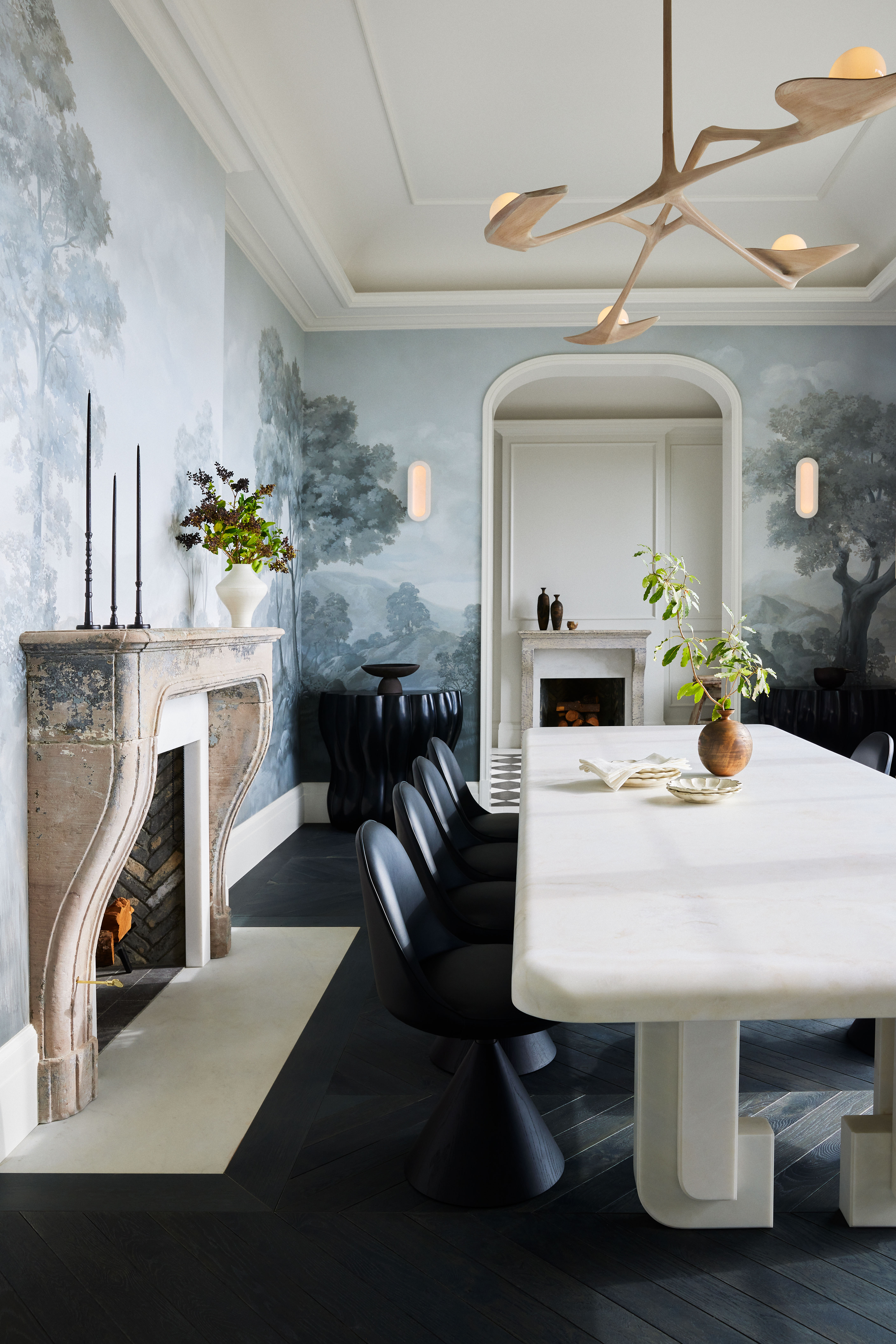
Max Rollitt, an antiques dealer and interior designer, views a house as an artwork itself, drawing inspiration from classical paintings for period homes. He references Charles Saumarez Smith's 'Eighteenth-Century Decoration,' focusing on composition, balance of color, and tone in old masters' works. Rollitt shares an instance where Vermeer's 'The Music Lesson' influenced the design of a dining room, despite not being able to hang an original. He translated the painting's colors and textures into richly colored fabrics, antique furniture, and the play of light. The simplicity and elegance of the late 17th or early Georgian aesthetic, with its minimal ornament and clutter, are central to his approach. He describes how elements like an antique Irish farmhouse table, reupholstered Eero Saarinen dining chairs, and bespoke paint colors by Donald Kaufman were selected to resonate with the chosen artwork.
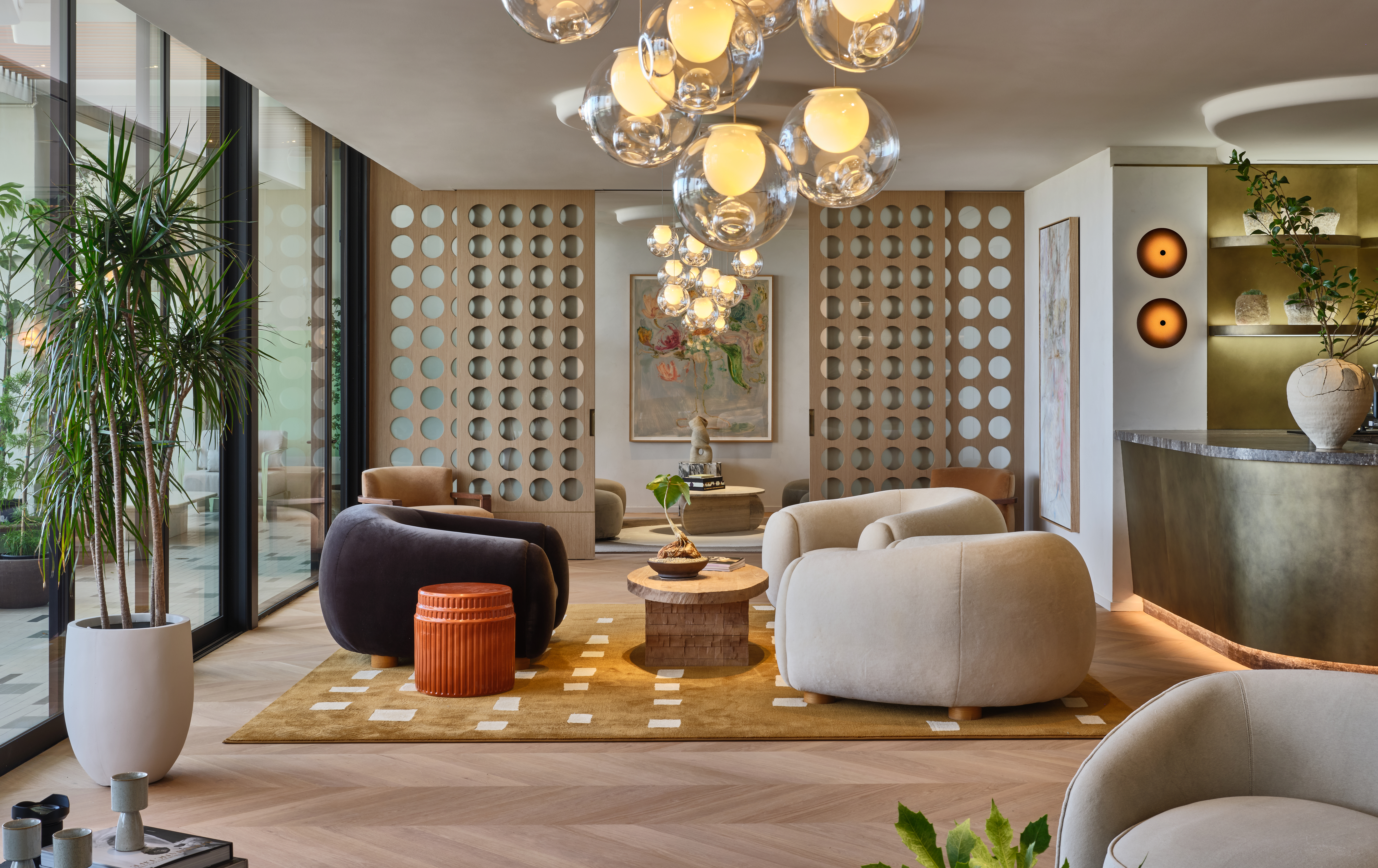
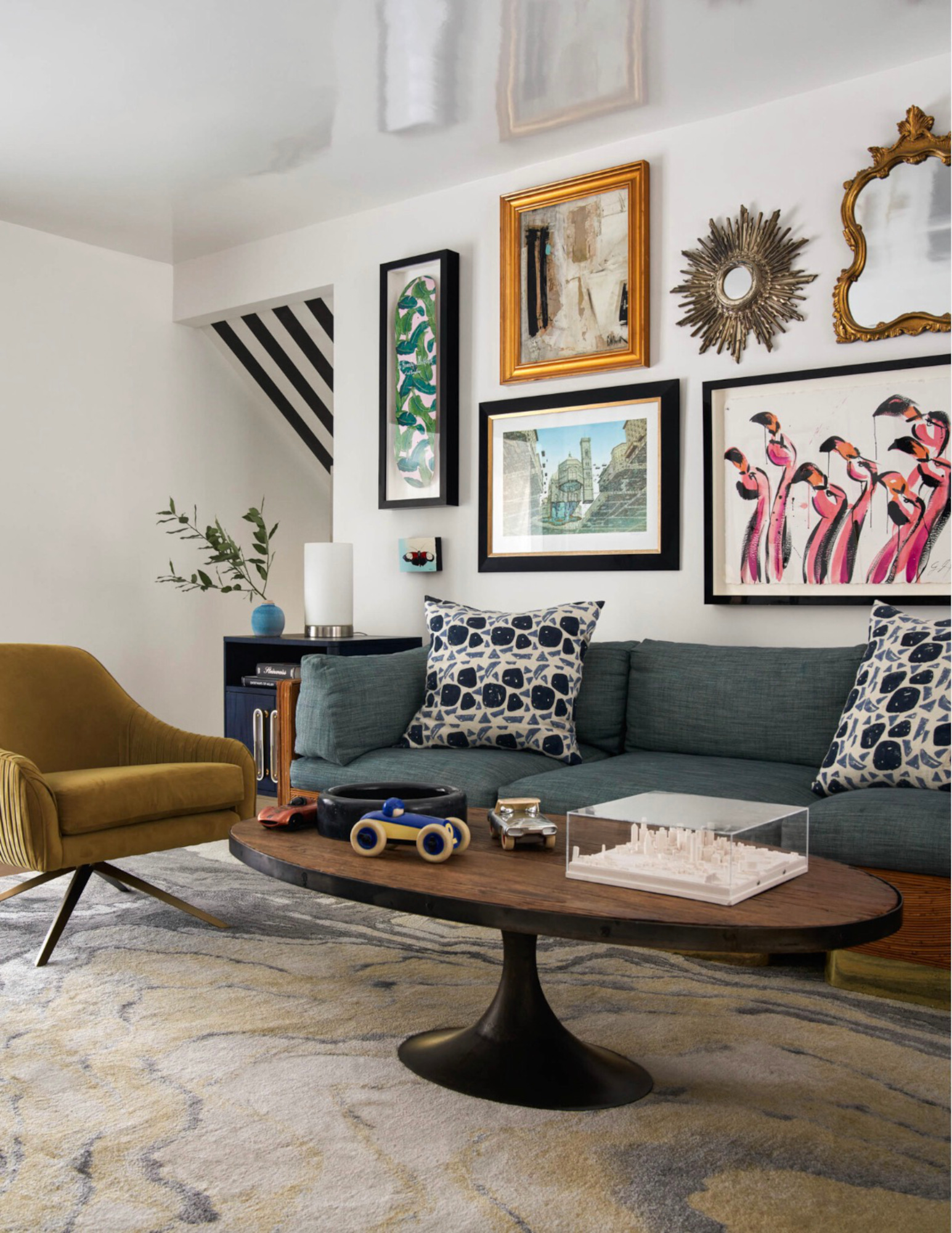
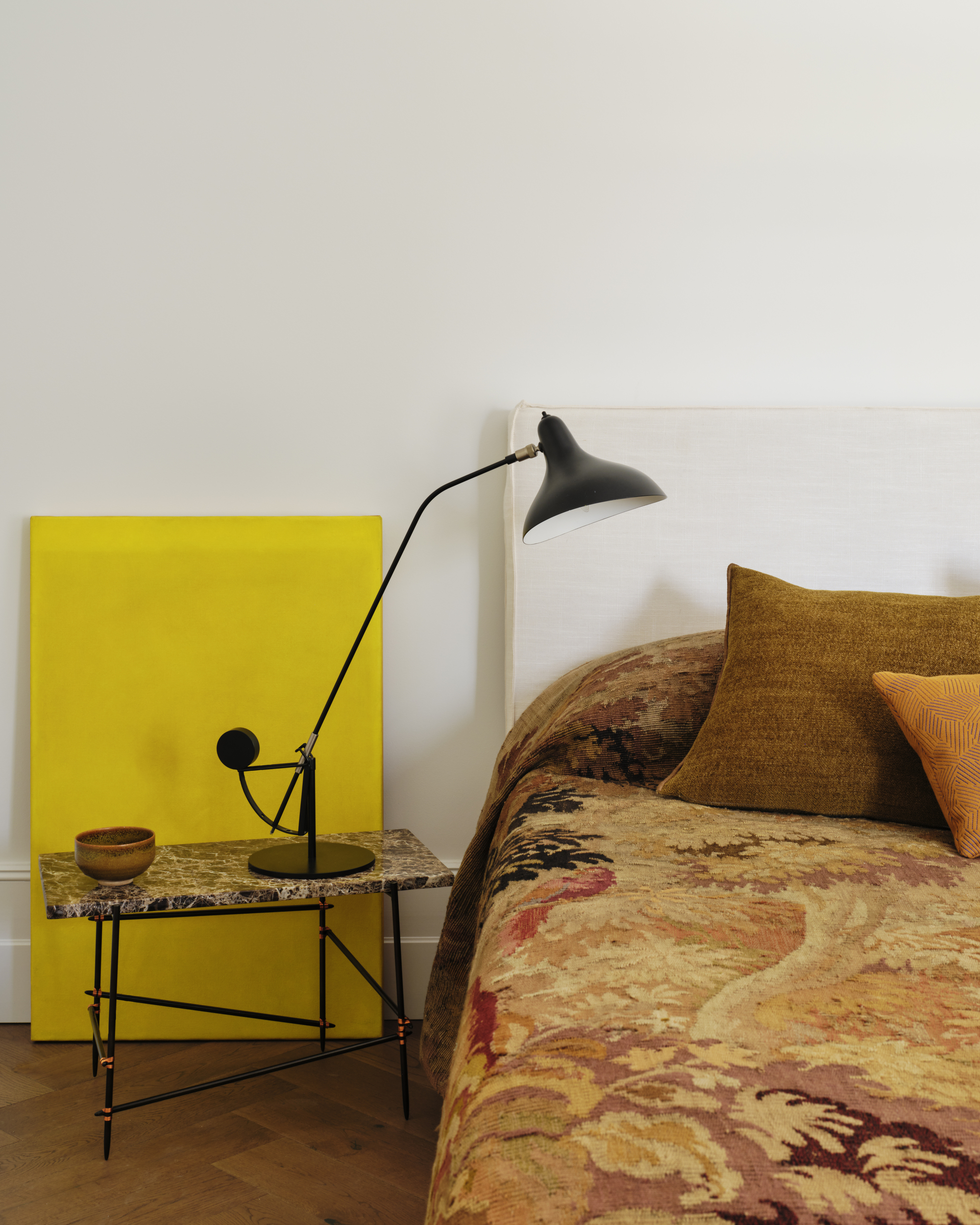
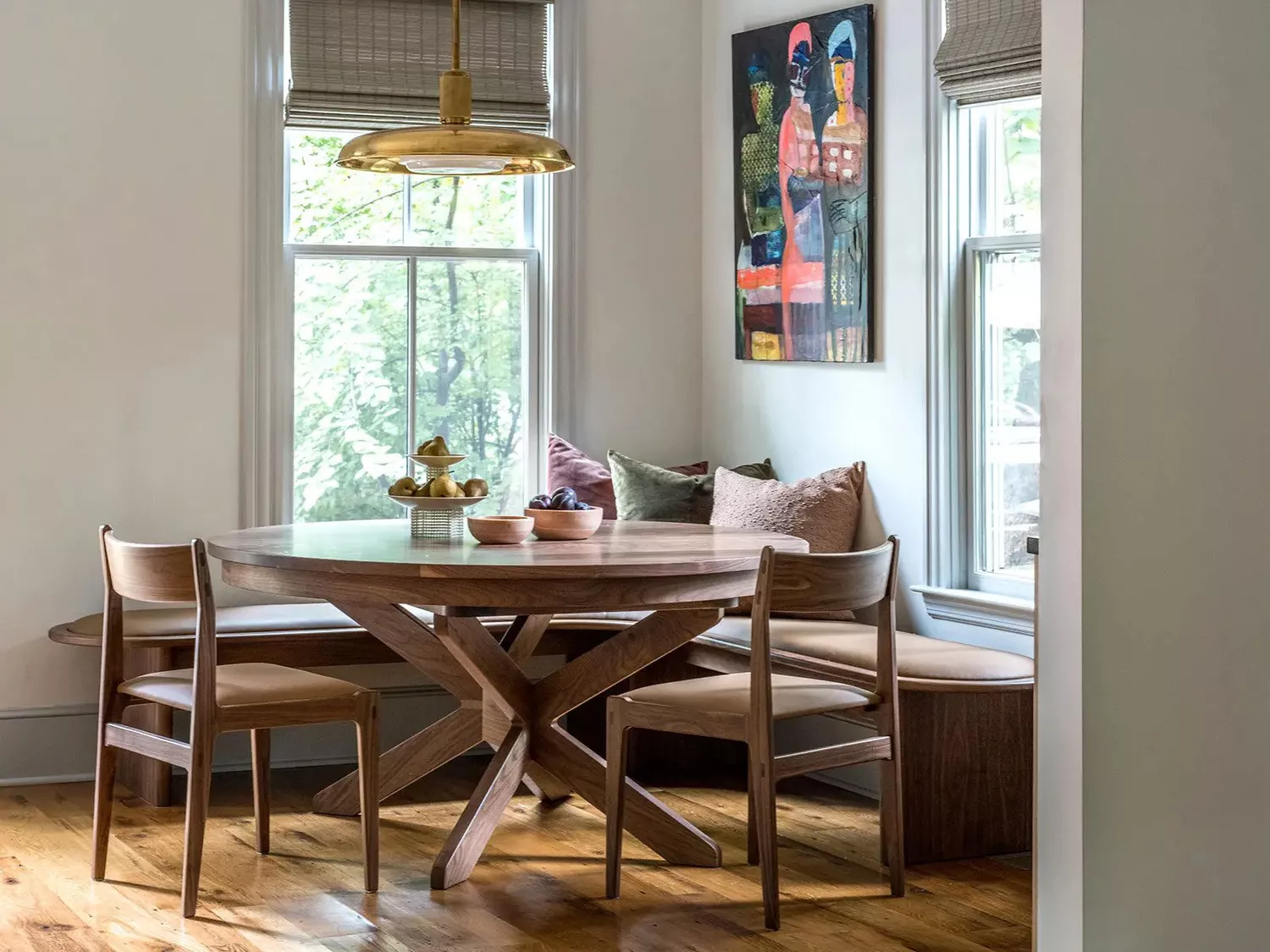
Nicola Harding approaches design from a homemaker's perspective, favoring spaces that evolve organically. For her Cotswolds home, she chose a playful painting by Jason Thompson, whose joyful and slightly clashing colors set a fun, irreverent mood for a family home. Harding uses the artwork's energy to guide her material and color choices, such as pistachio green corduroy sofas and an 'Old Rose' paint by Pure & Original. She suggests that in colorful spaces, monochrome art can prevent sensory overload, and advocates for moving art around to experience it differently. Harding advises investing in beautiful pieces for frequently seen spots and notes that scale can be achieved with prints above fireplaces.
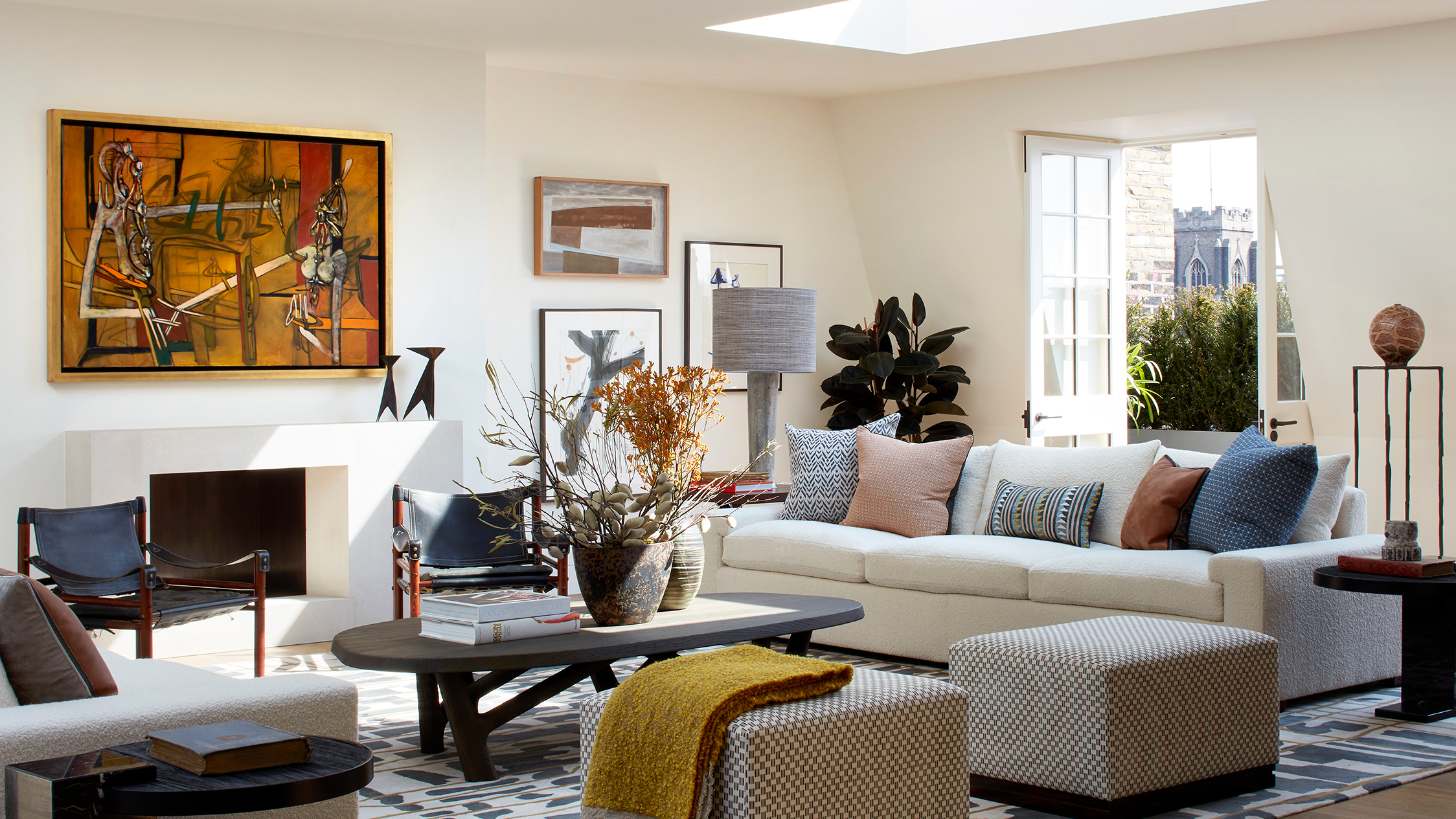
Faye Toogood discusses a Mayfair penthouse project inspired by a collection of early 20th-century St Ives School paintings, including works by Ivon Hitchens and Peter Lanyon. The 'Britishness' of these artworks informed every design choice, from materials and antiques to furniture, all sourced from British makers or artisans. Toogood emphasizes appealing to all senses—texture, material, colors, fragrance, and fabrics—to work with the art, even commissioning a custom scent for the apartment. She created tensions in the design, such as rough stone for the fireplace and slate kitchen fronts, juxtaposing them with pieces like a 'Lake Aqua' resin console table and 'Roly-Poly' chairs. Toogood encourages thinking about how art makes one feel and not being intimidated by it, emphasizing living with art rather than treating it as a mere showcase.
#InteriorDesign #ArtIntegration #HomeDecor #DesignInspiration #ArtCollecting #RachelChudley #MaxRollitt #NicolaHarding #FayeToogood #InteriorDesign #ArtIntegration #HomeDecor #DesignInspiration #ArtCollecting #RachelChudley #MaxRollitt #NicolaHarding #FayeToogood
0 comment in total
 No comments yet
You may also like
7 Interior Designers Share Their Tips on Buying Art for Your Home
5 common gallery wall mistakes designers warn to always avoid – to create the chicest of displays

This 'Lazy' Way of Displaying Art, Conveniently, Also Happens to Be the Best Looking

Style at Home: Creating the perfect gallery wall


I'm an interior designer - how to create a gallery wall without it looking tacky - people always make the same mistakes

Curating art for the home is an art in itself

Style at Home: Creating the perfect gallery wall

Even newbies can master this popular home-decor trend
'Your art should be in conversation with each other' – how to coordinate wall decor in a room for a curated display
5 Things Design Pros Always Do When Buying Artwork for Their Homes (And You Should Too)

Are Gallery Walls Still in Style? Here’s What Designers Say

I felt claustrophobic in my small bedroom because of these art mistakes, so I took it all down

The One Thing You're Doing With Your Wall Art That Makes Your Home Feel Tiny, Designers Say

I'm an interior designer - how to create a gallery wall without it looking tacky - people always make the same mistakes

How to Hang an Art Collection Like an Expert
How to create a gallery wall in your home
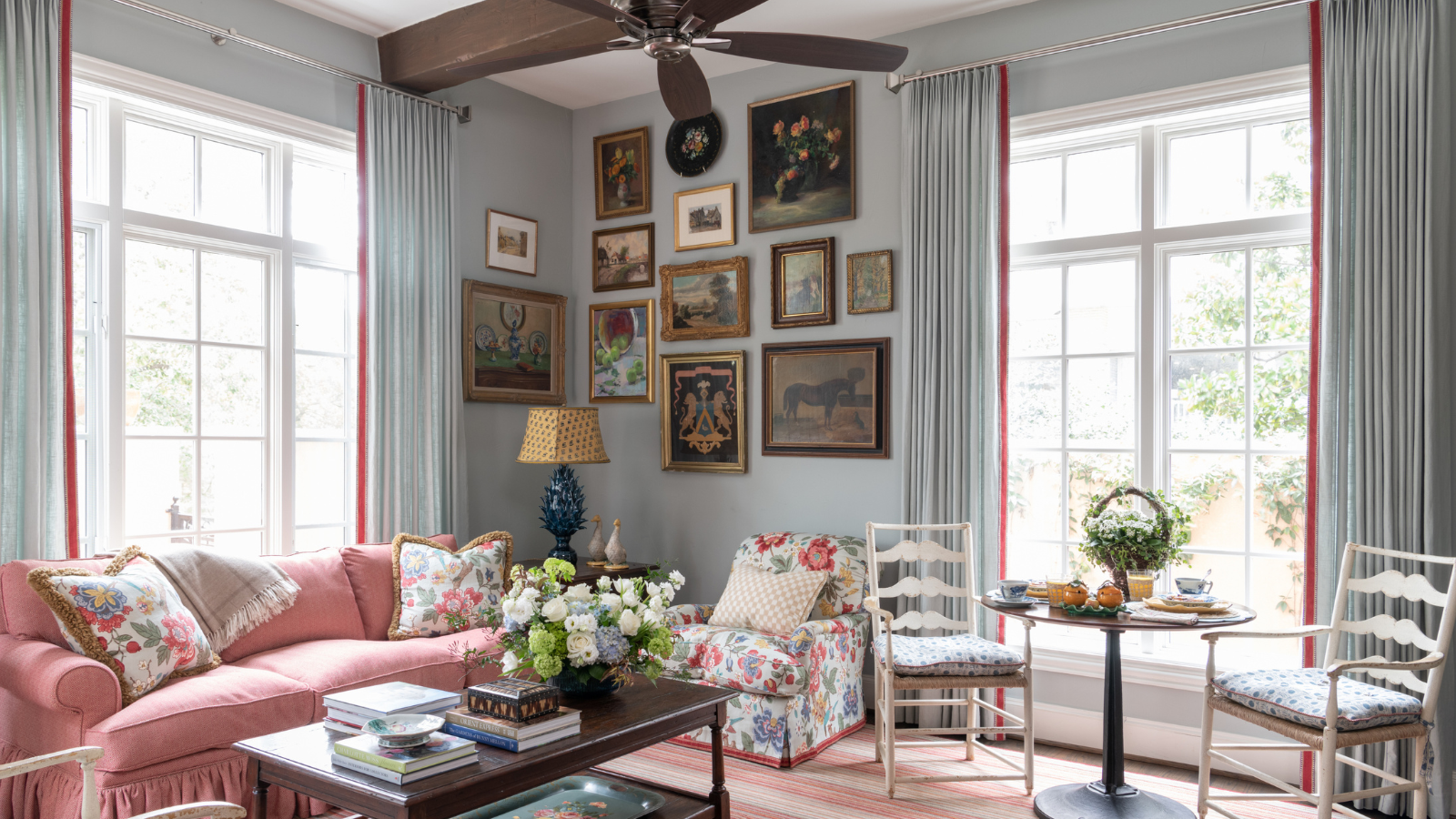
I thought I was over gallery walls, but this designer-approved hanging method has changed my mind – it makes awkward corners look 'softer, layered and lived-in'
How to transform your home with art
to create a gallery art wall - Ideas & Advice

7 Things That Always Make Your Living Room Look Empty, According to Designers