5 Things Design Pros Always Do When Buying Artwork for Their Homes (And You Should Too)
When selecting artwork for a home, the process can initially seem overwhelming given the myriad of options, from prints and posters to original pieces. However, interior design experts emphasize that choosing art should be an enjoyable and straightforward experience. This guide distills professional advice into five key considerations, helping individuals make informed decisions regardless of their budget or prior experience with art acquisition.
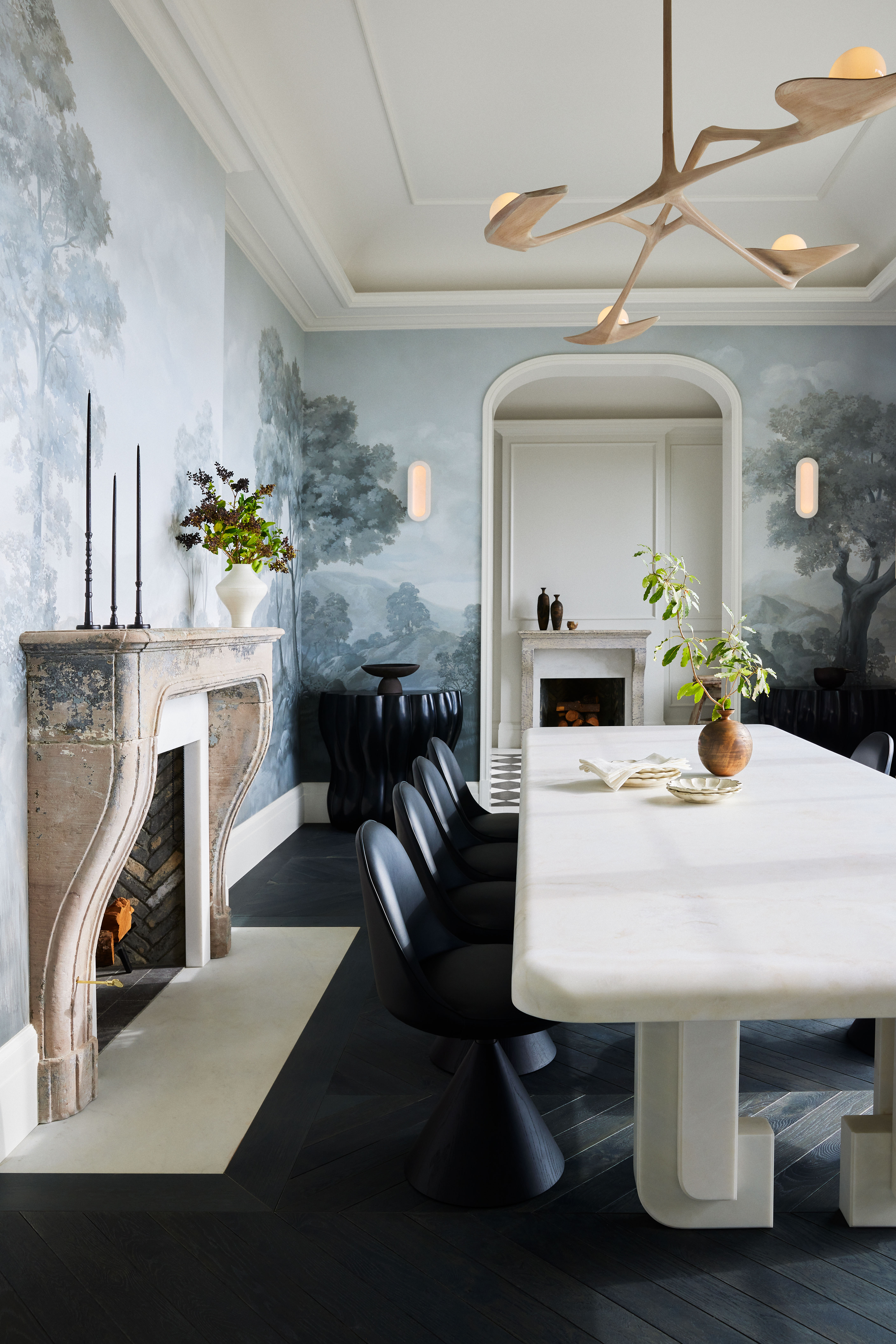
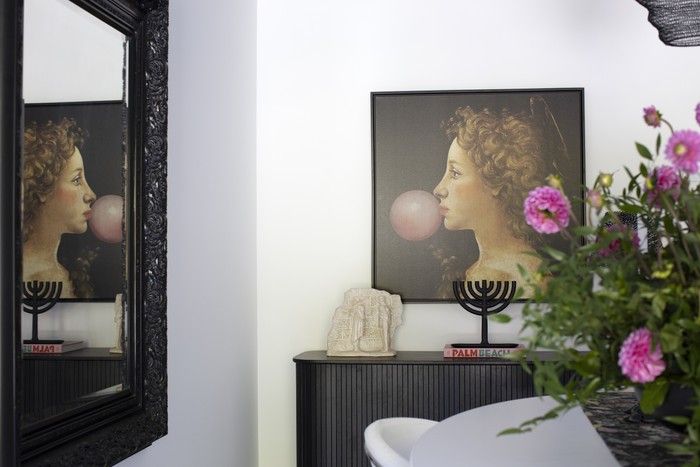
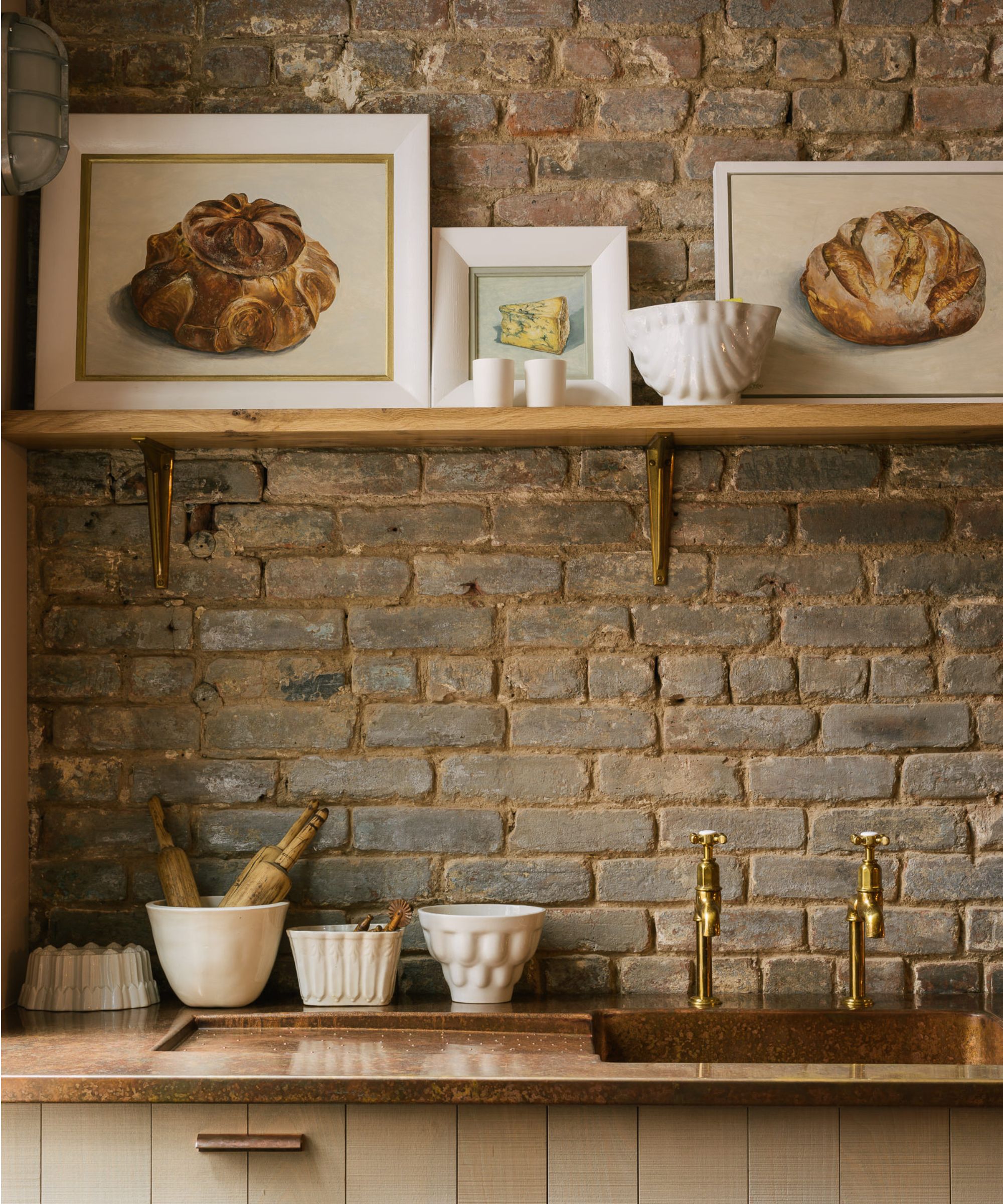
The first critical step involves reflecting on the desired ambiance of a room. Art is inherently subjective, meaning there is no right or wrong choice, as long as it resonates personally and evokes positive feelings. However, for those seeking direction, considering whether the space should feel sophisticated, cozy, dramatic, soothing, or perhaps evoke a specific geographic location, can guide art selection. Art serves as a powerful tool to establish or enhance a particular mood, transforming a room’s character.
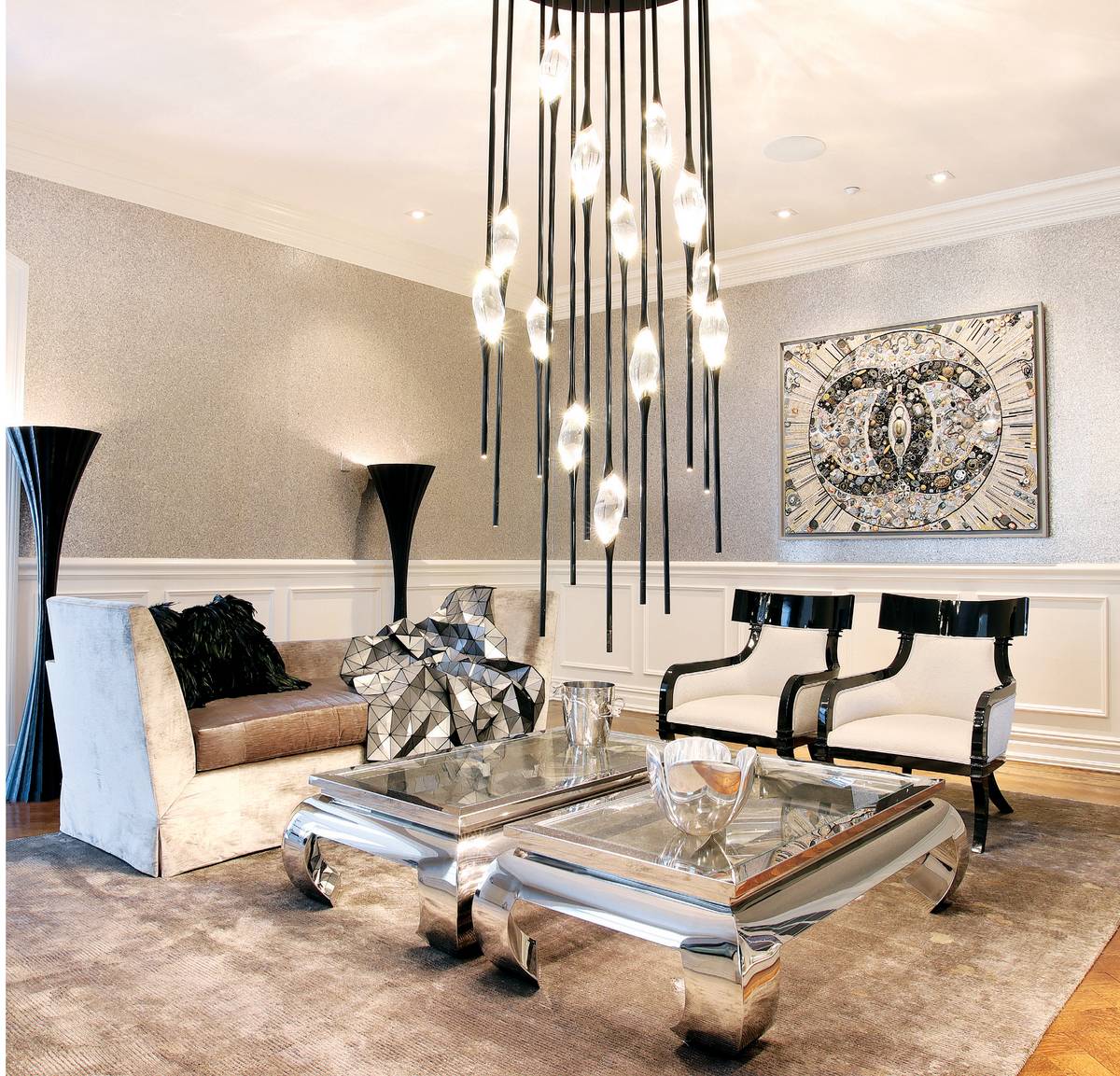
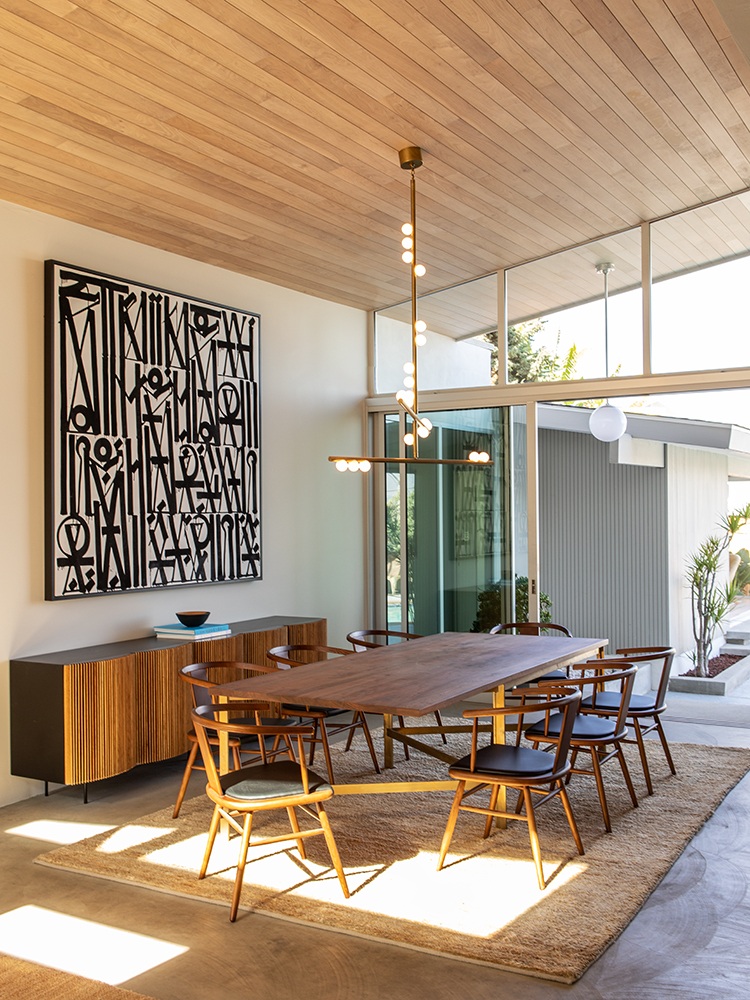
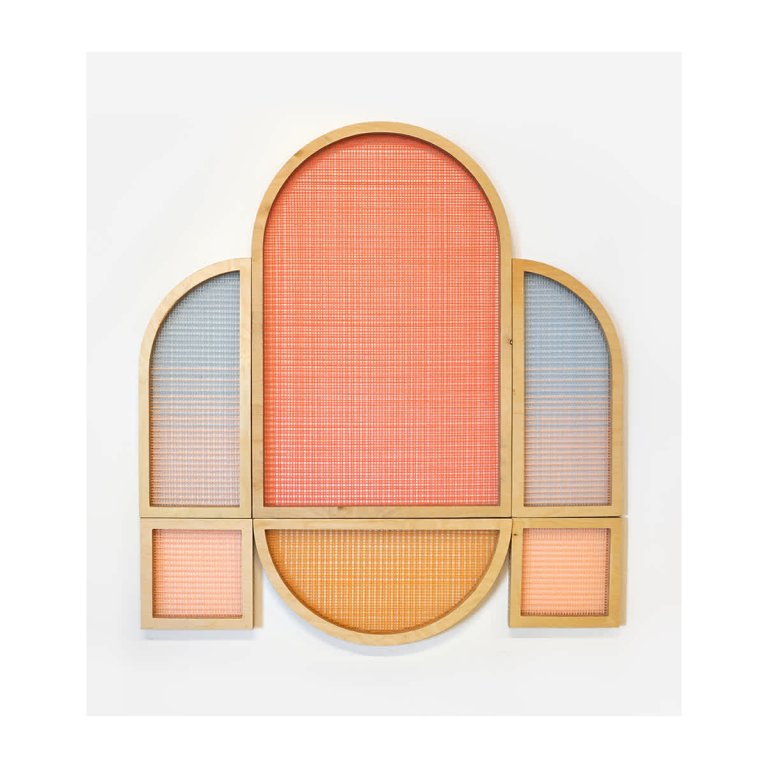
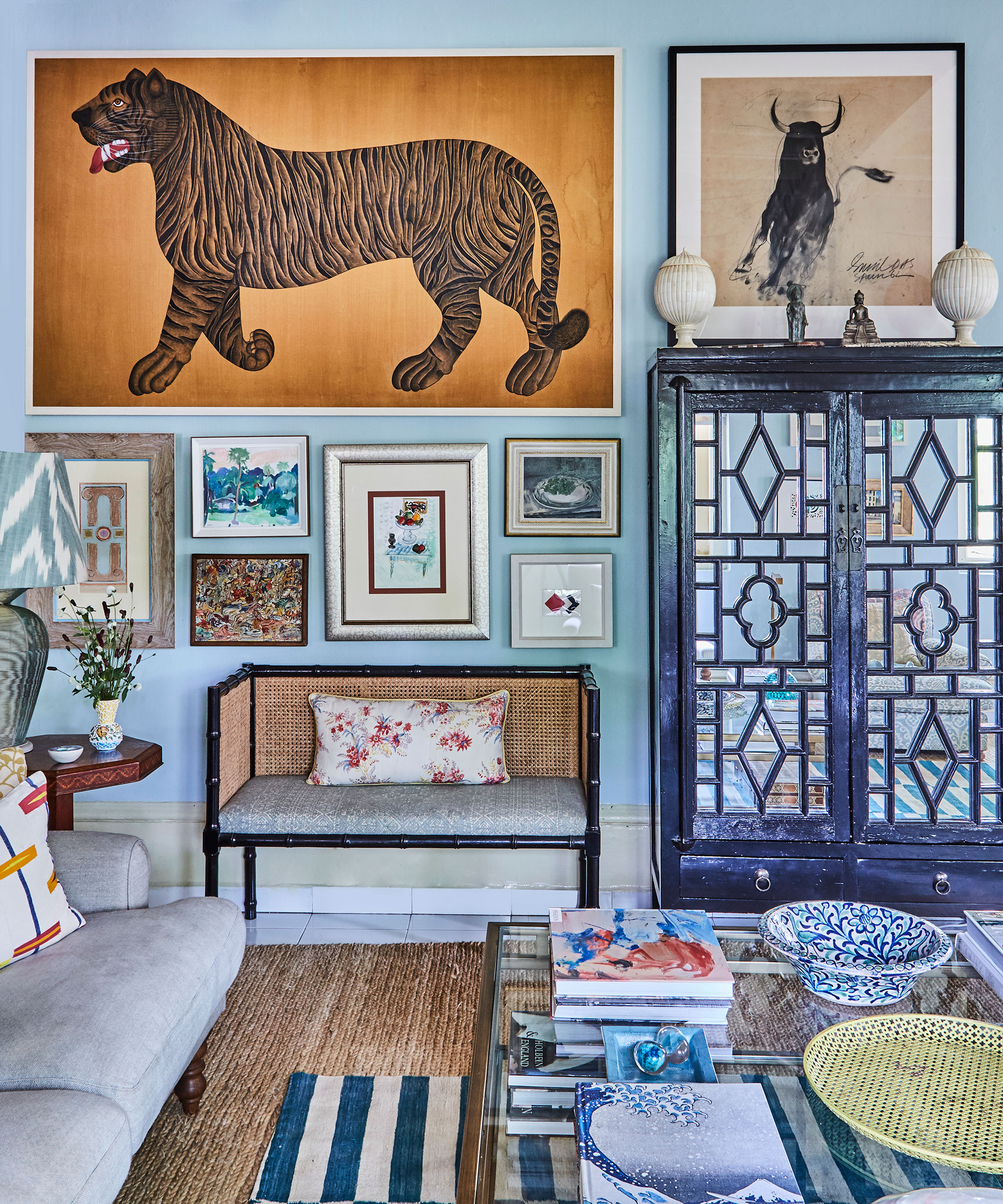
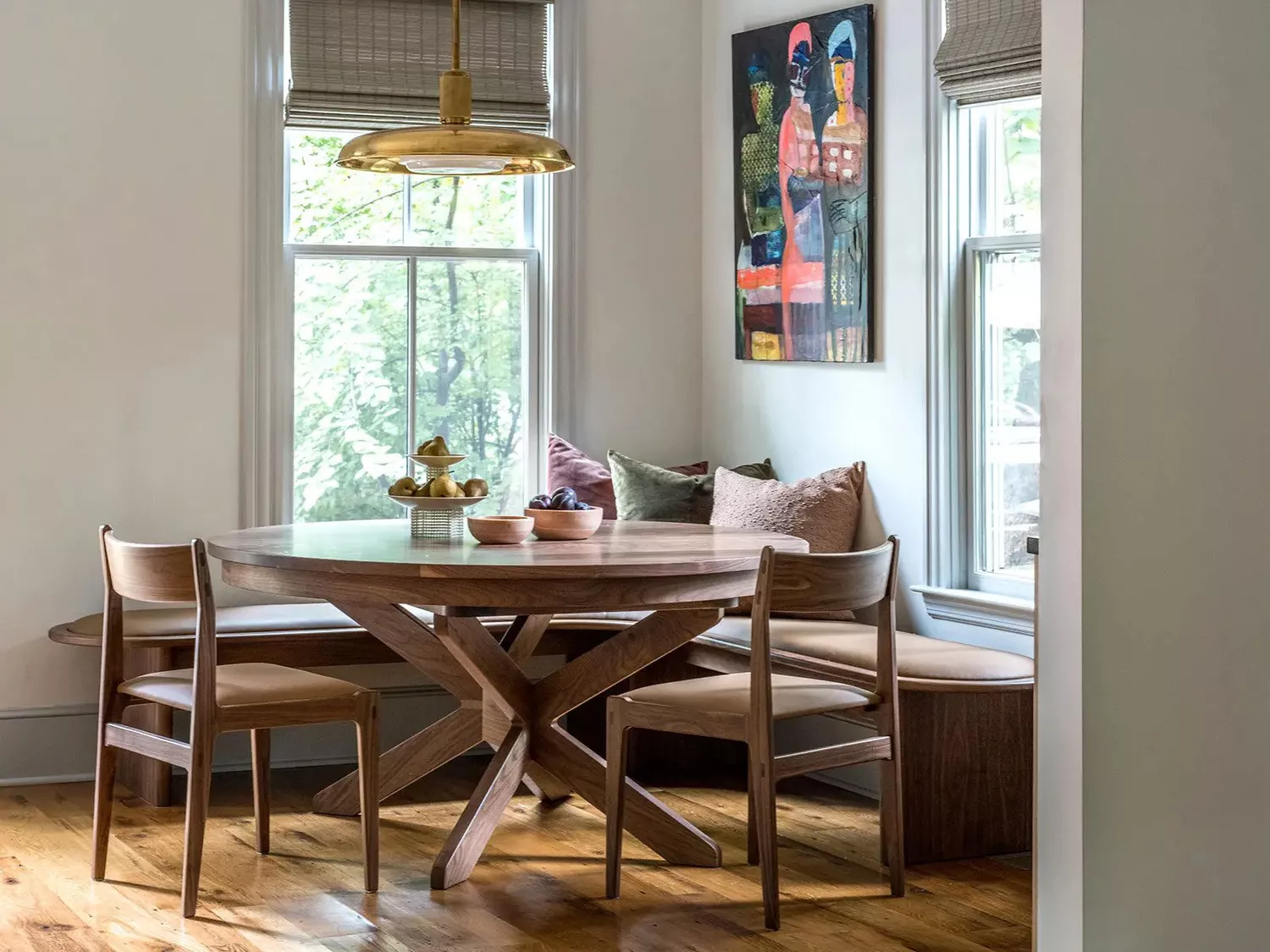
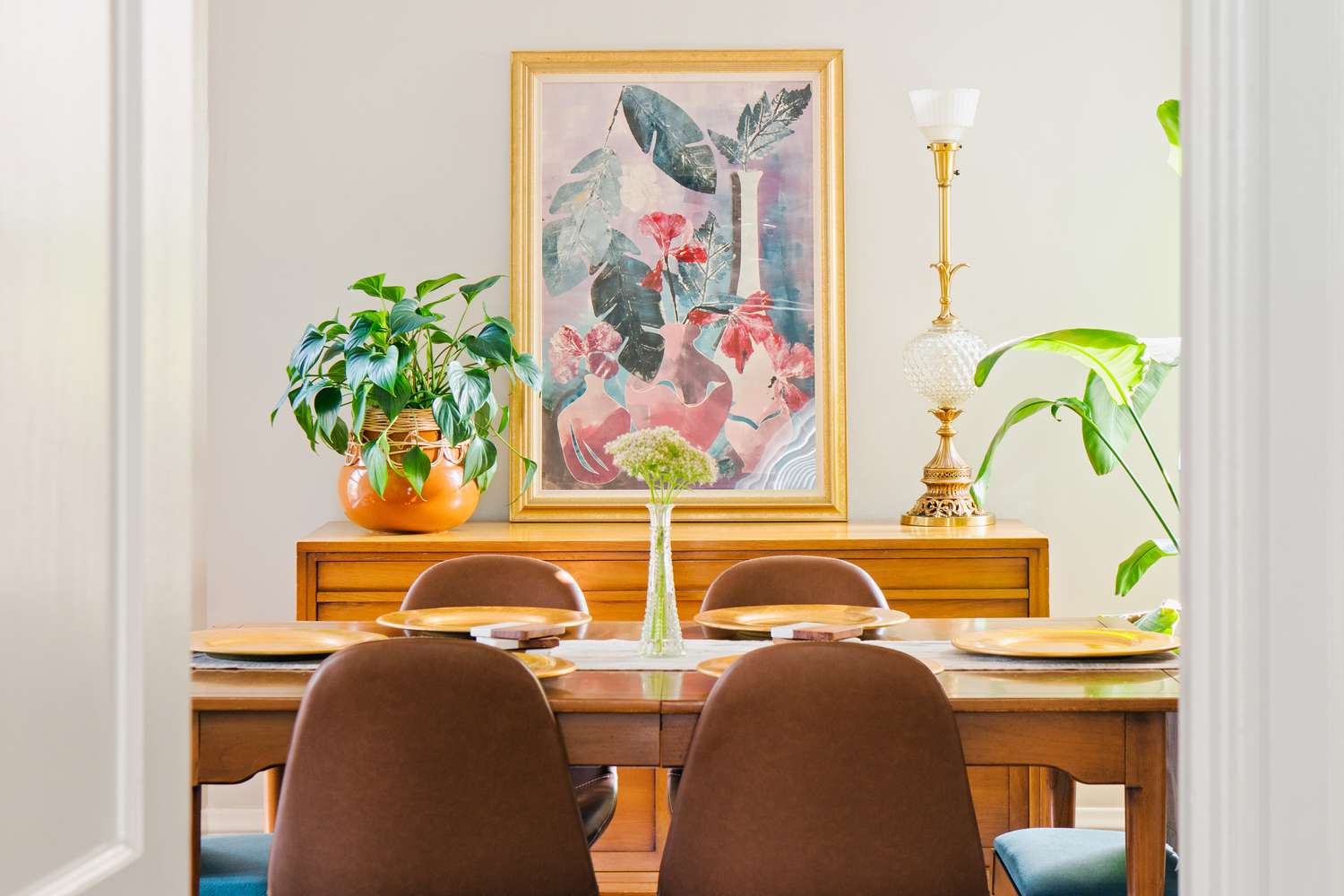
Secondly, the existing color palette of a room plays a significant role in determining suitable artwork. One approach is to select art that harmonizes with the present hues in the decor and furnishings, creating a cohesive look. Alternatively, for those aiming to create a focal point or a statement piece, consulting a color wheel to identify complementary colors can yield striking results, such as pairing orange with blue or red with green. This strategic use of color ensures the artwork integrates seamlessly or stands out purposefully within the overall design.
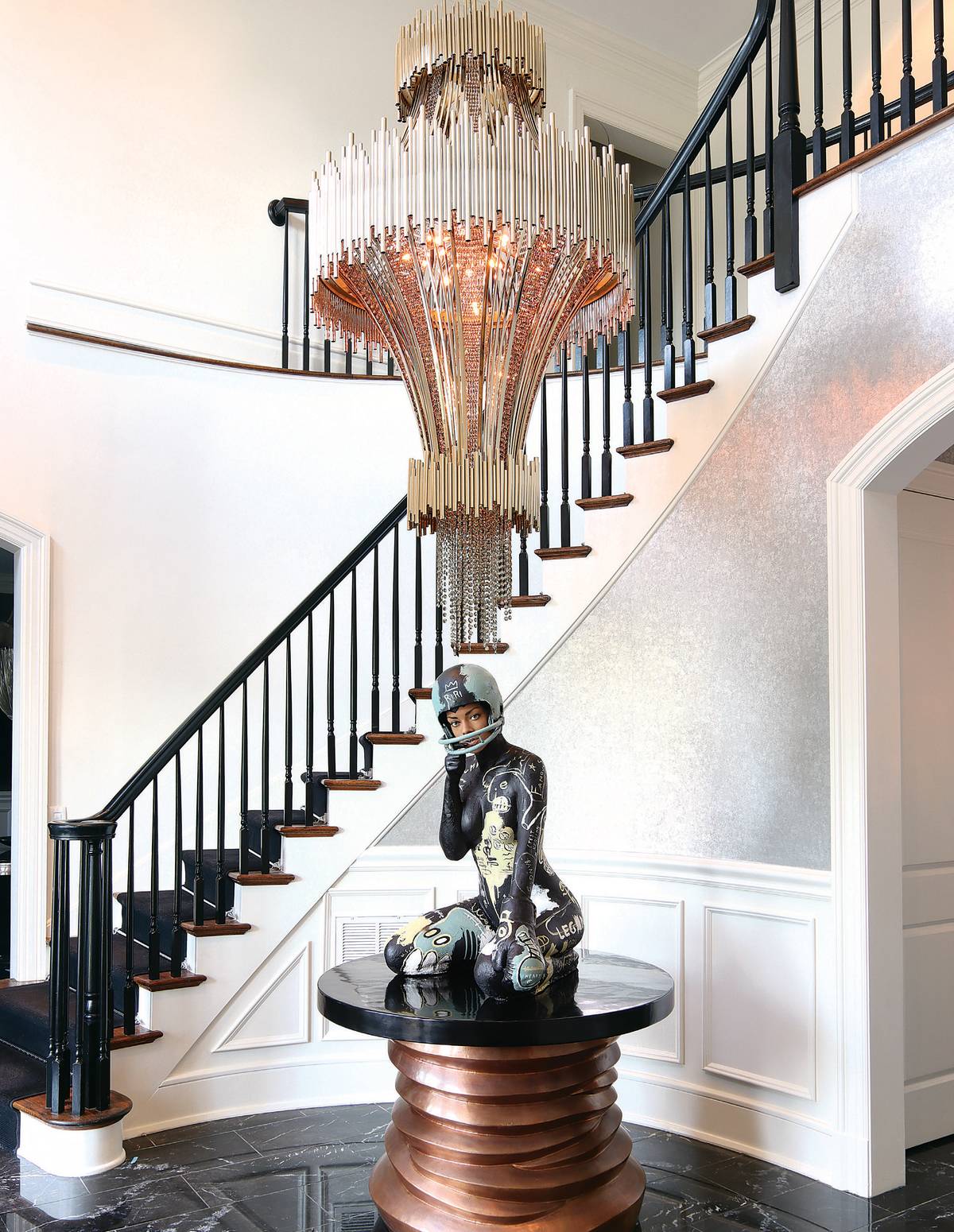
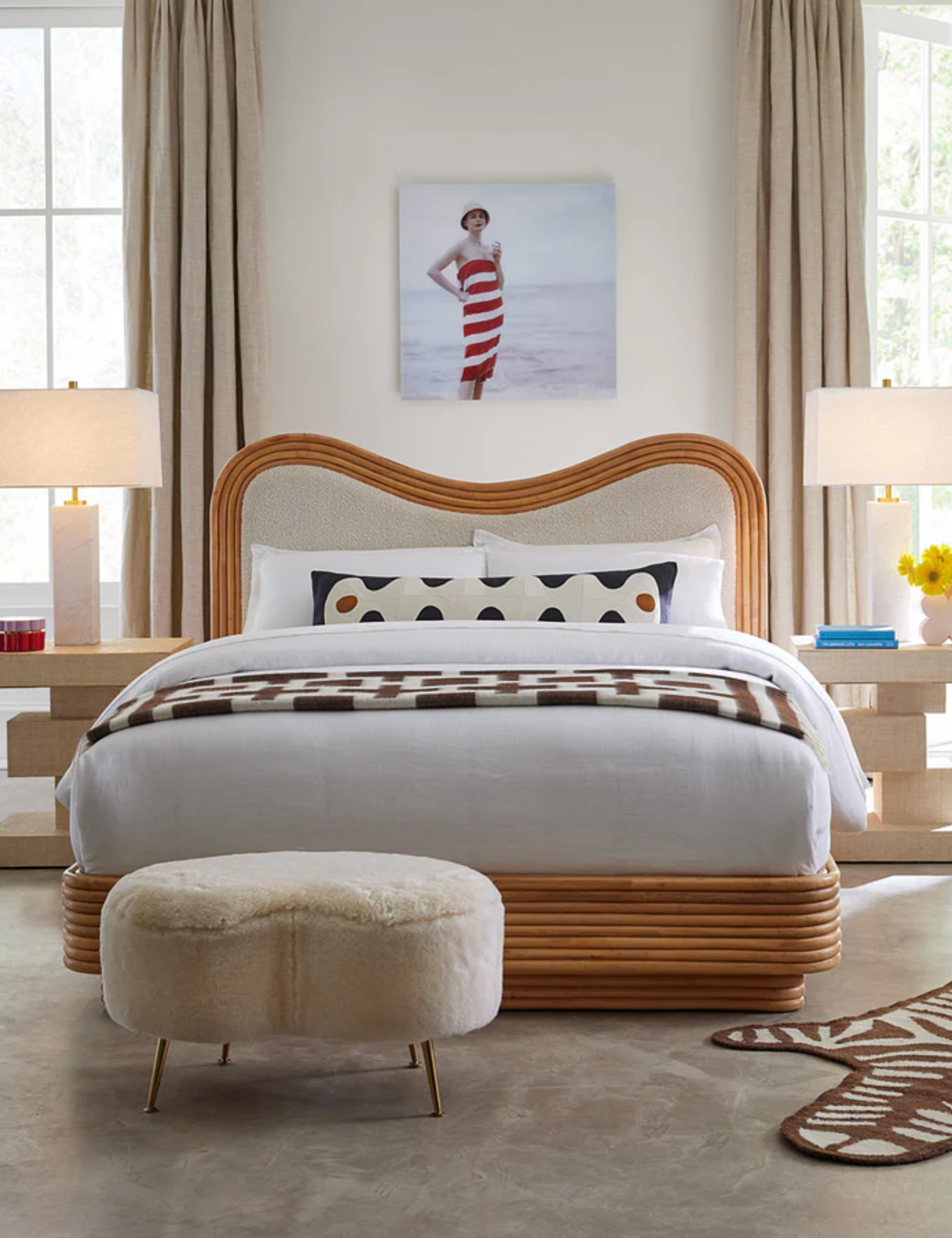
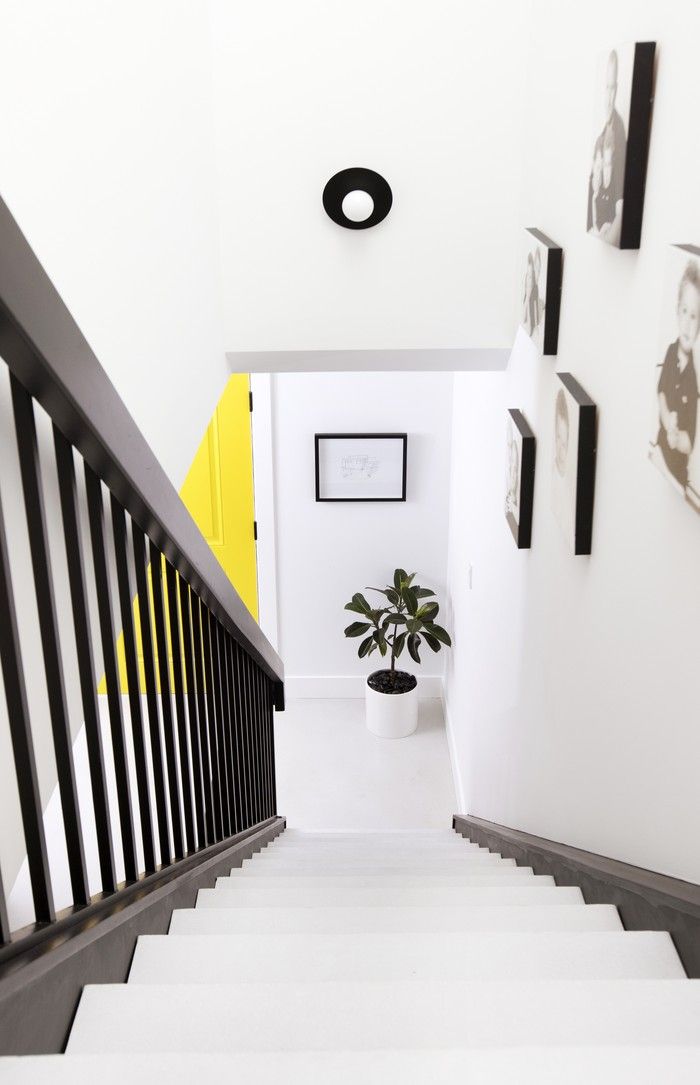
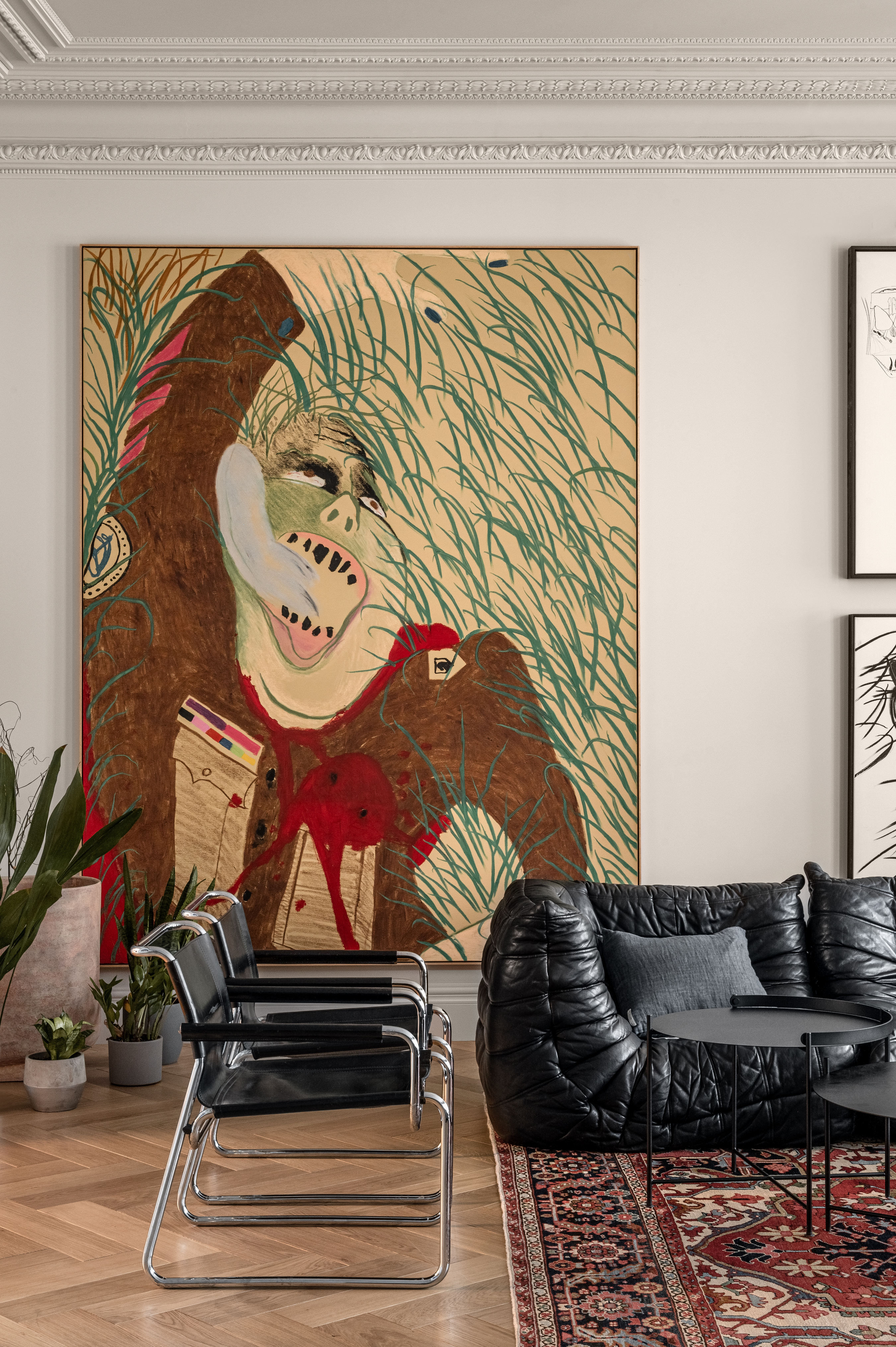
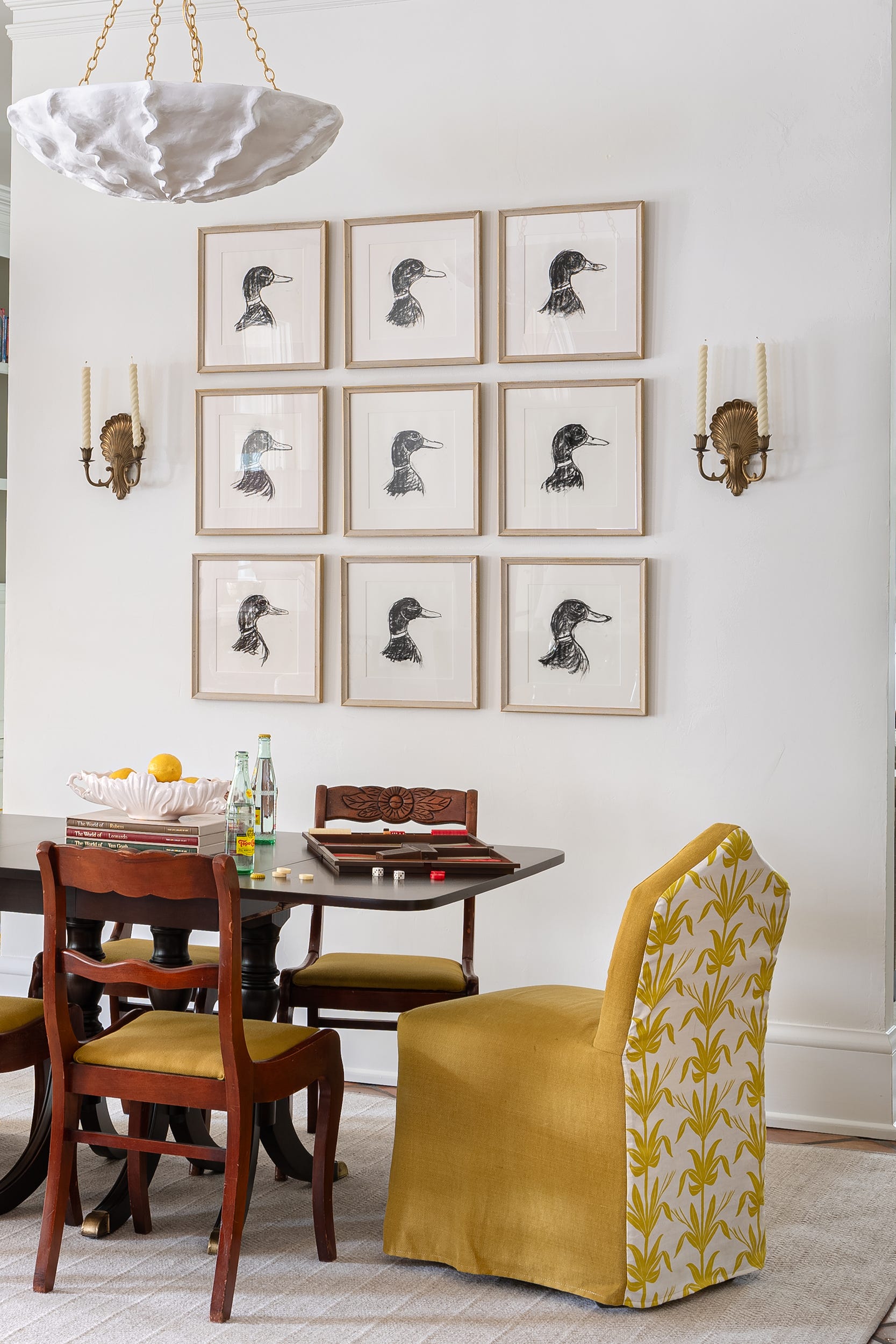
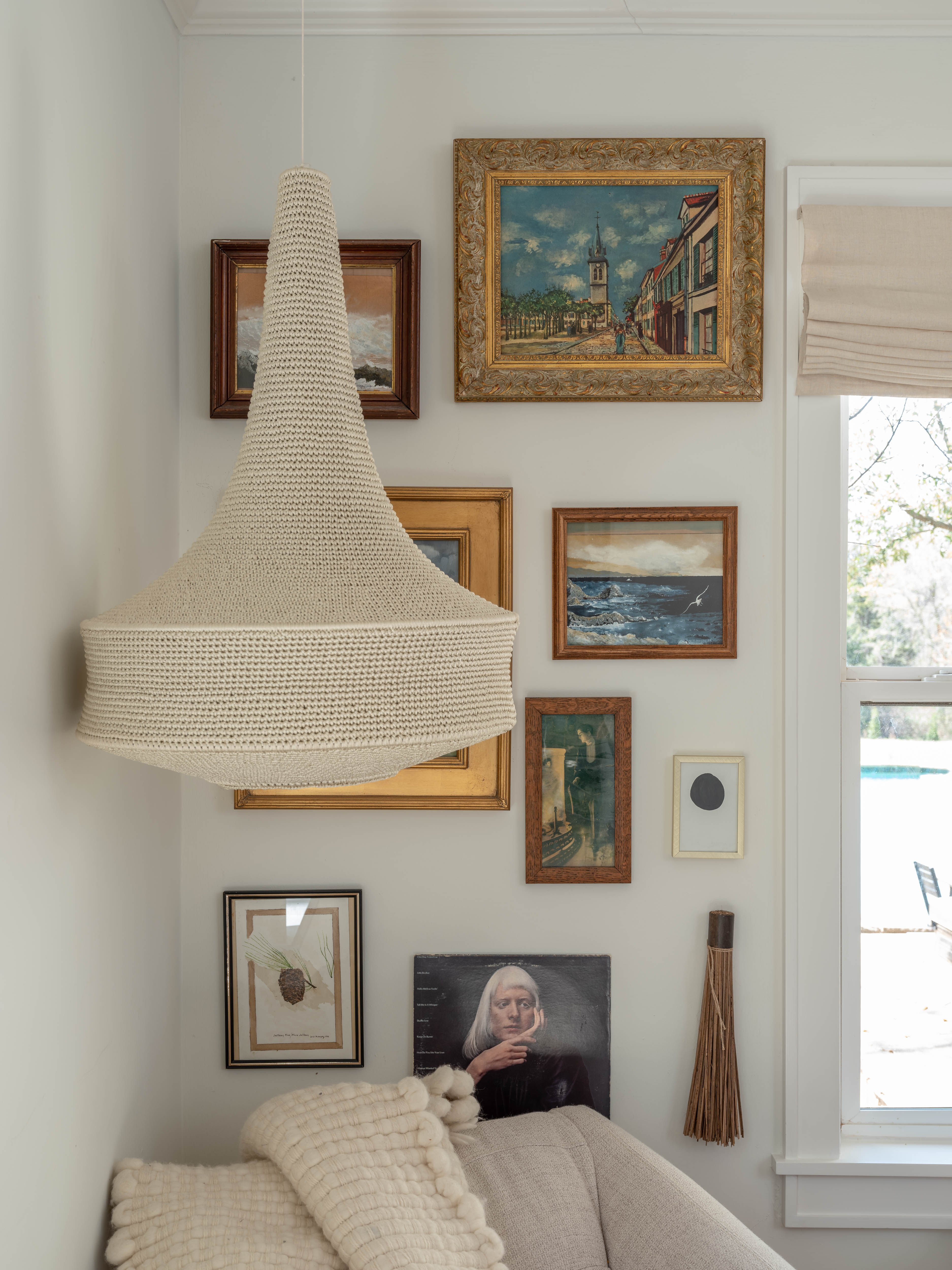
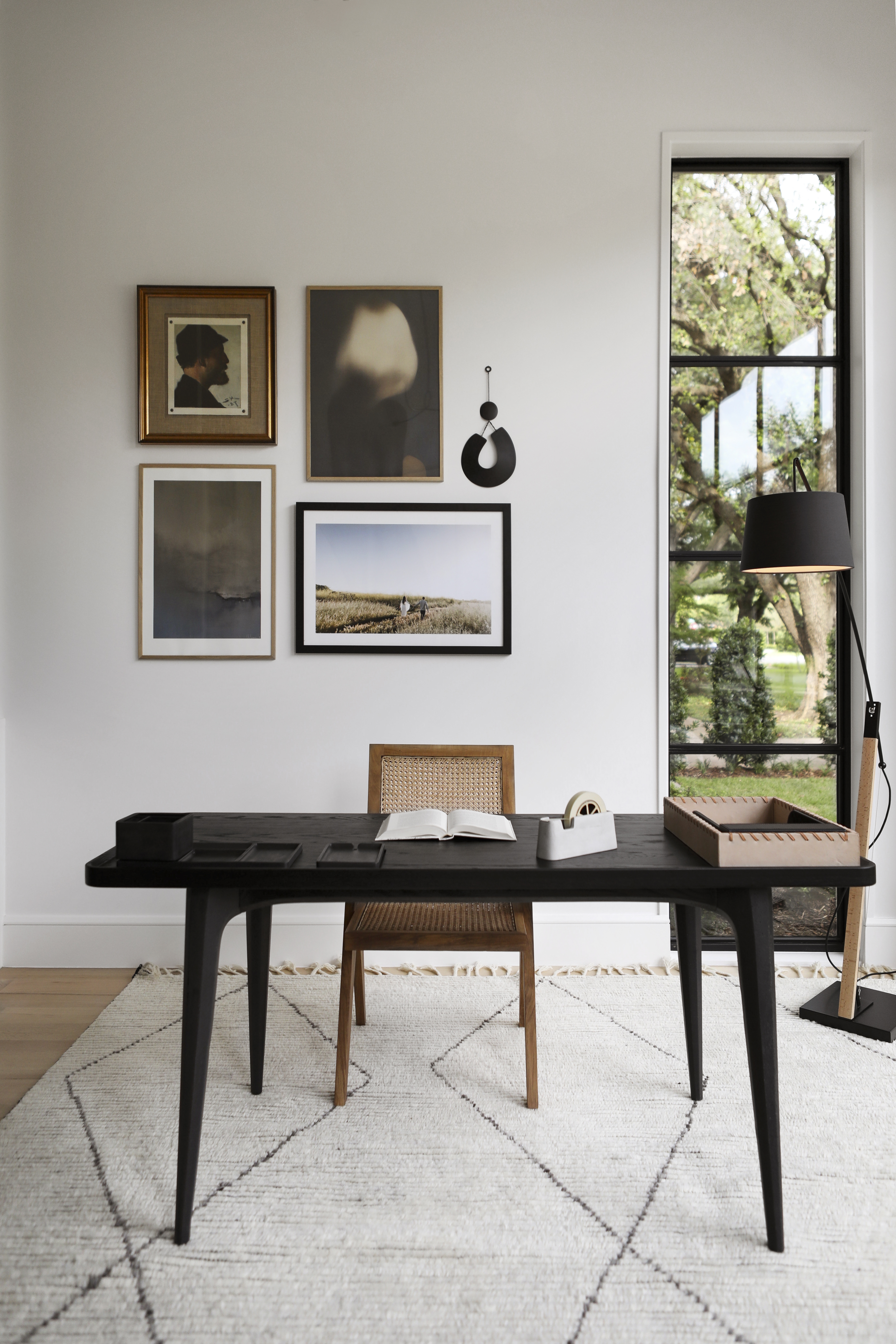
Scale and positioning are paramount to how artwork is perceived in a space. It is crucial to choose pieces that are appropriately sized for their intended wall. A large piece on a small wall can make the space feel cramped, while small art on a large wall can appear lost and unanchored. Furthermore, proper positioning, especially considering sight lines, is essential for optimal visual impact. Thoughtful placement ensures the artwork is effectively showcased and contributes positively to the room's aesthetic flow.
Budgetary considerations are another practical aspect. Artwork prices vary widely, and it is important to factor in potential hidden costs such as sales tax, shipping fees (particularly for out-of-state purchases), or auction house charges. Additionally, many pieces, regardless of their initial cost, will require custom framing, which can add substantially to the overall expense. Obtaining quotes from frame shops beforehand is advisable. For those on a tighter budget or just starting their collection, experts suggest beginning with smaller, original studies from favorite artists, which can be surprisingly affordable. Posters and prints also offer more budget-friendly options. When opting for prints, a strategy could be to acquire high-edition, lower-value prints from renowned artists, or low-edition, affordable prints from emerging artists.
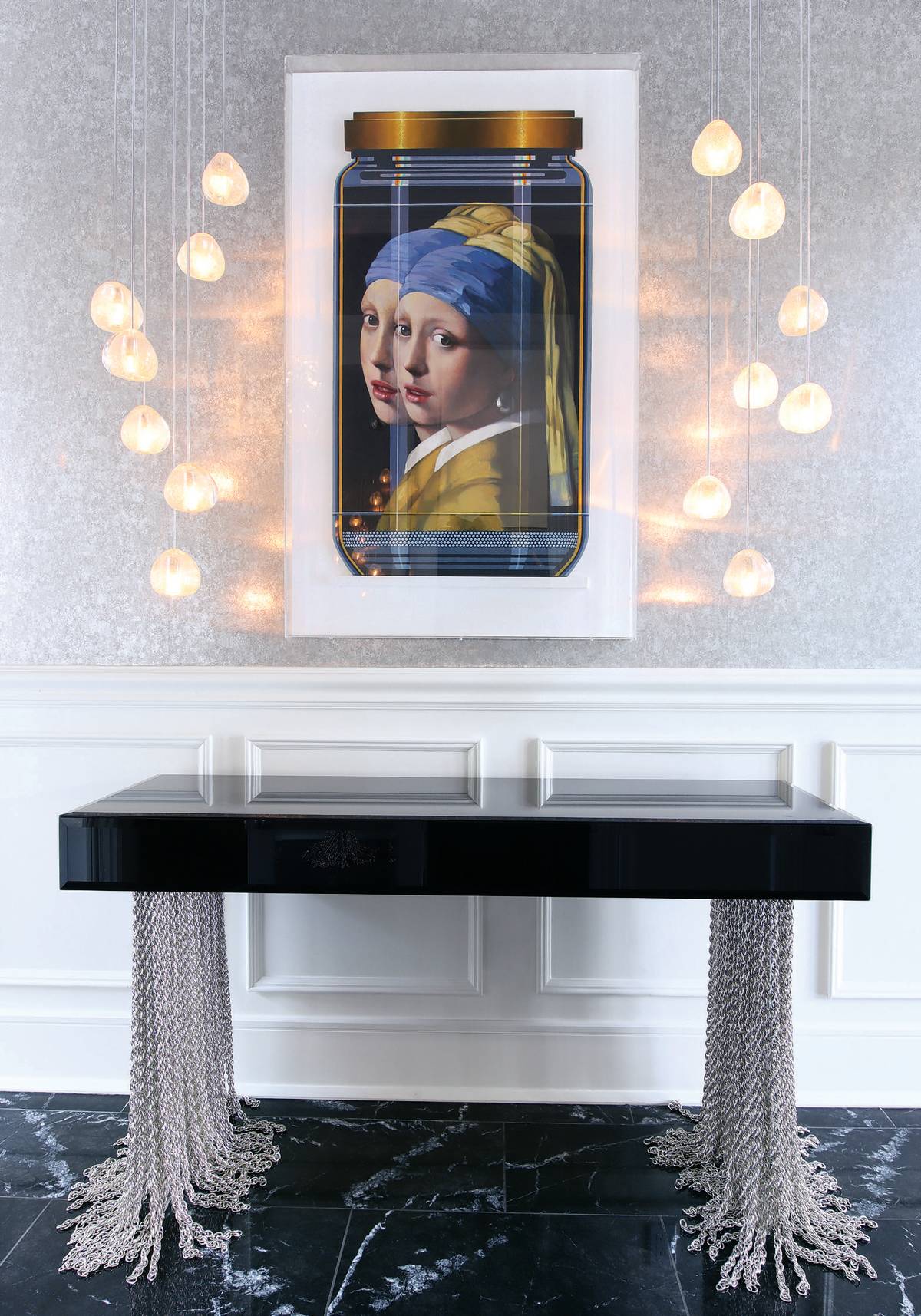
Finally, the practical aspect of hanging the art should not be overlooked. Once artwork is acquired, it should be framed and hung promptly. This not only protects the piece from potential damage but also allows it to immediately fulfill its decorative purpose. Utilizing sturdy art hanging hooks instead of simple nails is recommended to ensure stability and security. By adhering to these five guidelines, individuals can confidently approach the task of selecting and displaying artwork, transforming their living spaces with pieces that are both visually appealing and personally meaningful.
#ArtworkSelection #HomeDecor #InteriorDesign #ArtBuyingTips #RoomAmbiance #ColorPalette #ScaleAndPositioning #ArtBudgeting #FramingArt #ArtworkSelection #HomeDecor #InteriorDesign #ArtBuyingTips #RoomAmbiance #ColorPalette #ScaleAndPositioning #ArtBudgeting #FramingArt
0 comment in total
 No comments yet
You may also like
7 Interior Designers Share Their Tips on Buying Art for Your Home
9 things designers always look to buy at an estate sale

Design Insiders Reveal Their SECRETS to Decorating Your Home Like a Pro

5 Designer-Approved Tips for Choosing Home Accessories That Always Work

This Purchase Home Design Is All About the Artwork

5 designer-owned home decor stores to have on your radar
5 Home Decor Pieces Designers Always Wait to Buy on Sale, Even for Their Fanciest Clients
The Top Home Features Designers Always Skip
23 Things Designers ALWAYS Buy for Their Homes

5 Things Designers Always Buy At Garage Sales, Even for Their Fanciest Clients

7 rules designers always follow to find the best exterior paint for your home
10 Mistakes Designers IMMEDIATELY Notice When They Walk Into Your Home
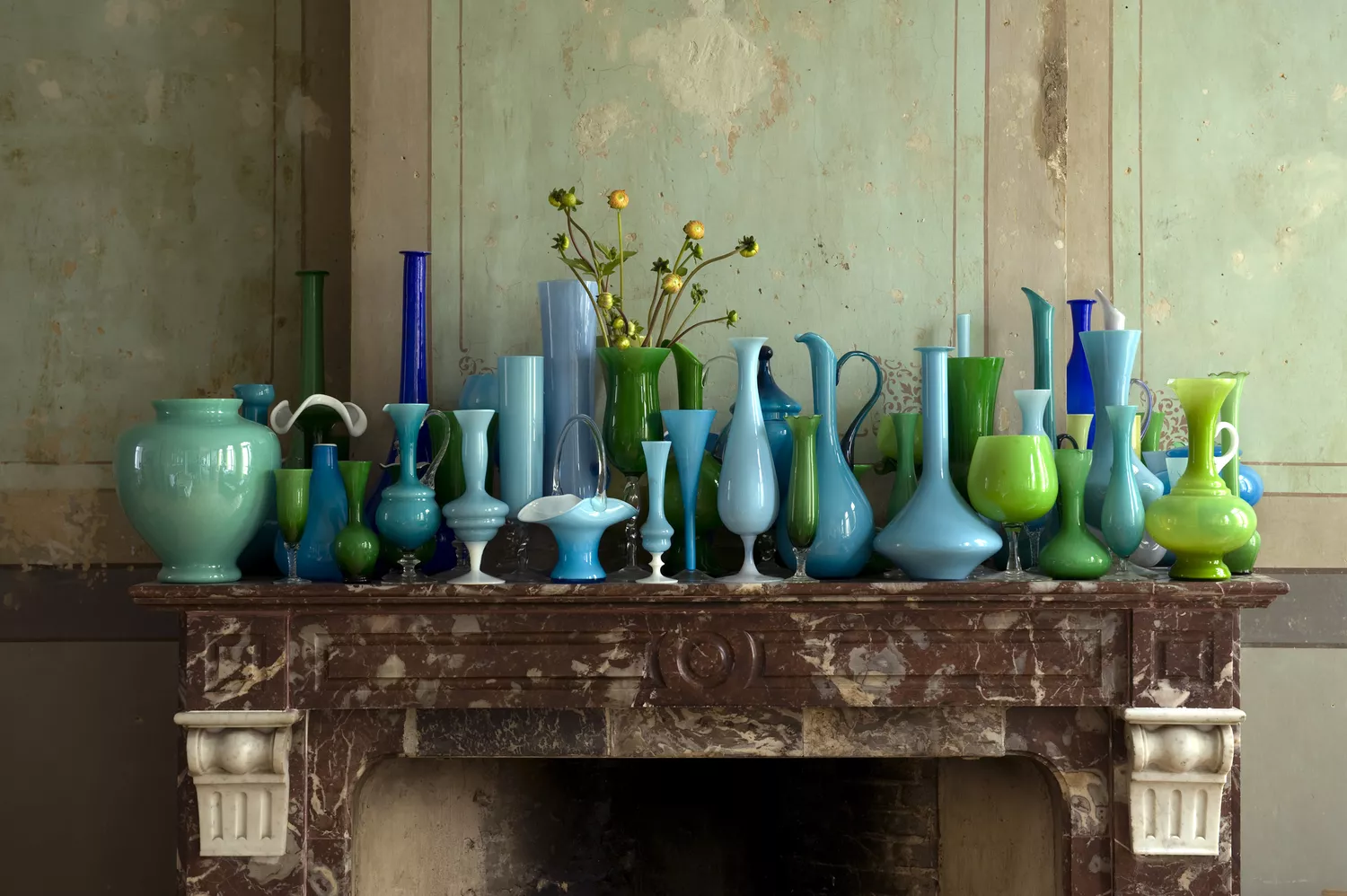
5 Home Decor Brands Designers Always Snap Up When Thrifting (and You Should Too)
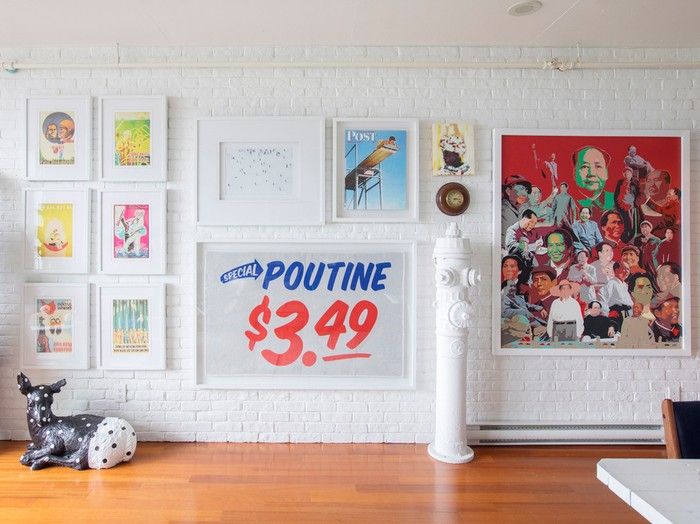
Curating art for the home is an art in itself

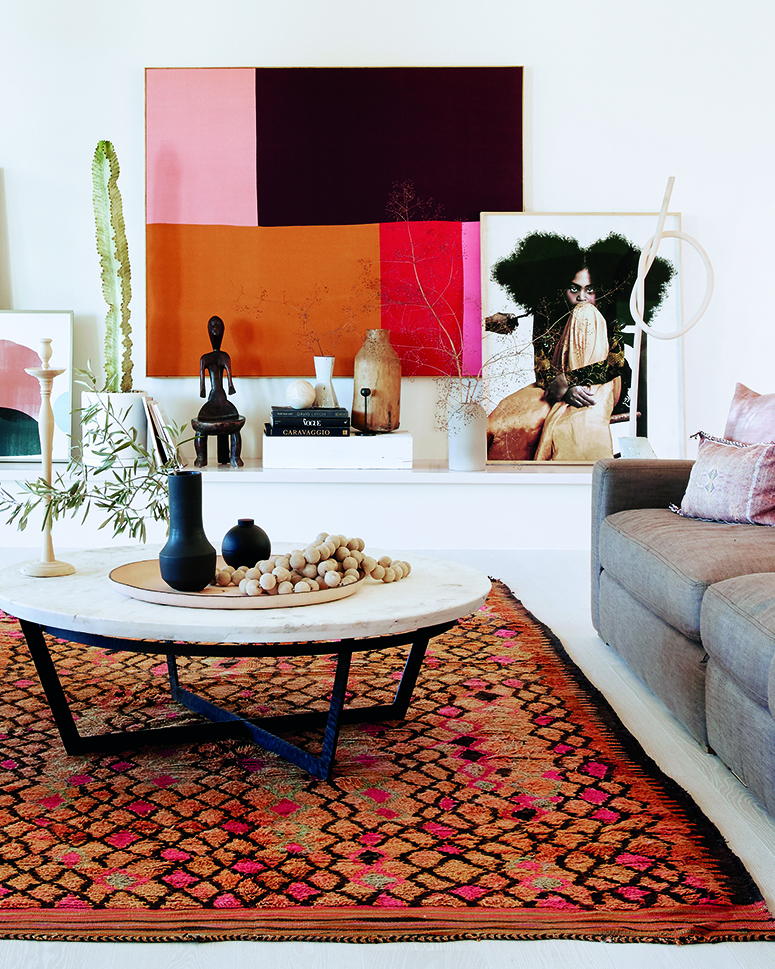
You Don’t Need to Be a Gallerist to Source the Best Wall Art Online

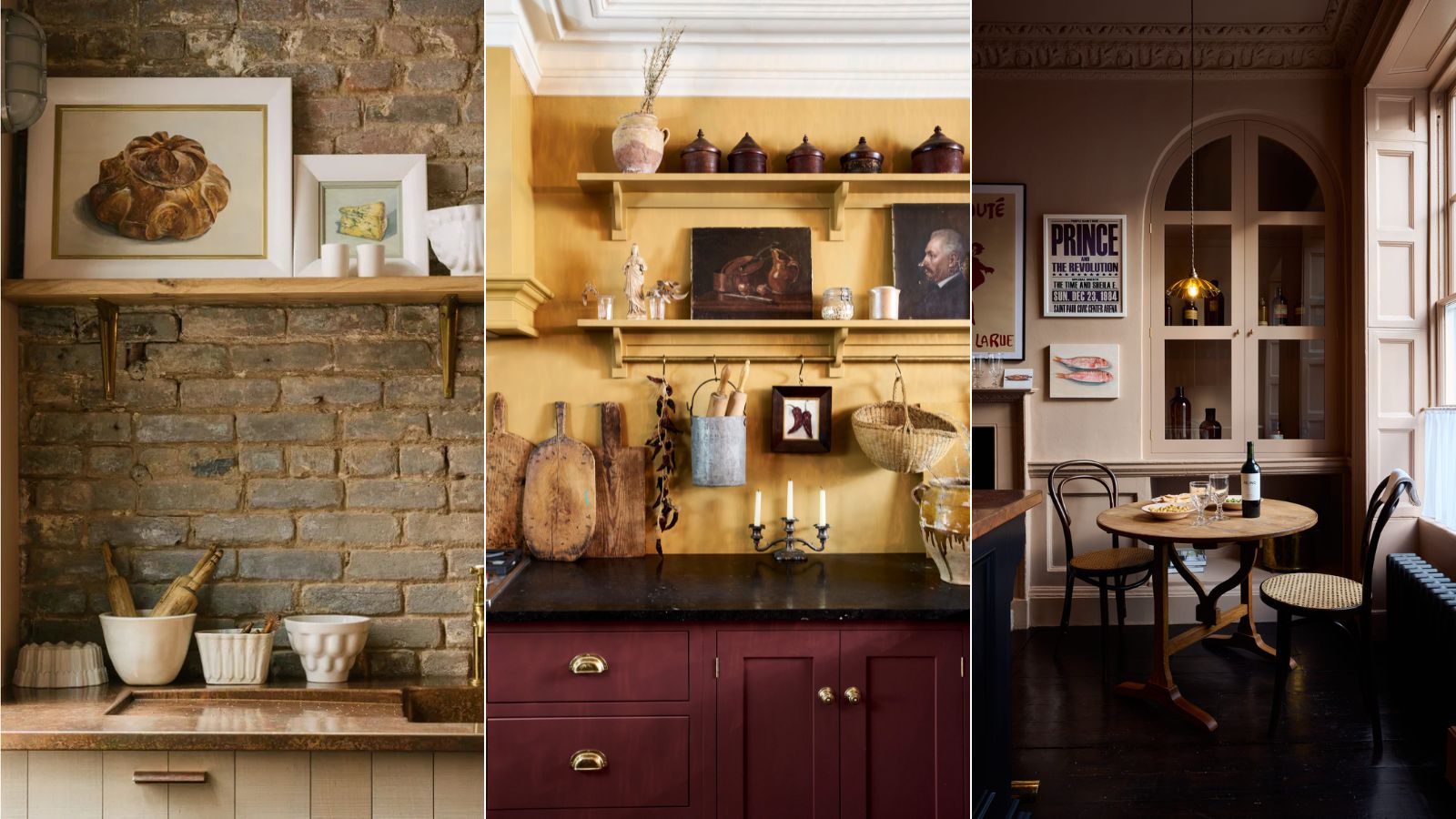
'Think of art as an integral part of the room rather than an afterthought' – deVOL's creative director shares her expert tips on choosing the perfect artwork for your kitchen

12 Things Designers ALWAYS Look for at HomeGoods
Should You Always Frame Art? These Are the Golden Rules Gallery Curators and Interior Designers Swear By

5 common gallery wall mistakes designers warn to always avoid – to create the chicest of displays

5 Red Flags to Avoid at All Costs When Thrifting Home Decor, According to Designers