1/6
I thought I was over gallery walls, but this designer-approved hanging method has changed my mind – it makes awkward corners look 'softer, layered and lived-in'
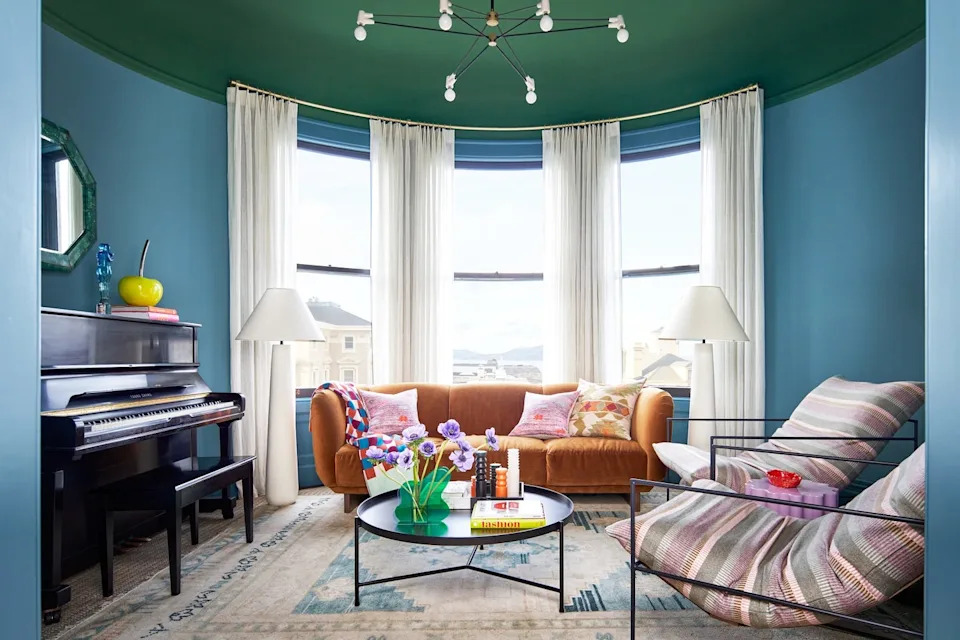
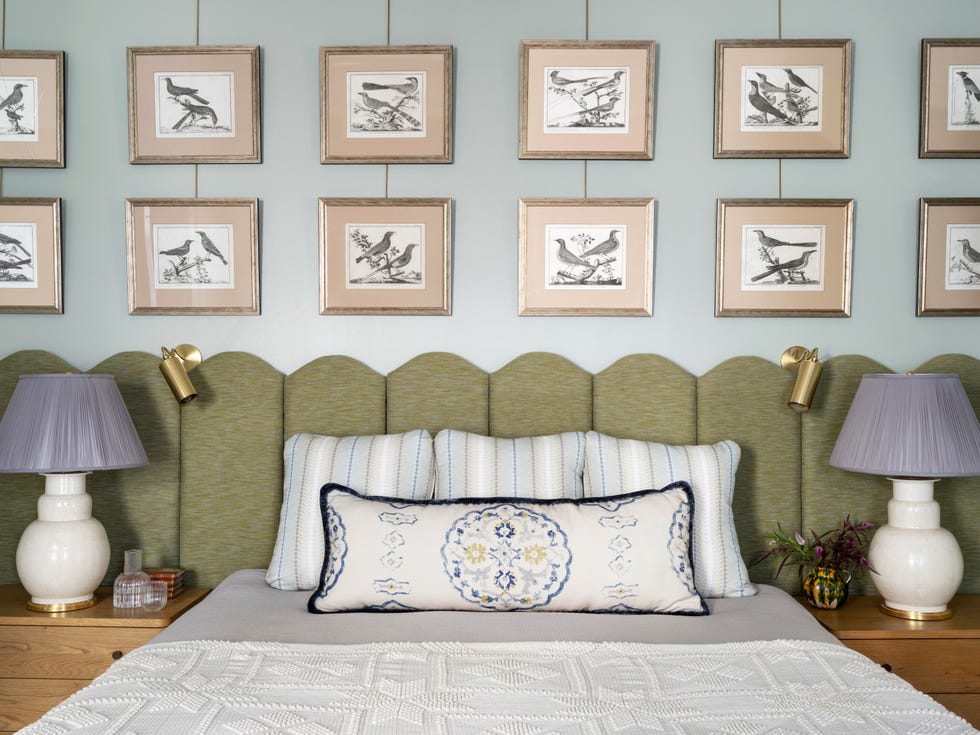
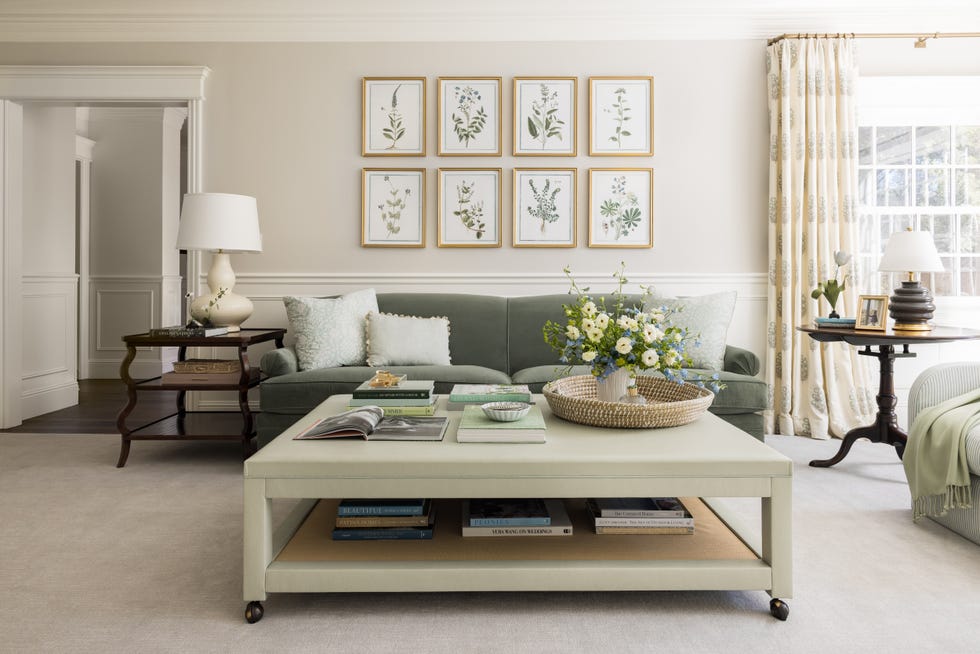
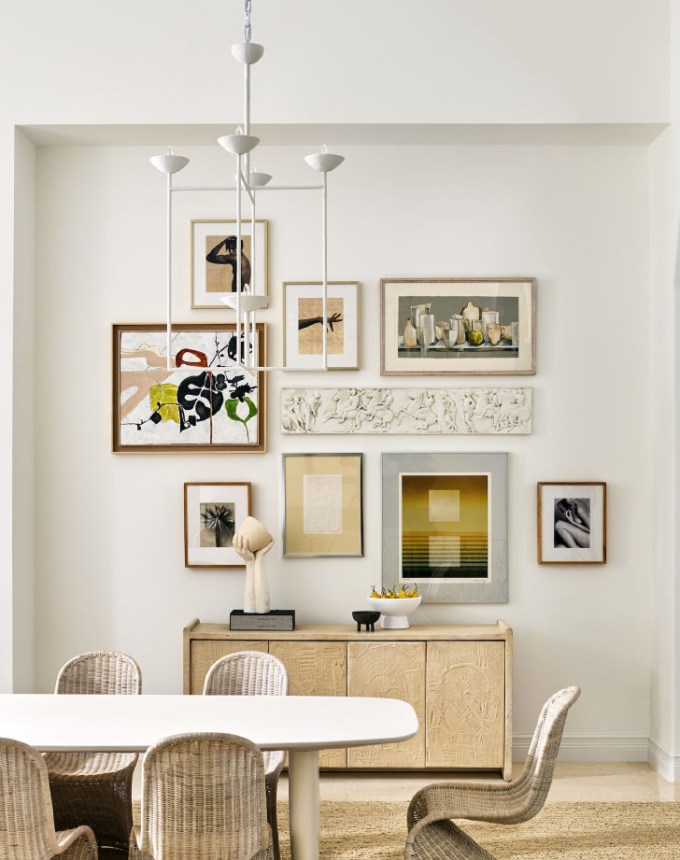
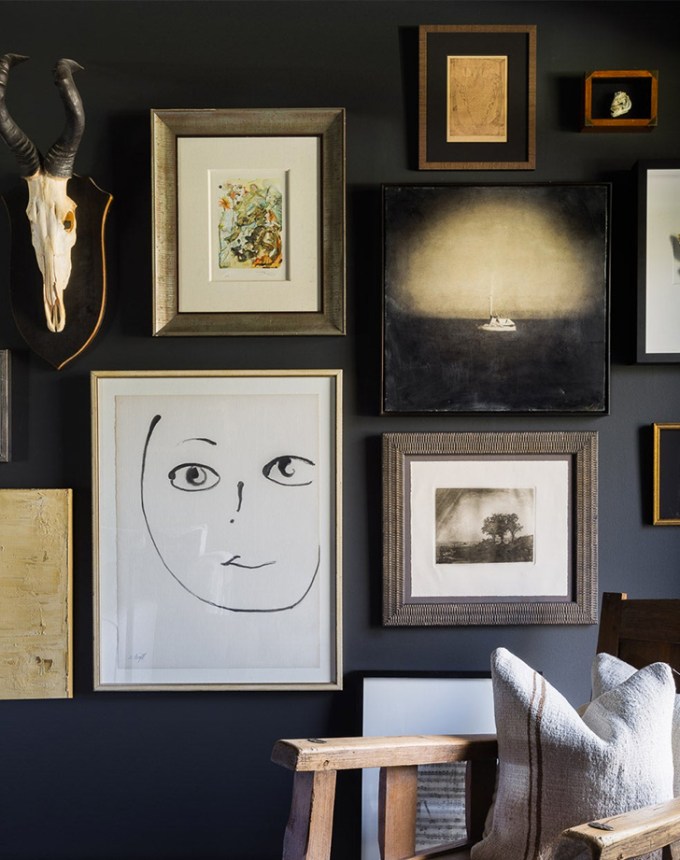
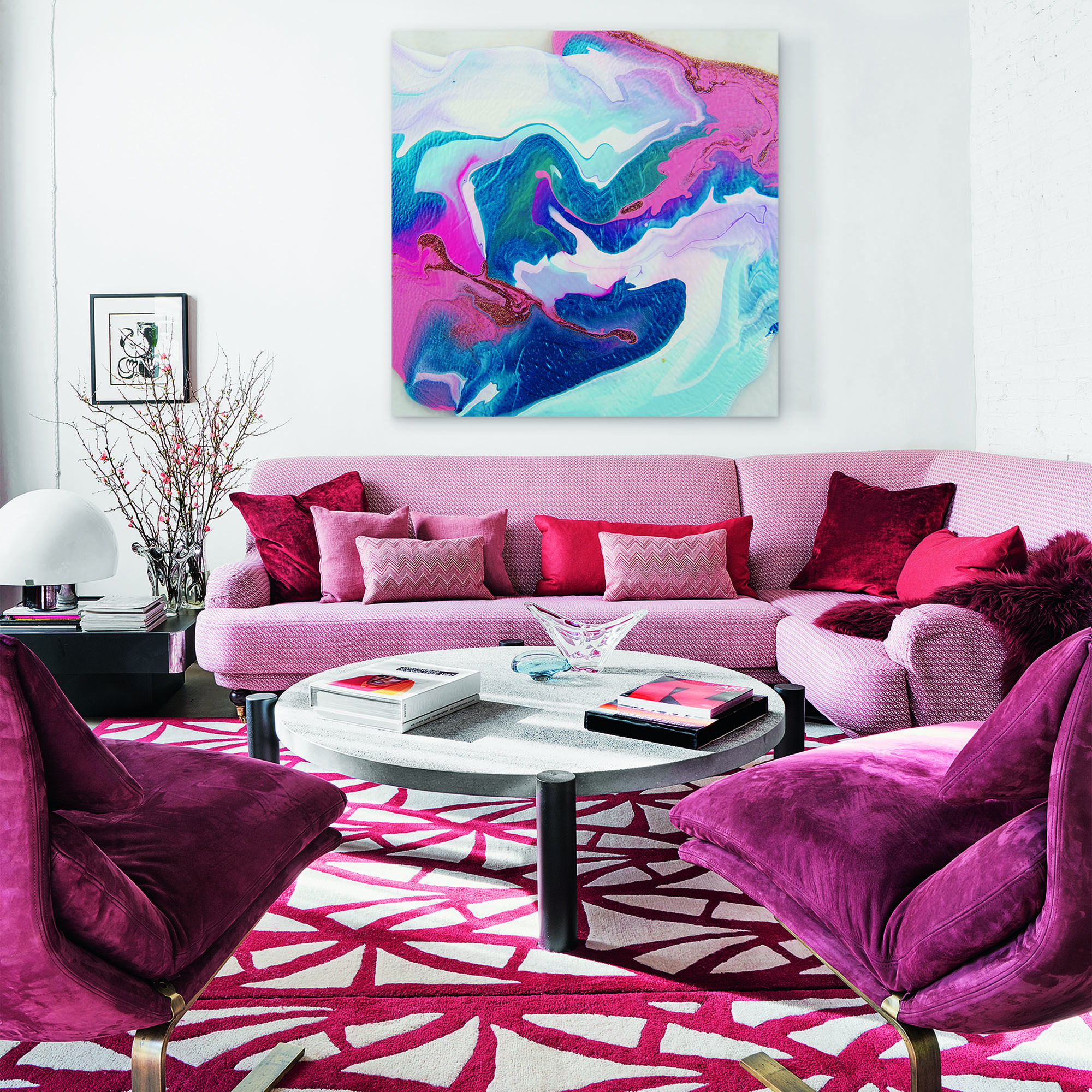
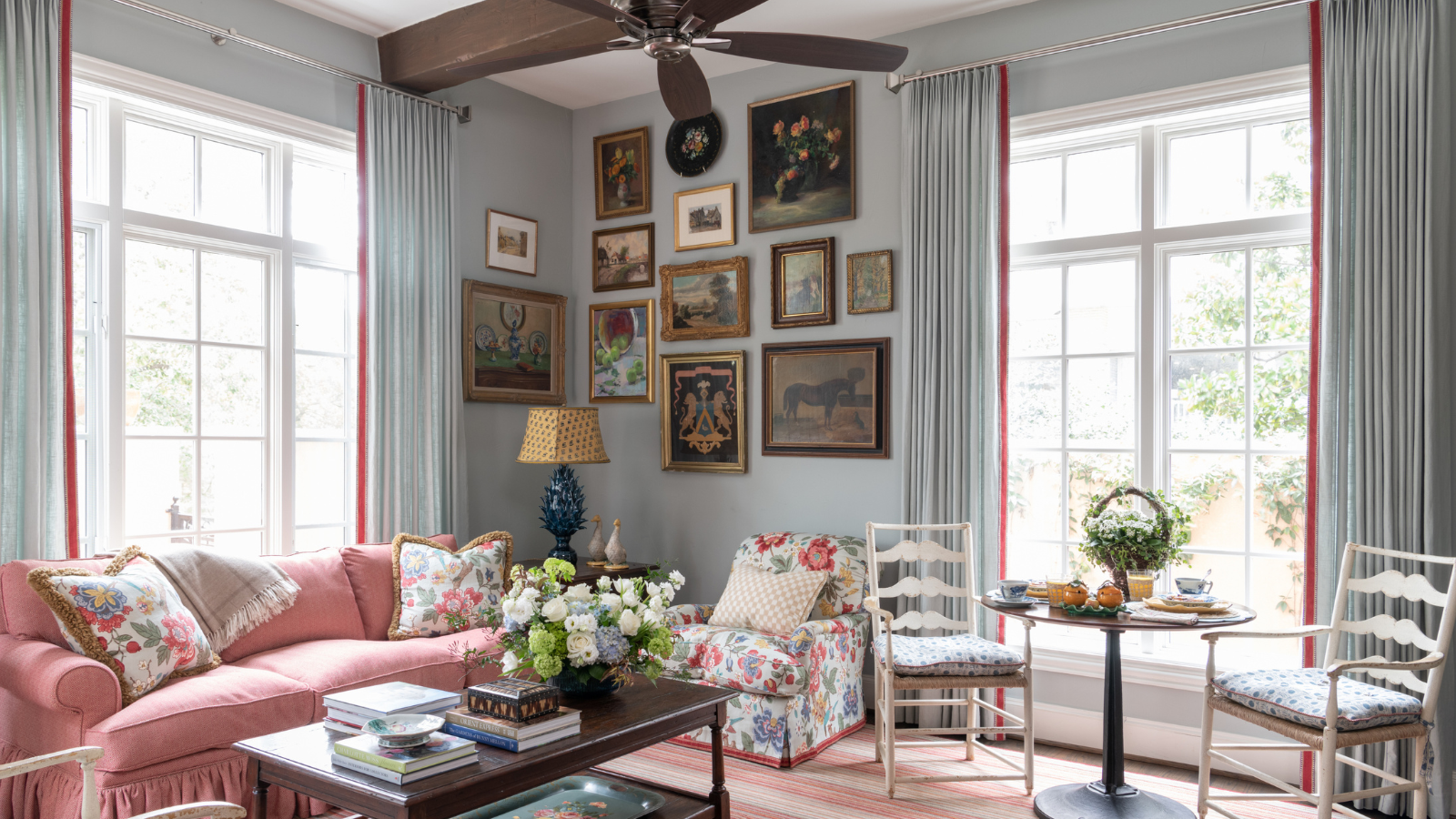
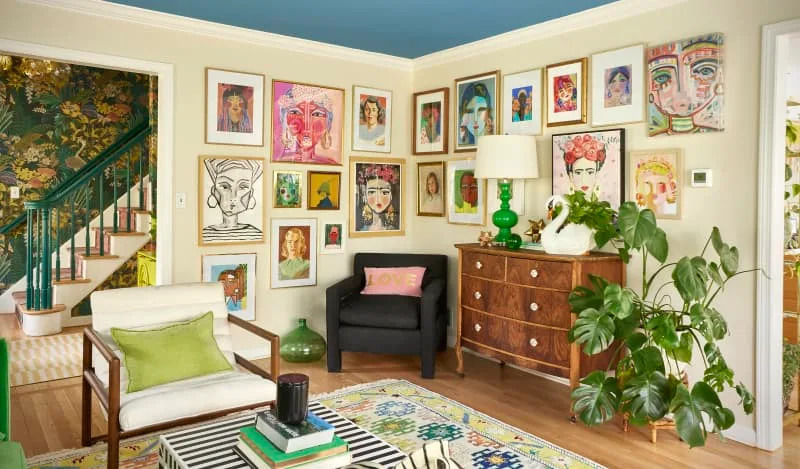
The article introduces 'the corner hang,' an innovative method for decorating with artwork that re-imagines the traditional gallery wall by utilizing often-overlooked corner spaces within a home. Coined by art dealer Annalise Holasz, this technique aims to transform awkward or bare corners into visually engaging areas, adding softness, layering, and a lived-in feel to a room. Unlike conventional gallery walls typically centered on a blank wall, the corner hang shifts the artistic focus to the room's edges, thereby making boxy rooms appear less rigid.
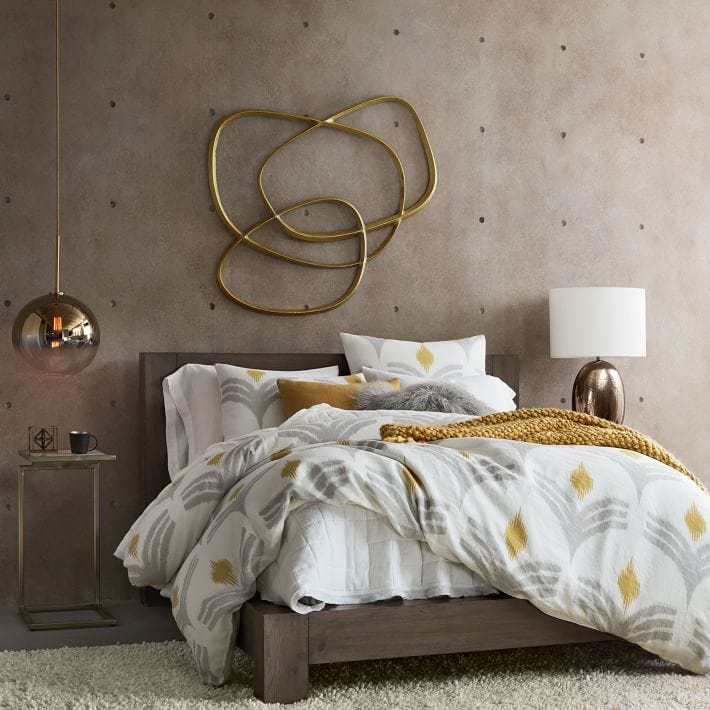
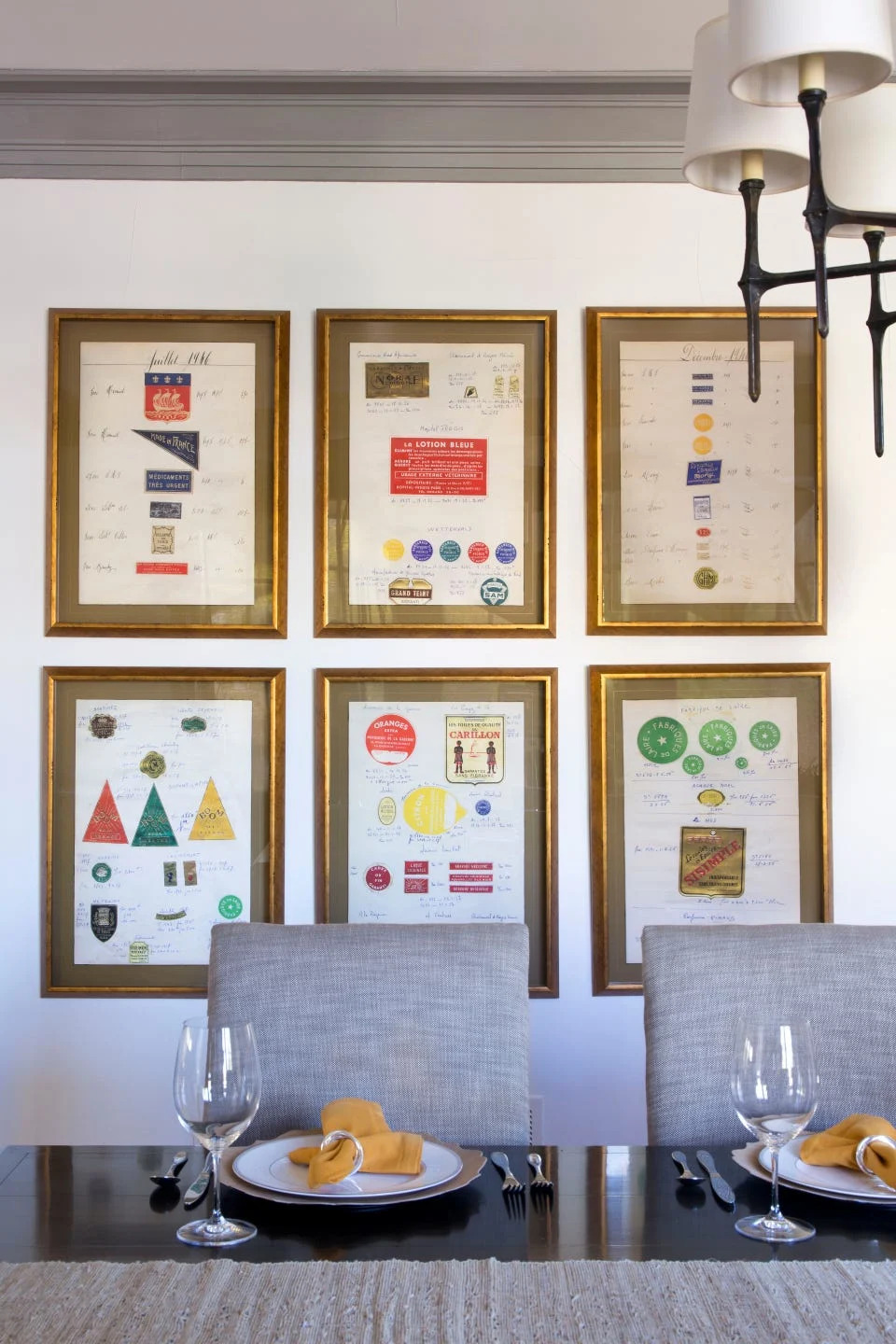
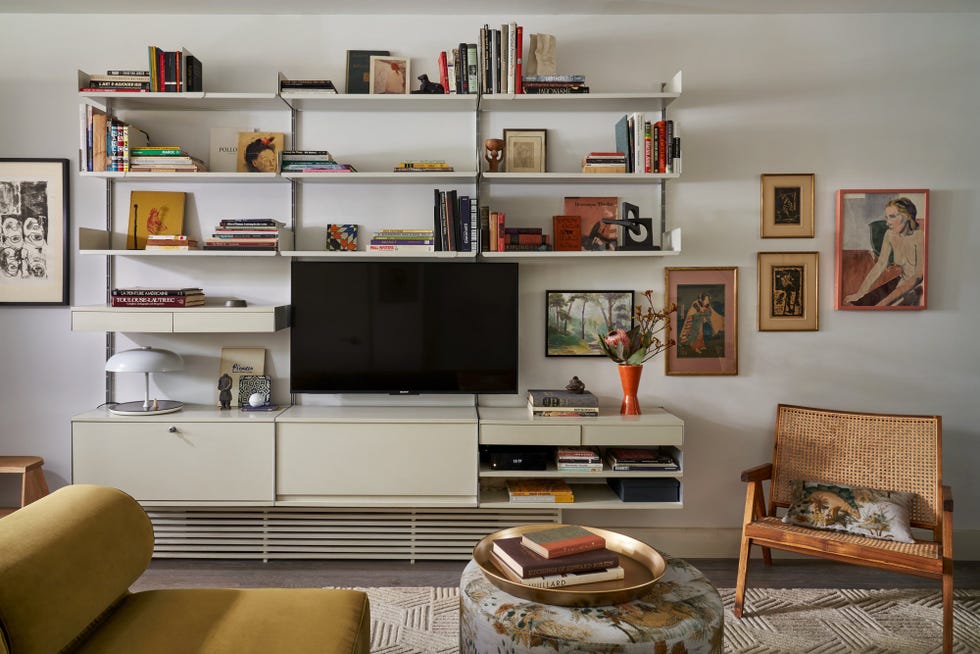
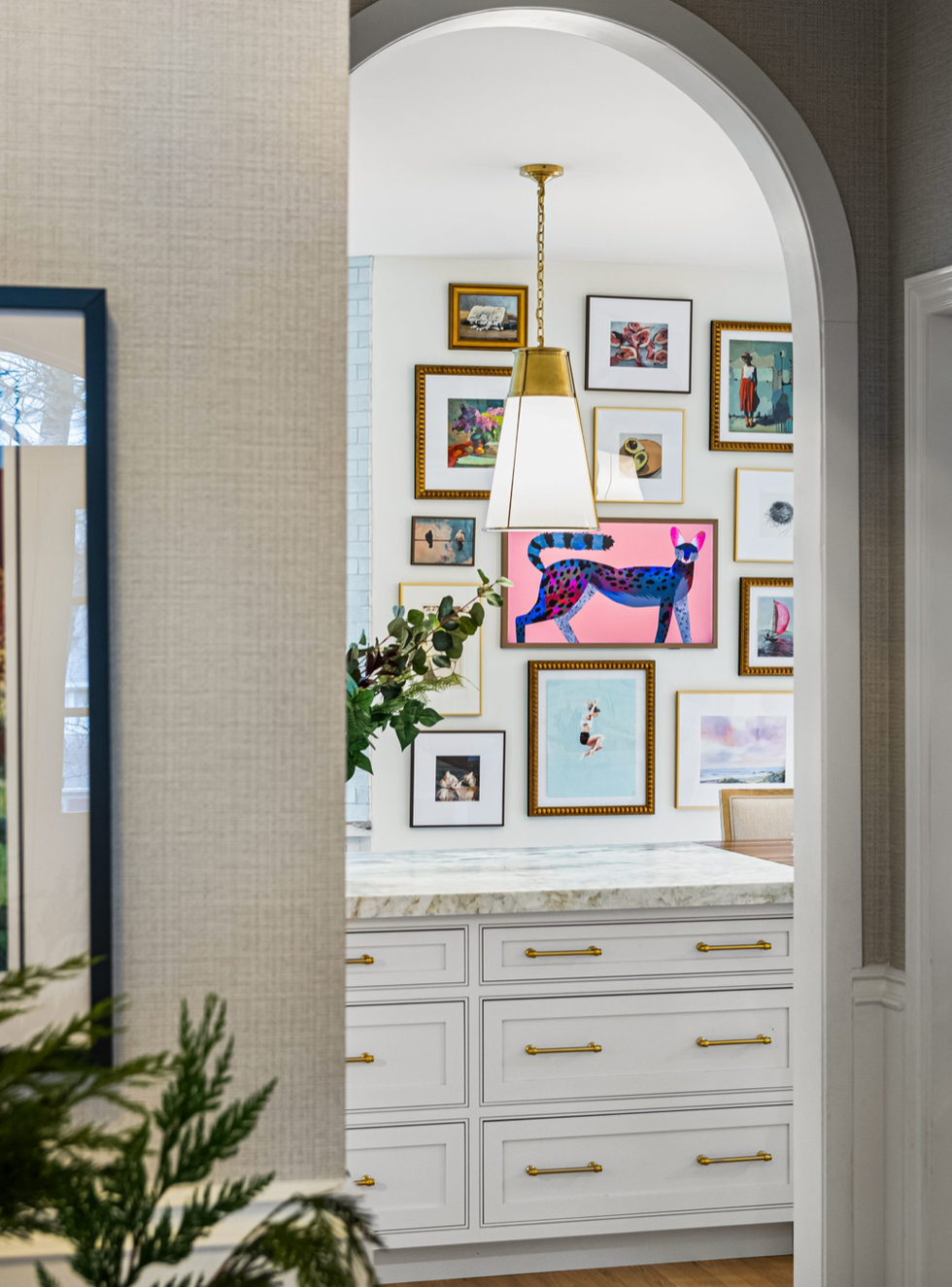
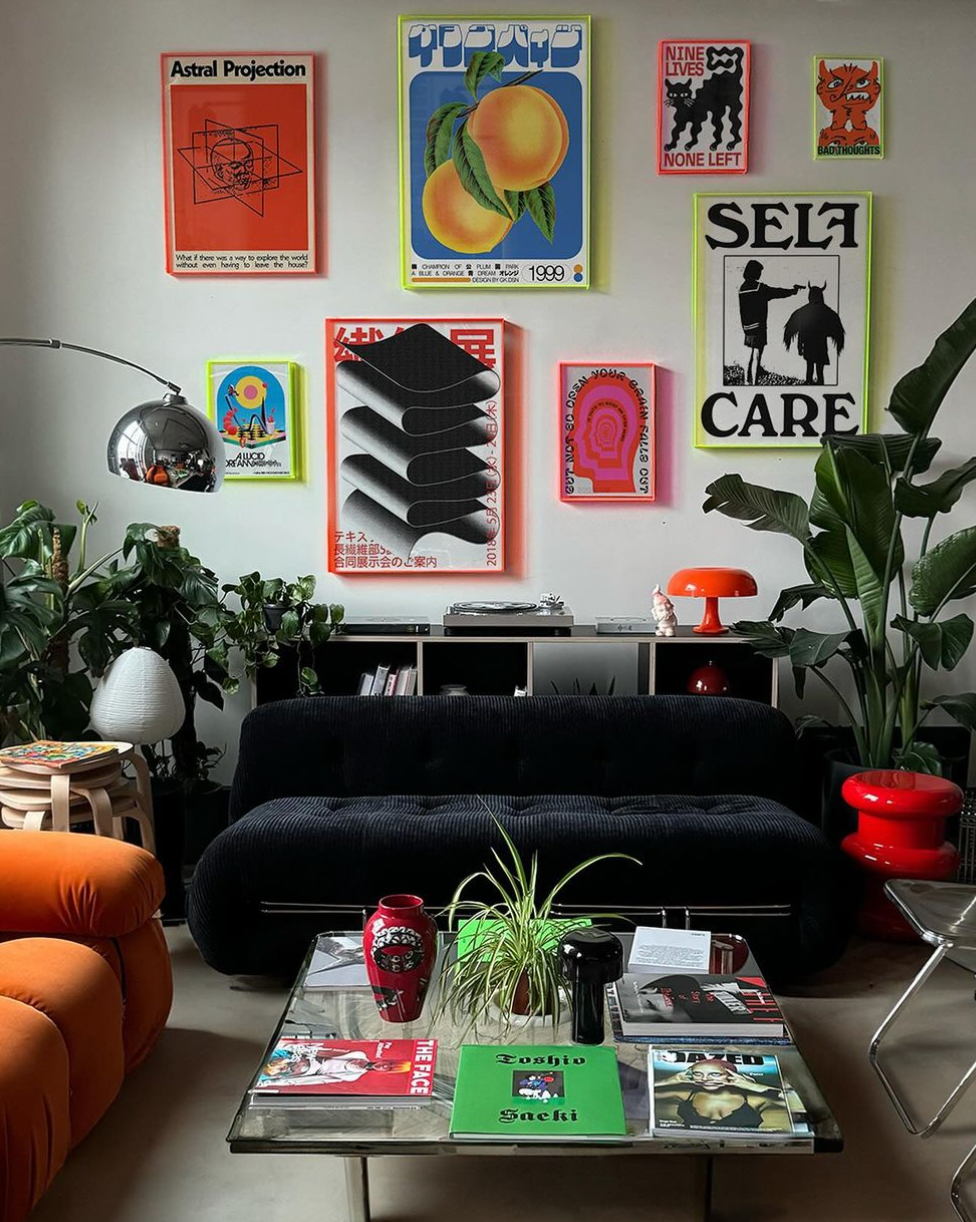
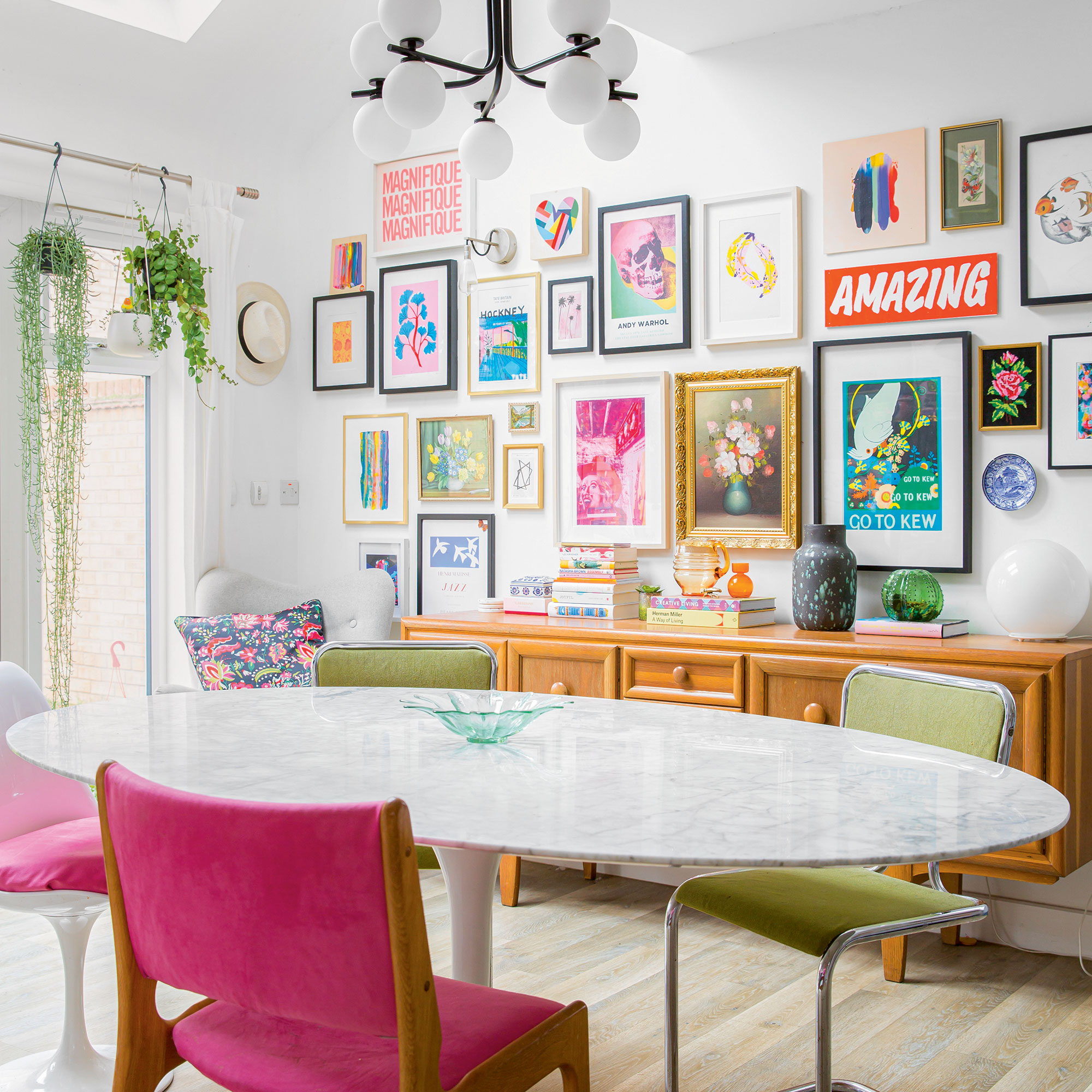
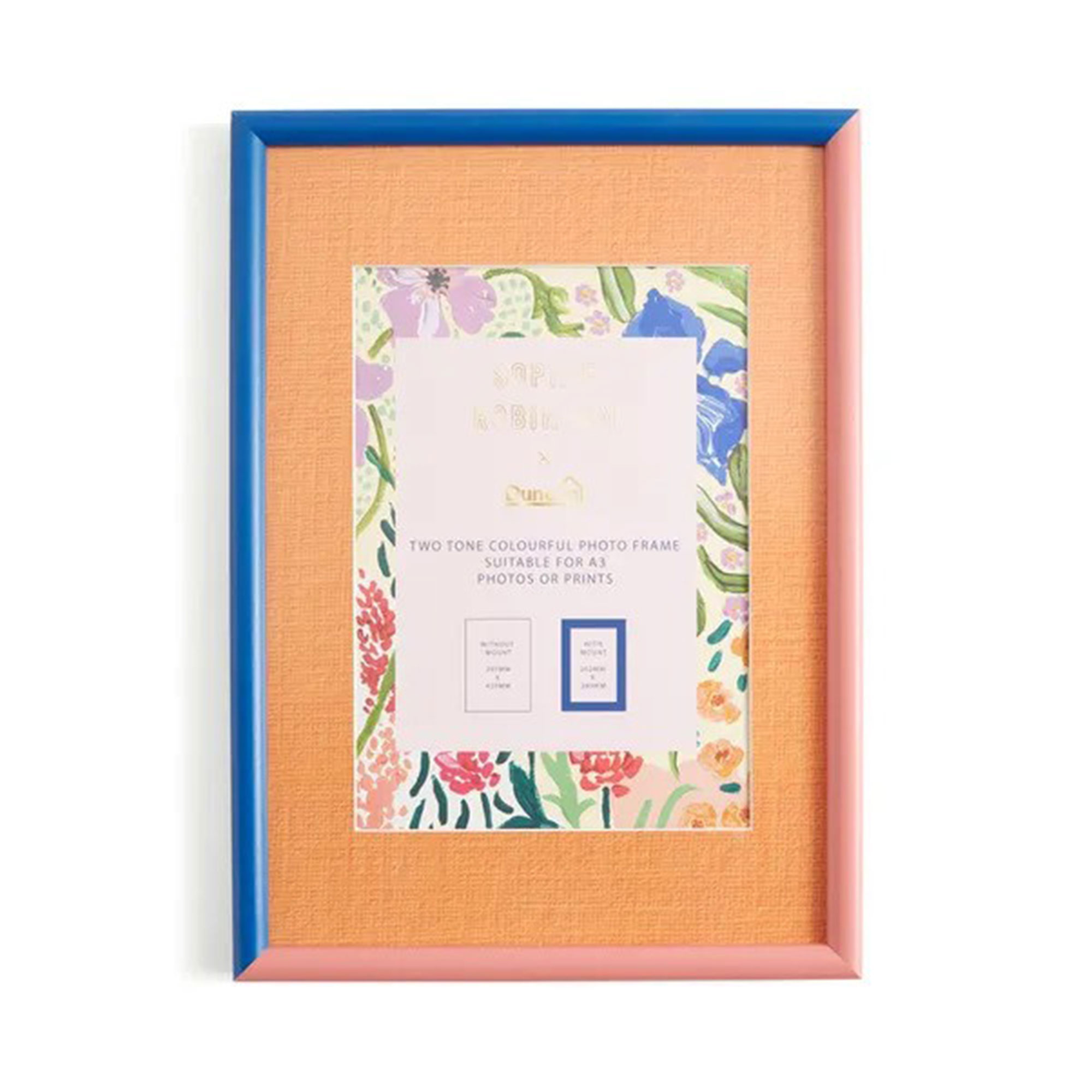
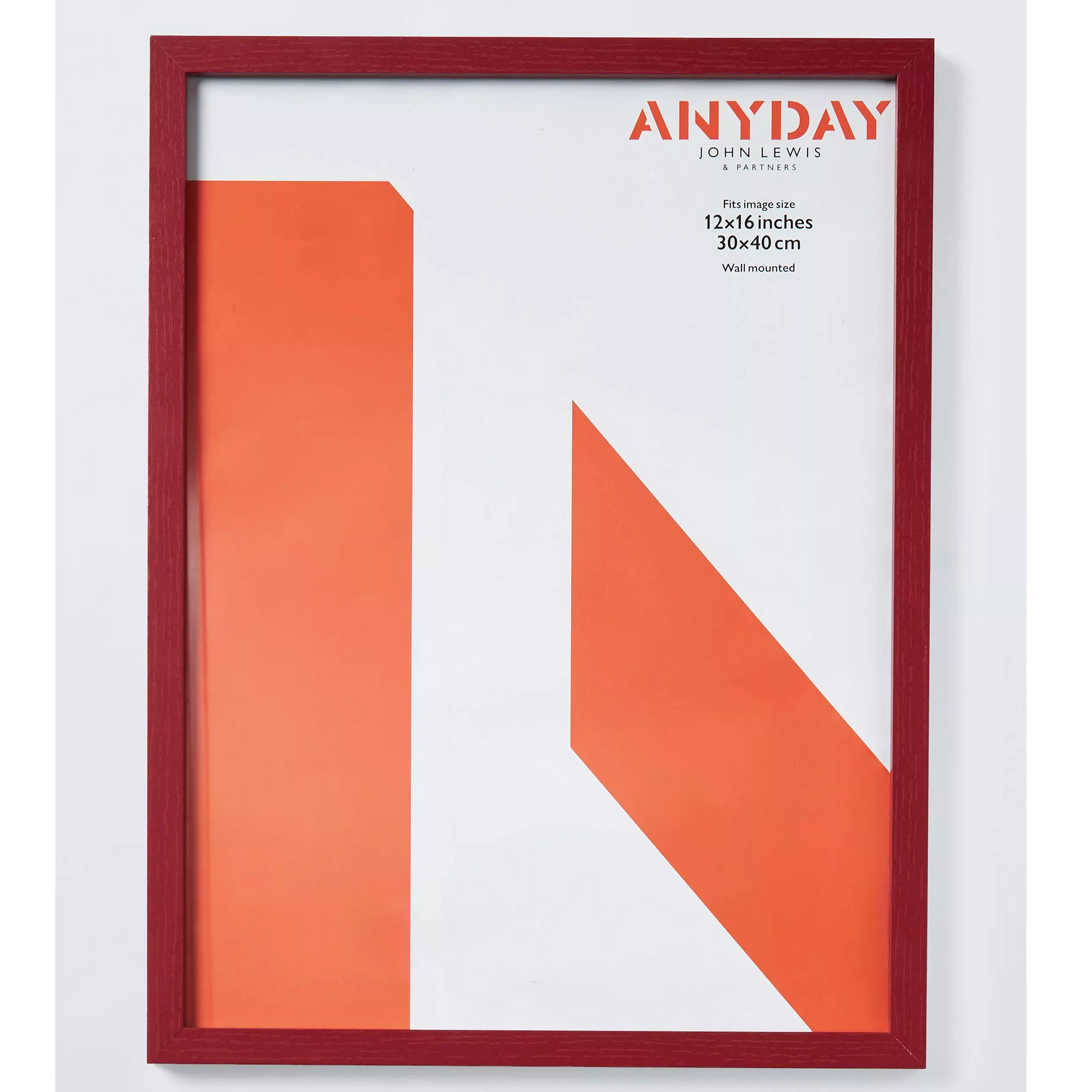
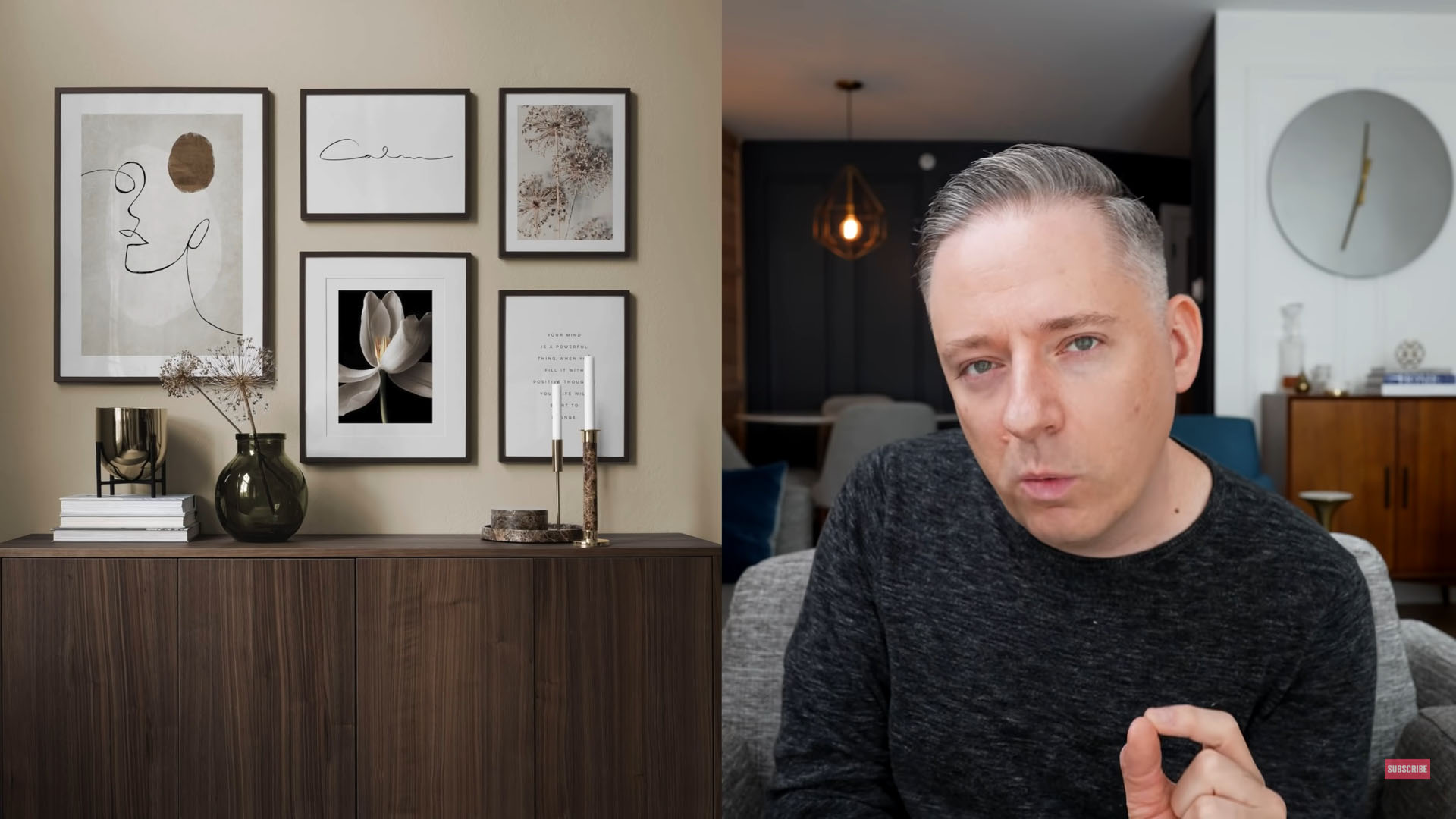
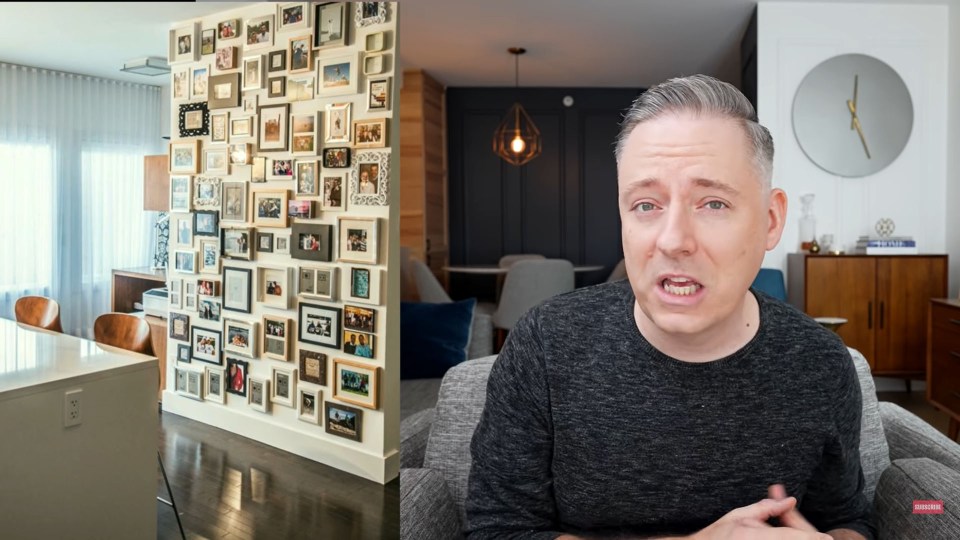
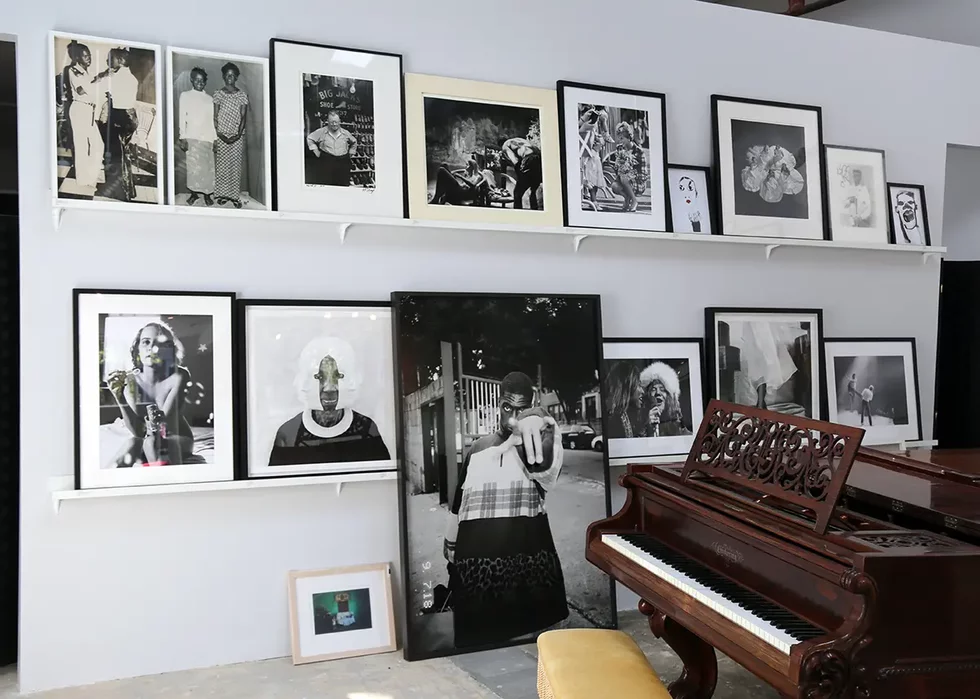
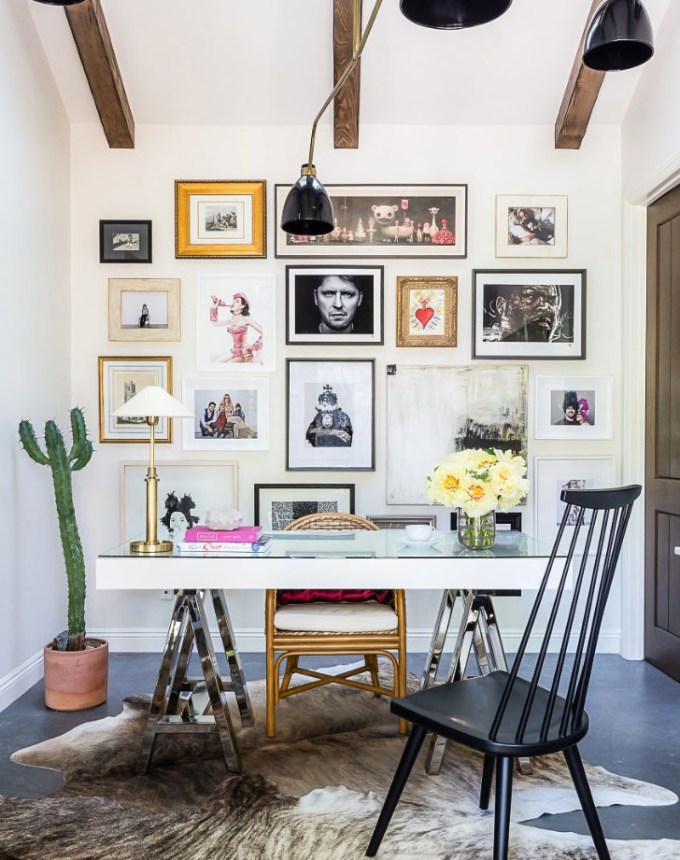
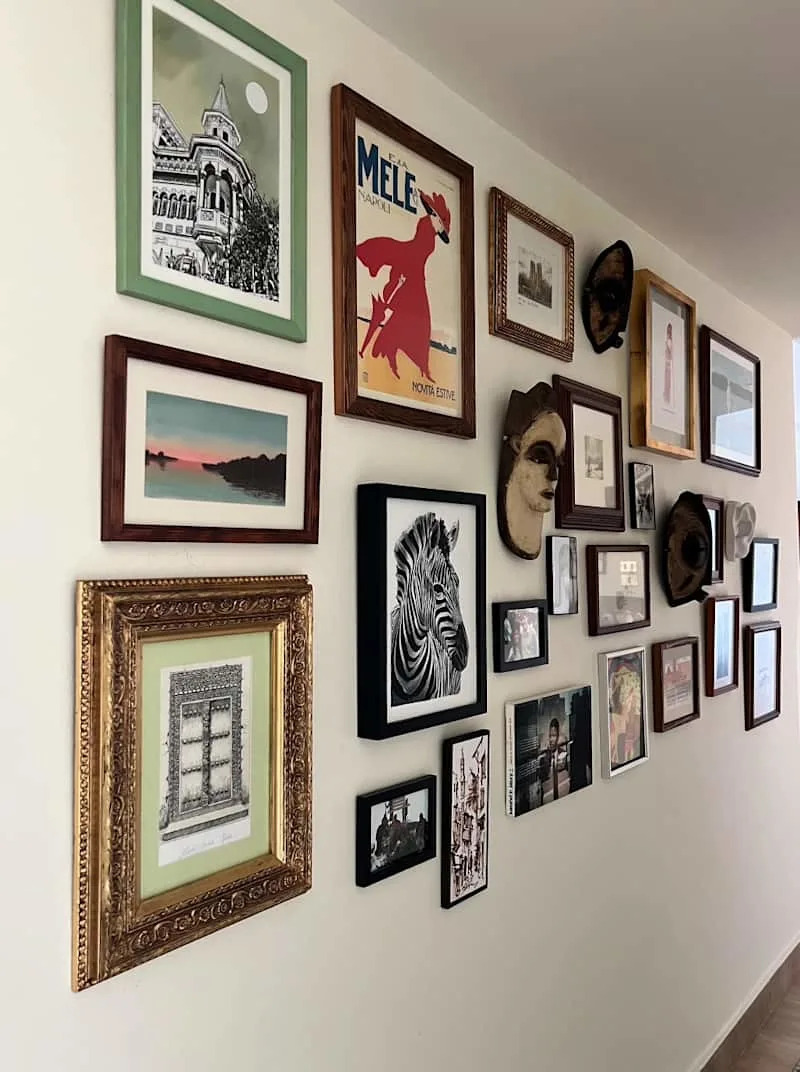
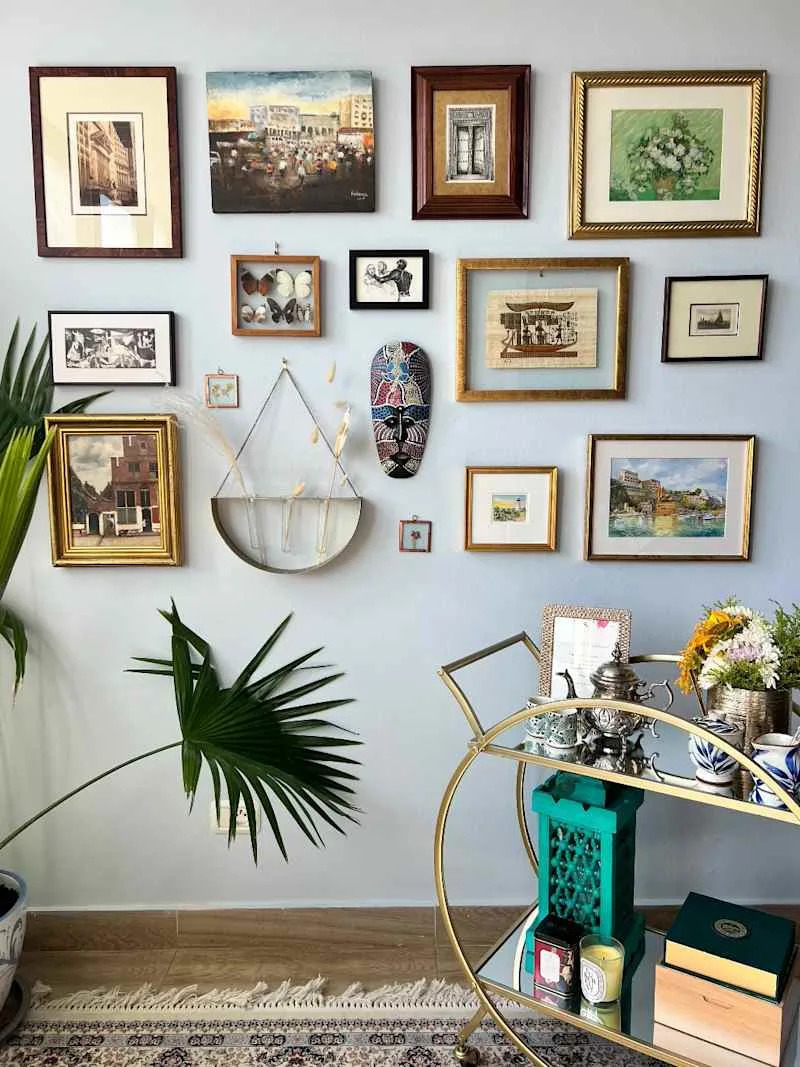
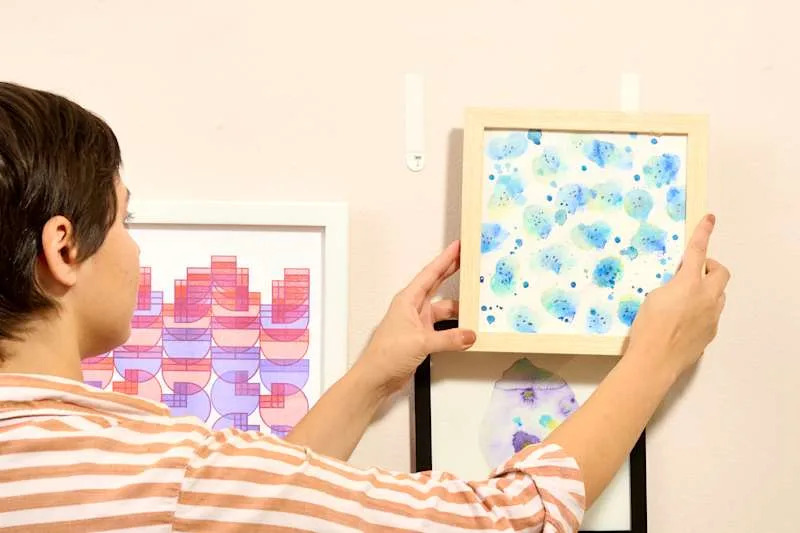
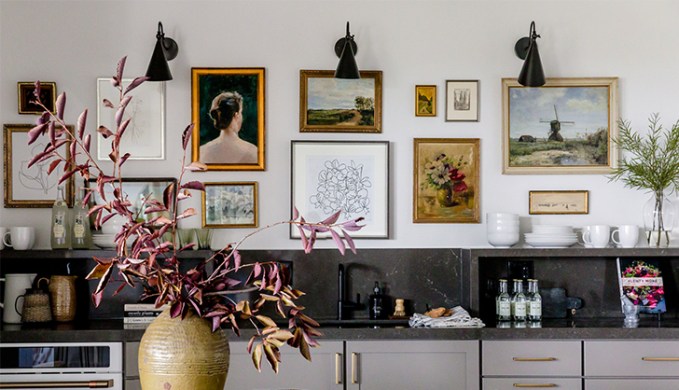
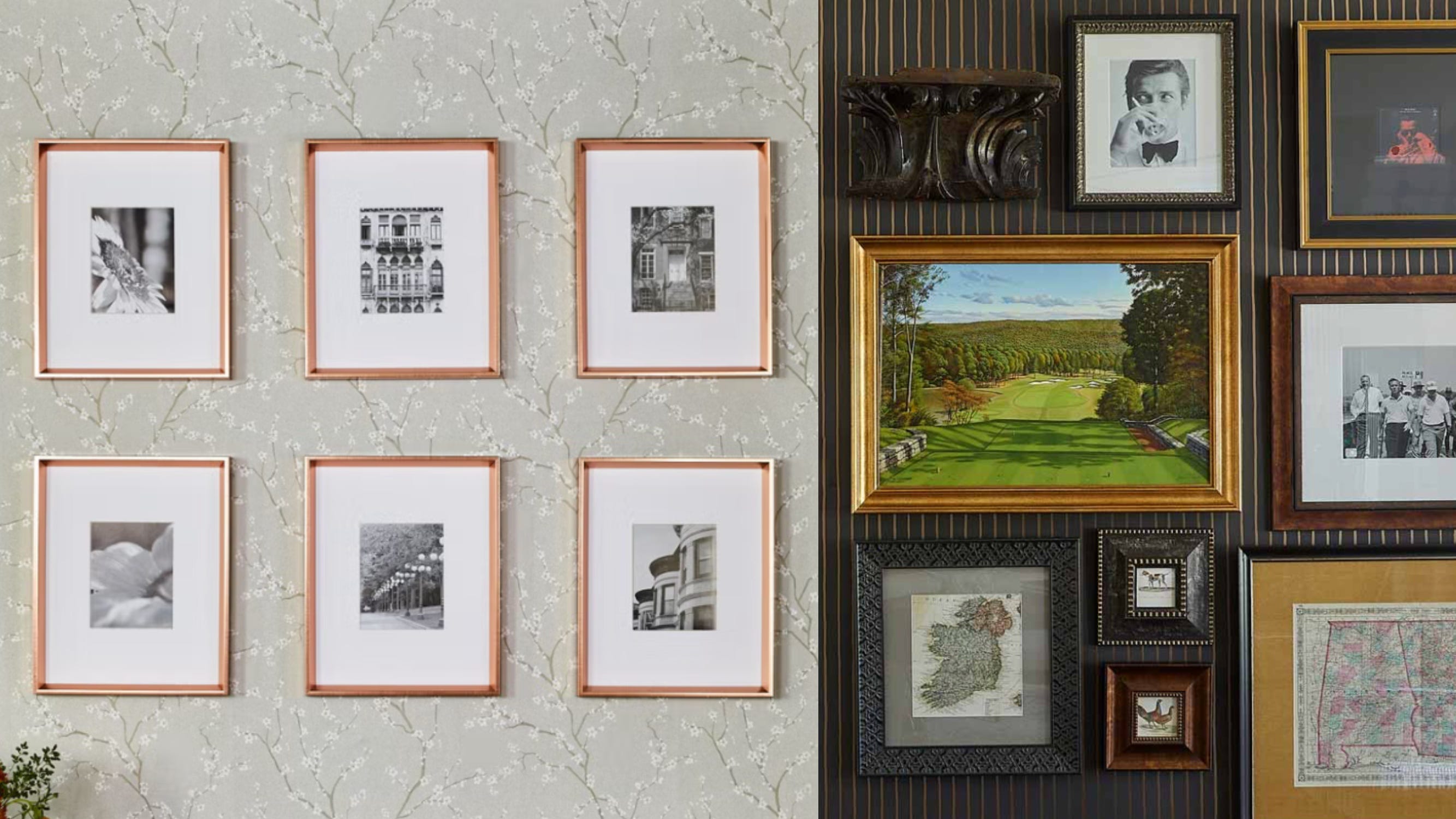
The process of creating a corner hang is similar to developing a regular gallery wall, emphasizing a gradual accumulation of pieces rather than a single purchase. Holasz advises starting with one or two 'hero pieces' that hold sentimental value, then progressively adding more artwork over time. She encourages mixing different mediums, sizes, and frame styles to create a dynamic and interesting display, moving beyond the idea that gallery wall frames must match. This eclectic approach contributes to a more personal and curated aesthetic.
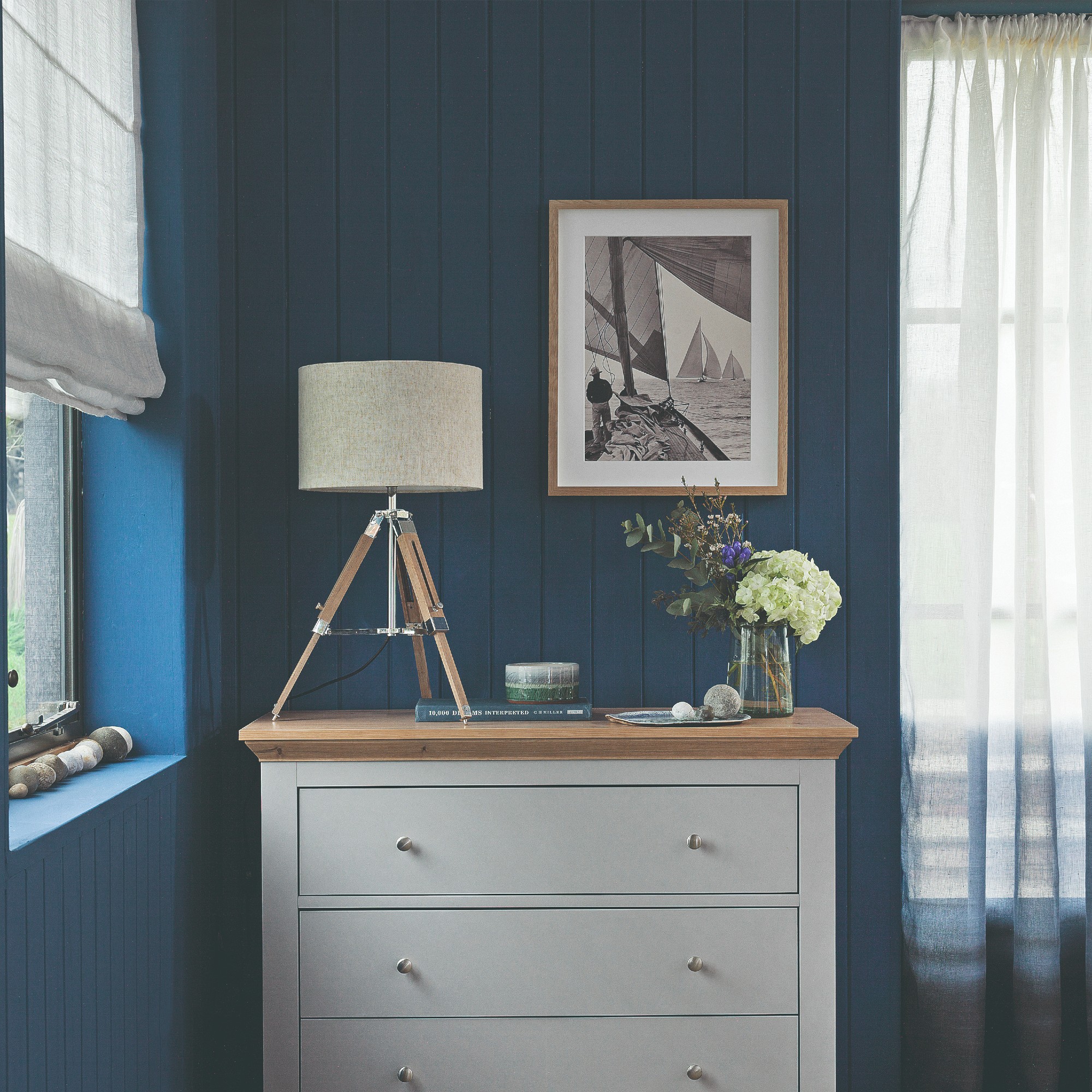
Establishing a thematic coherence, such as through color, is suggested to unify the diverse elements of a corner hang. For example, grouping paintings by their color palette can create a cohesive visual flow. Alternatively, aligning the artwork with the home's existing interior design style, such as using ocean-themed images and blue and white hues for a coastal interior, can further enhance cohesion and reinforce the overall aesthetic of the space.
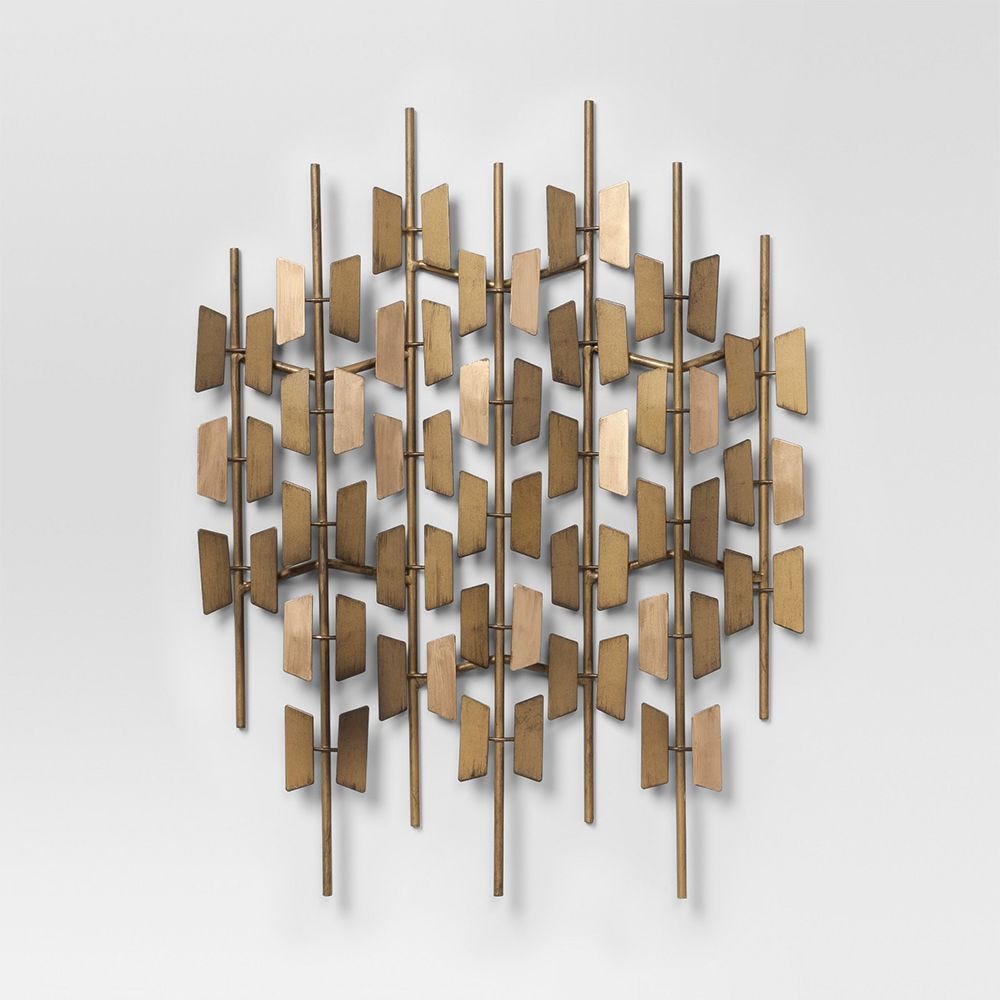
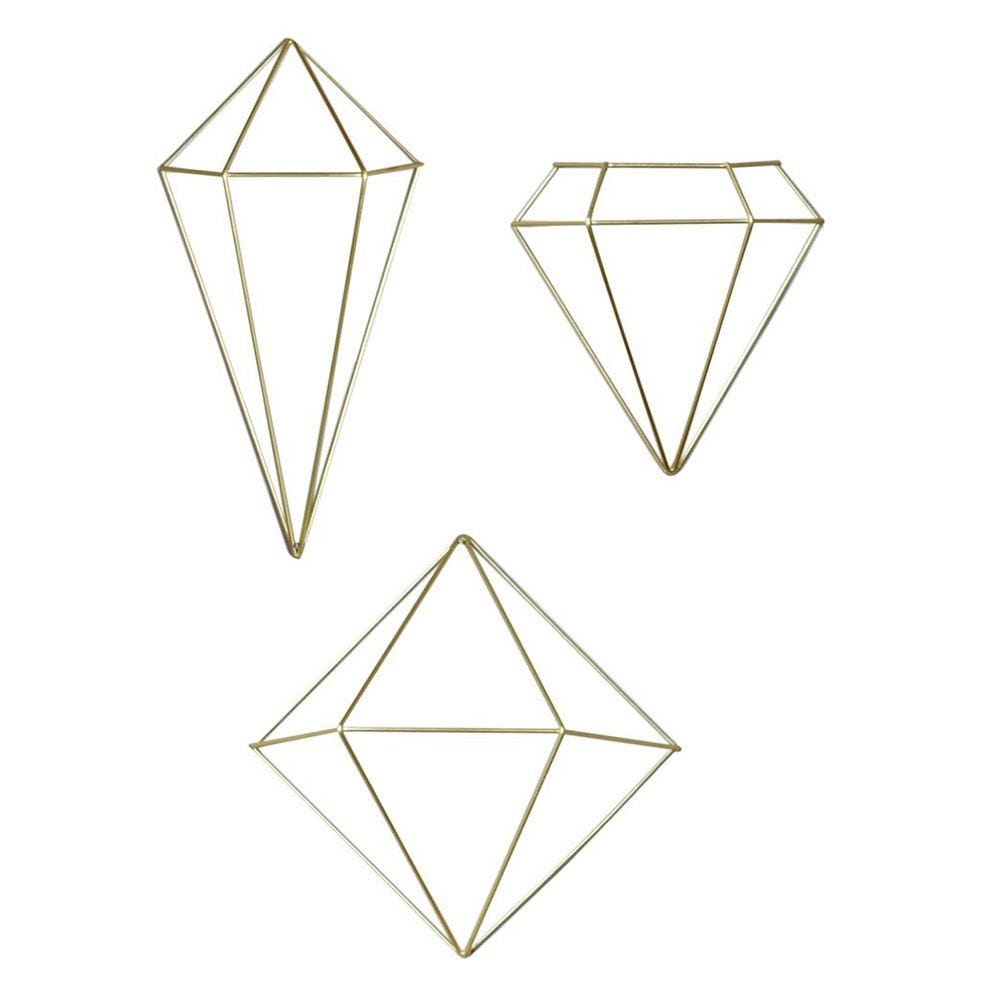
To make the corner hang truly unique, the article recommends incorporating unconventional objects that are meaningful to the homeowner. These 'random' items, which might include mementos, personal artifacts, or even decorative plates, break the monotony of traditional prints and add a distinct personality to the display. This approach moves beyond typical wall hangings, embracing items not commonly expected to adorn a wall, thereby making the corner hang more personal and visually intriguing.
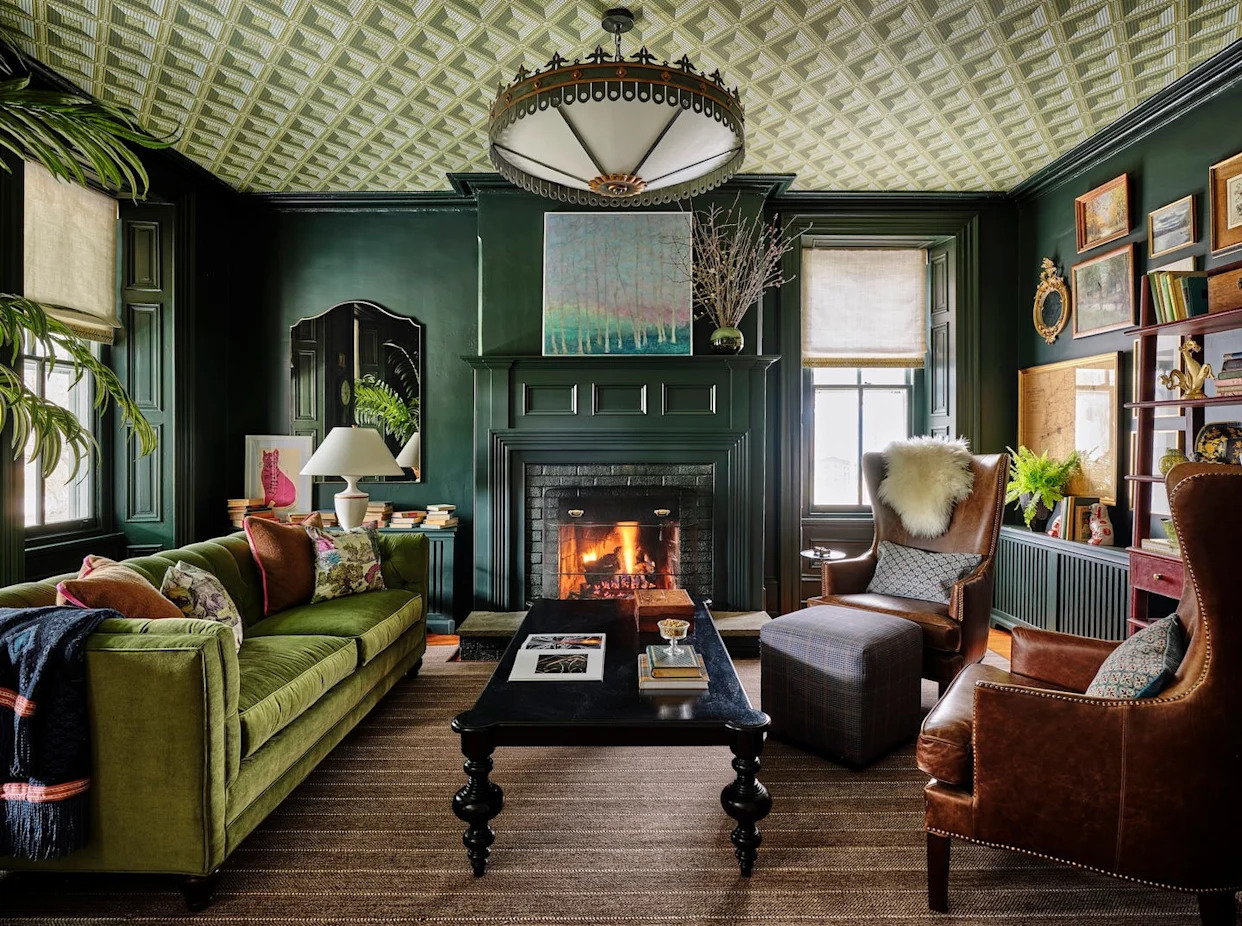
A key consideration for the corner hang is maintaining visual balance, especially given its unconventional placement. Holasz addresses this concern by suggesting the use of an 'anchor' piece of furniture in the corner, such as a table, chair, or sofa. This anchor grounds the space, preventing the art display from appearing off-balance and providing a foundation for the artwork hung above. Regardless of the number of pieces, varying their sizes cohesively is crucial for overall balance, mirroring practices for traditional gallery walls.
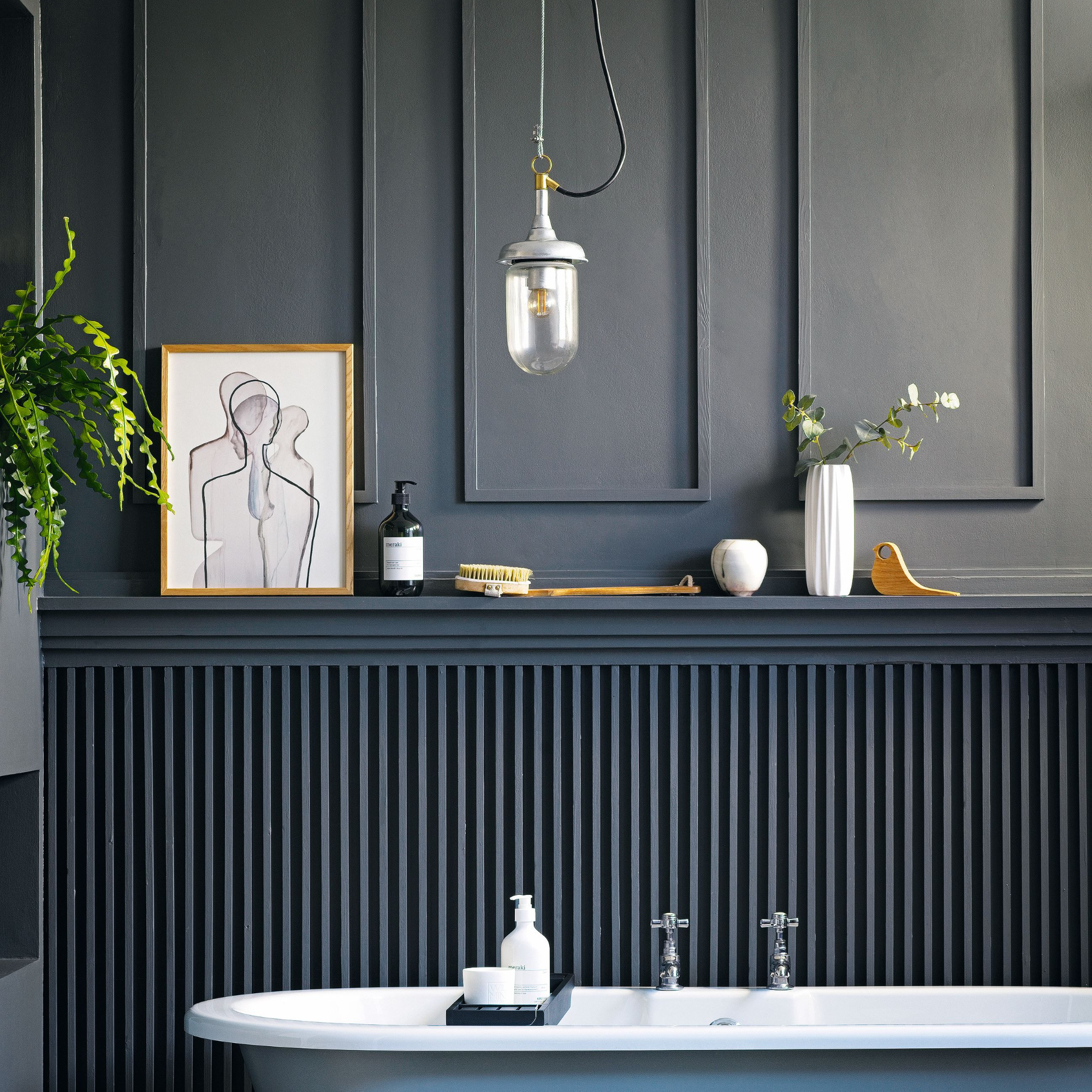
The versatility of the corner hang is highlighted, as it can be implemented in any room with a corner, from large living spaces to smaller, often neglected areas like bathrooms. This method has the potential to transform otherwise mundane corners into exciting focal points. By challenging conventional art display norms, the corner hang offers a unique and personal way to decorate, encouraging individuals to embrace their own style and sentiments in their home decor. The underlying principle is that there are no strict rules for hanging art; the space is personal, and decoration should reflect individual personality and preferences.
#InteriorDesign #GalleryWalls #CornerDecor #ArtDisplay #HomeDecorIdeas #WallArt #PersonalizedDecor #CreativeDesign #DecoratingTips #InteriorDesign #GalleryWalls #CornerDecor #ArtDisplay #HomeDecorIdeas #WallArt #PersonalizedDecor #CreativeDesign #DecoratingTips
0 comment in total
 No comments yet
You may also like
This Surprising NEW Trend Is Replacing Accent Walls

Wall paneling ideas – 18 ways to add decorative cladding and moulding
28 wall panelling ideas to add depth and character to any room in your home
Ask Veronica: Is there an art to hanging pictures against curtained walls?

Designers Are Ditching "Flat Painted Walls" for THIS Unexpected Trend
Designers Have Spoken: Grid Walls Are the New Gallery Walls
Bye-Bye, Accent Walls! Designers Say THIS Is Now the Hottest Decorating Feature

5 Gallery Wall Layouts to Try in 2021 (And One That'll Date You Immediately), According to Designers
Bye-Bye, Accent Walls! Designers Say THIS Is Now the Hottest Decorating Feature

The Designer-Approved Alternative To Wall Art That Adds A Dose Of Glamour
Matching or Mismatched Gallery Wall? Big-Time Designers Have a VERY SPECIFIC Preference

These are the interior trends to leave behind in 2023, according to experts
There's a New Type of Gallery Wall Going Viral—And Designers Definitely Approve
Designers Have Spoken: Grid Walls Are the New Gallery Walls

Are gallery walls still in style for 2025? 5 fresh new twists that are shaking up this decorating staple
I’ve Hung 5 Tricky Gallery Walls — Here’s What I Learned the Hard Way

3D Wall Art Literally Adds Dimension to Your Space
Is your home feeling lifeless? 5 layering hacks to make the interiors warm and inviting | Hindustan Times


I'm an interior designer - how to create a gallery wall without it looking tacky - people always make the same mistakes

Say Goodbye to Shiplap—Here Are 4 Wall Treatments Designers Are Choosing Instead