1/2
Ask Veronica: Is there an art to hanging pictures against curtained walls?
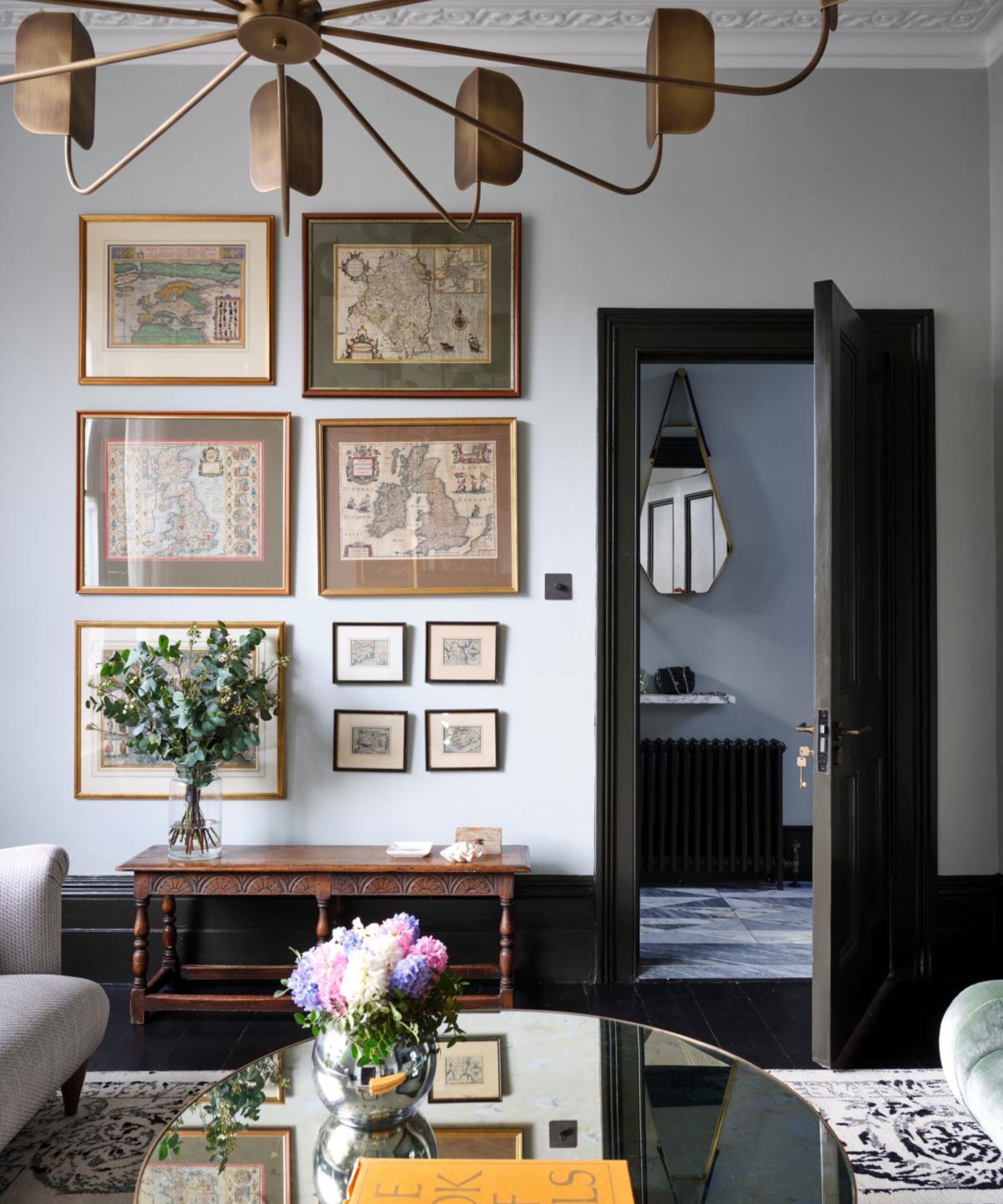
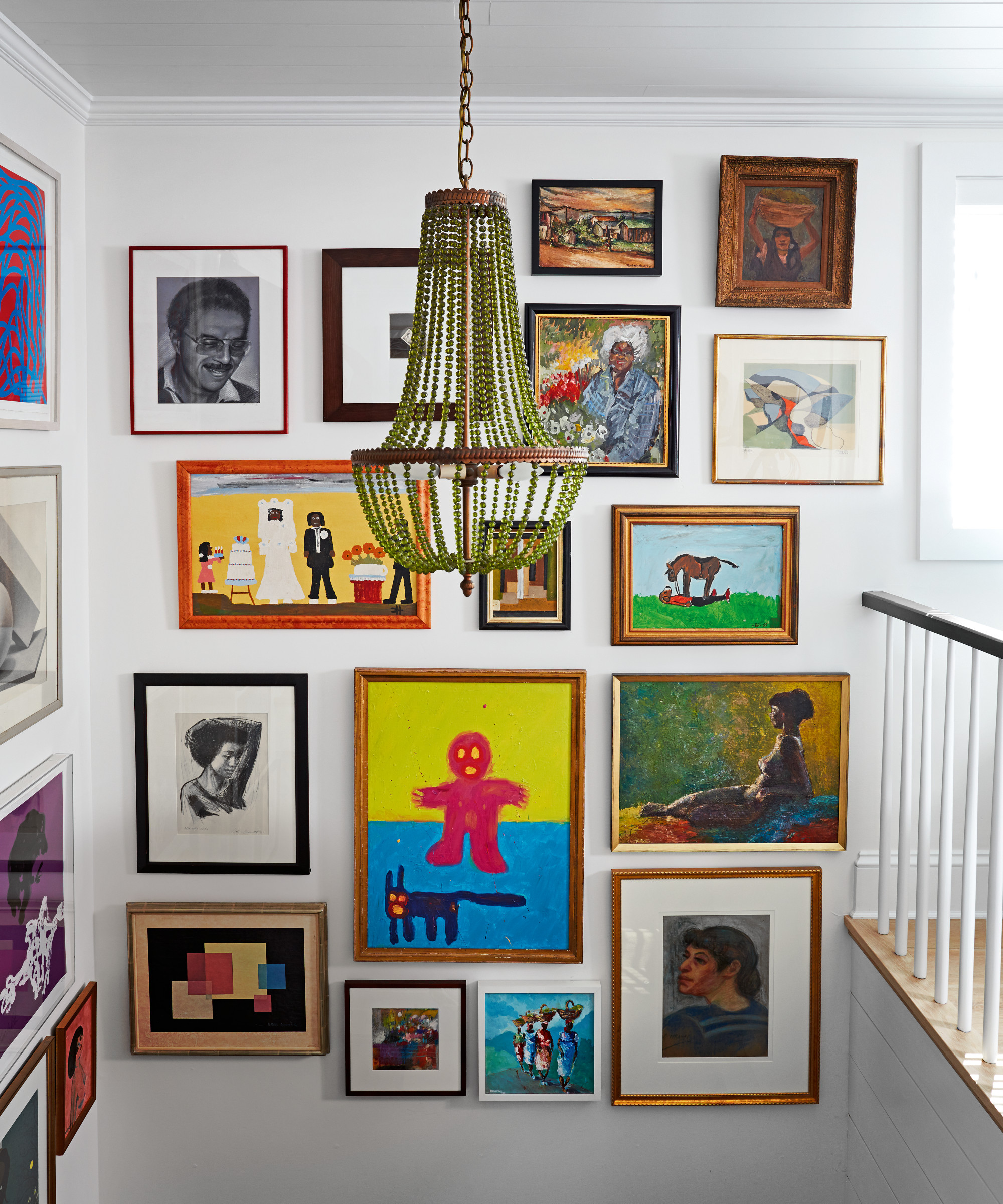
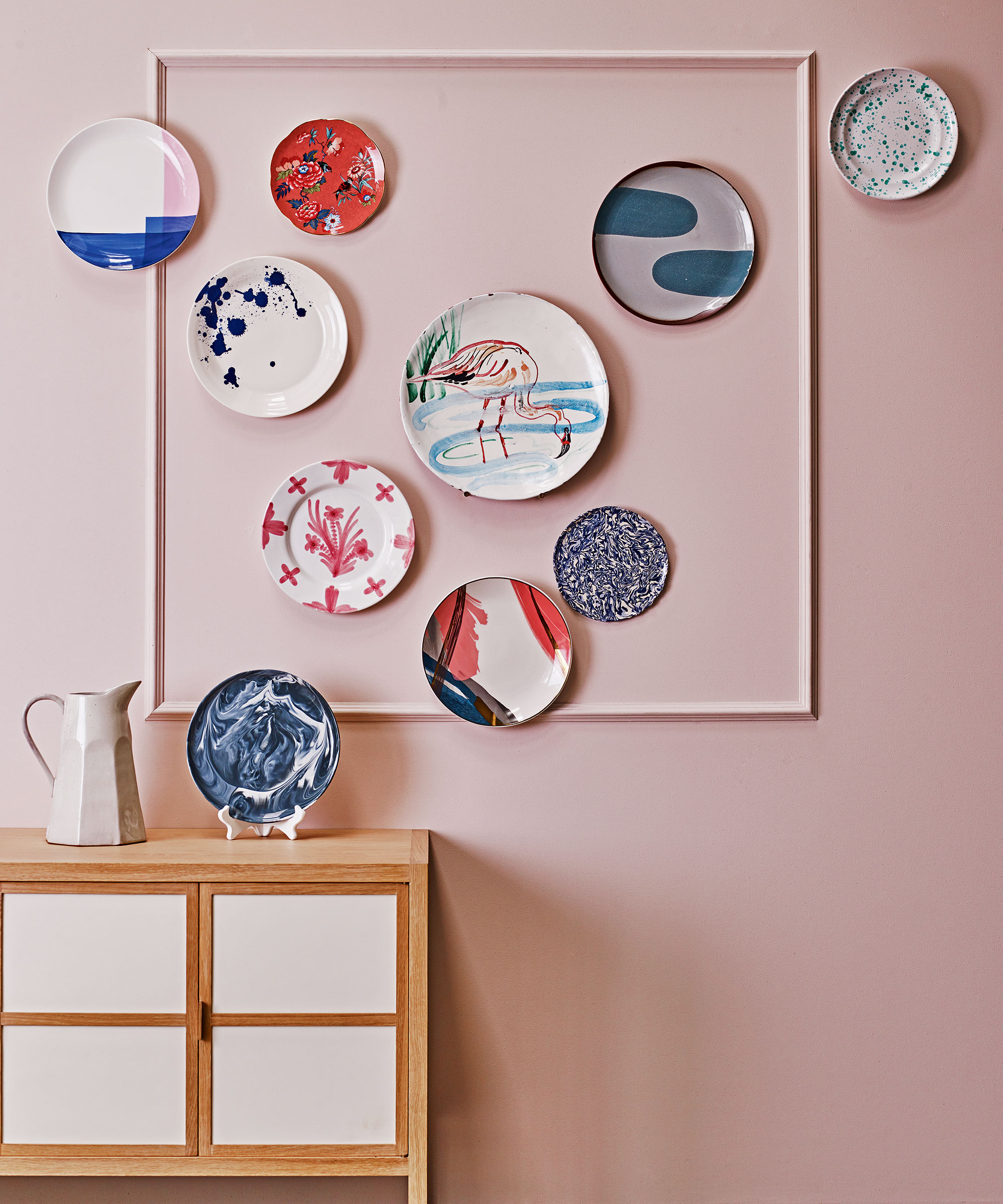
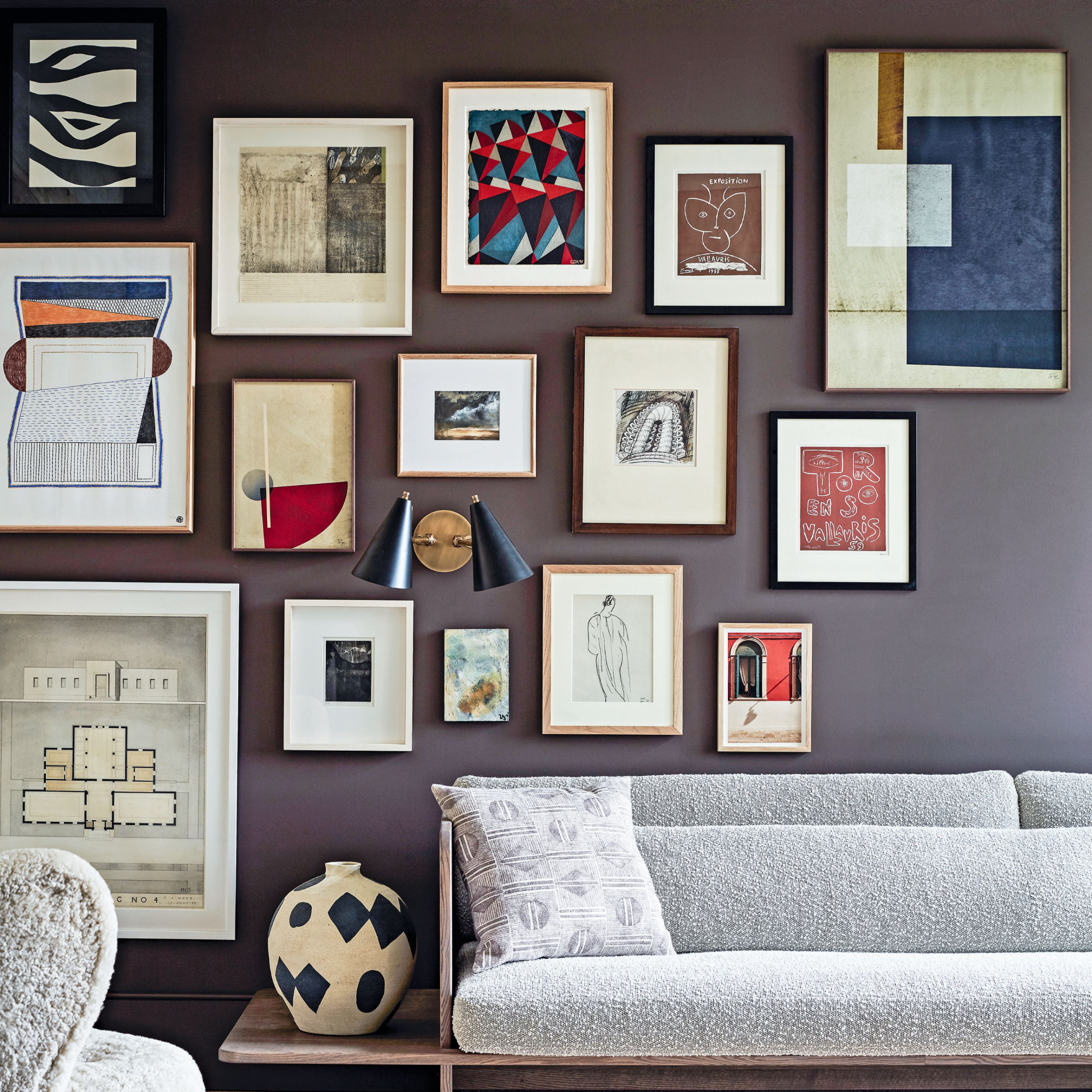
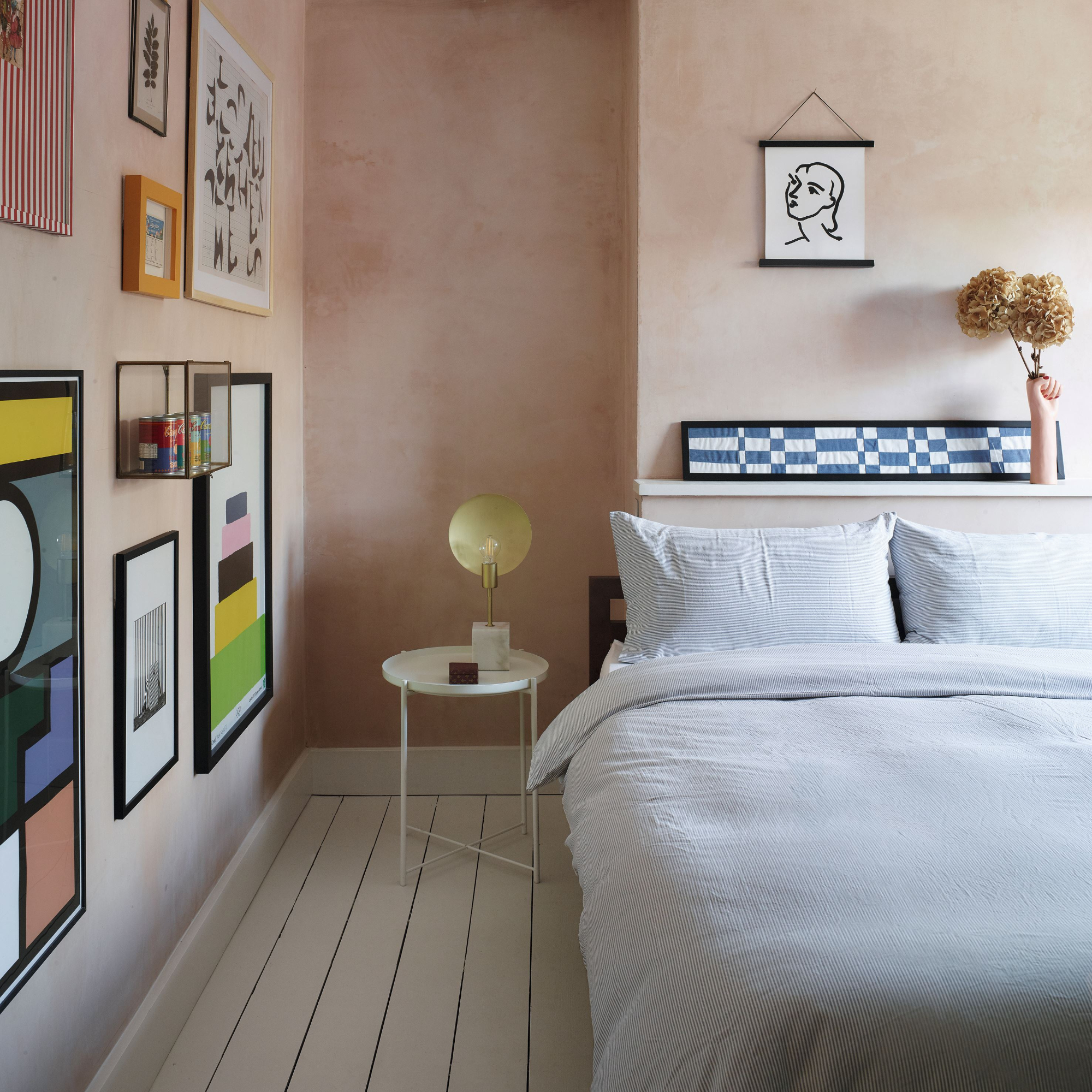
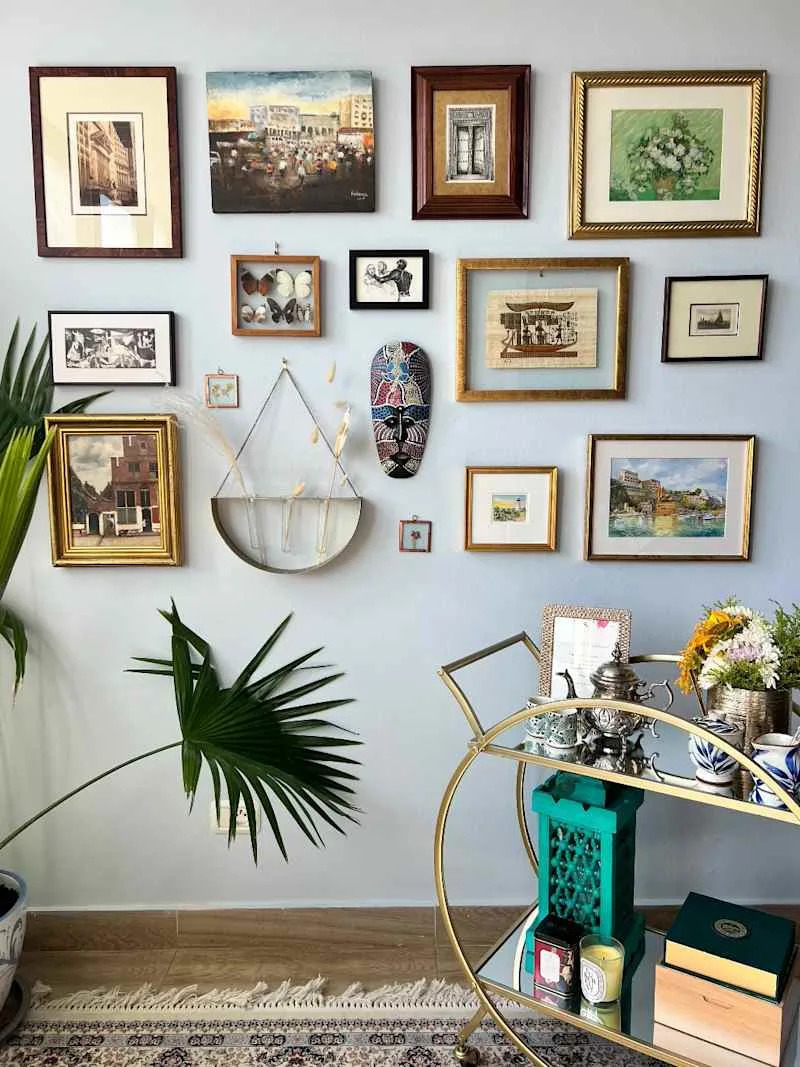
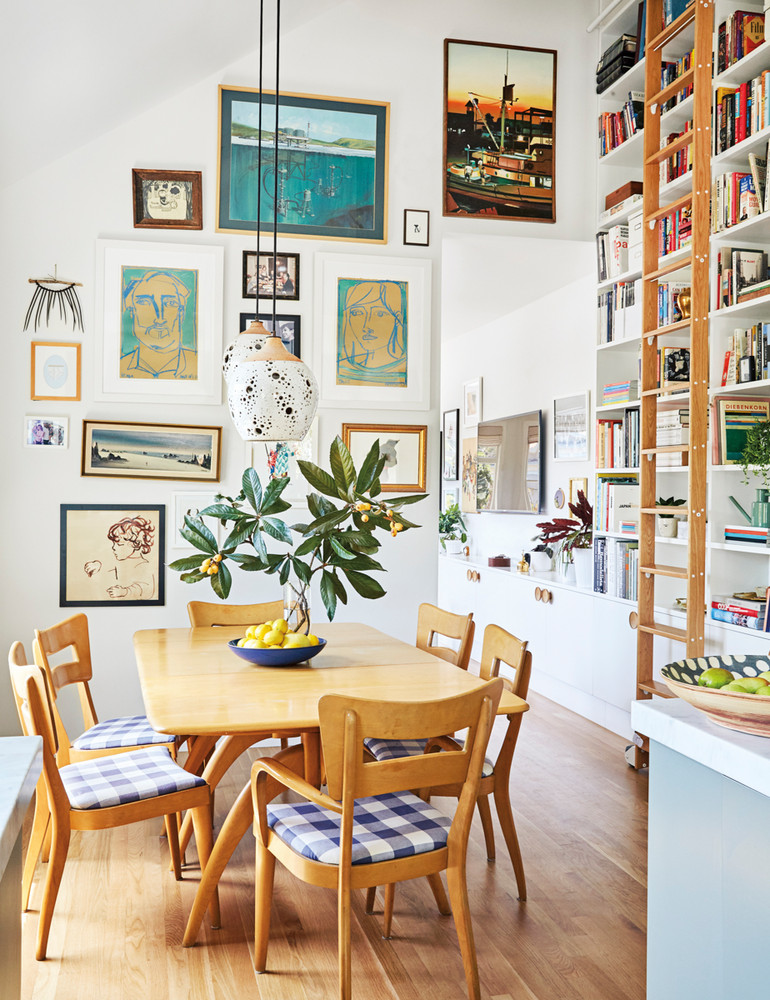
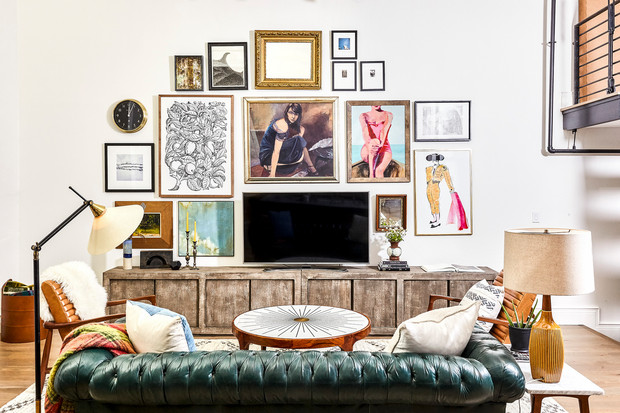
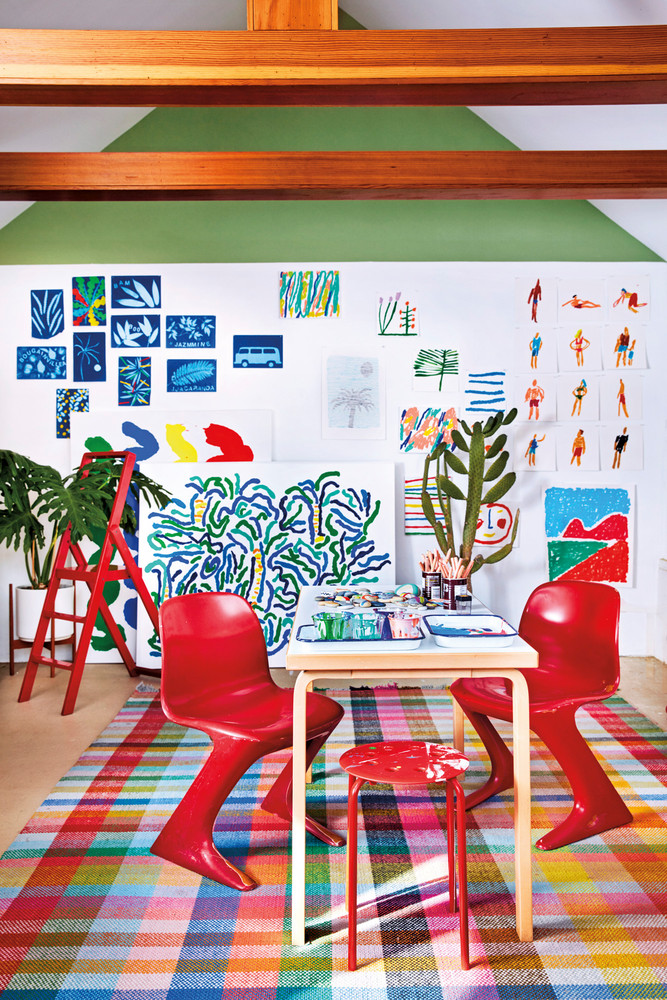
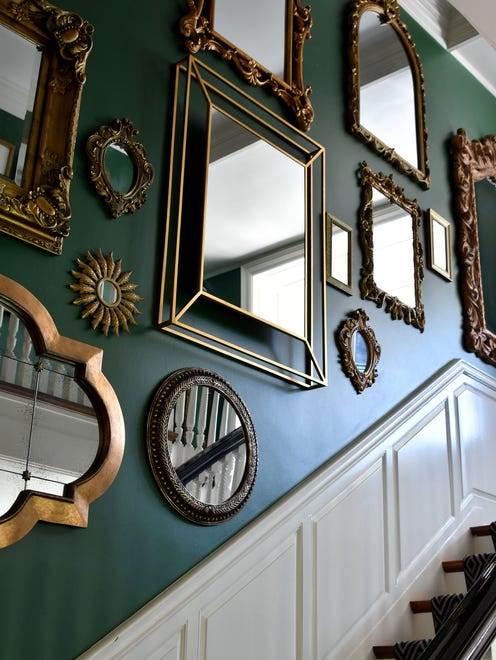
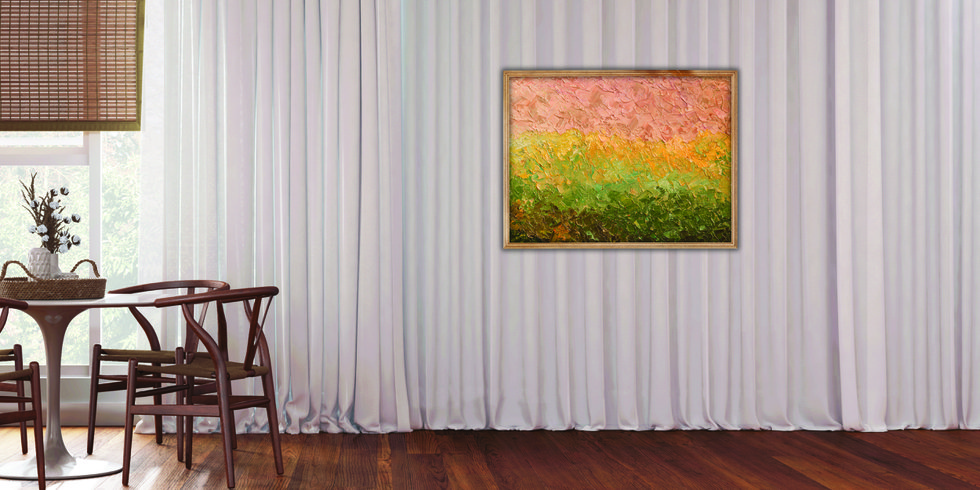
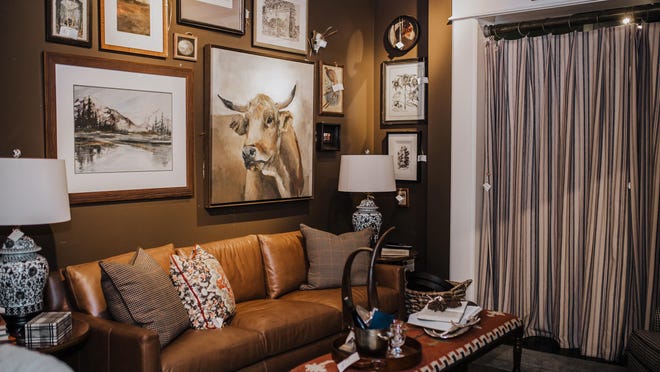
The practice of displaying art against curtained or upholstered walls is gaining traction in home design, blending modern aesthetics with the luxurious, layered look reminiscent of the Victorian Era. This trend is a departure from traditional white walls, offering homeowners new ways to personalize their spaces and engage with their art. Susan Barrett, president of Barrett Barrera Projects, advocates for this approach, viewing it as an exciting method for individuals to incorporate art into their daily lives. She notes that this style echoes historical preferences, such as art displayed against silk-covered walls, tapestries, or murals, creating a fresh aesthetic through the interaction of varied patterns and textures. Barrett, a proponent of maximalism, appreciates the dynamic interplay between these elements, suggesting that hanging art over murals or tapestries allows different design components to converse with each other rather than having one dominate the visual space. To enhance this layered effect, she often uses picture shelves in her exhibition spaces, providing both dimension and flexibility for rearranging artwork.
For those inspired to adopt this design technique, creating cohesion and visual interest is key. Barrett suggests using a consistent ribbon, such as thick satin or grosgrain, to hang multiple pieces of art. This not only unifies the display but also introduces an additional layer of texture and decoration. She emphasizes the value of experimentation in wall ornamentation, believing that viewing art from novel perspectives can deepen appreciation. This method encourages homeowners to break away from conventional display norms and explore creative ways to integrate art into their living environments, fostering a more engaging and personal connection with their collections.
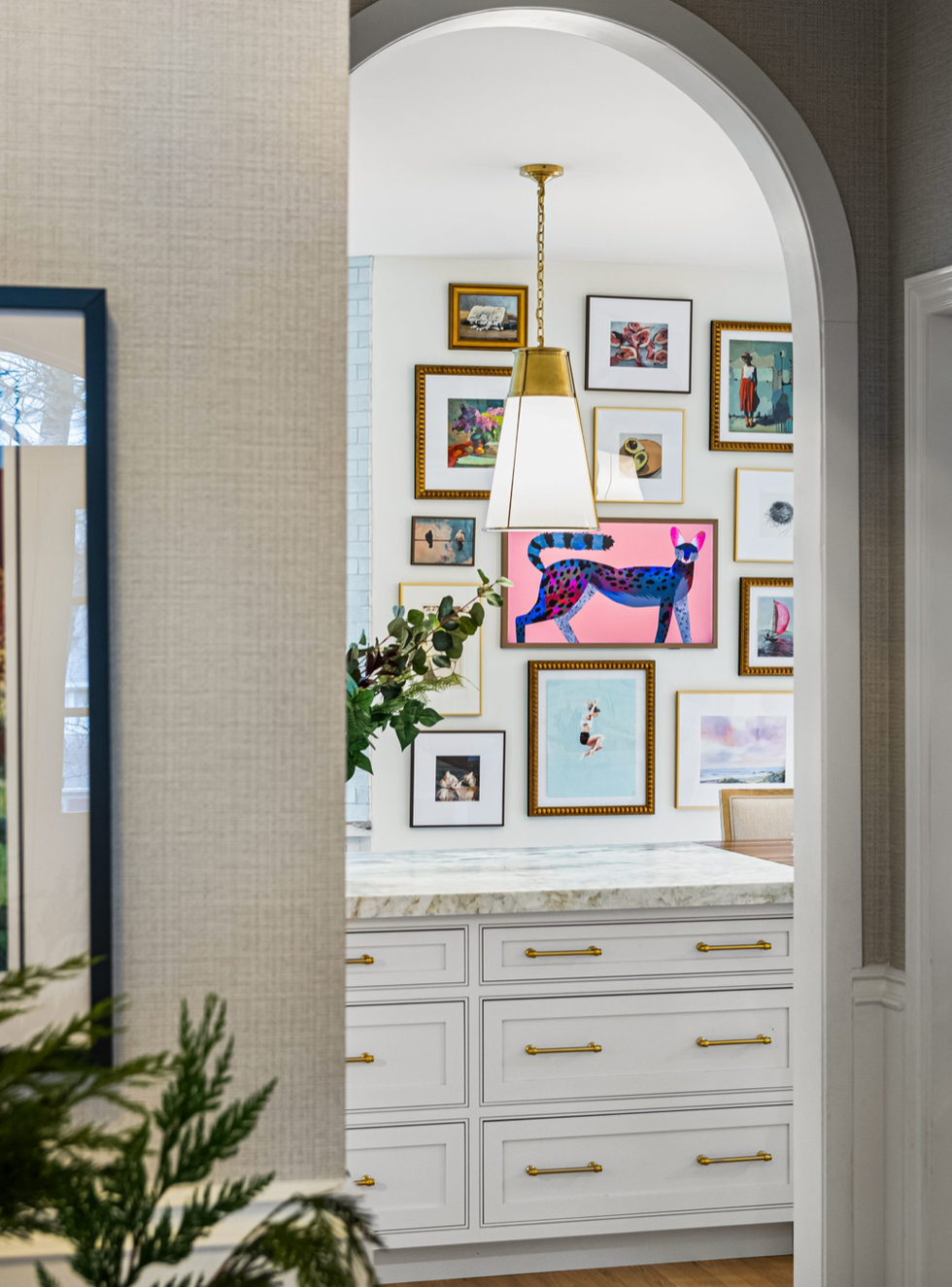
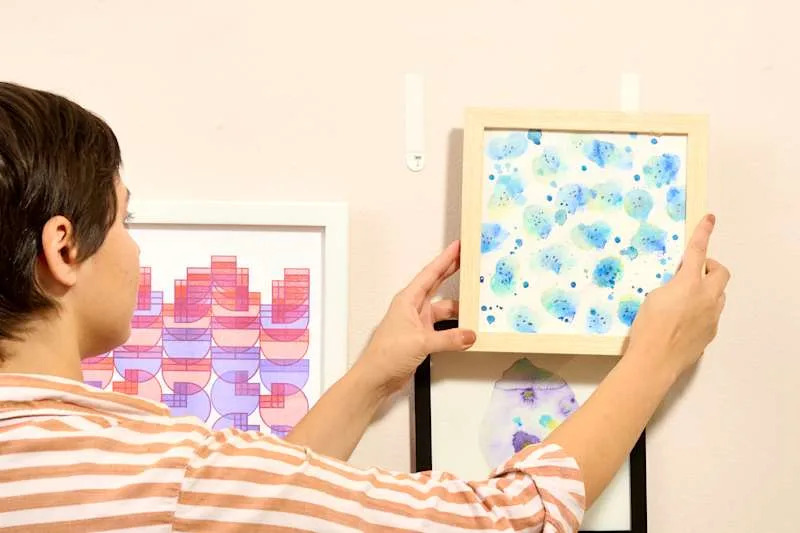
Aaron Dains, from St. Louis Art Installers, confirms the rising popularity of this trend, though he notes it's not yet widespread. He observes that antique-style gold frames and oil landscapes, with their distinct brushstrokes, are particularly effective when juxtaposed against fabric backdrops, as the textural contrast enhances both the art and the wall covering. Dains highlights the importance of meticulous planning and execution, especially when dealing with delicate surfaces like upholstered or suede-covered walls, where minimizing marks and nail holes is critical for a polished finish. His team employs precise techniques, such as using laser levels to pinpoint exact hanging locations, ensuring that only necessary marks are made.
While the installation of art against fabric-covered walls may require professional assistance for many homeowners, both Barrett and Dains encourage a playful and flexible attitude towards home decor. They emphasize that such design choices are reversible, allowing individuals to experiment without the commitment of major renovations. The underlying message is to enjoy the process of decorating, embrace different styles, and view art as a dynamic element within the home that can be rearranged and reinterpreted over time. This experimental approach allows homeowners to discover what truly resonates with their personal style and enhances their living spaces.
#HomeDecor #ArtDisplay #InteriorDesignTrends #VictorianInfluence #Maximalism #TexturalDesign #ArtInstallation #HomeStyling #CreativeLiving #HomeDecor #ArtDisplay #InteriorDesignTrends #VictorianInfluence #Maximalism #TexturalDesign #ArtInstallation #HomeStyling #CreativeLiving
0 comment in total
 No comments yet
You may also like
Yes, You Can Hang Art Like a Pro | Reviews by Wirecutter
Matching or Mismatched Gallery Wall? Big-Time Designers Have a VERY SPECIFIC Preference

Wonder Walls
The Stress-Free Way to Hang Art (Published 2021)

7 DIY tips for how to hang a gallery wall from experts

Should You Always Frame Art? These Are the Golden Rules Gallery Curators and Interior Designers Swear By


The 8 Picture Hangers We Trust to Hold It All Up


9 Things (Other Than Photos) That Look Great In A Gallery Wall

RS Recommends: The Best Hanging Kits Will Make Your Gallery Wall Dreams Come True

Style at Home: Creating the perfect gallery wall

to create a gallery art wall - Ideas & Advice

You're Styling Your Gallery Wall All Wrong—Here's How to Get It Right, According to Experts

This Is The Best Way To Hang Pictures, According To An Expert
I’ve Hung 5 Tricky Gallery Walls — Here’s What I Learned the Hard Way

Big Trends Small Spaces: how to create a tonal gallery wall in 8 steps
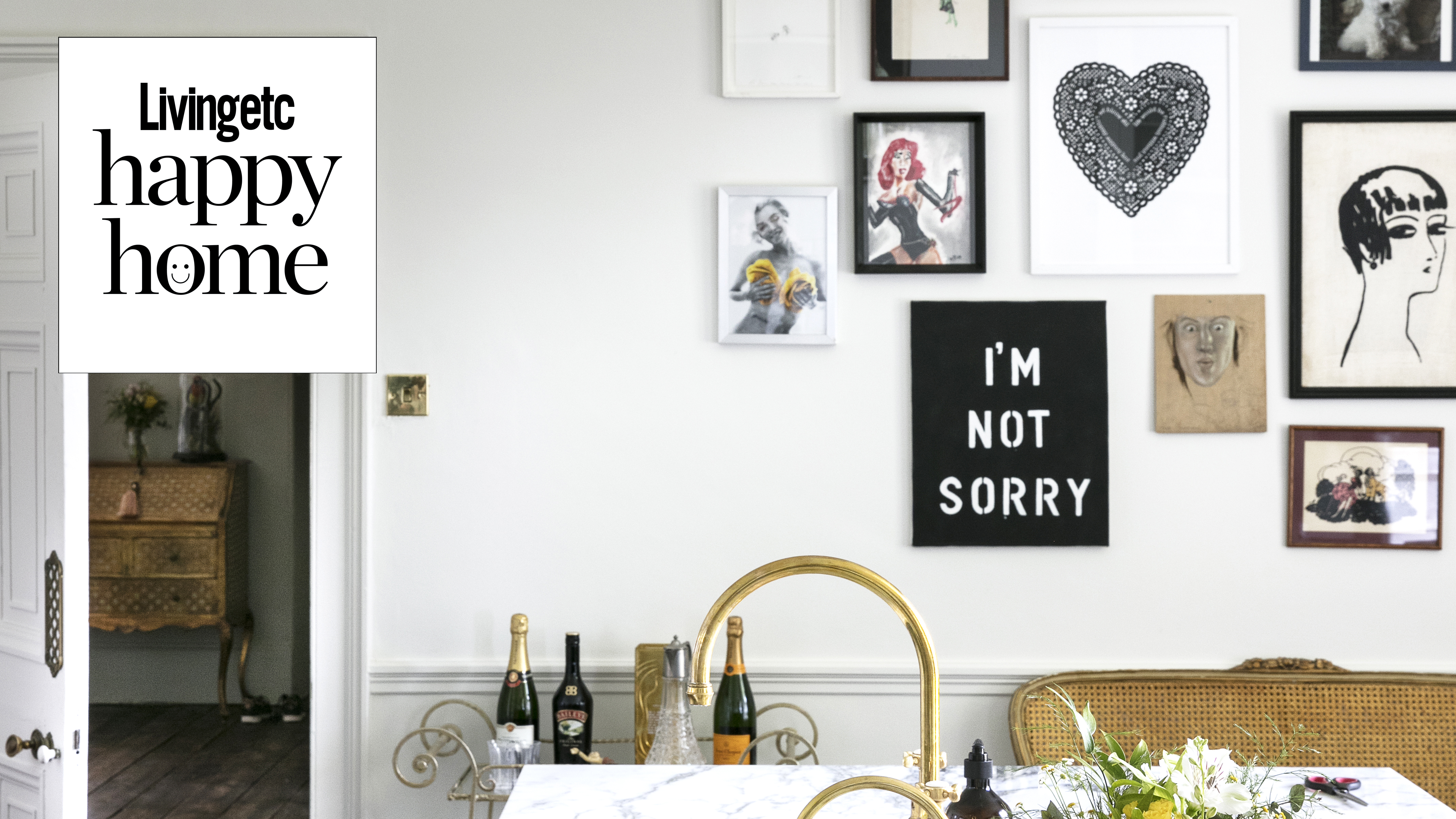
Expert tips for creating a happy gallery wall without sacrificing style
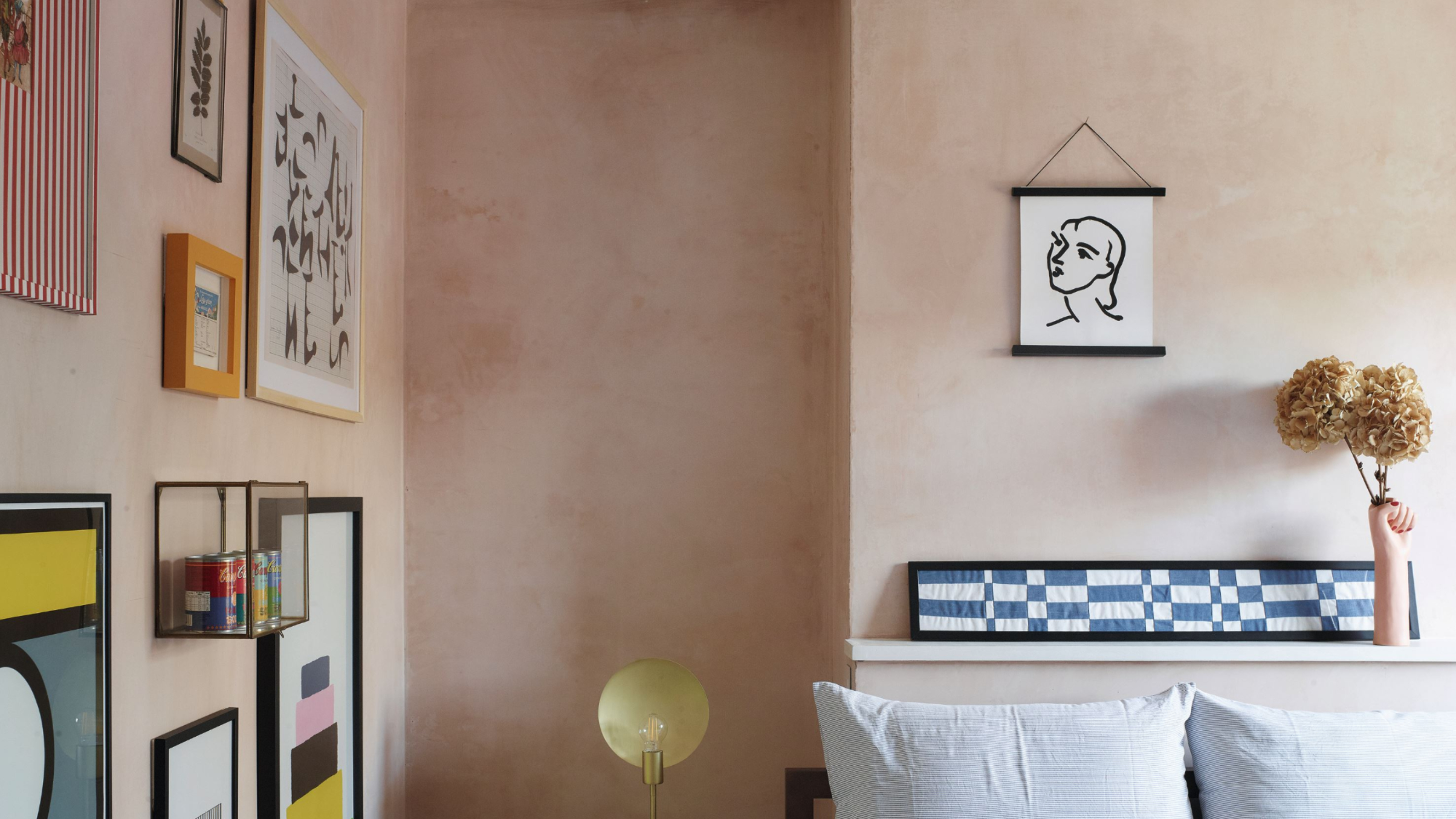
'No forking way!' – this genius hack might have just solved our biggest problem with hanging art on a wall
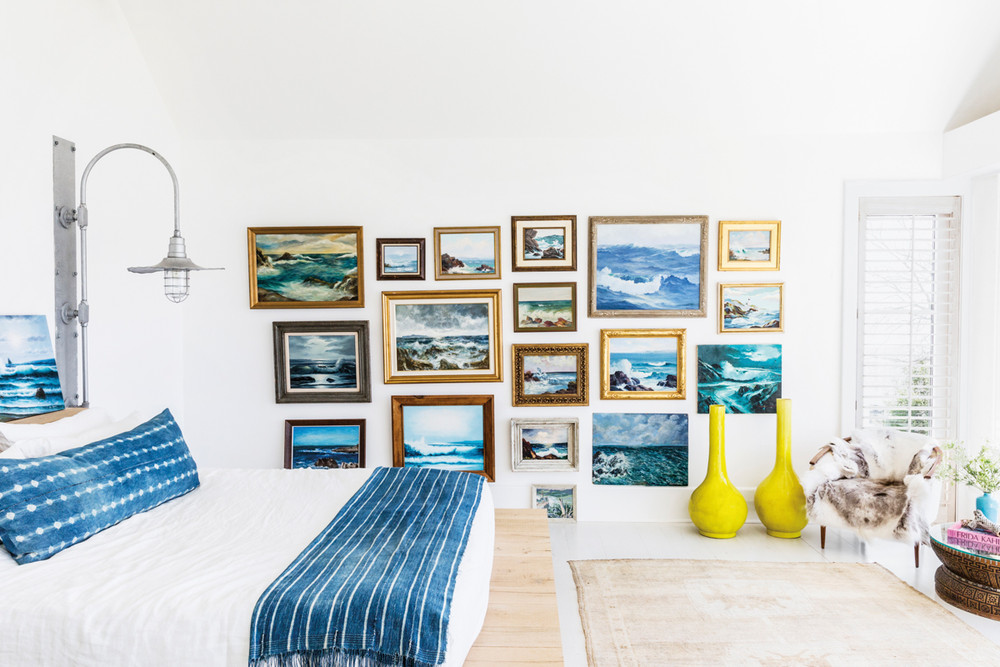
The Best Gallery Wall Ideas Right Now

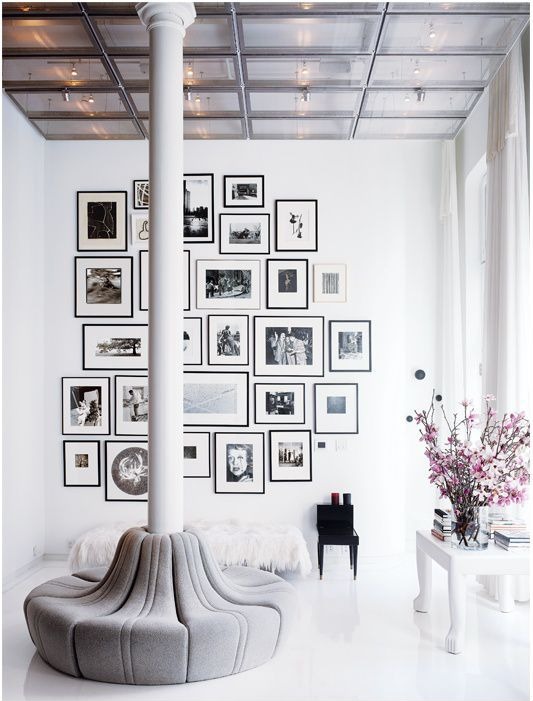
How to create a gallery wall in your home
How to Arrange Art for a Flawless Wall Display