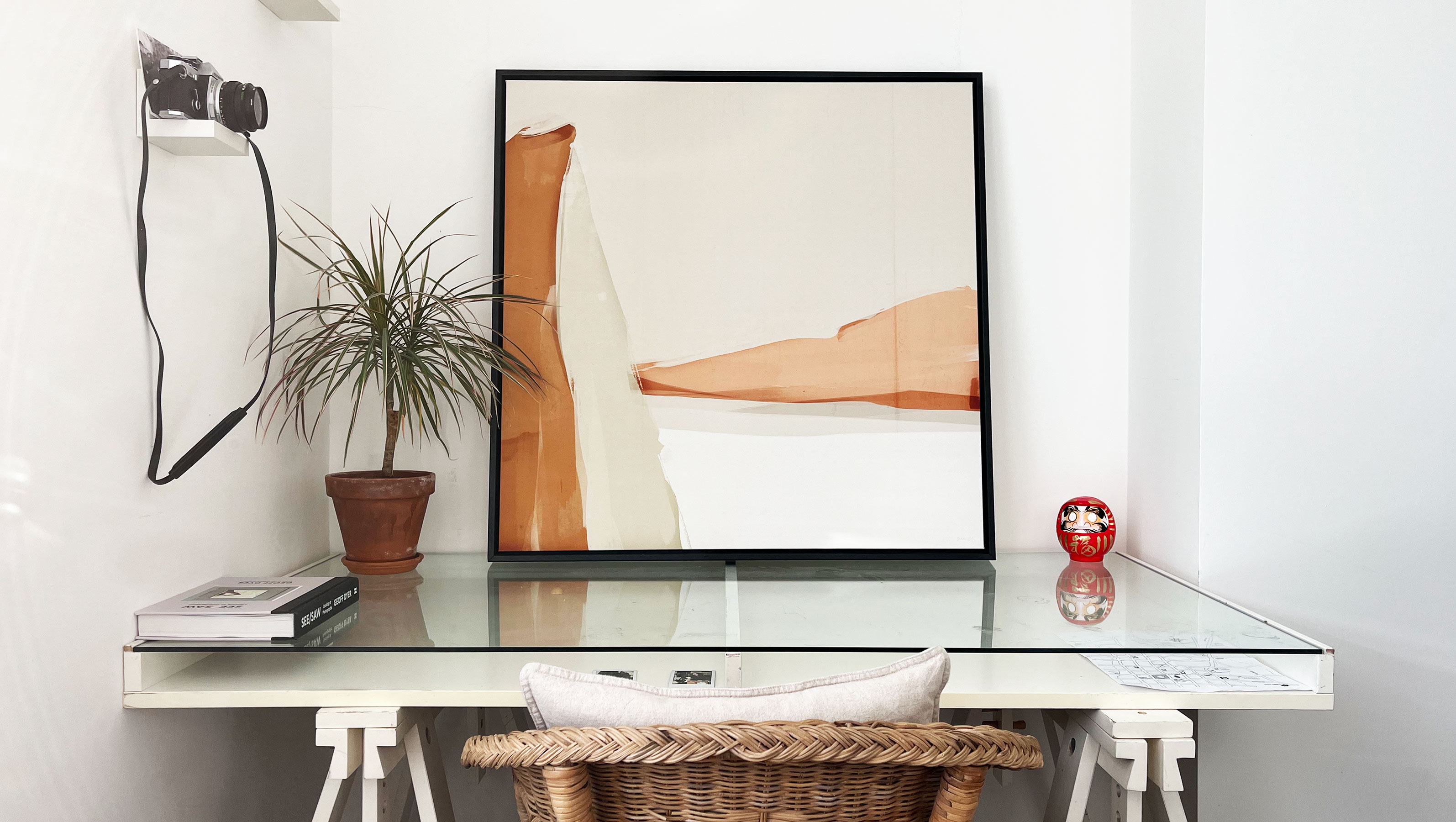
1/8
I felt claustrophobic in my small bedroom because of these art mistakes, so I took it all down
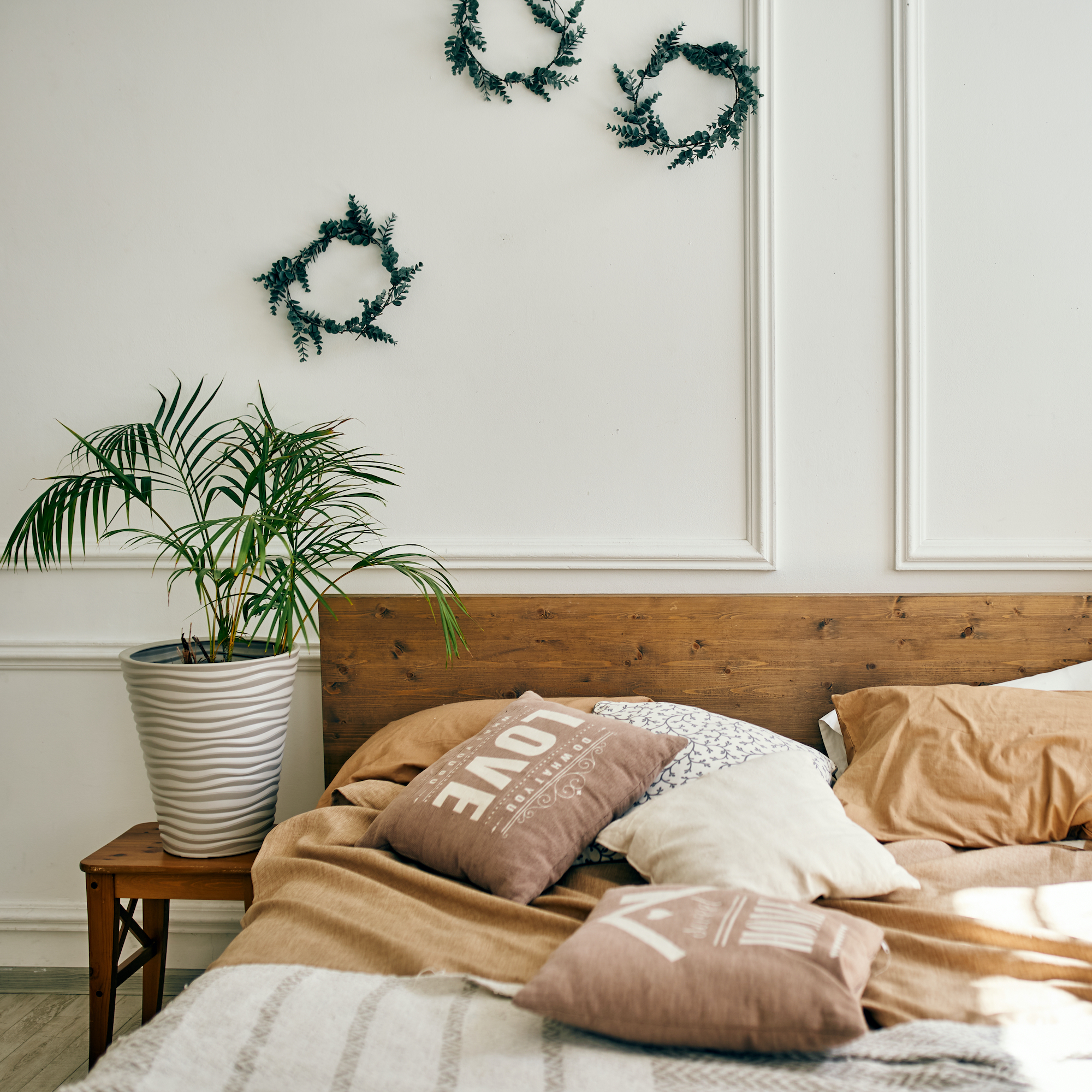
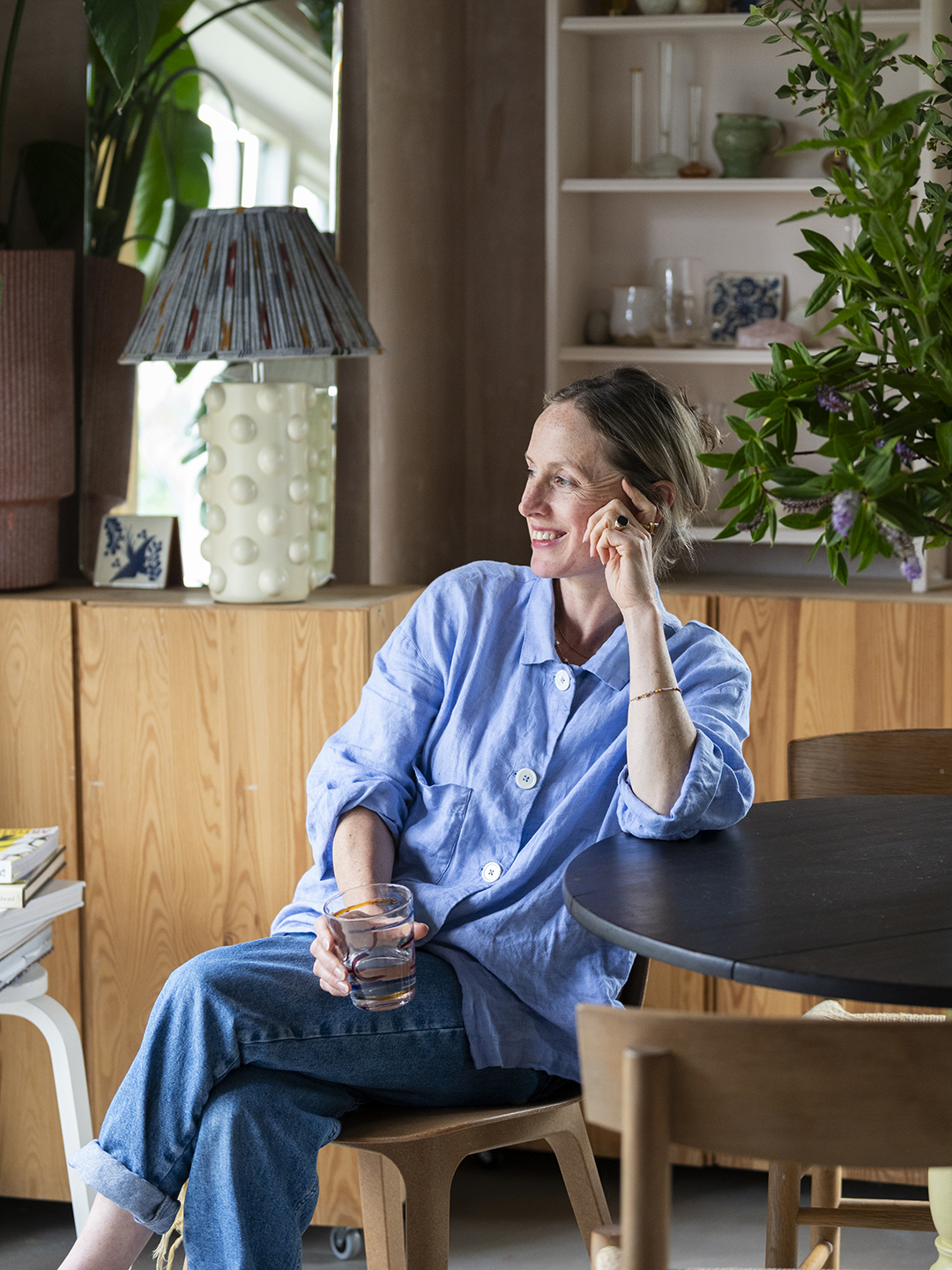
This article explores the personal journey of the author, Camille Dubuis-Welch, in reassessing the wall art in her small bedroom and the transformative impact of making changes. Initially, wall art served as a positive means of adding personality to her rented spaces. However, after living in her current small bedroom for some time, she began to feel overwhelmed and claustrophobic, despite attempts at decluttering and feng shui arrangements. This led her to critically examine her wall art, ultimately deciding to remove all of it.
The author discusses the general role of art in a home, drawing on expert opinions from Annica Wallin, executive creative director at Desenio, and Michelle Collins, artist and founder at Green Lili. Both experts emphasize that art not only adds style but also personal expression, contributing to a sense of ownership and happiness within a space. The author’s initial feeling of being unsettled and the subsequent relief upon taking down the art highlighted a disconnect between her existing art choices and her current desire for a calmer environment. This experience motivated her to approach art selection with a fresh perspective and more intentional curation.
The article identifies common art mistakes that can negatively impact a living space, particularly a small bedroom. The first mistake is displaying pieces that no longer reflect one's evolving personality or interests. The author realized that much of her previous art collection, simply carried over from older rentals, no longer resonated with her or contributed to the desired ambiance. She advises selecting art that genuinely evokes happiness or meaning, suggesting that art can serve as a foundation for an entire interior design scheme.
Secondly, the article highlights the error of overfilling a space with art, especially in smaller rooms or awkward areas like alcoves. The author previously created a busy gallery wall in an alcove, believing she was utilizing blank space. However, she discovered that this led to an overcrowded and suffocating feeling. Experts recommend anchoring a room with one large piece and then strategically placing smaller pieces to create interest without visual clutter. The author found success in leaning a large abstract canvas against her desk and adding a few carefully chosen smaller photographs on ledges, achieving a more relaxed and balanced look.
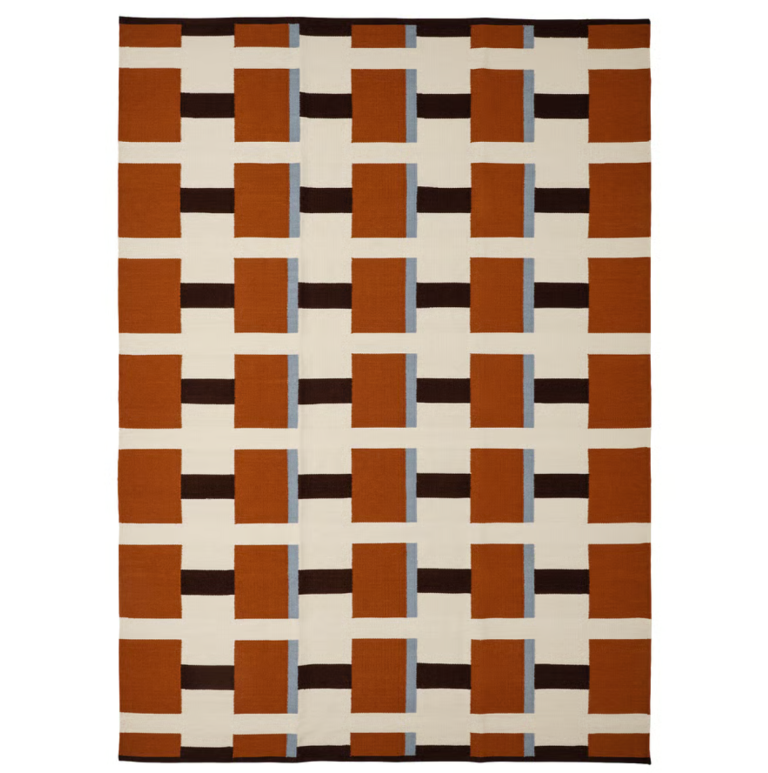
Finally, the article addresses the importance of considering color and overall aesthetic. The author's initial eclectic mix of frames and prints, featuring various colors and styles, contributed to the chaotic feeling in her bedroom. She learned that the colors and mood of the art, as well as the frames, should align with the desired emotional response for the room. For a calming bedroom, soft, muted colors and minimalist styles are recommended, while vibrant, abstract pieces can bring energy. The author's decision to opt for a large rust and neutral print, alongside a moody photograph, created the balance and calm she sought. The article concludes by encouraging readers to be adaptable with their art choices, allowing their taste to evolve and rehoming or repositioning pieces as needed to maintain a harmonious and personally enriching living space.
#HomeDecor #InteriorDesign #BedroomDesign #WallArt #SmallSpaceLiving #HomeStyling #ArtPlacement #PersonalExpression #DecoratingMistakes #HomeDecor #InteriorDesign #BedroomDesign #WallArt #SmallSpaceLiving #HomeStyling #ArtPlacement #PersonalExpression #DecoratingMistakes
0 comment in total
 No comments yet
You may also like
I've Bored of My Bedroom, So I'm Choosing One of These Colorful Ideas Instead

Removable wallpaper apartment DIY: I transformed my living room in an afternoon
5 small living room mistakes – designers share the worst decorating disasters that we need to stop doing right now


Interior Design Icks: Do You Regret Your Decor?
I'm an interiors editor - here's why I ditched wall cabinets in my new kitchen
I was sick of the crushed velvet look so transformed my lounge using B&M buys

The One Thing You're Doing With Your Wall Art That Makes Your Home Feel Tiny, Designers Say


I thought over-exposed brick was undesirable – Alexandra Daddario's clever bedroom feature wall just changed my mind
I Asked 7 Designers How to Fix My Guest Room Rug Mistake

8 Bedroom Décor Mistakes That Make it Hard to Relax
Media walls give me the ick – so I asked interior designers what I could do instead to elevate and hide my TV
I Hated How I Looked. Then I Fixed My Bathroom Lighting.

6 Decor Mistakes That Were Making My Apartment Look Totally Outdated

Aesthetics that work in a small bedroom — experts sound off, and we're officially obsessed

I Cut $9K From My Bungalow Renovation Budget by Going With Imperfect Flooring
I played by the 'rules' and painted my bathroom ceiling white – but I regret it and here's why I'll be changing it in 2025
I Had My Living Room Designed From Scratch During Quarantine
12 bedroom trends interior designers wish would disappear
I Cut $9K From My Bungalow Renovation Budget by Going With Imperfect Flooring

I Sent Living Room Photos to a Designer — Her Changes Made It Better