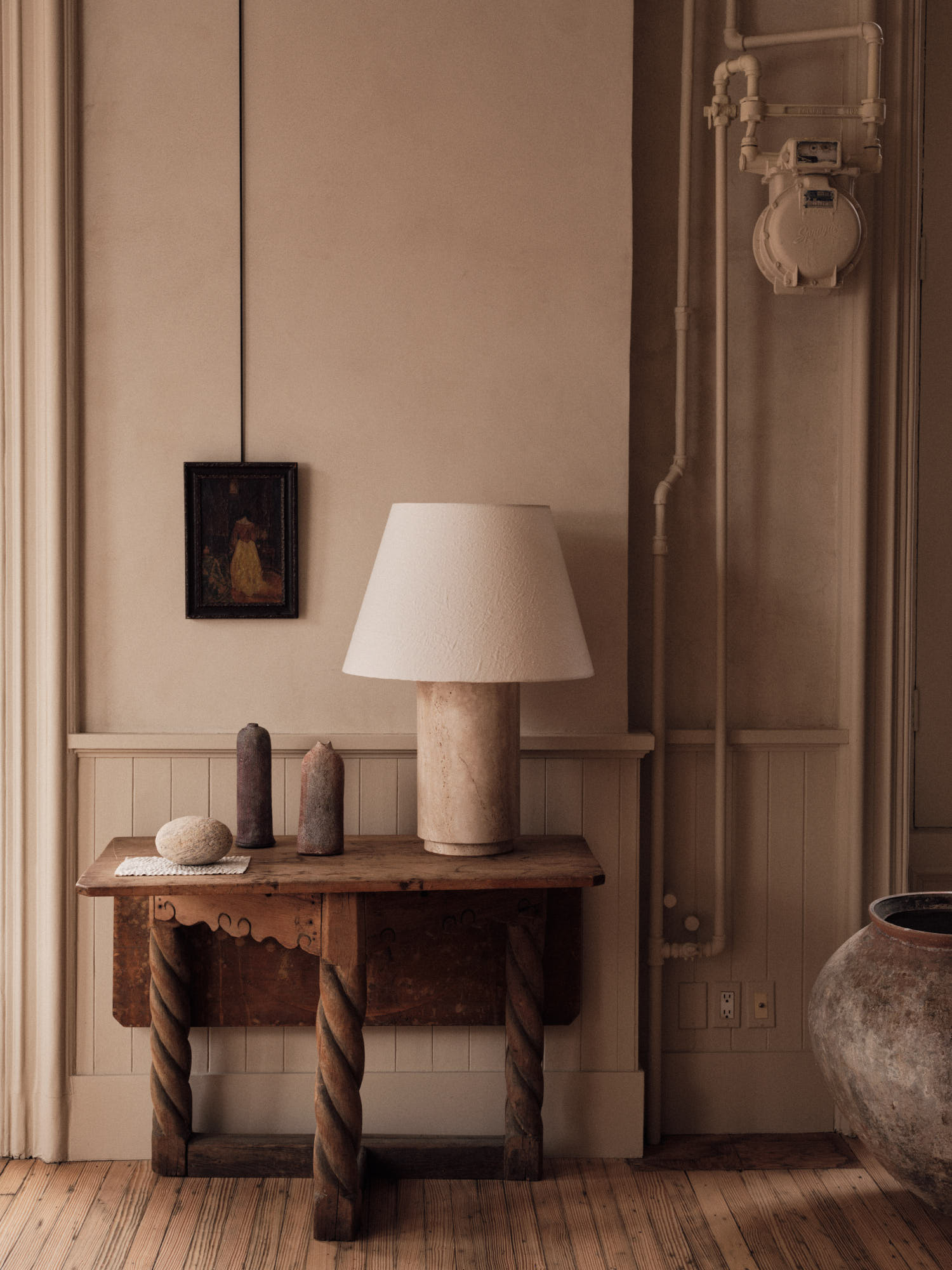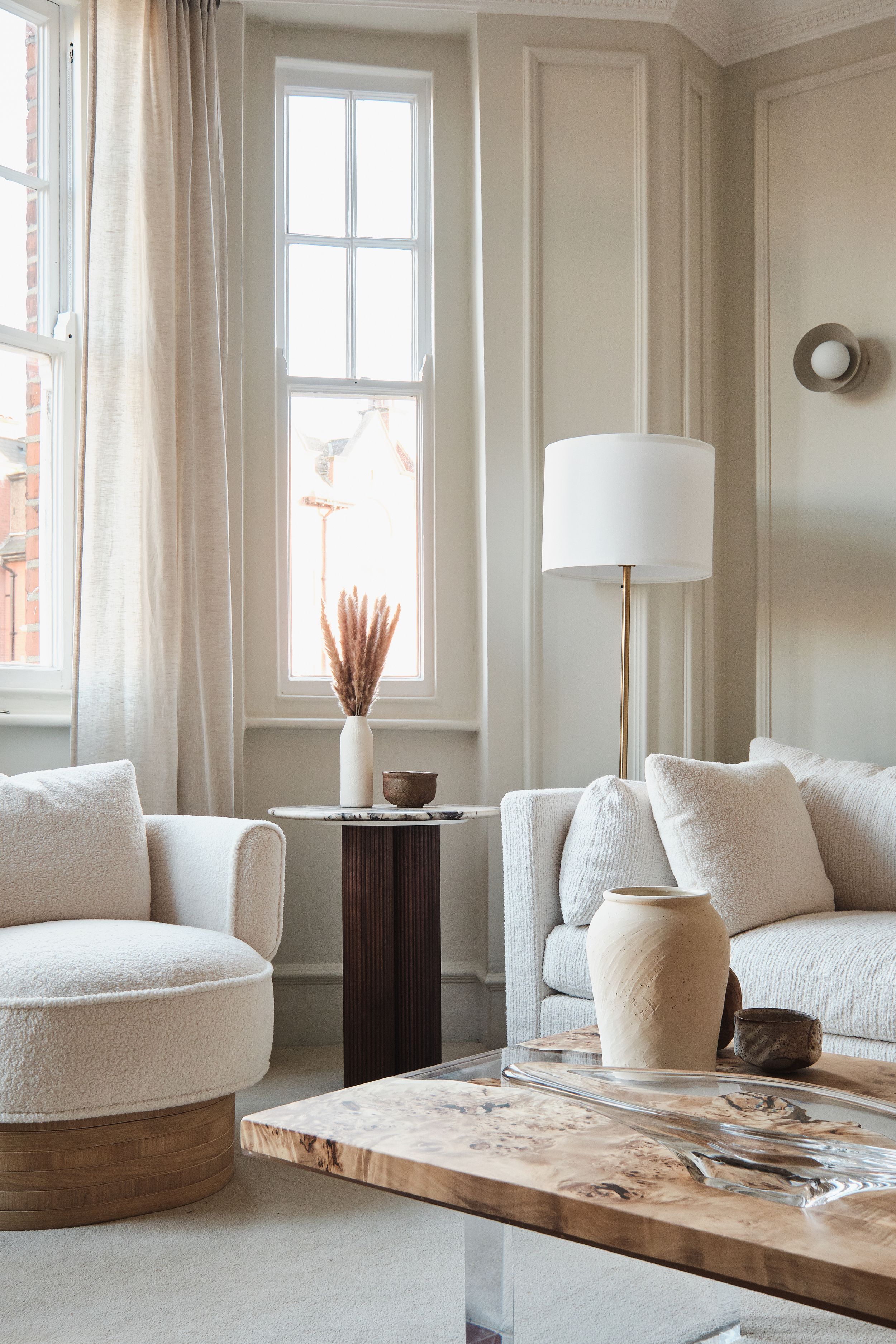
The One Thing You're Doing With Your Wall Art That Makes Your Home Feel Tiny, Designers Say
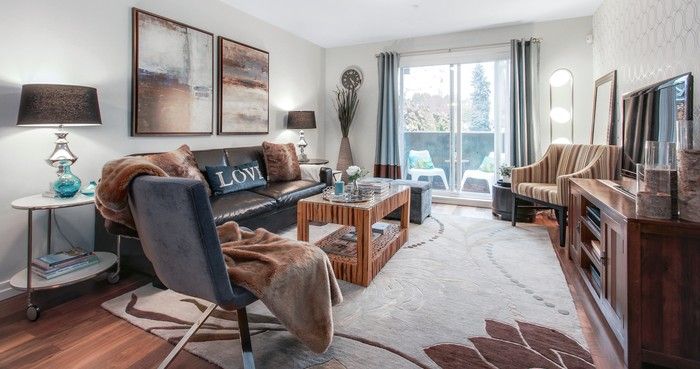
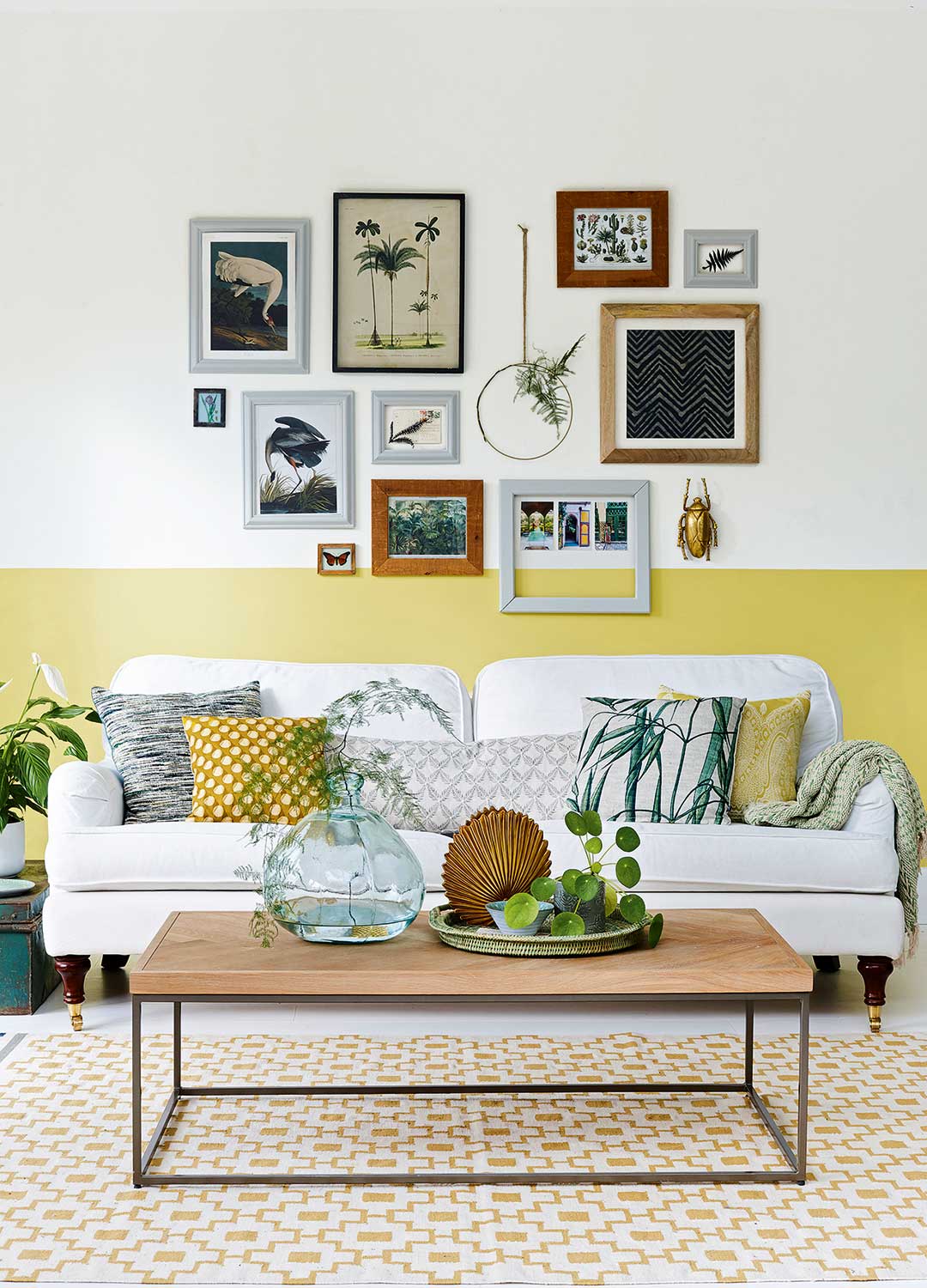
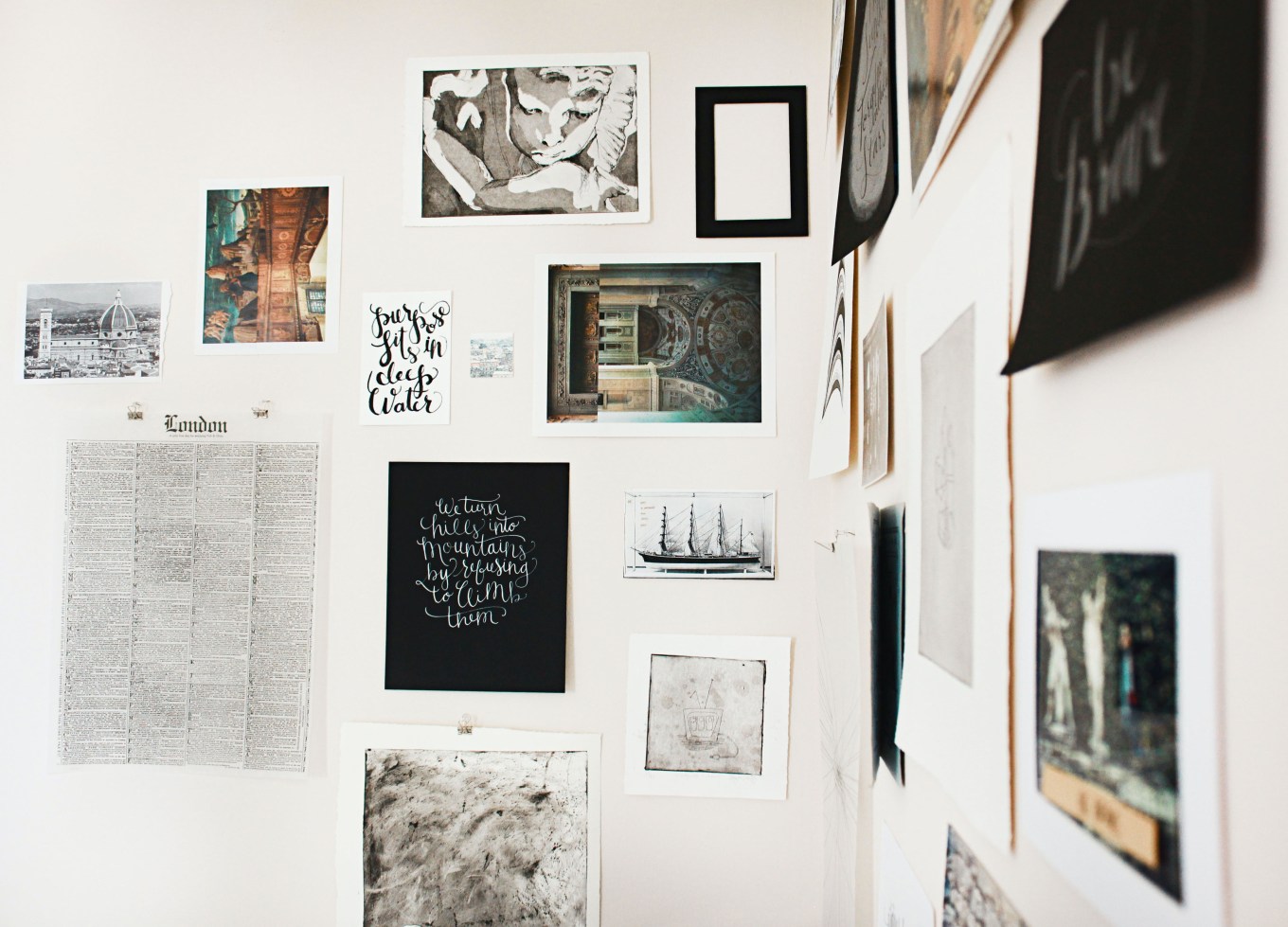
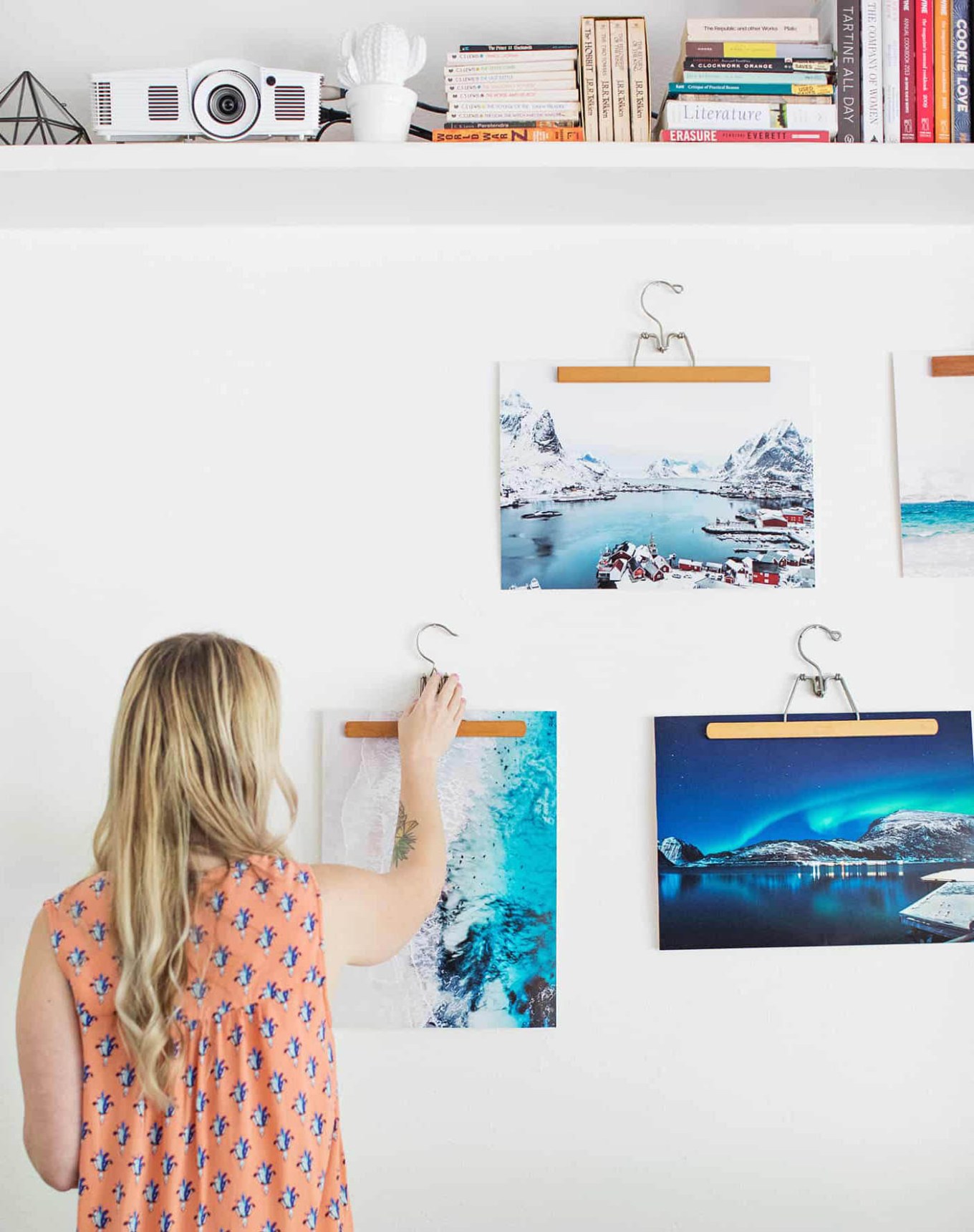
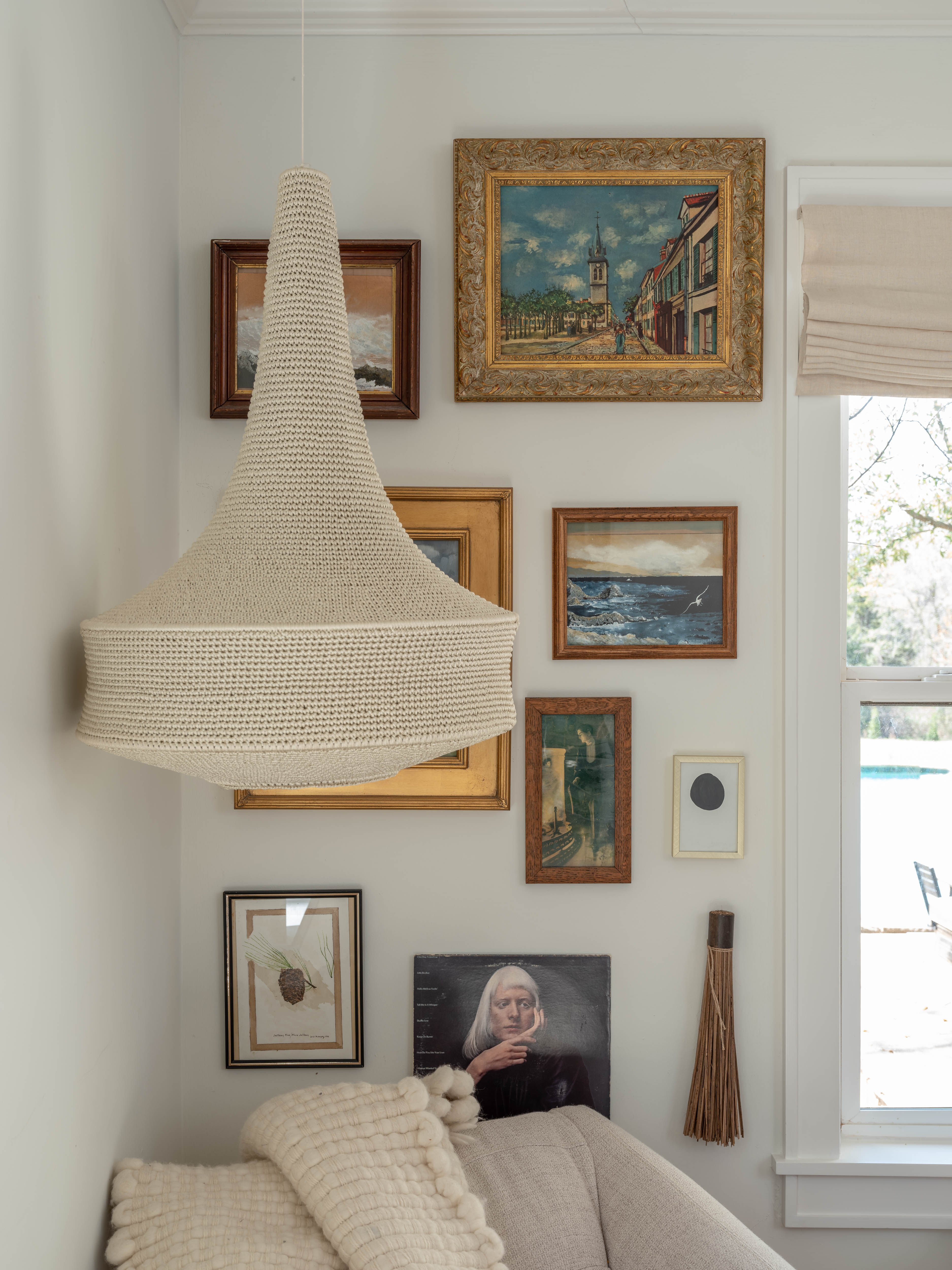
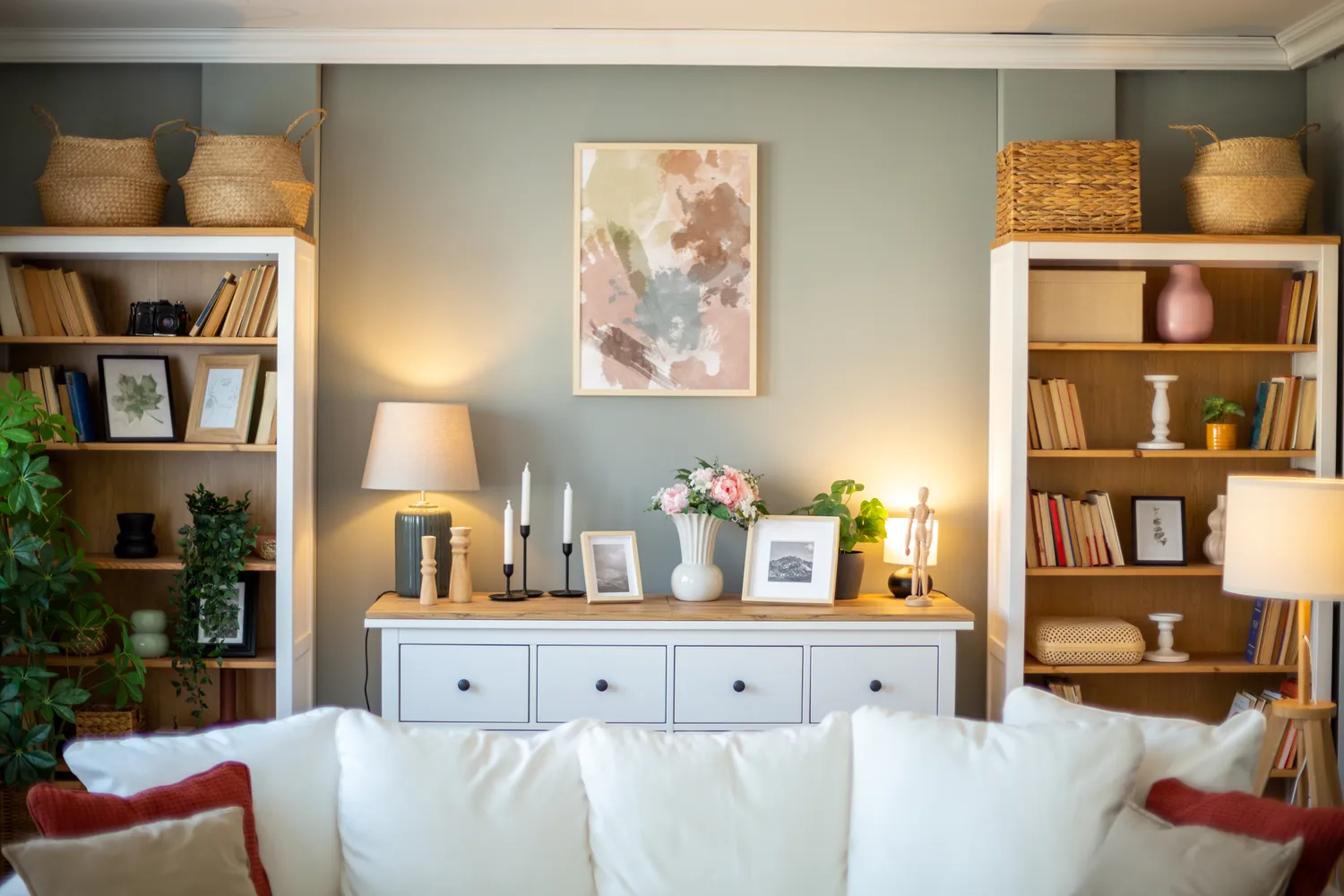
The perceived size of a room can be significantly influenced by the selection and placement of wall art. Many individuals inadvertently make their spaces feel smaller by mismanaging their art pieces, an issue highlighted by interior designers. The primary mistake often involves choosing wall art that is disproportionately sized for the wall it occupies. While oversized pieces on small walls can create a cramped, suffocating atmosphere, it's also a common error to hang too many small pieces, leading to a cluttered and equally constricting feeling. The key lies in finding the right balance of proportion and spacing.
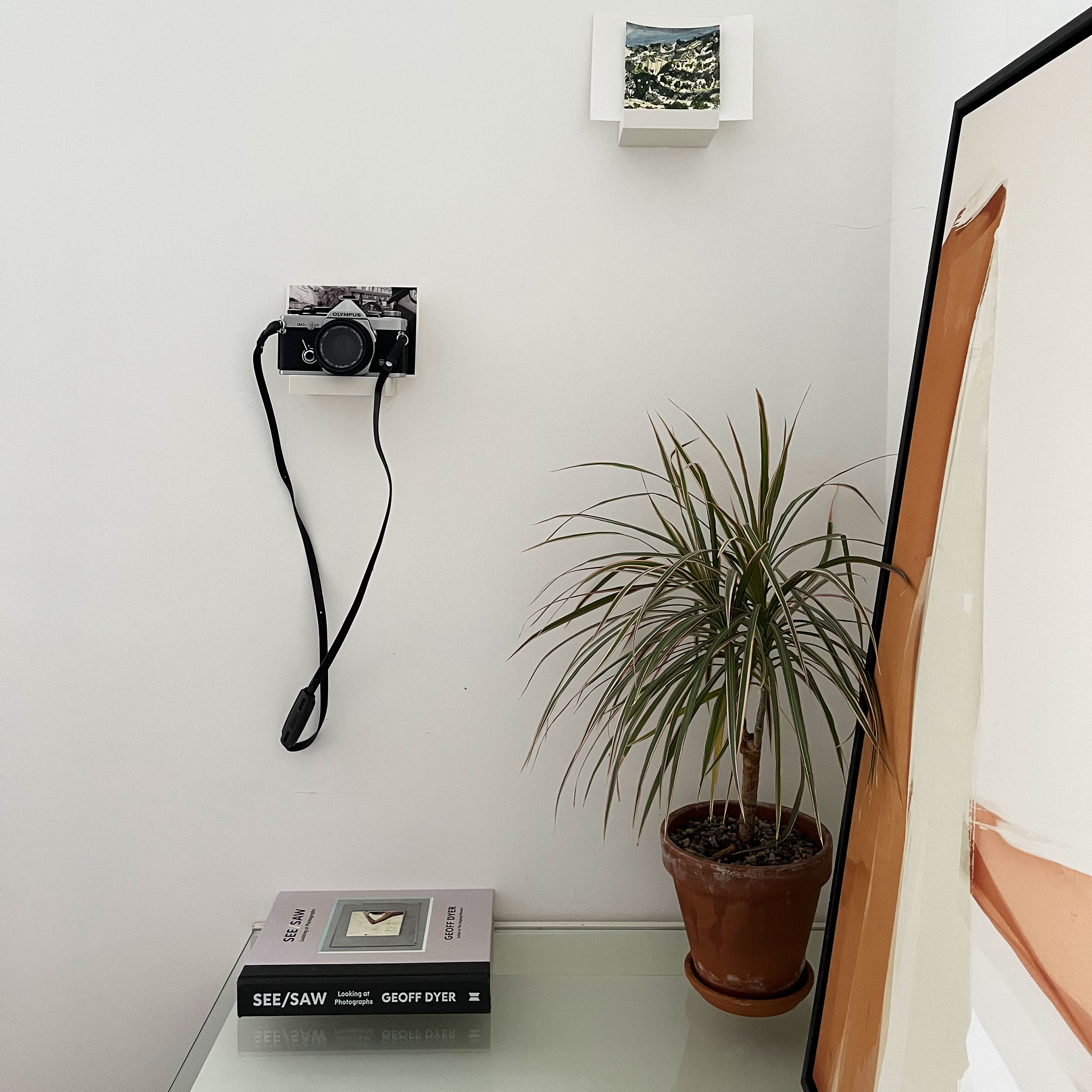
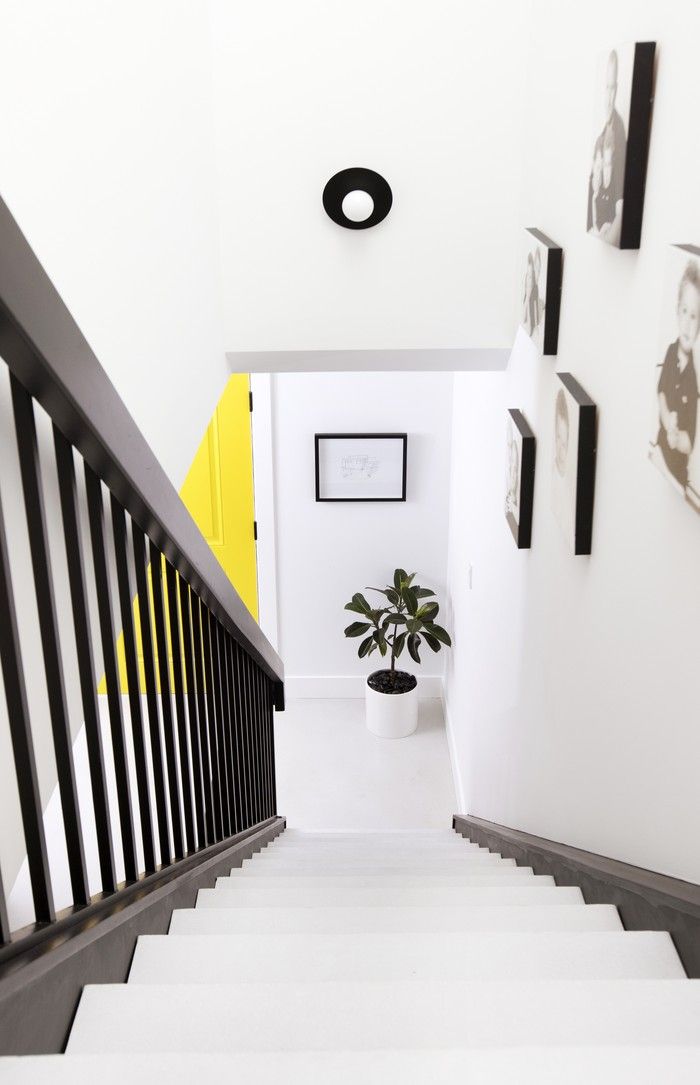
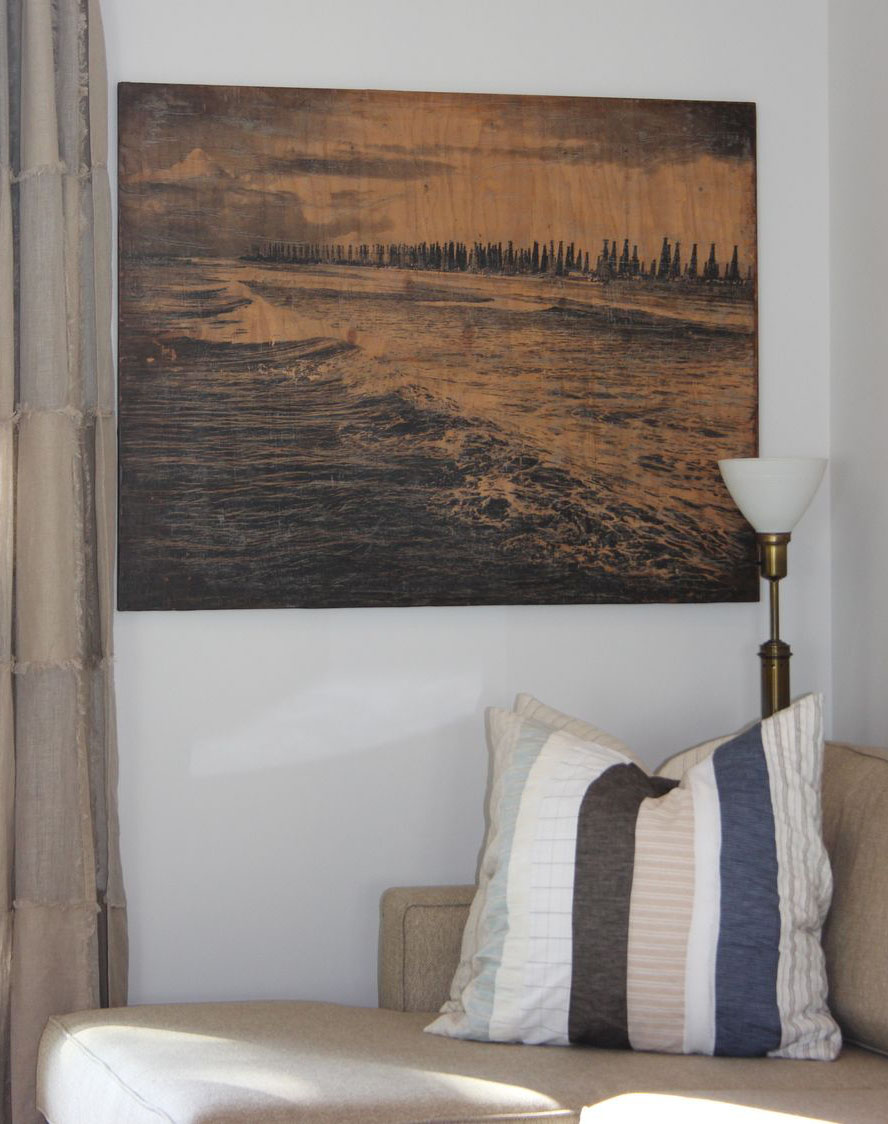
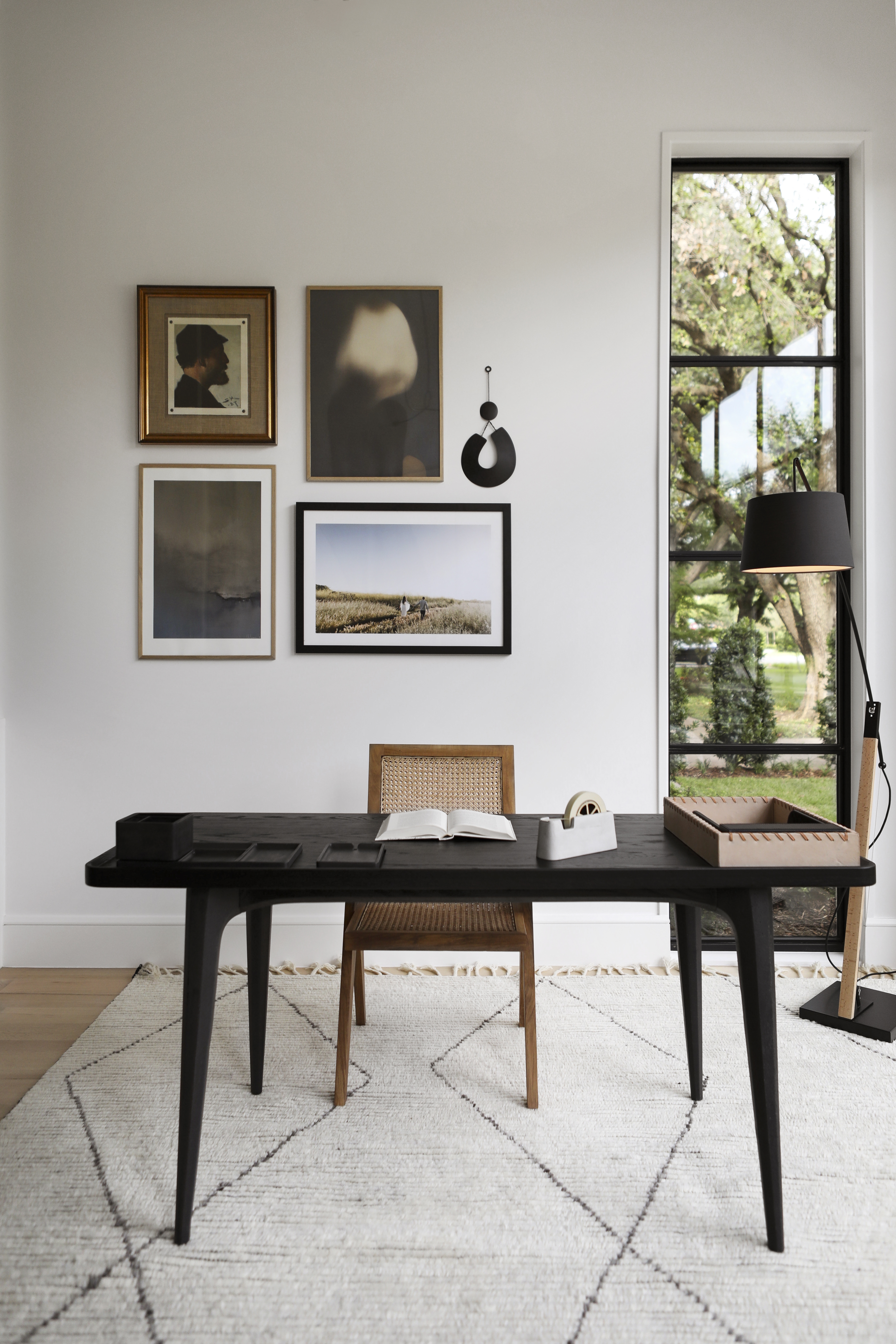
Designers emphasize that proper sizing and placement are crucial. When art is too large for a wall, it can dominate the entire area, making the space feel unbalanced and crowded. Conversely, a multitude of small artworks can overwhelm a room, making it appear tighter than it is. The objective is to achieve visual cohesion and balance, which is often overlooked but critical for making a room feel spacious and inviting. The placement of wall art also plays a significant role; hanging pieces too high above eye level, or above furniture, can disconnect viewers from the space and visually shorten the perceived height of the furniture. Instead, art should generally be hung at eye level to ground the room and immerse individuals in the experience of the space.
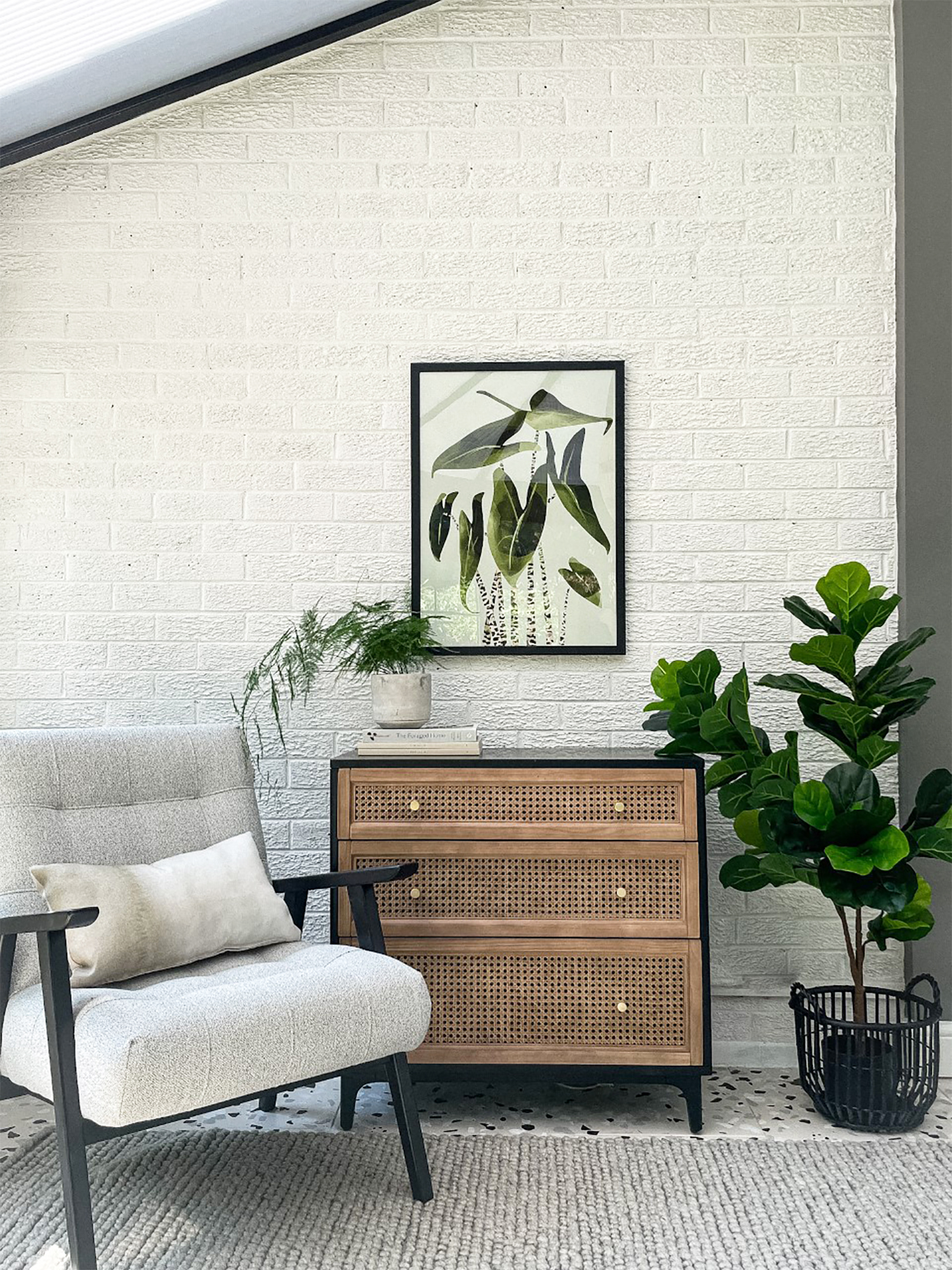
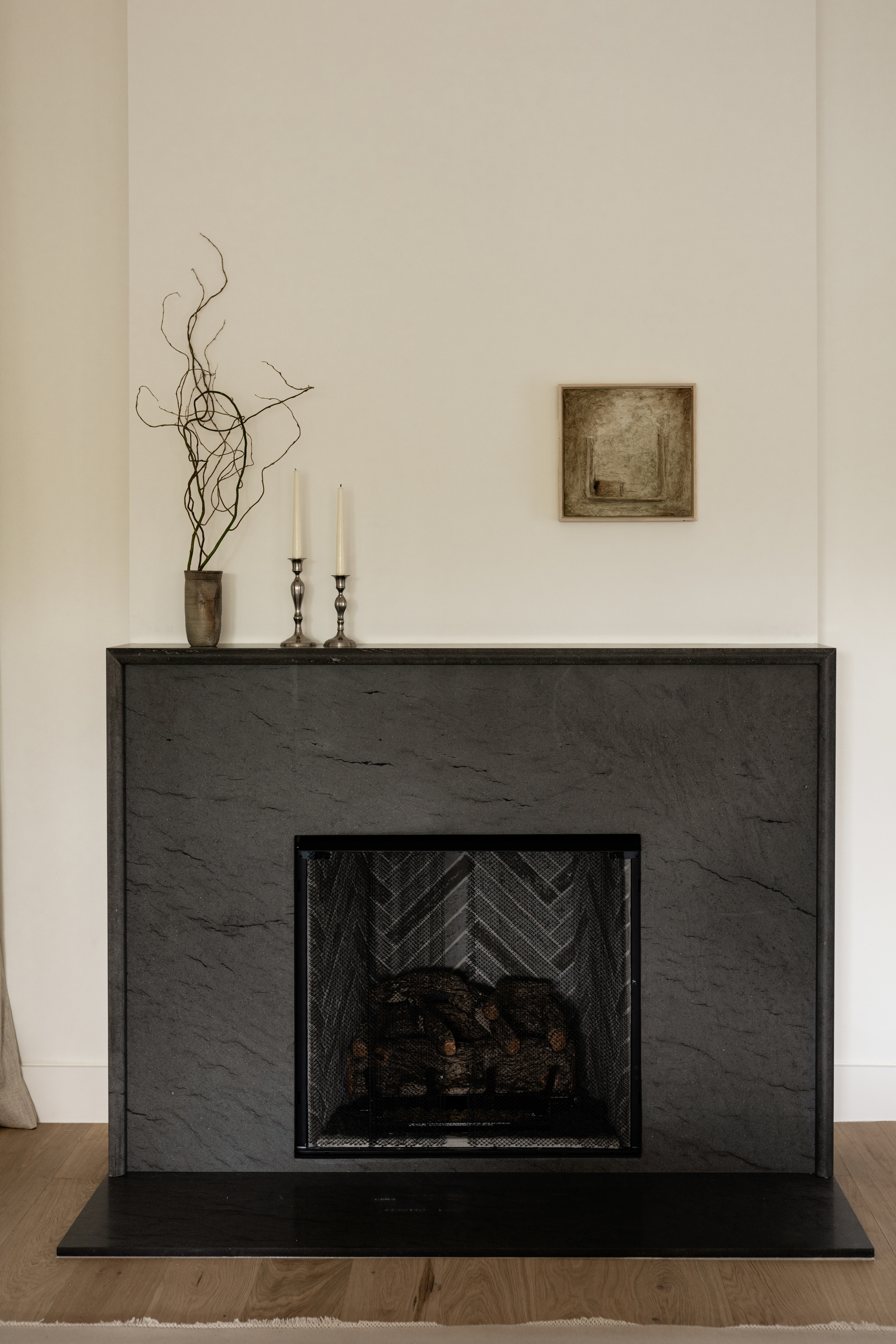
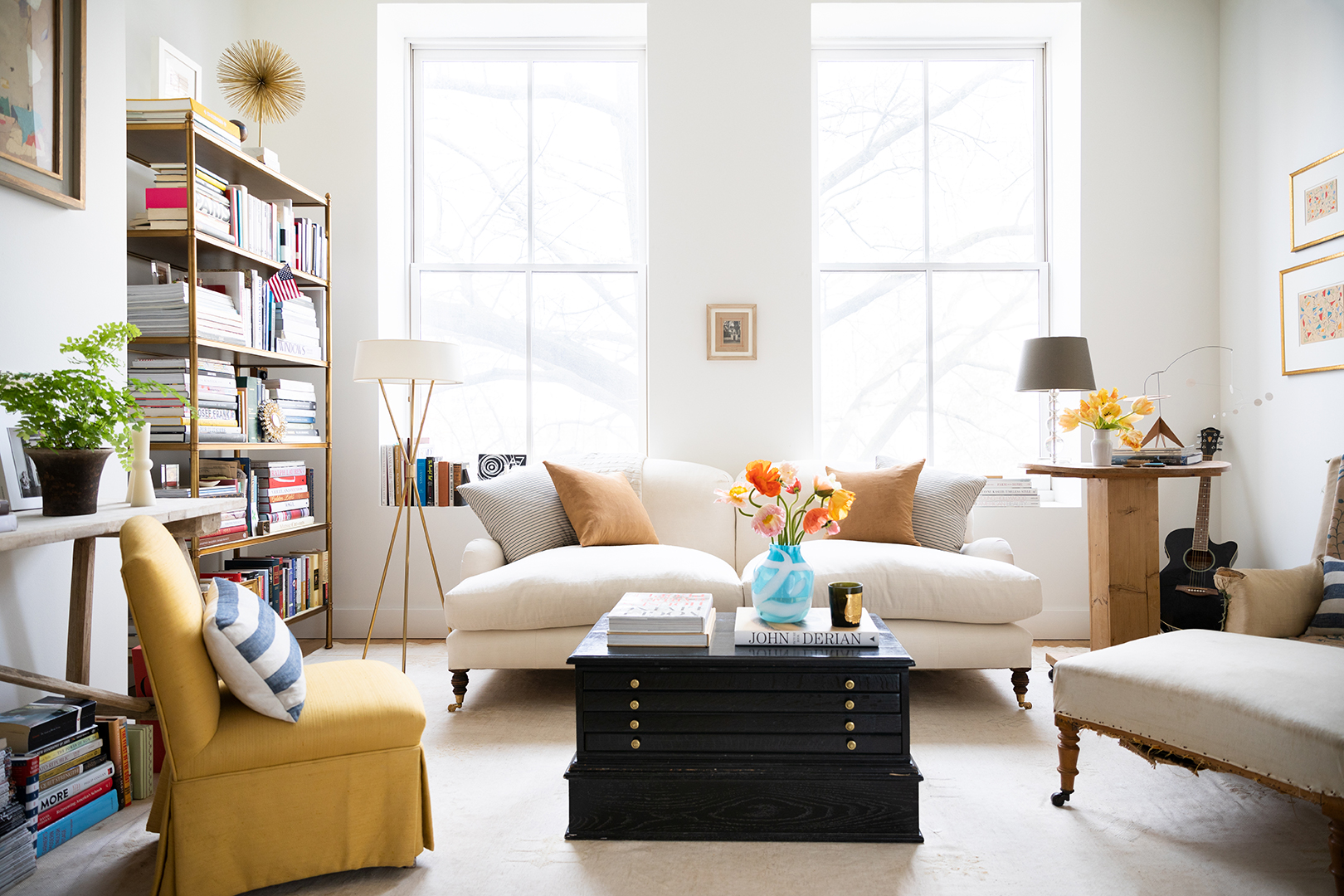
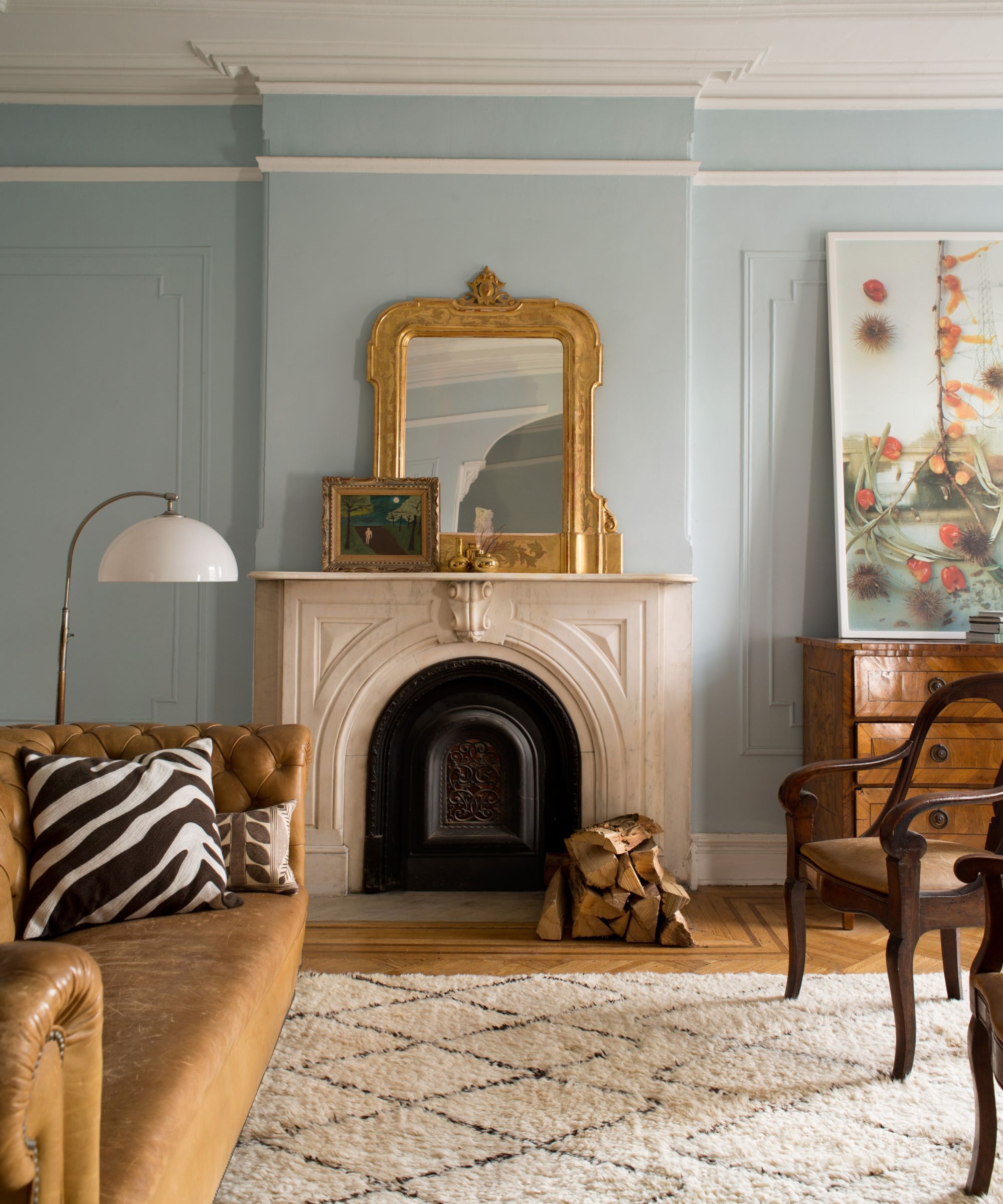
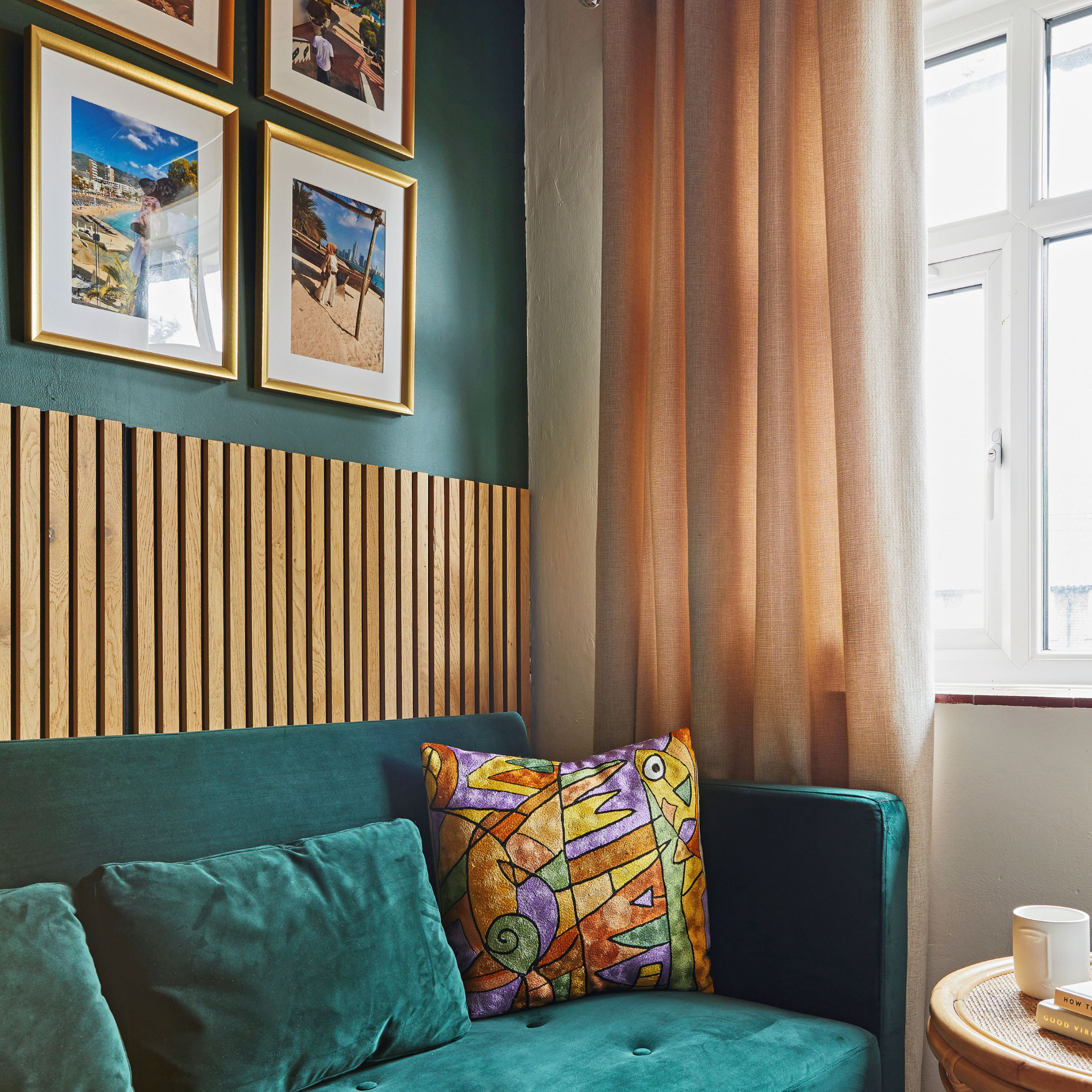
To correctly size and hang wall art, a practical approach involves measuring existing furniture. Adhering to the 2/3 rule is a useful guideline: the width of the artwork should ideally be approximately two-thirds the width of the furniture it hangs above. For example, if a sofa is 89 inches wide, the art piece above it should be around 59.3 inches wide. When hanging, designers recommend positioning art 57-60 inches from the floor, or maintaining a distance of 8-12 inches above the top of the furniture. In areas where people typically stand, such as entryways or hallways, art can be hung slightly higher.
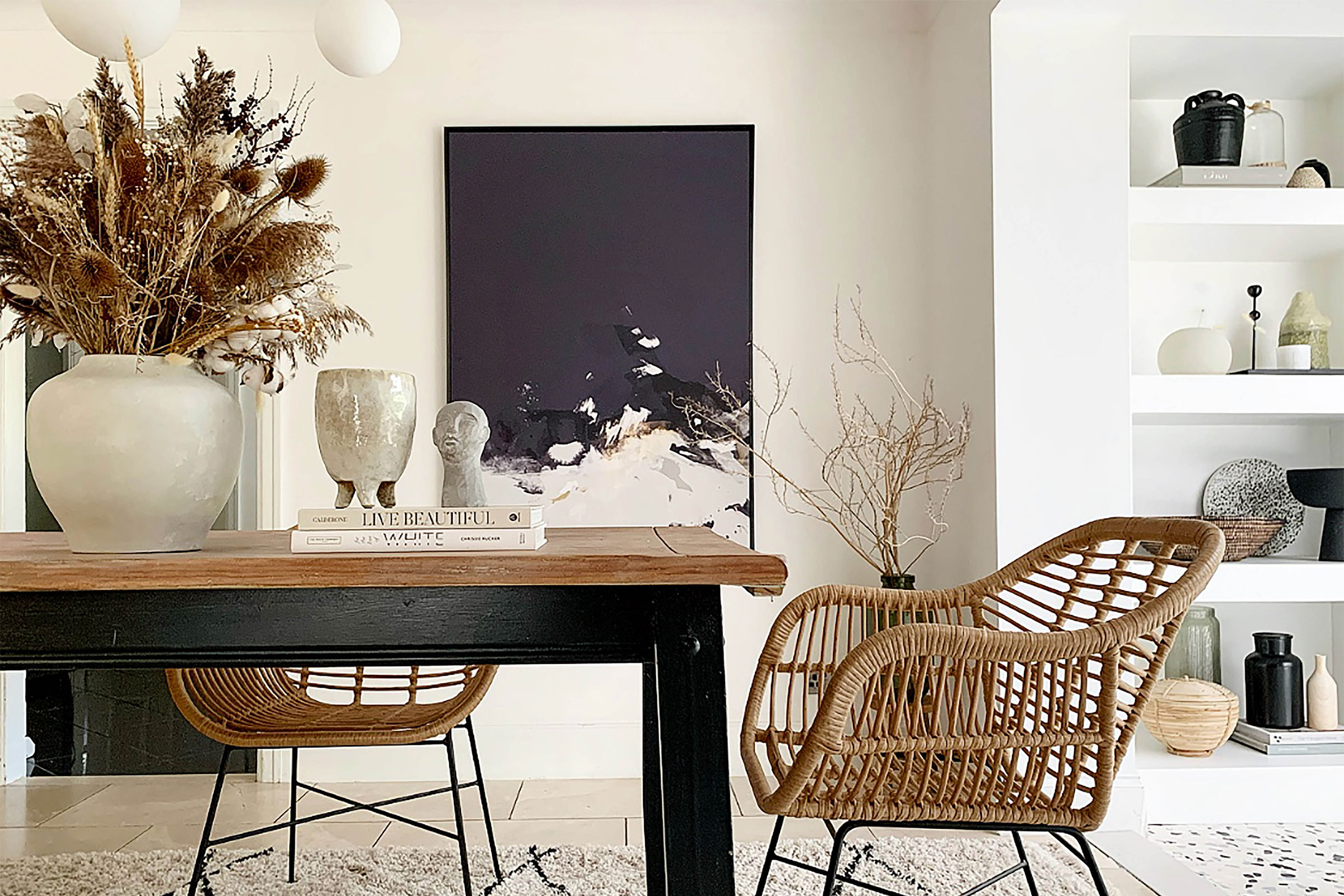
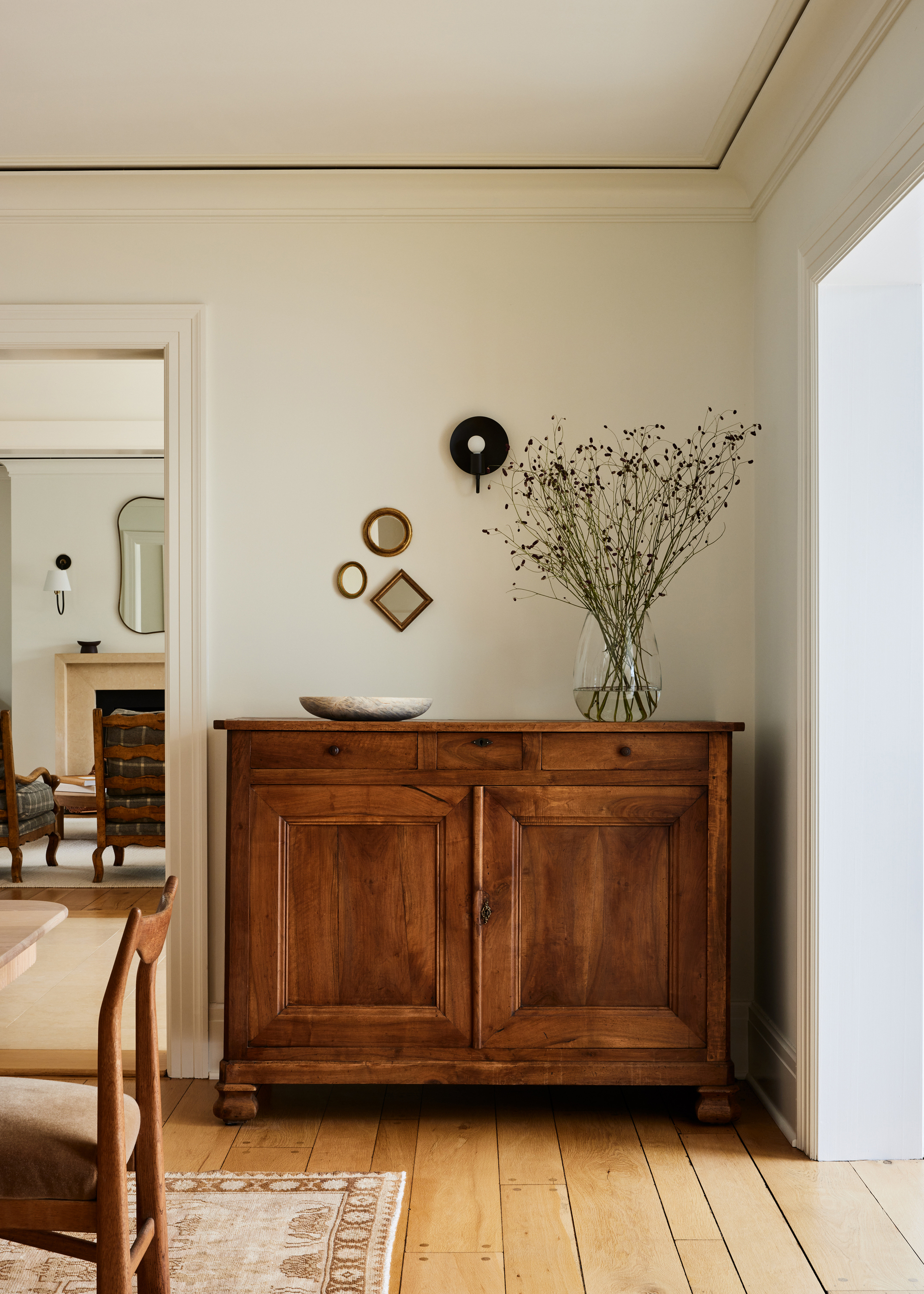
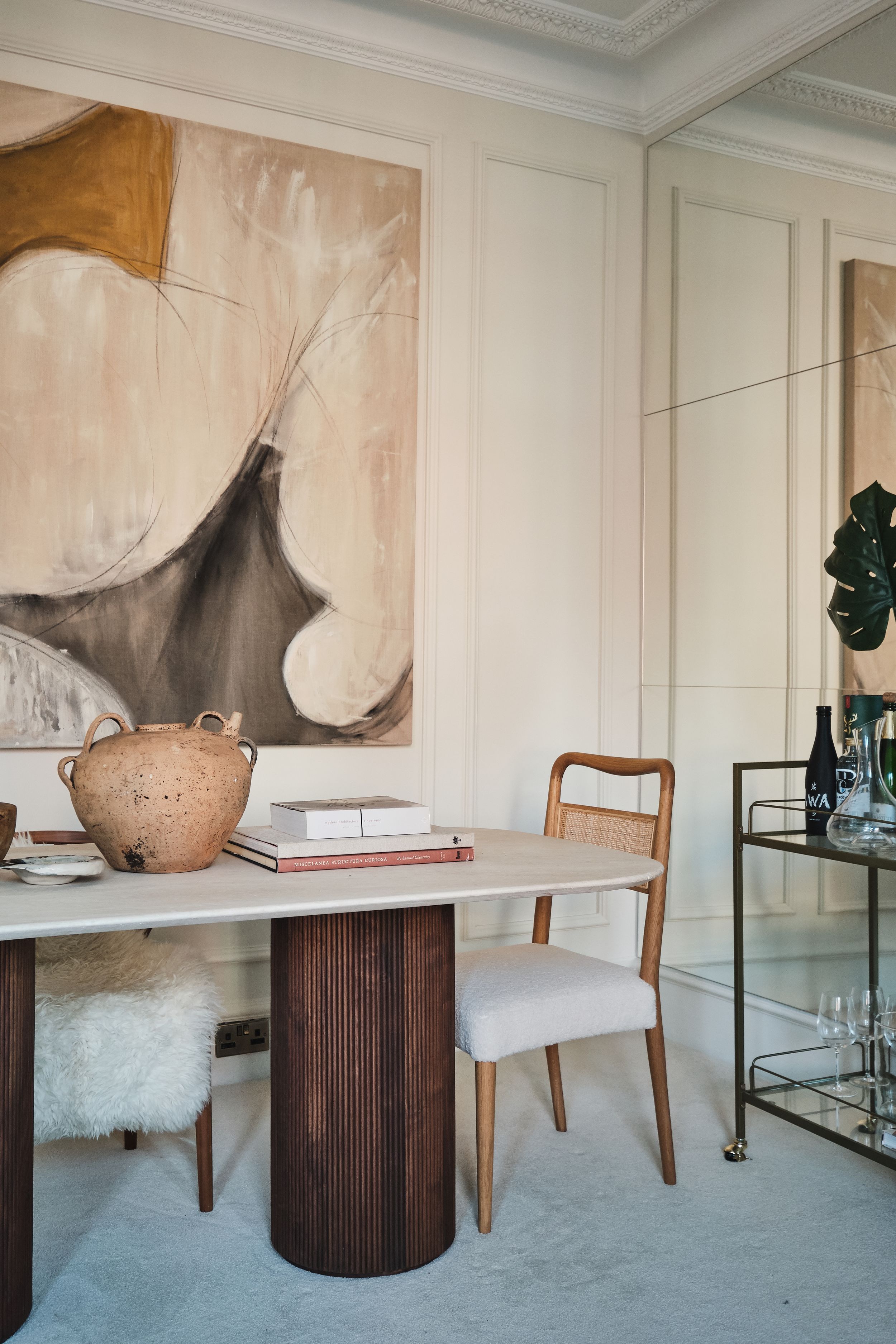
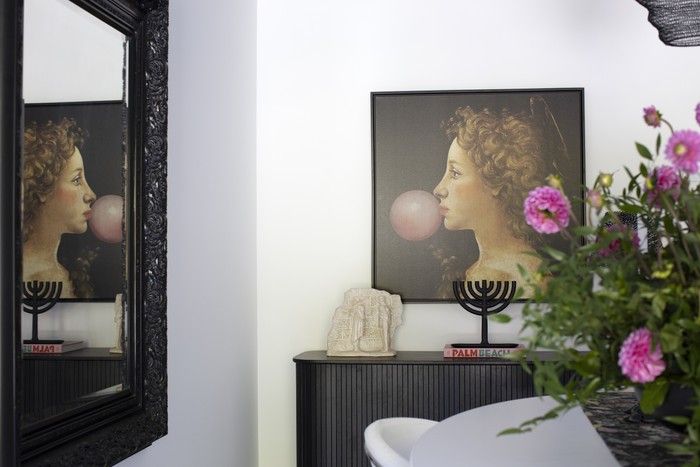
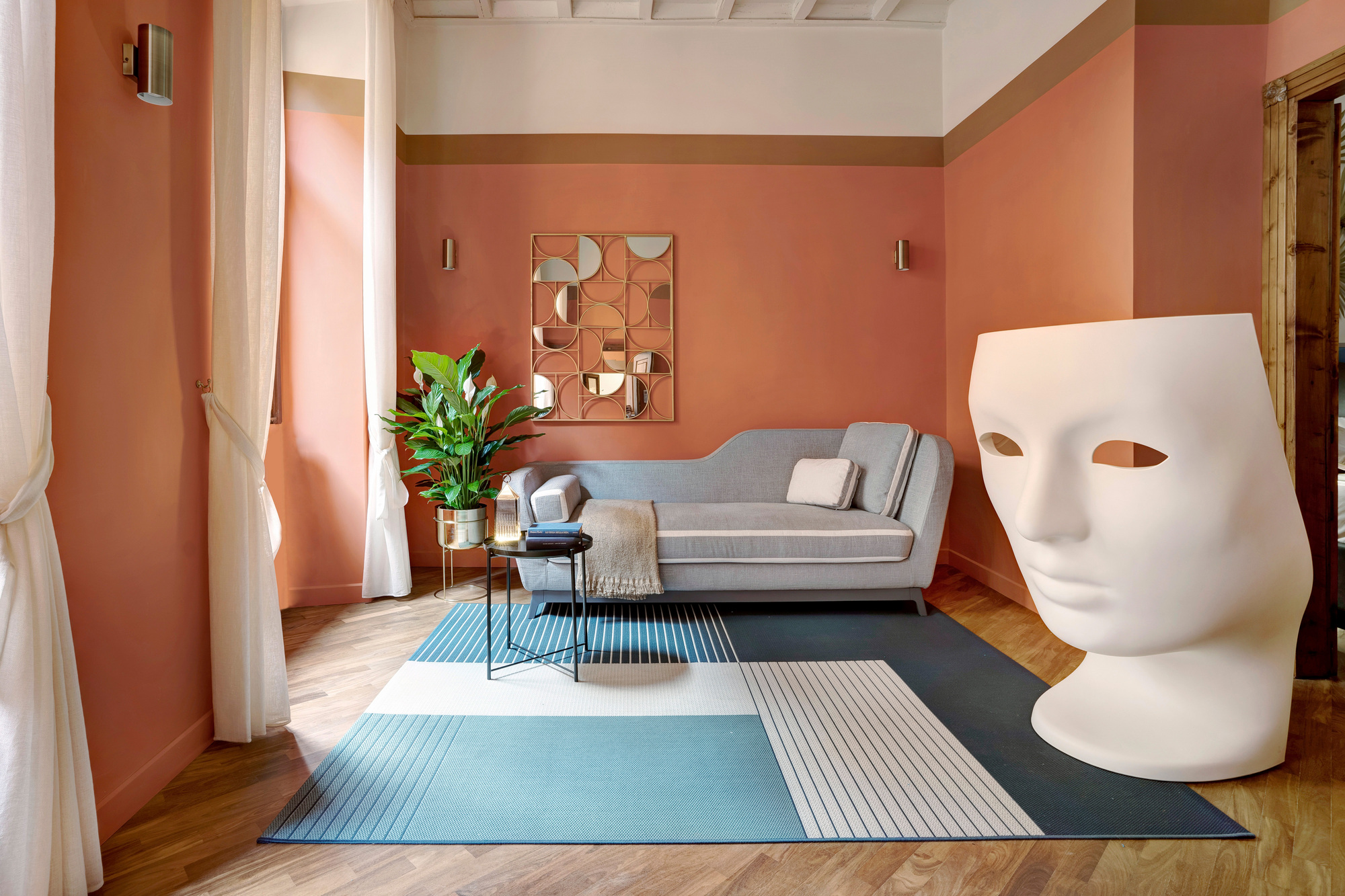
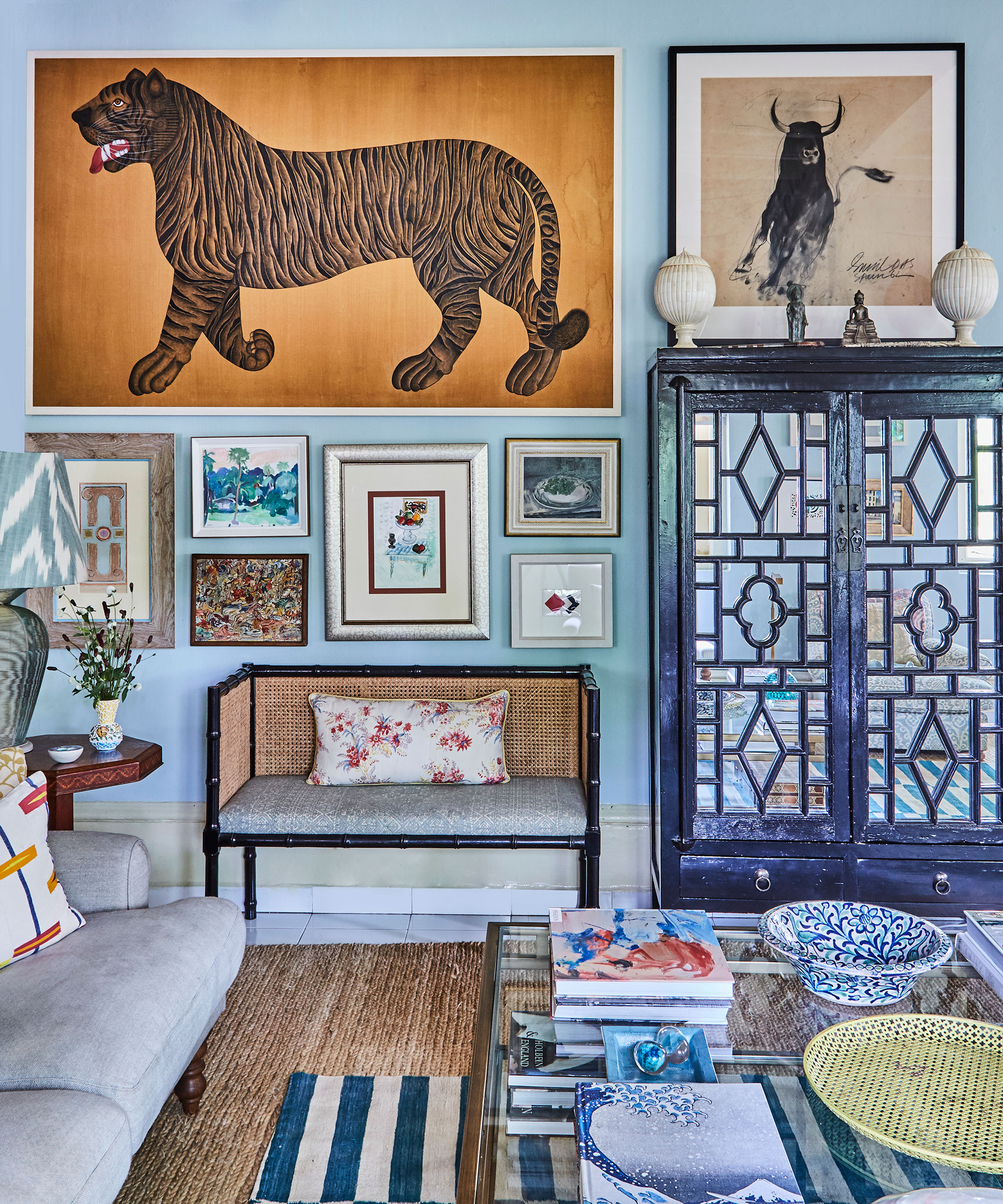
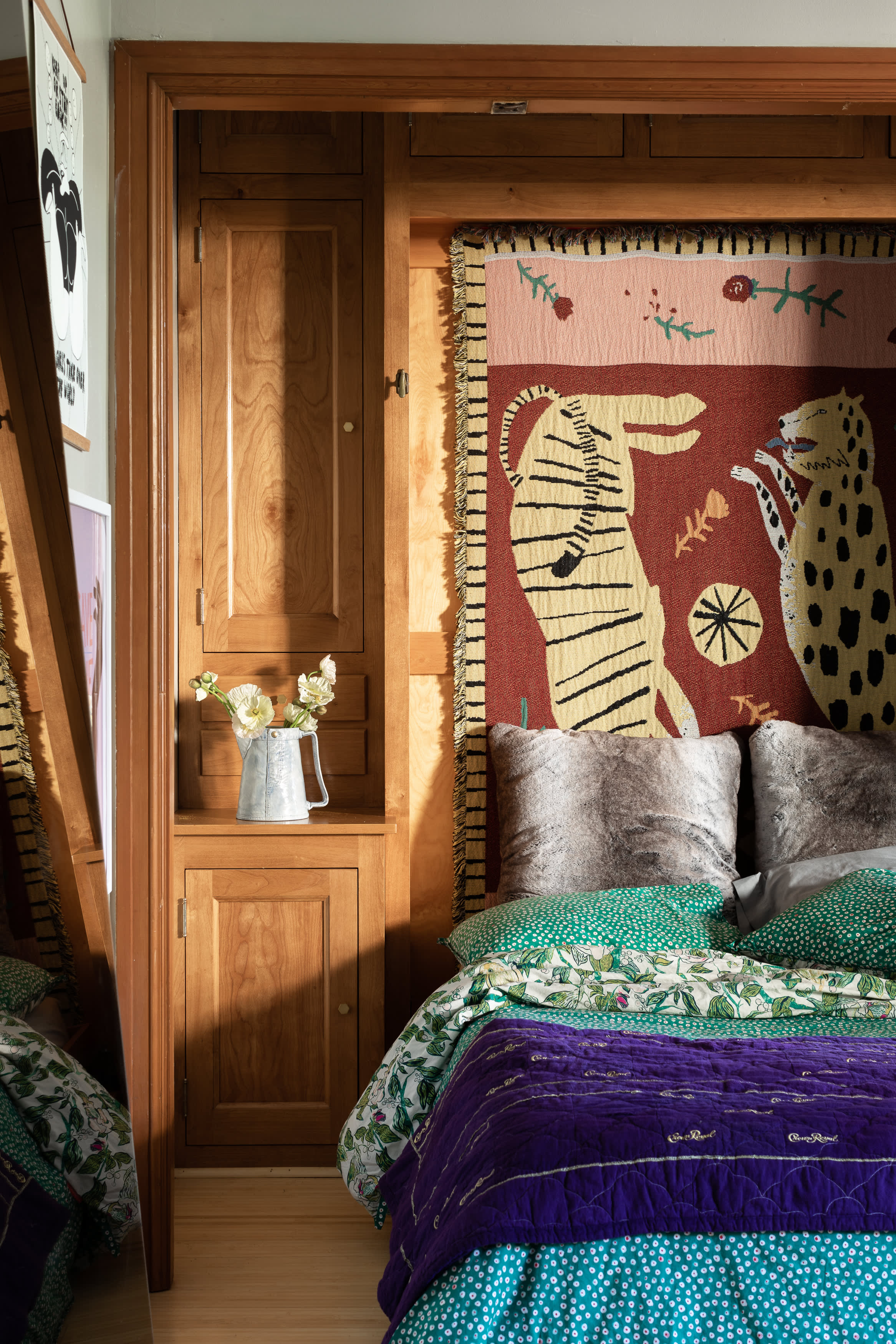
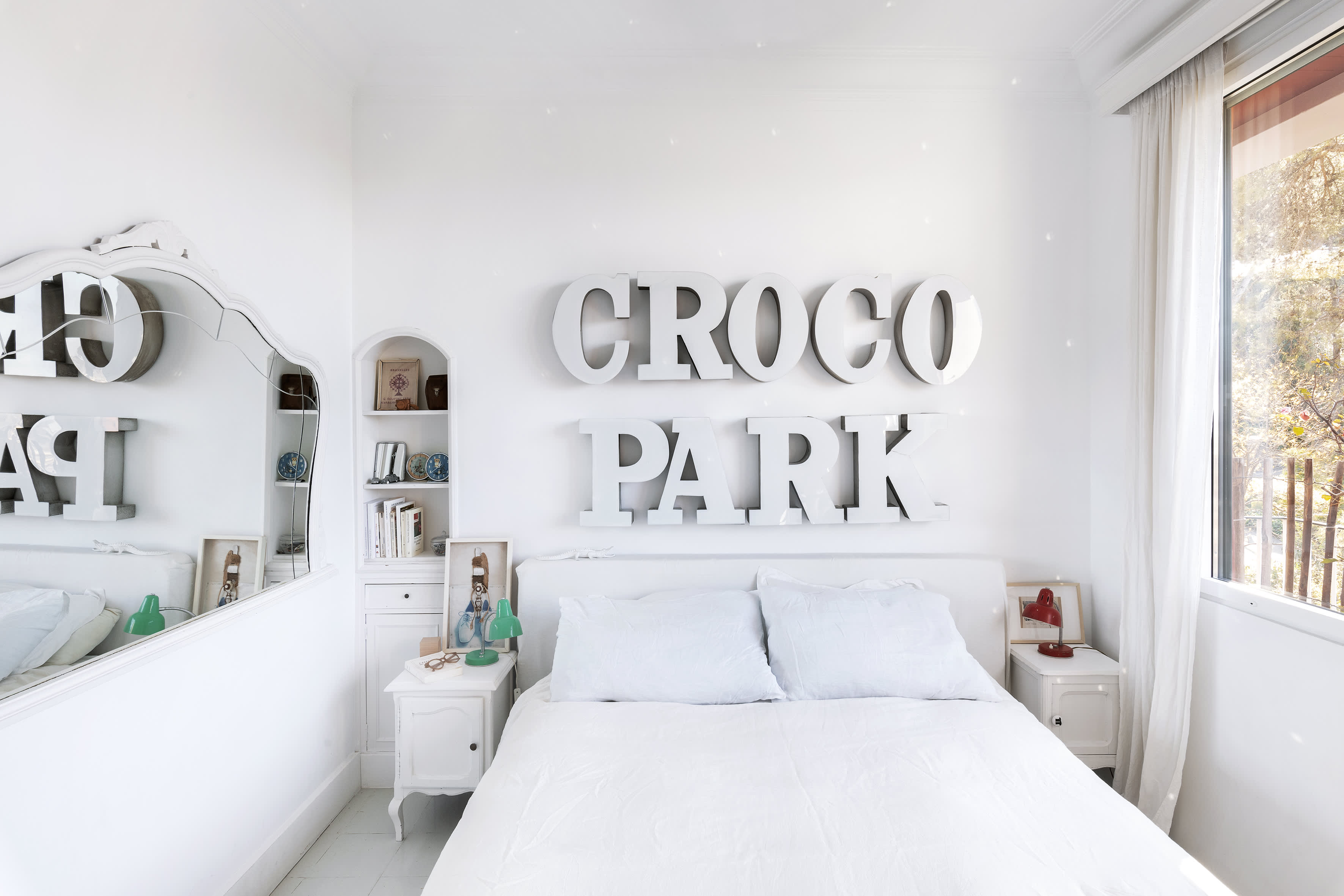
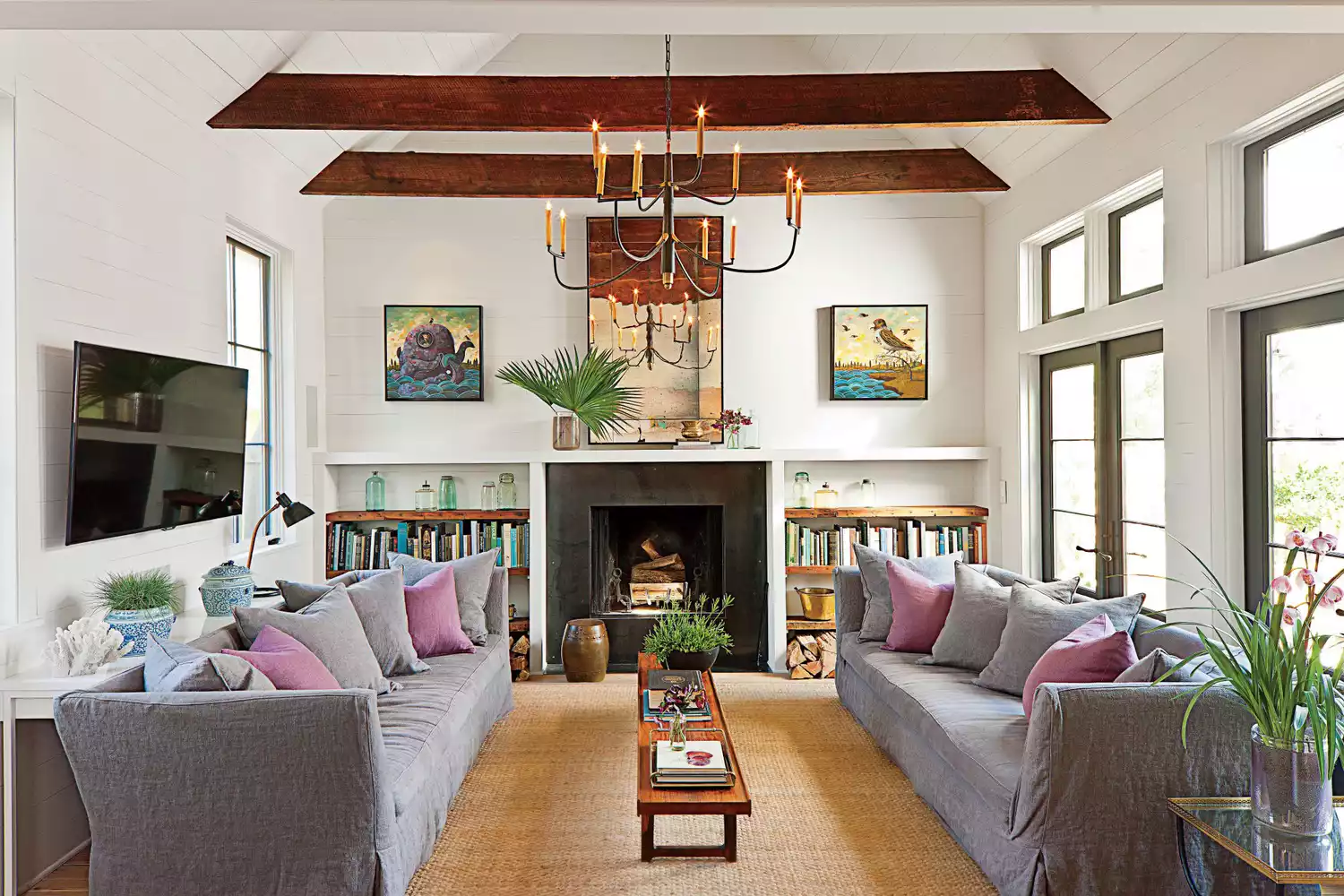
While the general advice leans towards appropriate sizing, designers note that oversized art should not be entirely dismissed in smaller spaces. When chosen and placed intentionally, a single, overtly oversized art piece can actually make a tight room feel larger. This effect occurs because a large piece expands the visual field rather than segmenting it, as multiple smaller pieces might. Similarly, large-scale mirrors or clusters of mirrors can also contribute to a sense of openness by reflecting light and visually expanding the room. Therefore, the strategic use of overscaled art, thoughtfully placed mirrors, and correct hanging heights can collectively transform the perception of a room's size, making it feel more expansive and thoughtfully designed.
#WallArt #HomeDecor #InteriorDesign #SmallSpaces #ArtPlacement #ProportionInDesign #RoomDesign #DesignTips #WallArt #HomeDecor #InteriorDesign #SmallSpaces #ArtPlacement #ProportionInDesign #RoomDesign #DesignTips
0 comment in total
 No comments yet
You may also like
I felt claustrophobic in my small bedroom because of these art mistakes, so I took it all down

How and why we should be decorating with small-scale wallpaper
How to make a narrow room look wider with paint - expert tricks to make small spaces seem bigger

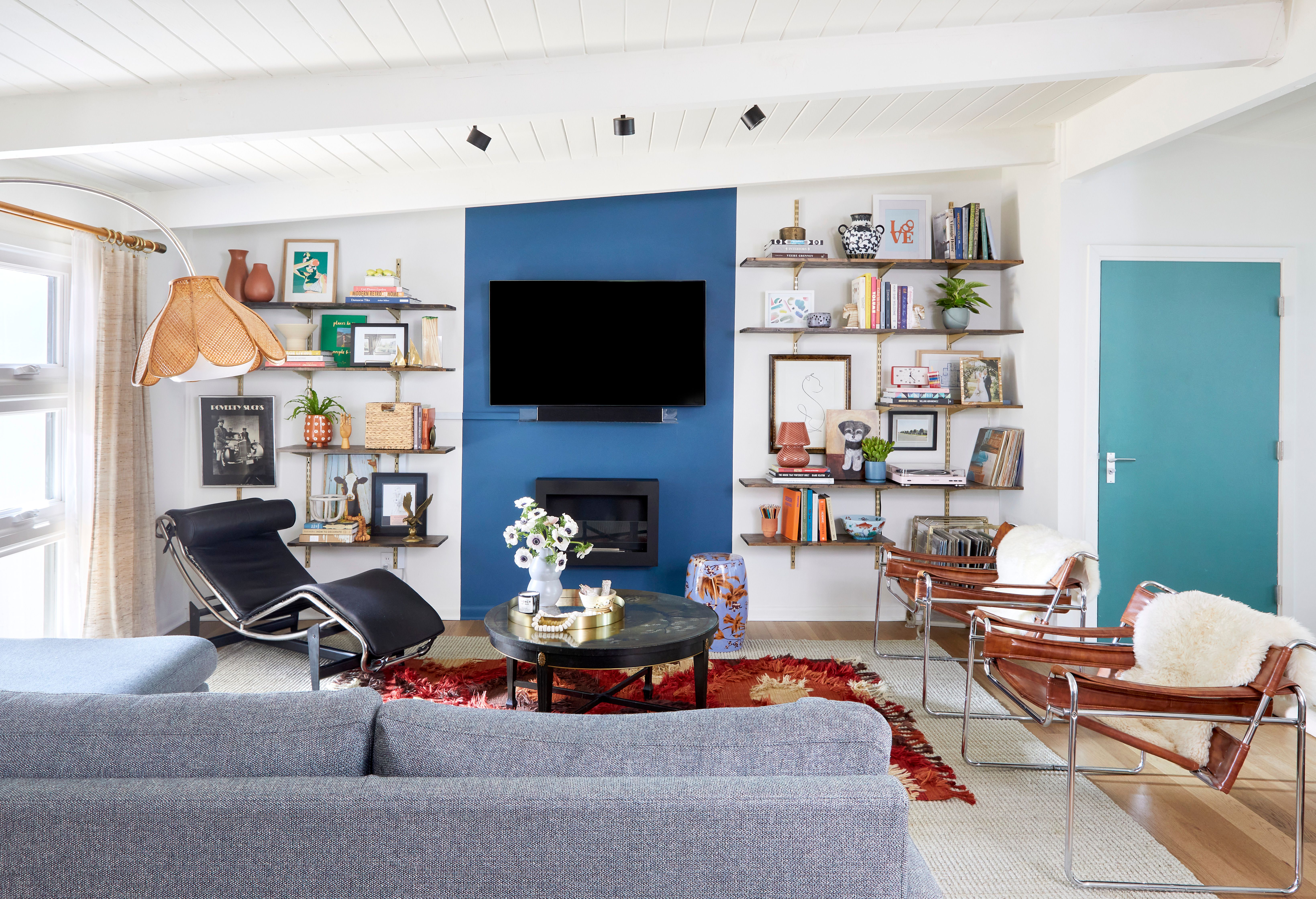
7 Ideas for How to Decorate a Large Wall with the Perfect Scale

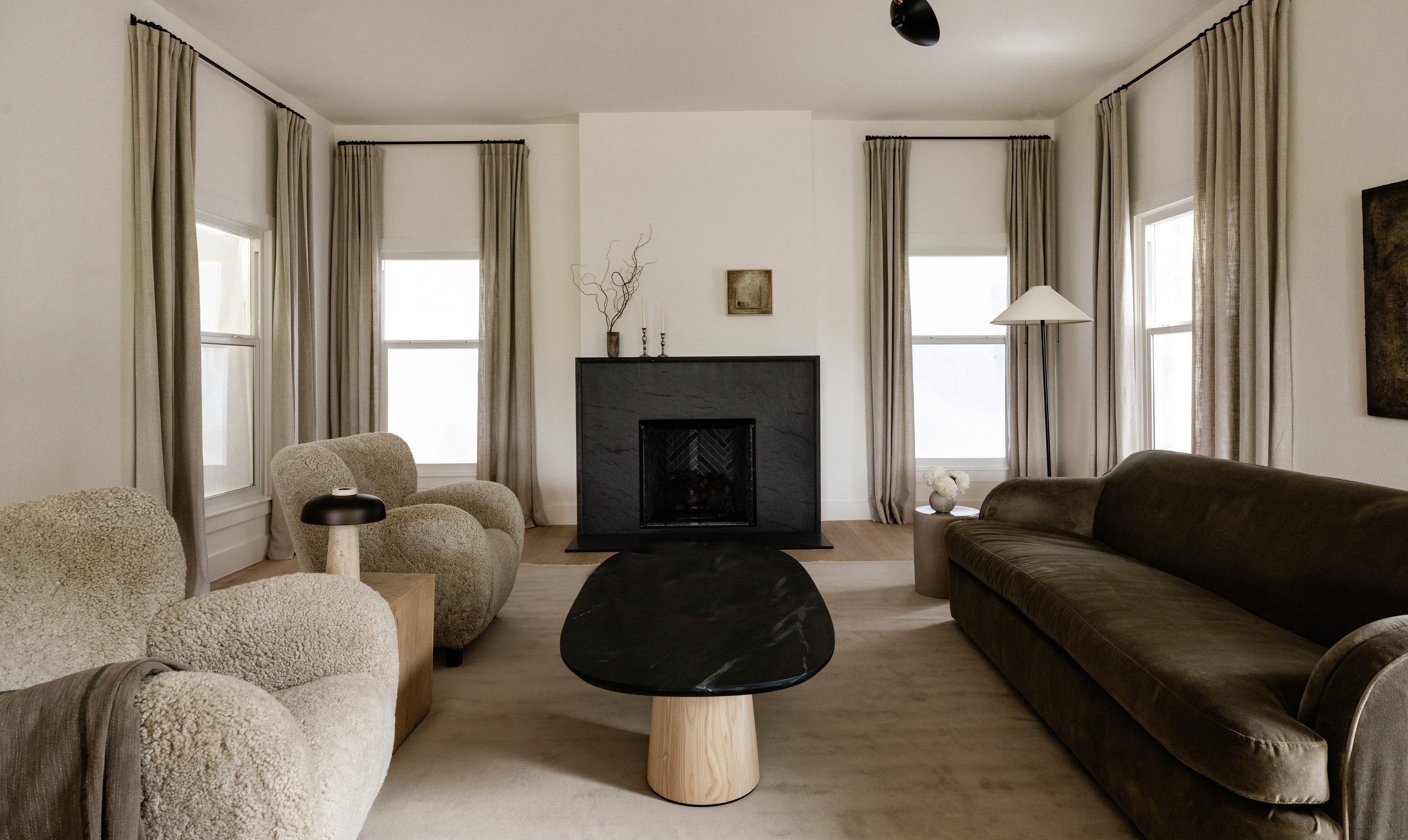
This minimalist wall decor trend is the antidote to fussy gallery walls – I Just love how simple this look is
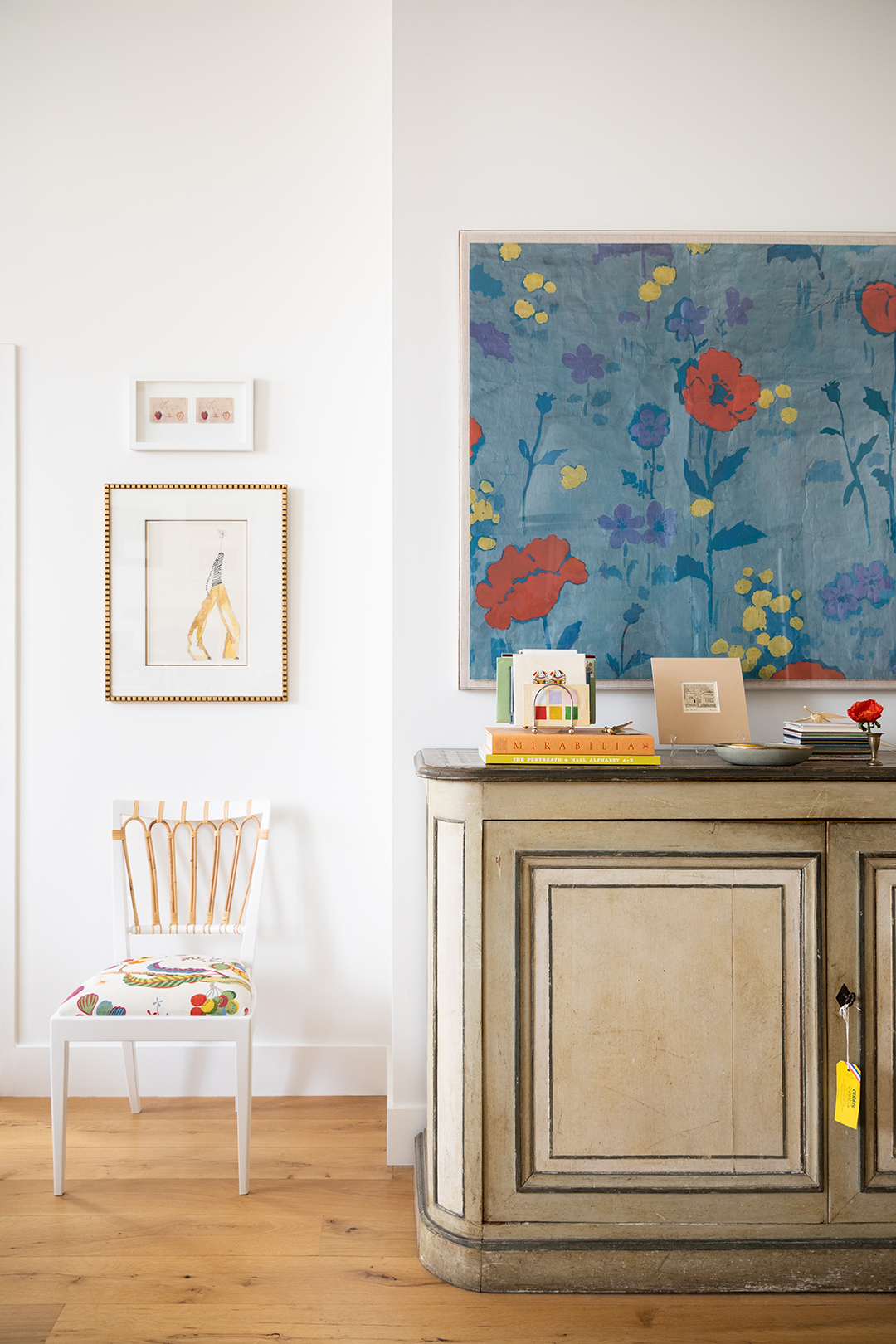
To Emphasize Her Rental’s Lofty Ceilings, This Philadelphia Stylist Created a 14-Foot-Tall Gallery Wall

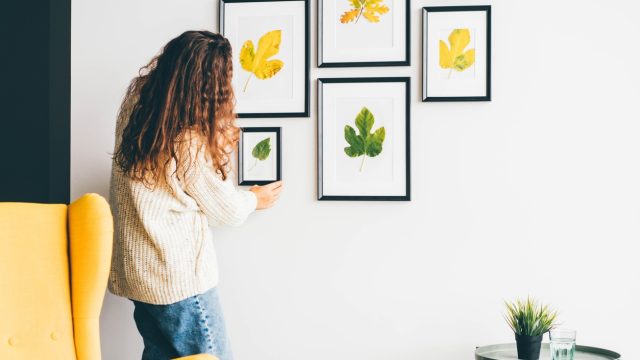
Interior Designer Reveals the No. 1 Thing Making Your House Look Cheap

21 Wall Art Ideas That Will Give Your Home Some Major Personality
Luxury interior designer Dara Huang reveals the one crucial mistake that makes your home look small

The One Thing Interior Designers Avoid in Small Rooms—and You Should Too

The paint colors to avoid in small living rooms — and what to use instead

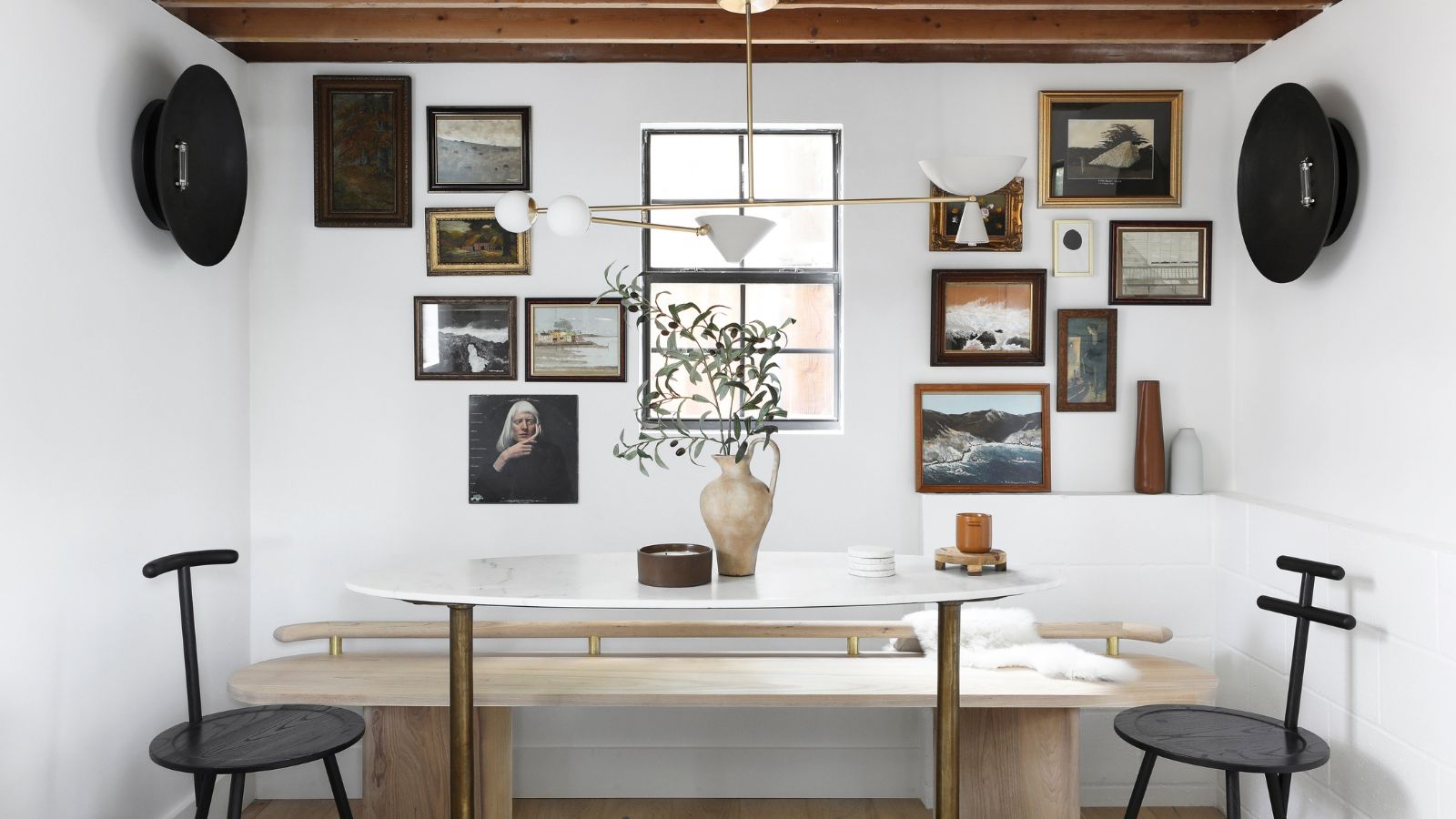
5 common gallery wall mistakes designers warn to always avoid – to create the chicest of displays

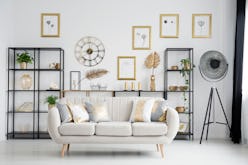
The Easy Gallery Wall Idea That’s Perfect For Neutral Living Rooms
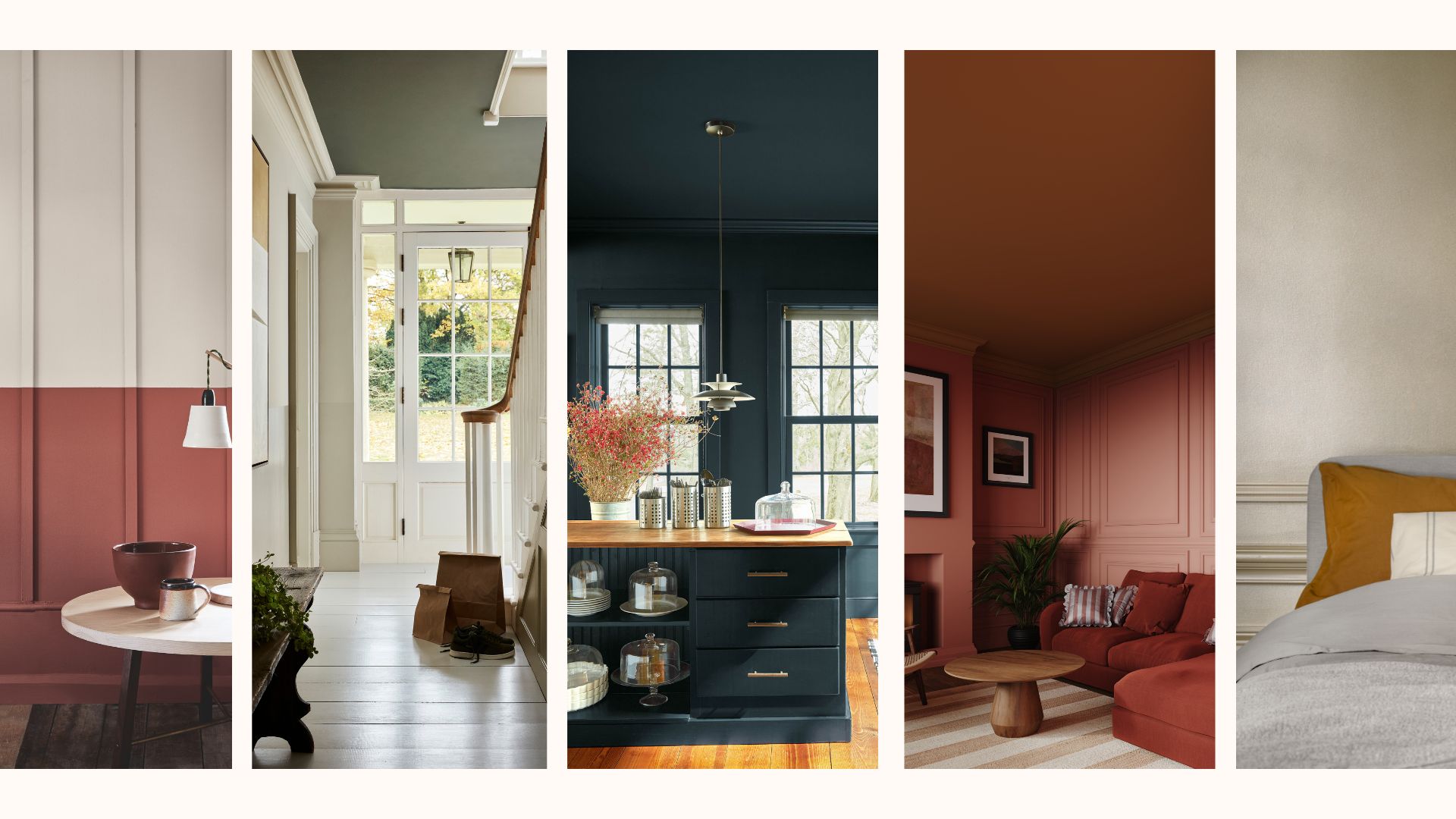
How to make a room look bigger with paint: 10 expert tips

'Potential buyers may see it as a DIY job gone wrong' – this popular interior trend may be devaluing your home
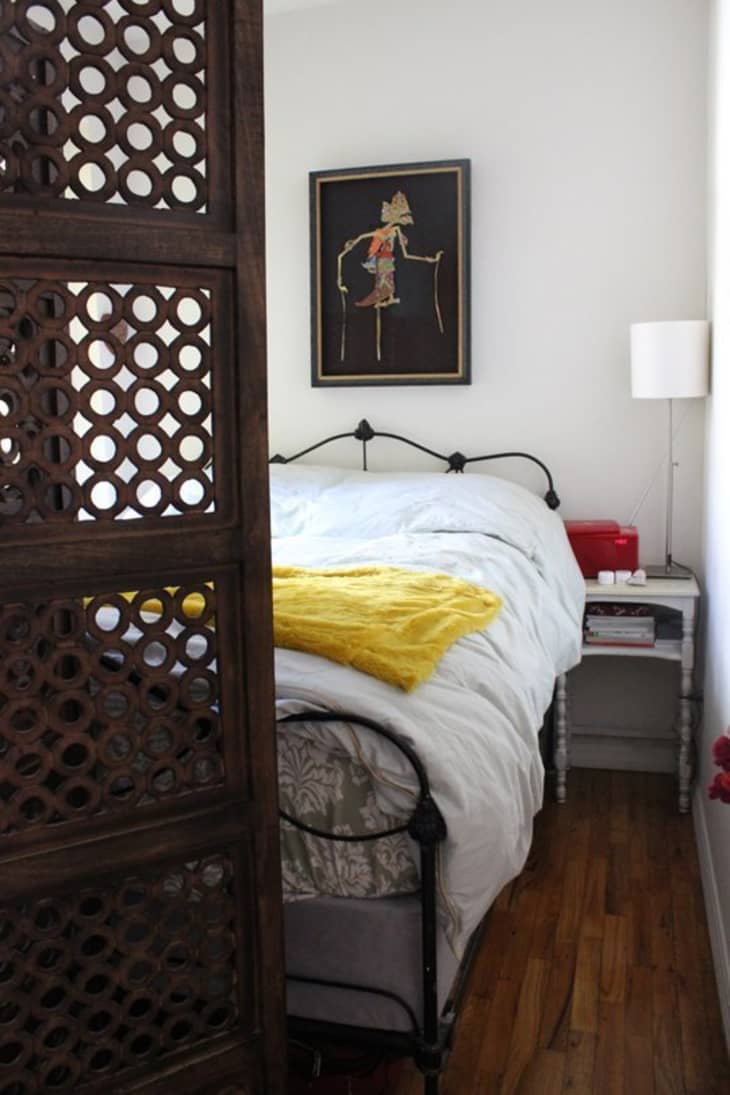
6 Brilliant Ways to Make the Most of a Narrow Bedroom
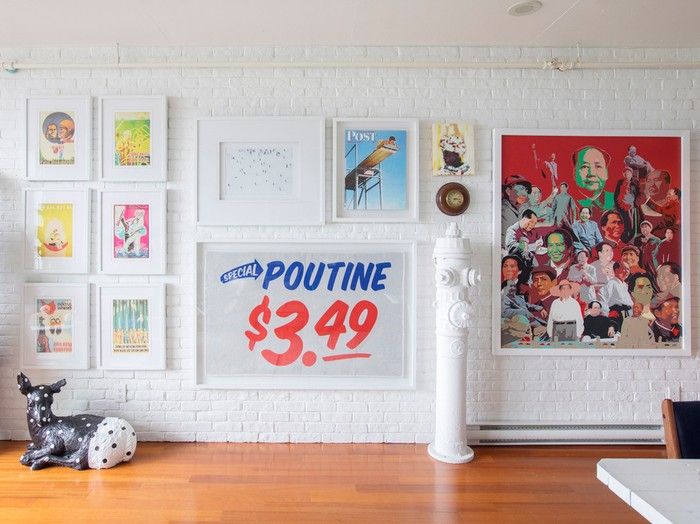
Curating art for the home is an art in itself

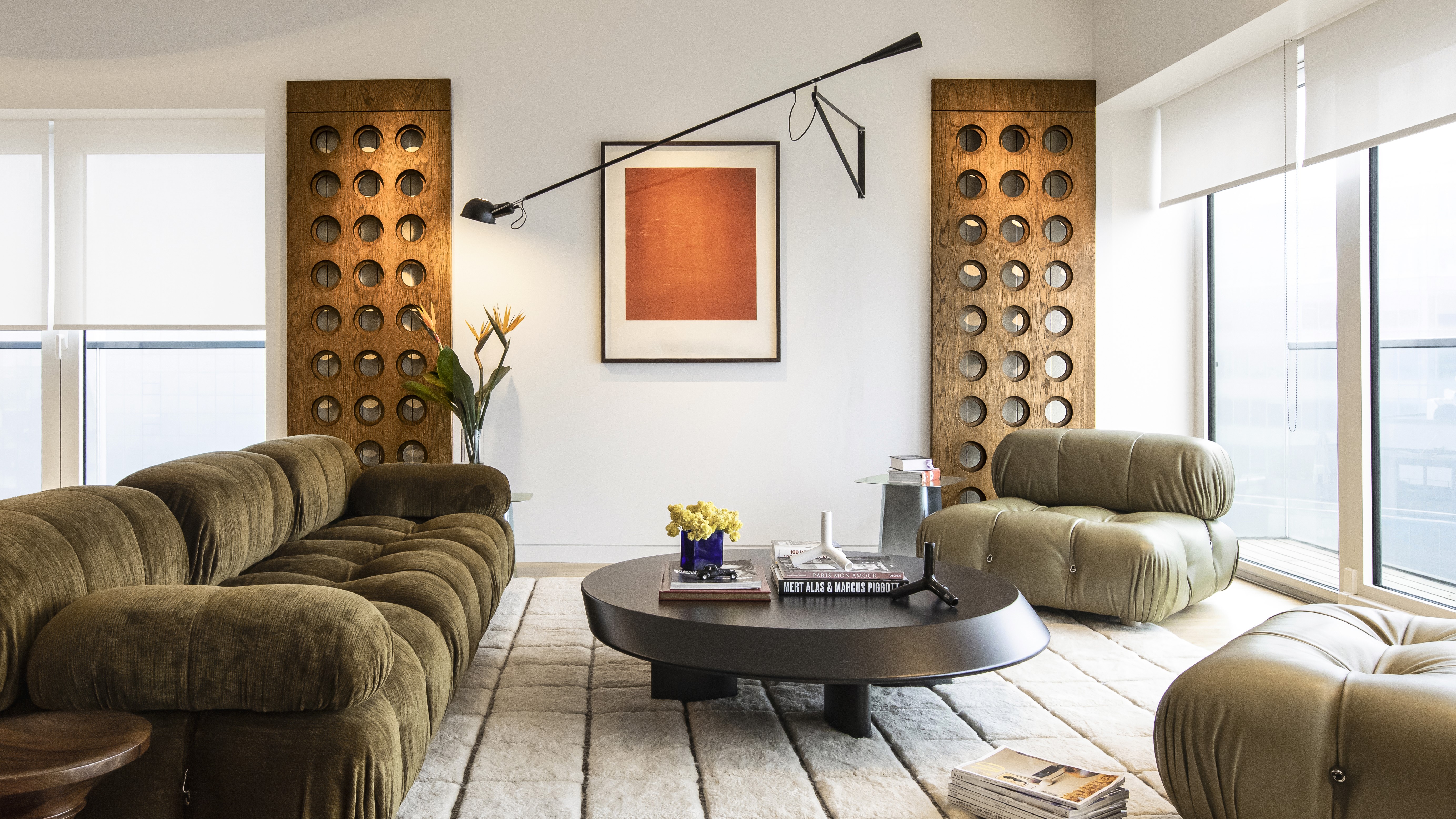
Designers swear by this small living room layout - 'it makes the space feel bigger'
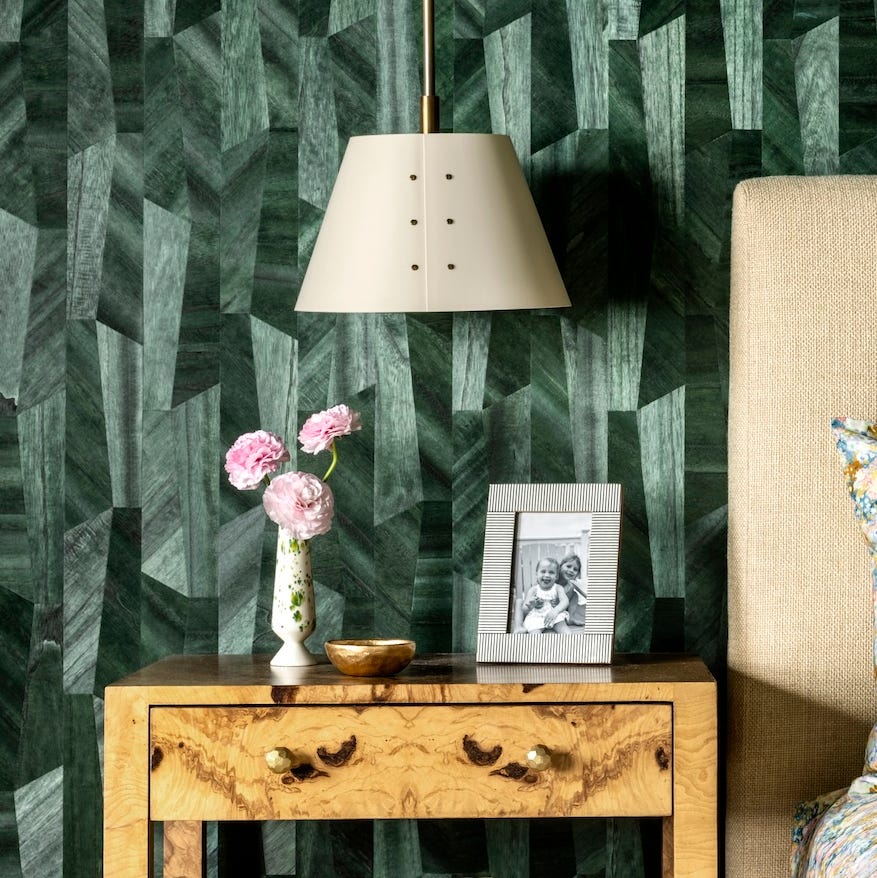
This ONE Tiny Detail Makes the Biggest Impact in Any Room, According to Designers

How To Decorate A Large Blank Wall, According To A Designer