1/15
How and why we should be decorating with small-scale wallpaper
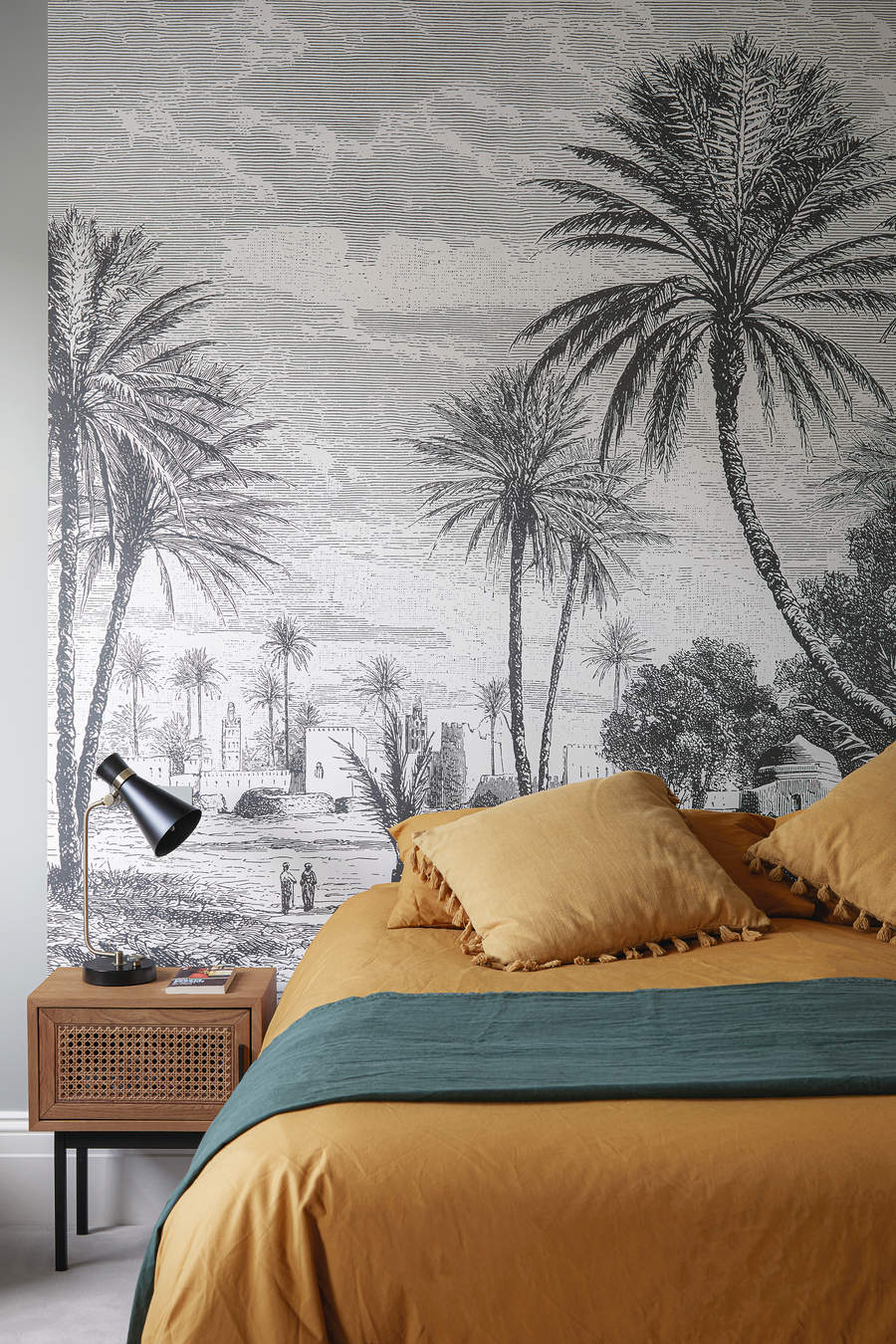
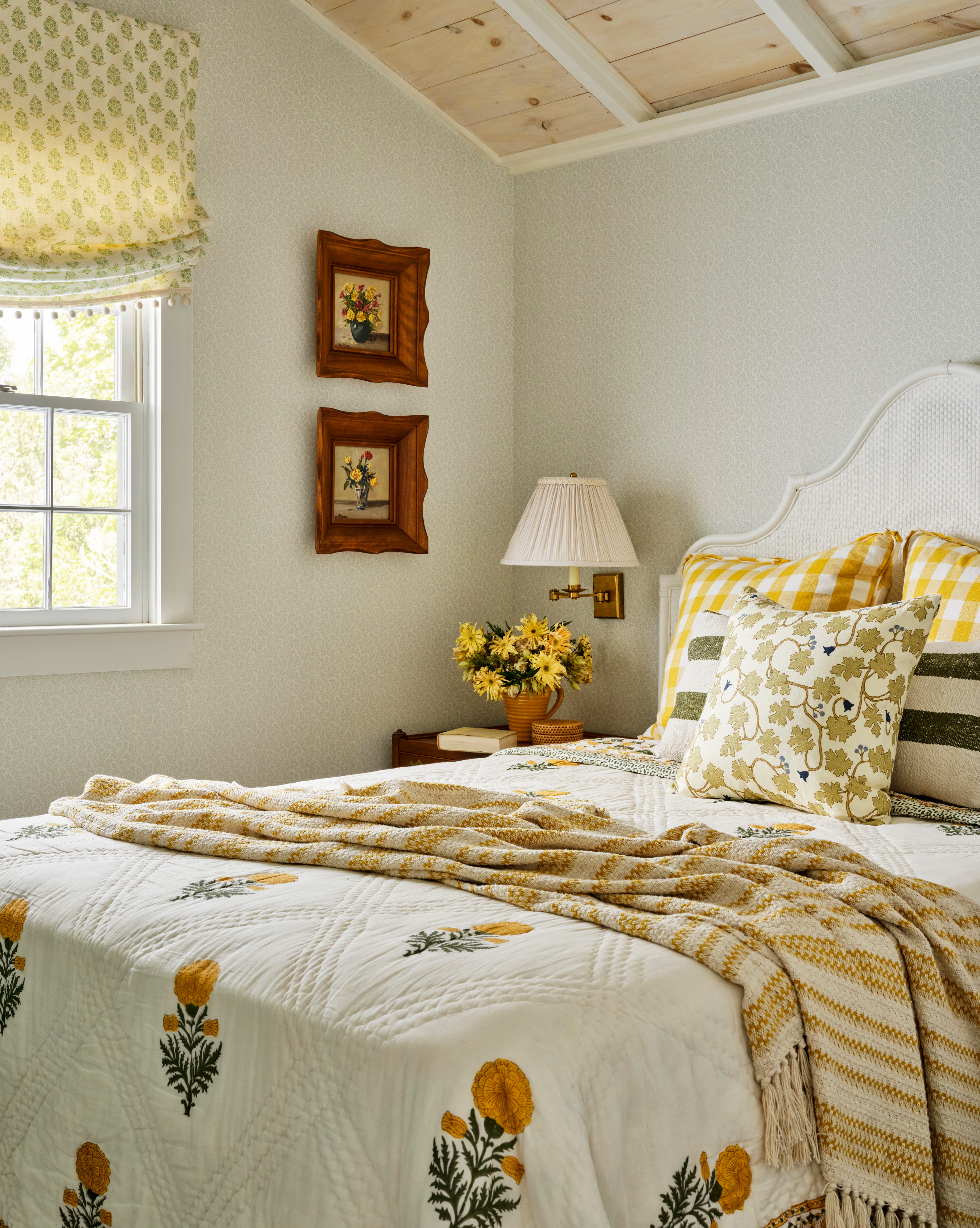
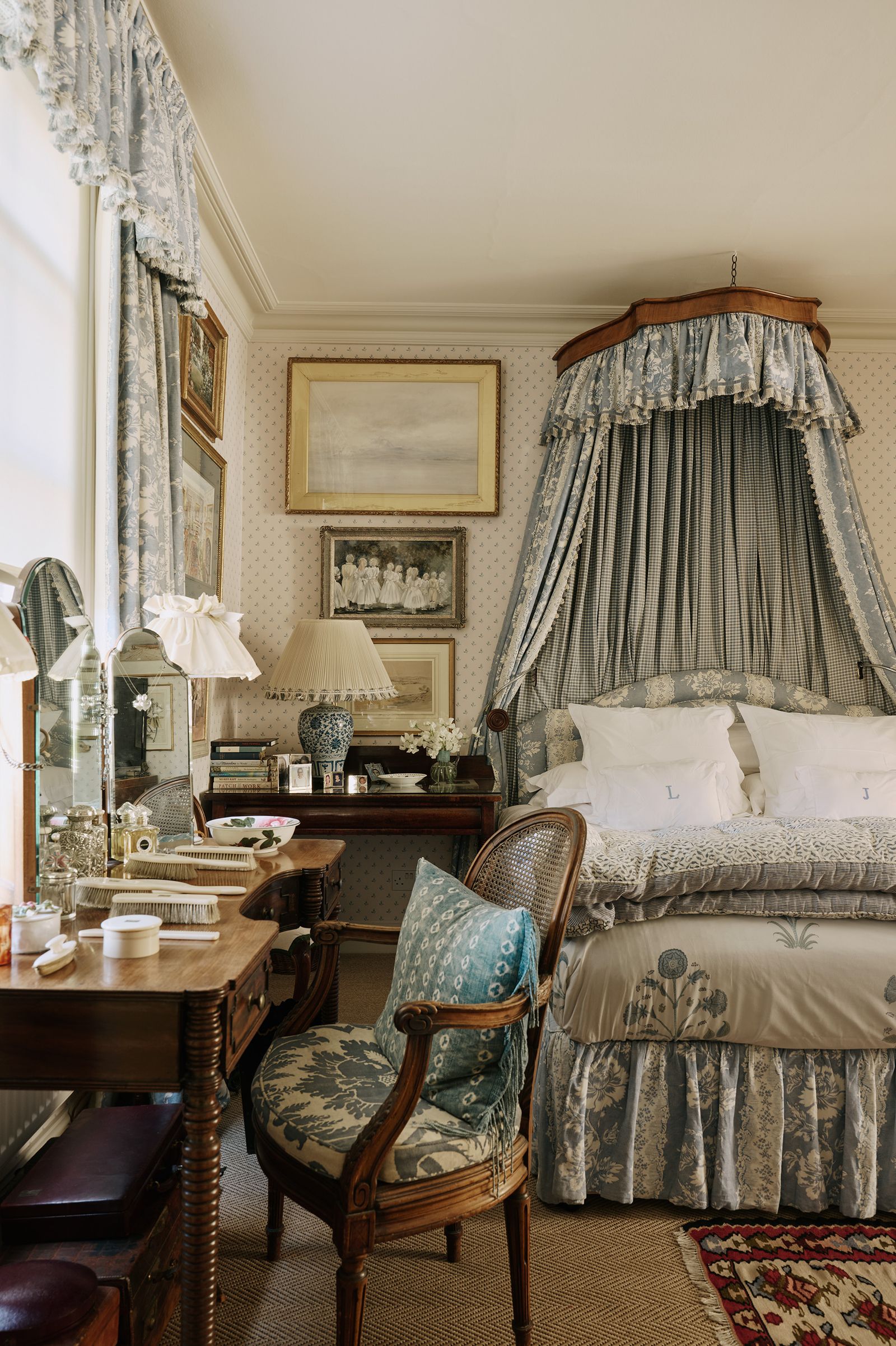
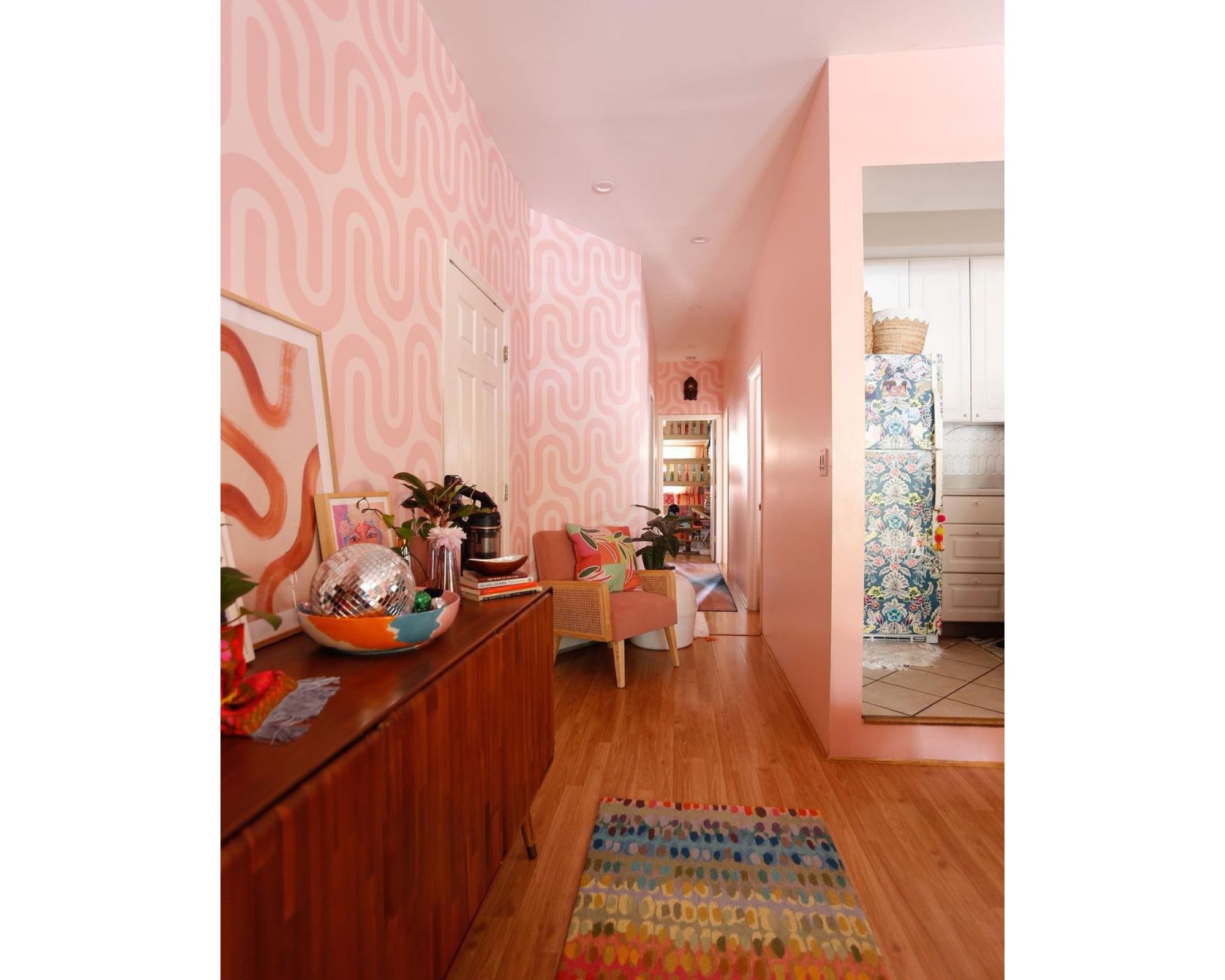
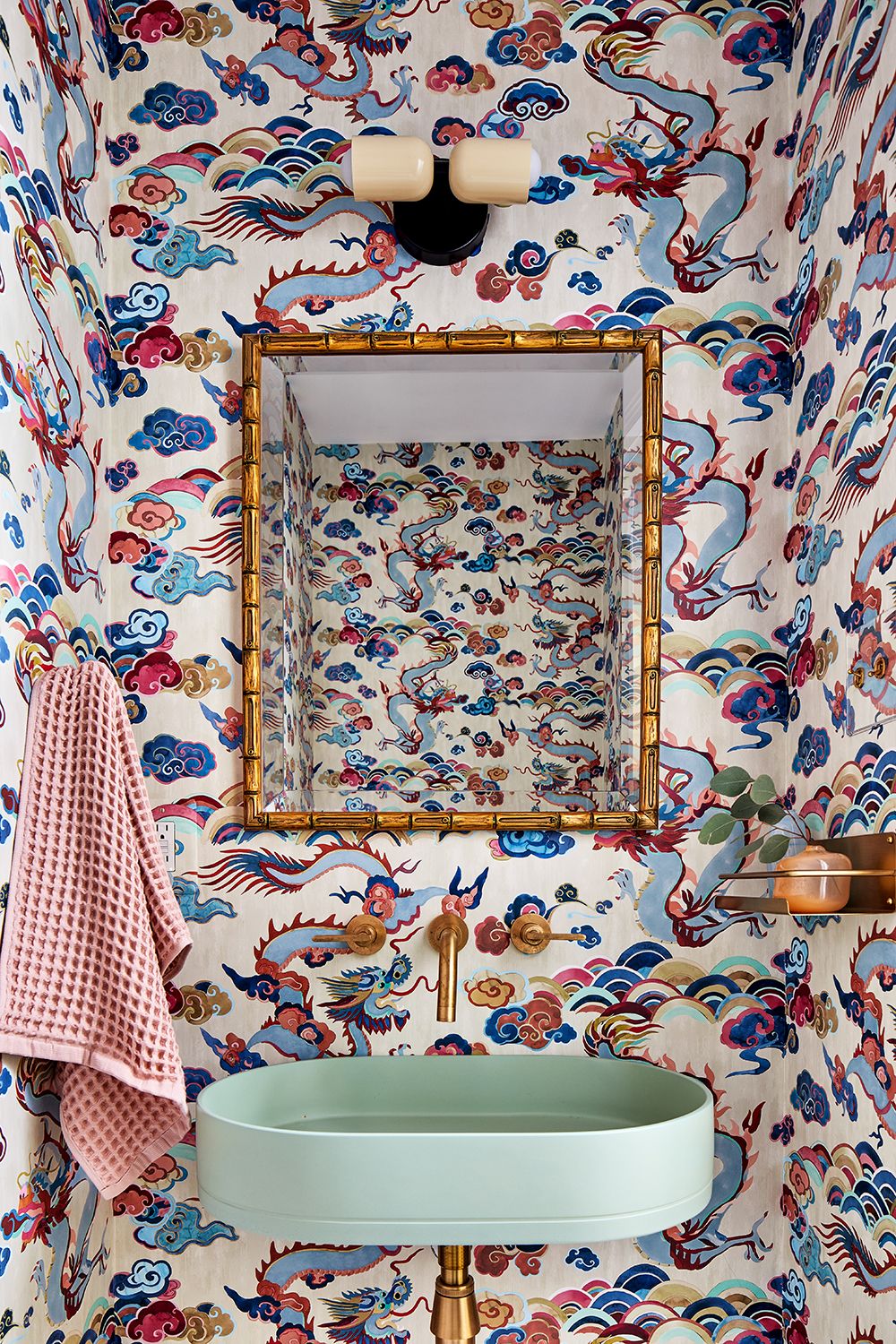
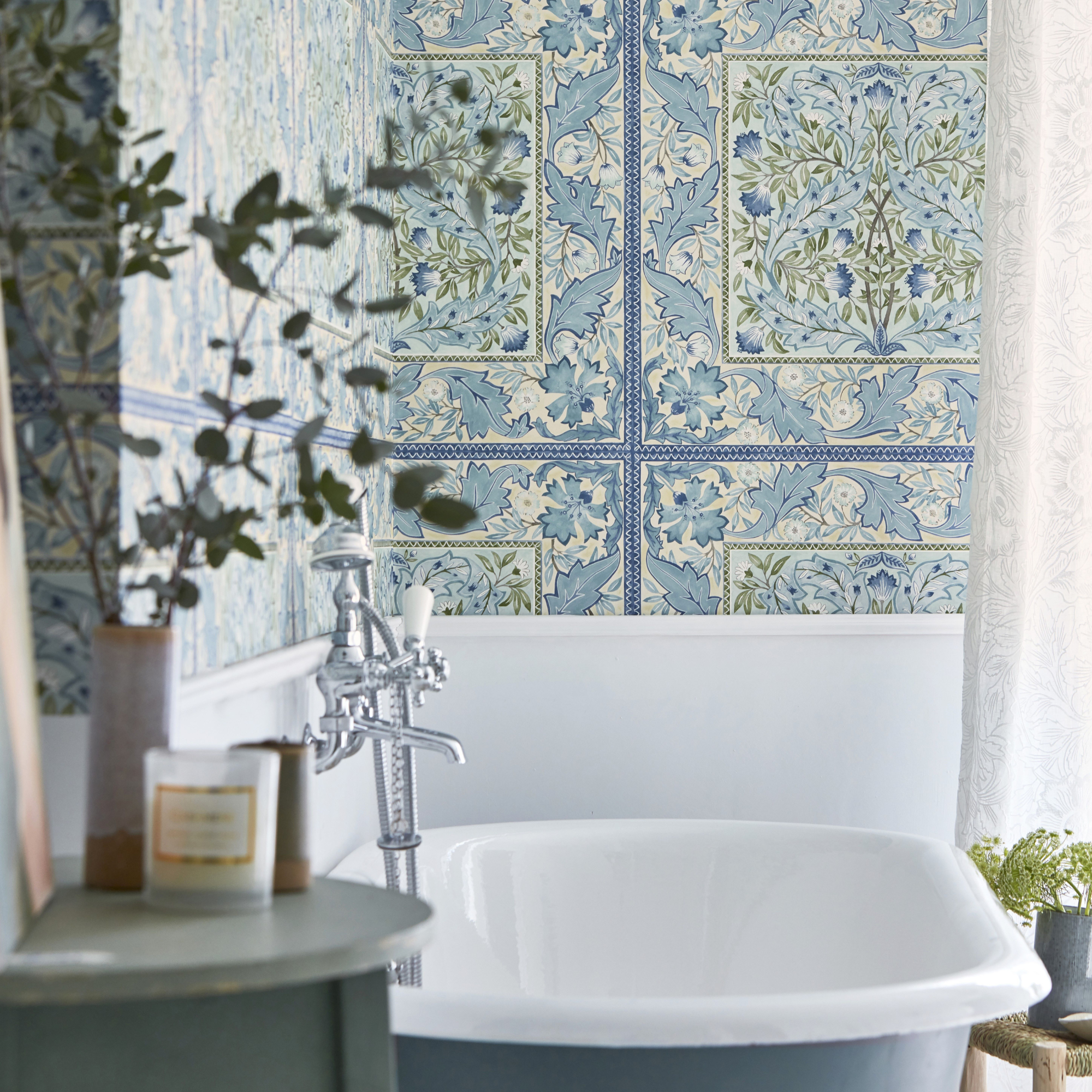
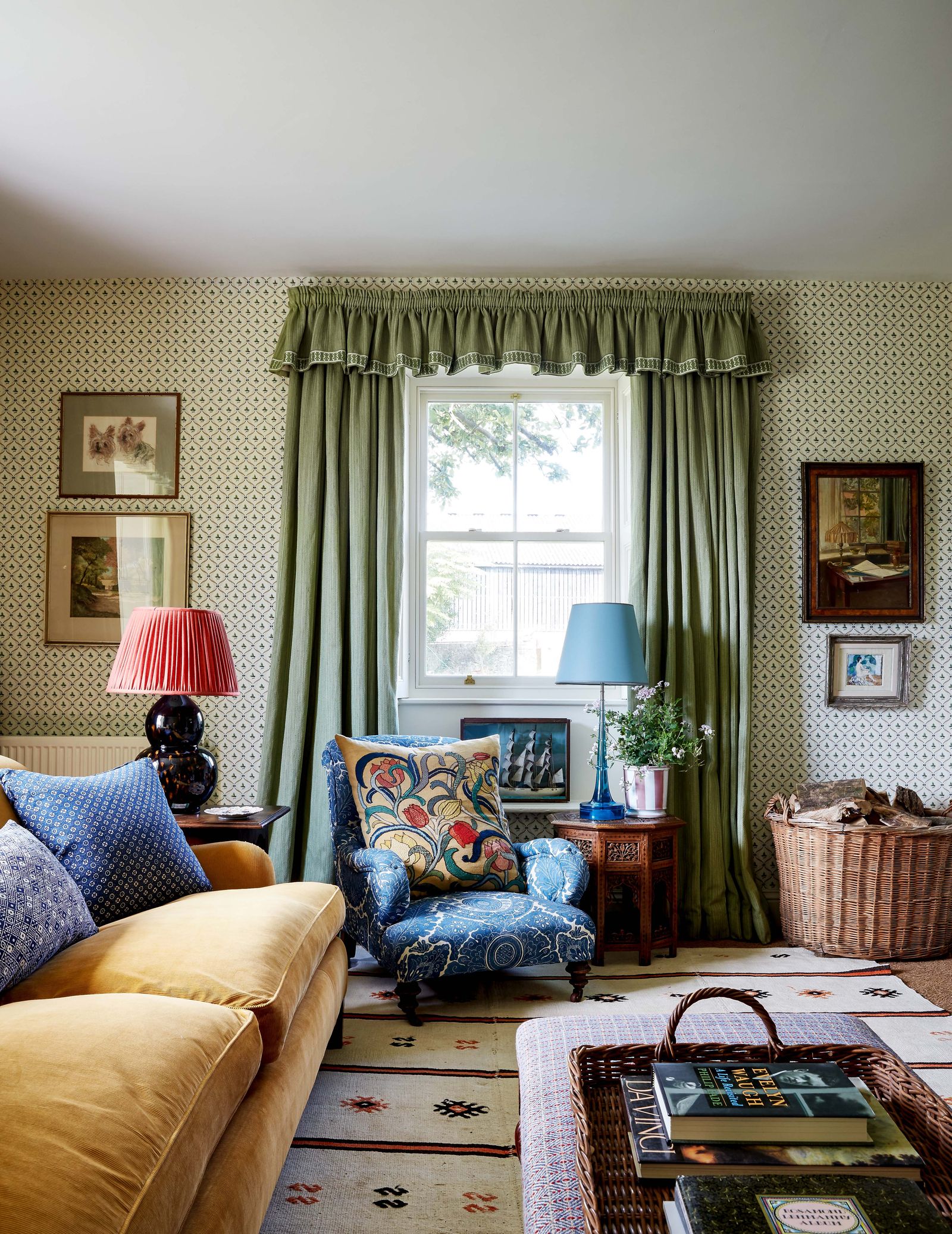
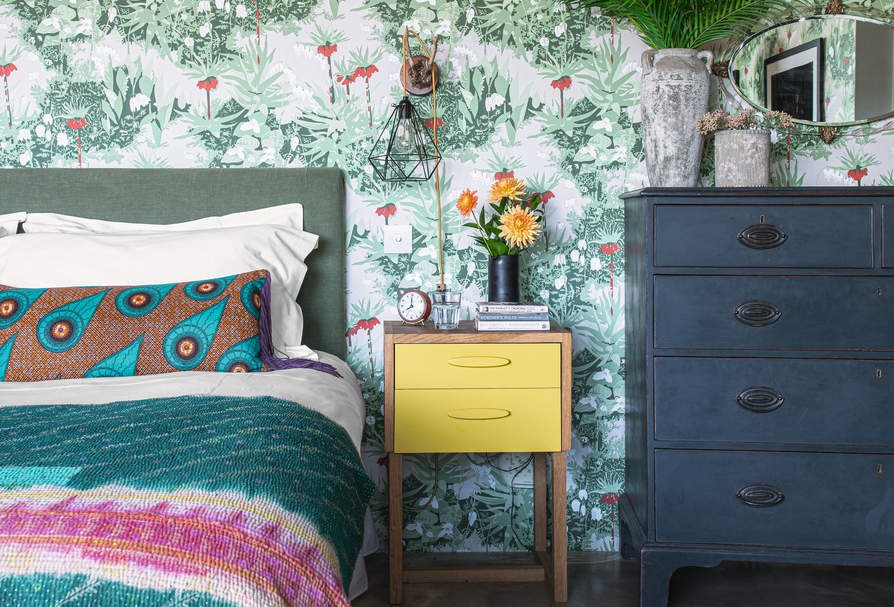
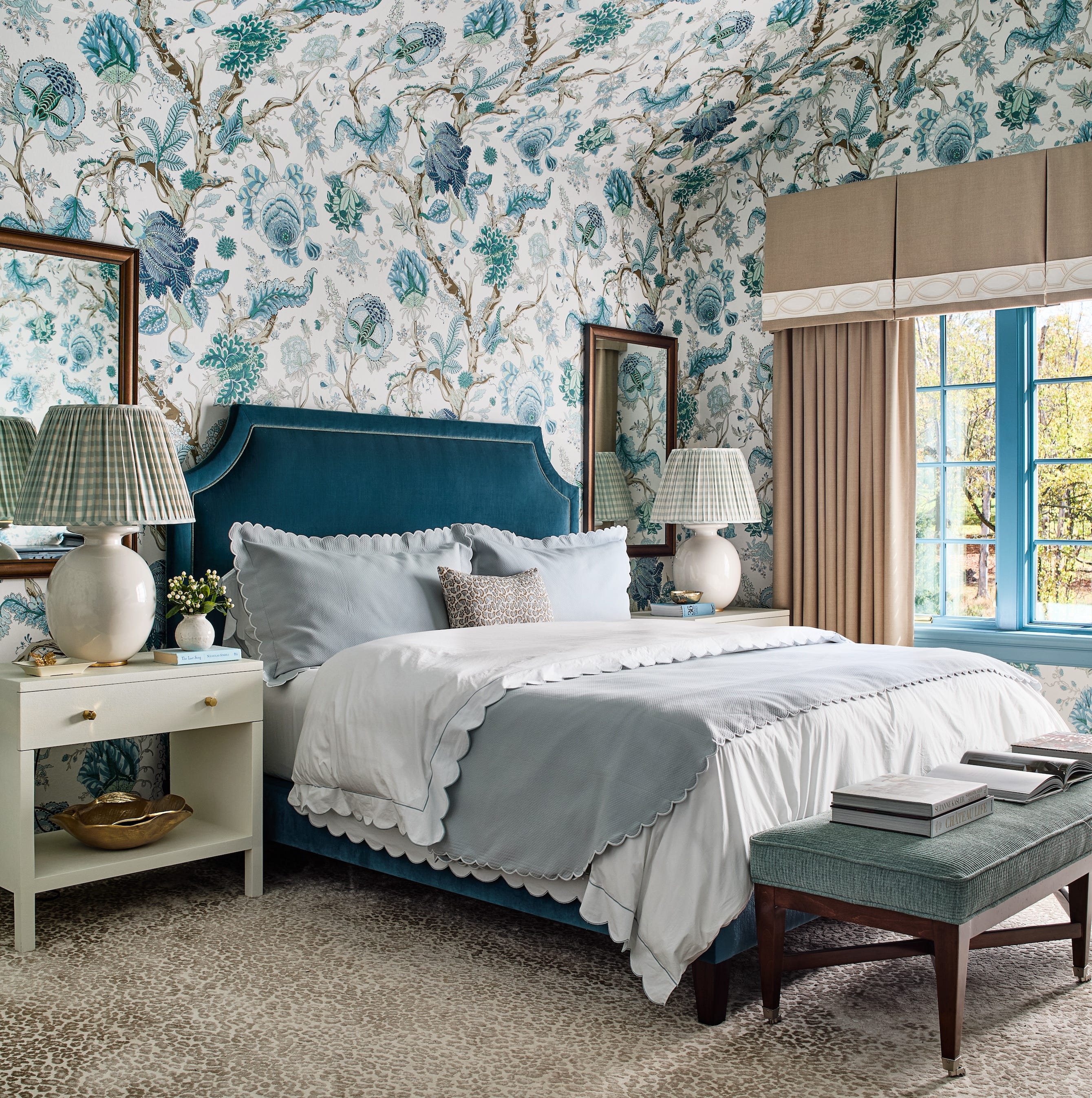
The trend in interior design is shifting towards smaller, more subtle wallpaper prints, offering a versatile alternative to large, bold patterns. Small-scale wallpapers, characterized by tighter, more frequent repeats, introduce texture and visual interest without overwhelming a space. Designers note that these delicate patterns can make a room feel more spacious and layered, in contrast to larger motifs that often create a dramatic and intimate atmosphere. This approach allows for greater flexibility in layering other patterns within a room's decor.
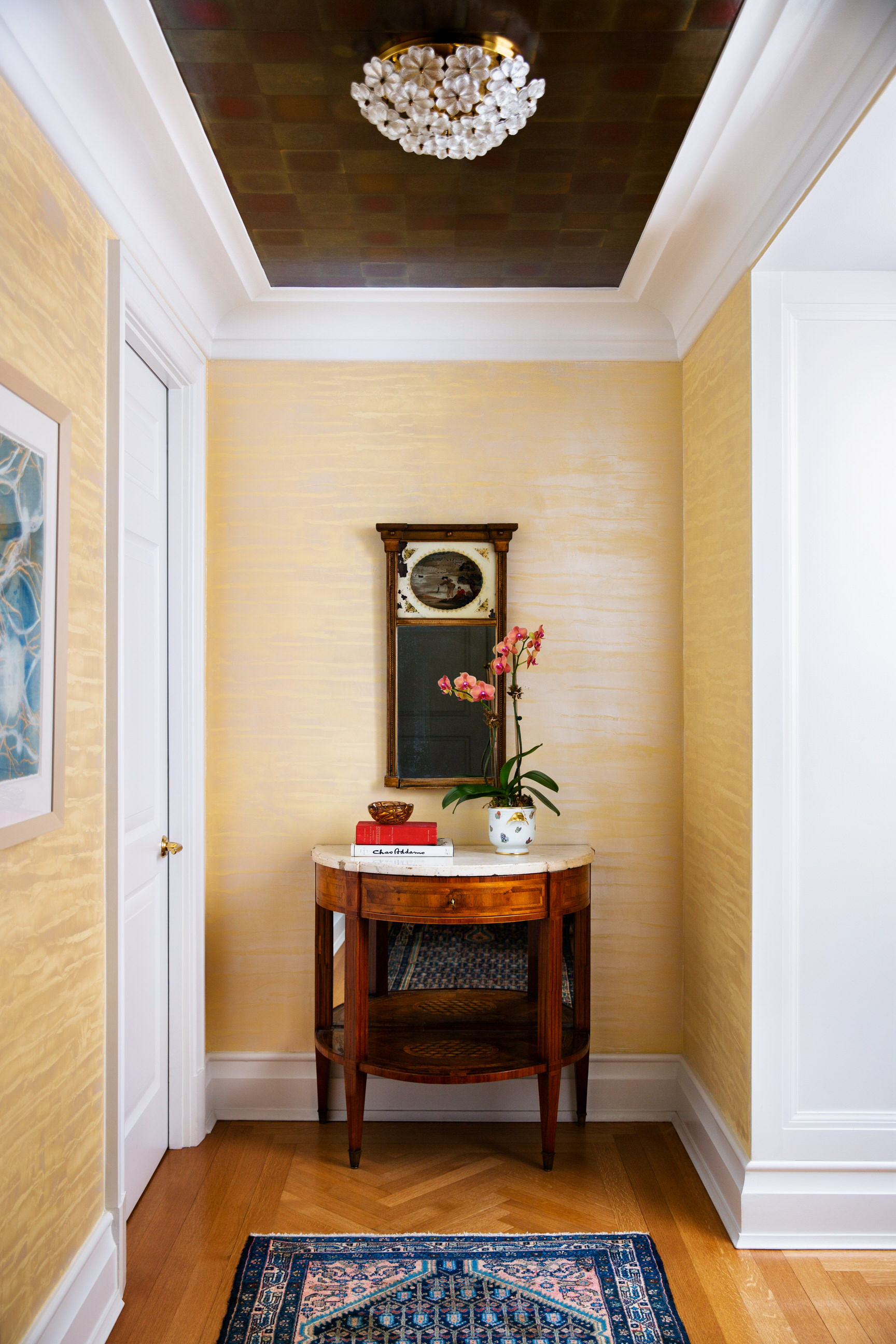
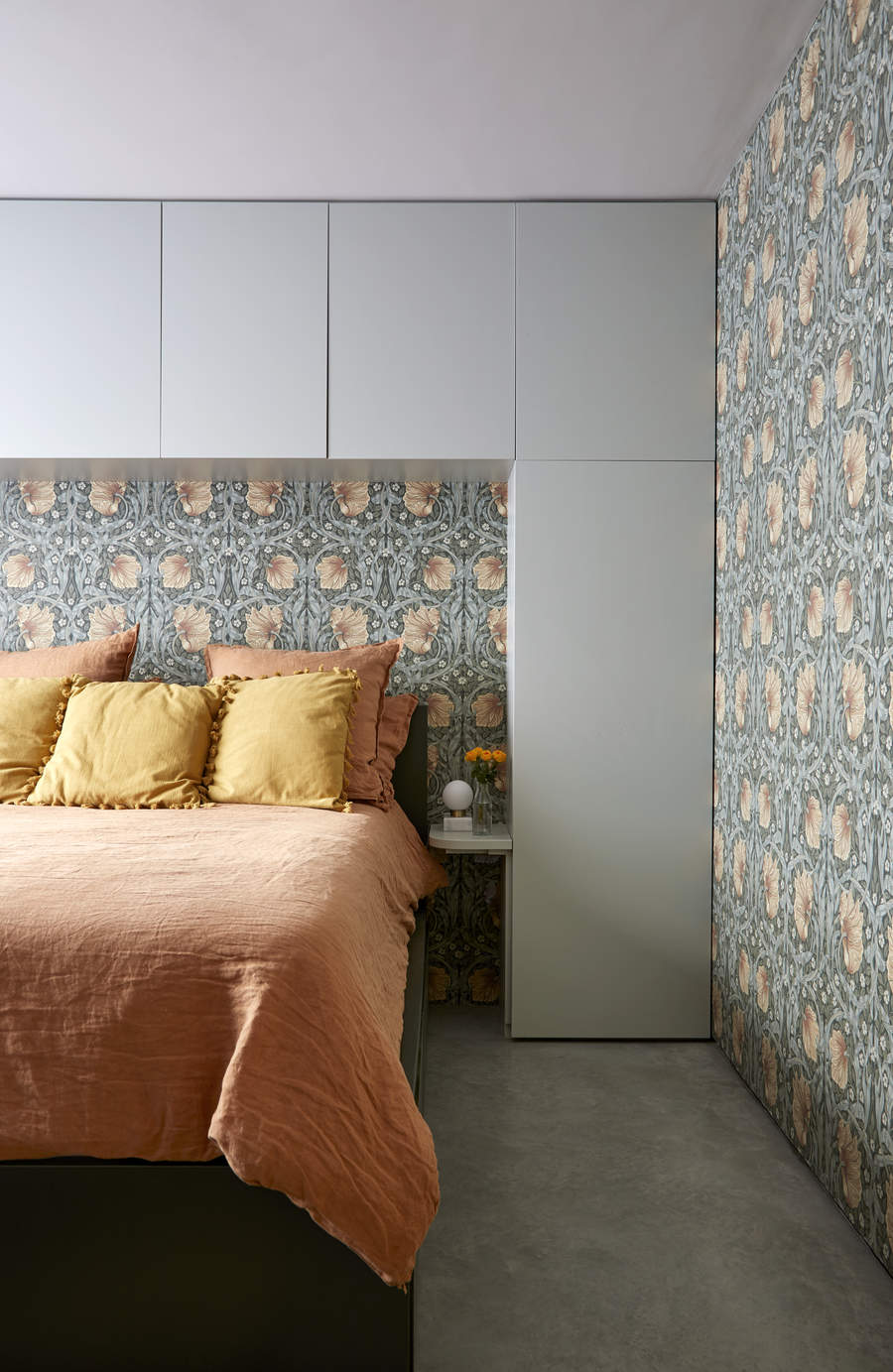
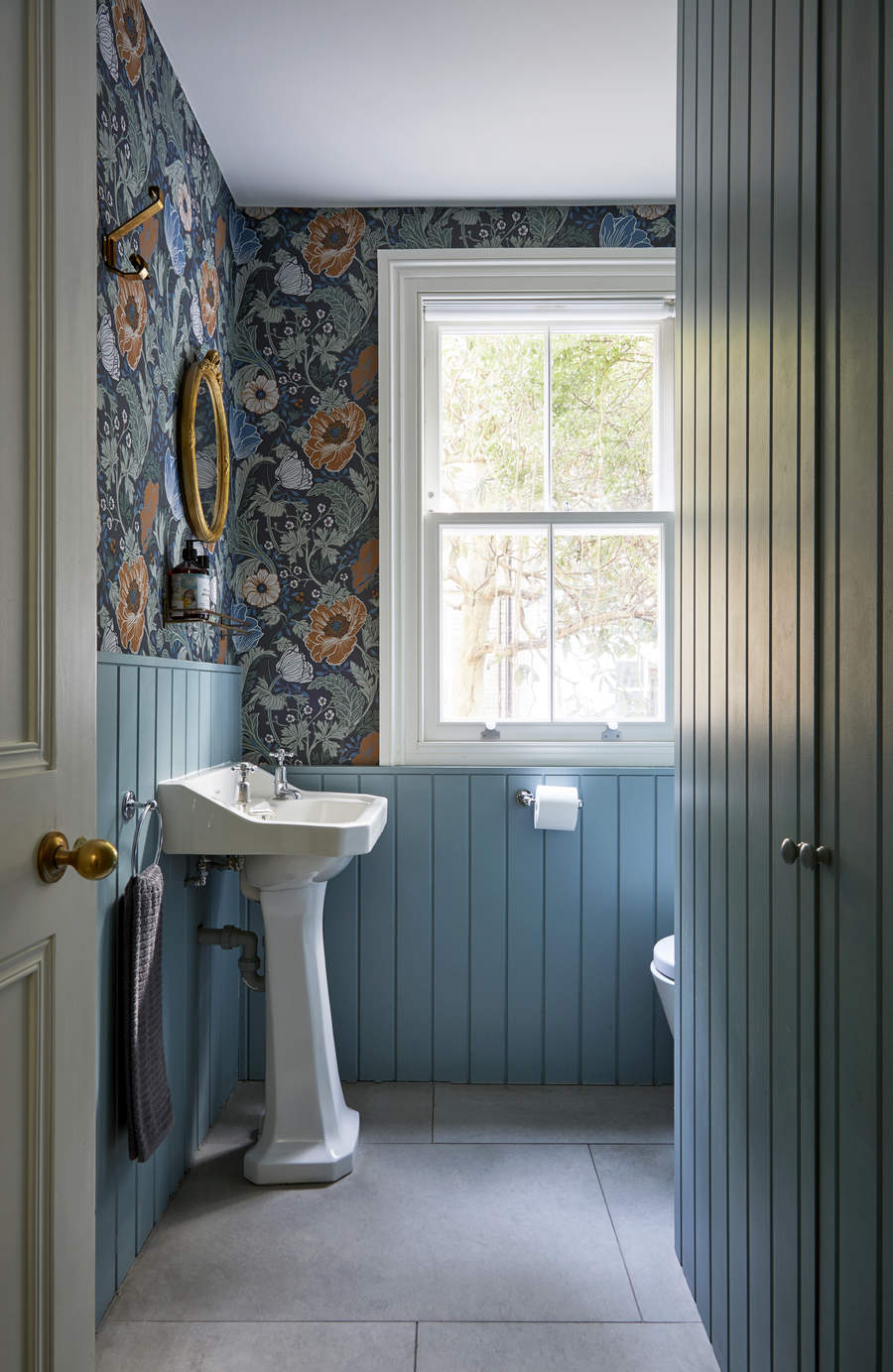
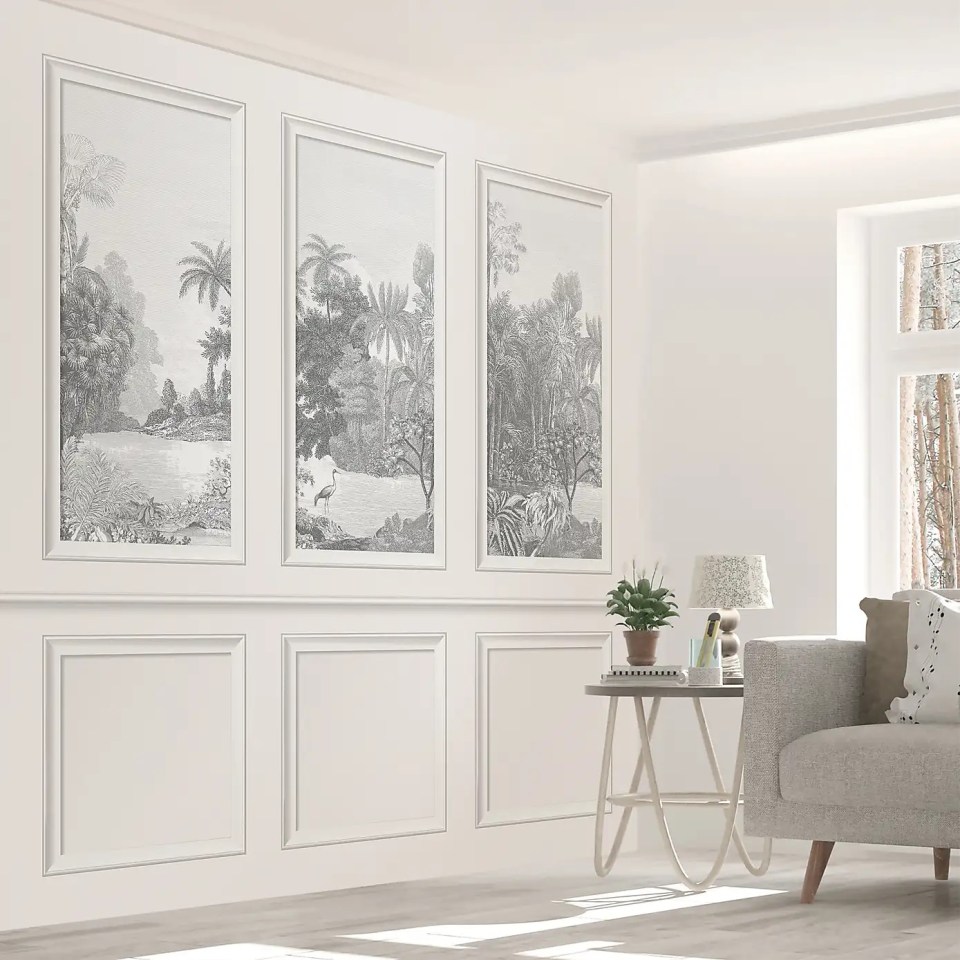
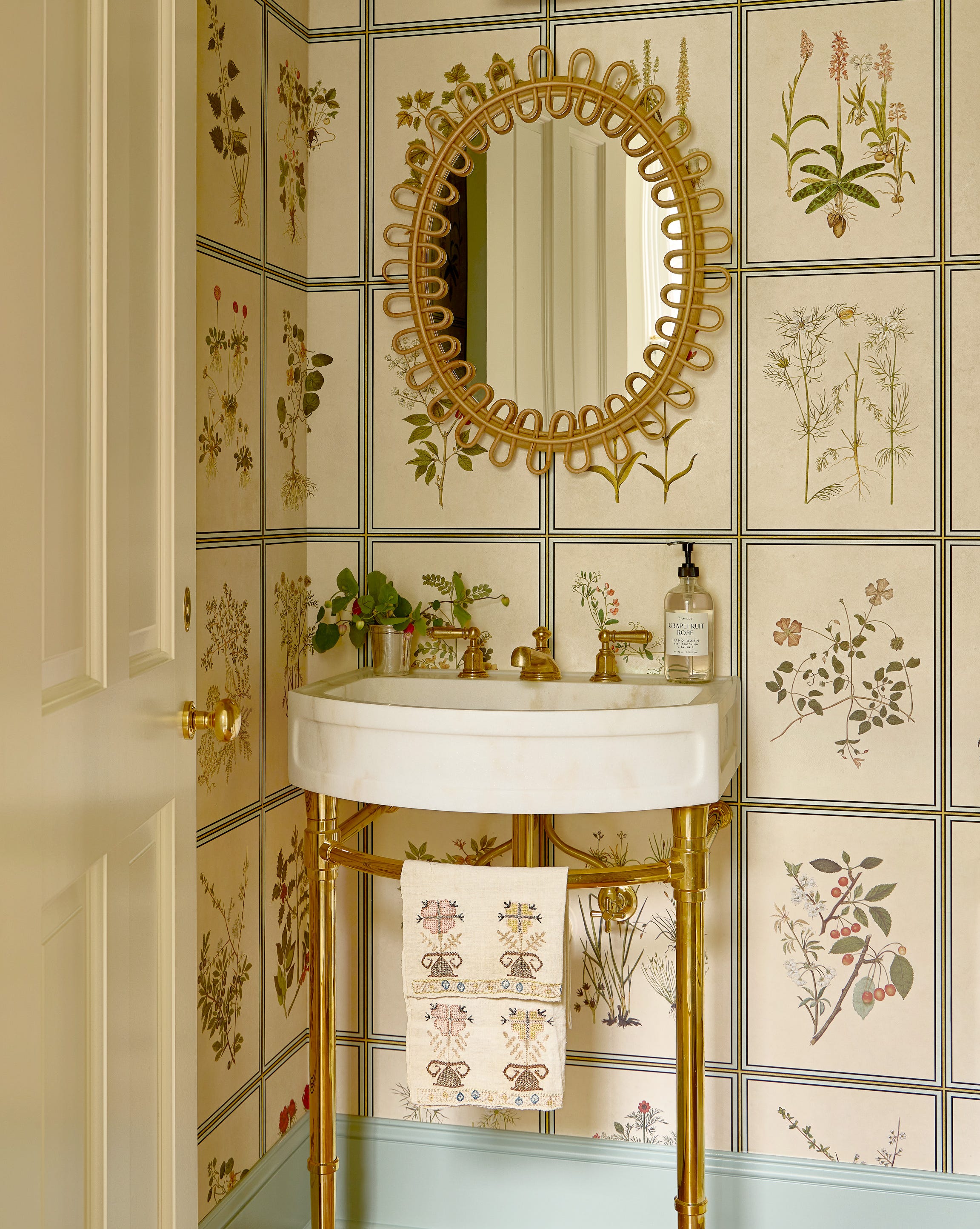
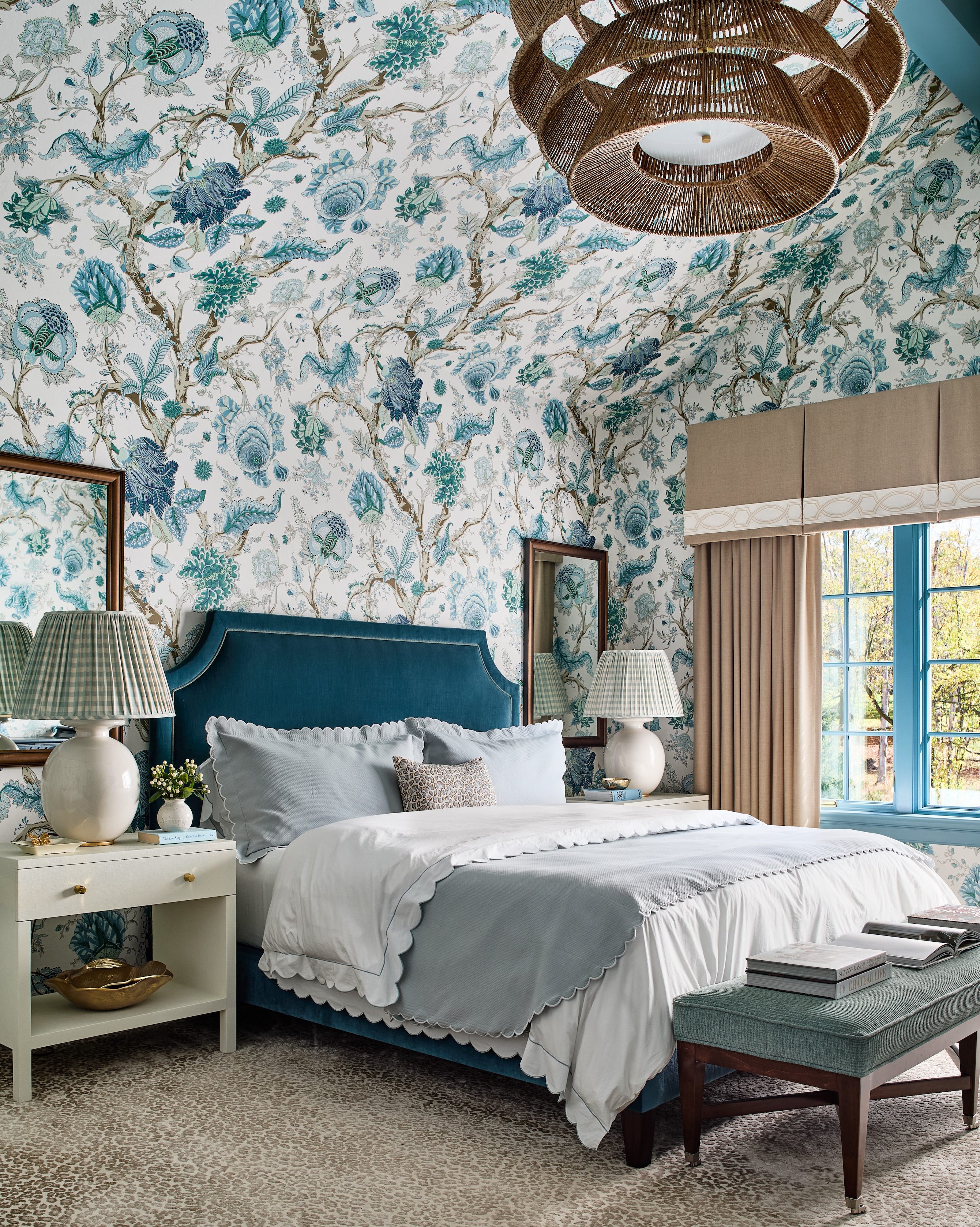
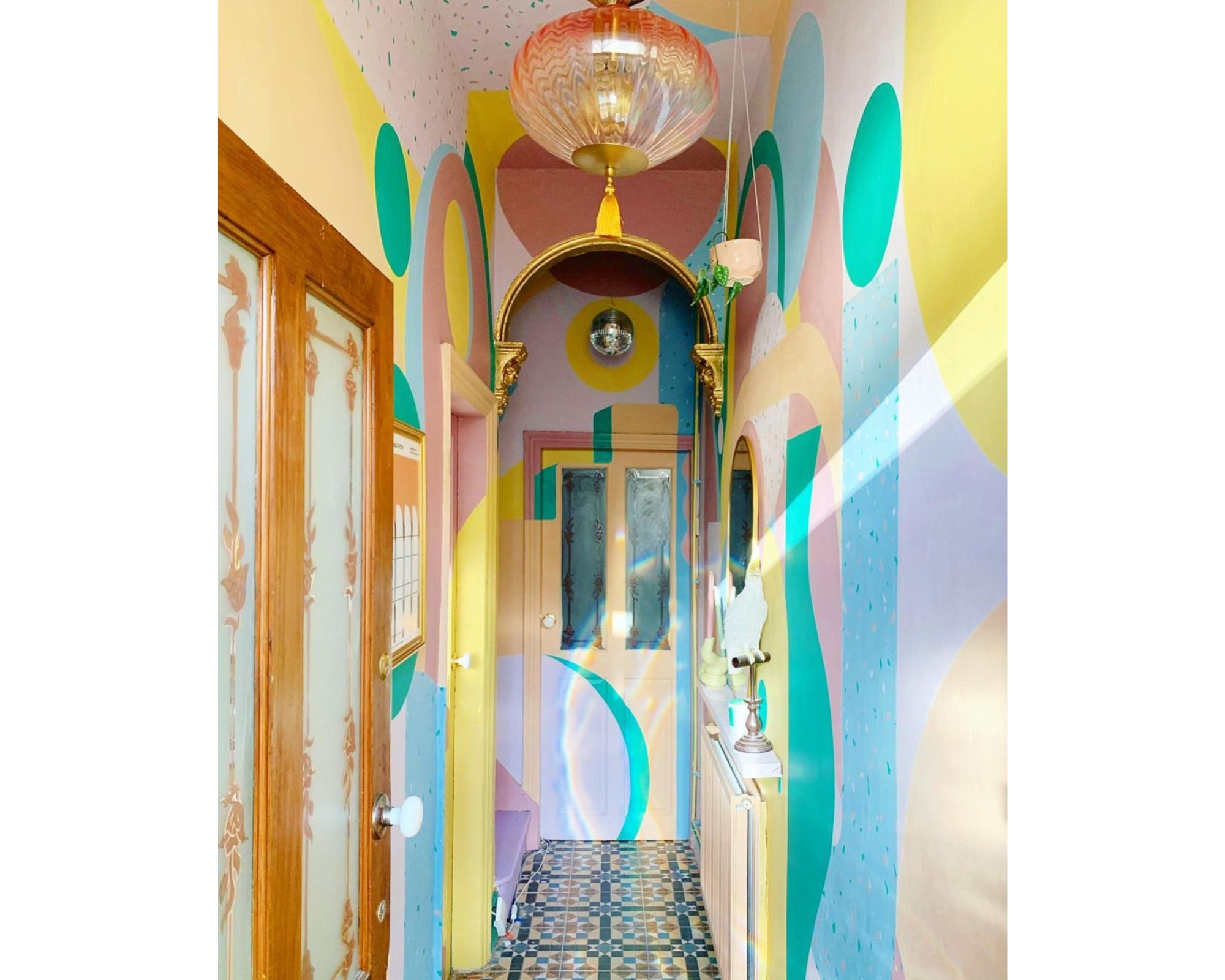
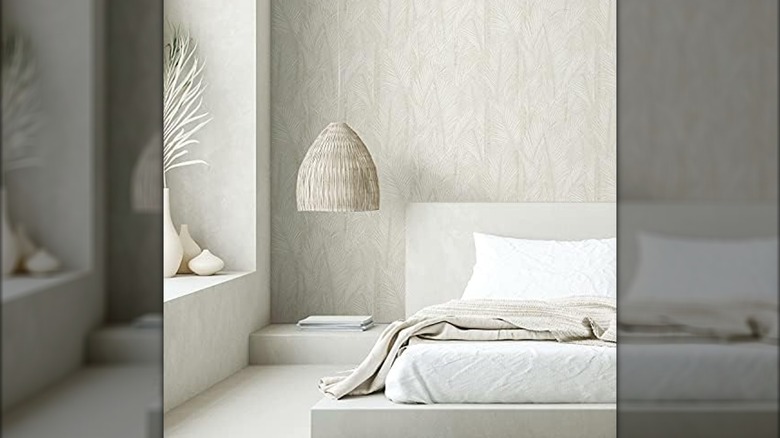
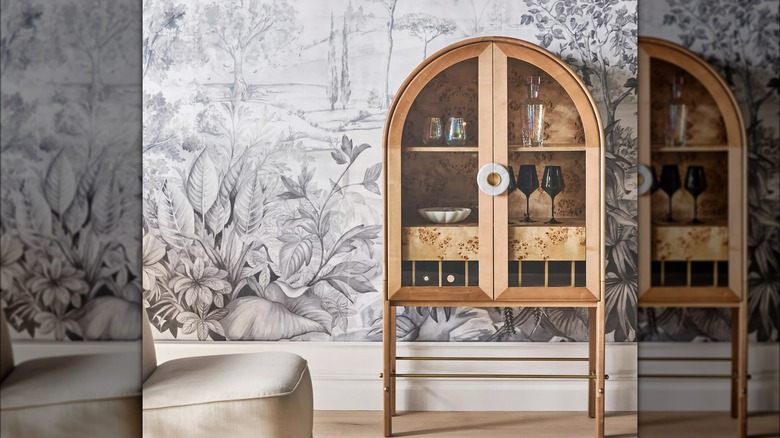
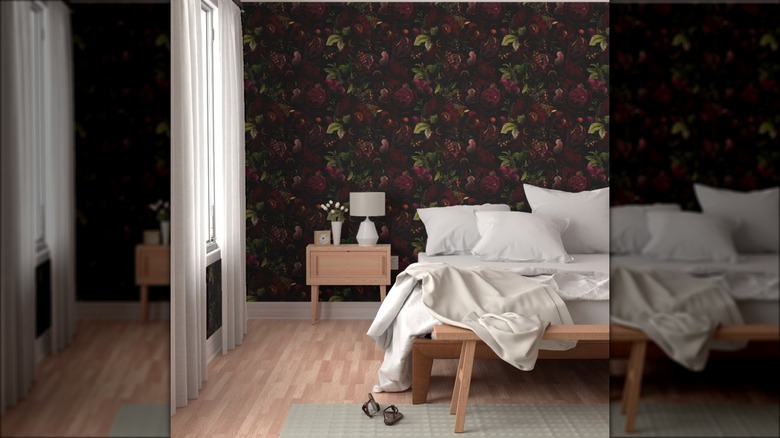
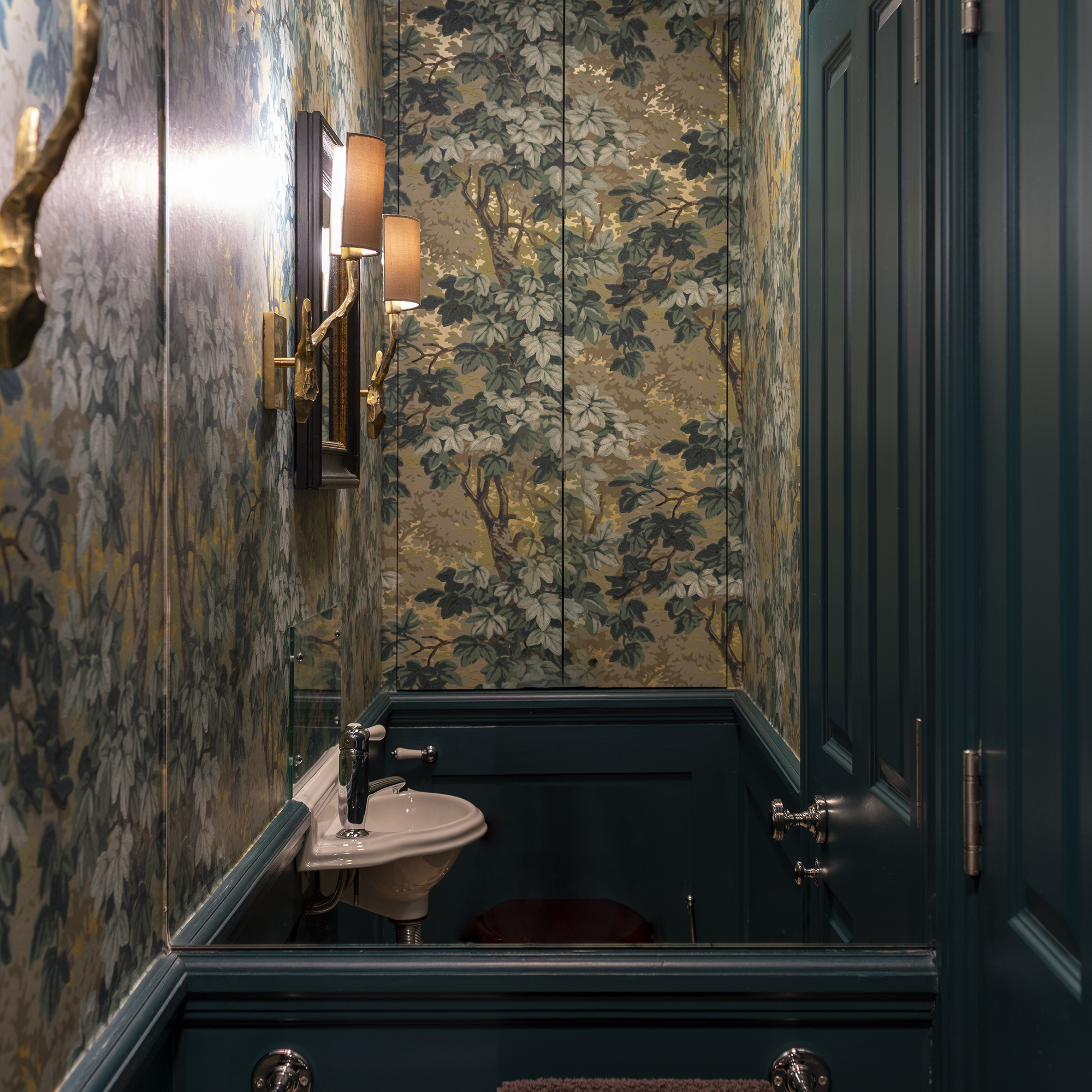
Small-scale wallpapers are particularly effective in smaller or more intimate areas such as under-eave bedrooms, bathrooms, and hallways, where they provide texture without visual clutter. In older properties with architectural details like nooks, beams, and alcoves, these prints can foster a harmonious and grounded ambiance, as if they were an original part of the home. Conversely, they can also serve as an elegant alternative to paint in larger rooms when clients desire subtle walls with a hint of interest, rather than wallpaper being the focal point. From a distance, some small-scale prints may even appear plain or purely textural. They are also useful in unifying unusually shaped rooms or those with intricate architectural elements.
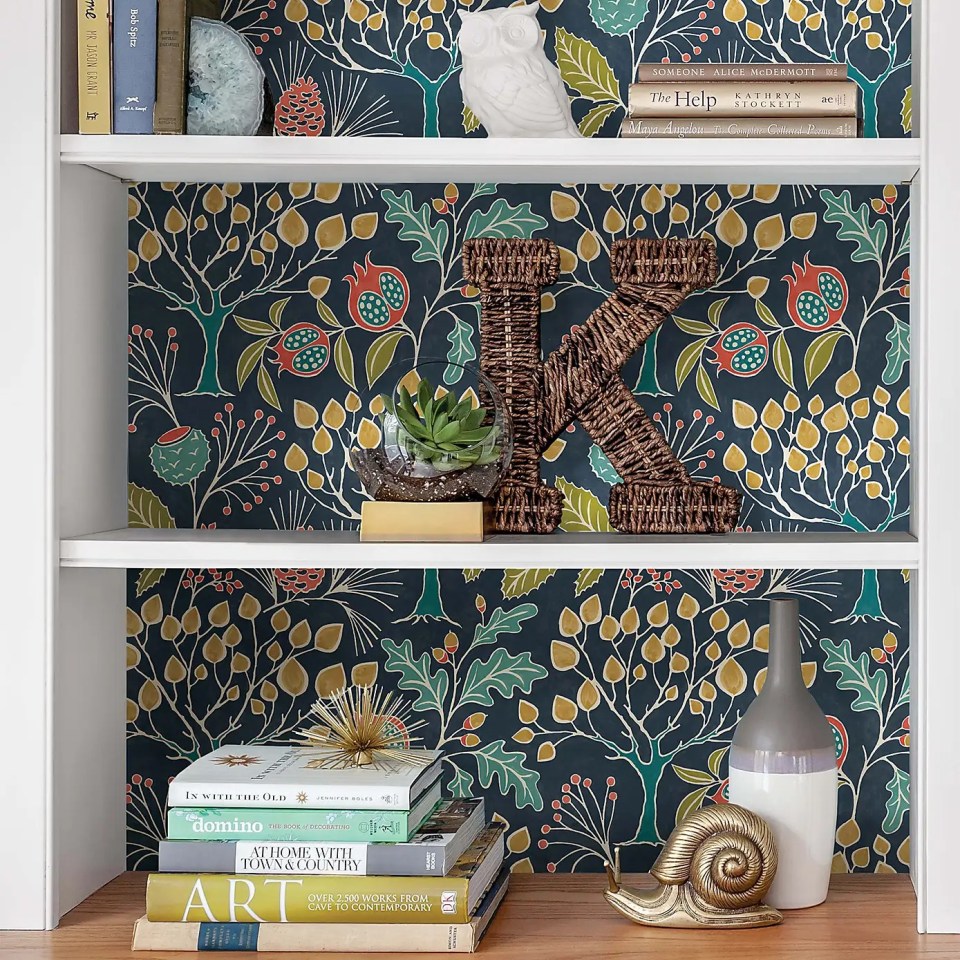
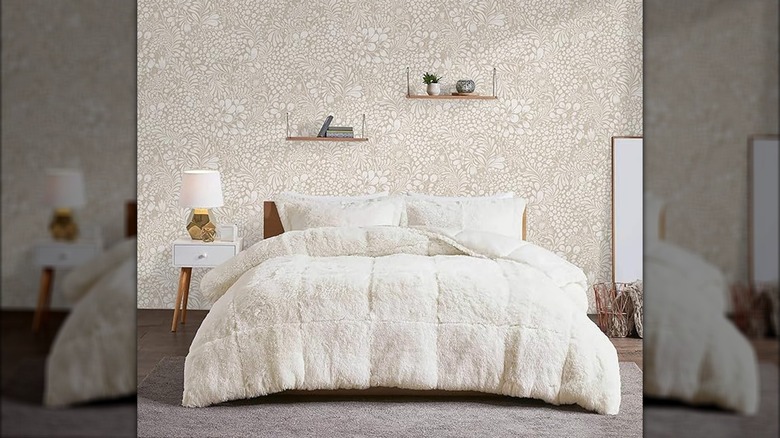
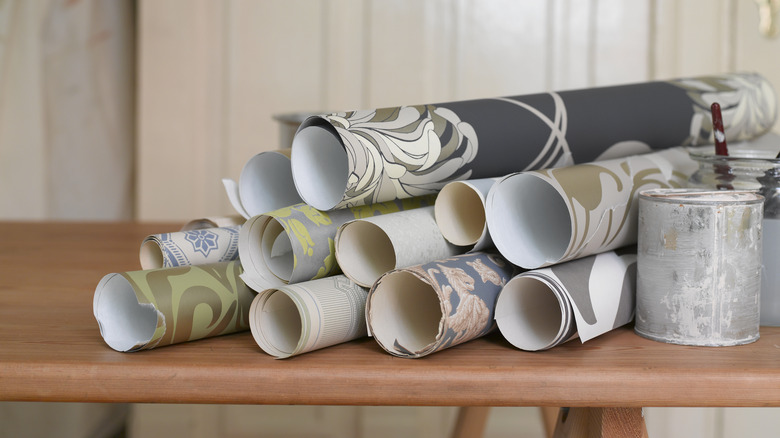
Beyond main walls, small-scale wallpapers can be applied to unexpected areas such as the backs of shelves, inside cupboards, and drawer linings, adding a 'layered feel' and 'joy in the everyday.' These smaller applications are also an efficient way to utilize leftover wallpaper rolls. When decorating with these designs, the aesthetic and mood can be finely tuned. A busy pattern in a soft, tonal palette can be calming, while a bolder contrast within a small-scale print can inject playfulness and graphic appeal.
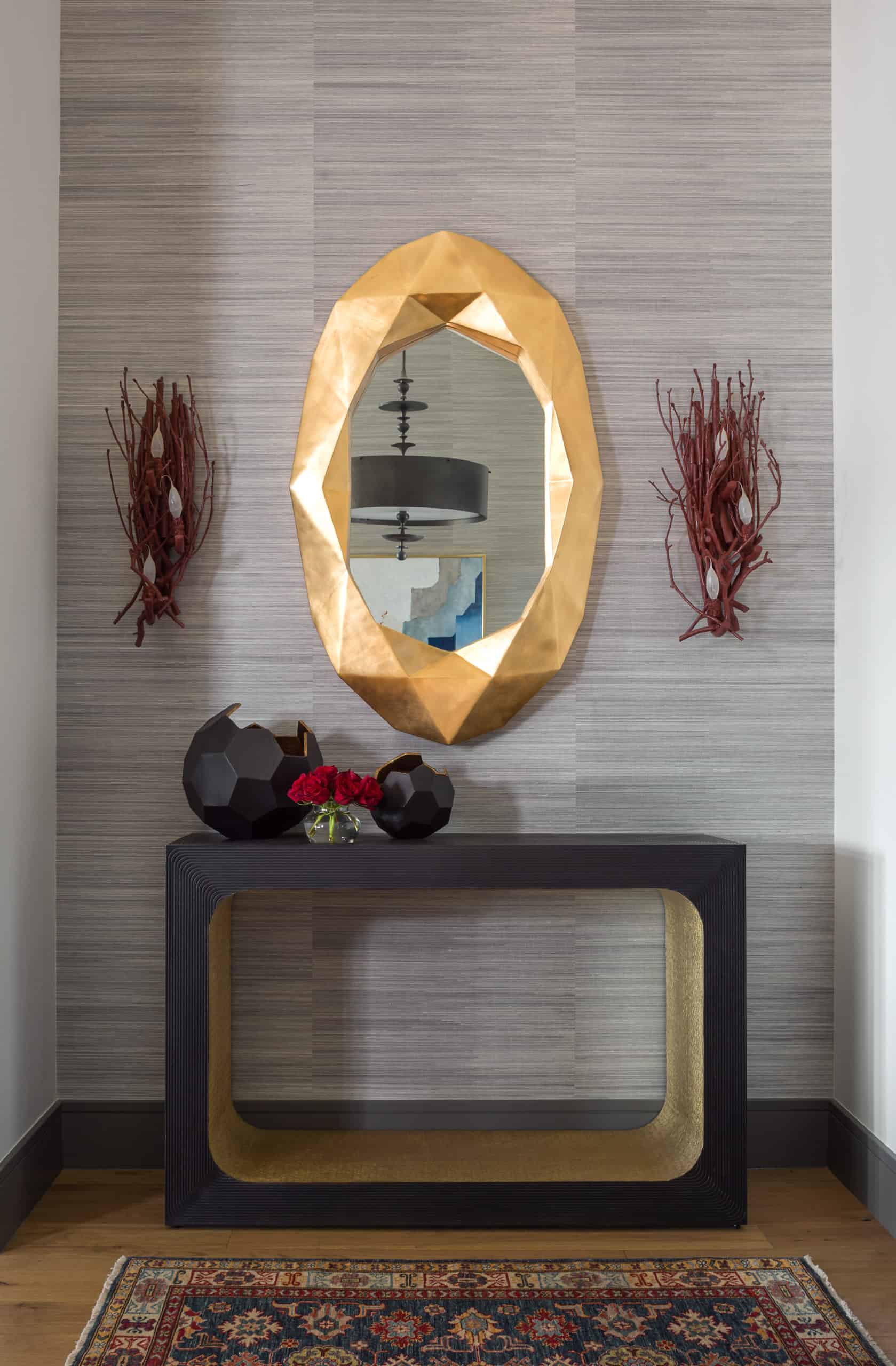
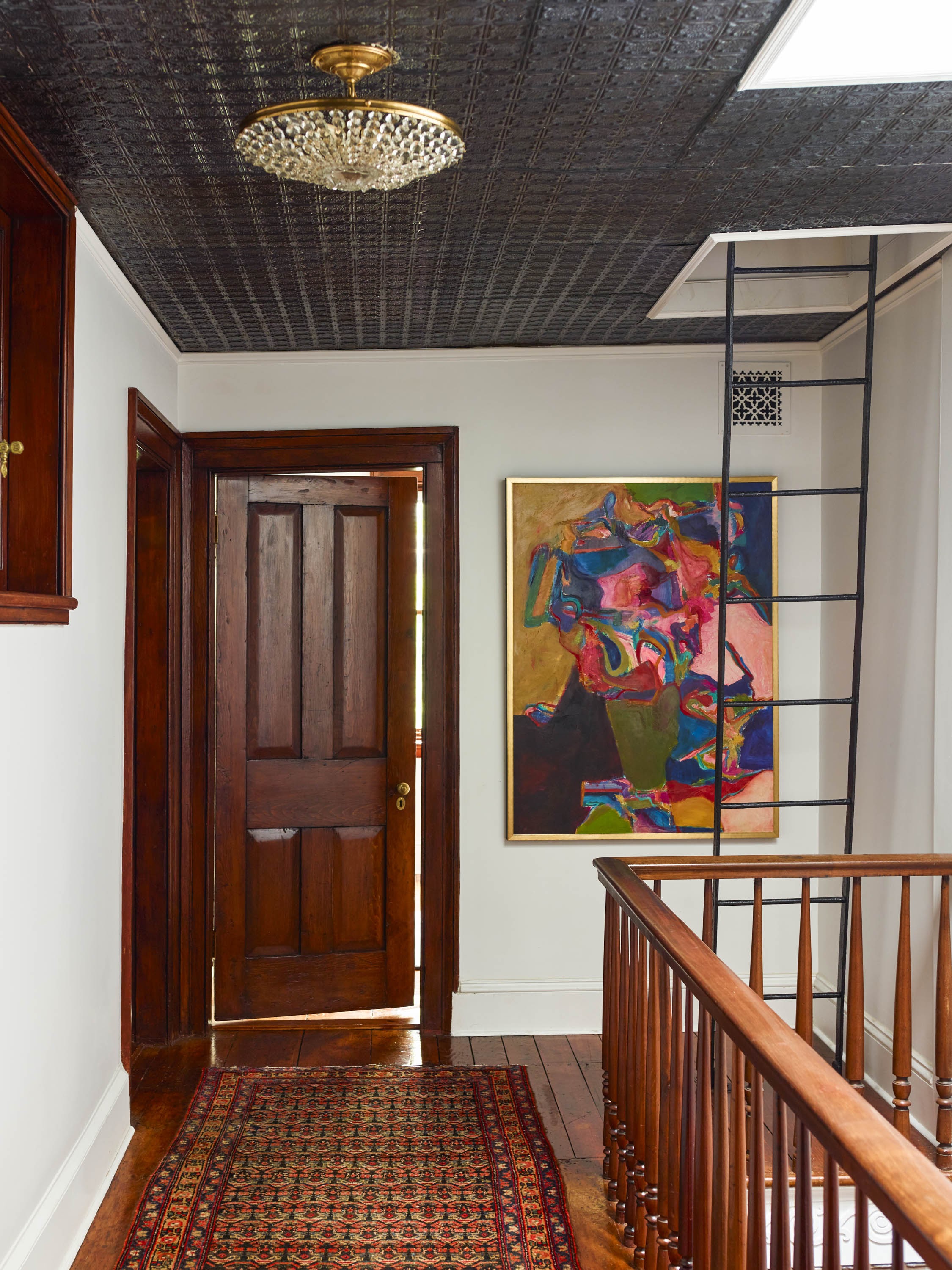
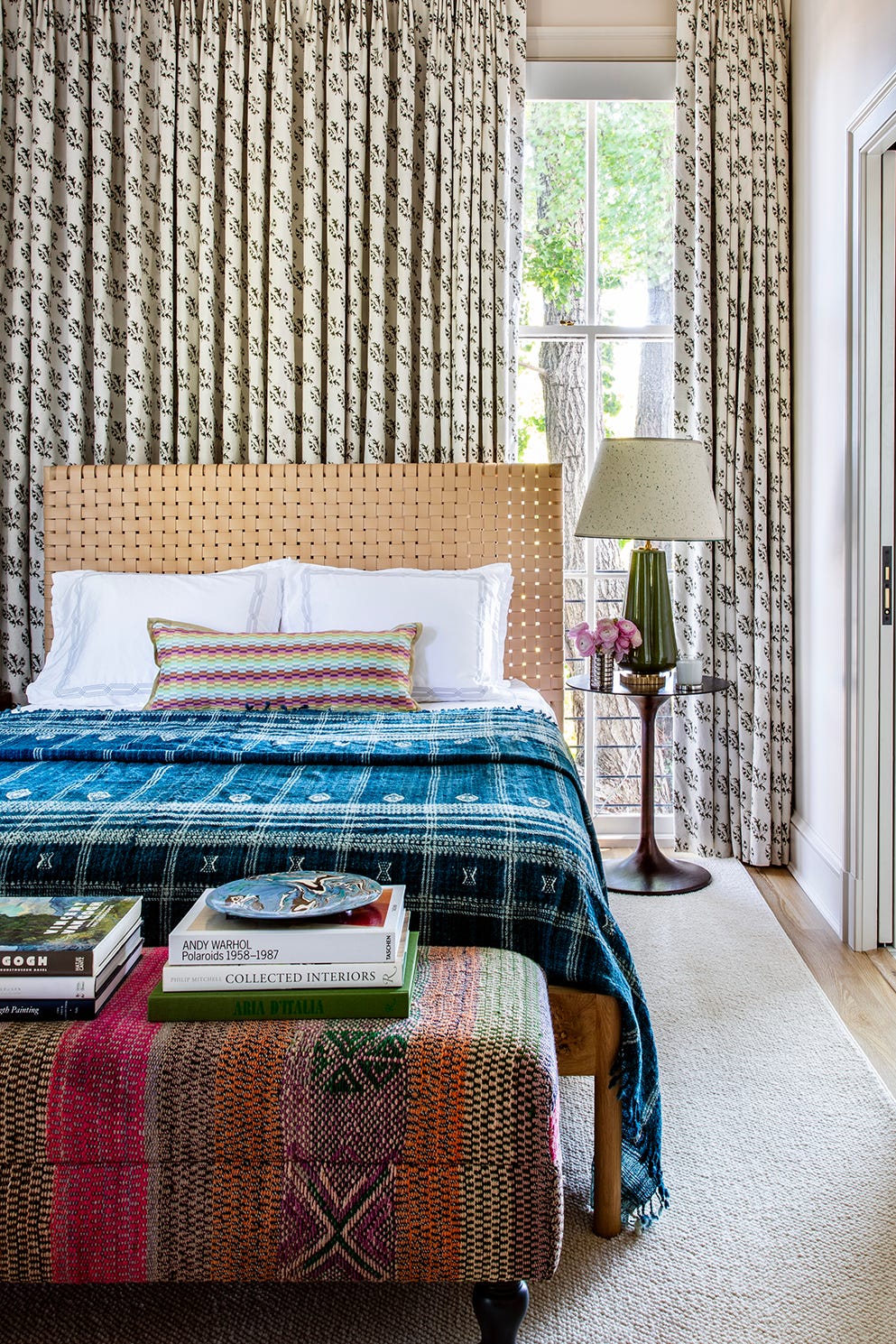
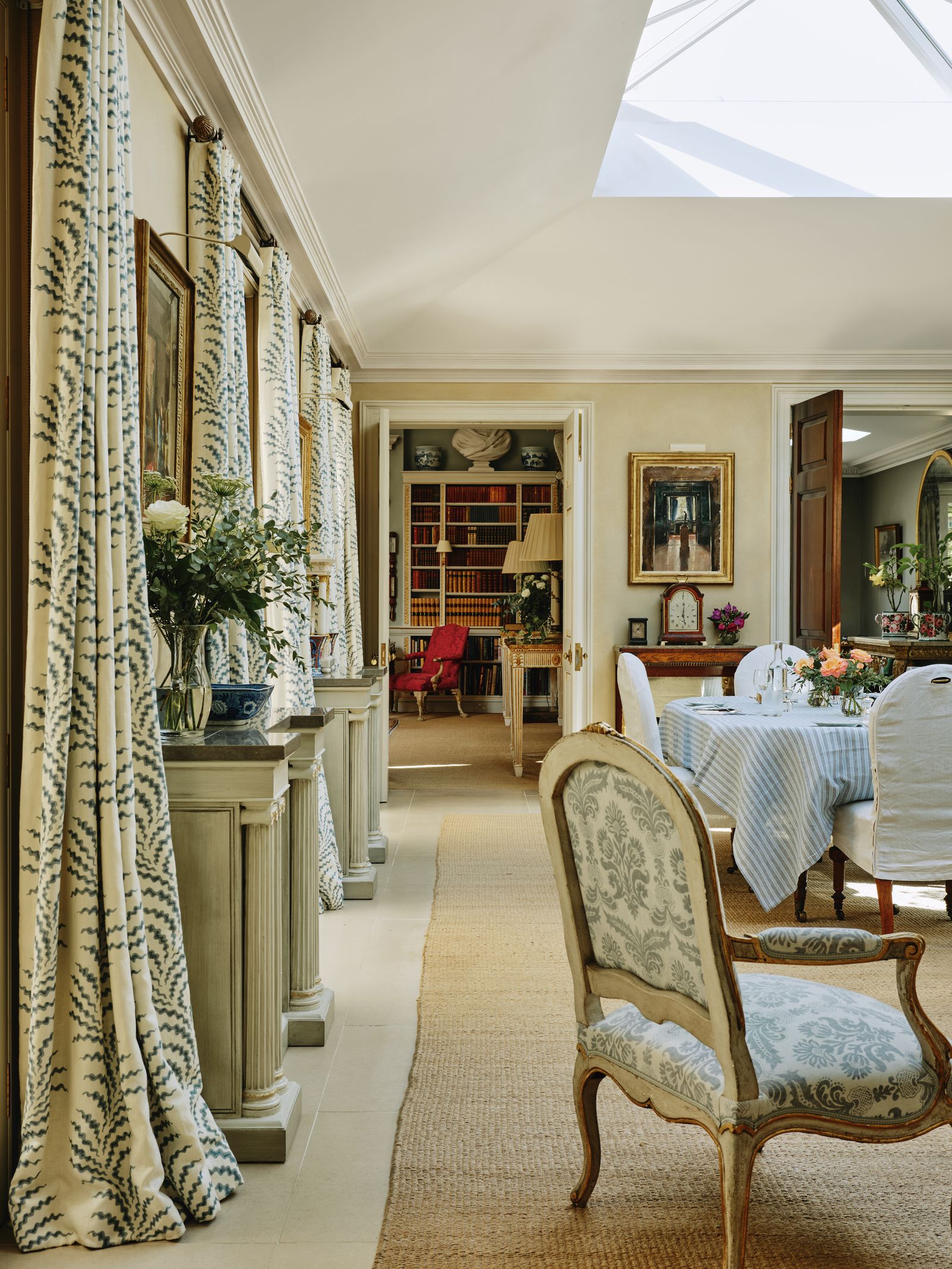
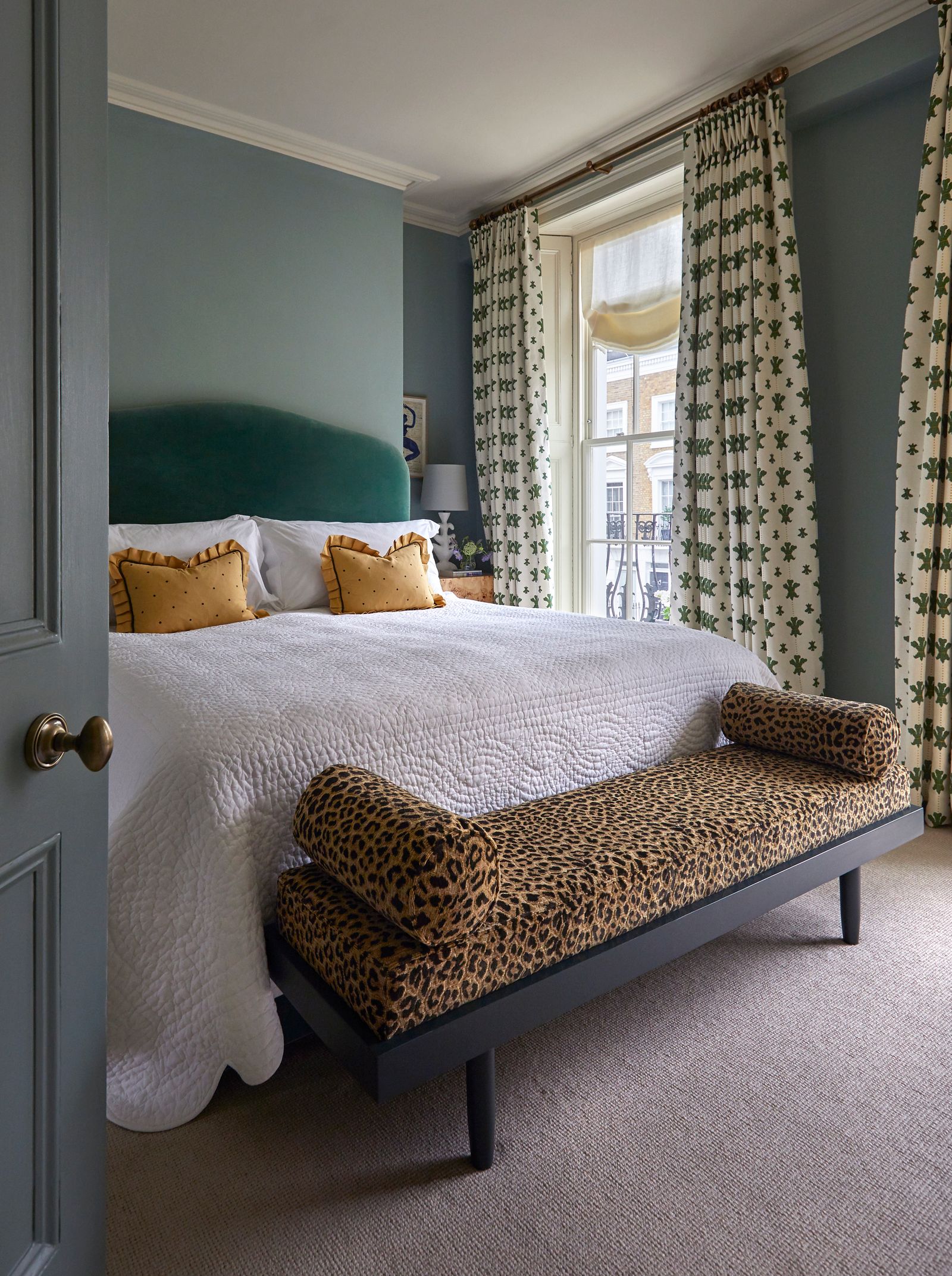
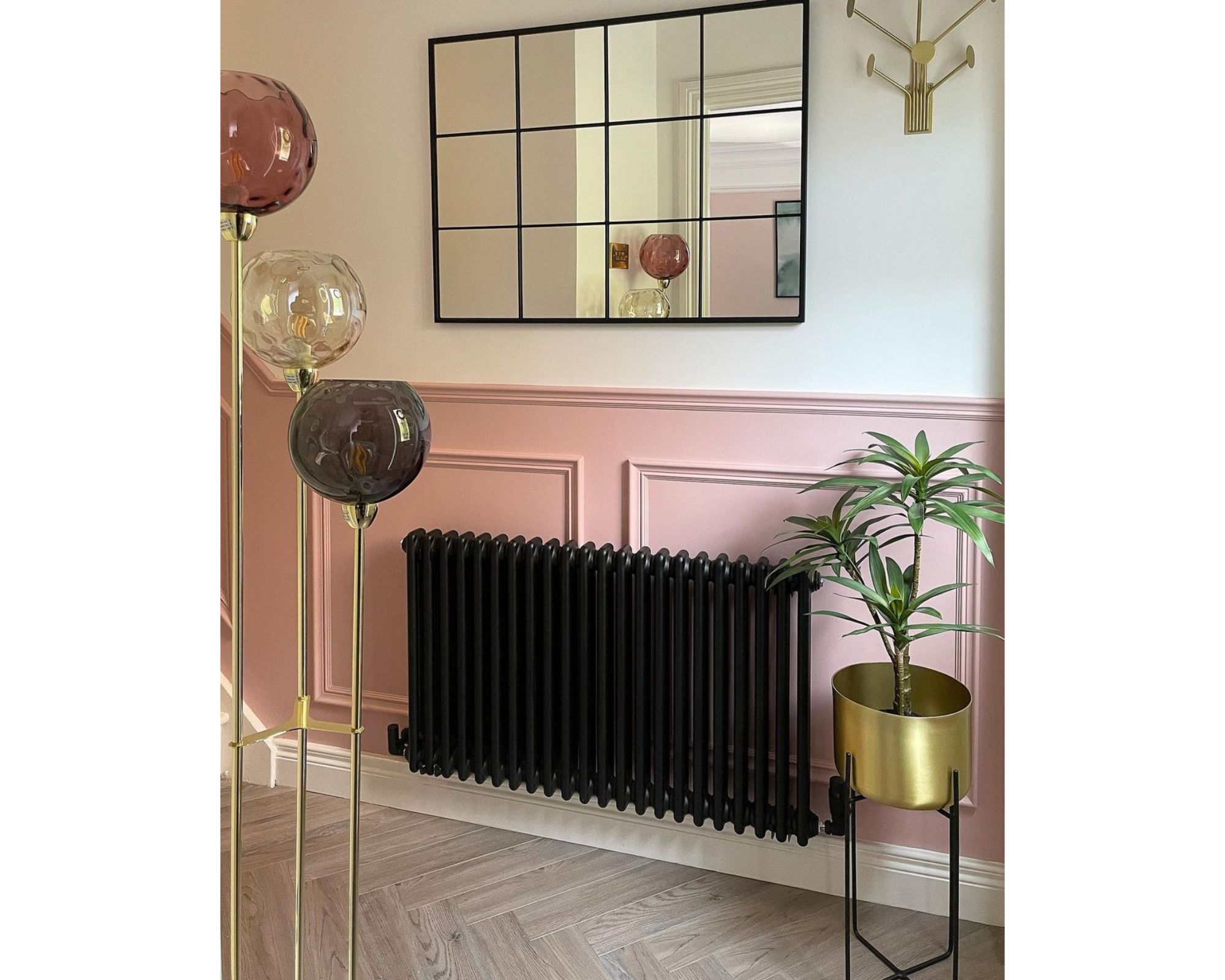
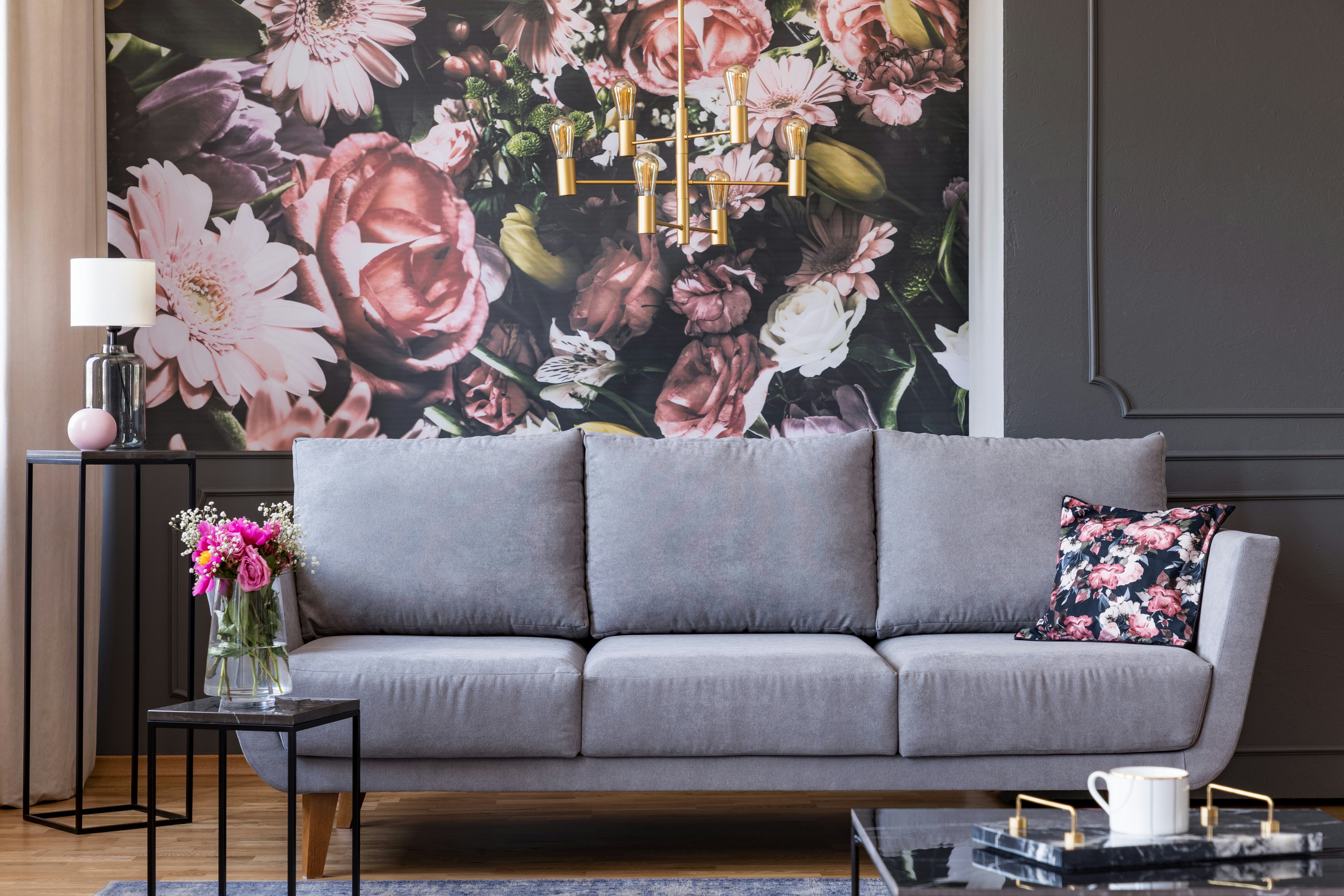
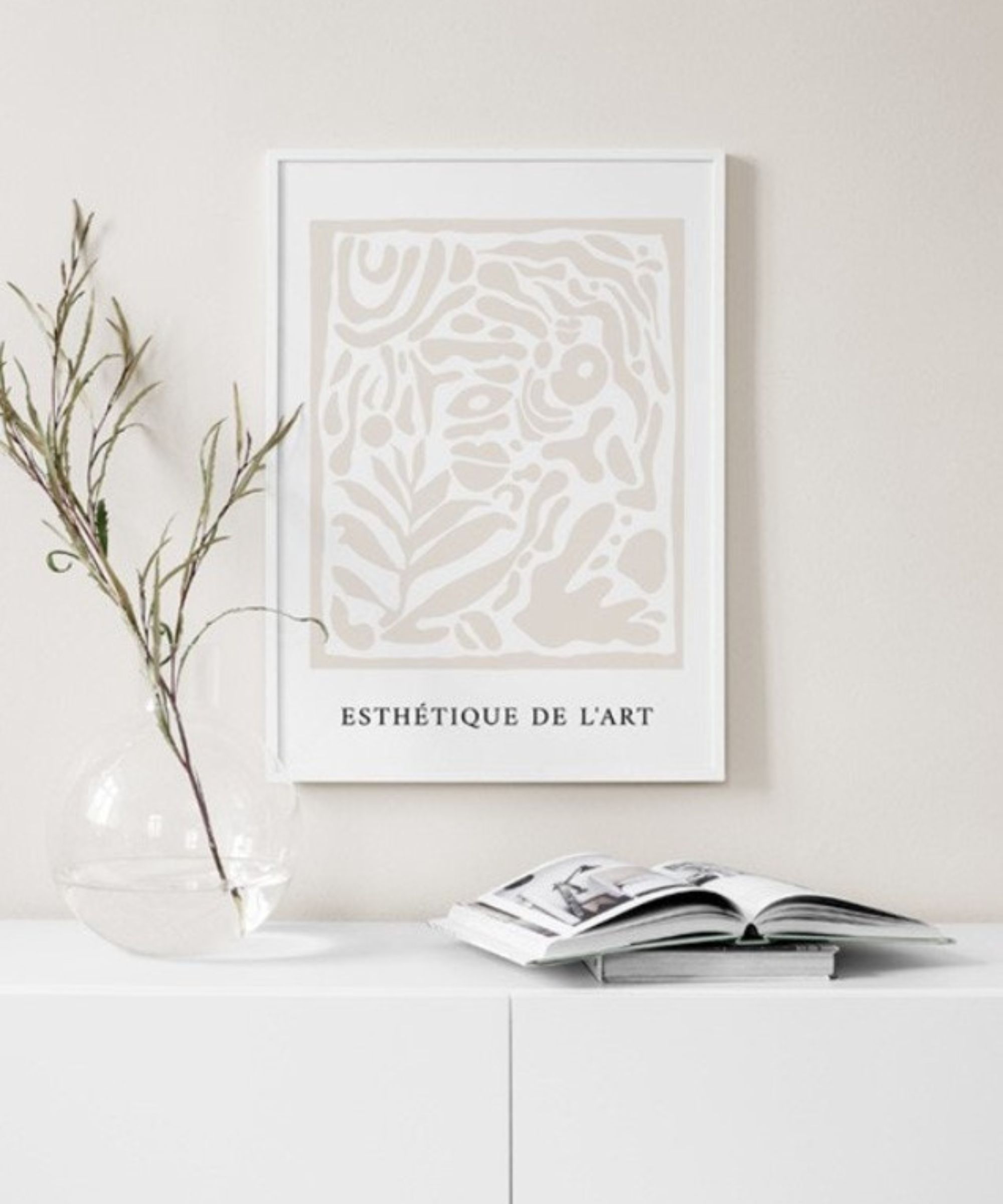
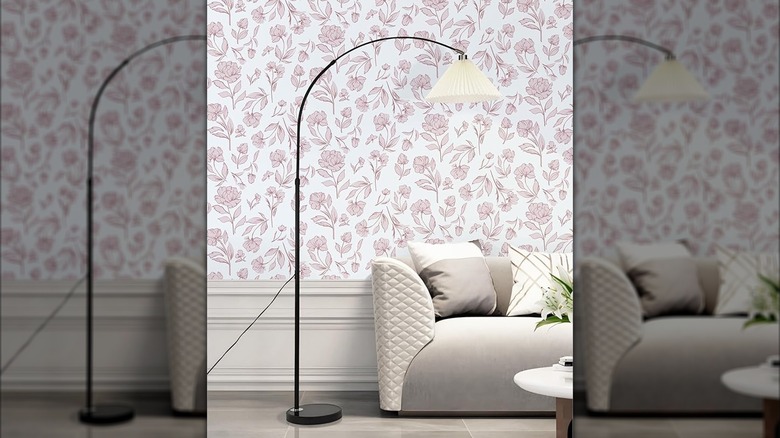
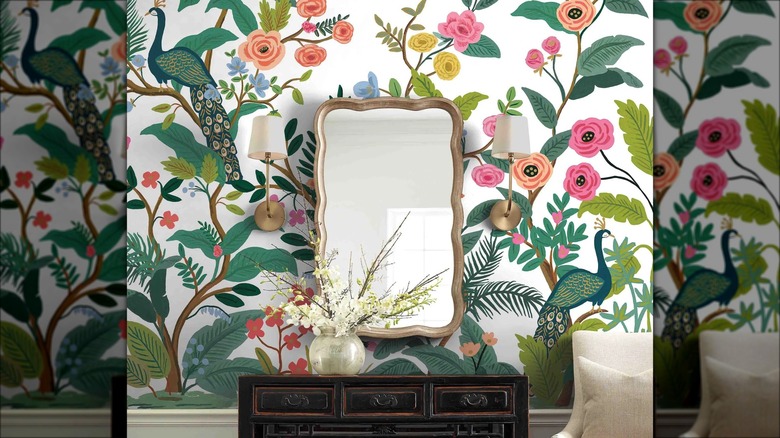
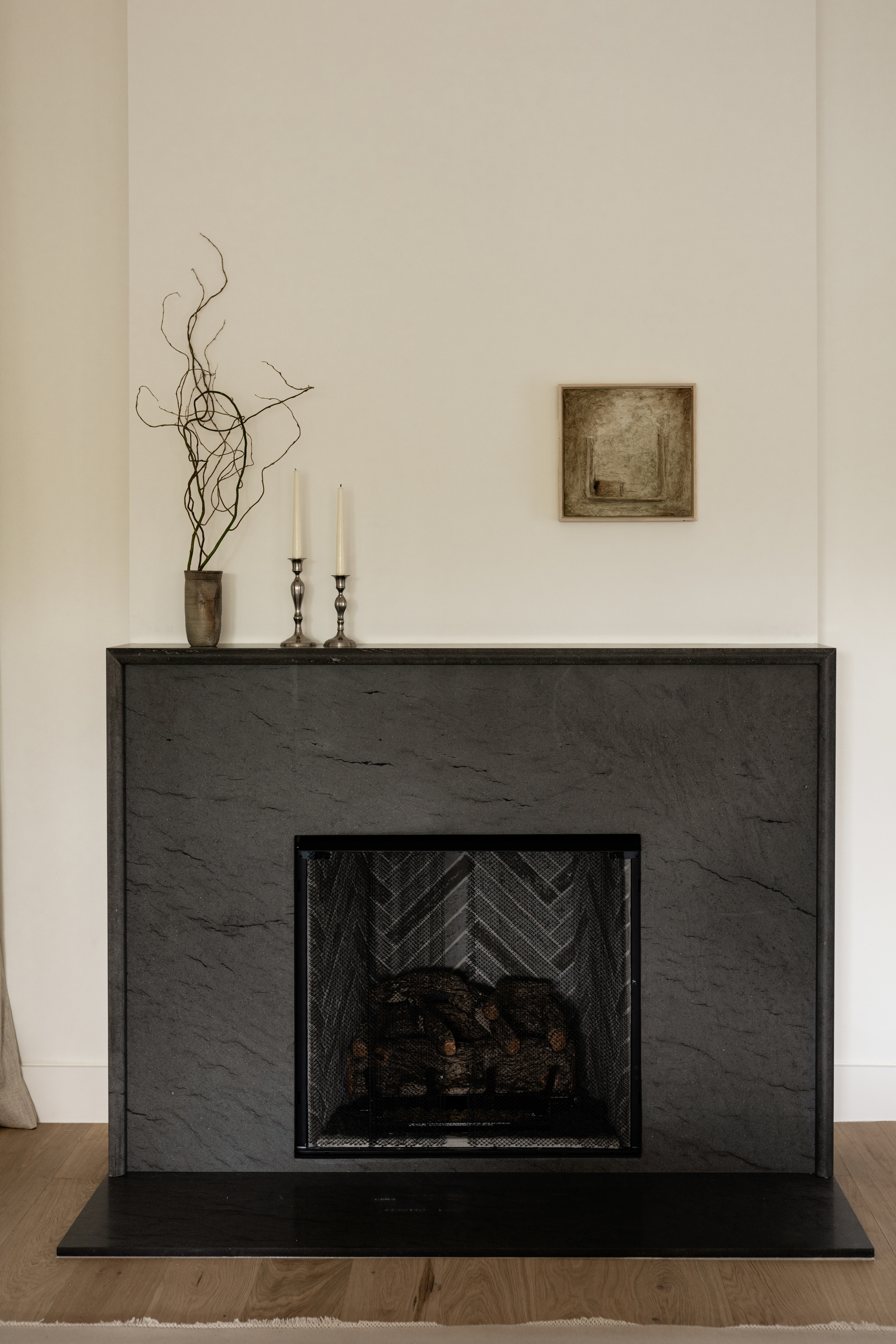
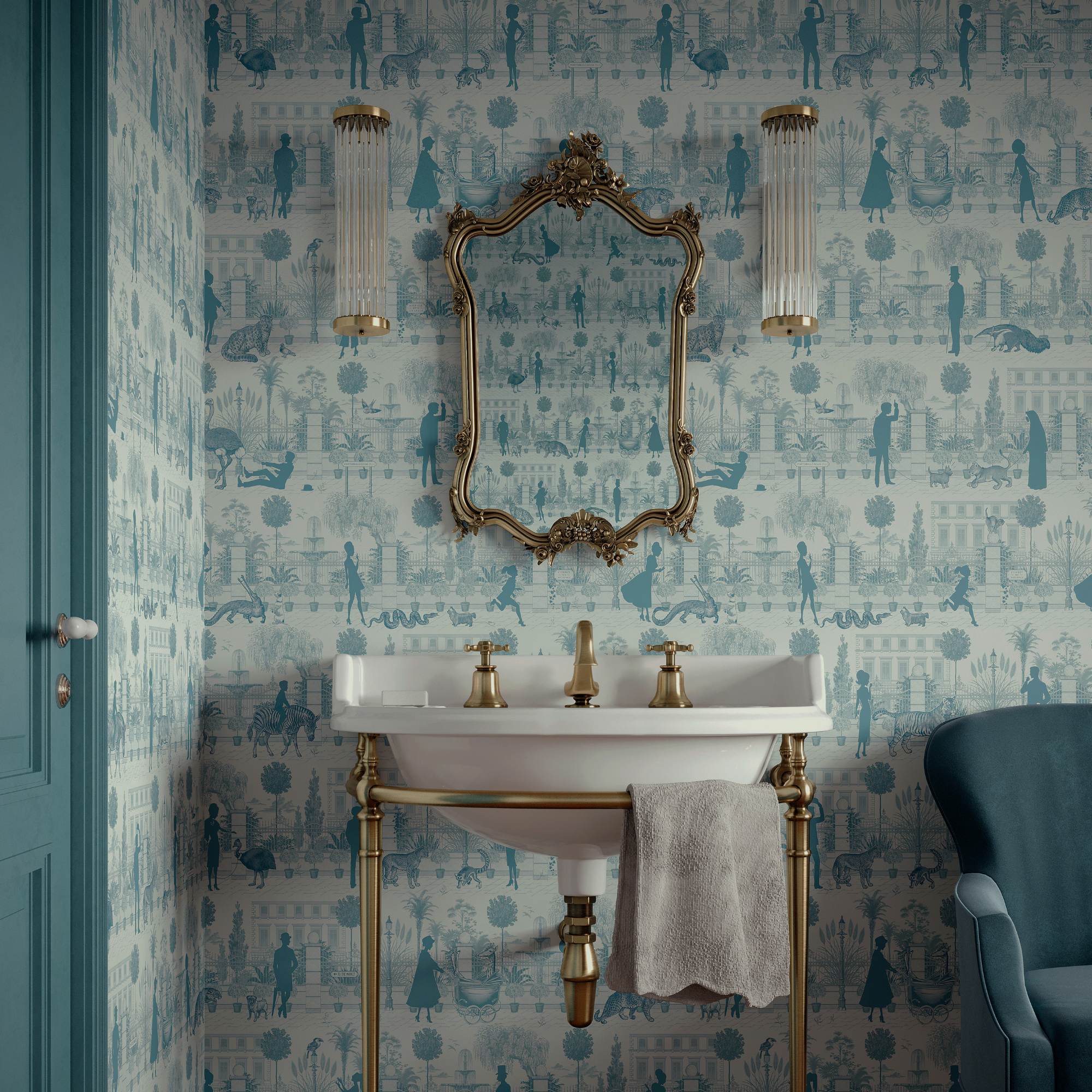
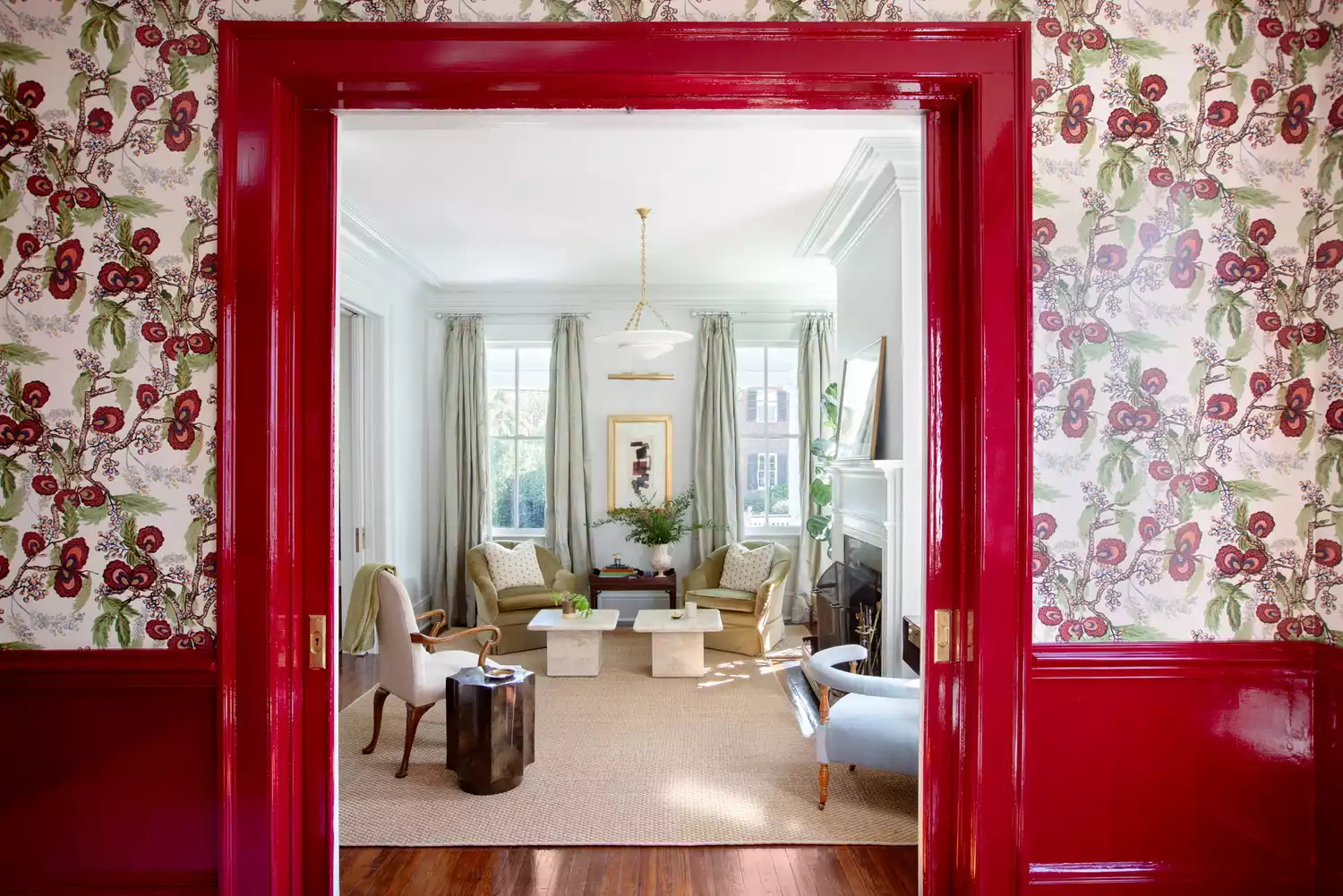
To create a layered effect, small-scale wallpaper can be paired with other patterns. However, it's crucial to avoid combining too many patterns of the same scale to prevent visual conflict. Instead, contrasting patterns like larger florals, stripes, or graphic prints on upholstery, rugs, or cushions are recommended. For example, a small-scale graphic paper can complement a large floral fabric, or a small floral paper can be paired with a striped textile. The flooring and woodwork should act as anchors, with rich woods or painted finishes grounding the lightness of a small pattern. For a cohesive look, selecting a tone from the wallpaper for woodwork or ceilings can create subtle harmony without being overly matched. Unlike larger wallpapers, smaller designs provide an excellent backdrop for artwork or decorative items like mirrors, allowing these pieces to stand out without competition. However, it is advisable to avoid overcrowding these walls, using pared-back frames to ensure the artwork and wallpaper coexist comfortably, allowing the room to 'breathe.'
#SmallScaleWallpaper #InteriorDesignTrends #DecoratingAdvice #PatternMixing #HomeDecor #WallpaperIdeas #SubtlePatterns #RoomAtmosphere #ArchitecturalElements #SmallScaleWallpaper #InteriorDesignTrends #DecoratingAdvice #PatternMixing #HomeDecor #WallpaperIdeas #SubtlePatterns #RoomAtmosphere #ArchitecturalElements
0 comment in total
 No comments yet
You may also like
Small hallway ideas - stylish ways to make a big first impression even in tiny spaces


Feature walls are out - the 4 new homeware trends including genius ceiling hack that will save you money

Even Wallpaper Skeptics Can Tackle The Trend With This Foolproof Tip
5 Fresh Wallpaper Ideas Designers Are Loving for 2025

Wallpaper mistakes to avoid – 7 of the most common errors and how to solve them
5 Fresh Wallpaper Ideas Designers Are Loving for 2025
The One Thing You're Doing With Your Wall Art That Makes Your Home Feel Tiny, Designers Say

I Identified My Home's 'Confidence Zones' — Now I've Found the Perfect Place for My Most Out-There Decorating Ideas
28 Cozy Bedrooms To Get Some Well Deserved R&R

Real Simple Editors' Favorite Wallpapers Right Now

6 small entryway wall decor ideas interior designers swear by

This minimalist wall decor trend is the antidote to fussy gallery walls – I Just love how simple this look is

Design Debate: Is The Accent Wall Dead?


An opinionated guide to using small and large scale pattern
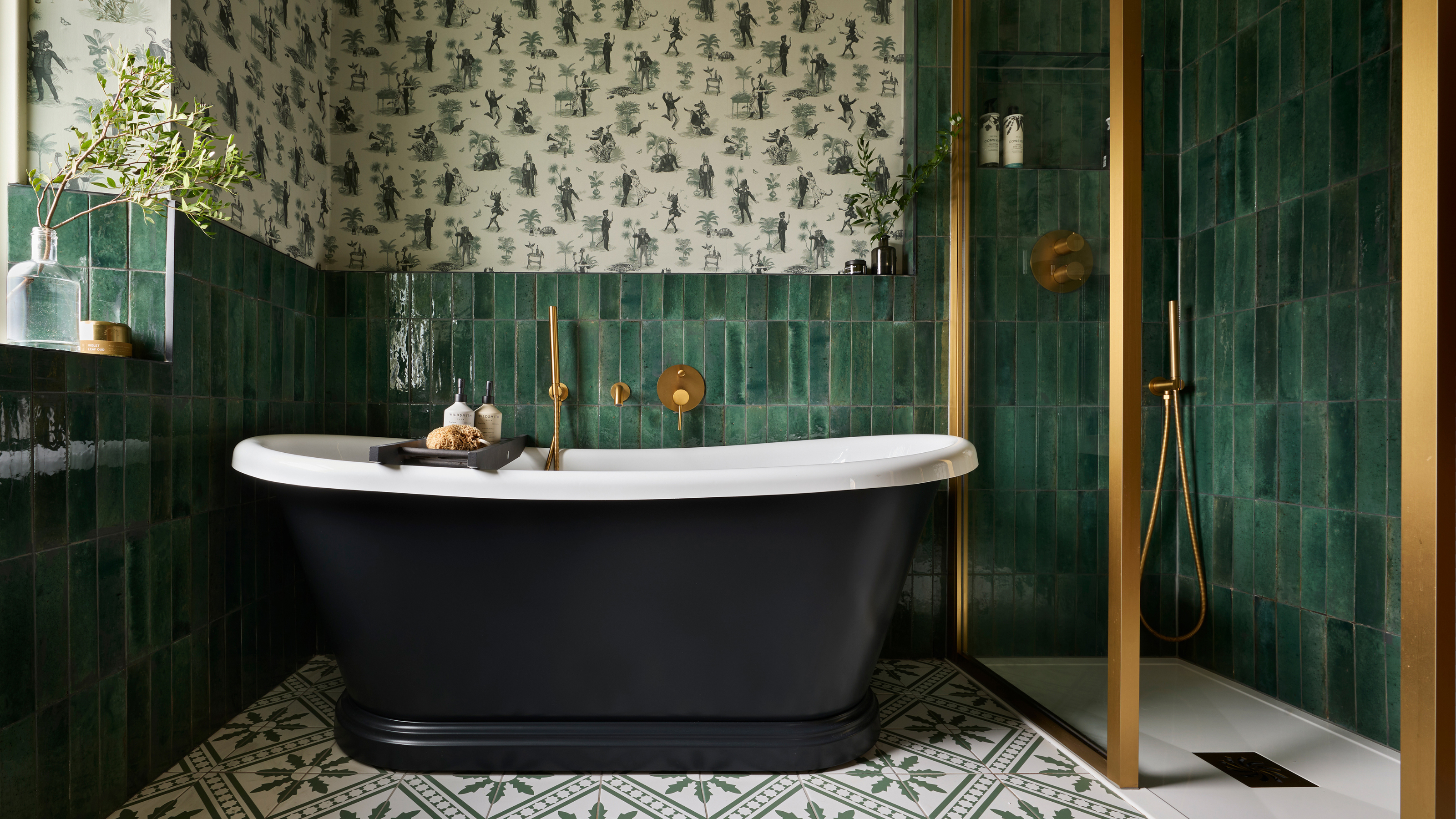
13 Calming Wallpapers To Consider If You Find Bright Patterns Overwhelming
10 small bathroom storage ideas that will transform your bijou bathroom and banish cluttered surfaces
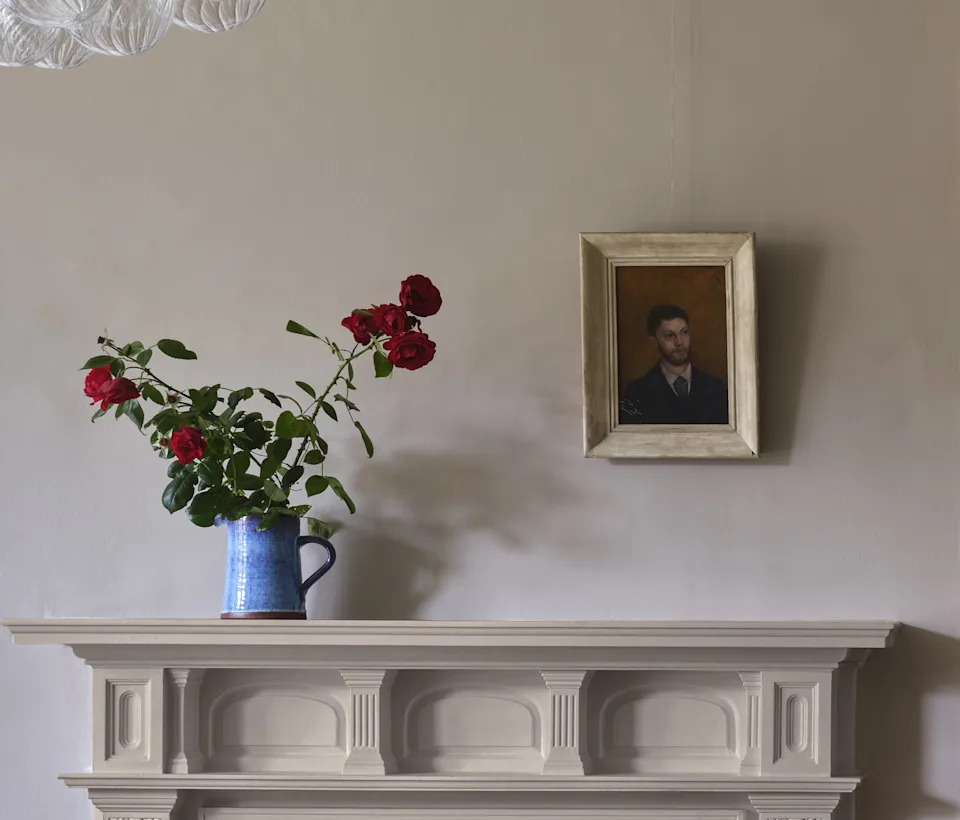
Everyone’s Going Crazy for Tiny Framed Artwork, and It’s The Perfect Finishing Touch Every Space Needs
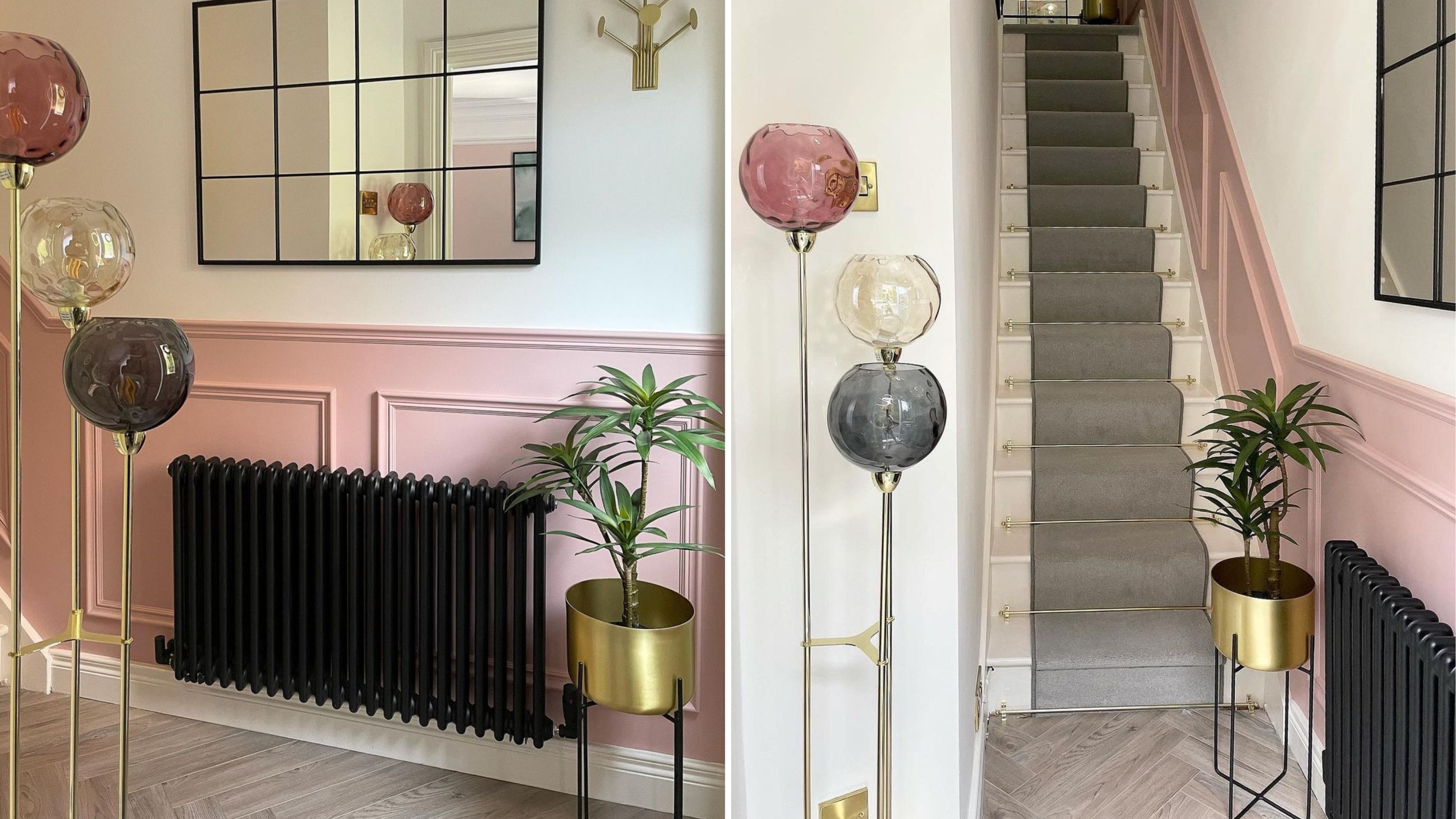
The 7 small entryway trends you need to try in 2024
5 Instagram-Worthy Wallpaper Brands We're Loving (And Which Are Most Affordable)
Choose Your Wallpaper Like a Pro With These 8 Designer Tips