1/6
Hella Jongerius: Weaving Architecture
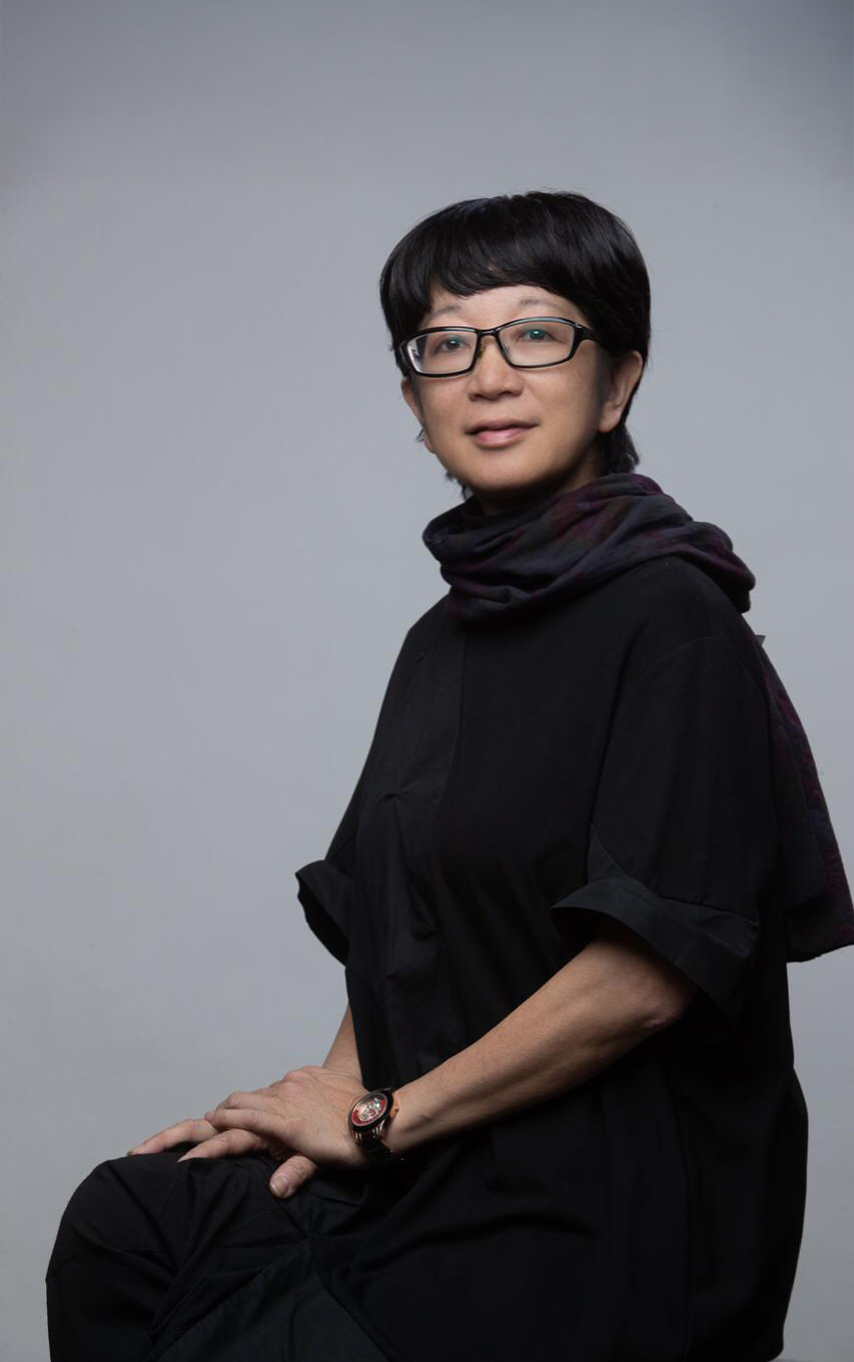
Hella Jongerius, a renowned designer, has consistently explored color and textiles throughout her extensive career, applying her innovative approach to diverse projects ranging from KLM airline interiors to custom upholsteries for Maharam. As design director of rugs at Danskina and art director of Vitra’s Colour and Material Library, she developed systems for matching colors and materials within their vast collections. Jongerius's work extends beyond industrial demands, driven by a critical perspective on the design industry's limitations and a strong social and political agenda. She advocates for integrating craft and the human touch into industrialized processes, celebrating imperfections, and promoting a diverse, light-reactive color palette. Collaborating with design critic Louise Schouwenberg, she co-authored the manifesto “Beyond the New,” urging designers to prioritize experimentation over hyper-consumerism and the industry's relentless pursuit of market share.
Her recent focus has shifted towards exhibitions to share her research, following "Breathing Colour" with "Interlace" and "Woven Cosmos," which delve into the potential of weaving, particularly 3D weaving. Jongerius explains her choice to focus on weaving over knitting by highlighting knitting's already advanced state and ease of programming, unlike weaving, where software often remains outdated. She took a sabbatical year to immerse herself in the entire weaving process, aiming to understand its full potential beyond industrial efficiency demands. Jongerius critiques how automation, particularly the Jacquard loom, while initiating mass production, has simultaneously diminished the creative aspect of weaving, reducing the versatile hand loom to a mere robot.
She laments the textile market's shallow state, blaming globalization and fast fashion for accelerated production cycles and increased pollution. She notes that complex weaving constructions have been replaced by simpler plain weaves, and material options have become standardized, limiting warp choices to black or white and restricting weft options to fast-running yarns. To challenge this, Jongerius and her team began building their own 'human looms' to create 3D weaving structures and explore possibilities unattainable in industrial settings. These efforts culminated in the "Interlace" exhibition at Lafayette Anticipations, where the entire building was transformed into a gigantic loom, serving as a workshop for weavers, designers, and artists to experiment with various weaving and braiding techniques.
Upon receiving an invitation from the Gropius Bau in Berlin, Jongerius expanded her research to investigate the cultural and spiritual meanings of weaving and explore the future of 3D weaving, asking what new constructions could emerge and how they might benefit textiles, design, and other disciplines. Her studio is a hub of innovation, where a team of textile engineers and programmers combine digital programming with manual work on a digital Jacquard machine. They utilize the TC2 loom for experimentation rather than just sampling, allowing for on-the-fly changes in weft, diverse yarns, and varying thicknesses.
Jongerius discusses the evolution of her "Seamless Loom" from Paris, which aimed to develop the skin of a three-dimensional object, to a rebuilt version in Berlin. In Berlin, they developed new know-how, including hacking their four-part loom to return to a flat loom, enabling multi-axial weaves and creating woven windows as a personal research project. This same loom allows for spatial work, where instead of weaving around a structure, they build spatial structures from the ground up by shifting the warp in multiple layers. This method creates "sandwiches" of double-faced or layered fabric, which can be cut open to unfold into three-dimensional structures, similar to pop-up cards. This innovative approach involves deconstructing traditional weaving hierarchies, questioning the conventional roles of warp and weft.
Jongerius sees potential applications for her research in various fields, including the biomedical field for morphing membranes and vascular prostheses, and in carbon fibers for the automotive and aerospace industries. She envisions a future of "pliable architecture" made from 3D-woven architectural structures that are strong, lightweight, and offer a reduced carbon footprint. Such textile architecture could integrate insulation, regulate climate, and allow for personalized colors, creating pleasant and adaptable environments, all within a single "brick" material.
#HellaJongerius #WeavingArchitecture #TextileInnovation #3DWeaving #DesignCritique #SustainableDesign #Craftsmanship #ArchitecturalTextiles #JongeriusLab #HellaJongerius #WeavingArchitecture #TextileInnovation #3DWeaving #DesignCritique #SustainableDesign #Craftsmanship #ArchitecturalTextiles #JongeriusLab
0 comment in total
 No comments yet
You may also like
Aurélie Hoegy’s Surging Rattan Forms Oscillate Between Interior Design and Sculpture

Interior Designer Jennifer Hunter Talks About Traditional Design And Her Career

This textile studio in Bengaluru is doused in modern monochromes


Shama Hyder and Jared Skinner Shake Up the Architectural Design Space
Colleen Healey Erects a Clerestory Upon a Modernist Home

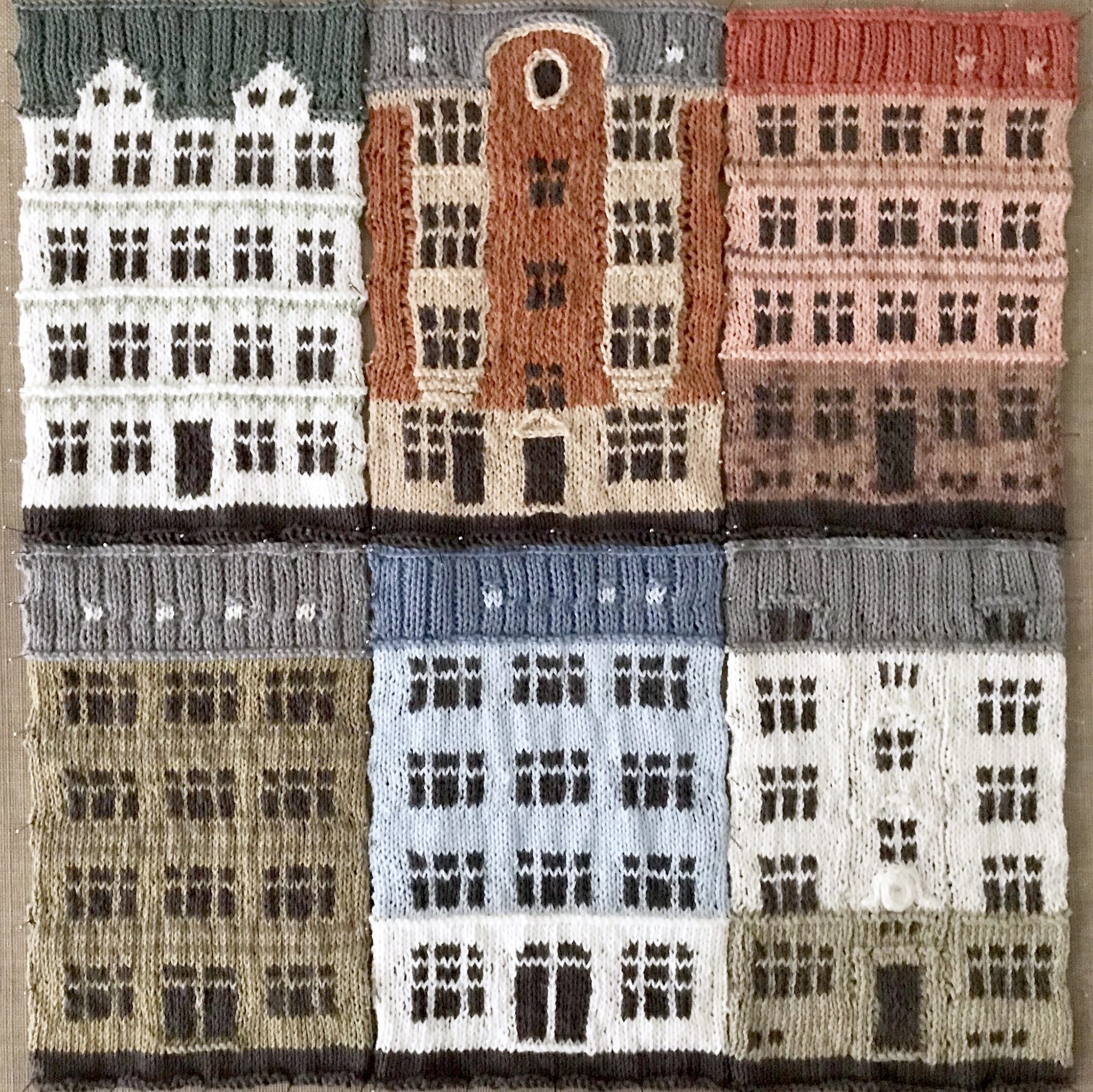
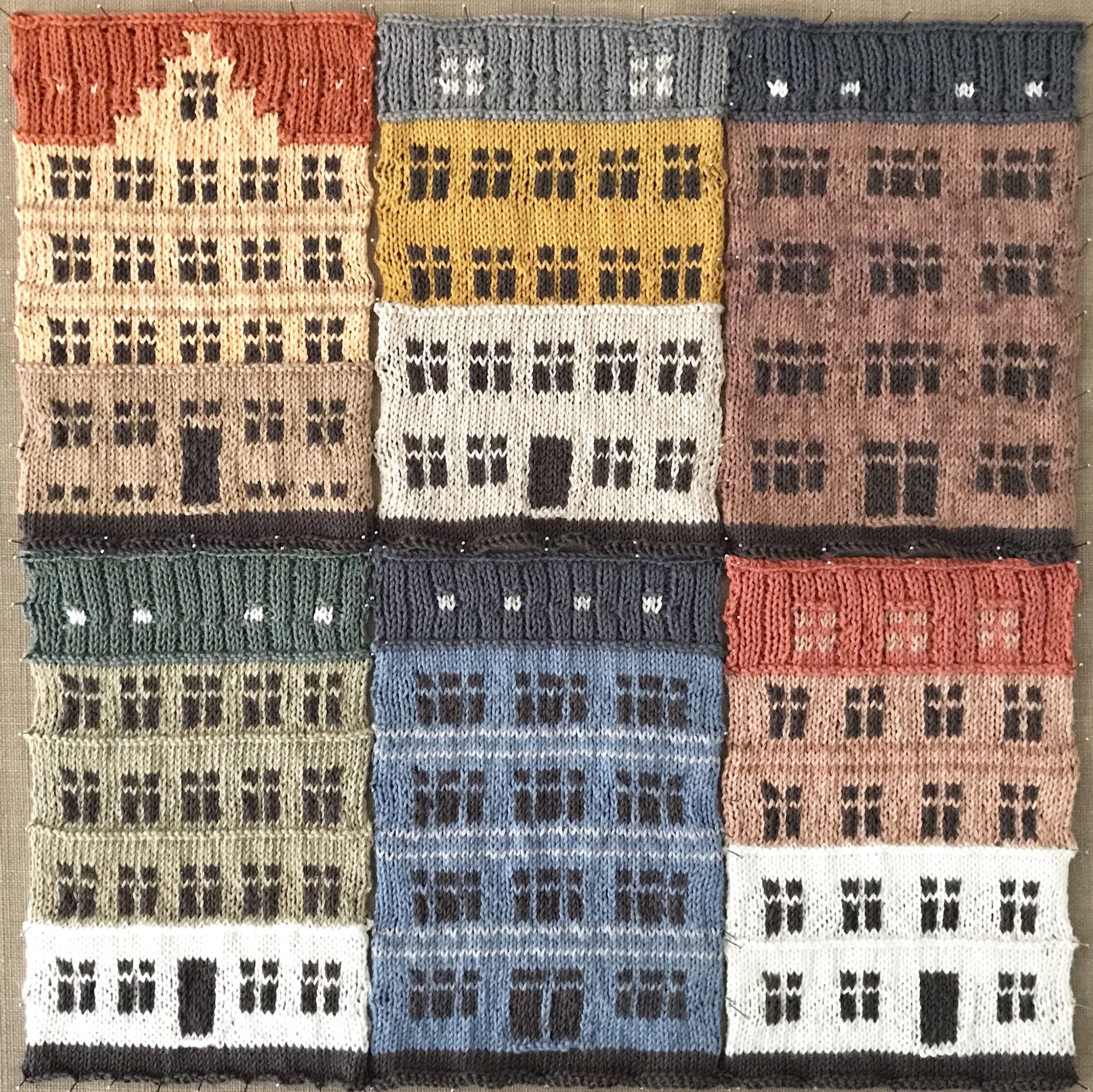
Copenhagen's Distinct Architecture Knit into Color-Blocked Urban Landscapes by Jake Henzler
Contemporary Architecture is More Common Than You Think — Here's How to Spot It
Knowing the Ropes Explores the Textile Through a New Lens

The ancient symbols found in contemporary interiors

colorful arches, hammocks and mirrors shape up modular installation in riga's dome square
No Trees Were Harmed in the Making of This Art Studio Addition

H–Modular Lab: Pioneering Modular Architecture for a Better Future

Justina Blakeney Actually Doesn’t Love Being an Interior Designer
Design Masters

Tour an Expansive Wisconsin Lakeside Villa That’s Filled With Amazingly Ornate Artistry

Architecture and design features and interviews | CLADglobal.com - Embracing nature
How They Pulled It Off: A Massive Sculptural Skylight
4 Top Home-Industry Tastemakers on Contemporary Design
Holly Hunt: 2024 Interior Design Hall of Fame Inductee
314 Architecture Studio: The circle of (eclectic design) life