1/9
‘Floodprints’ Are Helping Rural Communities Recover From Disaster
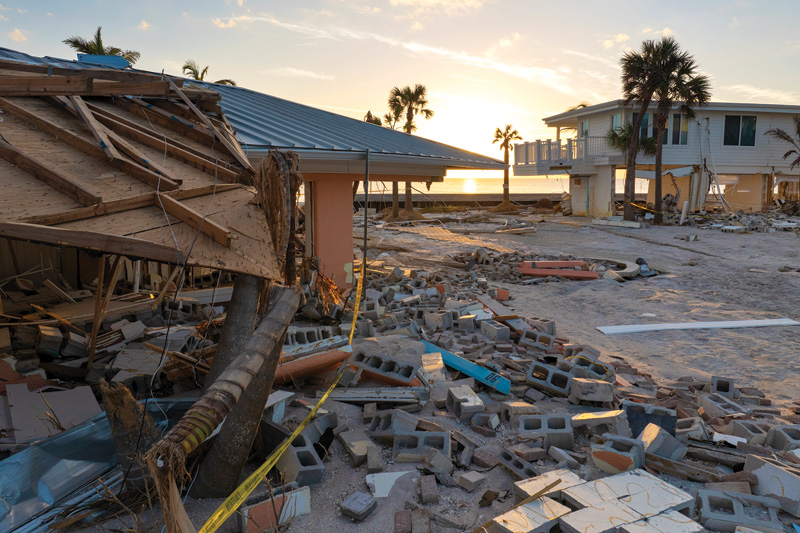
The Coastal Dynamics Design Lab (CDDL), a non-profit organization based at North Carolina State University, is actively assisting small, rural communities in North Carolina with flood mitigation and post-disaster recovery. Founded in 2013 by David Hill and Andrew Fox, FASLA, CDDL initially focused on integrating students into coastal resilience projects. Following devastating hurricanes like Matthew in 2016 and Florence in 2018, which caused widespread damage in inland coastal plain communities, CDDL shifted its mission to provide direct technical assistance to these under-resourced towns.
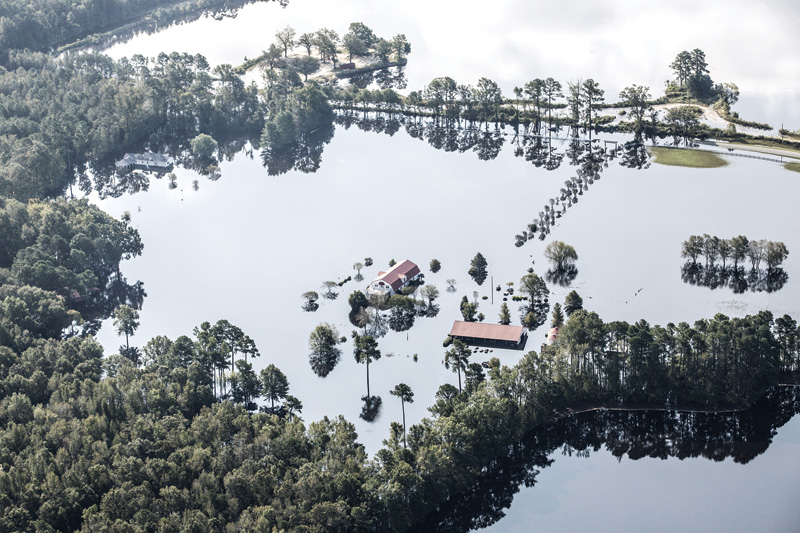
Pollocksville, North Carolina, a town of approximately 300 residents, serves as a prime example of CDDL's impact. After experiencing severe flooding from multiple hurricanes, including Florence which submerged half of its buildings, Pollocksville faced the challenge of rebuilding without adequate financial or administrative capacity. Mayor Jay Bender, having witnessed the destruction, recognized the need for a new approach to resilience. CDDL stepped in, offering its expertise at no cost, funded by philanthropy and grants.
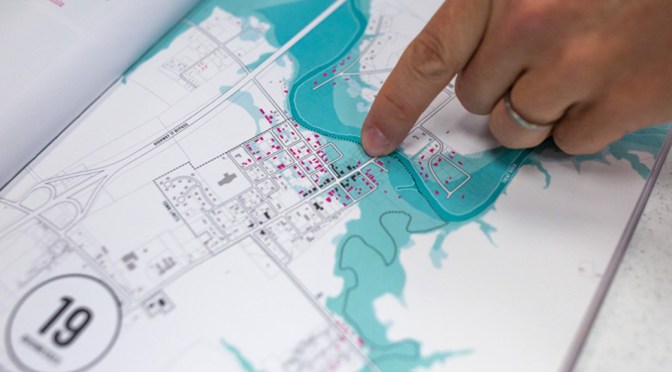
CDDL's core strategy involves creating "floodprints," comprehensive planning documents designed to guide recovery and mitigation efforts. These floodprints are developed through a collaborative process that involves extensive community engagement, geospatial data analysis, and careful consideration of local needs and vulnerabilities. The team spends over a year building trust and understanding the community's history with flooding. They distill their findings into six to eight implementable proposals, which are then presented to residents for input. The top two to four proposals are refined into the final floodprint, which explicitly facilitates grant applications by providing ready-to-use data and language. CDDL also actively shepherds these grant applications through complex bureaucratic processes.
In Pollocksville, the floodprint led to significant changes, including the conversion of the old town hall site into a constructed wetland, the redesign of Main Street with bike lanes and bioretention ponds, and plans for elevating and floodproofing commercial properties. The town has secured over $4 million in grants based on CDDL's floodprint, with an additional $20 million in pending applications. This funding represents the largest influx of money the town has ever received for updating its infrastructure, beyond basic utilities. CDDL also acts as the owner's representative, ensuring that the projects align with the floodprint's original vision from design firm selection to project completion.
The initiative emphasizes nature-based solutions and aims to bridge the capacity gap often found in small towns, which typically lack the resources to address complex climate-related challenges. CDDL's approach of working at the neighborhood scale and providing continuous support has yielded tangible results, helping communities not only rebuild but also become more resilient to future events. While CDDL's direct involvement in project management is crucial for these communities, the long-term goal is to build local capacity and human capital so that towns can eventually manage these processes independently. The lab also shares its methodologies through a rural resilience framework, aiming to scale its impactful model across other vulnerable regions.
#FloodMitigation #RuralCommunities #CoastalDynamicsDesignLab #NorthCarolina #ClimateResilience #LandscapeArchitecture #CommunityPlanning #DisasterRecovery #GrantFunding #FloodMitigation #RuralCommunities #CoastalDynamicsDesignLab #NorthCarolina #ClimateResilience #LandscapeArchitecture #CommunityPlanning #DisasterRecovery #GrantFunding
0 comment in total
 No comments yet
You may also like
Here’s What to Do With Your Carpets After a Flood
Hurricanes and flooding: Advancing building strategies for resilience
My House Flooded . . . Now What?
When Rivers Rise Fast – Flood-Smart Living: Simple Steps to Protect your Home
Floodproofing a house — 12 things experts say you can do
How to Prepare if You Live or Work in a Floodplain
abeer seikaly weaves shelters for disaster relief using patterned fabric
Beyond bleach: Mold a long-term problem after flooding and disasters

Deluge defence: smart solutions for when the rain comes
Rebuilding
USA Cabinet Store Expands Kitchen and Bathroom Remodeling Services to Alexandria Market
4 ways to prevent flood damage to your car during a storm

These Volunteers Are Saving Altadena, One Antique Tile at a Time

How to Clean Up After a Flood: Muck Outs and More