1/13
abeer seikaly weaves shelters for disaster relief using patterned fabric
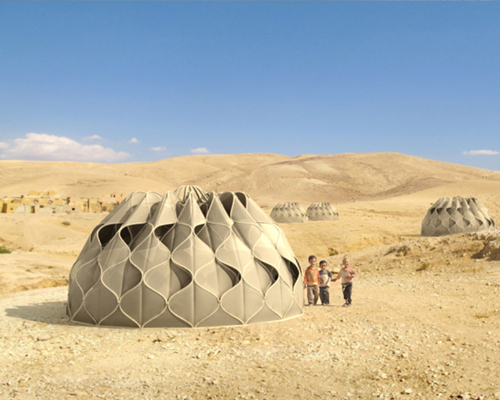
Jordanian/Canadian designer Abeer Seikaly developed 'weaving a home,' a disaster relief shelter for refugees that draws inspiration from the temporary huts historically used by nomadic tribes. This innovative concept employs structural fabric, echoing ancient weaving techniques that transform linear fibers into complex three-dimensional forms. The project highlights a novel system that integrates technological advancements with contemporary assembly methods. It envisions a structure composed of durable plastic members that are interthreaded to create a cohesive unit. These flexible envelopes are designed to fold along a central axis, and their hollow structural skin facilitates the passage of essential services such as water and electricity, similar to the functionality of a conventional stud wall.
The design of 'weaving a home' prioritizes adaptability and environmental control. Users can manipulate the units to achieve different scales and adjust the exterior skin to regulate exposure to the surrounding elements, allowing for both open and closed configurations. This lightweight, structural fabric is intended to provide not just physical shelter but also a symbolic means for individuals to rebuild their lives in the aftermath of disaster. The mobile components are designed for easy construction, enabling quick establishment of a temporary dwelling.
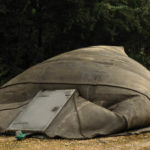
Illustrations accompanying the project demonstrate various aspects of the design. These include views of the tent structures in both closed and open states, showcasing their appearance during different times of day and night. An interior view of an open tent highlights how its layered skin can create pockets for storage, maximizing functional space within the shelter. Additional illustrations provide detailed insights into the construction and flexibility of the shelters. These include conceptual drawings of both single-layer and double-layer fabric skins, an assembly diagram that visualizes the construction process, and models demonstrating how the structure can collapse for portability. Further model studies illustrate the use of cut and scored paper to develop a flexible pattern, underscoring the design's material exploration and innovative form-finding methodology.
'Weaving a home' was recognized for its innovative approach, being shortlisted for the 2012 LEXUS DESIGN AWARD. This achievement underscores the project's potential and its contribution to the field of humanitarian design. The design marries traditional textile practices with modern material science and architectural principles, offering a practical and aesthetically thoughtful solution for temporary housing in crisis situations. The emphasis on user control over the environment and the integrated utility pathways represent key features that differentiate this concept from more conventional emergency shelter designs, offering a more dignified and functional living space for displaced populations.
#AbeerSeikaly #DisasterRelief #RefugeeShelter #StructuralFabric #NomadicArchitecture #FlexibleDesign #LexusDesignAward #HumanitarianDesign #SustainableArchitecture #AbeerSeikaly #DisasterRelief #RefugeeShelter #StructuralFabric #NomadicArchitecture #FlexibleDesign #LexusDesignAward #HumanitarianDesign #SustainableArchitecture
0 comment in total
 No comments yet
You may also like
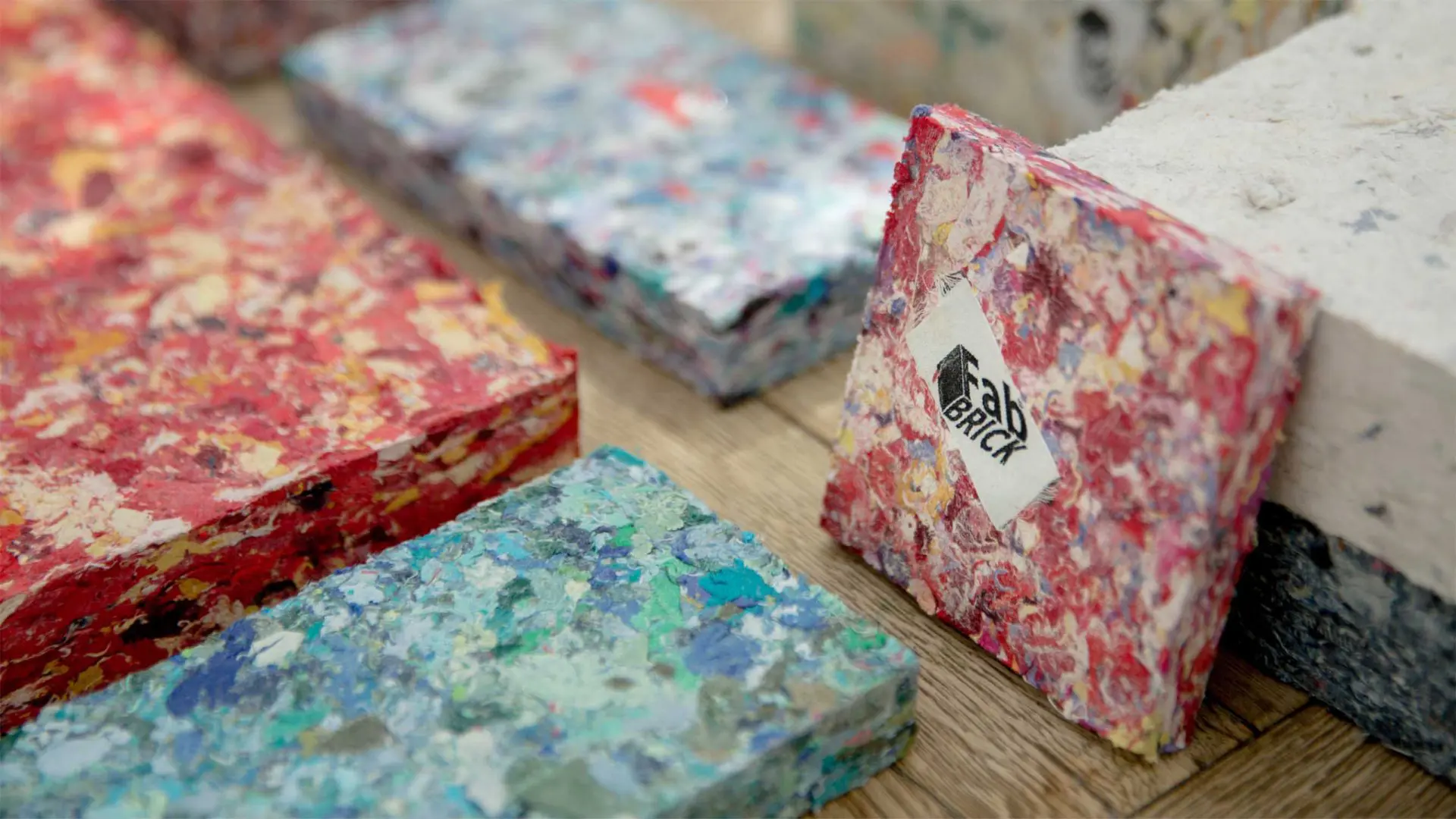
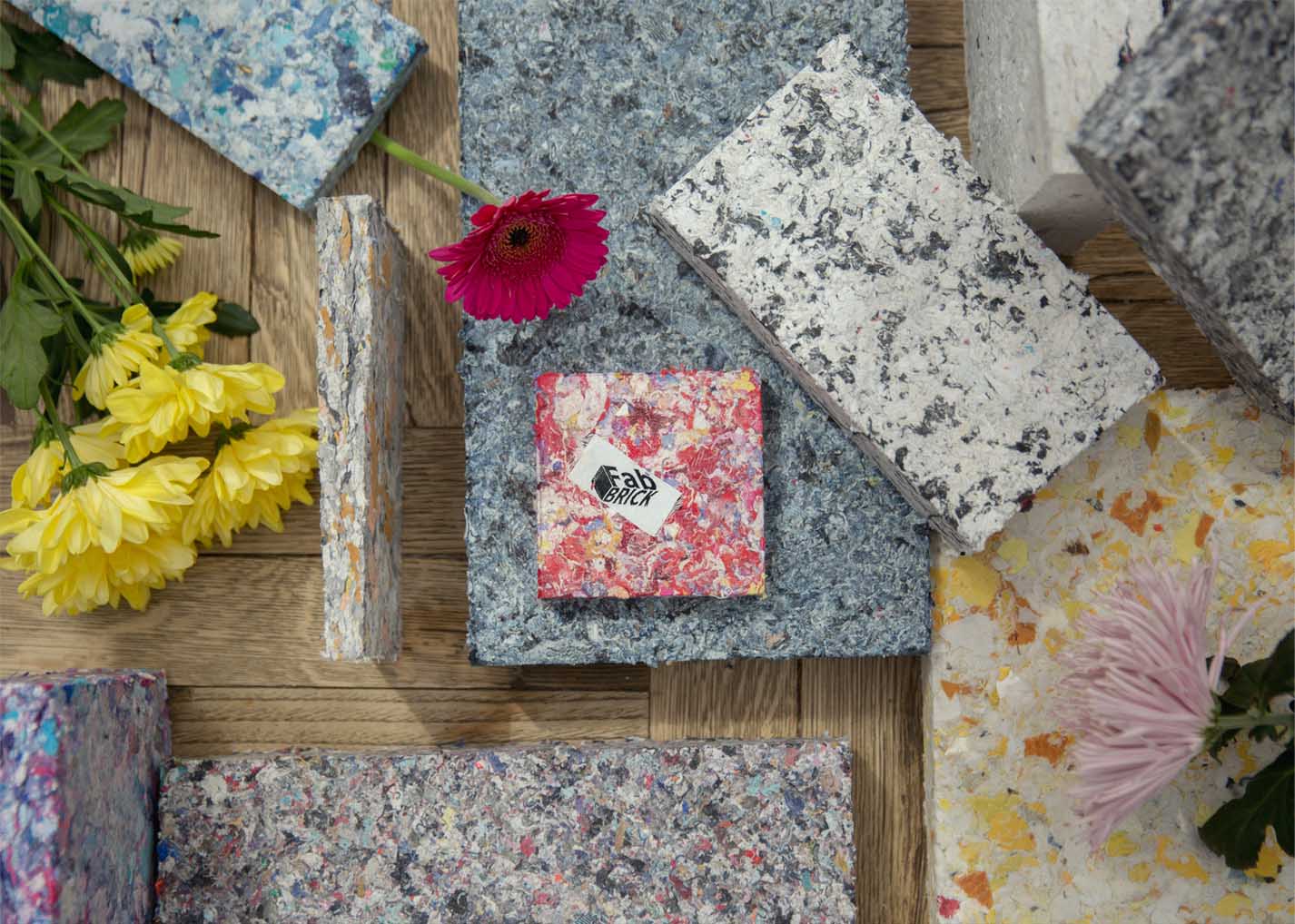
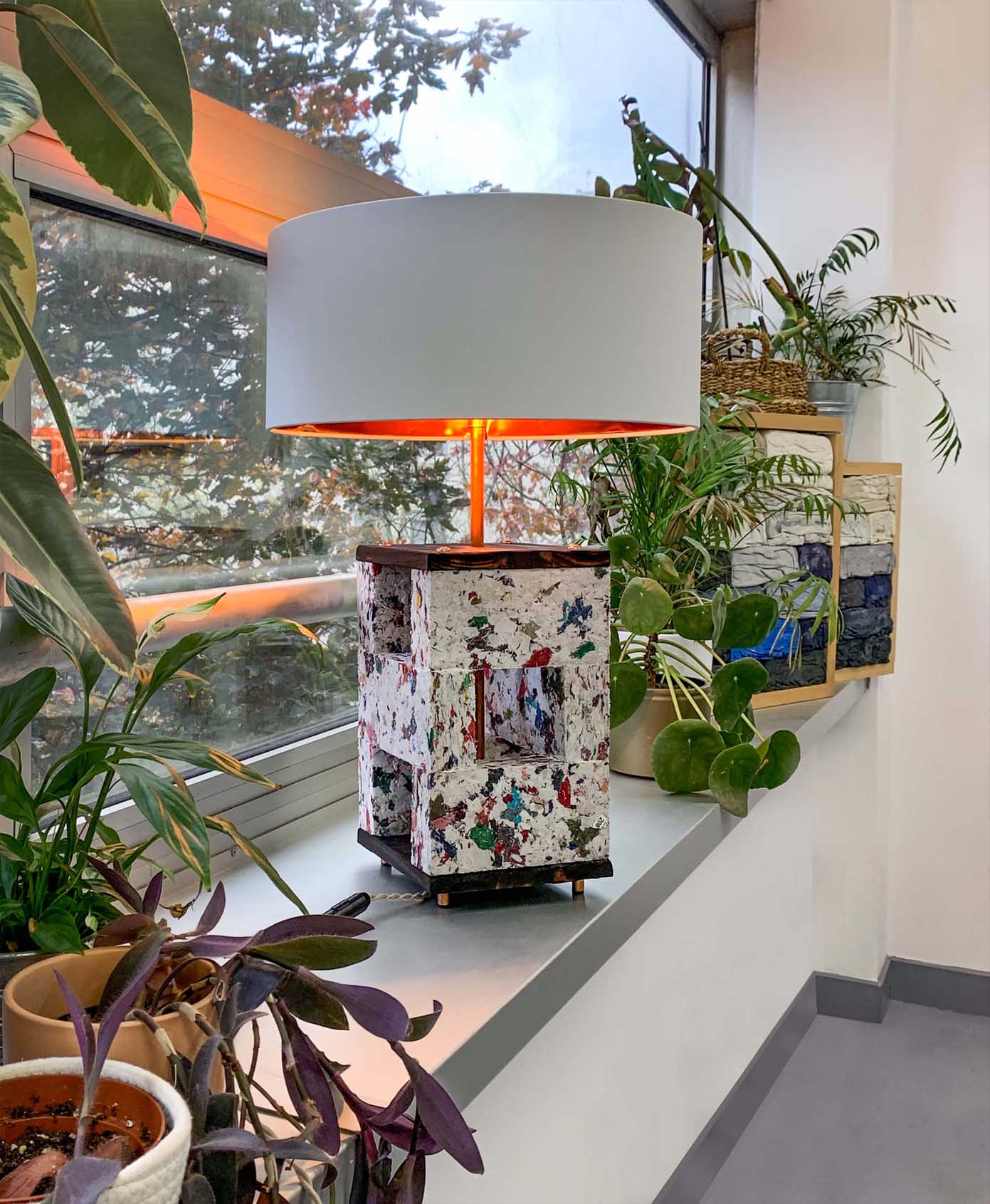
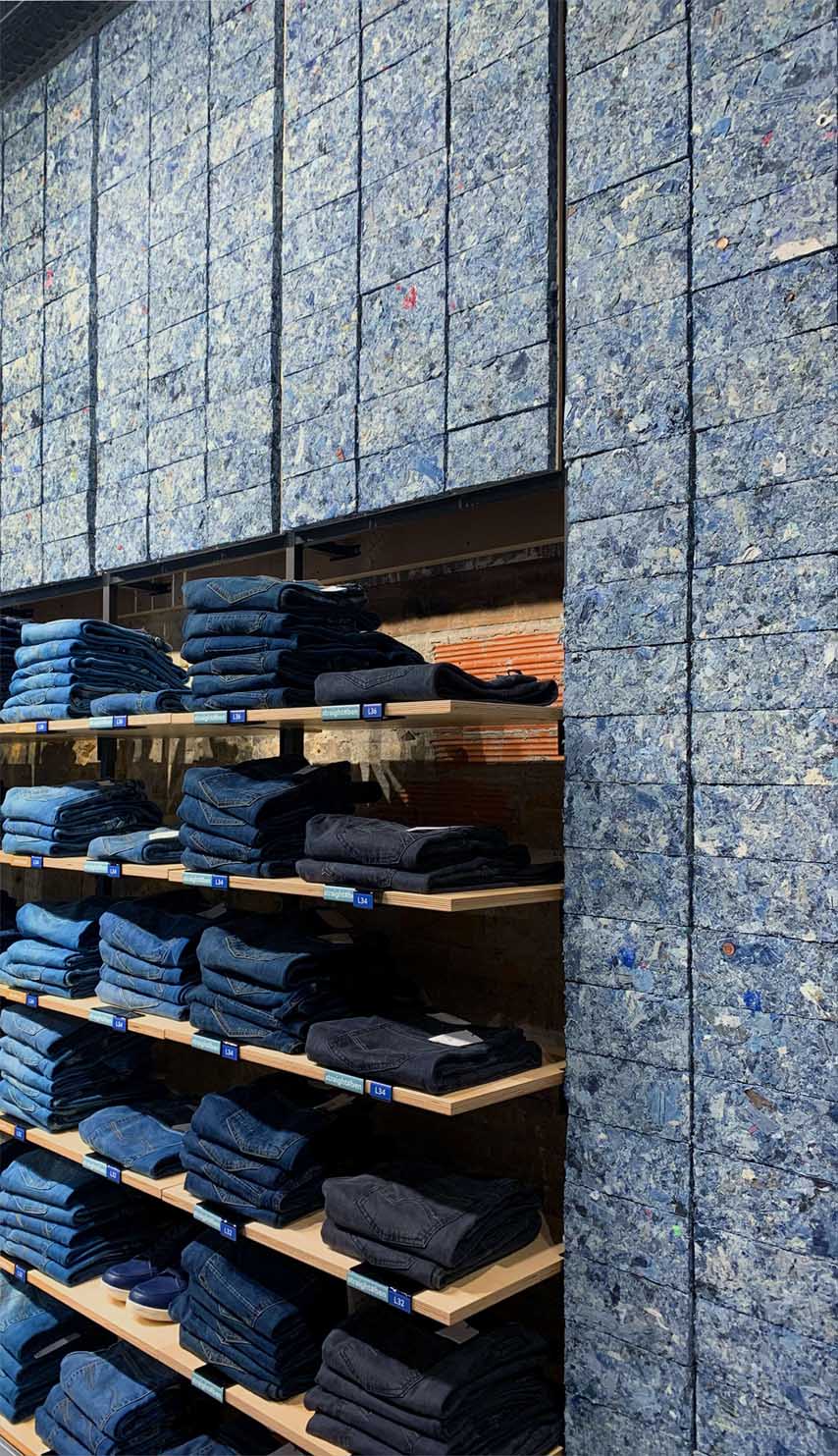
FabBRICK reinvents construction materials with recycled textile waste

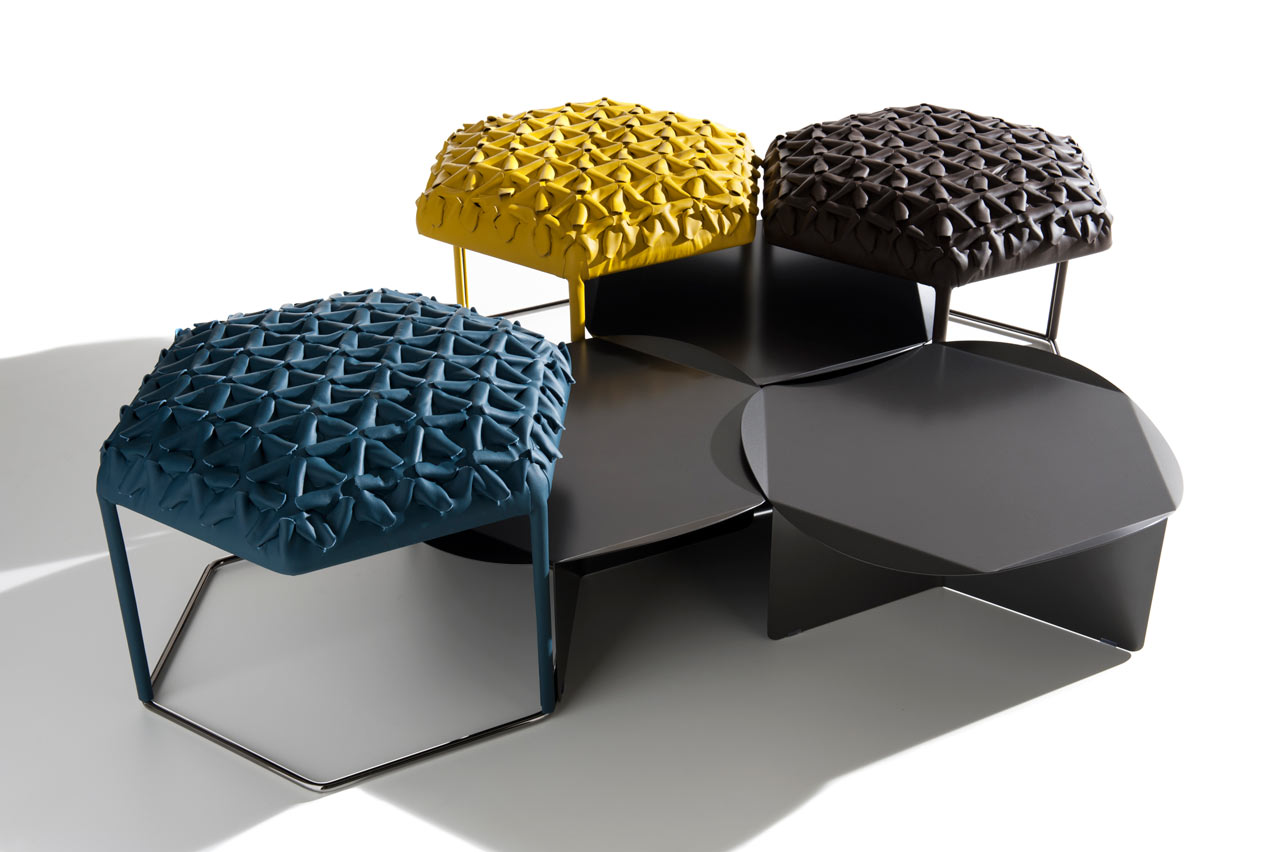
Hive: Leather Patches Create 3D Upholstery Textiles


All Sewn Up: Cut-And-Sewn Covers' Growth Zips Along

The Makers | McGee & Co. X Filling Spaces
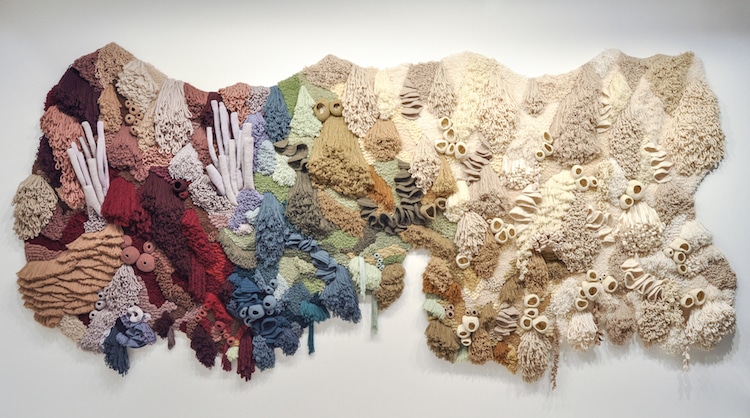
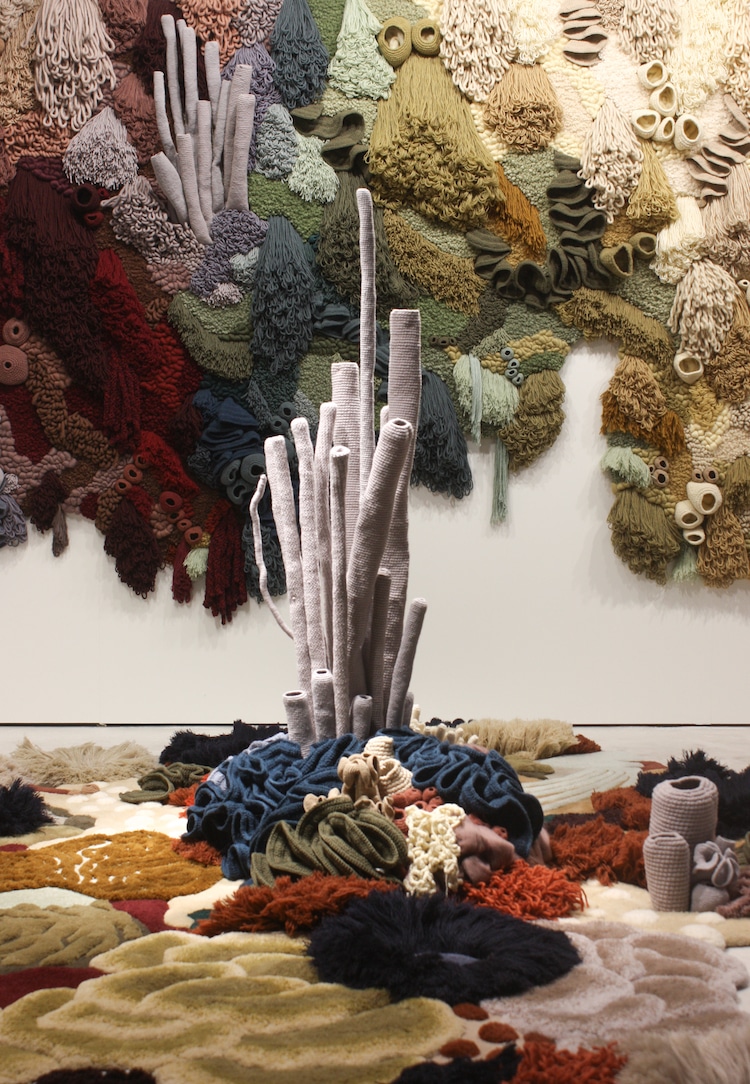
Artist Uses Recycled Textile Waste to Handcraft Ocean-Inspired Rugs and Tapestries

Outdoor Fabrics Have Come a Long Way, With New Colors, Designs
Q&A with eco-dyed textile designer Joanne O'Rourke

Camira + SEAQUAL Turn Ocean Plastic into Upholstery Fabric
Immaterial : Blankets and Quilts
LAU architecture students assemble emergency shelter with plastic crates + ties
These Fabric Manufacturers Are Planning to Save the World

This textile designer crafts characterful patterns out of construction paper

Students use eggs as inspiration for inflatable concrete shelters

Textile designer: Margo Selby

Ample Creates Prefab Shelters and Saunas Inspired by Australian Sheds

Mar Ricketts and Guildworks soar to new heights
Inside and out
From Tech to Texture: Aurelie Tu of Craftedsystems
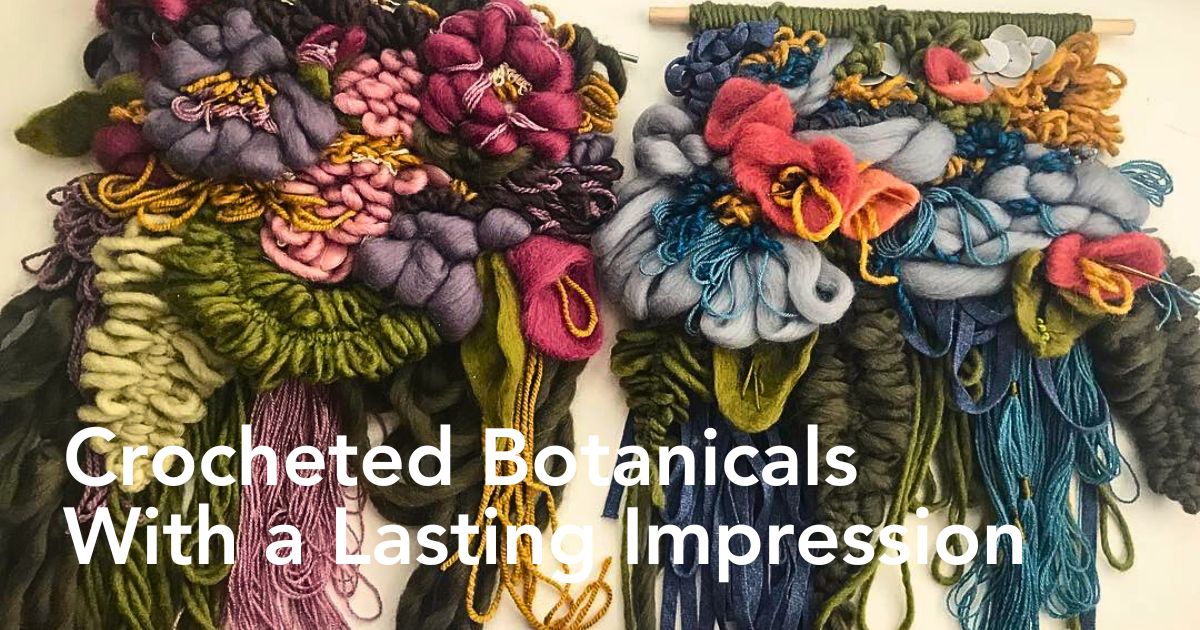
Woven Floral Wall Hangings by Alyssa Ki Will Last Forever


How To Tie-Dye: A Workshop With The Master