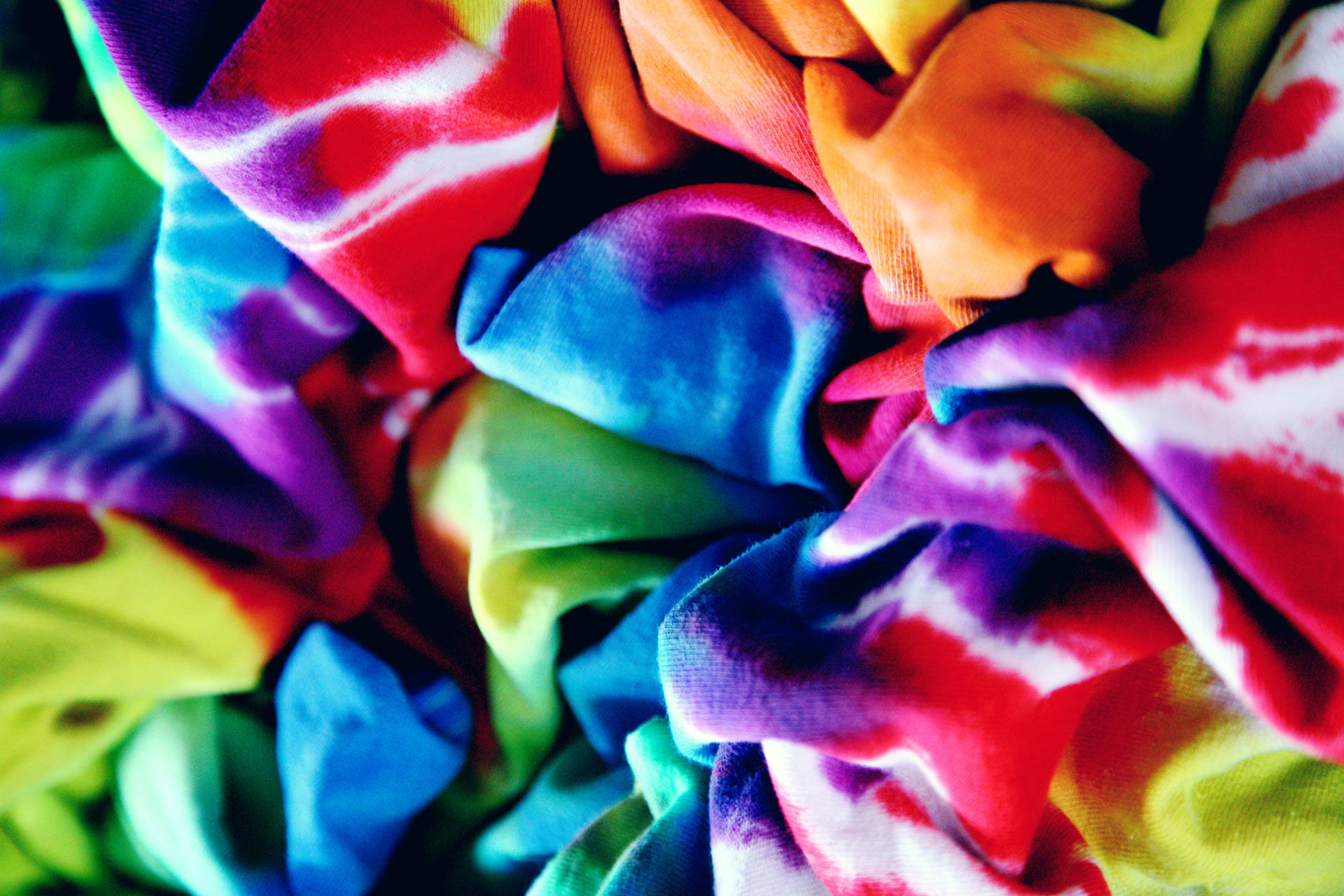
How To Tie-Dye: A Workshop With The Master
This article explores the art of tie-dyeing, offering practical guidance and insights from LA designer Raquel Allegra. It highlights her approach to upcycling and transforming garments through unique tie-dye techniques. Raquel Allegra's early career focused on repurposing recycled fabrics and oversized vintage T-shirts from the LA County Prison System, showcasing her ability to convert discarded items into stylish pieces. Her methods include signature shredding techniques, which create sheer, cobweb-like designs by unraveling fabrics, and multi-color dip and tie-dyeing.
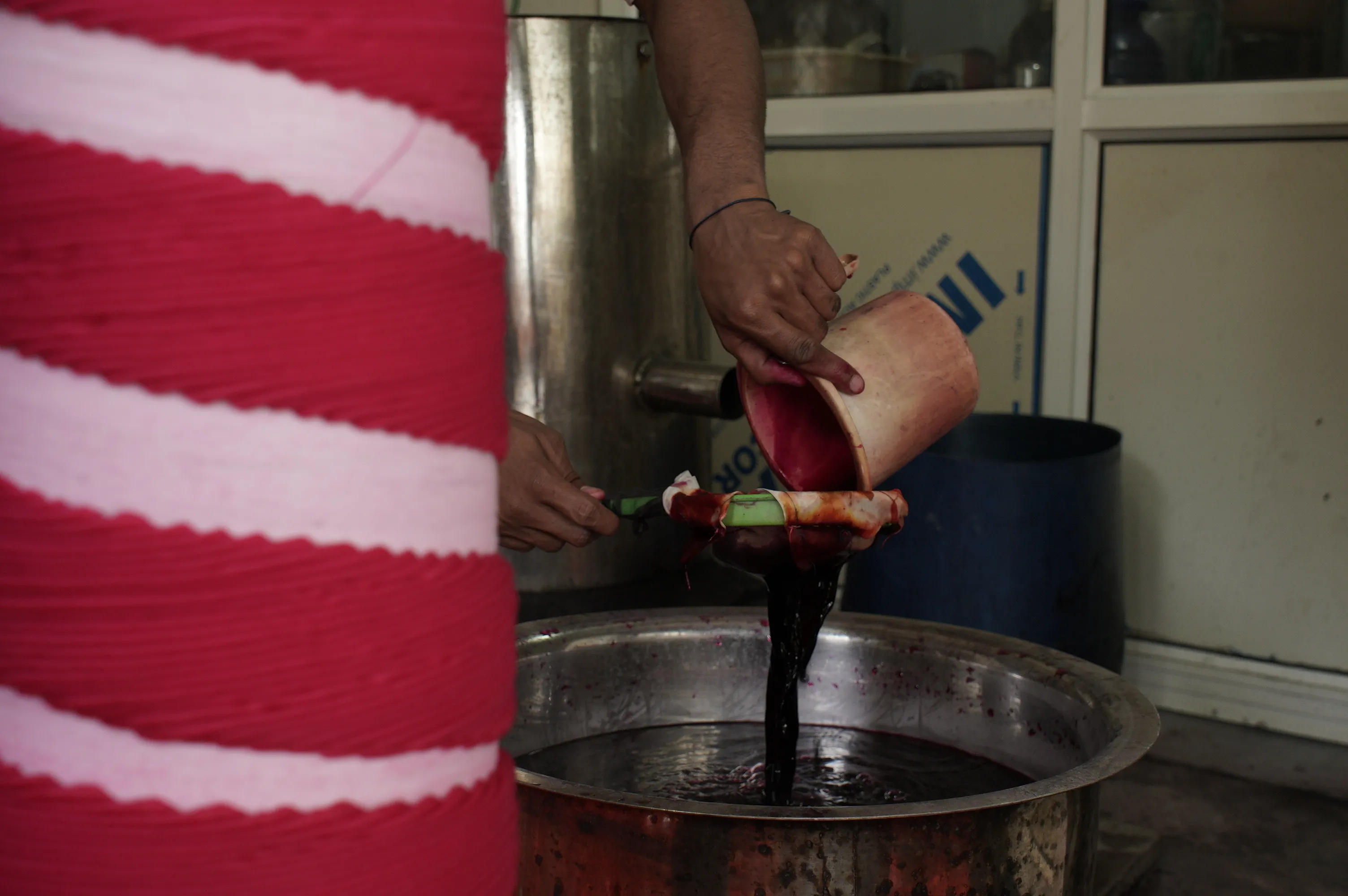
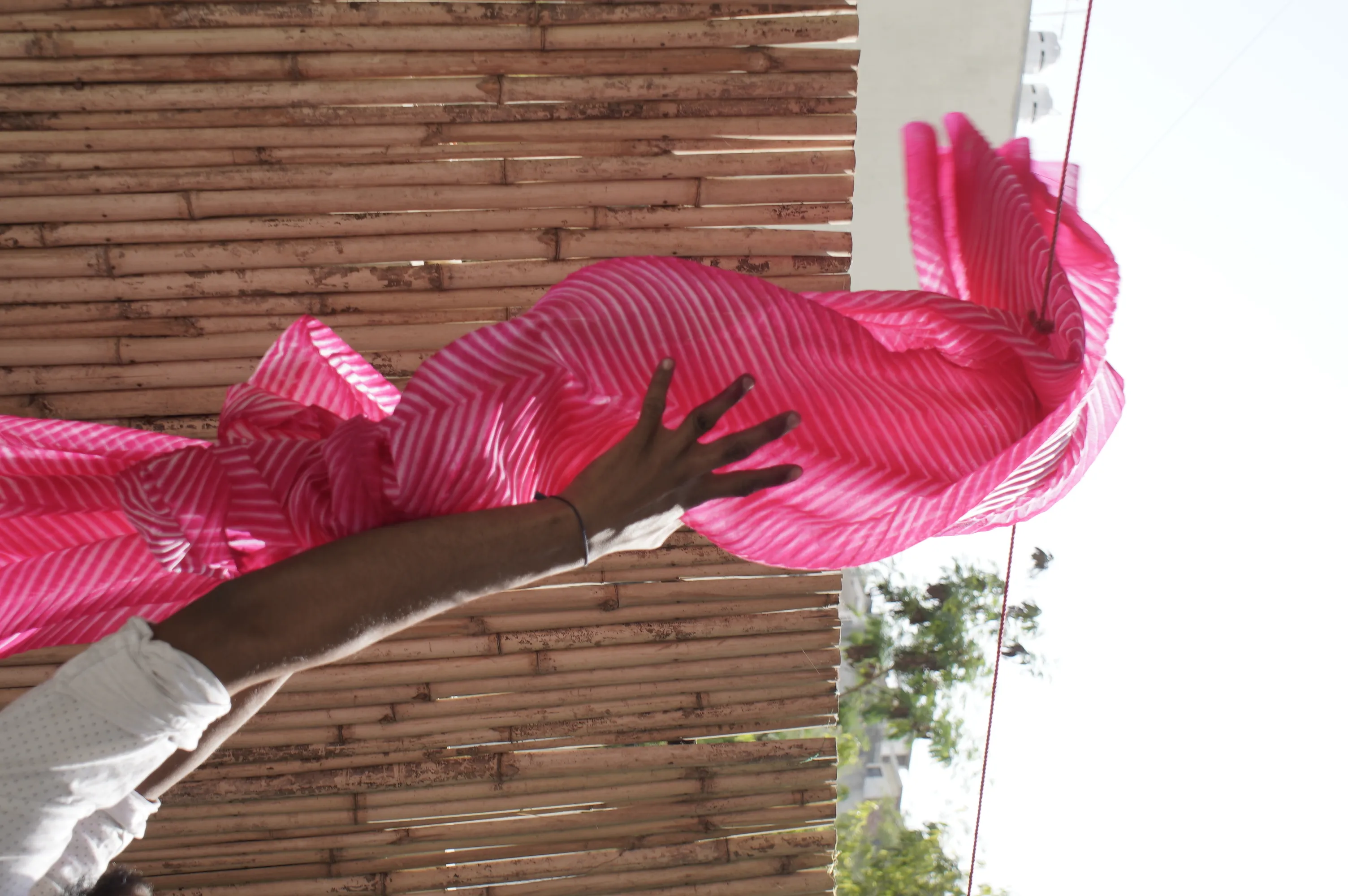
The article details two specific tie-dye techniques demonstrated by Raquel Allegra: the 'bamboo' dye and the 'shell' dye. The bamboo technique involves concertina-folding a slightly damp fabric from end to end and securing it with elastic bands. A longer piece of elastic is then tightly wrapped around the folded fabric. The fabric is submerged in dye solution for a recommended period, after which the bands are removed, and the fabric is rinsed. The shell technique requires flattening a slightly damp garment on a solid surface and twisting it around a central point with a stick or ruler to form a circular shape. This shape is then secured with rubber bands, with more bands resulting in greater visibility of the original fabric color. The dyeing and rinsing process is then repeated.
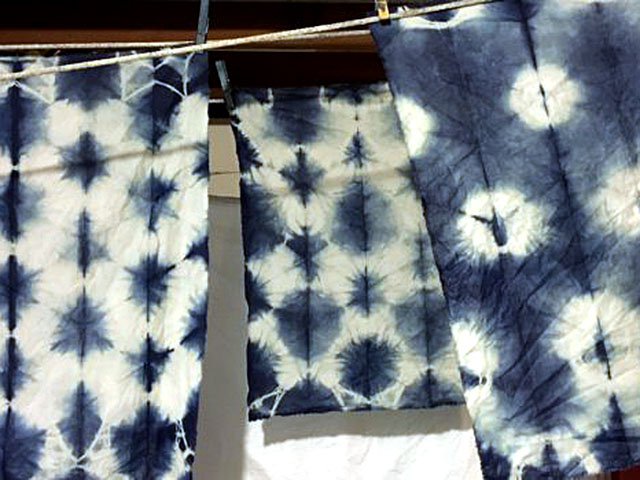
Beyond Raquel Allegra's methods, the article features other Etsy makers who incorporate tie-dye into their work, offering diverse applications. Tori Lo Designs, based in Newcastle, specializes in bespoke leather goods such as wallets, card holders, and phone cases. Tori Lo's unique approach involves hand-painting dye onto tied items rather than full submersion, allowing for some control while embracing the unpredictable nature of tie-dye. Romor Designs1 from London focuses on Shibori, a Japanese tie-dye technique that utilizes stitching, binding, and clamping methods to create patterns on lampshades, handkerchiefs, and table linens. The key to successful Shibori, according to Romor Designs1, is ensuring a strong resist by tightly sewing and pulling fabric pieces, then wetting them before securing knots.
FabricsofHumanity, a California-based producer, offers fabrics and wall hangings with global influences. Their batik fabric process involves repeated tub dyeing and waxing, using wax to resist dye and create intricate patterns. The article provides several top tips for tie-dyeing and batik, including the importance of pre-washing fabrics to remove impurities that could affect dye adherence. It also suggests using common household items, such as an electric frying pan instead of a specialized wax pot or cardboard instead of a frame, to achieve similar results. Additionally, it highlights the endless possibilities for patterns using everyday objects like cut vegetables for wax resists and emphasizes the utility of the color wheel for creating desired dye outcomes, cautioning against accidental color mixtures.
In summary, the article serves as a comprehensive guide to tie-dyeing, blending fashion design with practical DIY crafting. It underscores the versatility of tie-dye for both clothing and home decor, emphasizing sustainable practices through upcycling and personalization.
#TieDye #RaquelAllegra #Upcycling #DIYCrafts #TextileArt #Shibori #Batik #HomeDecor #FashionDesign #TieDye #RaquelAllegra #Upcycling #DIYCrafts #TextileArt #Shibori #Batik #HomeDecor #FashionDesign
 No comments yet
A masterclass in mixing pattern
The Dye Is Cast

DIY: The art of indigo dyeing
Beyond tie-dye