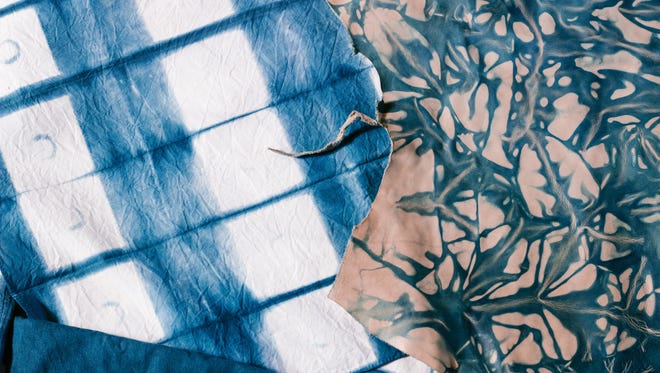
DIY: The art of indigo dyeing
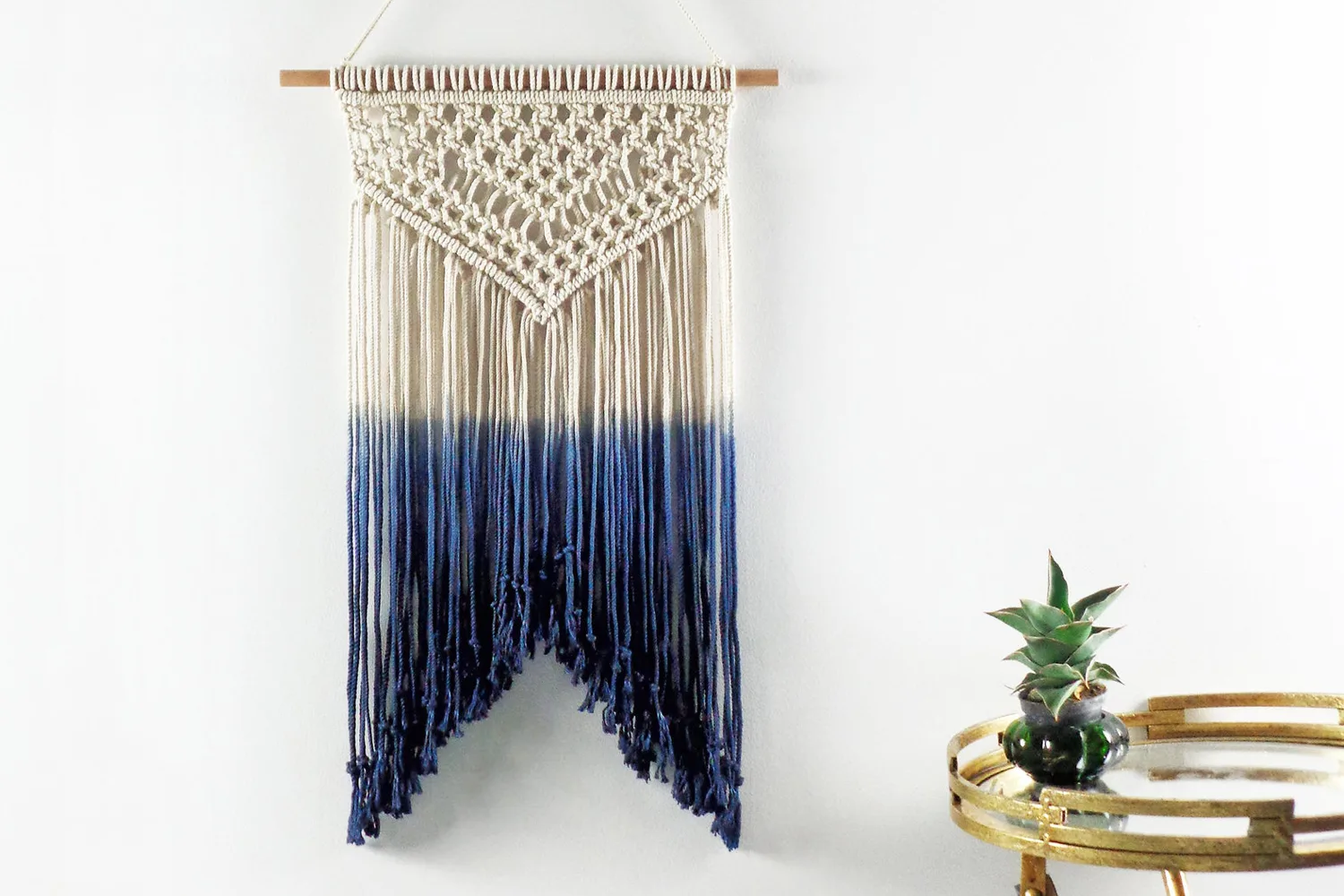
The ancient craft of indigo dyeing, originating in India during the Bronze Age, utilized the natural blue-violet compound from the indigofera plant. Its practice spread globally, maintaining popularity across Asia, Africa, Indonesia, and South America. In the United States, indigo was notably the first dye used for blue jeans. Mimi Haddon, an art student, teacher, and fiber artist, incorporates this craft into her conceptual art and conducts indigo dyeing workshops from her Santa Monica home. These workshops provide hands-on instruction in textile dyeing, with outdoor sinks accommodating beginners.
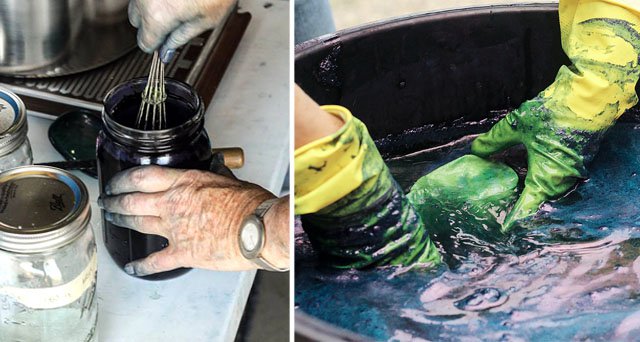
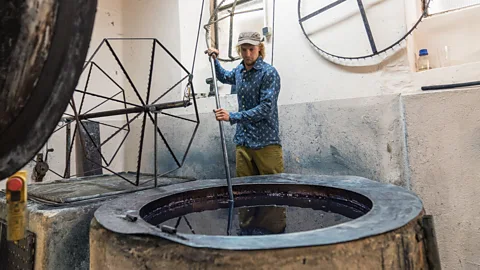
Indigo is extracted by steeping indigofera leaves in water, allowing them to ferment to release the indican compound. This compound is then processed into a paste, dried, and formed into blocks, sheets, or powder. Haddon prefers the powdered form, which she mixes into a vat for textile dipping. Unique among dyes, indigo effectively colors both protein fibers like wool, silk, and leather, and plant fibers such as cotton and linen. To create patterns, certain areas of the fabric must be prevented from absorbing the dye, a technique known as resist dyeing.
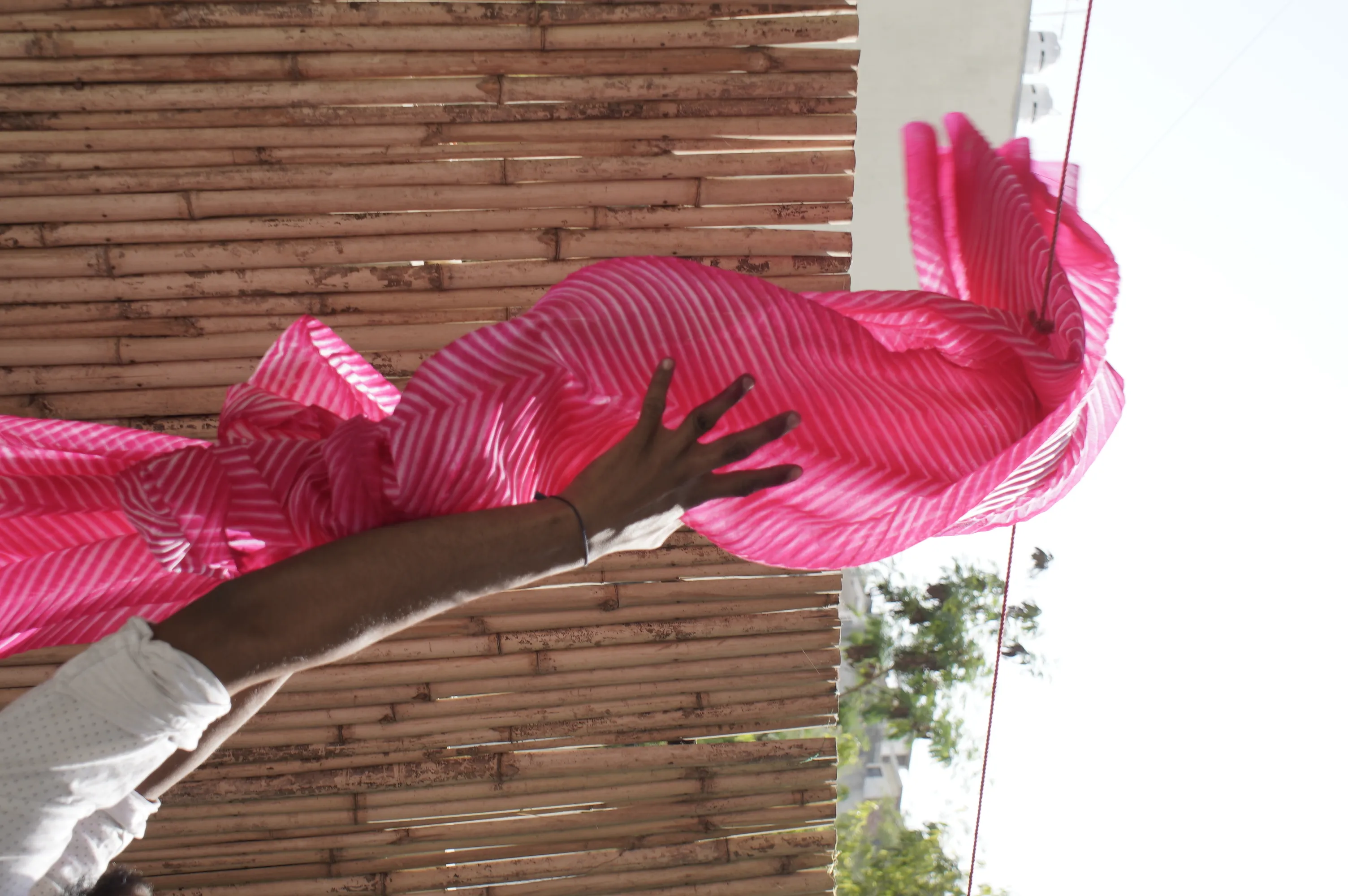
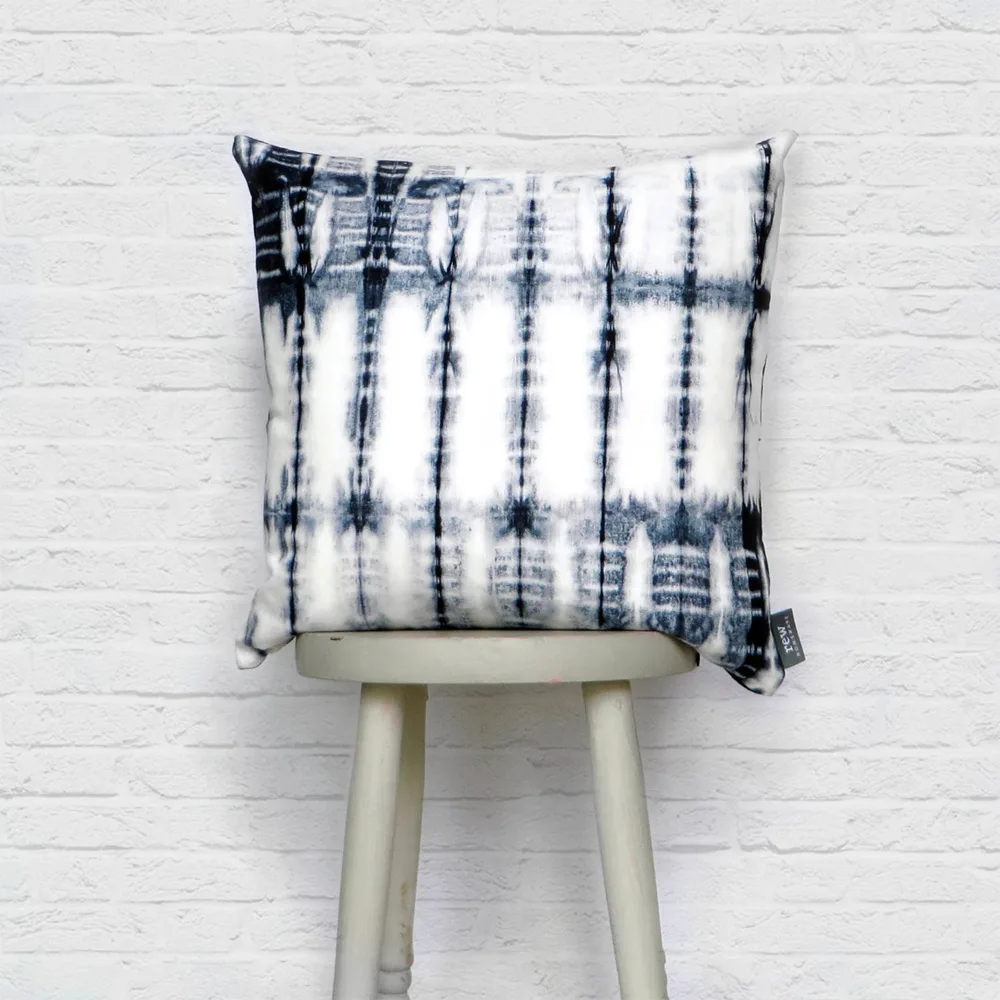
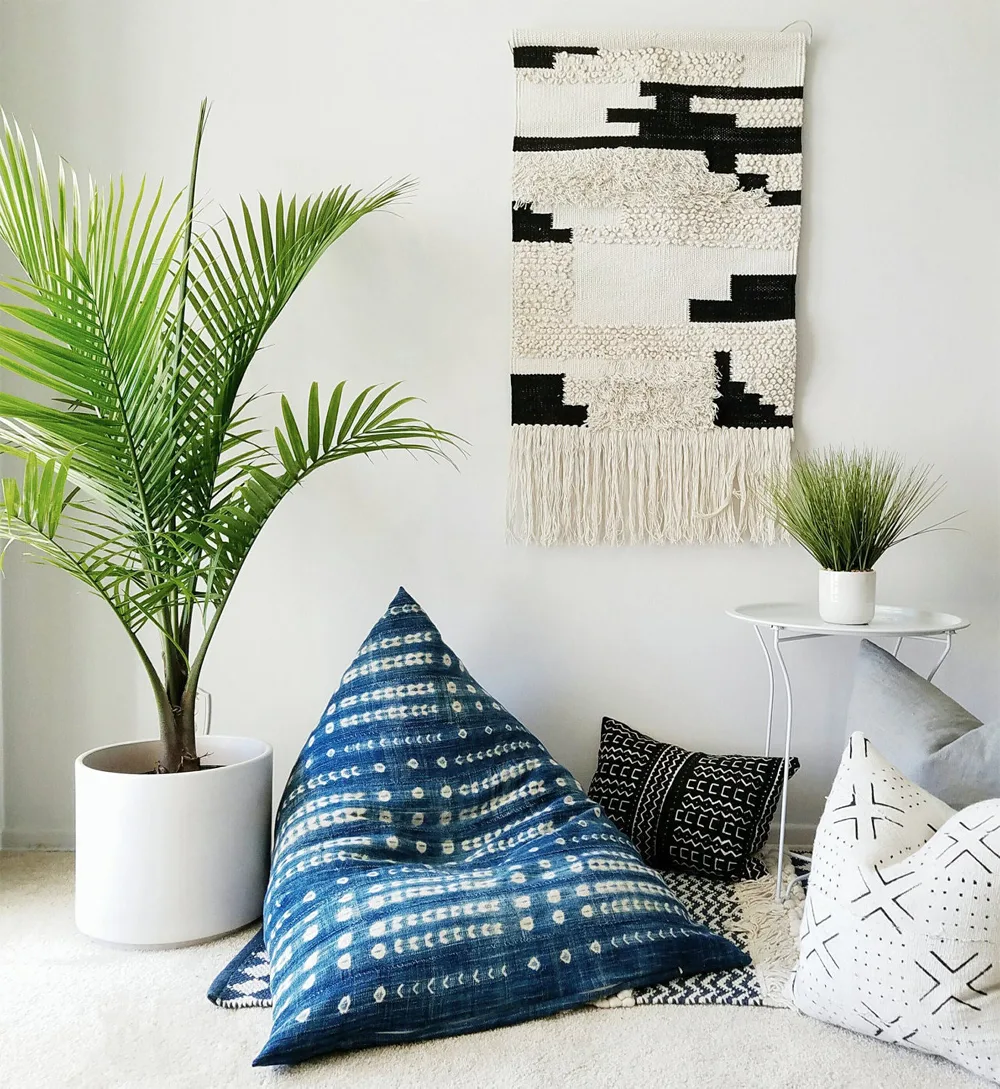
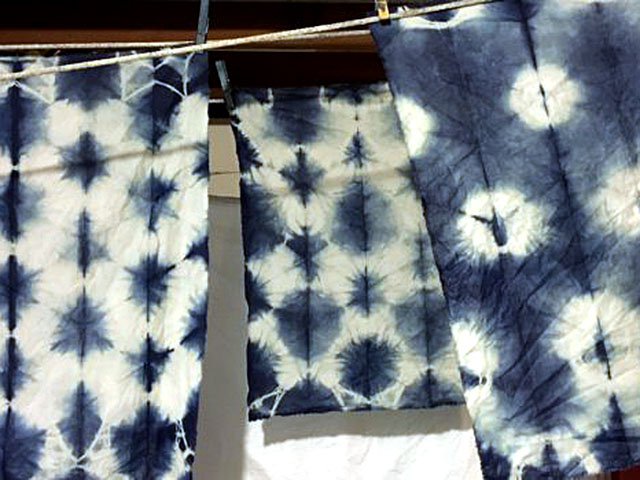
Different cultures employ various resist techniques. In Japan, Shibori involves folding and clamping fabric between wooden blocks before immersion, while Arashi uses a pole and string for design creation. Indonesians are recognized for Batik prints, and in Africa, patterns are made by tying pebbles and shells beneath the cloth. The depth of blue in indigo dyeing is achieved through repeated immersion and oxidation. Unlike other dyes where fabric remains in the vat until the desired shade is reached, indigo-dyed fabric initially appears green upon removal and only turns blue as it oxidizes in the air. This dipping and oxidizing cycle is repeated until the intended blue intensity is attained. Haddon also massages the fabric in the vat to ensure thorough dye penetration. After the dyeing process, the fabric is rinsed until the water runs clear, revealing the intricate patterns.
Haddon likens the indigo dyeing process to her experience in a darkroom, emphasizing the 'amazing magic' that unfolds as the blue color develops. She describes indigo as an 'amazing, earthy, powerful dye.' The widespread use of natural indigo declined around the 19th century with the invention of synthetic indigo by German chemist Adolf von Baeyer, which became prevalent due to the garment industry's demands. However, a renewed interest in natural and handmade items, driven by a growing DIY culture, has led to a resurgence in the popularity of natural fermented indigo, alongside other natural dyes like cochineal and cabbage.
Haddon attributes her personal connection to indigo dyeing to an appreciation for handmade items, finding empowerment in creating useful objects. She values the slower pace and deliberate effort involved in crafting, and the joy derived from giving or receiving something handmade. The article highlights the historical significance, diverse cultural techniques, and the modern revival of indigo dyeing as a hands-on art form, emphasizing its unique chemical process and the satisfaction derived from its practice.
#IndigoDyeing #DIYCrafts #TextileArt #NaturalDyes #Shibori #FiberArt #HandmadeItems #CulturalCrafts #ArtWorkshops #IndigoDyeing #DIYCrafts #TextileArt #NaturalDyes #Shibori #FiberArt #HandmadeItems #CulturalCrafts #ArtWorkshops
0 comment in total
 No comments yet
You may also like
How to Make Colorful Dyes from Your Own Garden

This Chair Got Its Candy-Colored Speckles From None Other Than Flowers—Here’s How

Sasha Duerr’s Sustainable Plant-Based Textile Dyes

How to Nail This Tricky But Surprisingly Trendy Farrow & Ball Paint Color
The Dye Is Cast

Europe's secret dyeing formula

Beyond tie-dye


10 Ways To Decorate With The World’s Favorite Color
The 10 Best Fabric Dyes for Clothing, Upholstery and More

How To Tie-Dye: A Workshop With The Master
Objects of Common Interest explores "secret recipe" for iridescent resin

Wood Dyes & Waxes | Wax for Unfinished Wood

5 Questions for the Experts at Rit Dye (Yes, You Can Use Your Washing Machine)


7 ways to use dip-dye and Shibori in your home

Go lighter for summer with the best at-home blonde dyes, tested by over 300 women


Update your home with these paint tips!

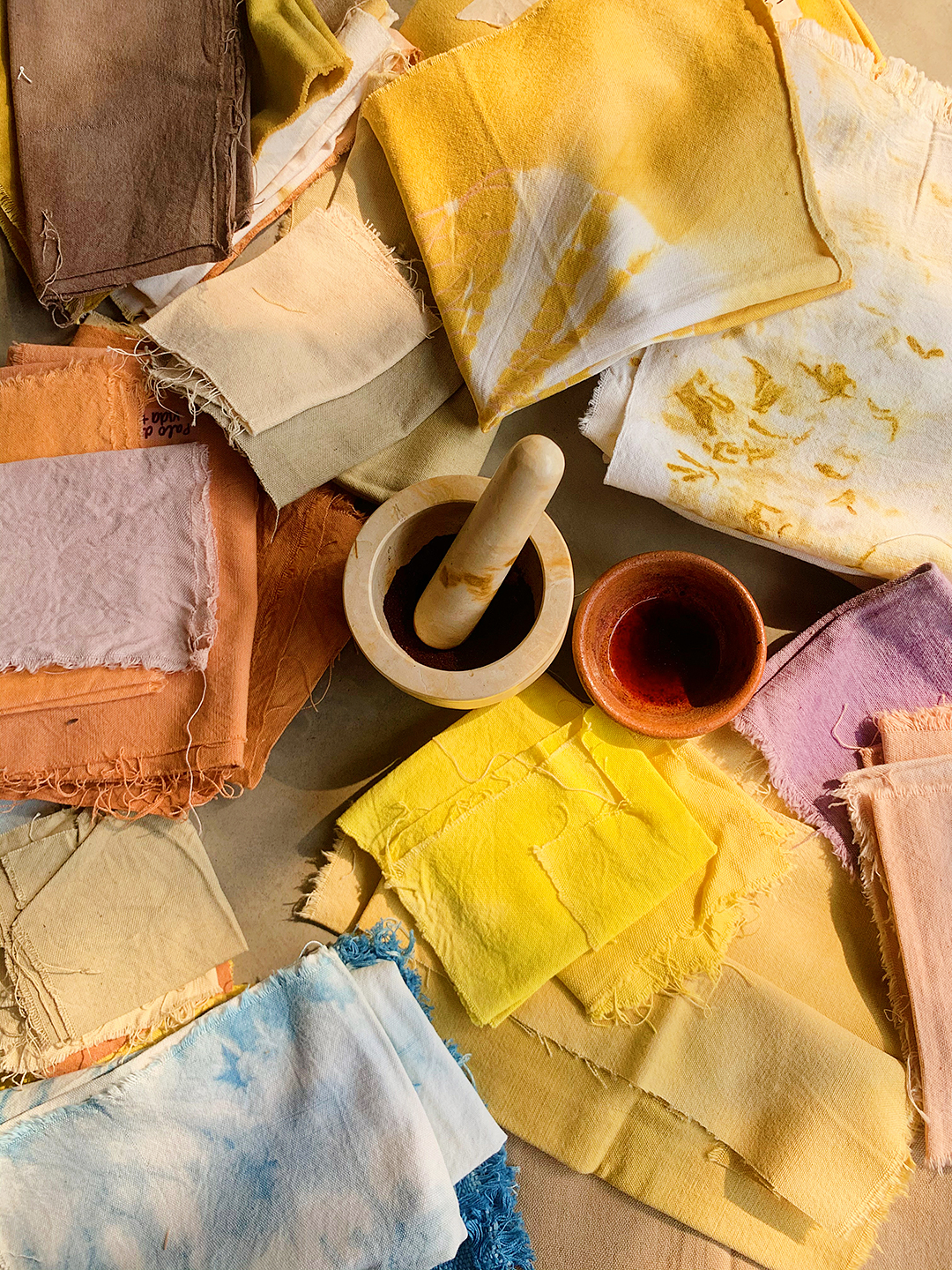
Another Use for the Turmeric in Your Pantry: Tie-Dyeing Pillowcases
Experts explain the 'colour drenching' trend – sharing 7 thoughtful ways to try it in your home


This Popular Fabric Designer Reveals the Right Way to Decorate with Color
DIY Projects & Crafts