1/5
How to Make Colorful Dyes from Your Own Garden
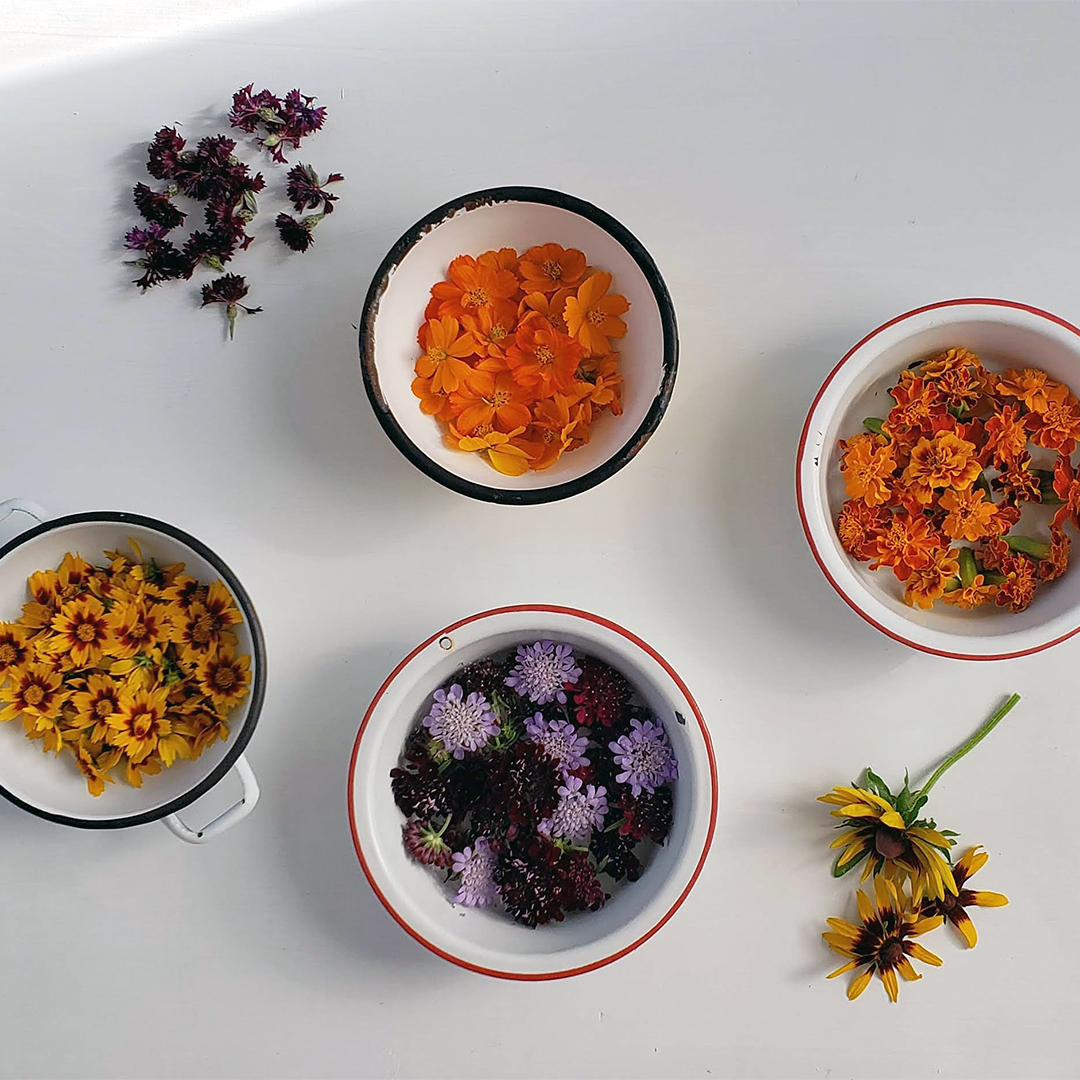
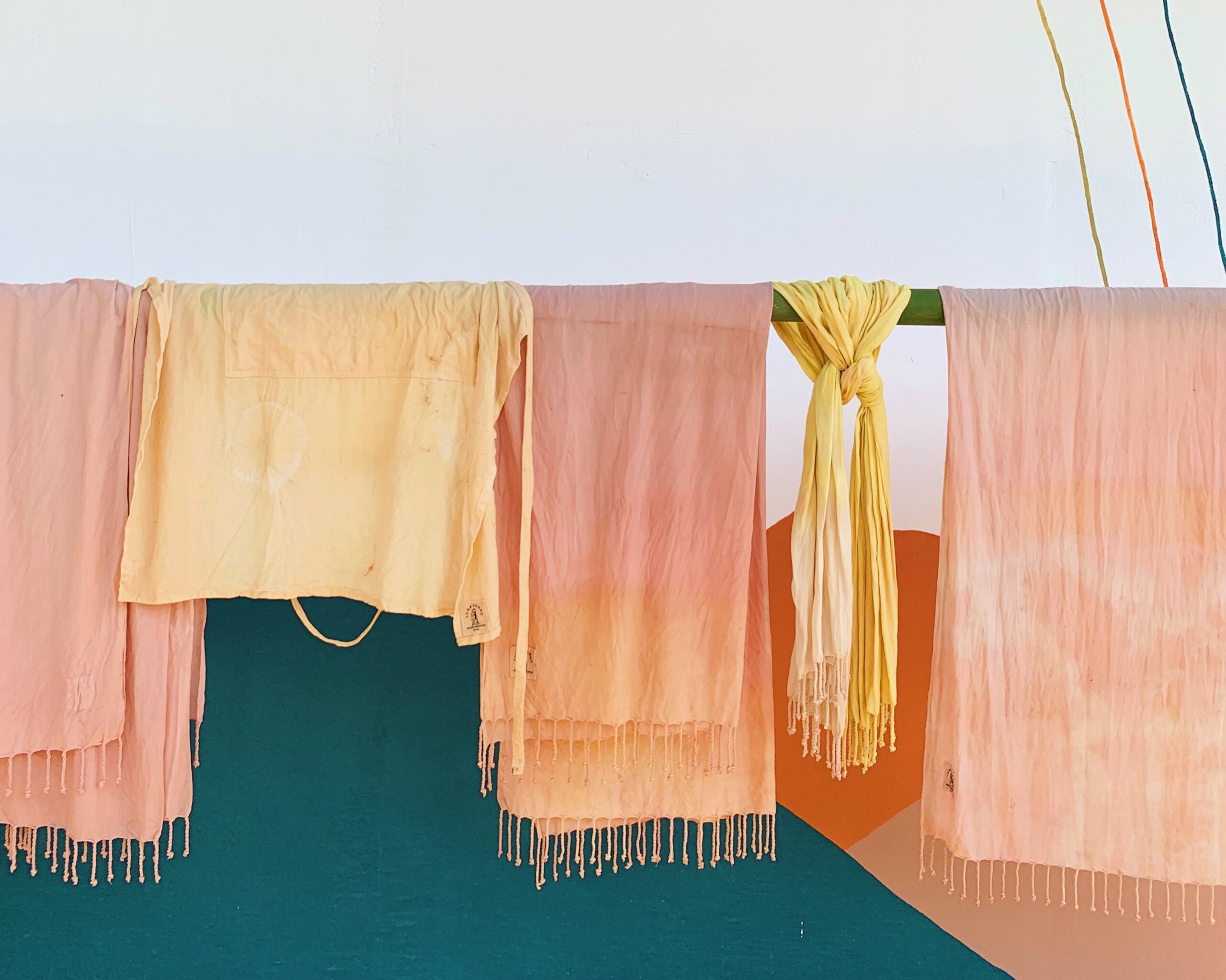
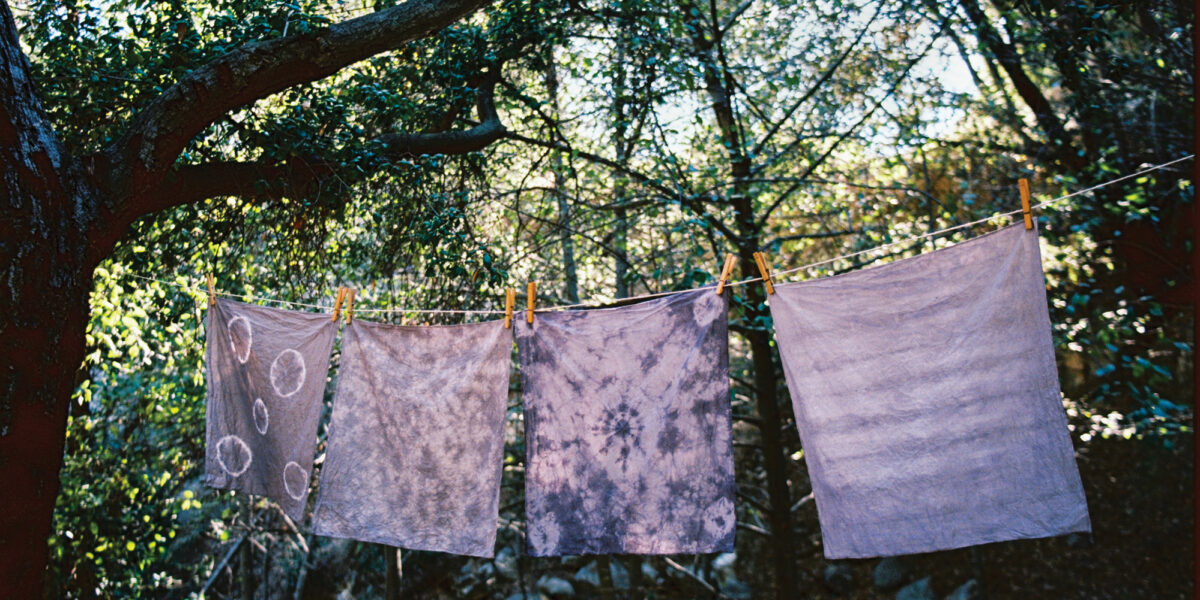
This article explores the art of creating natural, colorful dyes from plants found in gardens and wild environments, drawing insights from Erin Berkowitz, a Los Angeles-based artist and certified California Naturalist. Berkowitz, known for her dye hikes and workshops, emphasizes sustainable harvesting practices, advising never to take more than 10 percent of available plant material to protect local wildlife. She suggests prioritizing wind-fallen materials like pinecones, oak galls, chipped bark, and downed branches when foraging. The article delves into techniques for incorporating patterns into dyed fabrics, such as the scrunch method for marbled effects and using clothespins for geometric grid patterns. For winter projects, Berkowitz recommends creating color-coordinated tablescapes and using dyed fabric scraps for reusable, custom gift wrapping, drawing inspiration from Japanese techniques.
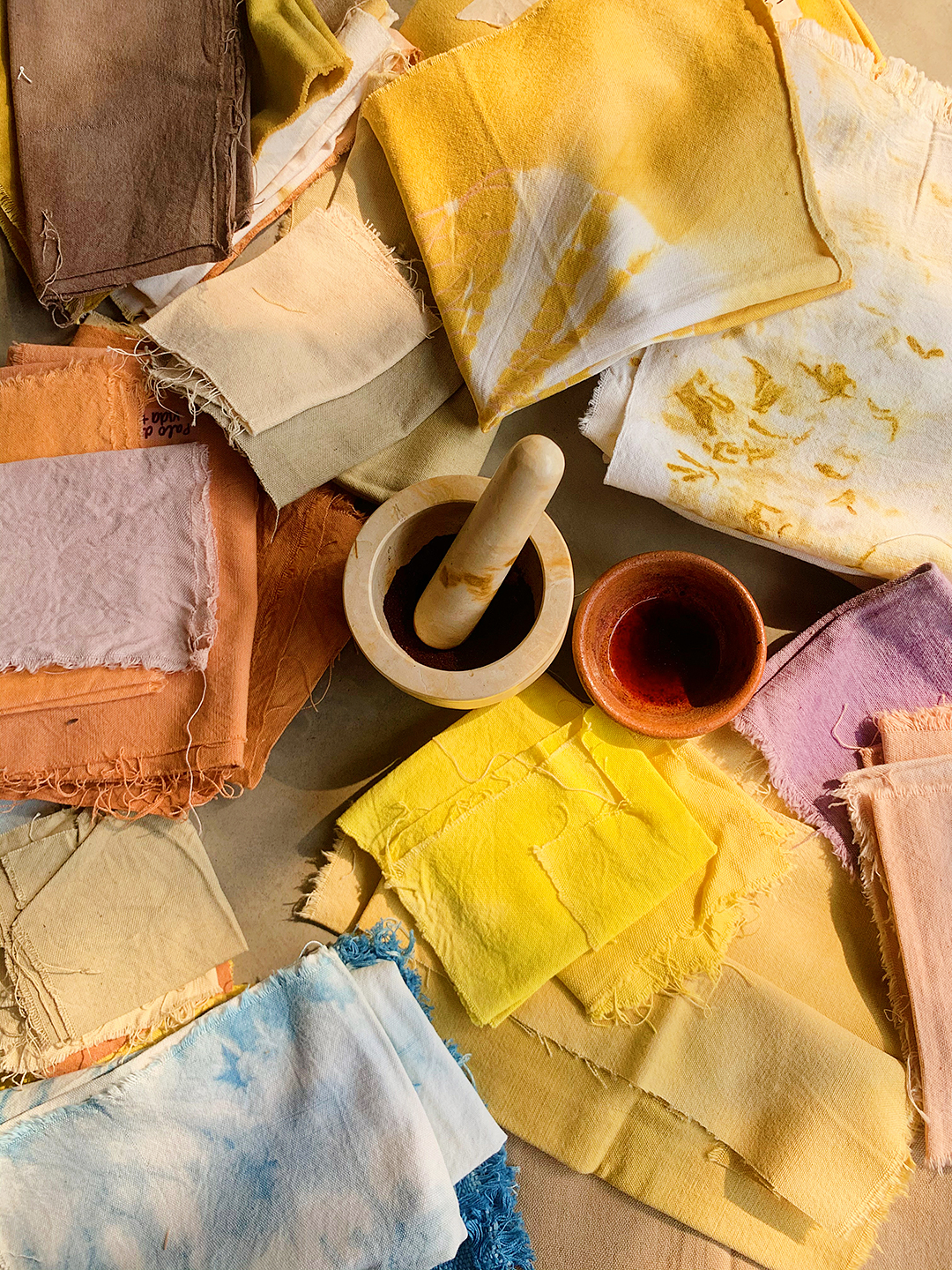
The article provides a comprehensive guide to various plant materials and the colors they yield. Wild-growing plants like pine, alder, and redwood cones can produce pinkish-tan to warm brown hues, while oak galls result in cool grays and blues. Black walnut hulls offer tans to chocolate browns, toyon leaves and branches yield tan to yellow-orange, and sagebrush provides golden yellows to olive greens. Garden plants such as fennel give golden yellow, rosemary produces mustard yellow to olive green, and carrot greens result in sunny yellow. Winter produce like pomegranate skins can create yellow to green-gray, avocado pits and skins offer peach-pink, and onion skins provide yellow-orange to brown.
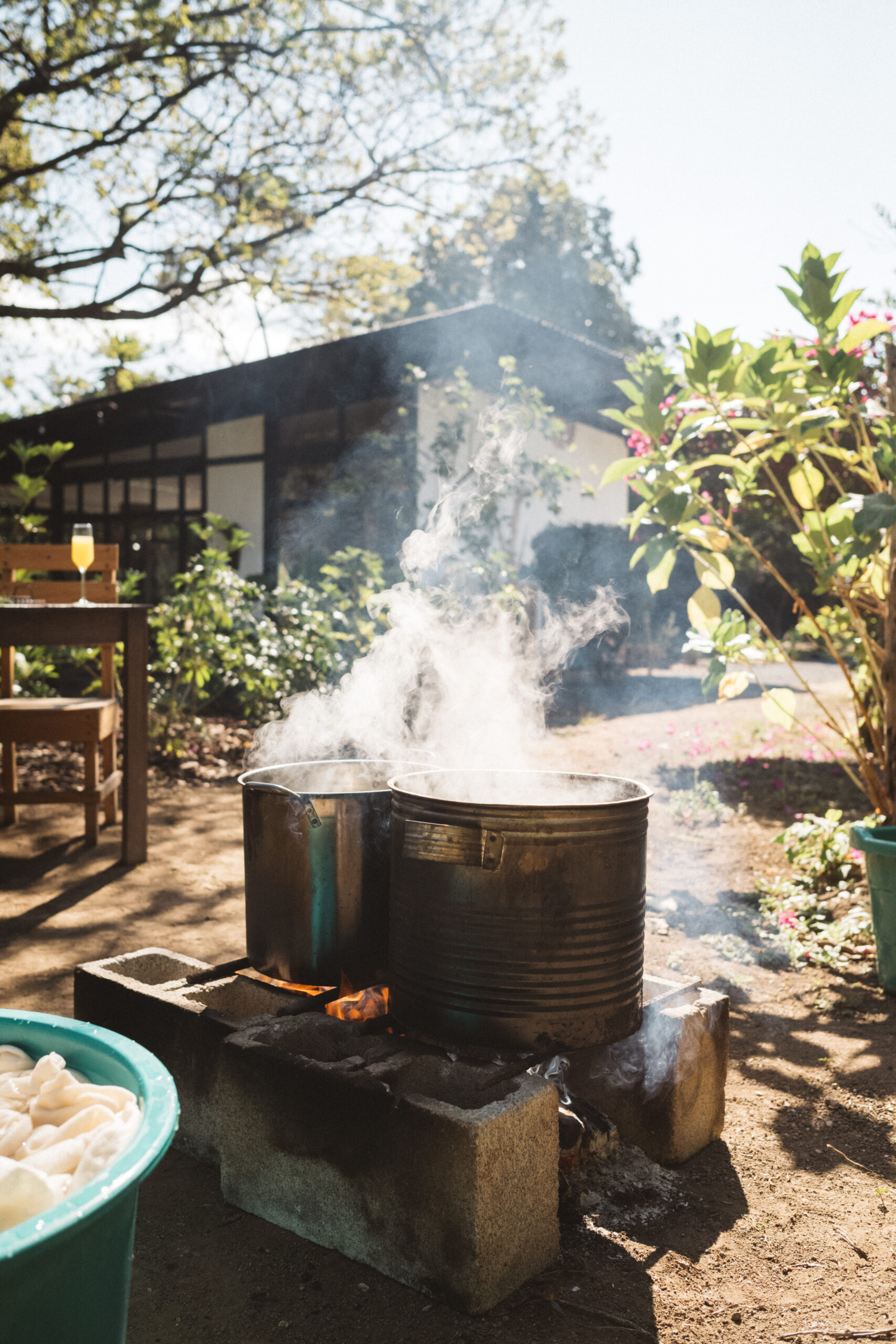
The "Master Dye Recipe" outlines essential tools and safety precautions, including using dedicated cookware and utensils, stirring spoons, a strainer, kitchen thermometer, food-grade bucket, and cheesecloth or mesh bags. Natural fibers like cotton, linen, hemp, silk, or wool are recommended, with silk and wool often yielding more vibrant results. Safety tips include wearing gloves, working in well-ventilated areas, and never using dye-dedicated items for food preparation. For ongoing care, dyed fabrics should be washed separately with pH-neutral detergent and air-dried in the shade to minimize fading, ensuring colors last for years.
A crucial step in the natural dyeing process is mordanting, which allows the dye to permanently adhere to the fiber. This involves soaking fabric in an alum solution (10 percent of fabric weight dissolved in hot water) for one hour, stirring frequently for even absorption, then rinsing. For the dyeing process itself, dyestuff is chopped or crushed, placed in a cheesecloth bundle, and simmered in hot water for at least one hour to extract the dye. Berkowitz advises using just enough water to cover the plant material for the most intense colors. Mordanted fabric is then submerged in the hot dye (180ºF) and stirred until the desired color is achieved, noting that fabric will dry slightly lighter. After cooling, the fabric is rinsed with tap water, washed with gentle detergent in cold water, and air-dried in the shade.
#NaturalDyes #BotanicalDyeing #DIYProjects #SustainableCrafts #PlantBasedDyes #HomeDecor #GardenCrafts #TextileArt #NaturalDyes #BotanicalDyeing #DIYProjects #SustainableCrafts #PlantBasedDyes #HomeDecor #GardenCrafts #TextileArt
0 comment in total
 No comments yet
You may also like
Garden color schemes – these are the palettes landscapers lean on to make planting feel cohesive and considered

How to give your garden the perfect paint job
The Easiest DIY Herb Garden Ideas for Any Space


COLOR! How to Add to Your Home
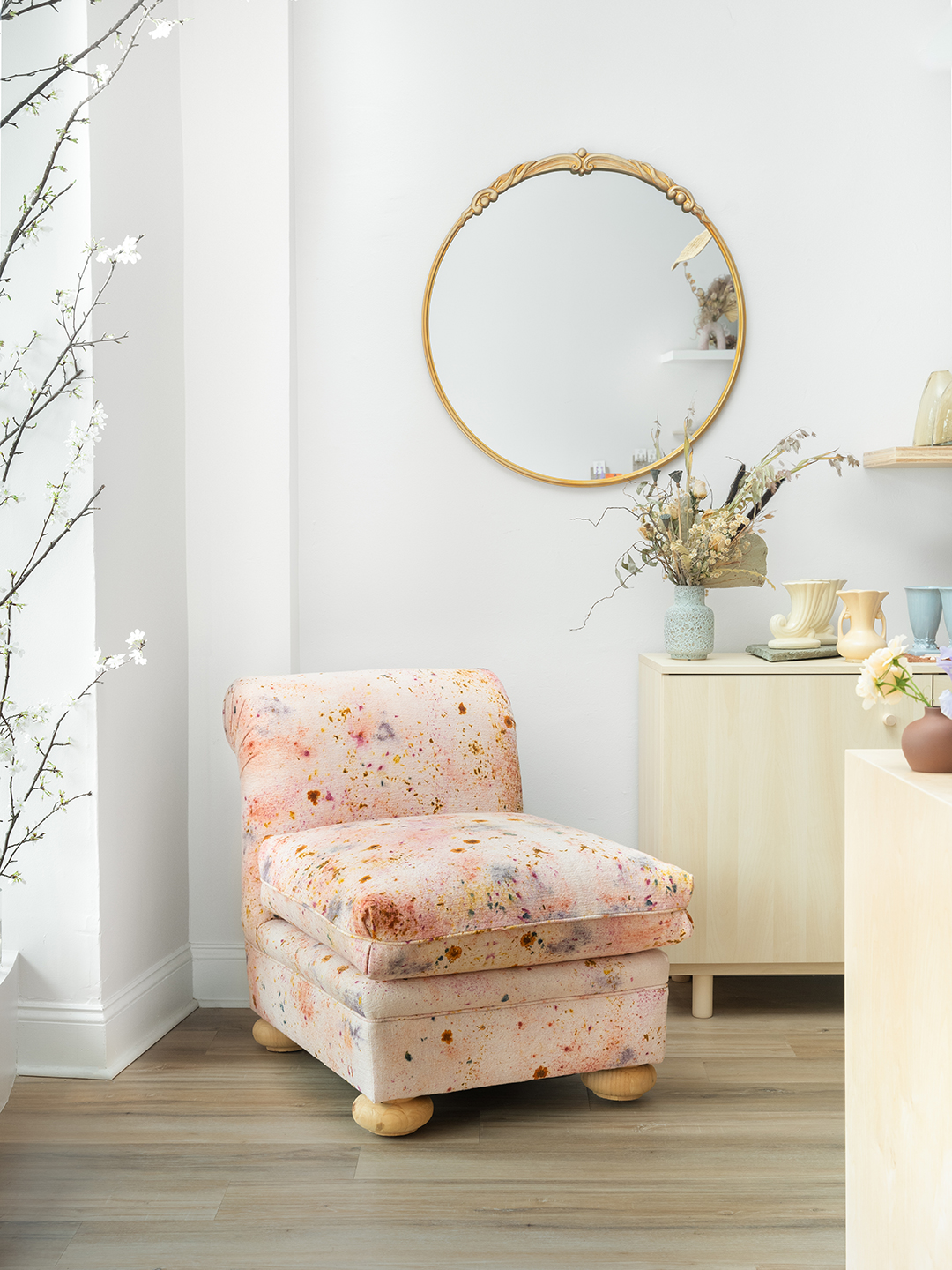
This Chair Got Its Candy-Colored Speckles From None Other Than Flowers—Here’s How

Want to match your plants to your paint colors in 2025? Here's how to add a botanical twist to the hottest interior shades

Getting Your Colors Done Isn't Just for Your Wardrobe—How to Use Them in Your Home
6 great ways to use colour drenching in your home
How to Showcase the 2025 Garden Color of the Year in Your Yard

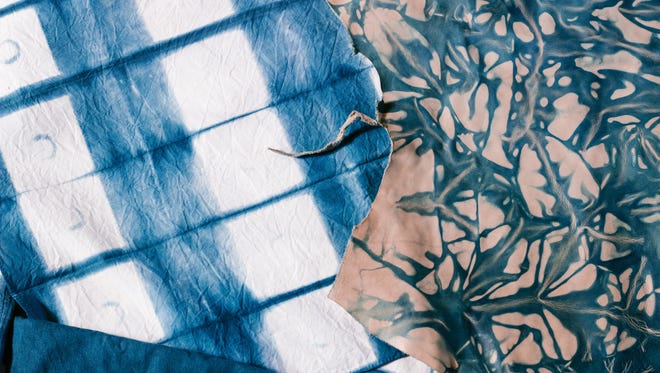
DIY: The art of indigo dyeing
7 colours to paint your fence to make a garden look bigger, according to experts
Trend Experts Just Revealed 2025's Most Exhilarating Outdoor Color Trend — Here's How to Shop Teal
Color block gardens
Go lighter for summer with the best at-home blonde dyes, tested by over 300 women

Experts explain the 'colour drenching' trend – sharing 7 thoughtful ways to try it in your home


Craig's secret weapon for helping his indoor plants look their best

Garden paint ideas - 19 ways to give your outdoor space a splash of colour
Another Use for the Turmeric in Your Pantry: Tie-Dyeing Pillowcases
How to Use One of the Trickiest Paint Colors in Your Home

How to Make Eco-Friendly, Easy Flower Arrangements At Home