Color block gardens
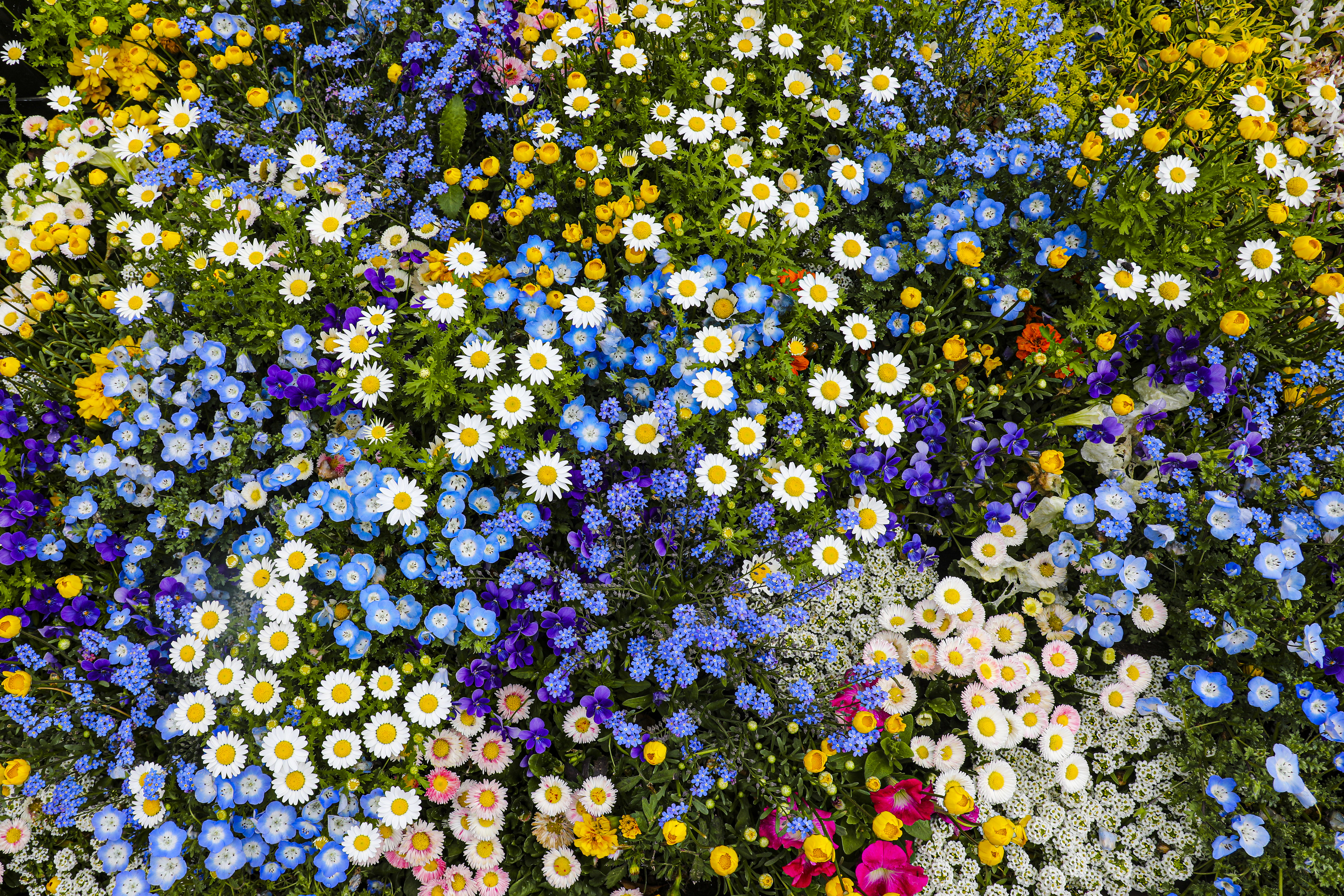
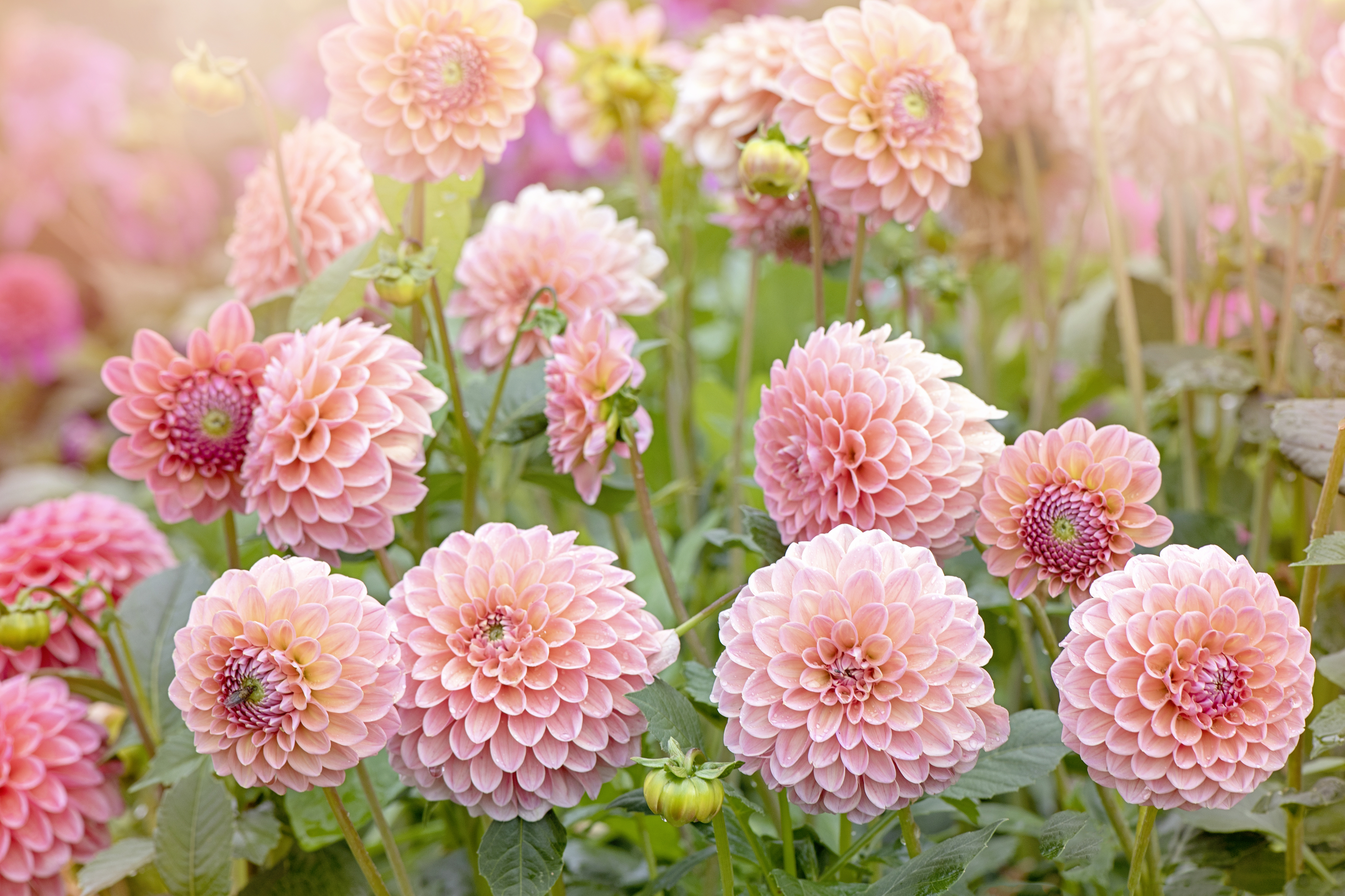
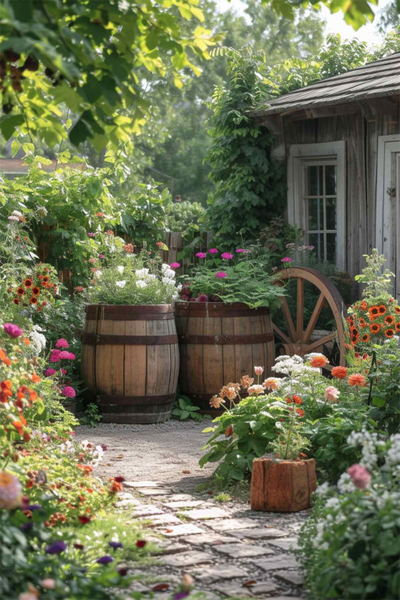
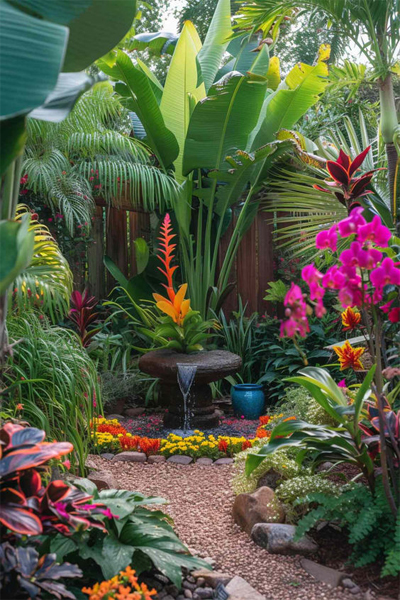
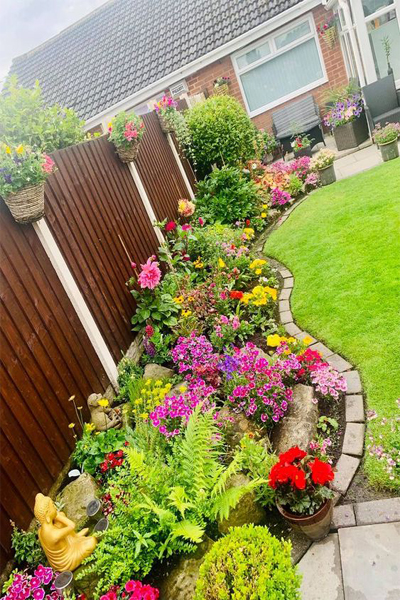
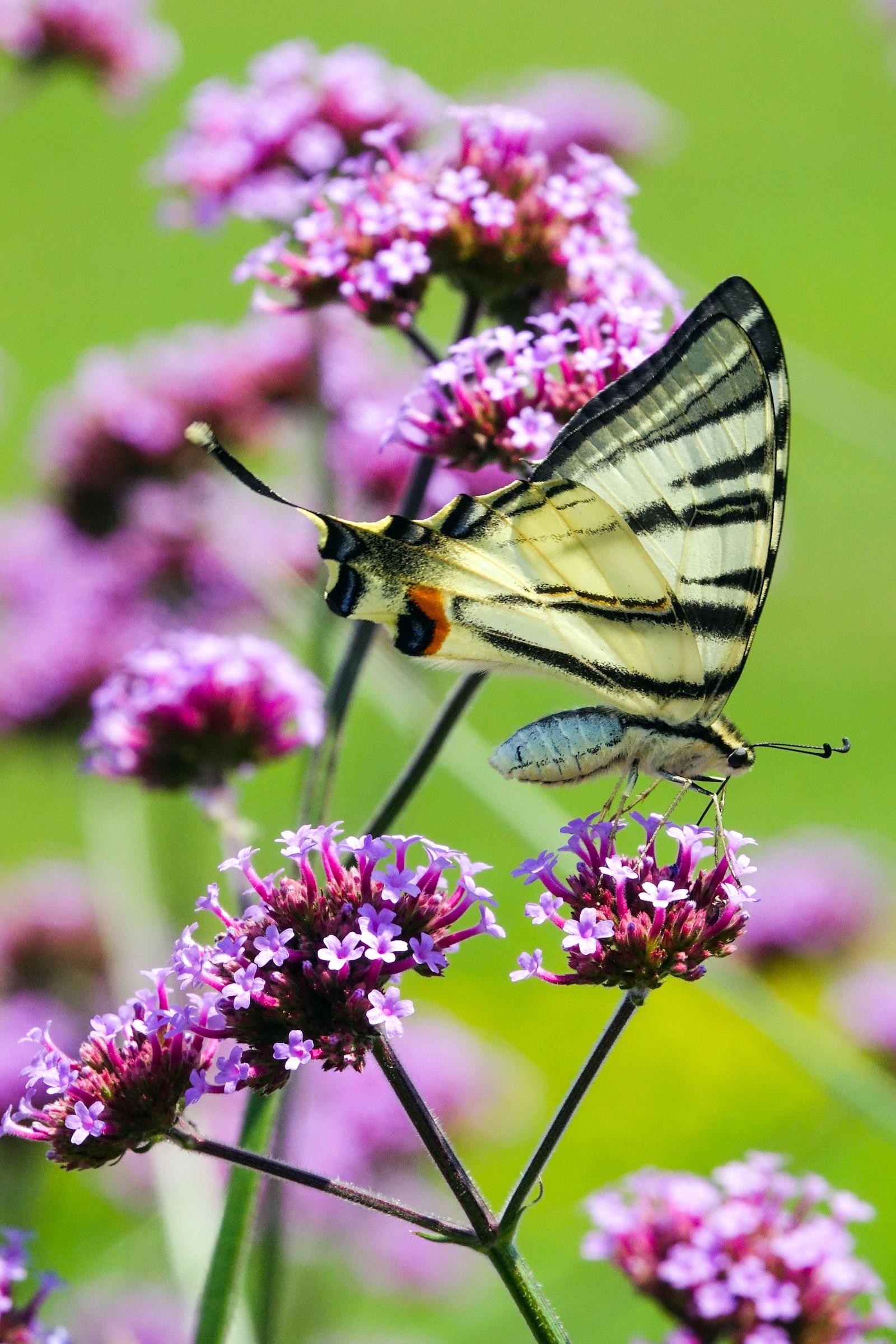
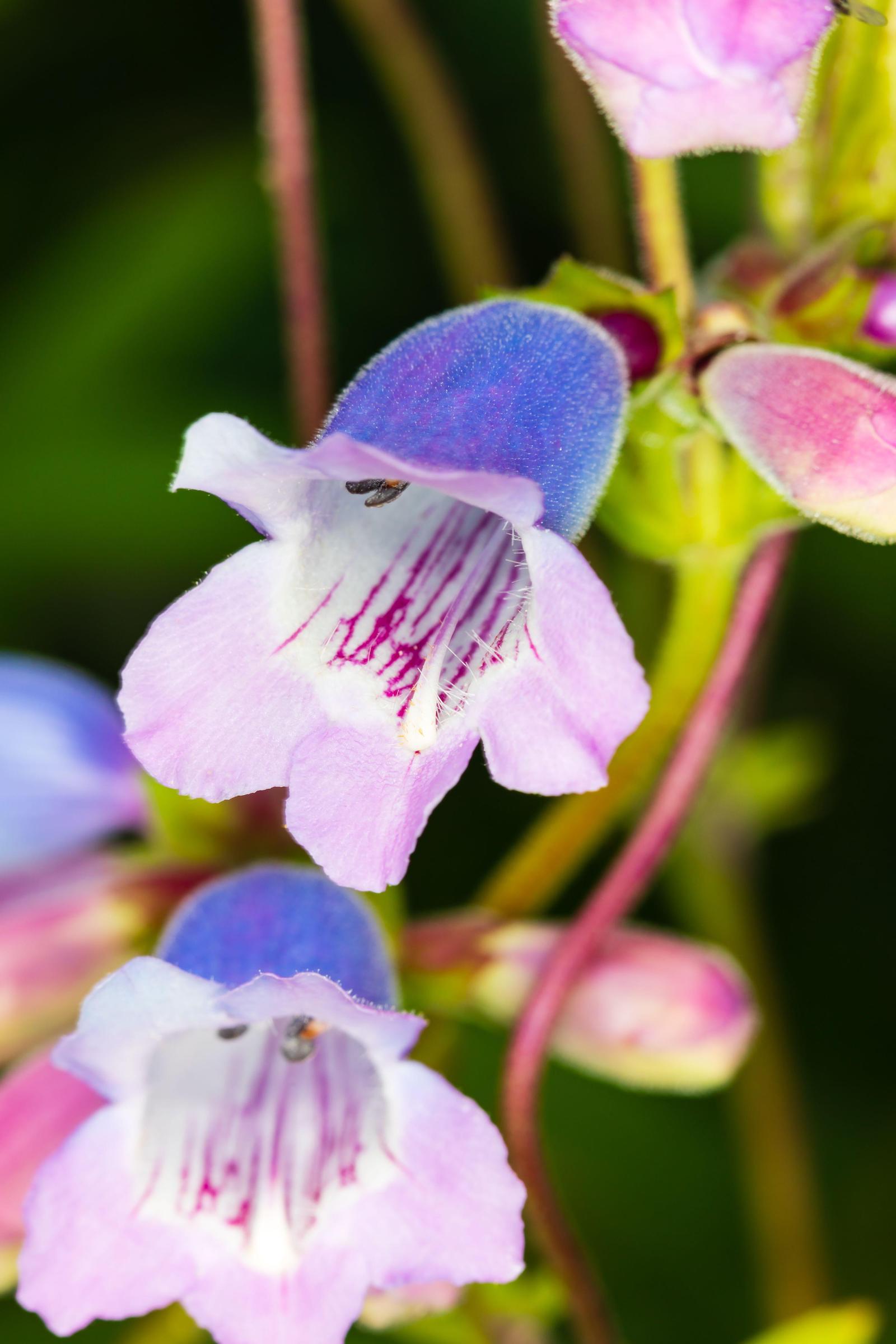
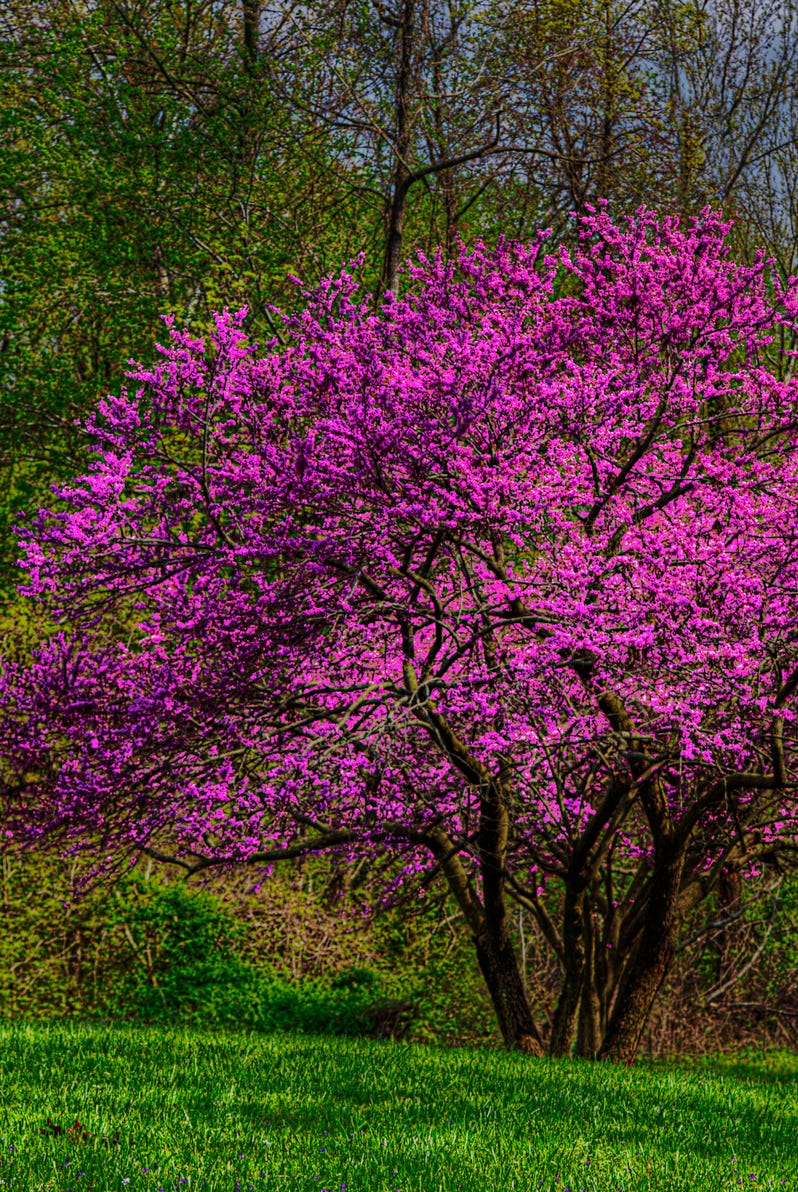
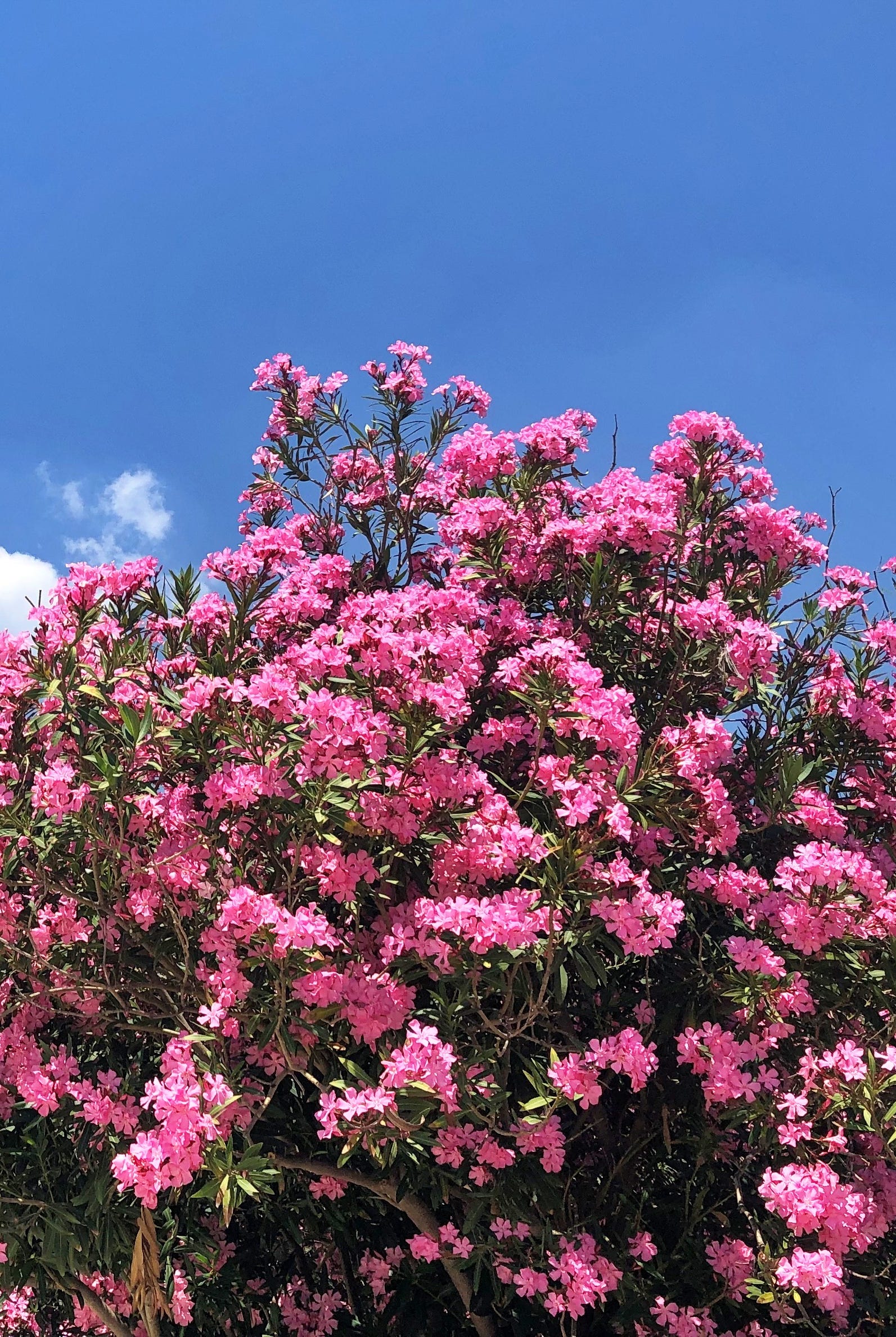
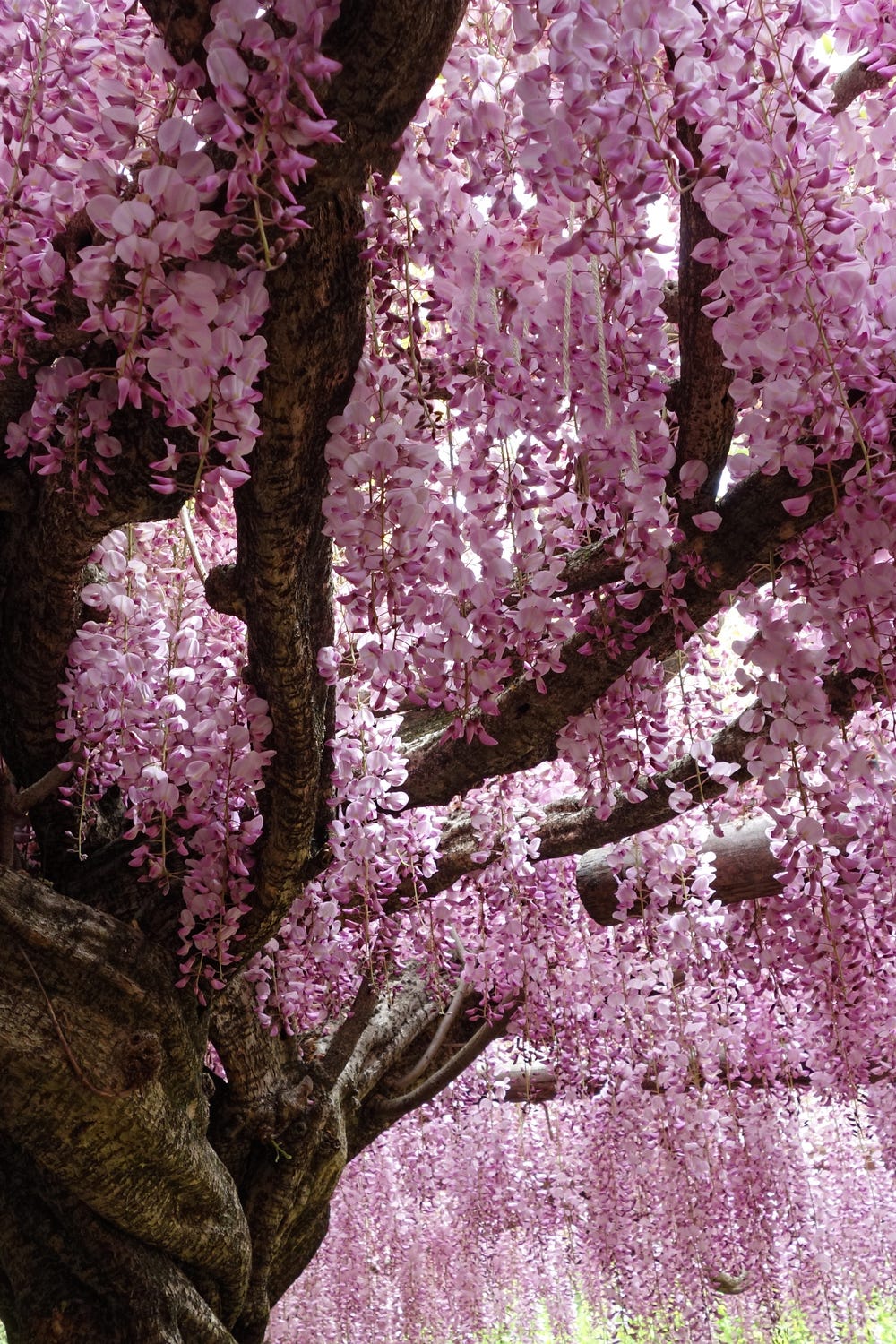
The article explores the concept of color block gardening, an approach to garden design that focuses on mass planting a single color or a narrow palette of colors to create dramatic and artistic landscape features. Instead of a mix of many hues, this technique emphasizes a curated assemblage of specific colors, using both flowers and foliage to achieve visual impact. The primary idea is to create living brush strokes across the landscape by grouping plants of similar colors.
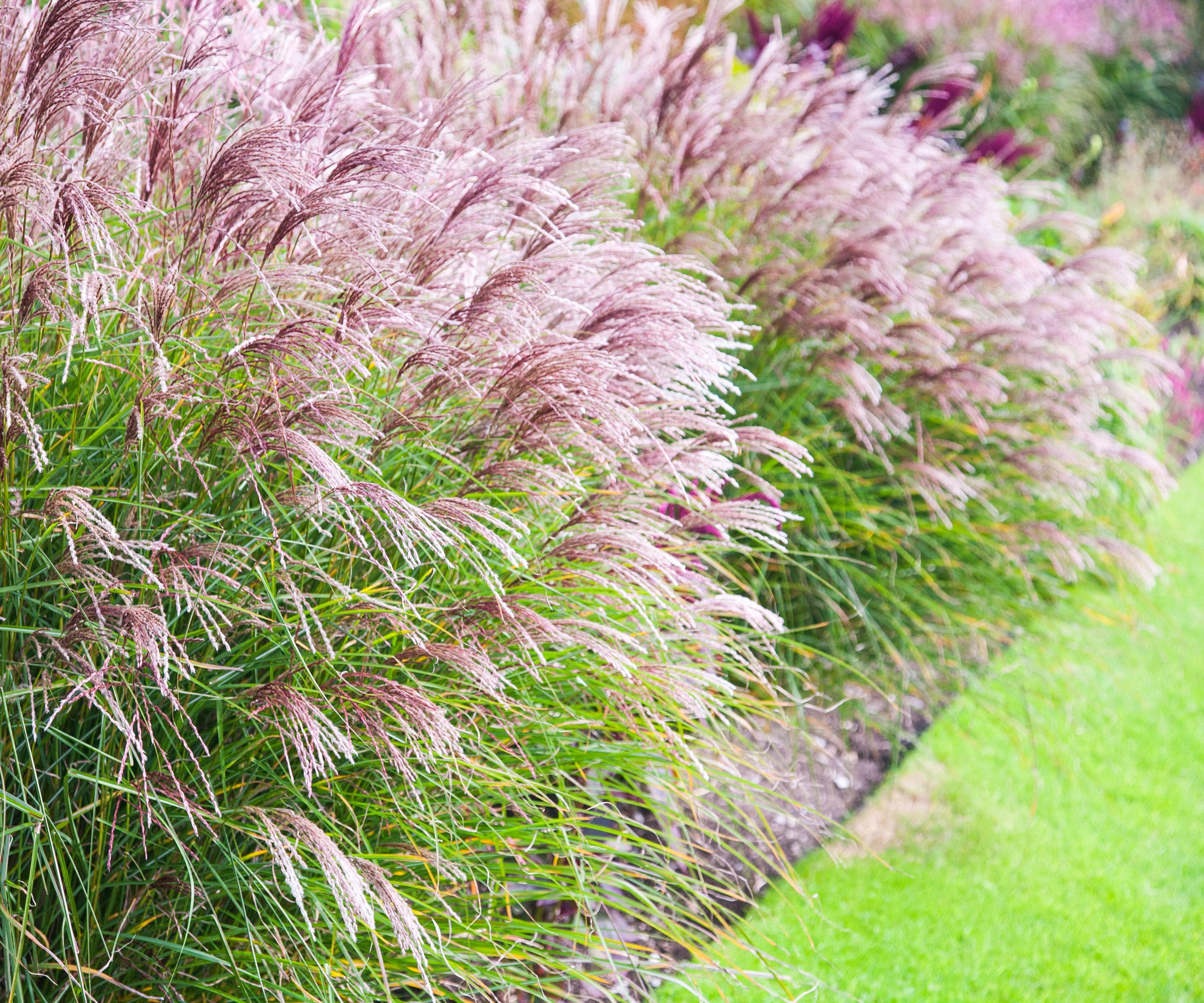
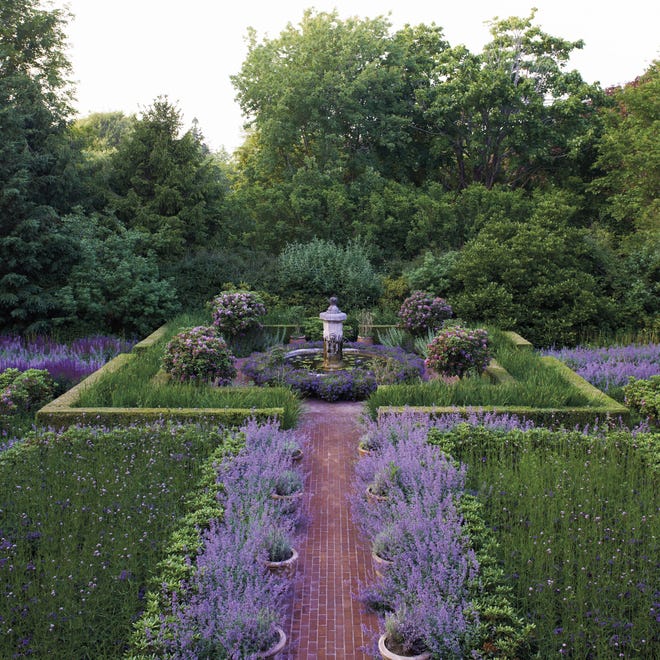
Architect Peter Marino's 12-acre property in Southampton, New York, serves as a notable example of color block gardening. His garden incorporates a "color wheel" design, with distinct sections dedicated to purple, pink, red, and mixed hues, and a separate, one-acre "room" exclusively for yellow flowers. Marino explains his preference for keeping yellow flowers isolated, aiming for a singular, explosive display of that particular color, as detailed in his book, "The Garden of Peter Marino."
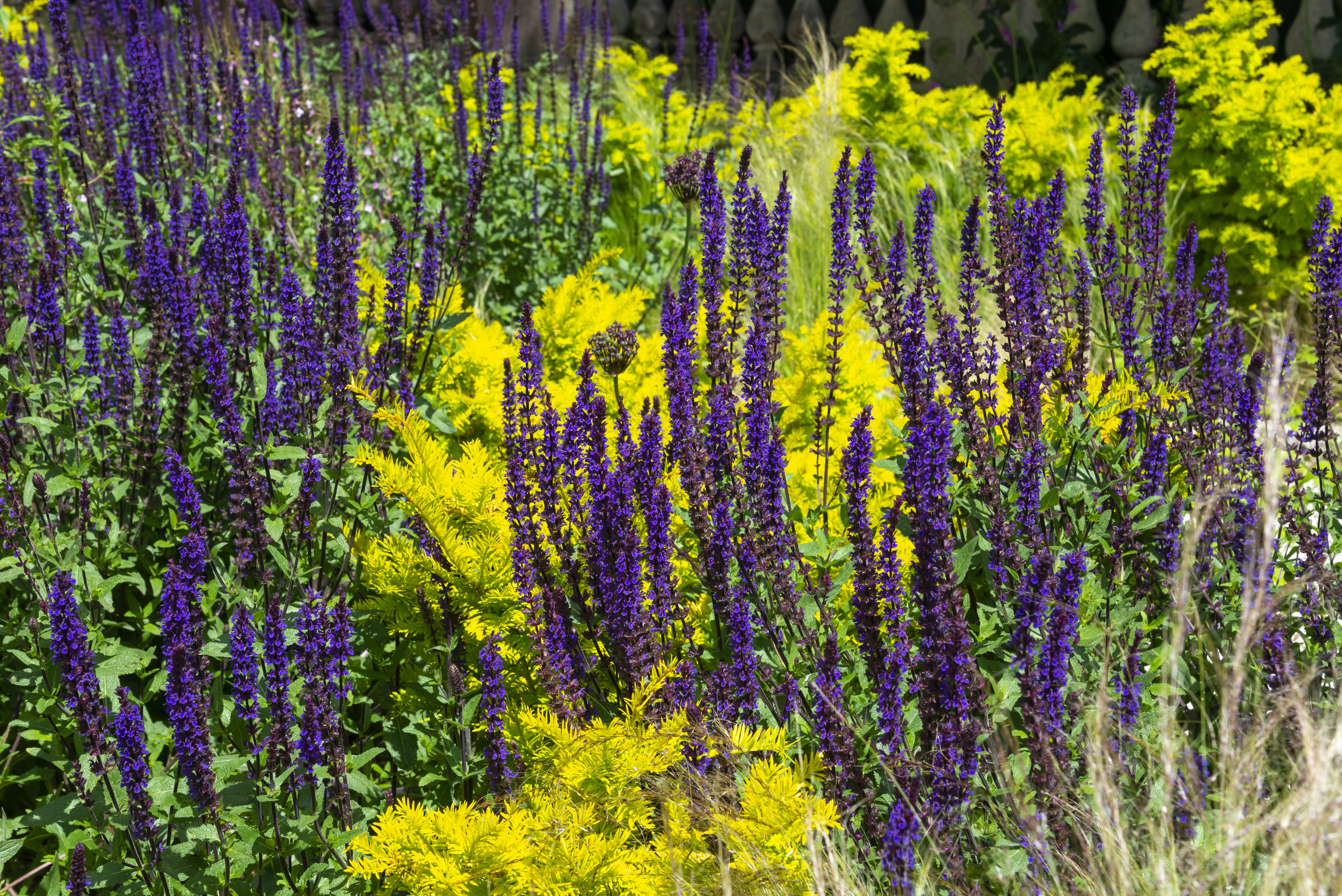
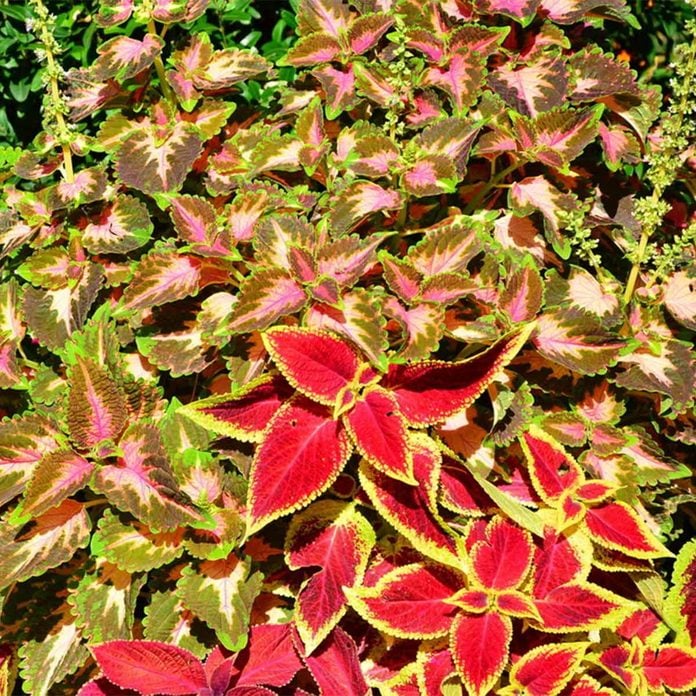
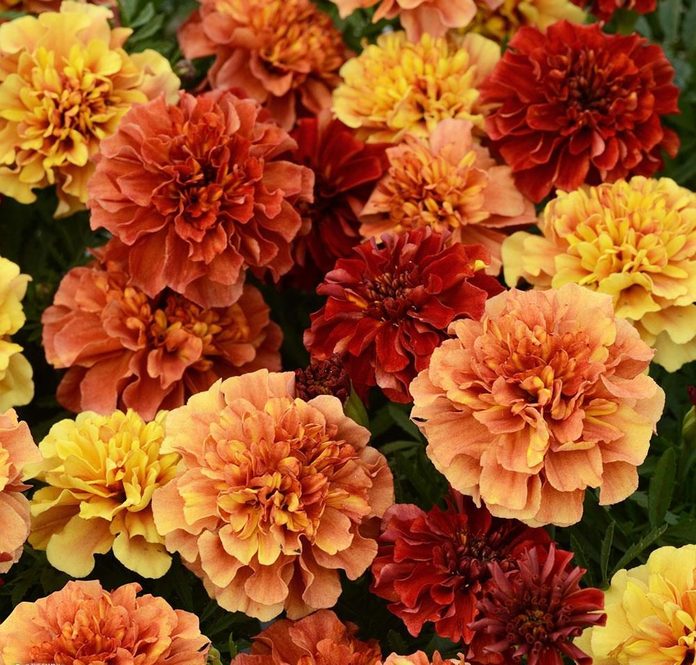
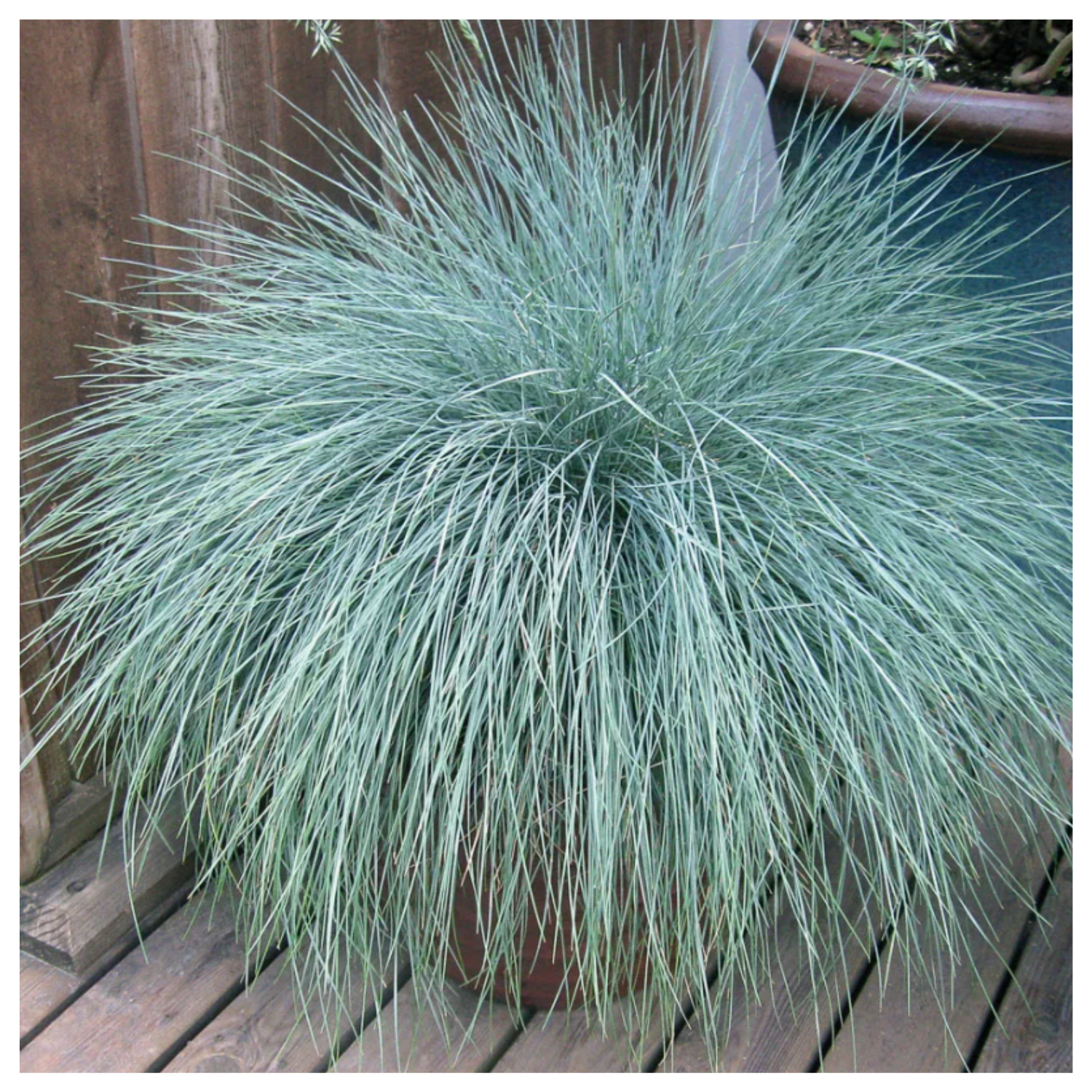
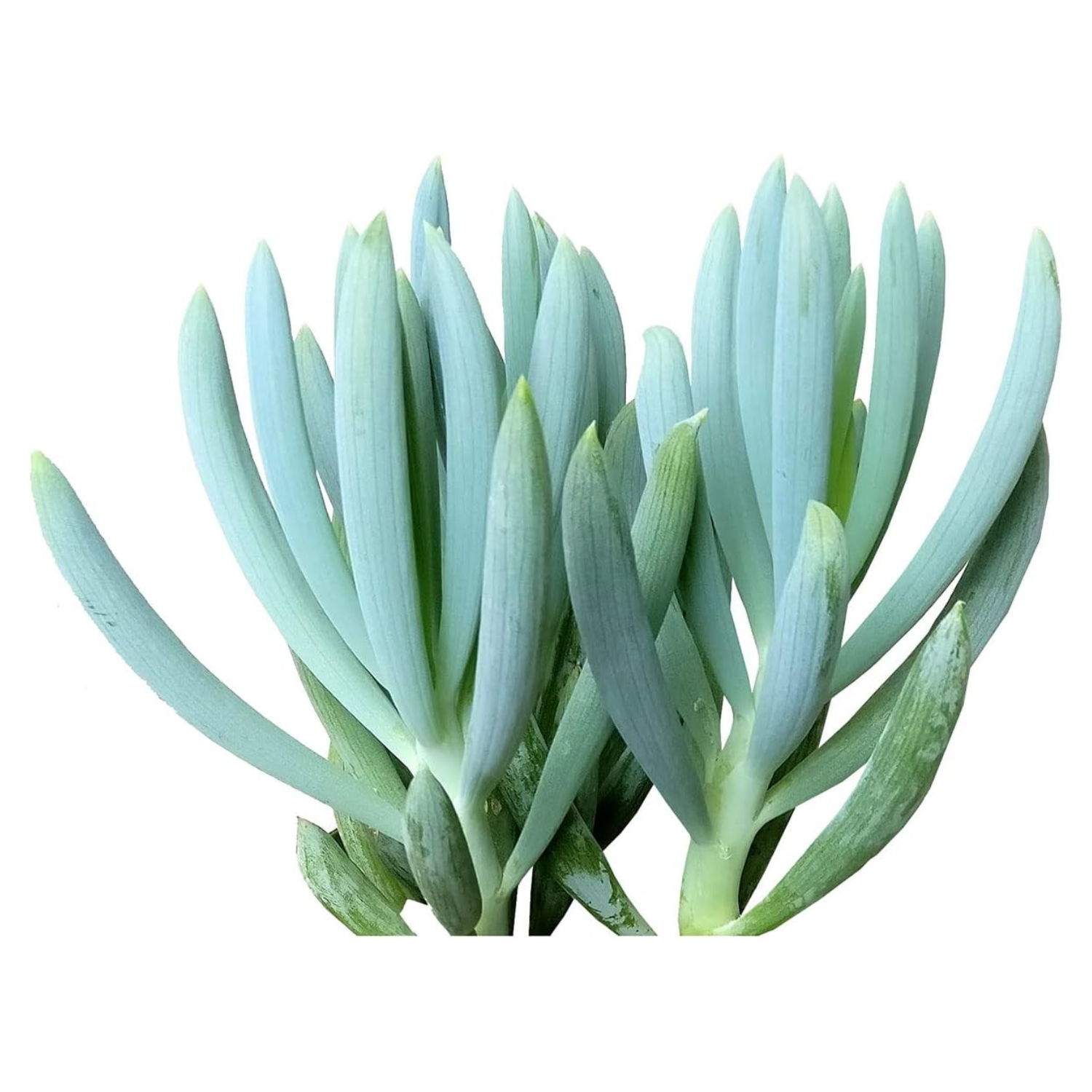
Melissa Ozawa, features and garden editor for Martha Stewart Living, provides practical advice for designing color block gardens. She highlights the importance of considering foliage color in addition to flower color. For instance, a blue-themed garden can be enhanced by incorporating plants with blue-green leaves, such as 'Hadspen Blue' hosta, silvery ghost fern, or 'Frosty Blue' agave, rather than plants with yellow undertones. Ozawa also suggests varying shades within a chosen color to maintain visual interest and prevent the design from appearing too uniform. For a yellow garden, she recommends mixing different yellow hues and even introducing a touch of orange. Additionally, incorporating vibrant chartreuse or yellow-green foliage and variegated cultivars like hakonechloa grass or drought-tolerant euphorbia can add depth.
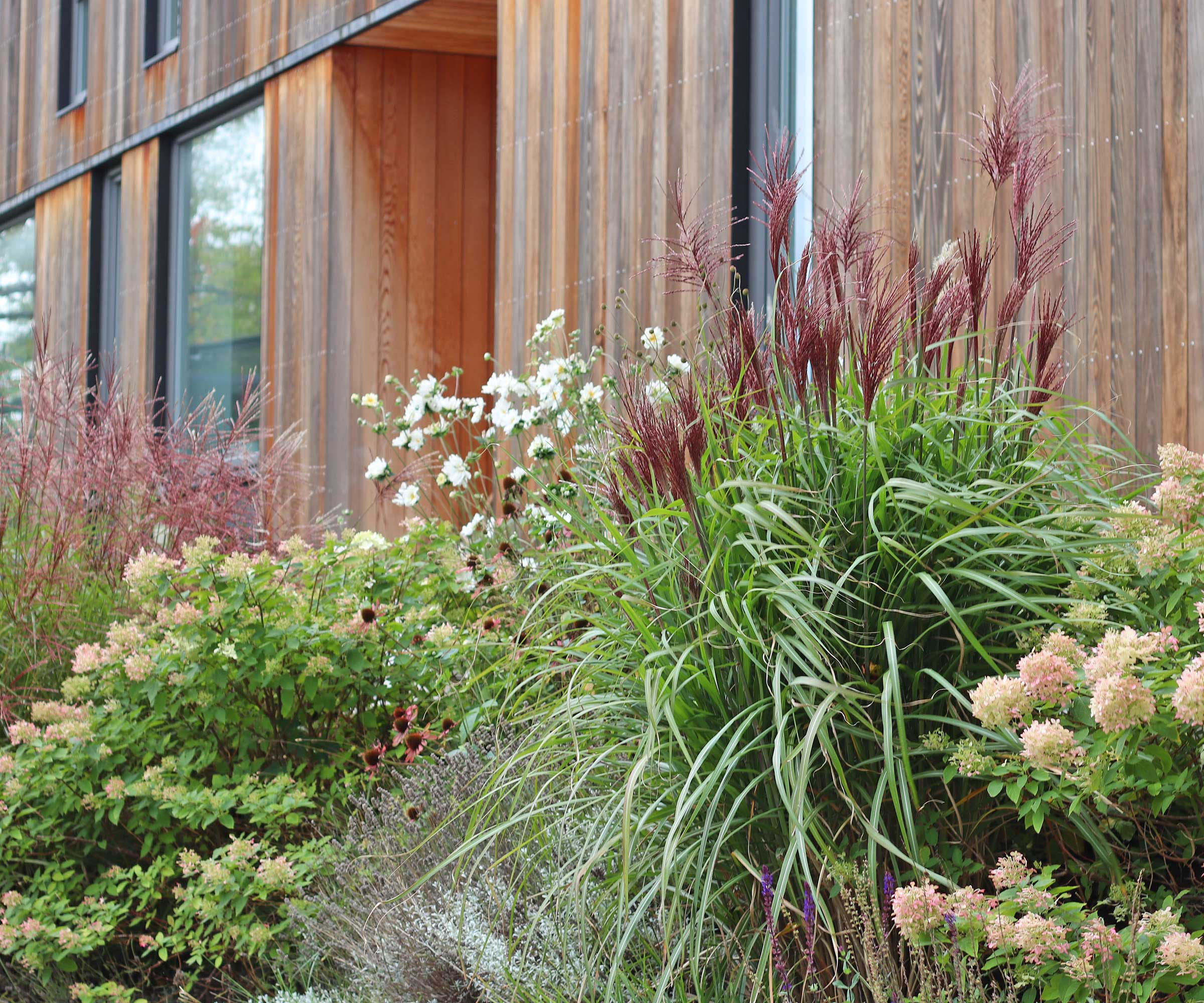
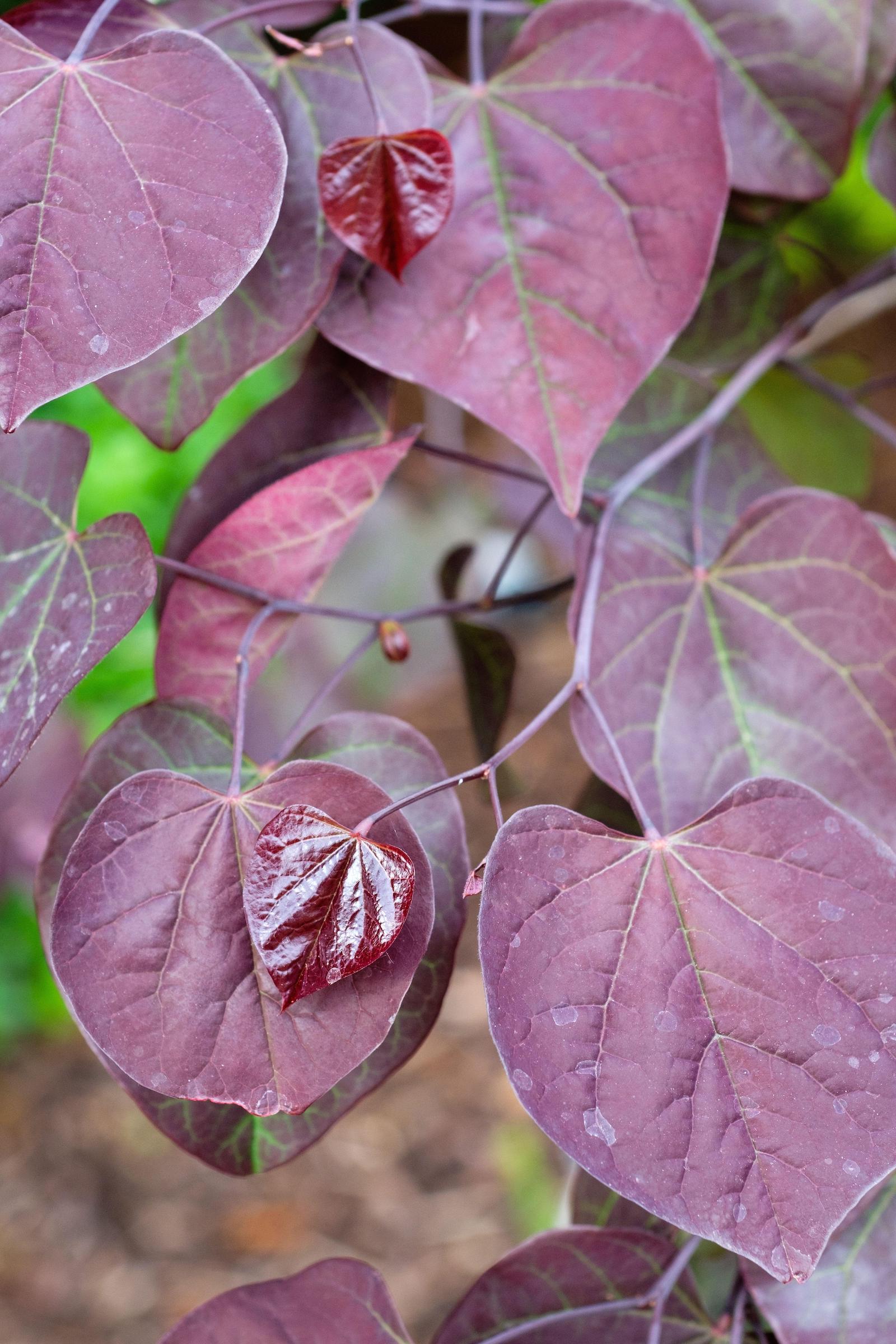
Alternatively, gardeners can opt for a thematic approach, such as a "dark garden." This involves combining deep purple, brown, and burgundy foliage plants like heuchera, cimcifuga, elderberry, and elephant ears with dark red, burgundy, and purple flowers, including 'Queen of Night' tulips, 'Black Barlow' columbine, Knautia macdonica, and 'Windsor' sweet peas.
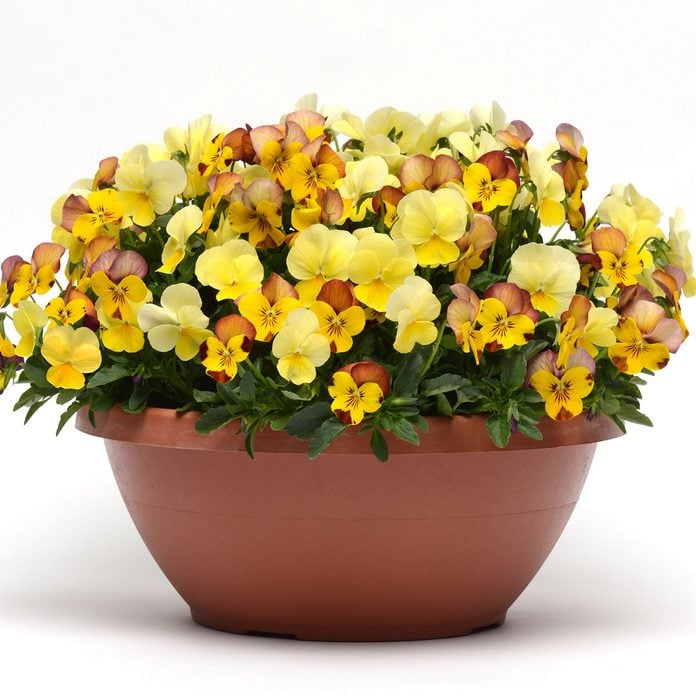
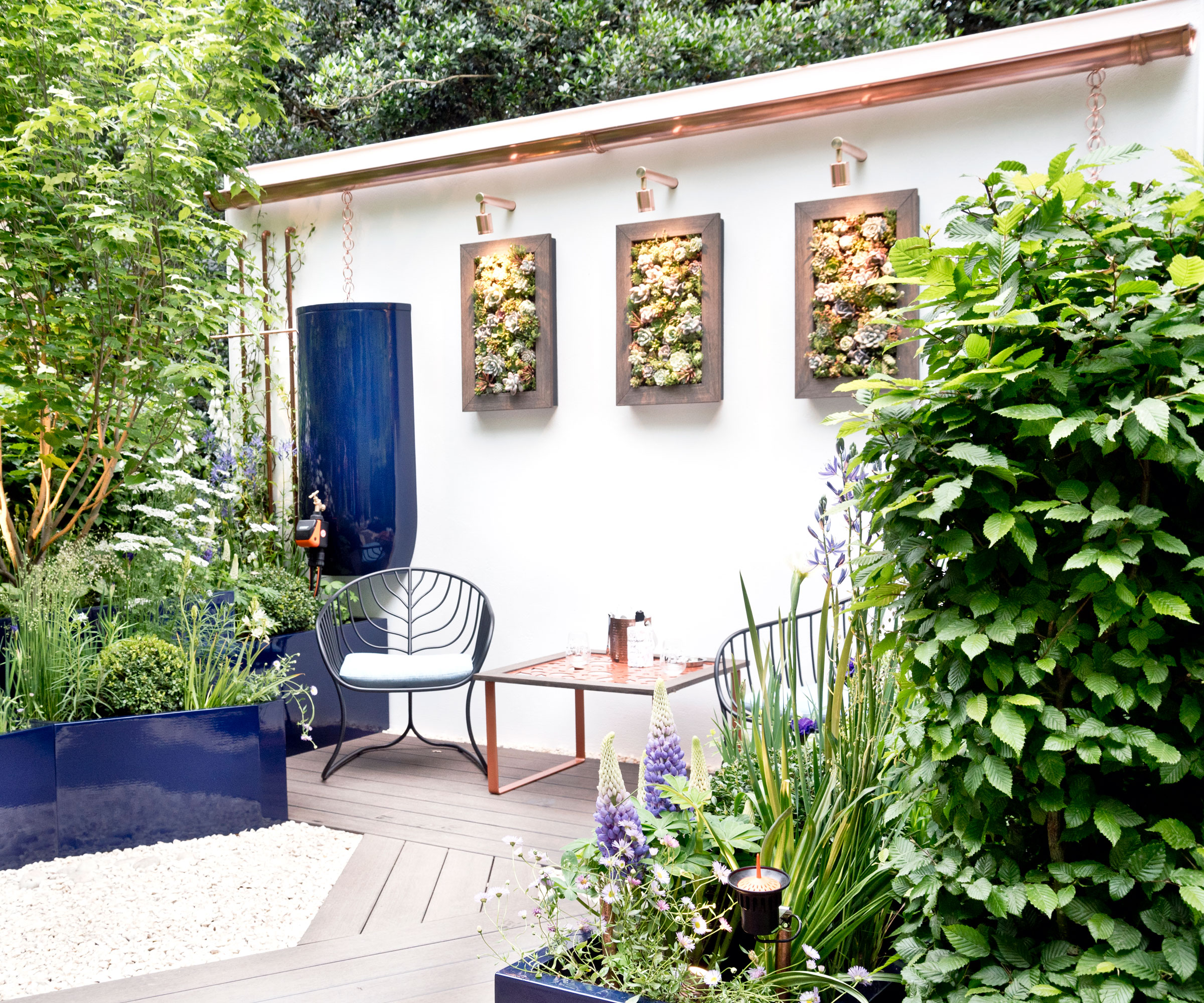
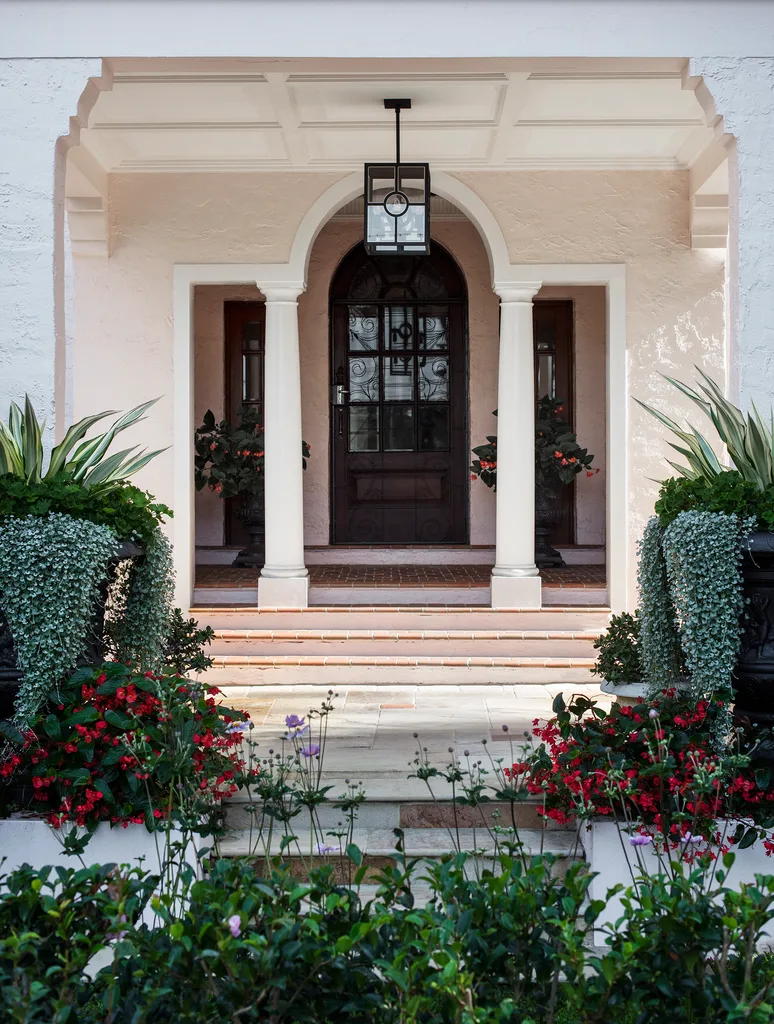
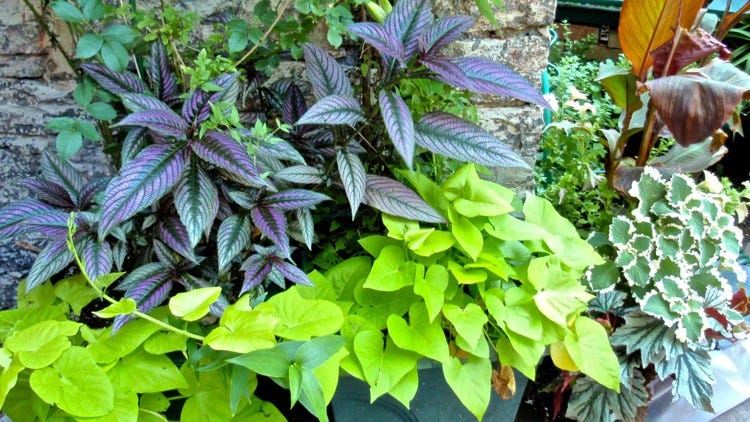
The article also extends the concept of color blocking to smaller spaces, suggesting that similar effects can be achieved using planters, baskets, and pots. Better Homes & Gardens magazine features examples such as a cayenne-hued container filled with "hot"-colored heuchera, croton, Swiss chard, bloodleaf, and Fireworks fountain grass. Another idea is a deep purple basket featuring oxalis, Purple Flash peppers, and Persian shield. For a combination of complementary colors, the magazine suggests pairing greens and golds in a chrome yellow ceramic pot, using plants like dwarf lemon cypress, Carolyn's Gold mini hostas, and All Gold Japanese forest grass. Kathy Barnes, editor of Better Homes & Gardens, emphasizes that a narrow color palette for both plants and containers consistently results in a sophisticated and cohesive arrangement.
When planning a color block garden, it is essential to consider the hardiness zone and seasonal changes. Consulting experts at local garden centers is recommended, and gardeners should bring photos of the planting space and information about light conditions. Ozawa advises varying plant textures and heights and considering the bloom times of each plant to ensure continuous interest throughout the growing season, avoiding a situation where the garden is spectacular in spring but fades in summer.
#ColorBlockGardening #GardenDesign #LandscapeArchitecture #Horticulture #PlantingTechniques #HomeGarden #FoliageColor #ContainerGardening #ColorBlockGardening #GardenDesign #LandscapeArchitecture #Horticulture #PlantingTechniques #HomeGarden #FoliageColor #ContainerGardening
0 comment in total
 No comments yet
You may also like
Garden color schemes – these are the palettes landscapers lean on to make planting feel cohesive and considered

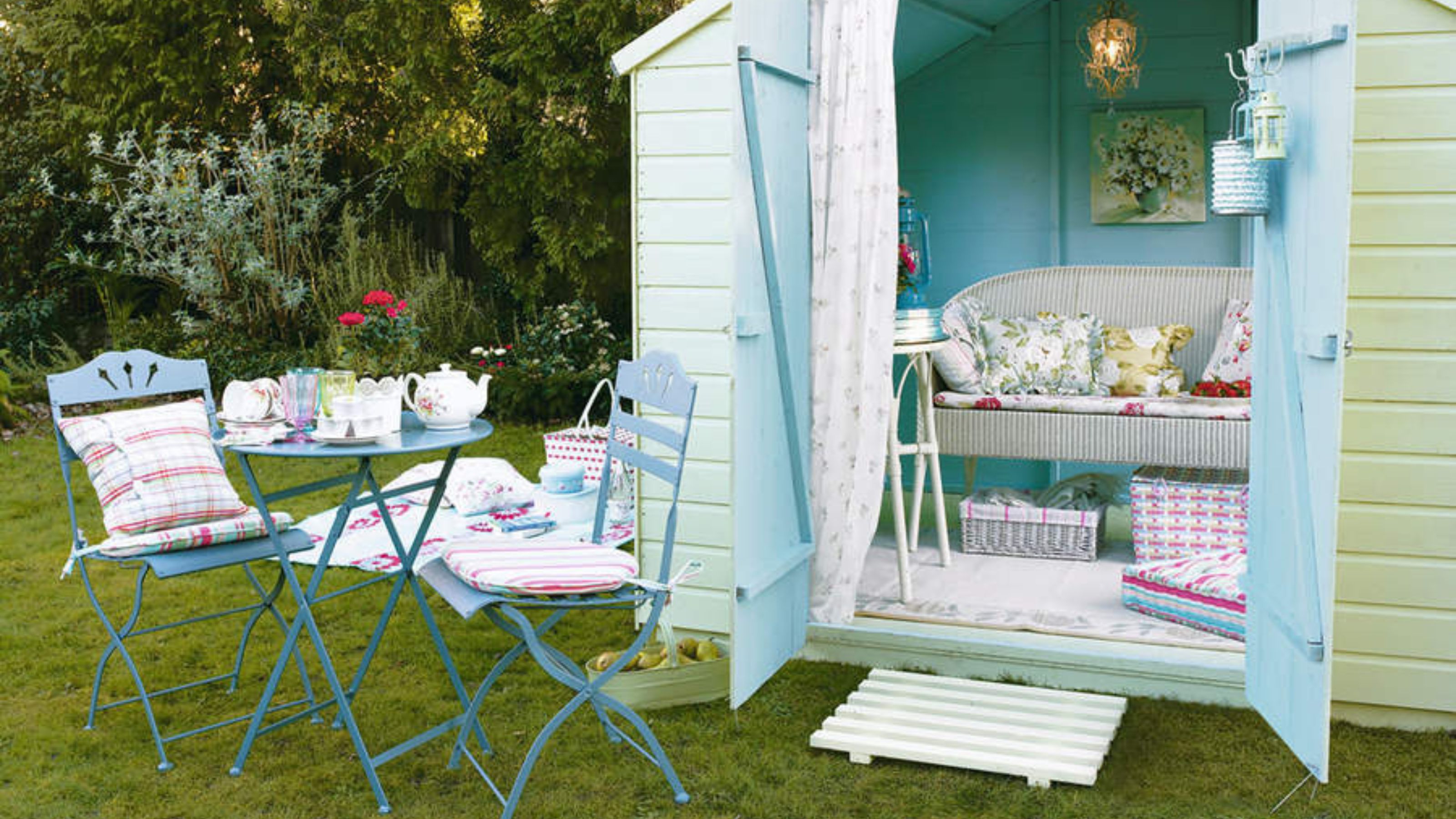
Garden paint ideas - 19 ways to give your outdoor space a splash of colour
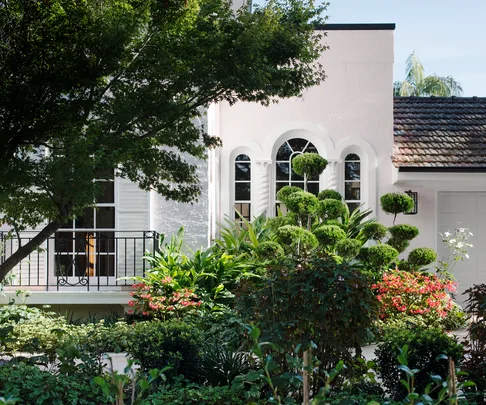
A bold garden design with a hint of nostalgia

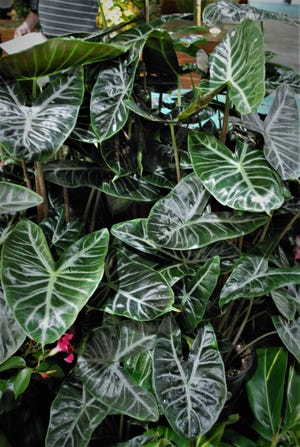
Gardening in Florida: add drama to your landscape with dark foliage
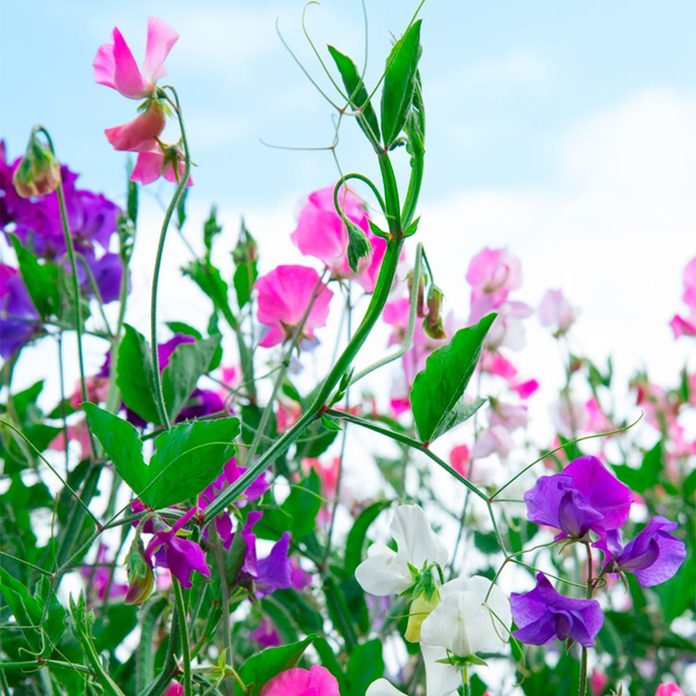
15 Colorful Plants to Brighten Up Your Landscape

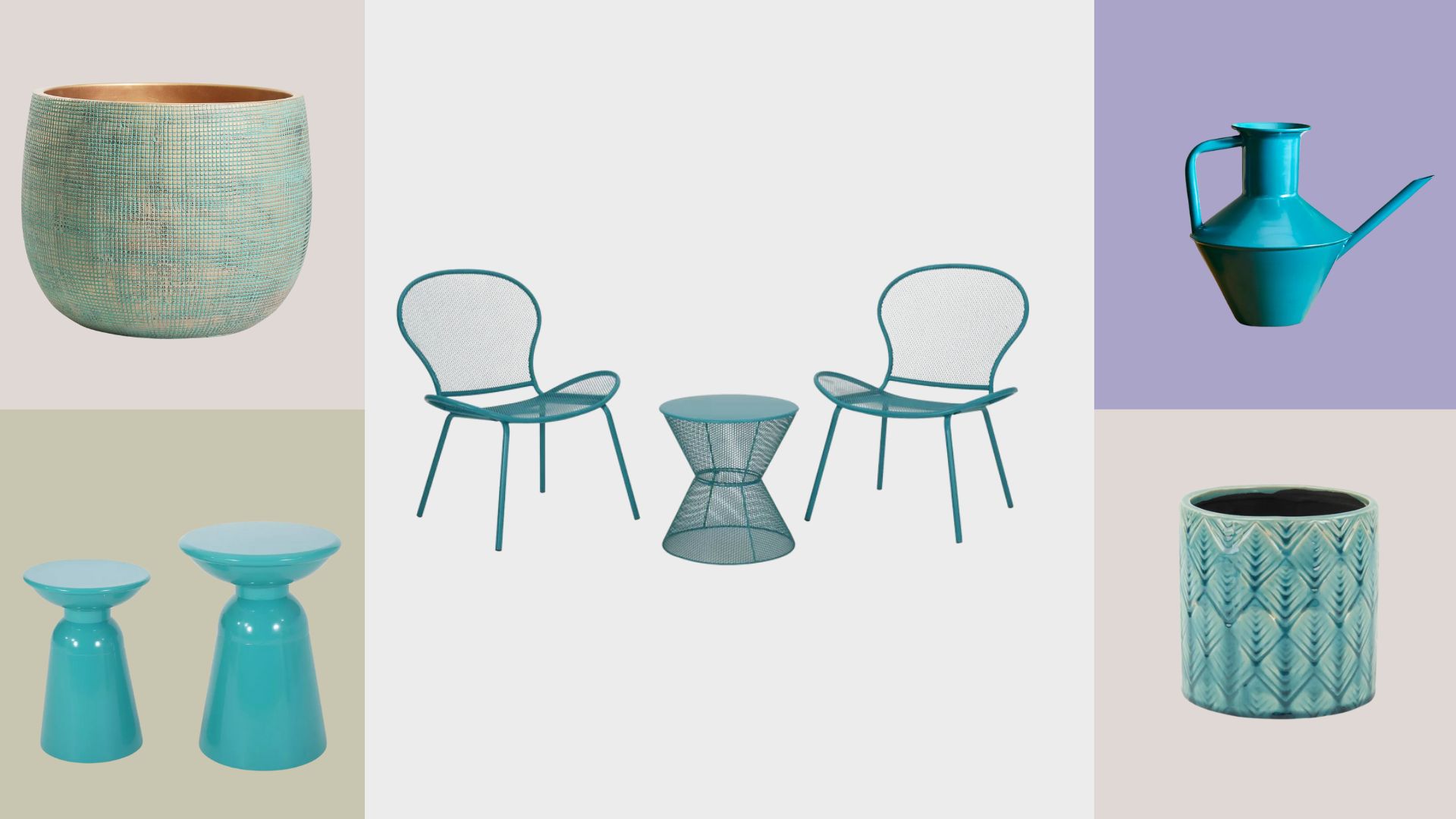
Trend Experts Just Revealed 2025's Most Exhilarating Outdoor Color Trend — Here's How to Shop Teal

The colours inspired by world famous gardens
Smart decking colour ideas - from pale patinas to dark and daring shades

How to make a courtyard garden look bigger – 8 tips and tricks from the experts to utilize every inch of your city yard
For the Garden | Zen and Now

Purple plants – 5 best to choose for the perfect purple border
7 colours to paint your fence to make a garden look bigger, according to experts
Add color with foliage, not just flowers

20 Beautiful Garden Design Ideas for Home In 2024
We Found the BEST Pink Flowering Trees to Boost Your Curb Appeal

Garden wall paint ideas – 10 ways to add standout color to your outdoor space

Landscaping with ornamental grasses – 6 inspirational ideas to add height and movement to your yard
How to make a backyard look bigger – 8 space-enhancing tricks that work every time

Brooklyn Garden: From Weeds to Wonderful With Groundworks
5 Things That Immediately Make Your Backyard Look Bad, According to Designers