1/17
This Sustainable Home by Pascali Semerdjian Architects Reflects São Paulo’s Style
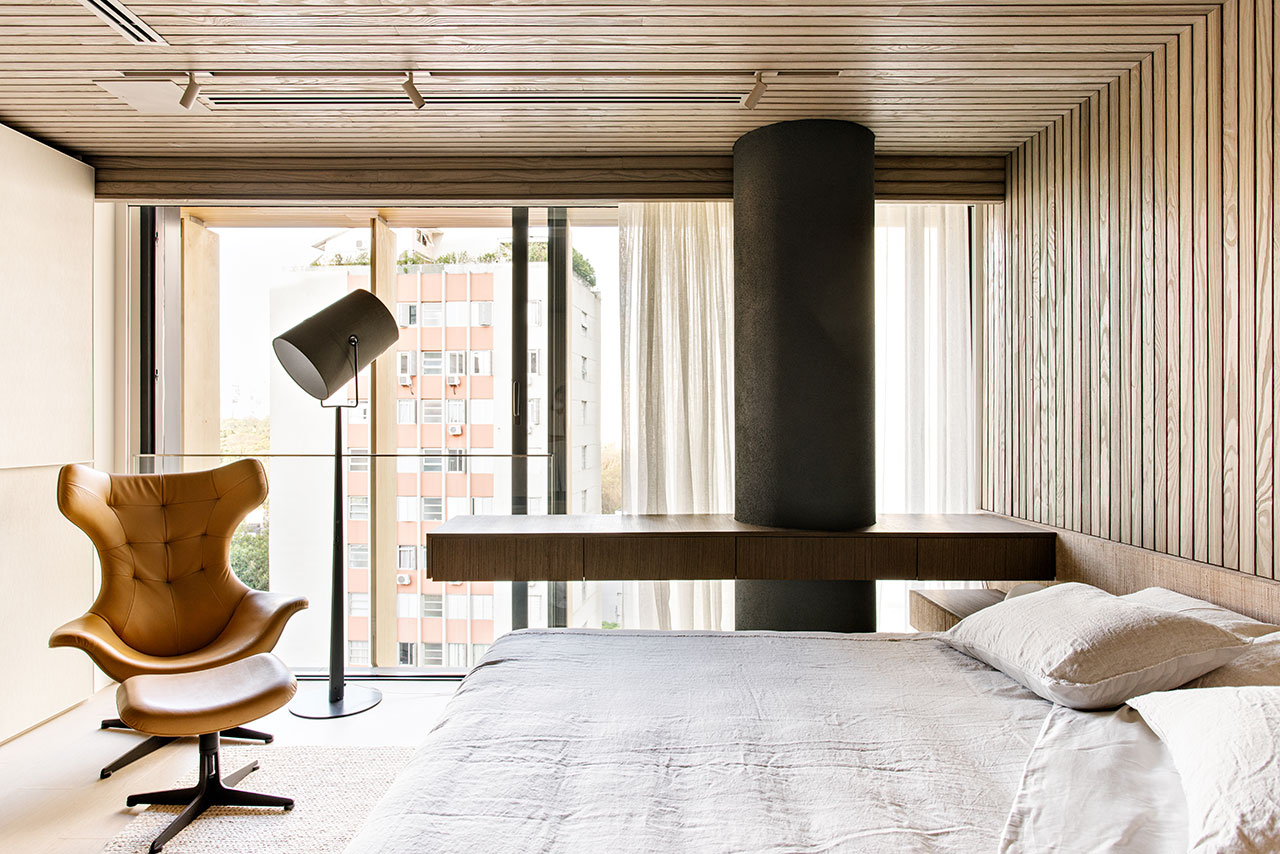
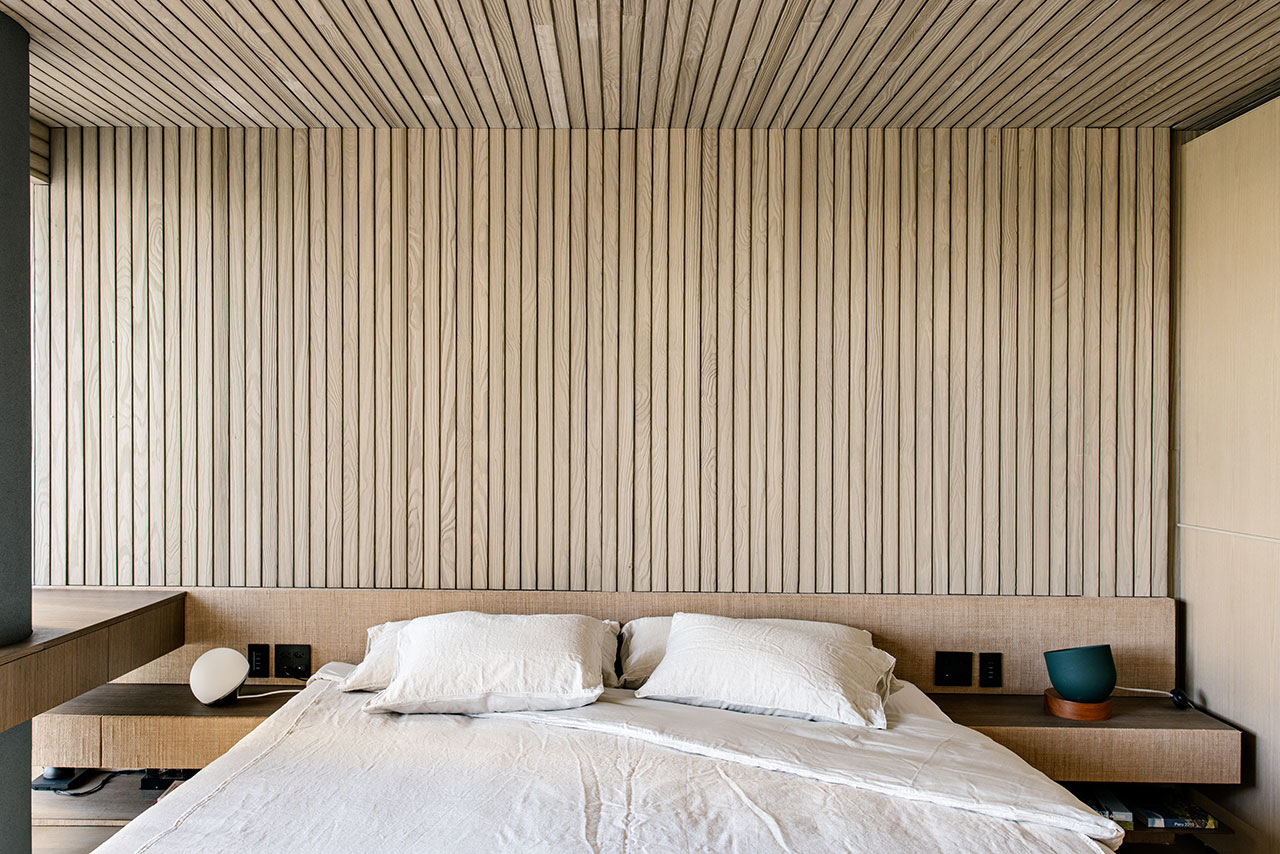
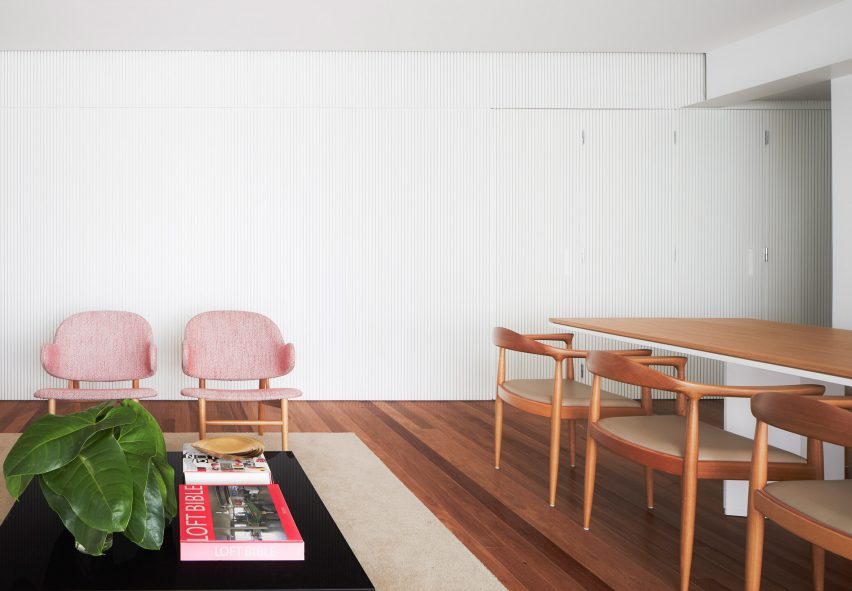
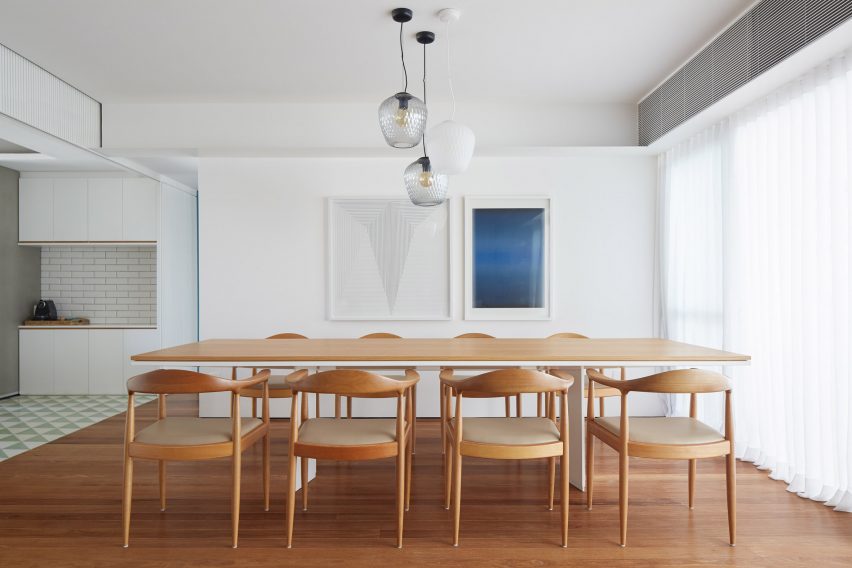
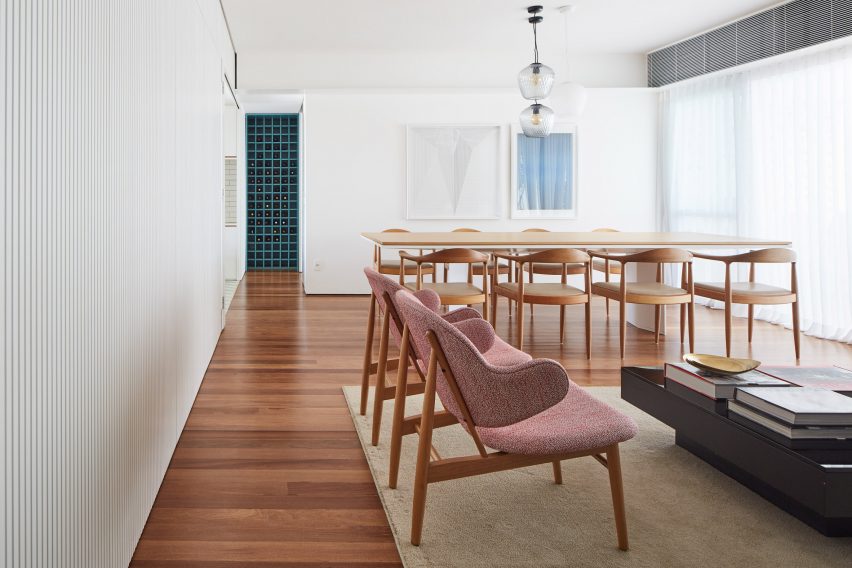
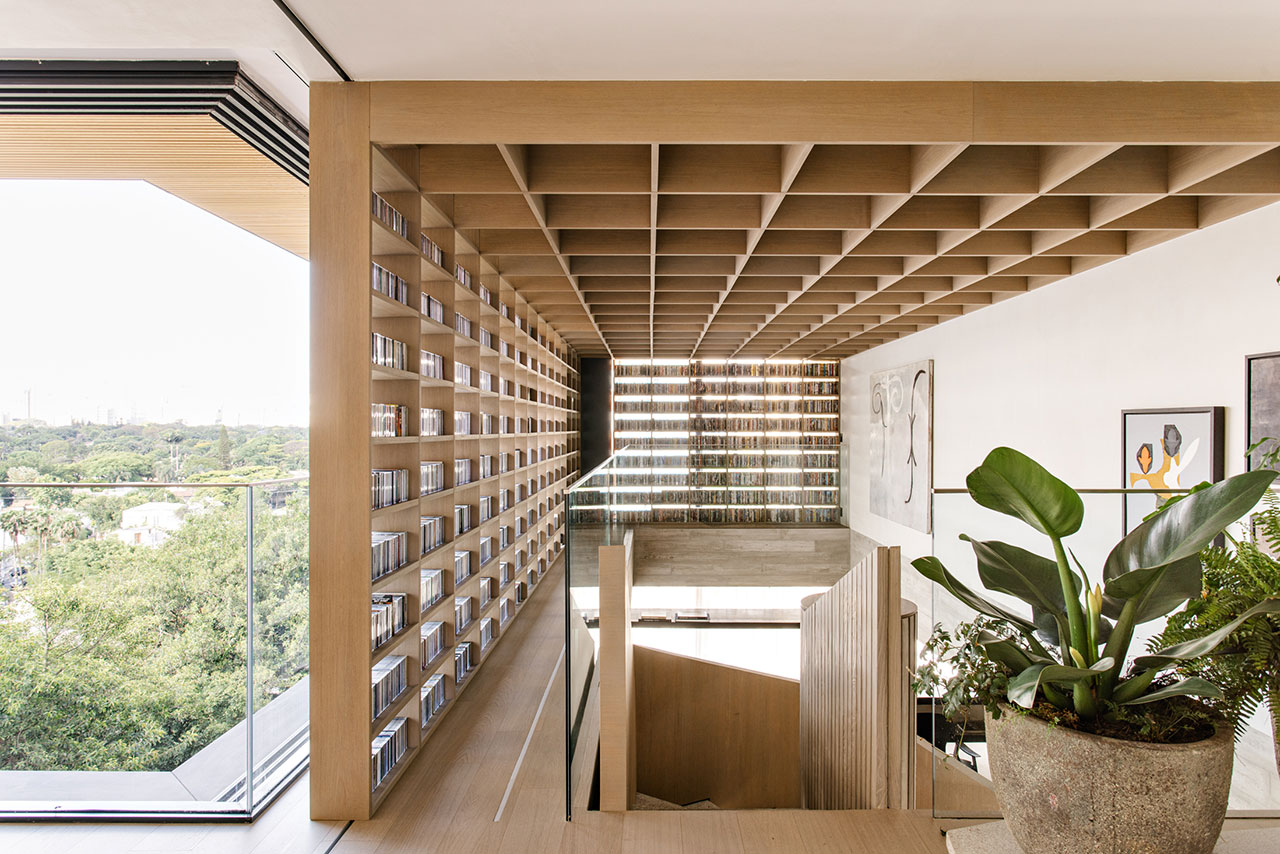
The article details the renovation of a 4,000-square-foot apartment in São Paulo by Pascali Semerdjian Architects for clients Renato Lulia Jacob and Emily Perry. The couple, originally from Brazil and the U.S. respectively, decided to move to São Paulo from London to raise their daughters speaking Portuguese and spend more time with family. They chose Pascali Semerdjian Architects due to existing connections and the firm's reputation. The project began with the selection of a 1990s apartment in the leafy Vila Nova Conceicao neighborhood, close to Ibarapuera Park. The couple sought a space that could be extensively renovated, and their plans were significantly impacted by the COVID-19 pandemic, leading to the entire design and renovation process being managed remotely via Zoom, with the clients only returning shortly before completion.
The clients had a clear vision for their new home, informed by years of renting in various international cities. Their checklist included ample wall space for an expanding art collection, generously sized but not overly grand public areas, a preference for natural materials over leather or synthetic fabrics, and a strict requirement for sustainability certifications for all wood used in the renovation. The overarching goal was to create a home that proudly embodied the spirit of São Paulo. The renovation commenced with a complete gutting of the apartment. A significant discovery was the building's original concrete formwork, previously concealed by a gypsum ceiling, which was subsequently exposed in several rooms. Structural limitations were minimal, except for a plumbing pipe ingeniously integrated into the daughters' playroom design.
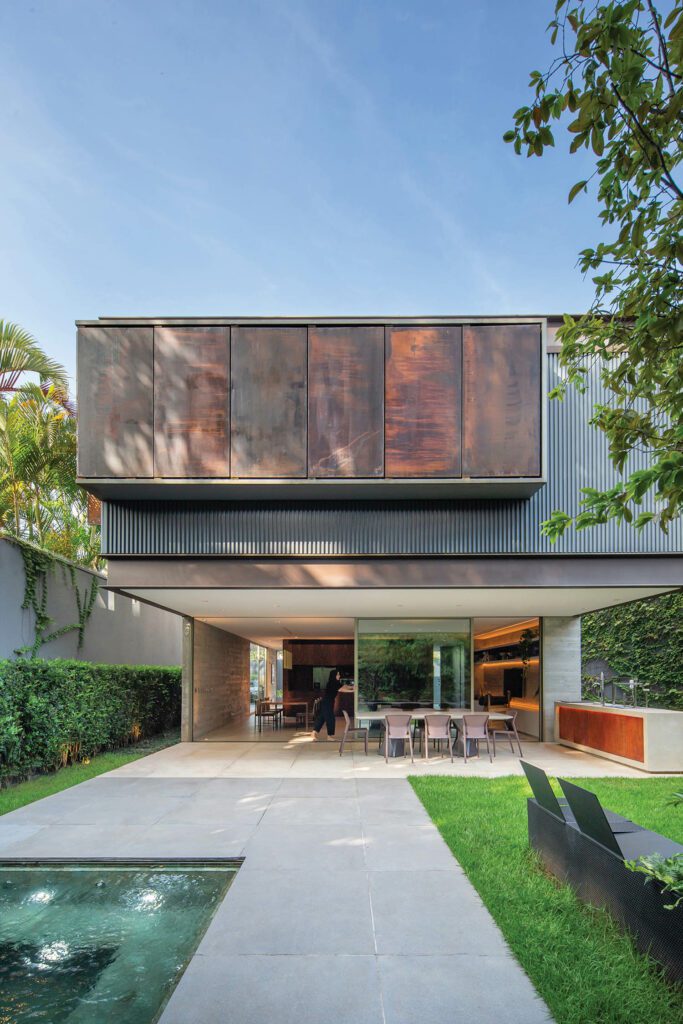
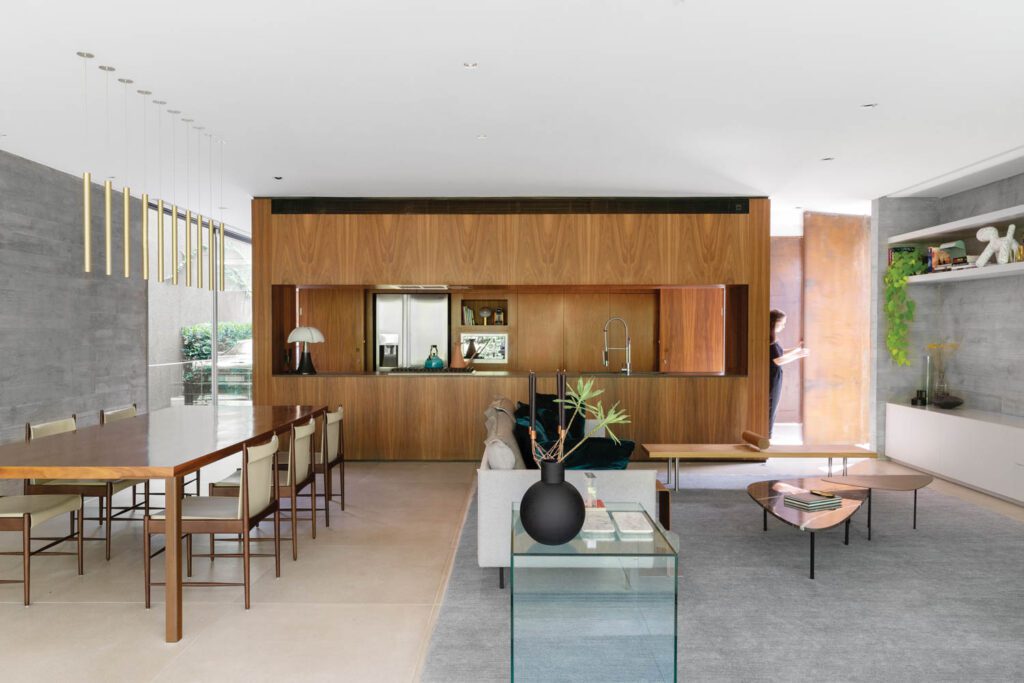
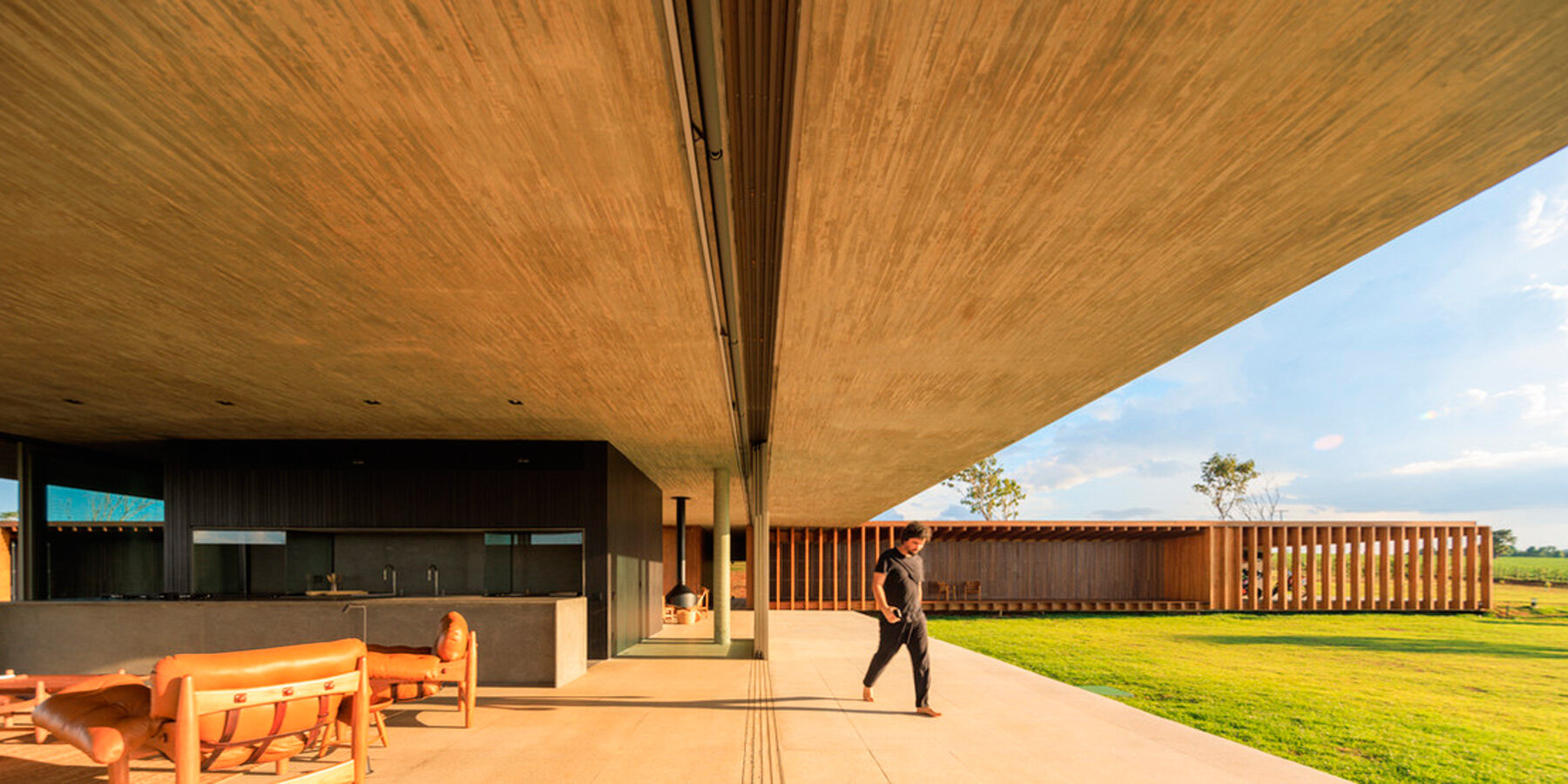
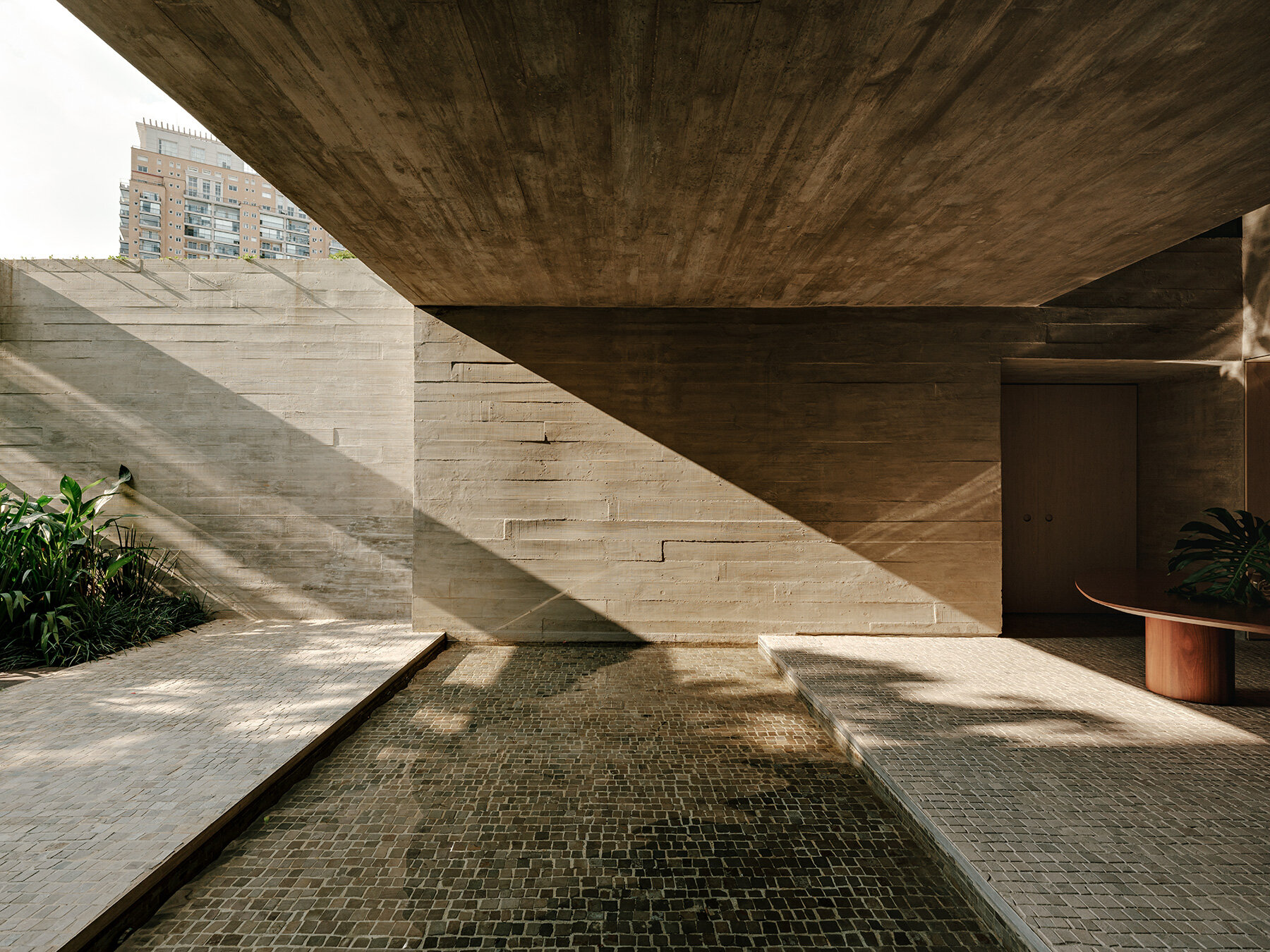
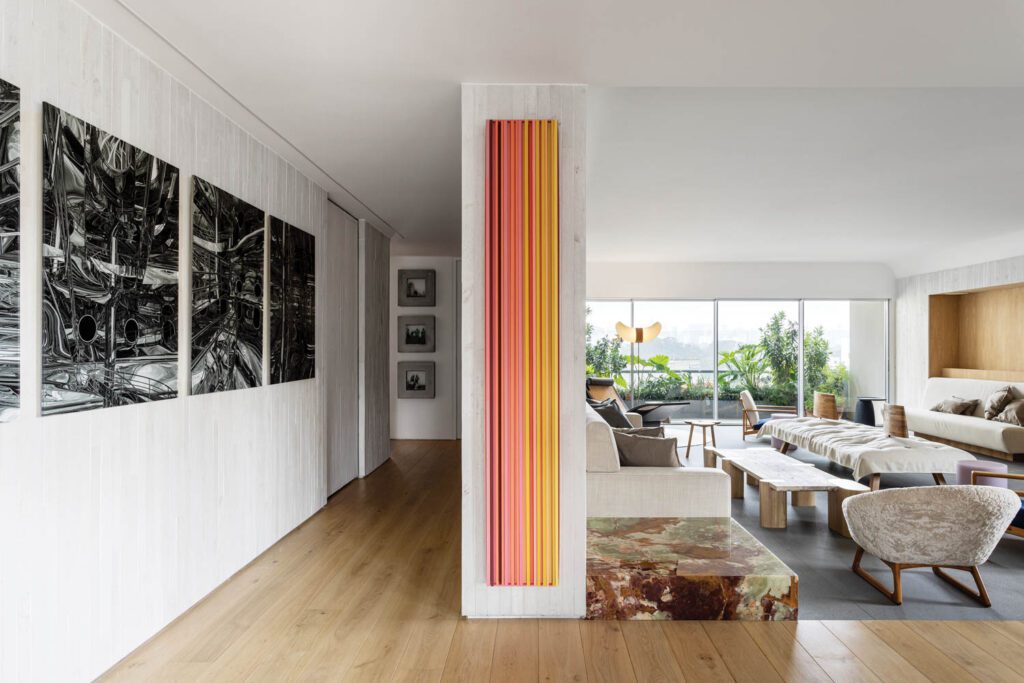
The layout was reconfigured to include public areas and a guest suite in the southern half, while sliding doors allowed for private access between the three family bedrooms and the kitchen. A key focus was on developing social zones that blended Brazilian cultural elements with a cosmopolitan aesthetic. The entry hall features a striking hemicycle of light through a jade-colored Pakistani onyx panel, evoking a sunset. Board-formed concrete panels extend from the entry through the public areas, creating a 'tunnel' effect and curving around the building’s corners. These panels also frame built-in sofas in the living room, replacing an old fireplace niche.
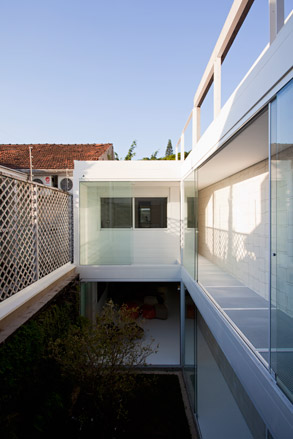
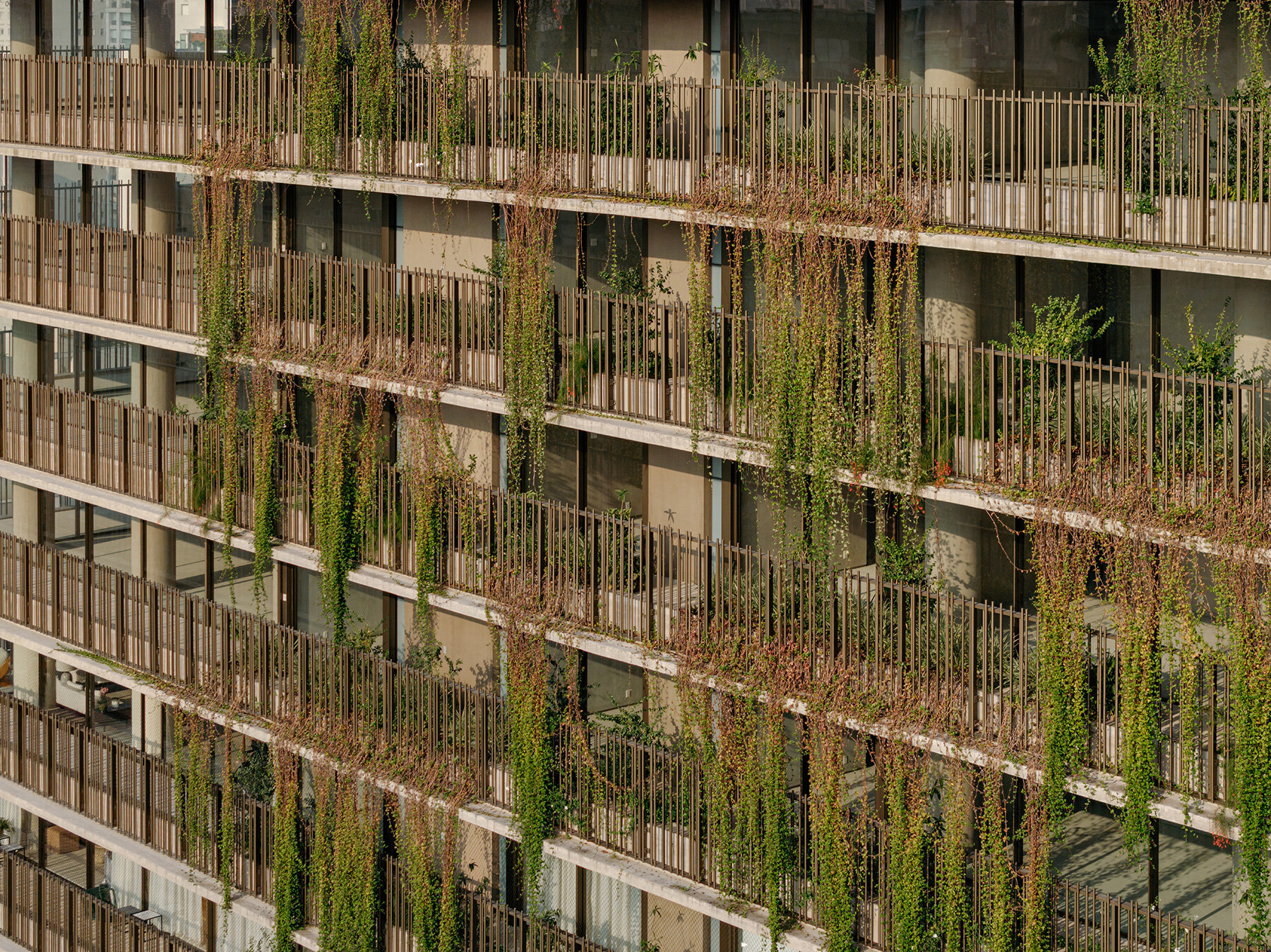
The design's refinement is evident in its meticulous details and material junctions. The kitchen, for instance, showcases a complex arrangement of washed freijo wood and pale gray quartz shelves, crafted with museum-like precision. A 9-foot-long freijo table cantilevers from a monolithic concrete island, a design choice that reflects São Paulo's architectural tradition of elevating heavy concrete structures. The apartment also embraces its tropical surroundings with lush, planted terraces that encircle the property, creating an 'exuberant jungle' reminiscent of Ibarapuera Park. This integration of chaotic natural elements with structured concrete materials defines the home's identity. The residence ultimately achieves a sense of tranquility that complements the vibrant urban environment, reinforcing the allure of São Paulo that drew the family back to the city.
#SustainableDesign #BrazilianArchitecture #InteriorRenovation #SãoPauloStyle #ModernLiving #ConcreteFormwork #NaturalMaterials #ResidentialDesign #SustainableDesign #BrazilianArchitecture #InteriorRenovation #SãoPauloStyle #ModernLiving #ConcreteFormwork #NaturalMaterials #ResidentialDesign
0 comment in total
 No comments yet
You may also like
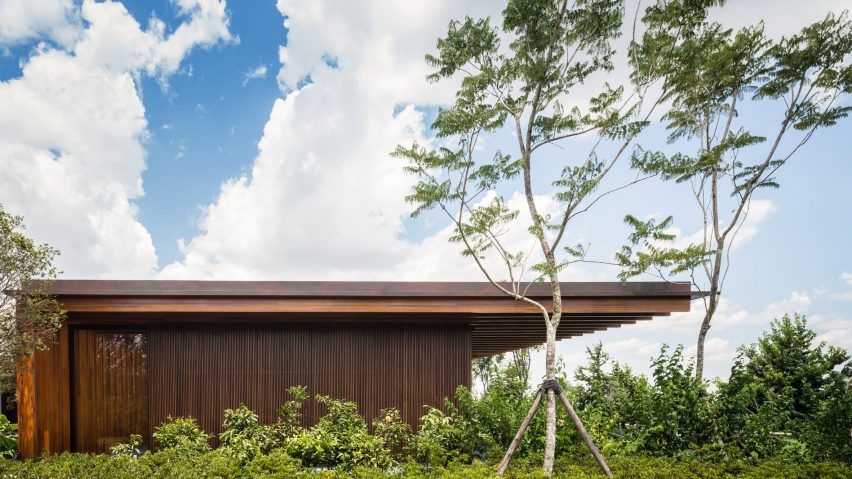
Reflecting pool divides two wings of São Paulo house by Jacobsen Arquitetura
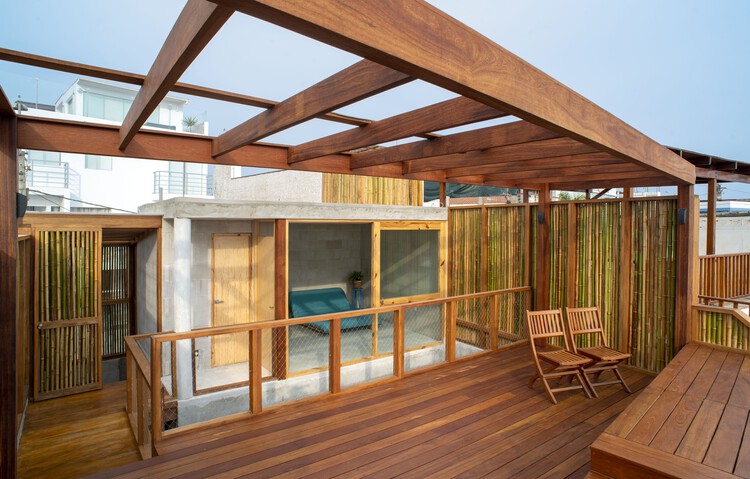
Calx Sustainable Houses / Pezestudio

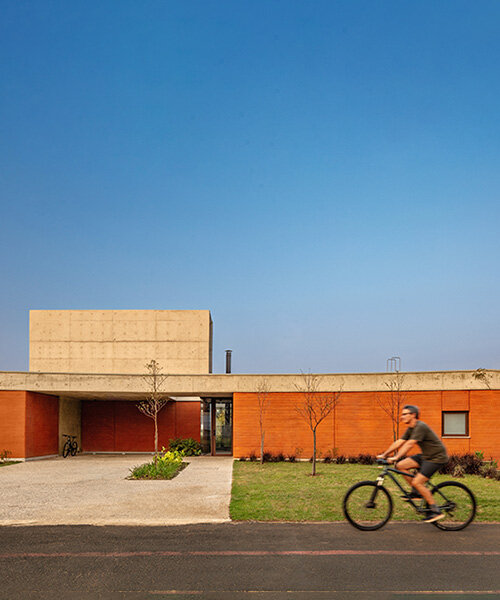
UNA barbara valentim wraps japi house with curved rammed earth walls in são paulo
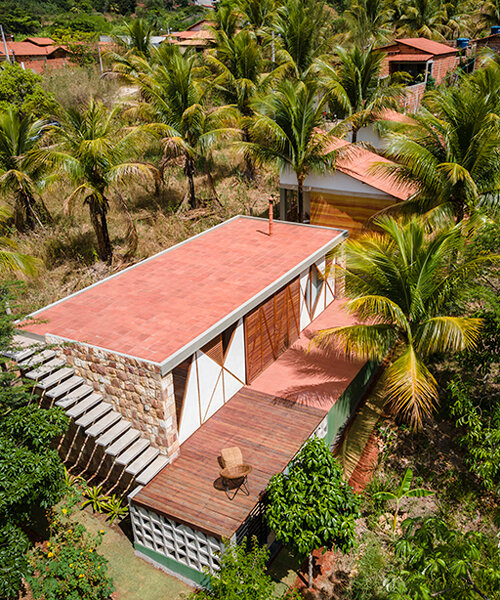
made of rammed earth, azulpitanga's vv house fuses with araripe national forest in brazil
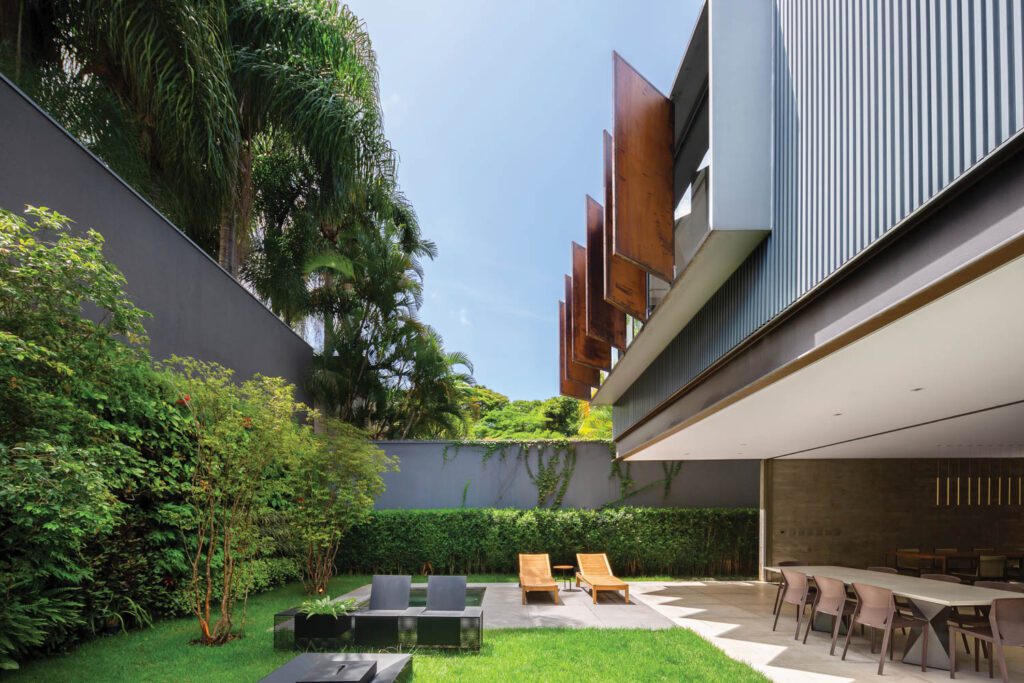
A São Paulo Abode by FCstudio Prioritizes Outdoor Living
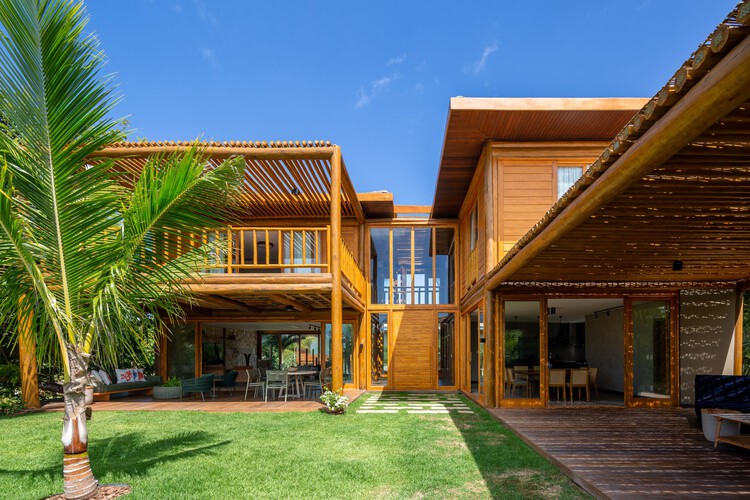
Pérgola House / Sidney Quintela Architecture + Urban Planning
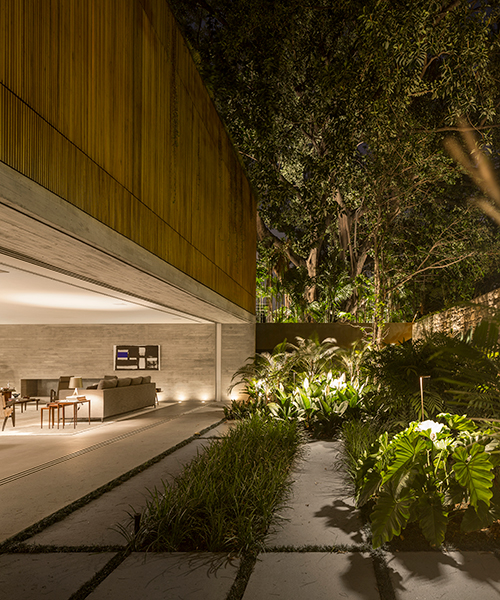
studio MK27 defines its 3V house in são paulo with a glowing timber screen
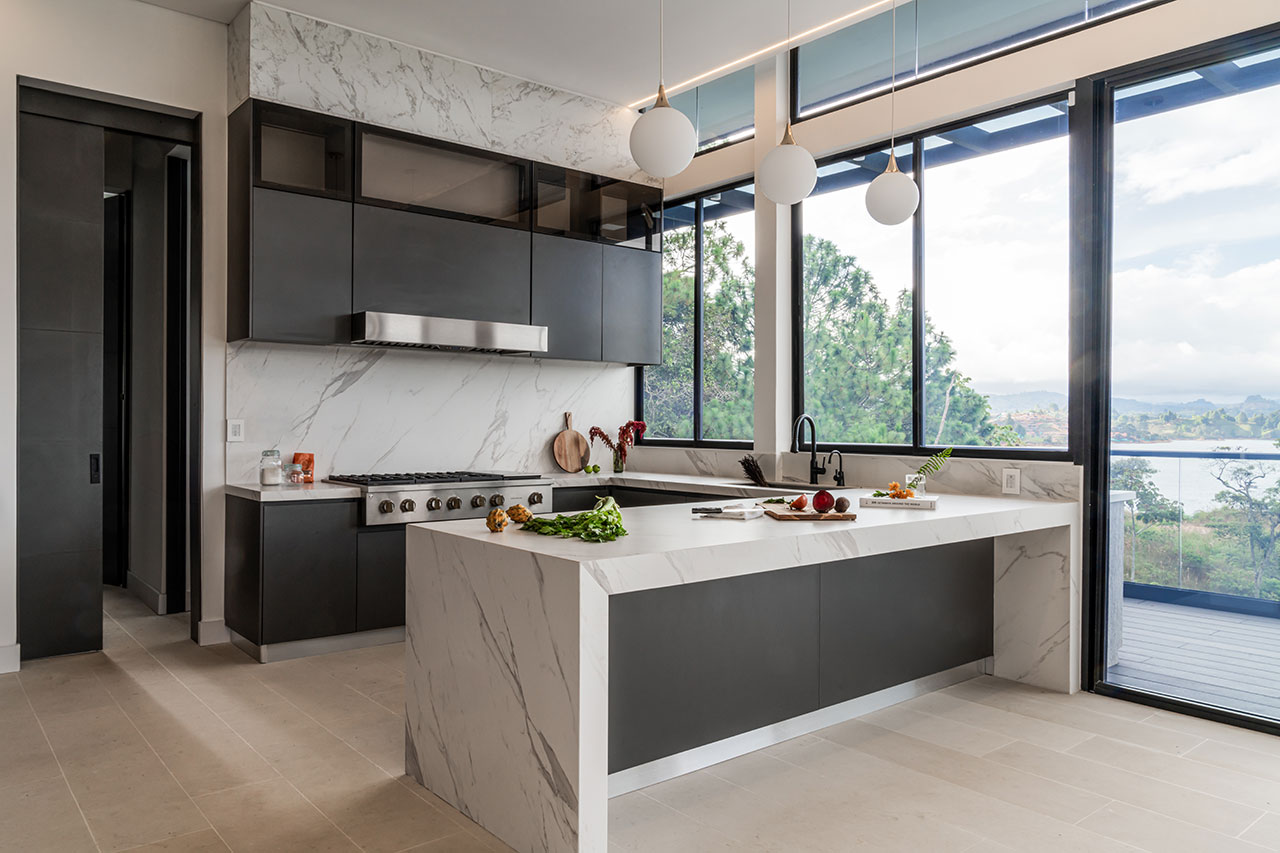
Schenkar Shifts the Paradigm for Custom Sustainable Homes
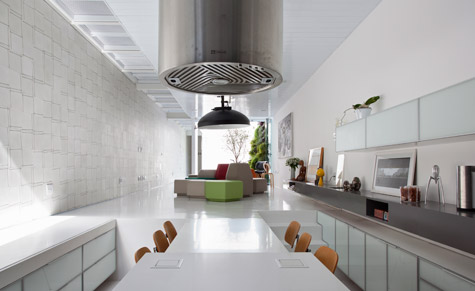
Interactive floor plan: 4x30 house, São Paulo
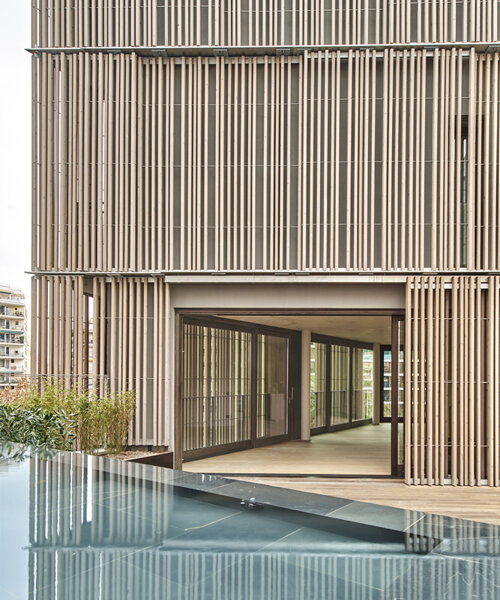
OHLAB fronts new residential complex in palma with sliding wood panels
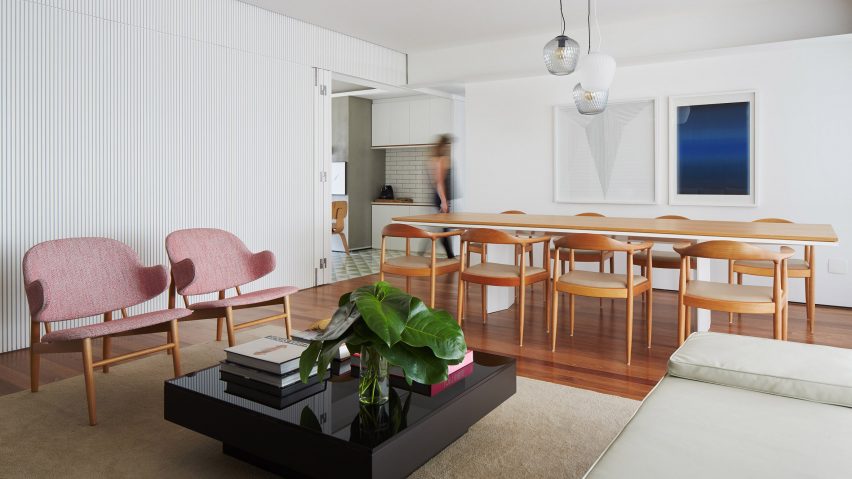
Grooved white panels divide São Paulo apartment by David Ito
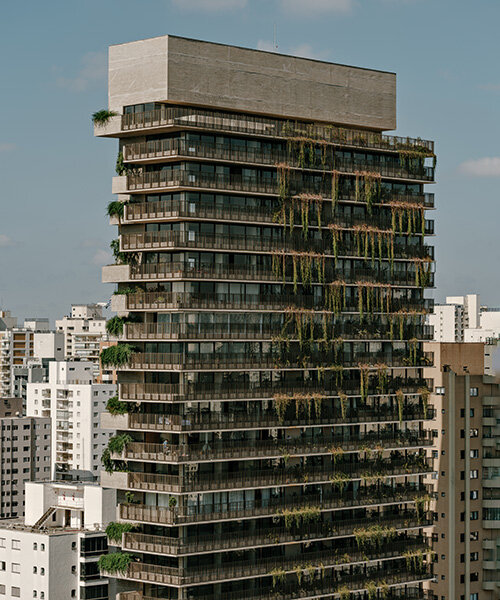
studio arthur casas wraps ribbed concrete tower with vertical gardens in são paulo
What Does It Mean to Call Somewhere Home?
Sussurro House / Davide Andracco Architetto
This Mumbai home is an apt lesson in sustainable design

This Tropical Modernist Miami Home is at One With its Surroundings
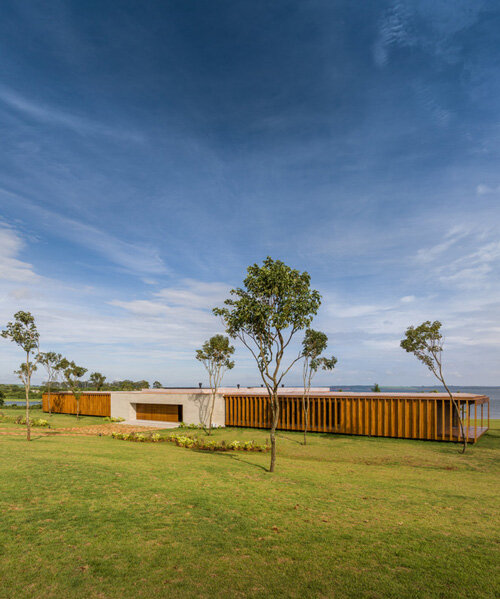
mf+arquitetos' T-shaped pz house merges exposed concrete with wood in são paulo
A São Paulo Apartment Designed Around the Owner’s 5,000 CDs

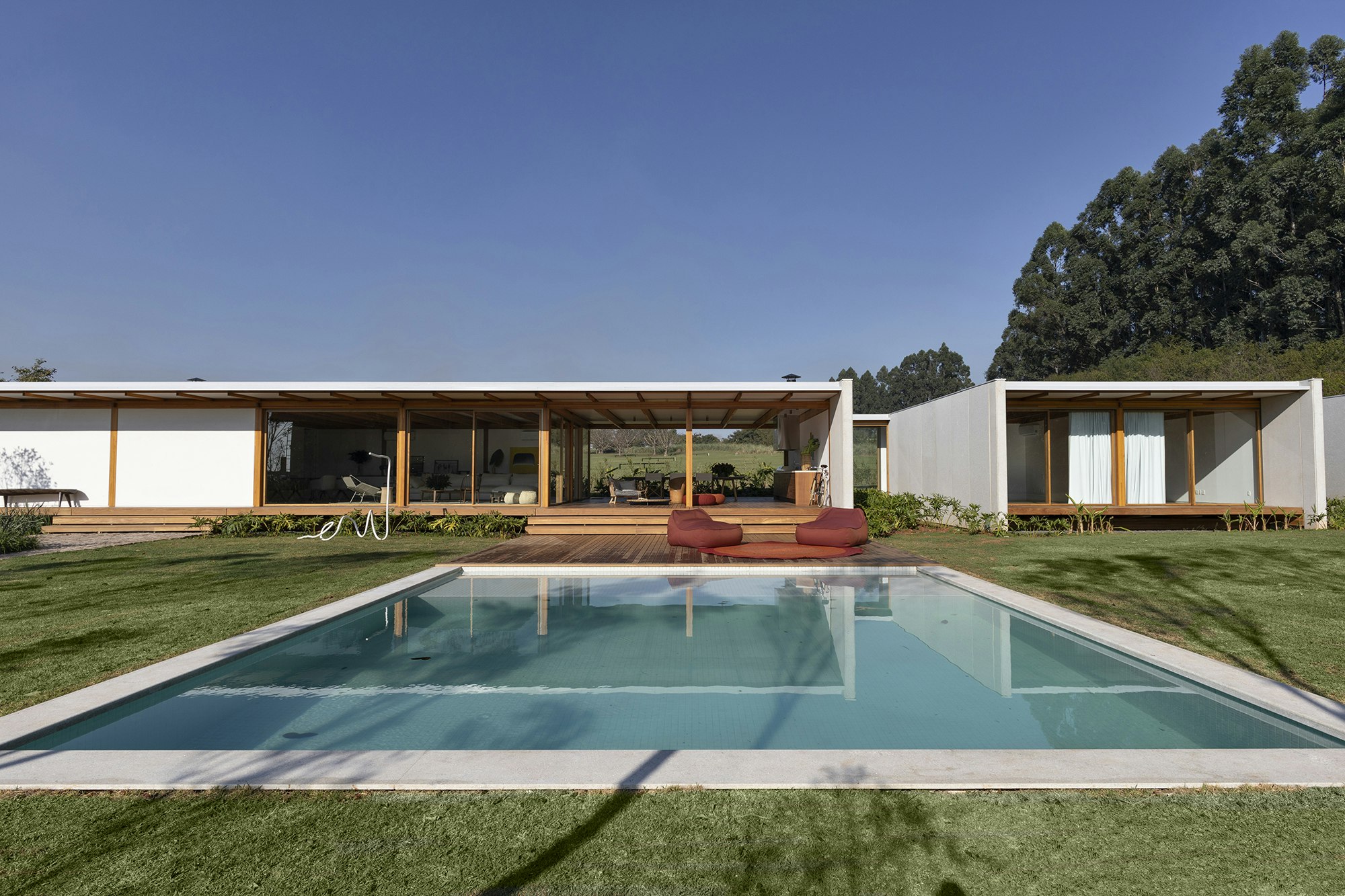
This Energy-Efficient Prefab in Brazil Can Be Easily Expanded for More Space

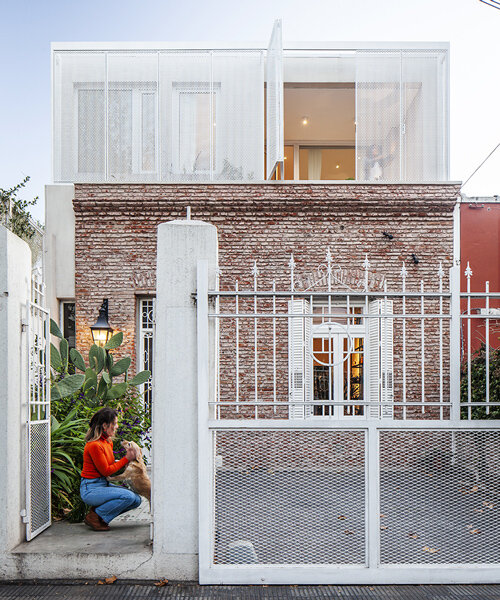
estudio PK's 'casa hormiga' restoration in buenos aires is infused with lush plant life