1/14
Grooved white panels divide São Paulo apartment by David Ito
The AML Apartment, designed by local studio David Ito Arquitetura, is situated in São Paulo's Brooklin neighborhood, within a tower that offers extensive views of the bustling metropolis. The primary objective for the interior design was to craft a spacious area conducive to entertaining, leveraging the building's winter garden with its expansive floor-to-ceiling glazing. The design team aimed to fulfill the residents' desire for large spaces bathed in natural light and a bright atmosphere, employing delicate colors to enhance these characteristics. The project specifically sought to accentuate the apartment's abundant natural light and its generous social area.
The layout integrates a lounge and a bar, strategically positioned between a glass curtain wall and sliding doors, making the most of the prime location and incorporating ample foliage. Patterned tiles are used to highlight the wall behind the high counter, with light blue tones recurring in throw cushions, creating a cohesive aesthetic.
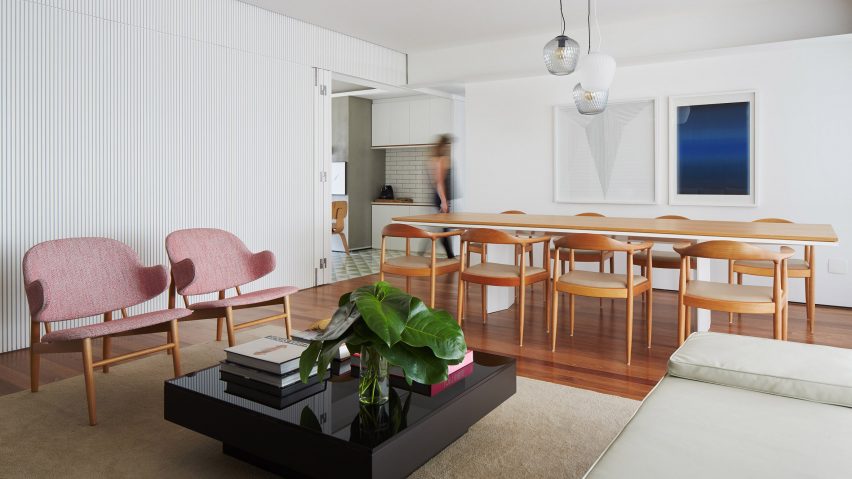
A more formal living and dining area is accessible through a retractable partition. In this central space, a unique block houses two sofas facing opposite directions: one oriented towards a fireplace, and the other overlooking a larger communal sitting and eating area. This arrangement allows for flexible social interactions and varied seating options.
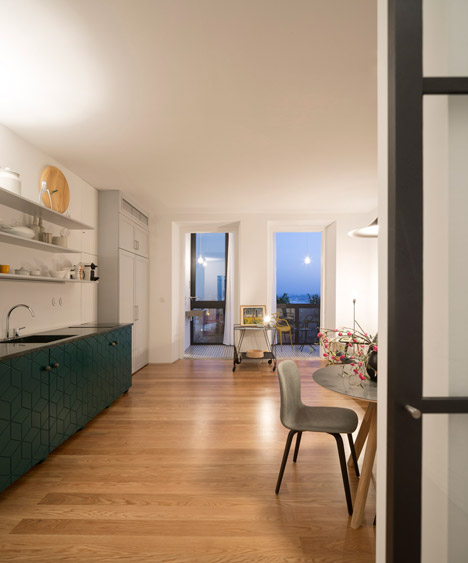
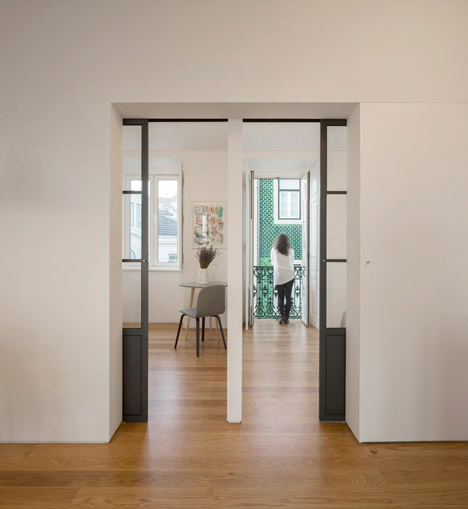
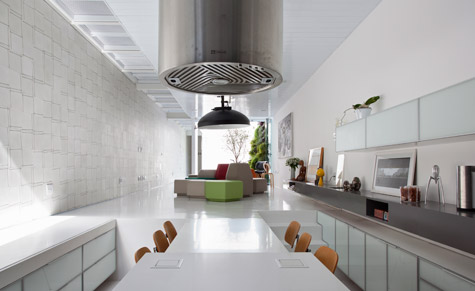
Throughout the apartment, the entire back wall is clad in white panels featuring vertical grooves. These panels extend to cover the doorway leading from the wood-lined elevator vestibule and cleverly conceal storage spaces. The architects emphasized that this 12-meter-long grooved panel serves as a defining backdrop for the entire social area. At the end nearest the dining table, these panels are designed to concertina open, revealing the kitchen. In the kitchen area, the wooden flooring transitions to patterned green tiles, providing a distinct visual separation and adding a pop of color.
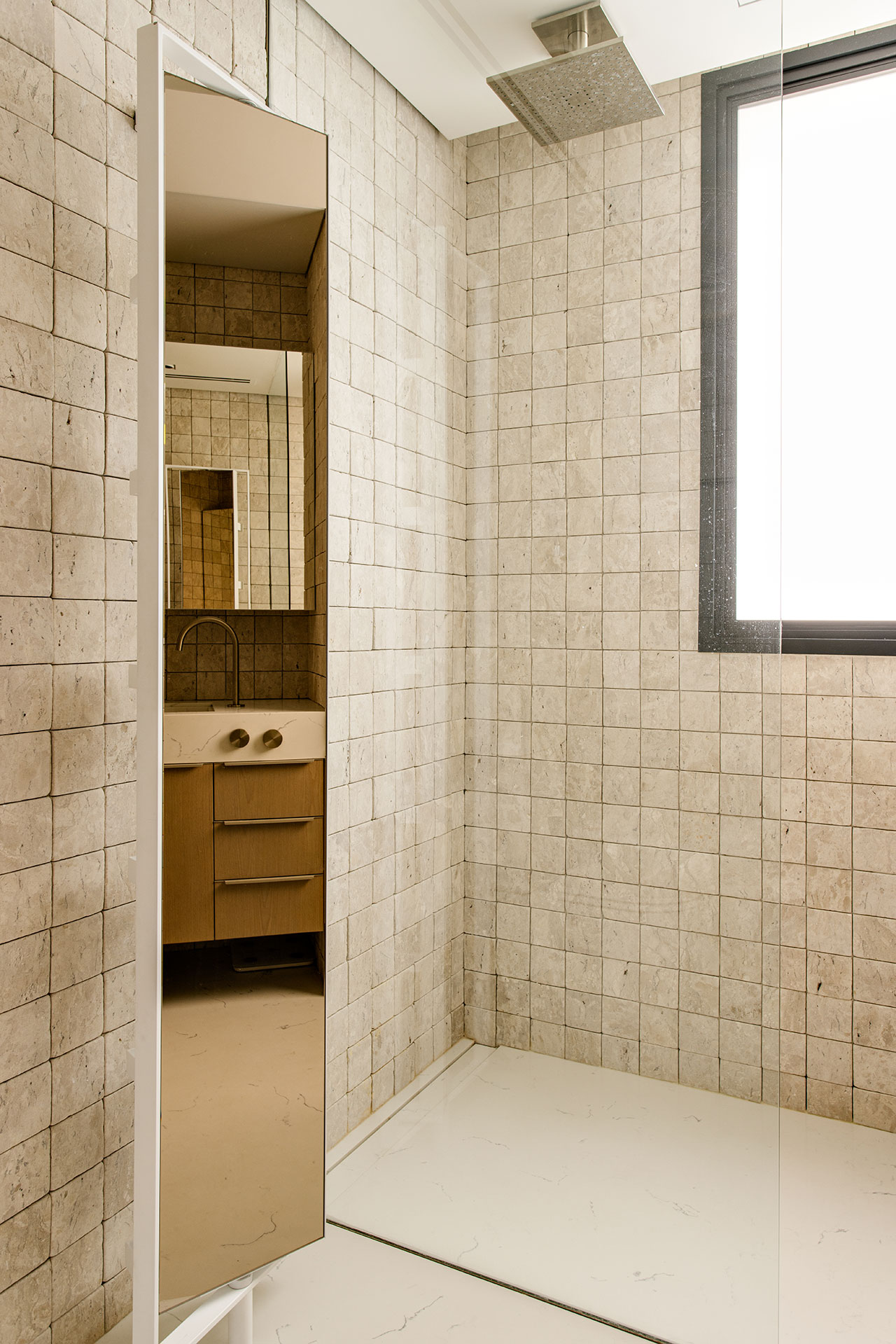
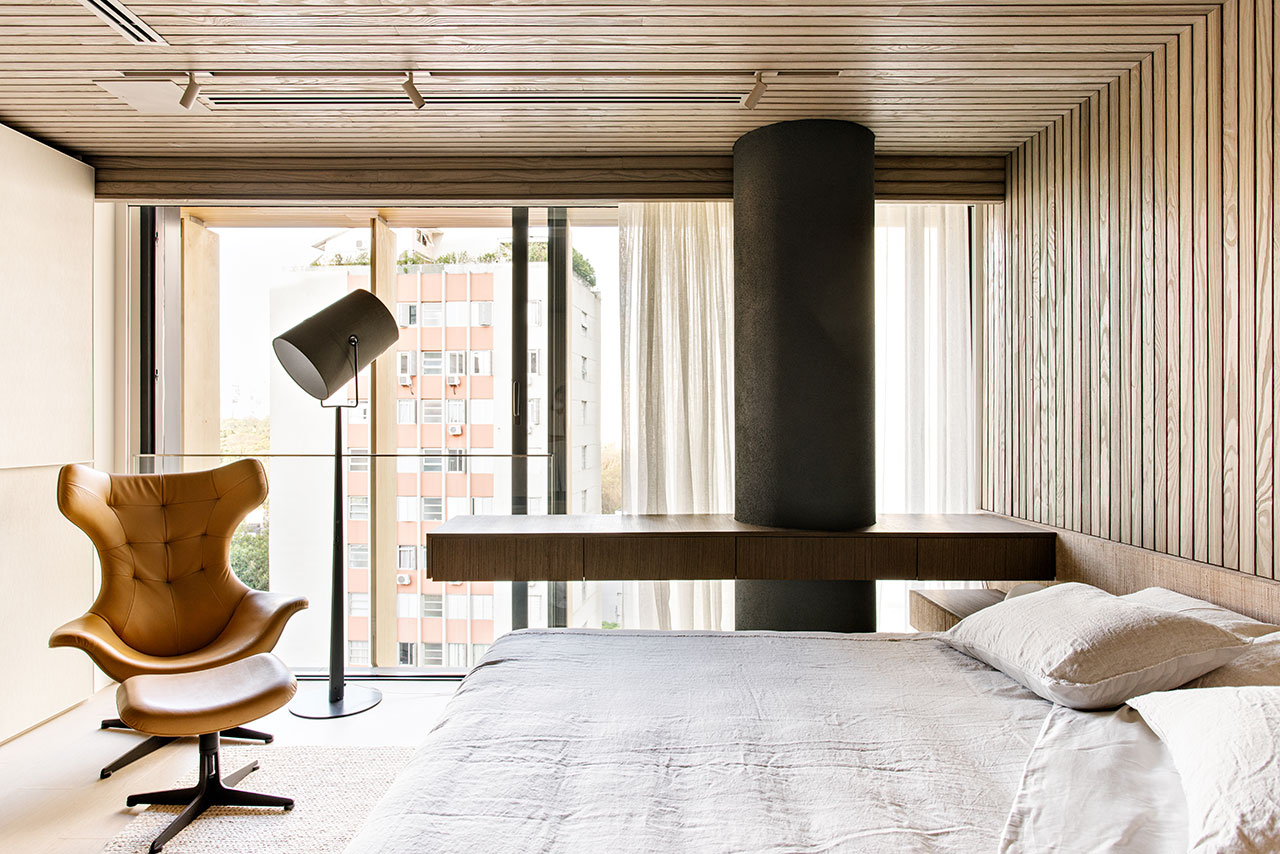
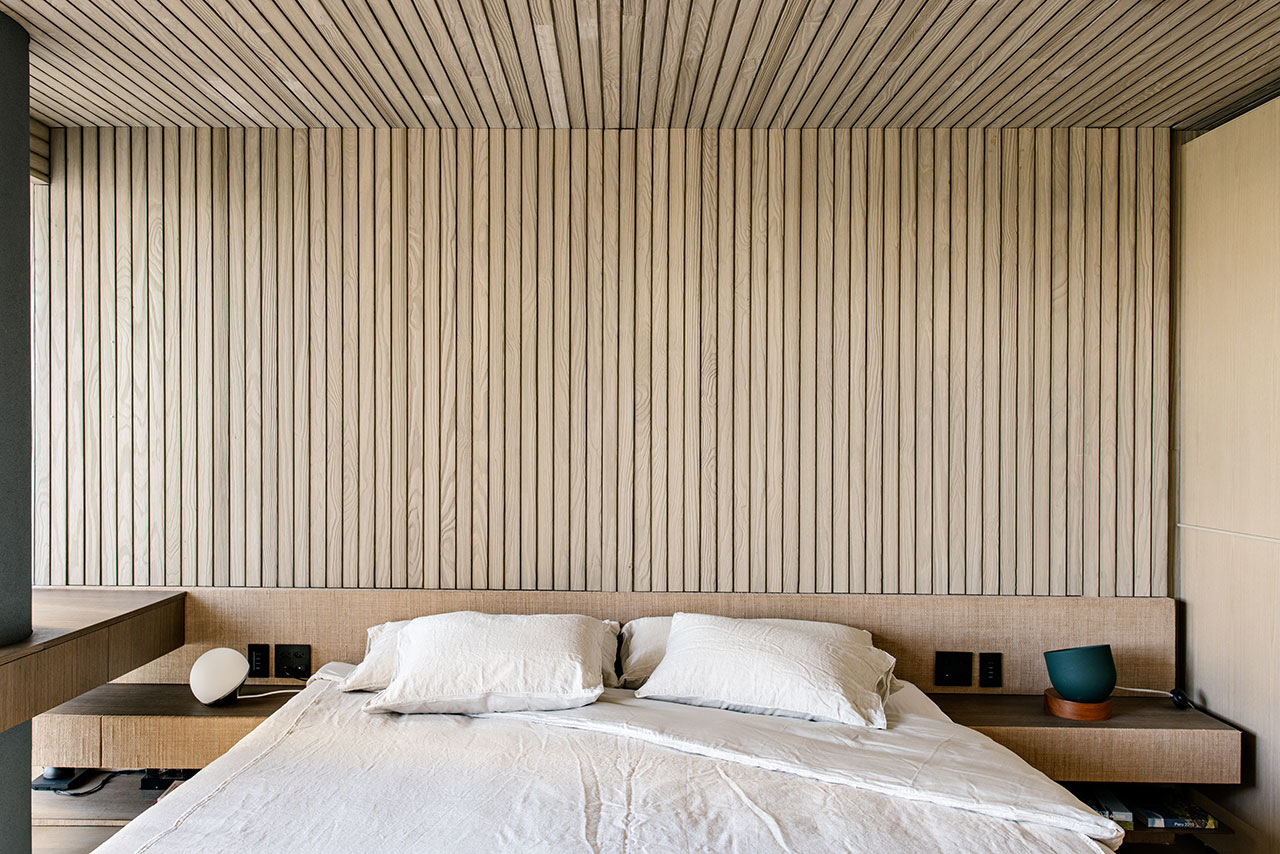
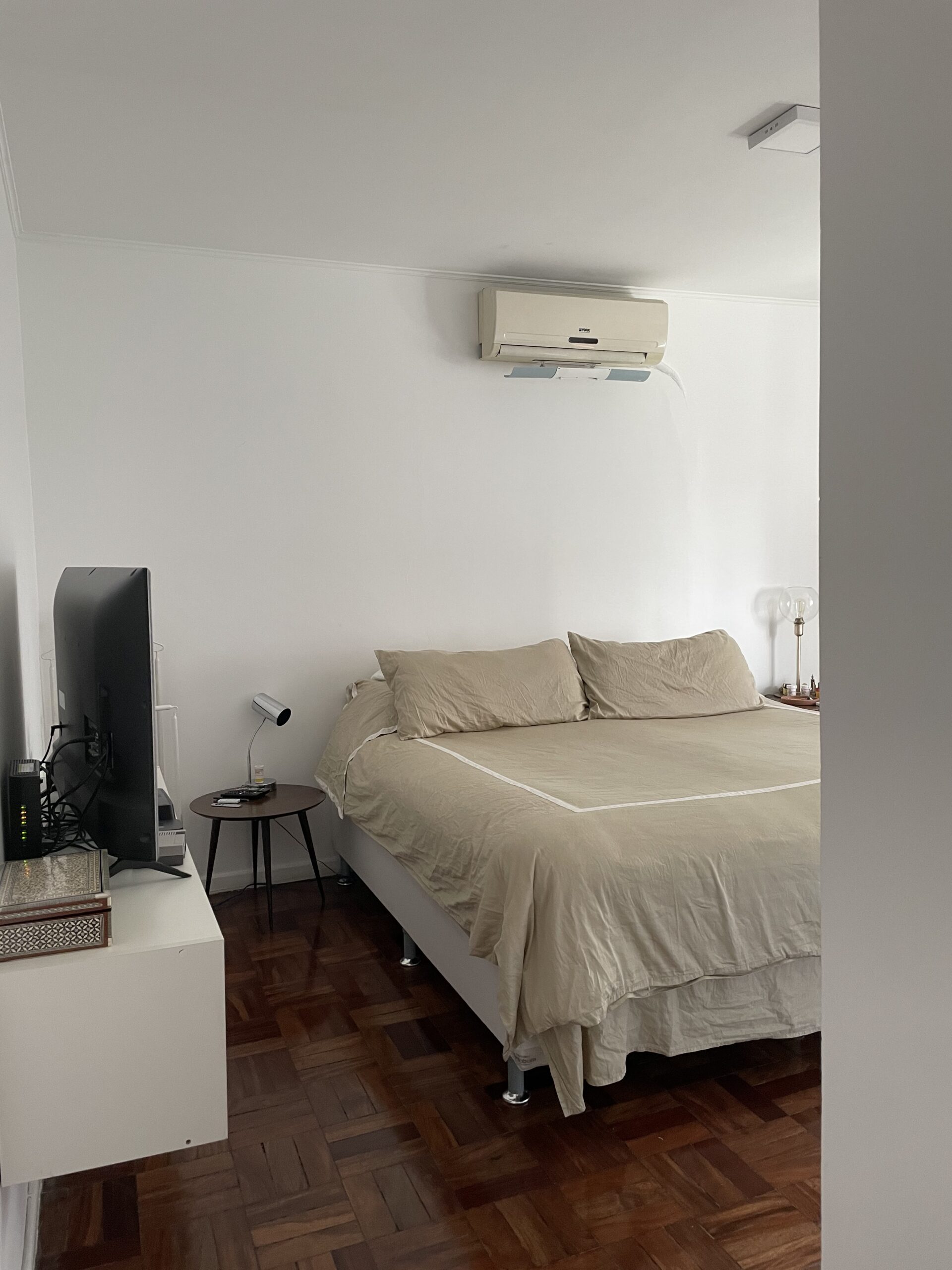
Beyond the panelling, the remainder of the 260-square-meter apartment encompasses the private quarters. This includes three smaller bedrooms, each with its own en-suite bathroom. One of these smaller bedrooms has been repurposed as a study. A larger master suite provides a more expansive private retreat. The master bedroom, characterized by its neutral decor, is accessed via a dressing room. This dressing room features a stack of blue drawers in the center and a built-in wooden vanity unit along one wall. The architects noted that the identity of the social area extends into the intimate wing, evident in the furniture choices within the closet, specifically the underwear drawer unit with its small, colorful pivot doors, drawing a whimsical comparison to a magic cube.
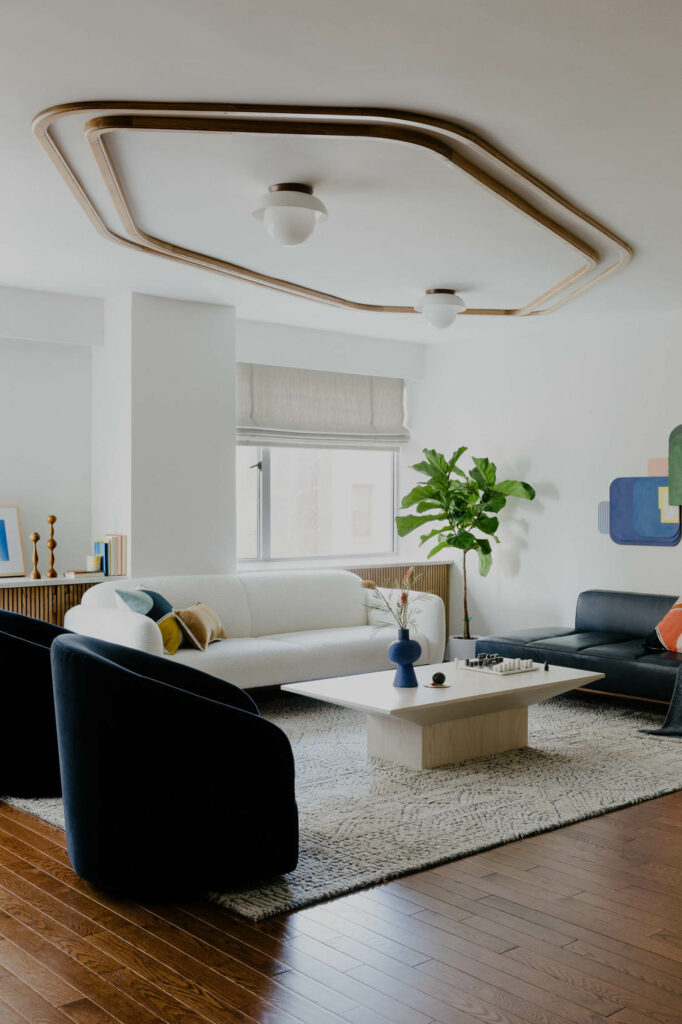
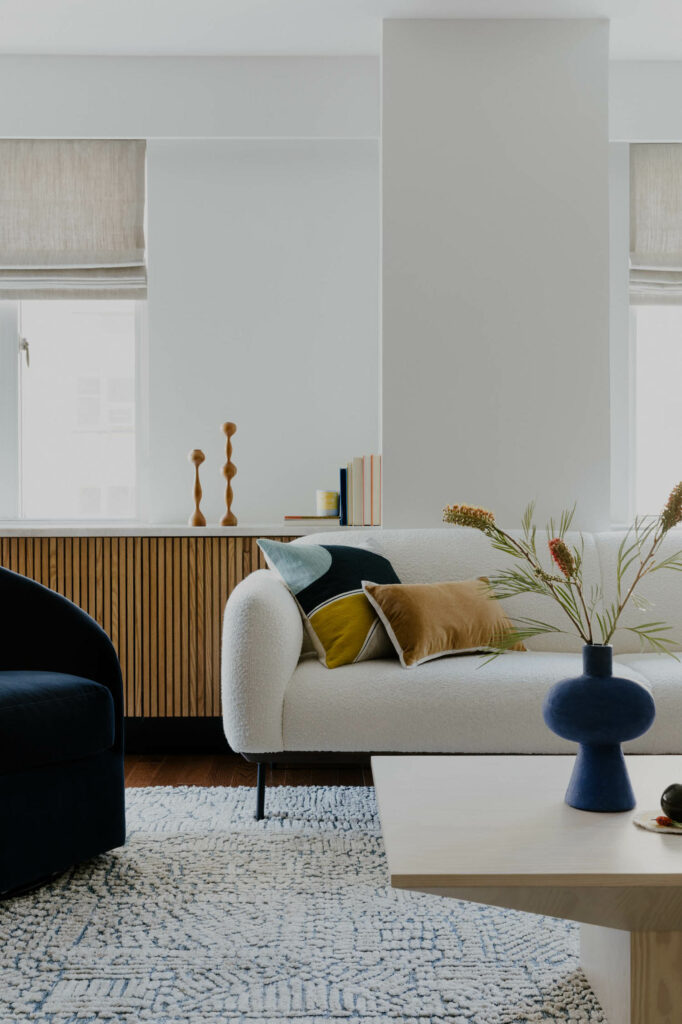
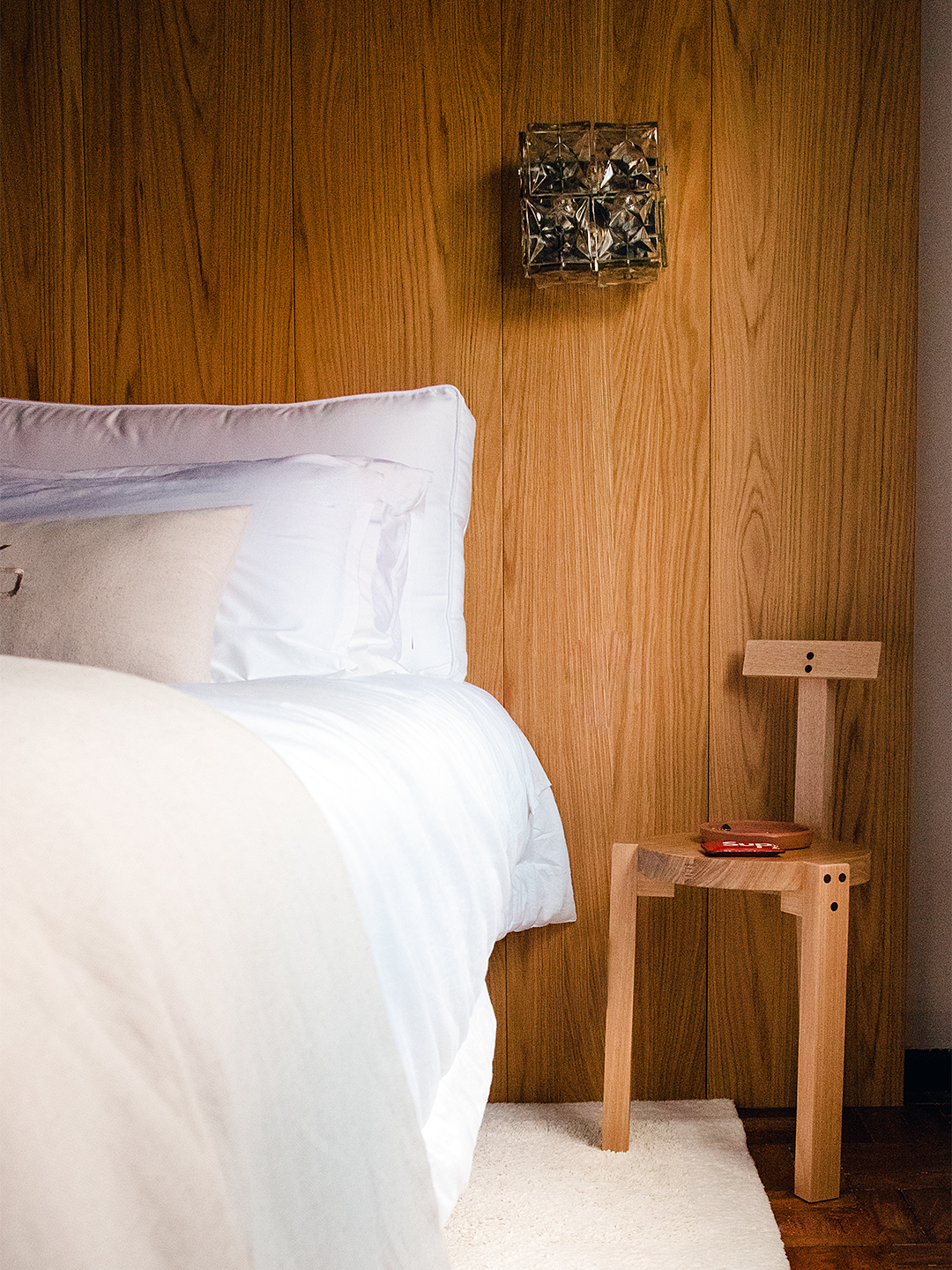
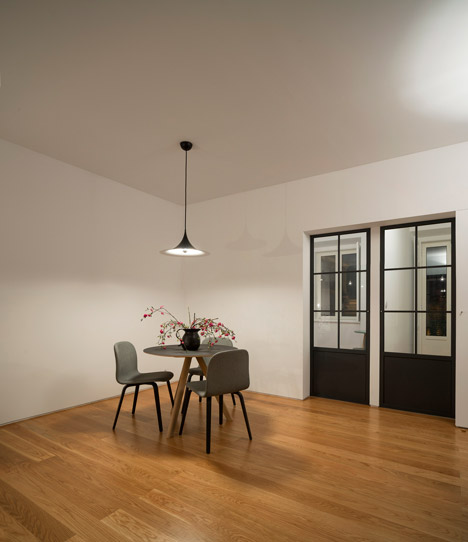
The furniture selection throughout the residence represents a blend of mid-century and contemporary styles. Notable pieces include dining chairs by Danish modernist Hans J. Wegner and lighting fixtures by Samuel Wilkinson. White walls and timber panels serve as a consistent backdrop, allowing various colorful accent pieces to stand out and provide visual interest. The architectural team explained that the white surfaces are differentiated by their textures and reflections, which, combined with the extensive use of wood, form an ideal base for integrating the desired color palette. This apartment joins a diverse range of residential projects in São Paulo, a city known for its numerous residential towers, which include everything from compact homes with flexible layouts to vast penthouses featuring double-height walls.
#ApartmentDesign #InteriorArchitecture #SaoPaulo #DavidItoArquitetura #ResidentialInteriors #ModernDesign #FlexibleSpaces #BrazilianArchitecture #HomeDecor #ApartmentDesign #InteriorArchitecture #SaoPaulo #DavidItoArquitetura #ResidentialInteriors #ModernDesign #FlexibleSpaces #BrazilianArchitecture #HomeDecor
0 comment in total
 No comments yet
You may also like
A São Paulo Apartment Designed Around the Owner’s 5,000 CDs

San Francisco Residential Living Wall
Wainscoting ideas – designers are rediscovering how this ancient millwork can uplift modern interiors

28 Clever Divider Screen Ideas That Stylish Homeowners Are Using for Instant Style + Function
On the Rise: We Love Otto Studio’s Colourful, Removable Wallpaper
Fala Atelier guts Lisbon apartment to create bright open-plan home
fala atelier uses curving wall to separate public and private in this white house in porto
A Small Kyiv Apartment Elevated With a Kaleidoscope of Primary Colors
Playful Wallcoverings Enliven This Tranquil Manhattan Apartment

15 White Paint Colors Interior Designers Reach for Time and Again
This Bilbao Apartment Takes the Open Floor Plan to the Extreme


New Charming Mosaic and Tile Floors Captured by Photographer Sebastian Erras

Soaring Ceilings & Wrapped Windows
A Puzzled-Together Stair Elevates a Fashion Designer’s Barcelona Apartment
Interactive floor plan: 4x30 house, São Paulo
How White Wall Paint Can Transform the Look of Your Home | PS Home
A Floating, L-Shaped Cabinet Pulls Double Duty in This São Paulo Bedroom

Practical ways to make panelling look good
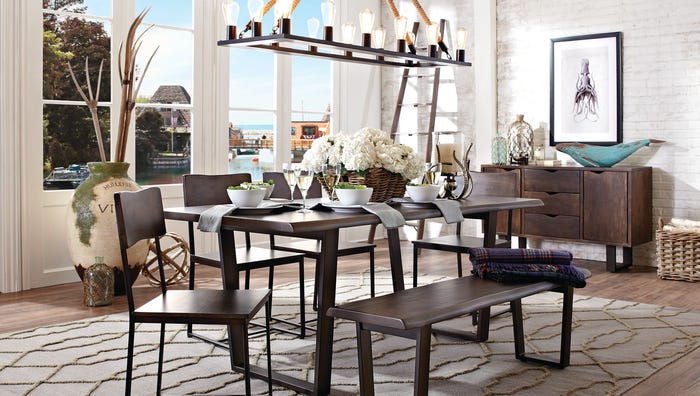
Gallery: Urban eclectic decor
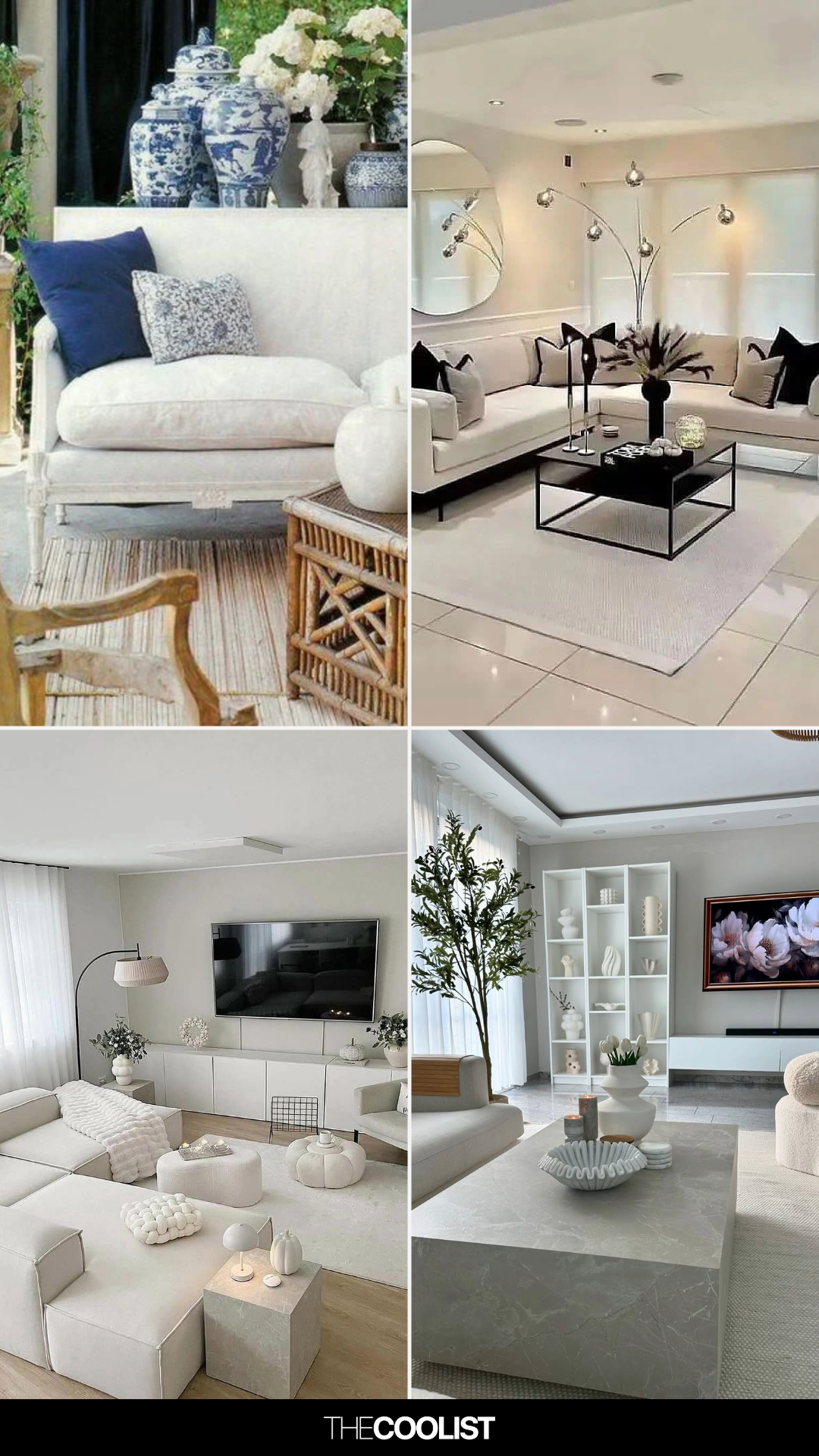
28 White Living Room Decor Ideas That Create a Space You’ll Never Want to Leave