1/7
Move over color drenching, ‘color capping’ is the chic new tonal technique you’ll be seeing everywhere this fall
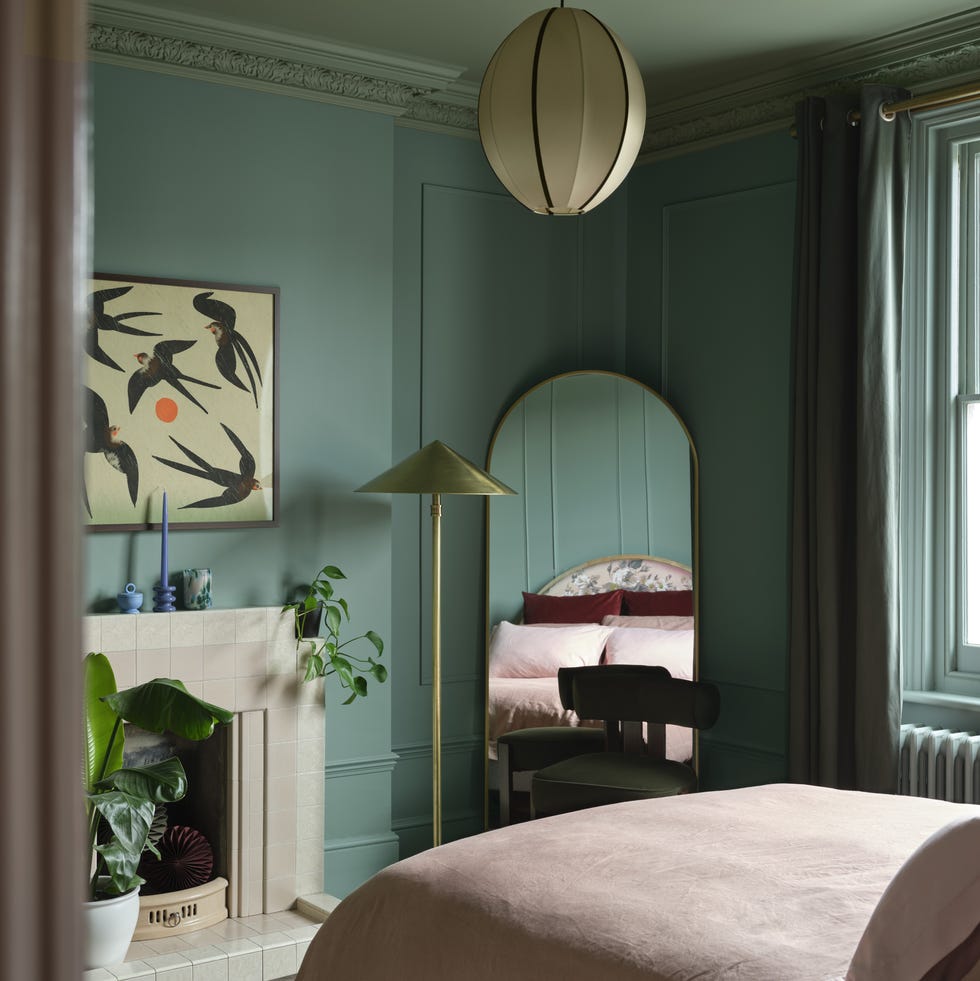
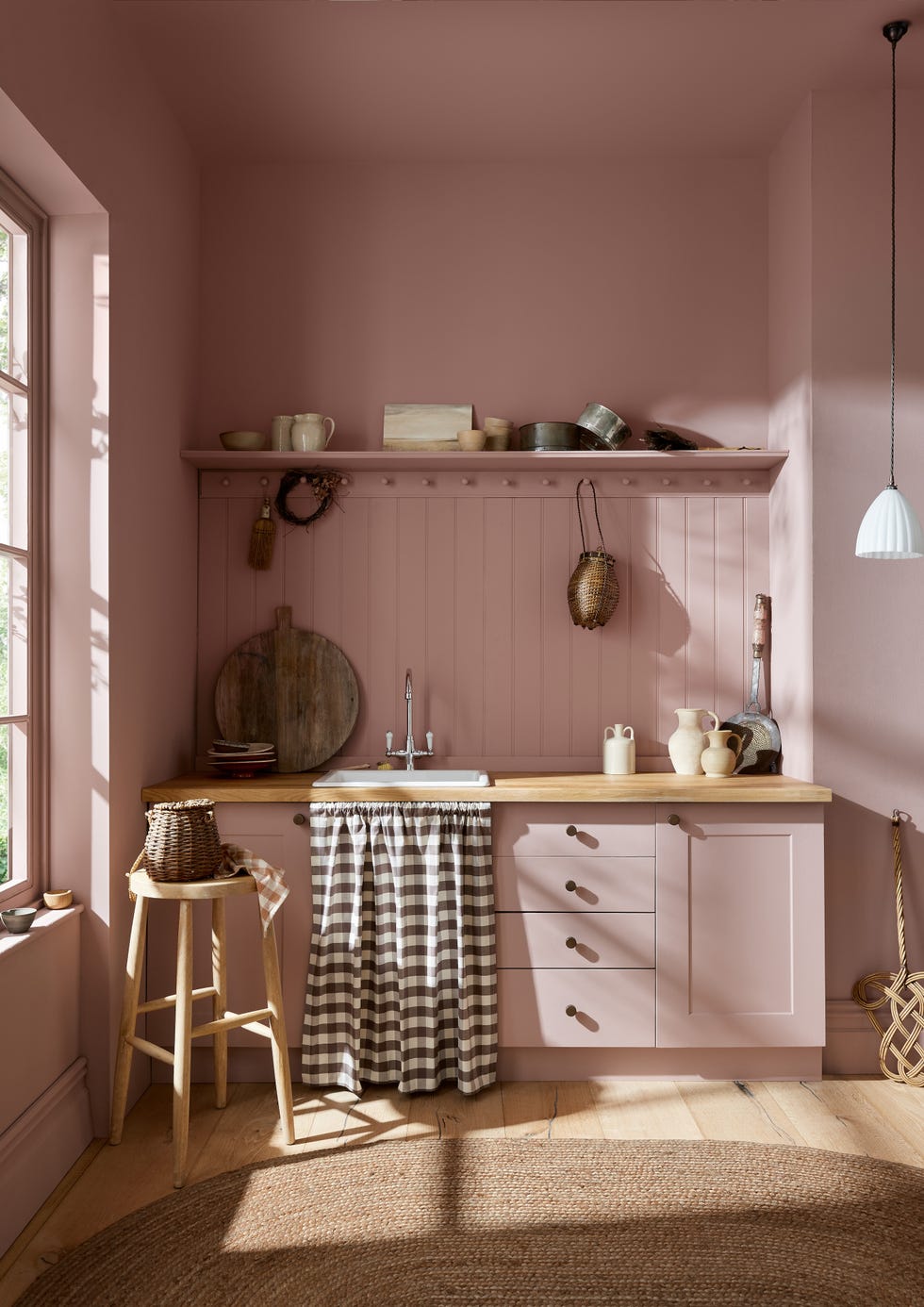
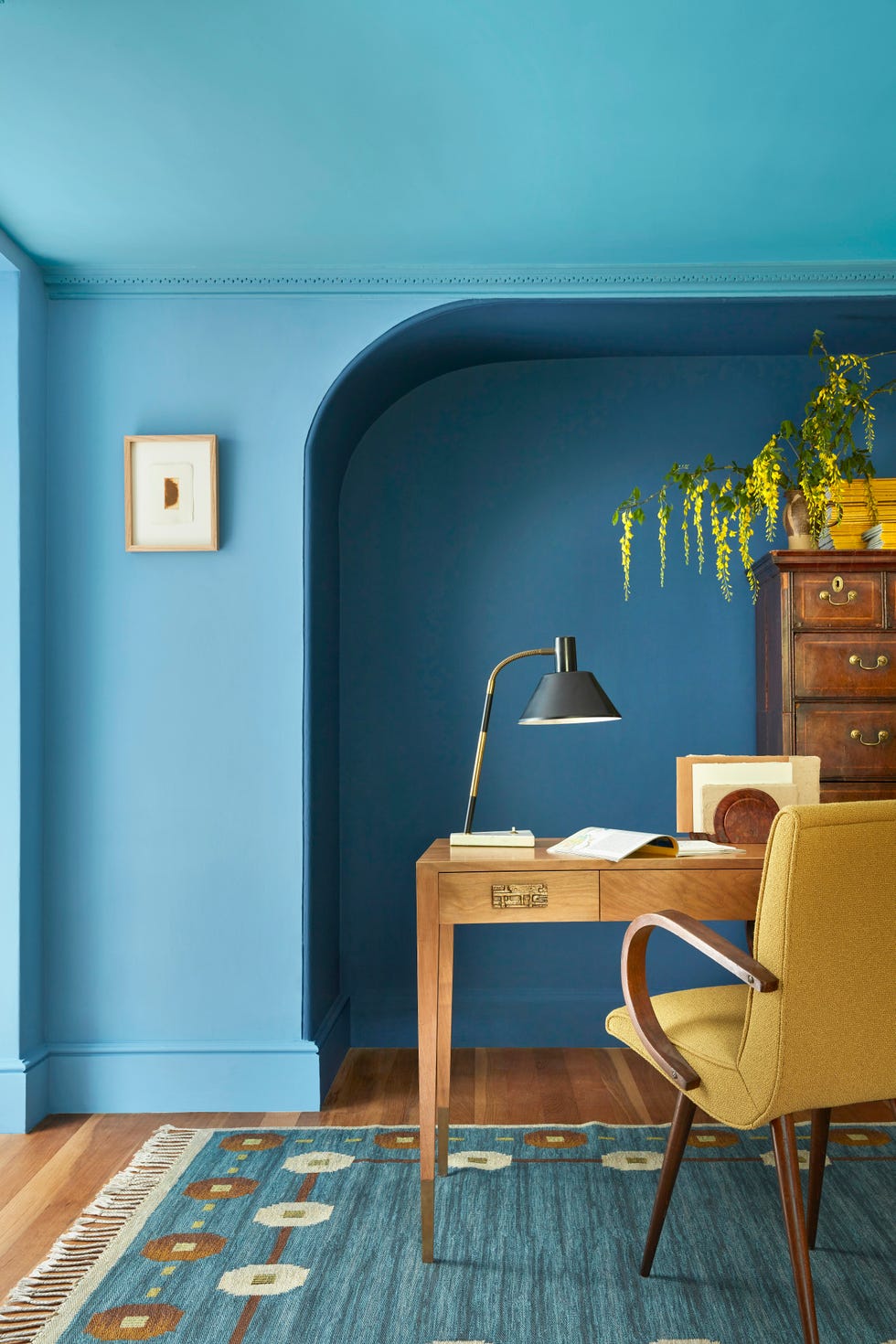
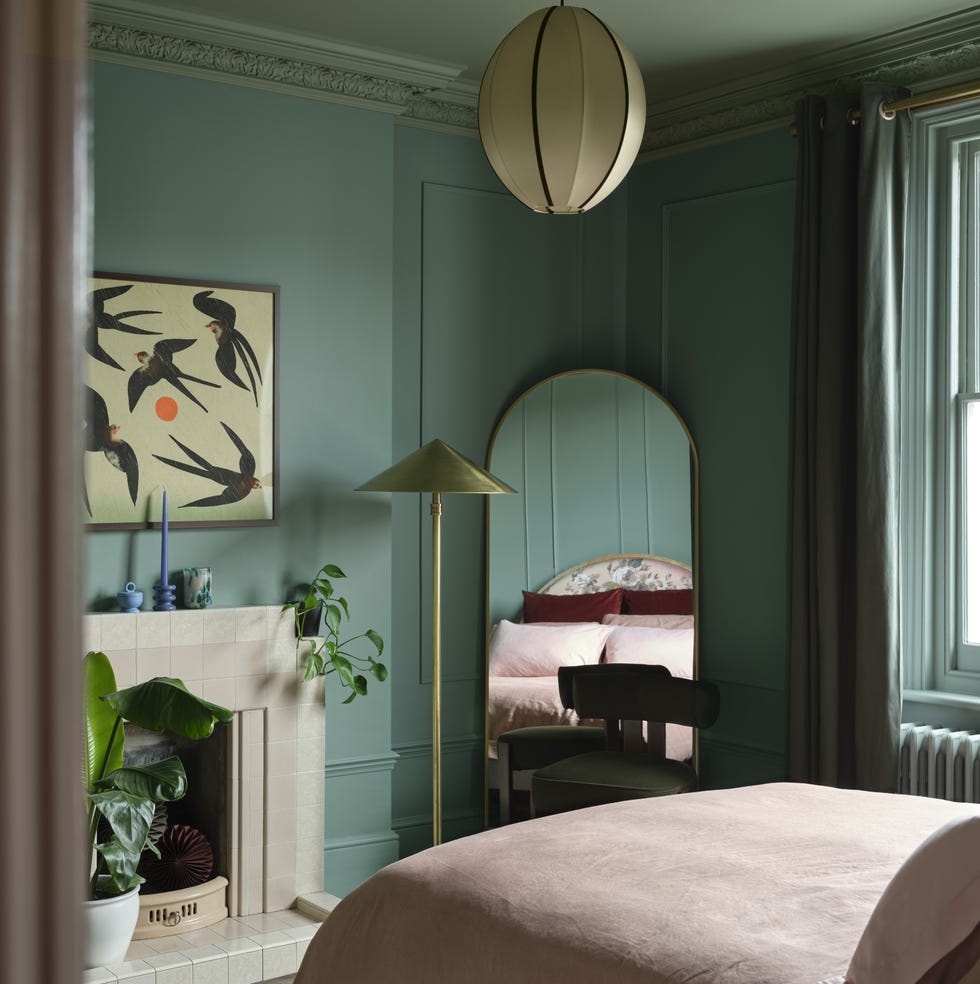
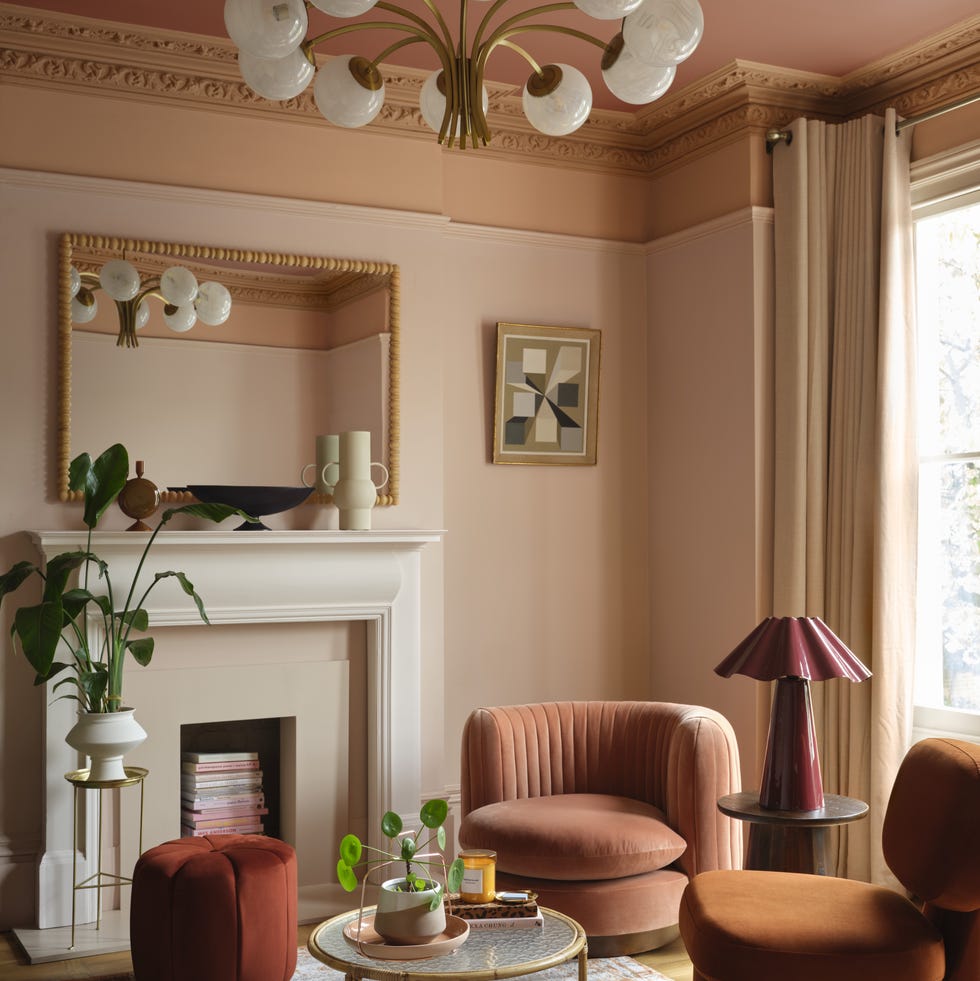
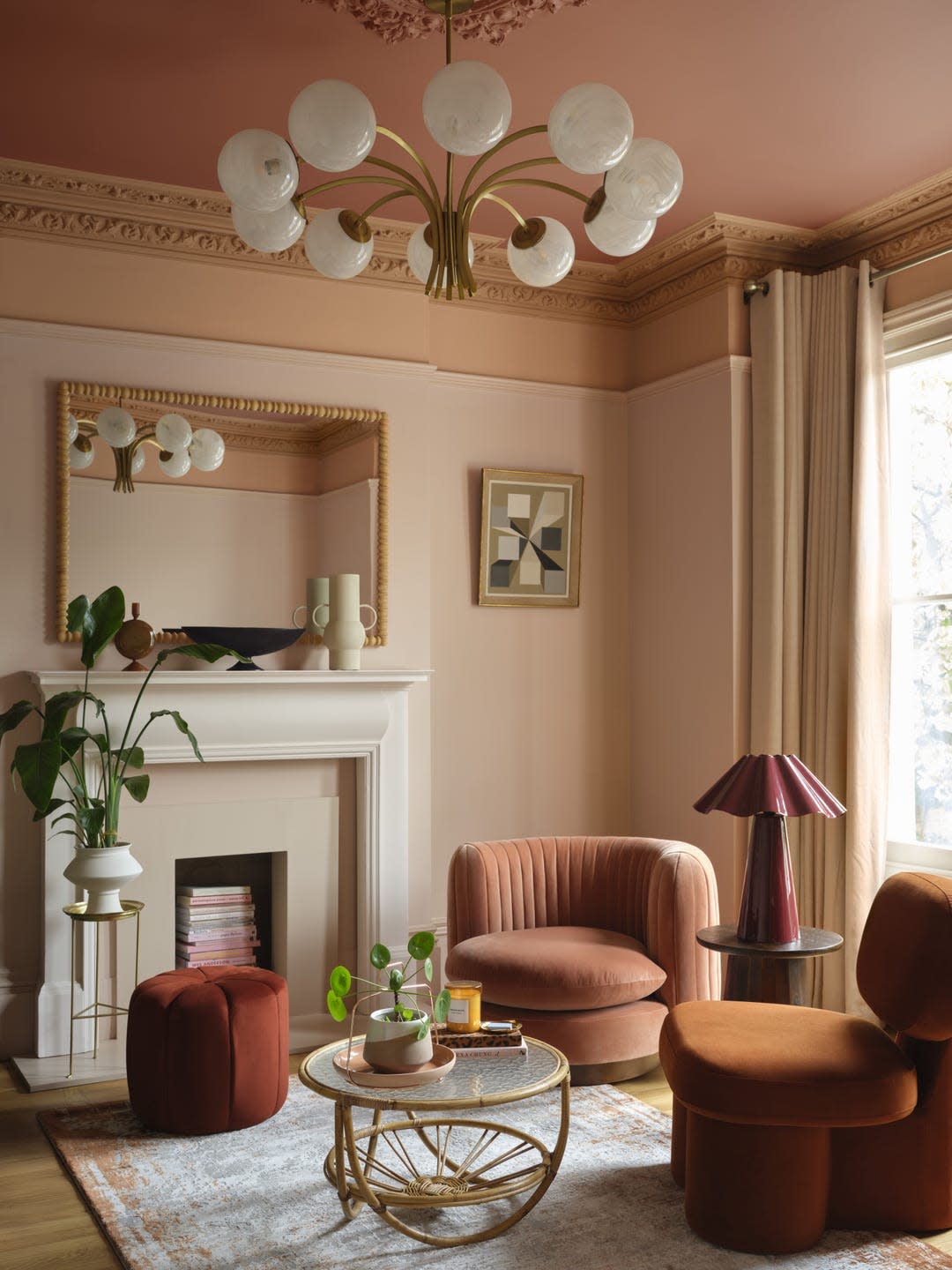
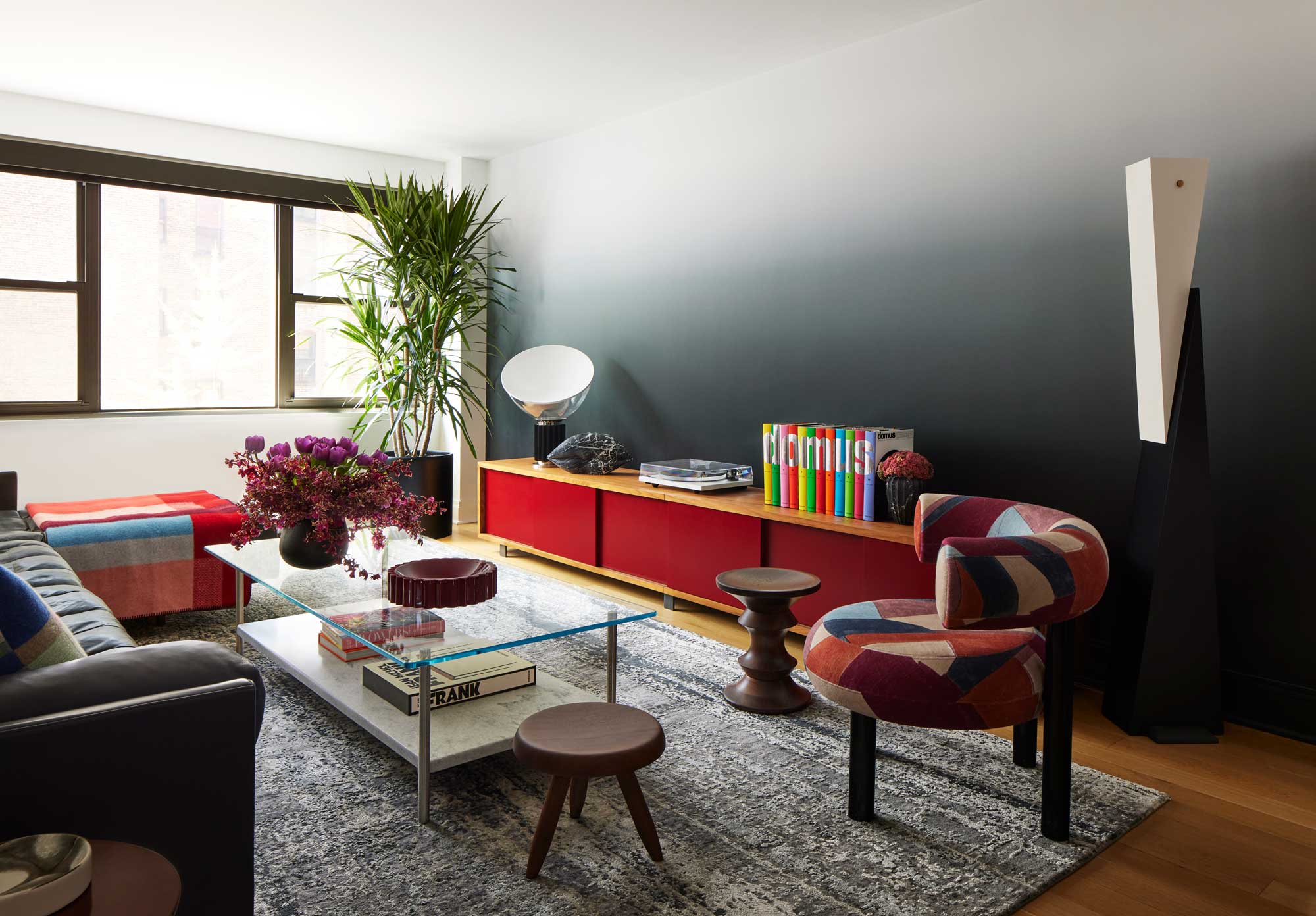
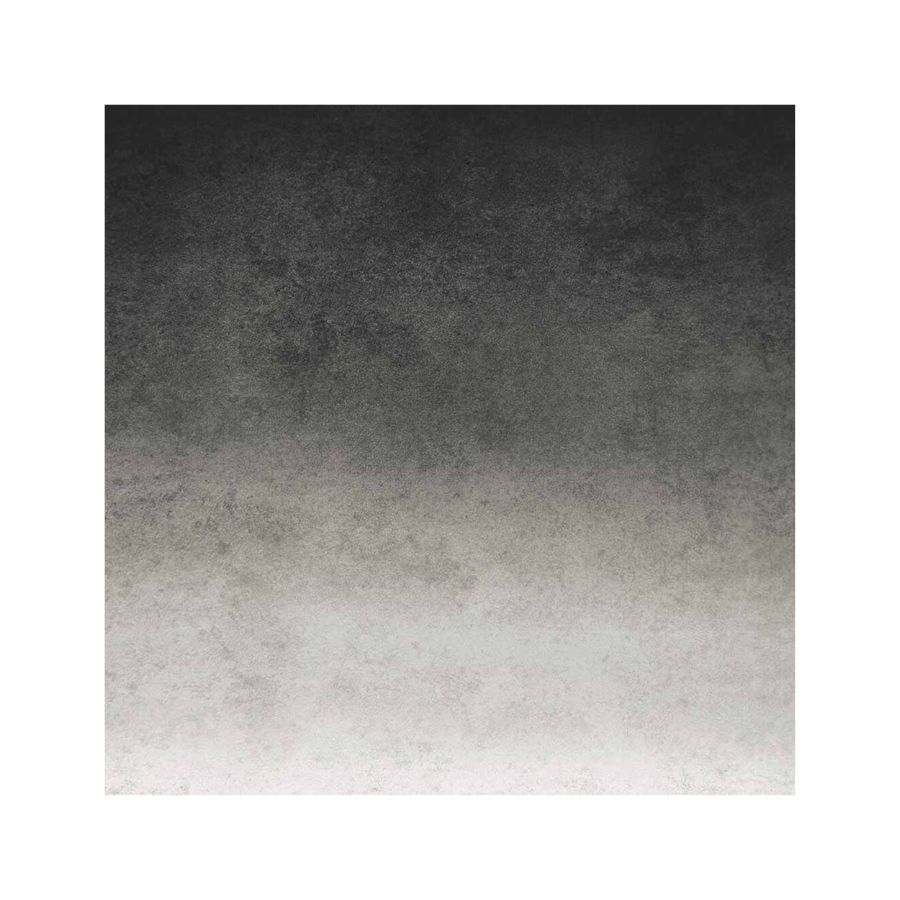
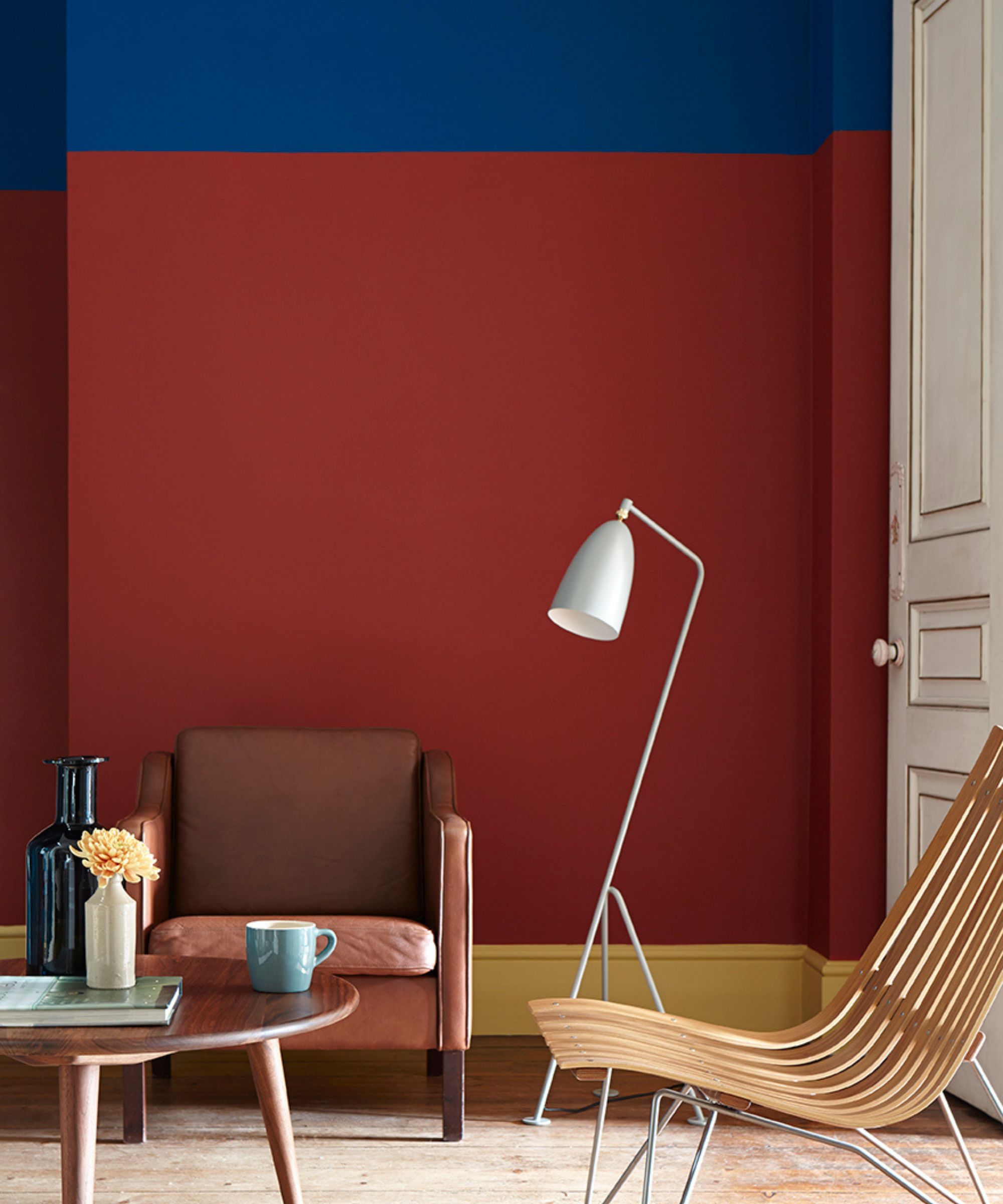
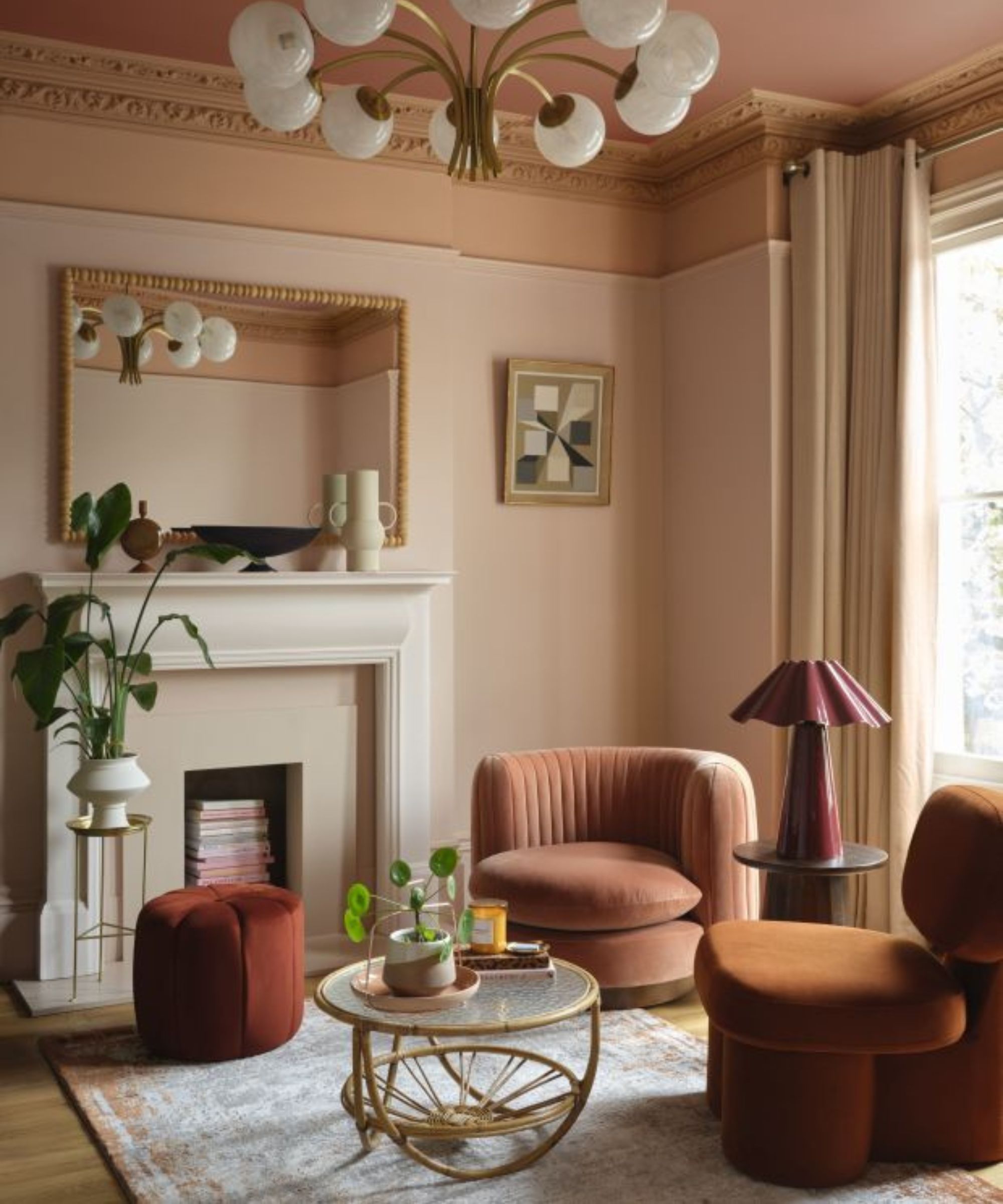
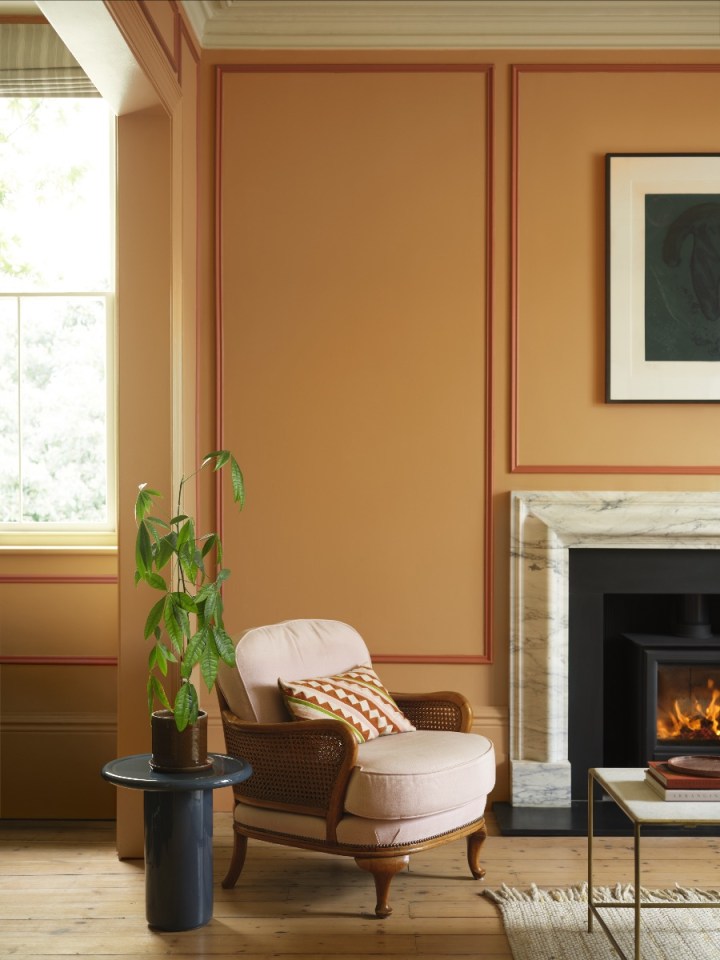
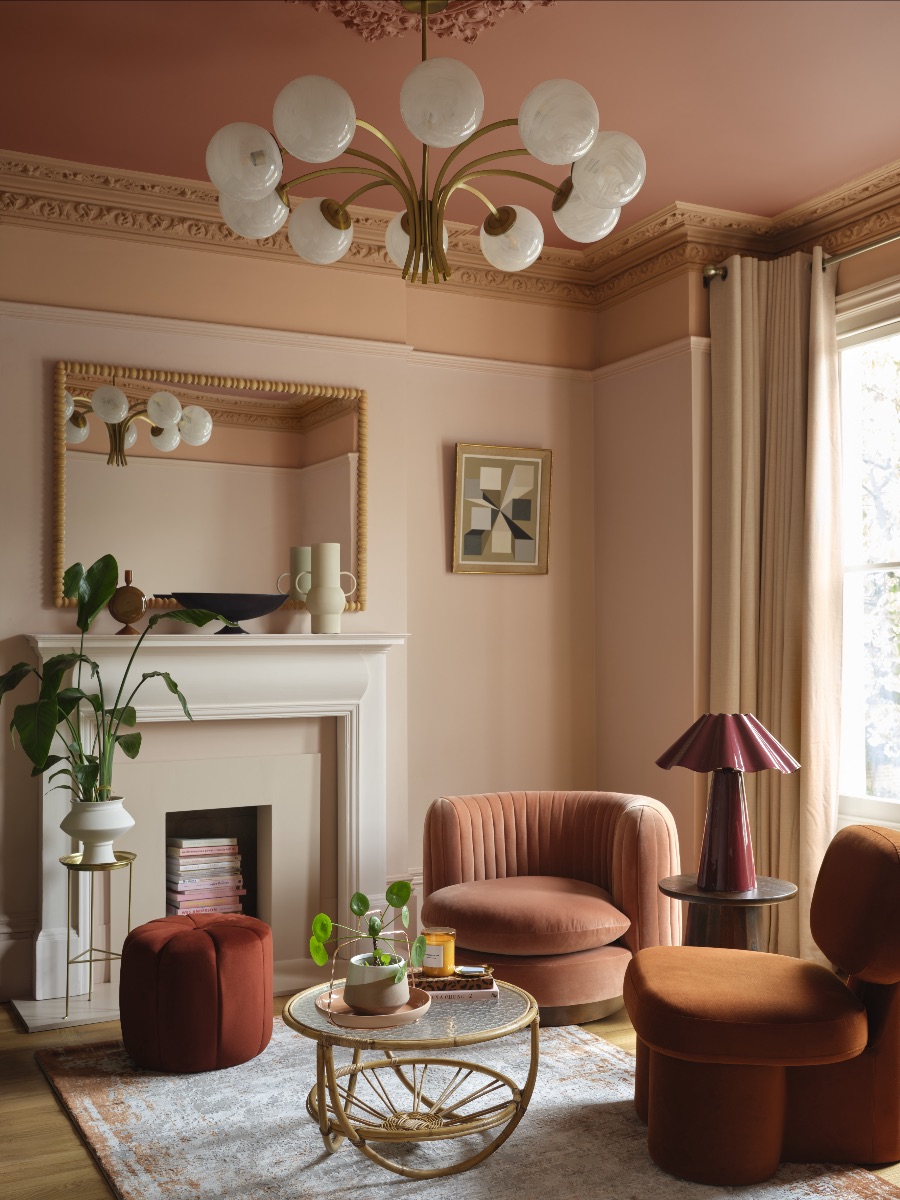
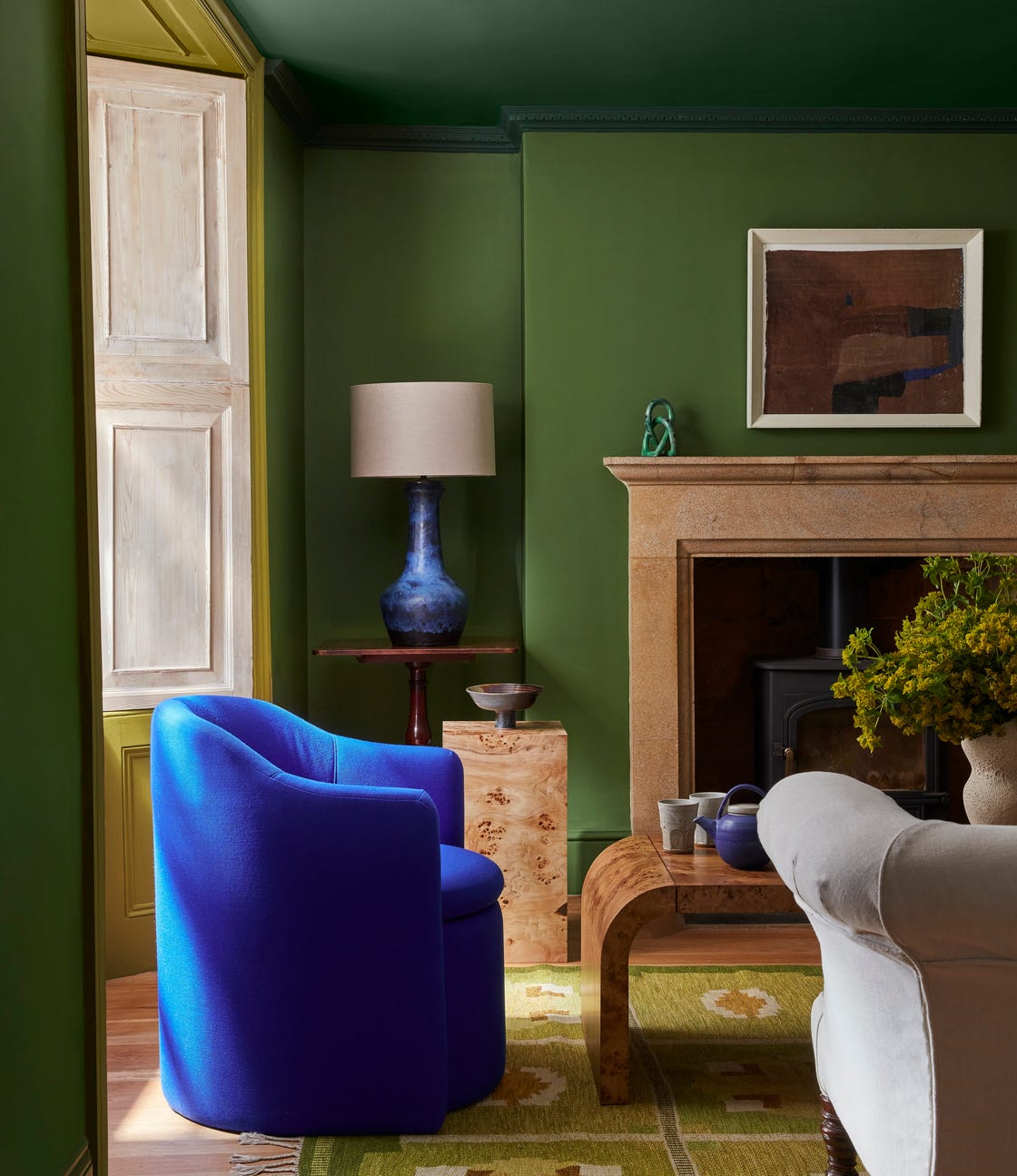
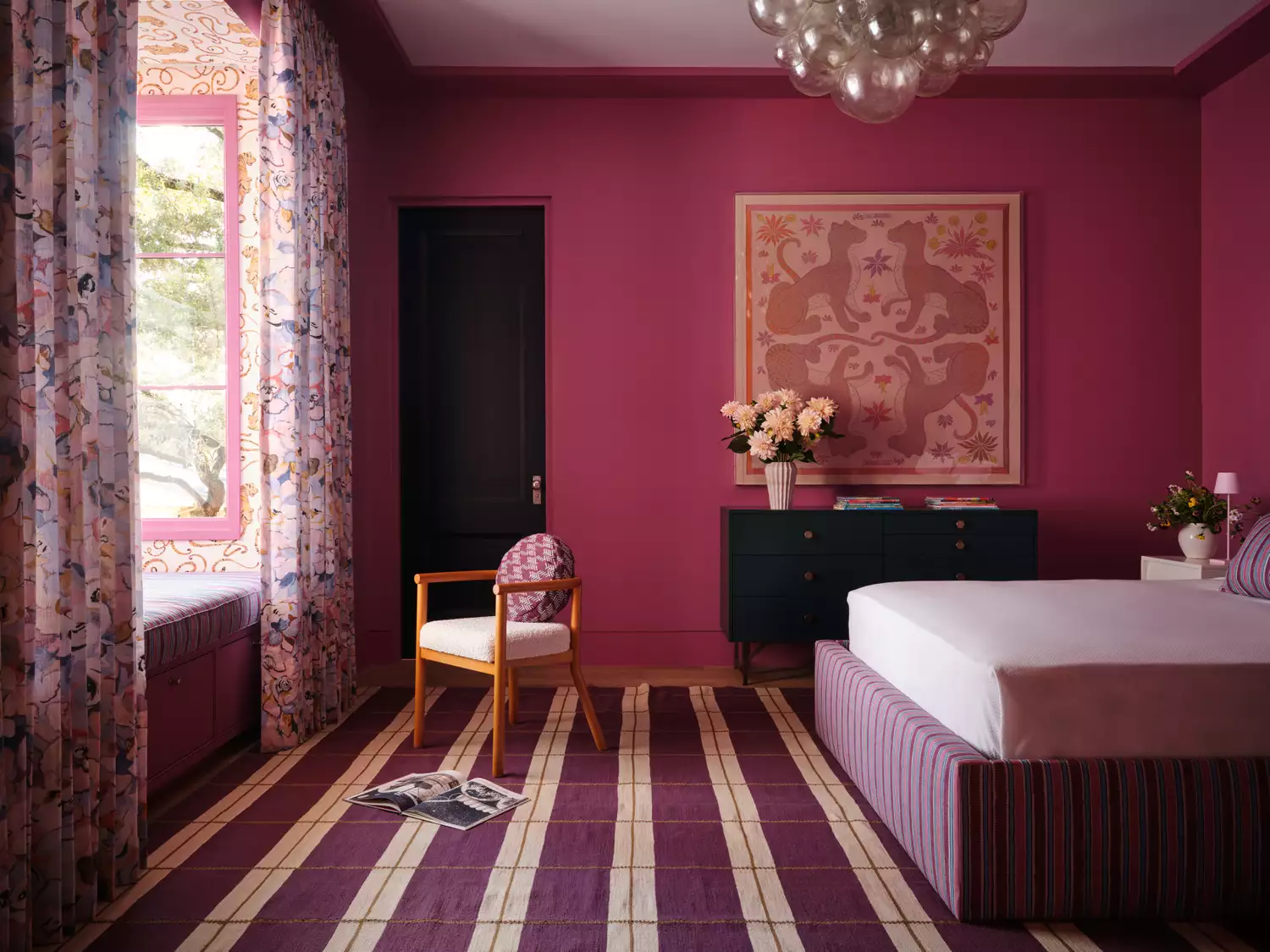
Color capping is emerging as a significant interior design trend, offering a refined approach to paint application that redefines room aesthetics. This technique, coined by Benjamin Moore experts, involves using varying tones from the same color family to create a subtle gradient across a room's surfaces, culminating in the deepest shade on the ceiling. This method contrasts with traditional color drenching, which typically applies a single bold hue throughout a space, and provides a more nuanced way to introduce depth and polish without being overly dramatic.
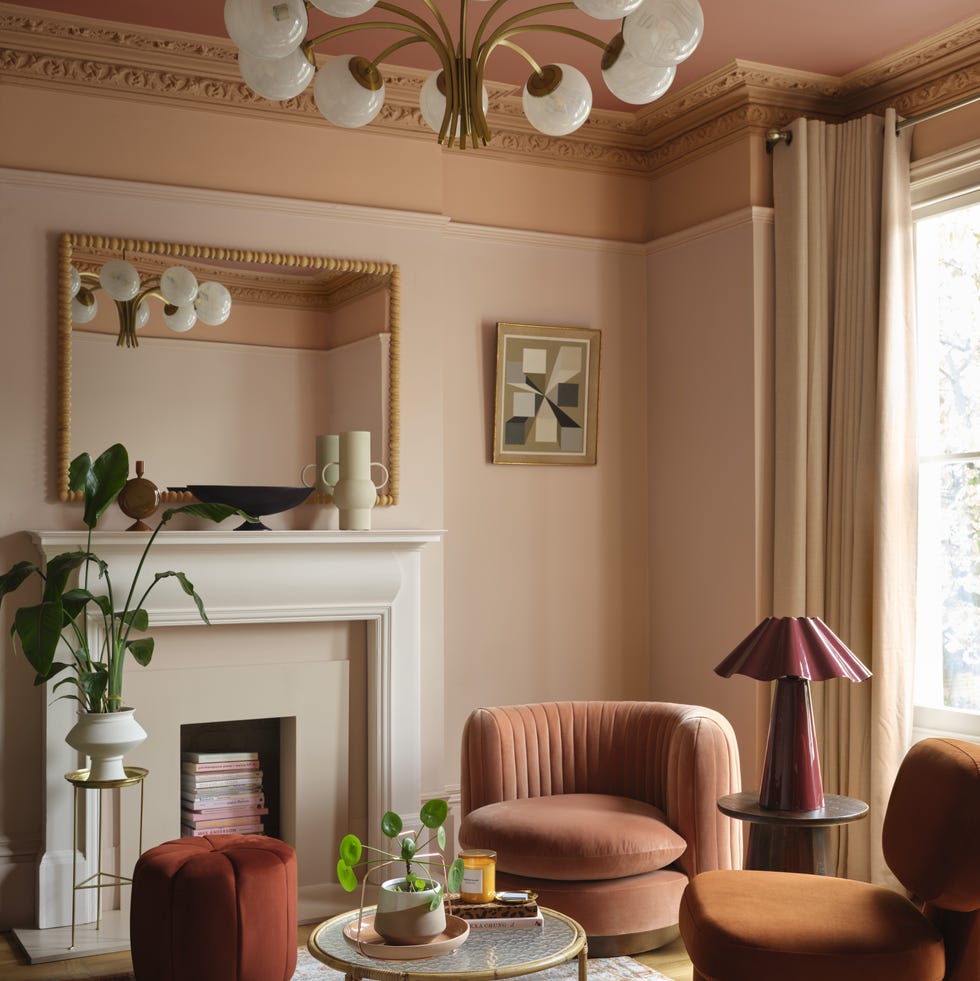
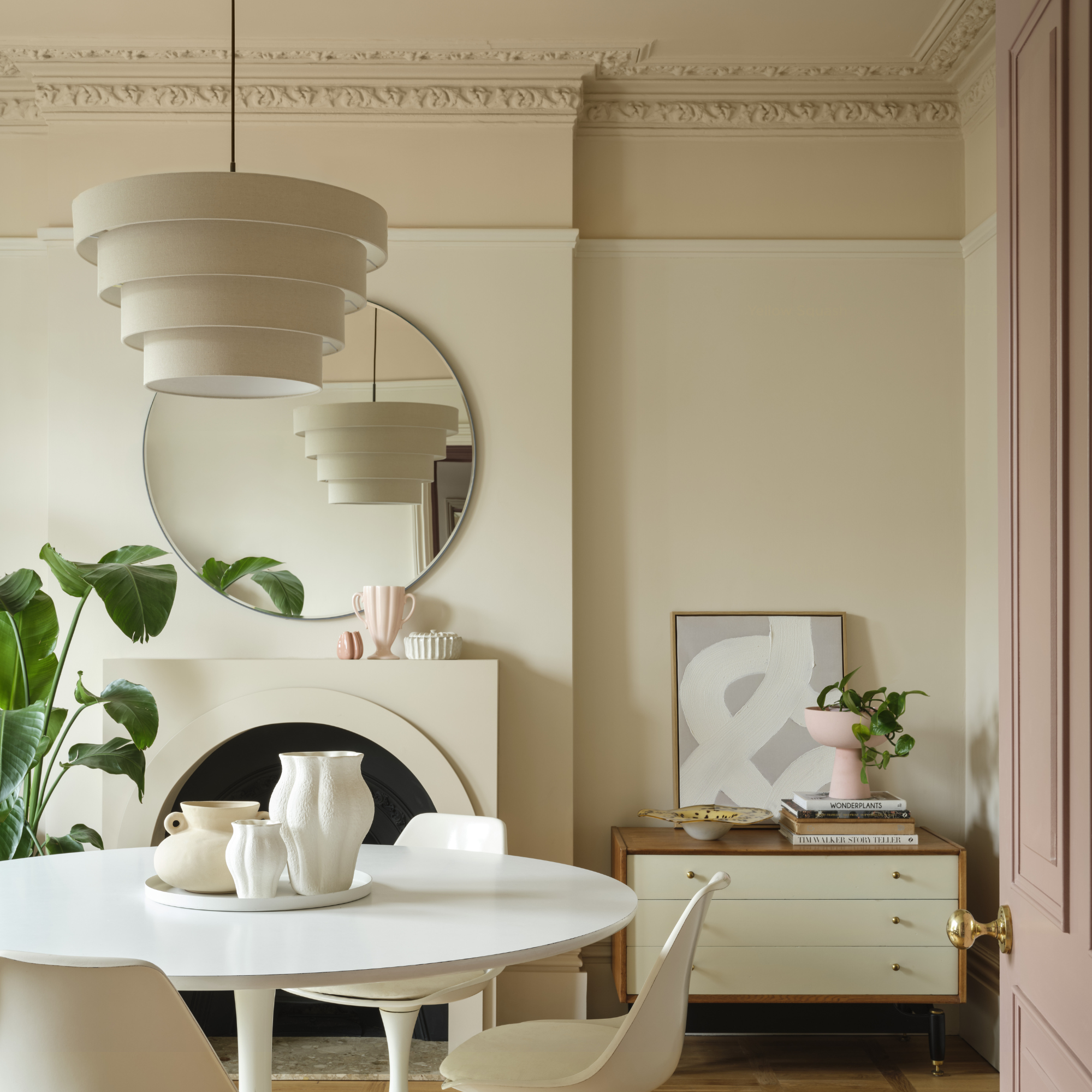
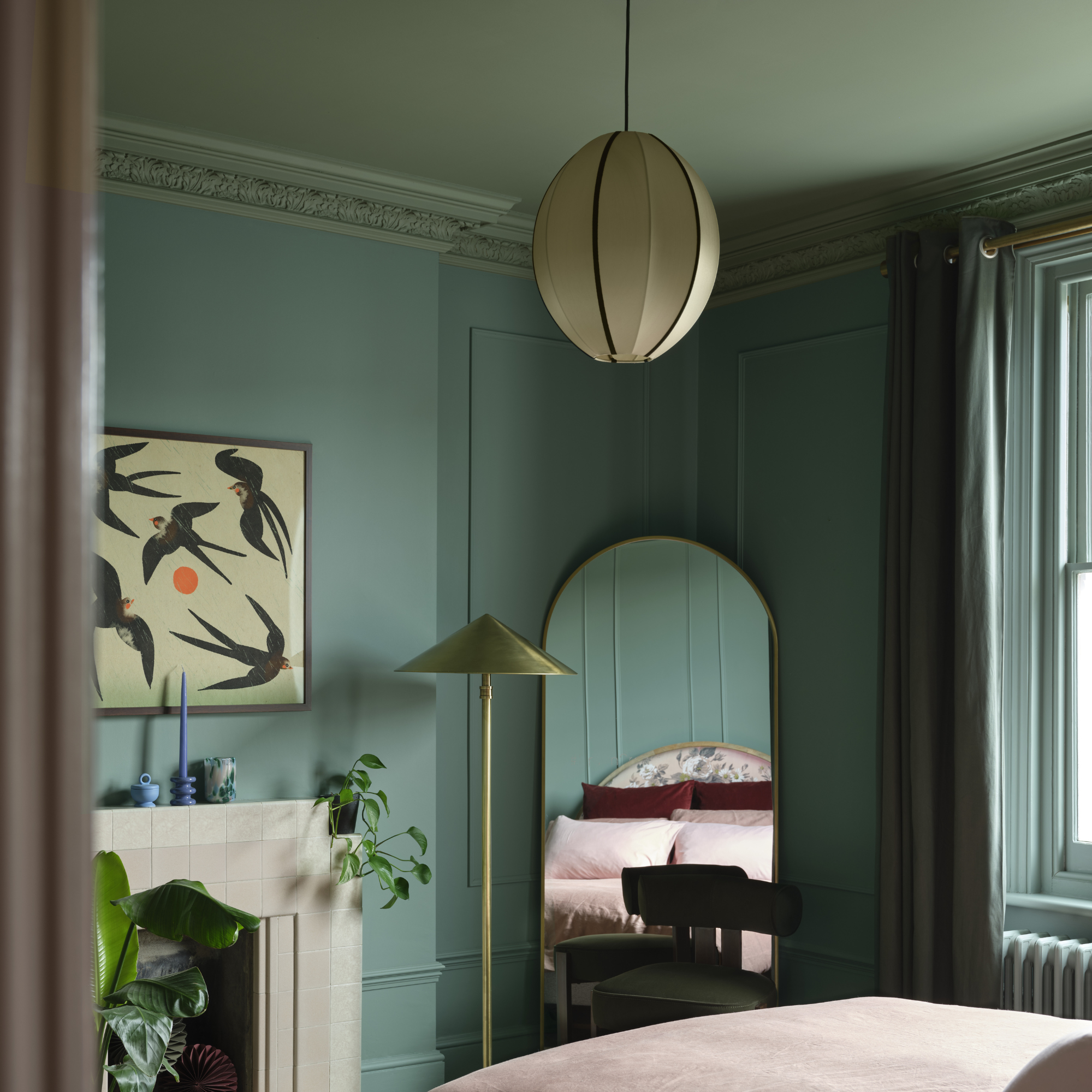
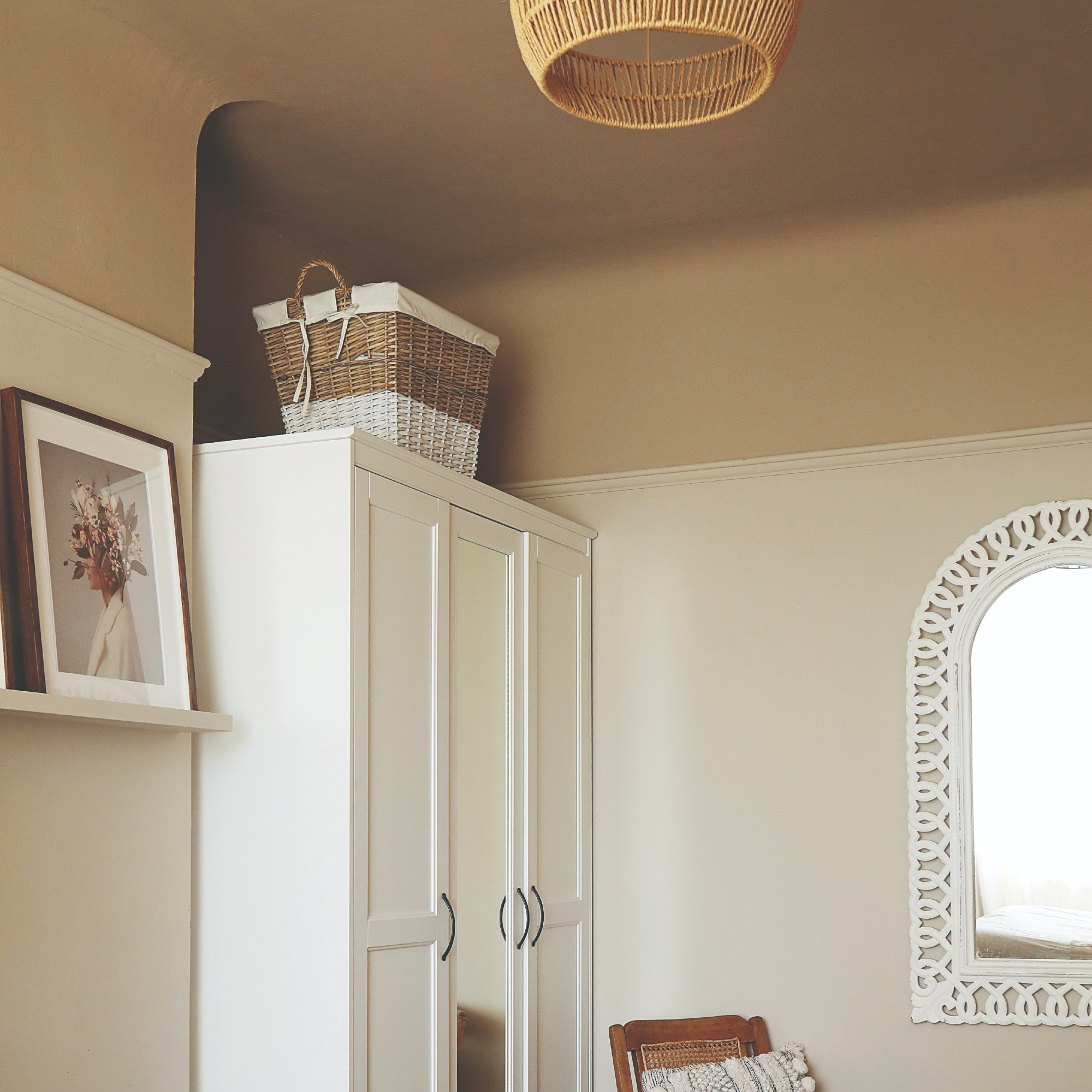
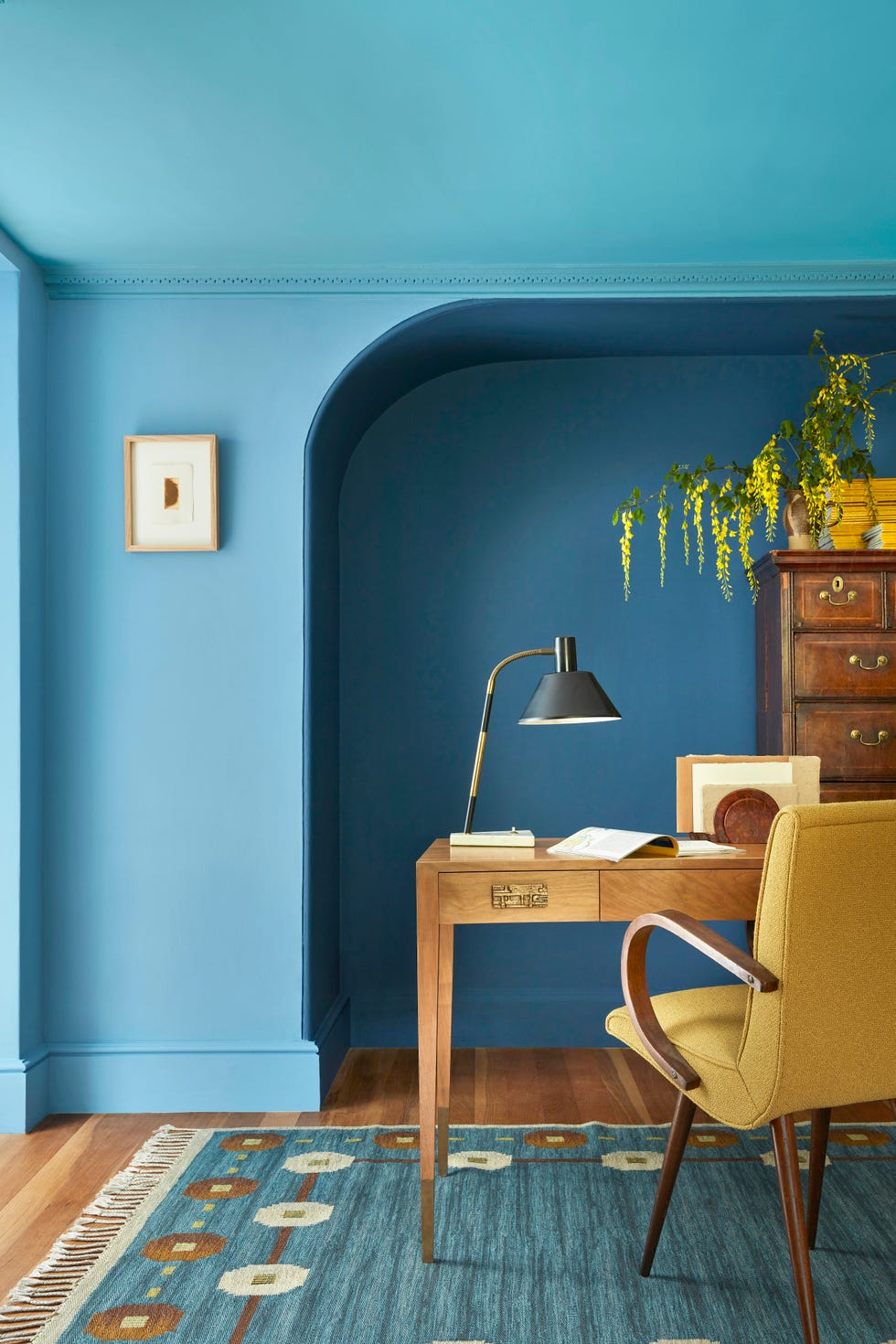
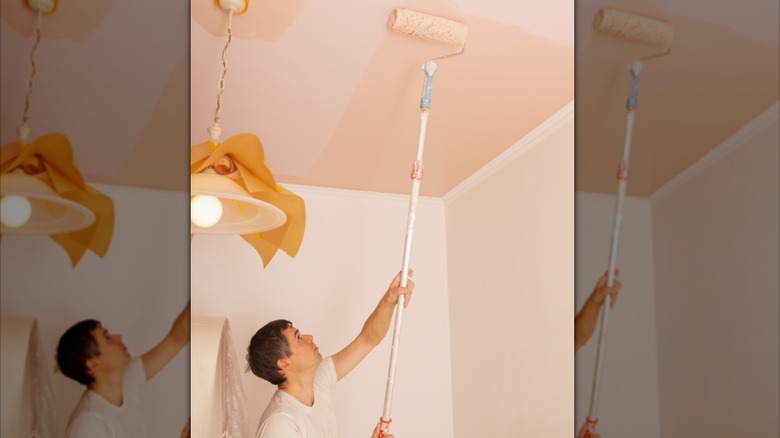
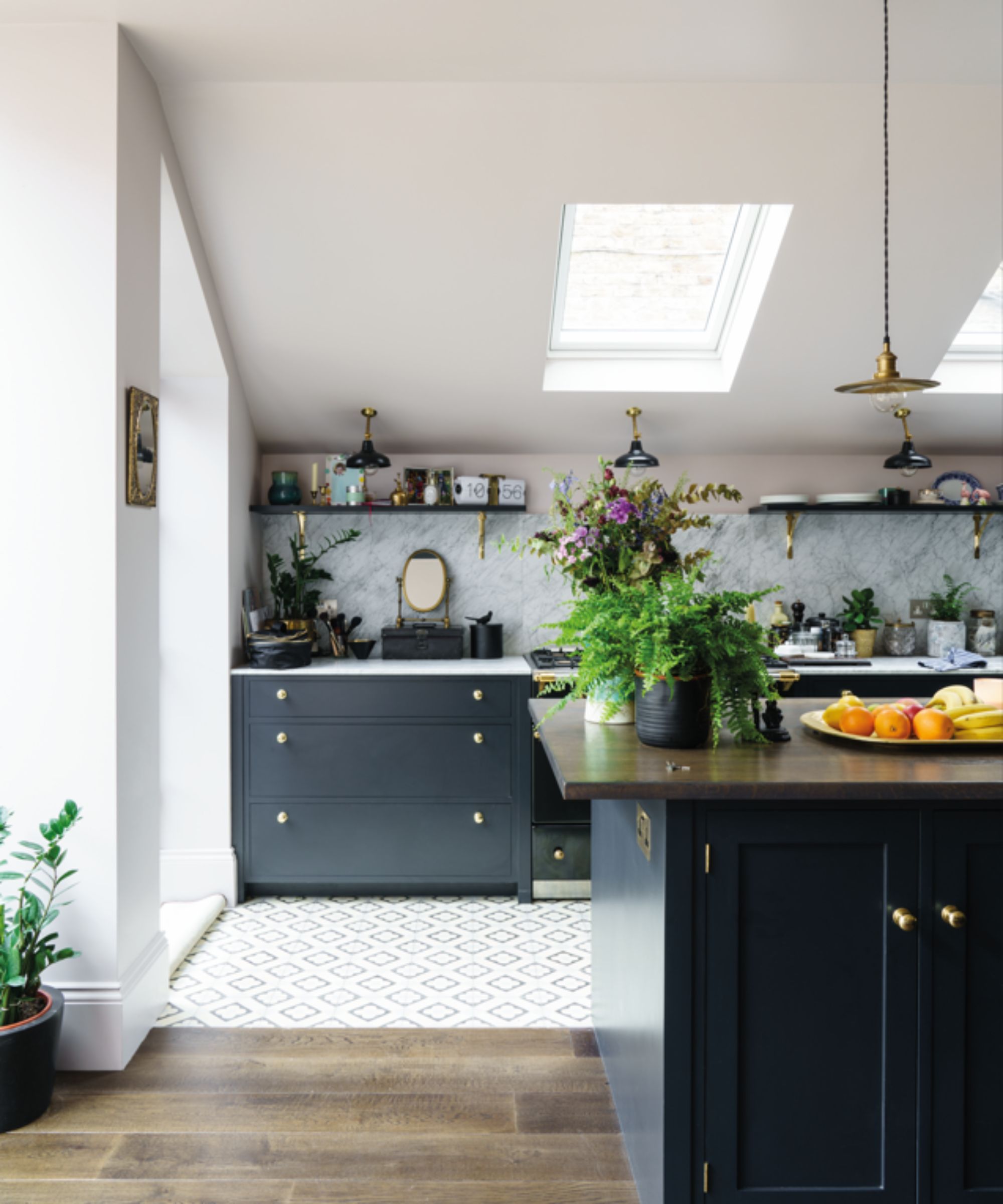
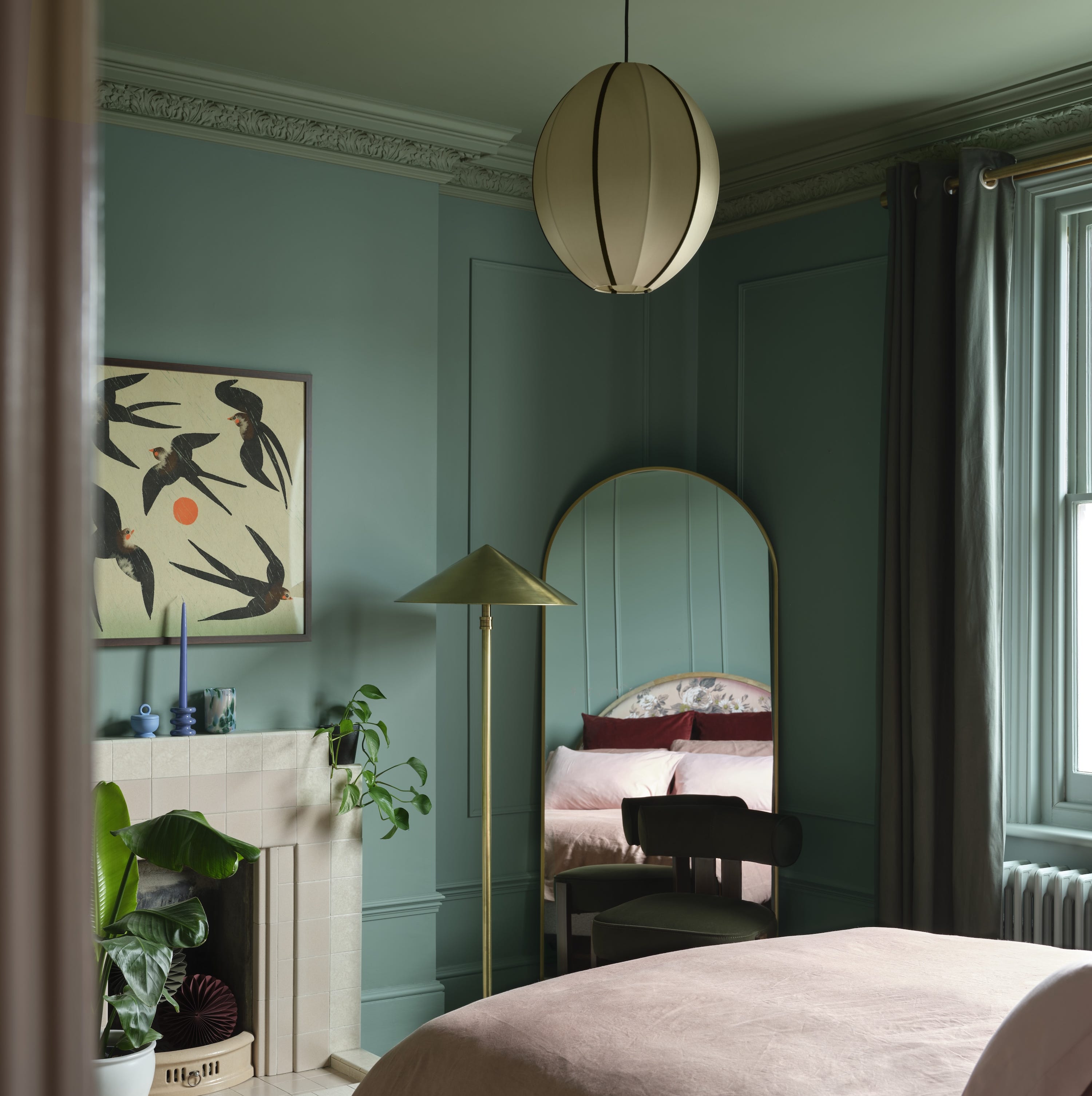
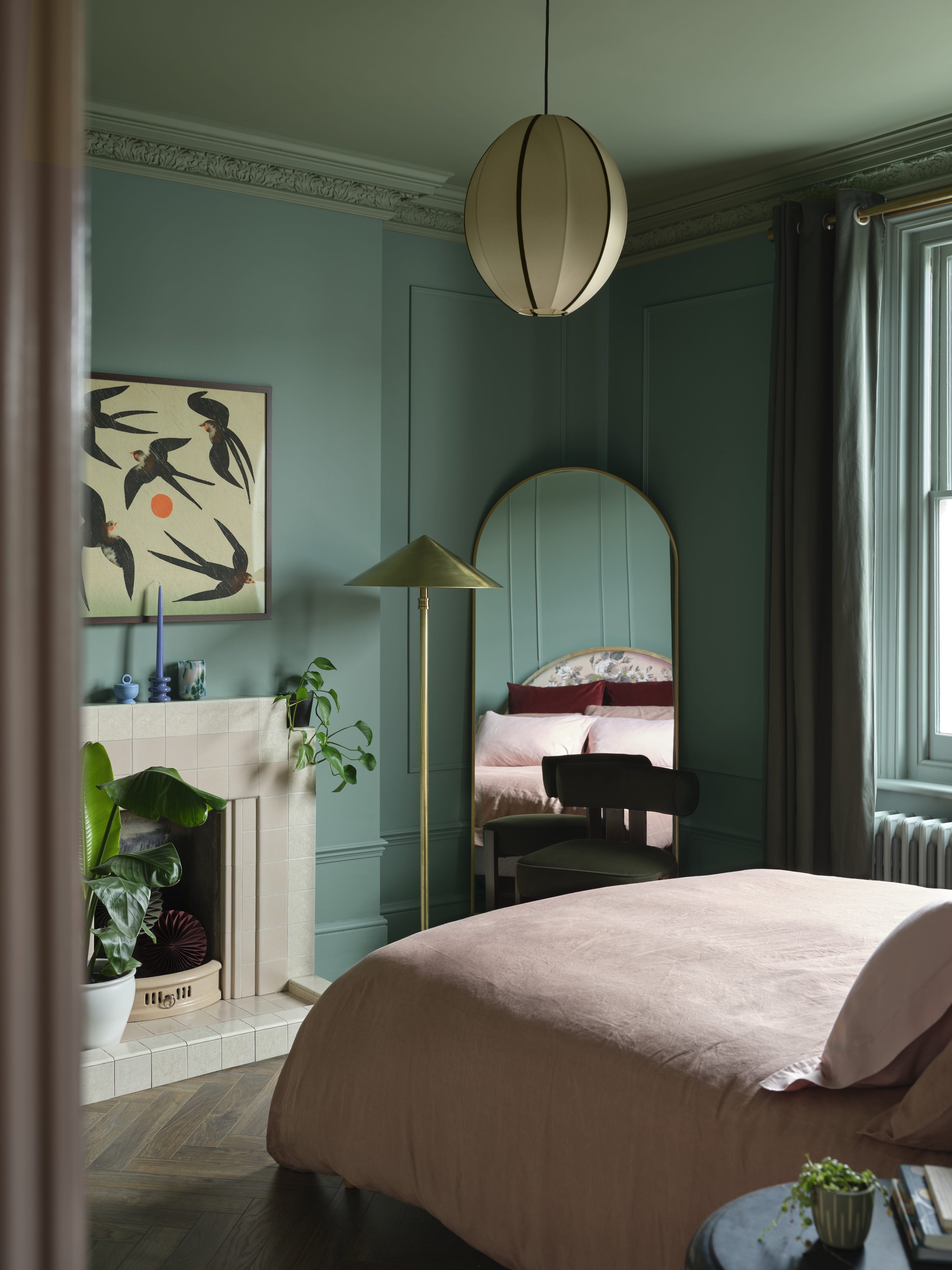
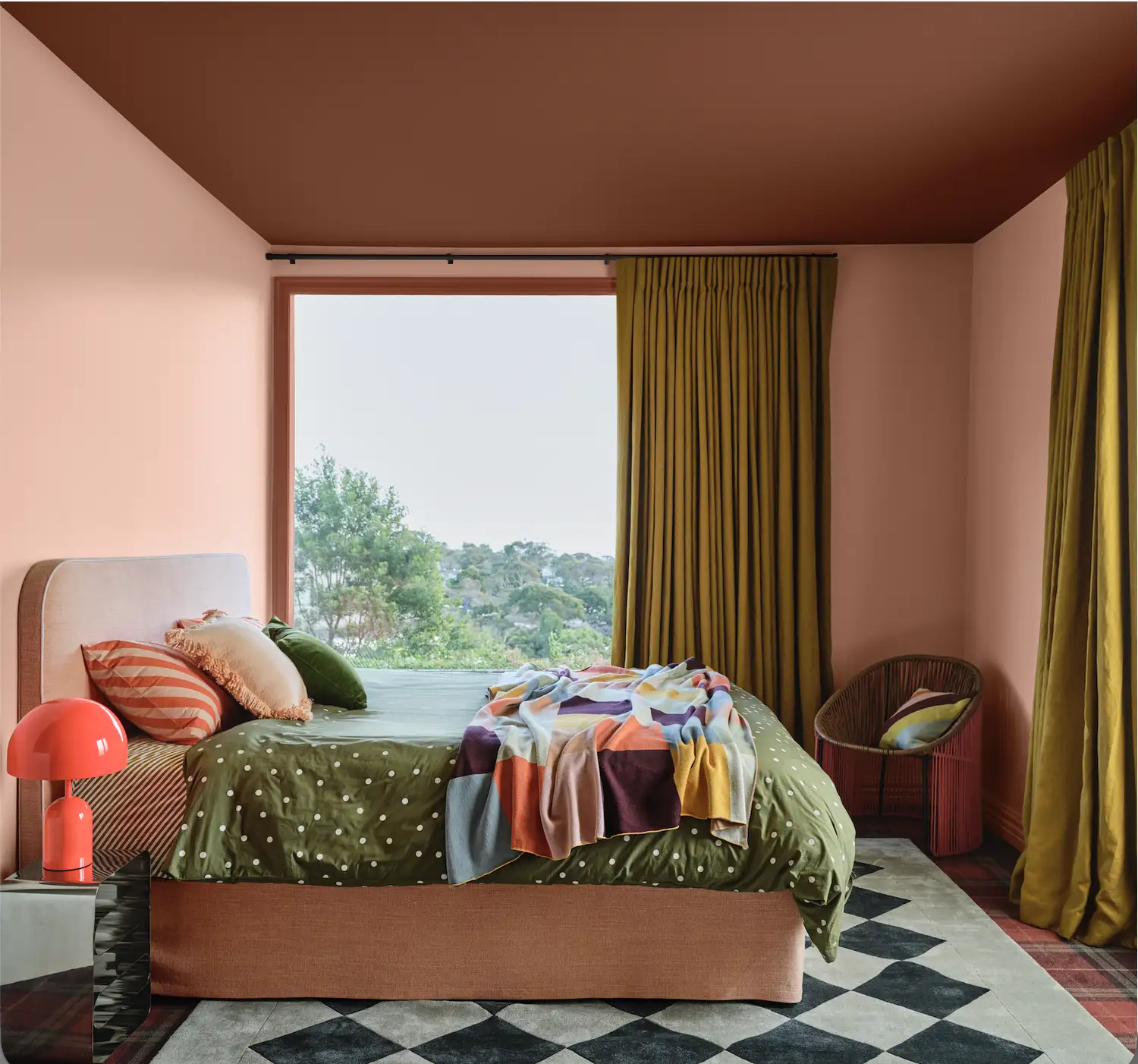
The core principle of color capping is to apply lighter shades on the walls, mid-tones on trims or moldings, and the darkest shade on the ceiling, effectively 'capping' the room. This creates an accent ceiling that harmonizes with the rest of the space, avoiding harsh contrasts. Interior designers emphasize that this gradient effect draws the eye upwards, making rooms feel taller and more expansive, particularly beneficial for smaller rooms or those with intricate architectural details like cornices. The technique is praised for its ability to transform a room's mood and proportion by visually blending different planes, thereby enhancing perceived height and spaciousness.
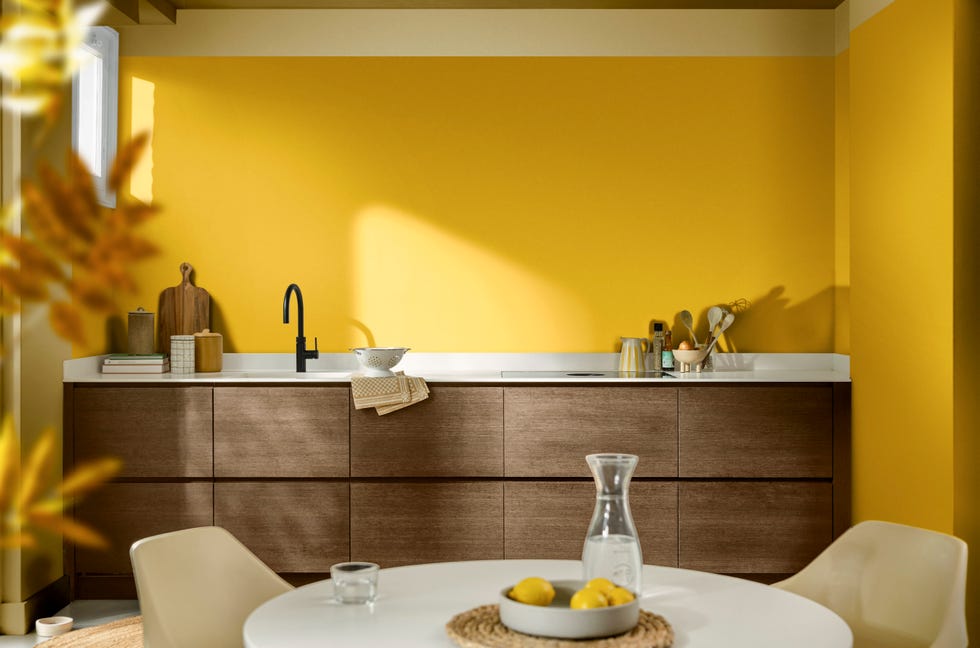
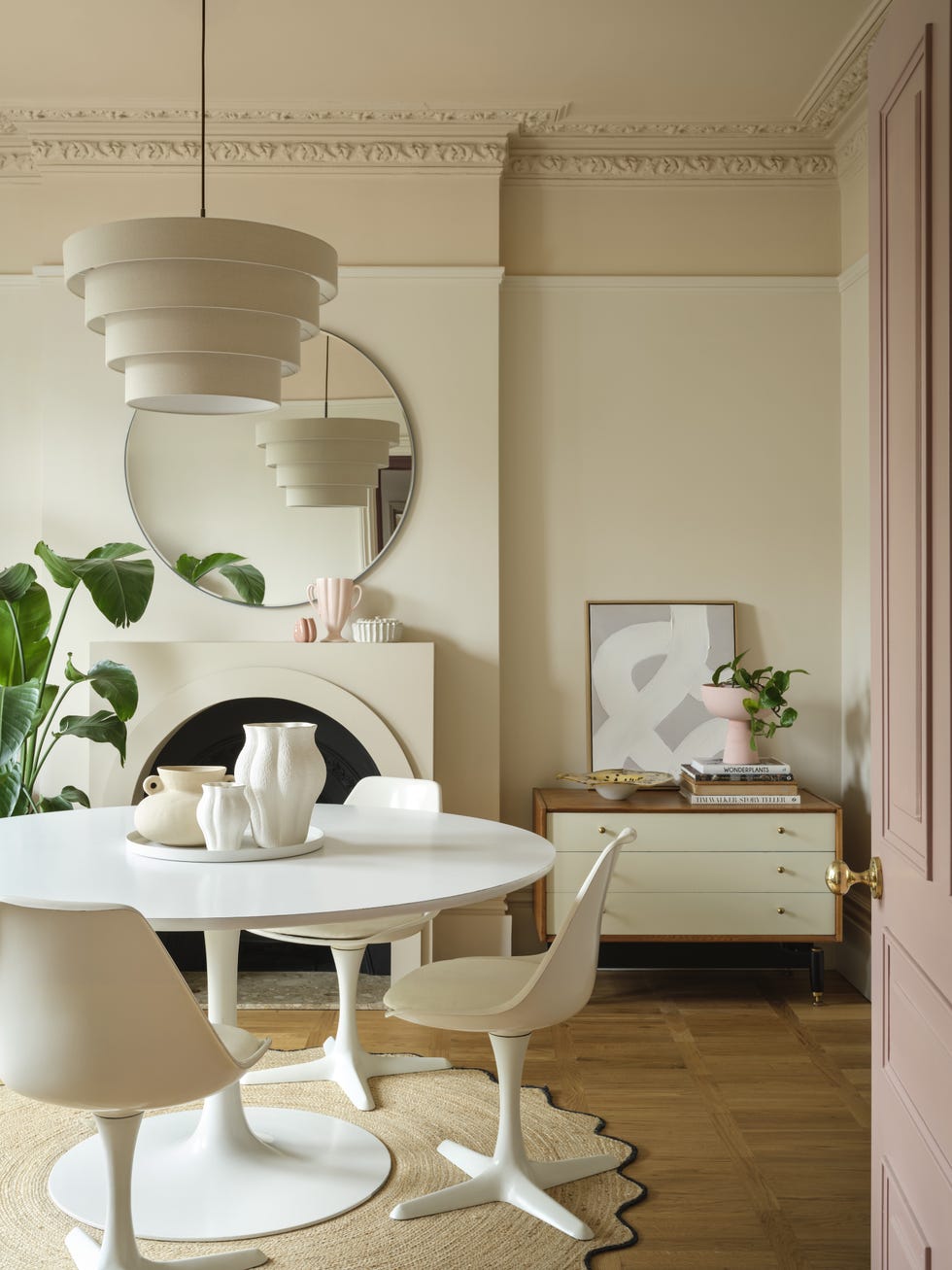
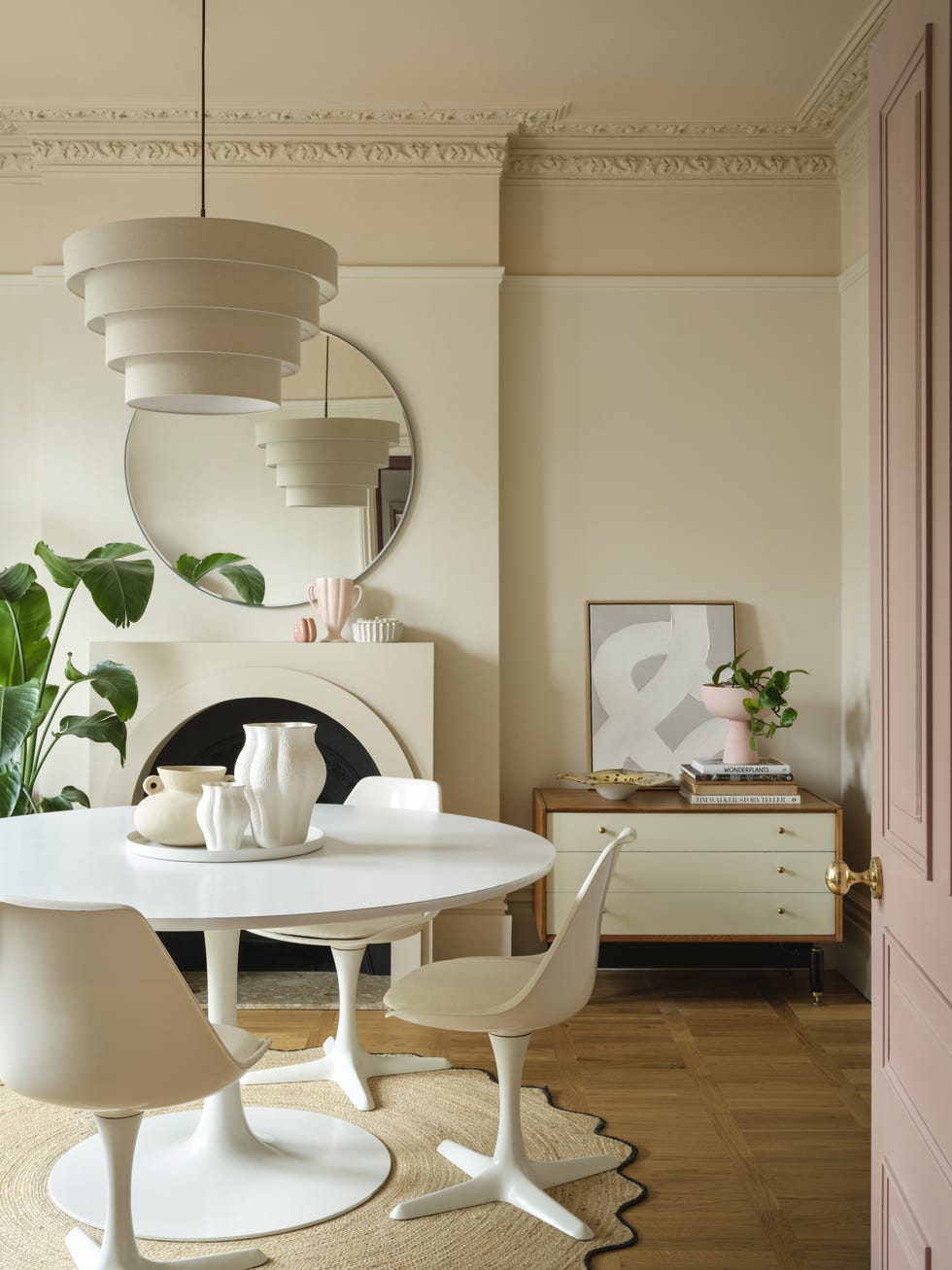
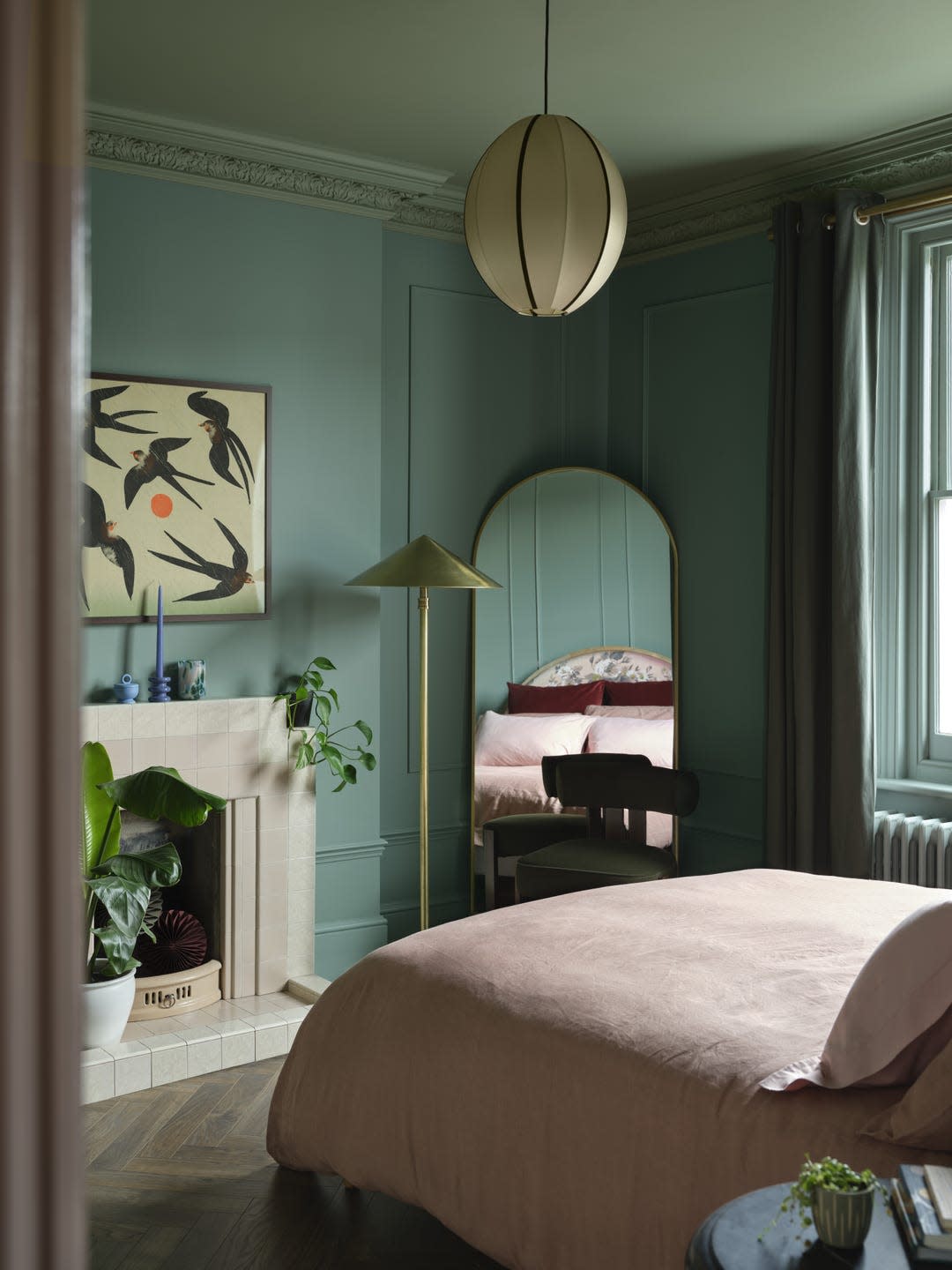
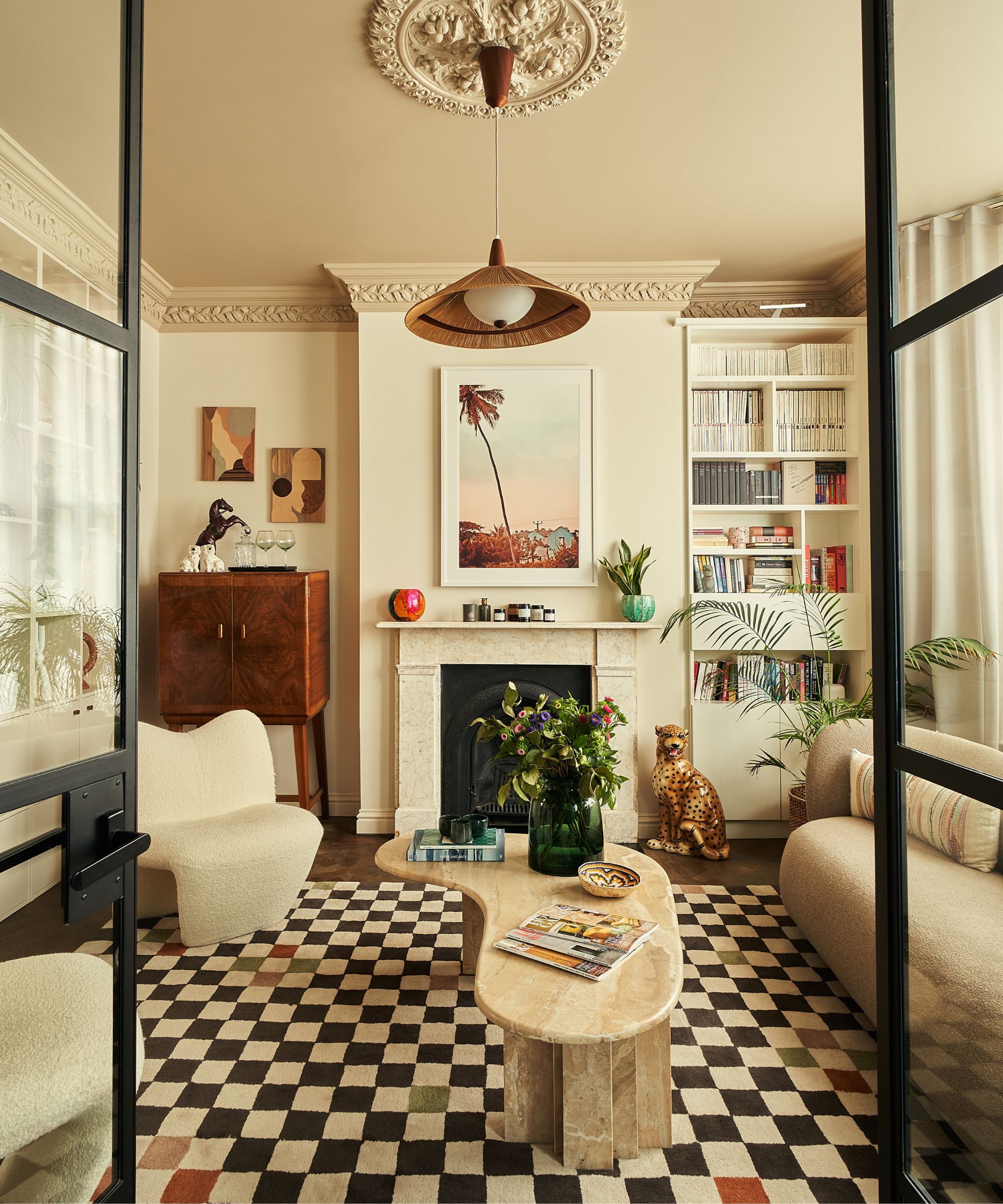
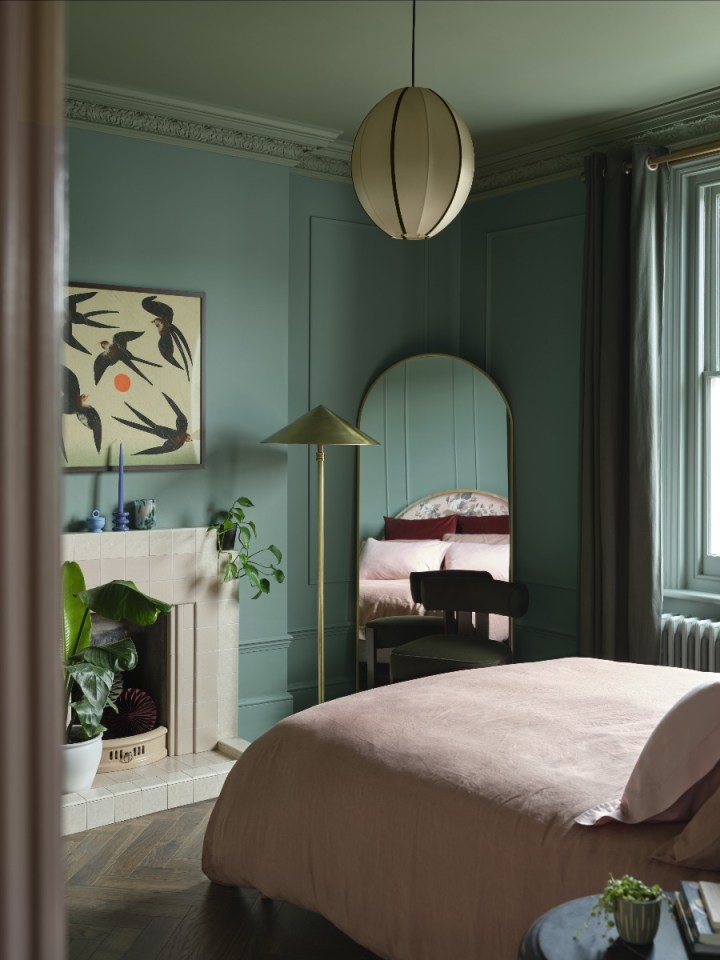
The versatility of color capping makes it suitable for a wide range of properties, from period homes to contemporary spaces. In older homes, it can highlight existing architectural features, while in modern, minimalist interiors, it adds dimension to otherwise flat surfaces. The technique can create a sense of cohesion across a room, and when applied with specific color scales, it allows for a seamless transition of color from one element to another, contributing to a harmonious design scheme. This approach is particularly appealing to those who might be hesitant to embrace bolder paint trends but still seek to introduce sophisticated color dynamics into their living spaces.
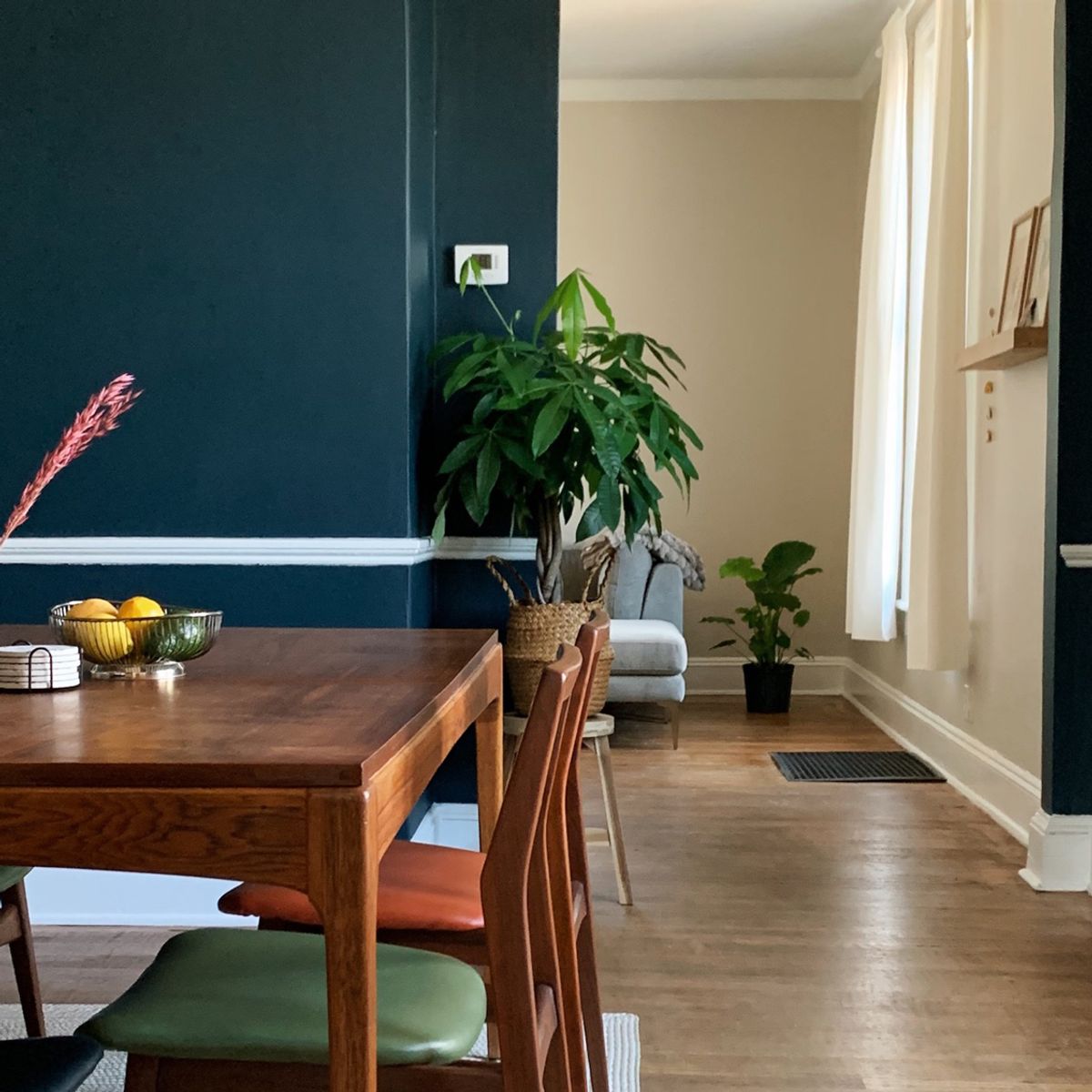
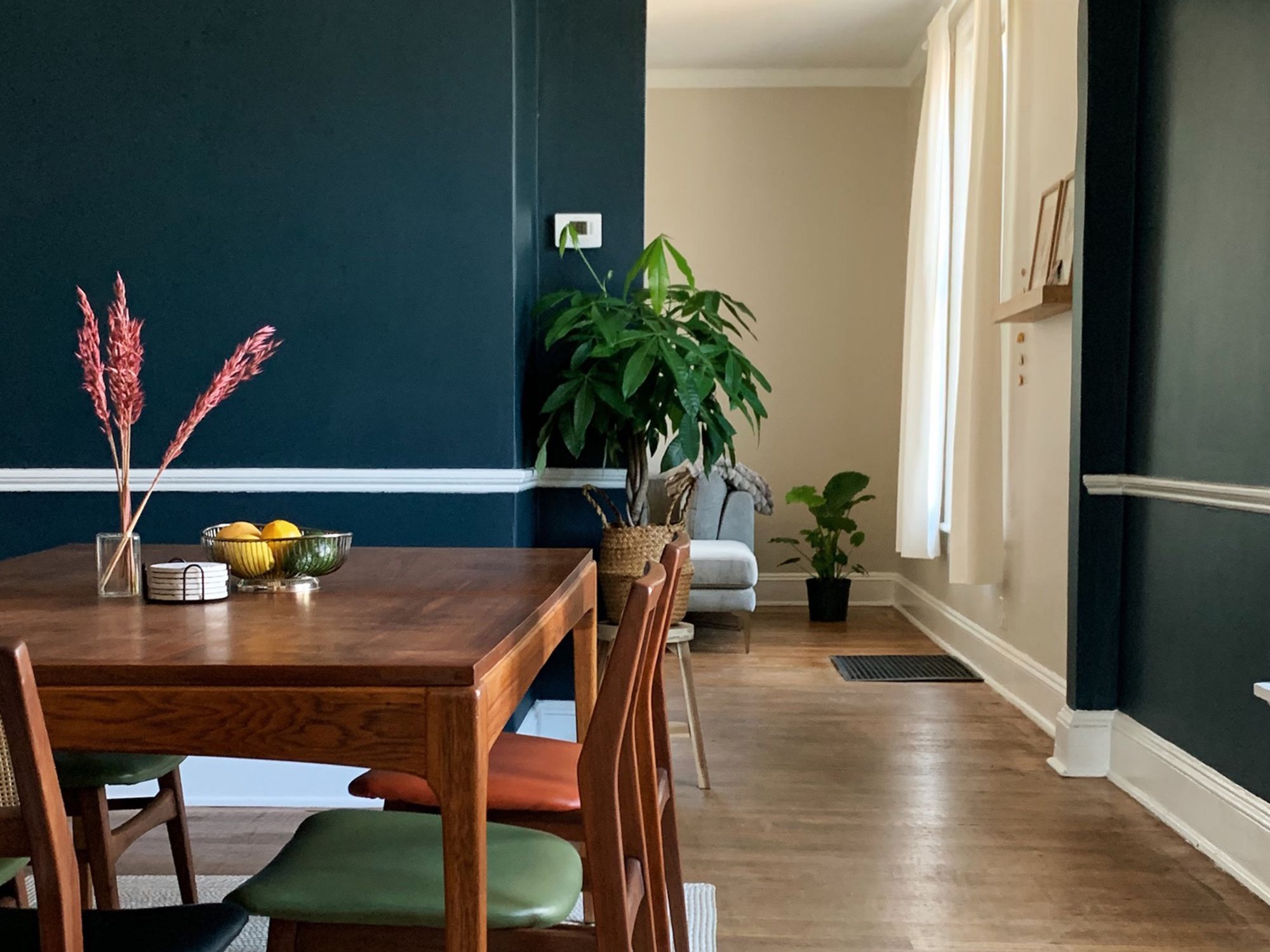
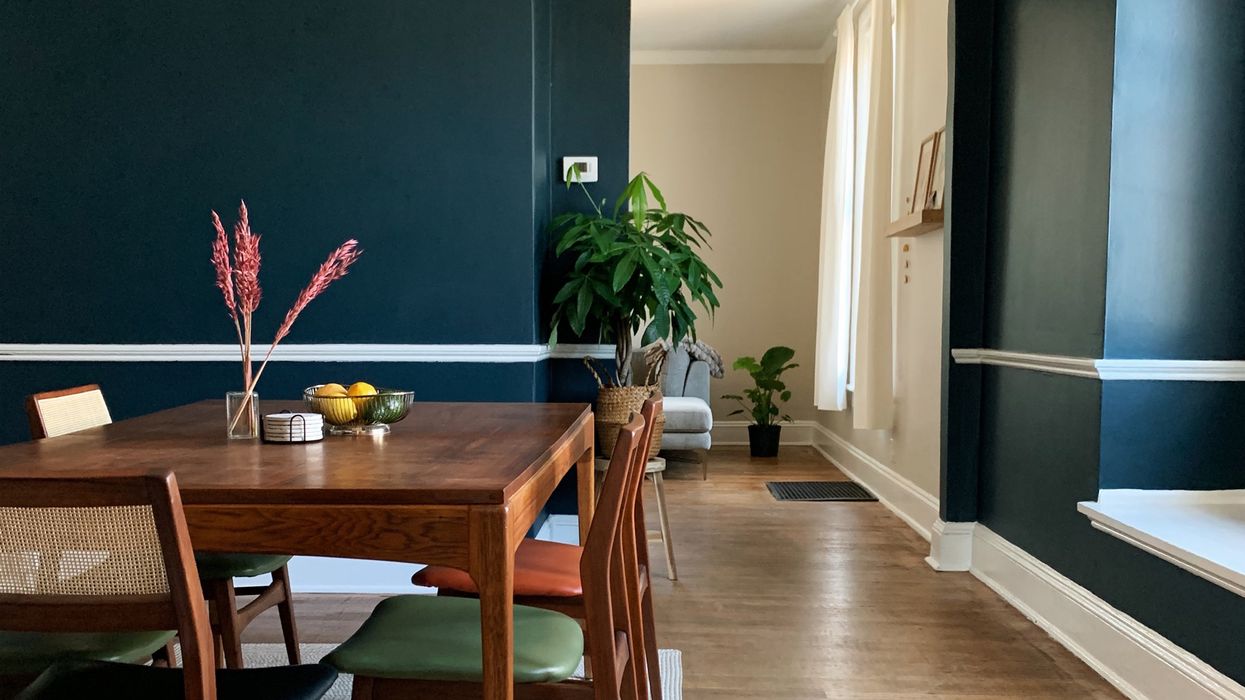
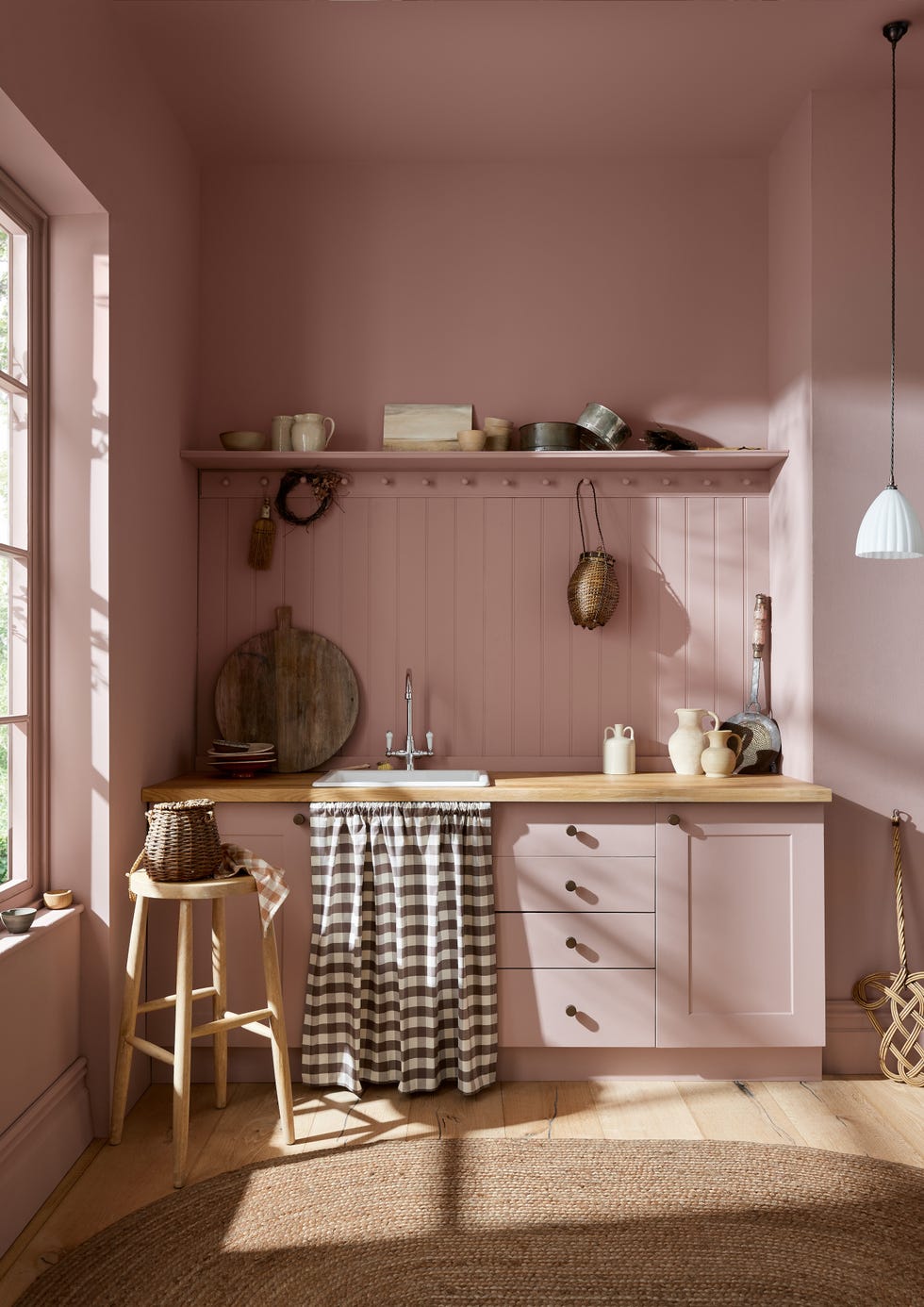
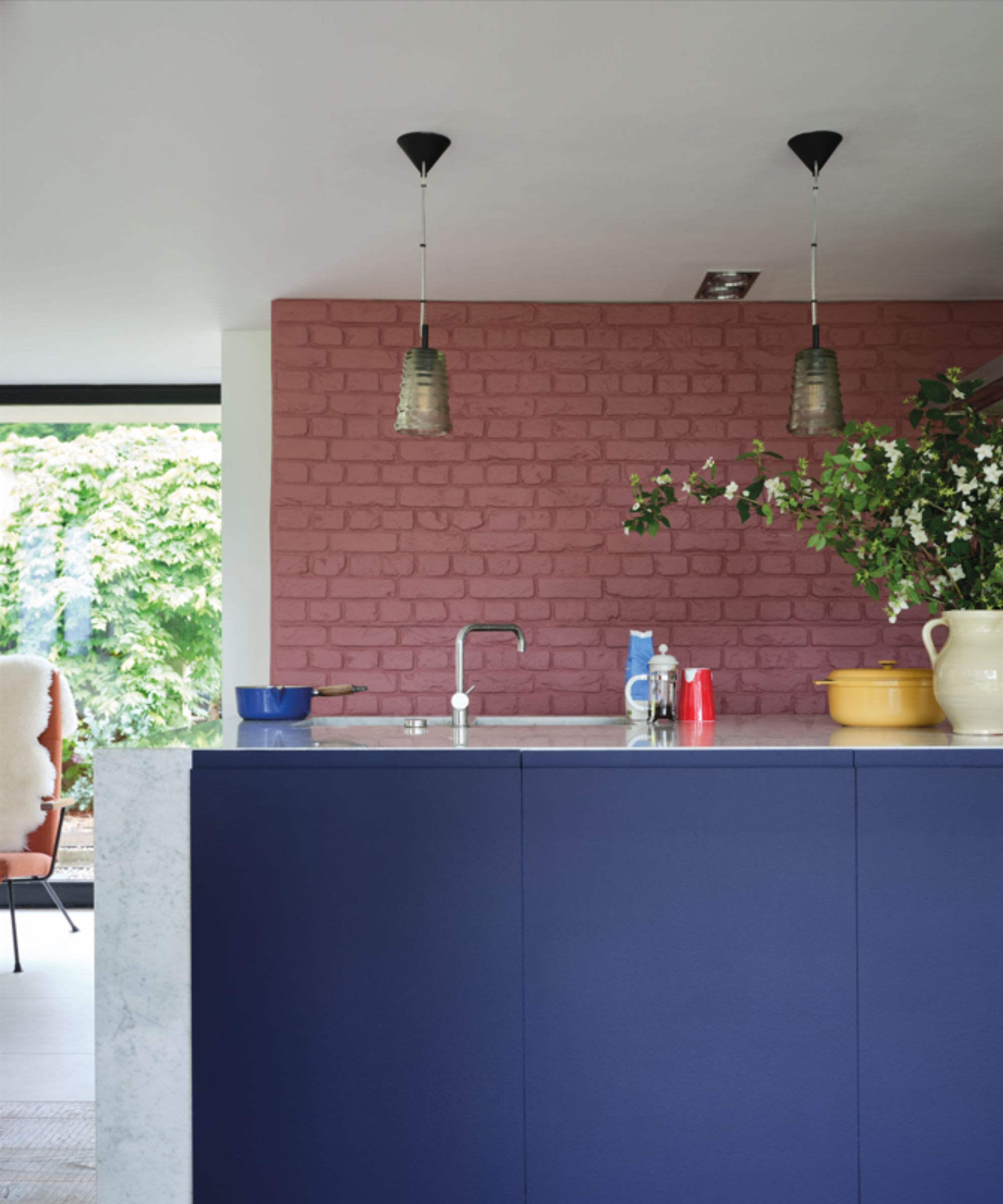
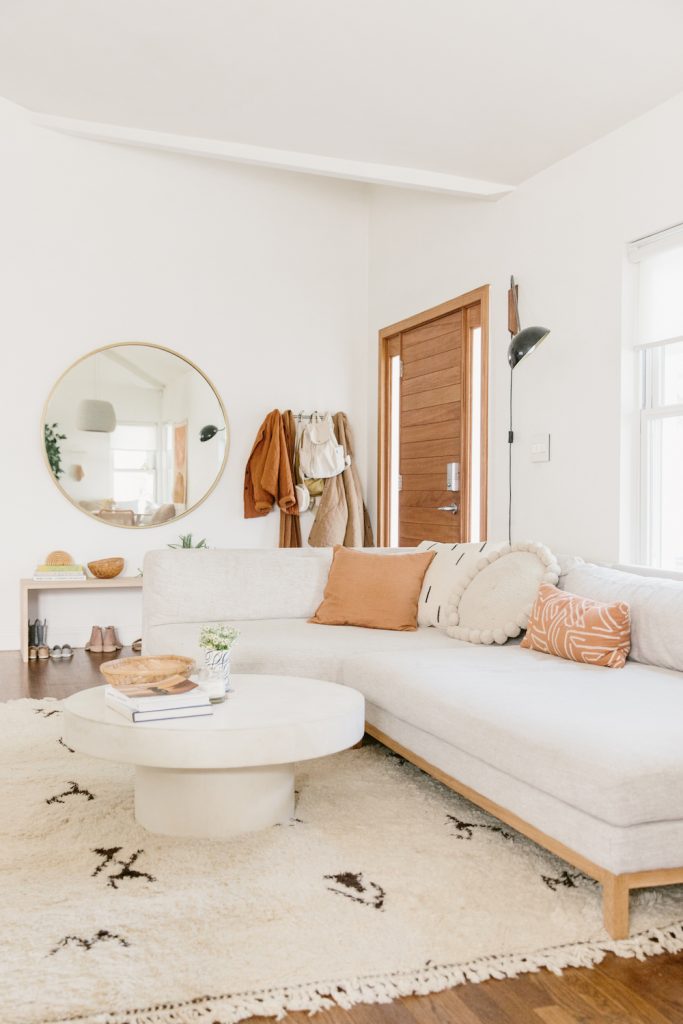
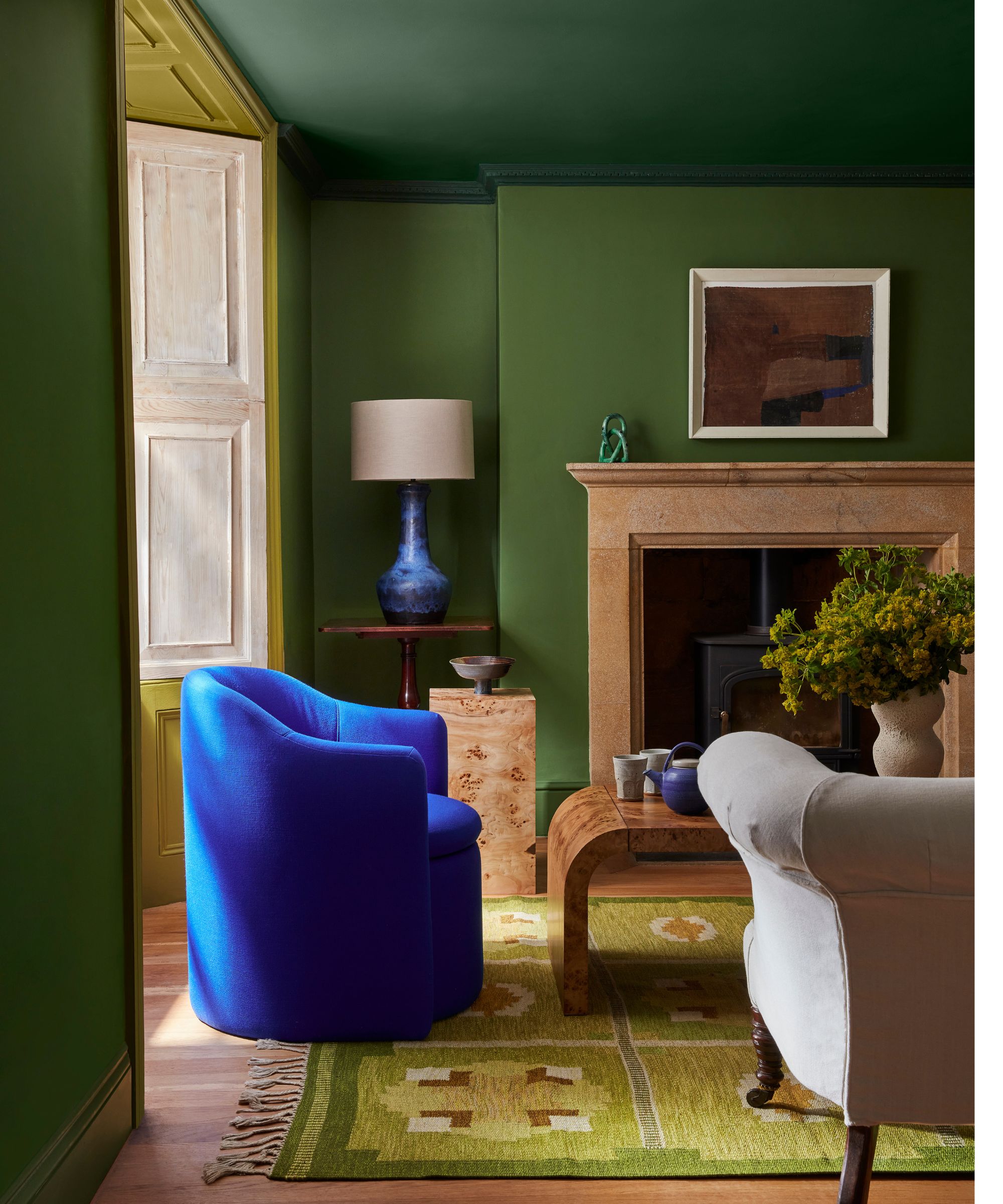
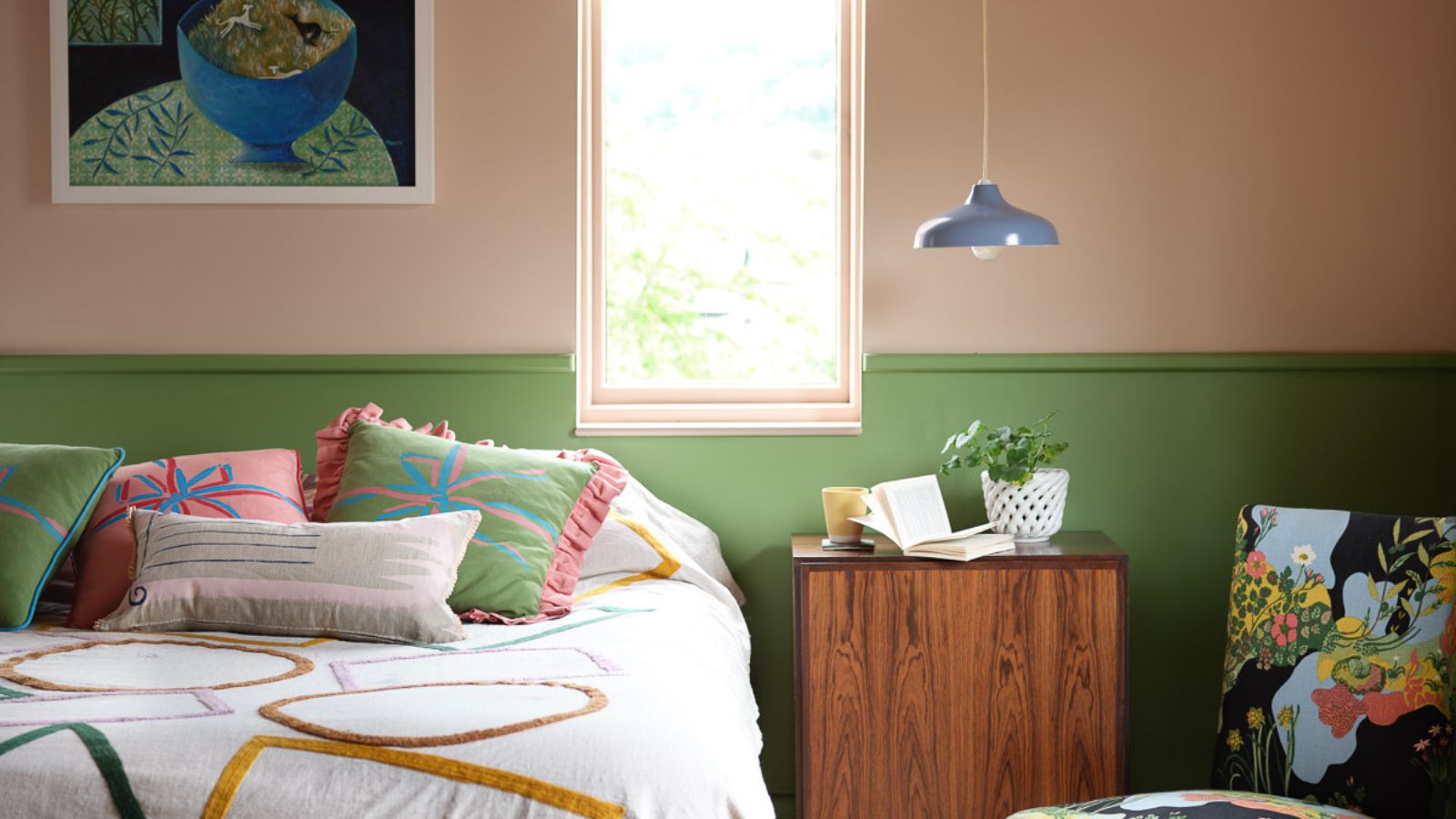
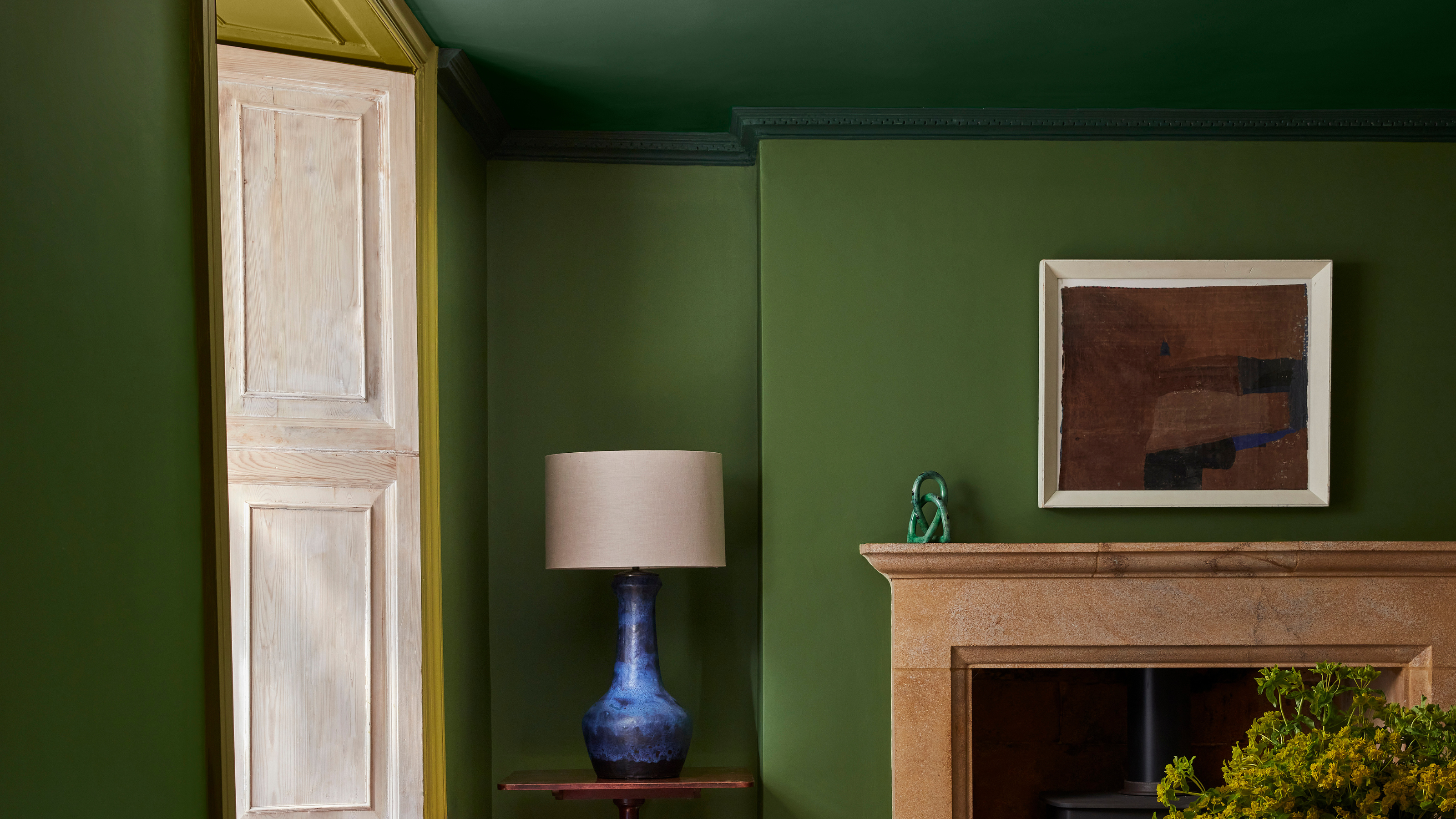
Color capping is effective with various color palettes, from soft neutrals and quiet luxury schemes to richer jewel tones. When working with neutrals, designers suggest using shades that share undertones, such as soft clay for walls, warmer terracotta for moldings, and a deeper tone for the ceiling. For those without moldings, the wall color can stop just below the ceiling line, allowing the ceiling to carry the darkest tone. This creates a subtle yet elevated look. For bolder schemes, rich jewel tones or earthy pinks and greens can be graduated from light to dark to achieve dramatic and dimensional effects.
To maximize the impact of color-capped schemes, designers advise extending the chosen color palette to textiles, window treatments, and upholstery within the room. This comprehensive approach ensures that the entire space feels cohesive and thoughtfully designed from floor to ceiling. The rise of color capping indicates a shift towards more sophisticated and subtle paint techniques that enhance a room's architectural integrity and create a polished, layered aesthetic. Given its adaptability and visually impactful results, color capping is positioned to be a lasting trend in interior design, providing an accessible yet elegant way to update home decor.
#ColorCapping #InteriorDesign #PaintTrends #HomeDecor #RoomProportion #ColorSchemes #BenjaminMoore #AccentCeiling #TonalTechnique #ColorCapping #InteriorDesign #PaintTrends #HomeDecor #RoomProportion #ColorSchemes #BenjaminMoore #AccentCeiling #TonalTechnique
0 comment in total
 No comments yet
You may also like
Meet 'colour capping', the paint trend set to take over 2026
This British Paint Trend Is Set to Take Over 2026

Deeper, moody colours and precious jewel tones are in style this year
Color Capping Is the Surprising Interior Design Trend Everyone Will Be Trying in 2026
Designers Predict This Will Be The Biggest Paint Trend Of 2026

Interiors experts predict this will be the biggest paint trend of 2026

Move Over, Color Drenching— Color Capping Will Dominate 2026 Interiors

Stripe drenching is the hot new twist on colour drenching
'Colour capping' is the new paint trick design experts are using to make a room feel bigger – how to make it work in your home
The Latest Color Trend You'll Be Seeing Everywhere In Fall 2025
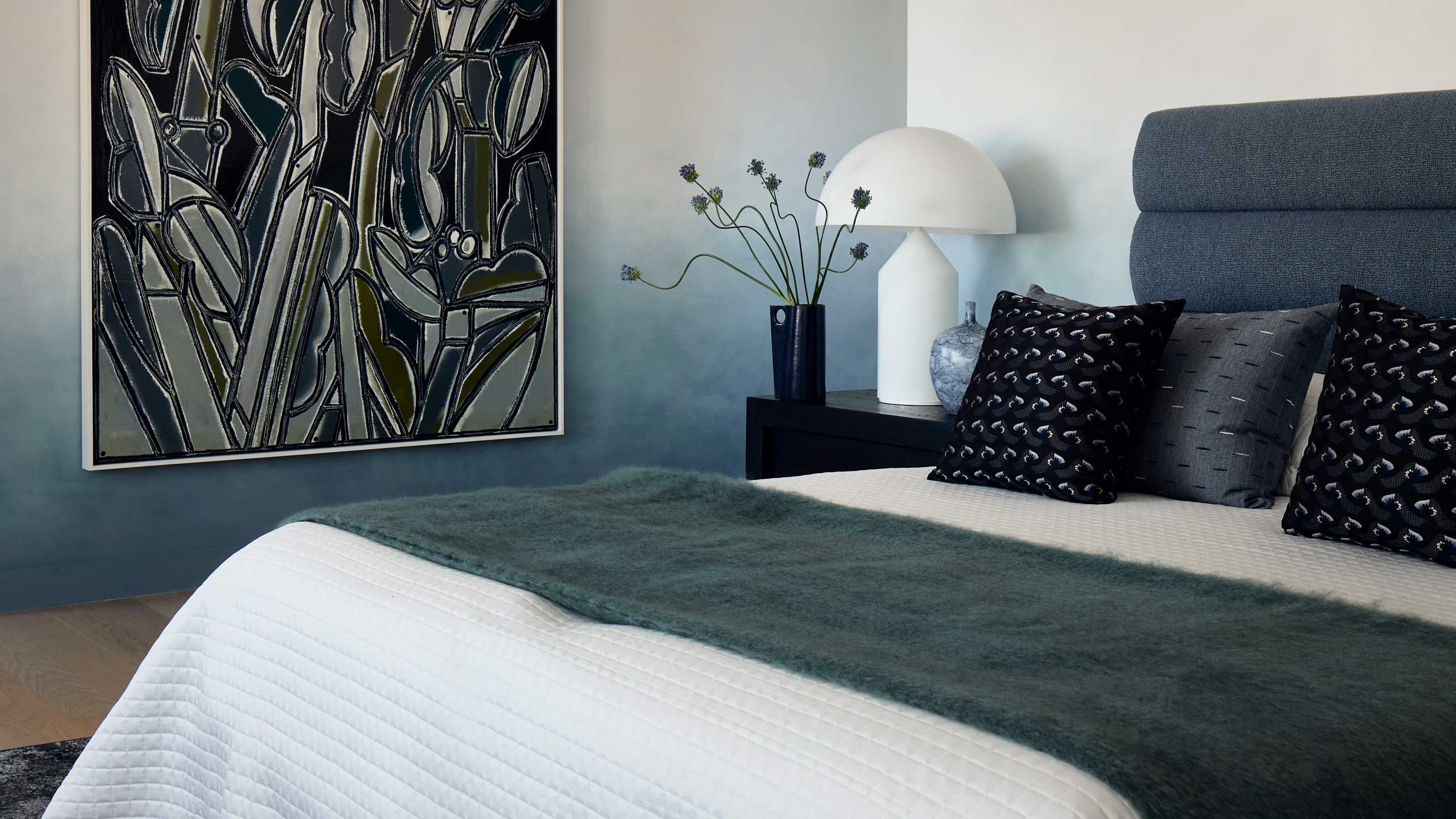
This surprising color trend is having a comeback

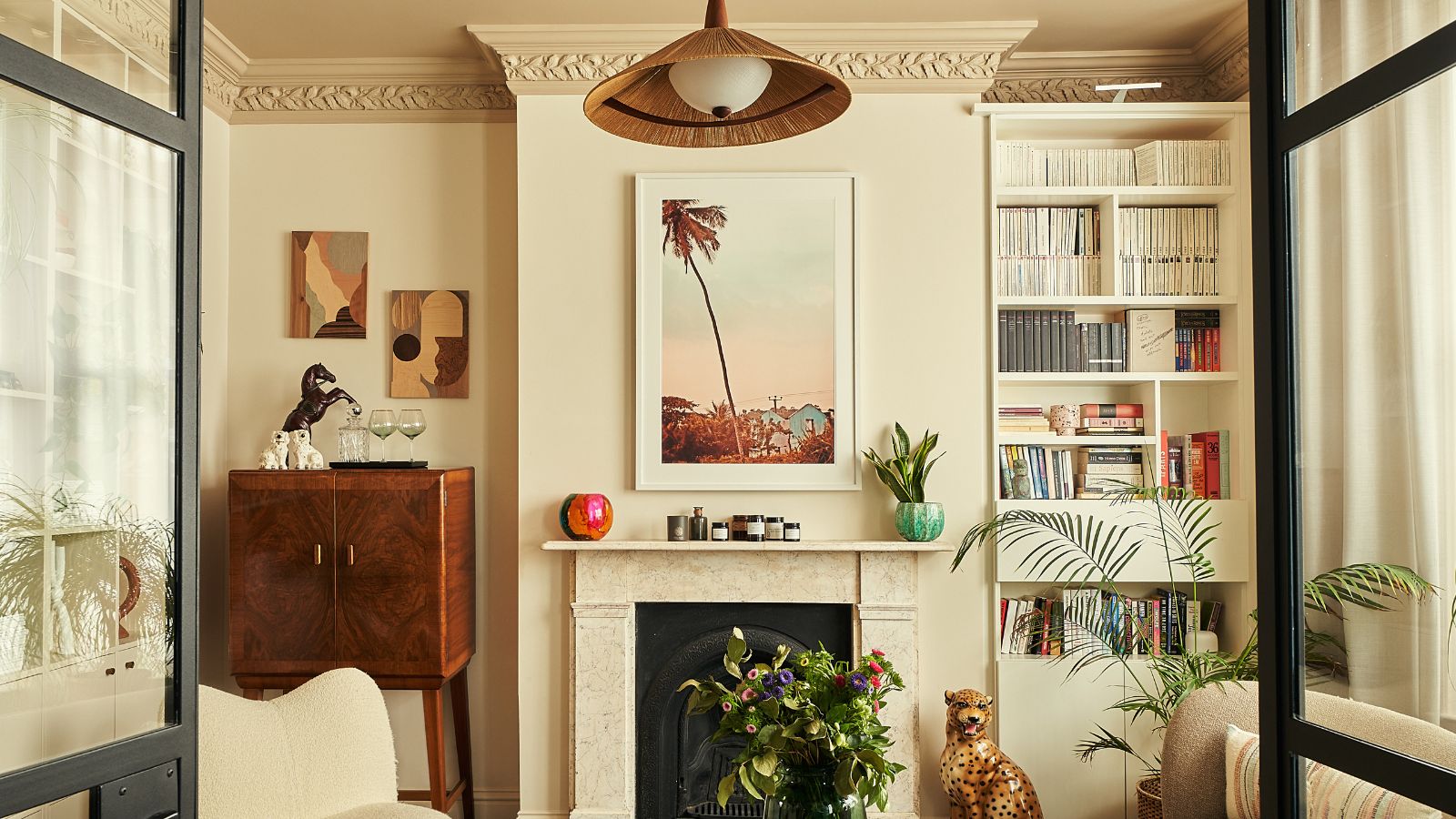
Goodbye plain white ceilings – designers say color capping is the clever paint hack that makes a small living room feel taller

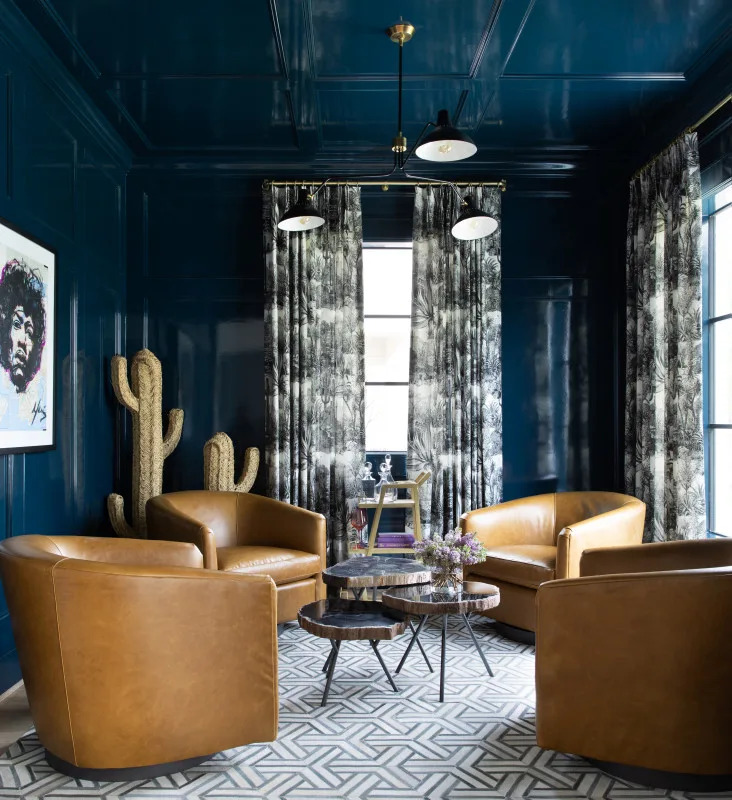
Color Drenching Is the Bold Paint Trend Taking Over—Here’s How to Nail It
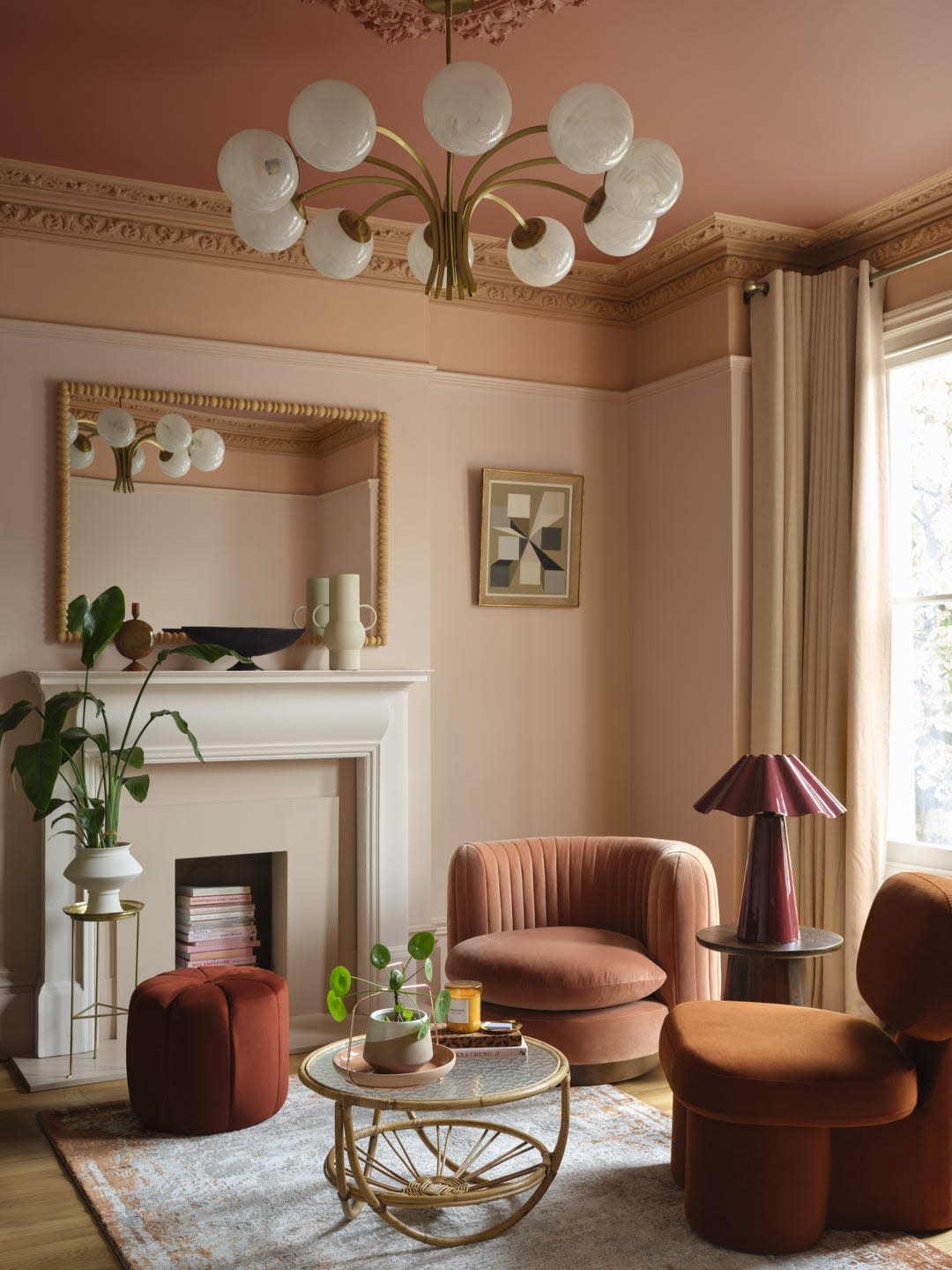
This British Paint Trend Is Set to Take Over 2026

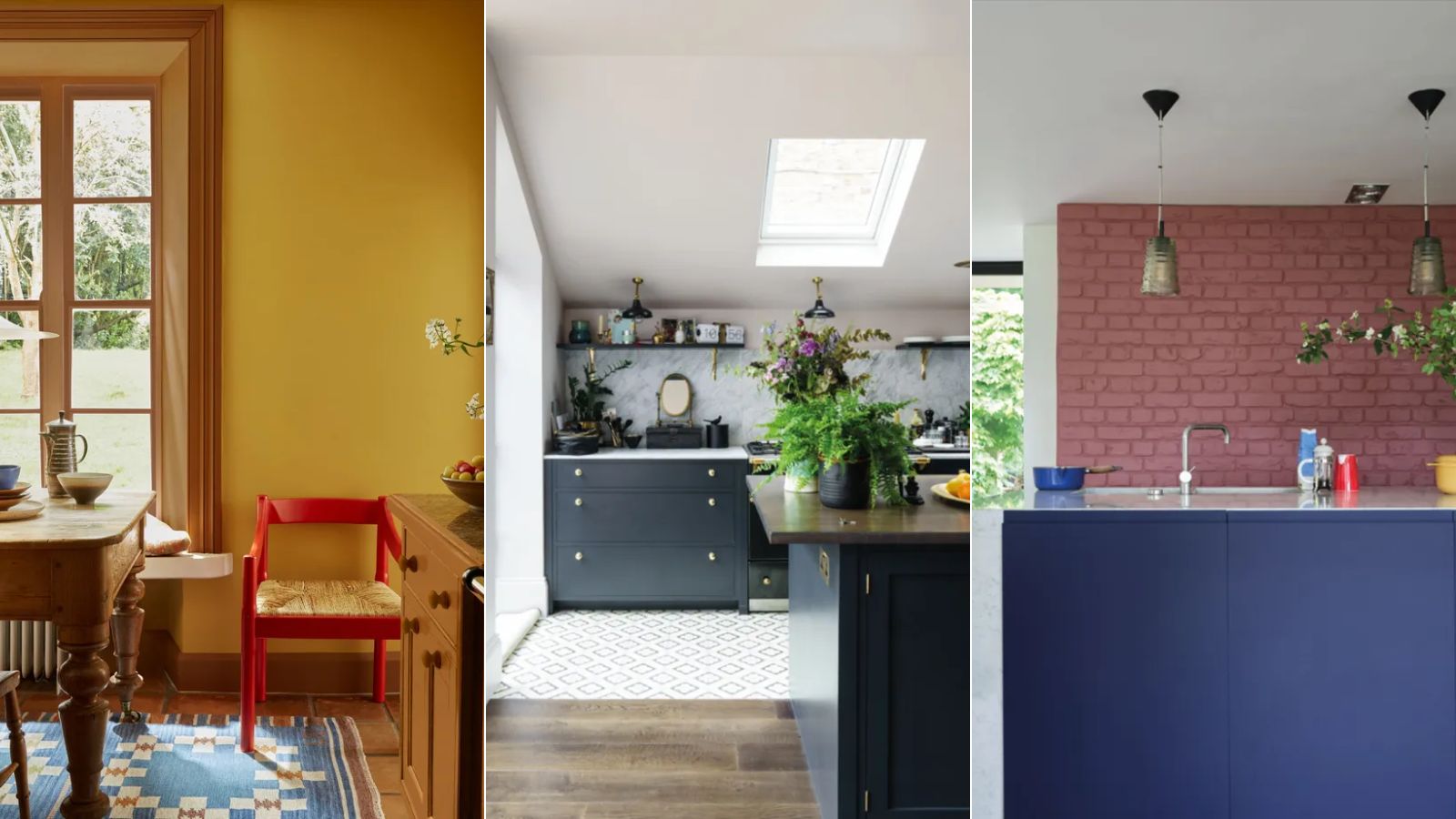
Designers are swapping tonal color schemes for high-contrast hues – here's how to do this daring color trend stylishly
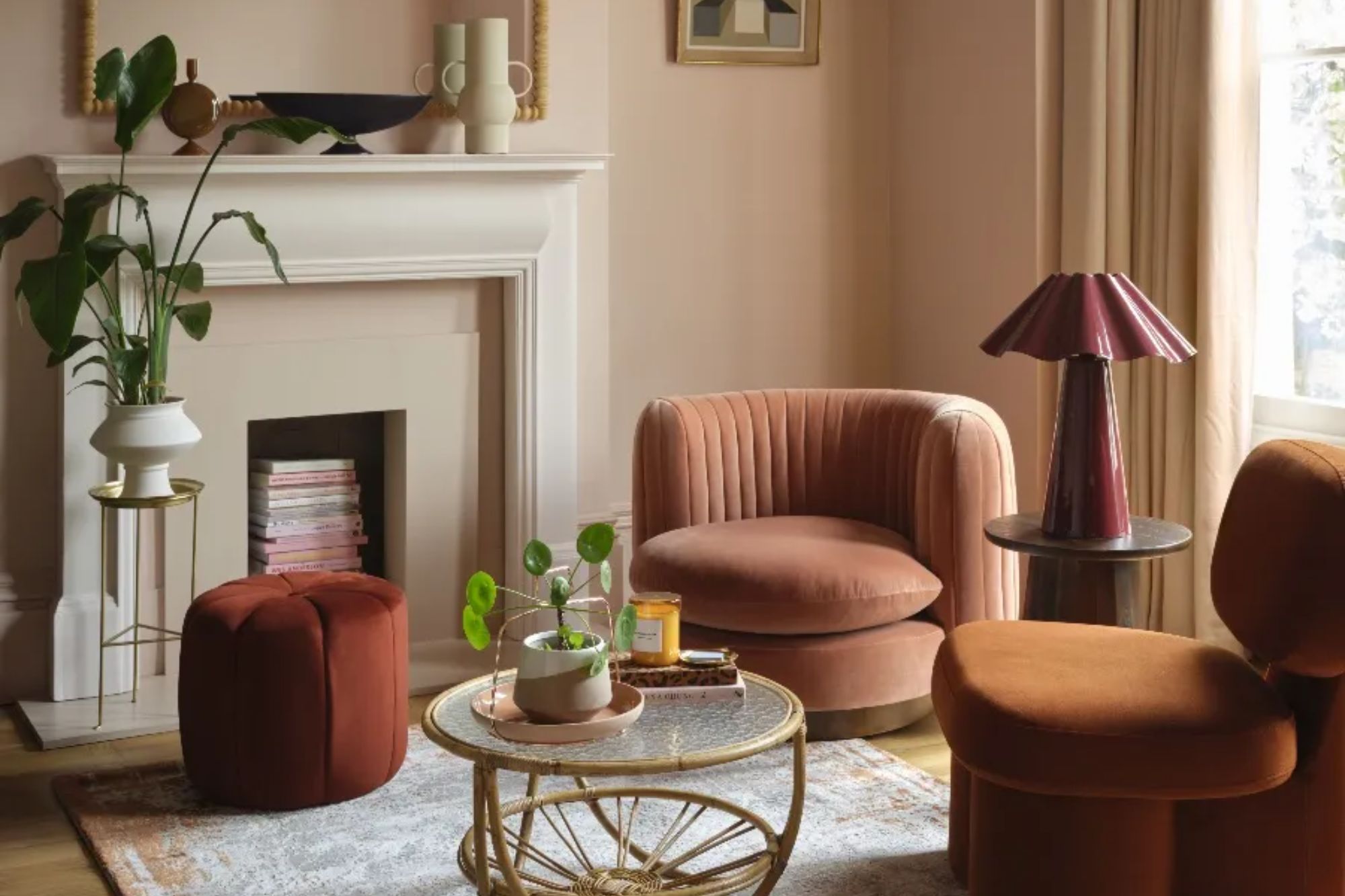
Interior designers reveal the home decor trend that will take over 2026 & why it's time to bin off accent walls
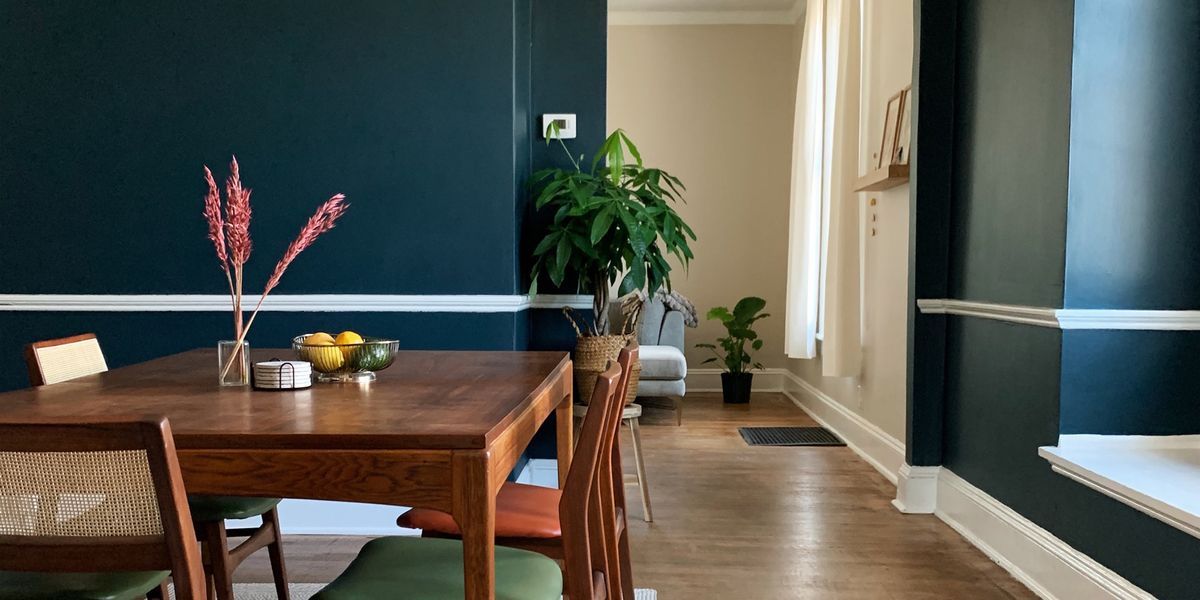
Fall’s Most Stylish Paint Color Trends Have Us Swooning
This Controversial Y2K Trend Is Back—Here’s How to Wear It In 2025 (Plus 1 Look to Avoid)

Designers Weigh In on the 7 Biggest Paint Color Trends of Fall 2022
This Color Trend Is Taking Over Homes—And It Makes Any Space Look Bigger