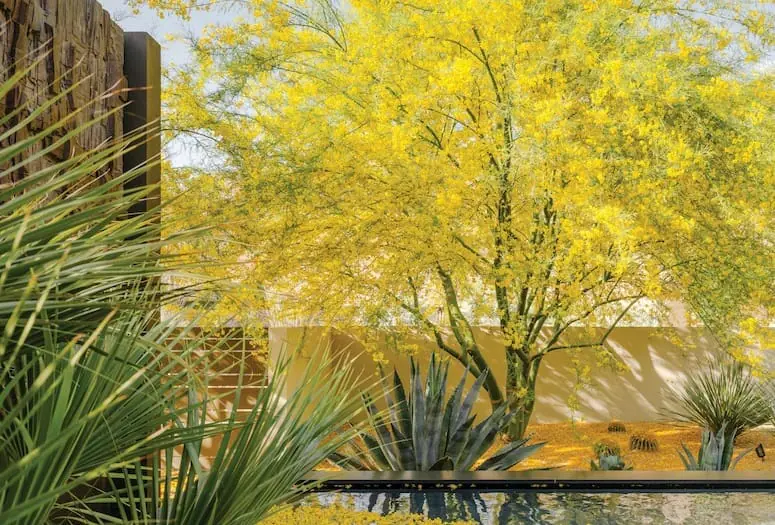
1/13
Landscape Architects Design to Please the Senses in Palm Springs
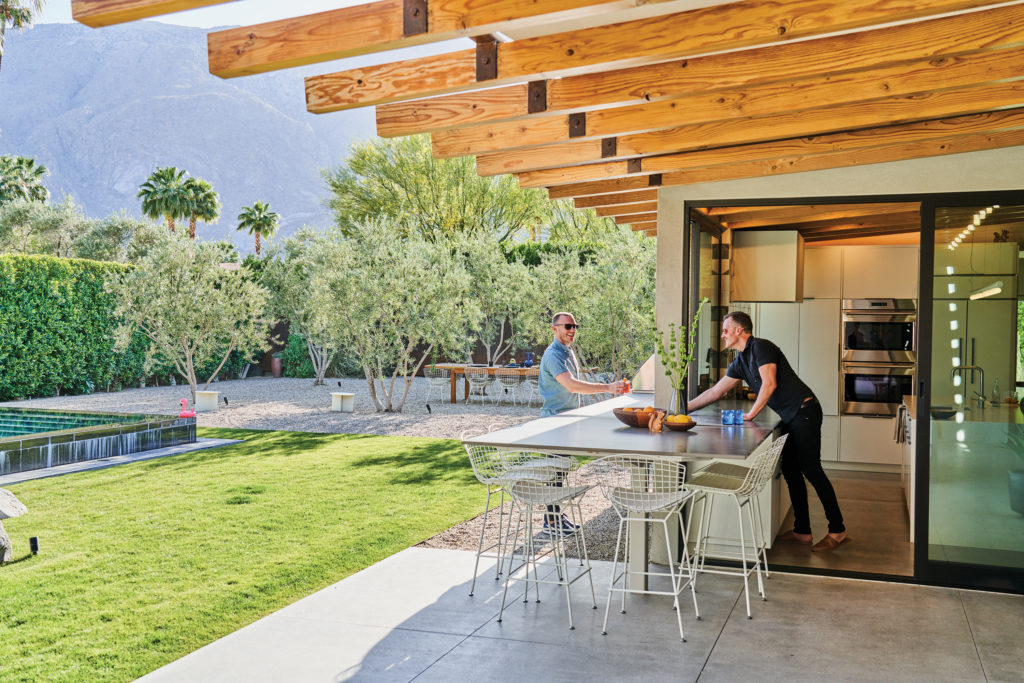
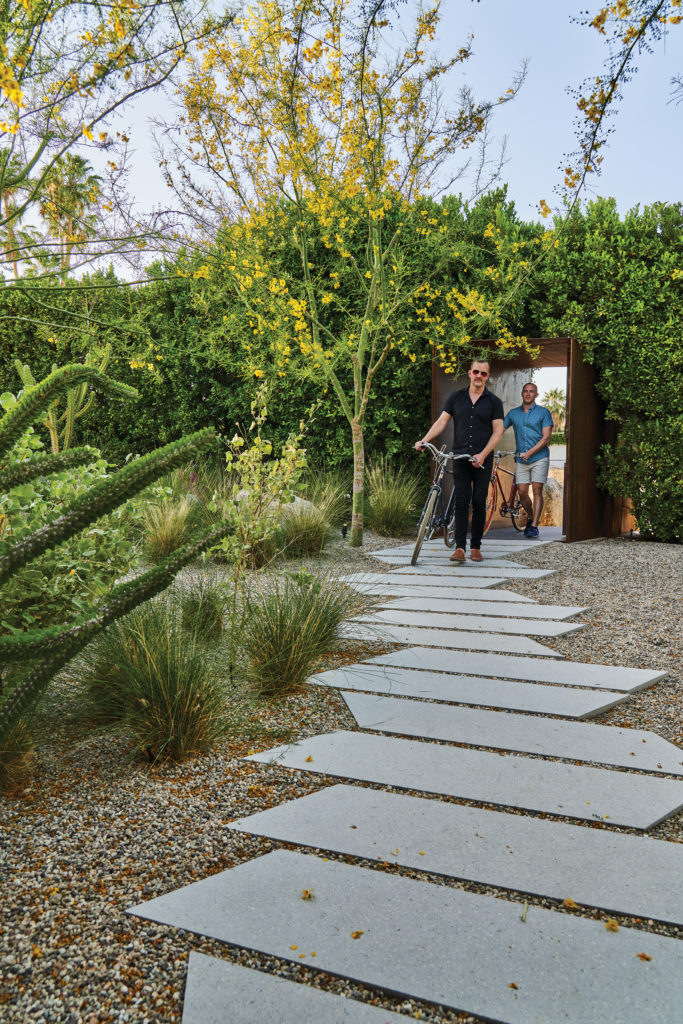
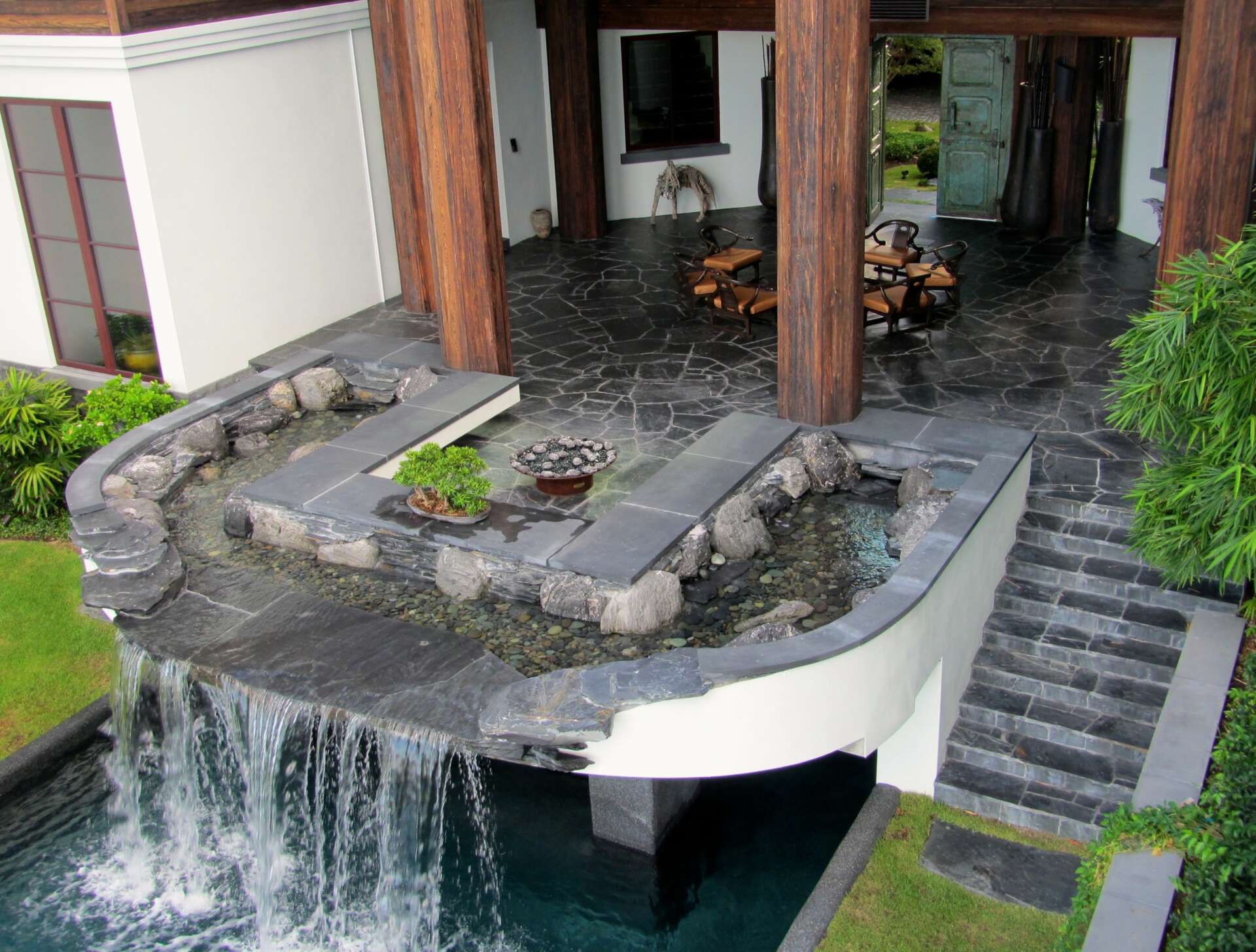
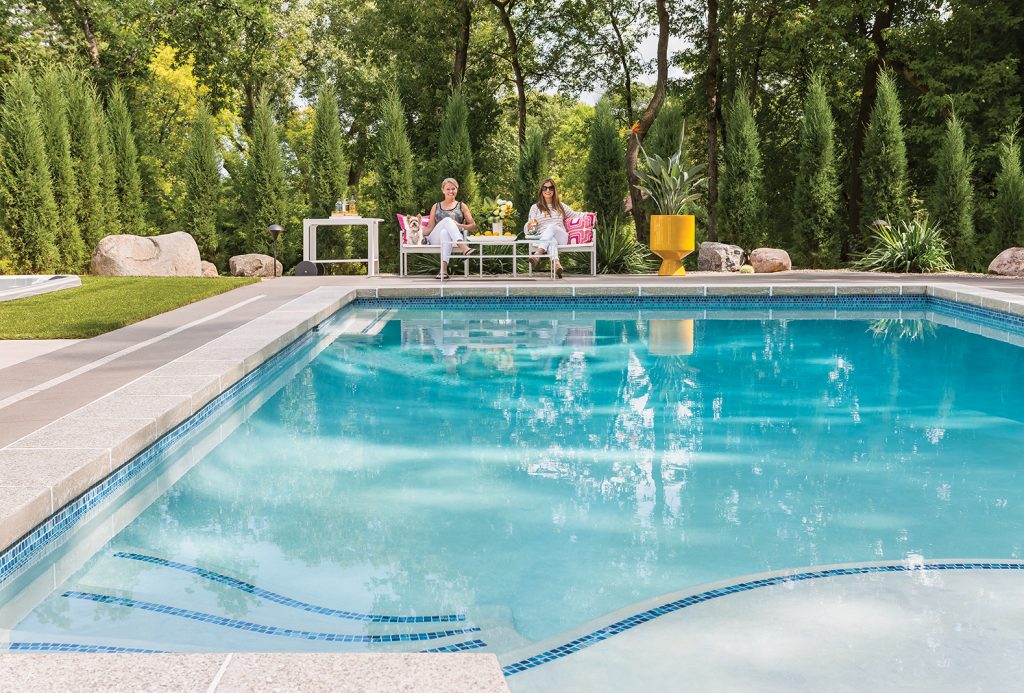
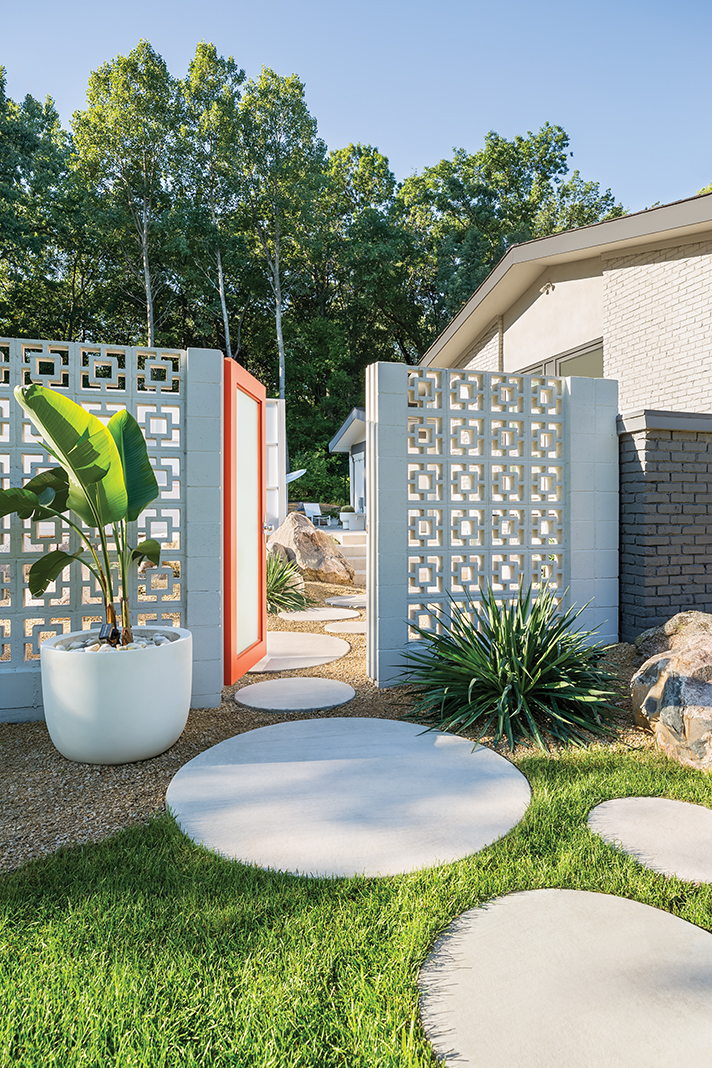
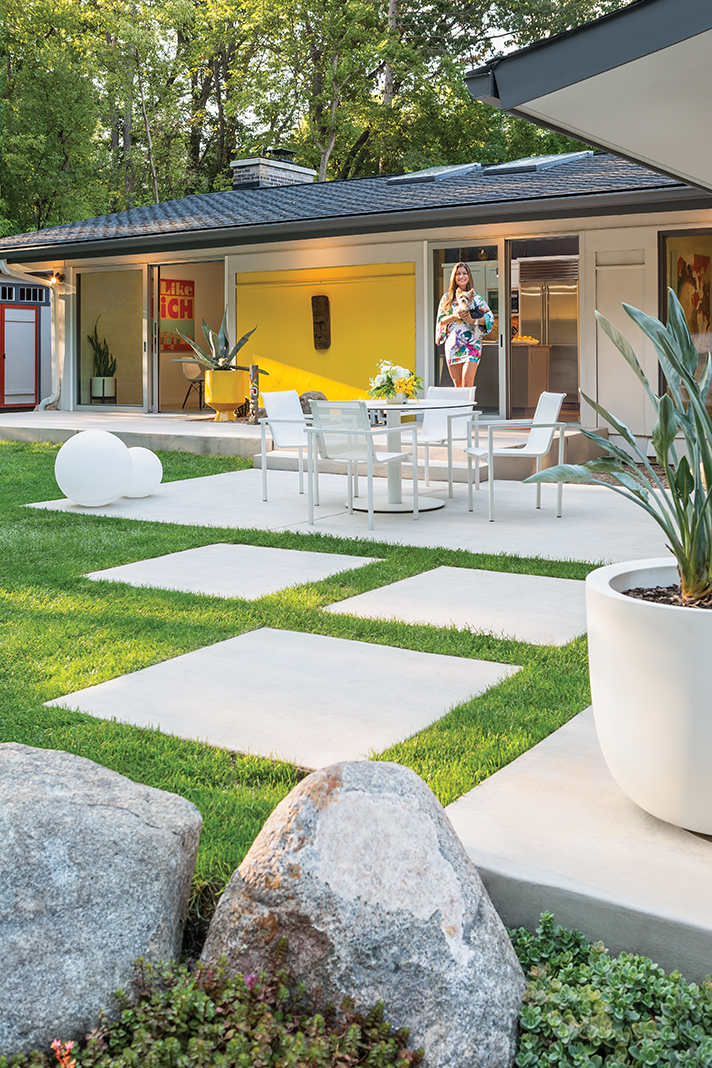
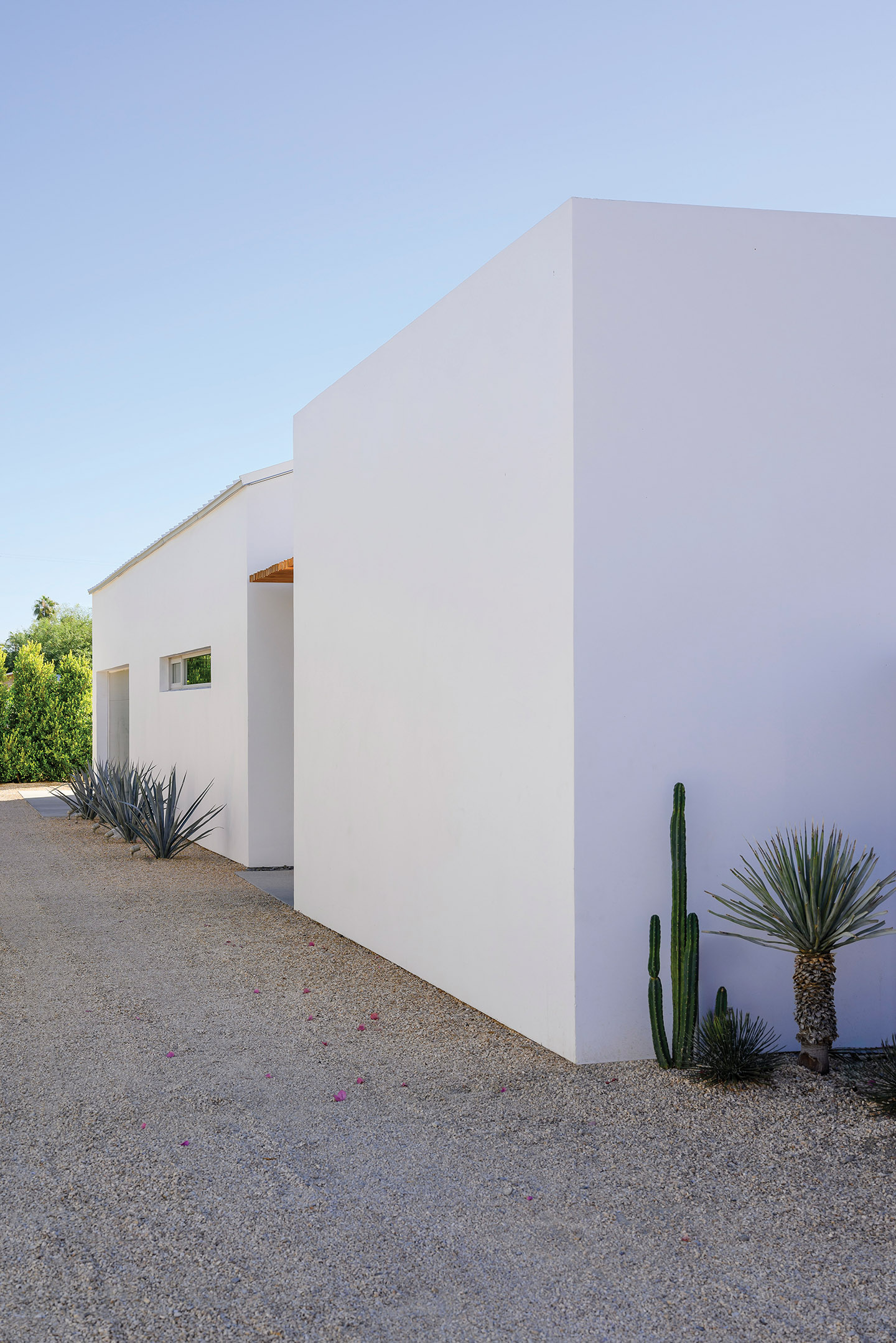
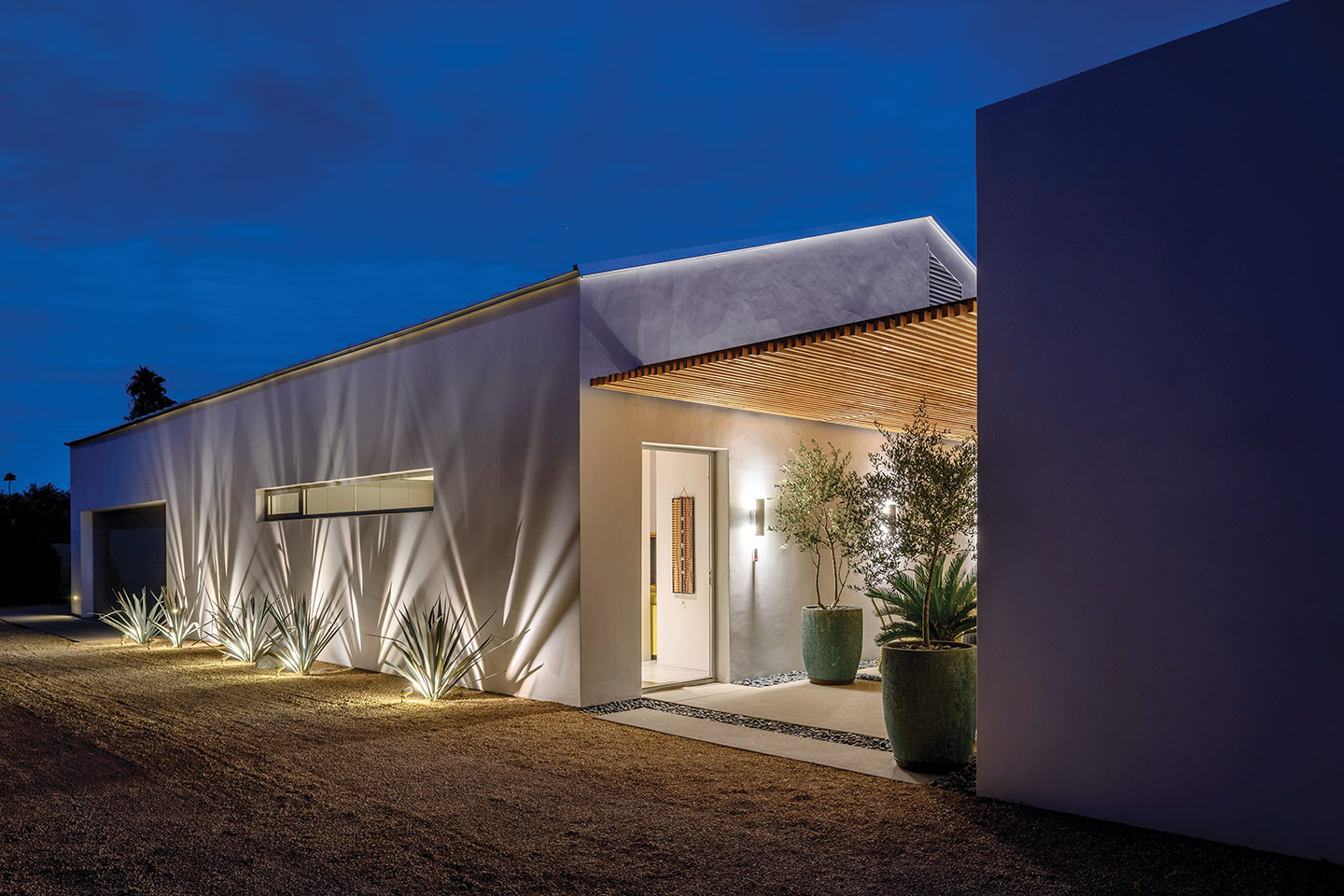
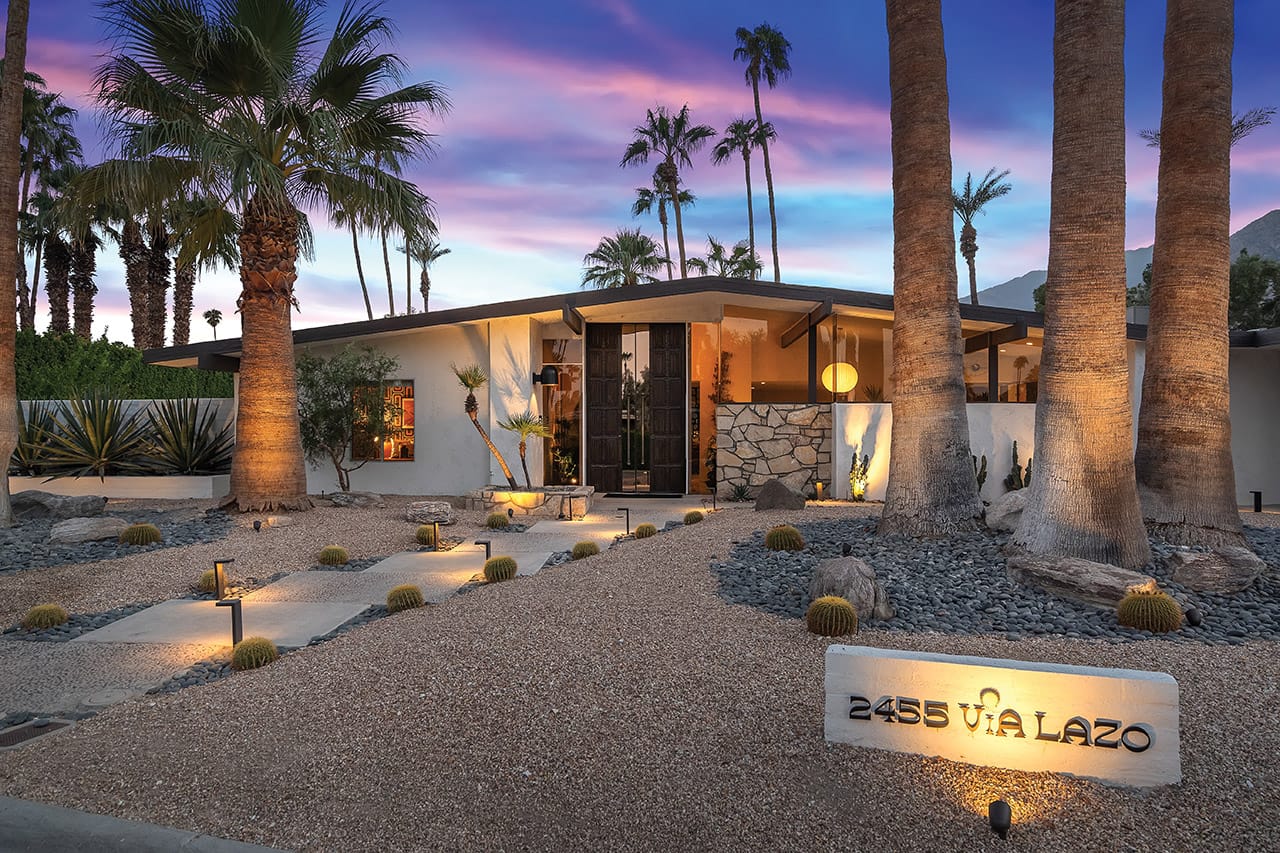
The article explores the multifaceted role of landscape architecture in the Coachella Valley, emphasizing its importance in complementing a home's architecture, connecting with its inhabitants, and respecting the desert environment. It highlights that successful landscaping goes beyond mere plant selection, encompassing driveways, walkways, pools, fire pits, water features, barbecues, walls, and gates, all contributing to a cohesive living space. The piece draws a parallel to Frank Sinatra's appreciation for desert landscaping, noting his choice to integrate his home with the natural habitat rather than imposing a foreign aesthetic. This approach aligns with the growing trend among architects and landscape architects in the region to favor native or adapted plant life.
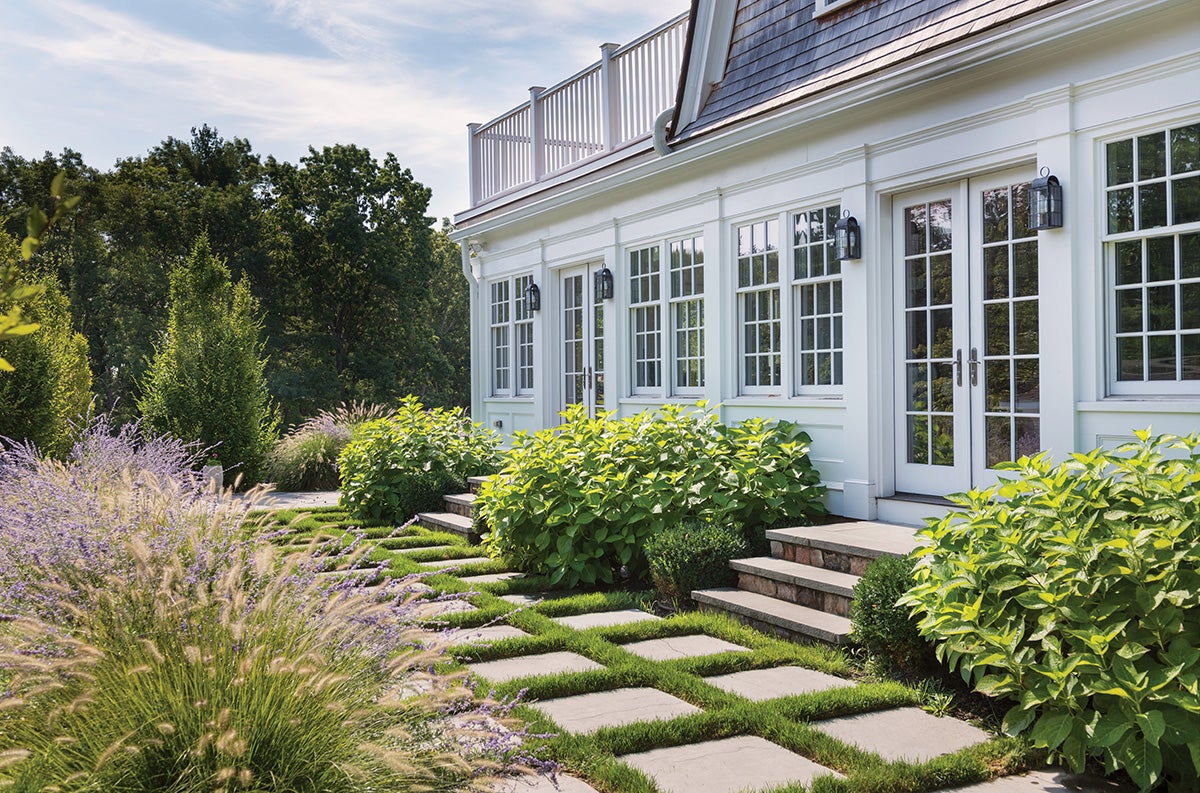
The historical evolution of landscaping in the Coachella Valley is discussed, noting a shift from traditional lush lawns, prevalent after World War II, to more water-conscious and desert-appropriate designs. Early residential landscaping often featured natural desert elements in the front and an 'oasis' of turf and citrus in the back. However, increasing population and droughts in the 1970s and '80s led to conservation efforts. Modern landscape design, as articulated by experts like Lance O’Donnell, emphasizes sensory engagement, guiding the eye with color, contrast, and massing of elements. James Burnett's work at Sunnylands exemplifies this, orchestrating sun, views, and sounds to create an immersive garden experience. Ron Radziner's concept of 'enhanced nature' further illustrates this, aiming to make the native desert more hospitable and beautiful for residents.
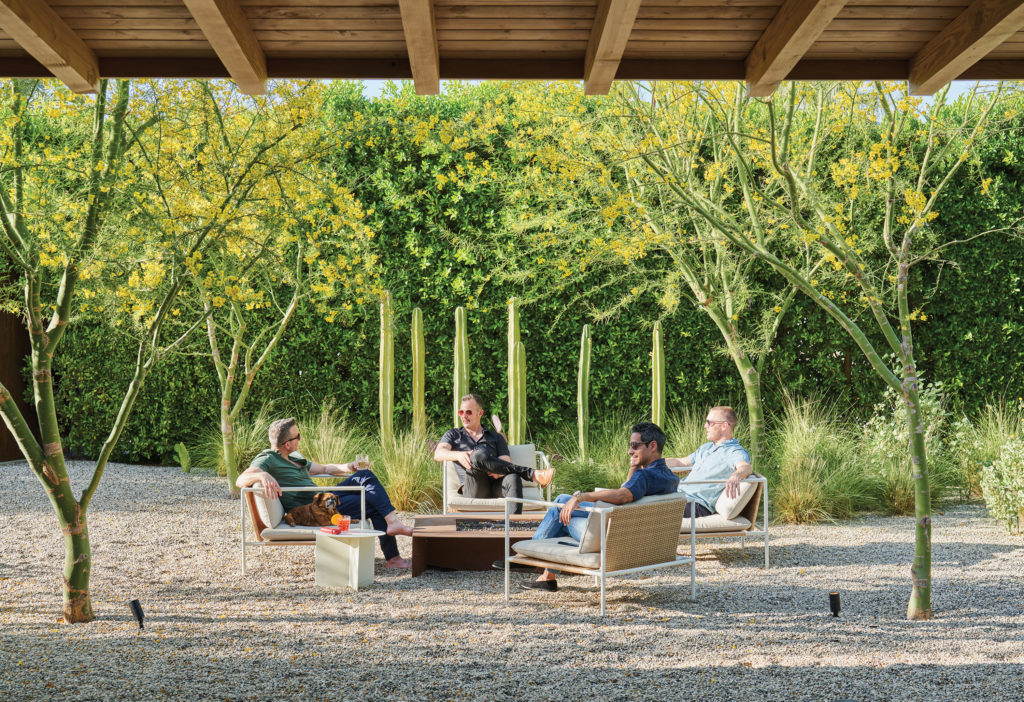
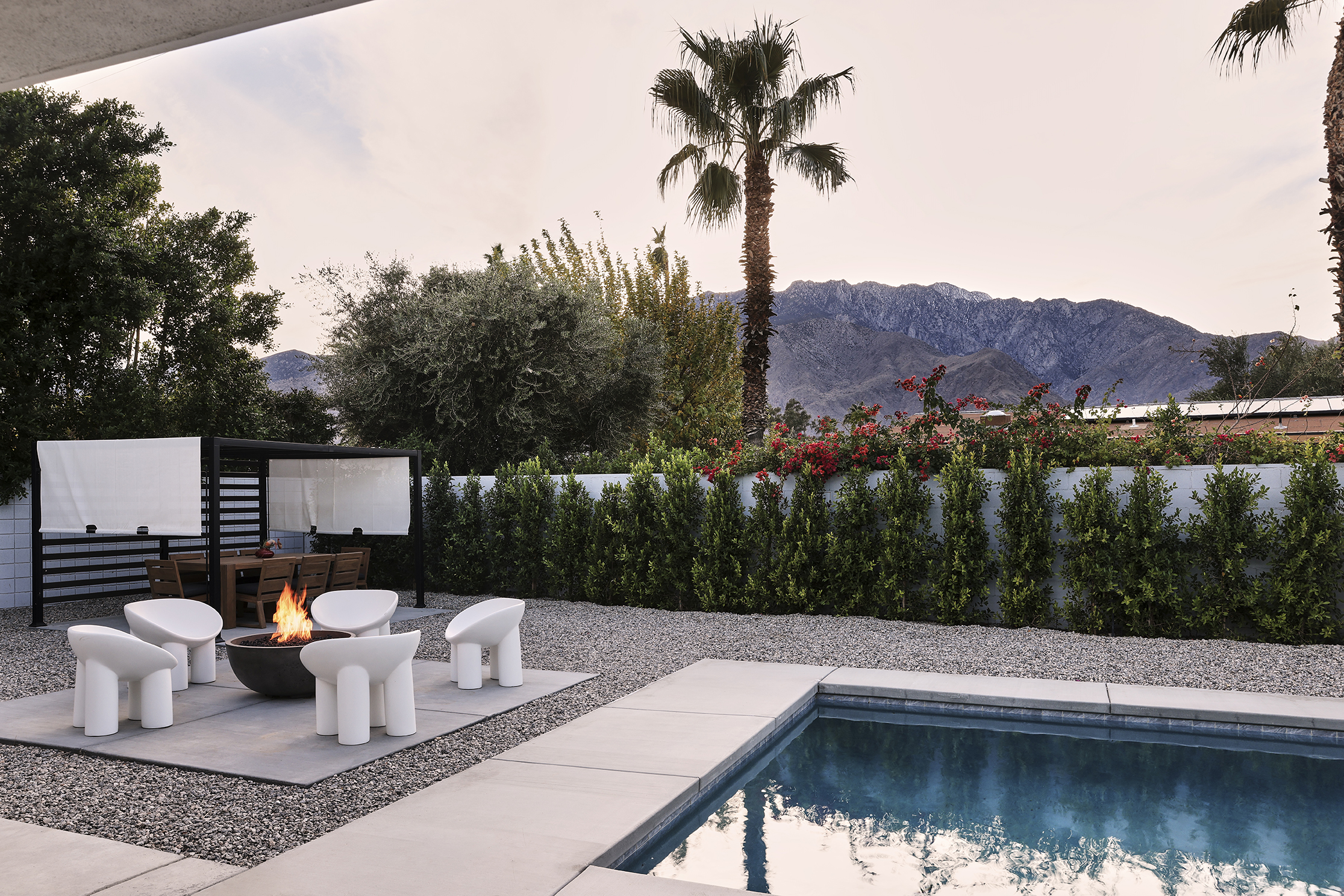
Several landscape architects, including Sean Lockyer, Steve Gierke, Julie deLeon, Anne Attinger, and Ryan Steer, share their insights and challenges. Lockyer advocates for designs that encourage interaction with the entire site, incorporating features like fire pits or pools. The concept of 'native' plantings is examined, with Gierke noting its subjectivity and expressing a preference for plants indigenous to the broader American Southwest. Designers often face client requests for non-native aesthetics, which Attinger addresses by rephrasing their desires into desert-adaptable forms. Steer highlights the unexpected diversity of plant material available in the desert, allowing for unique landscape creations.
The article also delves into the critical environmental considerations for desert landscaping: water, wind, and heat. Drip irrigation and careful time-clock management are essential for water conservation. Wind, particularly in areas like Desert Hot Springs, dictates plant selection and placement, with tall, fragile plants being unsuitable. The intense desert sun requires careful plant orientation and initial shade protection for some species. Certain non-native plants, like the queen palm and invasive Pennisetum, are discouraged due to their unsuitability or environmental impact, while alternatives like Muhlandbergia are recommended. Conversely, the African sumac tree is noted for its allergenic pollen.
Finally, the piece lists popular and adaptable desert plants, including fan palms, desert willows, sycamores, mesquites, and designer favorites like aloes, agaves, and yuccas. Architects like Lockyer and Gierke praise plants such as yucca, Mexican olive trees, and palo verde for their aesthetic and adaptive qualities. The importance of texture and contrast in design is emphasized by deLeon, using examples like Lomandra grass and agave. The entire process is conceptualized as a 'play in three acts': design, installation, and ongoing maintenance. This continuous care ensures the landscape evolves gracefully and addresses changing client needs, reflecting the dynamic and often subtle beauty of desert life that smart designers strive to showcase.
#LandscapeArchitecture #PalmSprings #DesertLandscaping #NativePlants #SustainableDesign #ArchitecturalIntegration #WaterConservation #EnvironmentalDesign #HomeDesign #LandscapeArchitecture #PalmSprings #DesertLandscaping #NativePlants #SustainableDesign #ArchitecturalIntegration #WaterConservation #EnvironmentalDesign #HomeDesign
0 comment in total
 No comments yet
You may also like
Whimsical Garden Ideas from the Ultimate Palm Springs Backyard
2025 Sunset Western Home & Design Awards: Best Landscape Design and Architecture
Expert Interior Designers Transforming Spaces in Palm Beach

How to get the Palm Springs look in your home
Innovative landscape architecture and garden design around the world

Don’t Call It an Accent Wall—In This Bungalow, Patterned Surfaces Act Like Headboards and Room Dividers

Houston Home: A Lush Outdoor Paradise
Graduate Architecture, Landscape Architecture, and Urban Design
Meet Matthew Giampietro Landscape Designer


Projects with Passions: Three Landscape Architecture Analysts Nationally Recognized

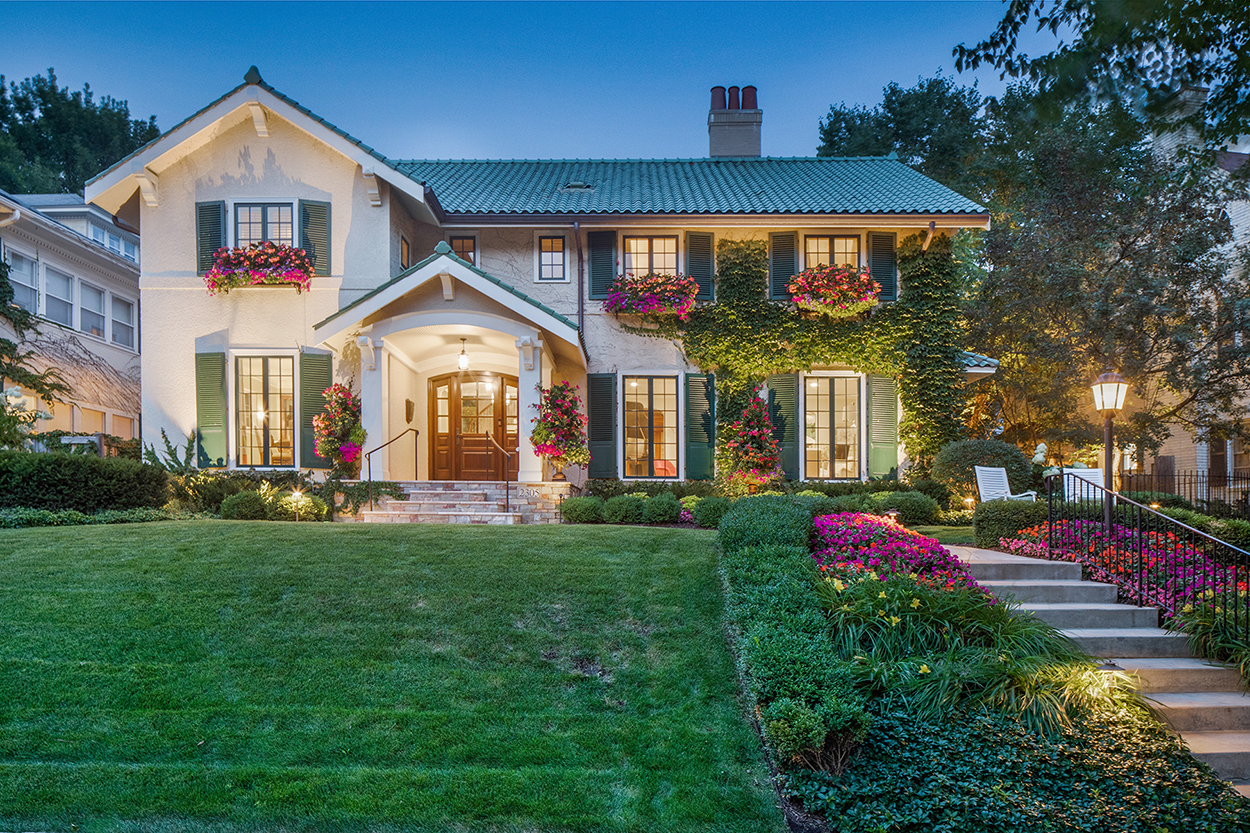
6 homes with lush gardens

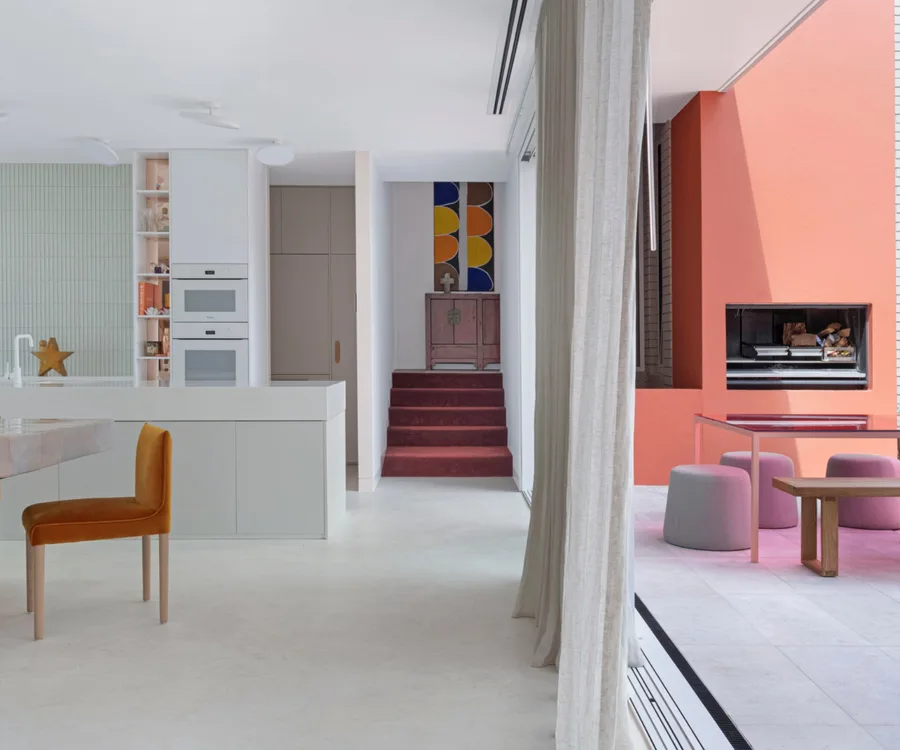
Mid-century design meets Palm Springs flair in the home of an interior designer

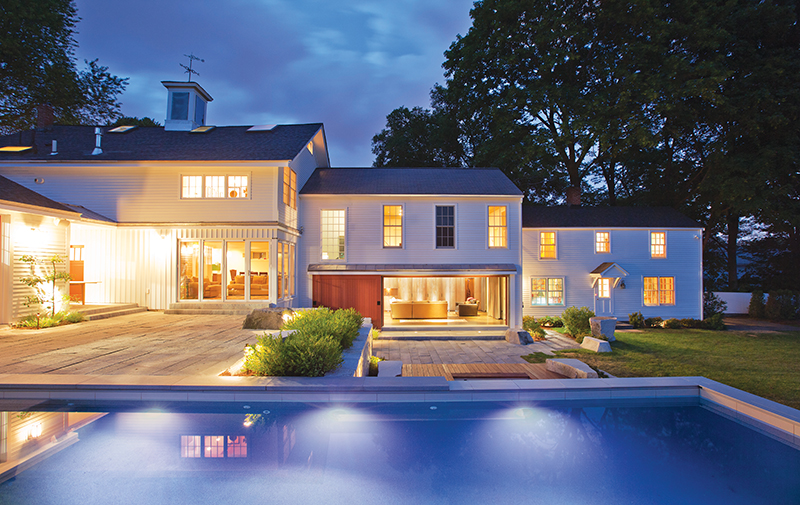
ZEN Associates Designs and Builds Inspired North Shore Landscapes

Seattle Architect Makes Palm Springs His New Home
3 decor lessons I learned from a trip to Palm Springs

Keeping It Weird

This Palm Springs-Inspired Backyard Getaway is a Desert Oasis

How an Interior Designer Designed His Dream Home in Palm Springs
A Look at Peter Donohoe’s Carlisle Property


12 Best Free Landscape Design Software for Architects in 2024