How to get the Palm Springs look in your home
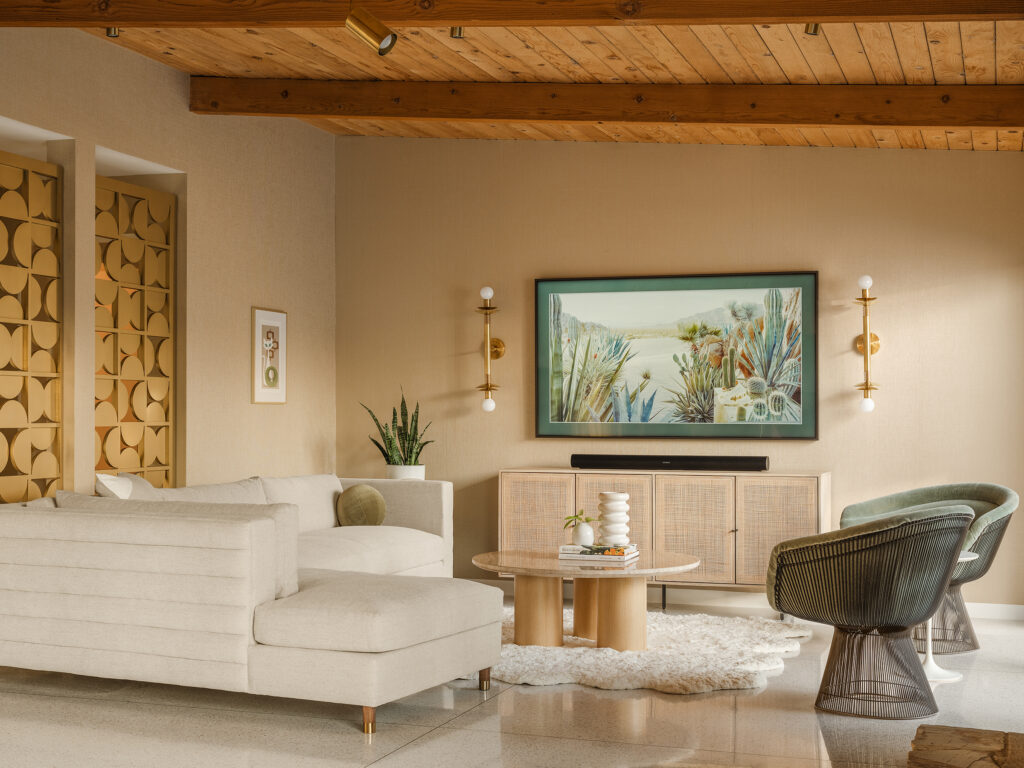
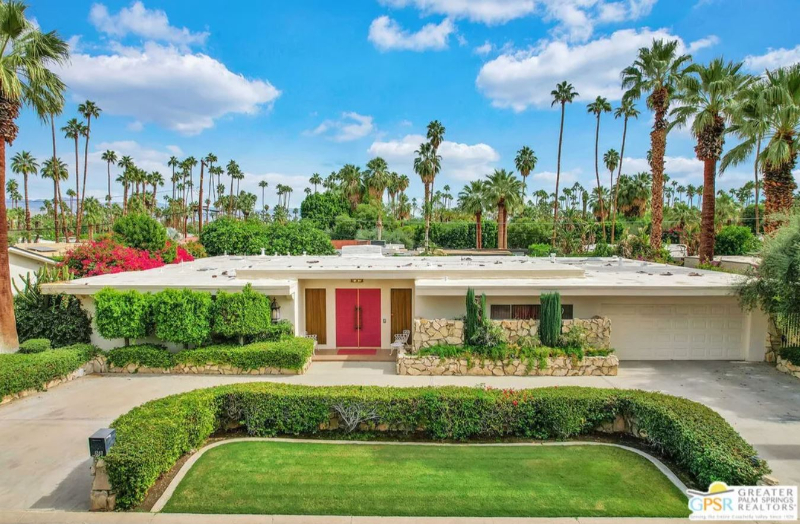
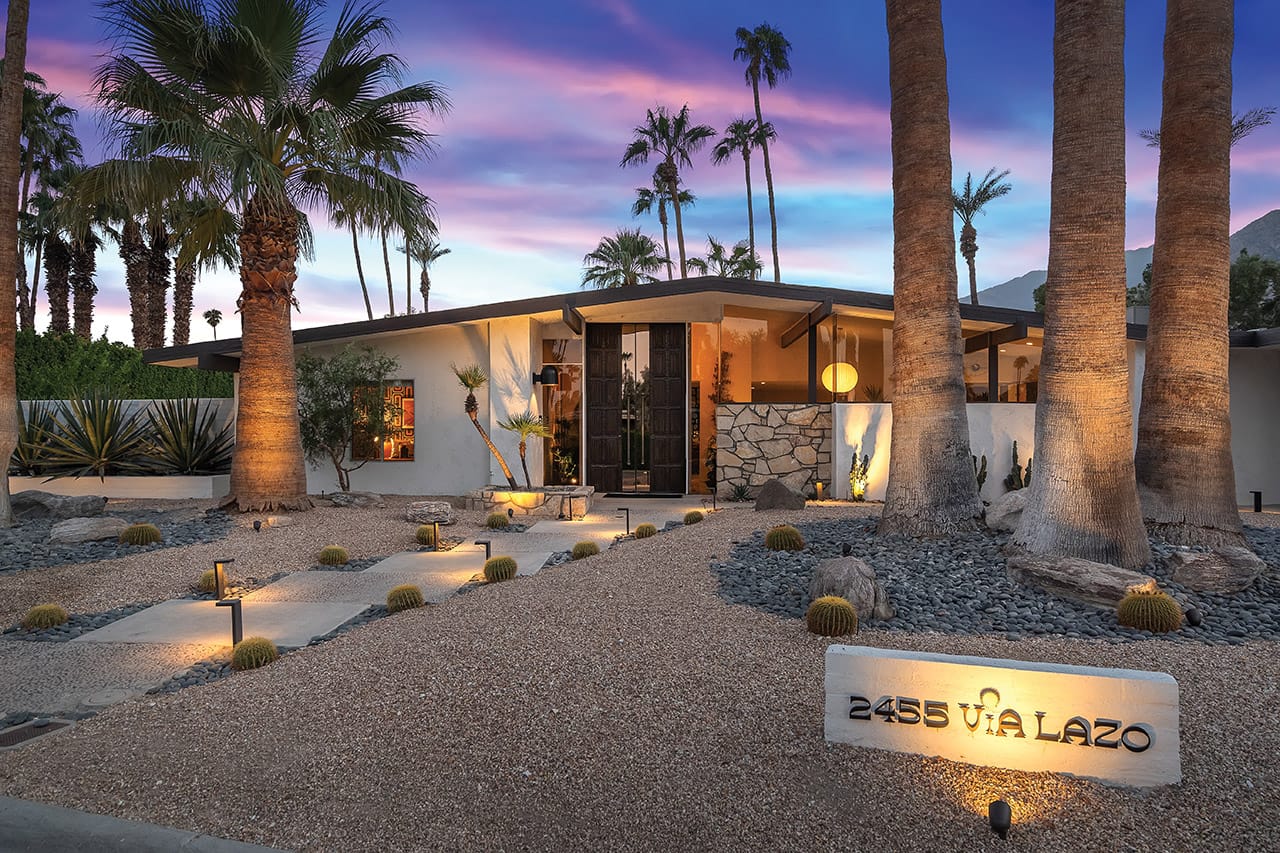
The Palm Springs design aesthetic, popular in the mid-20th century, has seen a resurgence, captivating homeowners with its blend of glamour and functionality. This style, originally conceived for the desert climate of California's Coachella Valley, is characterized by its mid-century modern architecture, clean lines, raked ceilings, vibrant colored doors, and desert-friendly landscaping. The Vos family, who renovated their 1960s home in Coffs Harbour, New South Wales, drew heavily from this distinctive style, recognizing a parallel between Palm Springs' mountainous backdrop and their own home's views of The Great Dividing Range.
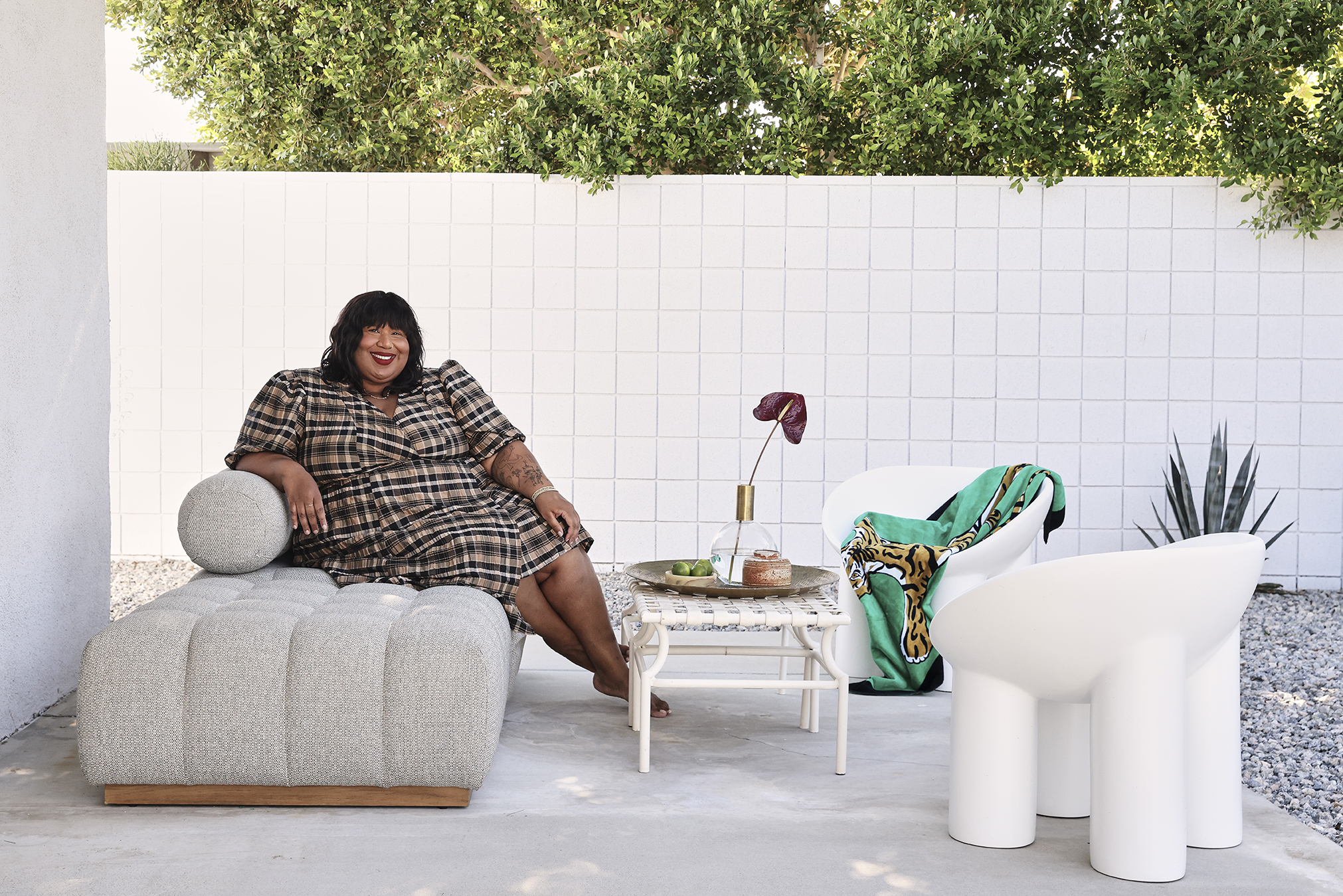
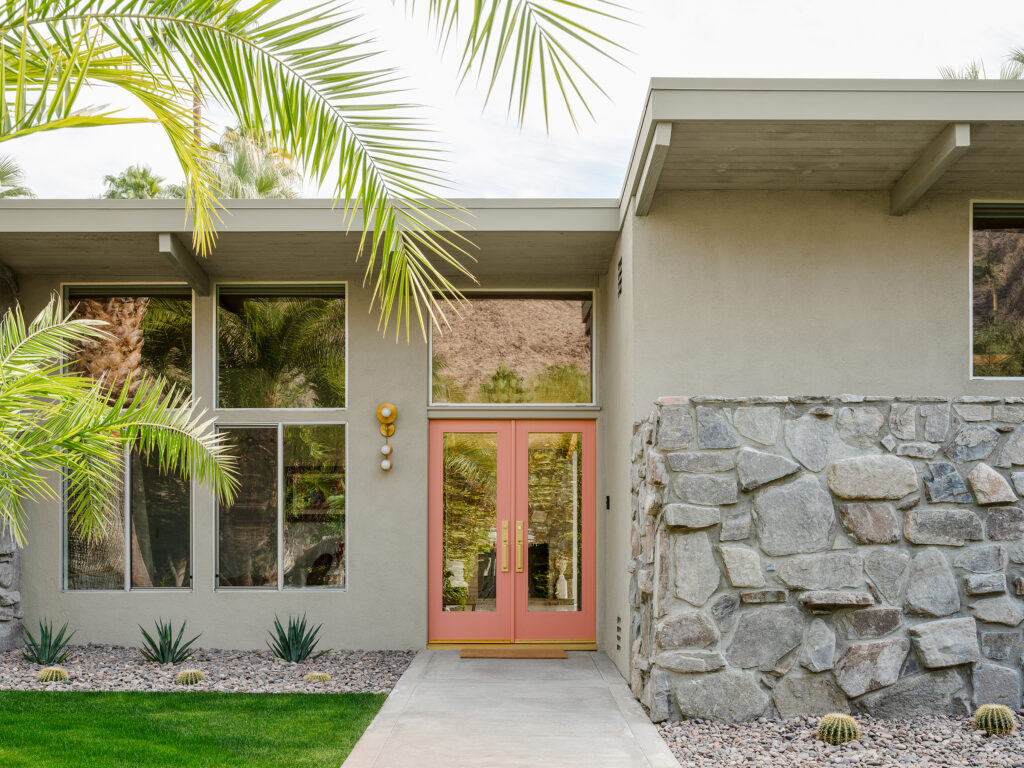
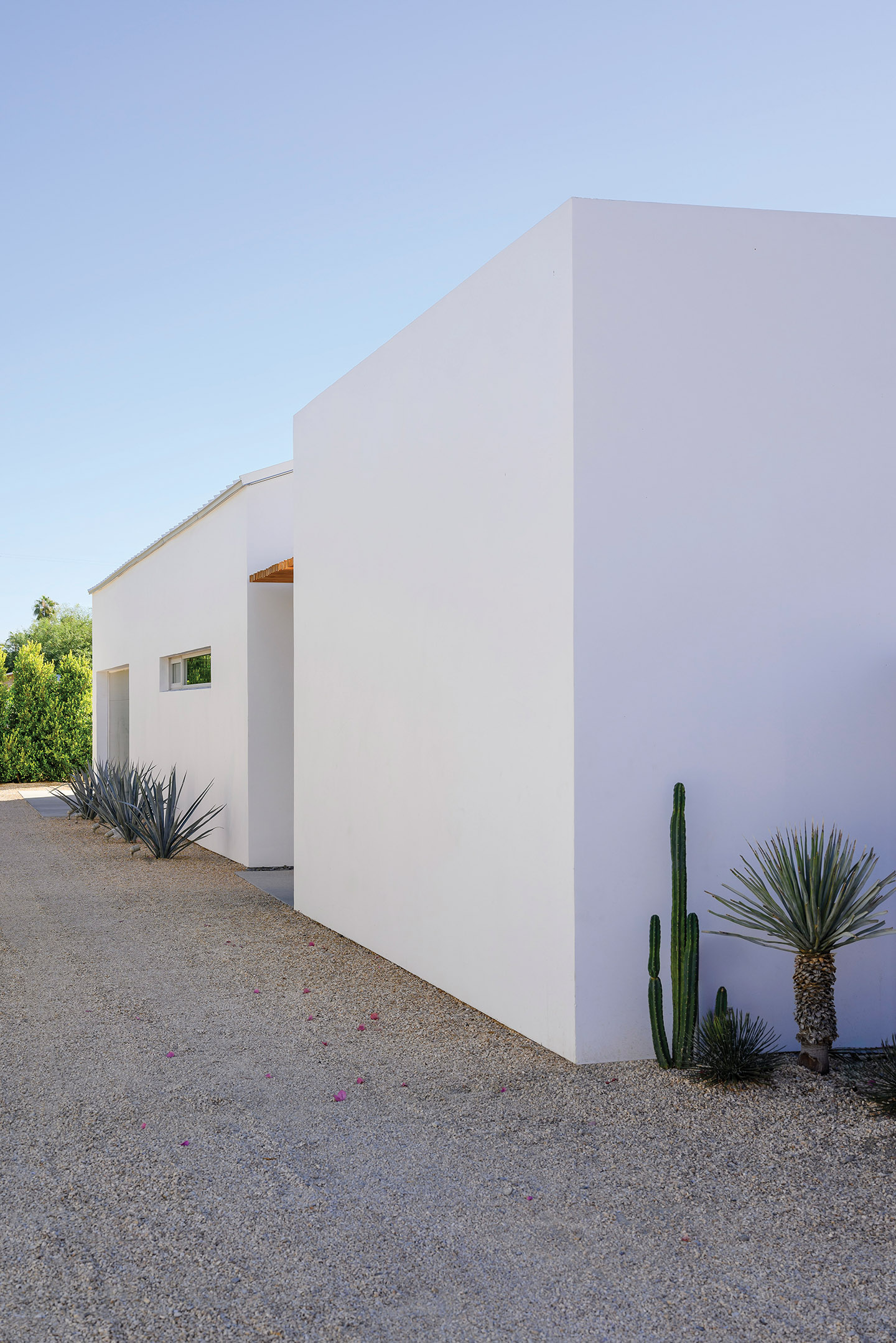
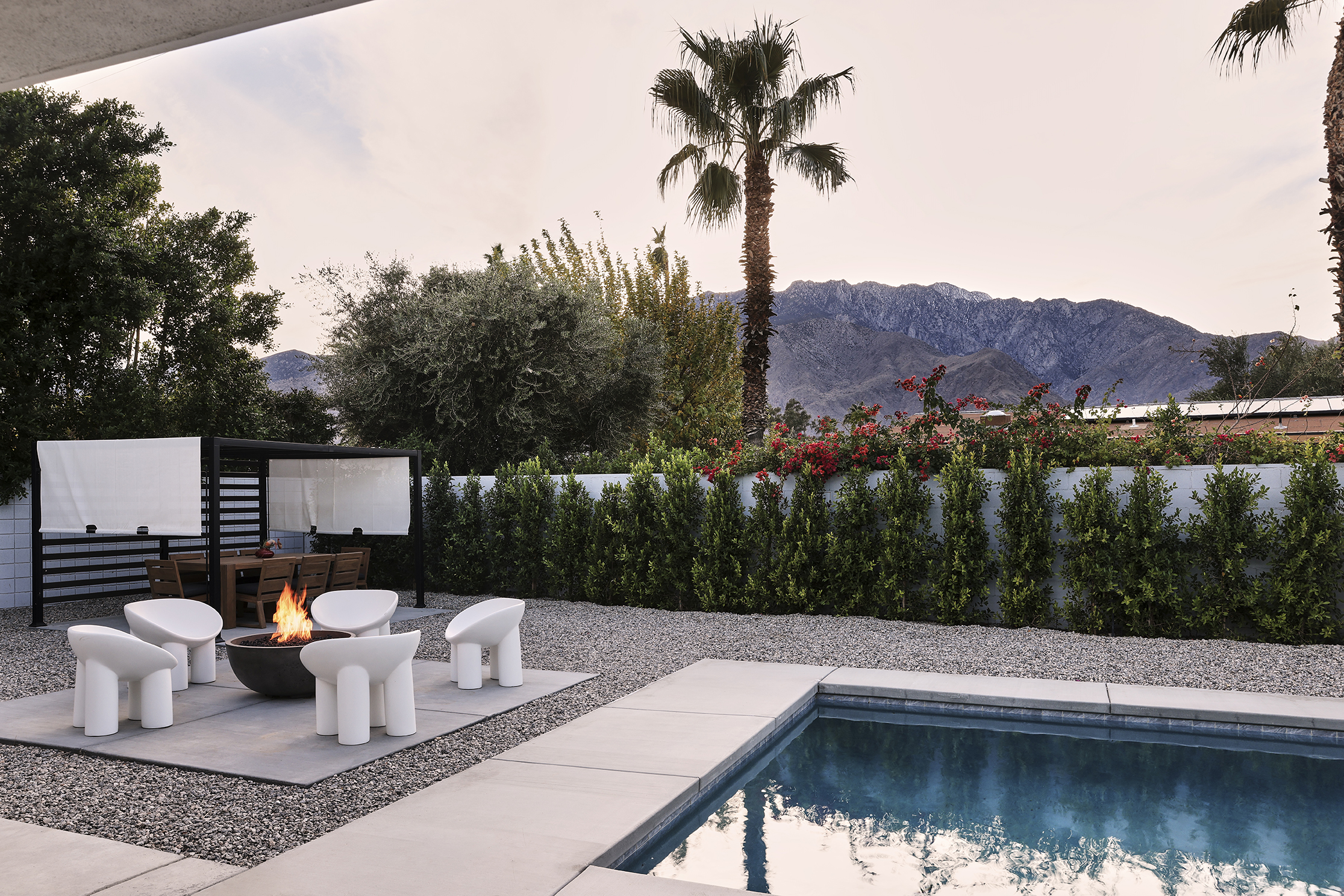
Palm Springs style homes, built primarily in the 1950s for Hollywood celebrities seeking a sunny retreat, were designed to harmonize with the harsh desert environment. Key architectural features included raked ceilings and overhanging roof awnings to provide shade, breeze blocks for ventilation, and floor-to-ceiling windows to maximize natural light. Gardens typically featured cacti and succulents, which thrive in arid conditions. This architectural approach led to a style that is both visually appealing and highly functional, perfectly suited for warm climates.
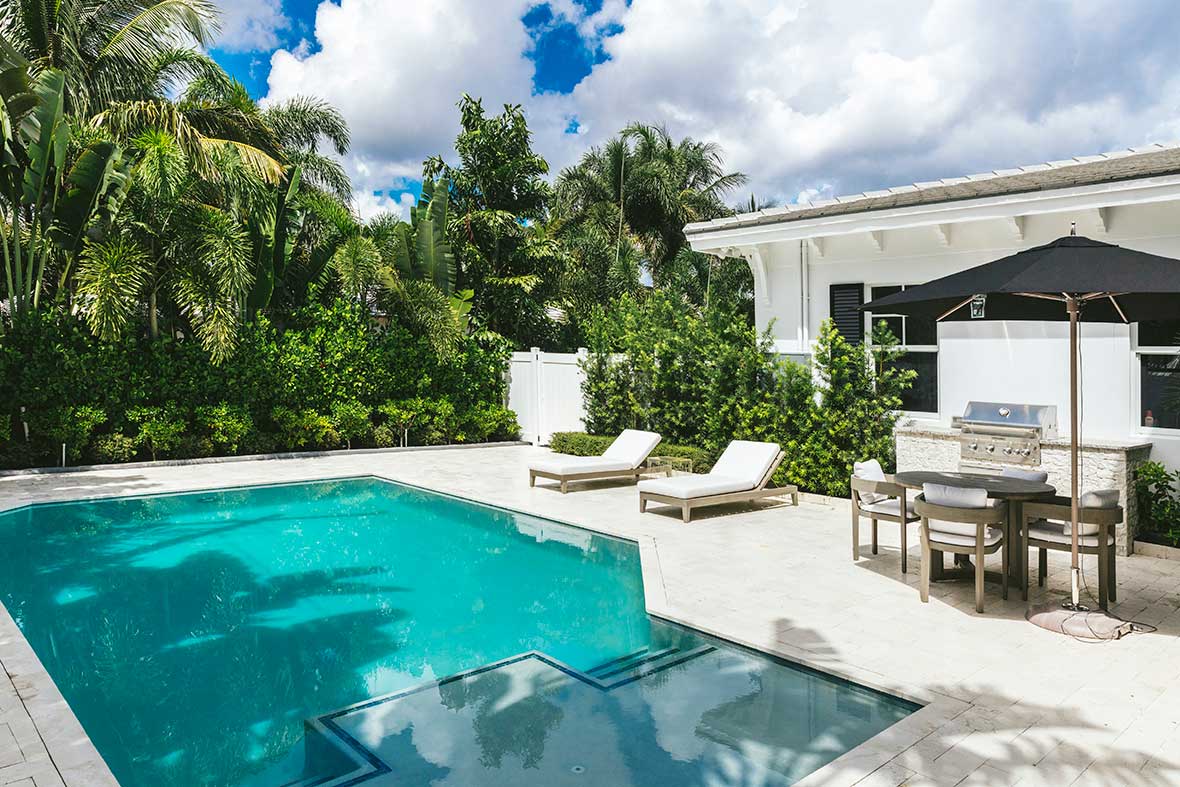
Australia's climate, with its emphasis on indoor/outdoor living, makes the Palm Springs style particularly relevant. The design's focus on accessible building materials, seamless integration of interior and exterior spaces, and the use of breeze blocks for passive cooling align well with Australian living preferences. The landscaping, with its emphasis on drought-tolerant plants like cacti and succulents, also resonates with Australia's sometimes harsh conditions, providing a low-maintenance yet stylish garden solution.
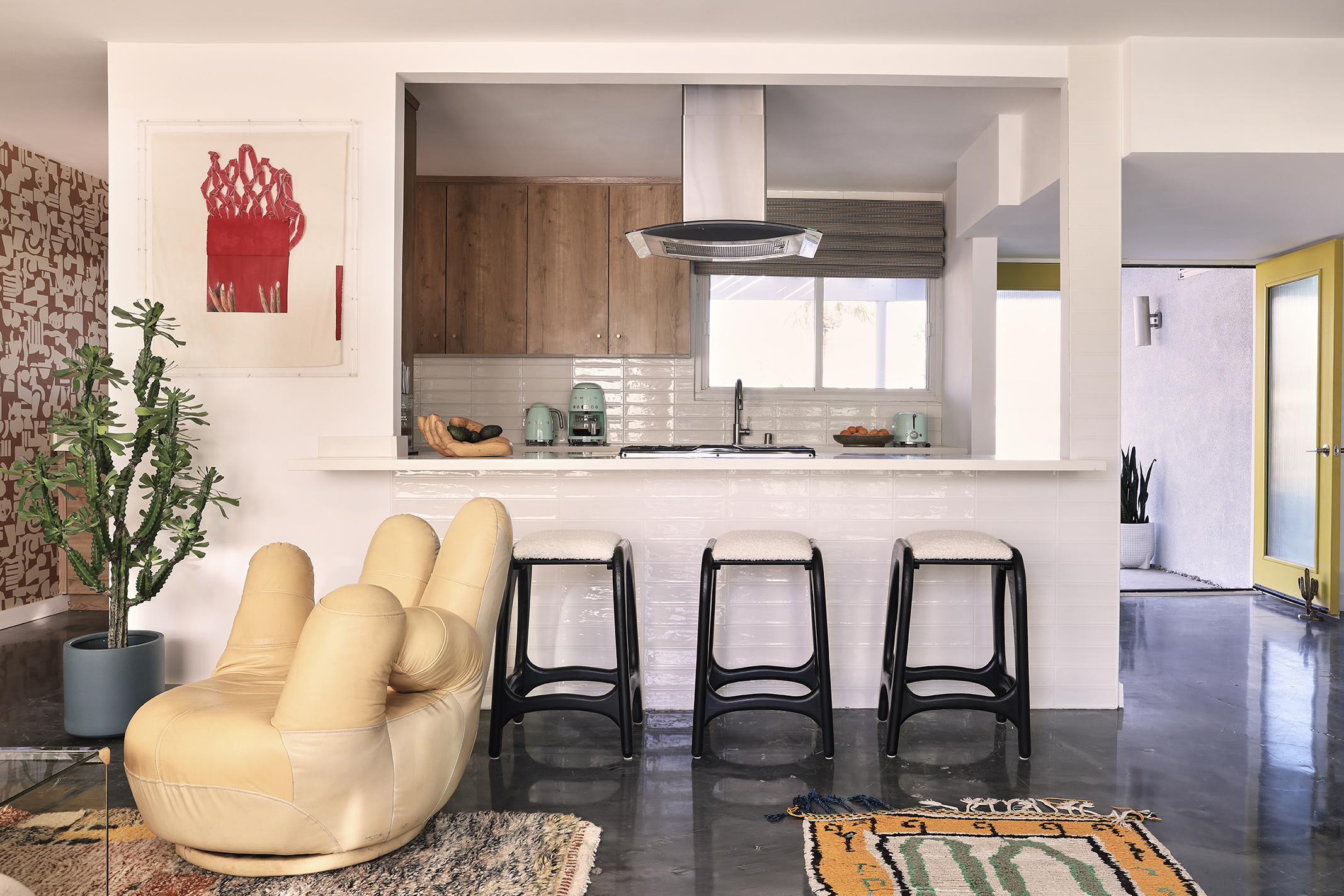
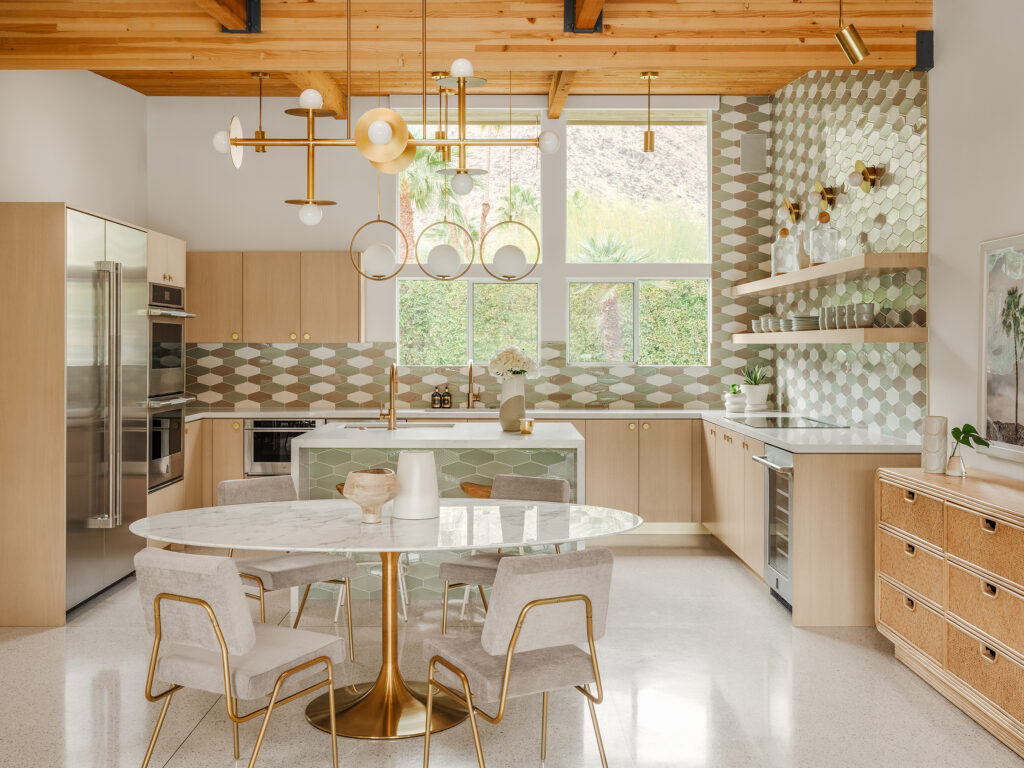
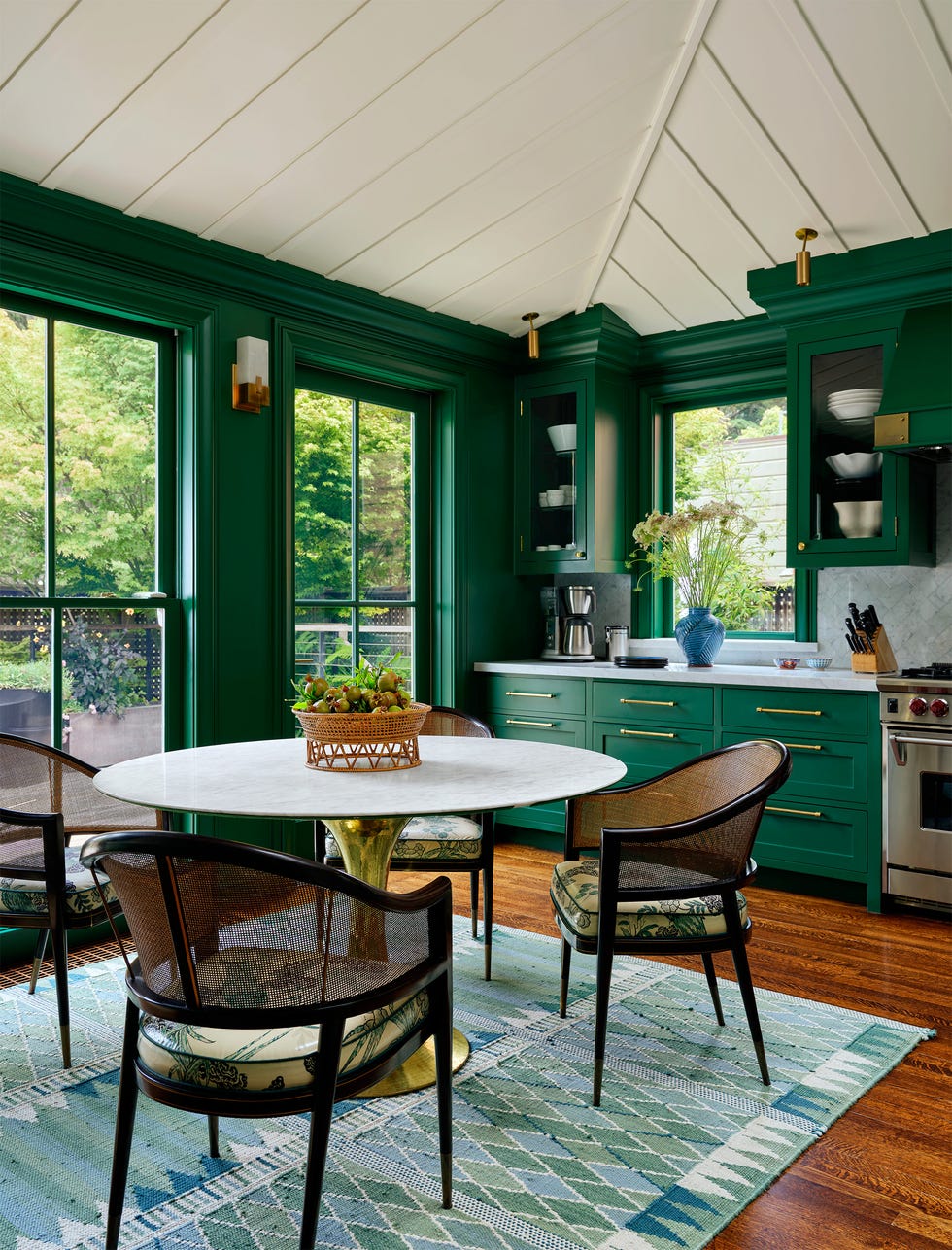
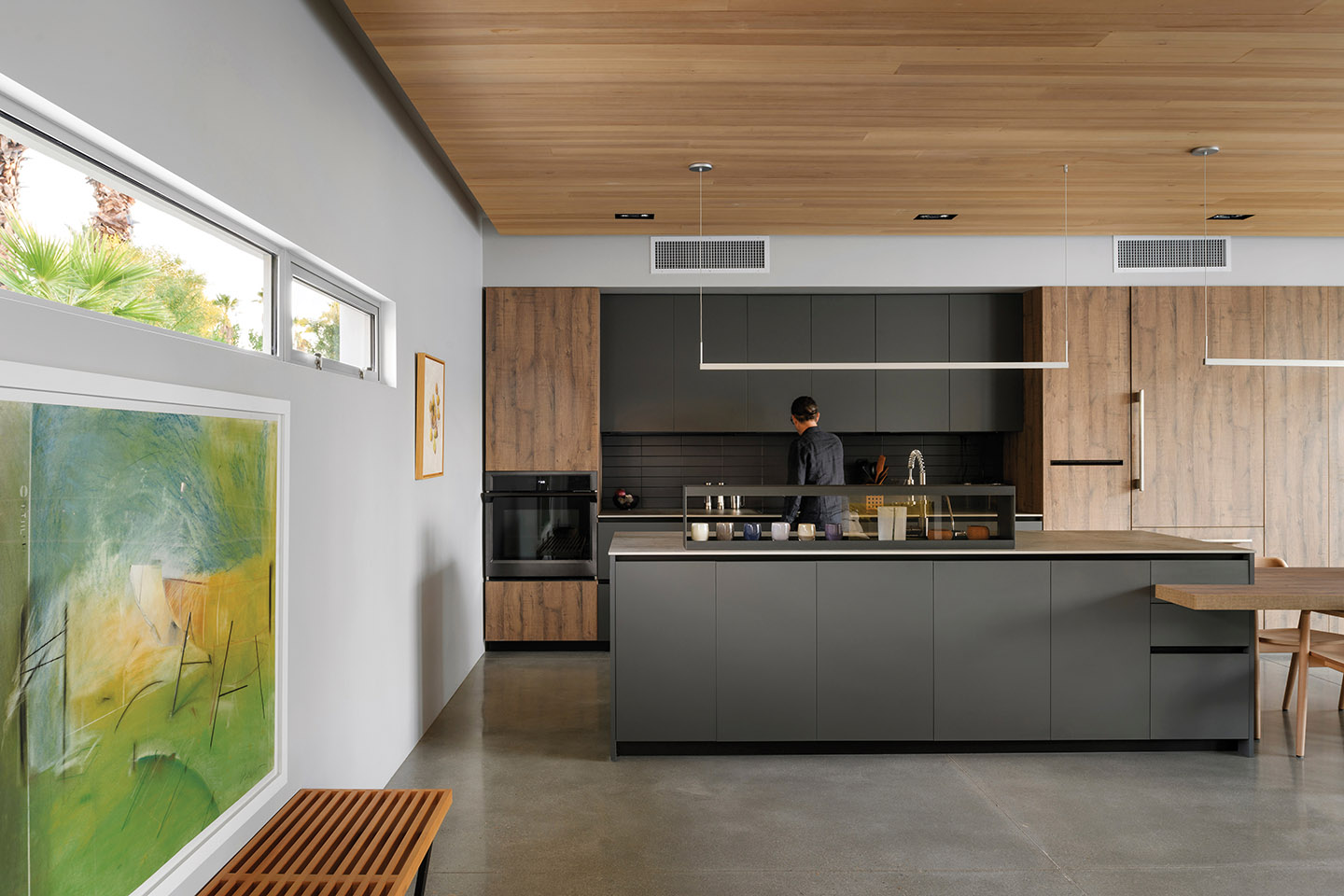
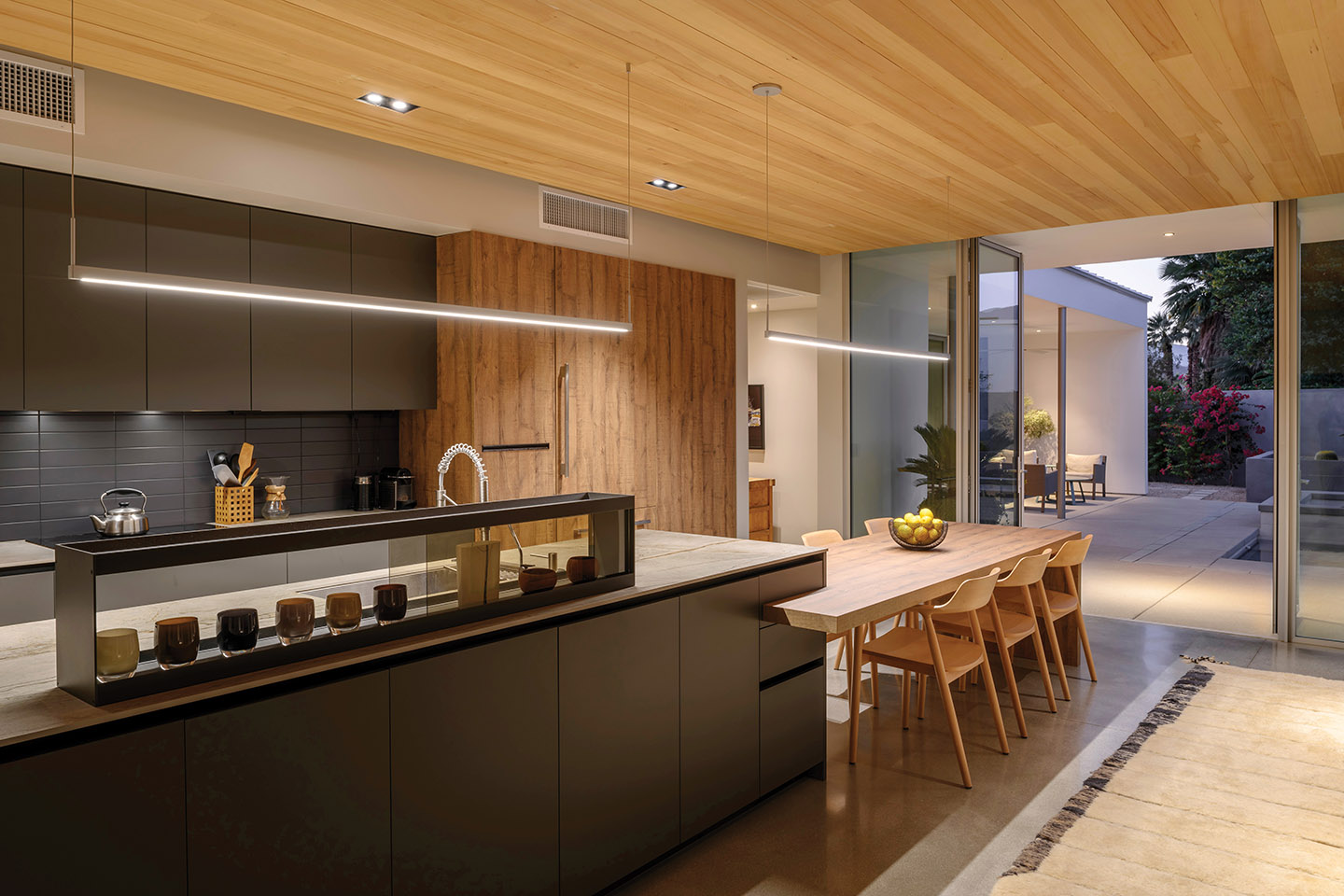
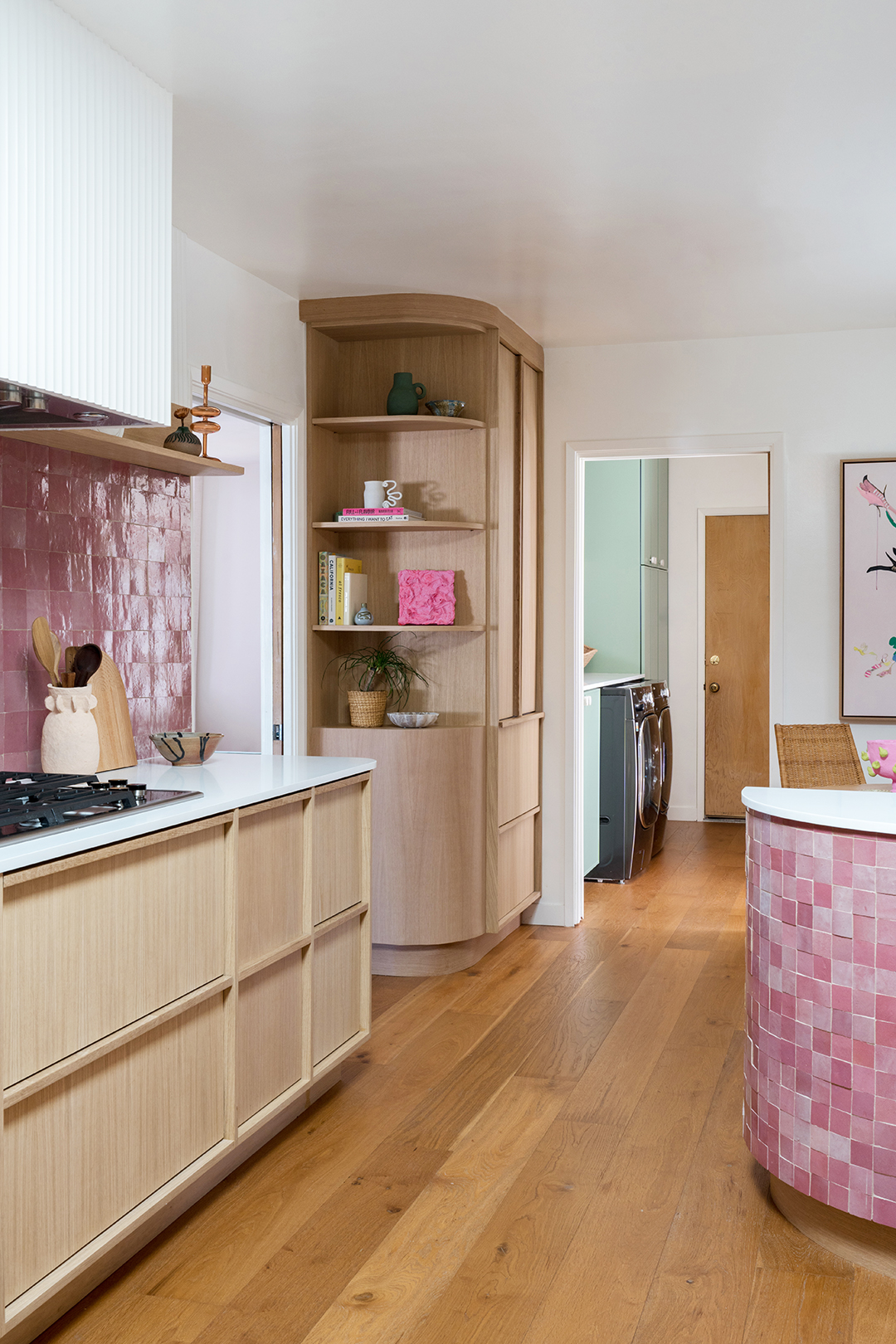
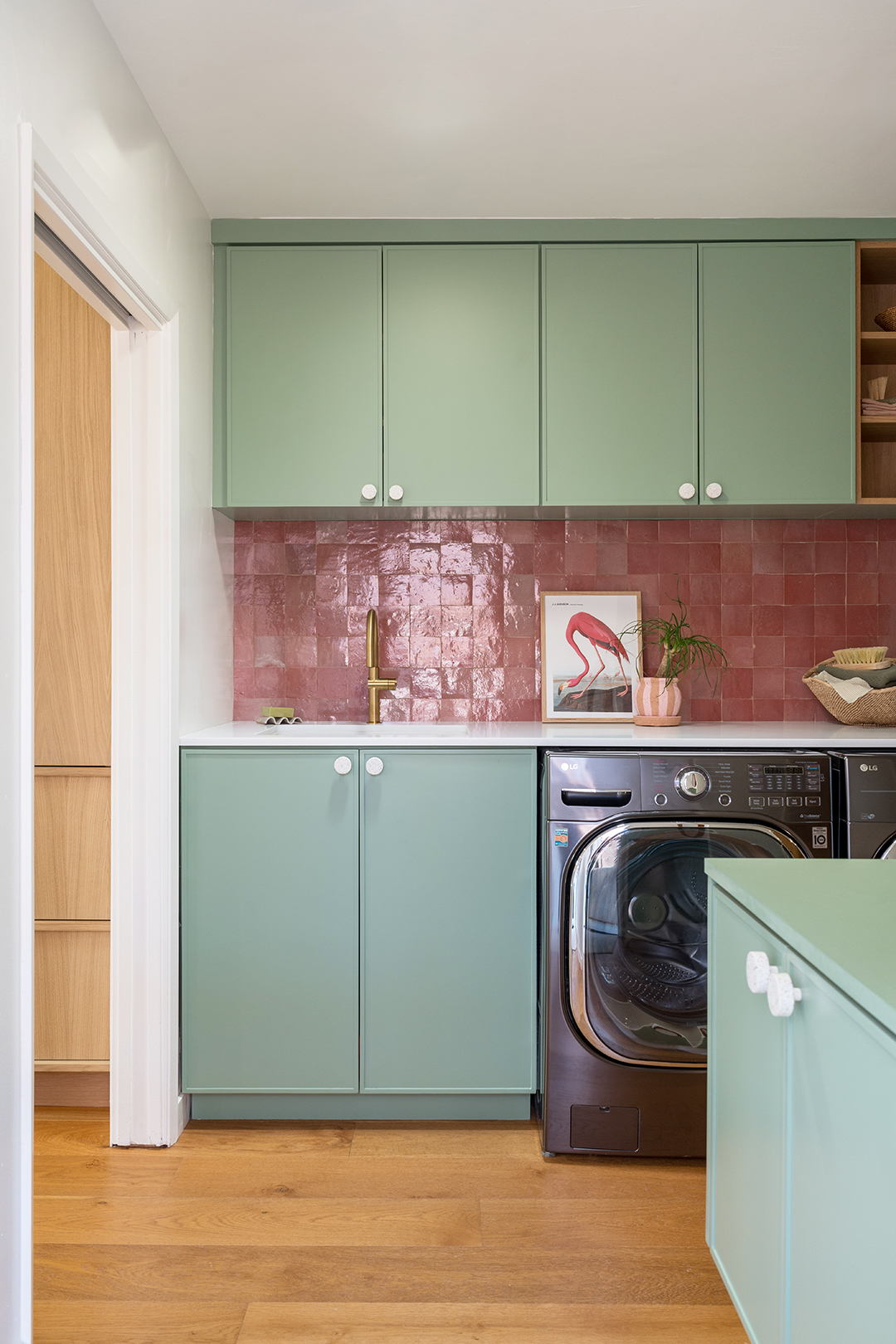
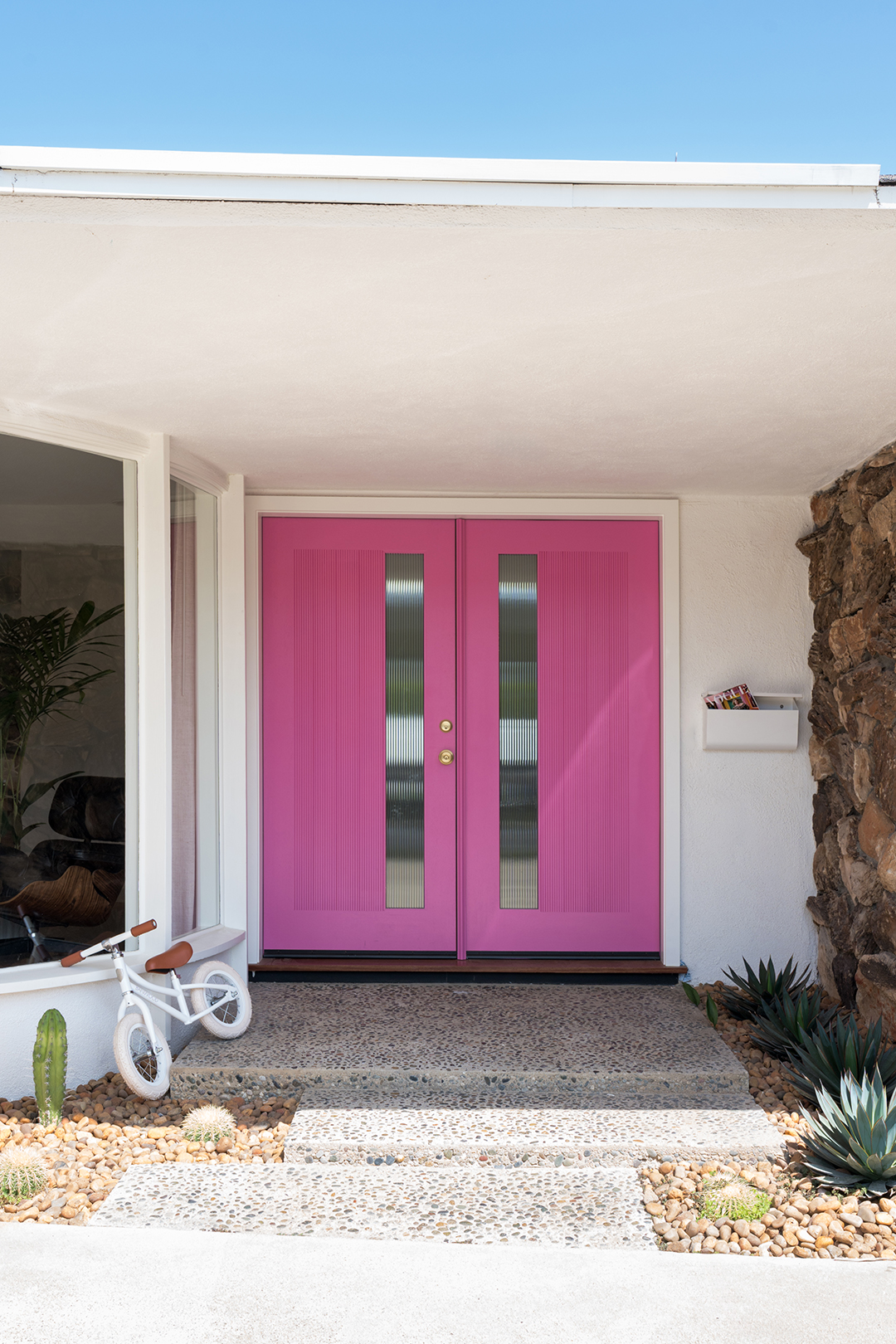
Homeowners can achieve the Palm Springs look through several key elements. Incorporating 'pops of color' is essential, often seen in brightly colored front doors. For instance, the Vos family chose a sage green door that matched their kitchen cabinetry, creating a bold statement that complemented the surrounding natural views. Raked ceilings, which were a common feature in mid-century homes, can be restored or incorporated to enhance space and light. Many original mid-century homes had these features covered up over time, and uncovering them can instantly add to the aesthetic.
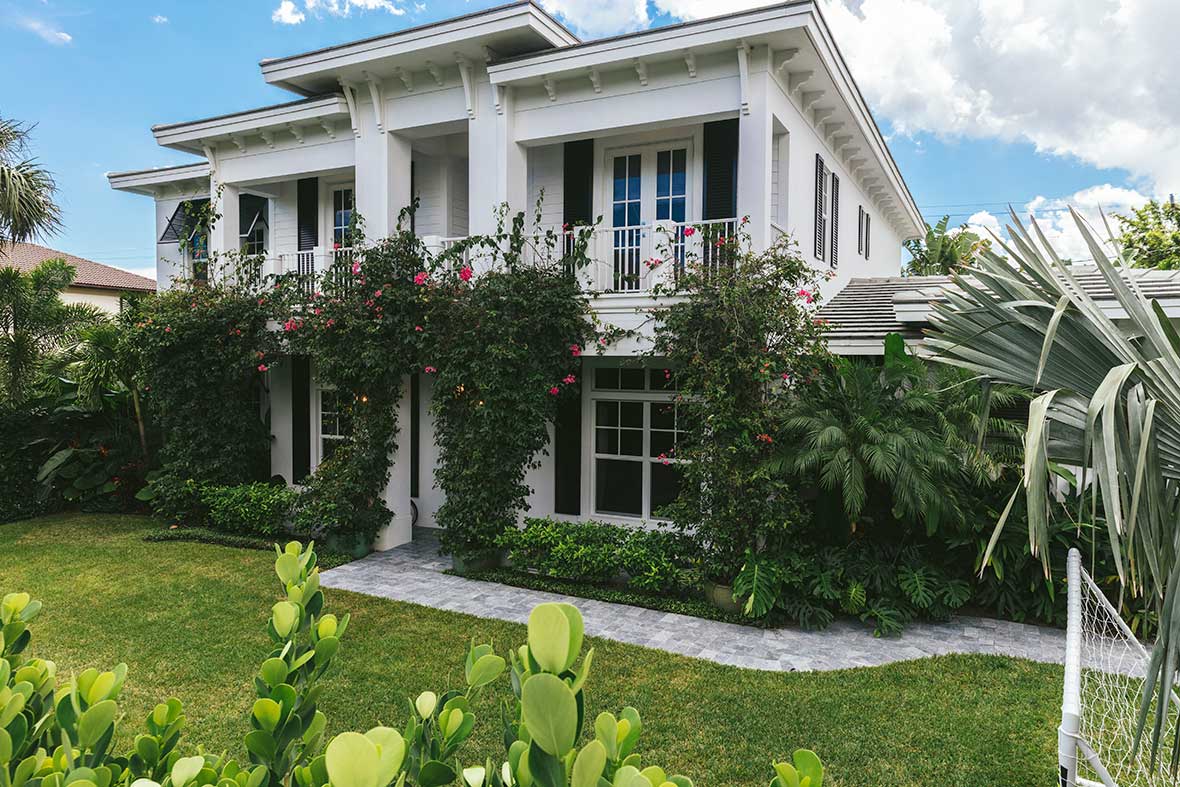
A cactus garden is another hallmark of the Palm Springs style, bringing a 'Cali Glam' feel to the exterior. Varieties like Opuntia 'Burbank' Spineless, Echinocactus grusonii, and Cereus repandus are characteristic of this look. For tropical Australian areas, palms, banana trees, or Monsteras can also be integrated. Breeze blocks are a versatile design element, appearing in walls or other architectural features, providing both aesthetic appeal and practical ventilation. Stone feature walls, like the one constructed by Simon Vos which transitions from exterior to interior, add texture and a dramatic focal point, especially when highlighted with lighting.
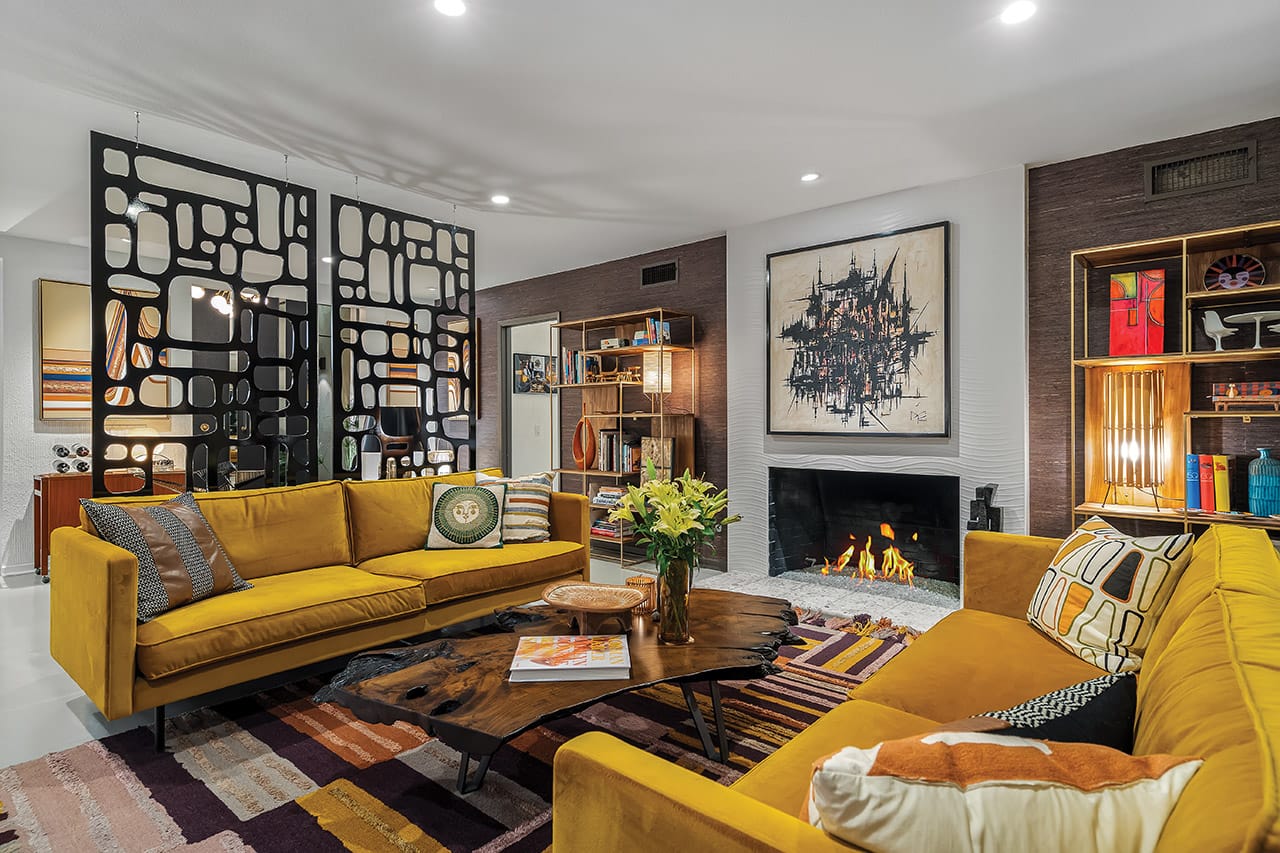
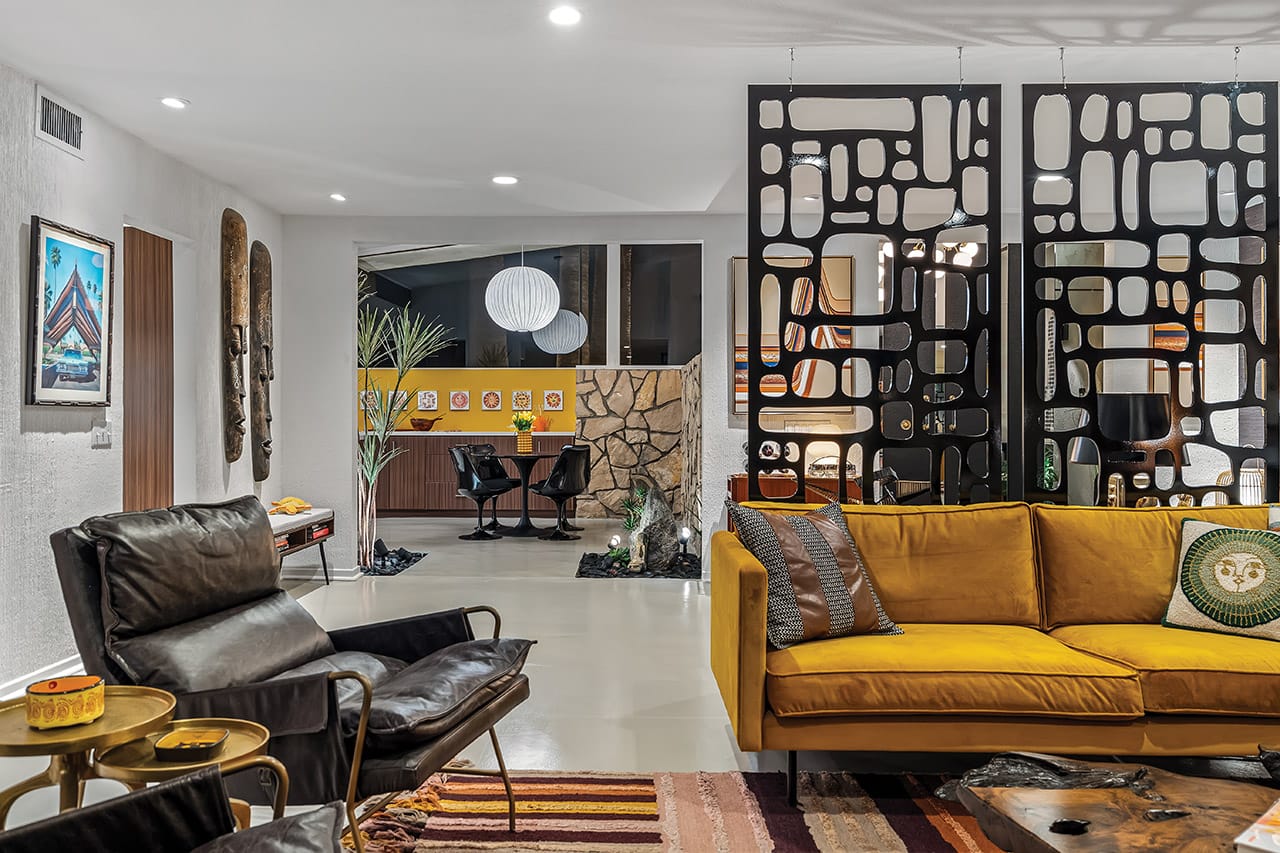
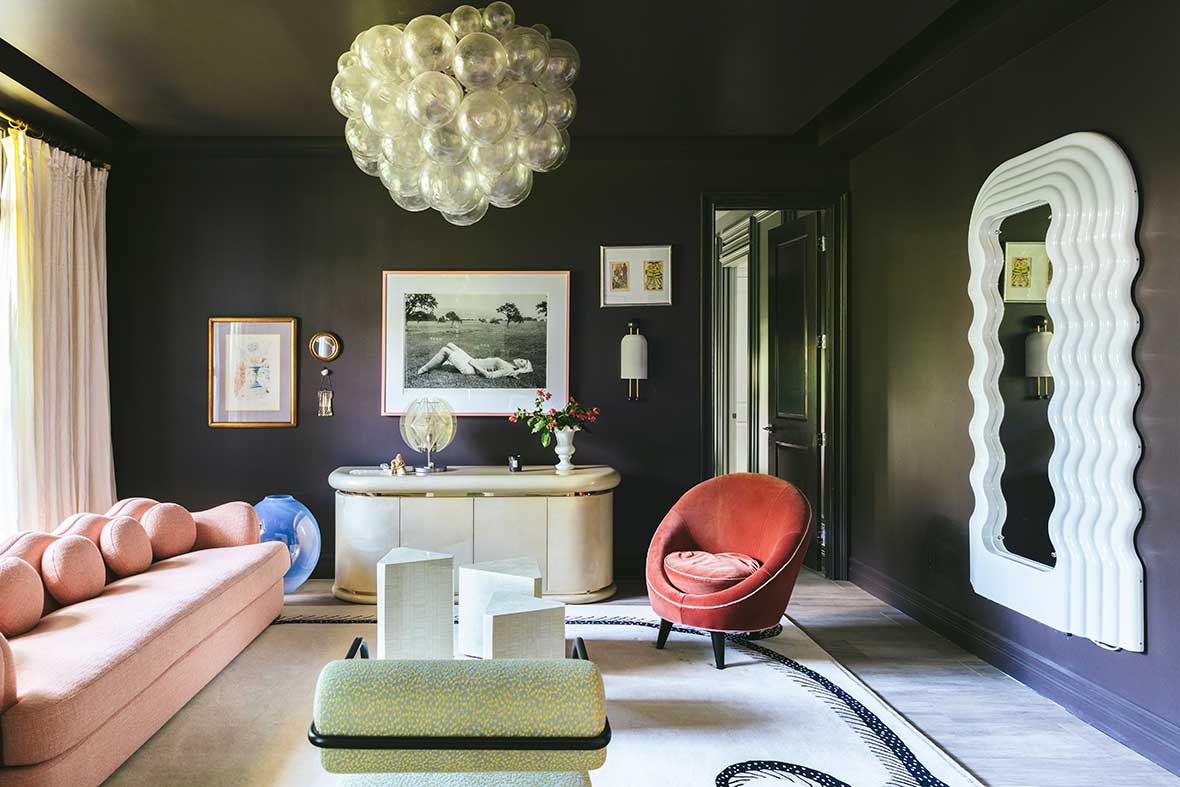
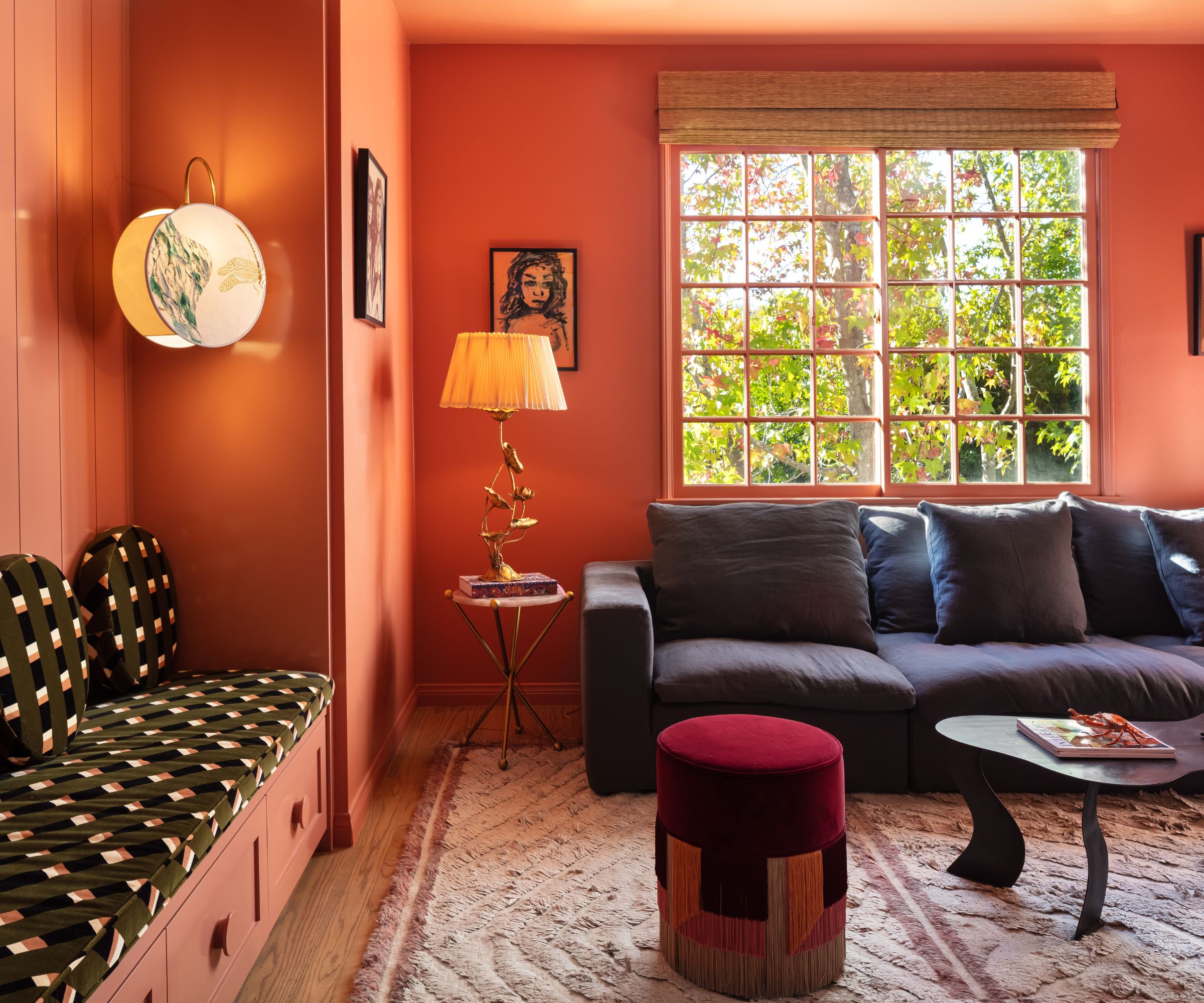
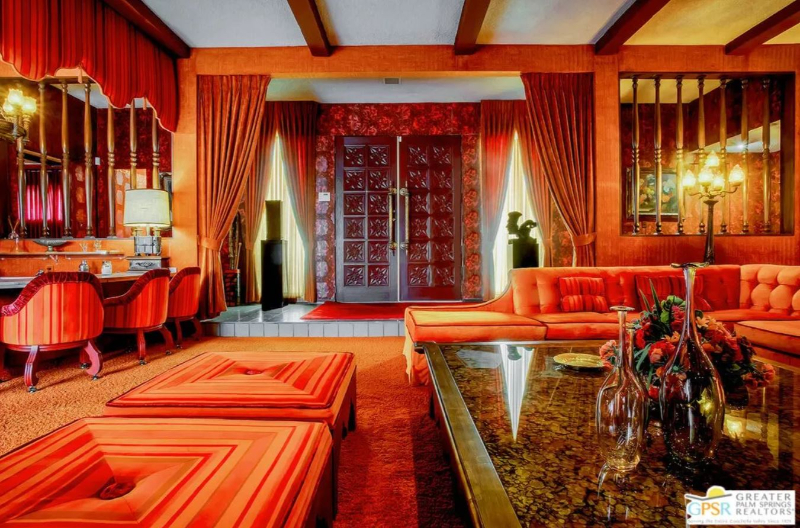
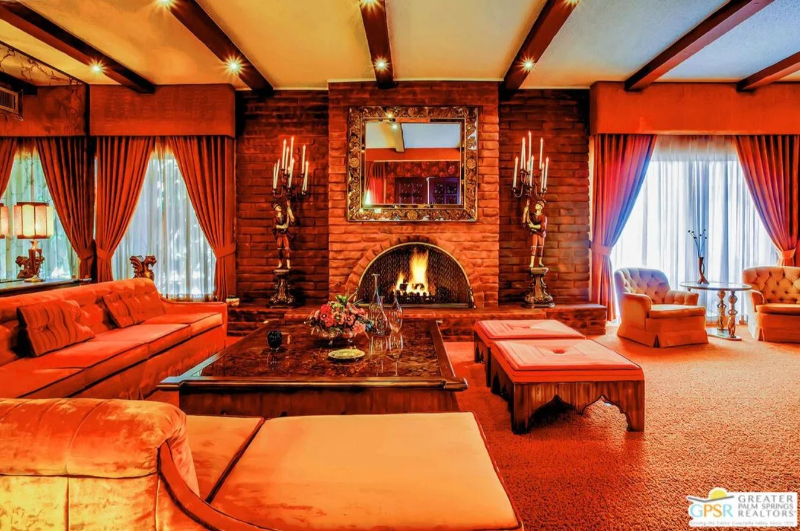
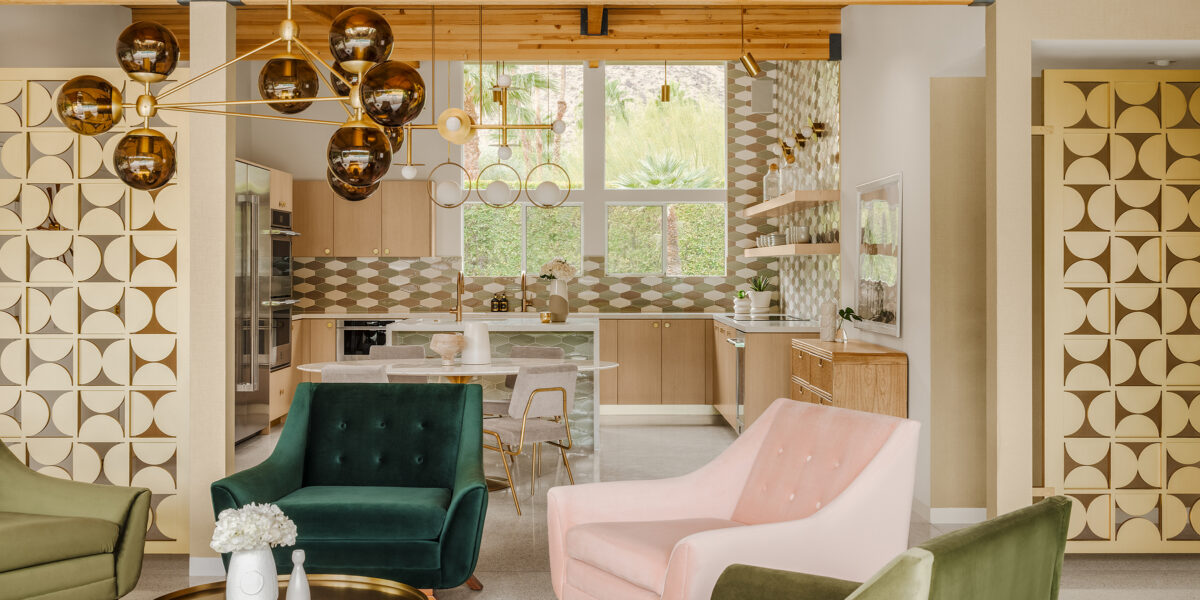
Finally, opulent furniture is crucial for completing the Palm Springs interior. This includes velvet couches, elegant drinks trolleys, large pendant lights, and an abundance of timber. The emphasis is on basic yet beautifully designed building materials, ensuring both durability and a timeless aesthetic. The integration of these elements allows for the creation of a light, breezy, and effortlessly glamorous home, echoing the iconic mid-century modernism of Palm Springs.
#PalmSpringsStyle #MidCenturyModern #HomeRenovation #InteriorDesign #ArchitecturalFeatures #CactusGarden #BreezeBlocks #IndoorOutdoorLiving #PalmSpringsStyle #MidCenturyModern #HomeRenovation #InteriorDesign #ArchitecturalFeatures #CactusGarden #BreezeBlocks #IndoorOutdoorLiving
0 comment in total
 No comments yet
You may also like
Don’t Call It an Accent Wall—In This Bungalow, Patterned Surfaces Act Like Headboards and Room Dividers

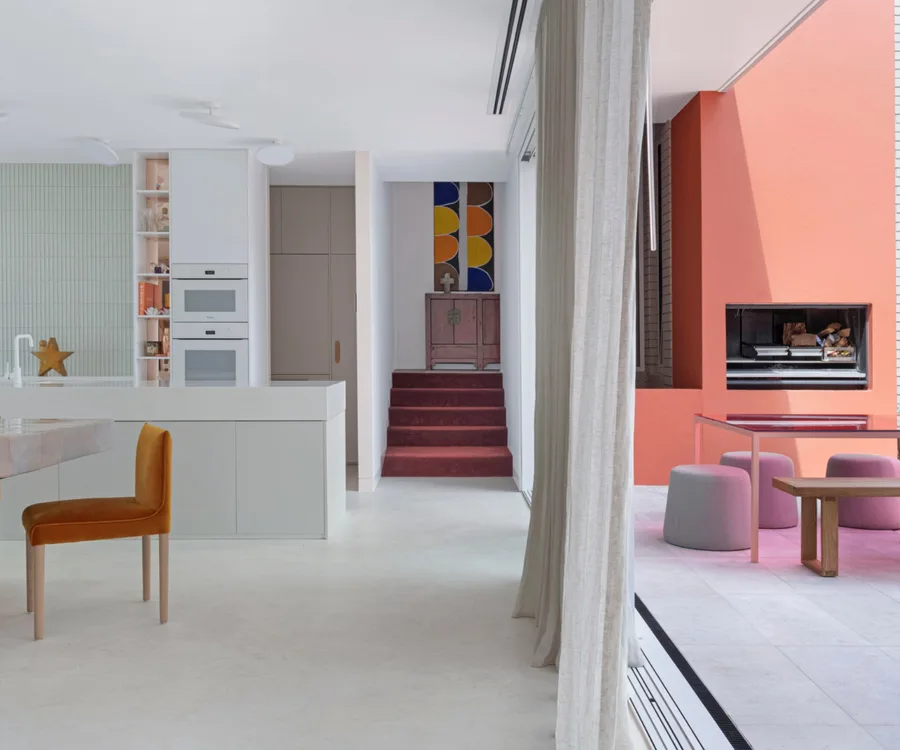
Mid-century design meets Palm Springs flair in the home of an interior designer

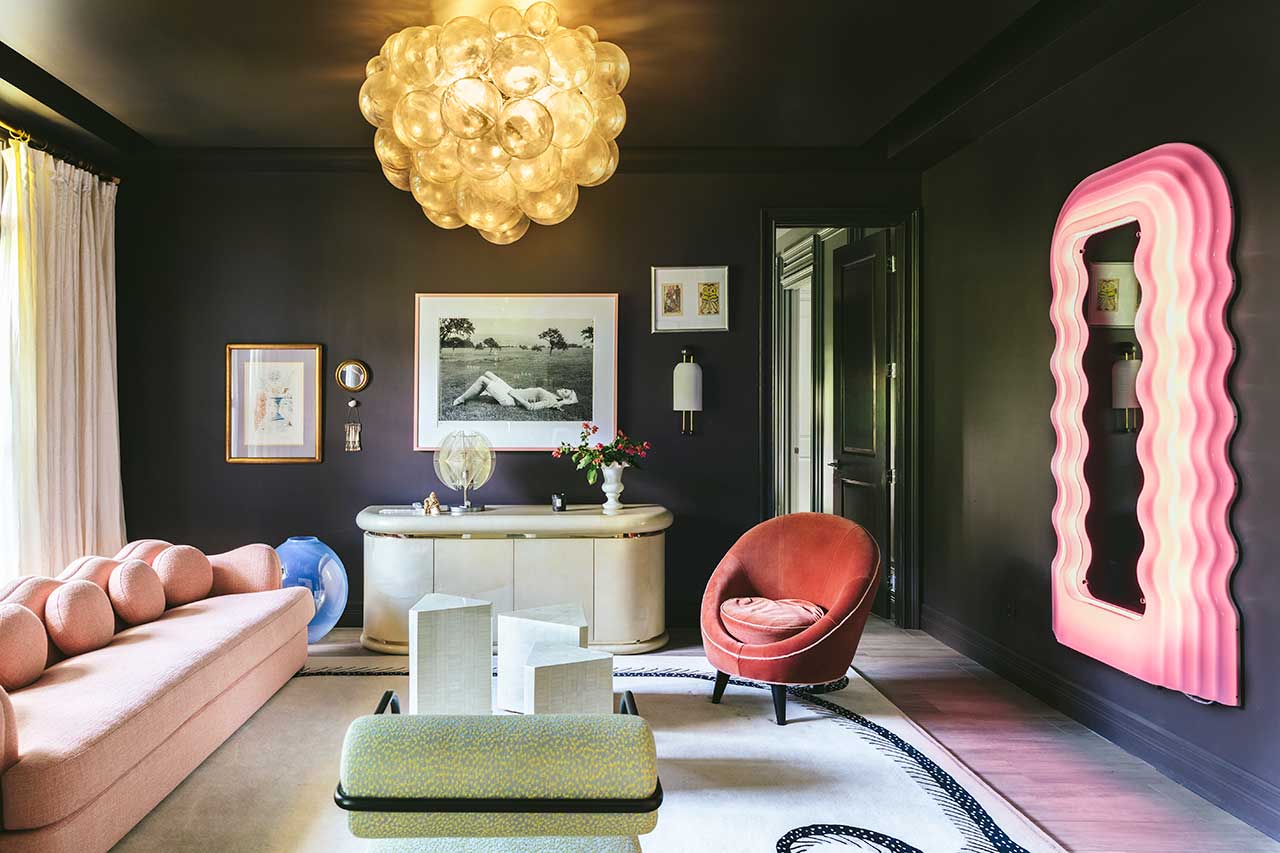
This Palm Beach Residence Goes Bold, Glam, and Eclectic
The Spring Color Trend That'll Make Your Home Feel Refreshed

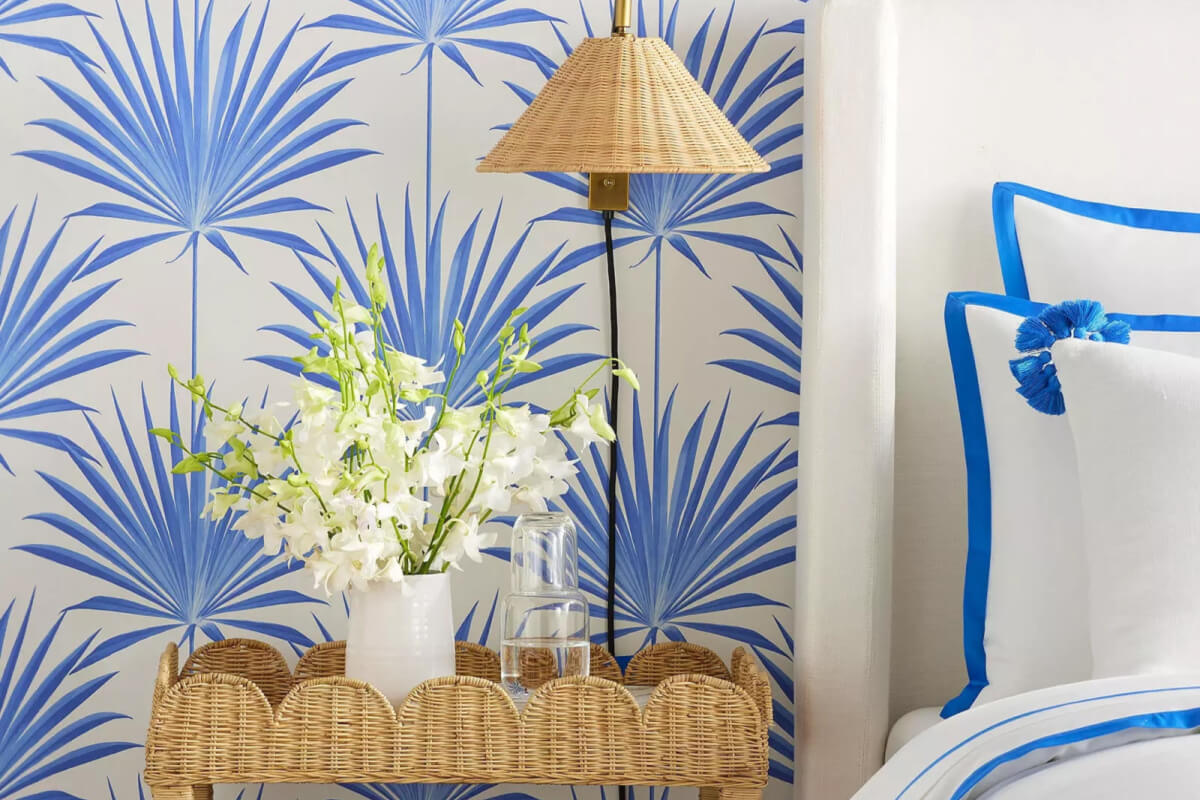
8 Ways to Bring Palm Beach Style to Your Home & Closet

How an Interior Designer Designed His Dream Home in Palm Springs
Best Home Decor Shops in Greater Palm Springs 2024
The Only Design Rule for This L.A. Home: Stick to Pink and Green

This Palm Springs House Is Full of the Grooviest, Most Stylish Mid-Century Modern Decorating Ideas
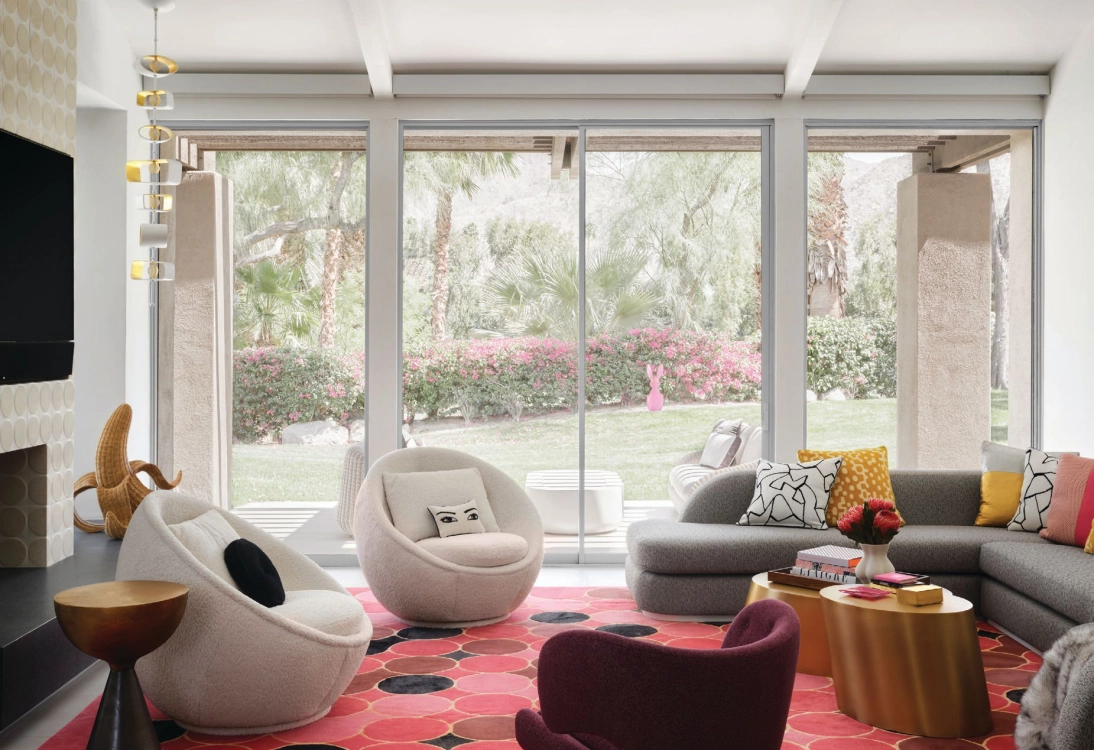
Vibrant Midcentury Modern Home Design in Indian Wells
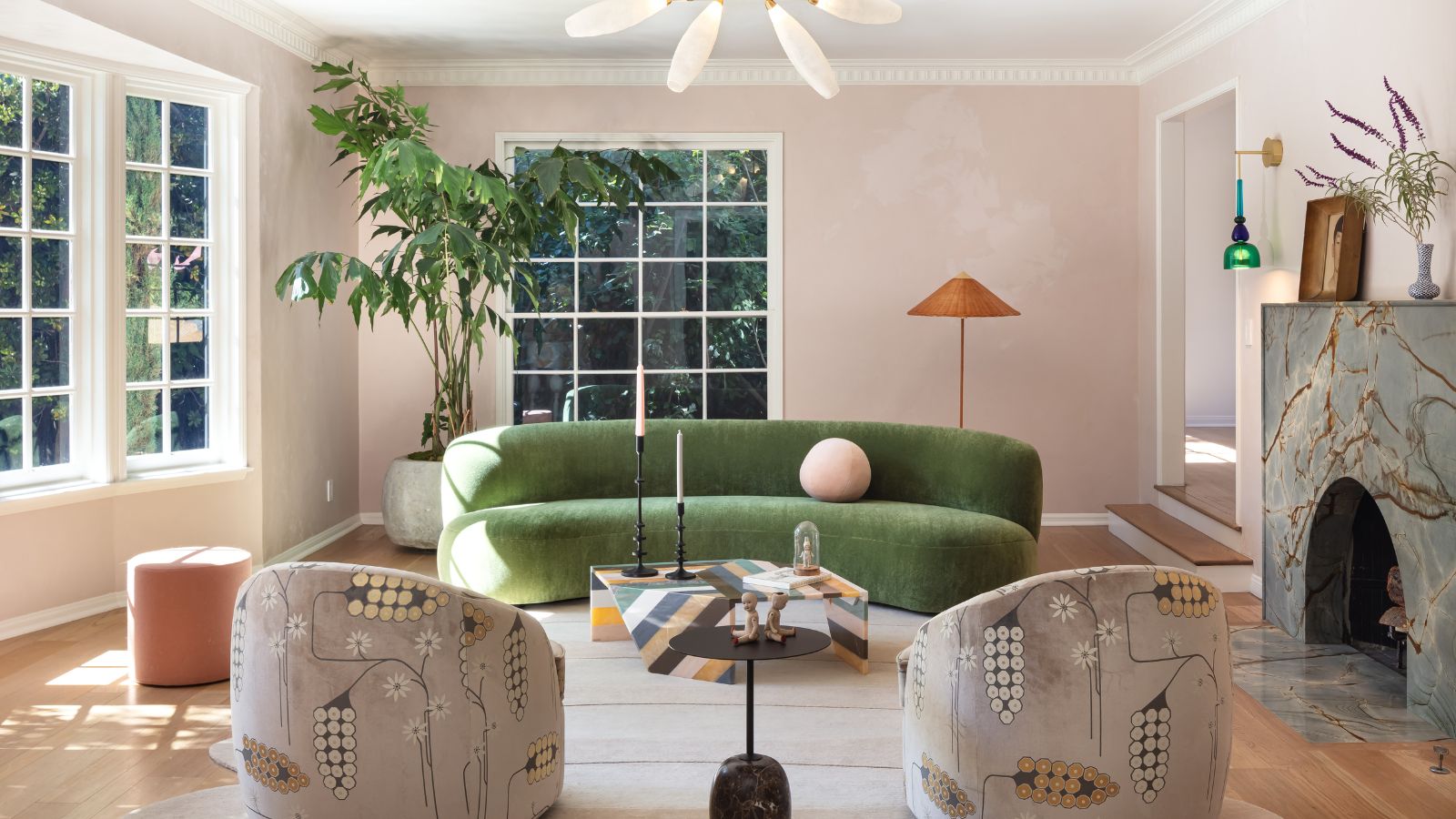
3 decor lessons I learned from a trip to Palm Springs

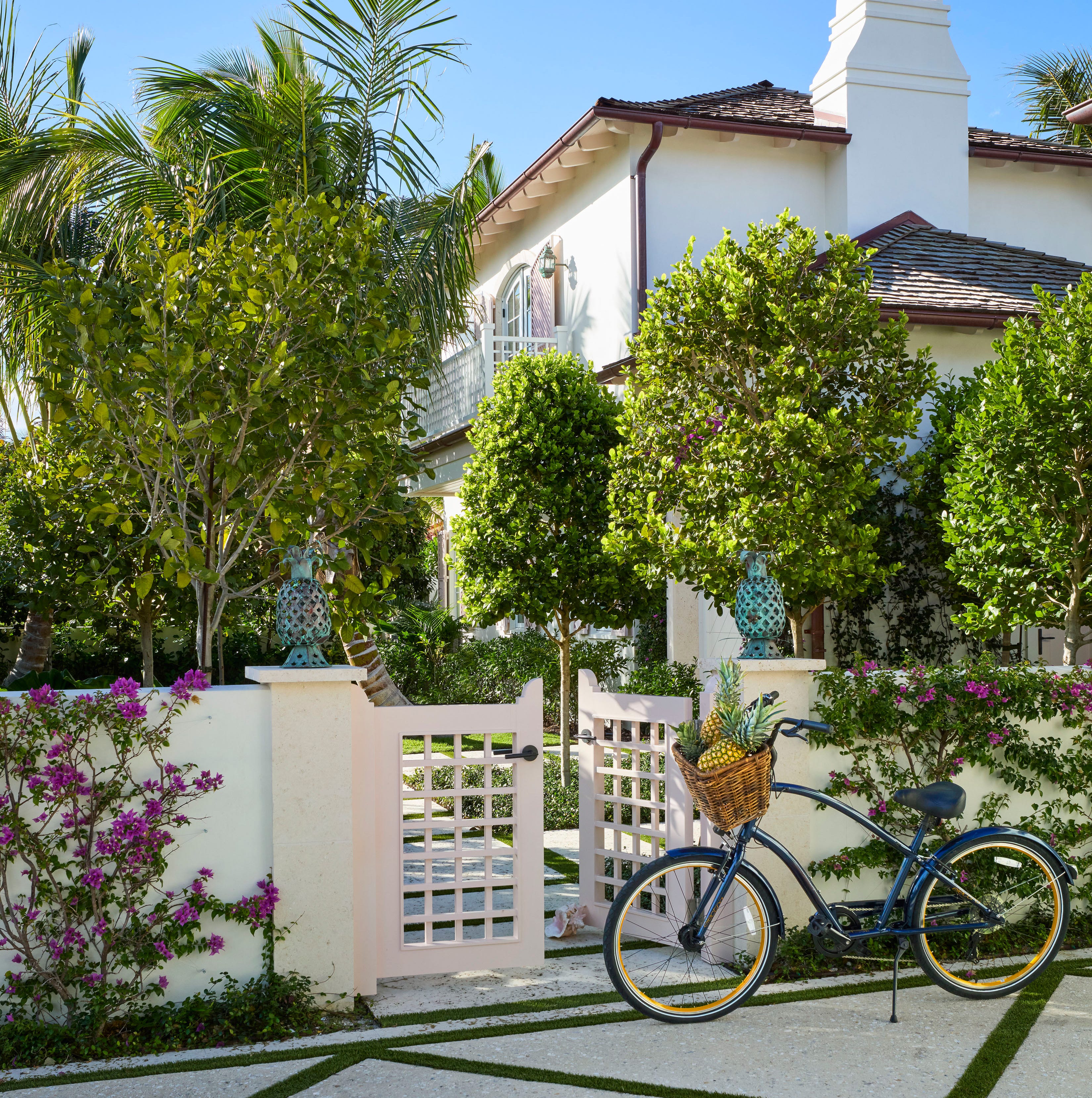
A West Palm Beach Home With "No White Walls"

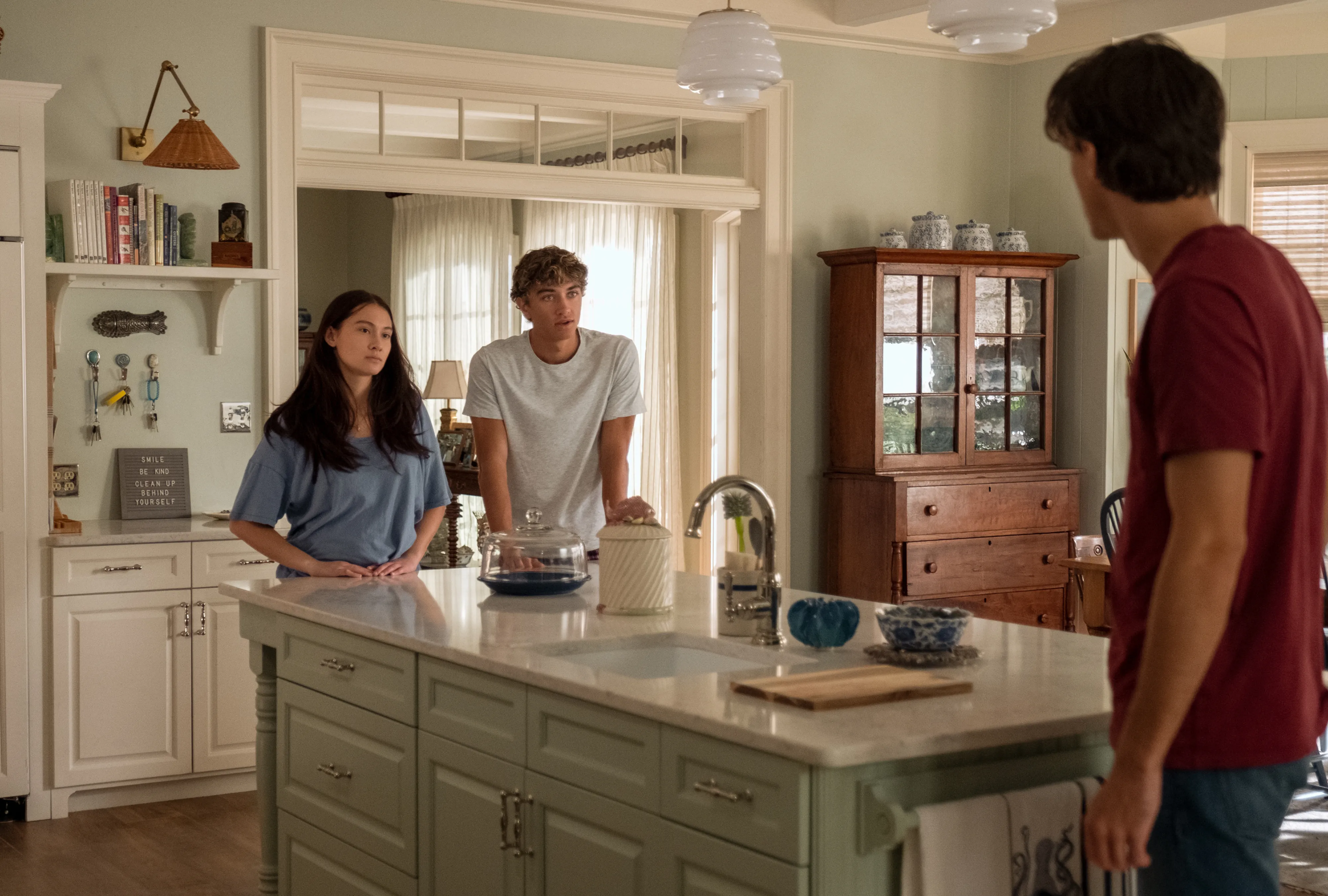
5 Style Tips from 'The Summer I Turned Pretty' to Make Your Home Feel Like a Beach Getaway

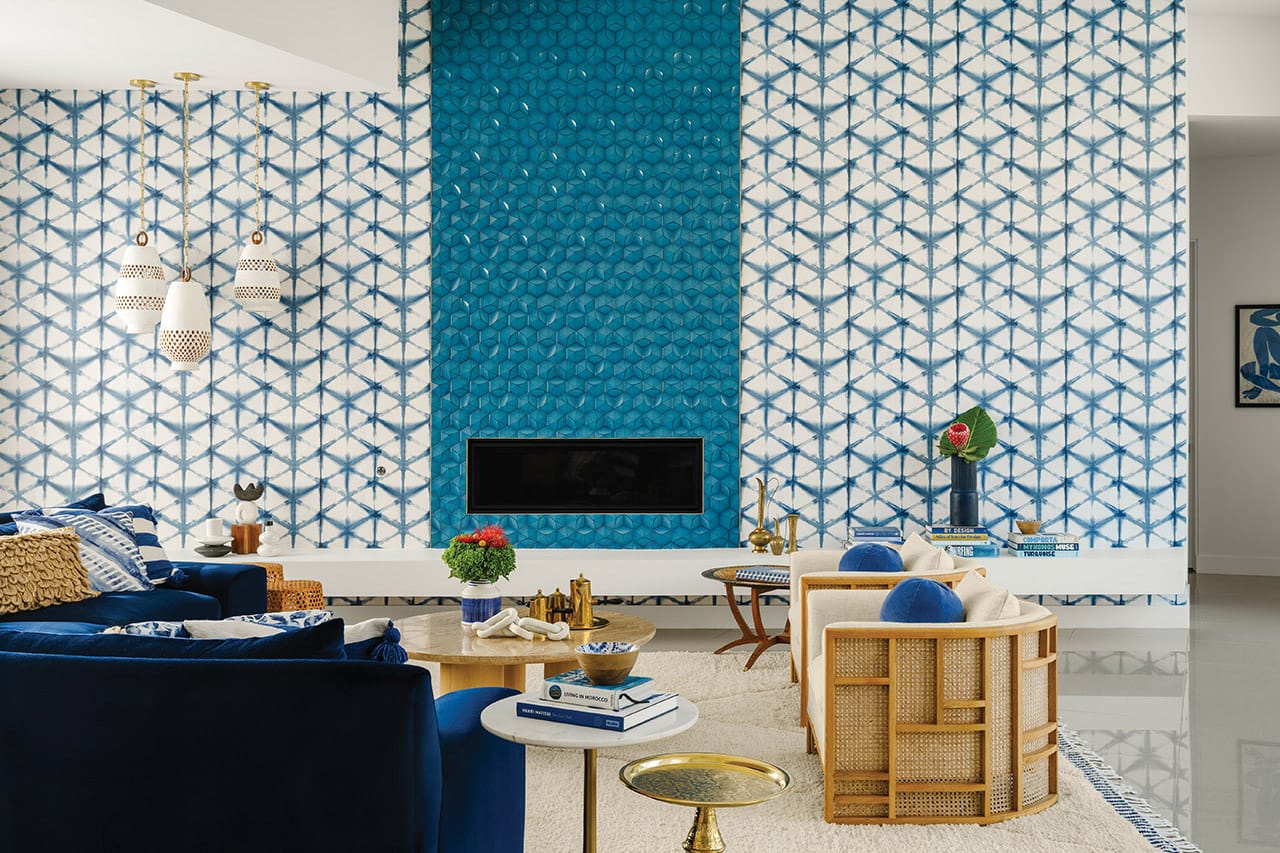
Bold Moroccan Interior Design: A Stunning Palm Springs Home
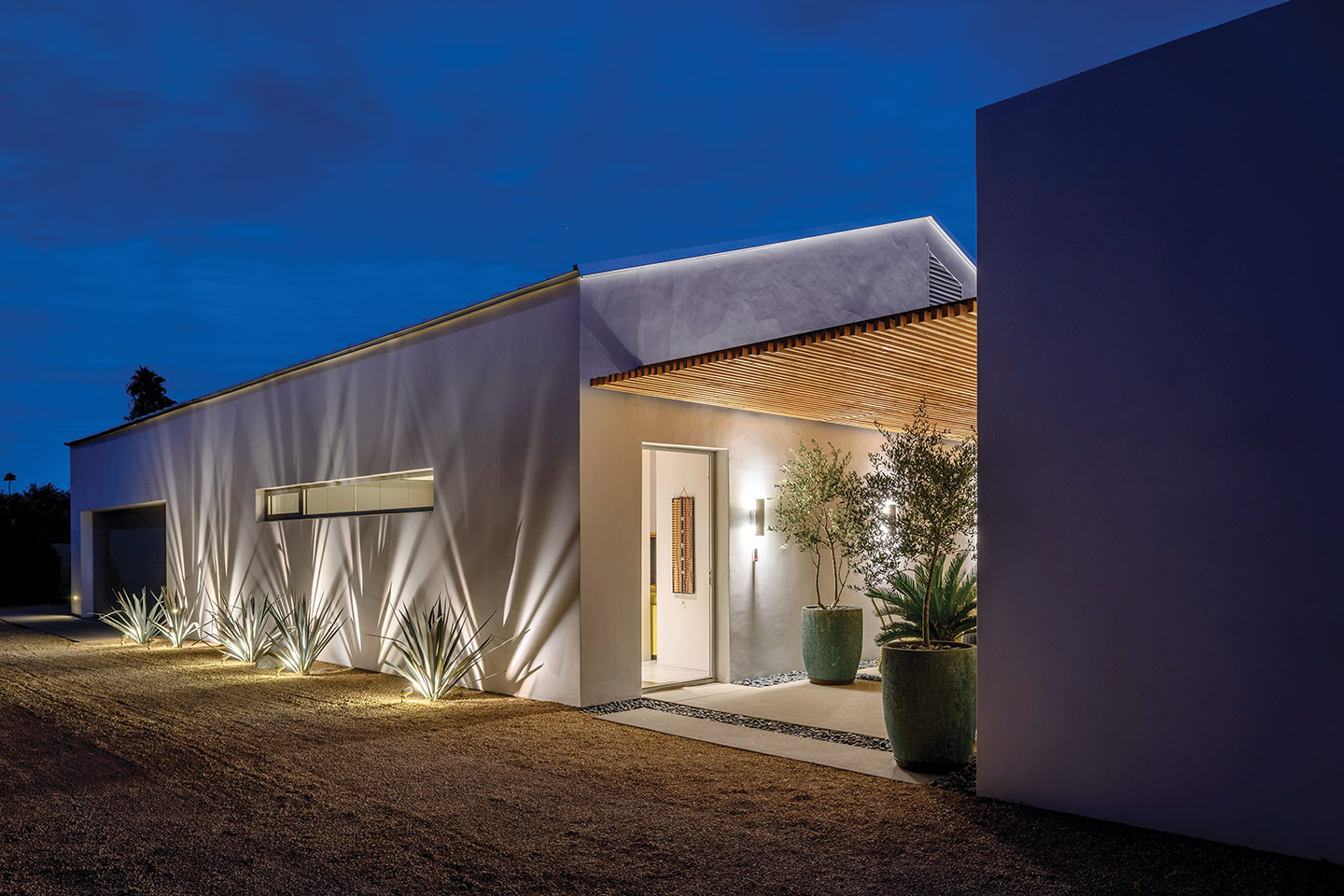
Seattle Architect Makes Palm Springs His New Home
This is the Fastest Way To Get an Elegant-Looking Home

How To Style Your Home With Spring Styling Trends
The 15 Year Renovation: One Designer's Long Relationship With a San Francisco Home
Ensconced in Velvet, This Palm Springs MCM Makes The Perfect Birthday Gift

7 Places to Shop Local for Home Décor and Furniture