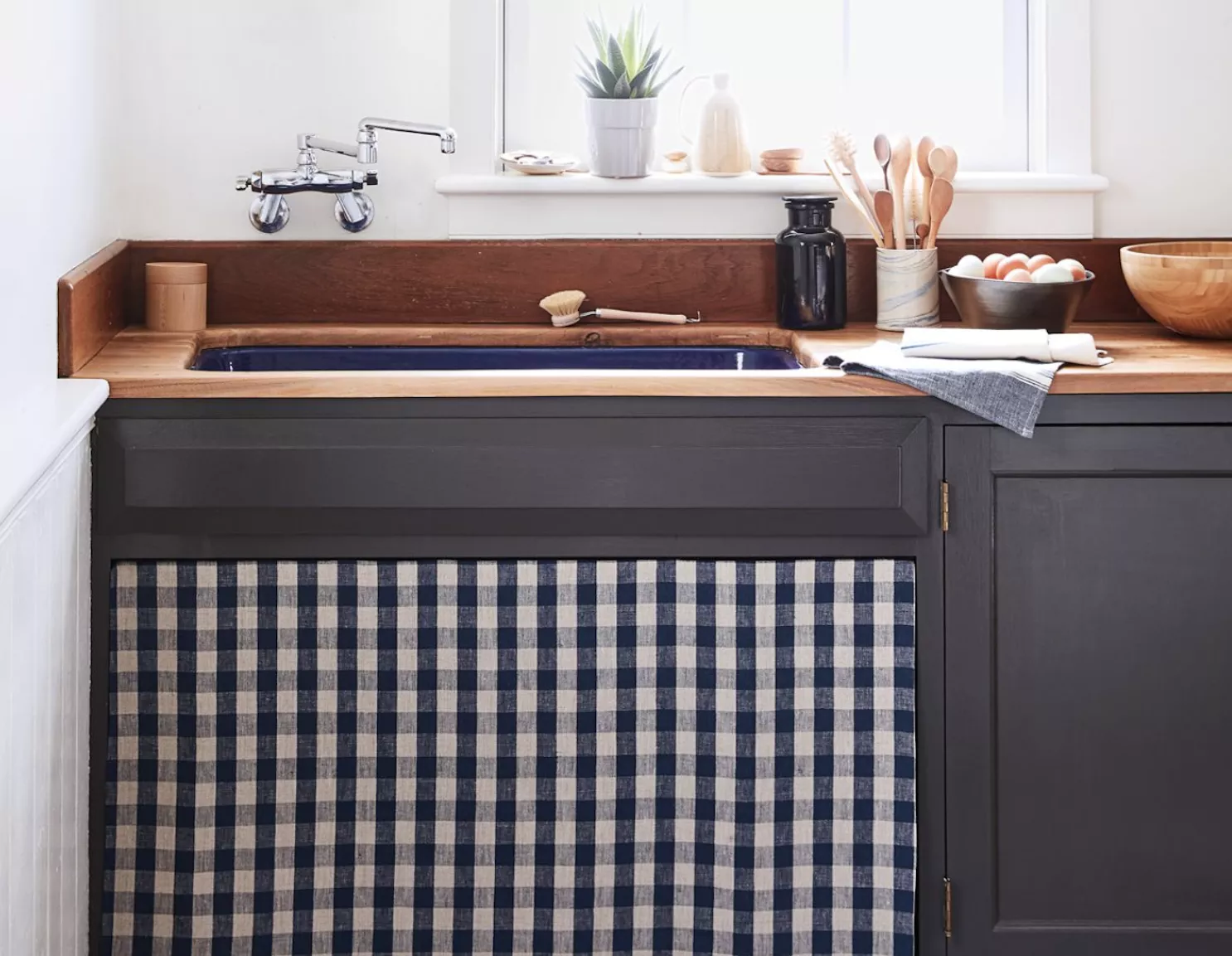
17 Things You Should Never Store Under Your Sink (but Probably Are)
The areas beneath kitchen and bathroom sinks, while seemingly convenient for stashing items out of sight, are often unsuitable storage locations due to specific environmental conditions. These spaces are typically dark, prone to dampness, and subject to temperature fluctuations, which can foster mold and mildew growth and cause damage to various materials. Understanding which items are adversely affected by these conditions, and why, is crucial for maintaining their integrity and ensuring safety.
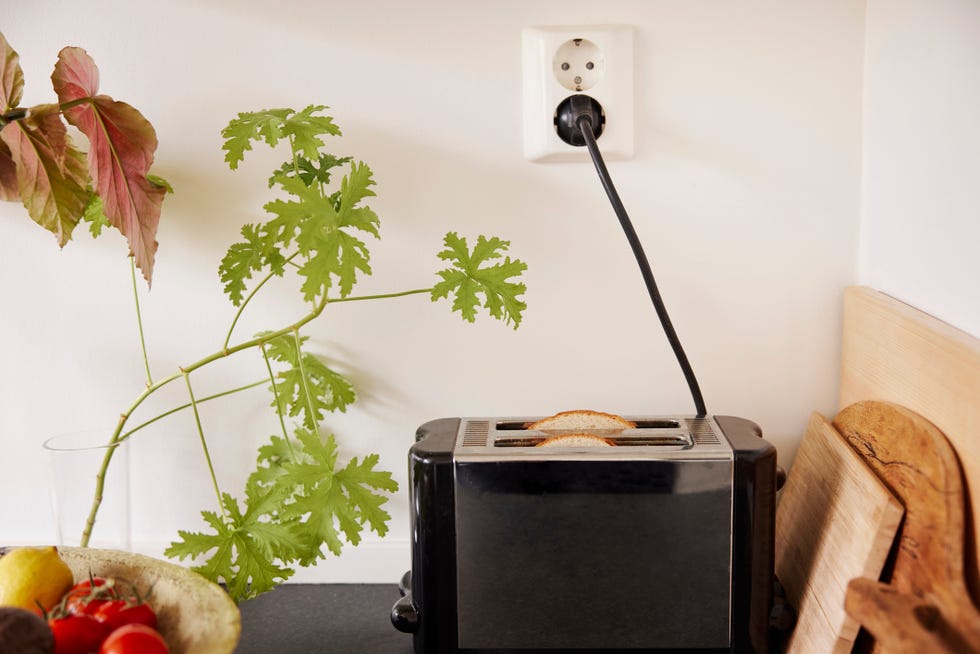
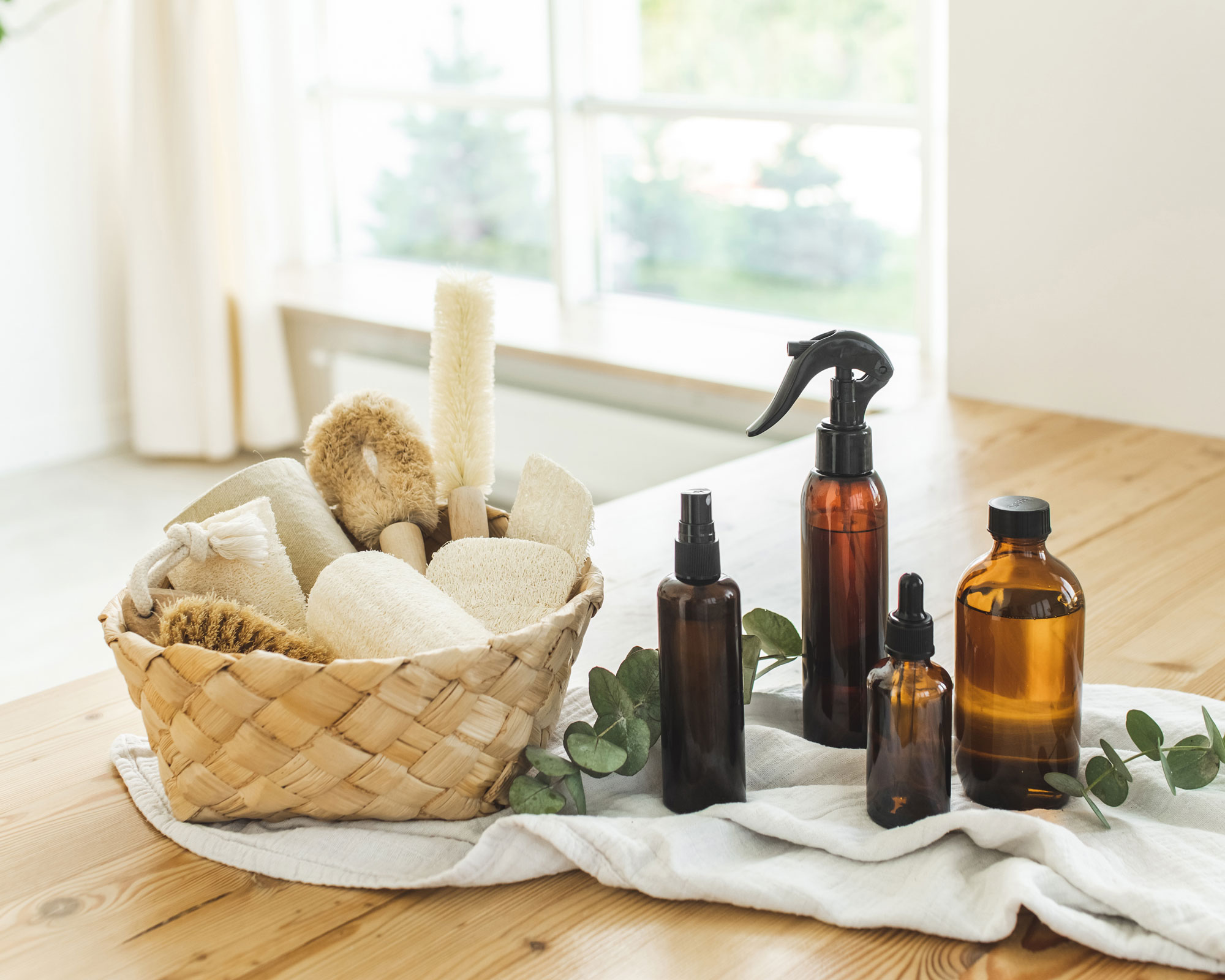
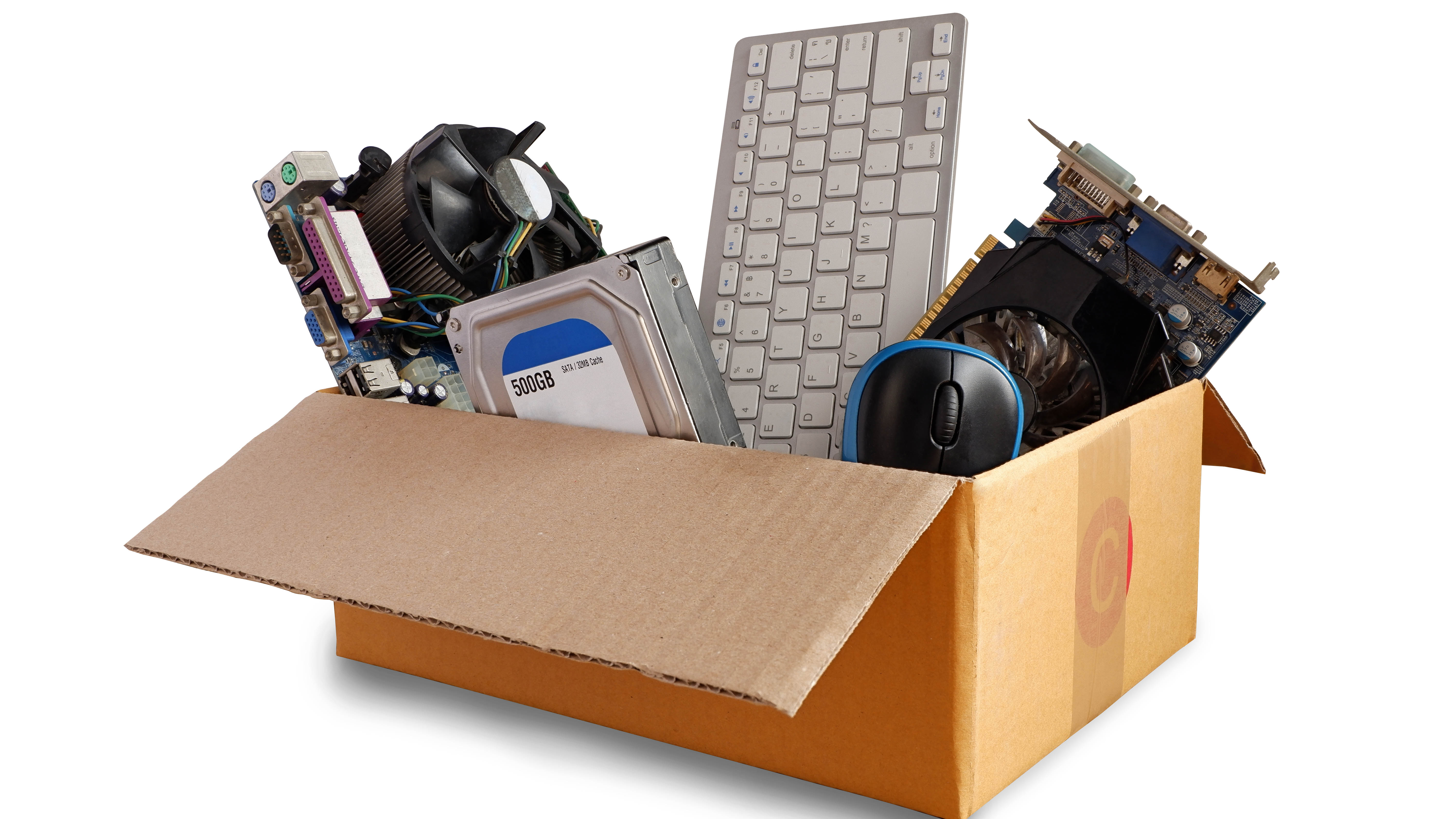
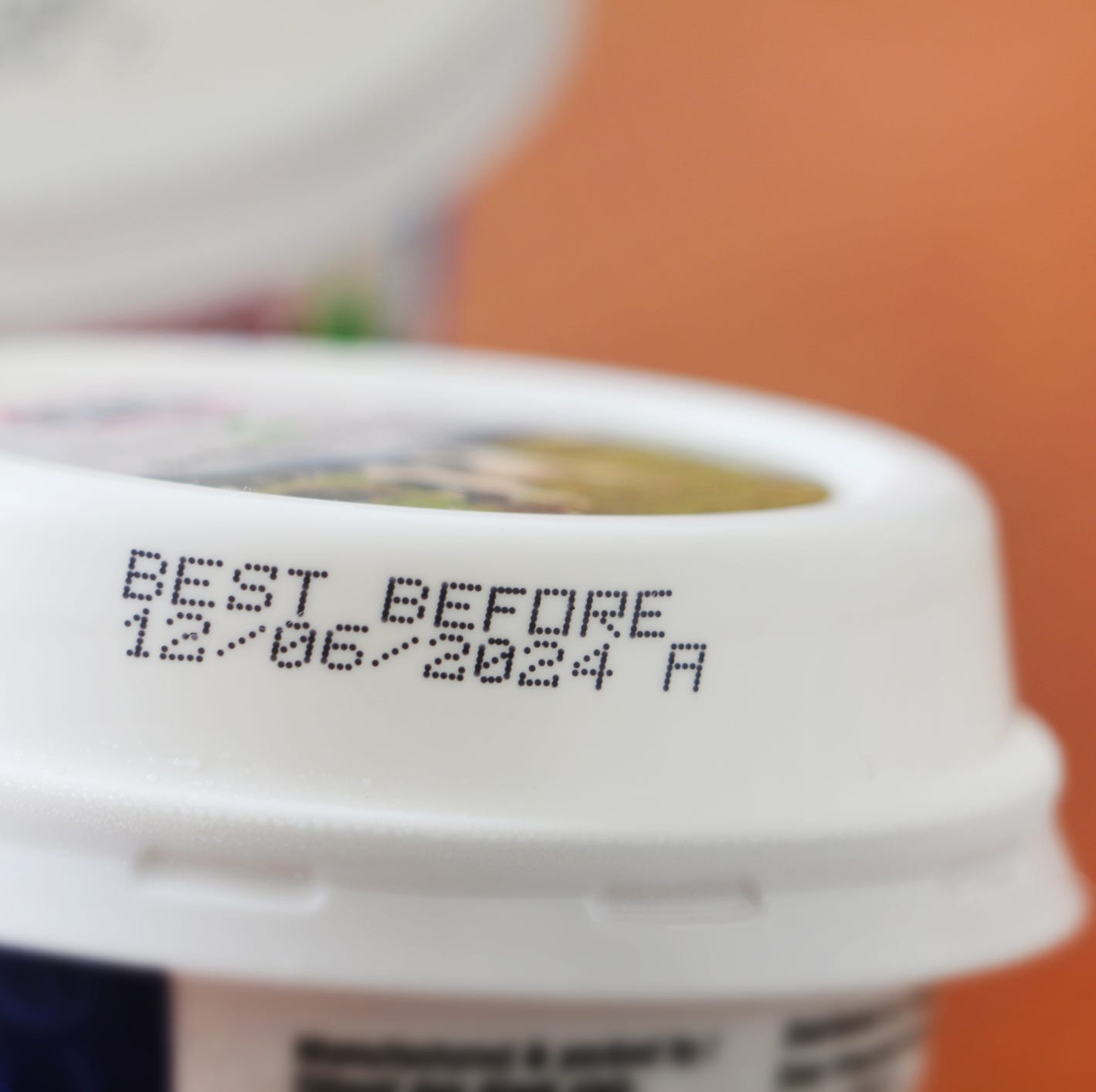
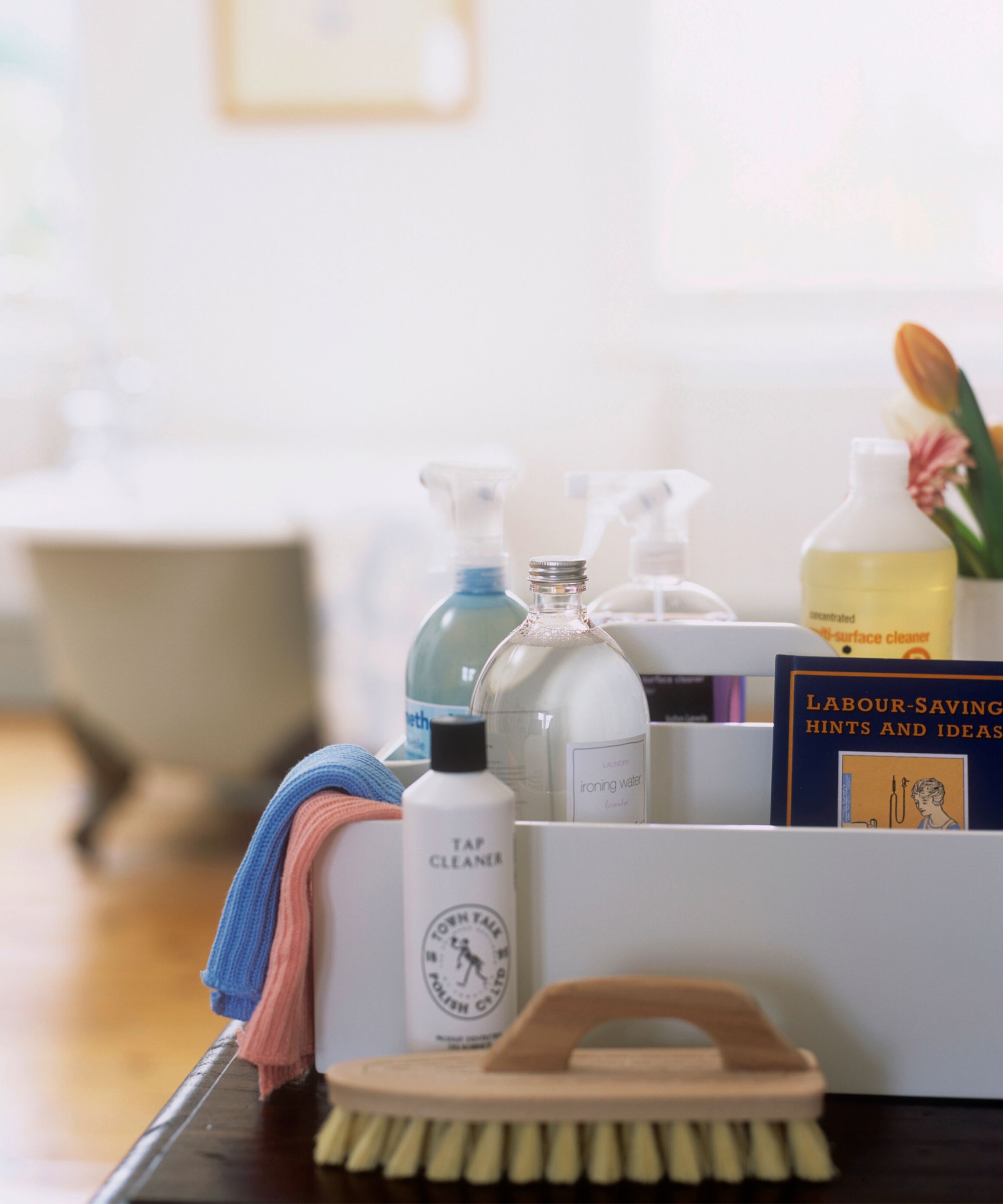
Under the kitchen sink, several categories of items should be avoided. Small kitchen appliances, such as crock pots, pressure cookers, and blenders, are susceptible to damage from potential leaks. Paper products like paper towels, bags, and napkins are easily ruined by moisture. Dishwasher pods can prematurely dissolve or break down if exposed to water. Cleaning products, beyond posing a health risk to children and pets due to easy access, can also be damaged by leaks, leading to spills of hazardous chemicals. Furthermore, the restricted airflow under the sink can be problematic for many cleaning agents that require proper ventilation. Onions and potatoes require dry, dark, and cool conditions, making the damp under-sink area unsuitable; moisture can lead to spoilage and vulnerability to leaks if stored in breathable bags. Flammable products, if stored near heat sources such as water heaters or pipes, present a fire hazard, especially if containers leak. Pet food risks cross-contamination from other products and potential exposure to harmful chemicals or bacteria if leaks occur. Cookware and food storage containers can become contaminated by condensation or drips from leaky pipes, which could then transfer to food. Sponges are ideal breeding grounds for bacteria and mold when damp, making the humid under-sink environment detrimental to their hygiene. Batteries can have their performance and lifespan negatively affected by temperature fluctuations, potentially leading to faster discharge or leakage. Lastly, insecticides and pesticides, containing dangerous chemicals, should be kept out of reach of children and pets, which is not guaranteed under the sink.
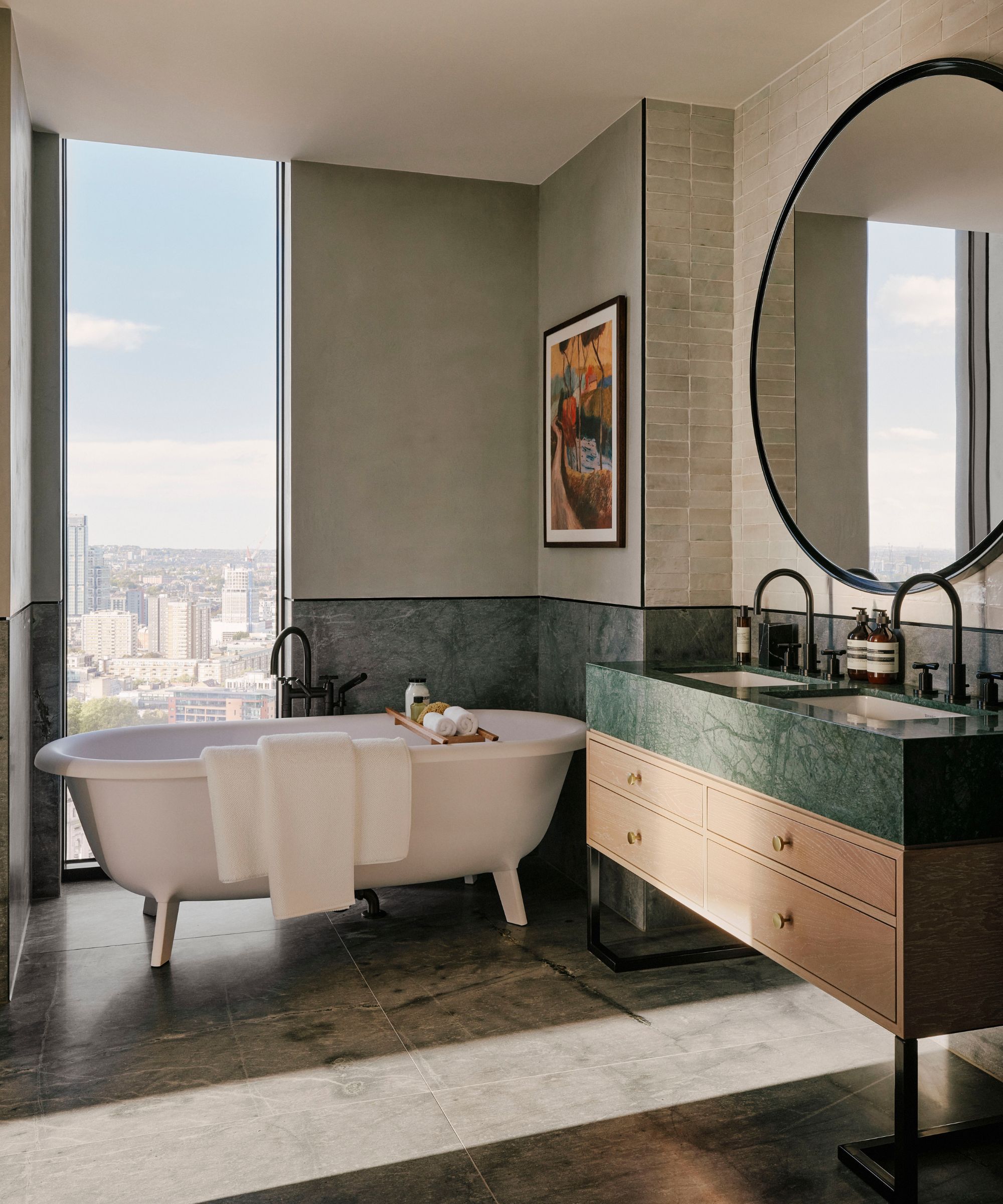
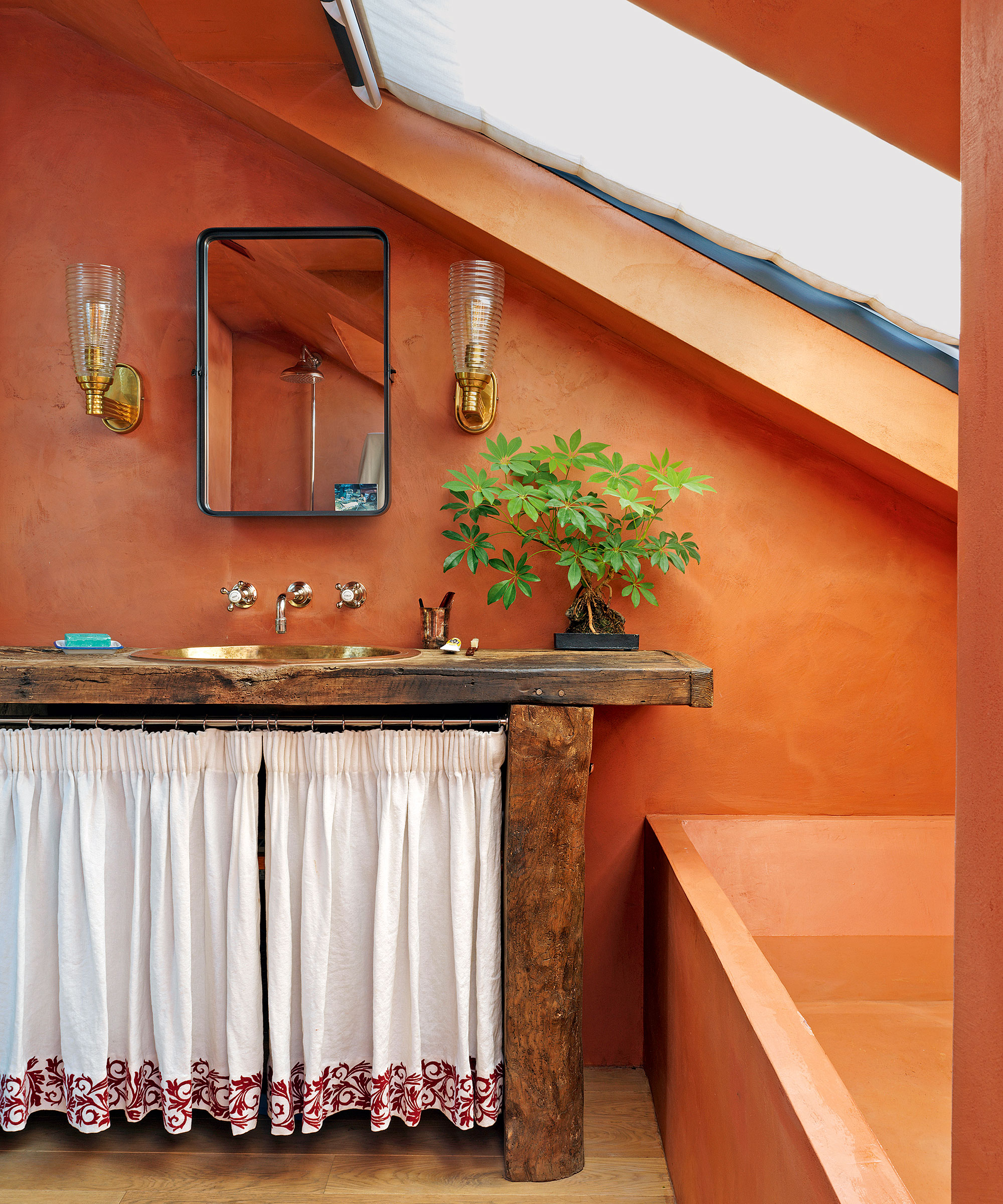
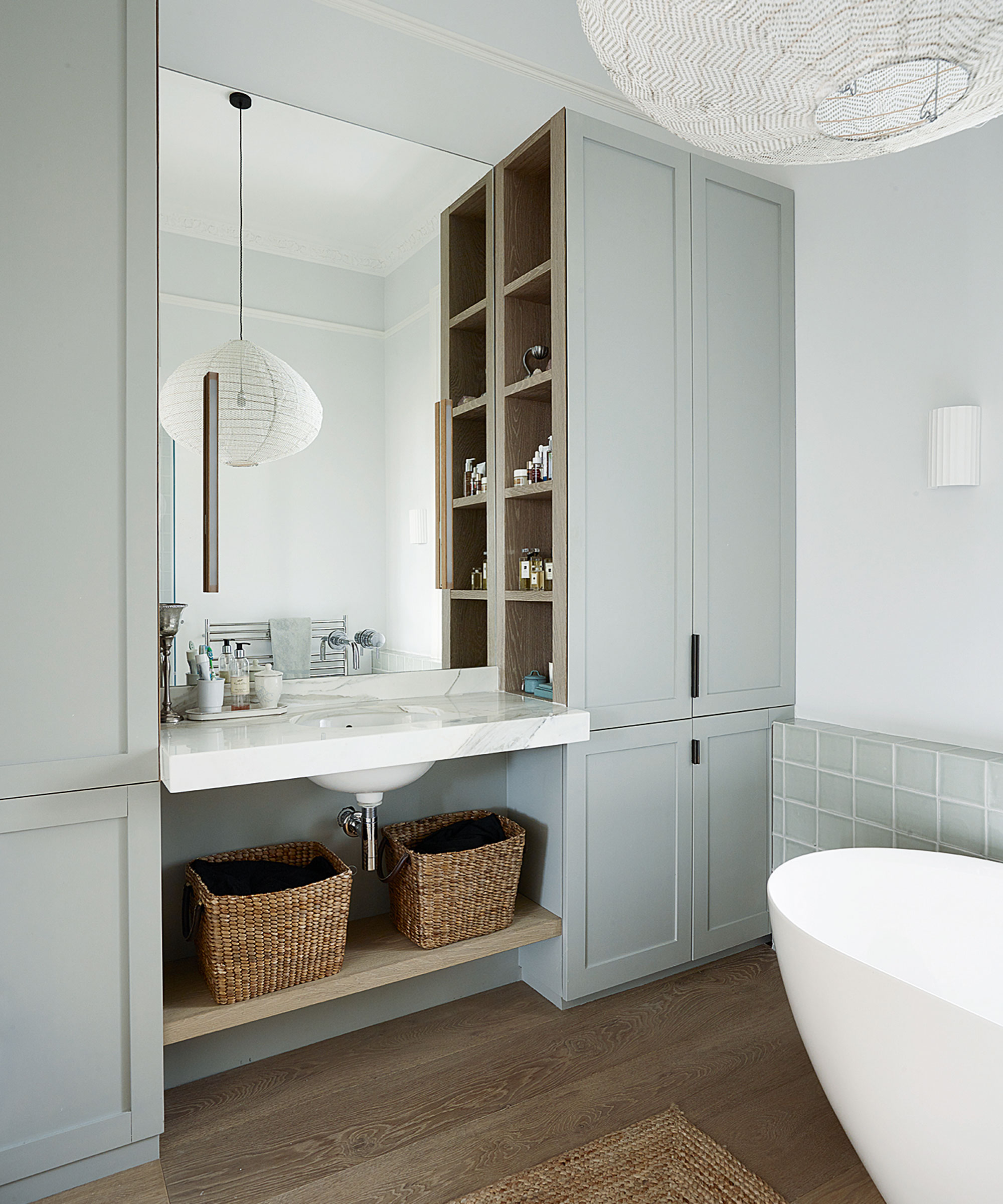
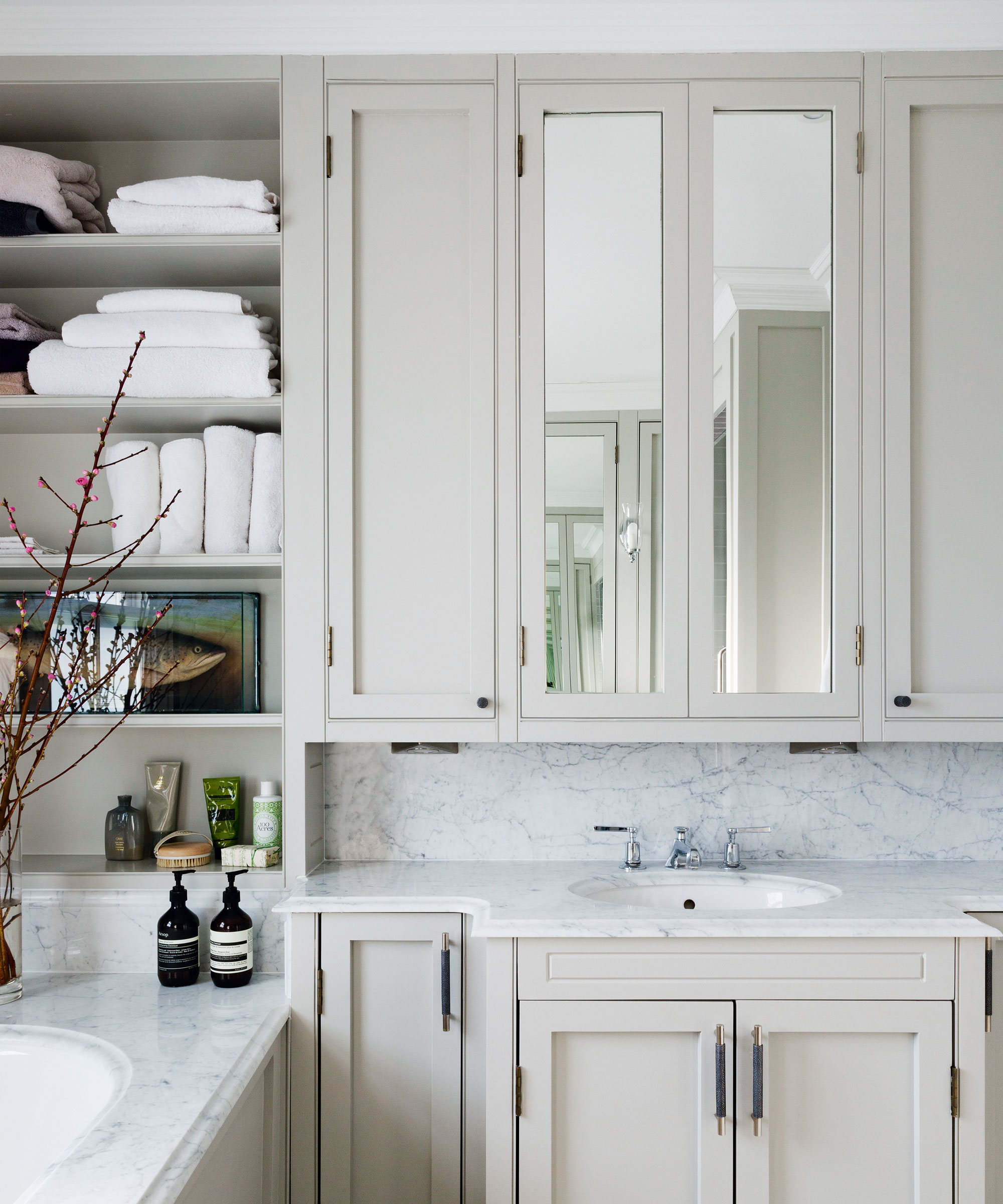
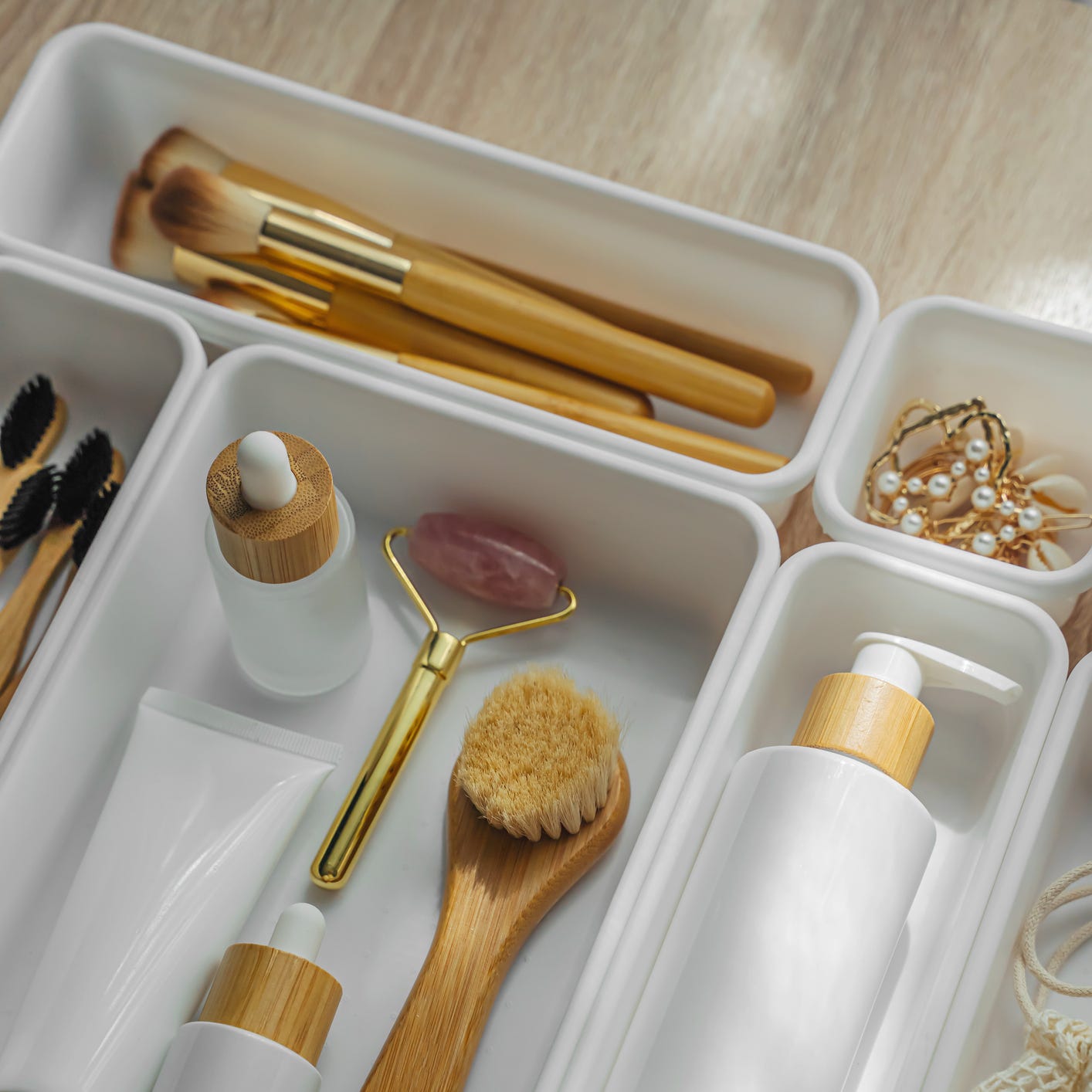
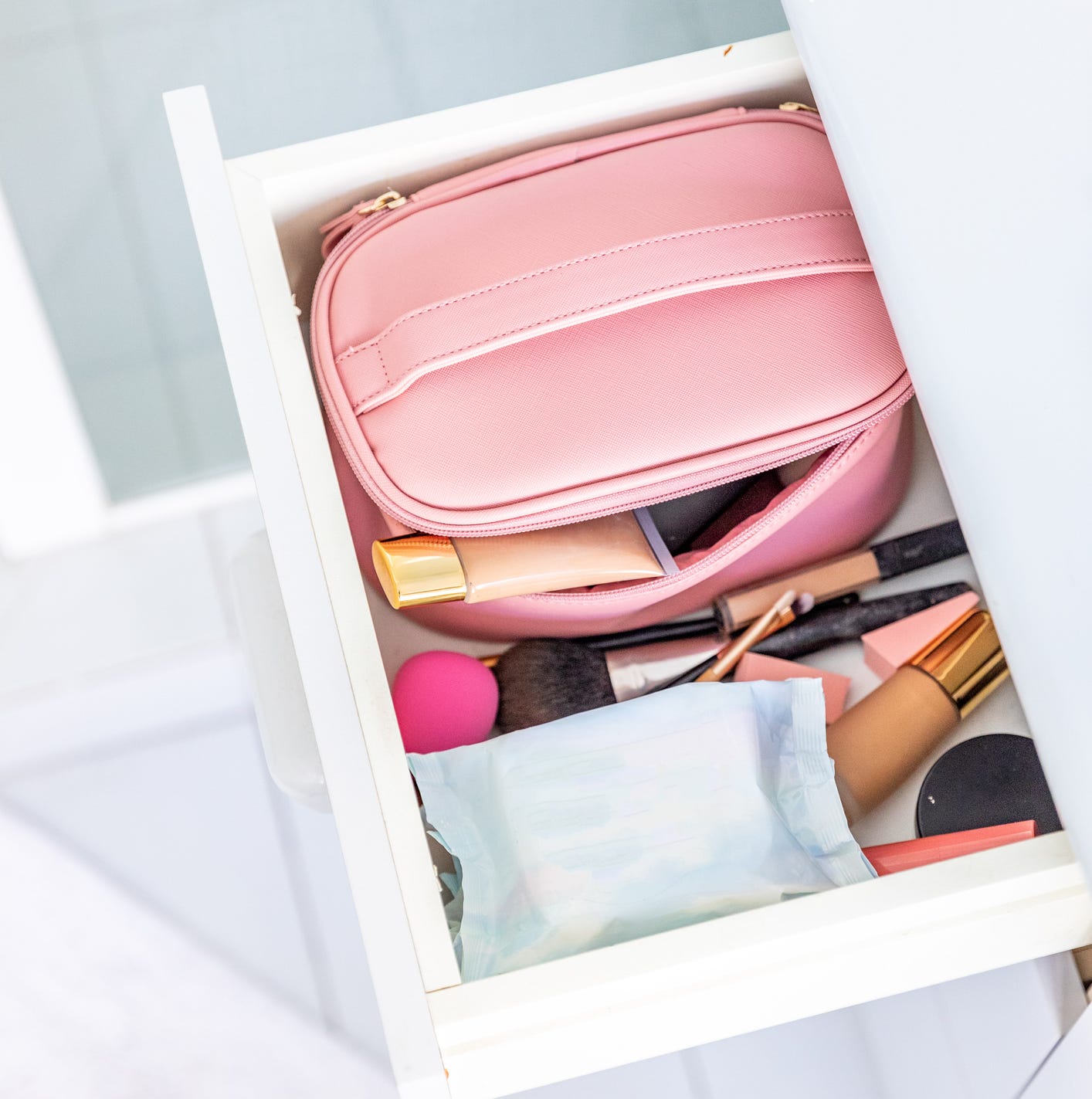
Similarly, the space under the bathroom sink has its own set of unsuitable items. Linens like towels and washcloths are vulnerable to contamination from plumbing leaks, posing hygiene concerns. Makeup products are sensitive to temperature fluctuations and humidity, which are common under bathroom sinks, leading to degradation of ingredients and reduced effectiveness. Toilet paper can be damaged by unexpected leaks or excess moisture from condensation, potentially leading to mold or mildew. Hair tools with electrical components, such as straighteners and curling irons, are susceptible to damage if they come into contact with water from leaky pipes. For these items, alternative storage solutions such as linen closets, higher cabinets, or pantries are recommended to preserve their quality and ensure household safety.
#HomeOrganization #UnderSinkStorage #KitchenStorage #BathroomStorage #HouseholdSafety #CleaningTips #HomeMaintenance #MoistureControl #HomeOrganization #UnderSinkStorage #KitchenStorage #BathroomStorage #HouseholdSafety #CleaningTips #HomeMaintenance #MoistureControl
0 comment in total
 No comments yet
You may also like
8 Things You Should Never Wash Down The Sink

6 Things You Should Never Keep on Your Kitchen Counter


15 things you should never store in your basement – and why

12 Things You Should Absolutely Never Store Under the Bed

9 items never to store in a bathroom vanity – according to the experts
8 Things Experts Would Never Store Under the Bed (and Neither Should You!)

7 Things You Should Be Storing Under The Bathroom Sink

These 7 things should never be stored in plastic bins – don't risk damaging your possessions
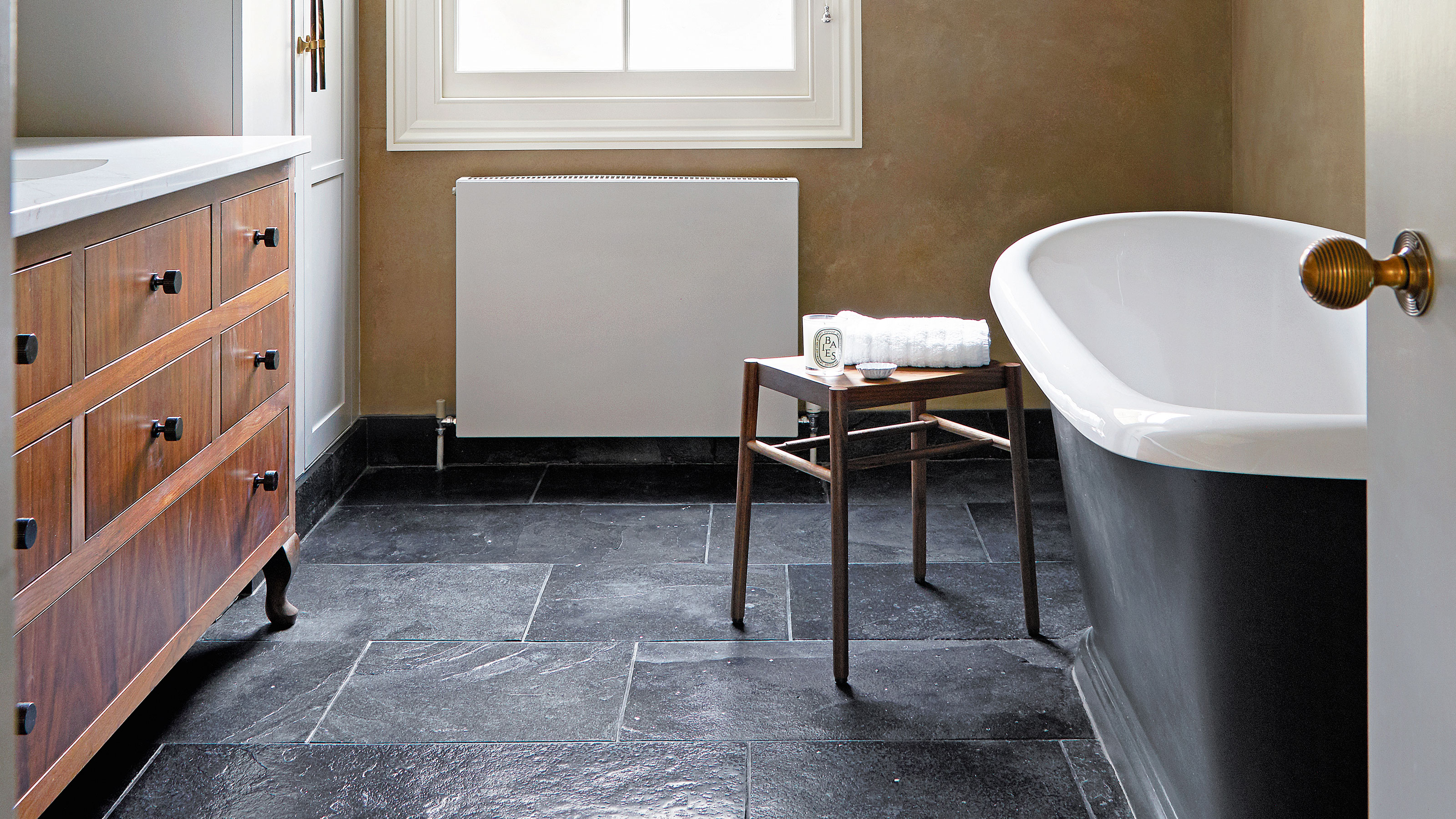
11 items not to store in a bathroom cabinet, and what experts say to do instead
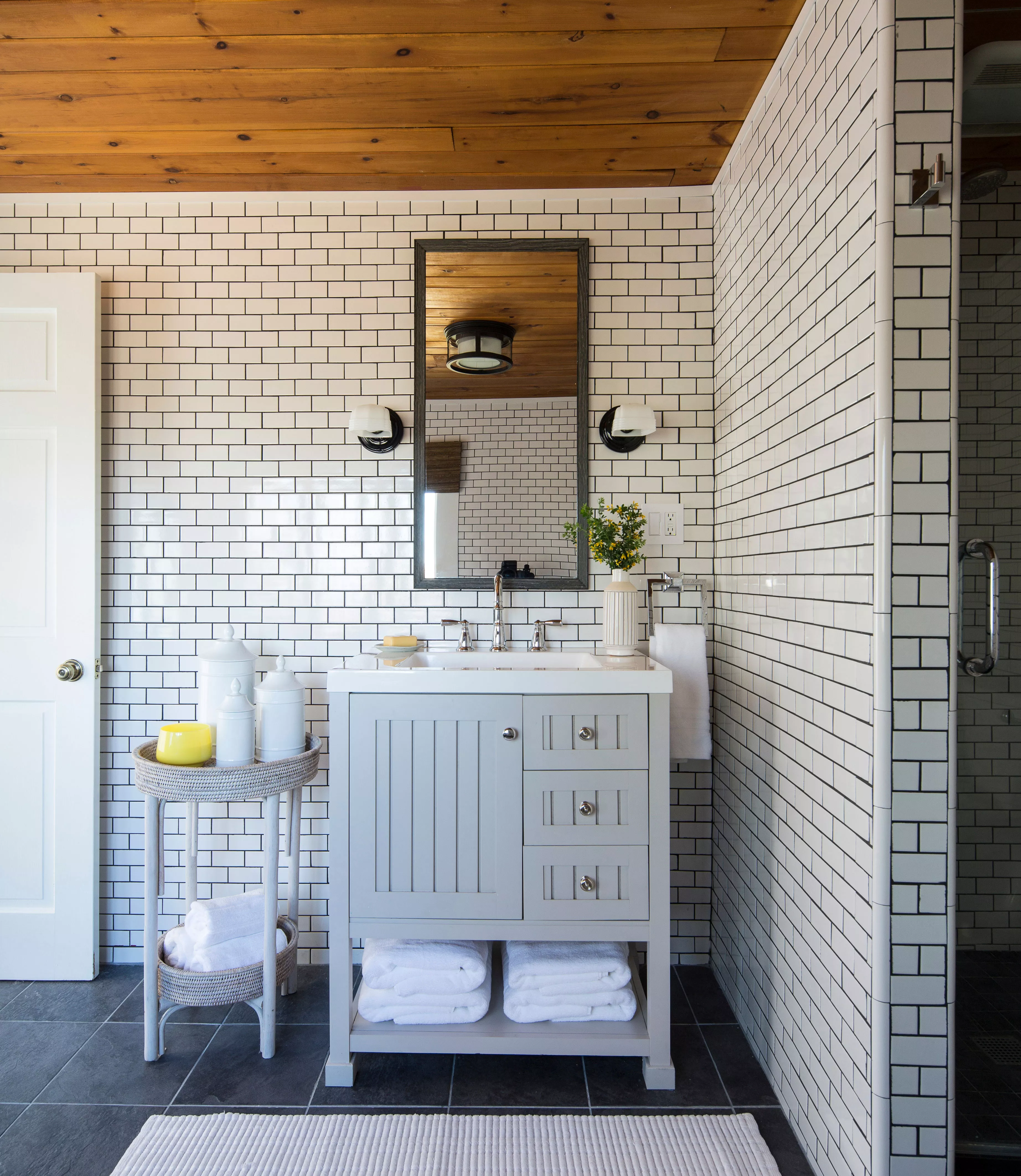
10 Things You Should Never Store in the Bathroom
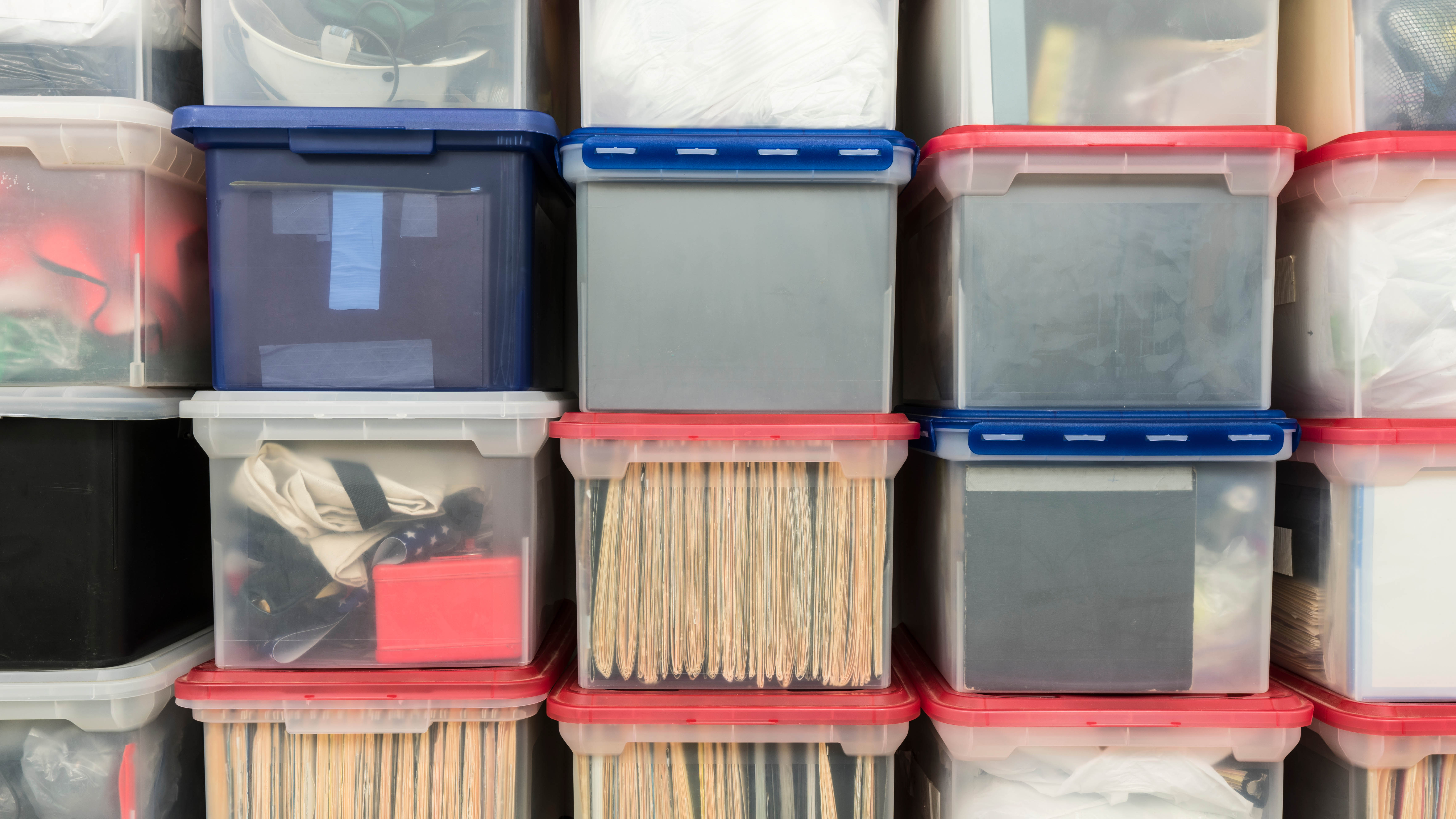
7 things you should never store in plastic containers
7 types of storage you should never use in a pantry – they'll make utilizing this space well 10 times harder, pros say
10 Items You Should Never Store In The Bathroom
11 things you should never store in a pantry, according to experts
7 Bathroom Vanity Items Organizers Urge You to Throw out ASAP

6 Things You Should Never Put in a Guest Bathroom

8 Things You Should NEVER Keep On Your Kitchen Counter
Pros warn never to keep these 8 things in your pantry
6 Things You Should NEVER Keep In Your Pantry, According To Pro Organizers & Chefs
5 Things You Should Never Store In Your Bathroom Cabinets