10 Things You Should Never Store in the Bathroom
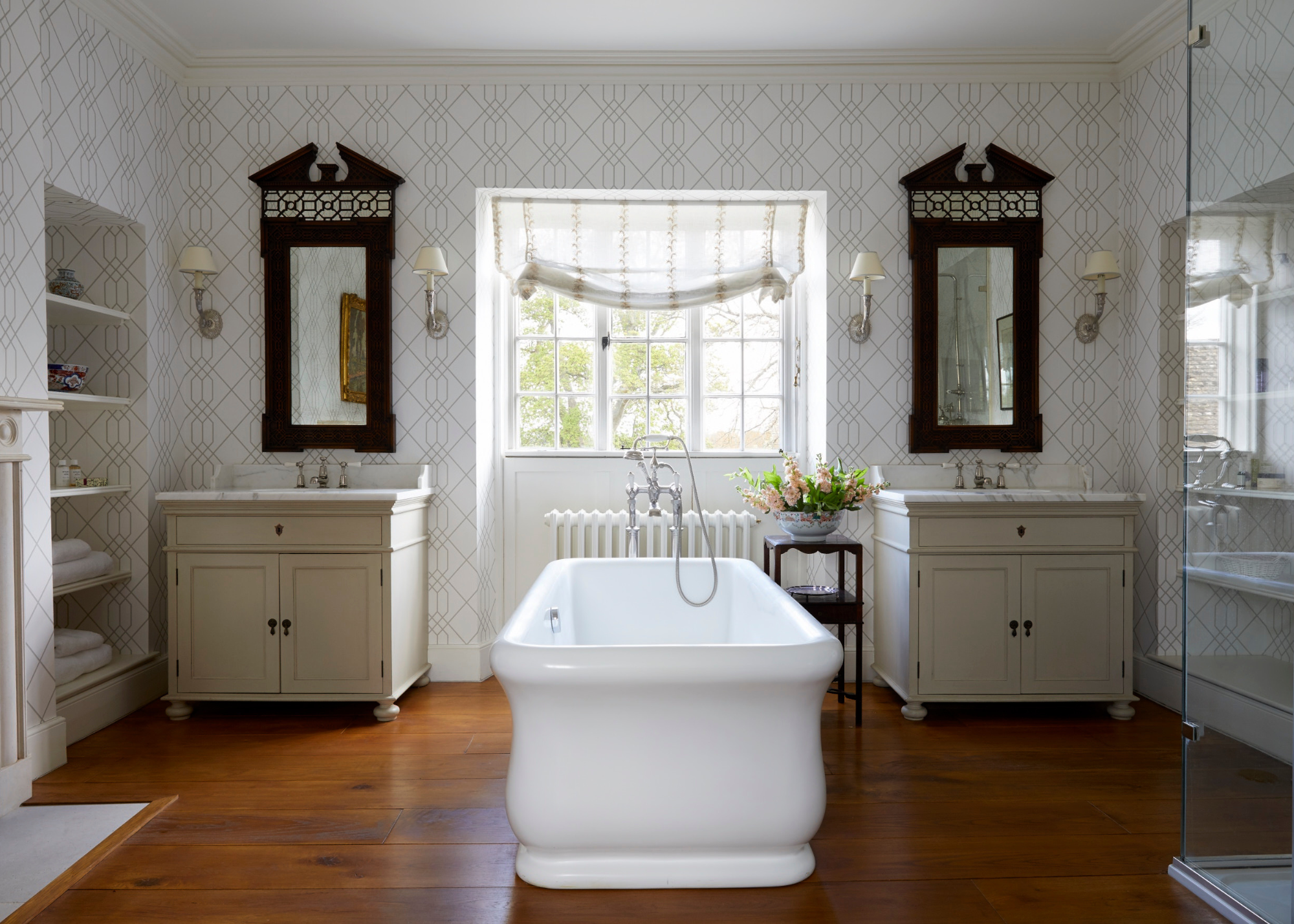
The bathroom, characterized by its enclosed spaces and high humidity, provides an ideal environment for mold and mildew growth. This makes it crucial to consider carefully what items are stored there, beyond just everyday essentials. Storing certain items in the bathroom can lead to damage from humidity and heat, or even potential health hazards due to bacterial exposure. This guide outlines ten categories of items that should ideally be kept out of the bathroom and suggests alternative storage locations to ensure their longevity and maintain a healthier home environment.
Firstly, medications, including vitamins and supplements, should not be stored in the bathroom. Manufacturers typically recommend a cool, dry place for these products, as high heat and humidity can significantly reduce their effectiveness and shelf life. Instead, a hallway linen closet, a bedroom drawer, or a kitchen cabinet near a water source are more suitable options, promoting both preservation and adherence to daily routines.
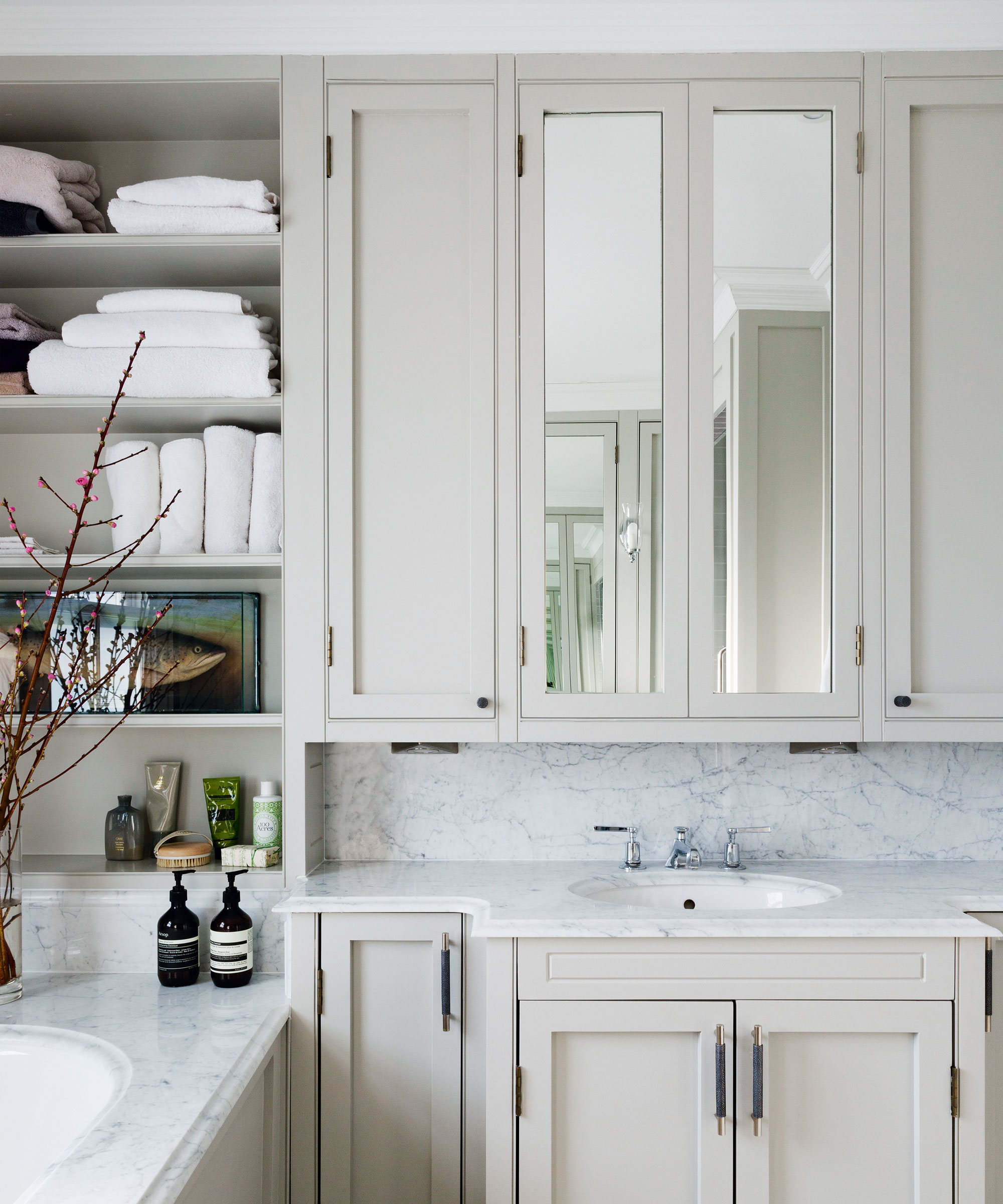
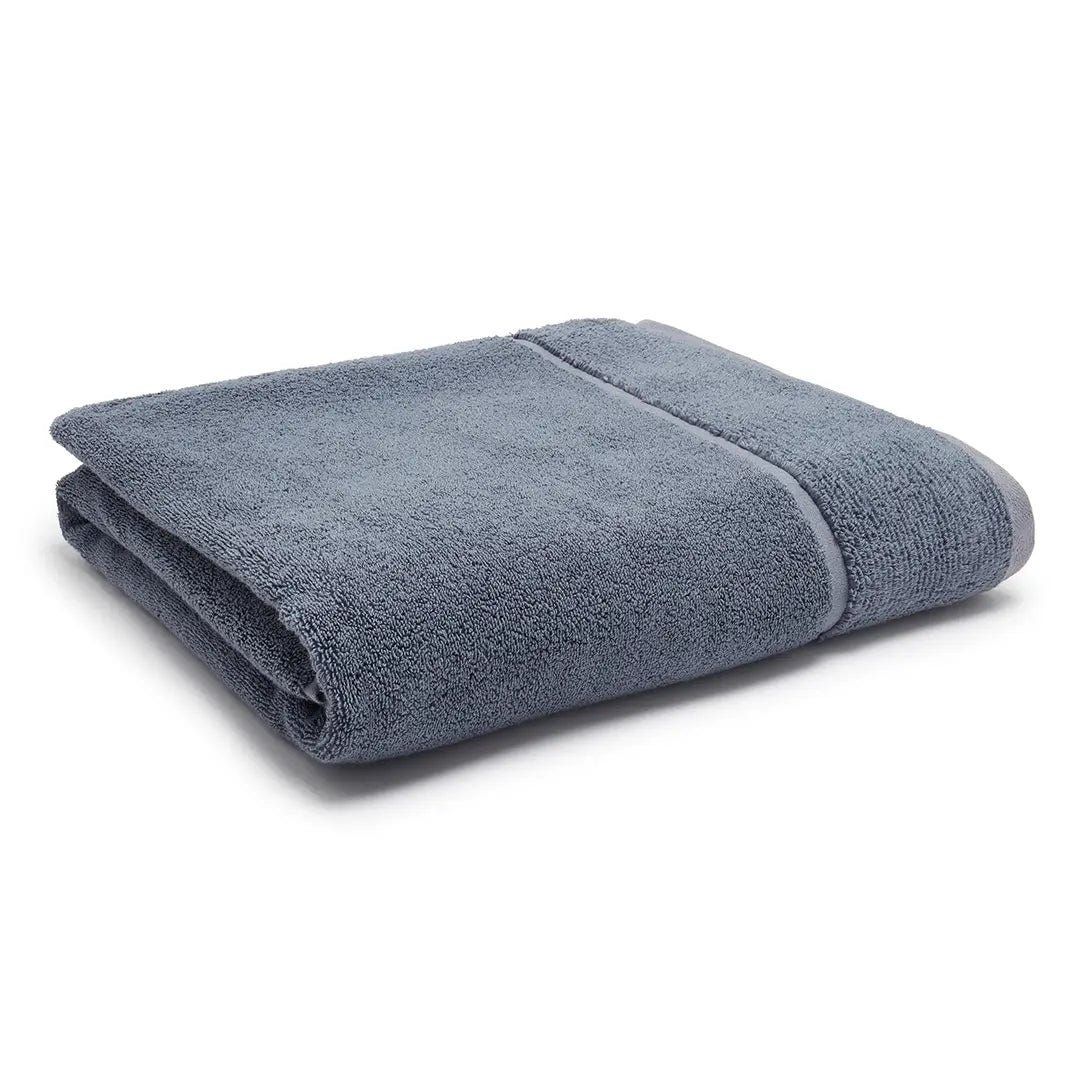
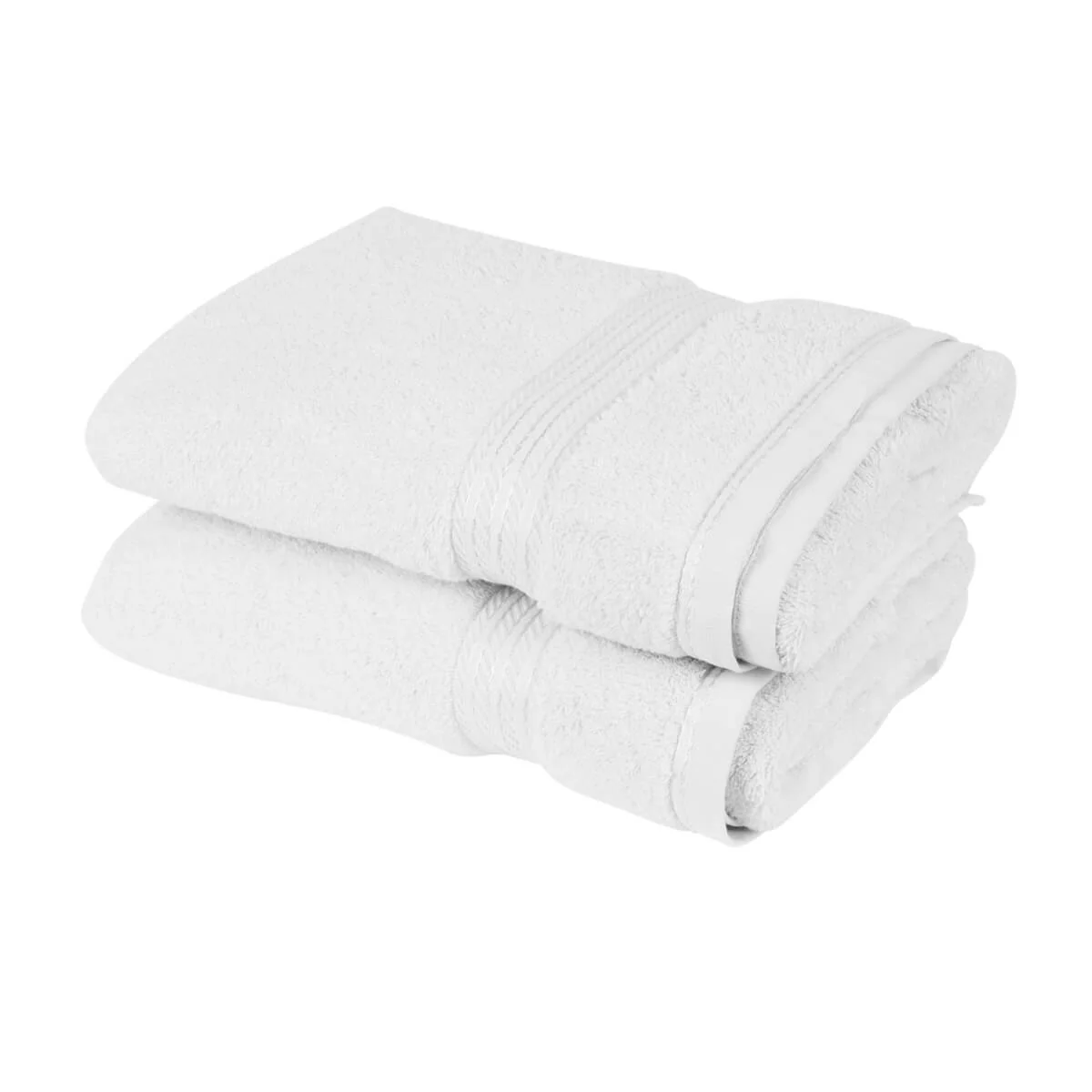
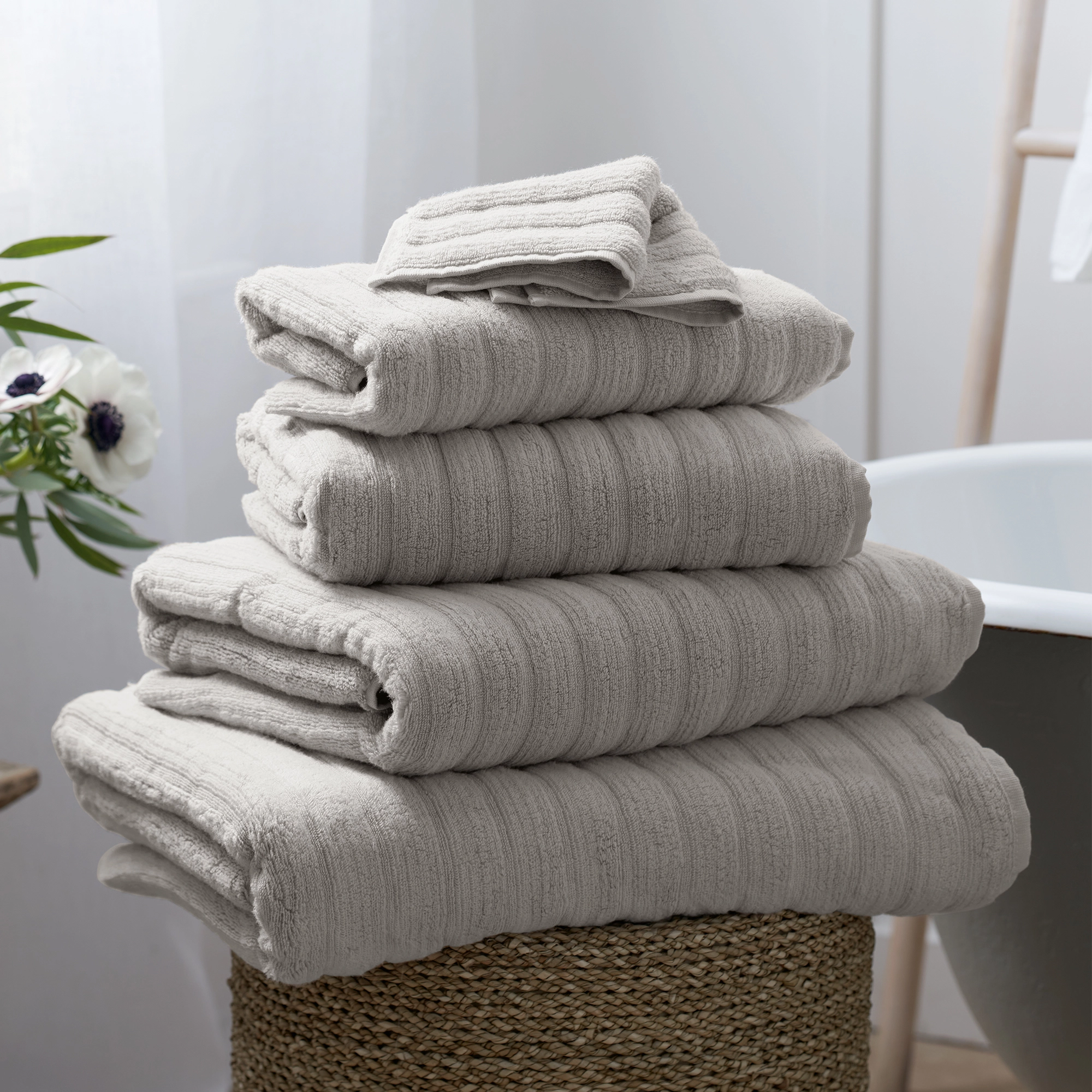
Secondly, extra linens such as guest towels, holiday-specific towels, blankets, sheet sets, and pillows are susceptible to mildew if stored long-term in the humid bathroom environment. While frequently used and washed towels are acceptable, additional fabric items are best kept in a linen closet, an armoire, or a spare bedroom dresser. Regular cleaning of shower curtains, bath mats, and bathrobes is also advised to prevent mold and mildew.
Thirdly, backstock toiletries, especially those in open packaging like toilet paper and paper towels, can accumulate dust and bacteria and become mildewed. Bars of soap can melt prematurely, and metal cans for shaving creams, along with razors and replacement blades, can rust or dull faster in humid conditions. These items should be stored in a dry area elsewhere in the house until needed.
Fourth, jewelry made of metal is prone to tarnishing quickly in humid conditions. While daily wear items can be temporarily placed on a vanity dish, all other jewelry should be stored in a jewelry box, a drawer organizer, or displayed on a wall in a bedroom or closet, away from the bathroom's moisture.
Fifth, electronics, particularly those with metal components, are vulnerable to damage from humidity and water contact, risking short circuits or even fire hazards. Only waterproof versions of essential items like electric toothbrushes or Bluetooth speakers should be kept in the bathroom. Other hair tools and electronics should be stored in a linen closet or organized in a living room or office.
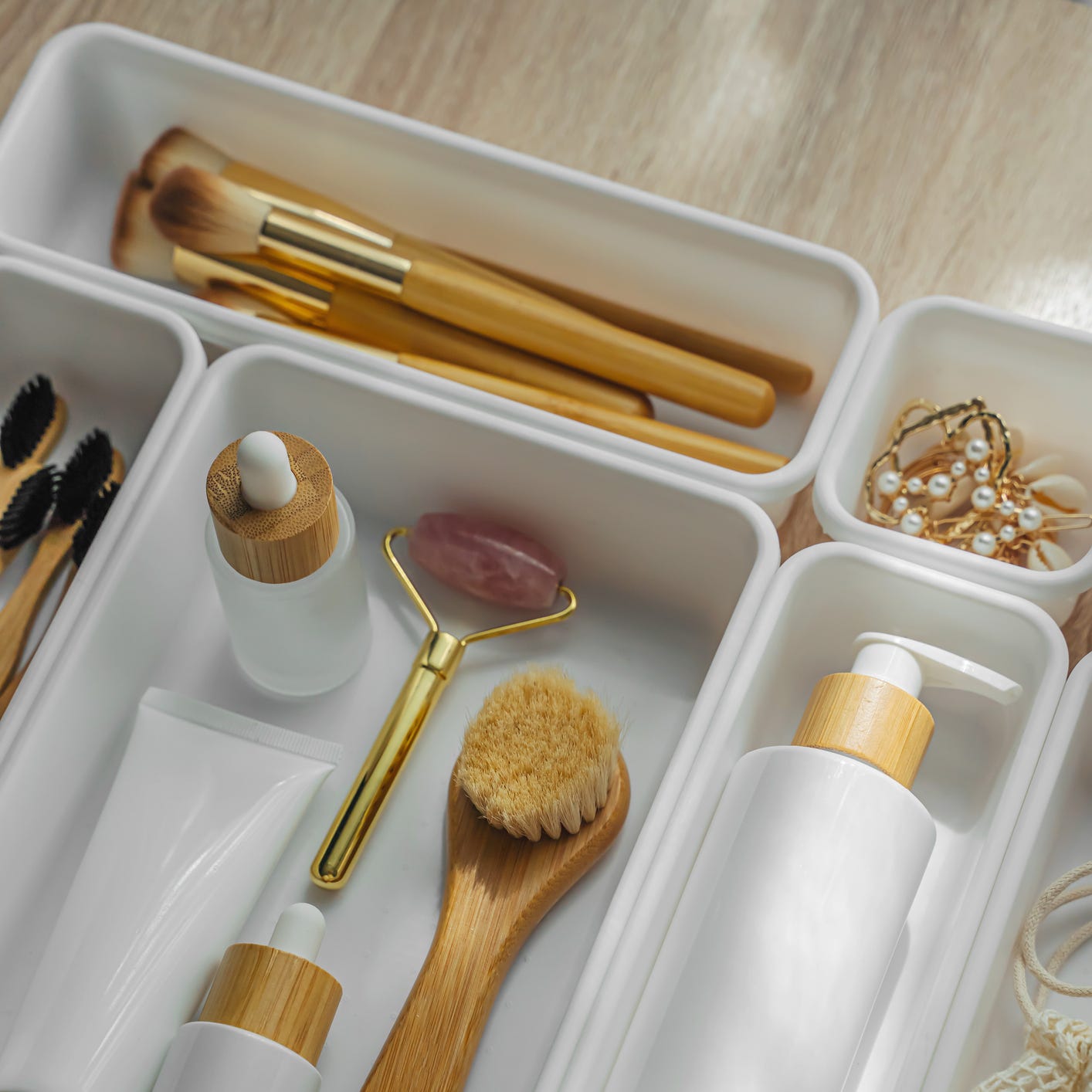
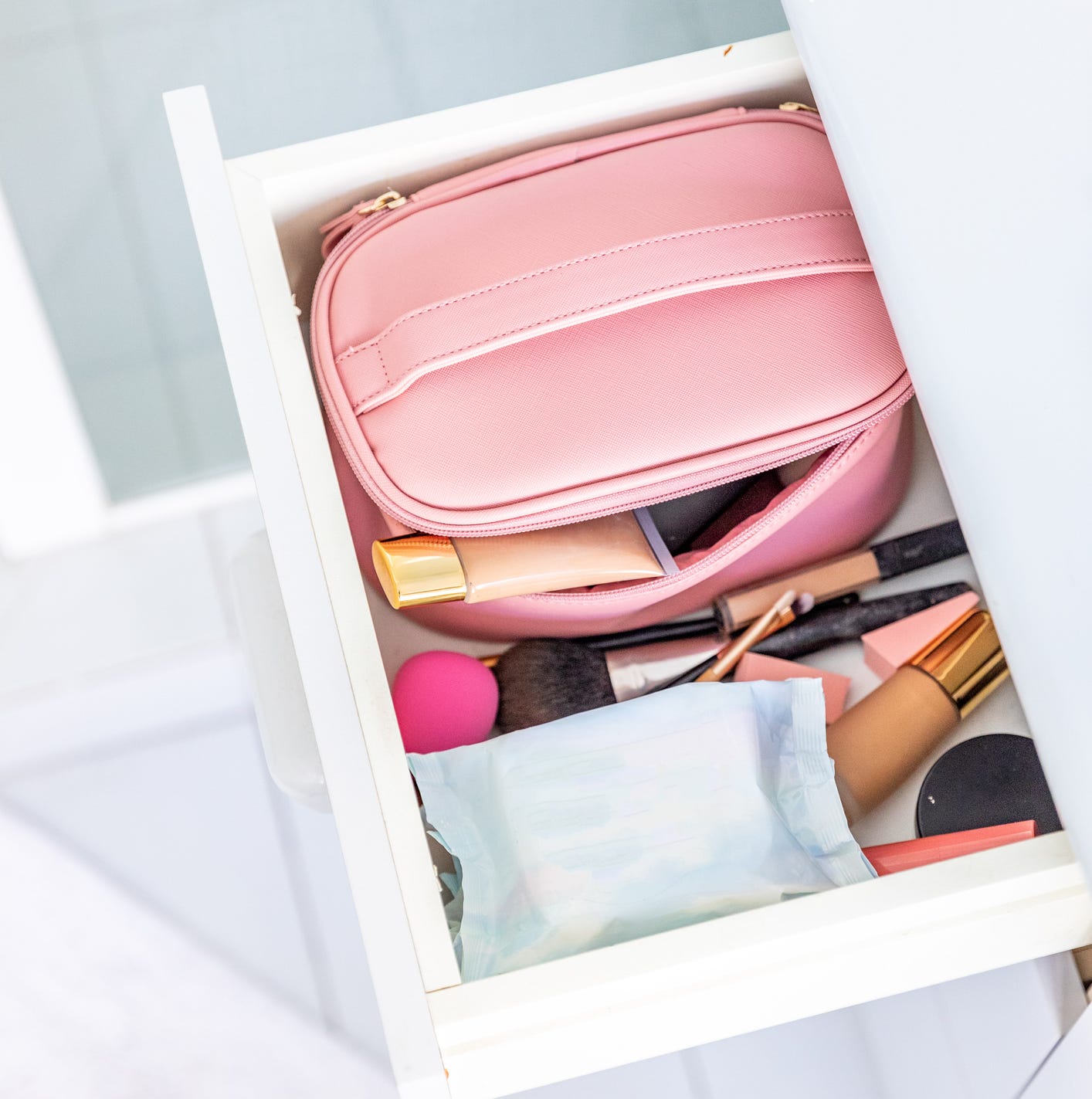
Sixth, special occasion makeup and makeup brushes should not be stored in the bathroom. Although daily makeup application often occurs in the bathroom, humidity and temperature fluctuations can degrade cosmetic quality and effectiveness. The close proximity to the toilet also poses a risk of bacterial contamination. It is recommended to store makeup in a bag or drawer after use, always closing the toilet lid before flushing, and keeping occasional-use items in a makeup vanity elsewhere.
Seventh, perfumes and nail polish are also adversely affected by heat and humidity, which can accelerate their expiration. Fragrances can lose potency and nail polishes can separate faster. These products are best kept in a linen closet or on a dresser or shelf in a drier room.
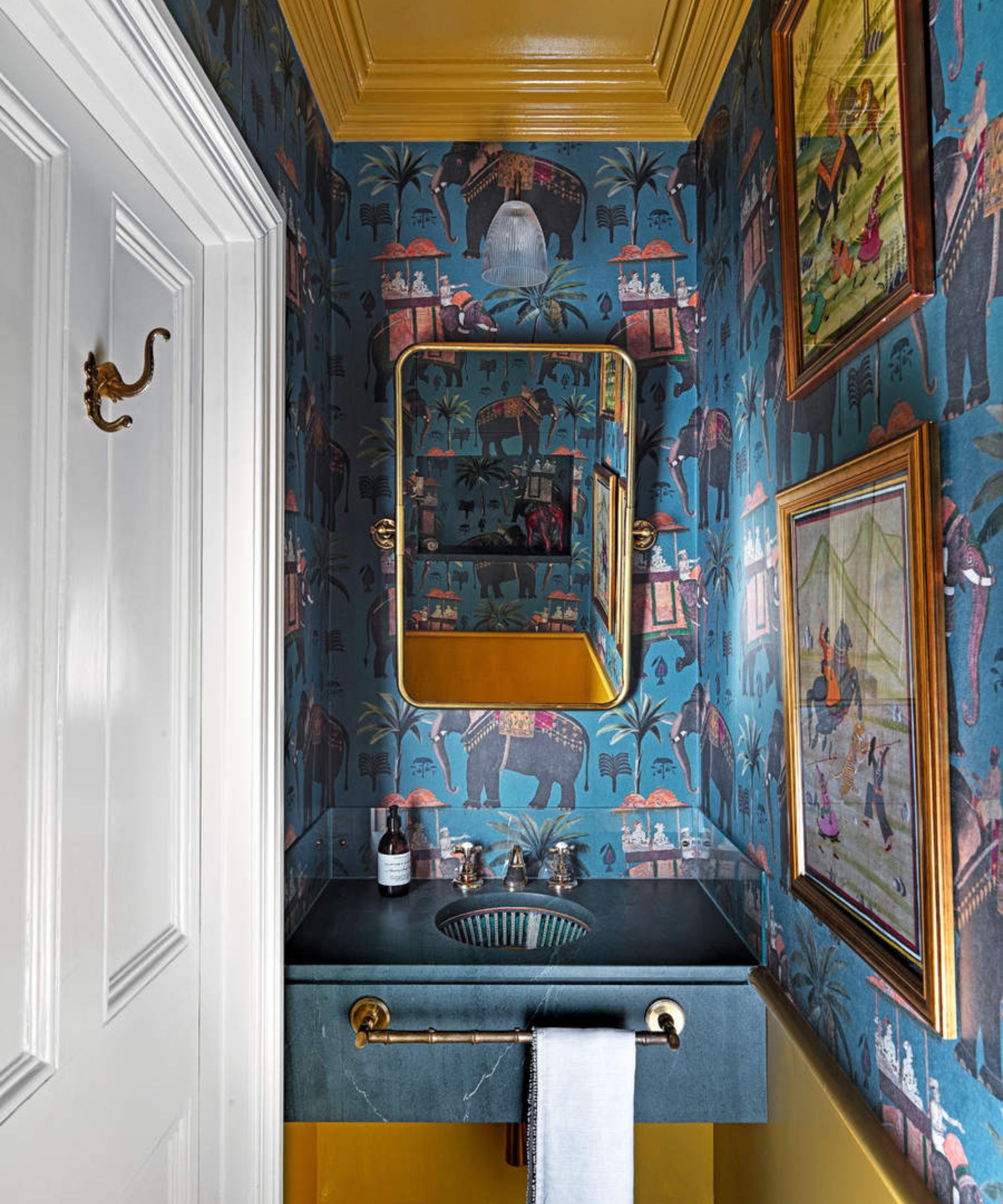
Eighth, books, magazines, and photos should not be kept in the bathroom. Reading materials can attract mildew and germs, and framed pictures can develop mold under the glass due to moisture, ruining the prints. Books are better suited for bookshelves in living rooms or offices, and photos can be displayed on ledges throughout the climate-controlled areas of the home.
Ninth, antiques and artwork are highly susceptible to damage from temperature and humidity fluctuations. These delicate items, which often require specific climate control for preservation, can warp (wood) or yellow (artwork) in a bathroom environment. Sentimental or valuable pieces should be displayed in climate-controlled areas of the home to ensure their longevity.
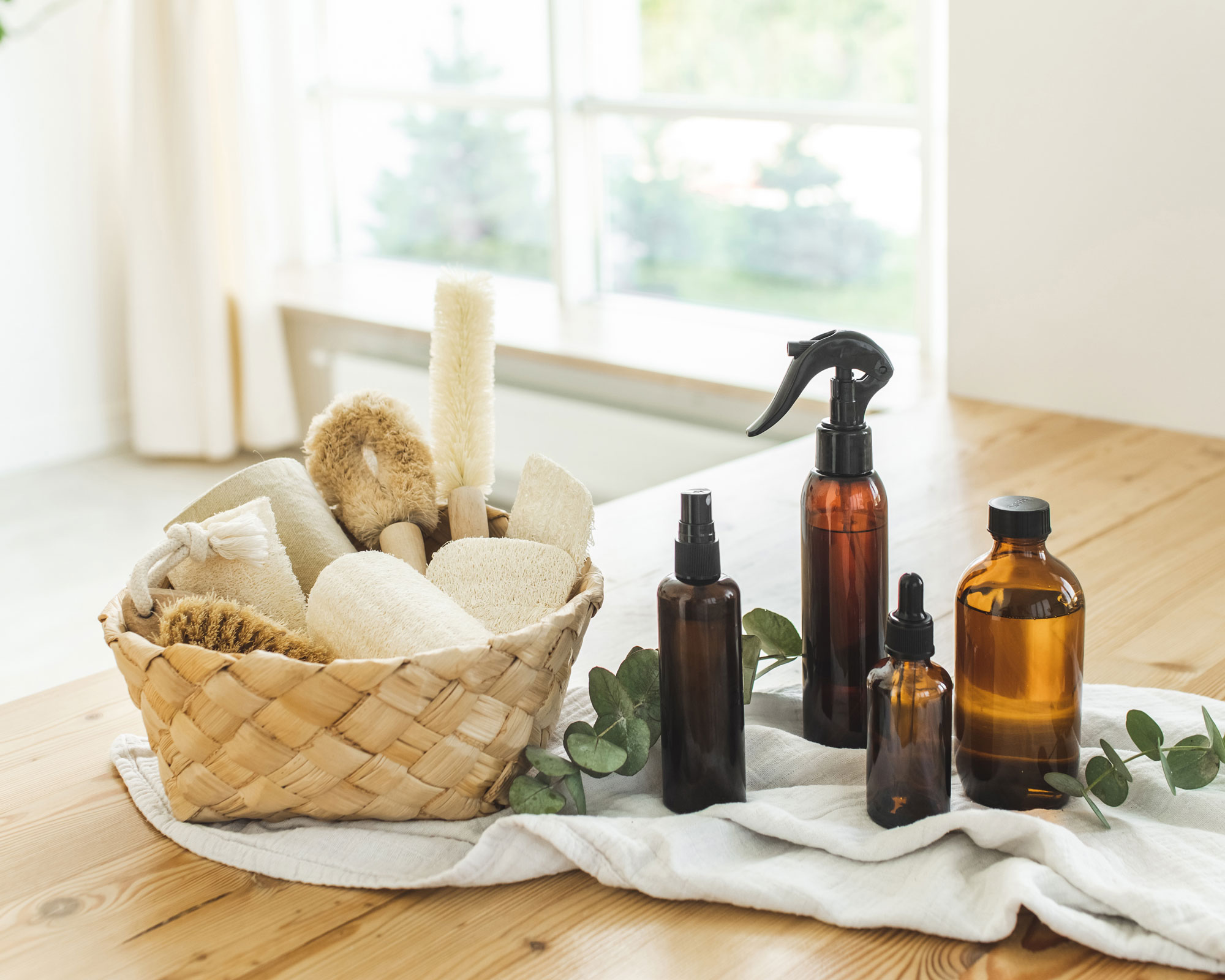
Finally, most cleaning products, while some bathroom-specific ones can be stored under the sink safely if inaccessible to children and pets, are generally meant for cool, dry, and well-ventilated areas. Storing them in a utility closet is a safer and more effective option for maintaining their chemical integrity and preventing fumes accumulation in a confined space like a bathroom.
#BathroomStorage #HomeOrganization #HumidityControl #HouseholdTips #ProductPreservation #HomeKeeping #Decluttering #BathroomStorage #HomeOrganization #HumidityControl #HouseholdTips #ProductPreservation #HomeKeeping #Decluttering
0 comment in total
 No comments yet
You may also like
9 items never to store in a bathroom vanity – according to the experts
Bathroom storage mistakes – 8 that waste space, cause clutter and ruin possessions
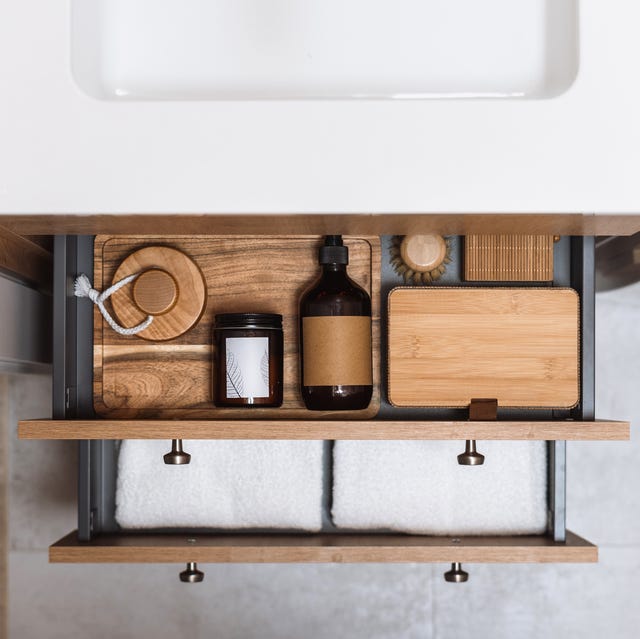
7 Bathroom Vanity Items Organizers Urge You to Throw out ASAP

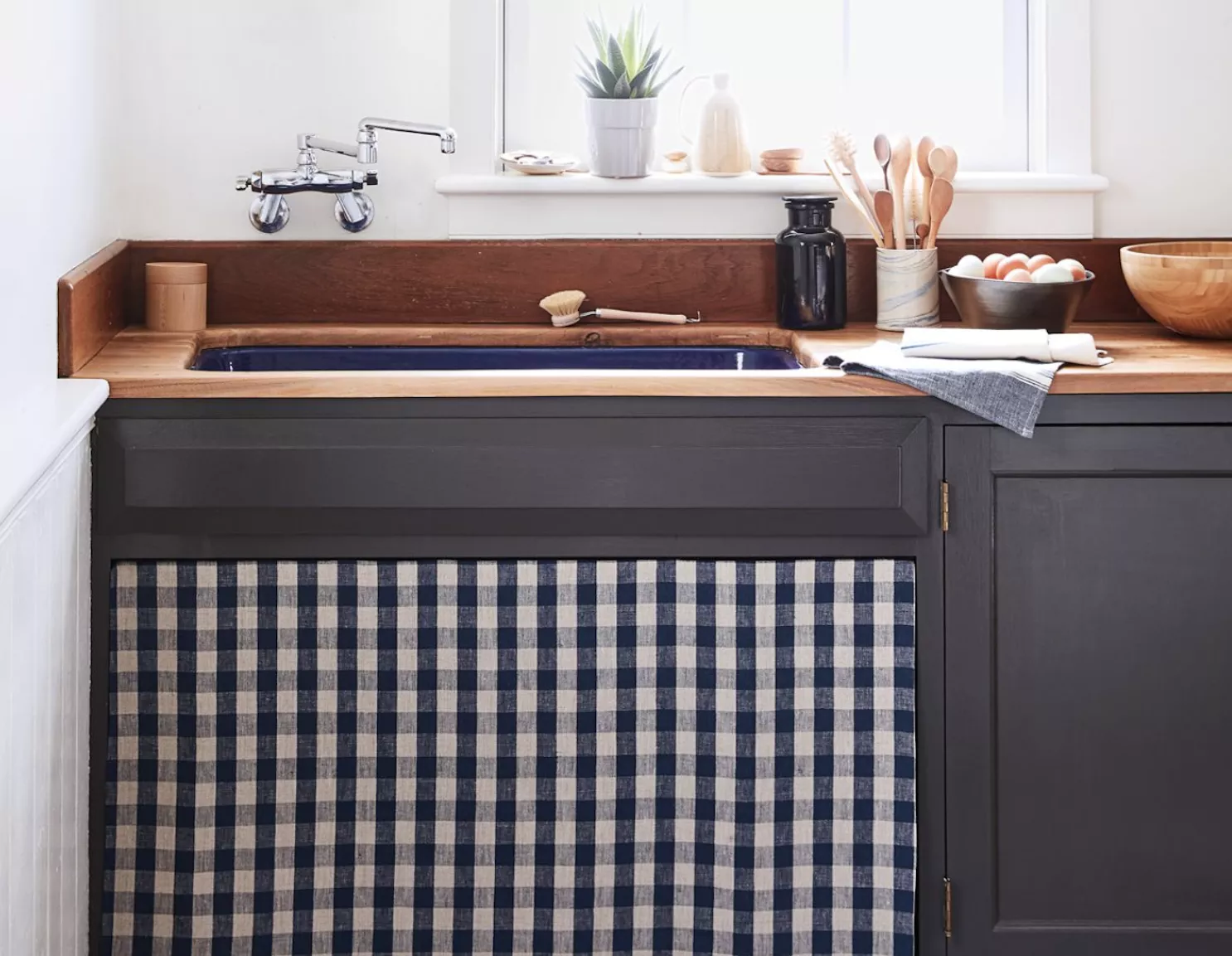
17 Things You Should Never Store Under Your Sink (but Probably Are)

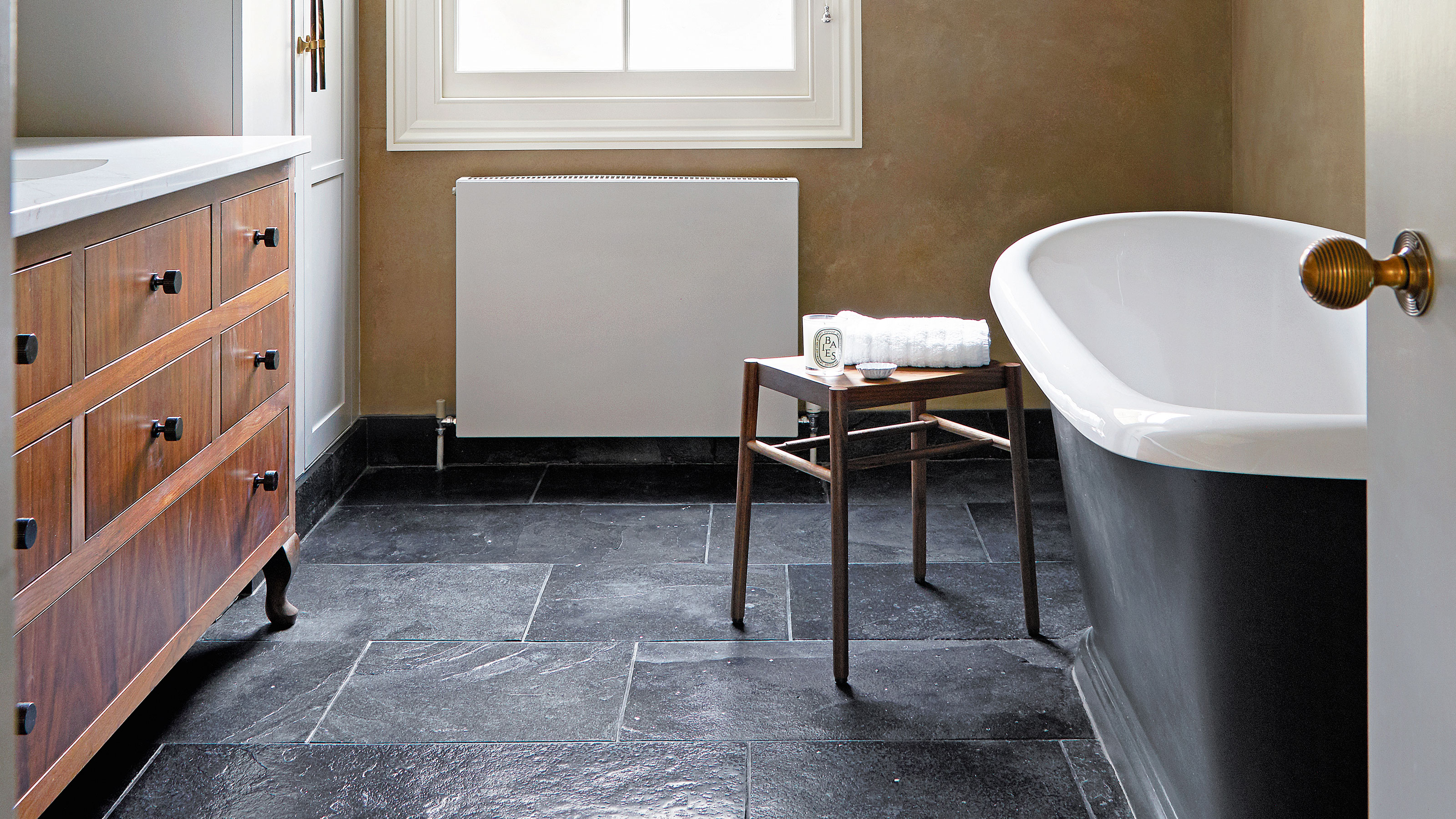
11 items not to store in a bathroom cabinet, and what experts say to do instead

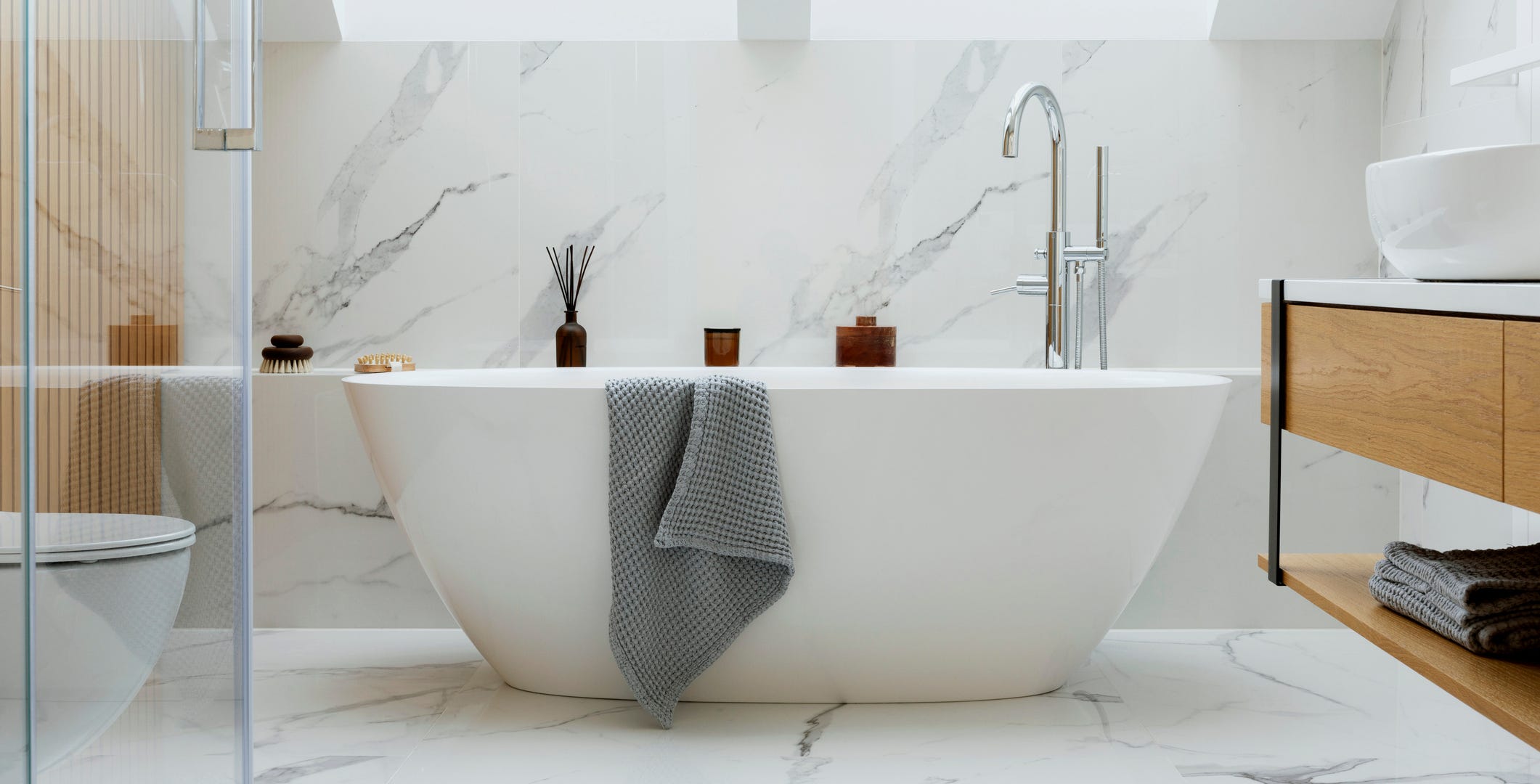
From fluffy towels to medicine cabinets: 9 things professional organisers never keep in the bathroom

10 Things You Should Never Store In Your Bedroom Closet
8 Things You Should NEVER Keep On Your Kitchen Counter
6 Things You Should Never Put in a Guest Bathroom

5 Things You Should Never Store In Your Bathroom Cabinets
4 Ugly Organizers and Storage Items You Should Never Buy for Your Bathroom, and What to Swap Them for
11 things you should never store in a pantry, according to experts
10 Items You Should Never Store In The Bathroom
9 Things Professional Declutterers Won’t Keep In Their Bathroom

15 things you should never store in your basement – and why
Items to never store in an entryway, according to cleaning, organizing and interiors experts
9 Bathroom Storage Mistakes You're Probably Making

8 Things You Should Never Wash Down The Sink
6 powder room storage mistakes to avoid – and what you should be doing instead
10 Items That Don't Belong on Your Bathroom Counter, According to a Pro Organizer