1/5
8 Things You Should Never Wash Down The Sink
This blog post, featuring insights from John Wood, President of Hub Plumbing & Mechanical in New York City, outlines eight common items and substances that should never be washed down a sink, detailing the reasons why and offering alternative disposal methods or preventative measures. The recommendations are divided into bathroom and kitchen categories to provide practical guidance for homeowners.
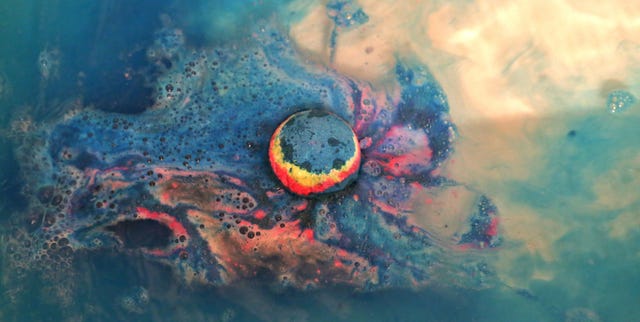
In the bathroom, the first item discussed is face masks, particularly clay and mud varieties. These masks can harden and clog drains. While some suggest using paper towels to catch residue, Wood advises against this as paper towels can disintegrate and cause further blockages. Instead, he recommends using a fine mesh screen or cloth to capture mask particles. Next, gels, soaps, and jellies are identified as problematic due to their viscous nature. These products can accumulate in the P-trap beneath the drain, similar to how fats clog arteries, leading to obstructions. Bath bombs, especially powder-based ones, are also highlighted as a significant cause of clogs. The article notes that while bath bombs are popular, their components can settle and block pipes; using a fine mesh drain strainer is suggested as a preventive measure. Finally, hair is reiterated as a common culprit for drain clogs, and the use of a drain protector is strongly advised to prevent hair from accumulating and forming blockages.
Moving to the kitchen, coffee grounds are identified as detrimental to plumbing. Wood likens washing coffee grounds down the sink to pouring sand into the drain, guaranteeing slow drainage and potential blockages. Boiling water, specifically anything over 140ºF, should also be avoided, particularly in homes with plastic, tubular pipes. High temperatures can melt these pipes, leading to leaks, property damage, and costly repairs. Grease and other cooking fats are similarly problematic, behaving like cholesterol in an artery and solidifying within pipes to create severe clogs. The recommendation is to always drain grease before rinsing pots and pans. Lastly, food scraps, unless processed by a garbage disposal, should never be put down the sink. Even with a disposal, the article advises adding food in small quantities and waiting for the disposal to clear before adding more, ensuring efficient operation and preventing clogs. The overarching advice for both bathroom and kitchen sinks is to always flush with cold water after washing anything down the drain to help solidify fats and oils for better passage or to push other materials through more effectively.
#Plumbing #HomeMaintenance #CloggedDrains #KitchenCare #BathroomCare #HouseholdTips #DrainPrevention #DIYHome #Plumbing #HomeMaintenance #CloggedDrains #KitchenCare #BathroomCare #HouseholdTips #DrainPrevention #DIYHome
0 comment in total
 No comments yet
You may also like
8 Things You Should Never Clean with a Swiffer

8 items to never clean with bleach – according to cleaning professionals


9 Things Professional Declutterers Won’t Keep In Their Bathroom
6 Things You Should Never Store In Your Laundry Room, According To Experts

9 items never to store in a bathroom vanity – according to the experts
6 Things You Should Never Keep on Your Kitchen Counter


10 Items You Should Never Store In The Bathroom
7 things you should never store in plastic containers
8 Things You Should NEVER Keep On Your Kitchen Counter

10 Things You Should Never Store in the Bathroom

12 Things That People Over 30 Should NEVER Have In Their Kitchen
11 items not to store in a bathroom cabinet, and what experts say to do instead
17 Things You Should Never Store Under Your Sink (but Probably Are)


6 Things You Should Never Put in a Guest Bathroom

11 things you should never store in a pantry, according to experts

10 things decluttering experts won't keep in their kitchen cupboards
13 Things You Should Never Clean with Windex
Pros warn never to keep these 8 things in your pantry
6 Things You Should NEVER Keep In Your Pantry, According To Pro Organizers & Chefs
6 Things You Should Never Clean With All-Purpose Cleaner