1/9
Discover Baku's history through its unique architecture
Baku, the capital of Azerbaijan, showcases a rich architectural tapestry that reflects its diverse historical influences, from Zoroastrian roots and Islamic traditions to Soviet ideology and modern oil-funded development. Situated at the crossroads of East and West, the city's urban fabric reveals different epochs through its buildings, as highlighted by architectural researcher Gani Nasirov.
The city's ancient origins are evident in the Palace of the Shirvanshahs, a UNESCO-inscribed site within the Old Town. This complex, completed in the 15th century, became the Shirvanshah rulers' residence after they relocated from Shamaki due to frequent earthquakes. The palace, now a museum, includes 52 rooms, royal tombs, a mosque, and an octagonal court. The Old City itself is meticulously planned with intricate maze-like streets and flat-roofed houses, reflecting the Oriental mahalla structure where each neighborhood revolved around a bazaar square, complete with commercial centers, mosques, baths, and residences.
Another iconic structure in the Old City is the Maiden's Tower (Qız Qalası), a cylindrical tower whose exact origins and purpose remain shrouded in mystery. Various myths surround its name, including a popular tale of a maiden jumping to her death from the tower to escape an unwanted suitor. Scholars debate whether it was originally a pre-Islamic Zoroastrian temple or a 12th-century defensive tower, adding to its symbolic significance in Azerbaijani culture.
The Taza Pir Mosque, built in 1914, marks a new era of mosque design in Baku. While Islam became the dominant religion in the Middle Ages, grand mosques only emerged in the early 20th century, funded by wealthy oil barons. This mosque draws inspiration from diverse Islamic architectural styles, featuring porticos, two minarets, and grand domes over a square worship hall, with interiors incorporating local traditions.
The late 19th-century oil boom transformed Baku, leading to the construction of grandiose European-inspired palaces and public buildings. The Philharmonic Hall, designed by Gabriel Ter-Mikelov, exemplifies this era, combining Neoclassicism, Art Nouveau, Baroque, and Moorish styles. This period also saw the rise of philanthropists like Zeynalabdin Taghiyev, who funded various cultural and educational institutions.
During the Soviet era, particularly after Azerbaijan became part of the USSR in 1922, Baku's architecture shifted. The Government House, completed in 1952, is a prime example of Stalinist architecture, which blended classical ornaments and Greco-Roman elements with Islamic traditions. This style aimed to be "national in form and socialist in essence." Later, Soviet Modernism emerged, prioritizing functionality with residential blocks (microraions) and avant-garde public buildings. The Mirvari Cafe, built in 1959, stands as a notable example of Soviet Modernism, designed to rival American architectural achievements.
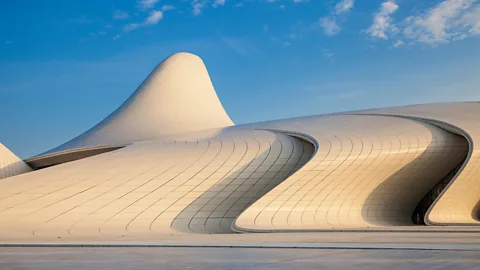
The collapse of the Soviet Union in 1991 ushered in a new phase of urban development, fueled by significant oil investments following the 1994 "contract of the century." This led to the construction of futuristic buildings like the Flame Towers and the Heydar Aliyev Cultural Centre. The latter, designed by Zaha Hadid, is a fluid, whitewashed structure that has become a symbol of modern Baku, housing an exhibition hall and museum. The ongoing Crescent Bay project, with its bow-shaped luxury hotel, embodies Baku's contemporary oil-funded urban design, drawing inspiration from Azerbaijani cultural symbols like the crescent moon. These projects collectively showcase Baku's continuous architectural evolution and its blend of historical influences with forward-looking ambition.
#BakuArchitecture #Azerbaijan #HistoricalArchitecture #ModernArchitecture #UrbanDevelopment #CulturalHeritage #OilBoomInfluence #SovietModernism #IslamicArchitecture #BakuArchitecture #Azerbaijan #HistoricalArchitecture #ModernArchitecture #UrbanDevelopment #CulturalHeritage #OilBoomInfluence #SovietModernism #IslamicArchitecture
0 comment in total
 No comments yet
You may also like
41 famous buildings you should visit before you die

10 of the best hotels in Budapest, from palace stays to artists' studios
This historic Cairo building used to house Egypt's glitterati. Now it's a secret luxury escape


They Turned a 1960s Dentist’s Office Into a Home With a Giant Oculus

Danube Views and Ancient Architecture Meet in Budapest Flat

17 Essential Architectural Styles Everyone Should Know

daewha kang design's rainbow publishing HQ celebrates history in paju book city, korea
between innovation and tradition: discover architecture in iran through readers radar
Locating Adolf Loos’s House for Josephine Baker

Historic Buckhead Home: Modern Elegance Meets Classic Charm
In Uzbekistan, literary house museums are also monuments to interior design
9 most beautiful Starbucks in Japan – from Tokyo to Hokkaido

Guess the Architect: November 2025

Look up: the world’s most jaw-dropping ceilings | loveexploring.com
Historic Destination Reimagined
5 Unique Buildings in Downtown Cairo from the Khedive Era

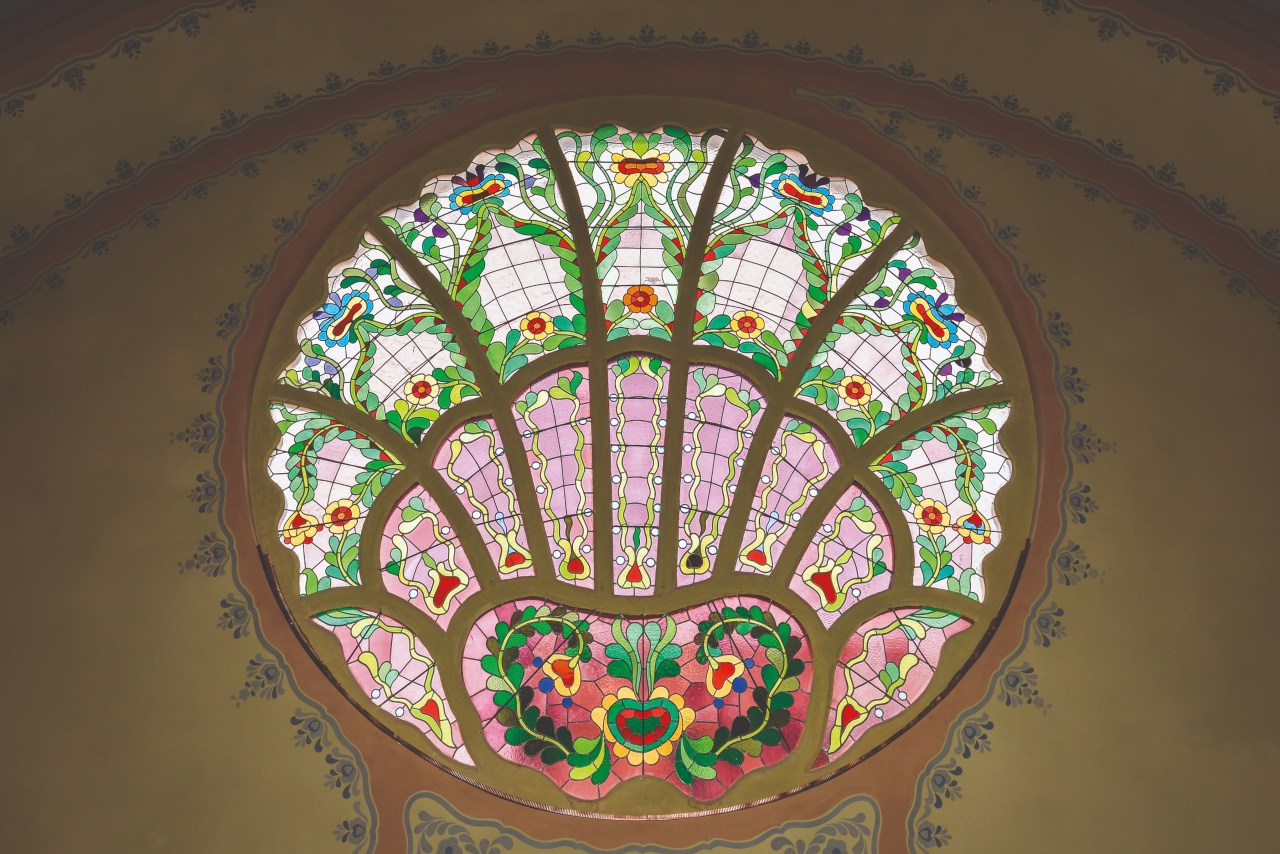
Waves of Art Nouveau – an exhibit showcases Danube-region architecture

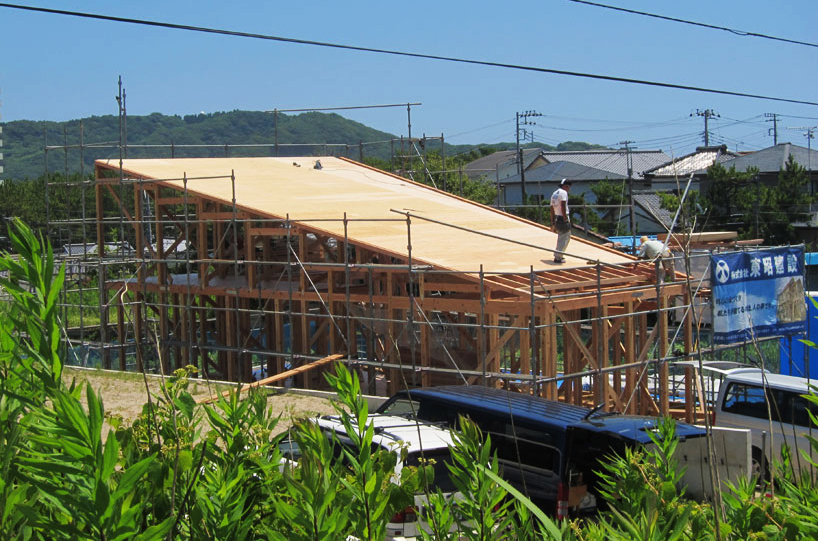
bakoko: onjuku beach house
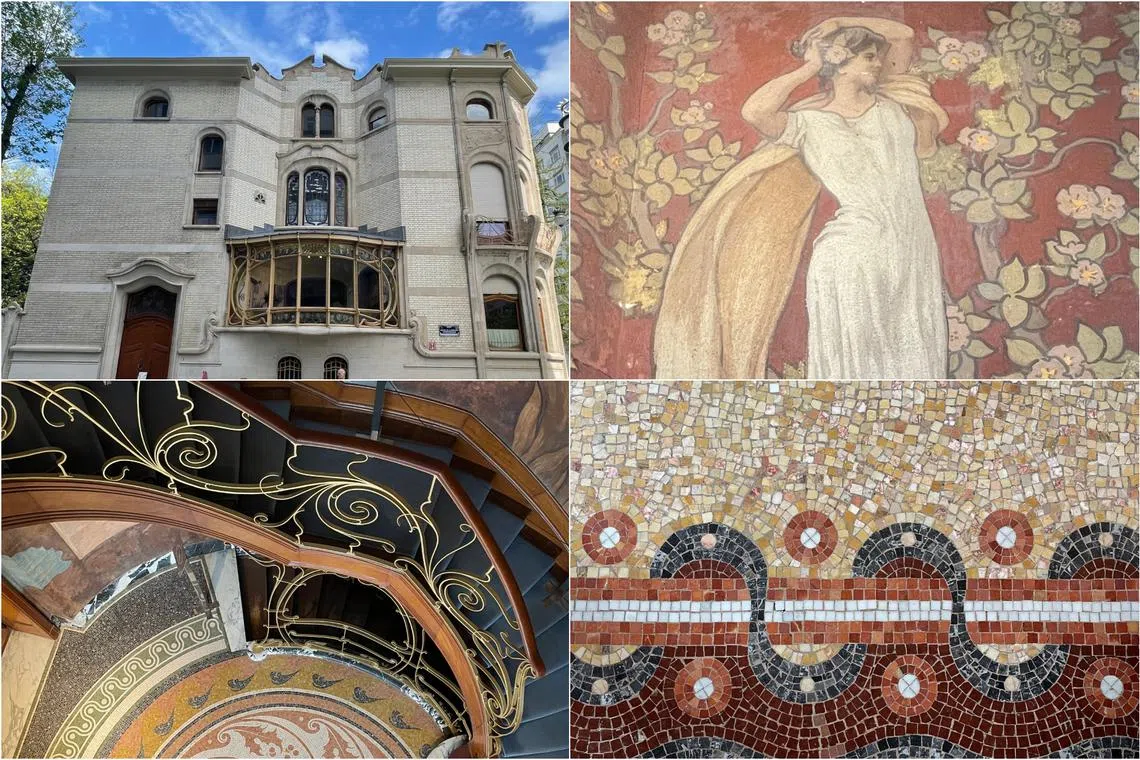
Global Design: Be inspired by Art Nouveau spaces in Belgium and Singapore
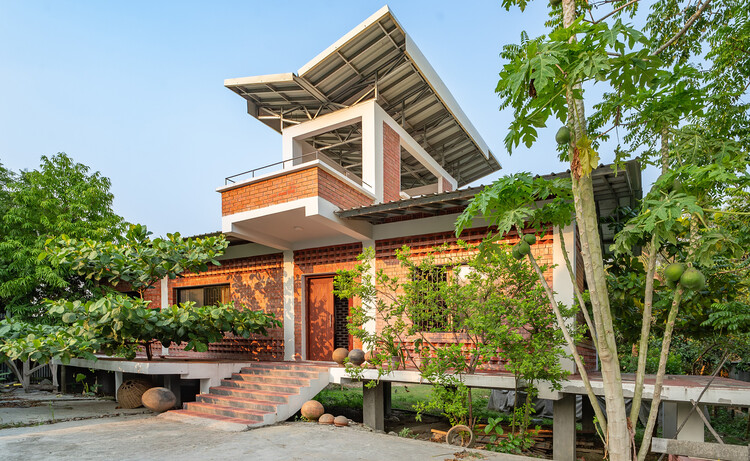
Fakir Bari House / Design Works Studio