1/9
In Uzbekistan, literary house museums are also monuments to interior design
Uzbekistan’s literary house museums offer a unique insight into the nation's traditional interior design, reflecting a cultural heritage deeply rooted in its ancient Silk Road cities like Bukhara and Samarkand. Unlike neighboring nomadic cultures, Uzbek people adopted a sedentary lifestyle early on, which led to the development of sophisticated interior architecture as an integral part of their daily lives. These museums, many of which originated from a Soviet tradition of preserving the homes of writers sympathetic to socialist values, continue to celebrate cultural figures, including some formerly censored authors, while simultaneously showcasing remarkable examples of historical Uzbek design.
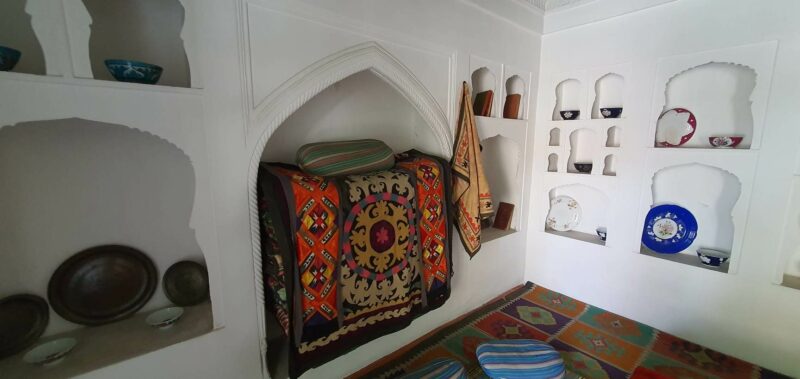
Following the dissolution of the Soviet Union, the practice of establishing house museums continued and expanded to include a wider range of literary figures. In Uzbekistan, these museums often encompass large gardens, reflecting the multi-generational family structures and the need for cool, green spaces in a region characterized by hot, dry summers. One such example is the Hamza Hakimzade Niyazi house museum in Kokand, located in the Ferghana Valley. Hamza, a significant figure in Uzbek literature and a language reformer, supported communist ideals and became a “red martyr.” His house museum, though modest in size, provides a well-preserved illustration of late 19th to early 20th-century Uzbek interior design.
Traditional Uzbek interior design, as seen in Hamza's house, emphasizes several key elements. Intricate wood carvings adorn main doors, setting an ornate tone from the entrance. The main rooms, designed to host guests, feature built-in shelves called “mehrob,” which are framed and often used to display decorative dishware, books, and small artifacts. These shelves, whose name alludes to the mihrab niche in mosques, symbolize a deep cultural and spiritual connection. Another prominent feature is the painted wooden ceiling, which combines detailed wood carving with vibrant colors, a style also prevalent in Tajikistan.
The furniture arrangement in these traditional homes is distinctive. Thick carpets cover the floors, where people traditionally sit cross-legged on thin, cotton-filled mattresses known as “to'shak.” These mattresses are often stacked in alcoves, ready for use. Small tables are typically used for dining and tea ceremonies, while large wooden chests, or “javon,” serve as storage for clothes and valuables. Musical instruments are frequently incorporated into the decor, adding to the cultural ambiance. Examples like the Suzani embroidery, a textile art common across Central Asia, further highlight the intricate craftsmanship found in these interiors. The preservation and opening of these literary house museums in Uzbekistan not only honor the nation’s literary heritage but also provide visitors with a profound appreciation for its rich cultural history and unique interior design traditions.
#UzbekistanCulture #LiteraryHouseMuseums #TraditionalInteriorDesign #UzbekArchitecture #CulturalHeritage #HamzaHakimzadeNiyazi #SilkRoadInfluence #CentralAsianArt #HistoricalHomes #UzbekistanCulture #LiteraryHouseMuseums #TraditionalInteriorDesign #UzbekArchitecture #CulturalHeritage #HamzaHakimzadeNiyazi #SilkRoadInfluence #CentralAsianArt #HistoricalHomes
0 comment in total
 No comments yet
You may also like
When the Owner’s Children First Saw This Eclectic Riverside Apartment, They Hugged the Walls

10 of the most incredible home libraries around the world
Mexican Interiors: 18 Spaces That Use Books as a Design Element

Inside the Picture Perfect—and Highly Lucrative—Business of Book Styling

Elena Rybalkina Designs a Vibrant Siberian Residence Complete With Art Studios

The Transitional Style of A Pakistani Residence

Home Libraries: Interiors Inspiration
Step Inside 7 Opulent Art Deco–Inspired Homes

Ten homes with interiors designed to showcase art
11 Chic Home Libraries Designed by Axel Vervoordt, Markham Roberts, Gil Schafer, and More

Anastasia Mirzoyan Offers a Fresh Take on the Bauhaus Aesthetic for a Historic Apartment
Look up: the world’s most jaw-dropping ceilings | loveexploring.com
Living in Style: Five Centuries of Interior Design from the Collection of Drawings and Prints
Stained-Glass Doors Unveil Room After Room of Bold Color in This Narrow Apartment

Peek inside these artists’ amazing houses
Covered in Mirrors, This Home’s Structural Column Is a Statement, Not a Hindrance

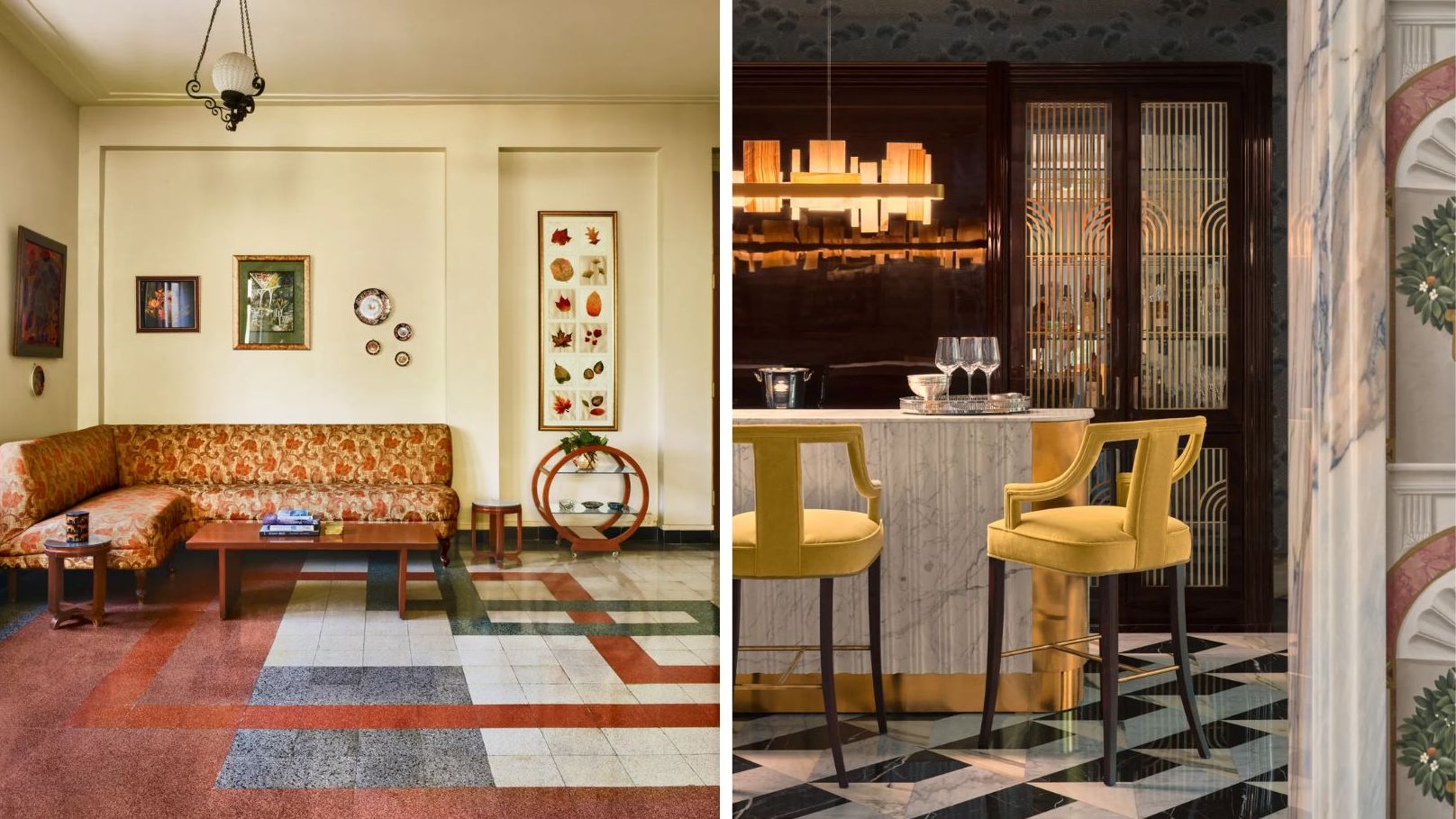
5 art deco homes that celebrate the lavish style of the Jazz era

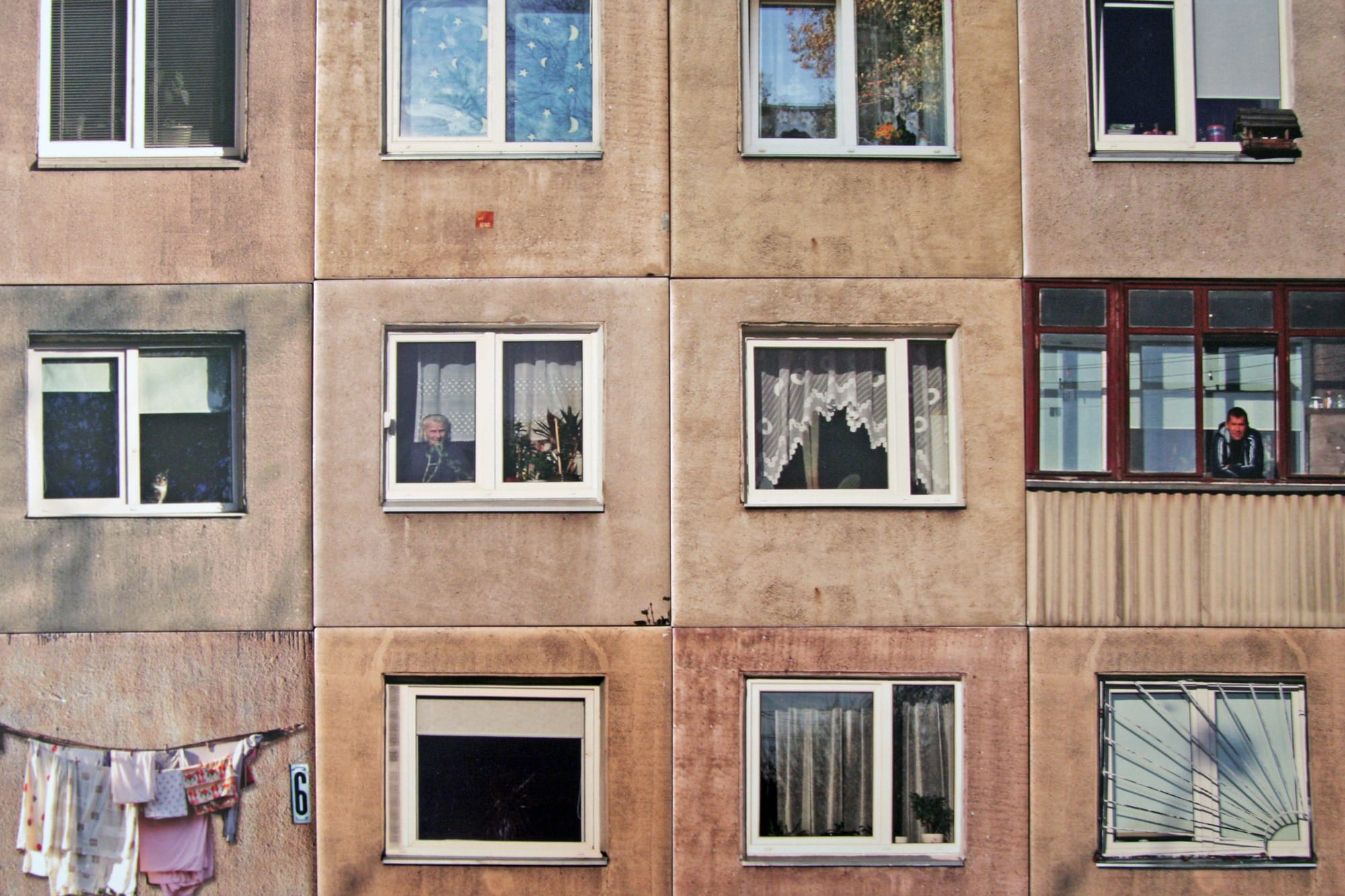
Designer Tiles Recreate the Façades of Soviet-Style Apartment Blocks

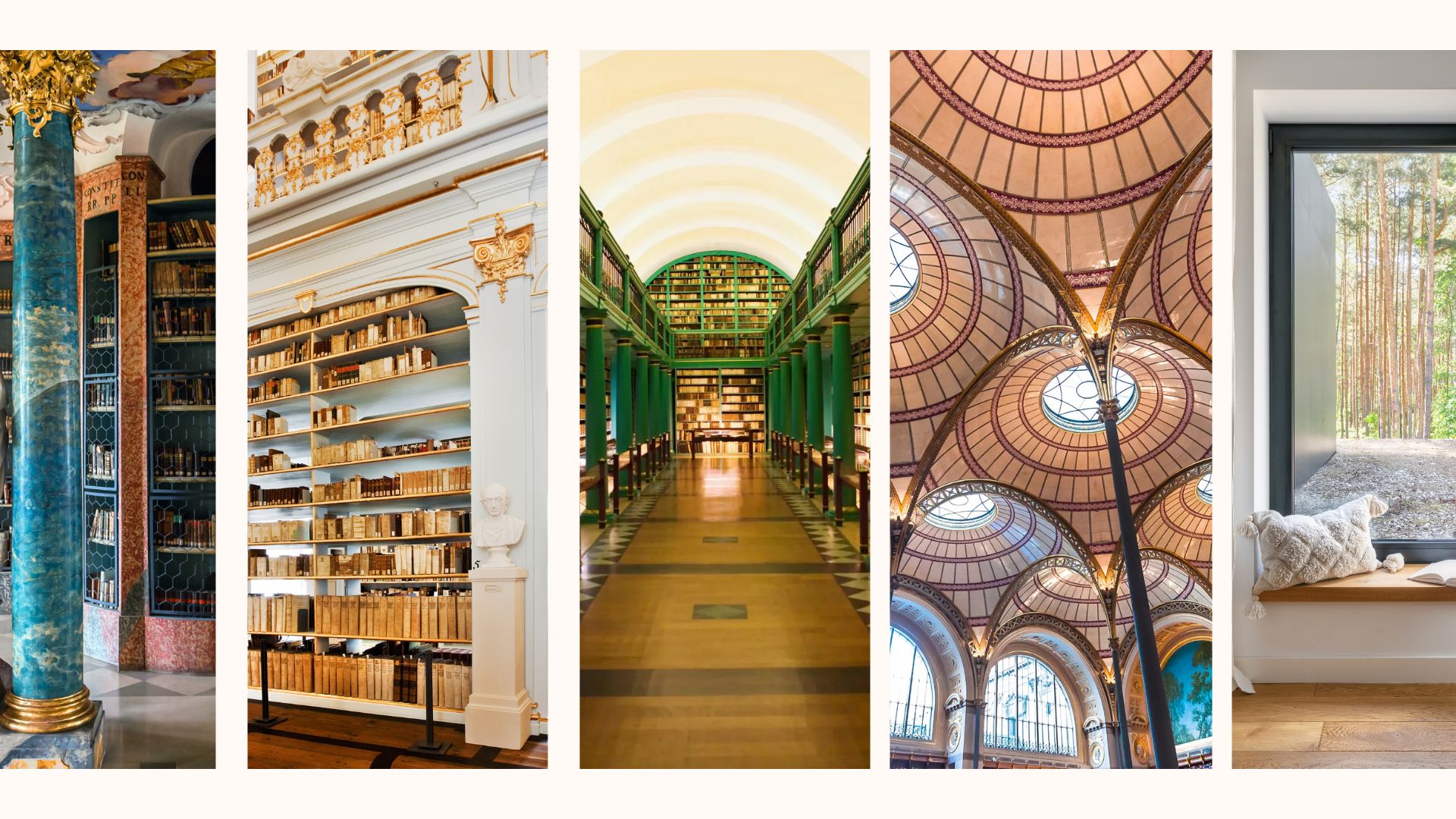
The world's most beautiful libraries that will enchant book lovers and inspire your home decor dreams

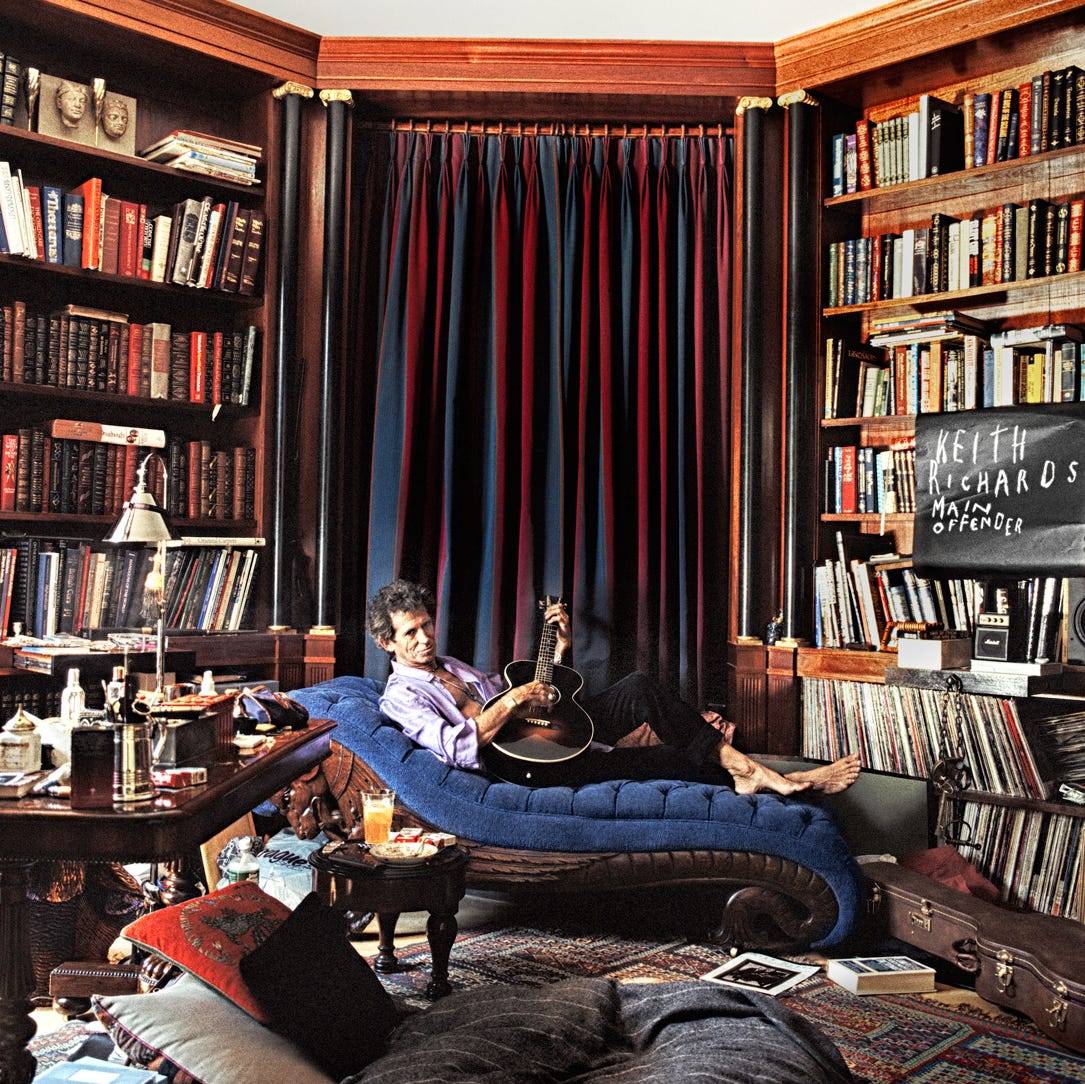
Home Libraries Are All Over Cable News. Here’s Why They’ve Never Been Hotter