1/4
between innovation and tradition: discover architecture in iran through readers radar
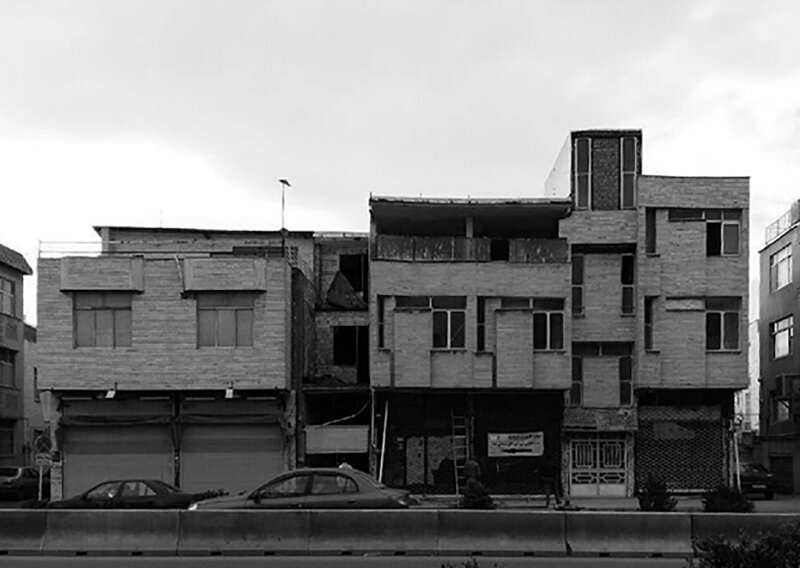
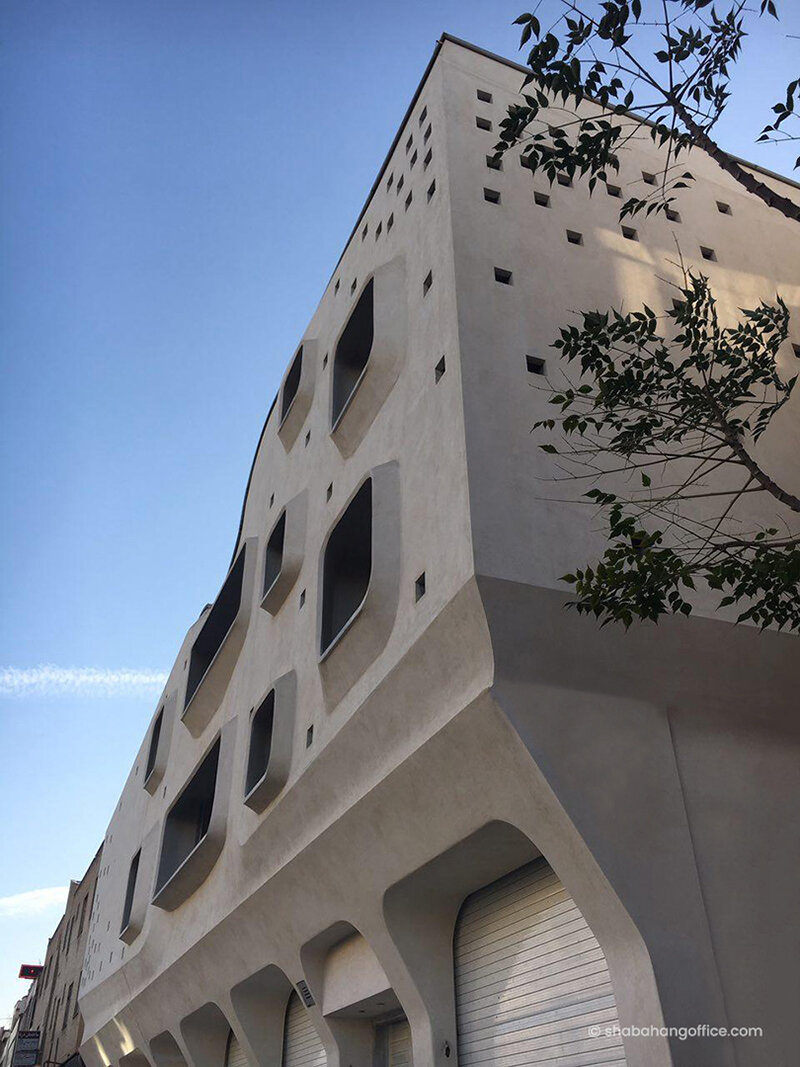
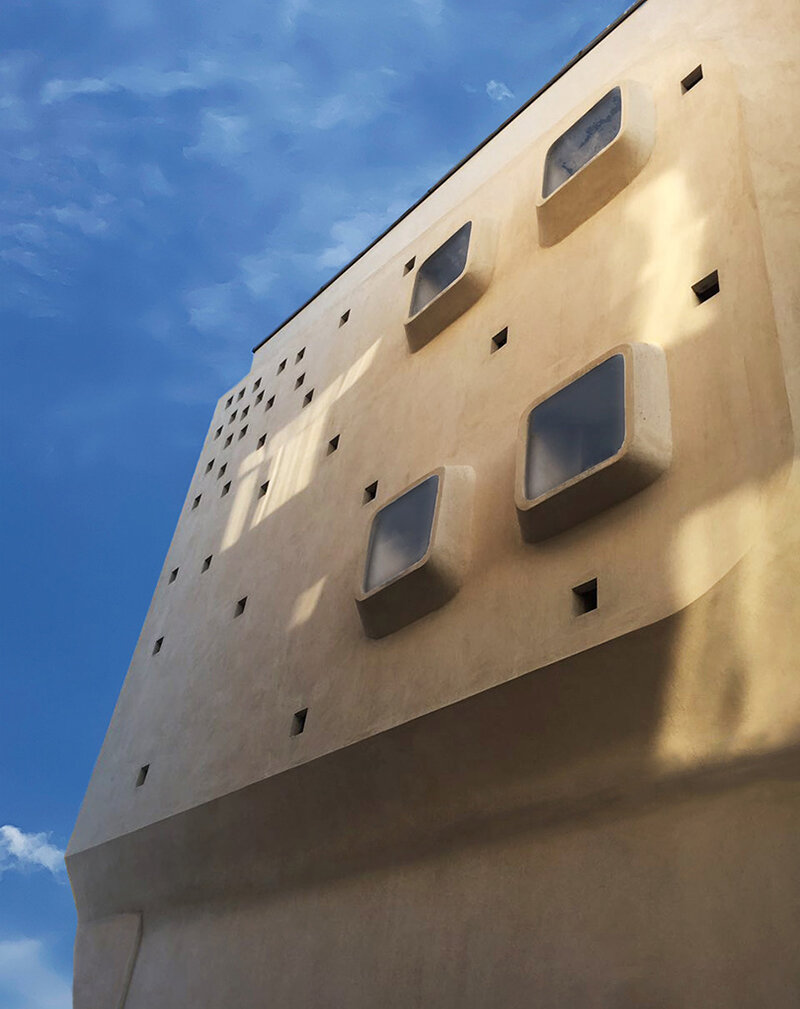
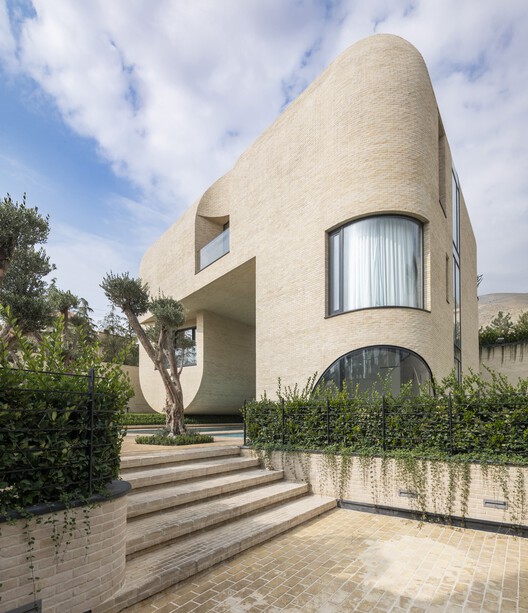
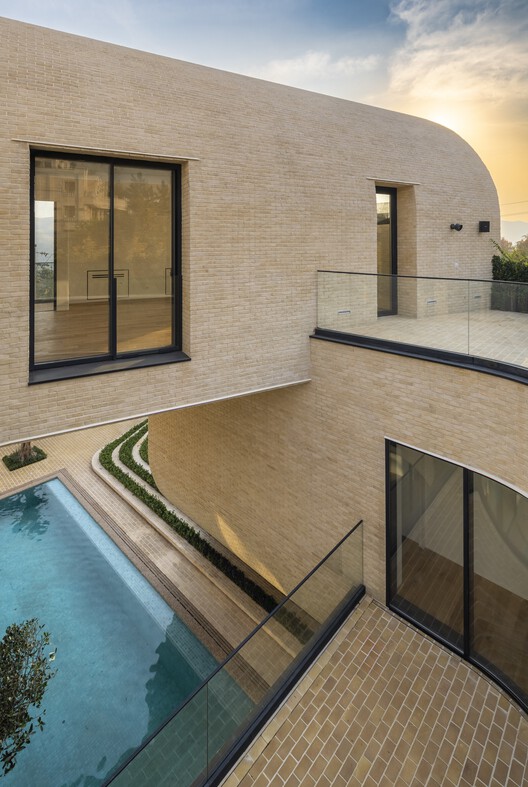
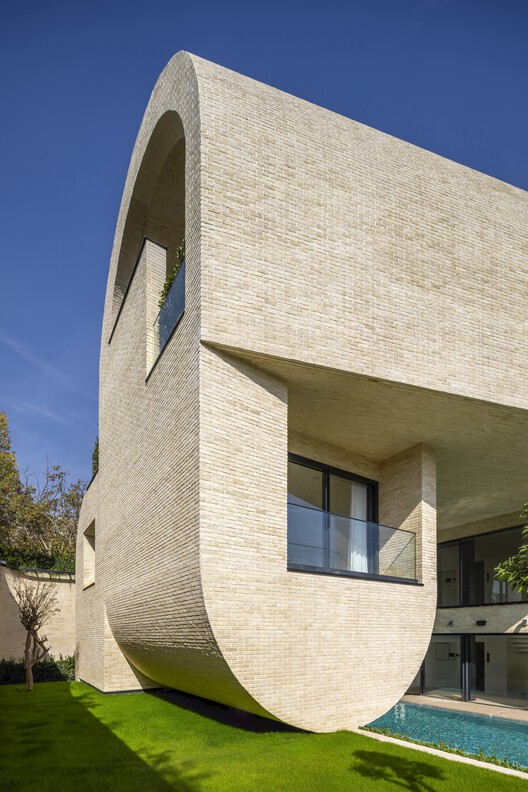
The architectural landscape of Iran has long been shaped by its unique ecological characteristics, including its predominantly desertous climate, as well as its profound cultural history. Traditionally, Iranian architecture has been characterized by meticulous attention to mathematical principles, religious symbolism, and astrological influences. The choice of building materials has typically mirrored the local arid environment, favoring resources like earth and brick. However, contemporary architects in Iran are increasingly integrating innovative approaches into their material practices and formal designs, breathing new life into these traditional frameworks while retaining contextual relevance. This blend of heritage and modernity is exemplified in several notable projects that showcase an inventive take on established Iranian architectural practices.
One such project is an organic and handmade observatory located in the desert of Esfahak, constructed by the Contemporary Architects Association of Iran. Designed with three concentric circles, the observatory's central circle is elevated, while the two outer circles create an intimate passageway that directs views exclusively upwards towards the sky, encouraging solitary contemplation. The structure, while utilizing traditional masonry, features an unusual surface texture achieved by laying each brick with a 45-degree rotation, demonstrating a modern twist on ancient building techniques.
Another innovative example is a residential building in Mahallat by CAAT studio, which capitalizes on the local abundance of travertine. This project is both environmentally and financially conscious, utilizing locally sourced materials. The facade's undulation, created through simple rotations and shifts in brick laying, responds to the building's orientation and introduces a dynamic depth, enhancing both its exterior appearance and interior experience. This design showcases how traditional materials can be manipulated to achieve contemporary aesthetic and functional outcomes.
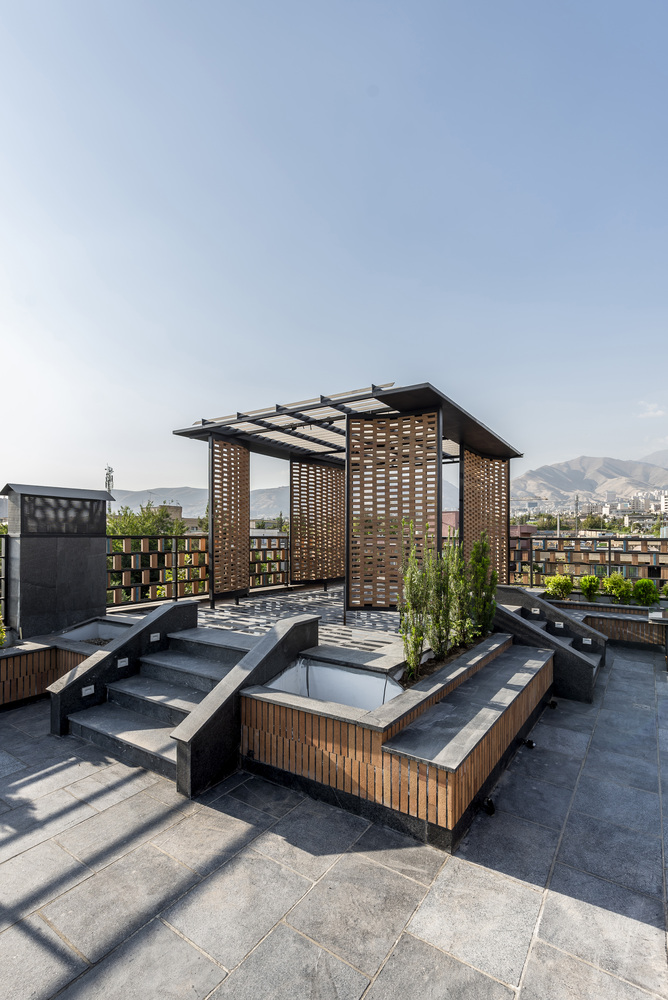
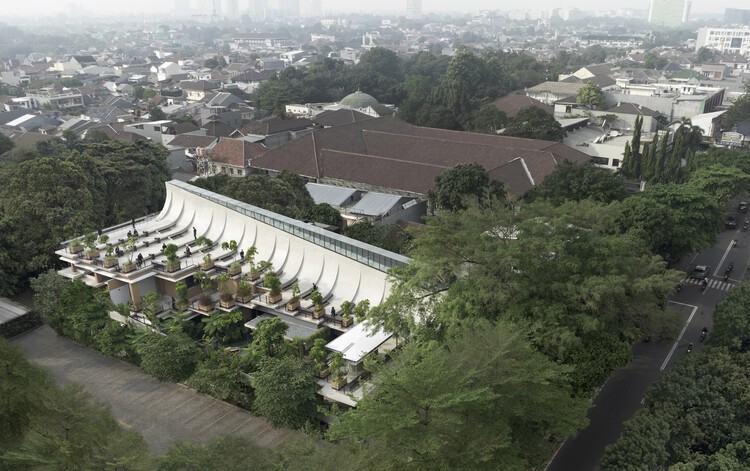
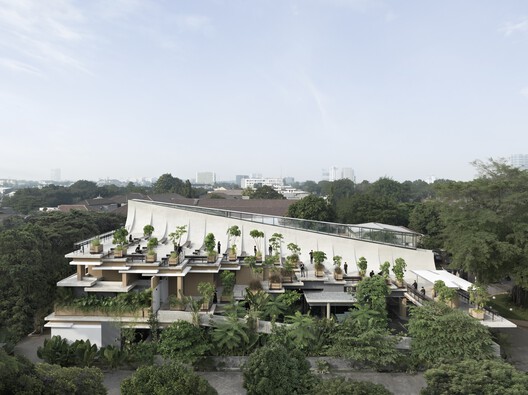
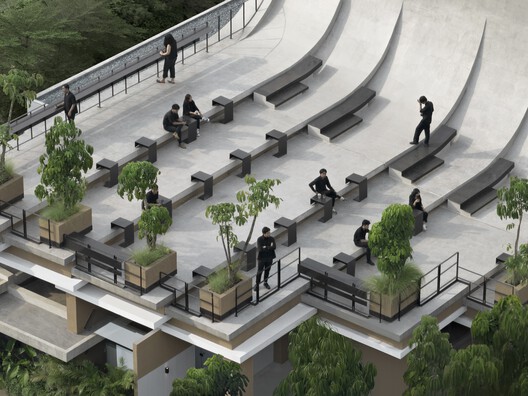
Habibeh Madjdabadi's 'Lunar Complex,' a mixed-use retail, accommodation, and fuel station center in the arid region between Ghazvin and Rasht, represents another significant contribution. Spanning 45,000 square meters with a building footprint of 7,500 square meters, the project is conceived as a piece of land art, featuring a panoramic terrace and a bazaar. Its sculptural form draws inspiration from the topography and vernacular architecture of central Iran's hot and arid zones. The programmatic layout and nozzle skylights echo traditional bazaars, while the occupiable roof serves as a public plaza, reminiscent of indigenous architectural practices where rooftops facilitated community gathering and movement.
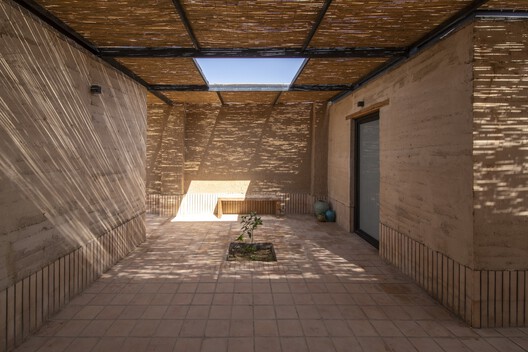
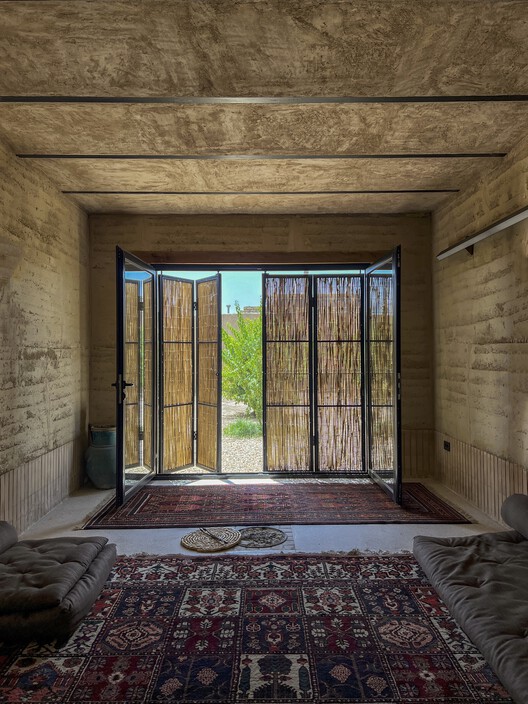
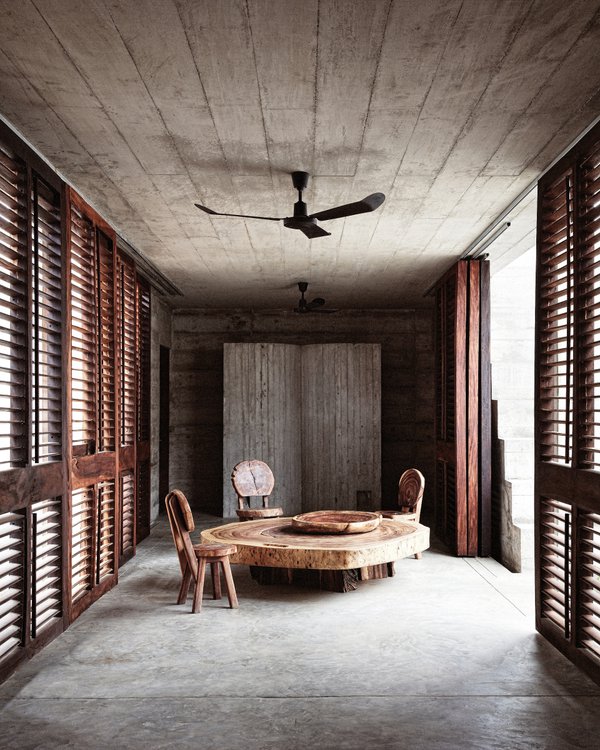
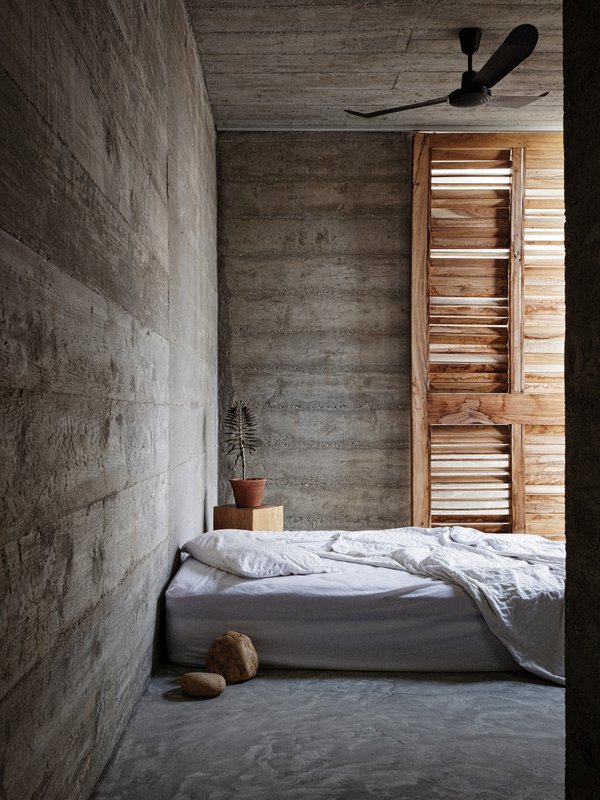
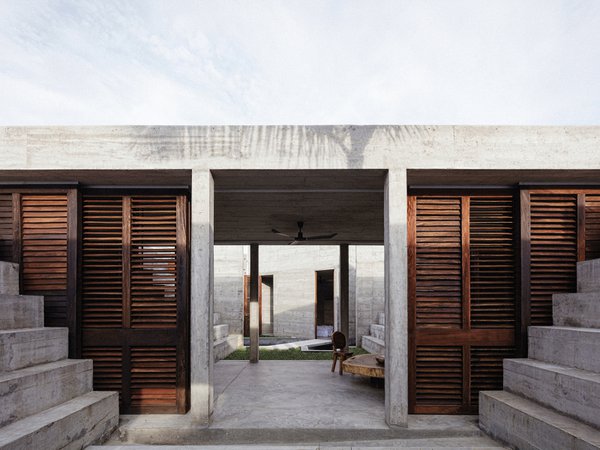
Jafar Lotfolahi and Omid Azeri's 'Earth House' in Kerman highlights the continued relevance of earth as a primary building material in Iran's arid climate. This private residence, constructed predominantly from soil and clay, exudes warmth and continuity. While externally opaque, the interior spaces are transparent and open, converging around a central courtyard. The roof features an array of louvers that disrupt the opacity, introducing rhythmic shadows and natural ventilation, thus modernizing the use of traditional earth construction.
The 'Farmanieh' residential tower, a collaborative concept by ZAAD studio and Marz Design in Tehran, illustrates a contemporary high-rise development. Its cylindrical form and radial geometry provide panoramic views, with horizontal discs creating exterior spaces on each level. Individual units are shifted and reoriented, resulting in a rich, occupiable interstitial space, marking a departure from conventional tower designs.
Habibeh Madjdabadi's 'House of Bathe,' also known as 'the genetic mutation house,' located outside Tehran, presents a distorted and transfigured archetypal house silhouette. The gradual serial sectioning of concrete planes extends the building into a rear wing with a large indoor swimming pool, open to the exterior through generous glazing, skylights, and double-height windows. This project explores the transformation of form and function.
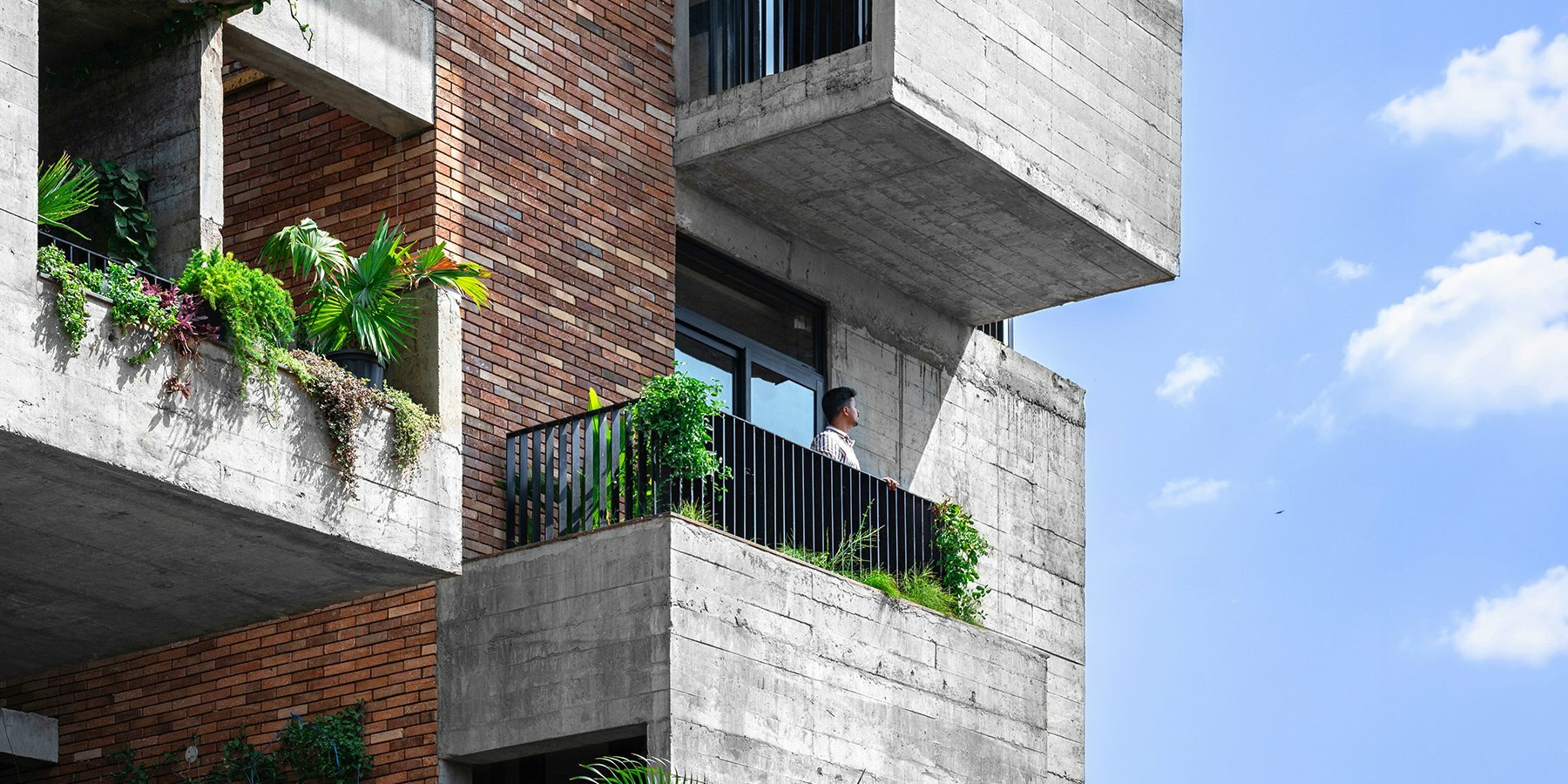
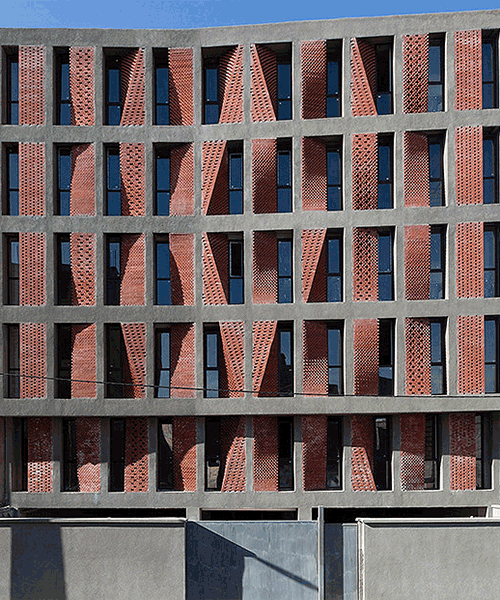
CAAT Studio's apartment complex in Kahrizak, a low-income area near Tehran, demonstrates how traditional brick can be used to diversify affordable housing. Faced with budget constraints on a half-finished project, the studio employed local workers and materials. The design emphasizes quality and aesthetic appeal in a region often prioritizing quantity over quality in housing development. Similarly, Arash G Tehrani's 'Golshahr' mosque complex in Alborz integrates a mosque and plaza, challenging traditional mosque architecture by featuring smooth brick surfaces and an open urban context, aligning with the Persian style where mosques are part of a broader civic space. The design maintains an Iranian architectural spirit without replicating traditional ornamental elements.
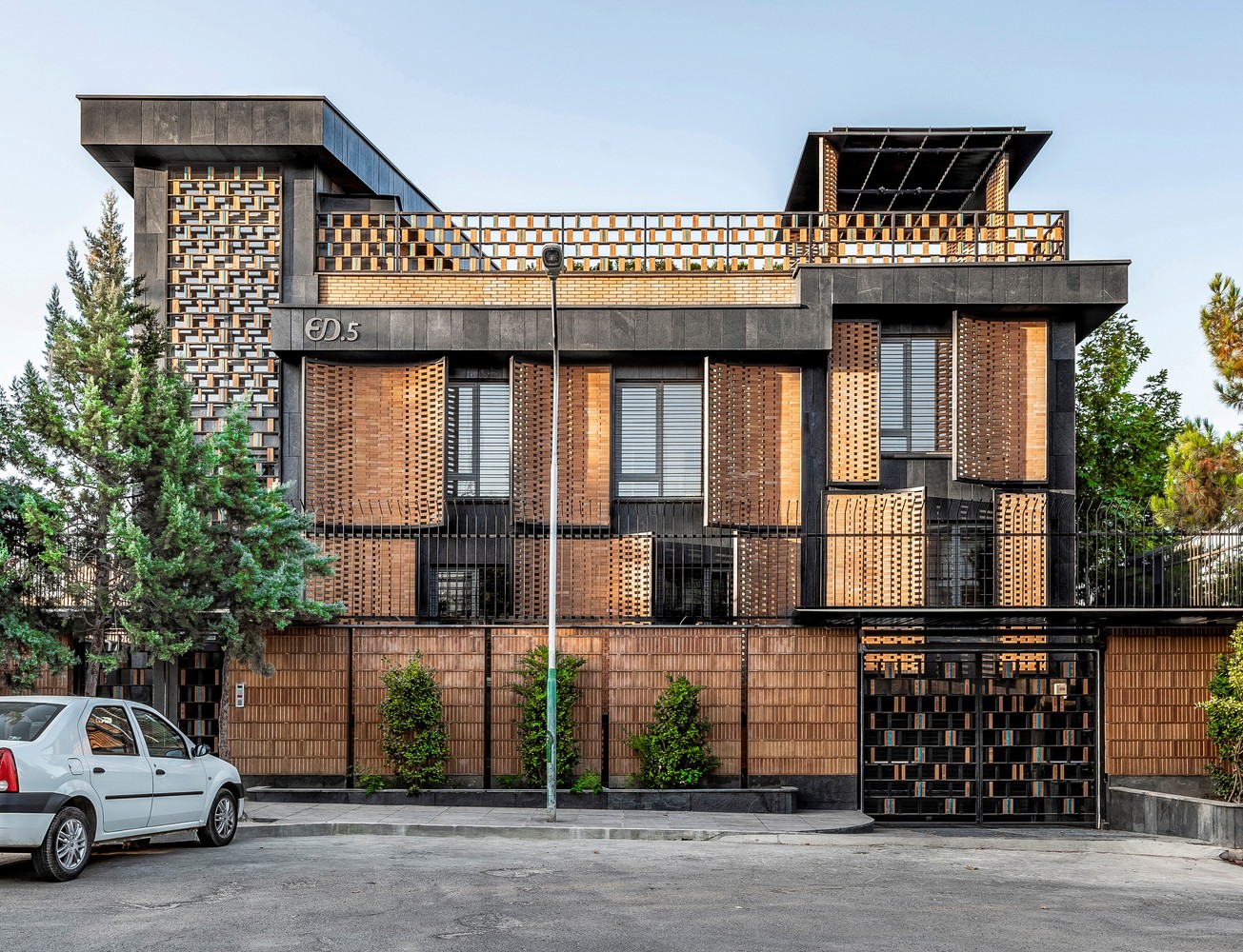
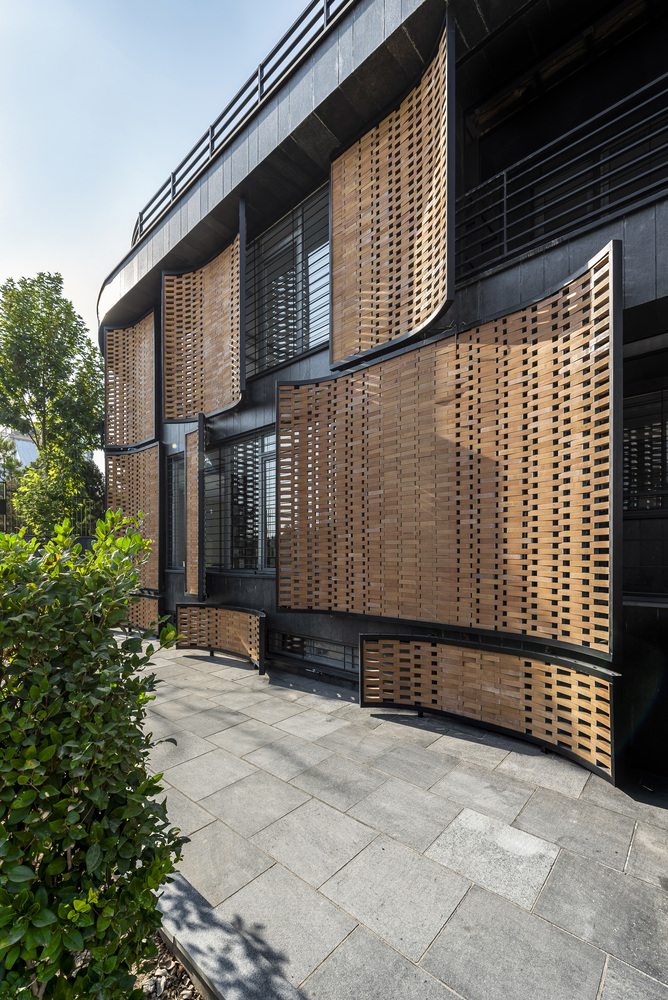
Finally, 'the house of 40 knots' by Habibeh Madjdabadi and Alireza Mashhadimirza fuses Persian carpet-making techniques with brick architecture. The facade mimics intricately interwoven modules, using a traditional tandem construction method where one craftsman dictates and another lays corresponding bricks. This innovative approach eliminates the need for detailed drawings, allowing workers to fabricate the complex clay block facade locally. These projects collectively demonstrate how contemporary Iranian architecture creatively synthesizes ancient traditions, local ecology, and modern innovation, creating diverse and contextually sensitive designs.
#IranianArchitecture #ContemporaryDesign #TraditionalMaterials #BrickArchitecture #EarthArchitecture #SustainableDesign #CulturalHeritage #ArchitecturalInnovation #HabibehMadjdabadi #IranianArchitecture #ContemporaryDesign #TraditionalMaterials #BrickArchitecture #EarthArchitecture #SustainableDesign #CulturalHeritage #ArchitecturalInnovation #HabibehMadjdabadi
0 comment in total
 No comments yet
You may also like
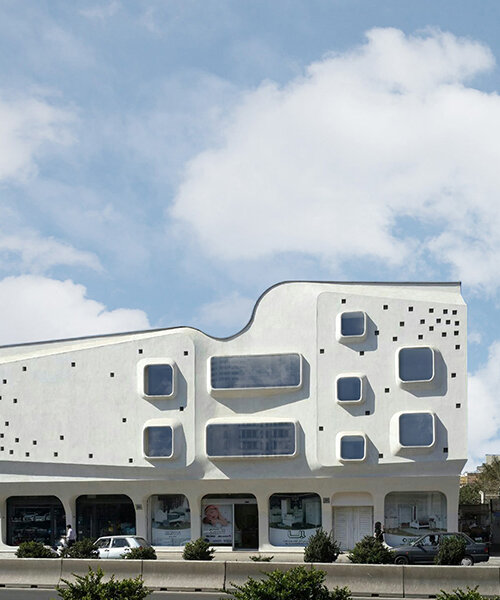
curved angles, extruded window frames + square dots characterize futuristic building in iran
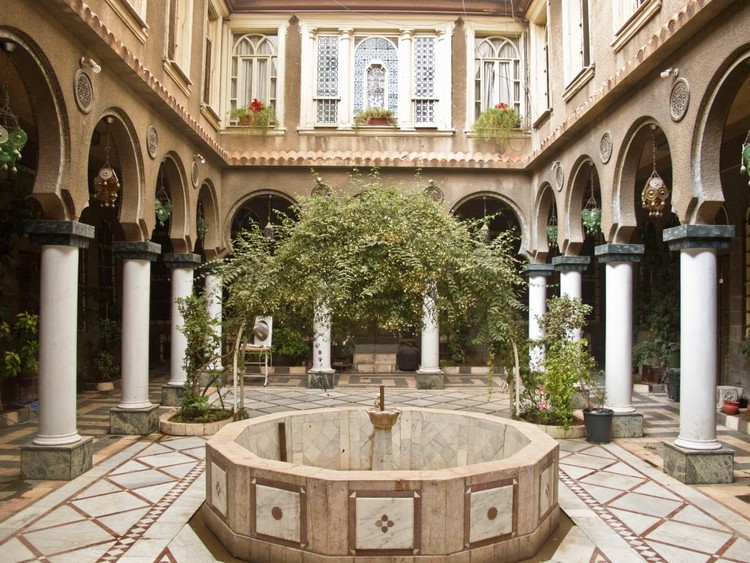
Polished, Private, and Passive: Traditional Courtyard Houses and their Timeless Architectural Features

Aruma Split Garden / RAD+ar (Research Artistic Design + architecture)

steel architecture and design Archives
Khaki House / EZ Studio
Discover Baku's history through its unique architecture

shirin ehya laser-cuts iranian tile patterns onto fantasia collection
Christian Fischbacher and Hadi Teherani create fabric designs informed by the Iranian landscape
17 Essential Architectural Styles Everyone Should Know

The Architect as Writer: Expanding the Discipline Beyond Buildings
concrete and brick interplay on multi-layered residence's geometric facade by rahul pudale
Sky Box House, Himalayan foothills property
The One Social Media Account Giving Me Wanderlust
Parametric patterns of the Khesht Baf by Image Architects
The Transitional Style of A Pakistani Residence

The Innovative Indoor-Outdoor Fluidity of Contemporary Mexican Architecture
The Central Courtyard Villa / NextOffice–Alireza Taghaboni
The ancient Islamic roots of modernity

Look up: the world’s most jaw-dropping ceilings | loveexploring.com
Whatever Happened to “The Architects’ Architect”?