1/6
How to choose a kitchen layout
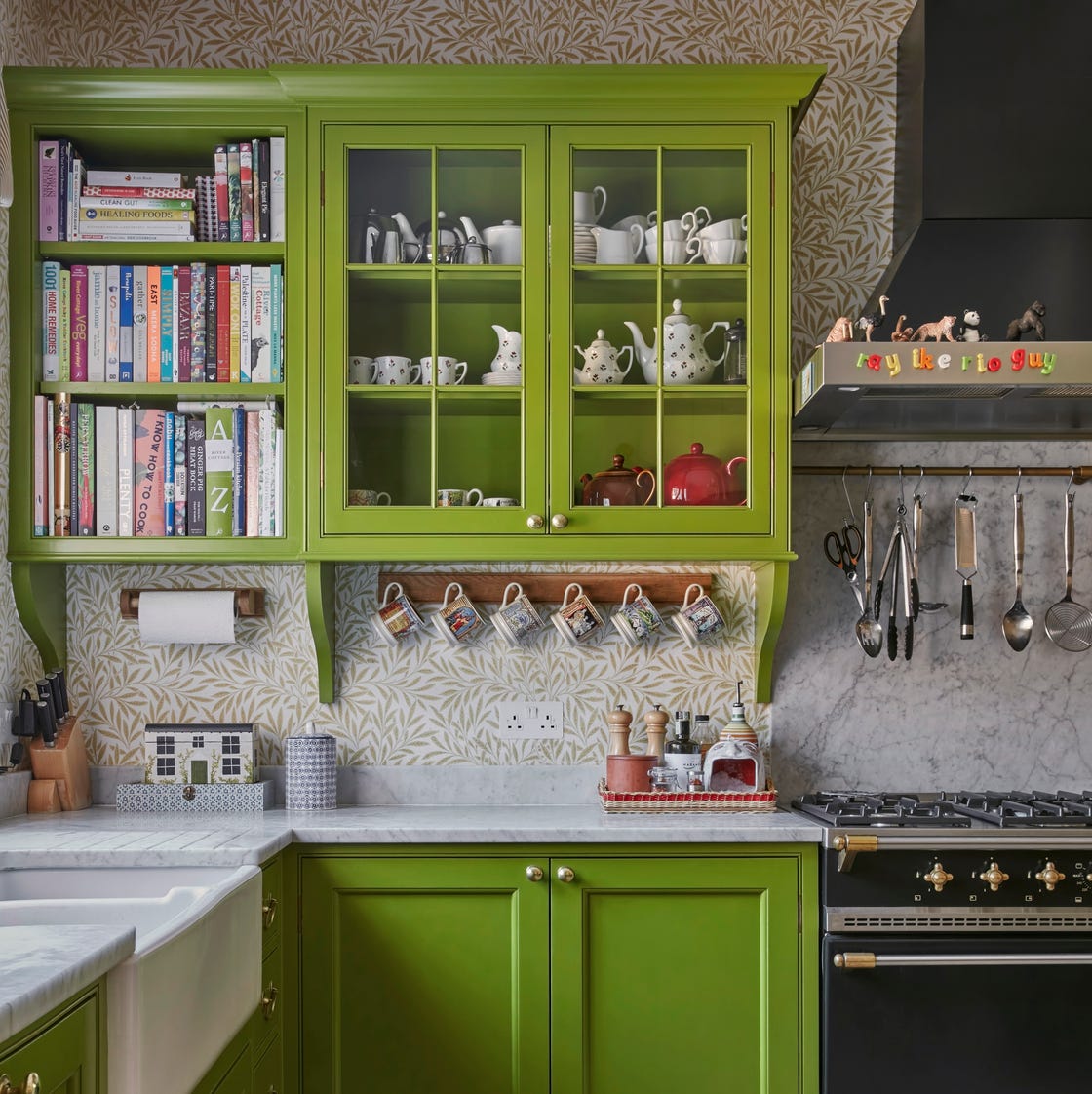
Choosing the right kitchen layout is a critical step in designing a functional and aesthetically pleasing space. The team at British Standard, known for their hand-crafted, semi-bespoke cabinets, provides expert advice on selecting a kitchen layout that meets both practical requirements and overall design goals. Adrian Bergman, Design Manager at British Standard by Plain English, emphasizes that the size and shape of the room often dictate the best solution, but the ultimate aim is to create an enduring and practical layout. This guide explores several popular kitchen configurations.
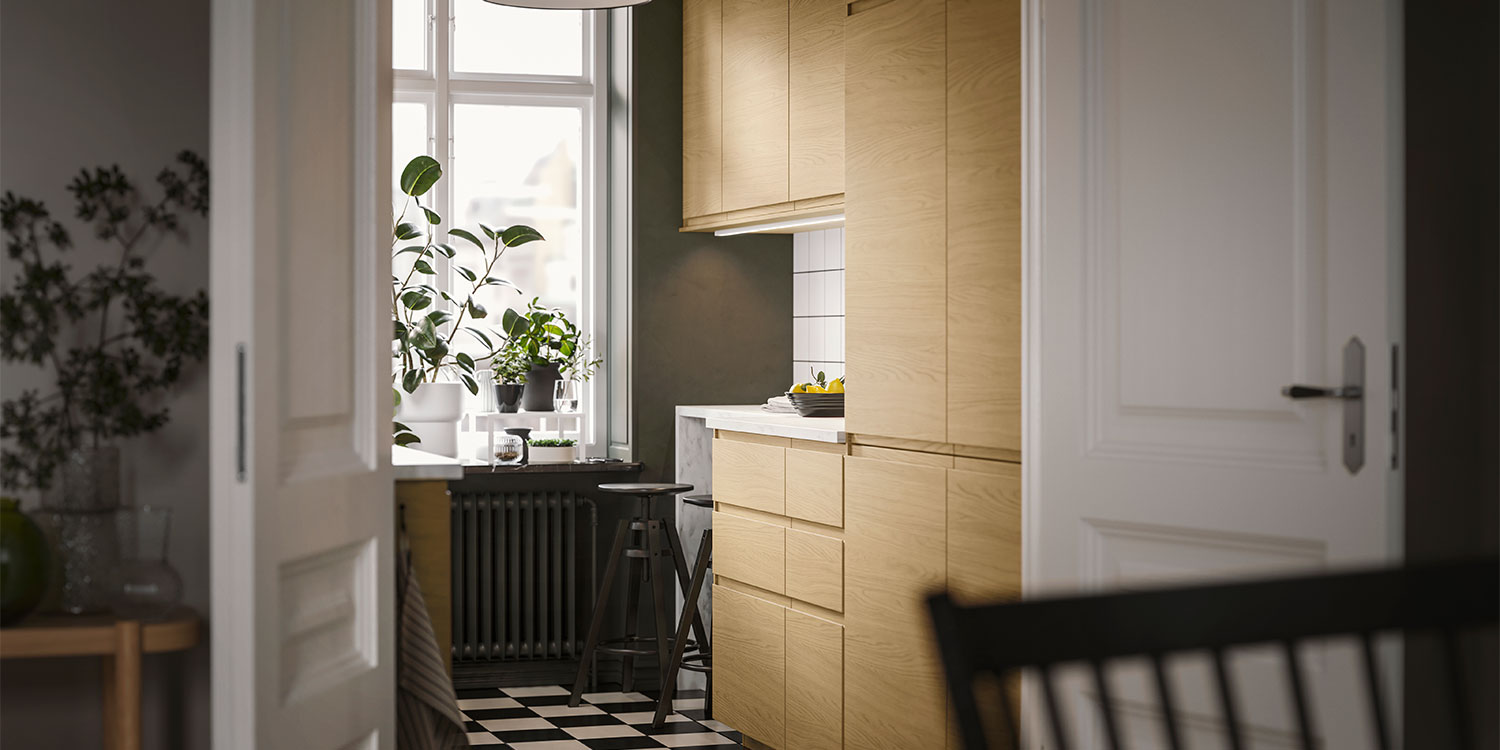
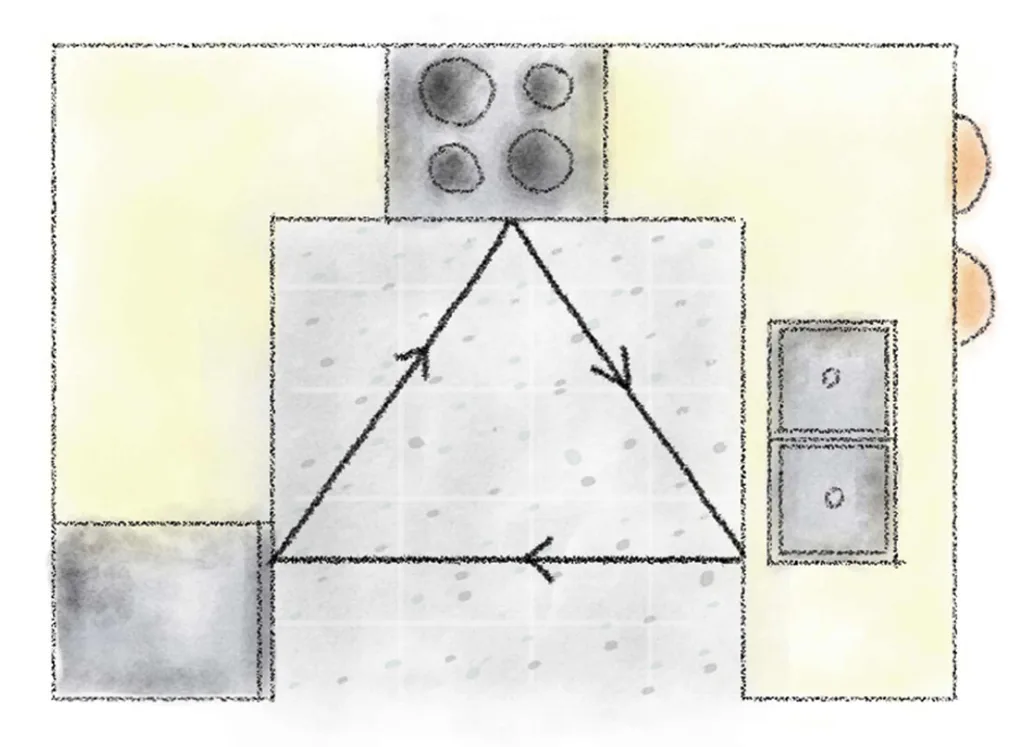
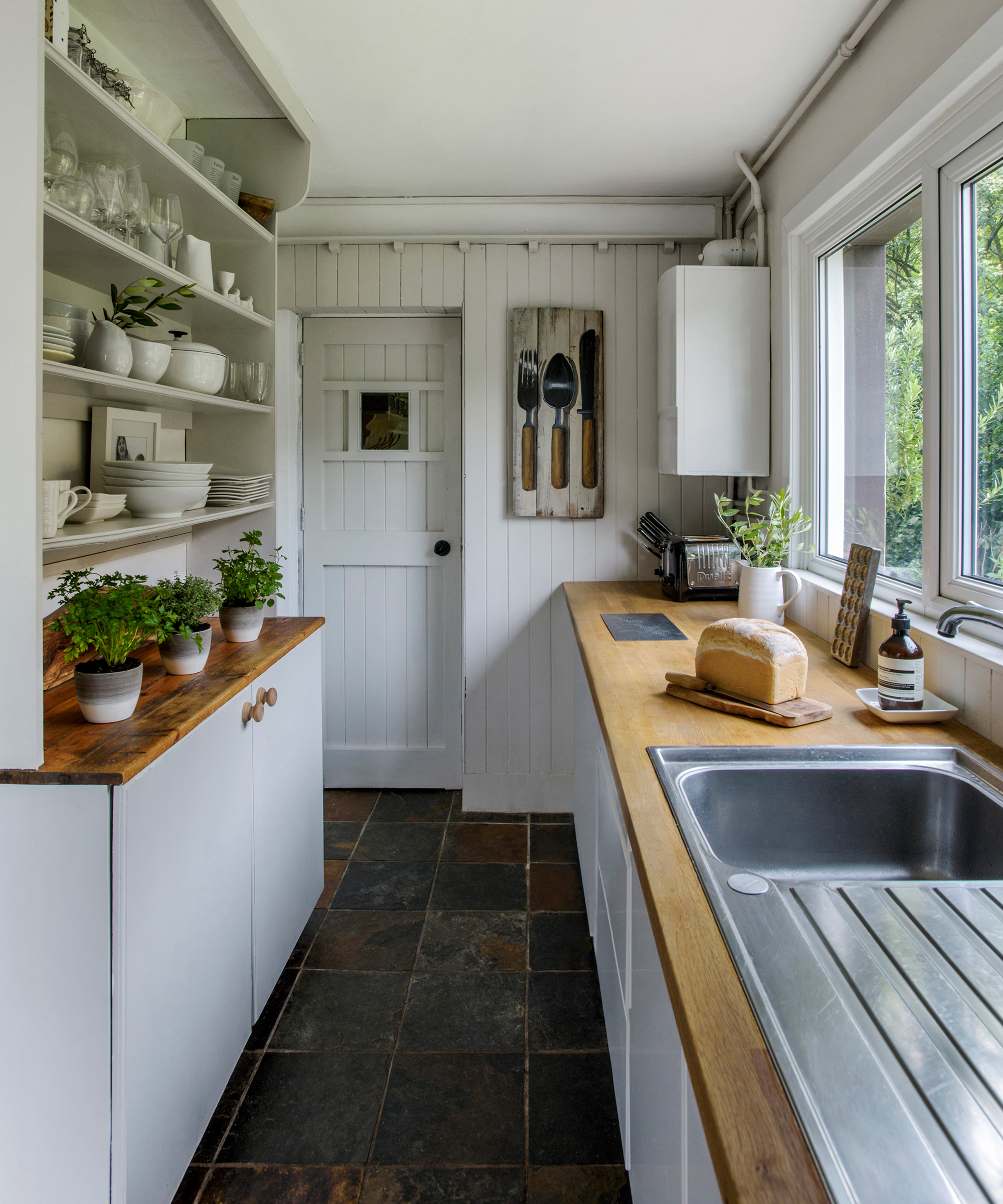
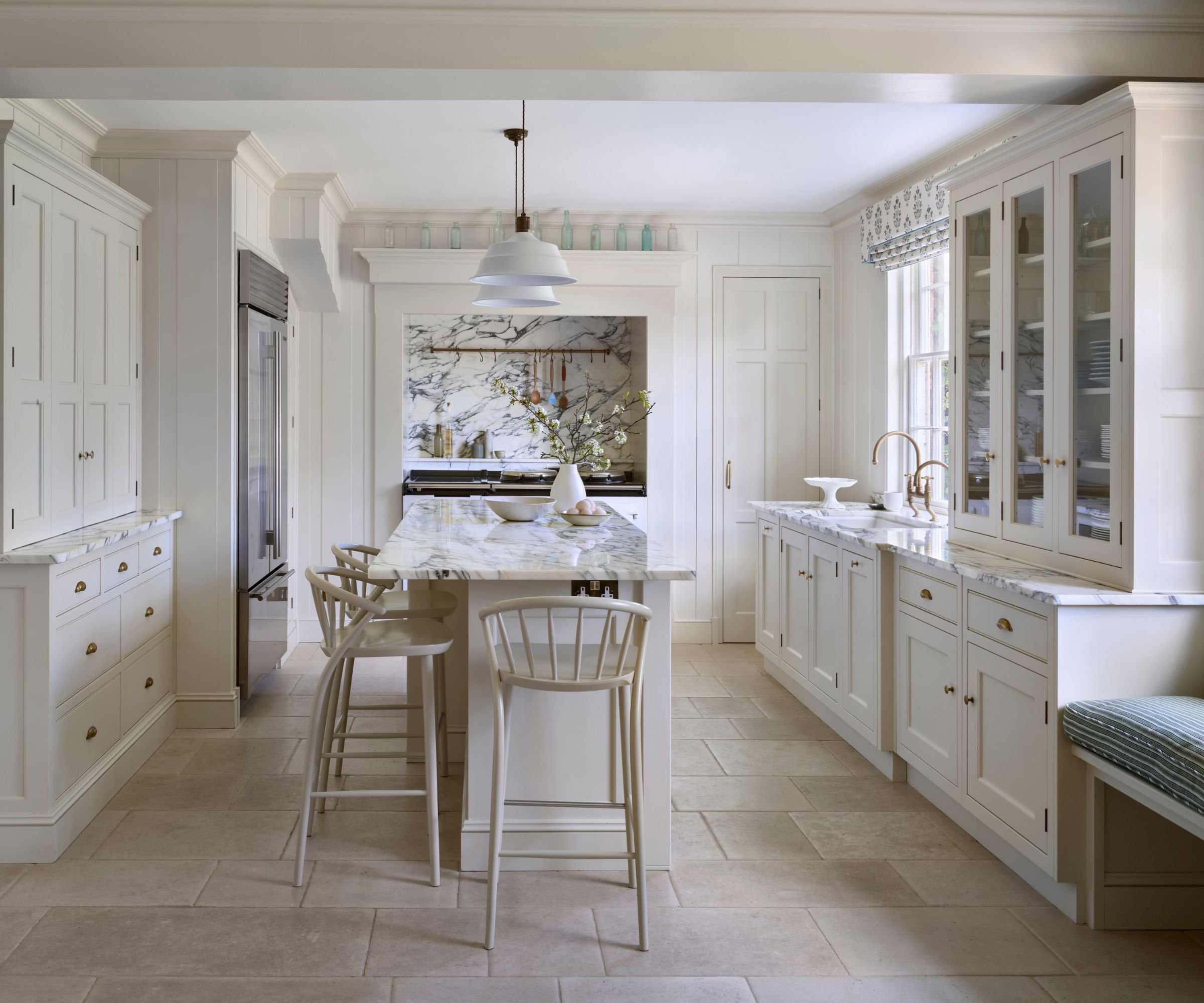
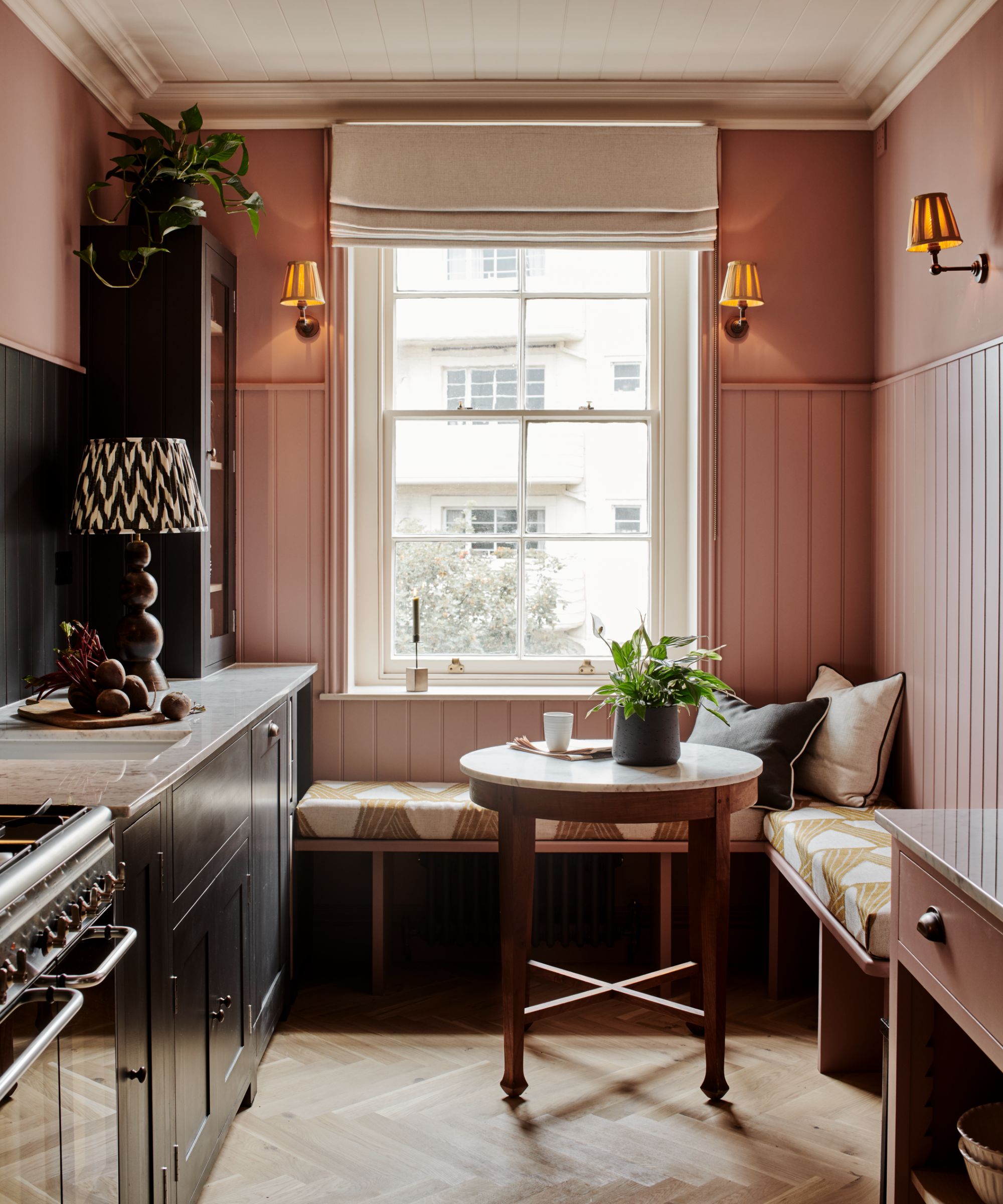
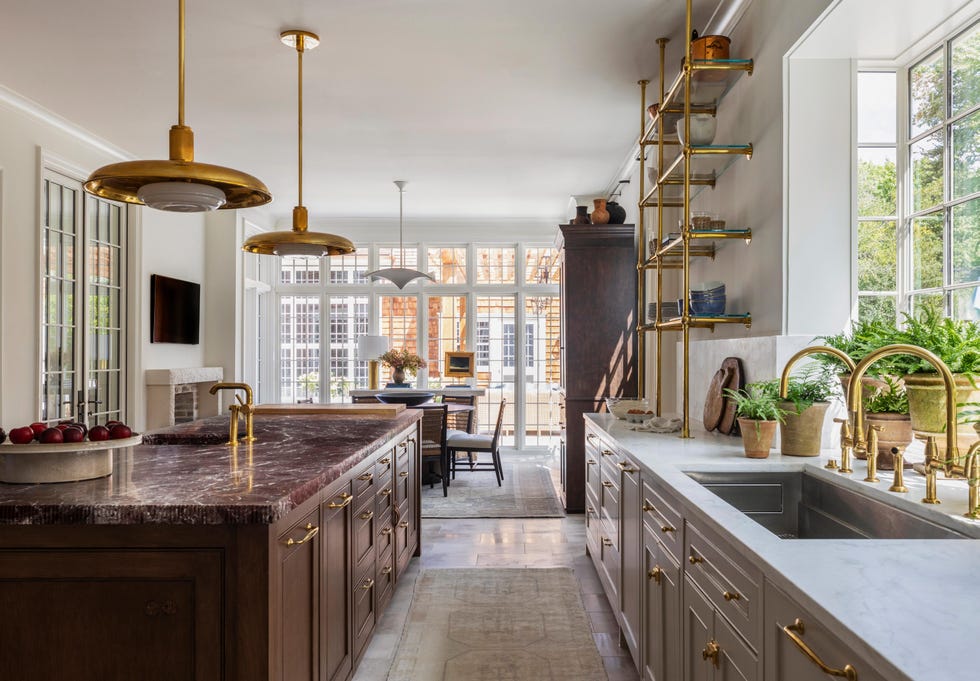
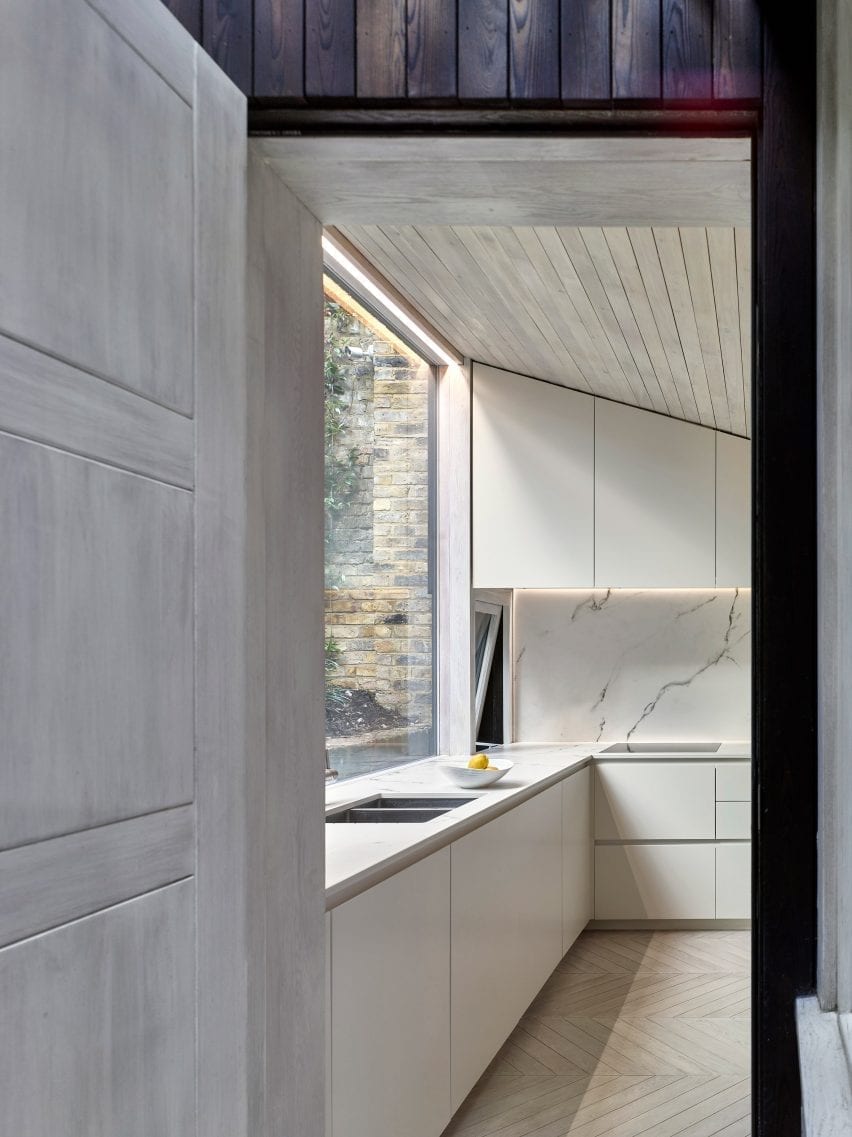
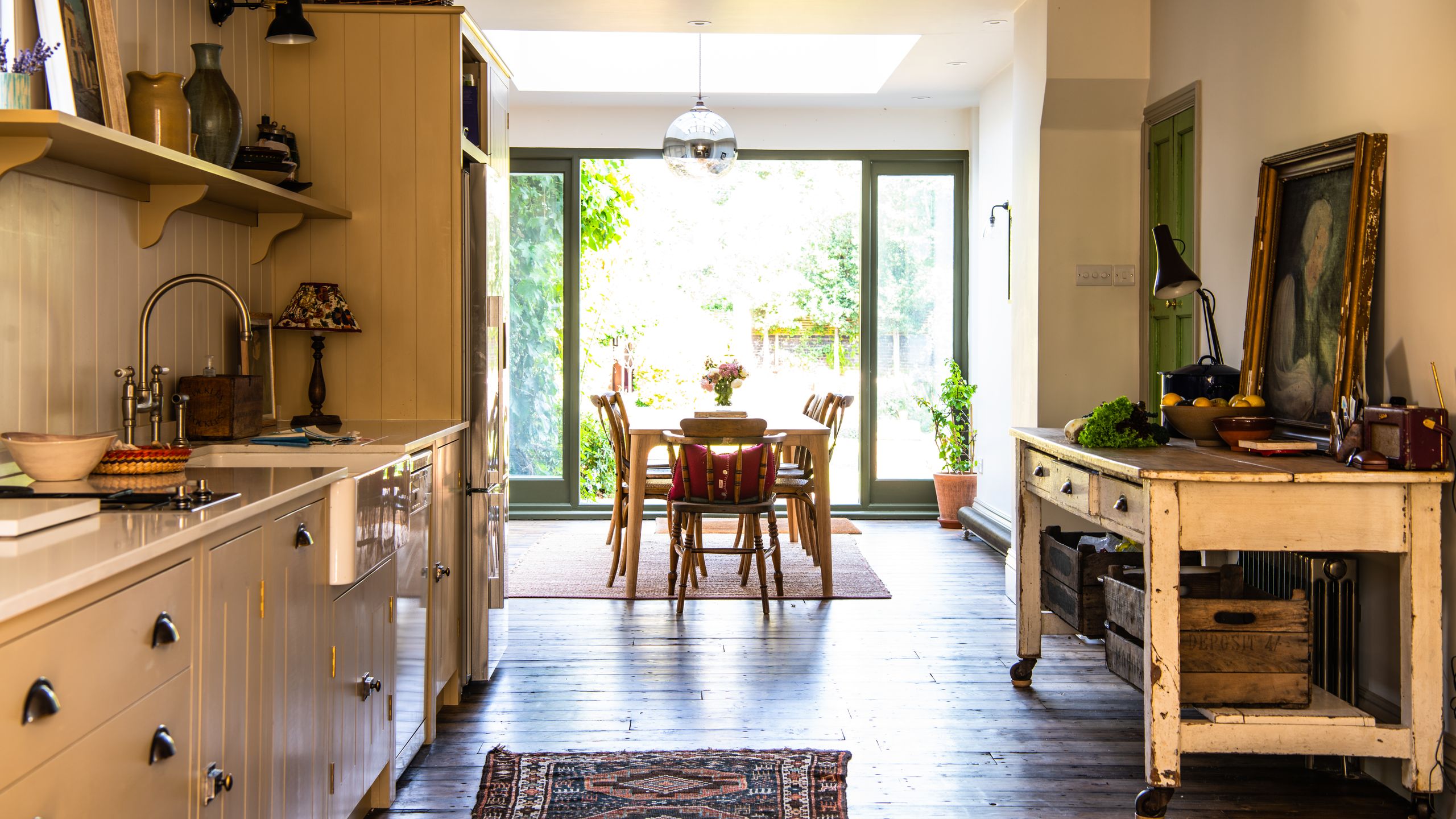
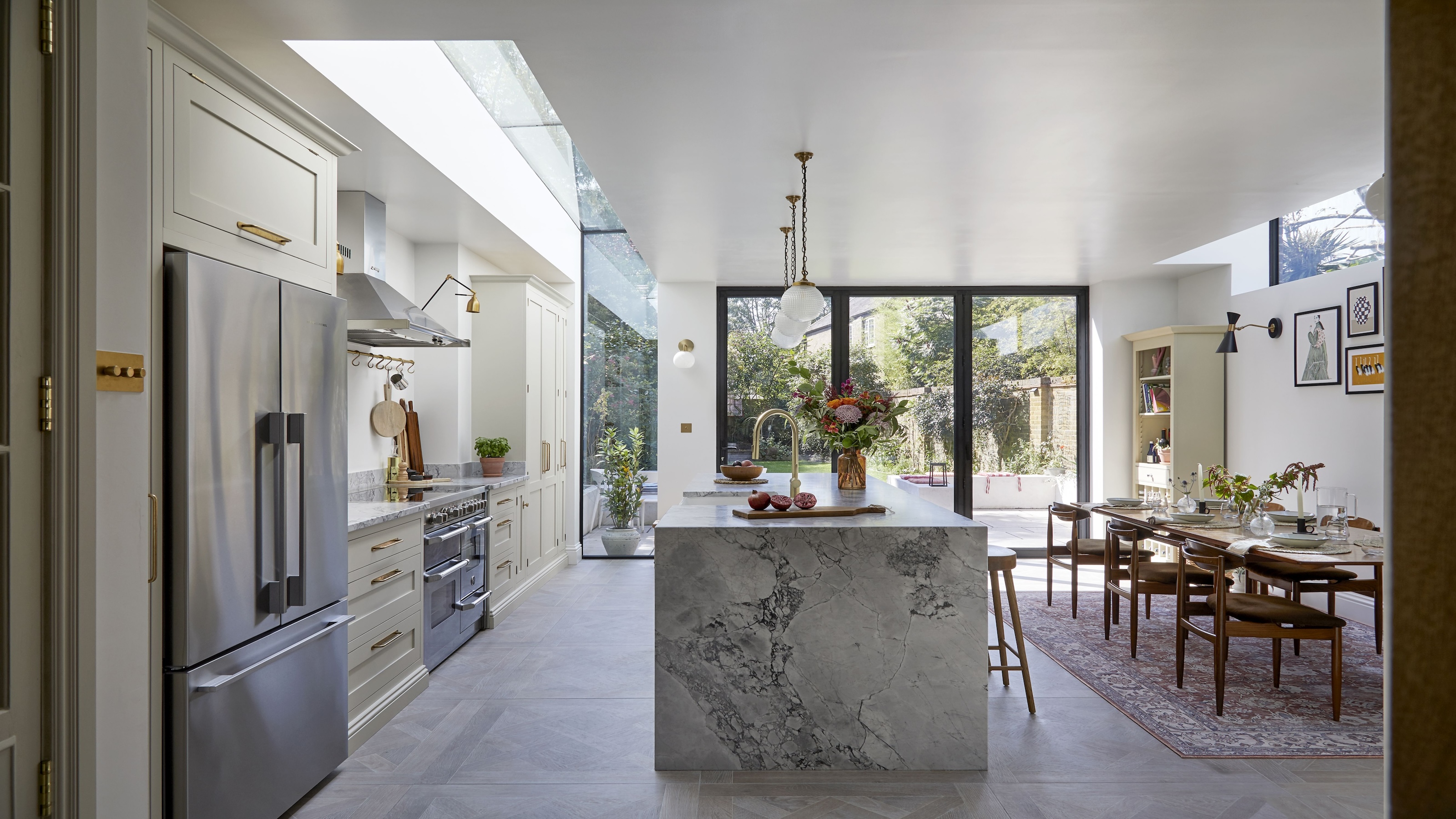
The galley kitchen, characterized by two parallel runs of cupboards, is highly efficient. This layout allows a cook to move easily between essential elements such as the sink, hob, and fridge, creating a streamlined workflow. The double rows of cabinetry also offer ample work surface for food preparation, making it suitable for busy kitchens where functionality is paramount.
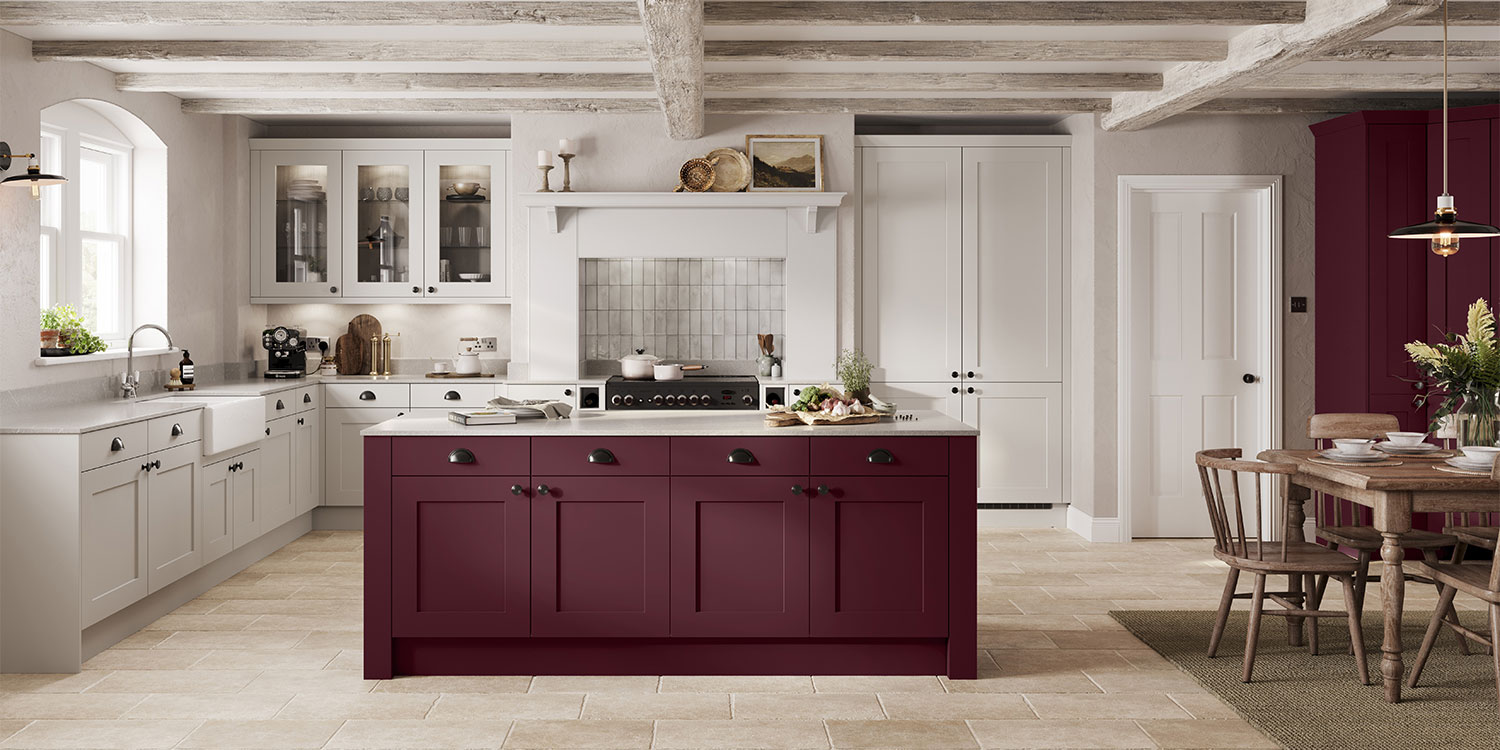
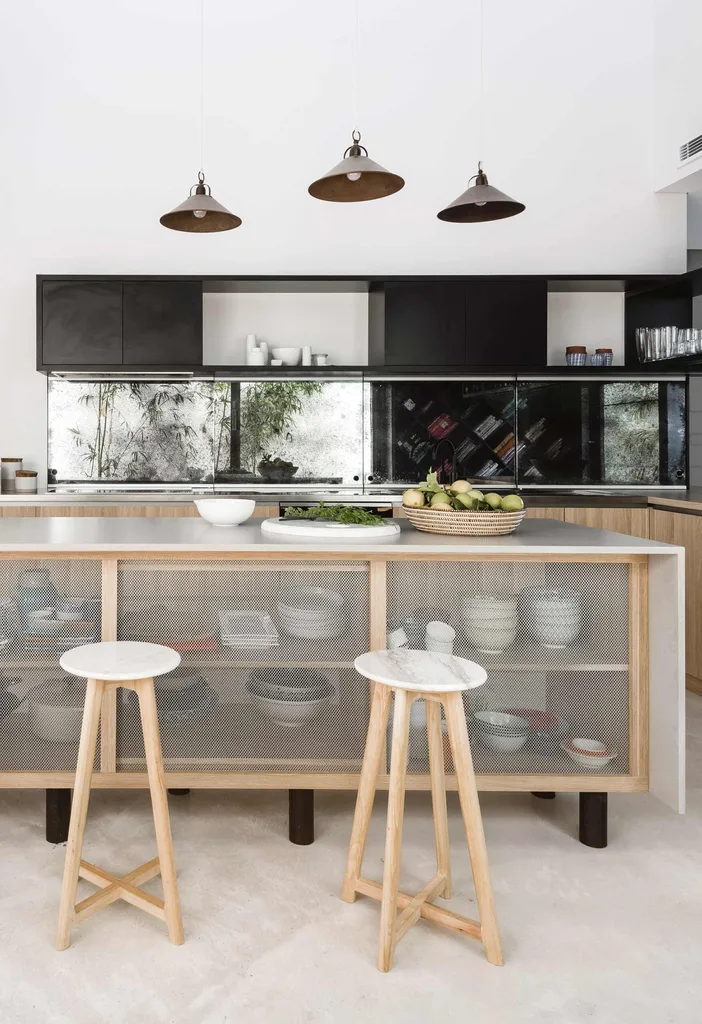
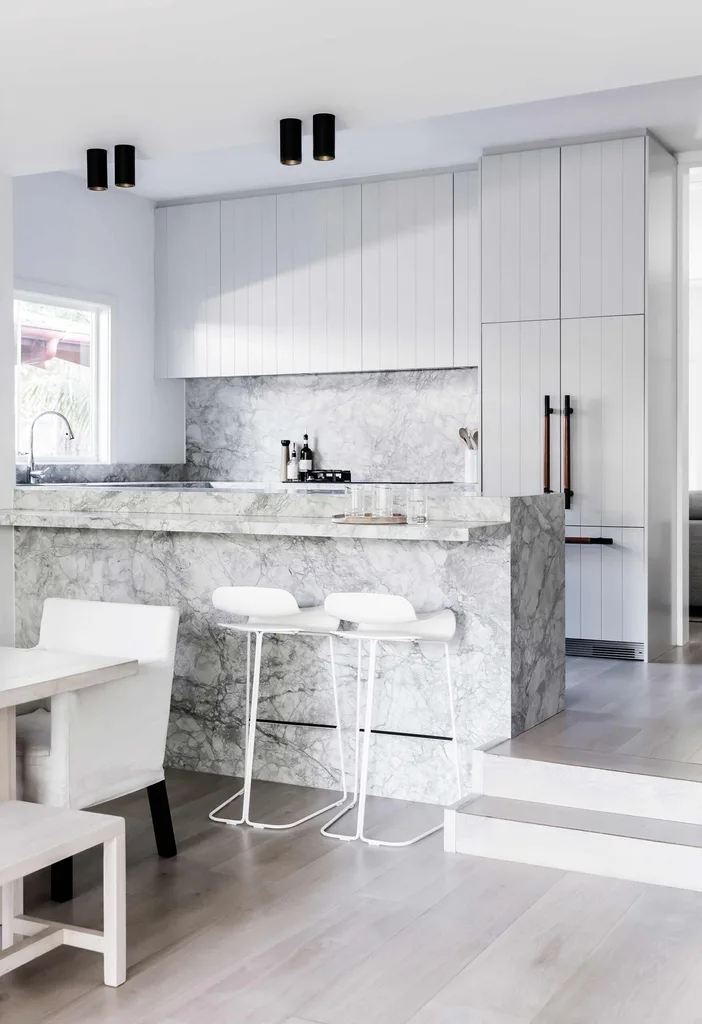
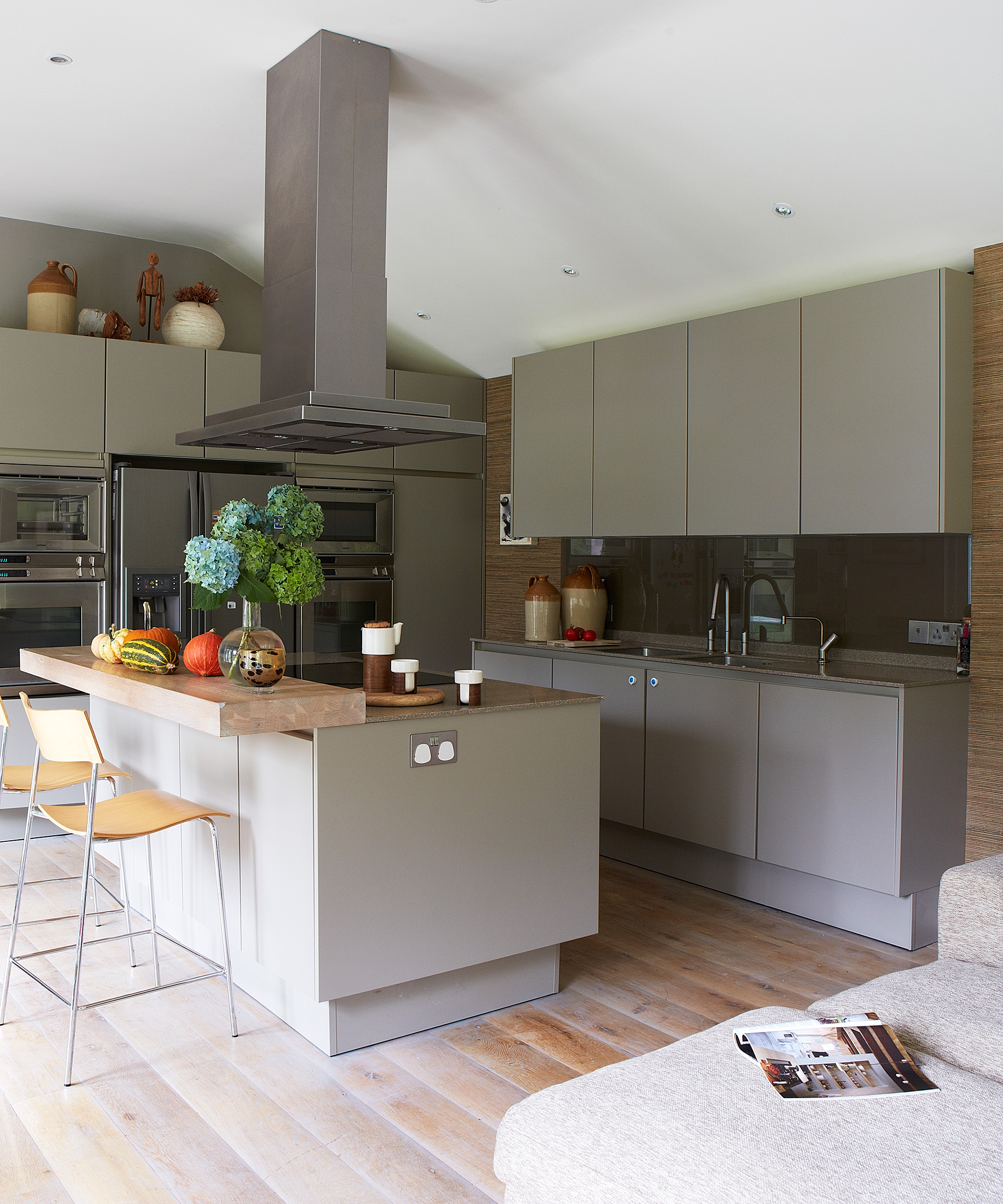
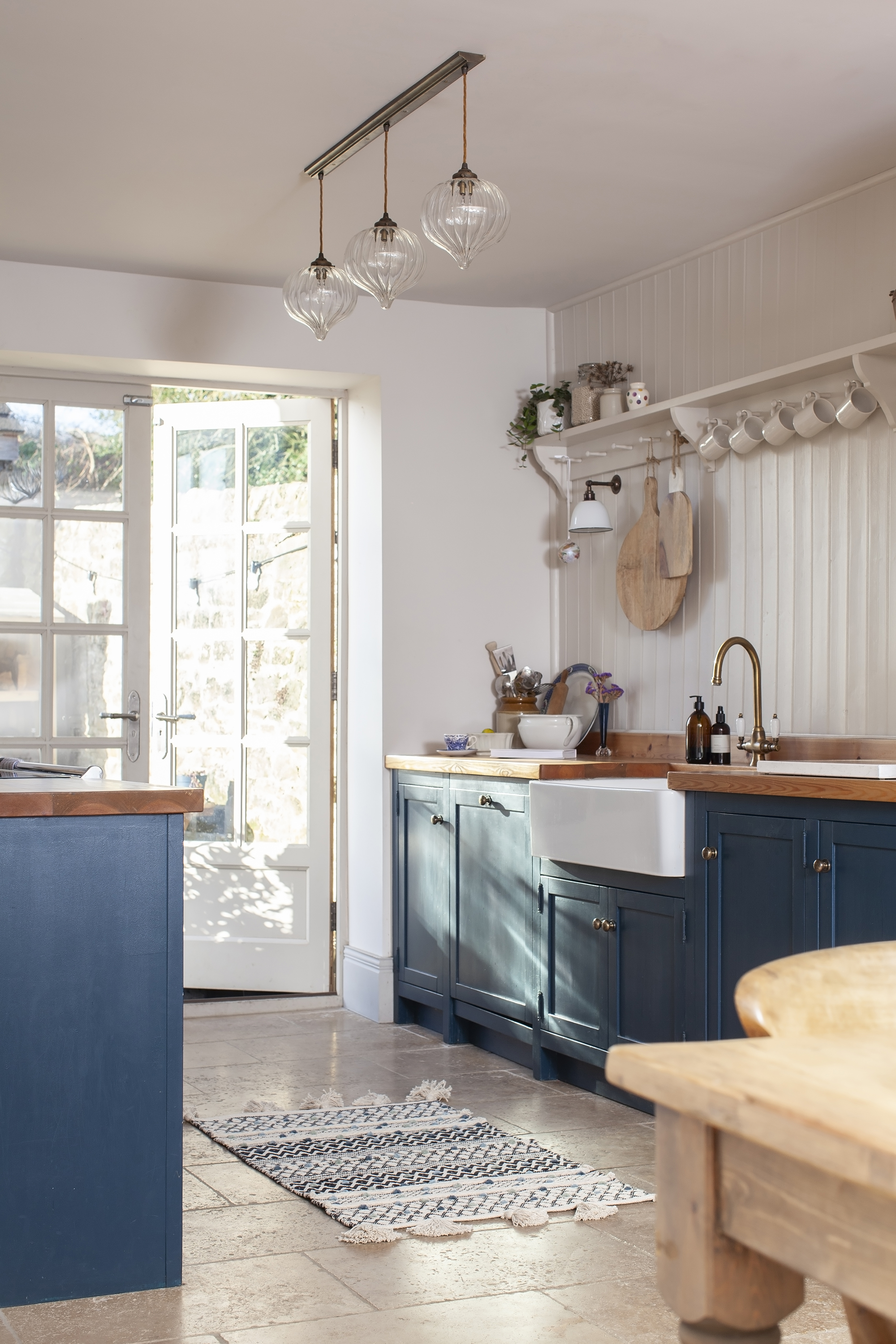
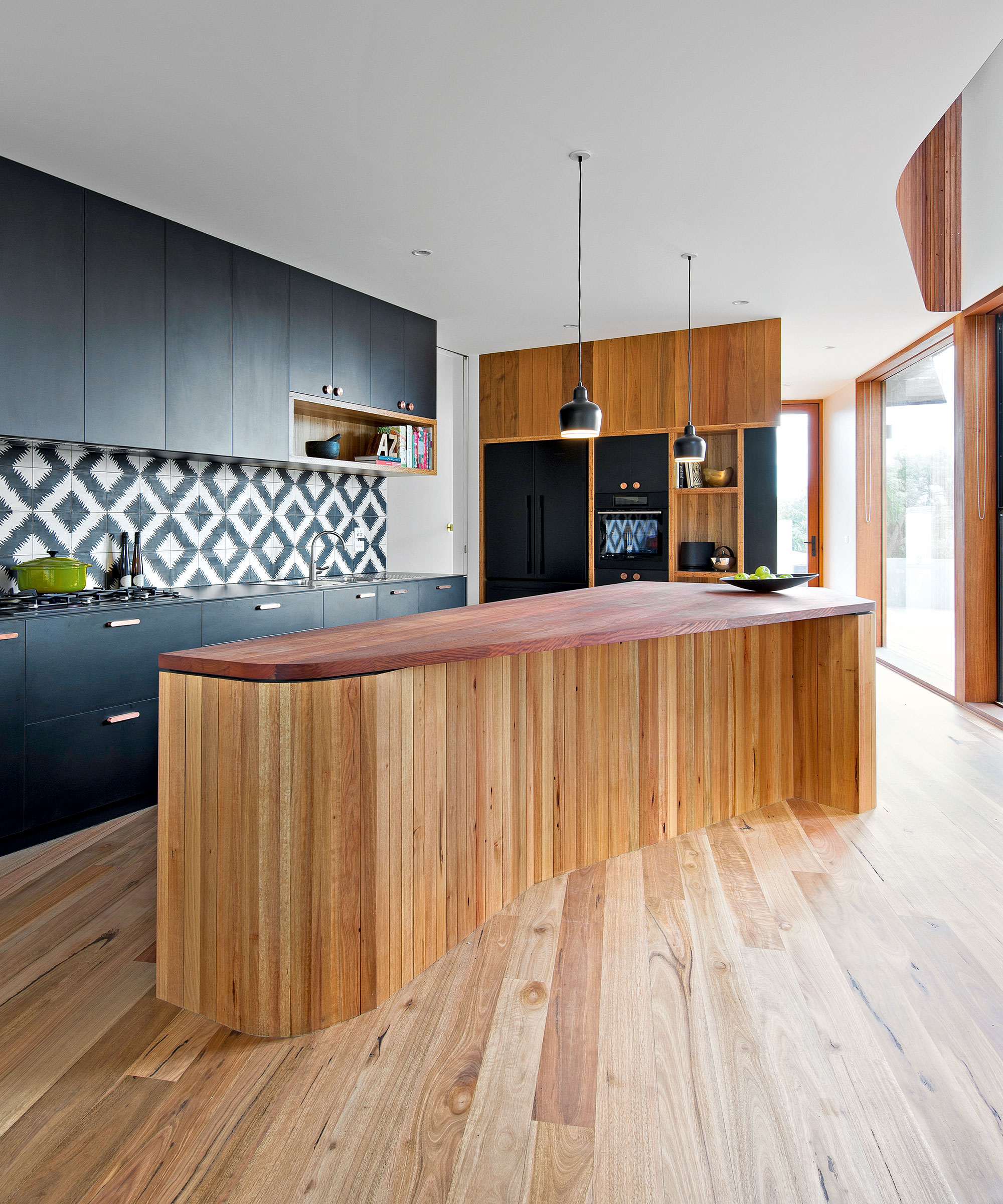
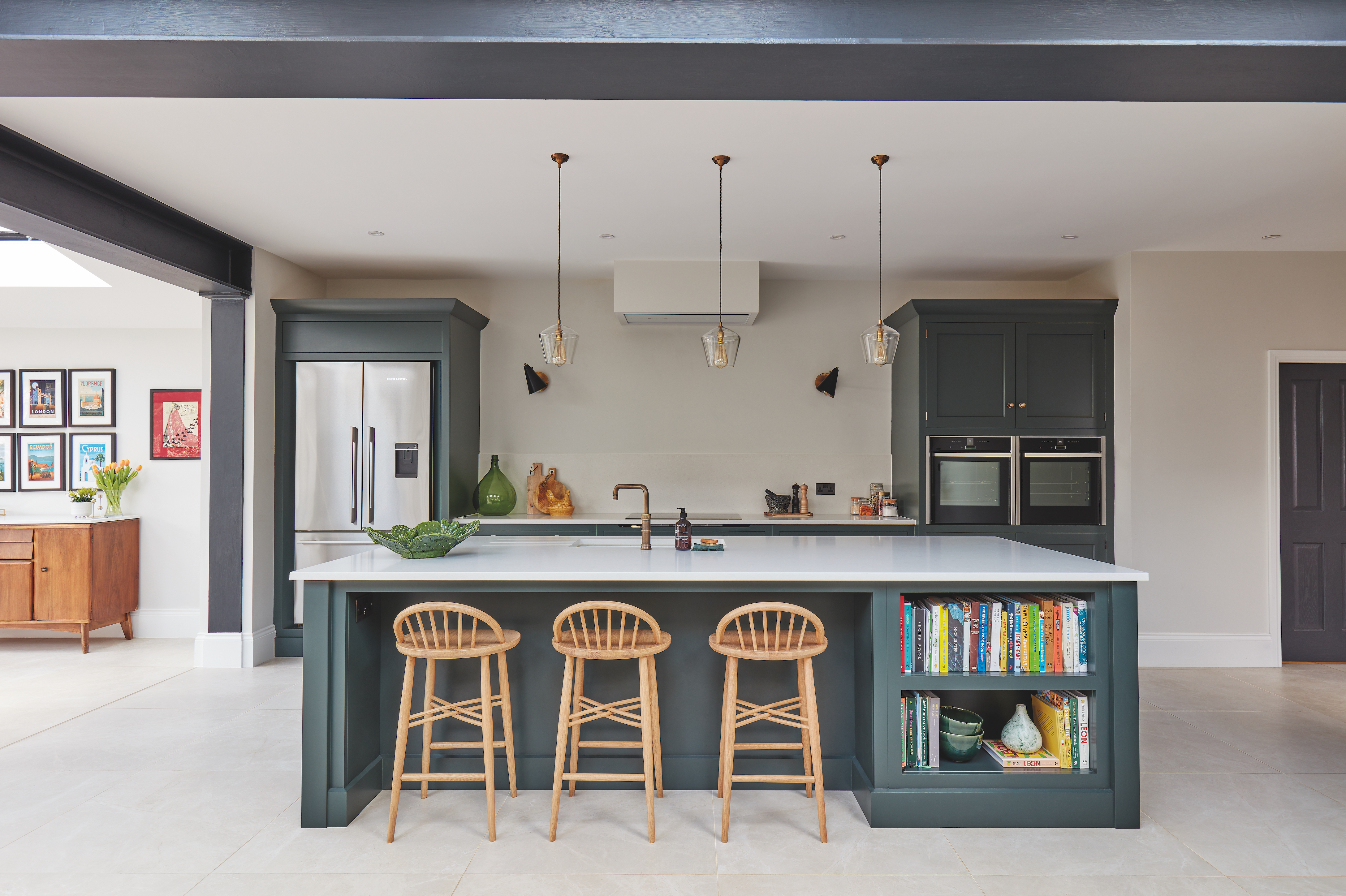
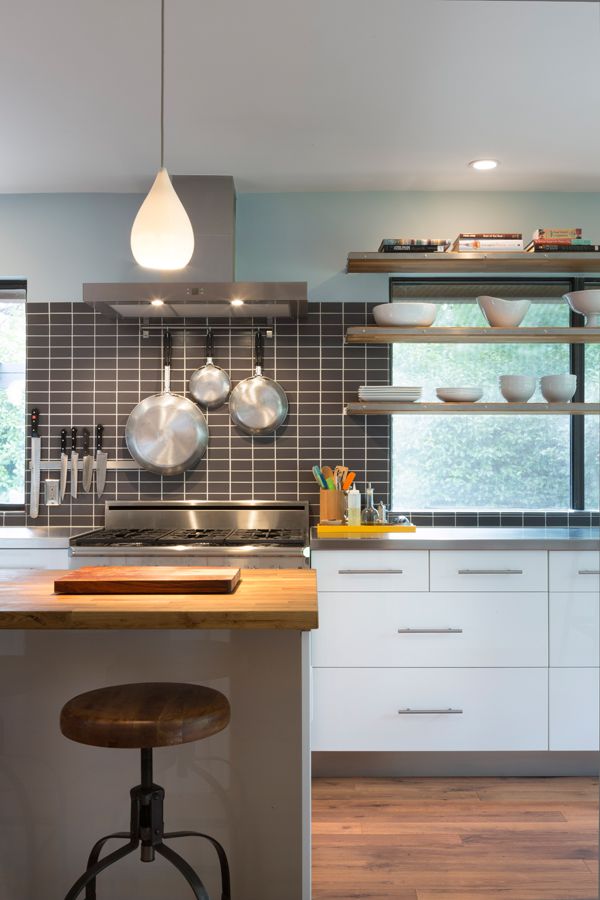
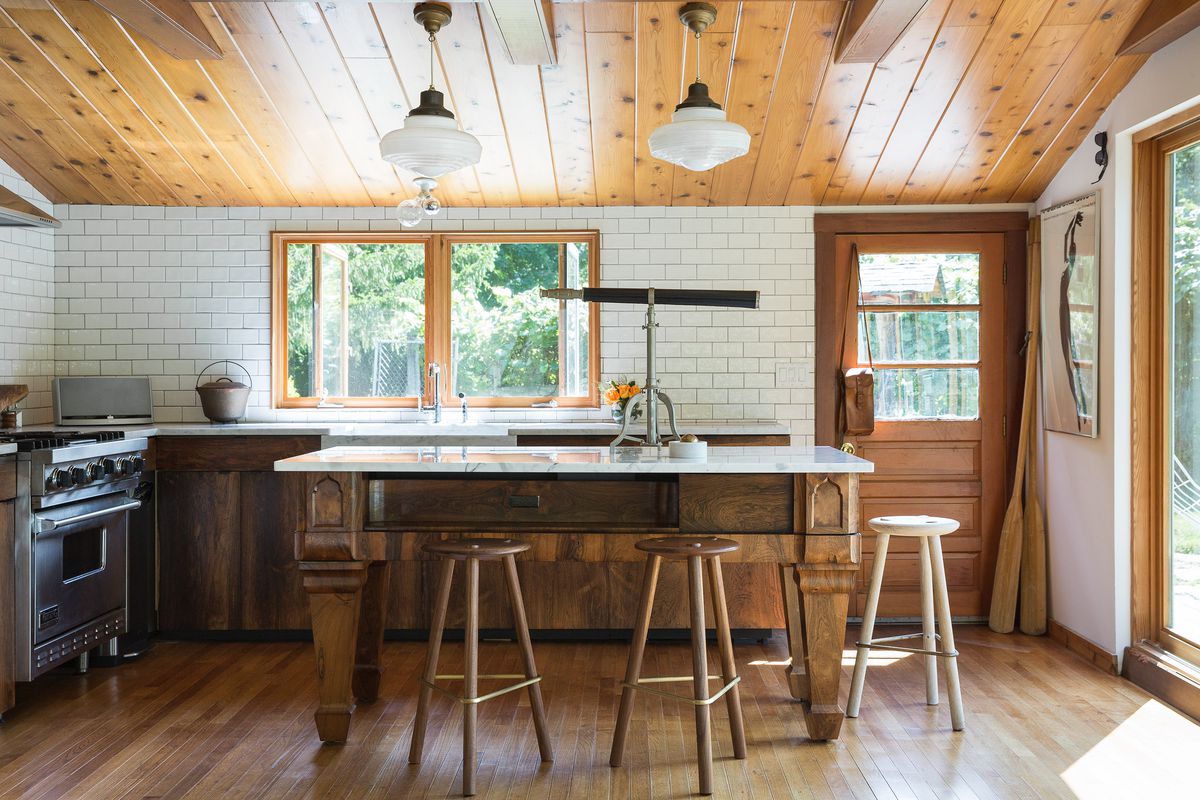
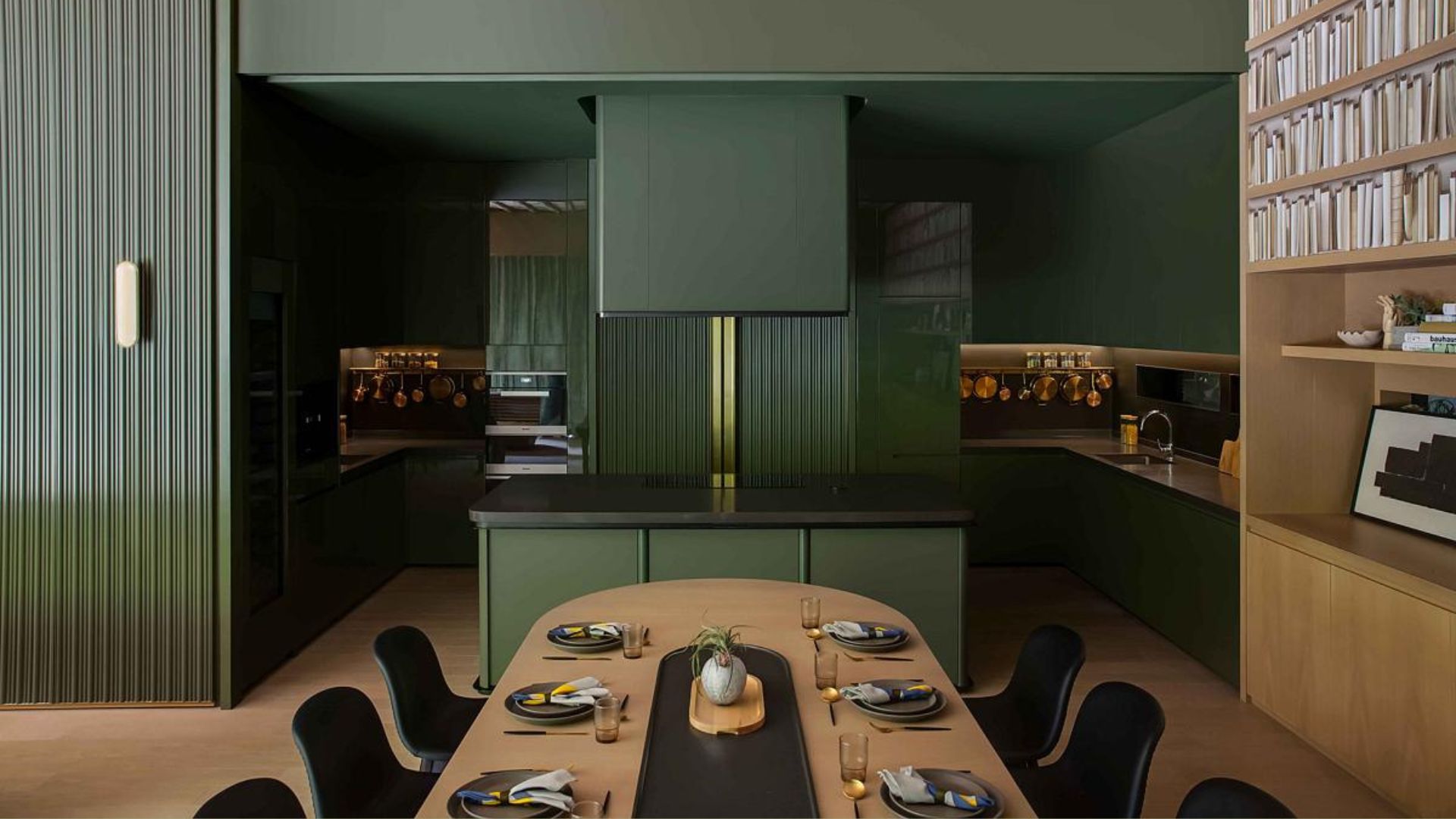
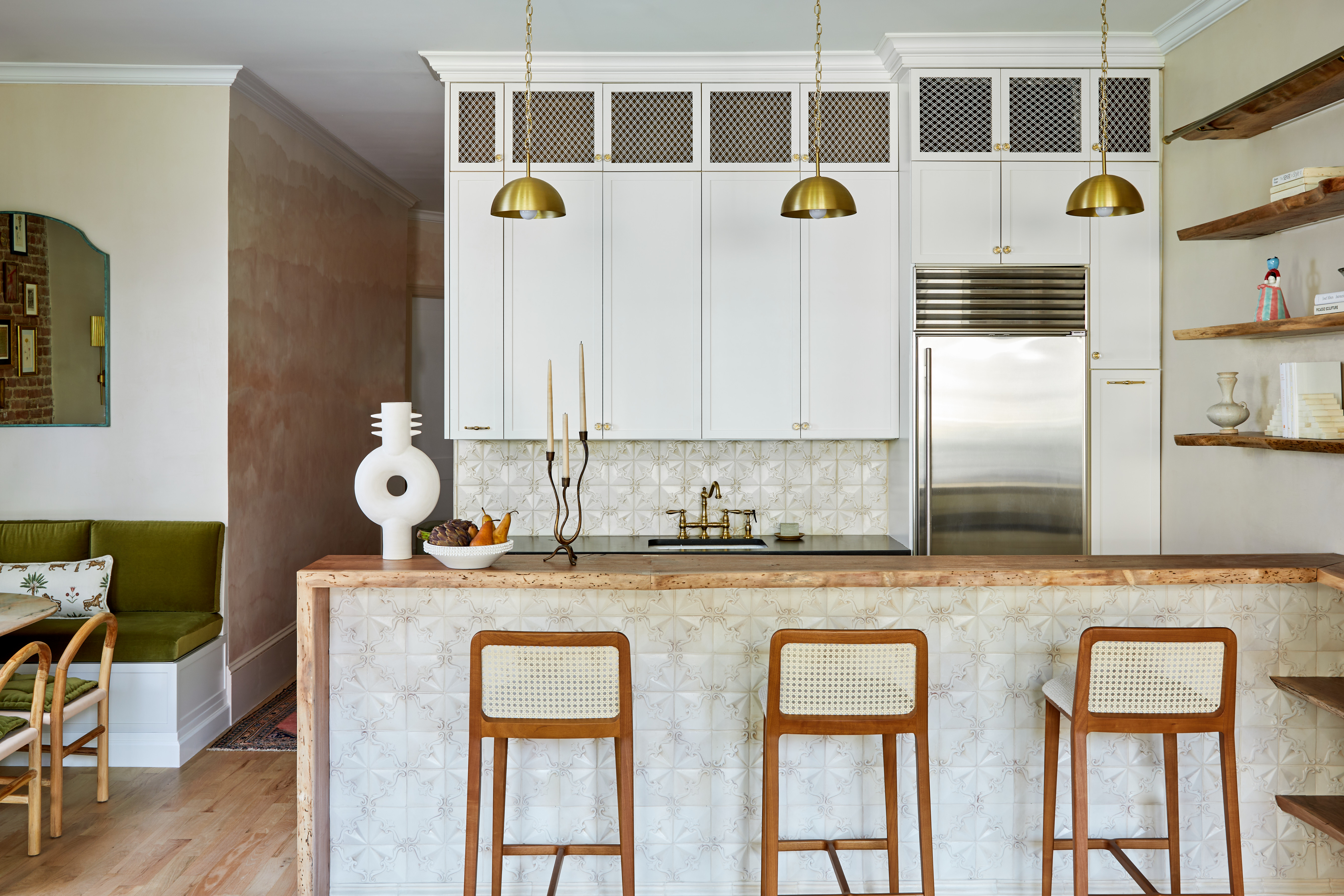
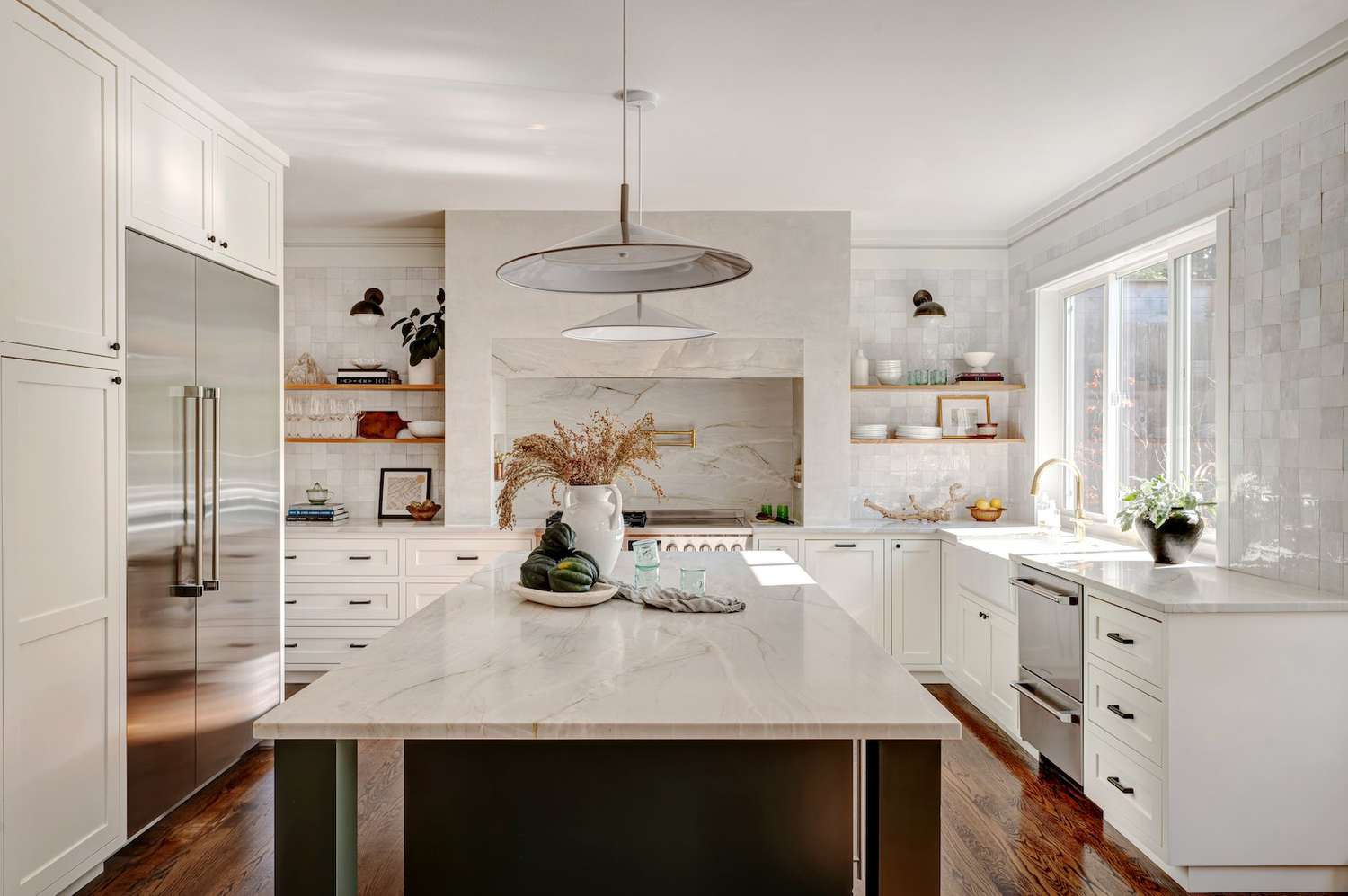
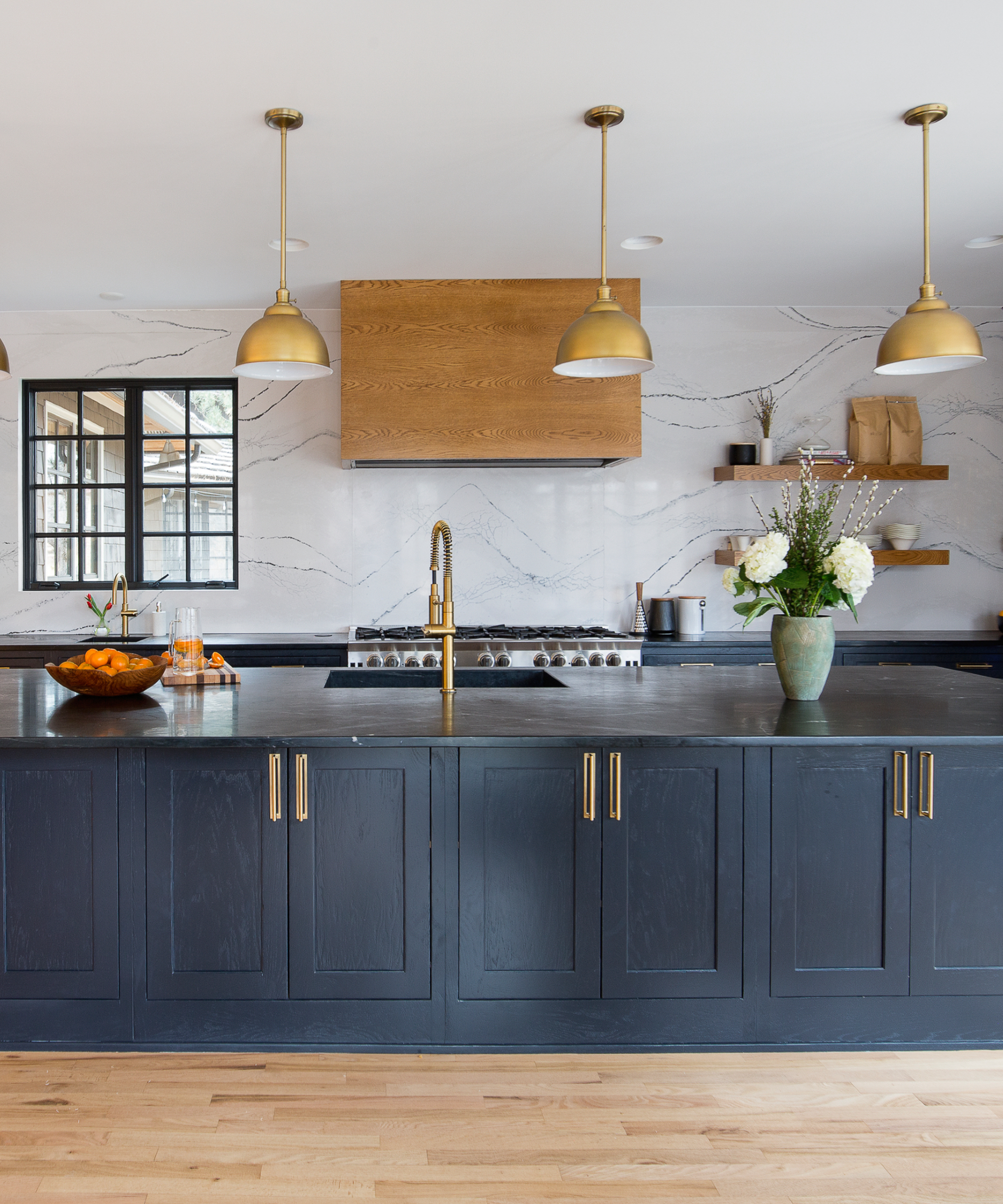
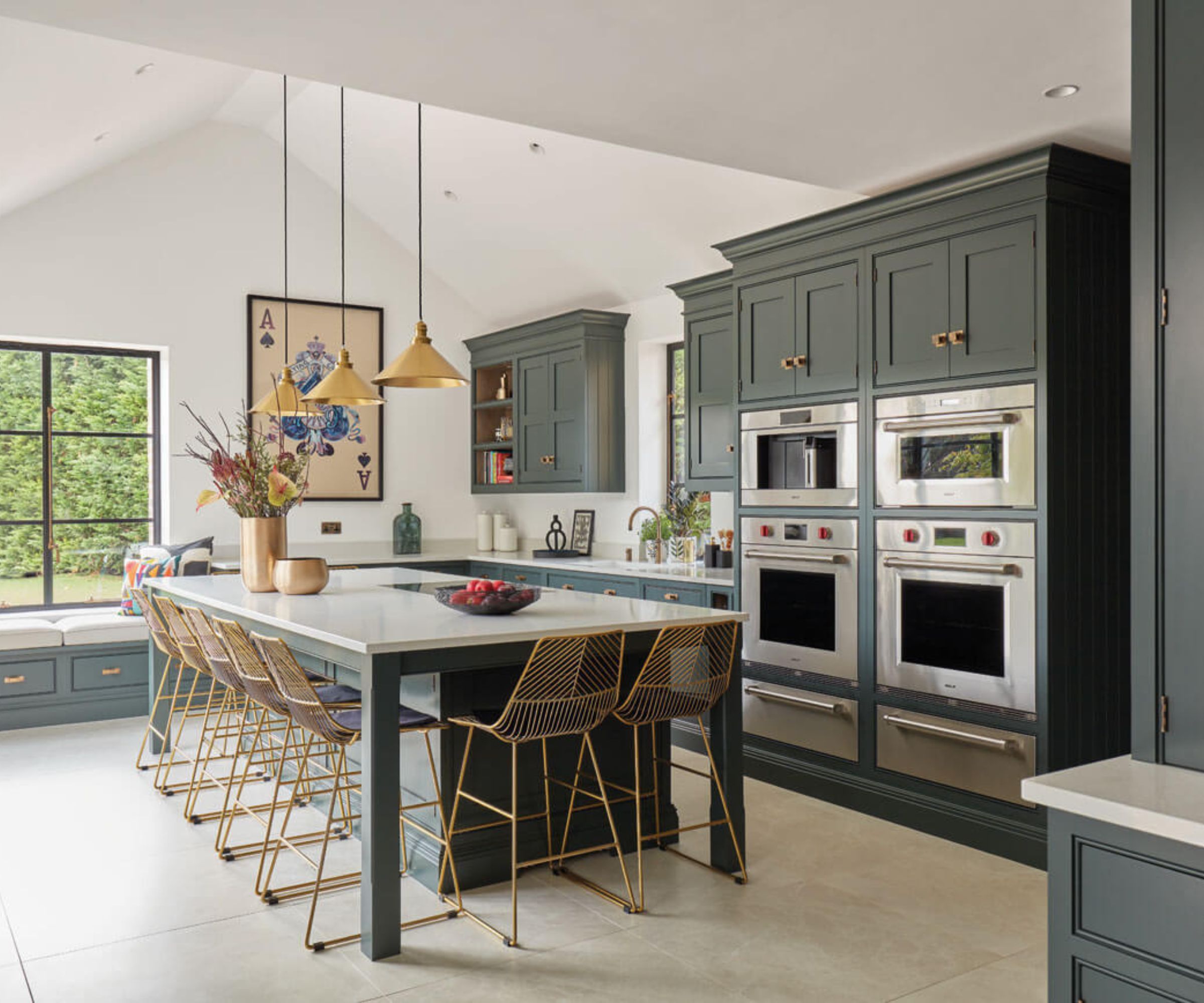
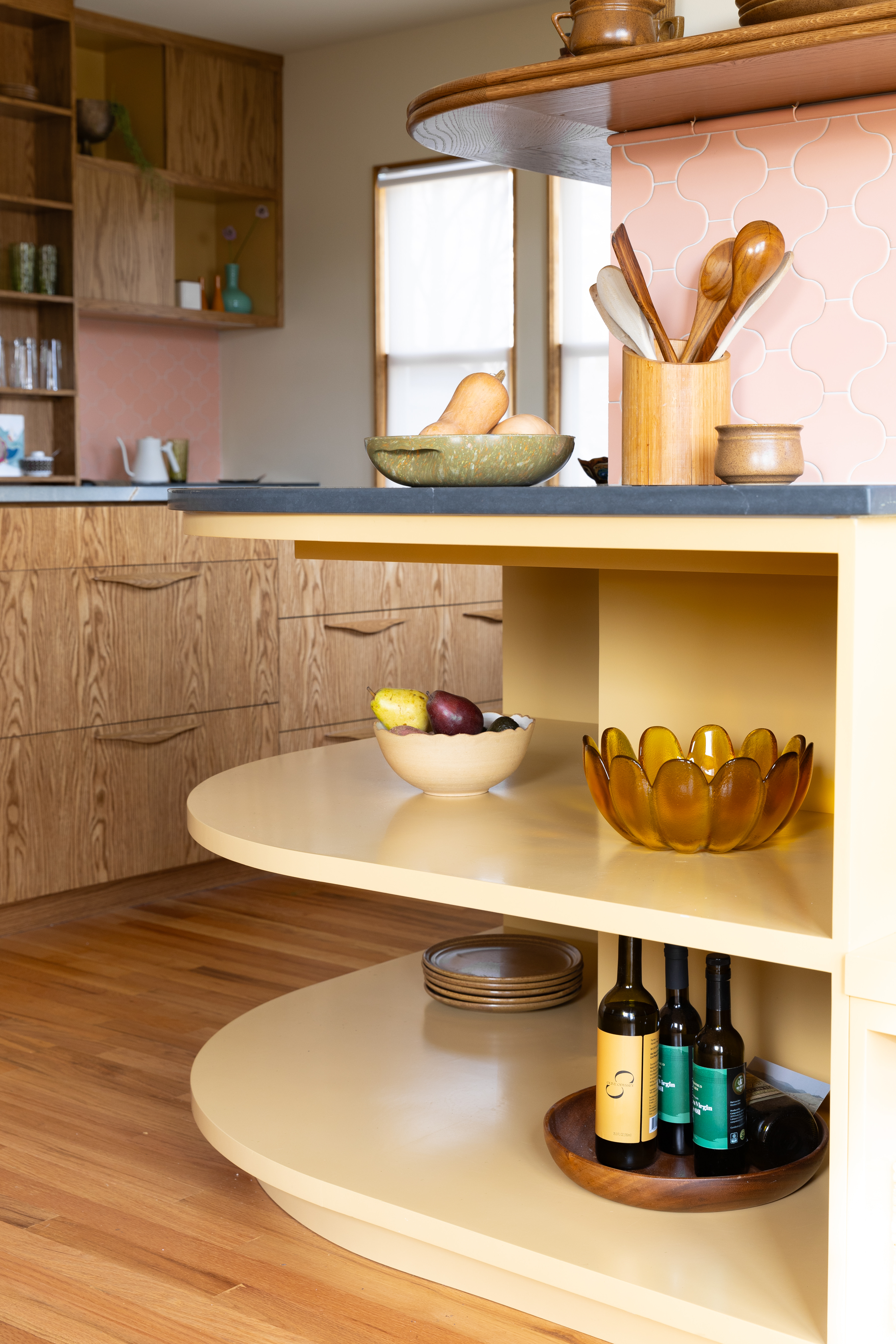
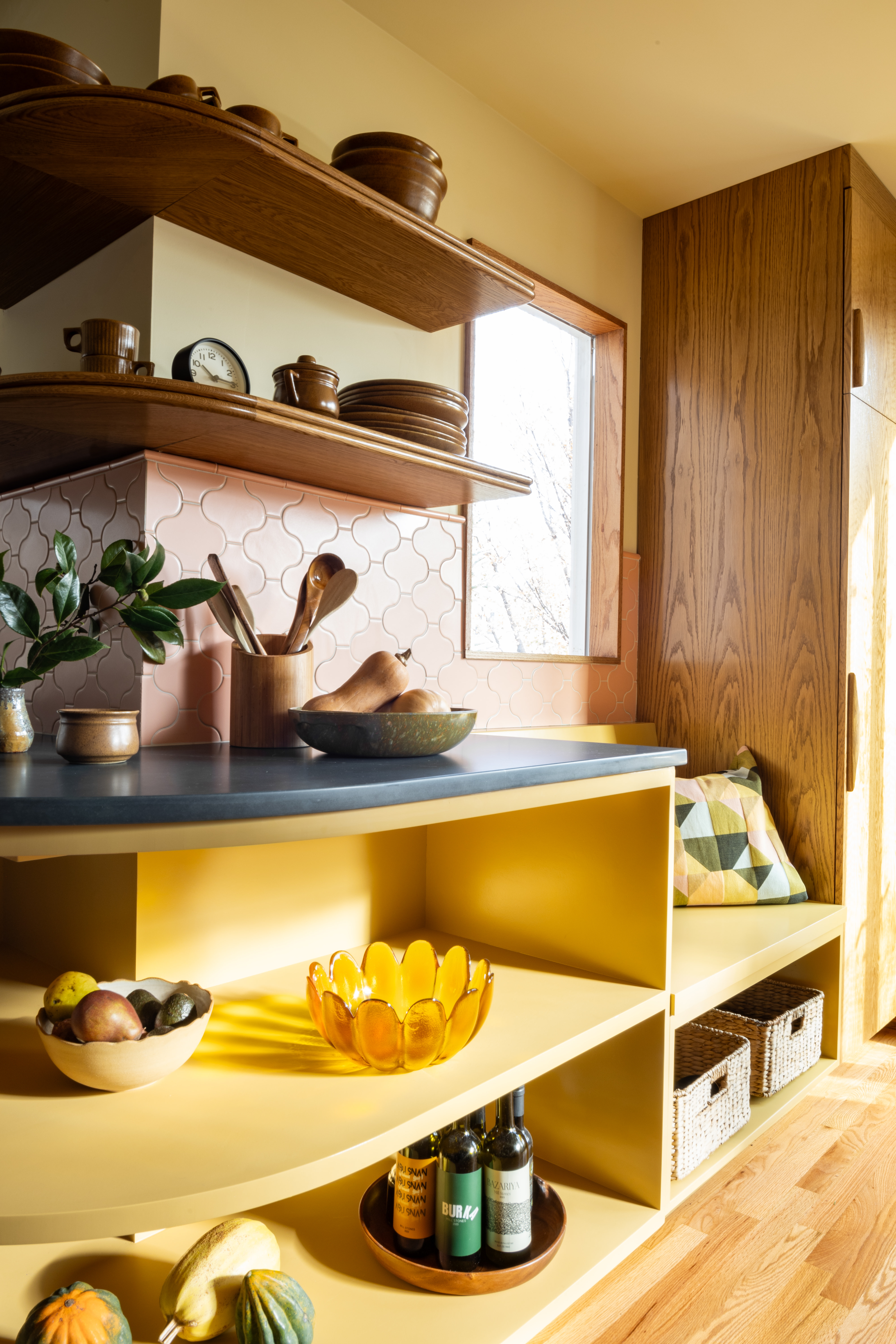
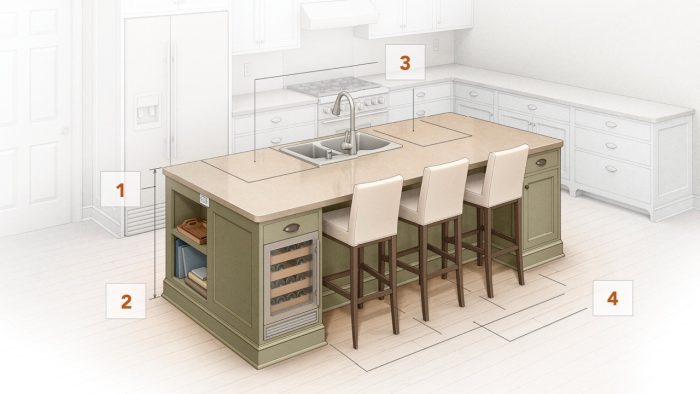
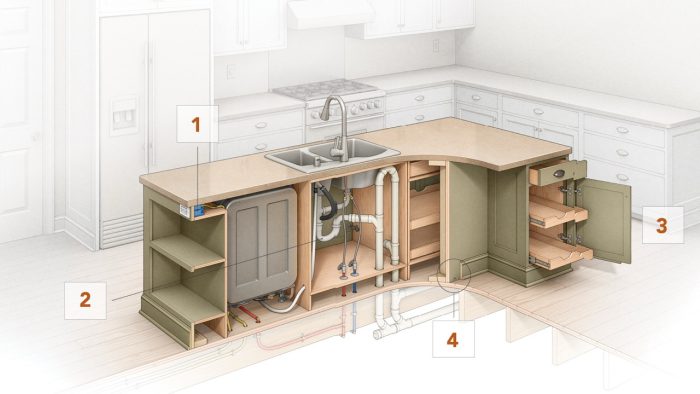
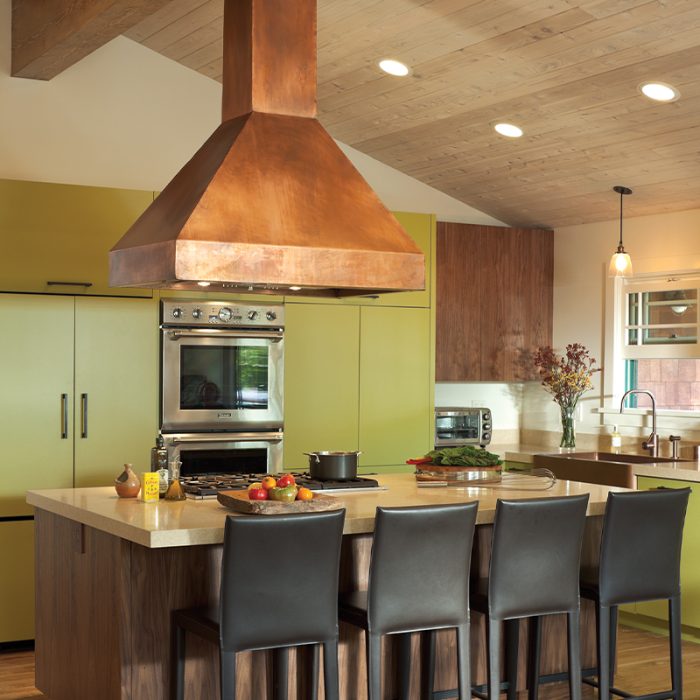
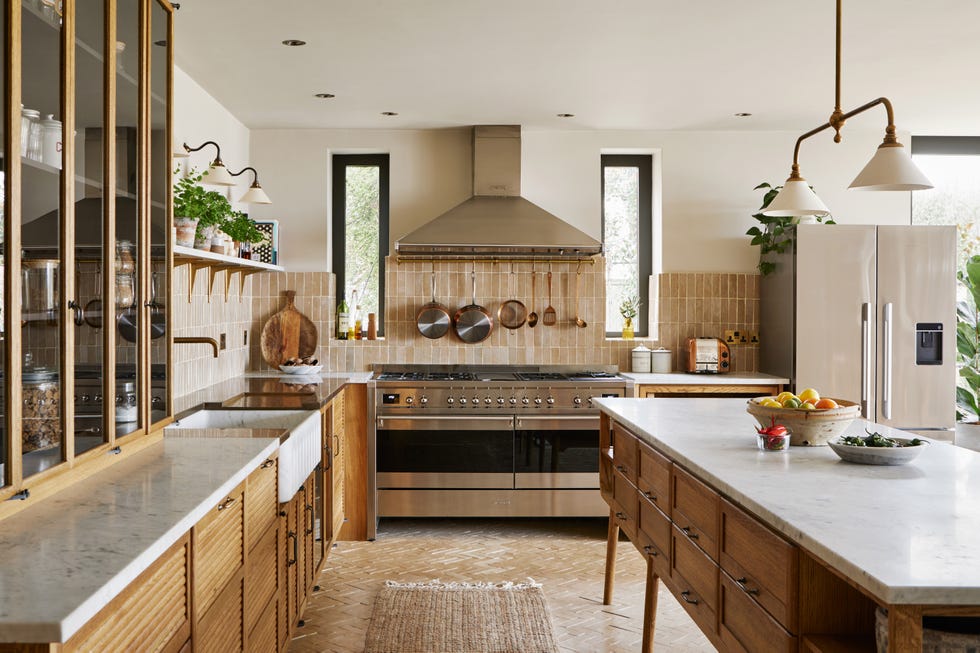
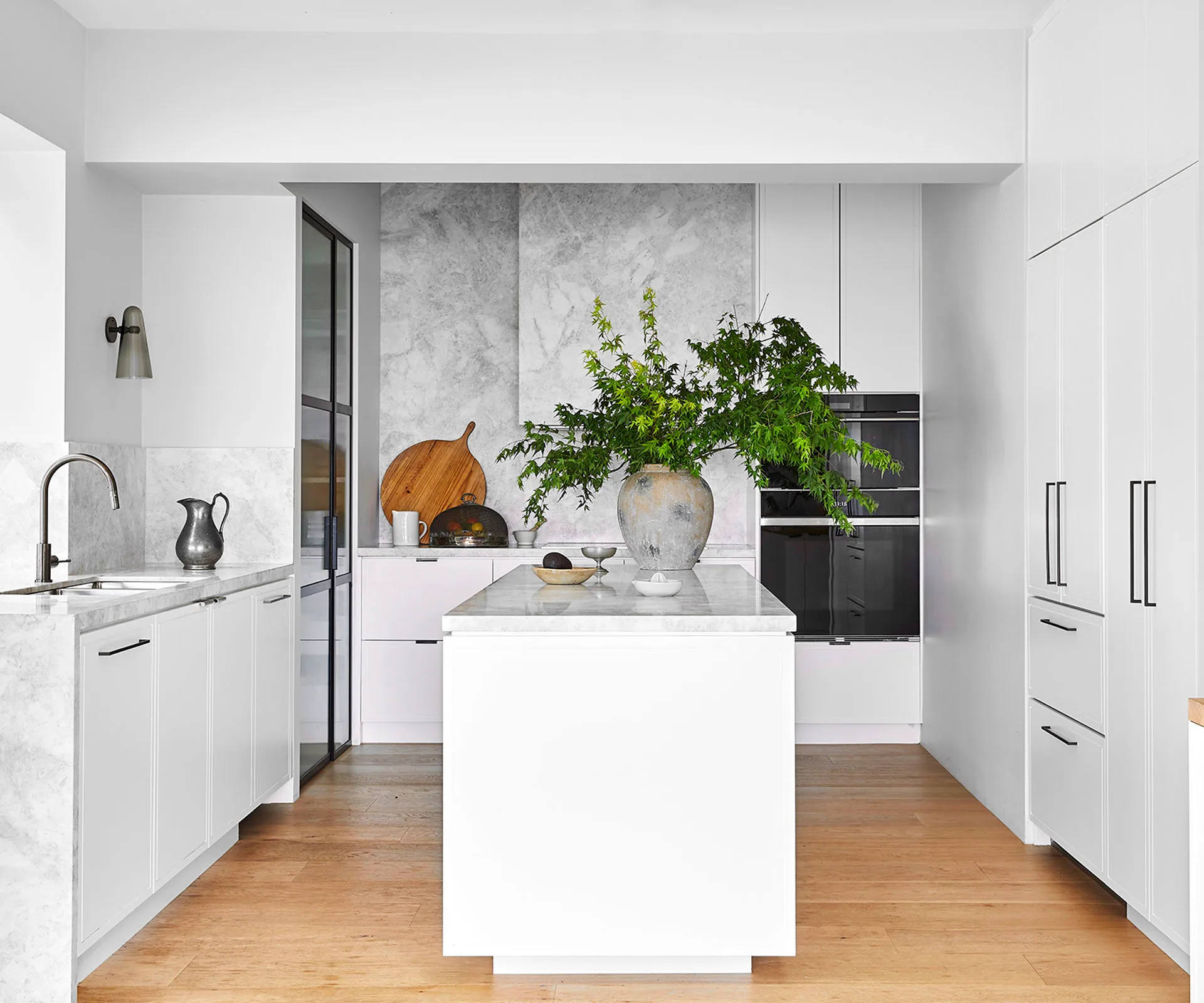
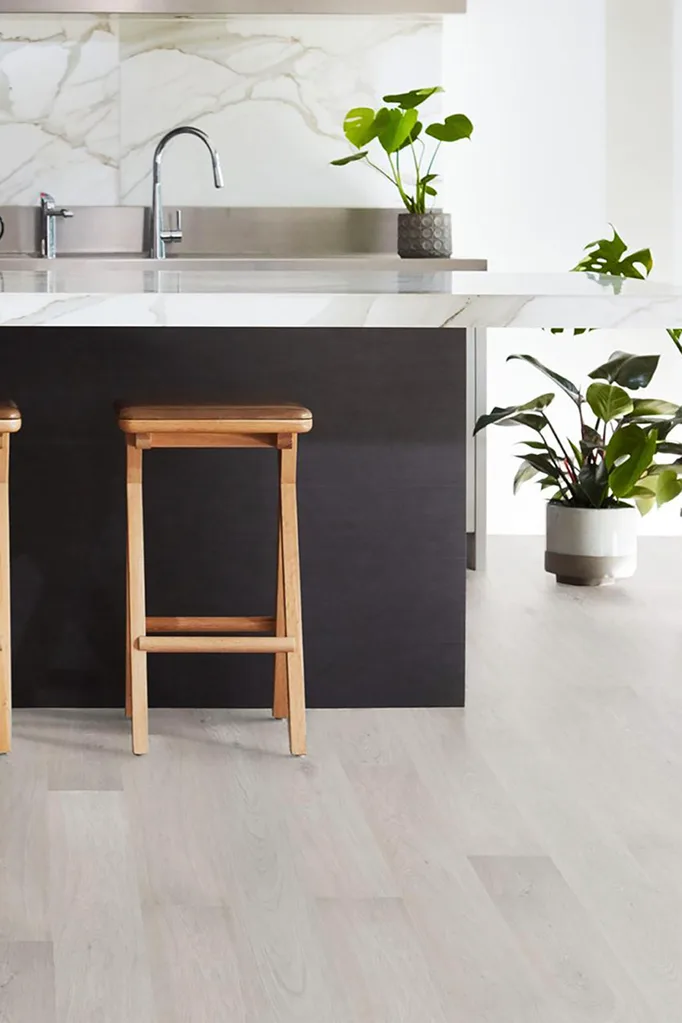
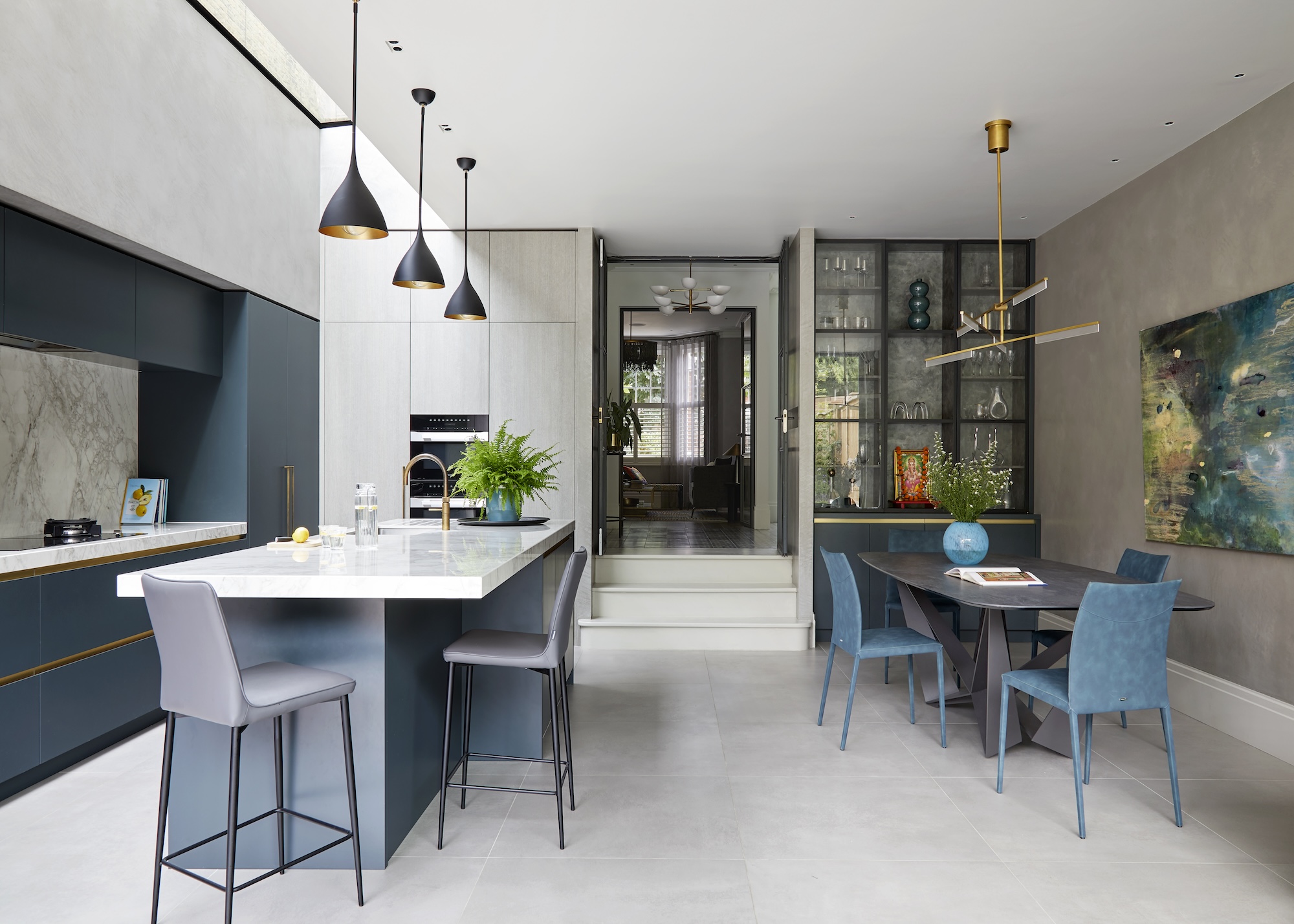
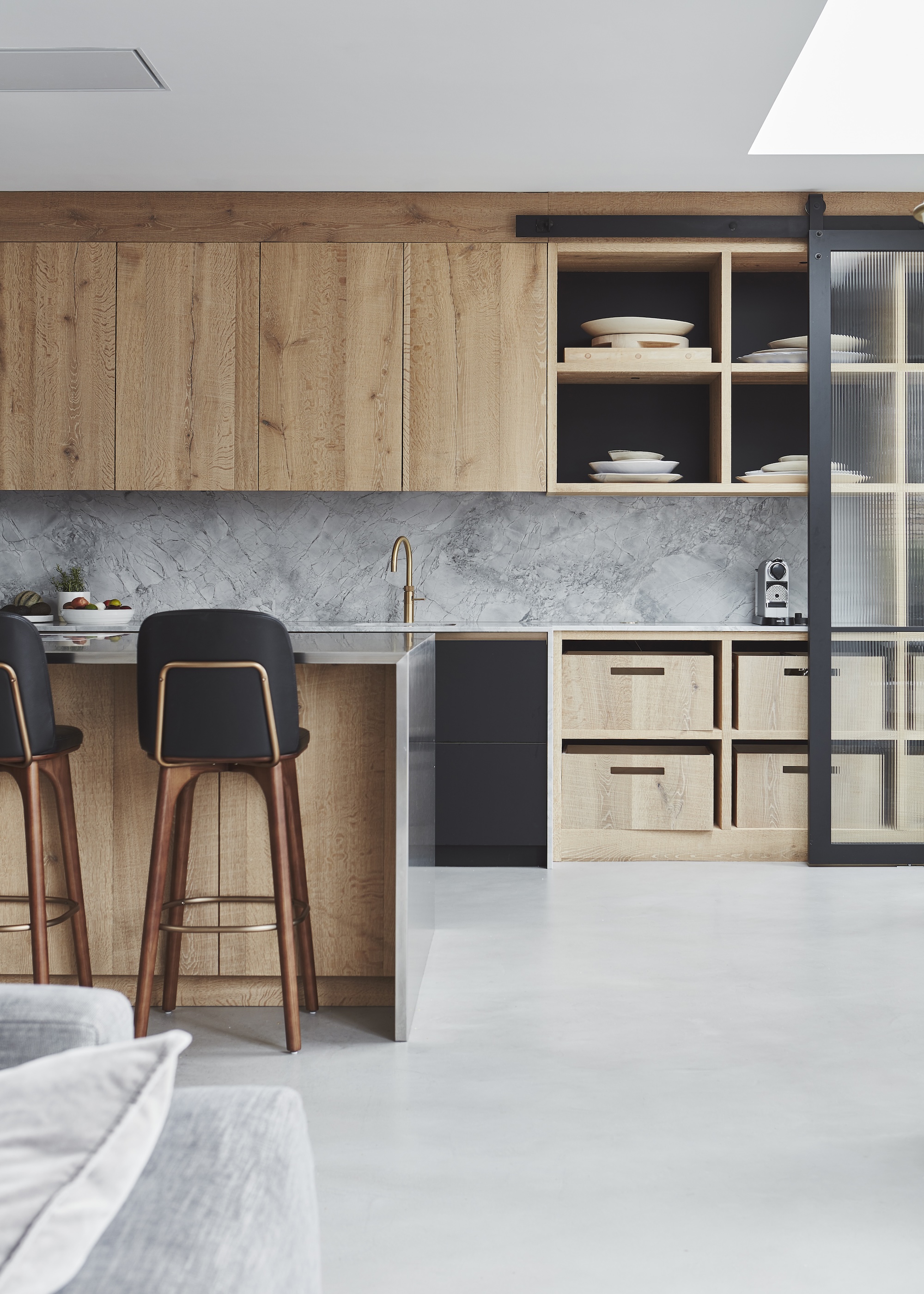
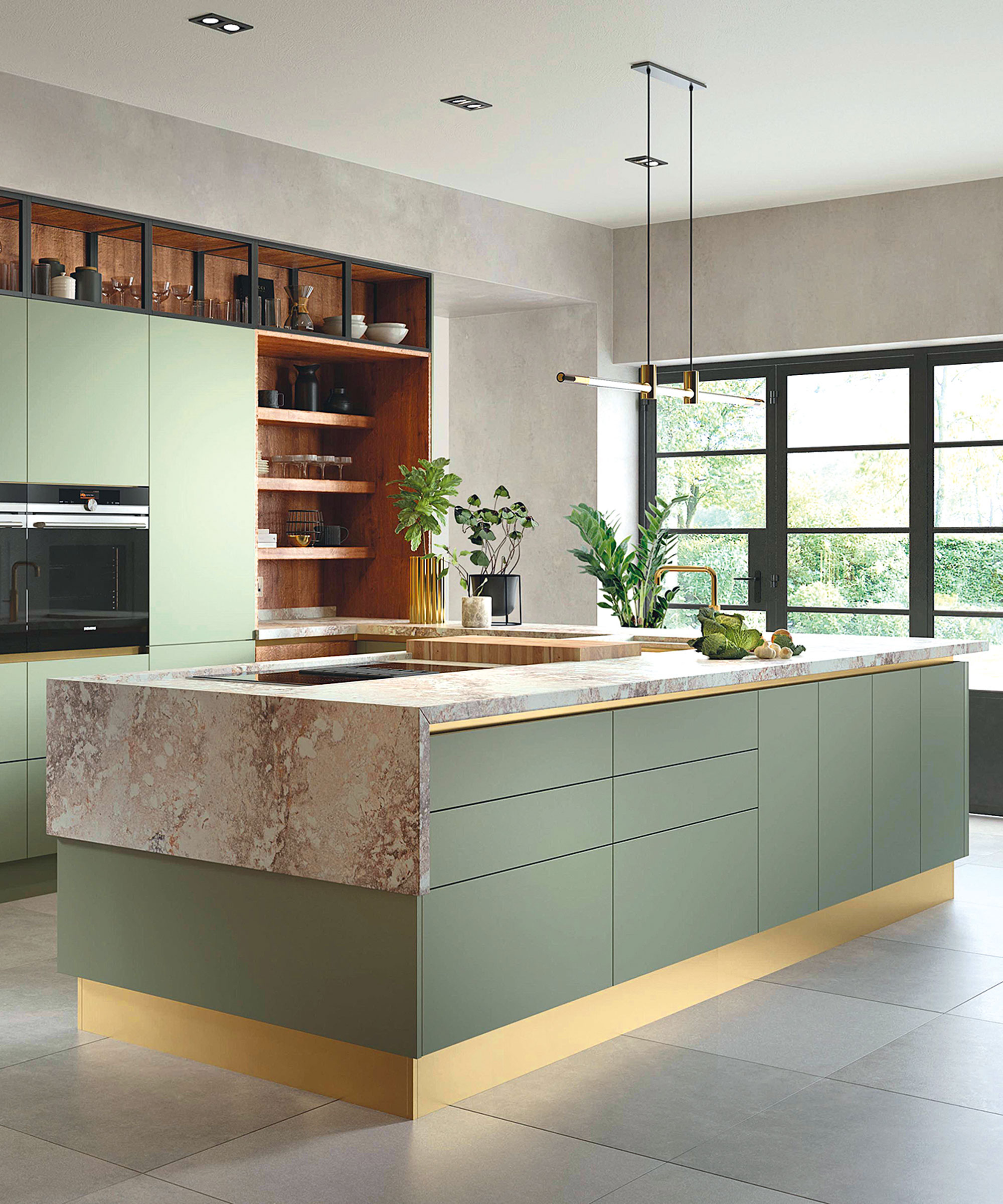
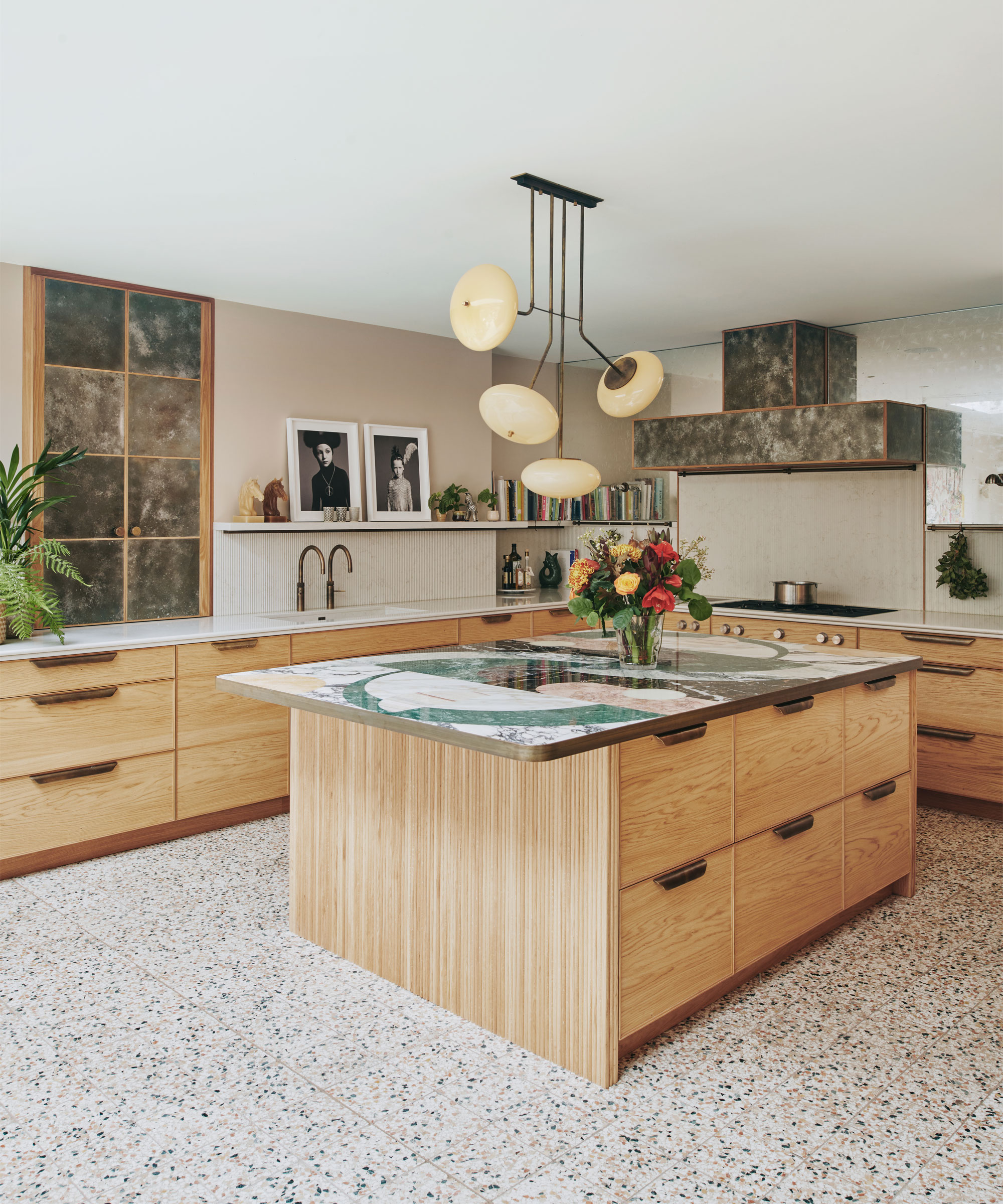
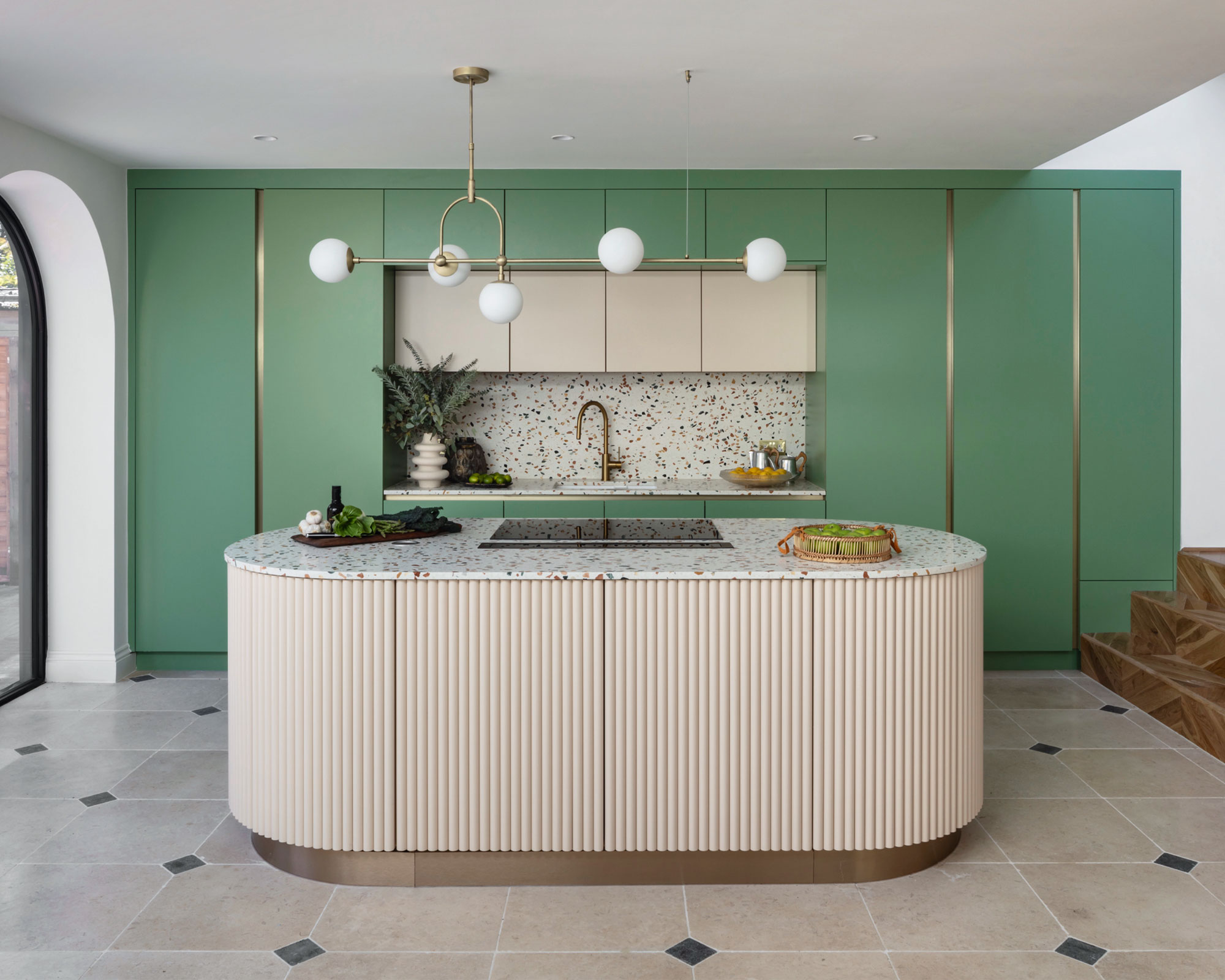
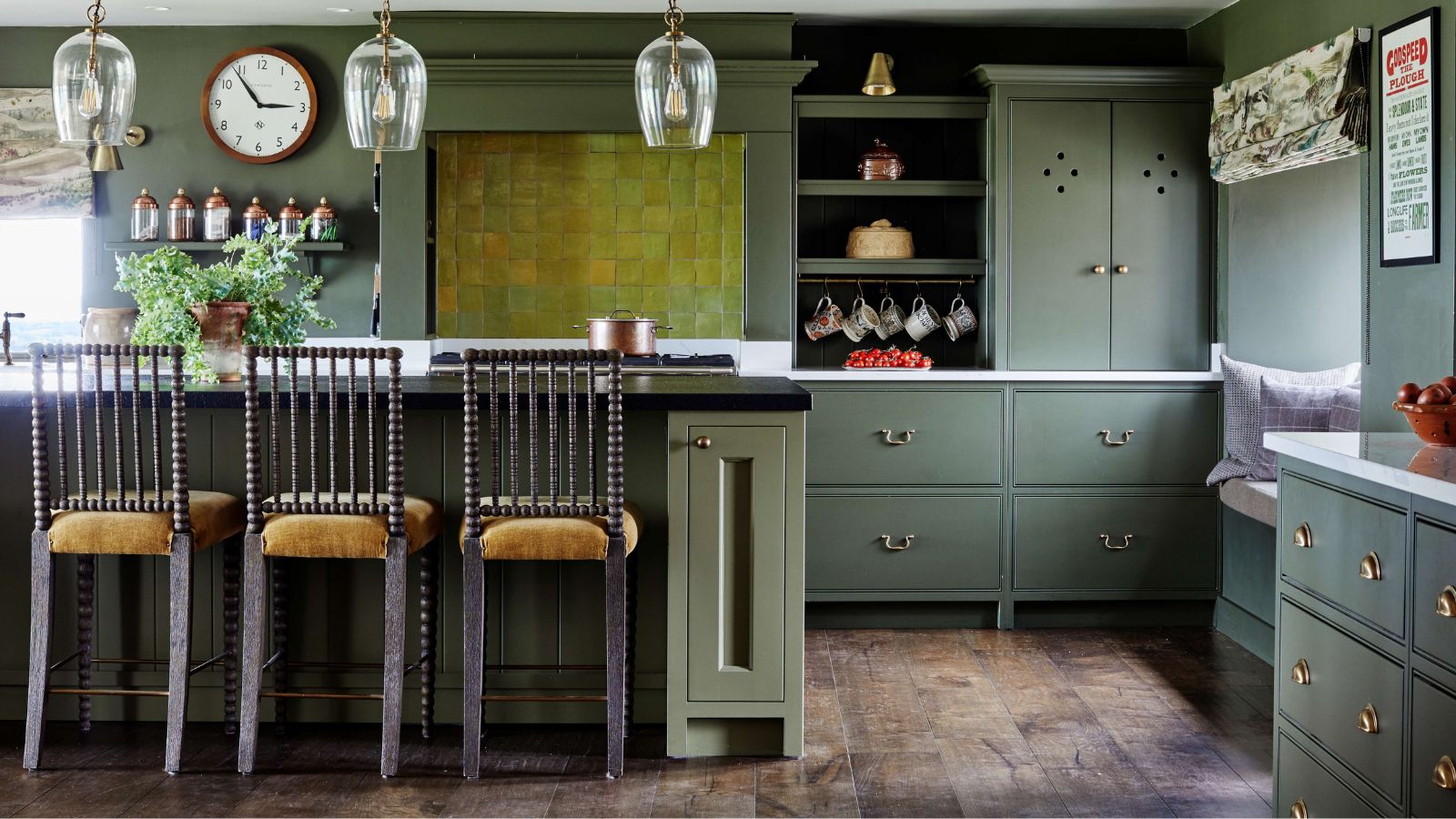
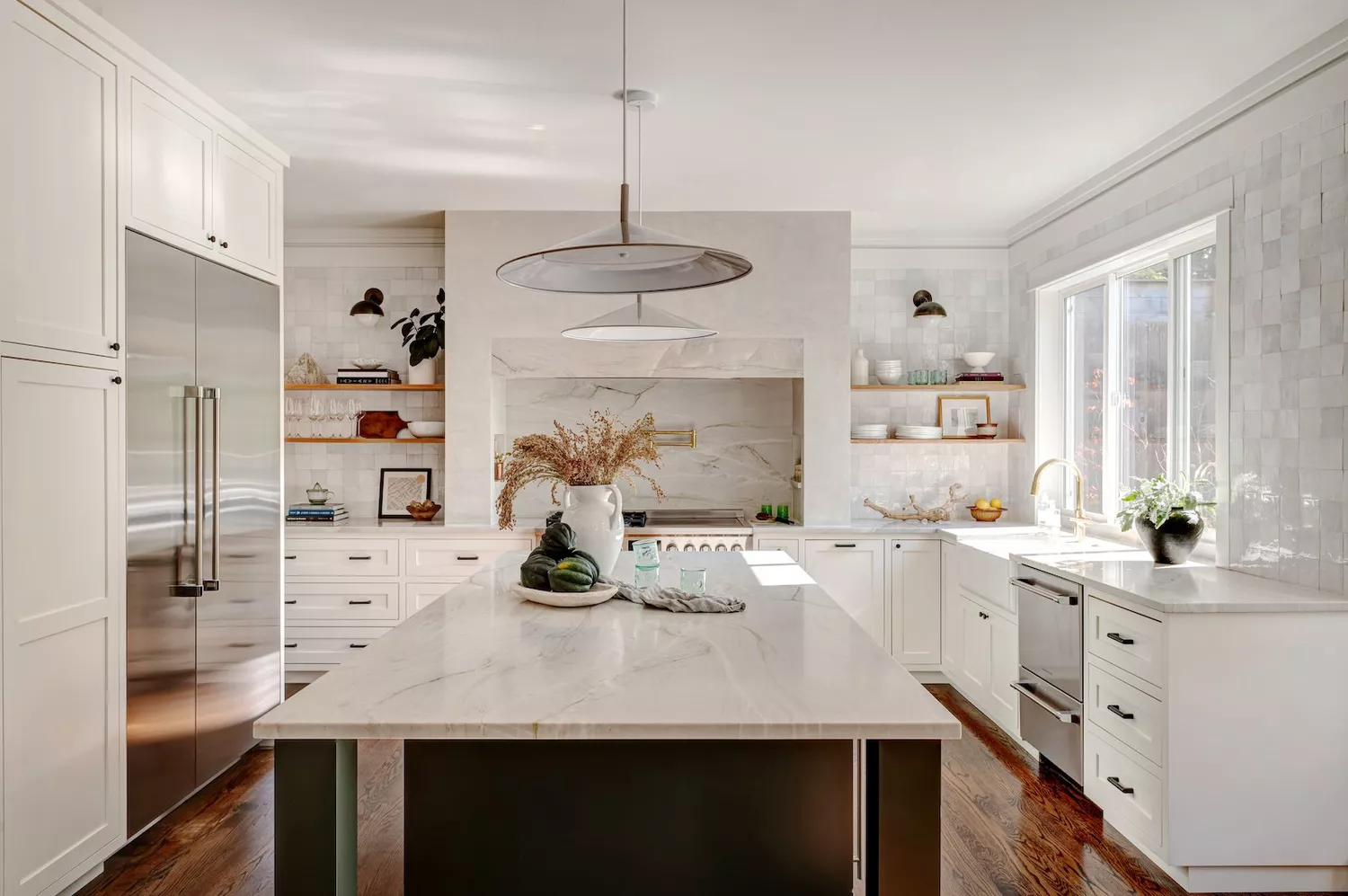
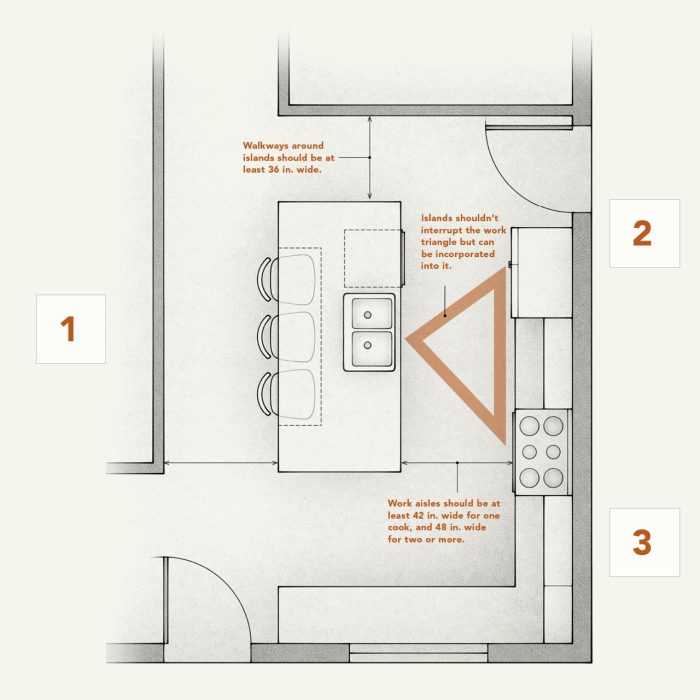
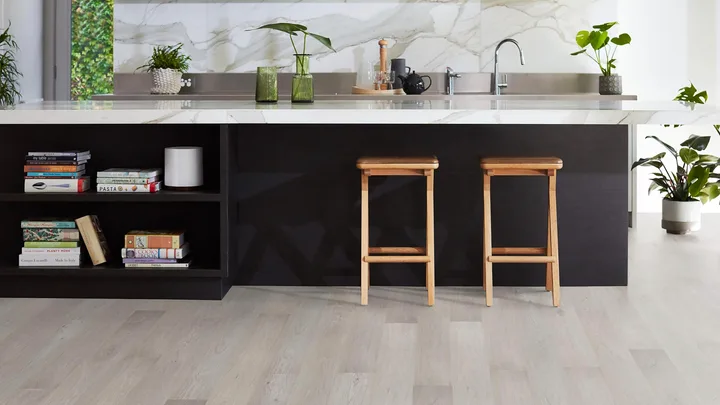
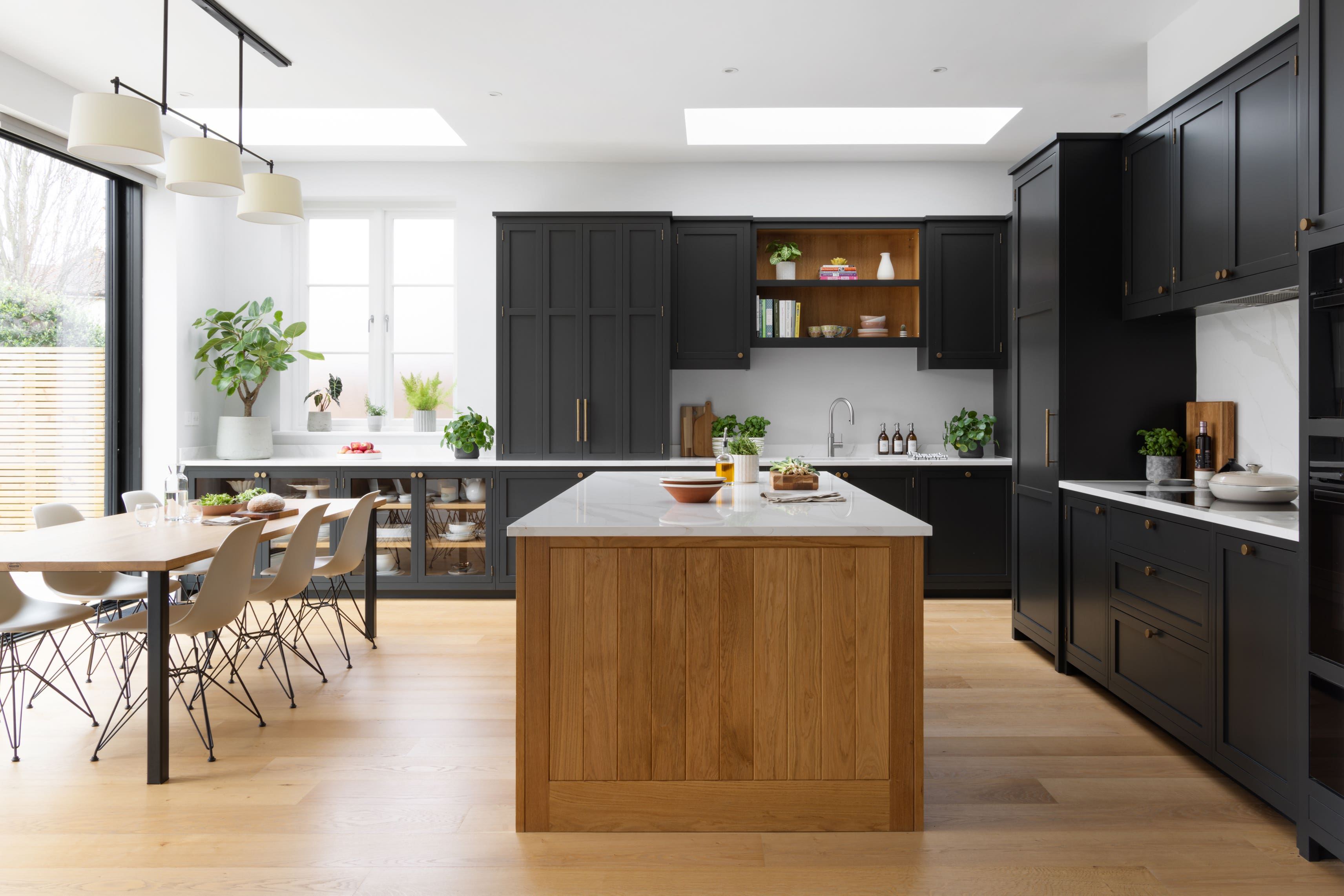
Kitchen islands are a frequently requested feature. When designing an island, British Standard recommends incorporating both practical and aesthetic elements. One side of the island can be designated for functional components like storage, white goods, bins, and drawers, while the other side can be more visually appealing, featuring open shelving or a stool niche. This niche can serve as a casual eating area for morning coffee or a spot for socializing during evening gatherings, blending utility with social interaction.
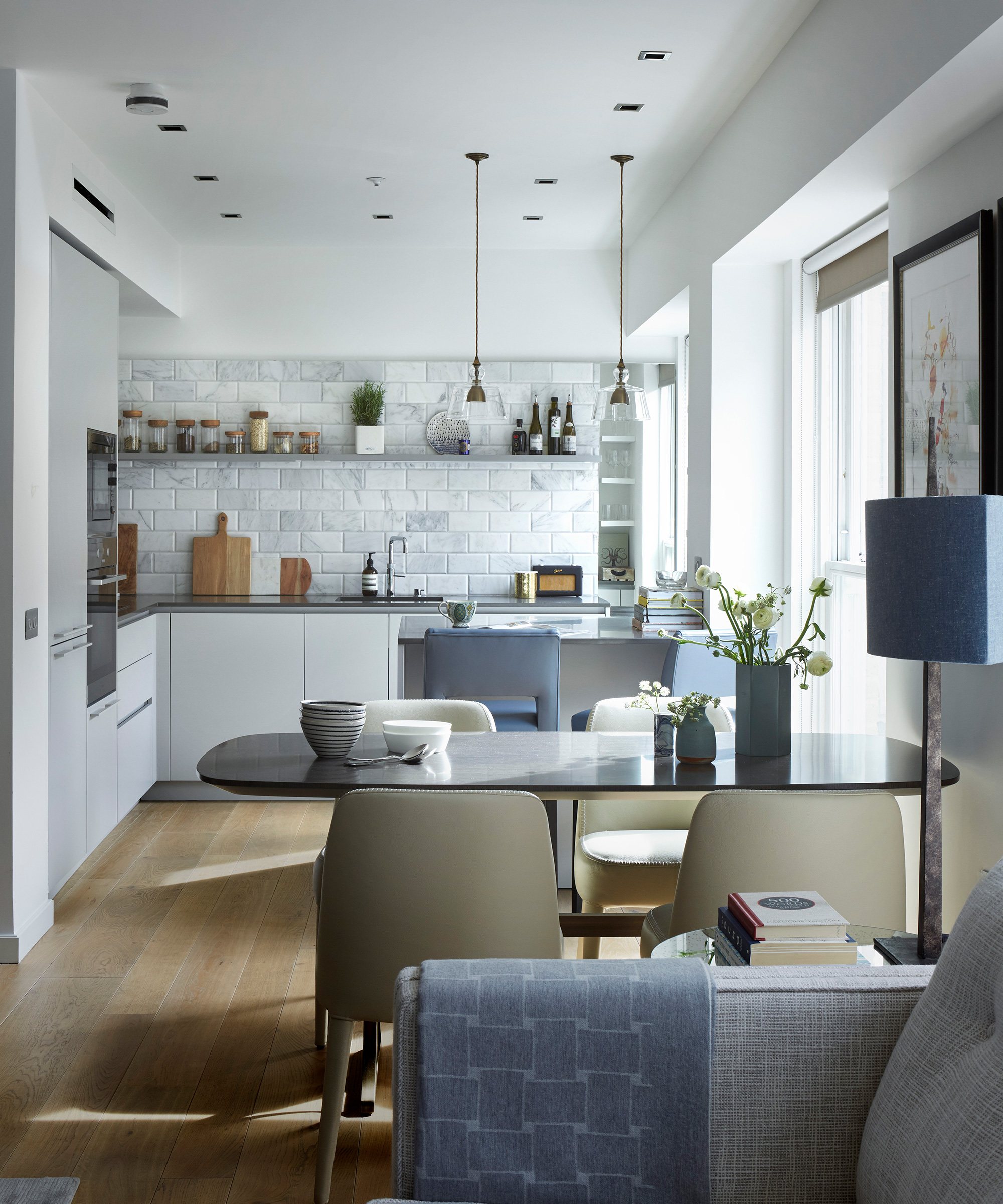
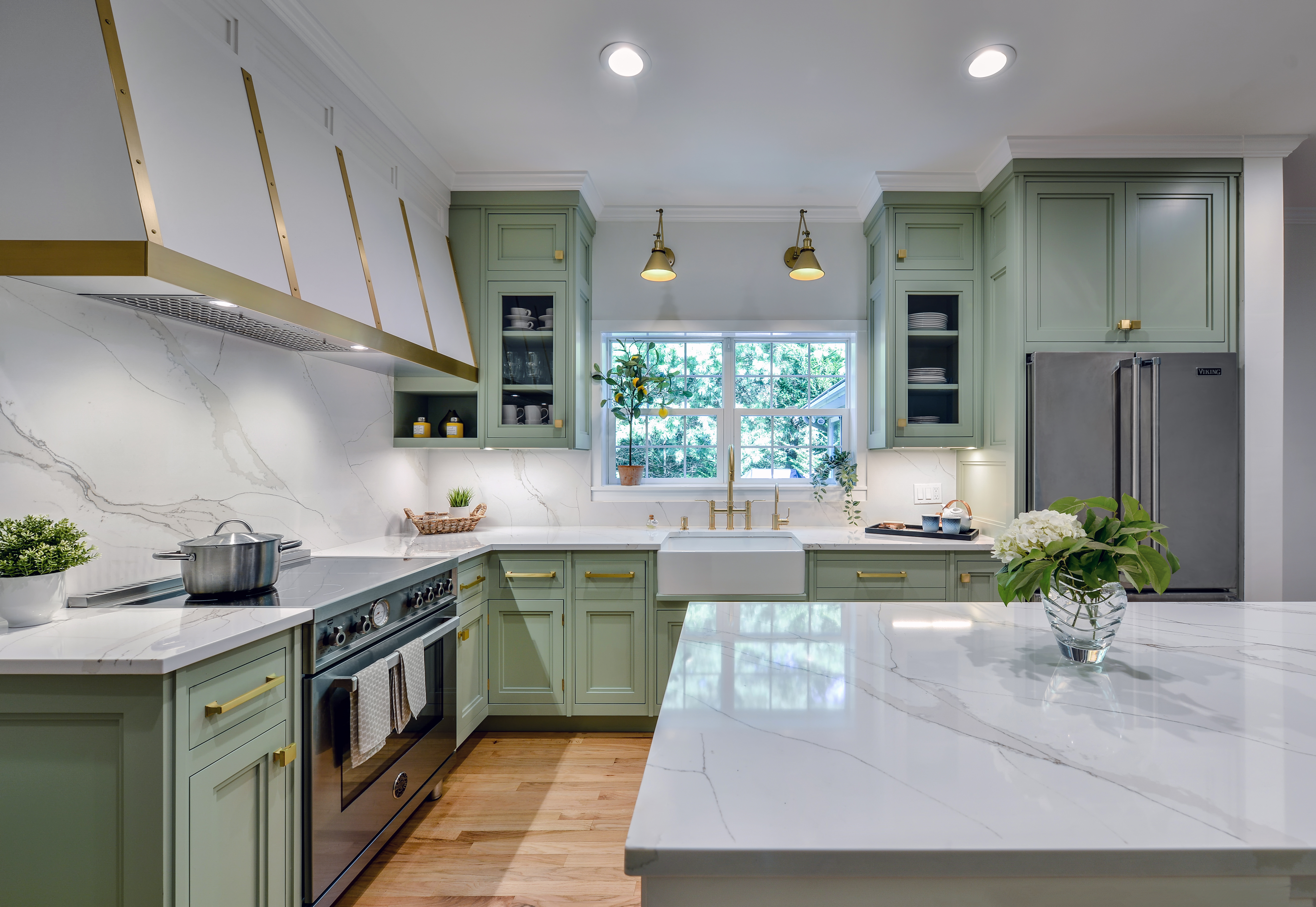
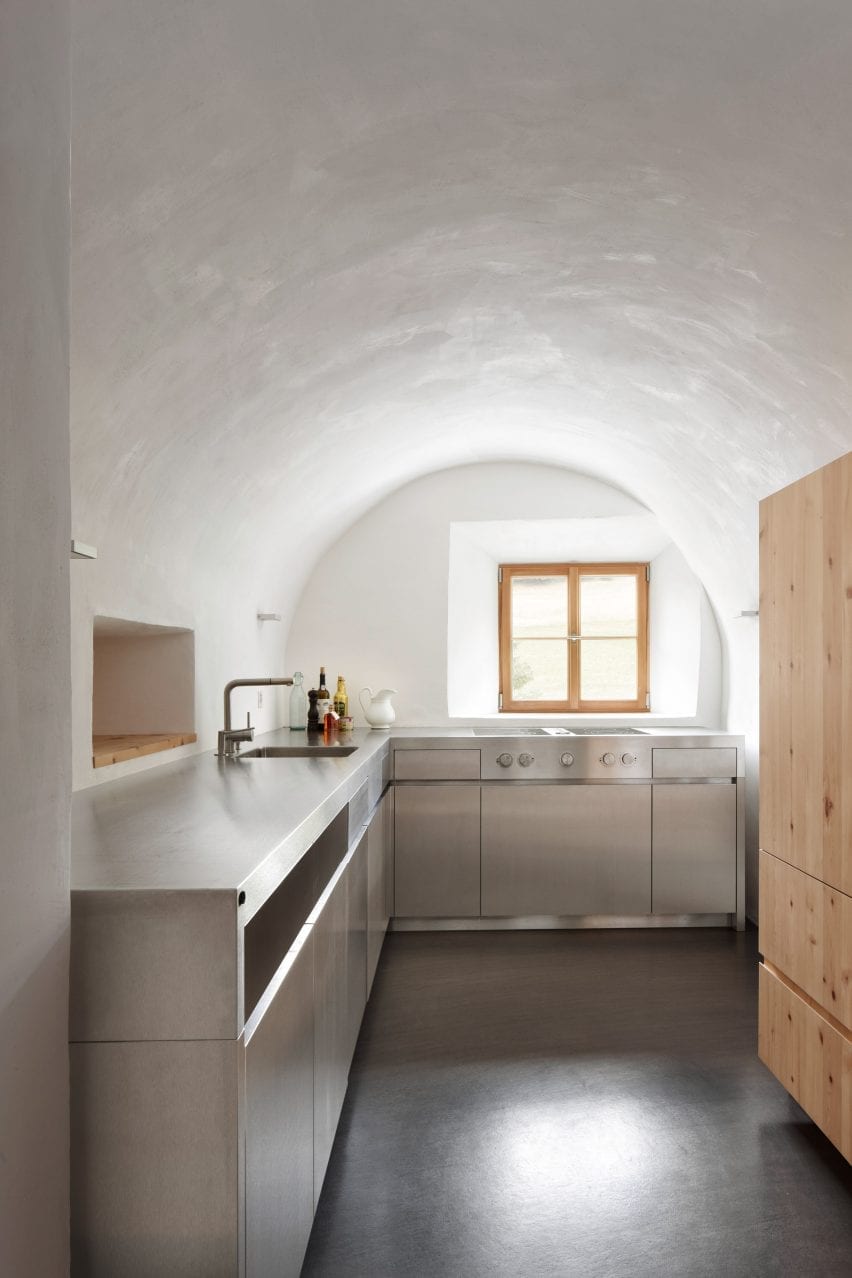
The U-shaped kitchen layout involves cupboards extending across three adjacent walls, forming the shape of the letter ‘U’. This configuration minimizes the distance between working areas, ensuring easy access to all components. It is particularly effective when placed next to a dining area, as the peninsula section can function as an island, creating a defined cooking zone while still allowing the cook to interact with guests in the adjacent dining space.
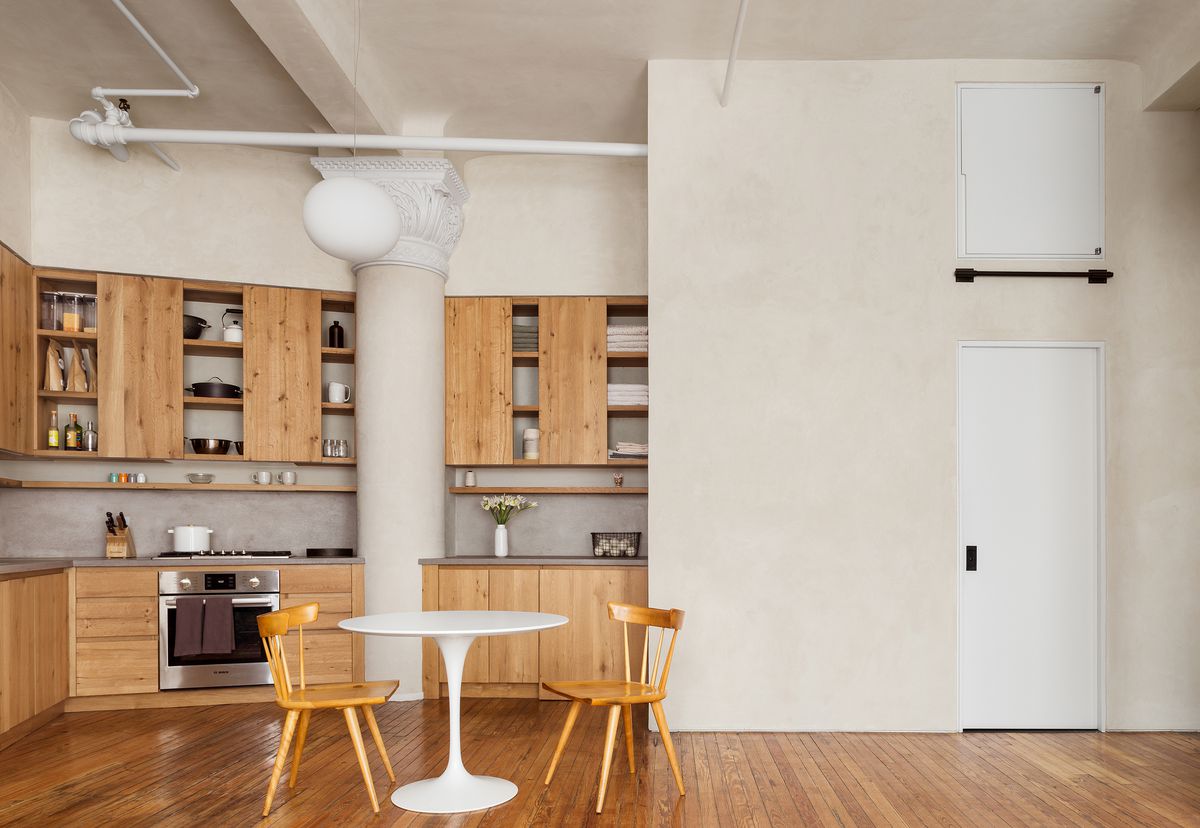
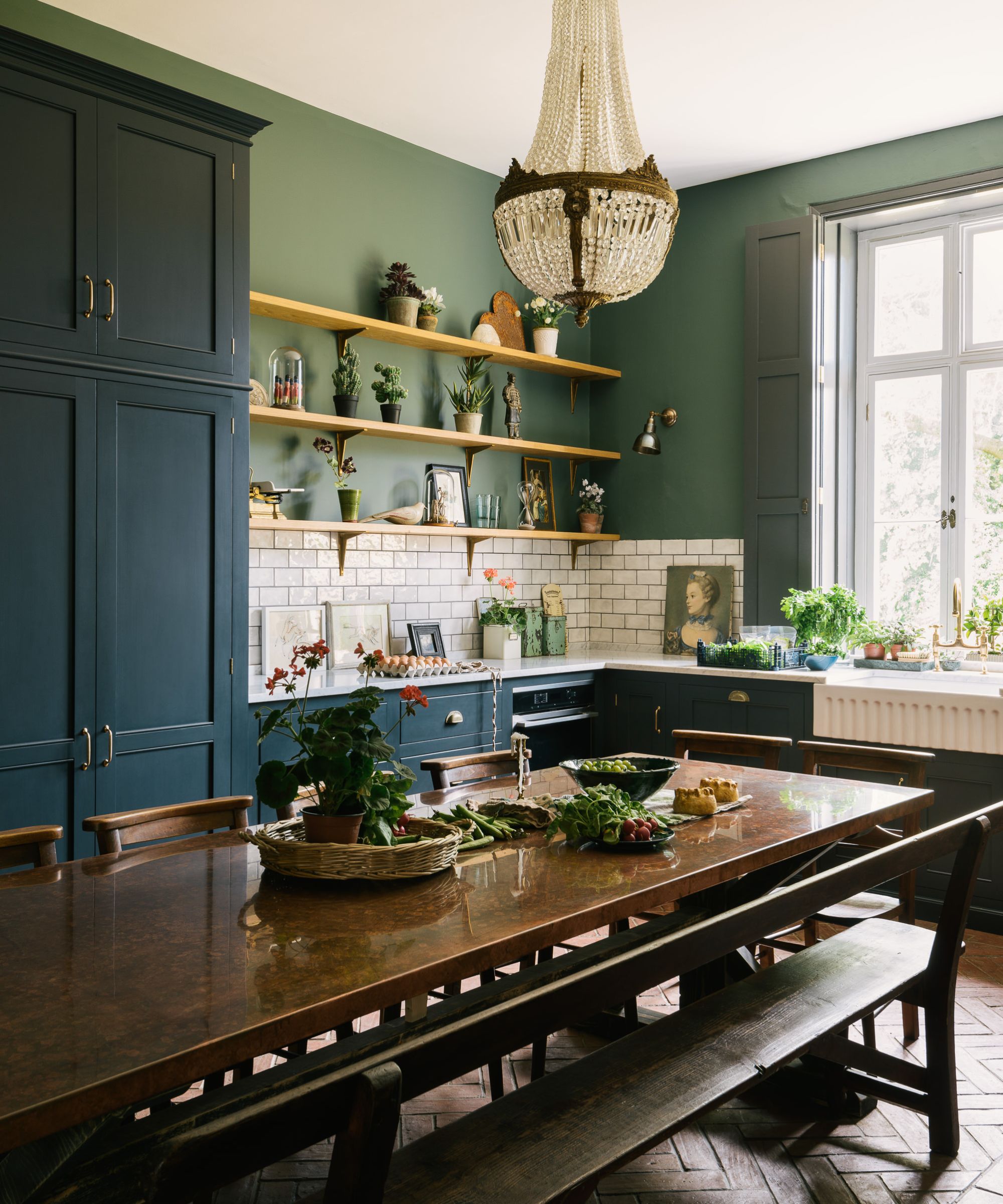
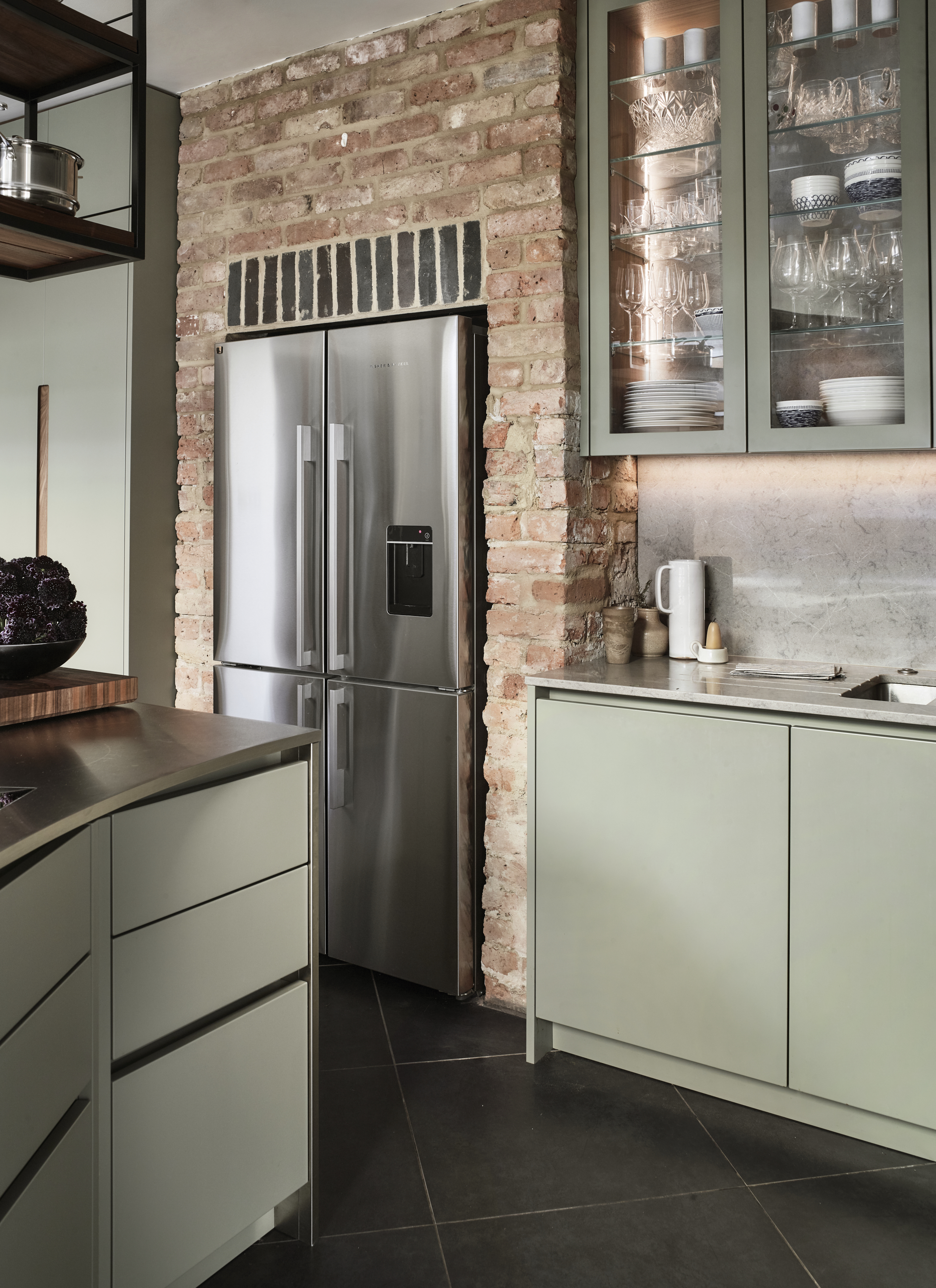
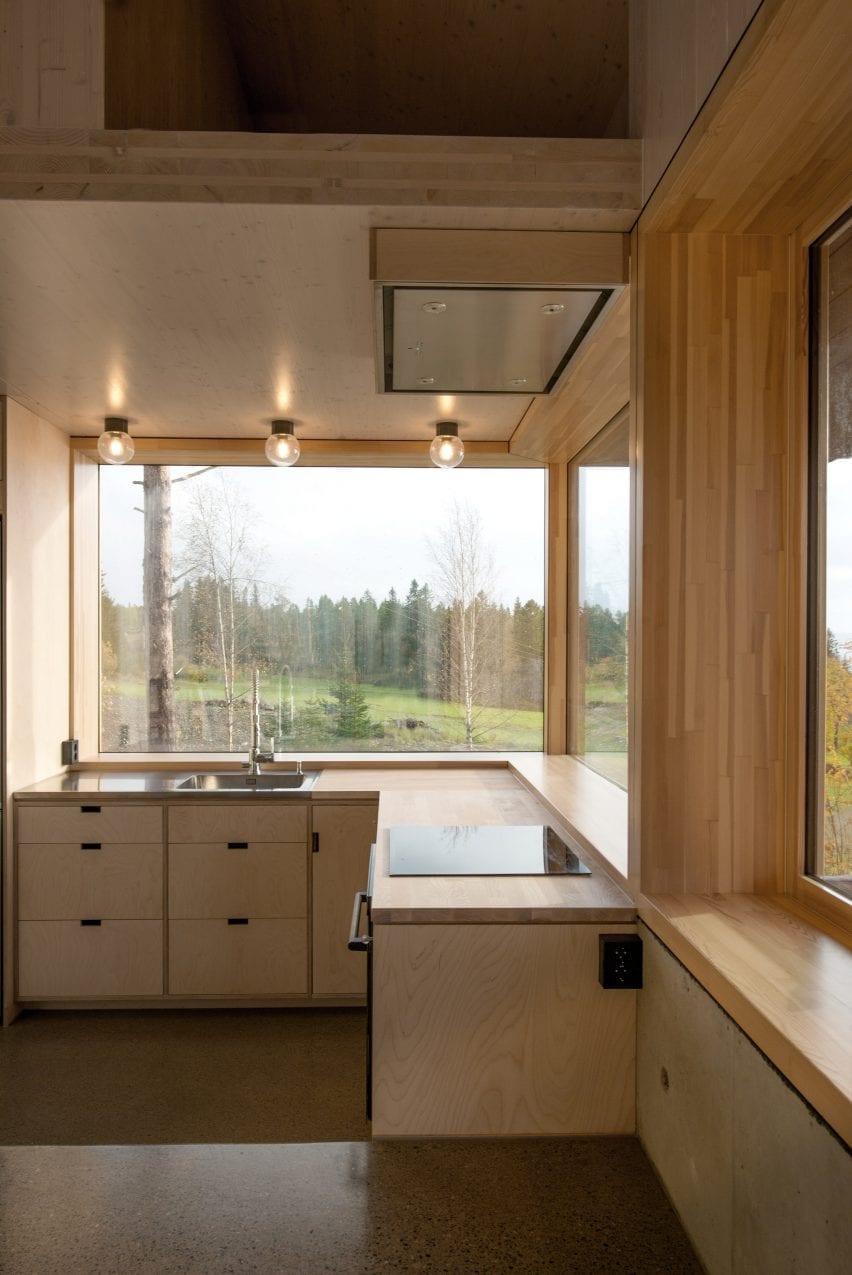
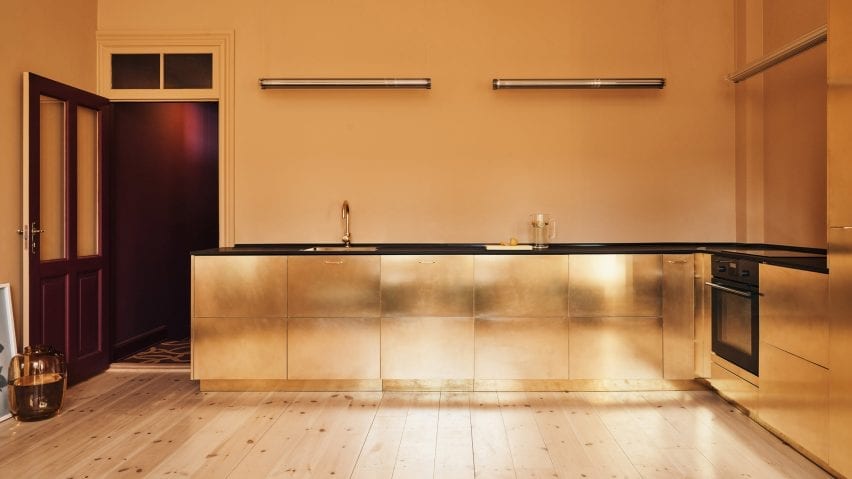
For smaller kitchens or diner arrangements, an L-shaped kitchen can be an excellent option. This layout occupies less main space, making room for a dining table. It also facilitates straightforward access between the primary kitchen elements. Similar to single-line kitchens, it is advisable to group wet and cold functions, such as fridges and sinks, at one end, and storage, cooking, and extraction at the other end to optimize efficiency.
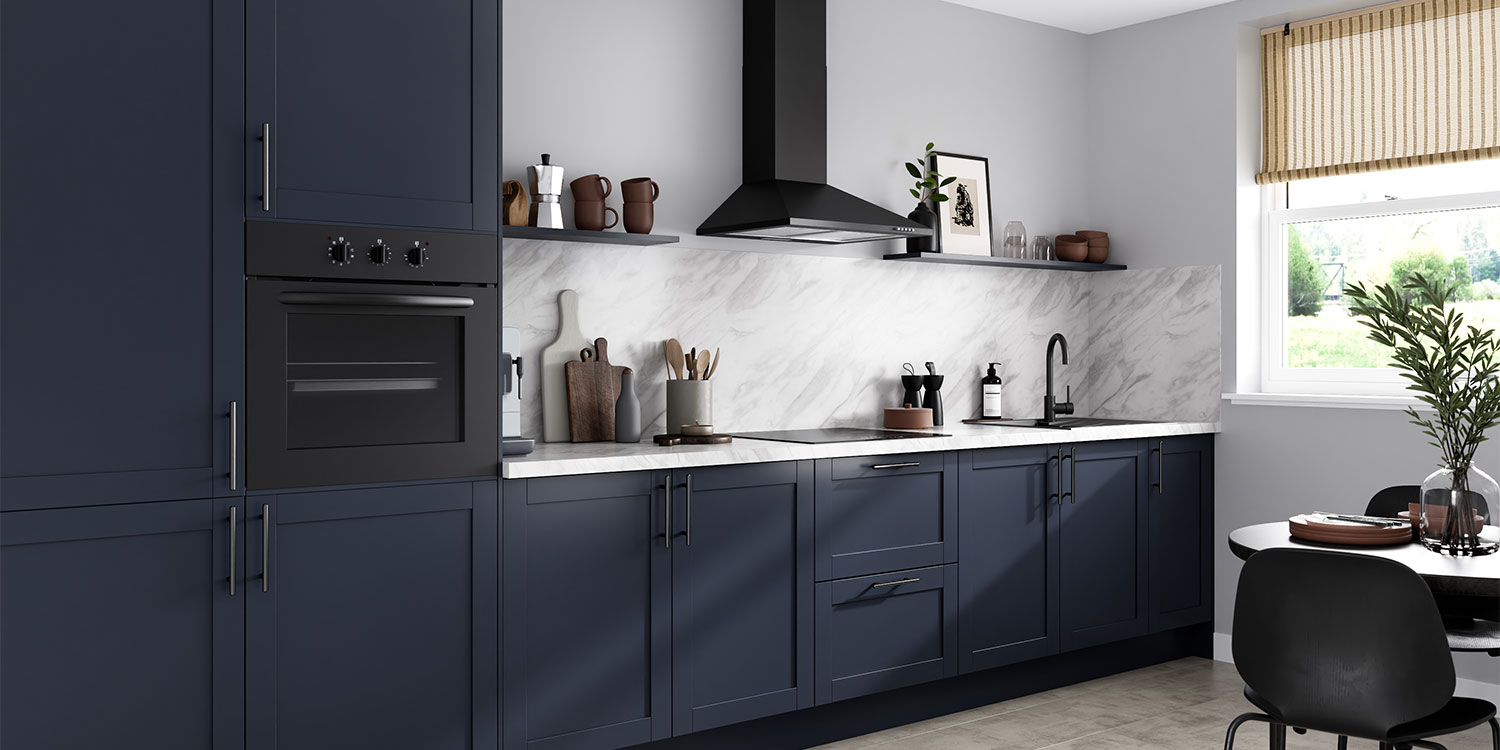
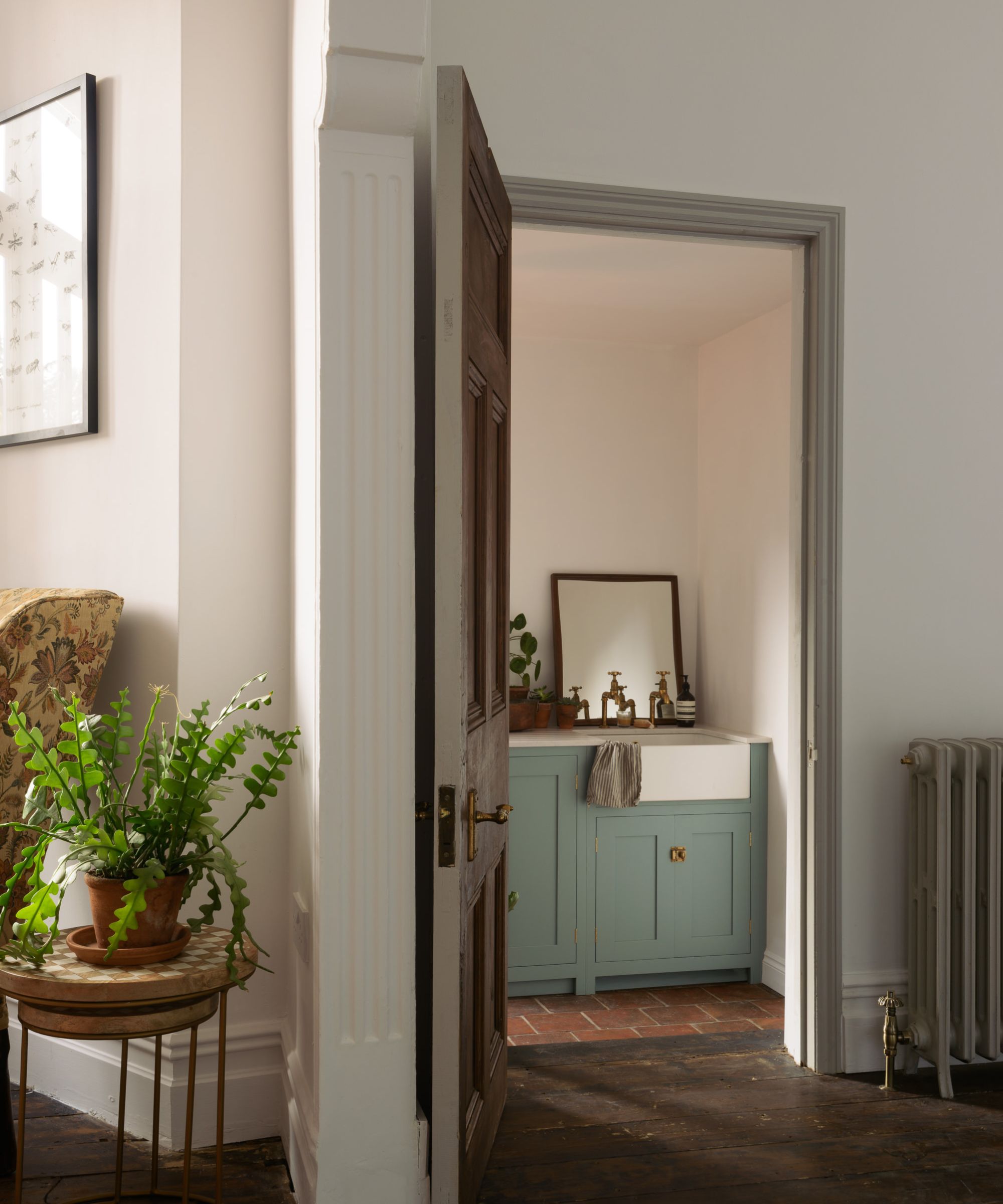
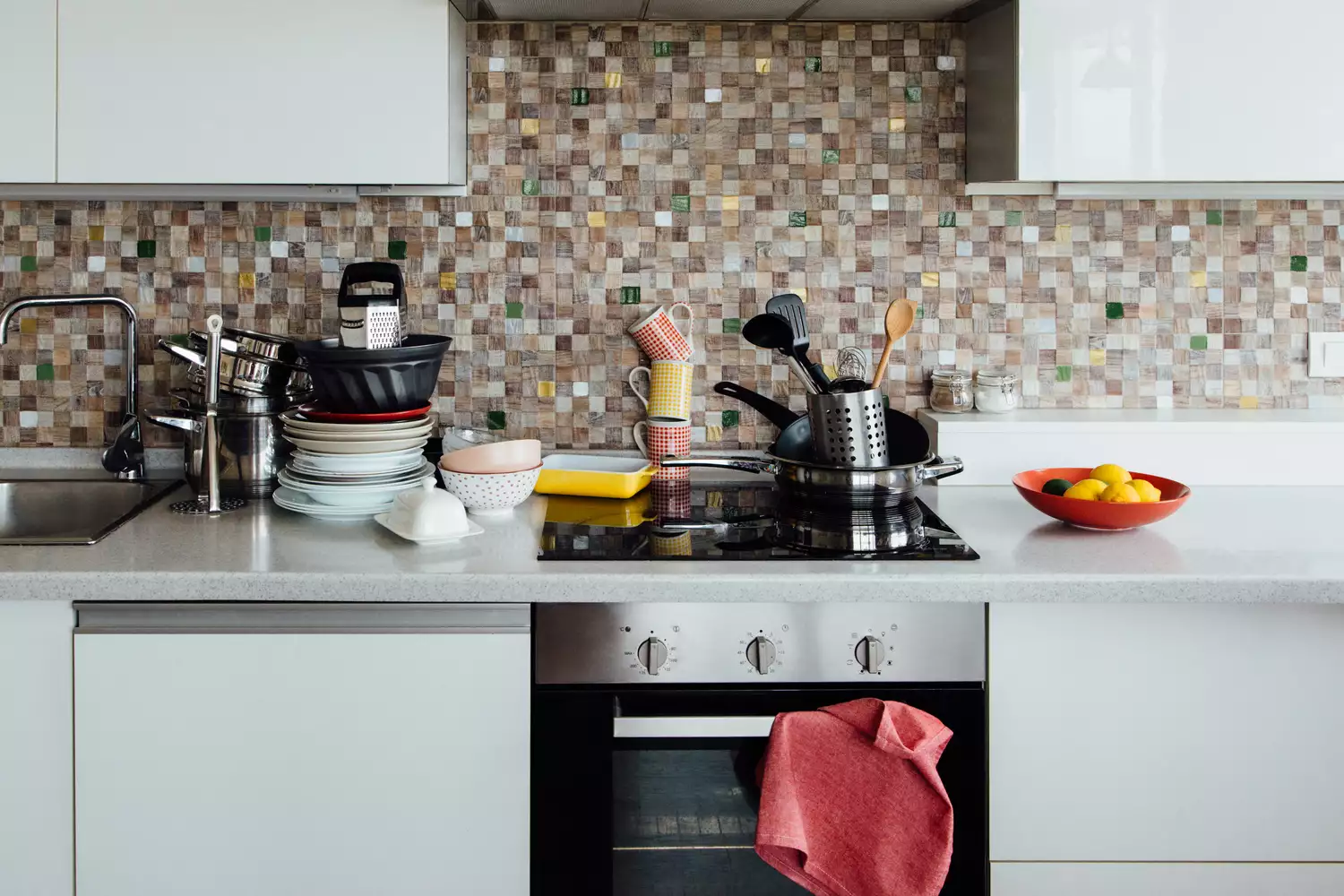
Finally, the single-line kitchen, also known as a one-straight-run layout, covers only one wall of the kitchen. When opting for this design, it is crucial to ensure adequate workspace between the hob and the sink for preparation tasks. British Standard by Plain English suggests grouping cold and wet functions (fridges and sinks) at one end and storage, cooking, and extraction at the opposite end to maintain an organized and efficient workspace.
#KitchenLayout #KitchenDesign #InteriorDesign #HomeRenovation #GalleyKitchen #KitchenIsland #UShapedKitchen #LShapedKitchen #HomeDecoration #KitchenLayout #KitchenDesign #InteriorDesign #HomeRenovation #GalleyKitchen #KitchenIsland #UShapedKitchen #LShapedKitchen #HomeDecoration
0 comment in total
 No comments yet
You may also like
Kitchen planning and layout ideas
How to design your perfect kitchen
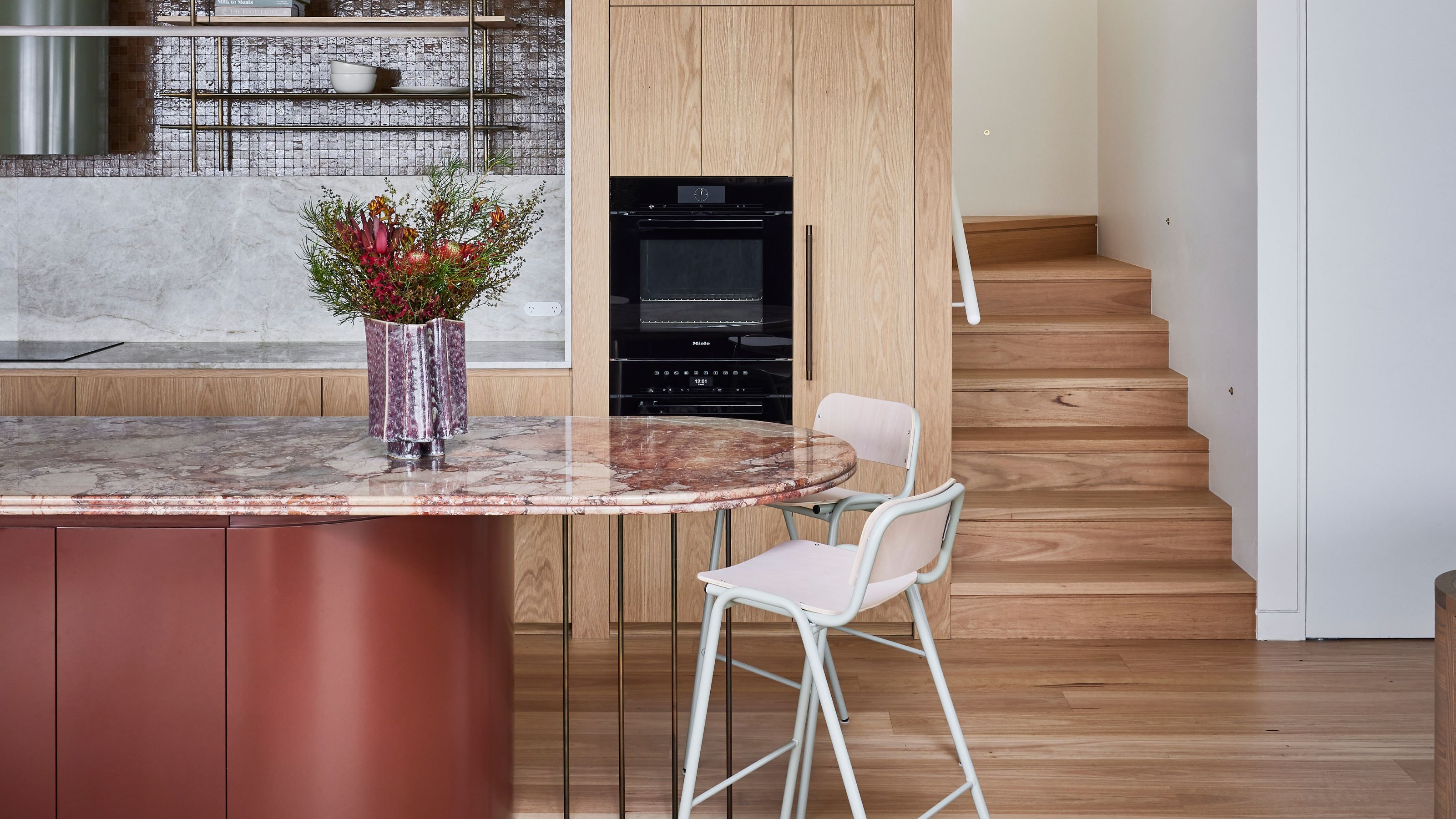
When Breaking the Right Angle Makes a Kitchen Work Better — and How It Affects Function and Flow

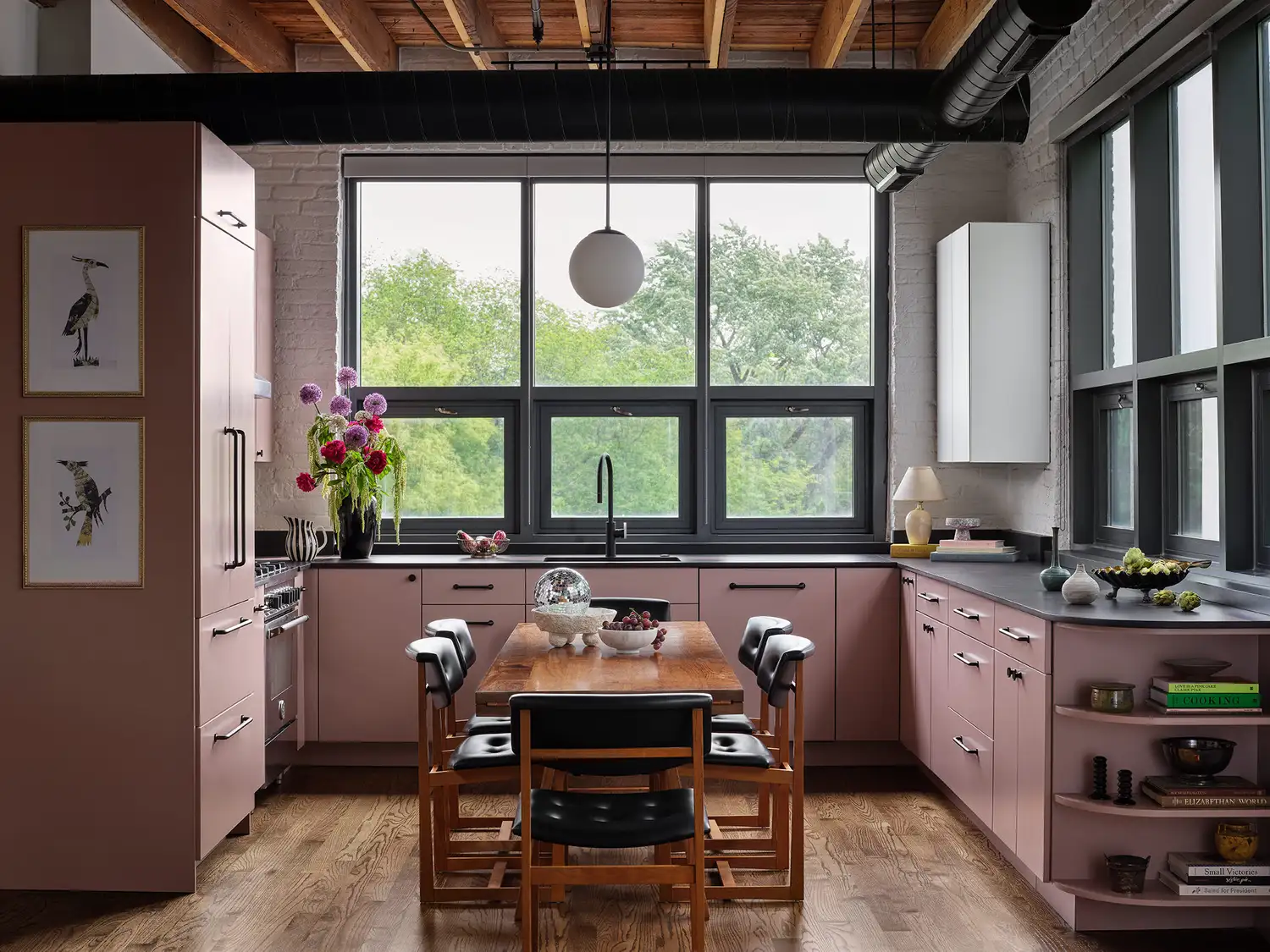
13 Kitchen Layout Ideas That Will Help You Make the Most of Any Size Space
Kitchen floorplan: expert tips for getting your layout right

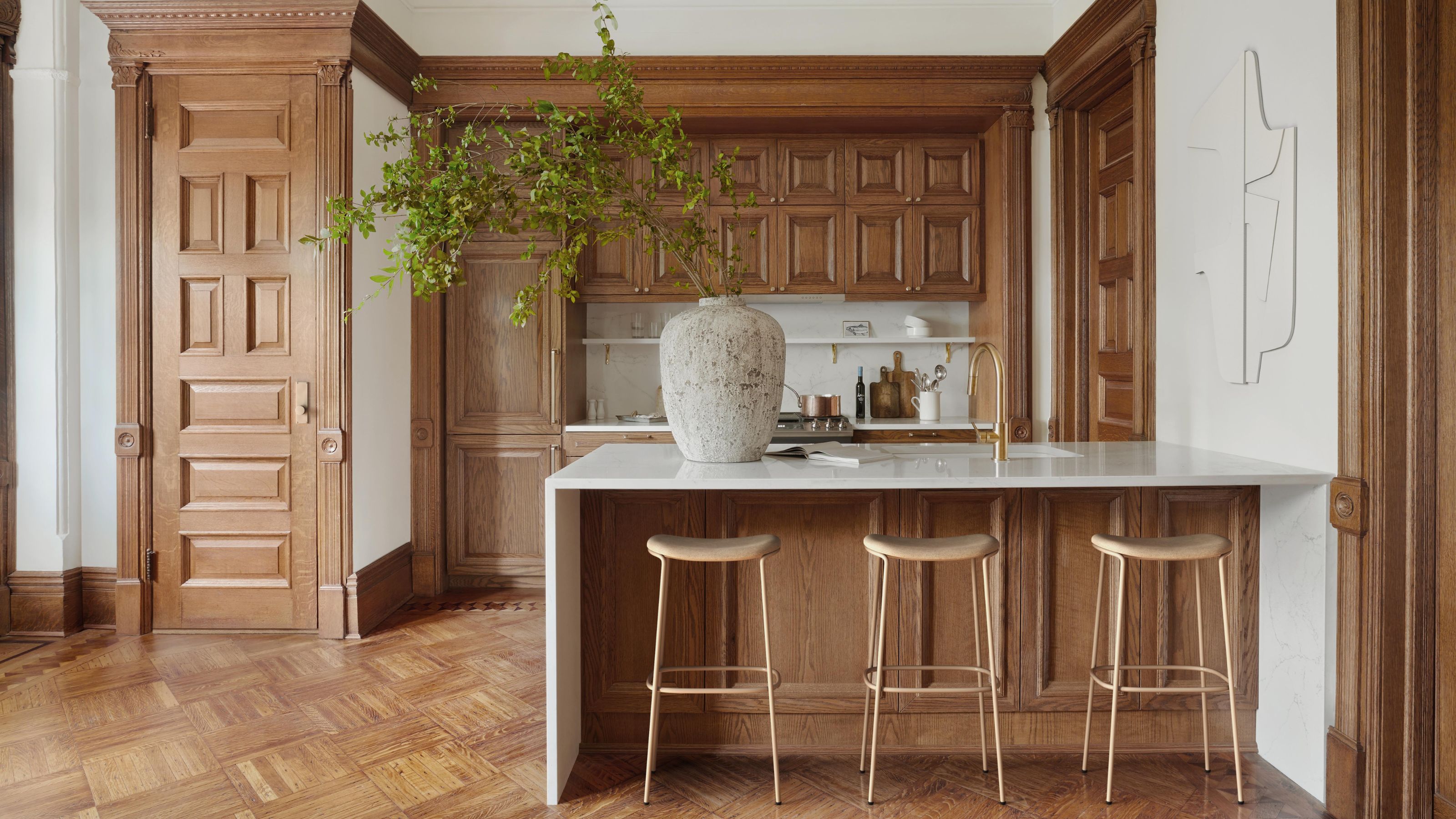
These Are the 6 Types of Kitchen Layouts You Need to Know — Plus, the Dos and Don'ts of Using Them
7 Common Kitchen Features That Actually Give Designers the "Ick"

7 Kitchen Planning Mistakes That Amateurs Always Make, According to London's Best Kitchen Designers
These are the worst kitchen layouts according to designers (and the tips on how to work with them)

33 Clever Kitchen Layout Ideas to Maximize Even the Weirdest of Spaces
How to Design a Kitchen Island: Code Requirements, Flow, & More

Ten L-shaped kitchens with extensive countertop space
What Is a Kitchen Triangle Layout? Why Pros Love Using This Design to Maximize Space
What layouts always make a kitchen look bigger? Designers reveal all
Could Lack of “Counter Appeal” Be DESTROYING Your Kitchen Aesthetic?

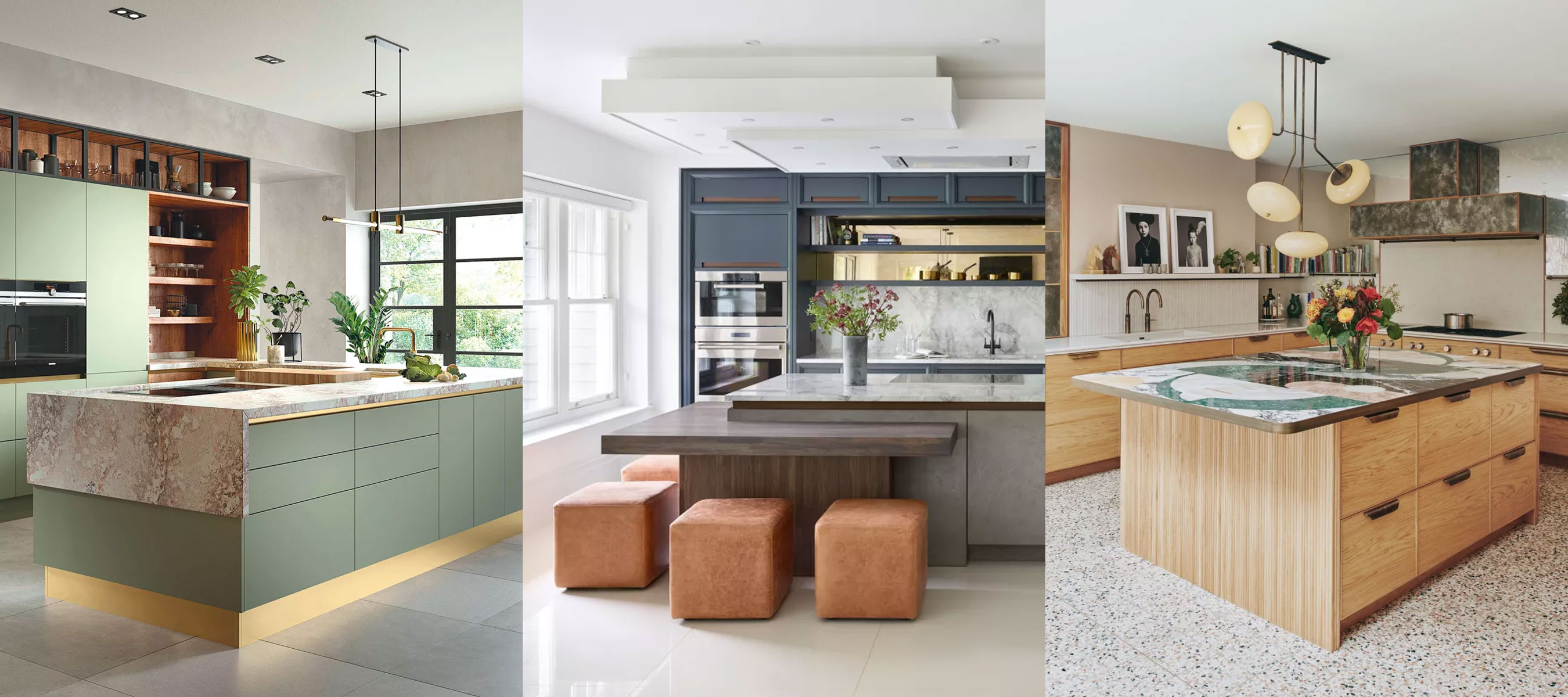
Are kitchen islands outdated? Kitchen experts reveal how these perfectly practical designs will never be passé
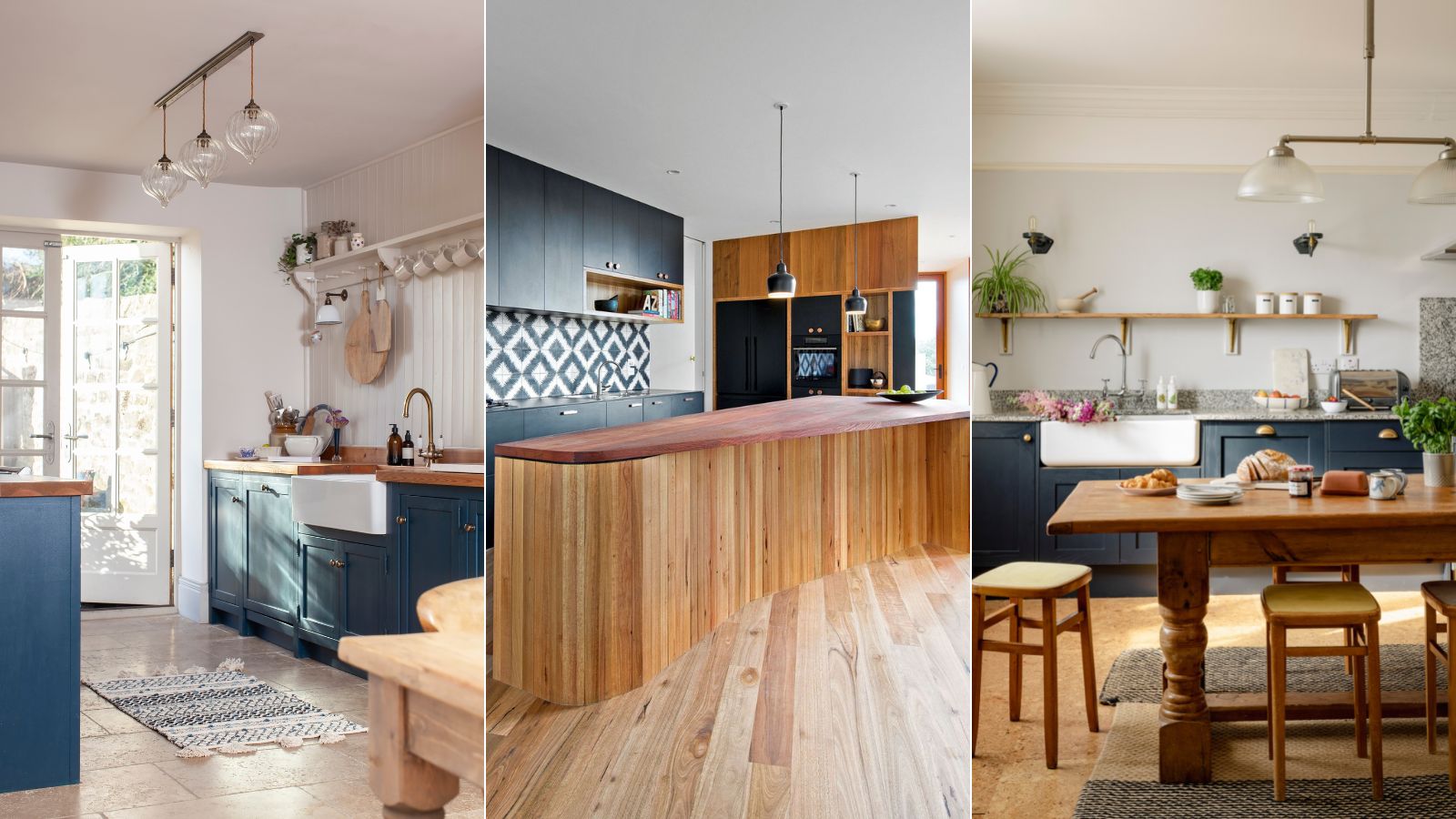
7 kitchen space distance rules – for layout perfection
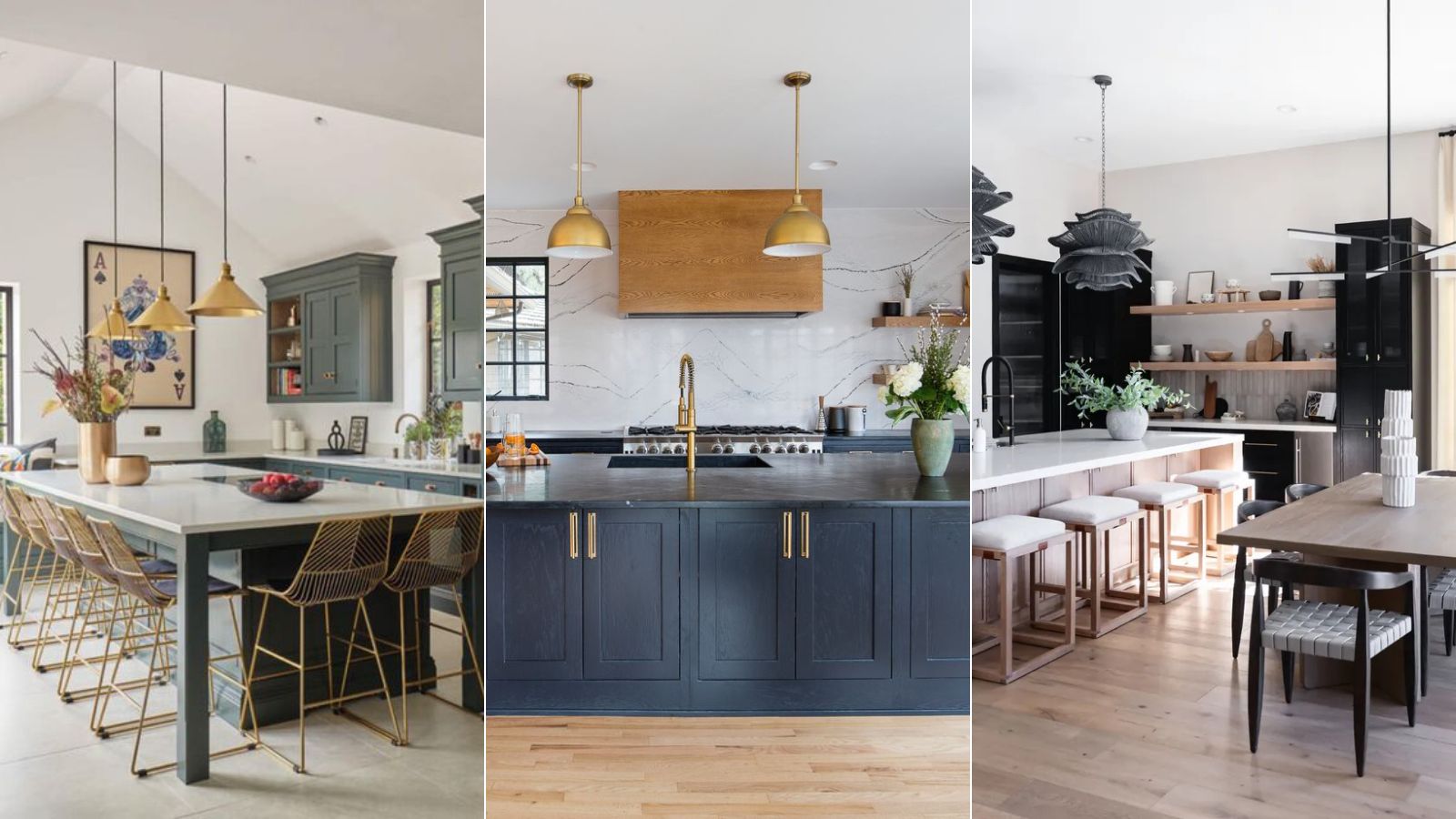
9 kitchen layout trends to have on your radar for 2025, according to designers
How to choose kitchen flooring that makes sense with your lifestyle

Kitchen remodel: How to plan your layout like a pro