1/6
When Breaking the Right Angle Makes a Kitchen Work Better — and How It Affects Function and Flow
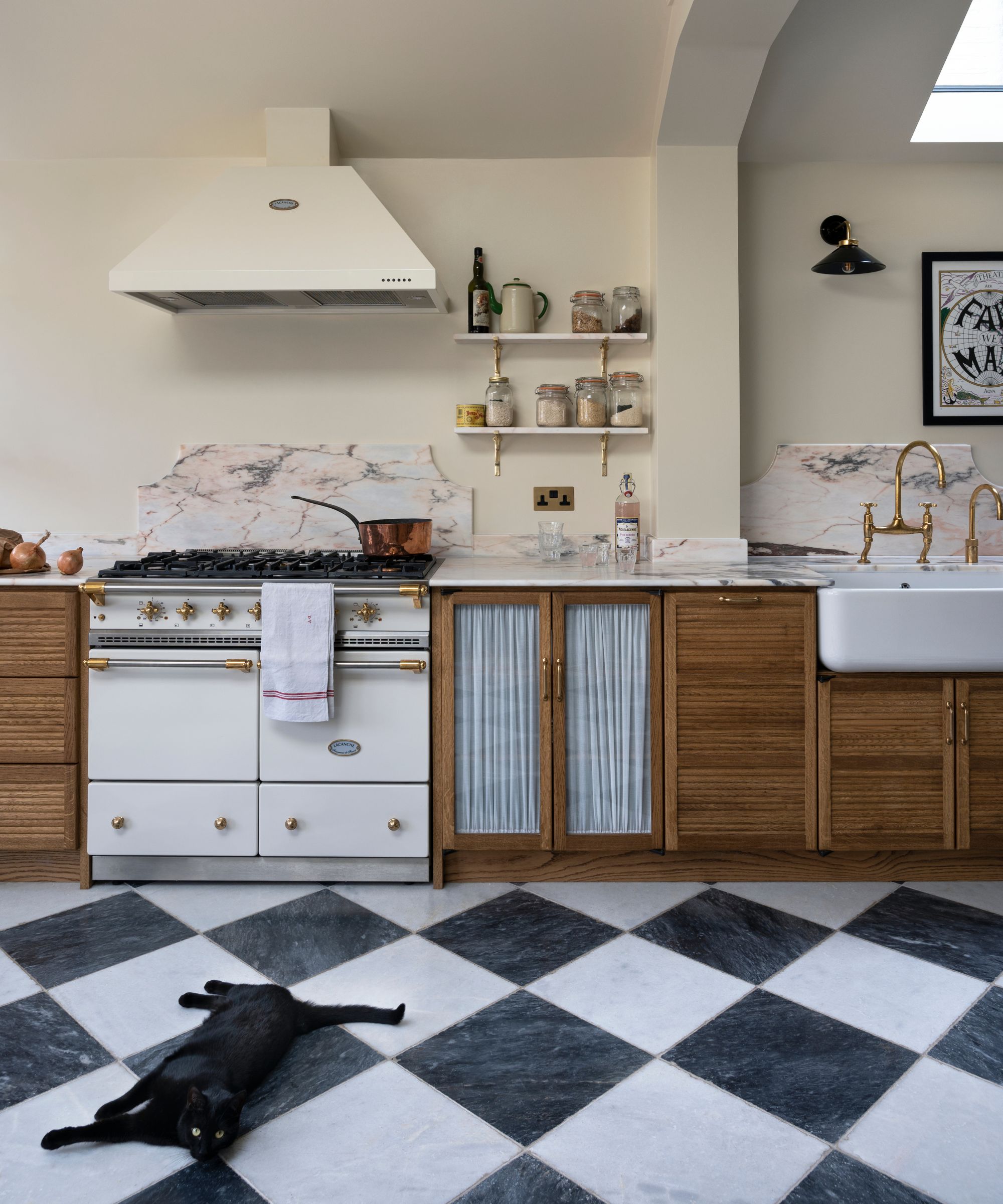
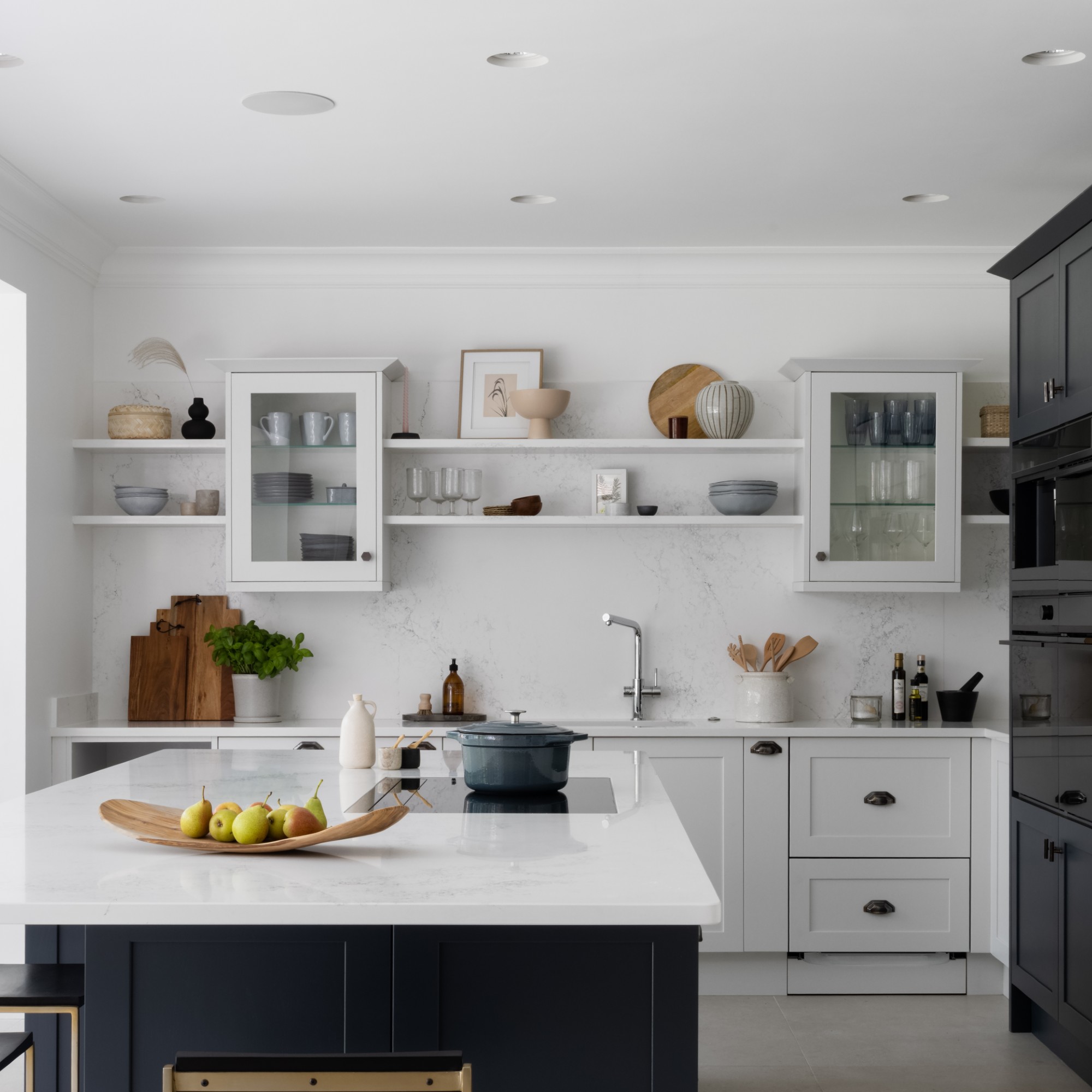
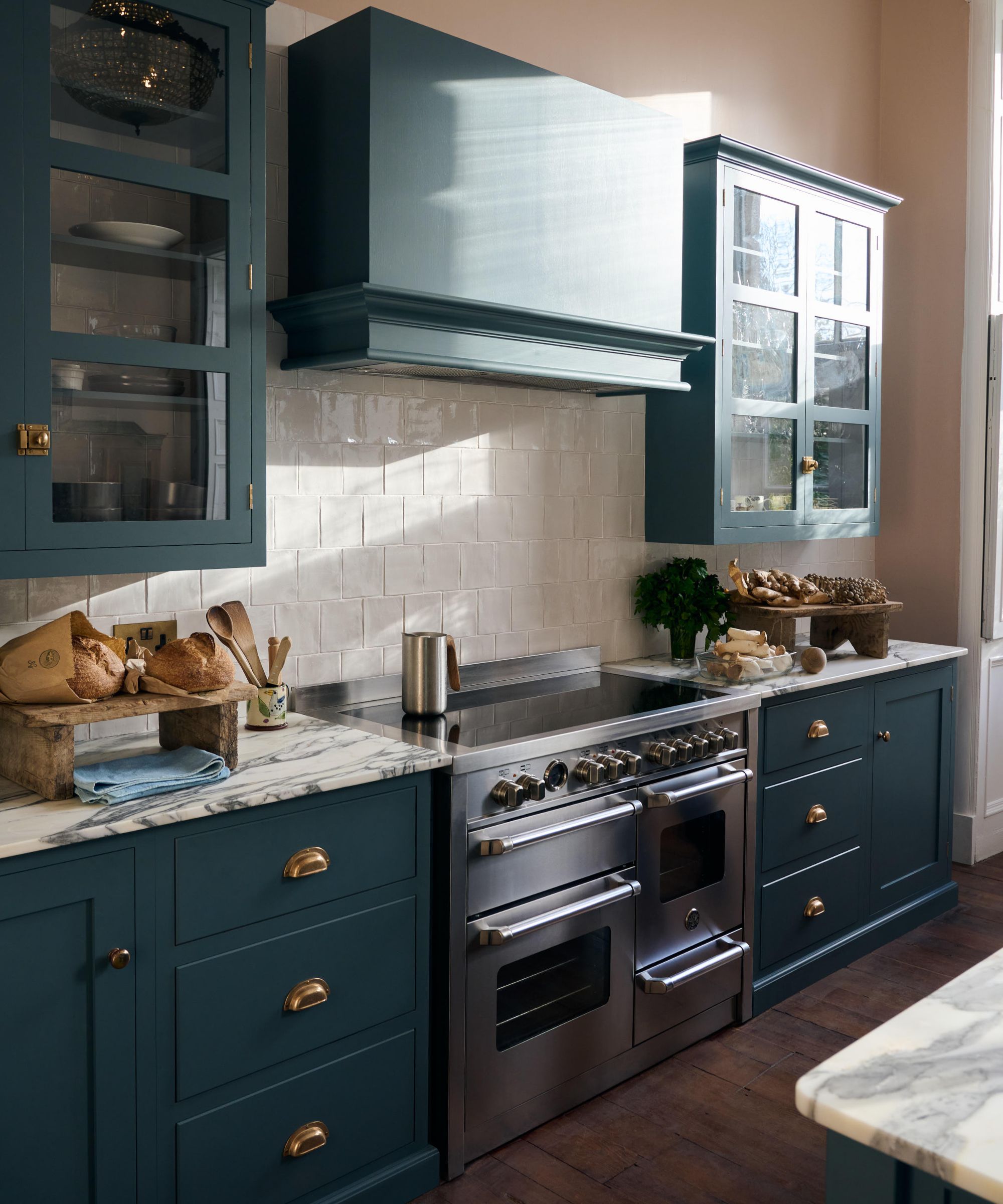
This article explores the growing trend of breaking away from traditional 90-degree angles in kitchen design, advocating for the integration of curves and non-right angles to enhance both aesthetics and functionality. While conventional kitchen layouts based on sharp angles and the classic kitchen triangle have been effective, experts argue that a more modern approach, adapting to various kitchen types, can move beyond the rectangular mold. This shift results in layouts that offer visual appeal and practical advantages, transforming the utilitarian kitchen into a multi-functional space.
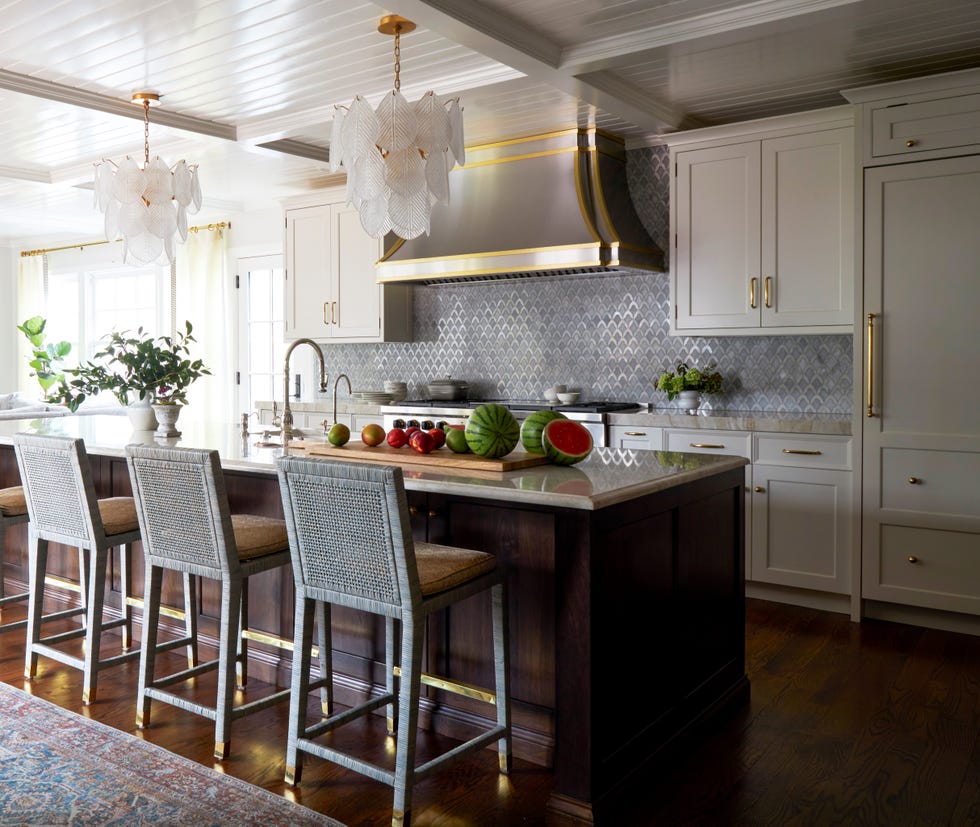
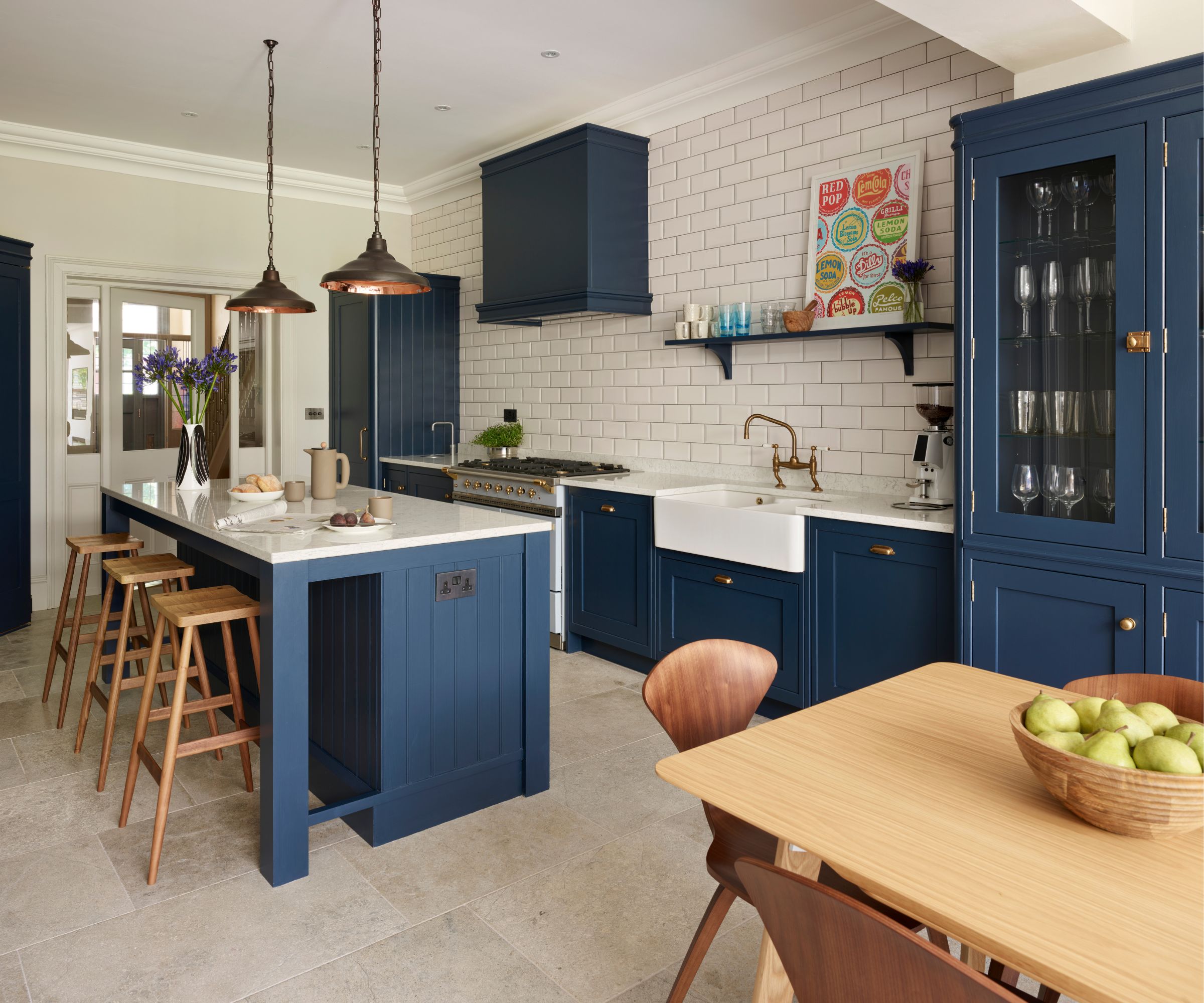
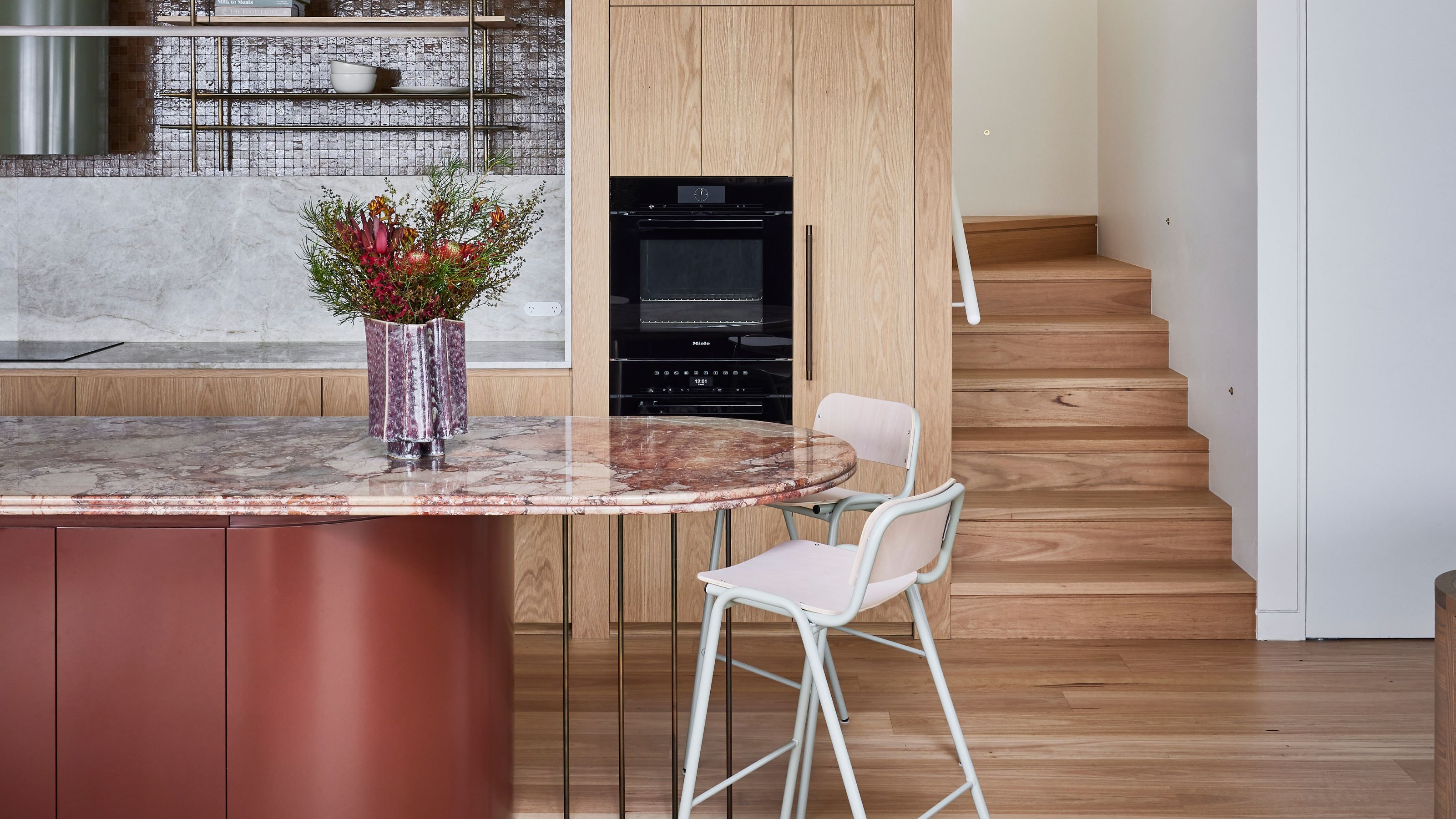
The article highlights several benefits of incorporating non-right angles. Ben Hawkswell, Senior Designer at Roundhouse, explains that curves create a more organic and intuitive flow, guiding movement and fostering connection rather than obstruction. He notes that a sculptural curved work area can invite interaction, positioning the cook as a social hub. Kathryn Murphy of Kathryn Murphy Interiors further emphasizes that introducing curves or angles breaks up the linear, boxy feel of traditional kitchens, making the space more welcoming and engaging for guests.
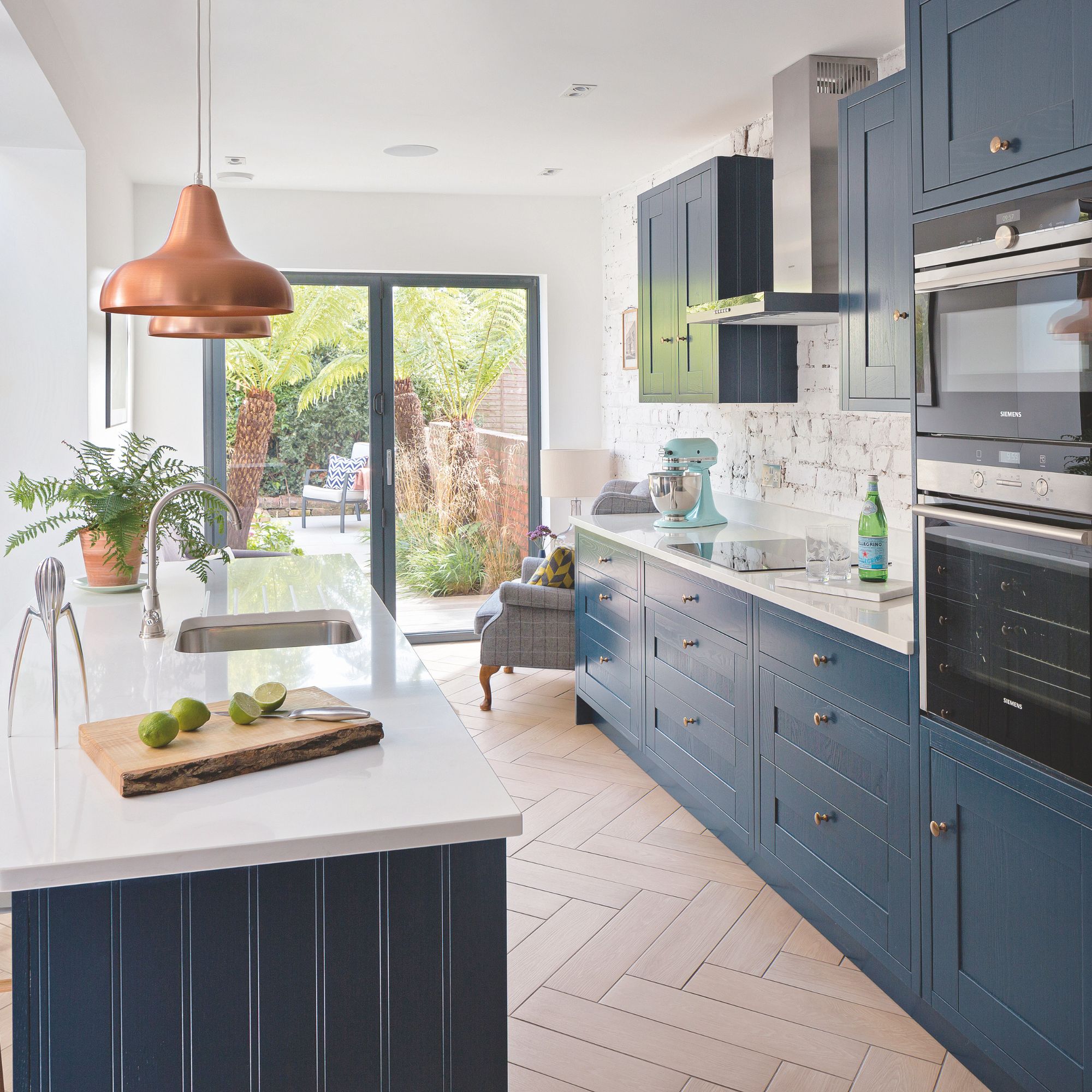
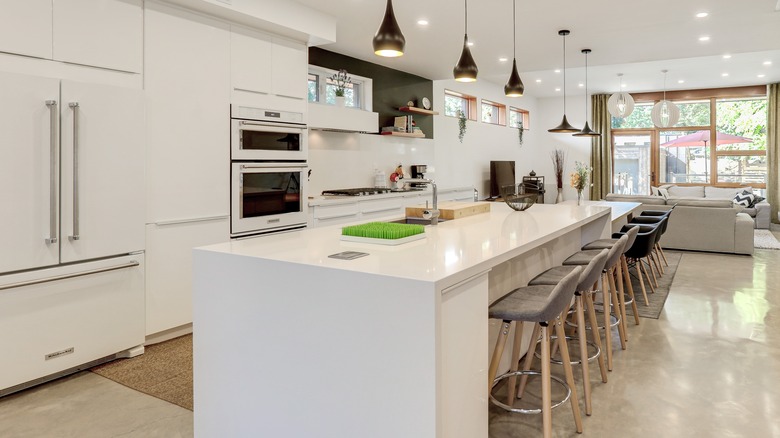
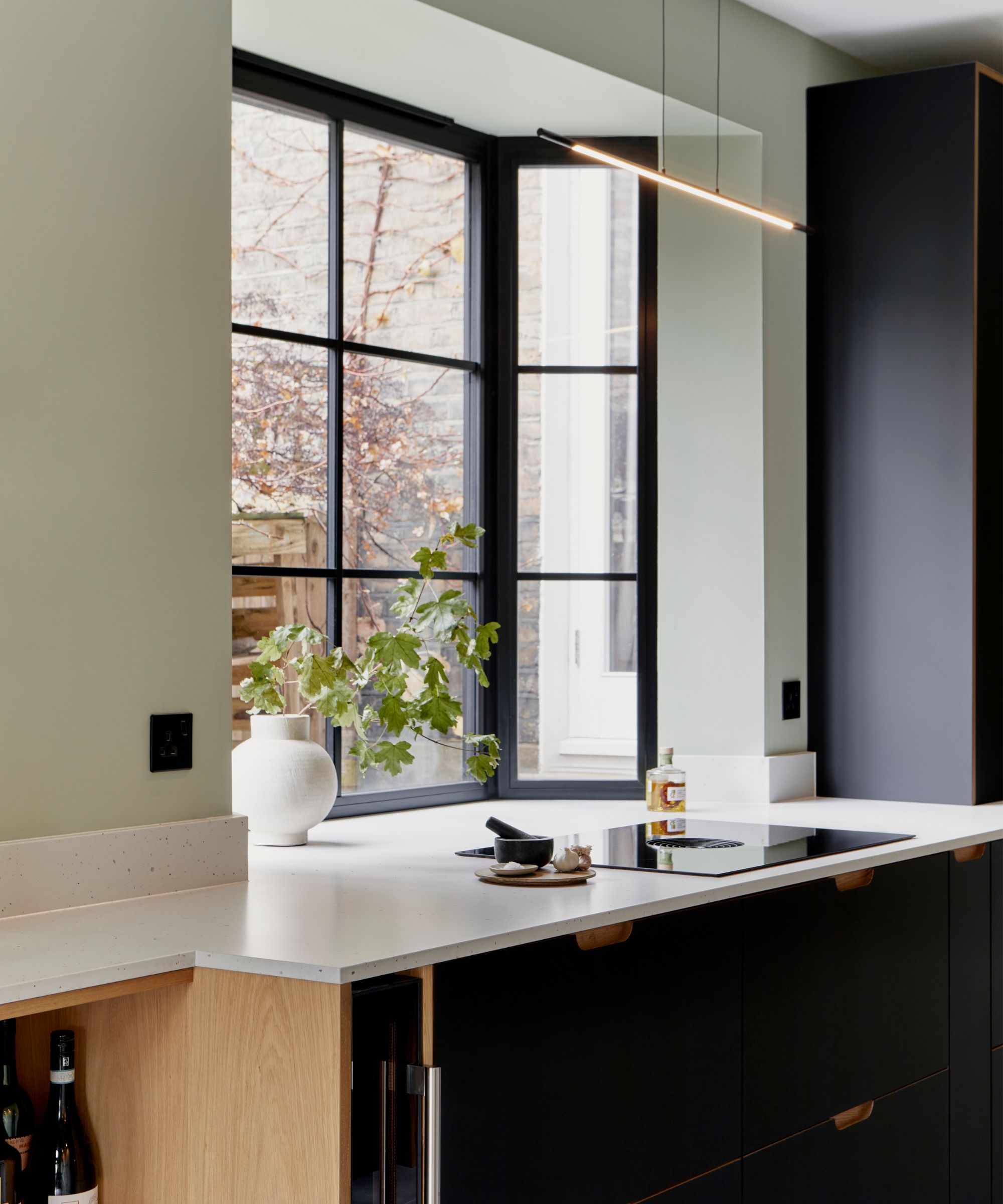
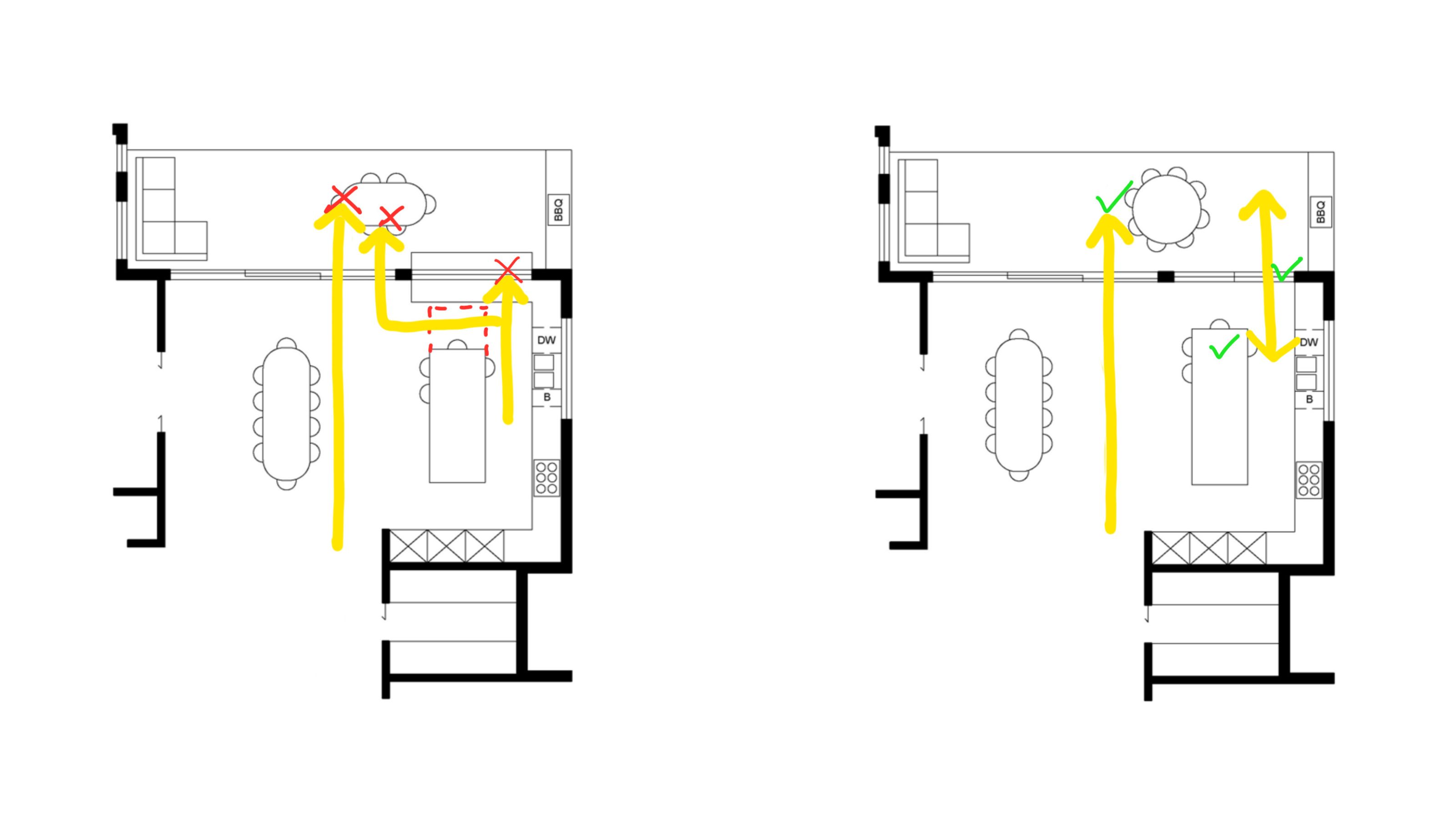
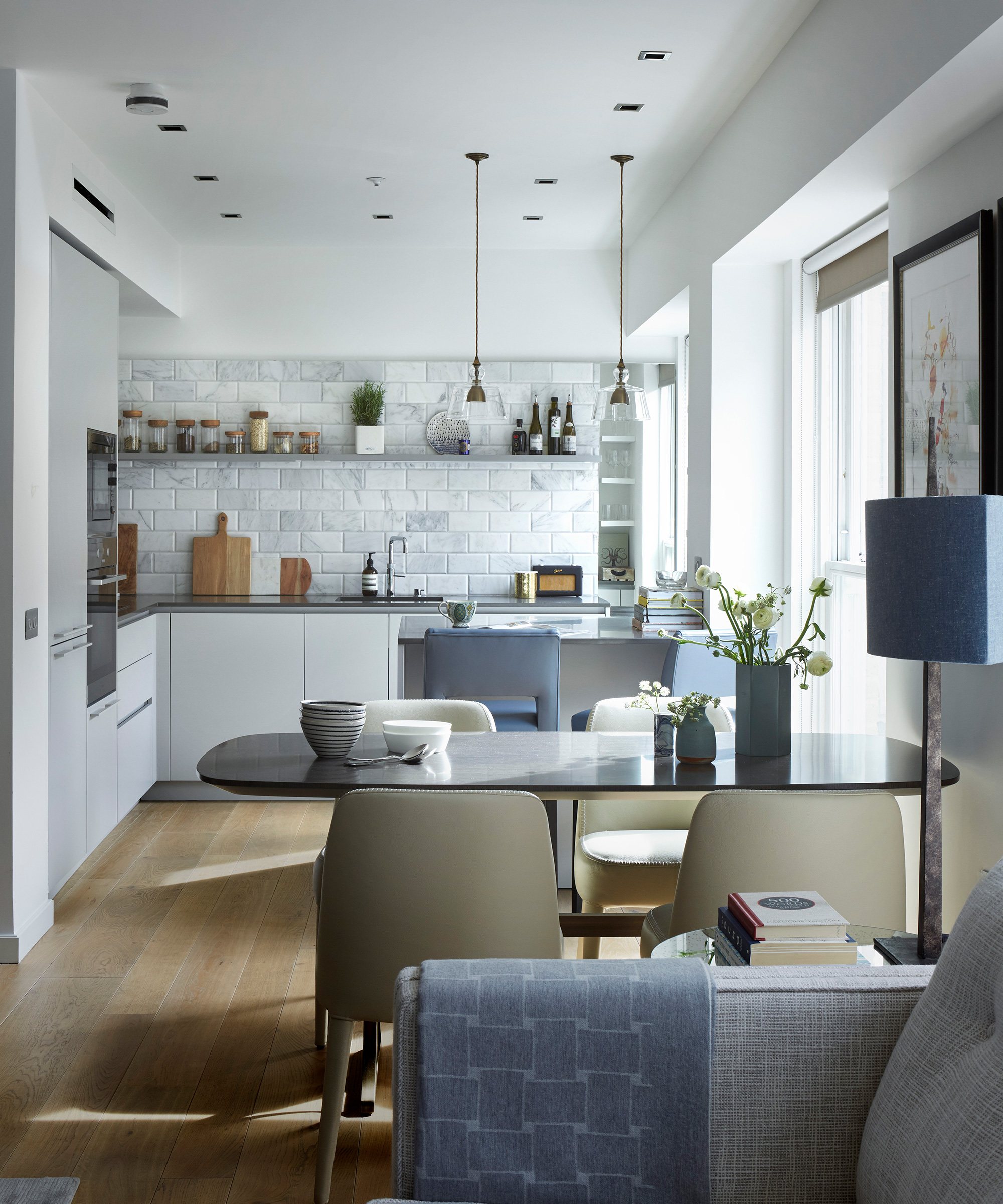
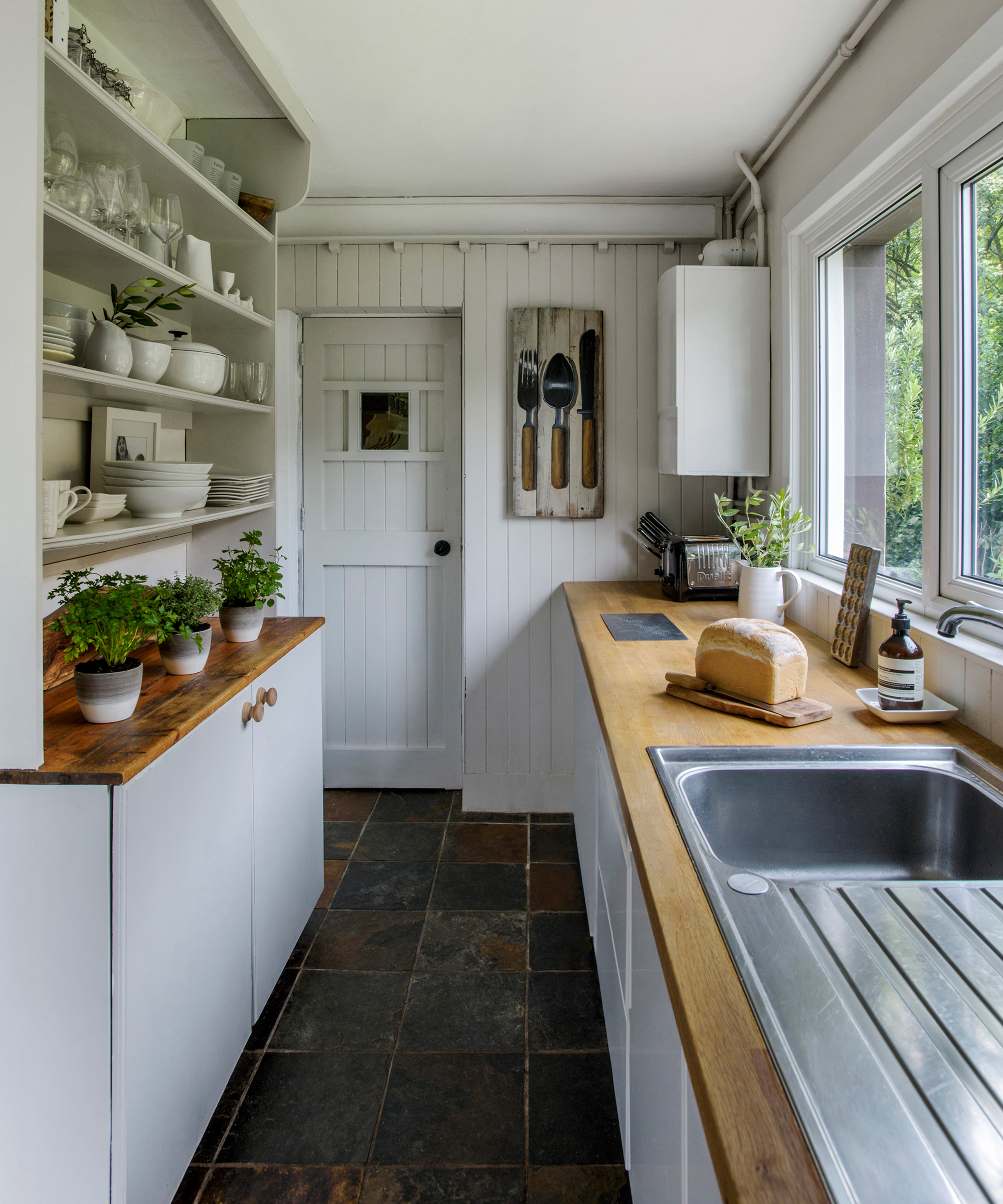
Non-right angles are particularly effective in small kitchens, especially those with architectural quirks, unusual layouts, or limited square footage, where they can optimize space and add visual interest. They also work well in open-plan layouts, improving traffic flow, enhancing storage, and providing a visually appealing alternative to standard rectangular designs. Even L-shaped kitchens can benefit from curves to soften their rigid geometry. Kasia Piorko, Design Director at Kate Feather Kitchens, points out that softening sharp corners and introducing curves improves circulation, making the kitchen feel calmer and more inviting. She stresses that this approach helps blend zones in open-plan homes, creating a visual flow that connects cooking, dining, and living spaces organically.
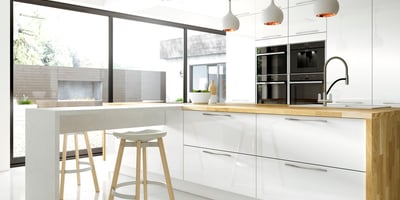
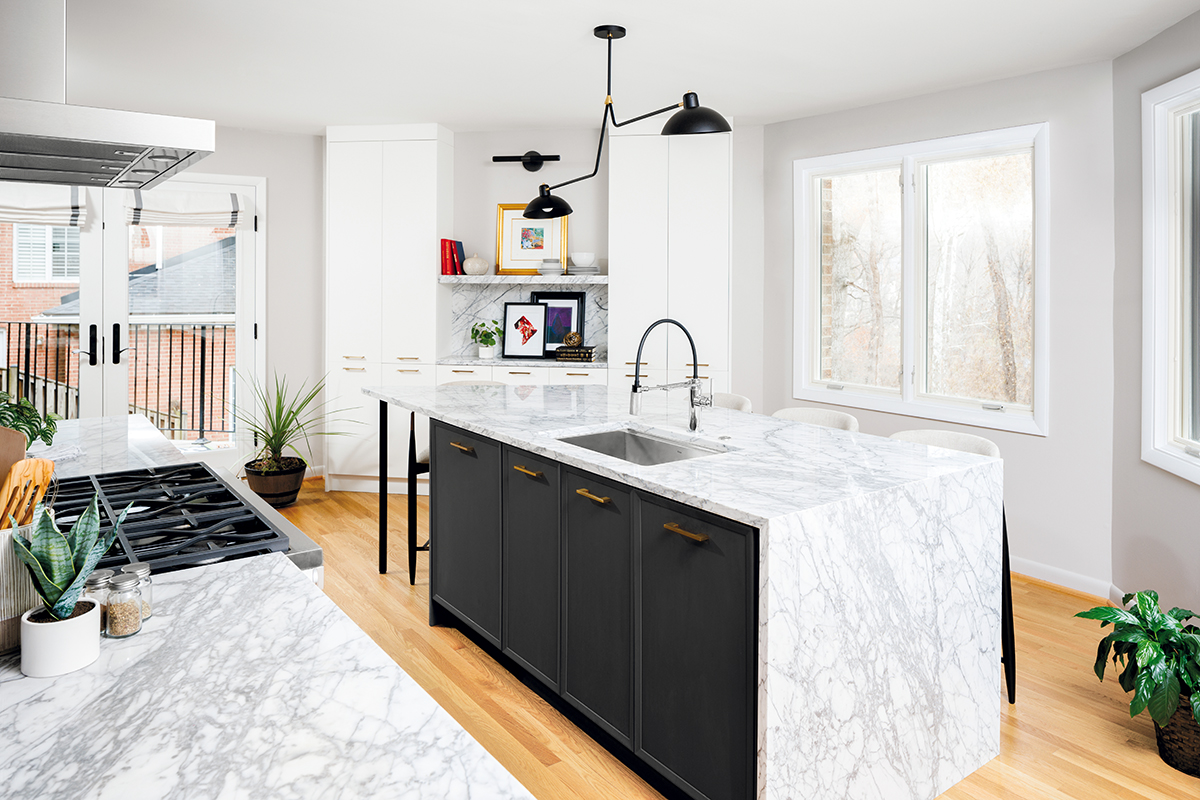
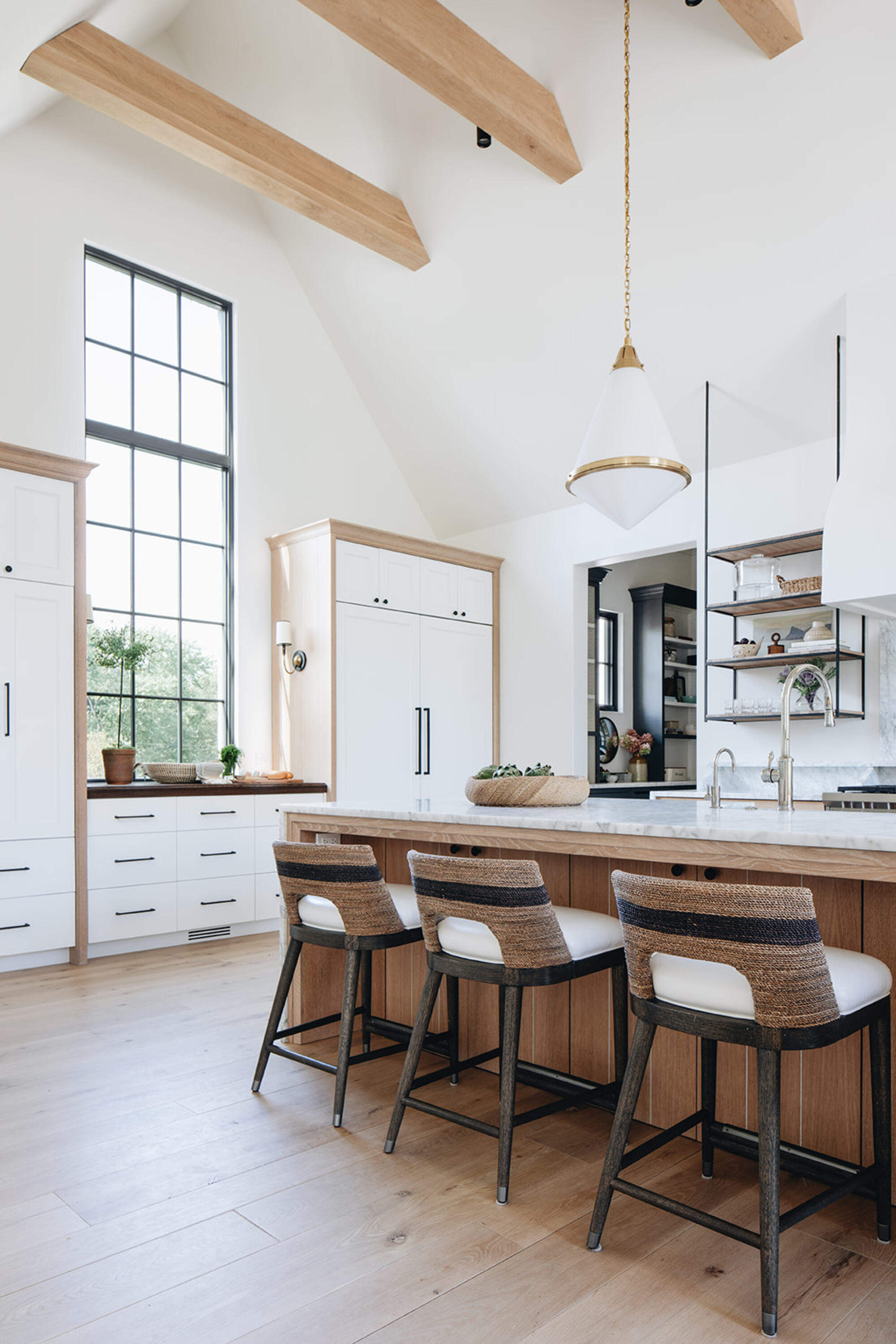
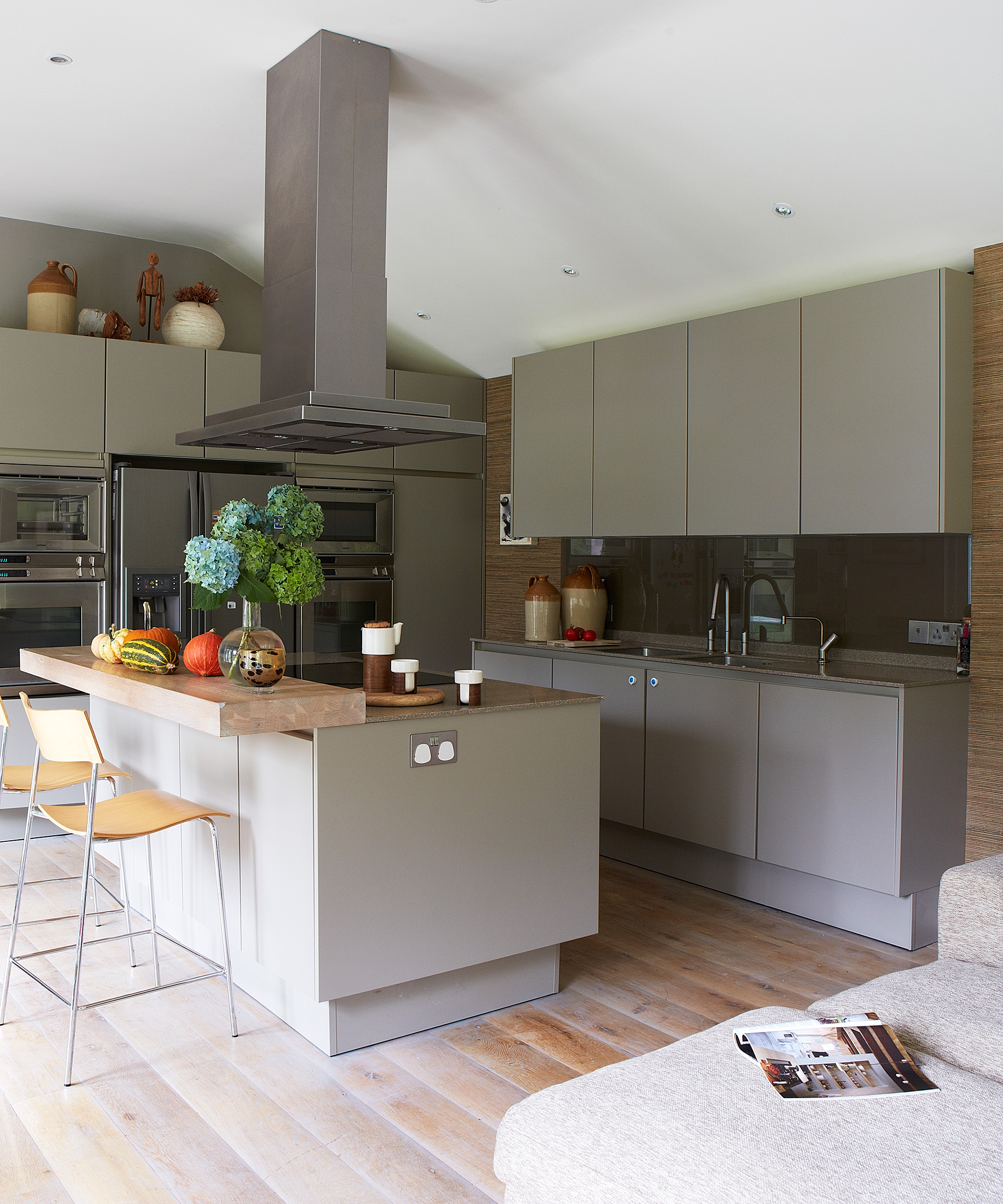
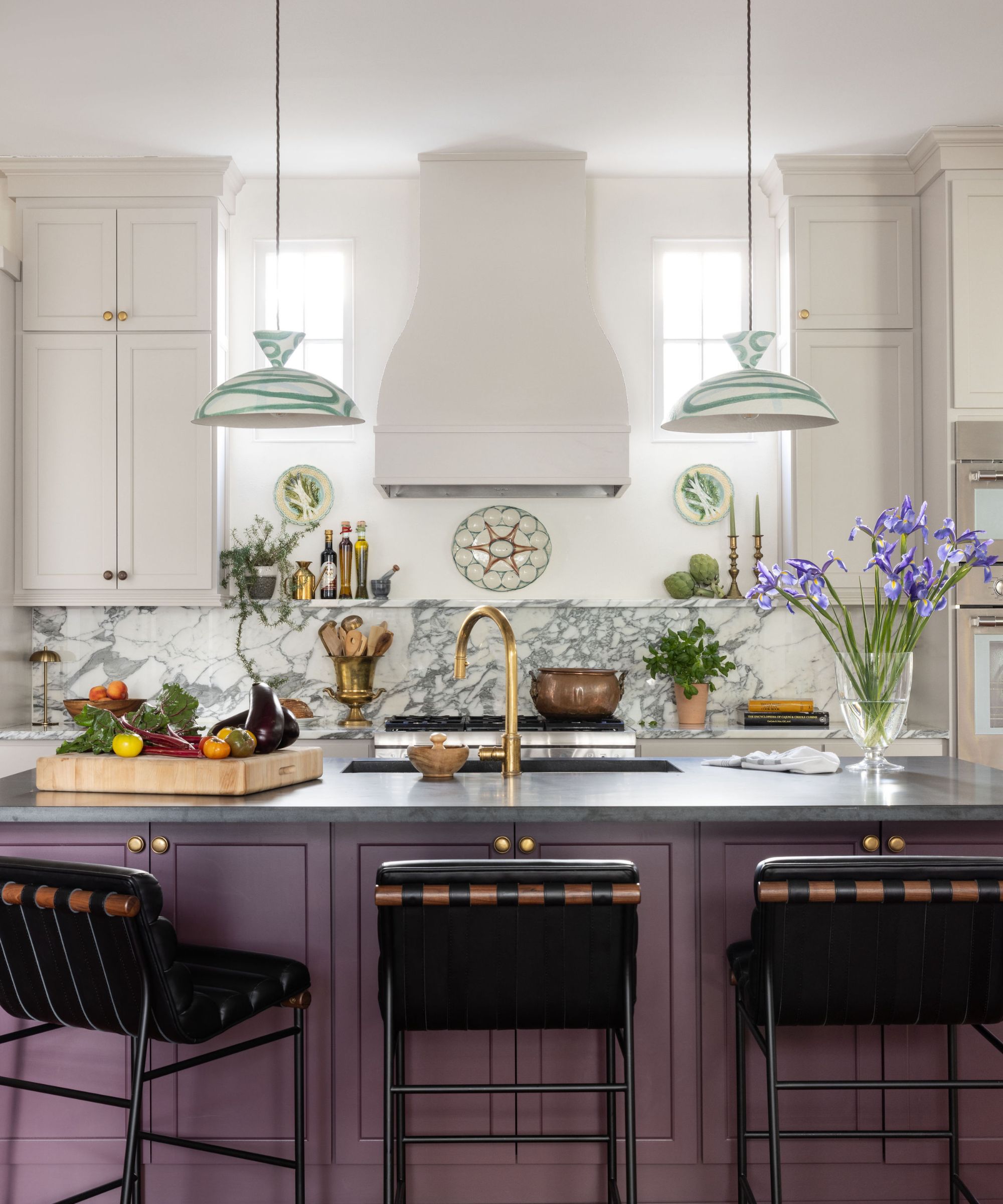
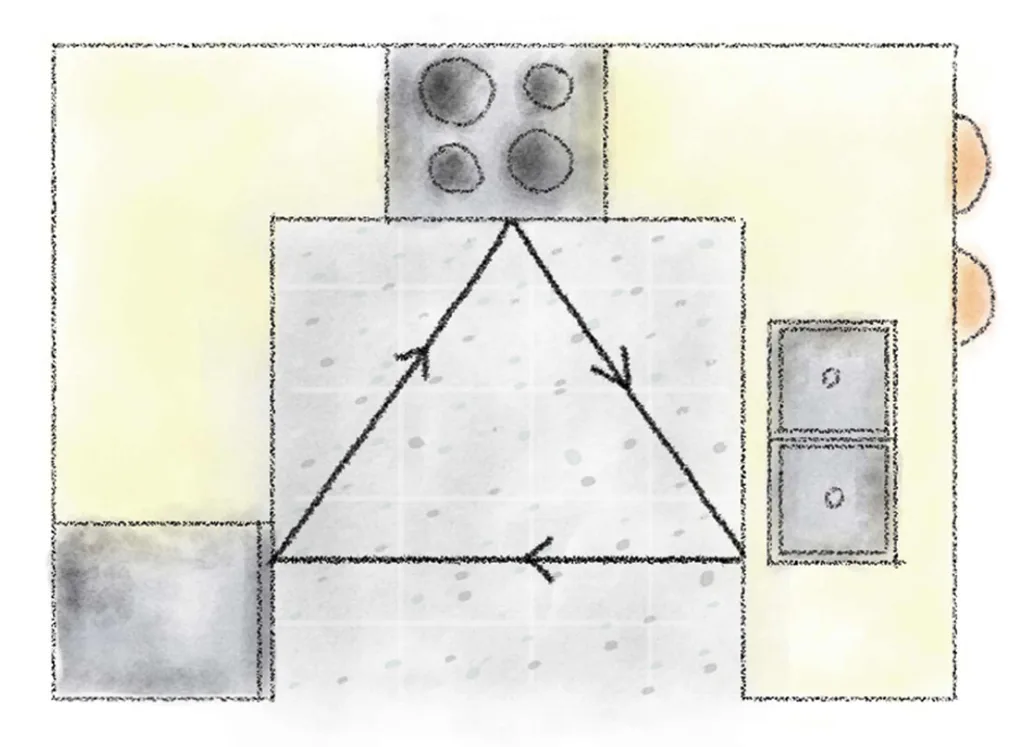
Furthermore, curved kitchen islands and angled cabinets offer extensive customization opportunities. Curved peninsulas can serve as breakfast bars or casual seating, while angled cabinetry can highlight garden views or complement period architecture. Built-in seating blurs the lines between kitchen and living areas, adding warmth and character. Piorko also discusses the evolution of the traditional kitchen work triangle, suggesting it is becoming outdated in contemporary, multitasking kitchens often used by multiple people. Modern kitchens benefit from a zoned layout where prep, cooking, and clean-up areas are clearly defined yet seamlessly connected, reflecting a more fluid and flexible approach to daily life.
The article concludes by advising against overly complex or irregular angles in small kitchens, which can lead to a cramped and disjointed feel, and advocating for gentle curves, streamlined lines, and efficient zoning. Ultimately, breaking the right angle in kitchen design can inject warmth, flow, and individuality, transforming rigid spaces into fluid, social, and functional environments.
#KitchenDesign #InteriorDesign #KitchenLayout #Ergonomics #CurvedKitchens #ModernKitchen #SmallKitchens #OpenPlanLiving #KitchenDesign #InteriorDesign #KitchenLayout #Ergonomics #CurvedKitchens #ModernKitchen #SmallKitchens #OpenPlanLiving
0 comment in total
 No comments yet
You may also like
Designers Are Ditching the "Kitchen Work Triangle" for THIS Hyper-Efficient Layout

Kitchen Renovation Unveils a New Angle

5 kitchen hardware mistakes interior designers say homeowners always make, and how to fix them

We Asked Designers Which Kitchen Features People Regret Most, and Now We Can't Unsee the Mistakes

The Benefits of a Kitchen Triangle

Is the kitchen triangle still the go-to layout in 2024? Designers weigh in on whether this approach is dated or timeless
The Classic Kitchen Layout Trend That's Back To Stay In 2026

‘The Little Moments Do the Heavy Lifting’ – Here’s How Designers Perfectly Style the Corners of Their Kitchens While Still Keeping Them Practical
Designers Say Making This Small Change Can "Transform" Your Kitchen

How to make your kitchen design more functional, according to experts
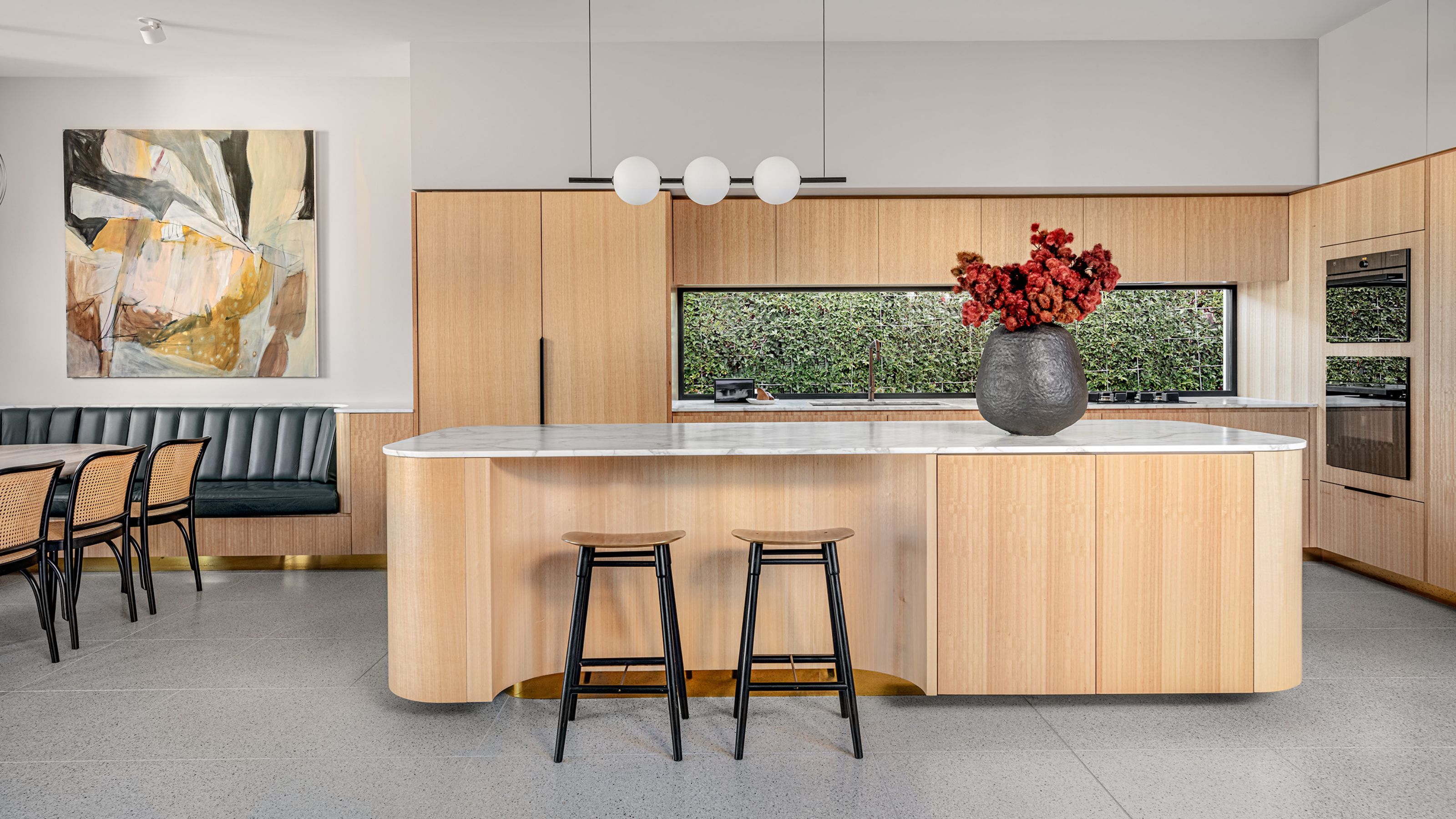
5 Kitchen Window Mistakes to Avoid, According to an Architect — Some May Seriously Surprise You
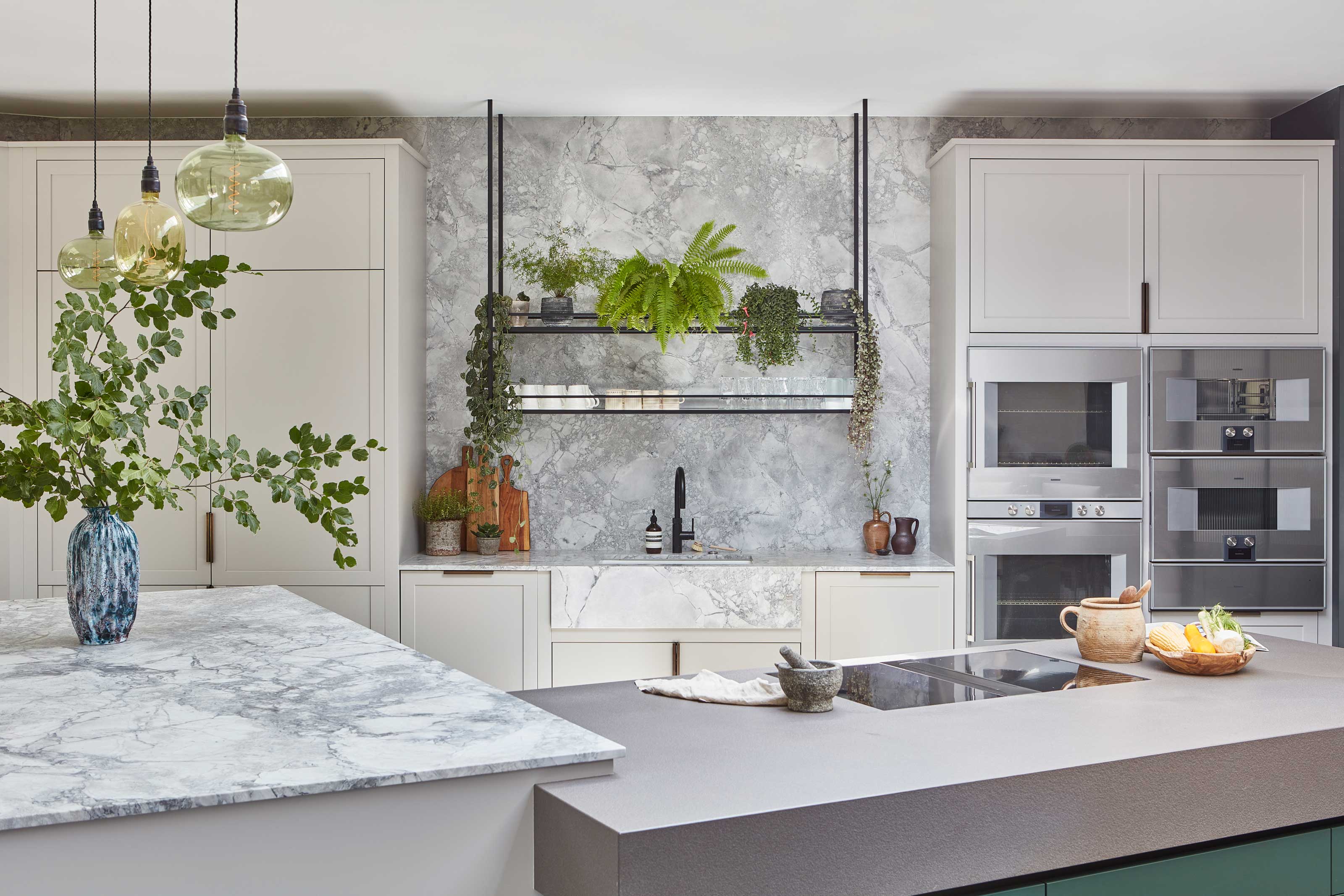
8 hacks the best designers use to make a kitchen more ergonomic – from the right layout to raising your appliances
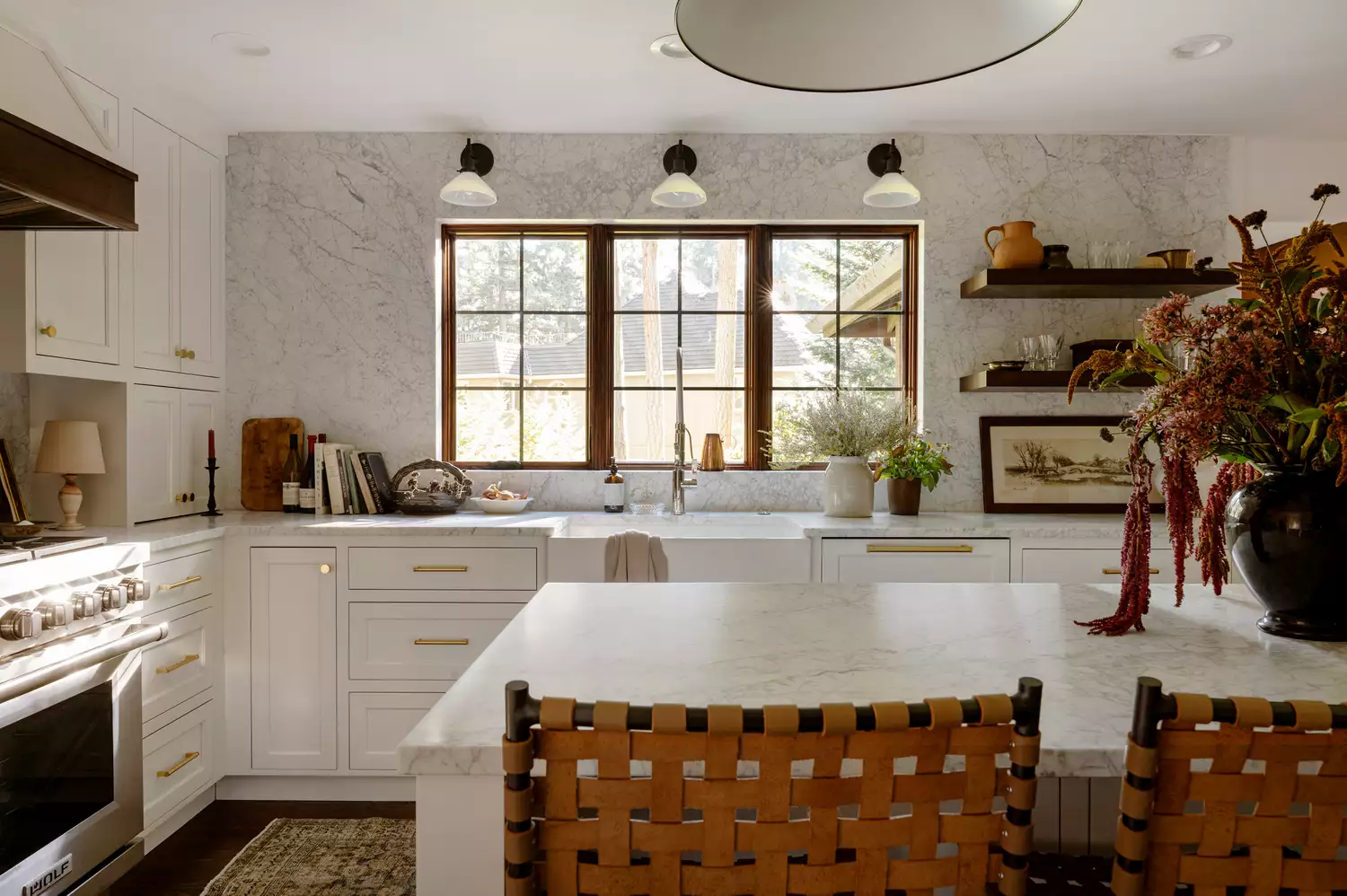
What Is a Kitchen Triangle Layout? Why Pros Love Using This Design to Maximize Space
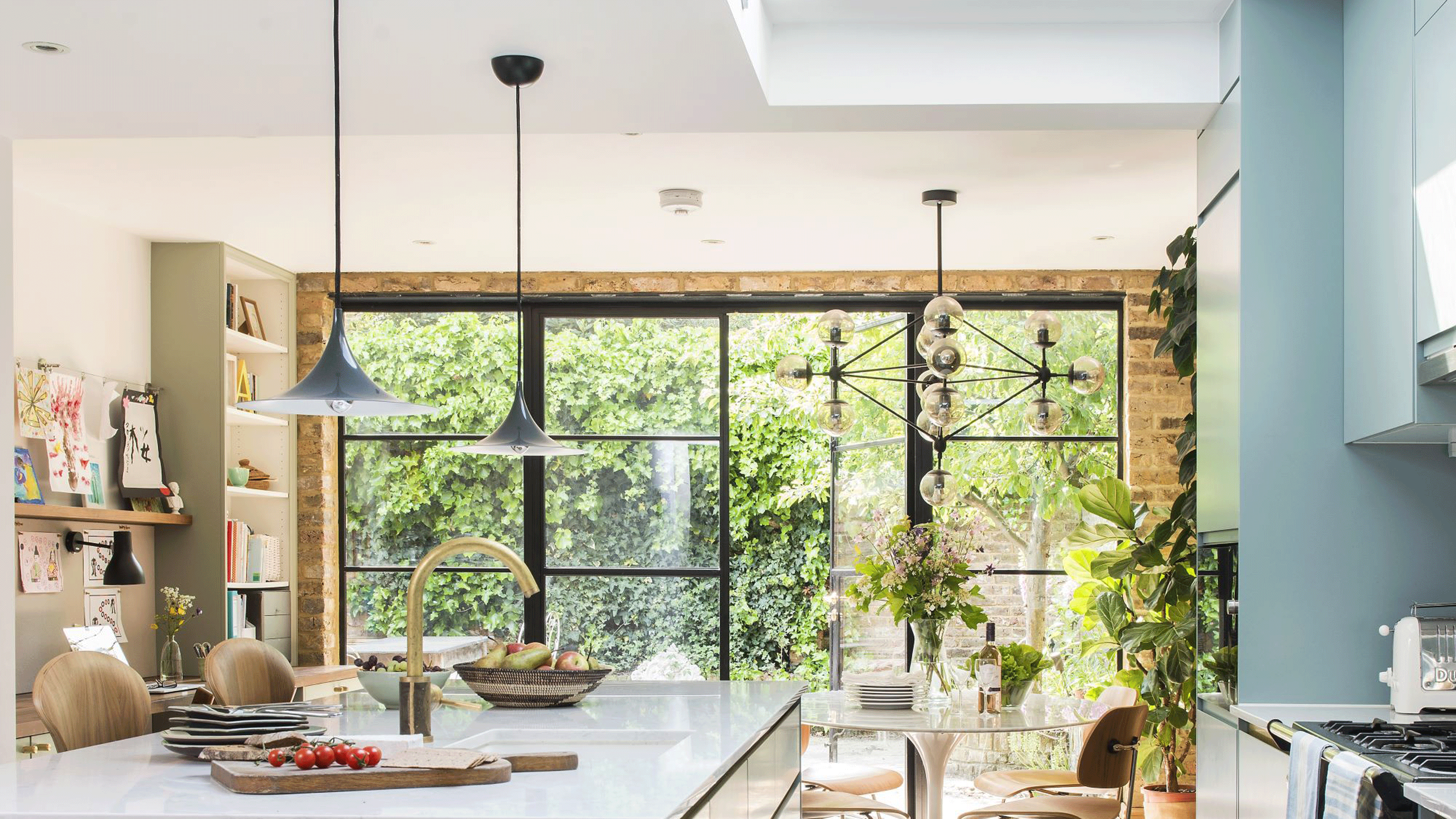
The 7 best kitchen layouts for maximising worktop space - secrets for a practical and tidy kitchen, according to experts
These are the worst kitchen layouts according to designers (and the tips on how to work with them)
Kitchen floorplan: expert tips for getting your layout right

How Changing One Thing Can Change Everything In Kitchens And Bathrooms

Know your way around the kitchen

5 kitchen countertop mistakes designers warn to avoid
5 Kitchen Design Choices That Actually Make Cooking Harder, According to Designers