Deck Lateral Load Connector Options
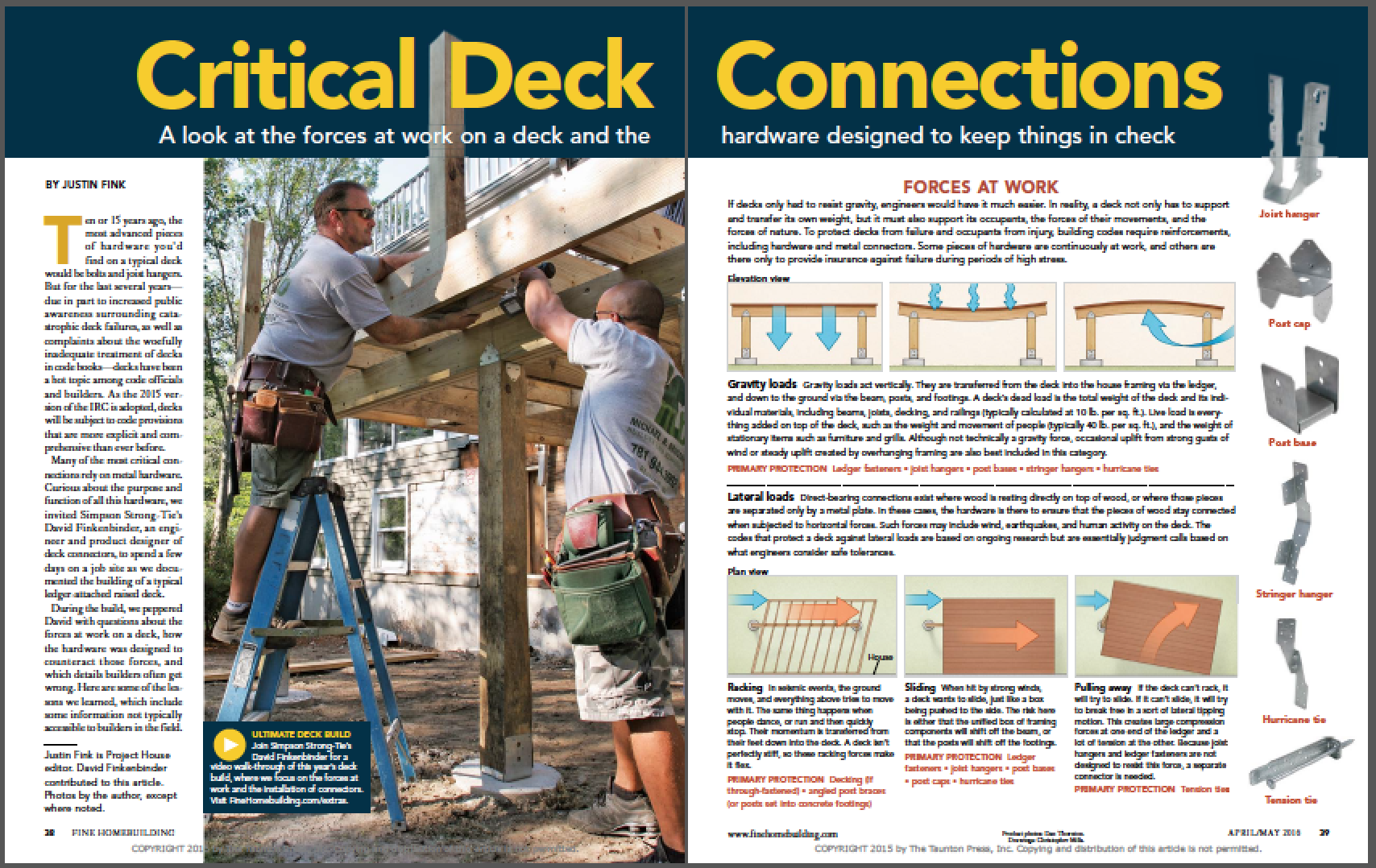
The International Residential Code (IRC) mandates that decks be securely anchored to the primary structure, designed to withstand both vertical and lateral loads. Vertical loads, primarily gravity, are managed by bolts or screws connecting the deck ledger to the house's rim joist. However, lateral loads, which exert a pulling force on the deck away from the house, present a more complex challenge. Quantifying these lateral forces is difficult, and for many years, the code lacked prescriptive designs for lateral load connections, leaving builders and inspectors to devise their own solutions.
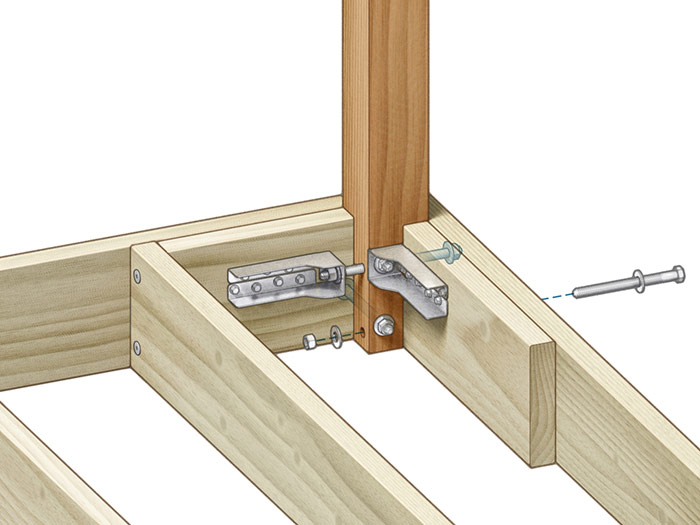
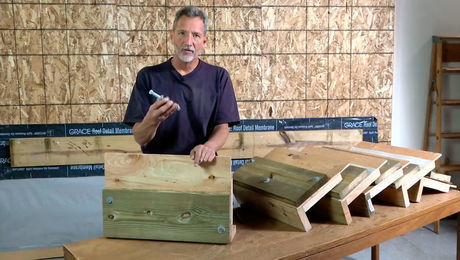
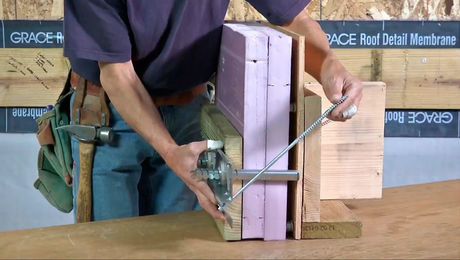
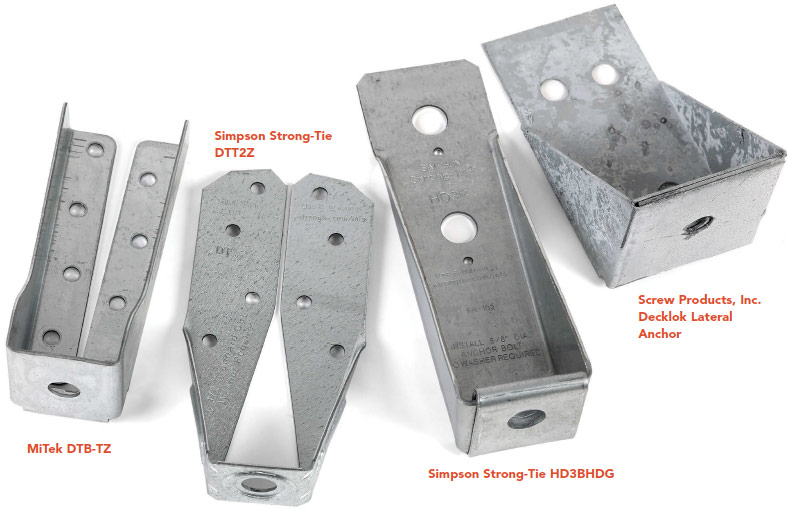
In 2007, a supplement to the IRC introduced an illustration depicting a lateral load connection. This design involved metal connectors fastened to a floor joist within the house and a corresponding deck joist, linked by a long bolt or threaded rod. Initially, there was confusion among some readers who interpreted this specific design as a mandatory requirement for all decks. However, the illustration served as a prescriptive method to satisfy the lateral load resistance requirement when two such linkages were installed. Despite the clarification that this particular connection was not universally mandated, its publication significantly increased awareness of the critical need for lateral load resistance in deck construction. Ultimately, local building departments retain the authority to approve alternative methods for achieving adequate lateral load connections, allowing flexibility for designers and builders.
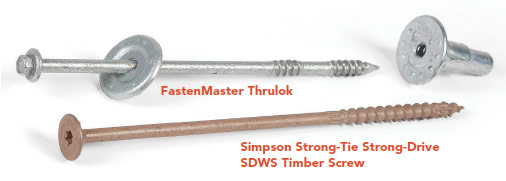
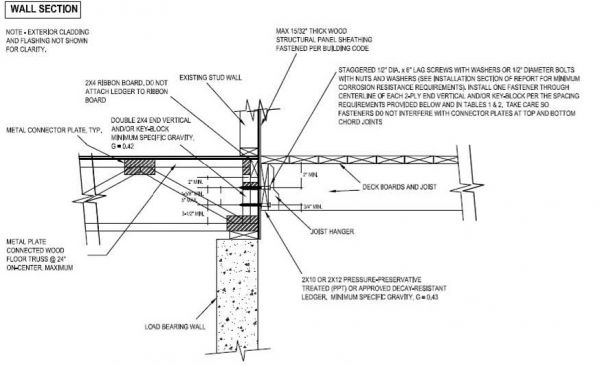
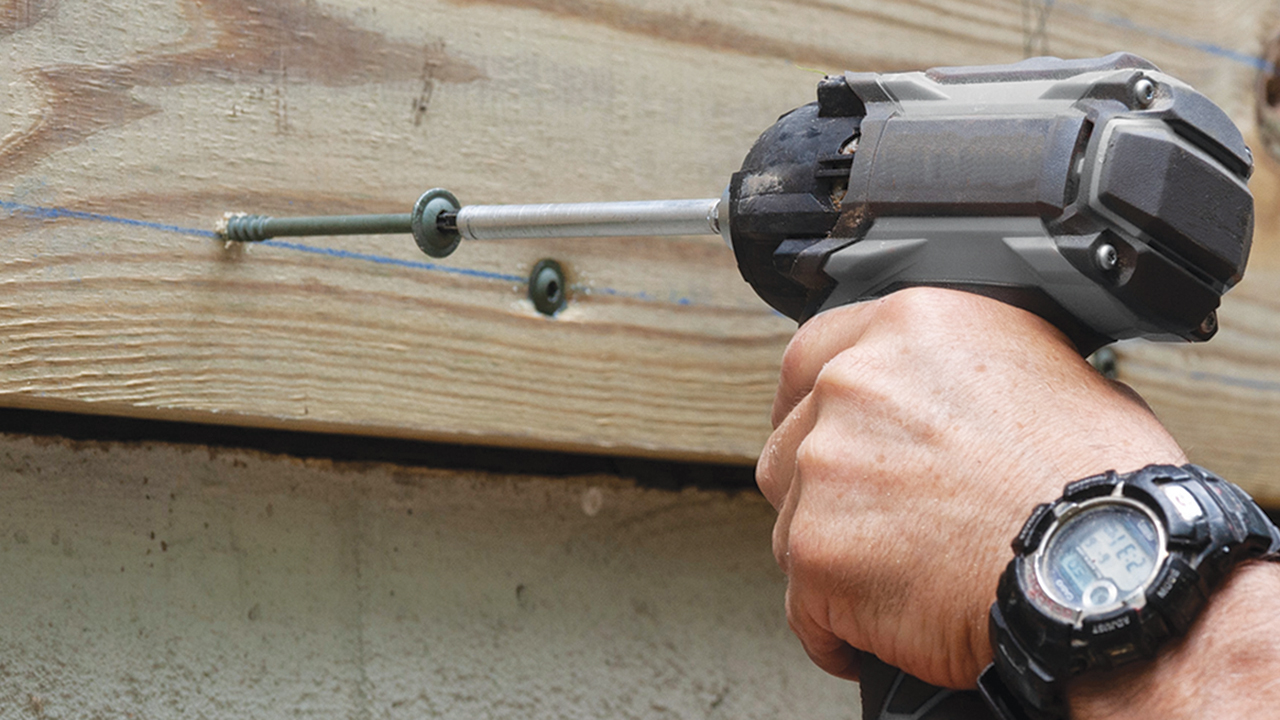
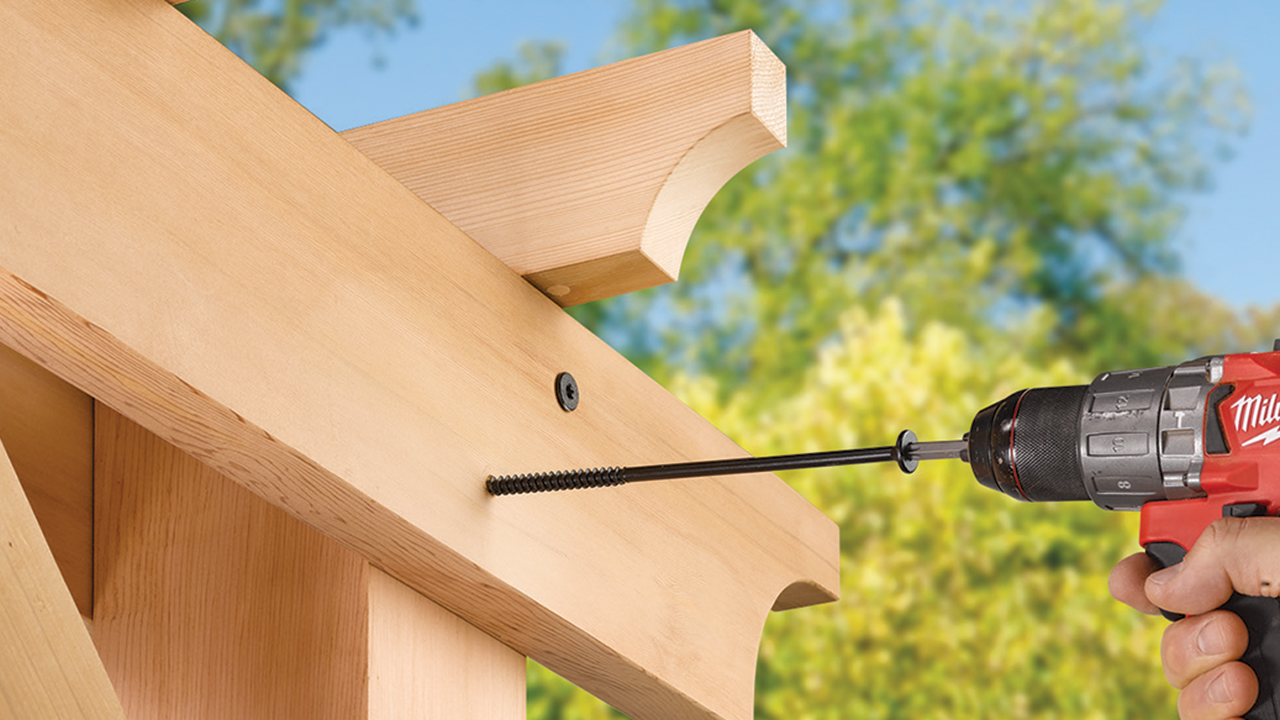
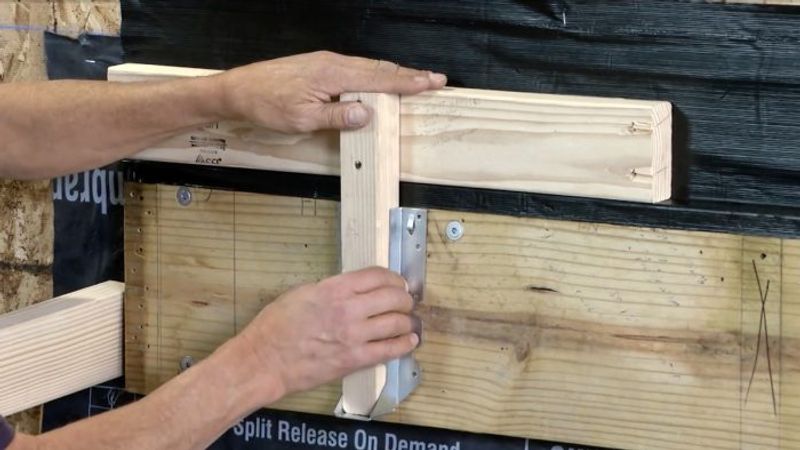
The 2015 IRC brought a simplified lateral load connection design. This updated illustration shows a connector attached to a deck joist, secured by a screw driven three inches into the mudsill or top plate of a wall. Four such connections are required per deck to meet the lateral load resistance criteria. This method is particularly suitable for new home construction and simplifies the process of adding new decks to existing houses.
It is important to note that the application of this simplified connection is restricted to decks where the deck joists are parallel to the house joists. This specifically applies to decks built along a house wall where the house joists are supported by and nailed to the mudsill or top plate. The connection is not intended for use on walls where the house joists run parallel to the rim joist. While a local building official may grant permission for its use in such cases, this would be determined on an individual, case-by-case basis. The evolution of these code provisions underscores the ongoing effort to enhance the safety and structural integrity of decks by providing clearer guidelines and simpler, effective solutions for managing lateral loads.
#DeckConstruction #LateralLoads #BuildingCode #DeckConnectors #StructuralSafety #HomeImprovement #ConstructionTechniques #DeckConstruction #LateralLoads #BuildingCode #DeckConnectors #StructuralSafety #HomeImprovement #ConstructionTechniques
0 comment in total
 No comments yet
You may also like
12 Code-Compliant Post-to-Frame Connections for Deck Guards
Deck Railing Fasteners
A Deck Builder’s Tool Kit
A deep dive into the Chesapeake

In Depth Extra: Deck fasteners
In Depth: Deck Railings & Accessories
Support And Connect Stair Stringers For Strong Stairs

Product Picks: Decks, Railings & More
Attaching a Deck Ledger to Floor Truss
Installing Deck Joists

The Link Shelf offers an update on a classic modular shelving system

Westbury® Bella Cavo Horizontal Cable Railing
Deck Framing: Connectors and Hardware
Custom Railing Ideas
How to Attach Ledgers for Deck Framing

IN DEPTH EXTRA: Deck Accessories

In Depth: Deck Fasteners

Ceiling Carrier System - Combi-Line from Hunter Douglas Architectural (Europe)

How to Install Cable Rail Around Wood-Post Corners

PRODUCT PICKS: Nov / Dec 2015