1/4
What Is HDB's New Open-Concept White Flat & How Does It Differ From Your Traditional HDB Floor Plan
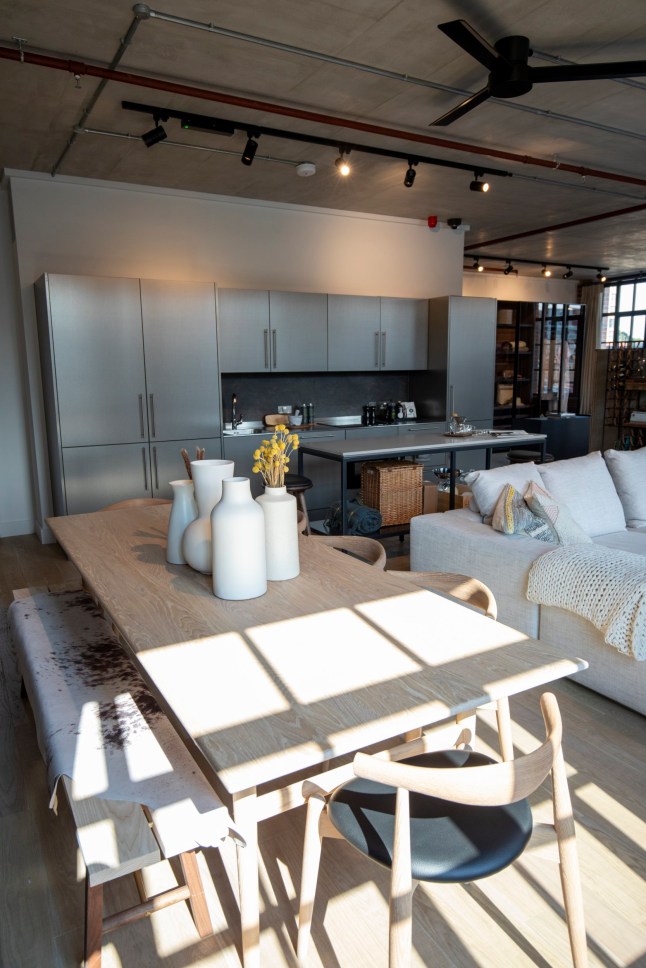
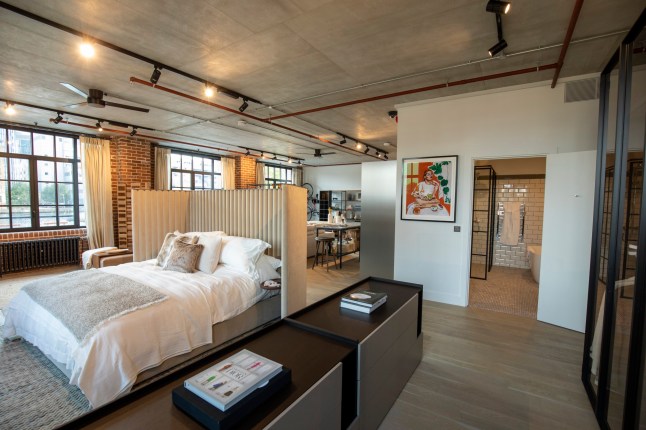
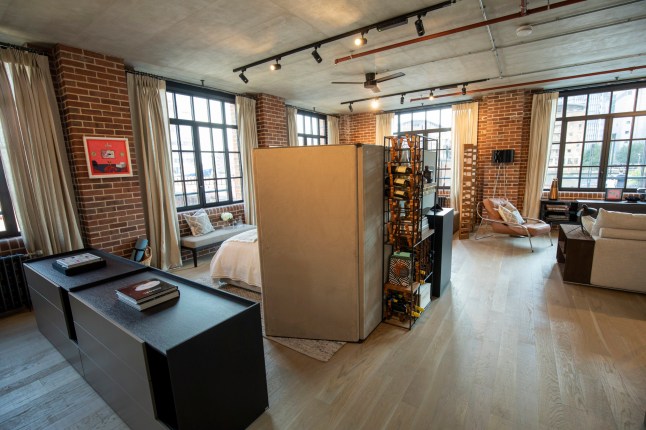
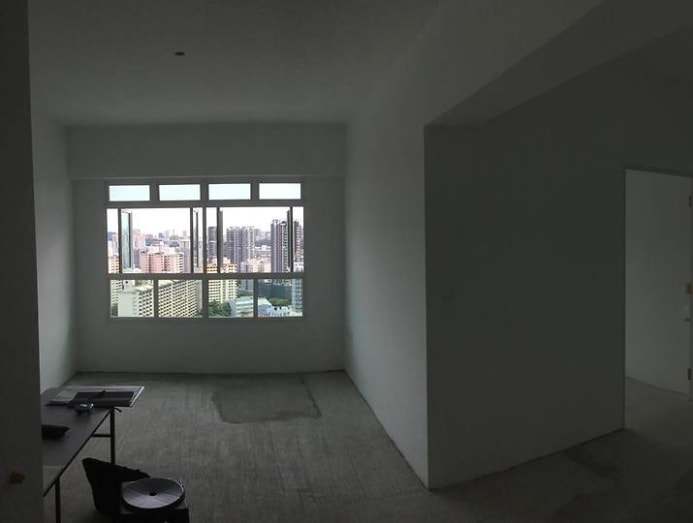
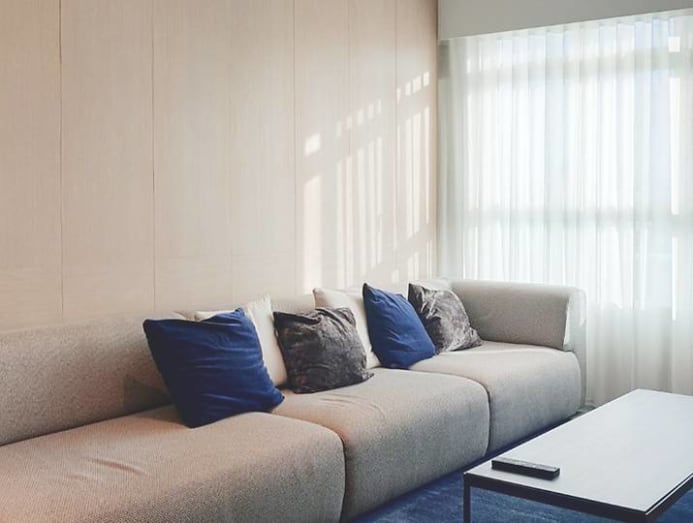
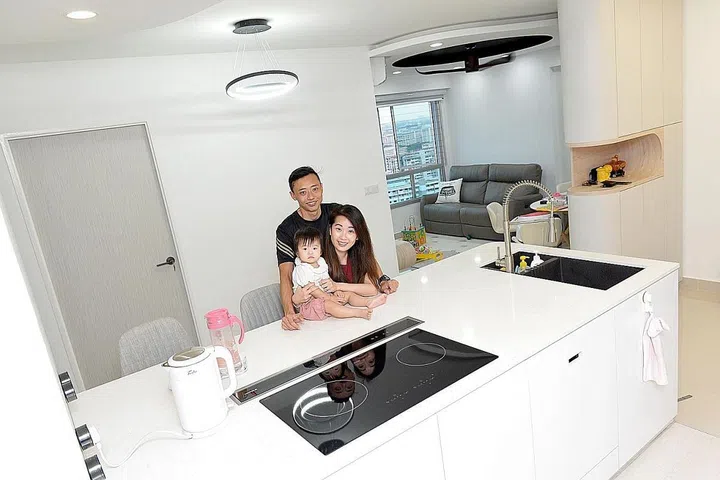
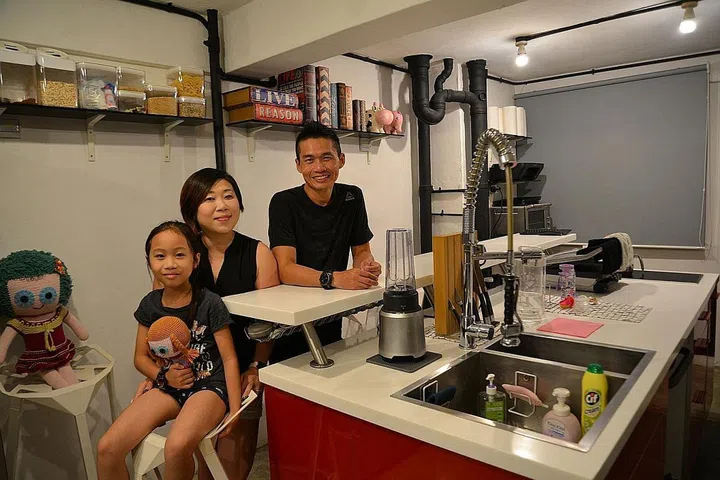
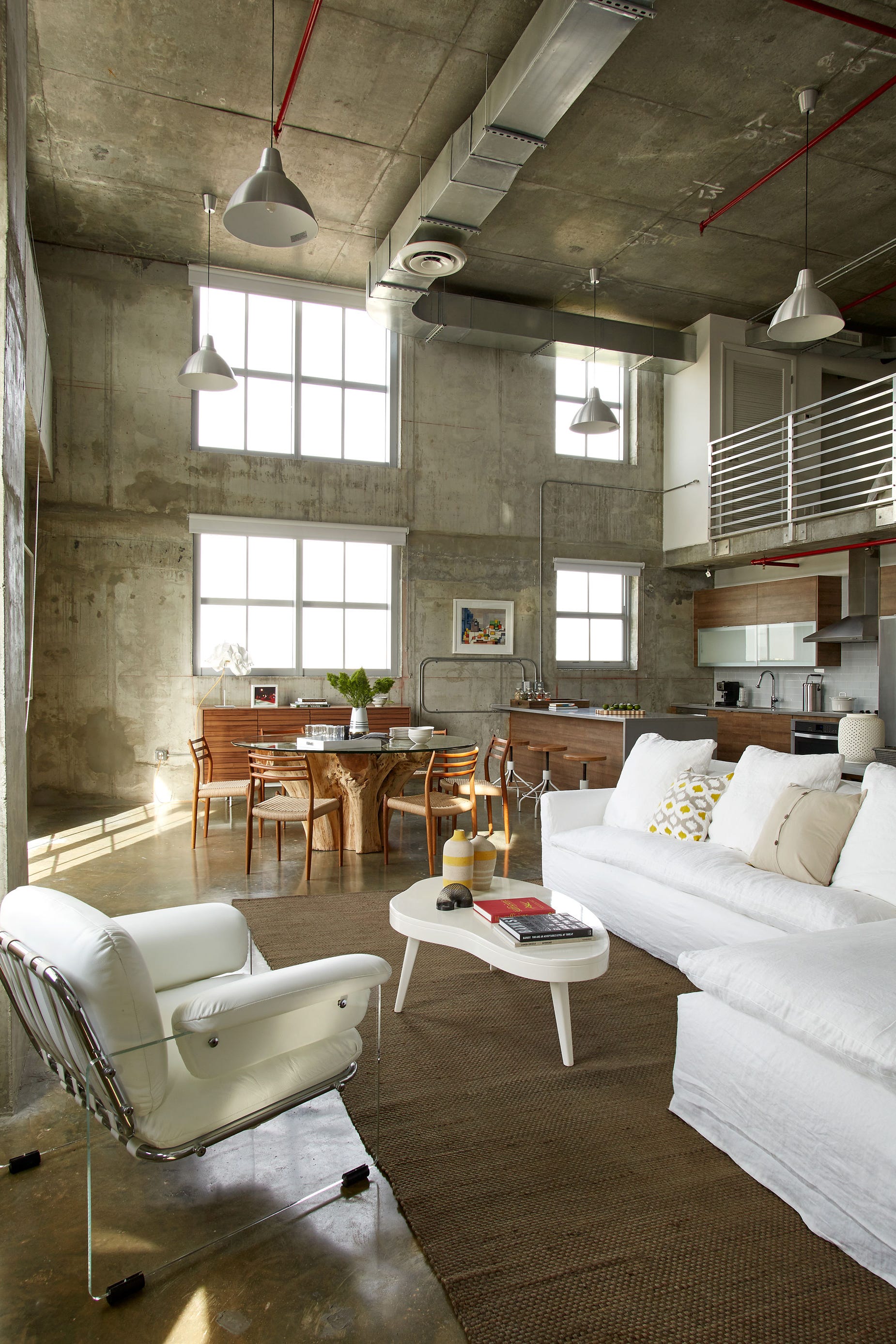
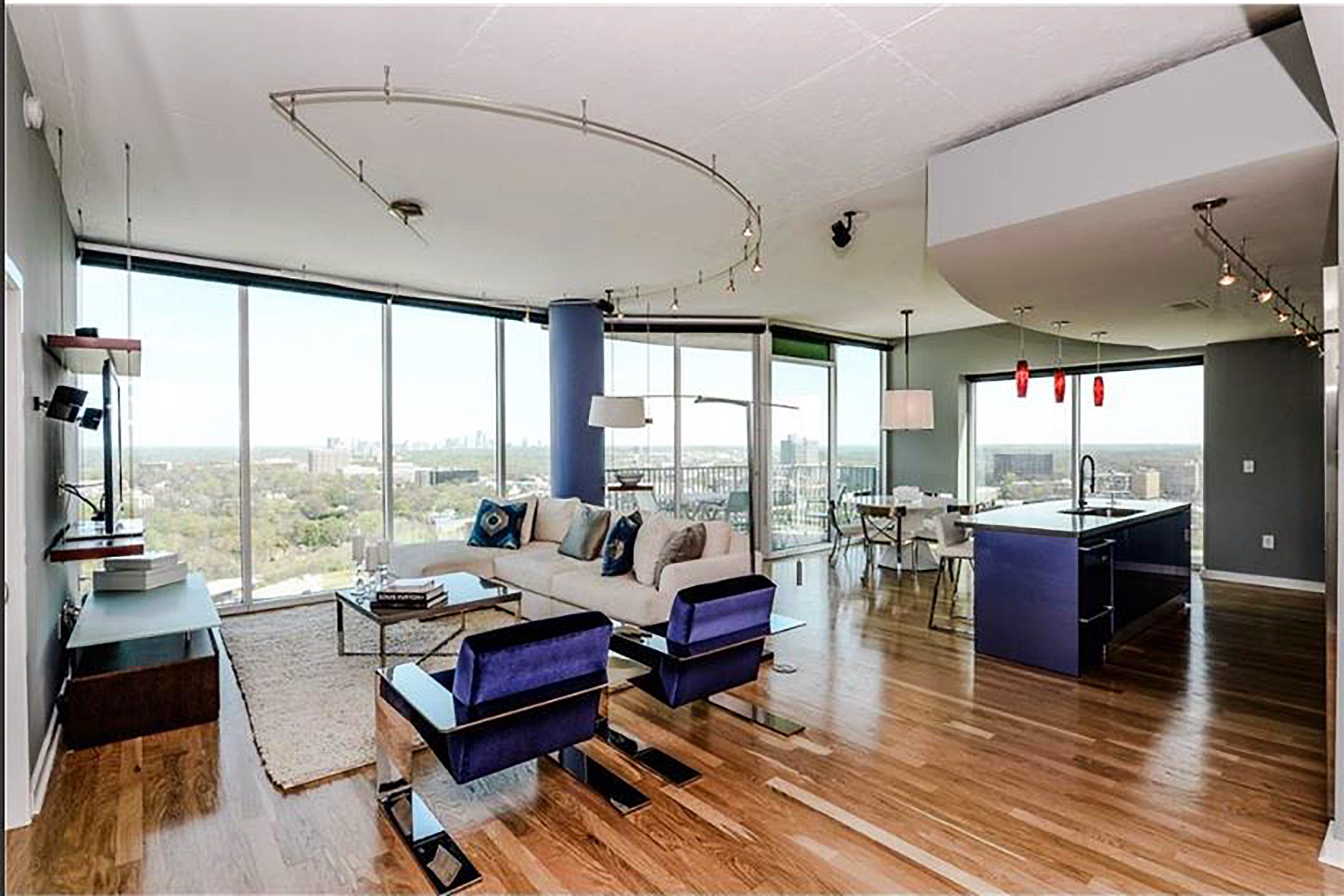
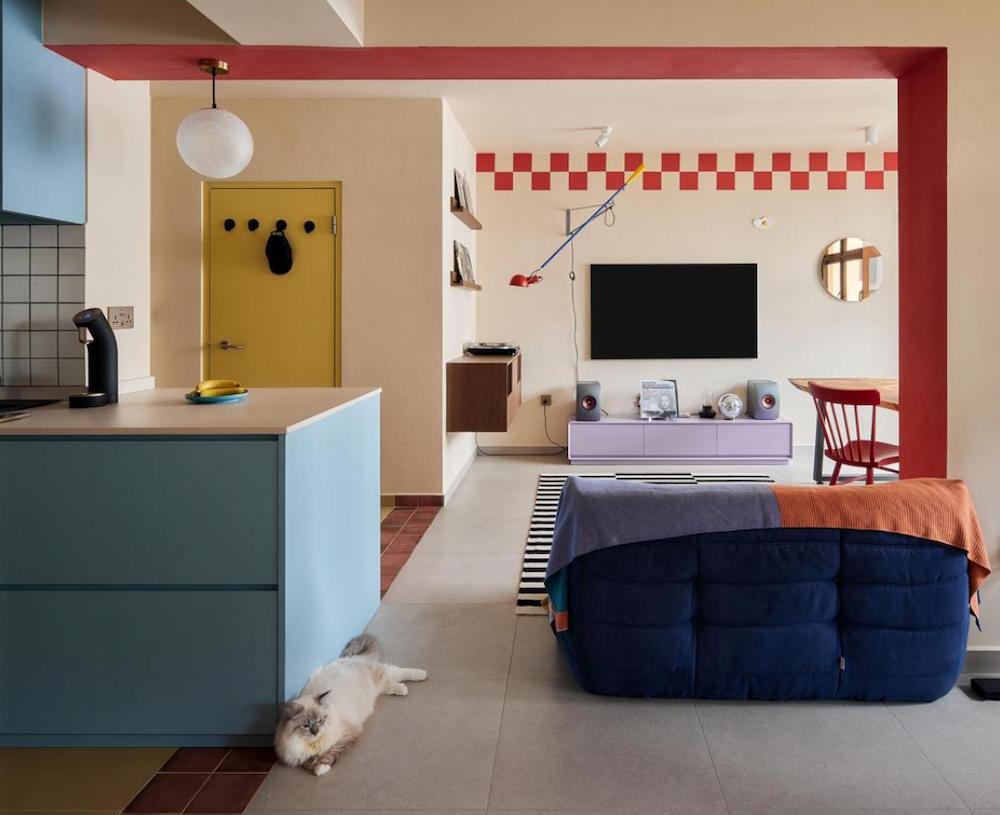
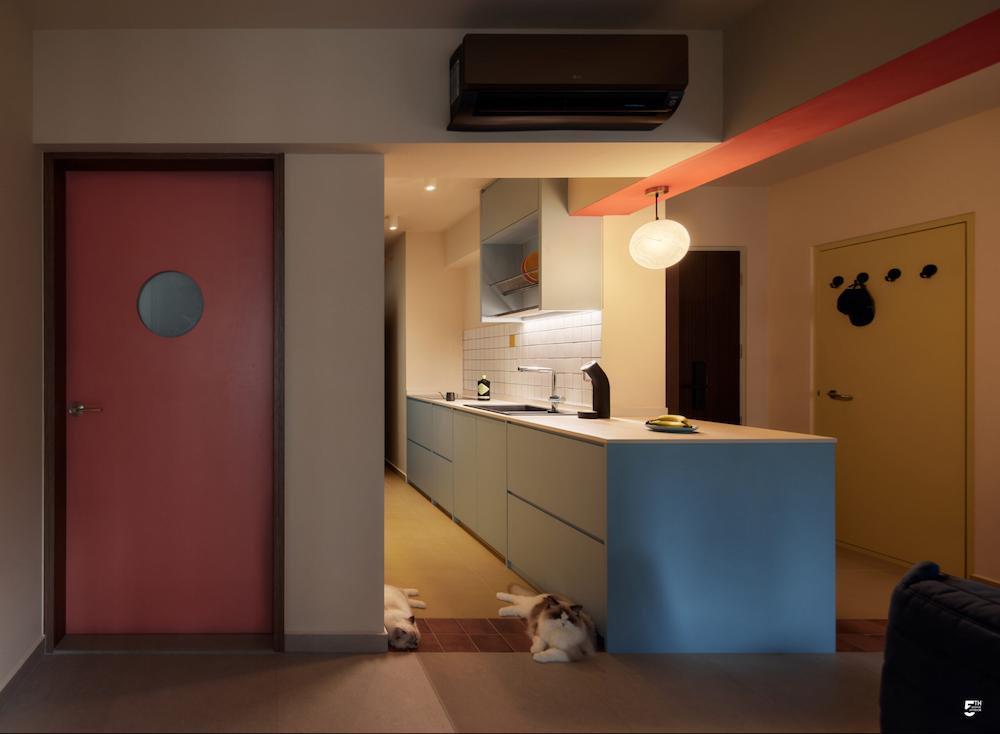
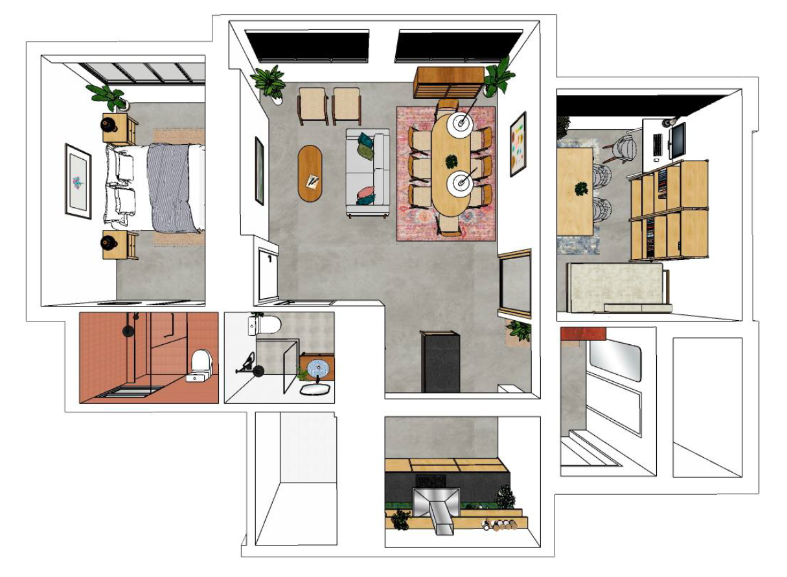
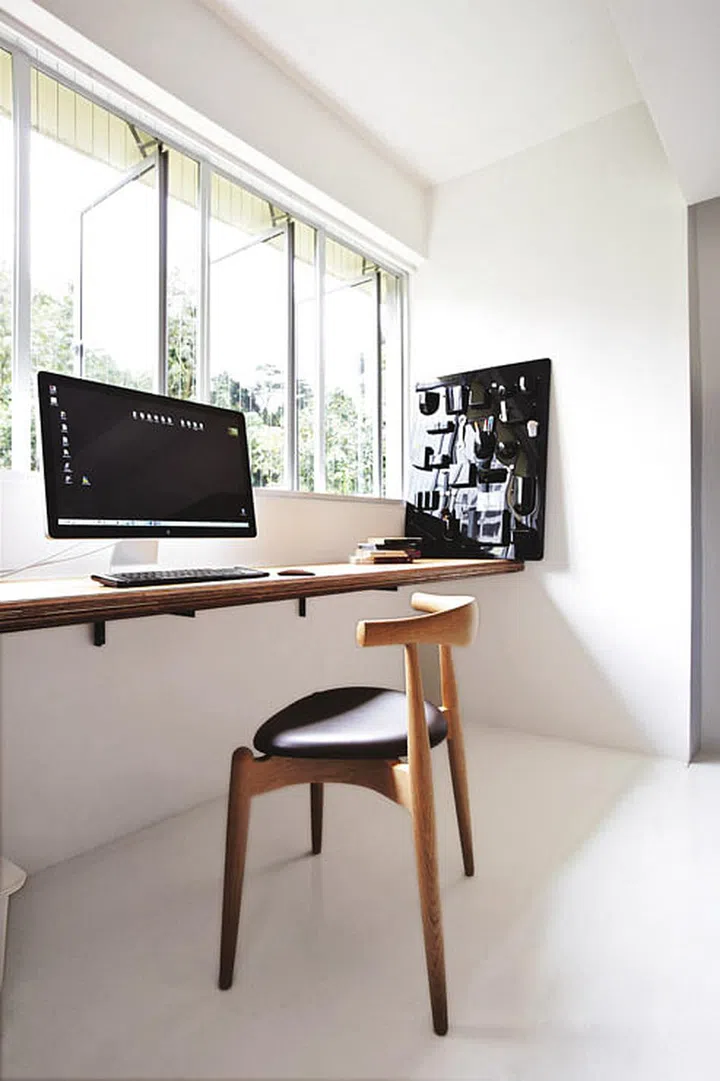
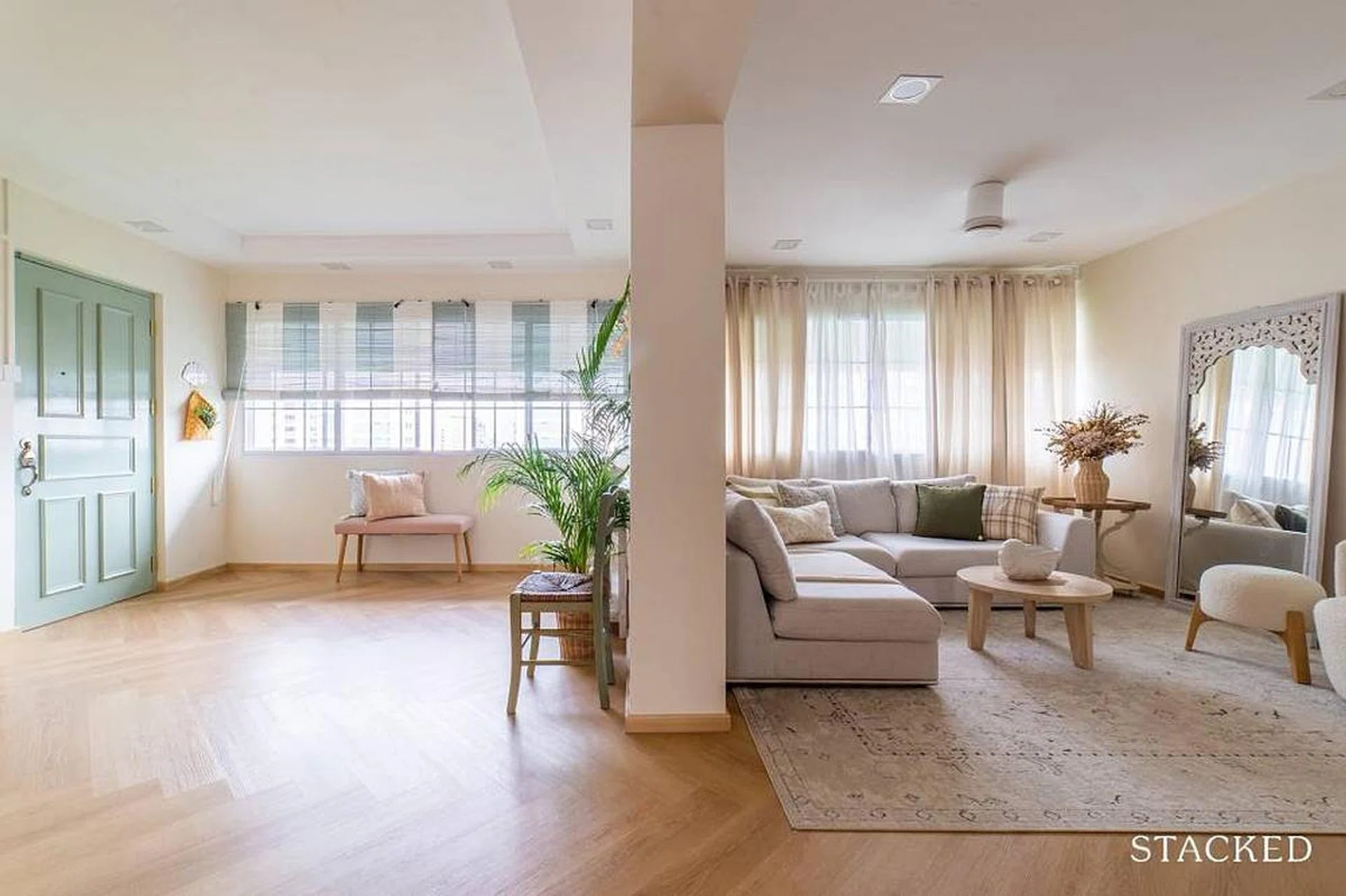

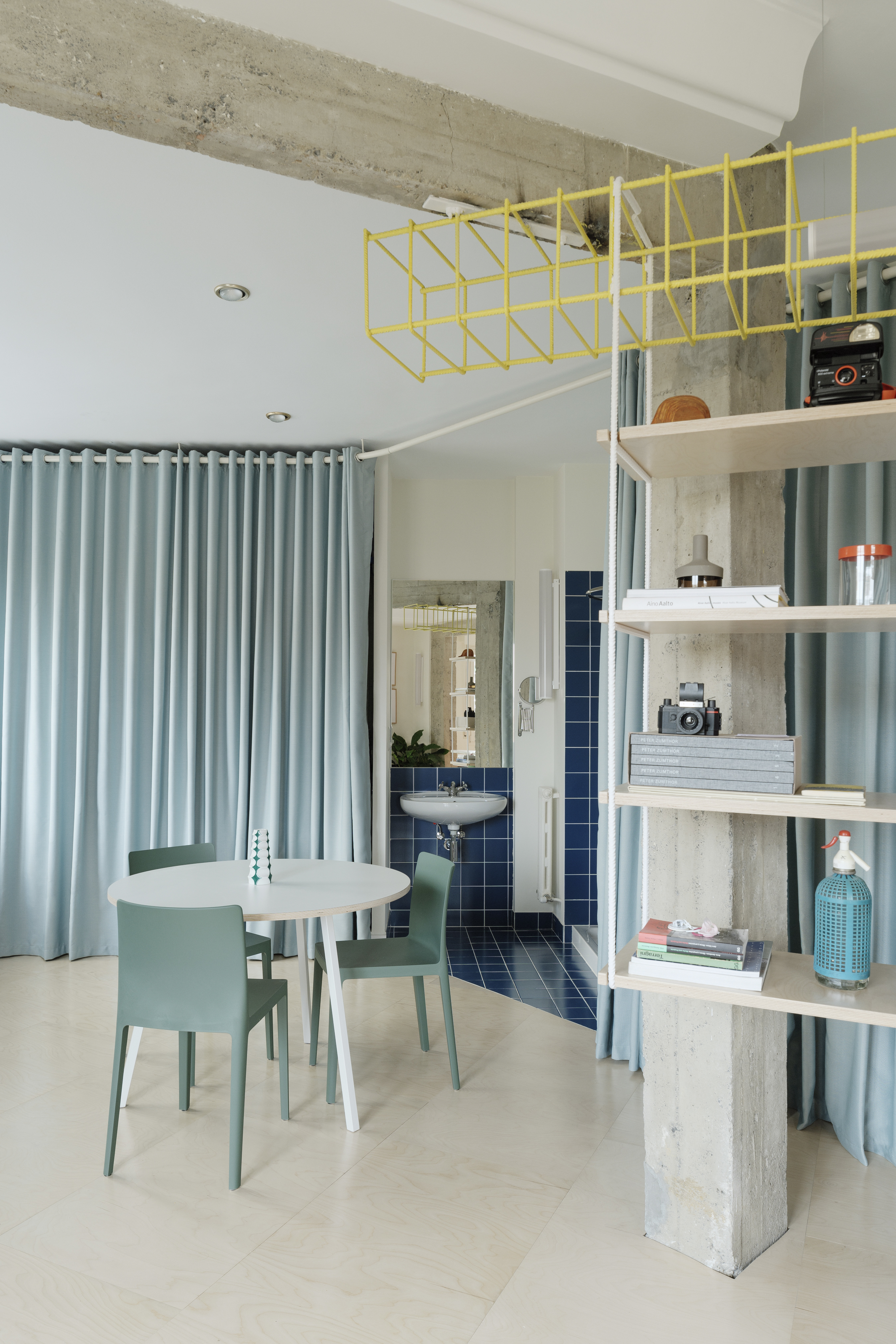
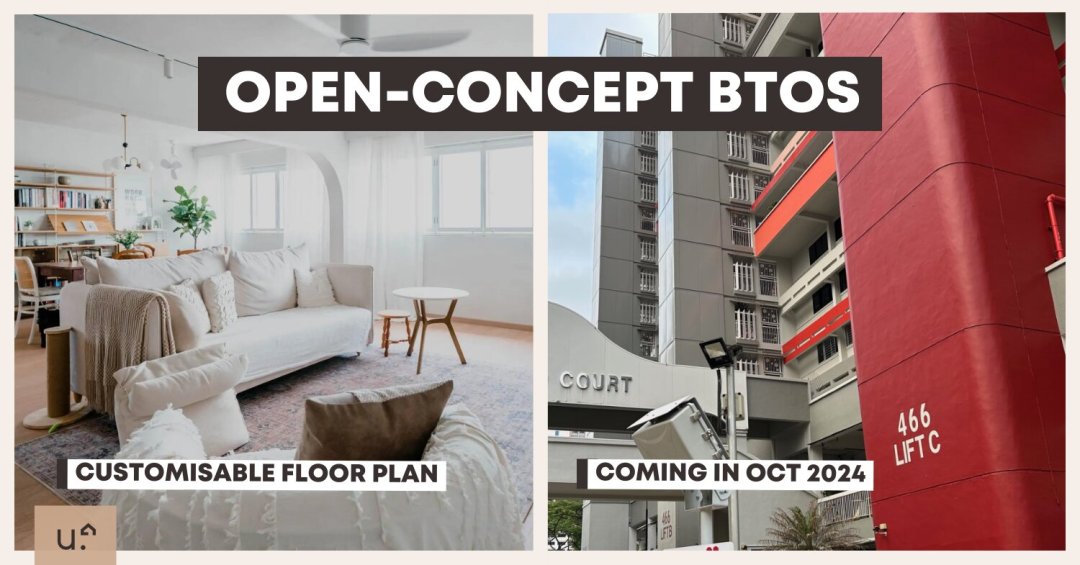
Open-concept living spaces have seen a significant rise in popularity, driven by a desire for more spacious and customizable home environments. In response to this growing demand, the Housing & Development Board (HDB) in Singapore has introduced a new type of Build-To-Order (BTO) flat called an “Open-concept white flat.” This initiative aims to provide homeowners with greater flexibility in designing their living spaces, moving away from the rigid layouts traditionally found in HDB units. These white flats are distinguished by their lack of pre-built partition walls in the living areas, offering a blank canvas for residents to configure their homes according to their specific needs and preferences.
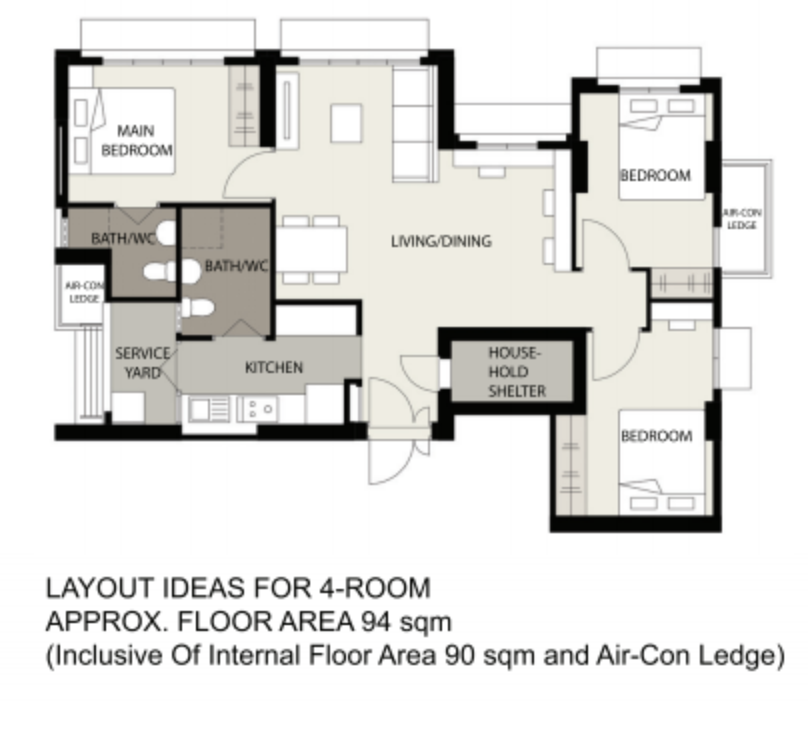
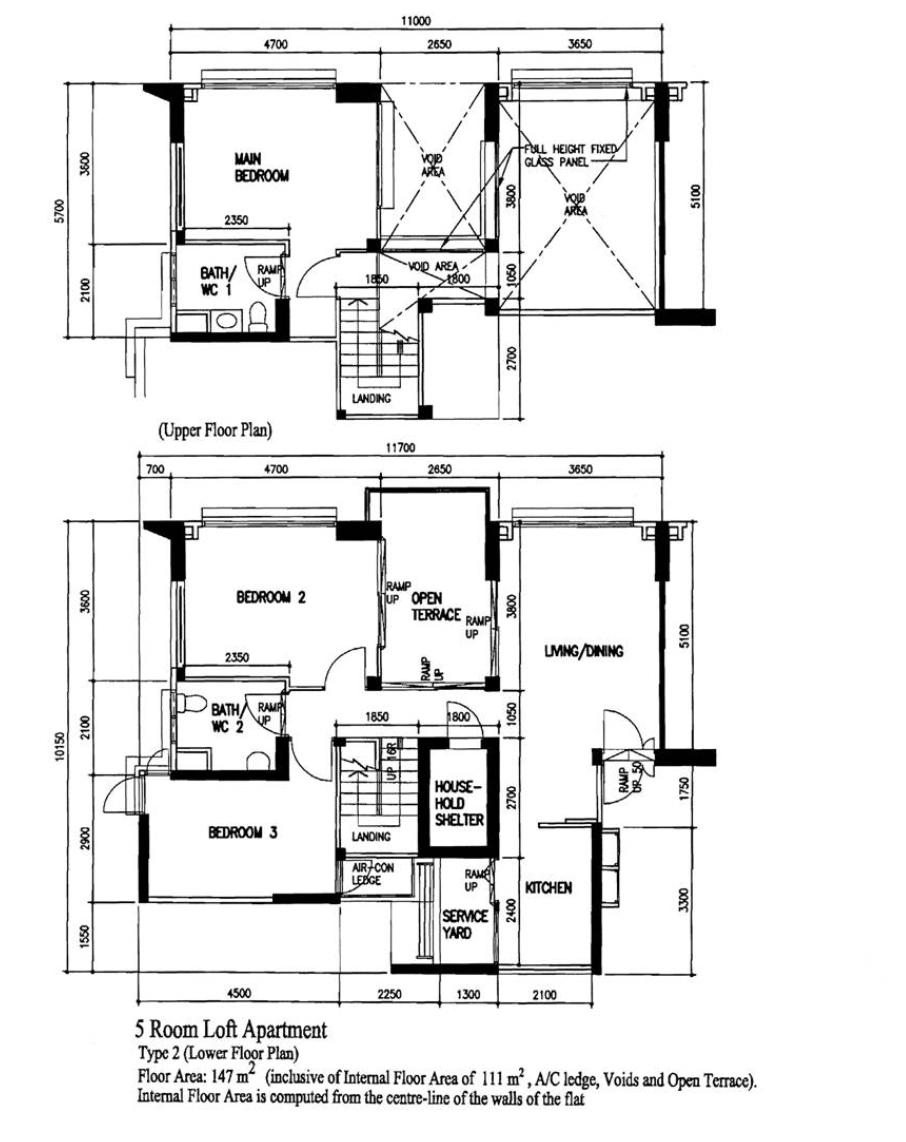
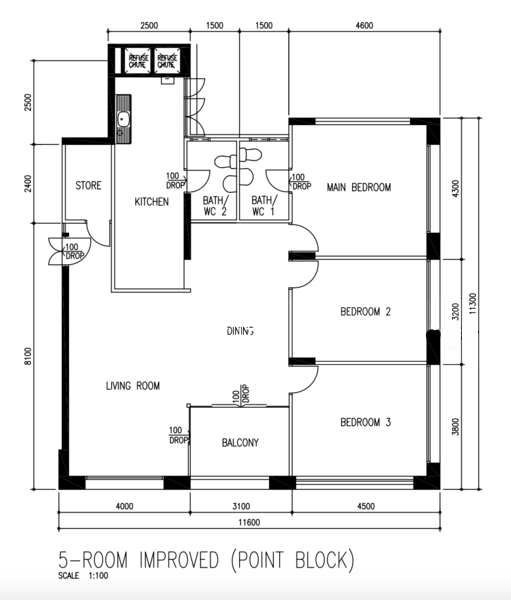
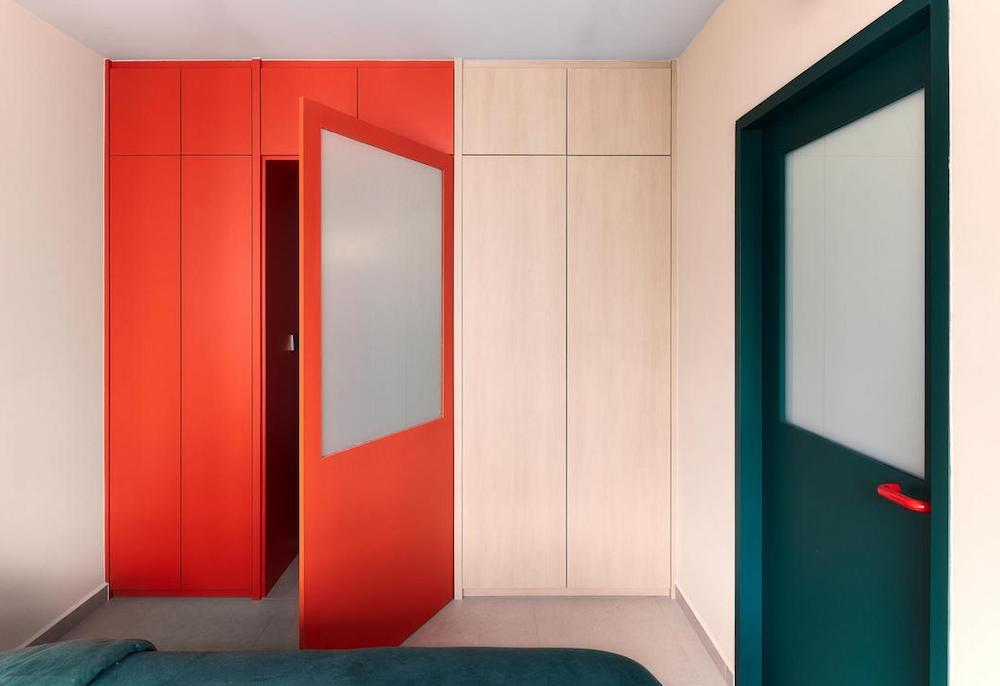
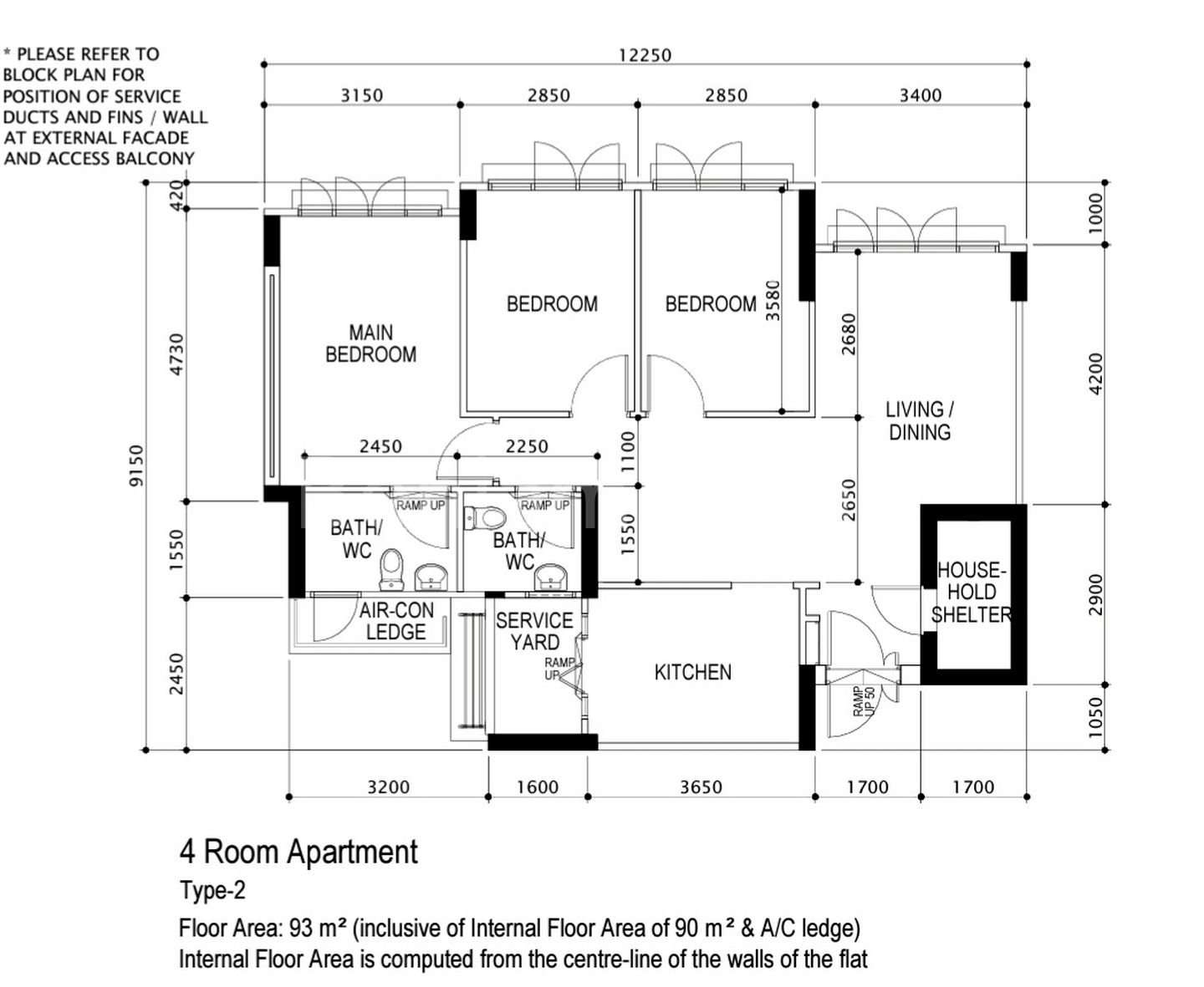
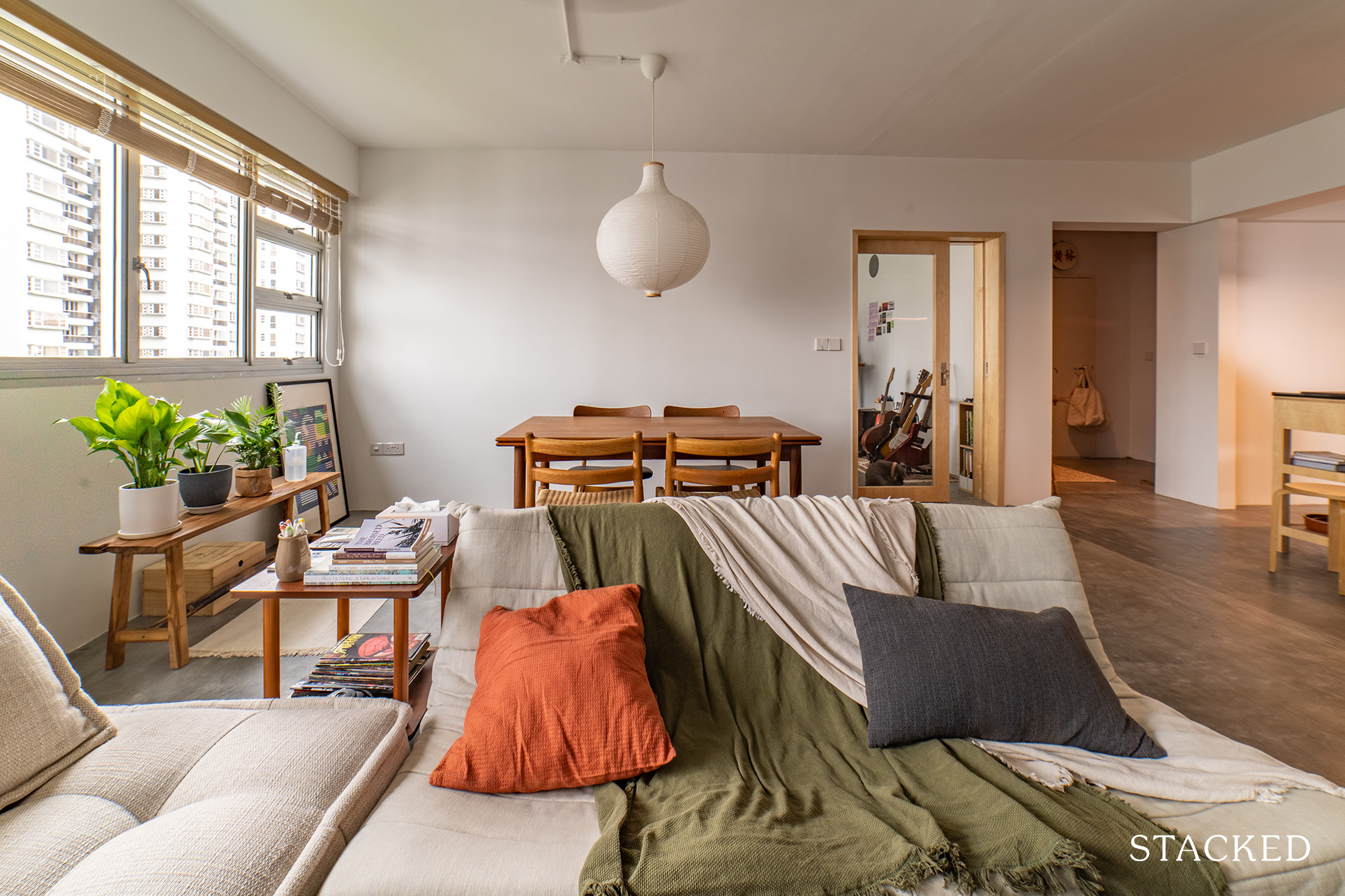
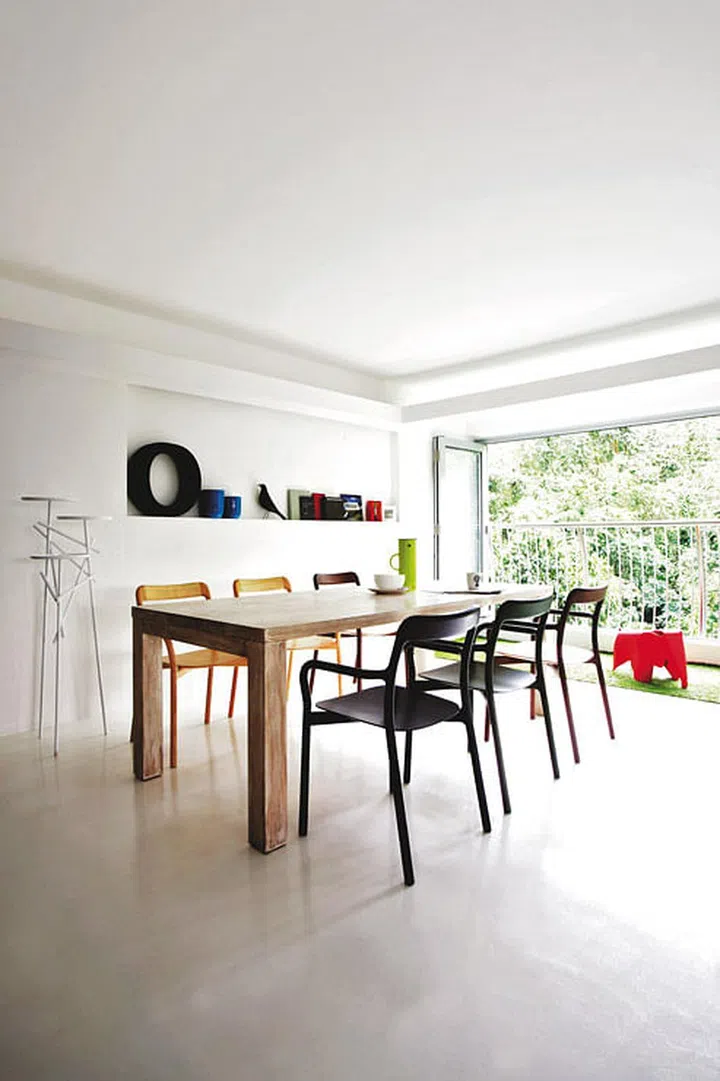
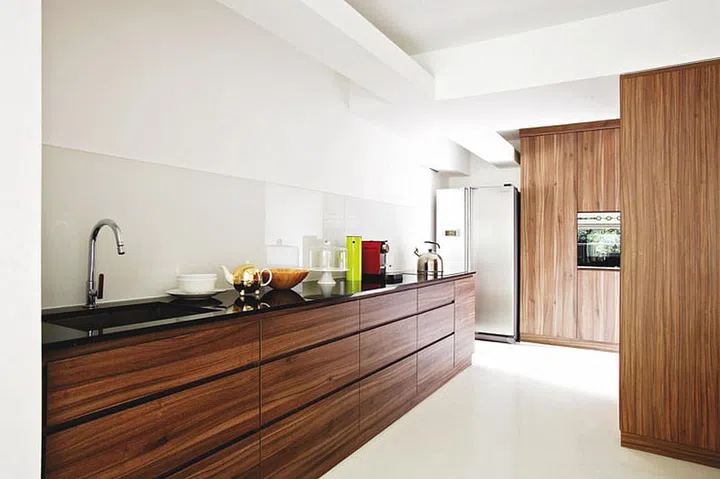
The fundamental difference between a white flat and a traditional BTO lies in the internal structure. Traditional BTOs come with fixed room layouts due to their pre-built internal walls, which often result in standardized floor plans across many units. In contrast, white flats provide a completely open-concept living area, devoid of these internal partitions. This design choice eliminates the rigid layouts and visible beams commonly associated with traditional HDB flats, thereby granting homeowners unparalleled freedom in space planning. This flexibility allows for innovative home designs that would otherwise be challenging or impossible to achieve without extensive renovation work in a traditional flat.
One of the primary advantages of opting for an open-concept white flat is the inherent flexibility it offers. Without internal partitions, homeowners can reconfigure their home layout without the need to demolish any walls, which simplifies and potentially reduces the cost of initial renovation. This design approach caters to individuals or families who value the ability to personalize their living environment deeply. Furthermore, the absence of these walls is factored into the overall cost of the home, leading to projections that white flats will be more affordably priced compared to their traditional counterparts.
However, the open-concept design also presents certain considerations. One potential drawback is related to climate control. The larger, undivided volume of air in an open-concept space means that air-conditioning units must work harder to maintain a consistent cool temperature throughout the home, potentially leading to higher energy consumption. Additionally, while the initial cost might be lower, homeowners who later decide to introduce internal walls for privacy or functional zoning will incur additional renovation expenses, effectively negating some of the initial cost savings. This trade-off between upfront flexibility and potential future costs needs to be carefully evaluated.
The inaugural launch of HDB’s open-concept white flats is scheduled for October 2024, with the first development located in the Kallang-Whampoa area. Importantly, this new layout will be an optional choice for buyers, meaning those who prefer the traditional flat layout will still have that option available. When considering a white flat, prospective buyers should assess the significant lifestyle changes that come with a completely open living space, particularly concerning privacy. The design is likely best suited for individuals or couples without children, or singles, who prioritize spaciousness and design flexibility over strict compartmentalization and privacy. Homeowners who enjoy engaging in the detailed design and configuration of their living environment will find white flats particularly appealing due to the multitude of layout possibilities they offer.
#HDB #OpenConceptLiving #WhiteFlat #HomeDesign #RenovationFlexibility #SingaporeHousing #BTOFlats #InteriorDesign #UrbanPlanning #HDB #OpenConceptLiving #WhiteFlat #HomeDesign #RenovationFlexibility #SingaporeHousing #BTOFlats #InteriorDesign #UrbanPlanning
0 comment in total
 No comments yet
You may also like
Say goodbye walls, open-plan living is the trend that's here to stay


Ridiculous Open-Concept Luxury Loft in SoHo

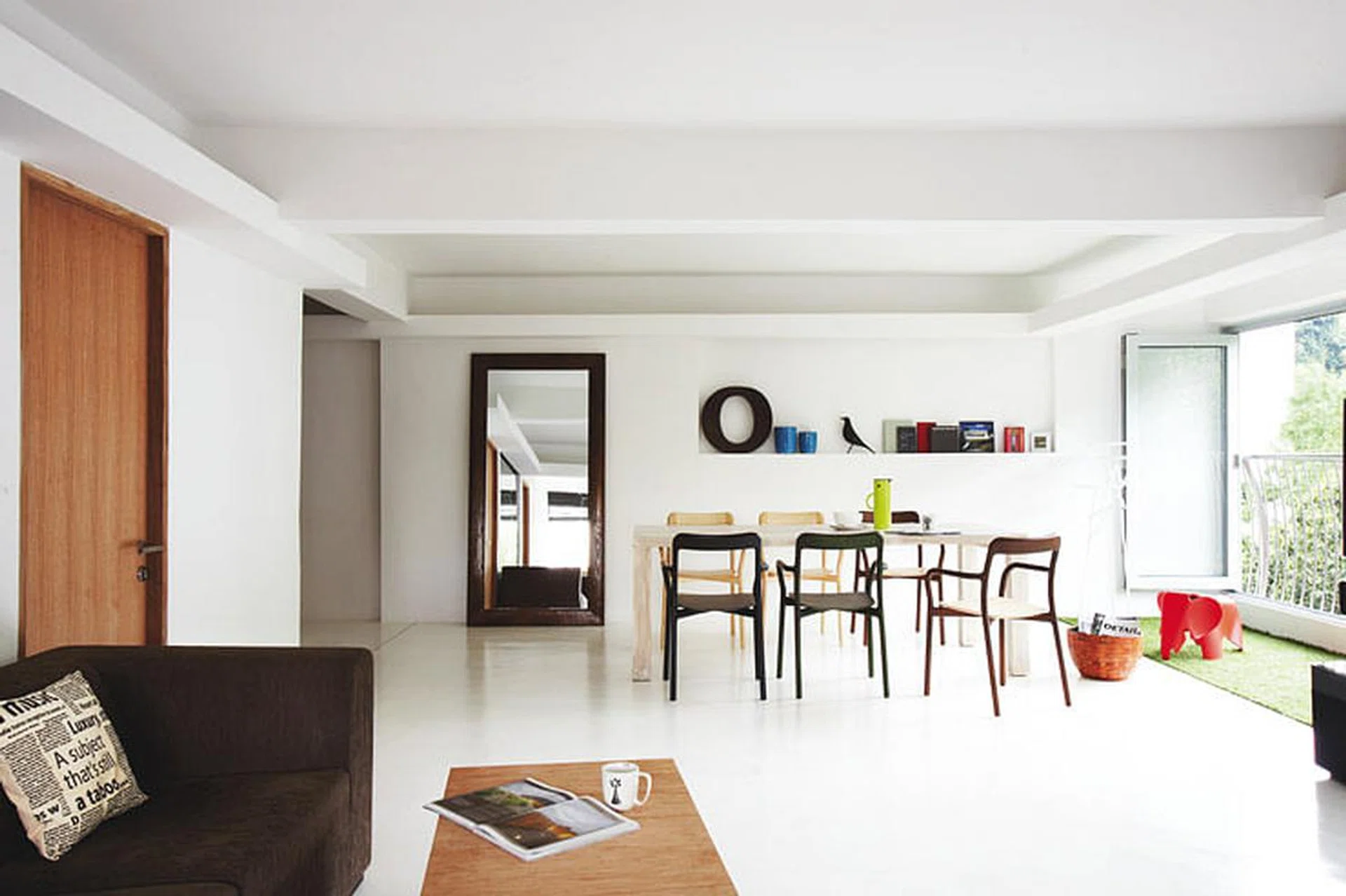
Home Tour: An architecture graduate's $80,000 renovation for his minimalist & open-concept 4-room HDB flat
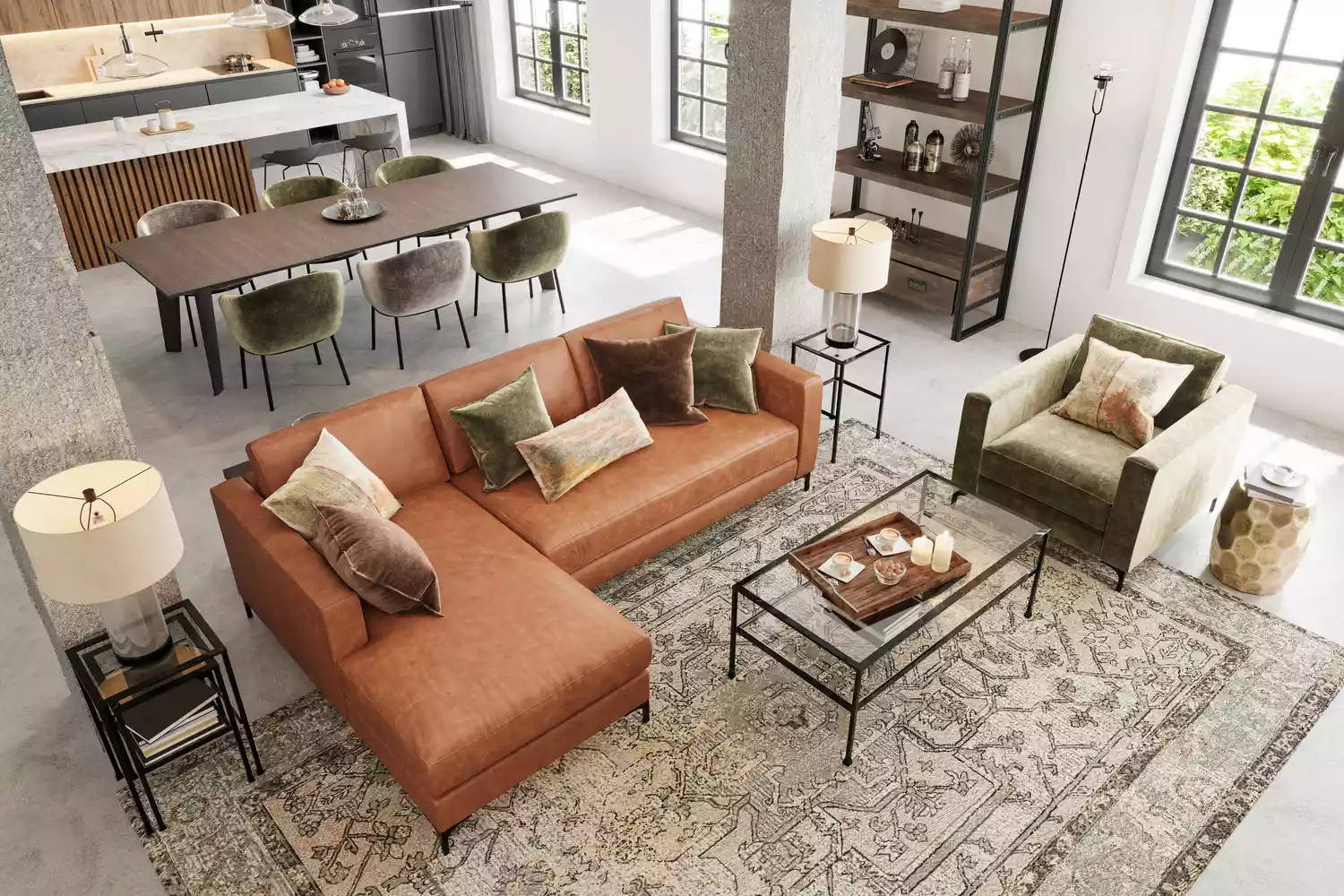
Are Open Floor Plans Overrated? This Is What Our Readers Had to Say

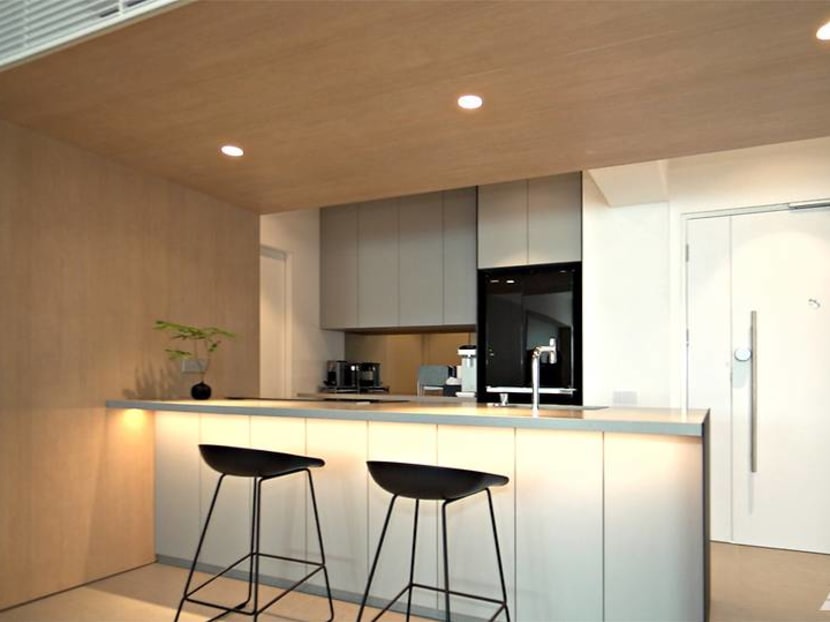
Transforming a 4-room BTO flat into an open-plan home with city views everywhere
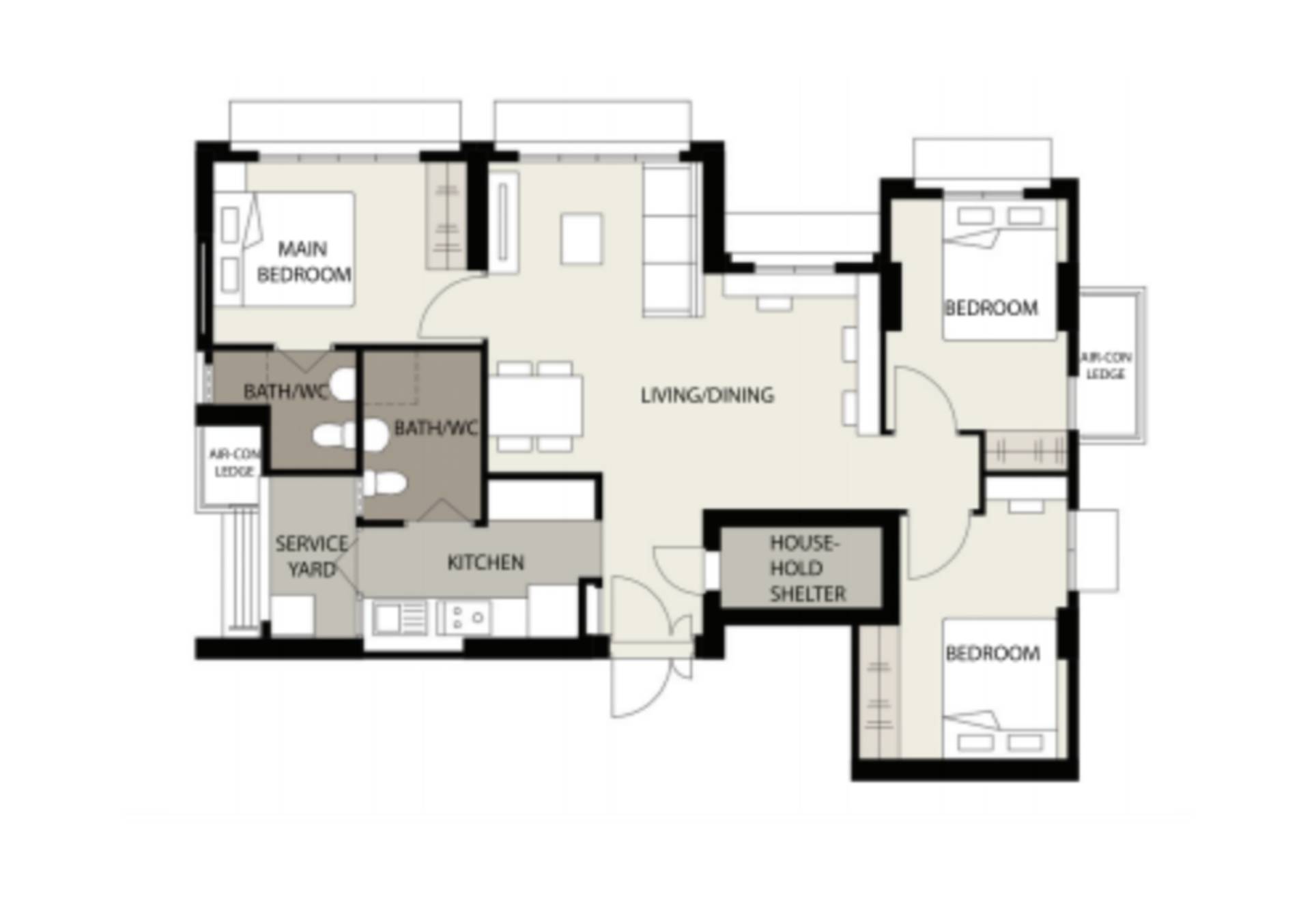
5 Unique But Practical HDB Layouts And Where To Find Them
Open Floor Plan Design

This Media Room Is Proof That a Family-Friendly Space Can Be Luxe, Too

4 homeowners share their experiences with open-concept kitchens
Why a newly built NYC apartment with a separate dining room is hard to find
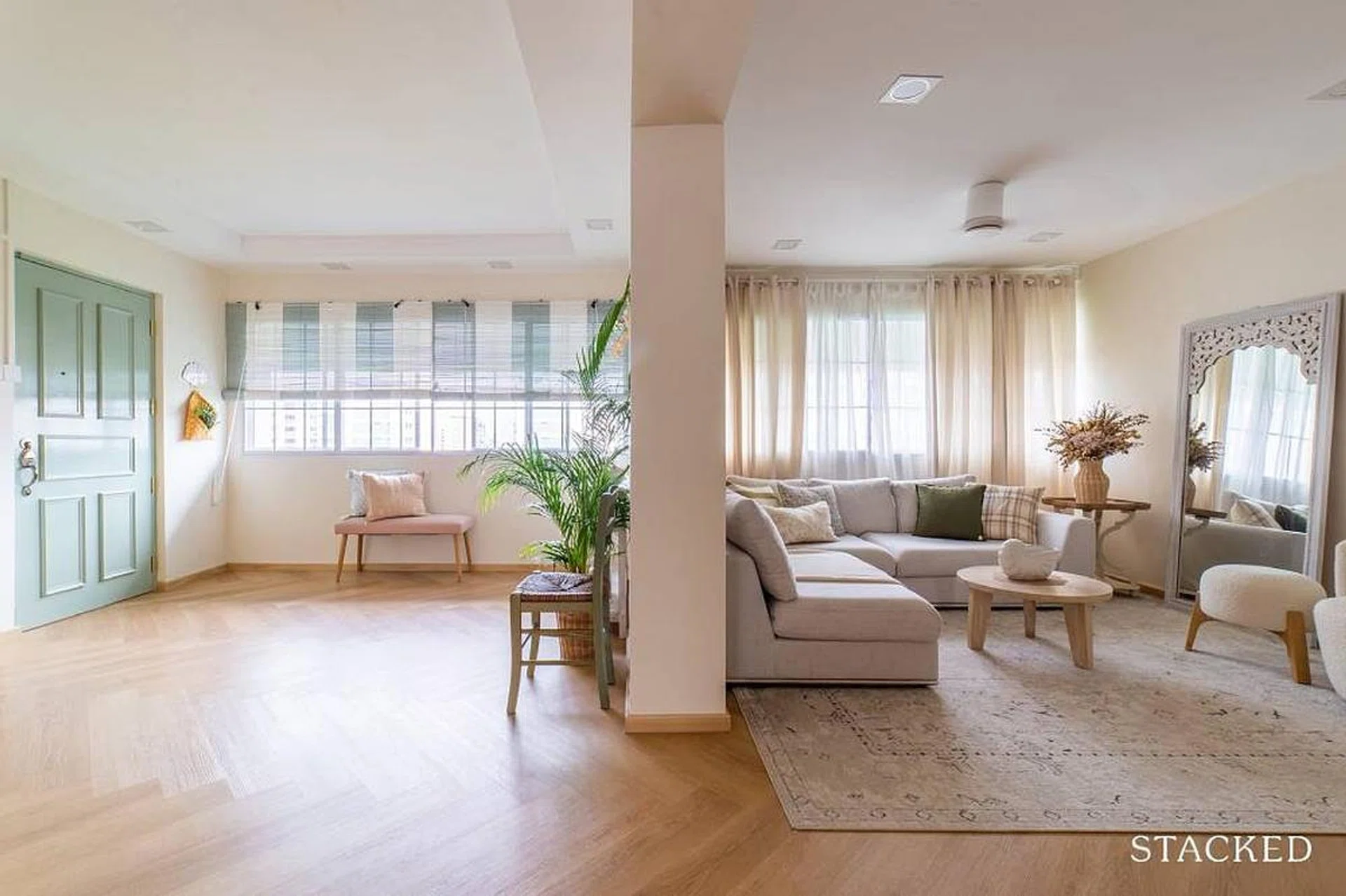
House Tour: A self-designed $60k HDB flat as a modern coastal retreat
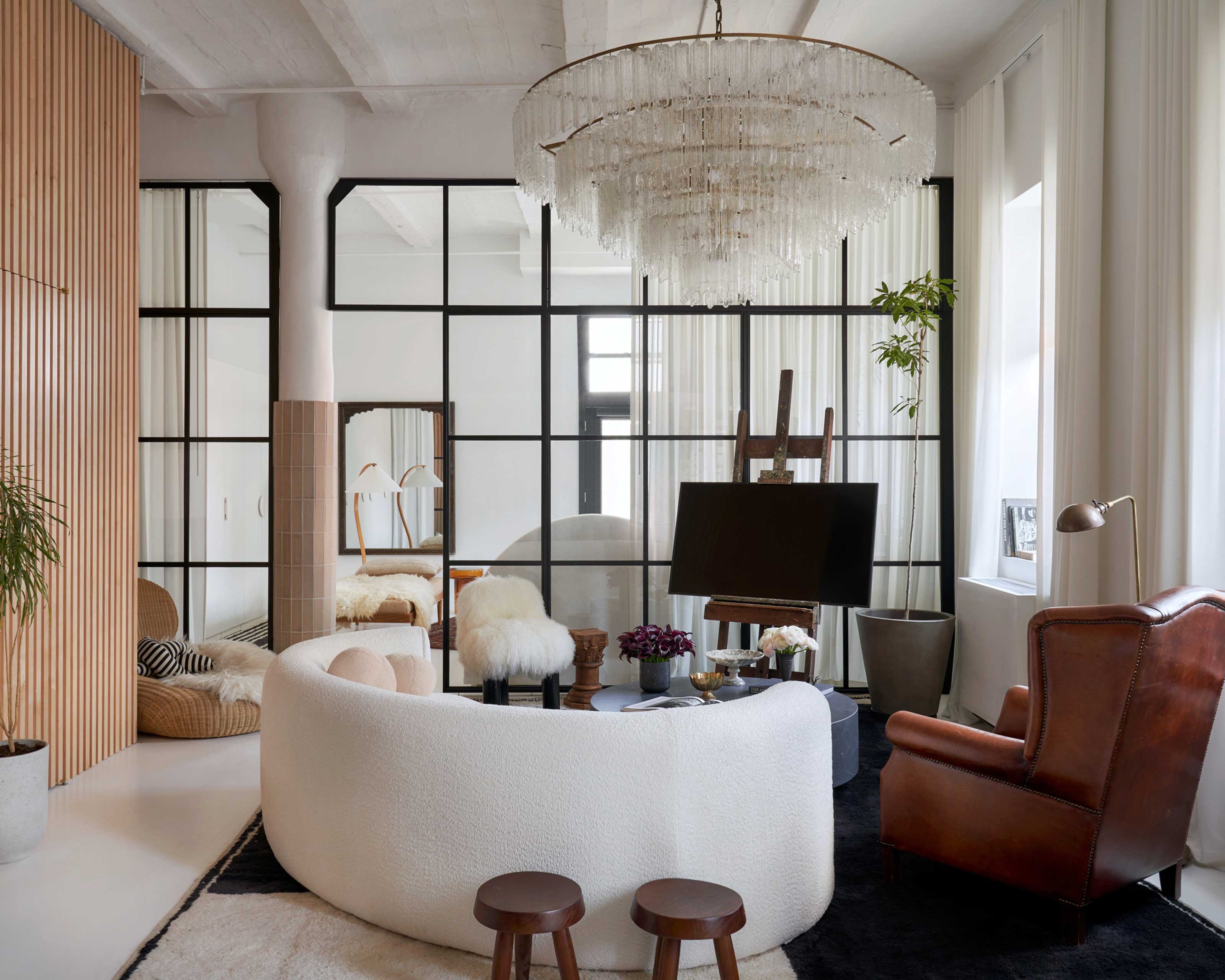
'It's the only thing that made sense' – this Brooklyn loft's clever TV display isn't just for looks, it's key to the home's layout

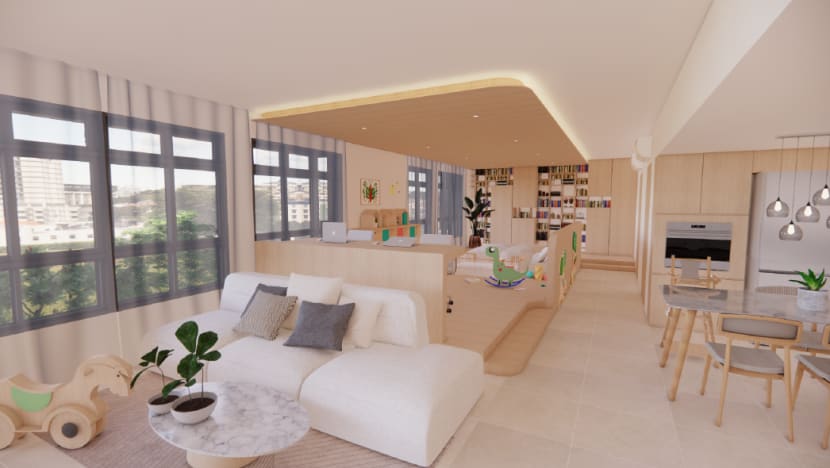
Commentary: HDB 'White Flat' layout is not for everyone - I would regret choosing it
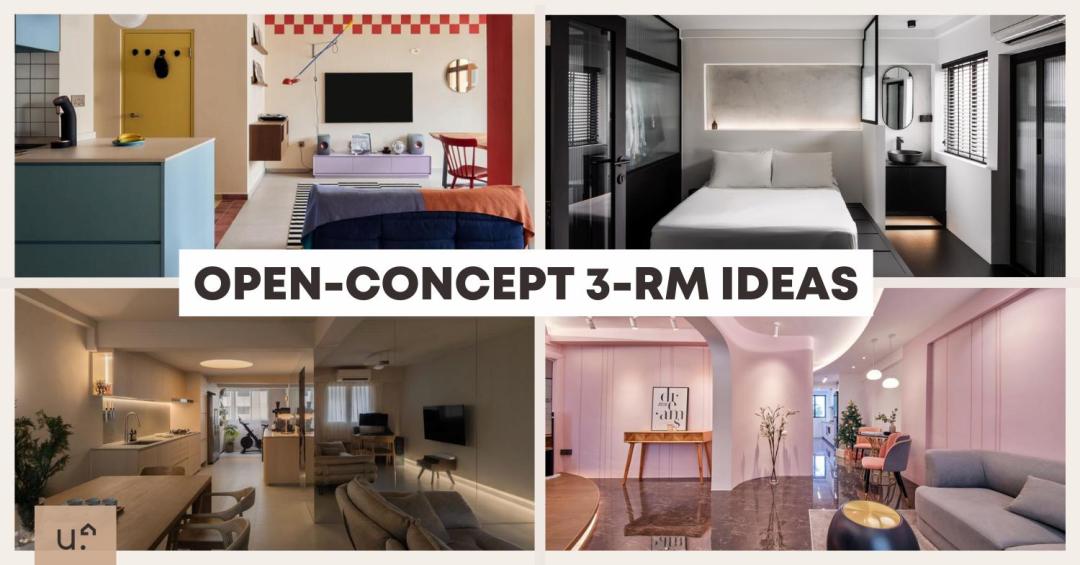
5 Best Open-Concept 3-Room HDB Renovation Ideas That Will Make 700Sqft Feel Double The Size
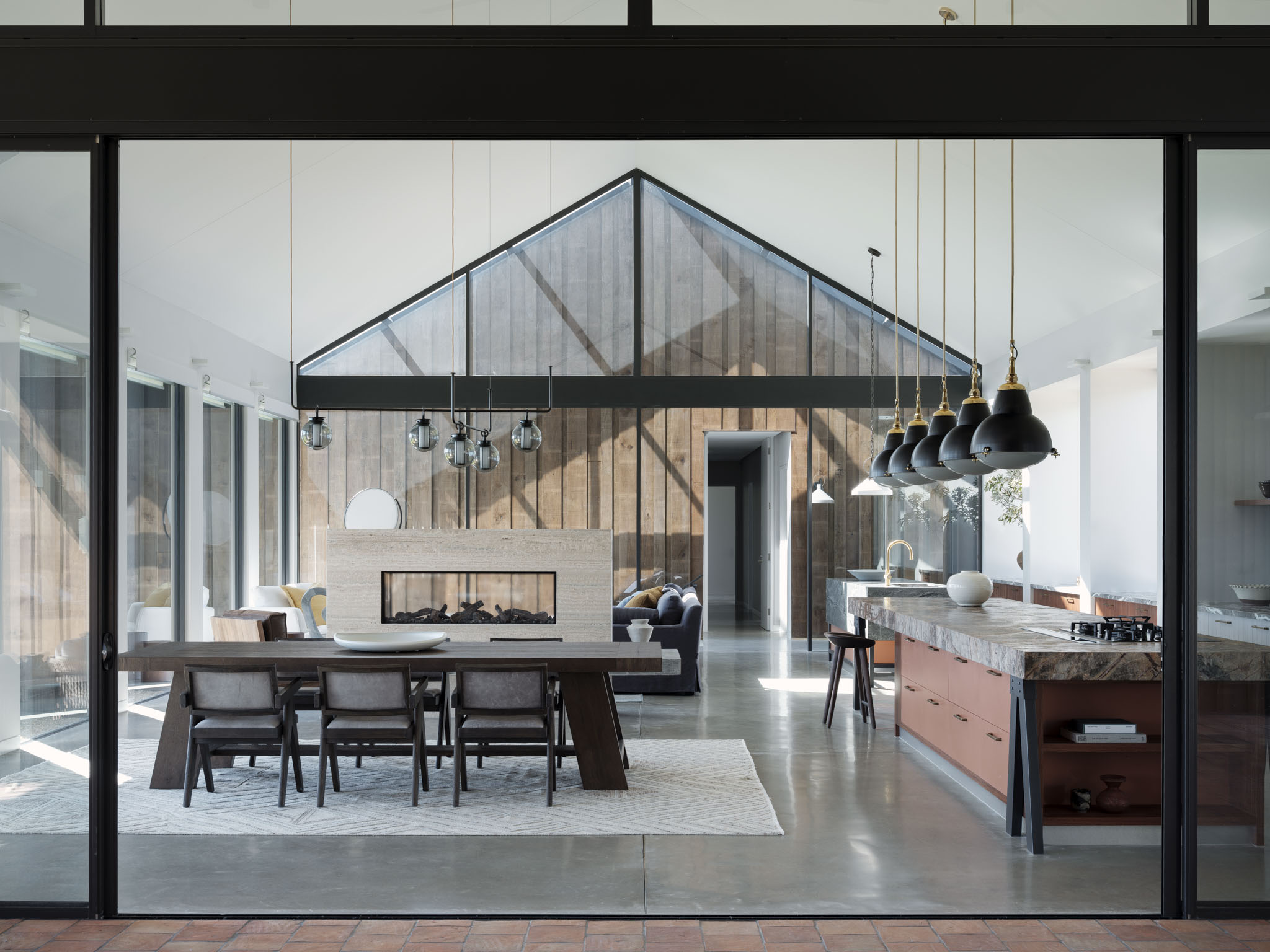
This is How You do Open-Concept in 2024 — A Modern "Barn" That Perfects the Art of Zoning Spaces

This Bilbao Apartment Takes the Open Floor Plan to the Extreme

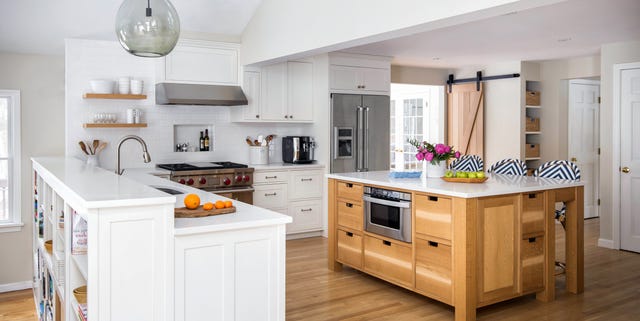
The Challenges and Opportunities of Open-Concept Floor Plans

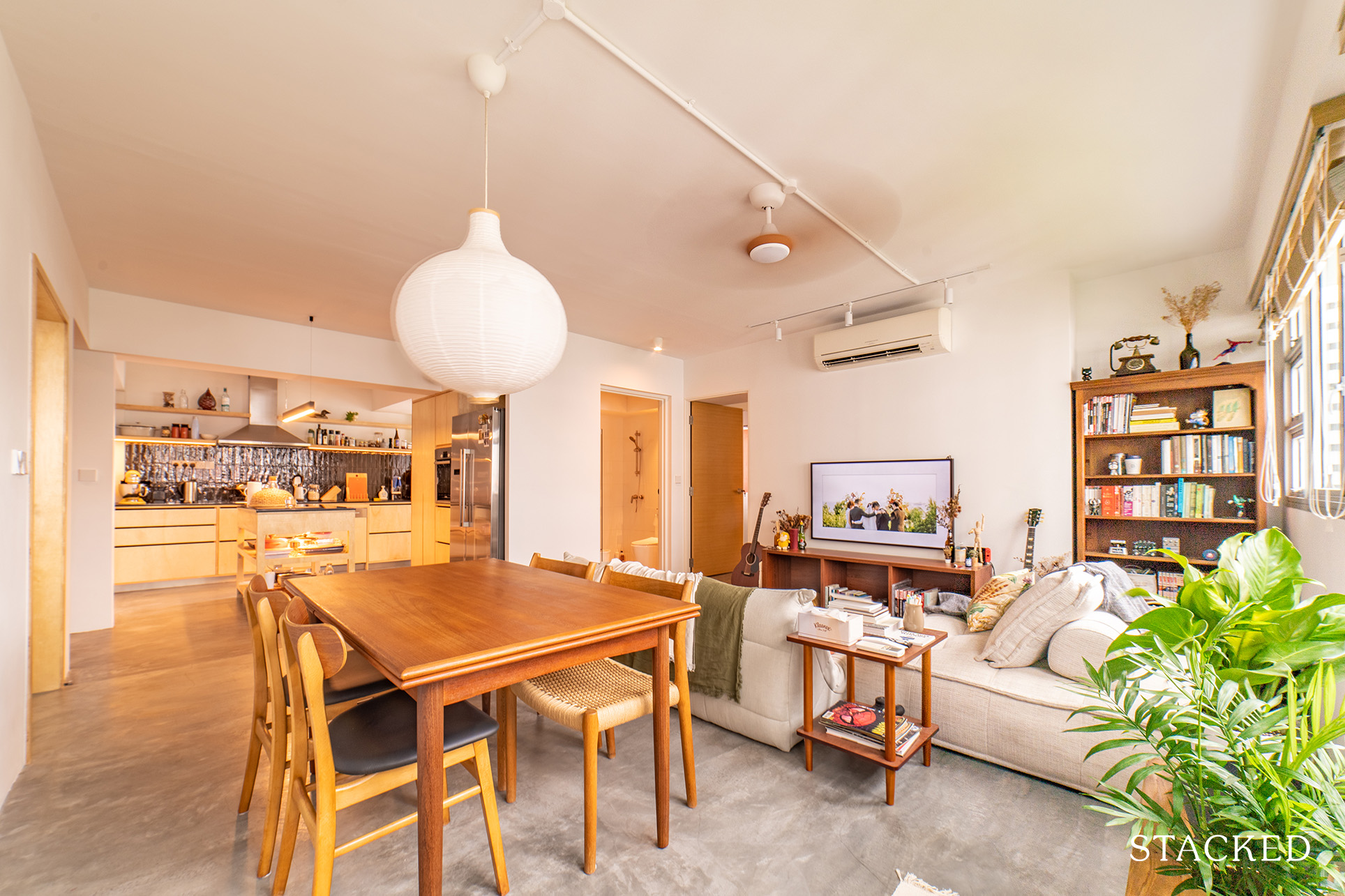
Tour A 1,001 Sqft HDB Home Transformation: How A Couple Broke Down Walls To Create A Bright Open-Plan Layout
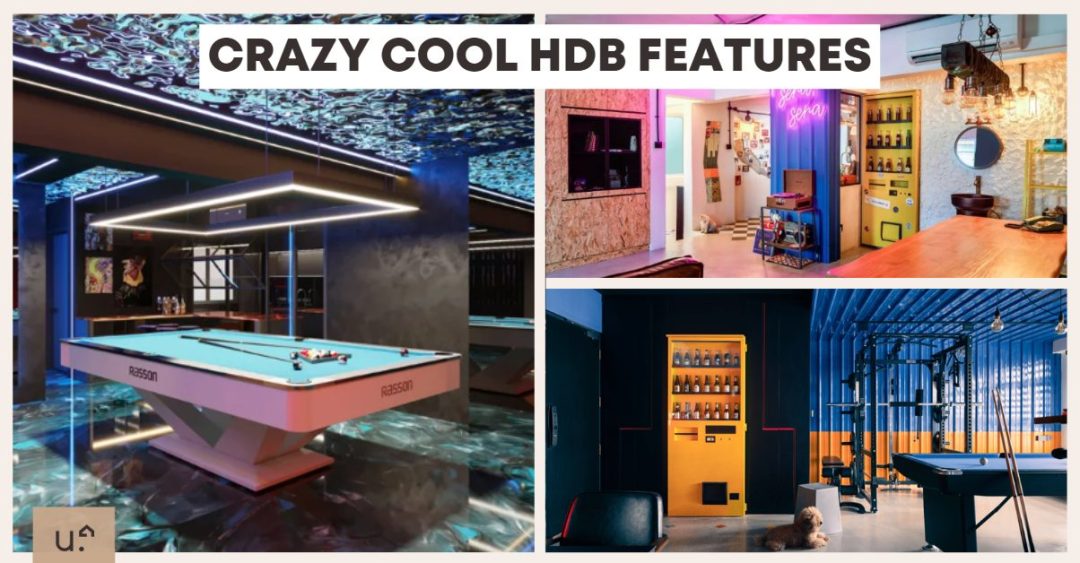
17 HDB Renovations With Crazy Cool Features From Shipping Container Walls To A Galaxy Floor
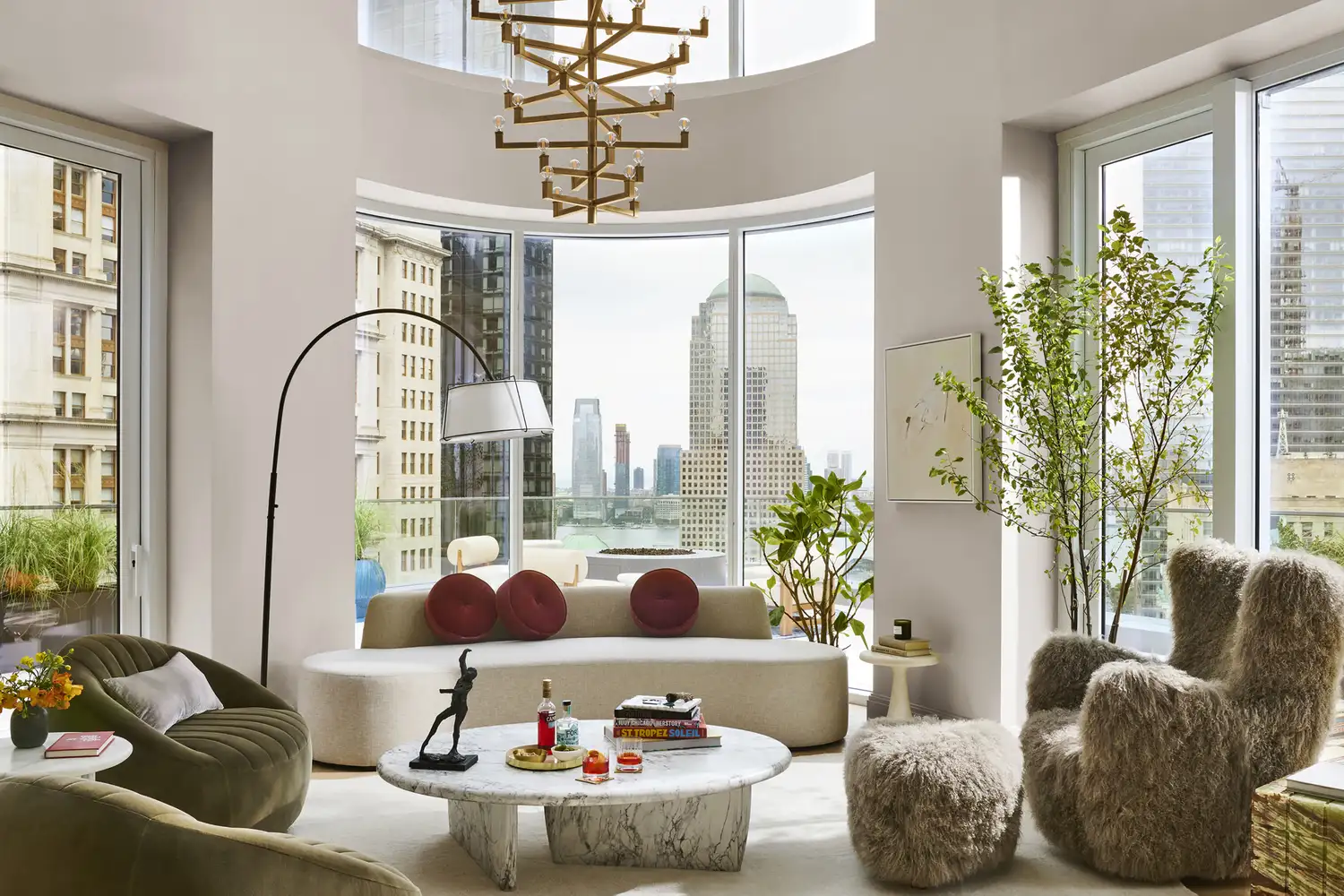
Are Open Floor Plans Out? One Designer Shares What He Really Thinks—and the Secret to Making Yours Work