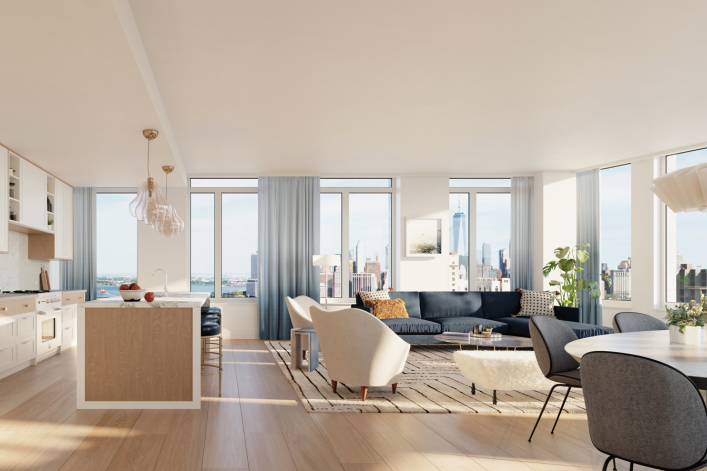
Why a newly built NYC apartment with a separate dining room is hard to find
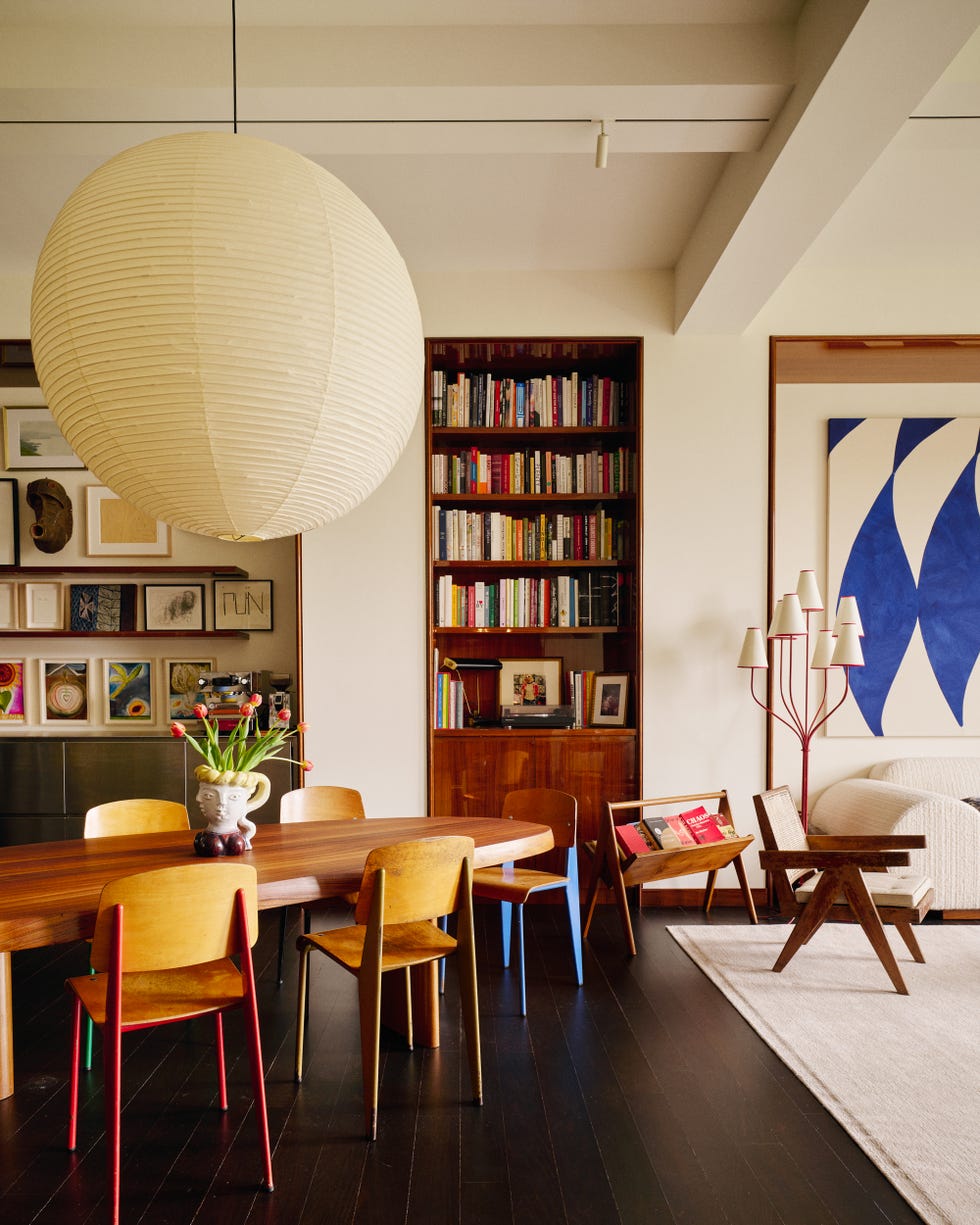
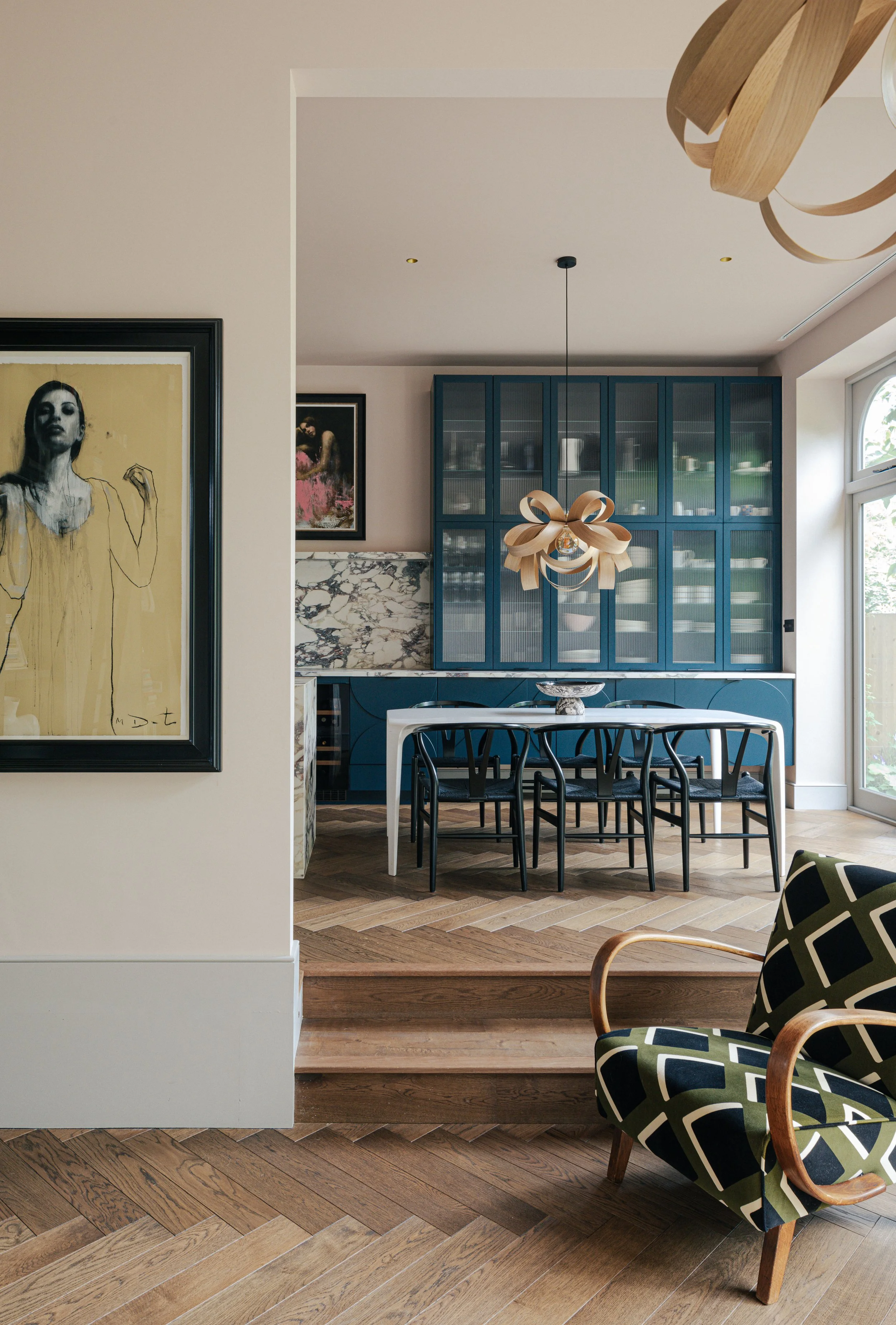
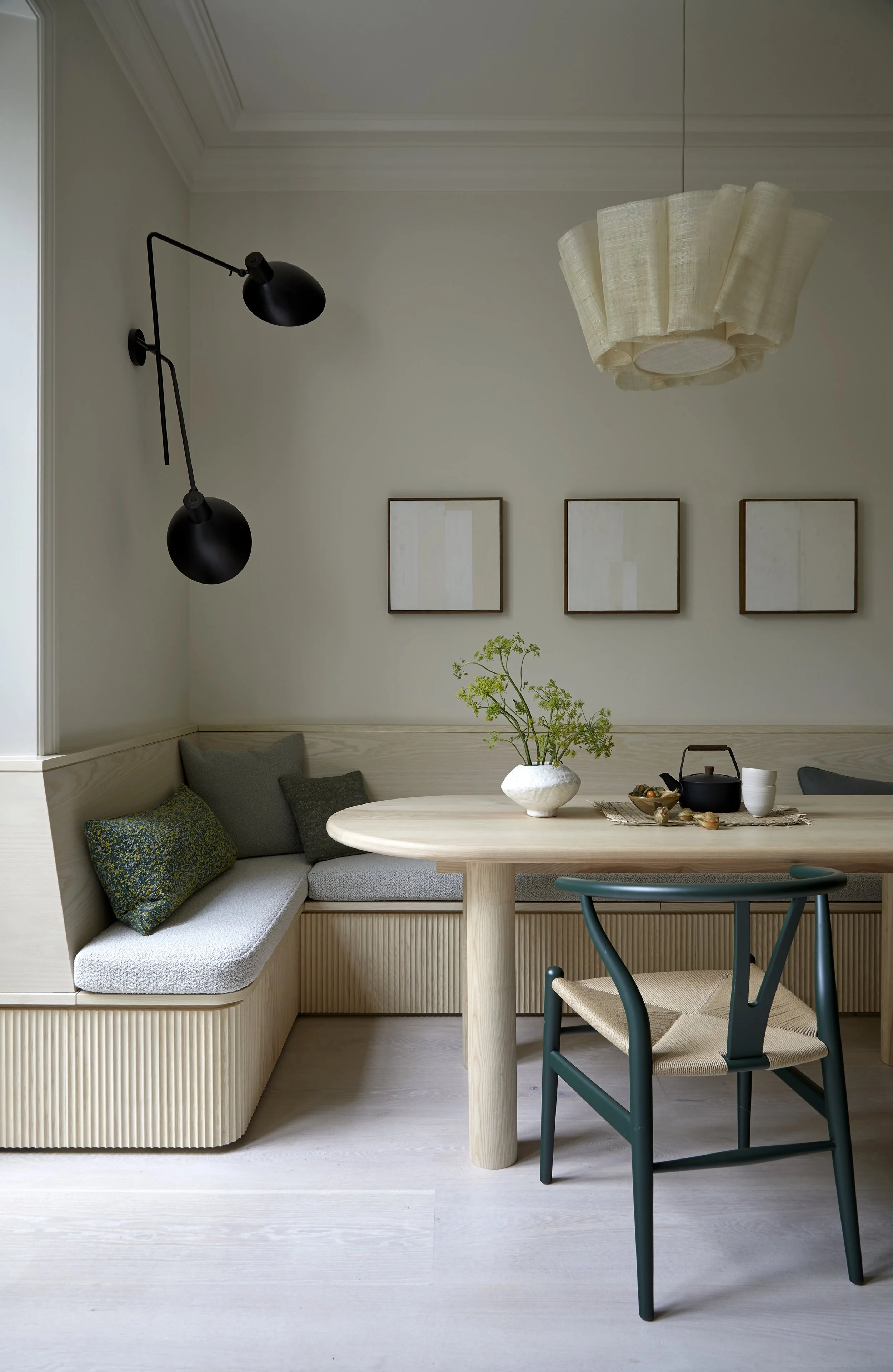
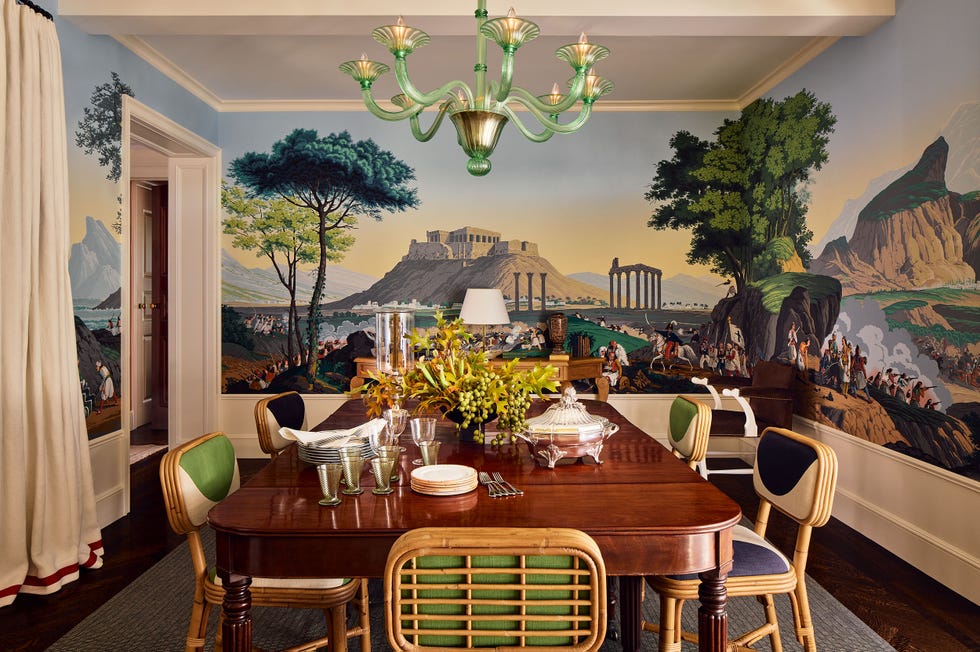
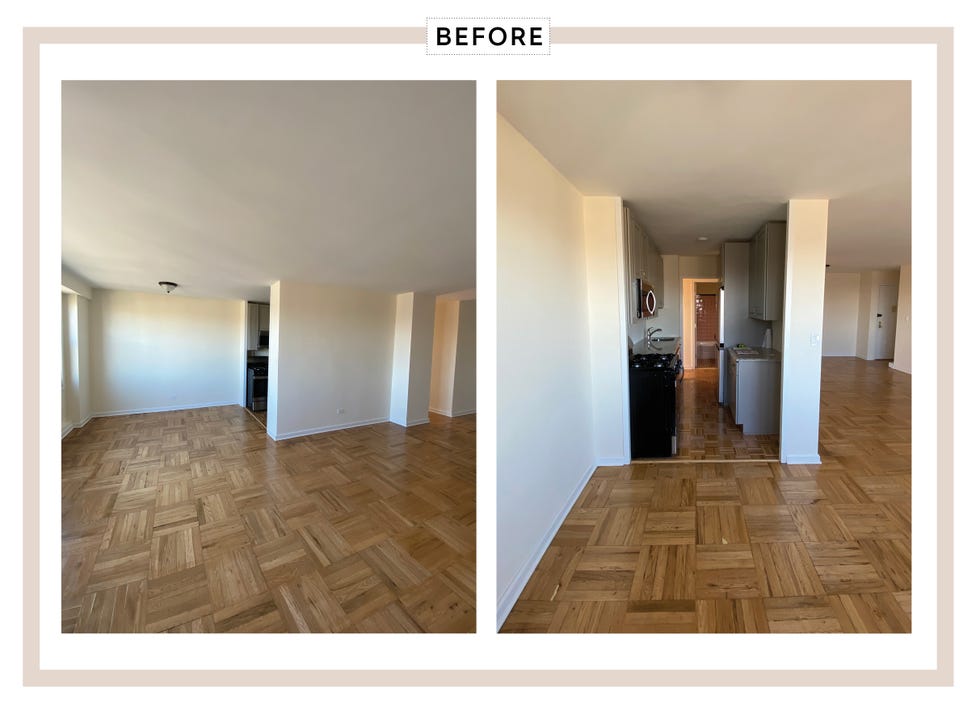
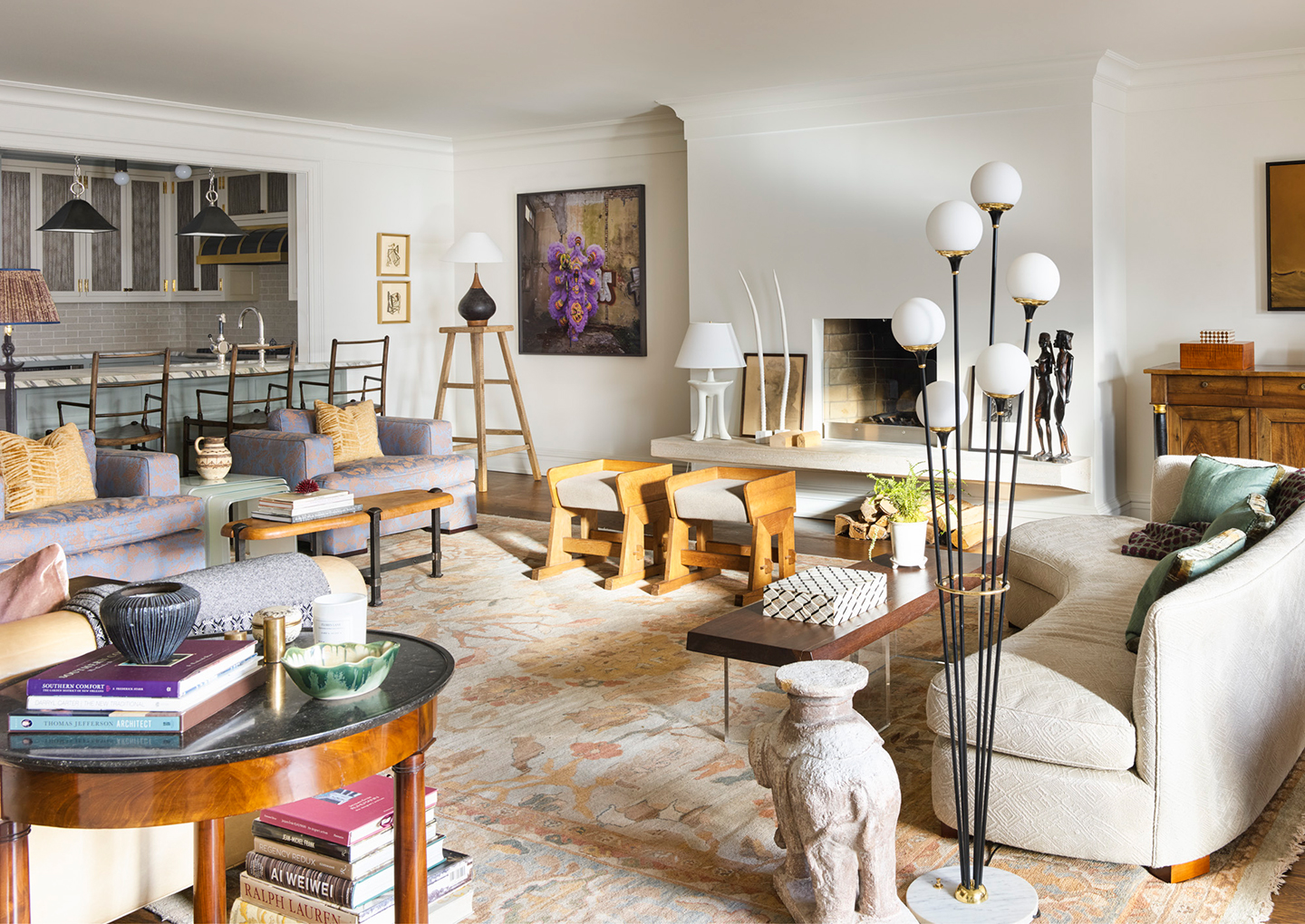
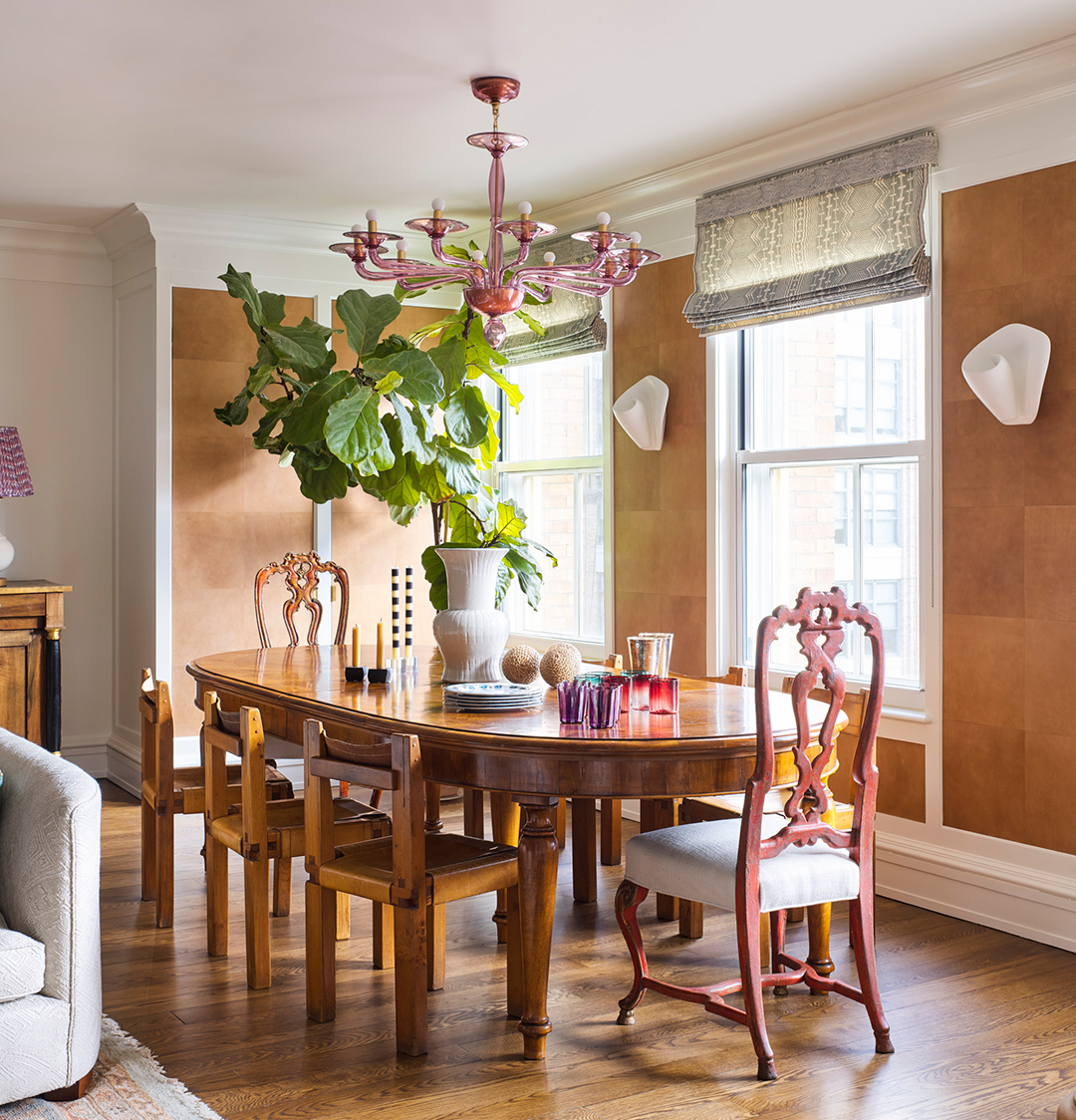
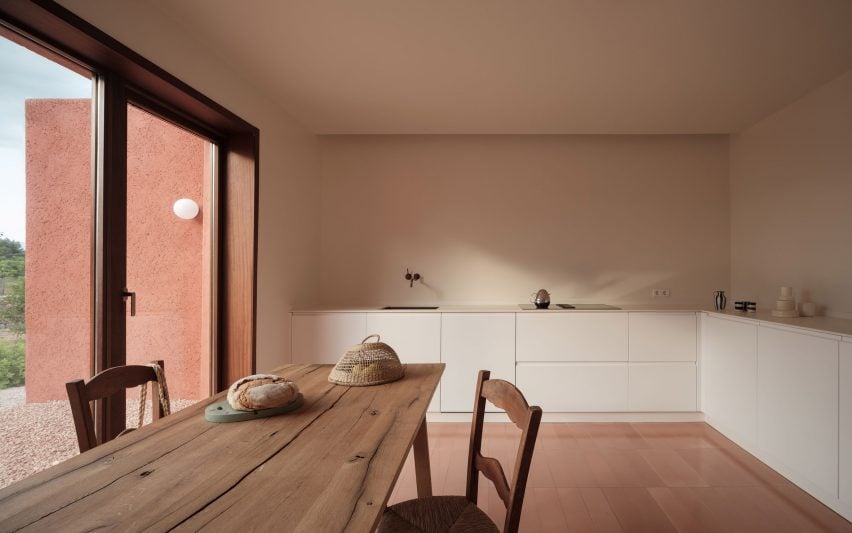
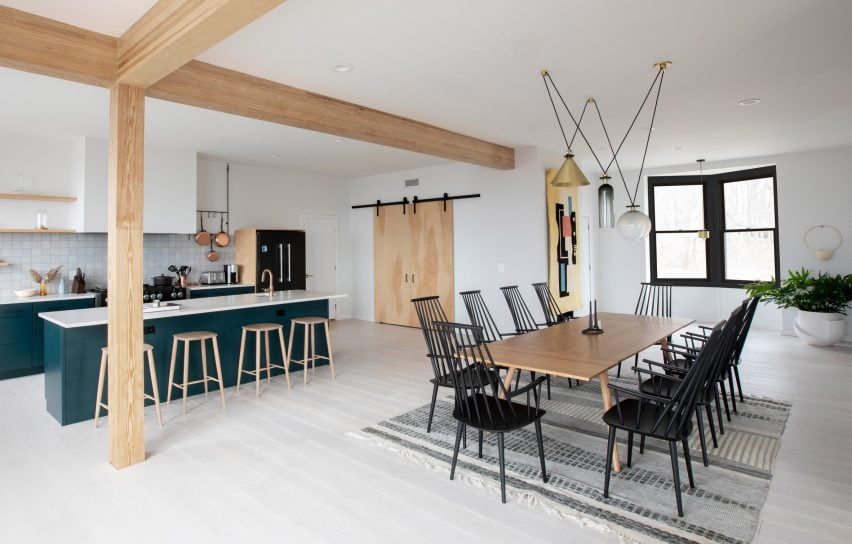
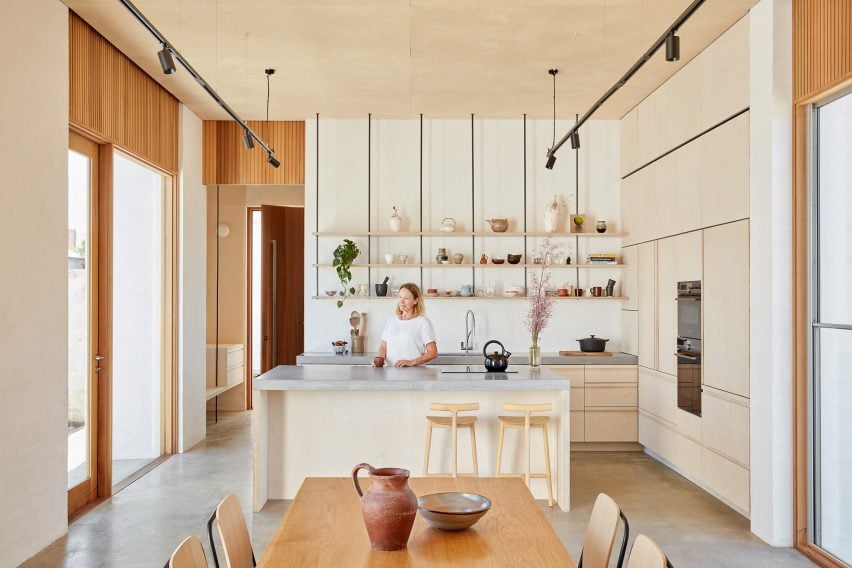
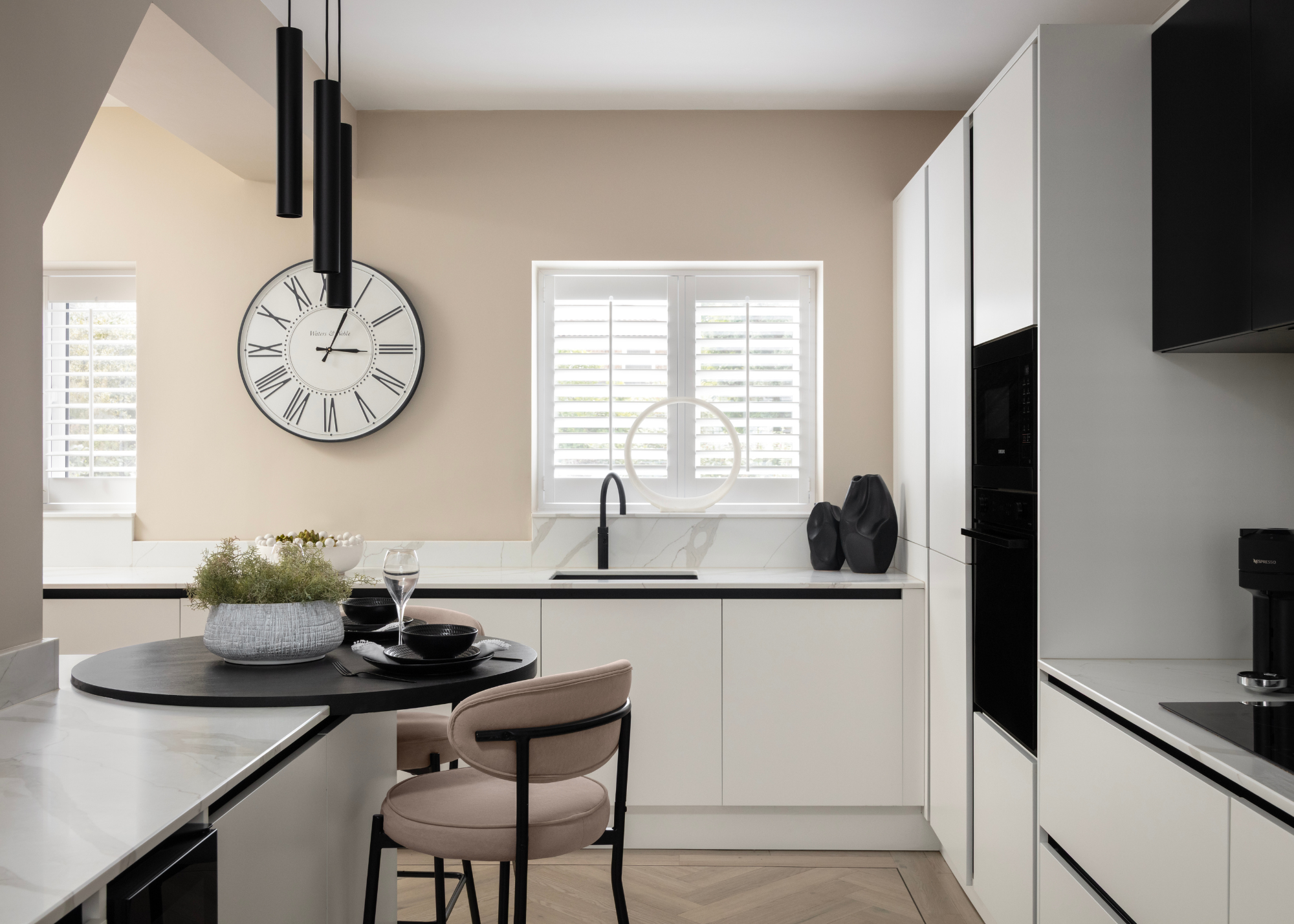
The author expresses a personal desire for a new construction apartment in New York City that includes a separate dining room and living room, a feature she currently enjoys in her rented Brooklyn brownstone. Despite appreciating the amenities offered in new developments, such as gyms, lounges, and roof decks, she finds that nearly all new construction apartments feature open-concept layouts, which combine the kitchen, living, and dining areas into one continuous space. This preference stems from a need for distinct areas within the home, allowing for privacy and separation, especially for a family of four where constant proximity can be overwhelming.
The author acknowledges the aesthetic appeal of her current brownstone's separate rooms but desires the clean lines and modern feel of new construction, contrasting with the often-cramped and dust-collecting prewar designs. However, her search reveals a significant challenge in finding new apartments that deviate from the open-plan trend. She cites a "Boston Globe" article that discusses "open-concept remorse," indicating a shared sentiment among some homeowners who regret the lack of walls in their residences.
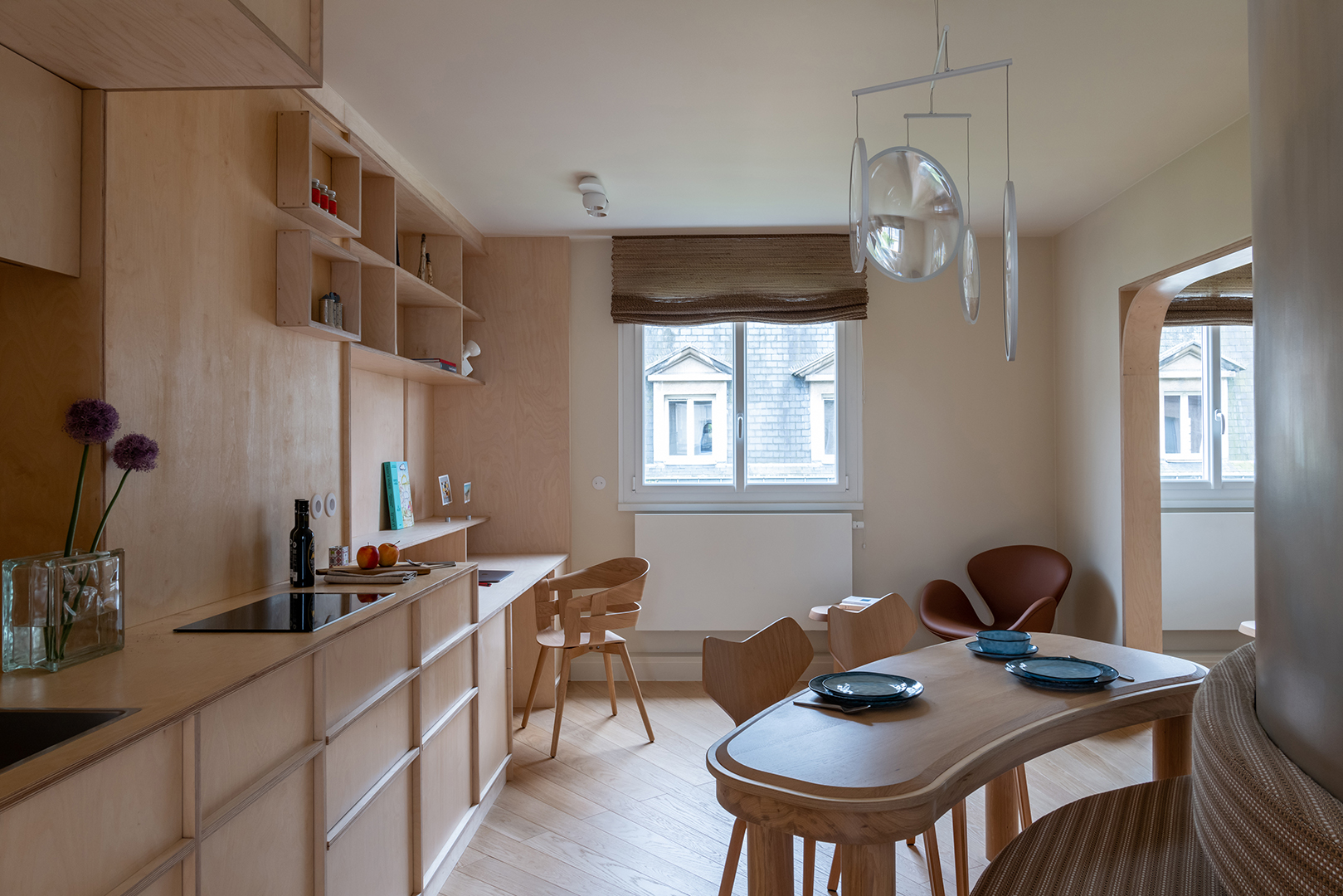
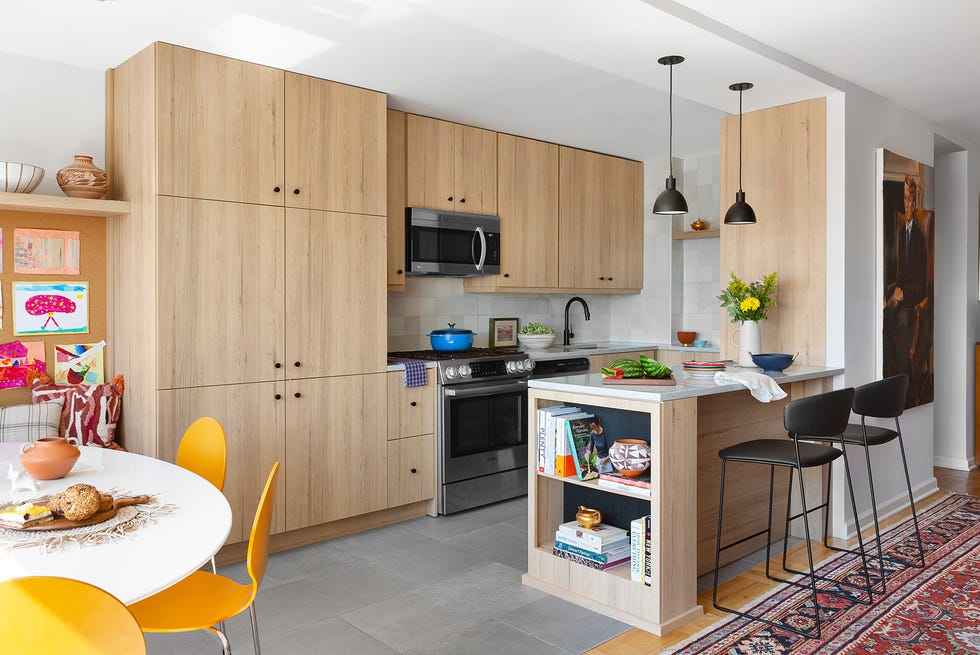
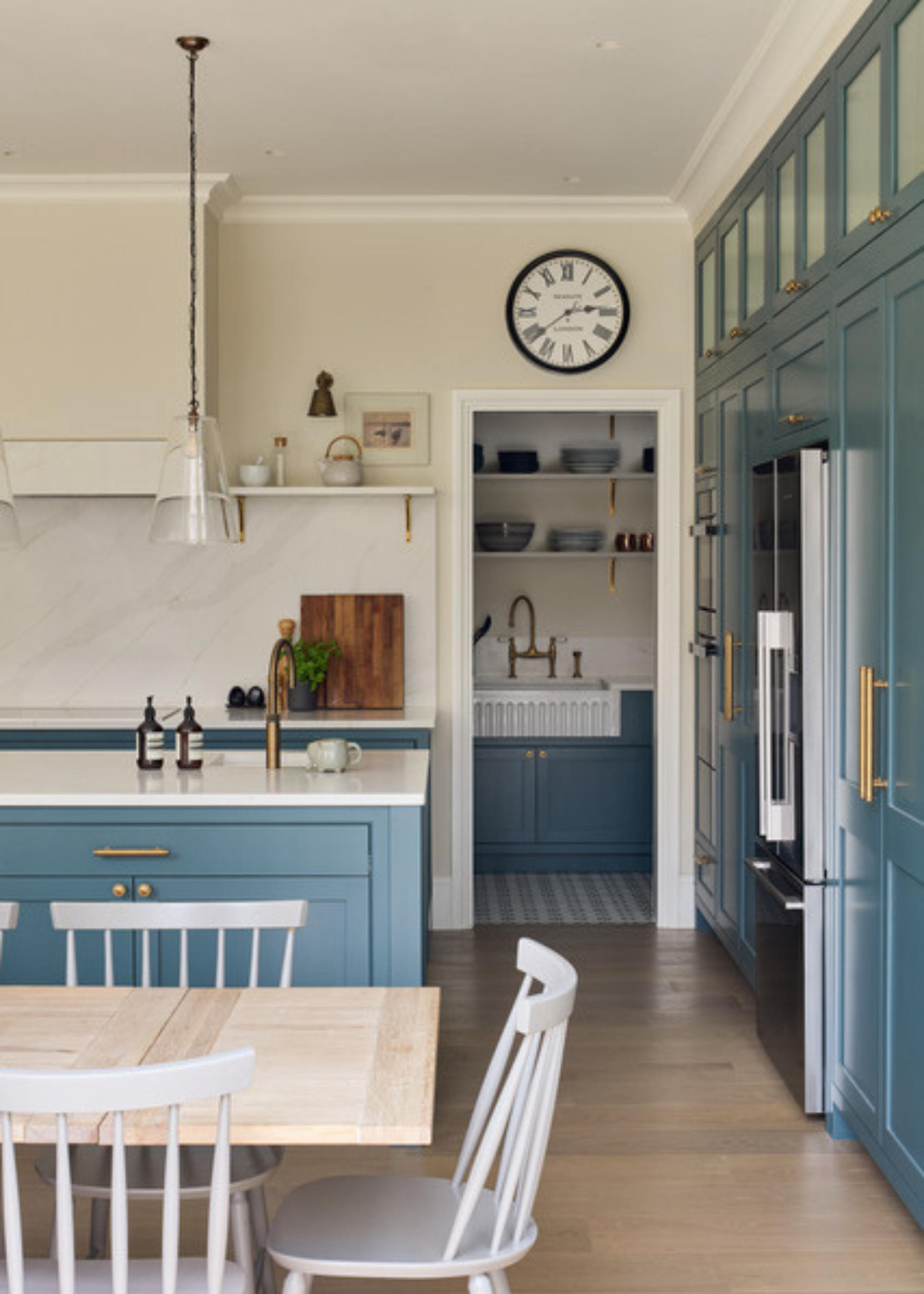
Architects explain that the prevalence of open-concept designs in new construction is driven by both consumer demand and building code requirements. Tim Fryatt, director of Marvel Architects, notes that kitchens located more than 30 feet from a window must be open to the living/dining area and designated as a "kitchenette" (under 80 square feet) to meet light and ventilation standards. This regulation largely dictates the open layouts seen in many new or renovated mid-block apartments.
While Marvel Architects primarily designs open-plan spaces, Fryatt mentions that some larger units in projects like One Clinton initially included separate rooms. However, buyers frequently requested modifications to make these spaces more open, as observed in the Prince Street Residences, where all luxury buyers opted for more open layouts. Fryatt reassures that open-plan apartments are not necessarily smaller in overall square footage; instead, the kitchen and dining areas remain spacious, but the walls are absent.
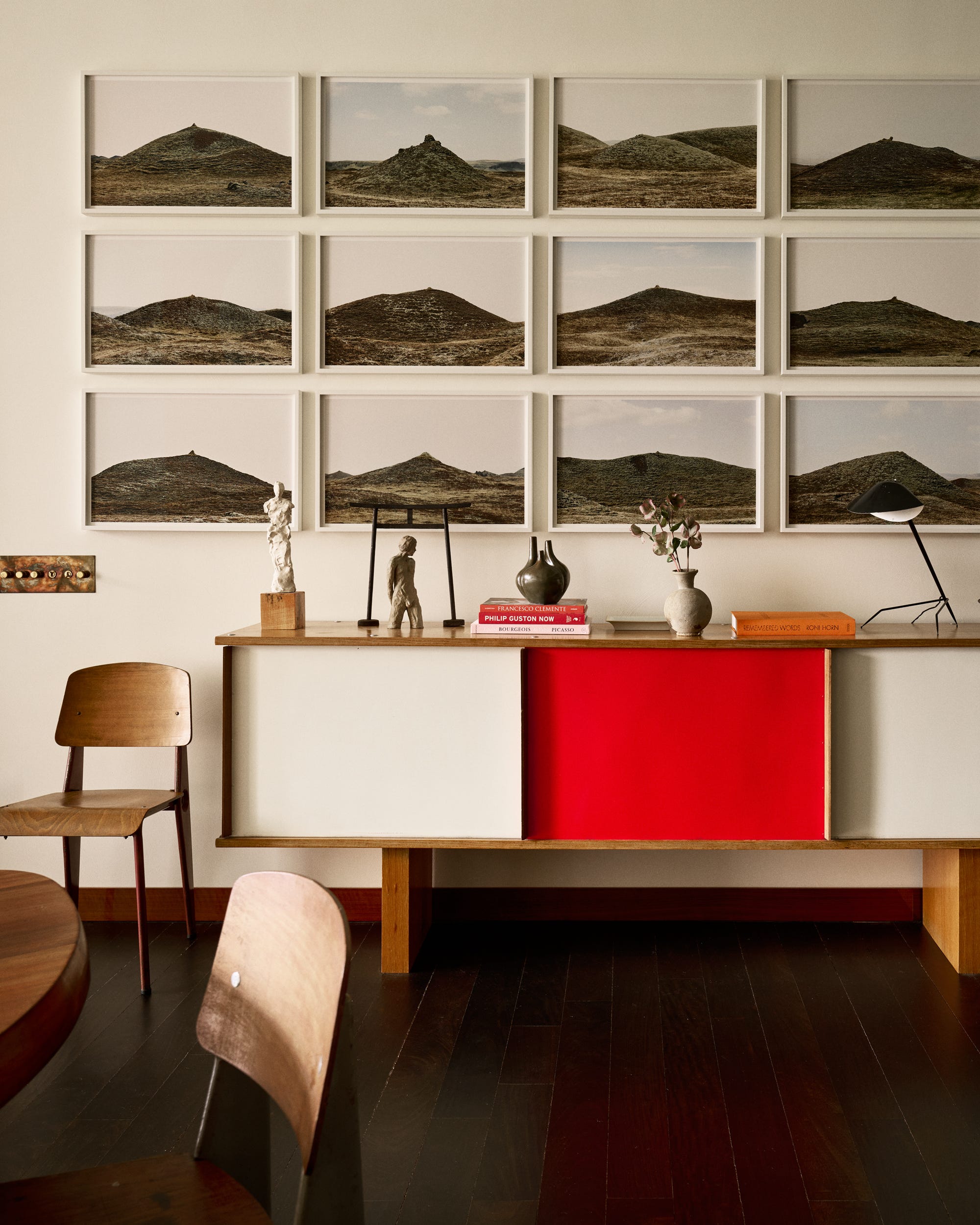
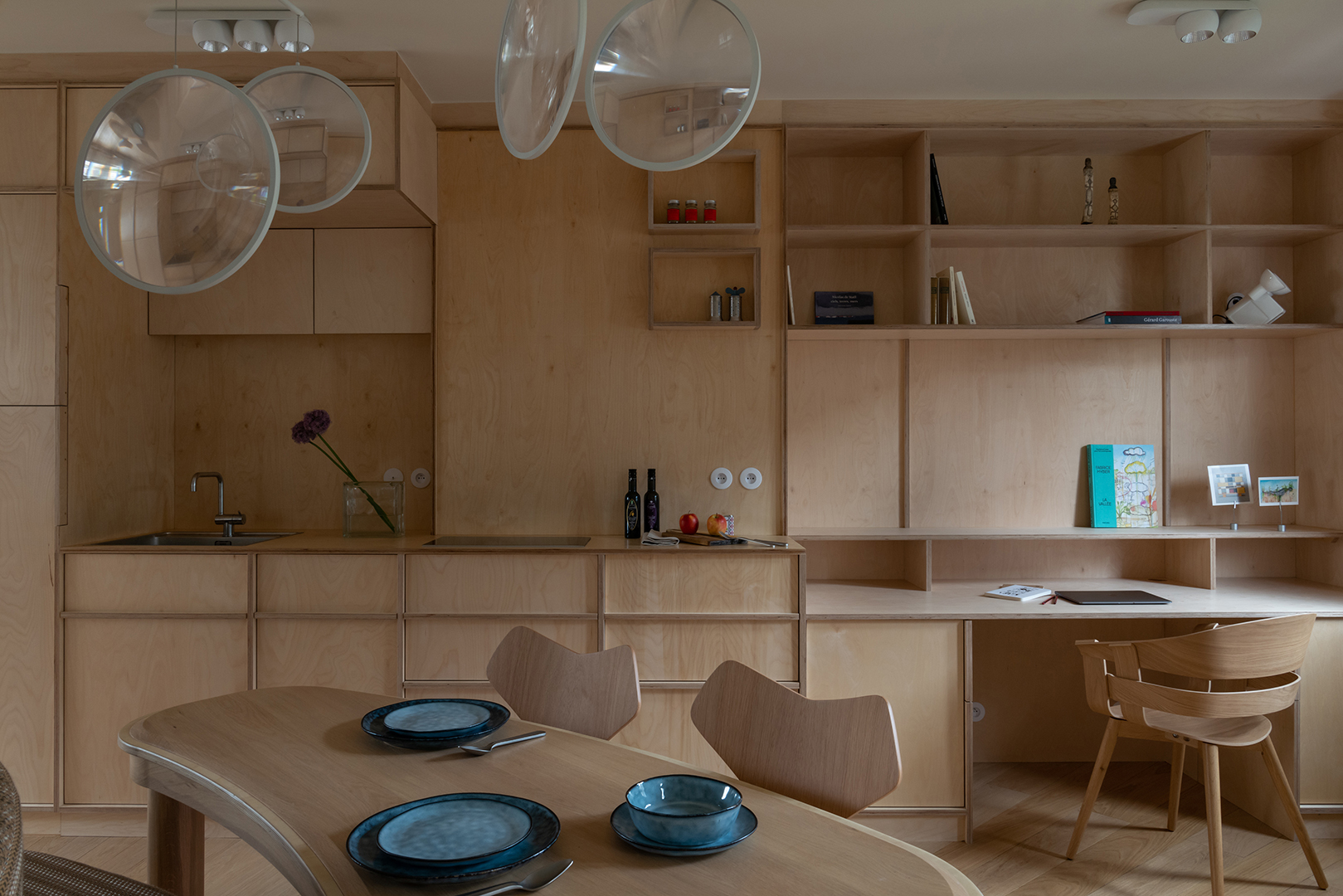
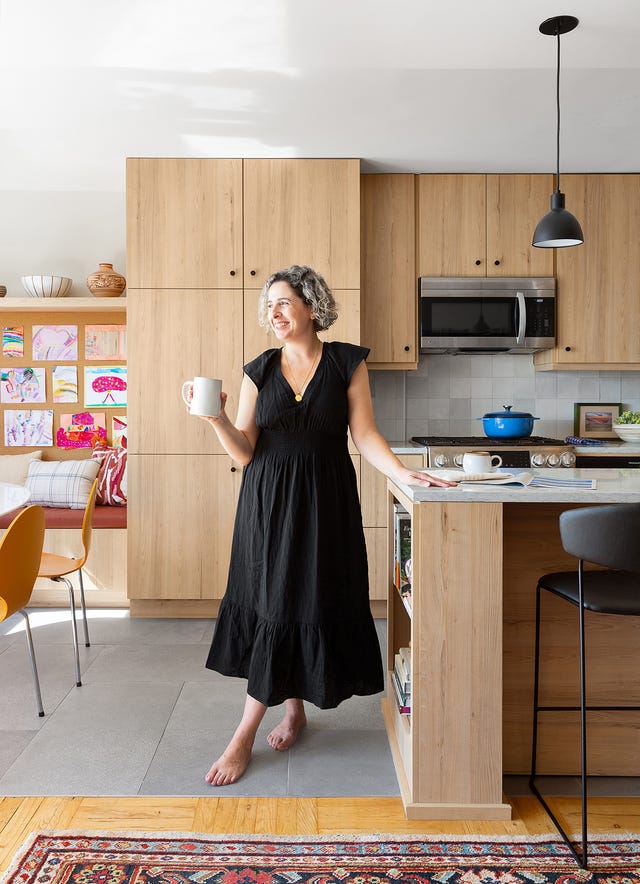
The article points out that the demand for separate kitchen, living, and dining spaces now typically comes from higher-end buyers seeking large units for entertaining. A key challenge with open-concept living is the reduced wall space for artwork and the difficulty in incorporating sufficient storage. Rosario Mannino, principal of RSMannino, highlights the dilemma: clients desire open concepts but also demand more cabinetry, creating a conflict in design. He suggests creative storage solutions, such as cabinetry on all four sides of an island.
Mannino also notes that while people may not cook as much, they value the visual appeal and "wow" factor of an open kitchen, which is also conducive to entertaining. The author concludes by contemplating the eventual appeal of an open layout once her children are grown and out of the house, suggesting a potential shift in her perspective as family dynamics change.
#OpenConcept #NYCRealEstate #ApartmentLayouts #NewConstruction #HomeDesign #DiningRoom #LivingRoom #ArchitecturalTrends #UrbanLiving #OpenConcept #NYCRealEstate #ApartmentLayouts #NewConstruction #HomeDesign #DiningRoom #LivingRoom #ArchitecturalTrends #UrbanLiving
0 comment in total
 No comments yet
You may also like
New York Culinary Star Daniel Humm Designed This "Invisible" Kitchen For His Home With Wife Annabelle Dexter-Jones

Here’s How I Throw Dinner Parties for 8 With No Dining Room
This Apartment Brings Italian-Chic to the Middle of Manhattan

How This Emerging Art Dealer Turned a Corner of Her Studio Apartment Into a Dining Room
How a Designer Worked This Kitchen’s Awkward, Curved Wall Into the Layout

Mixing and Matching Has Never Looked Better Than in This NYC Apartment
This NYC Home Has a Viral $300 Credenza, a King-Size Canopy Bed, and a Never-Used Kitchen

Ten beautiful and practical combined kitchen and dining rooms

15 Stylish Dining Tables That Fit in Even the Tiniest Apartments
Inside Out | An Entrance Hall That Really Cooks
This Sun-Filled Galley Kitchen Transformation Proves There's Hope for a Dark, Small Space

A London Restaurant’s Candy-Colored Seating Inspired This NYC Duplex’s Kitchen Banquette


Why Dining Rooms Are Disappearing From American Homes


15 Dining Tables For Super Small Spaces That'll Still Let You Host
How an NYC Family of 6 Finds Respite (and Space!) in Their Three-Bedroom Apartment

5 Things Interior Designers Always Include in Eat-in Kitchens to Help Hide the Mess When Hosting

This might be my favorite ever small kitchen – a pull-out countertop is among its cleverest space-saving ideas
10 Easy-to-Make Dining Room Mistakes That Are Killing the Vibe — And How to Fix Them Before Your Next Dinner Party
A 19-Year-Old Is Behind NYC’s Latest ‘It’ Restaurant
7 Dining Room Layout Mistakes That Ruin the Flow of Your Space, Designers Say