1/15
This Apartment Brings Italian-Chic to the Middle of Manhattan
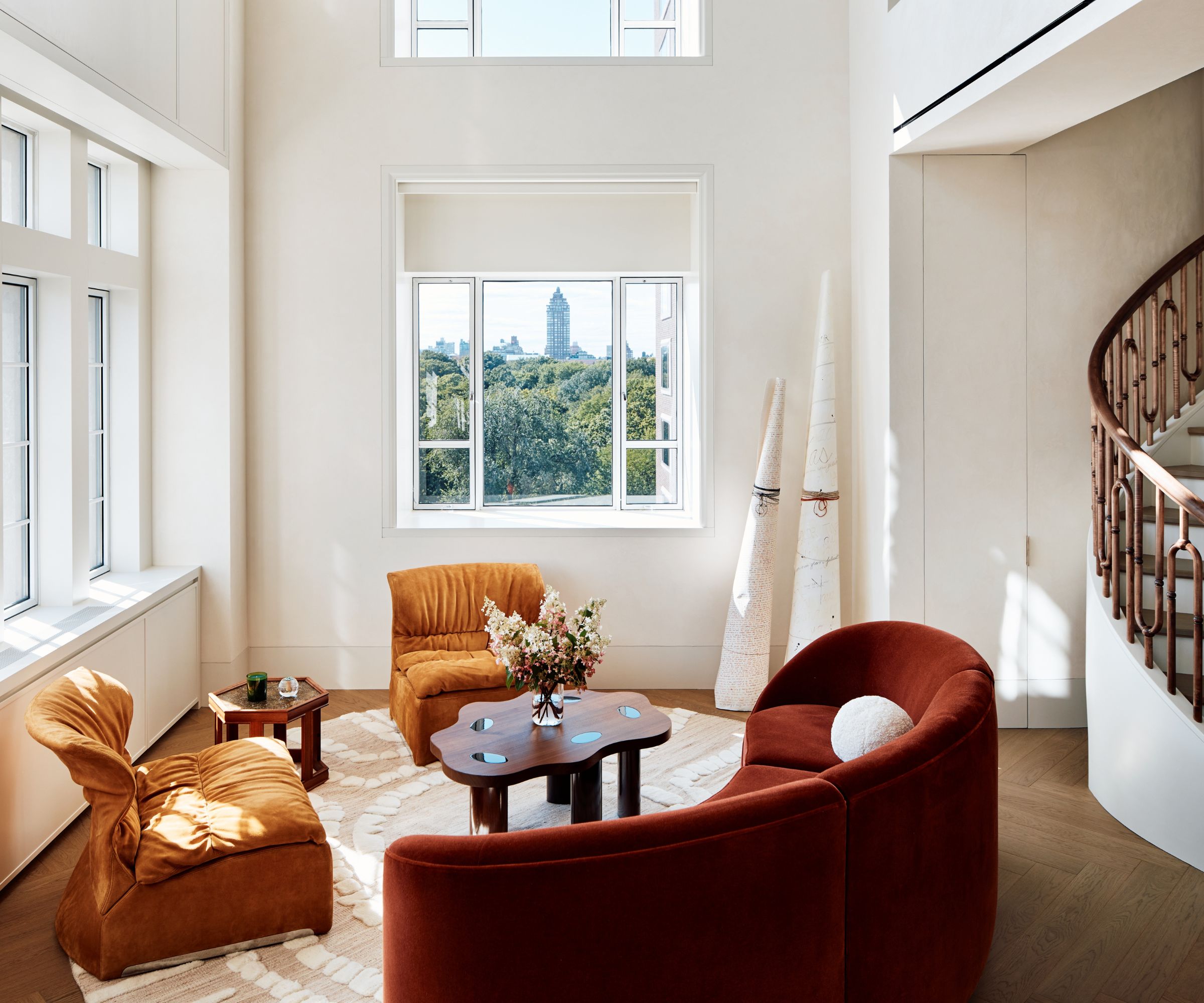
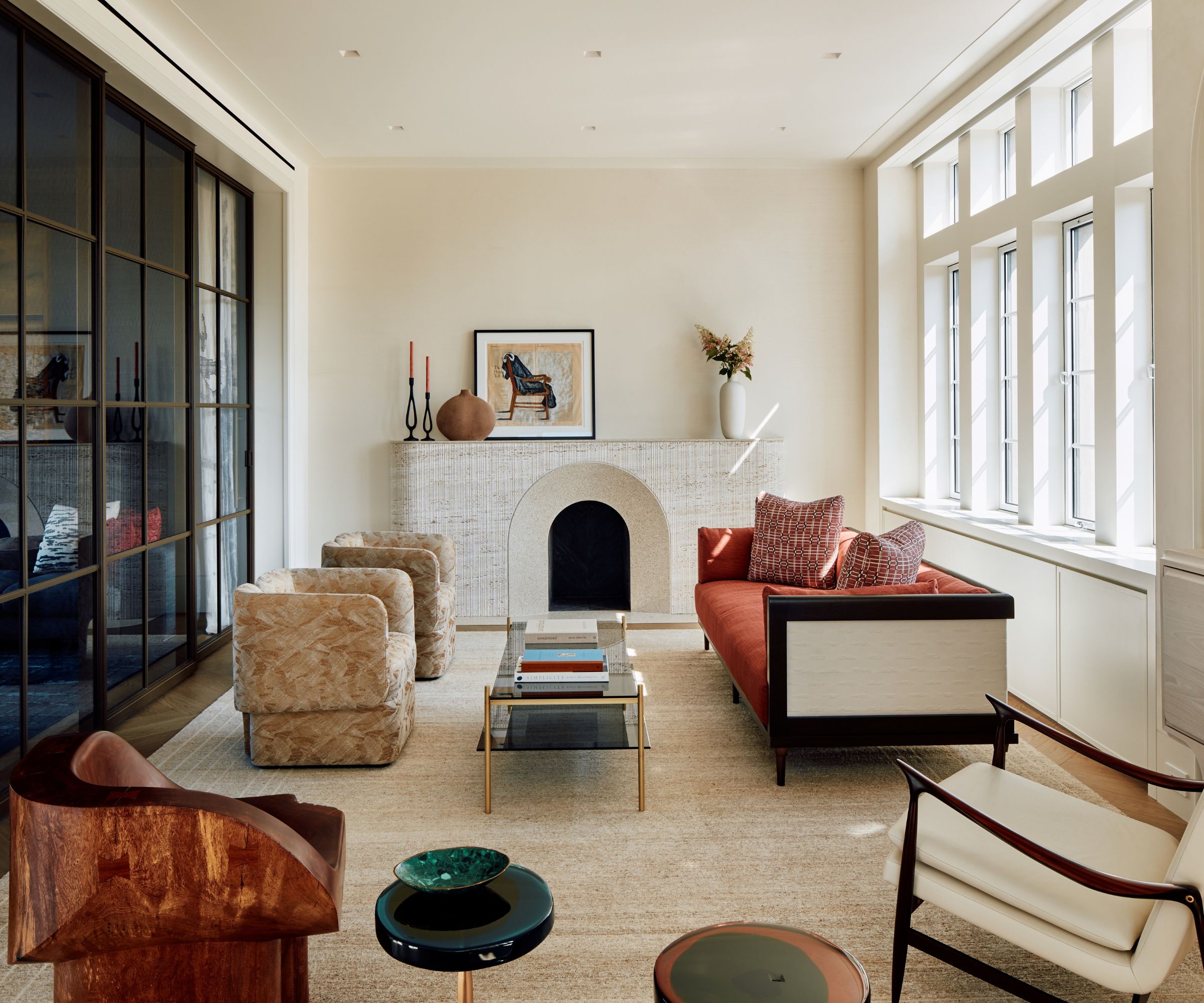
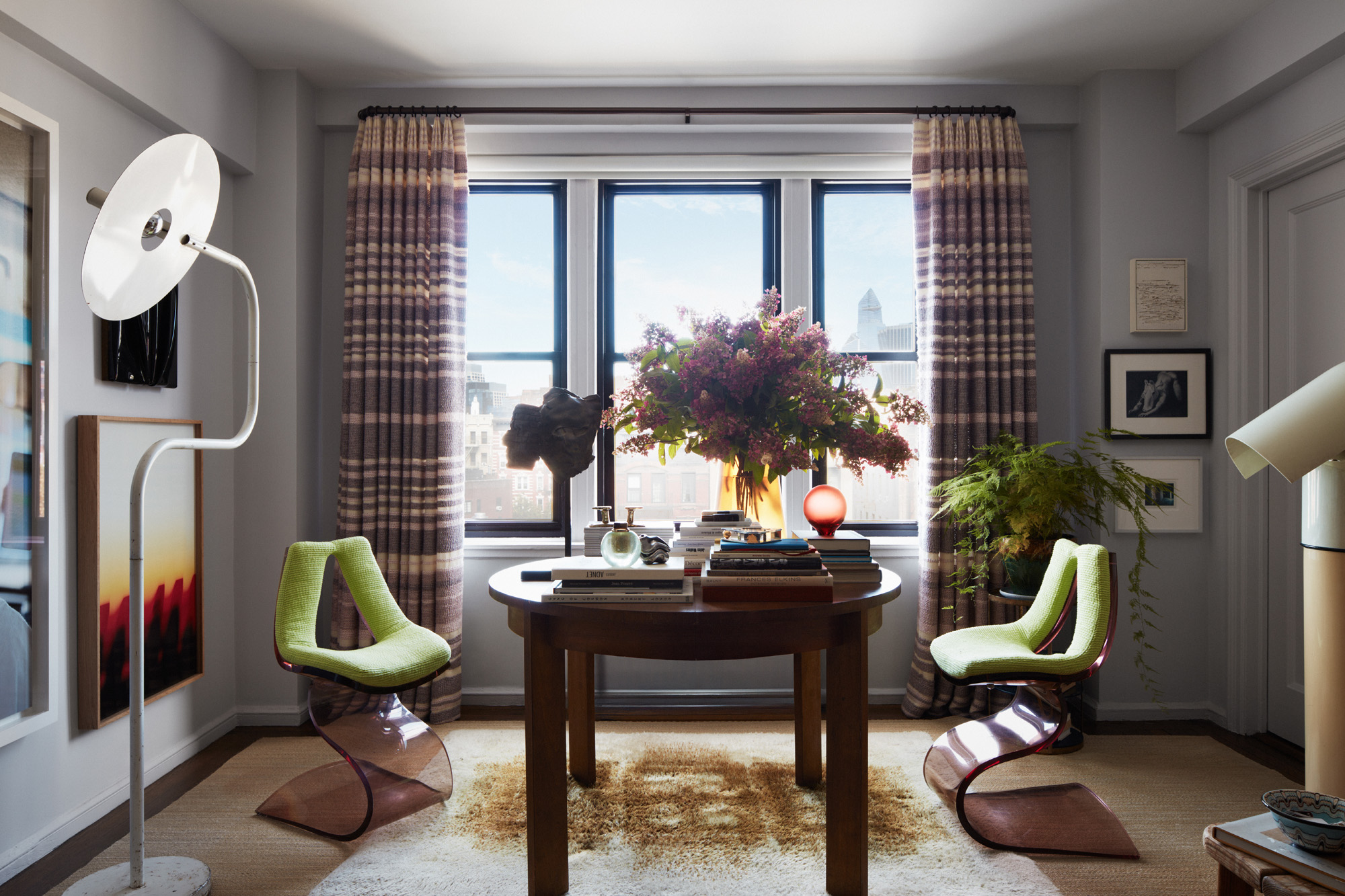
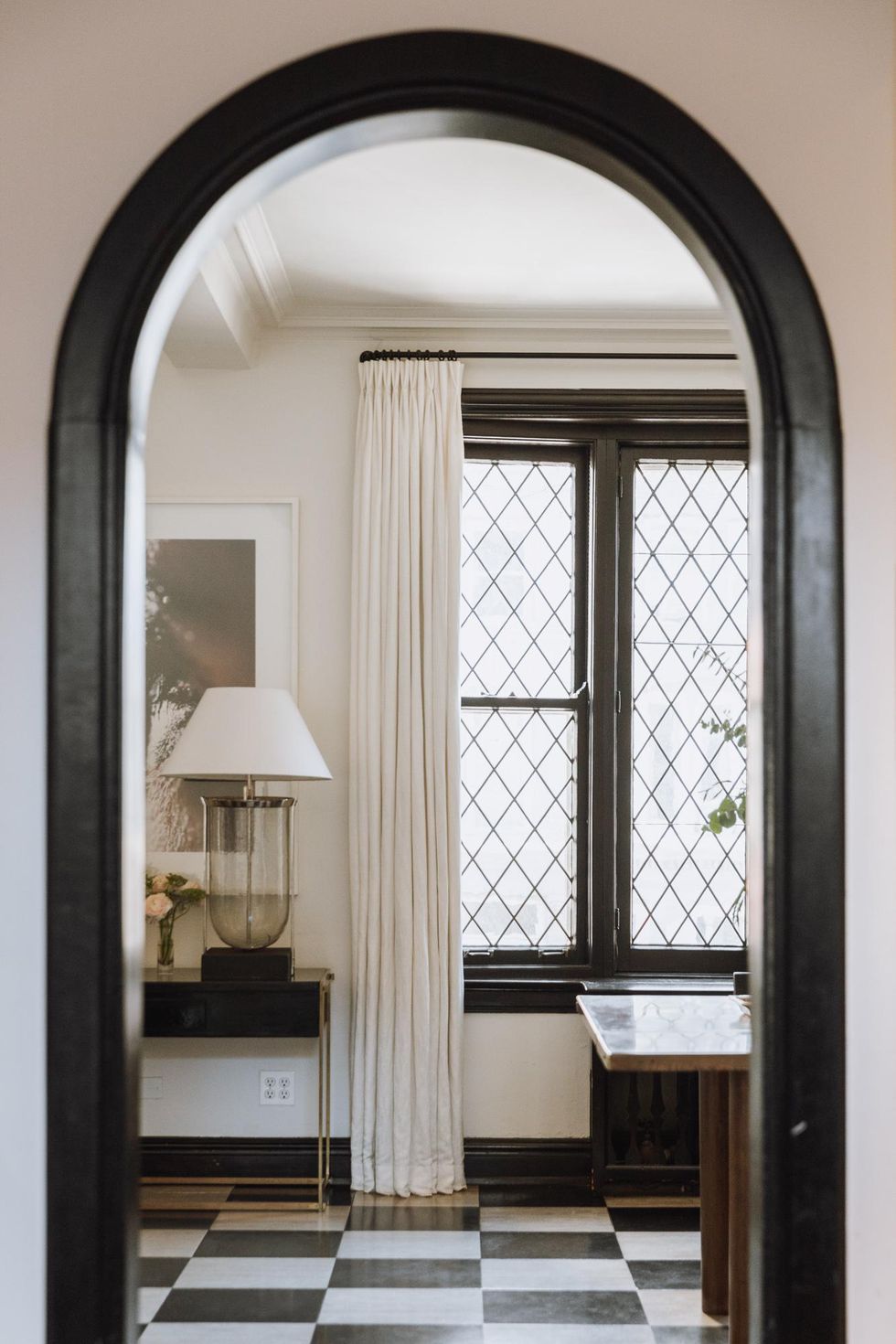
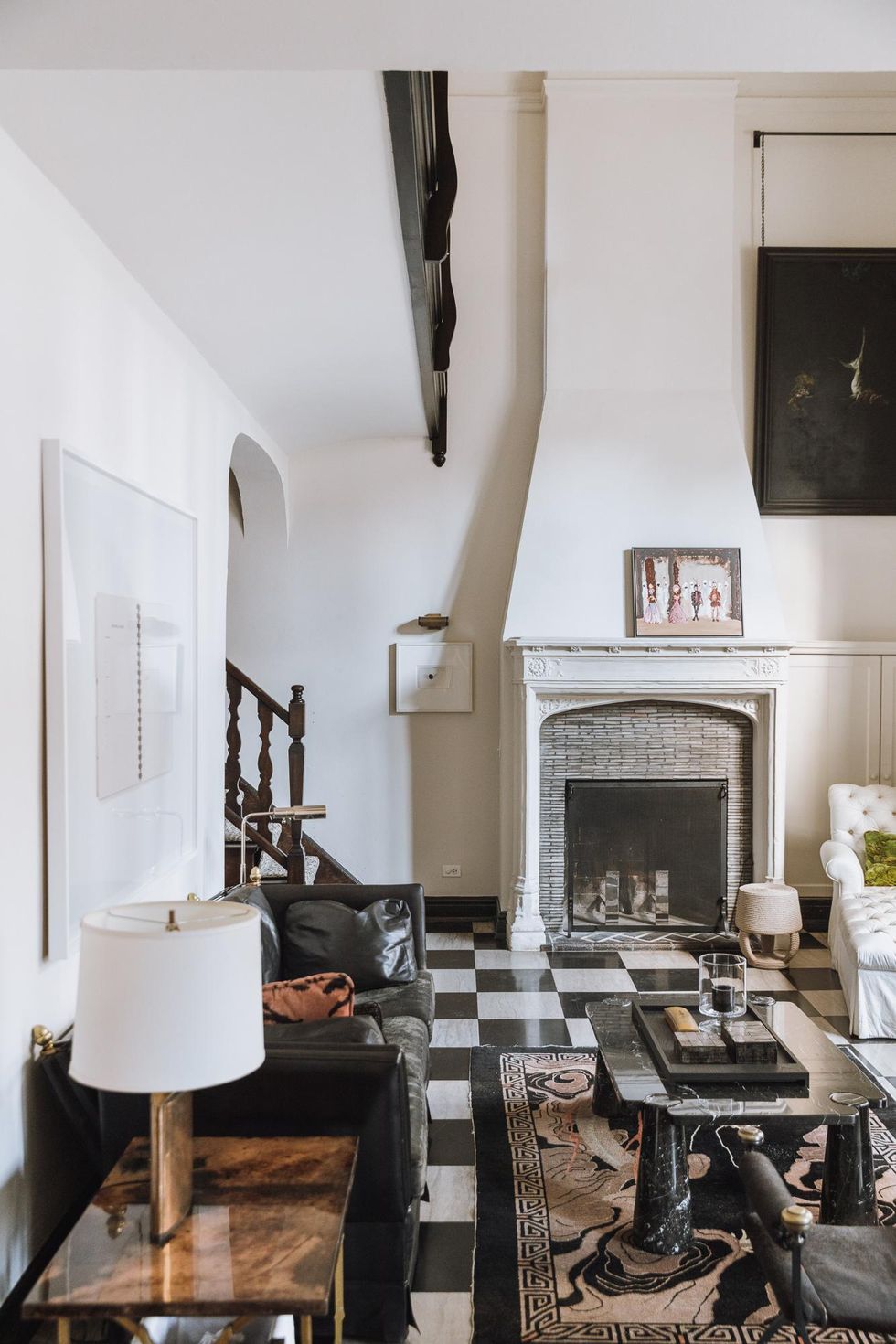
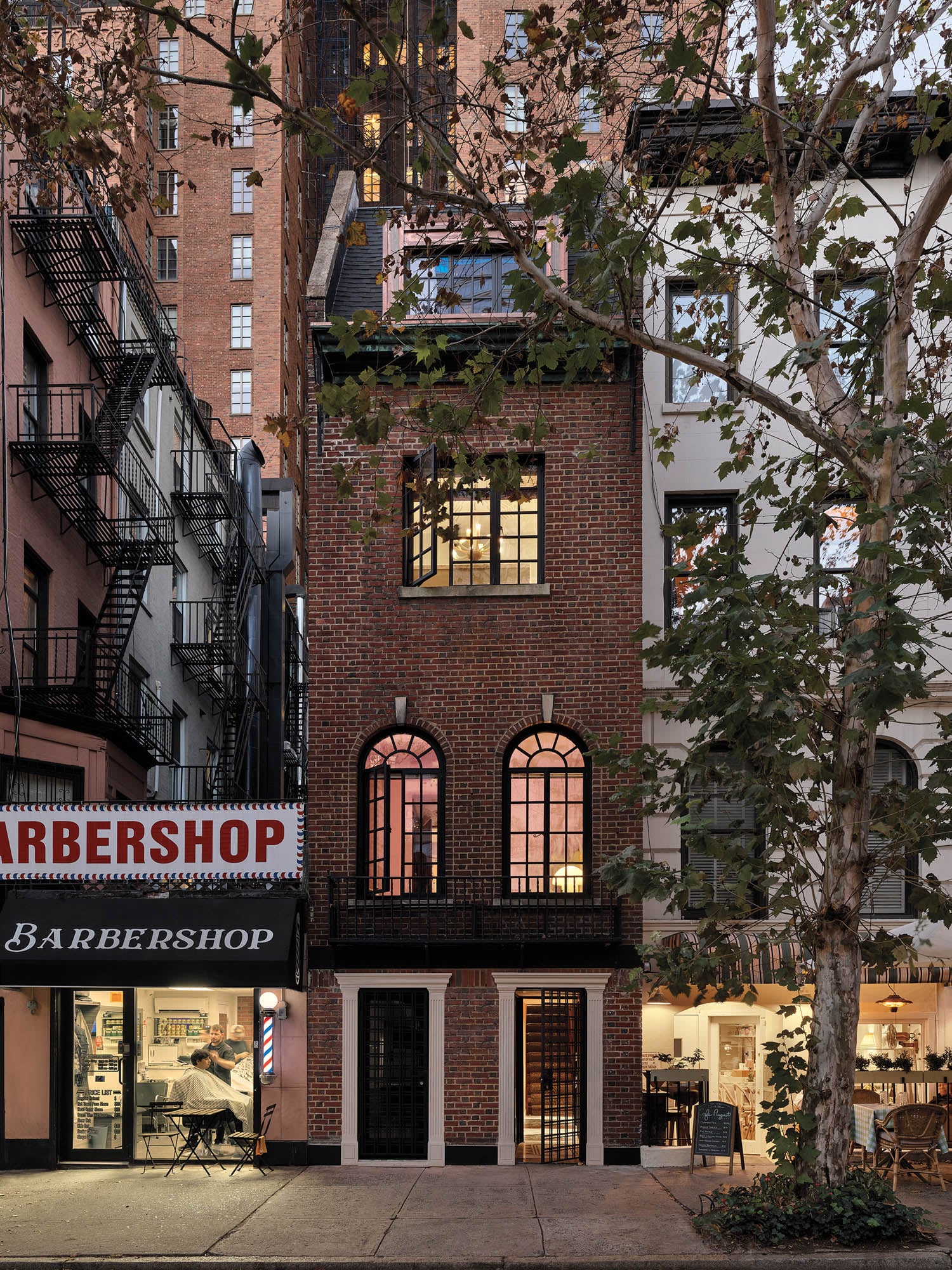
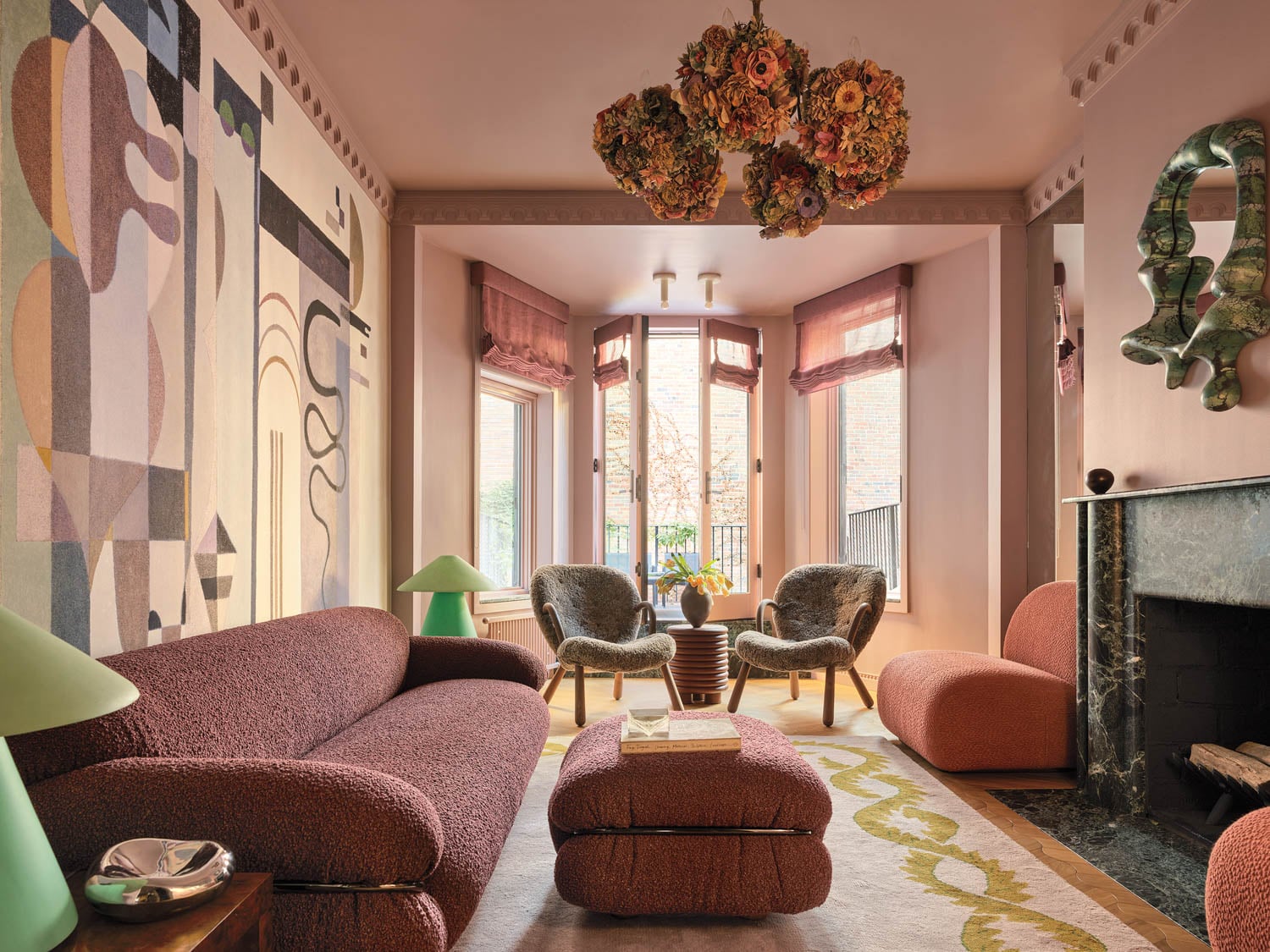
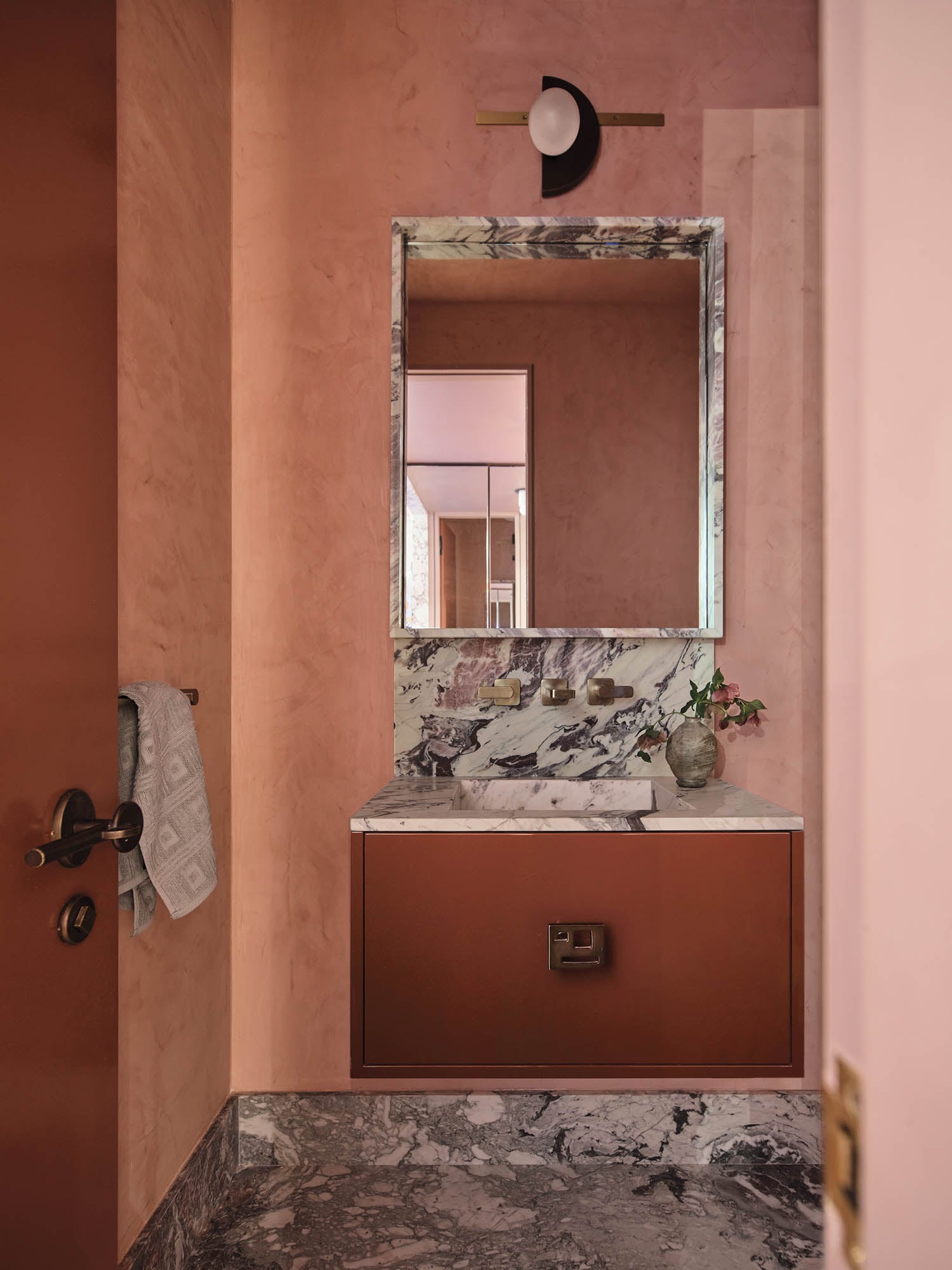
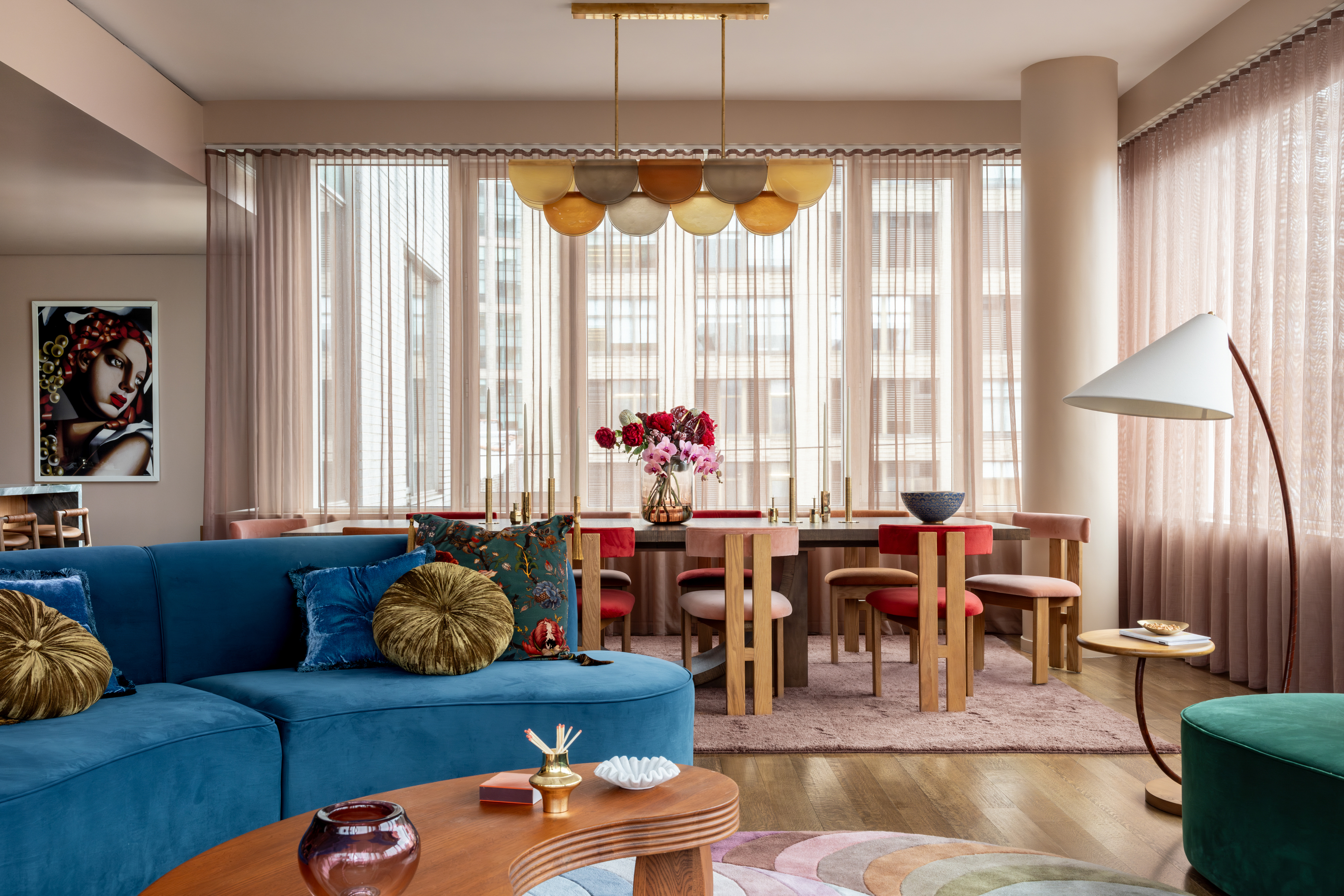
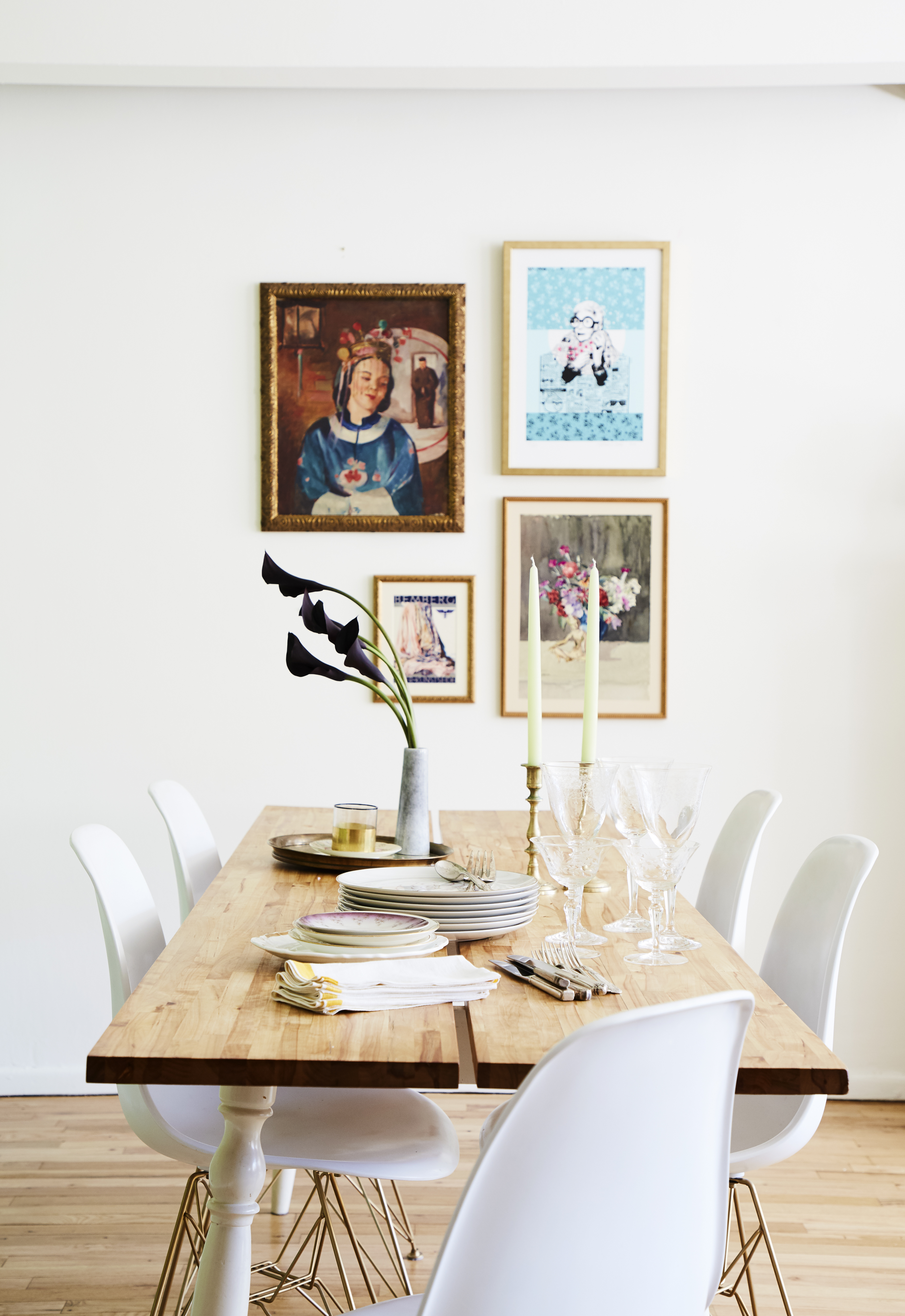
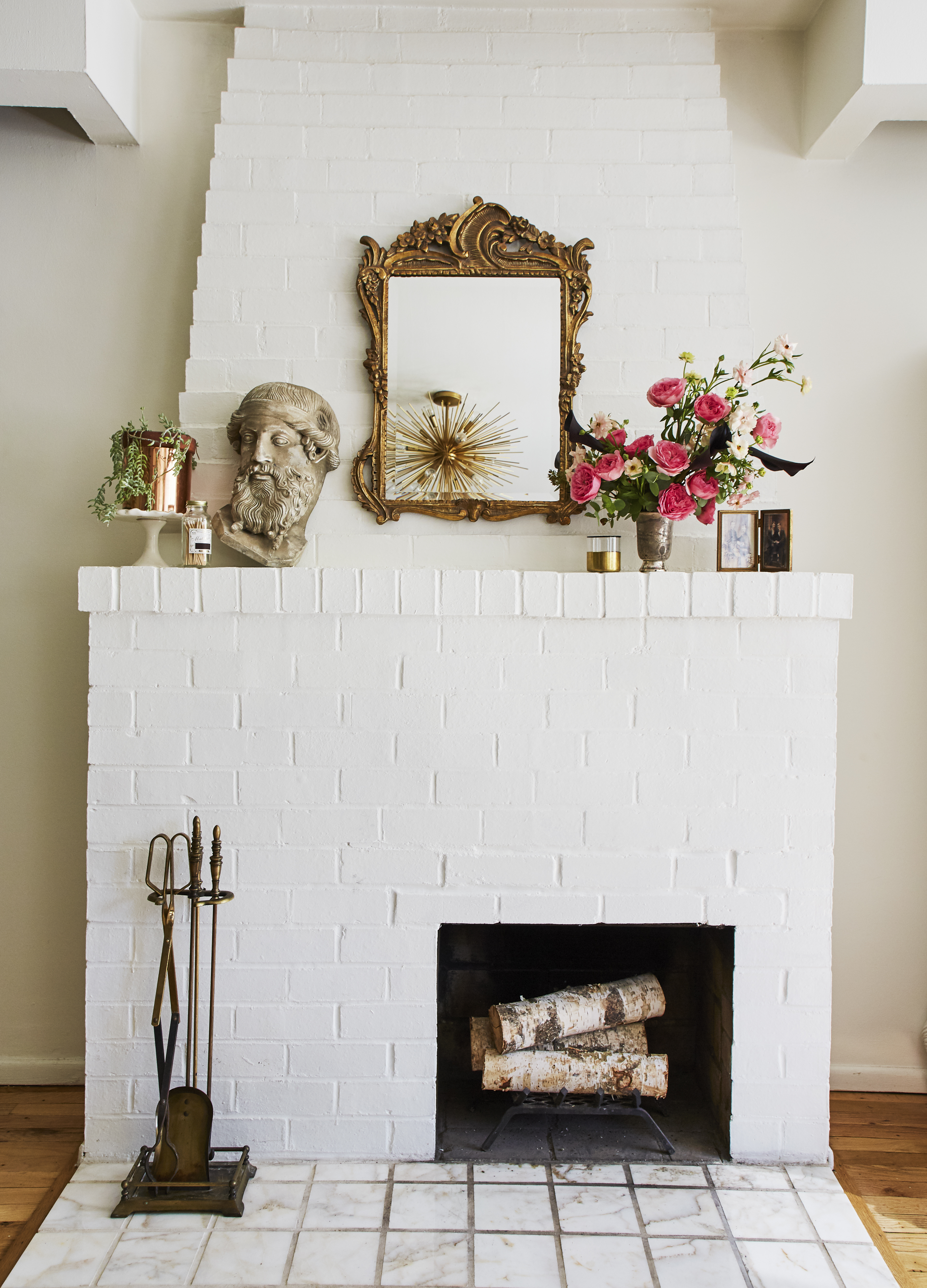
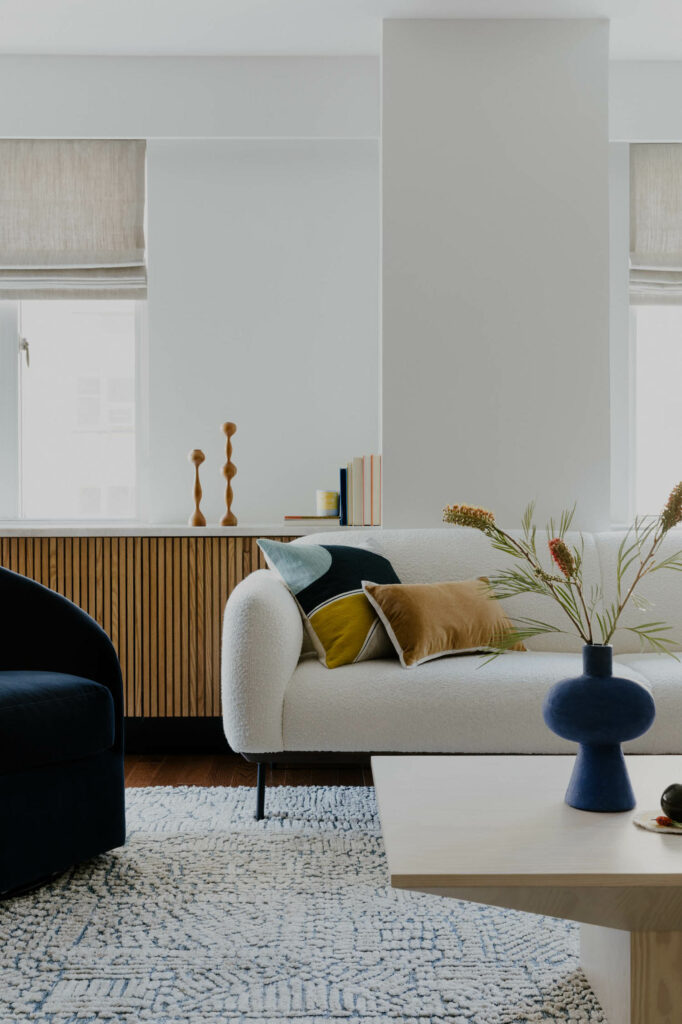
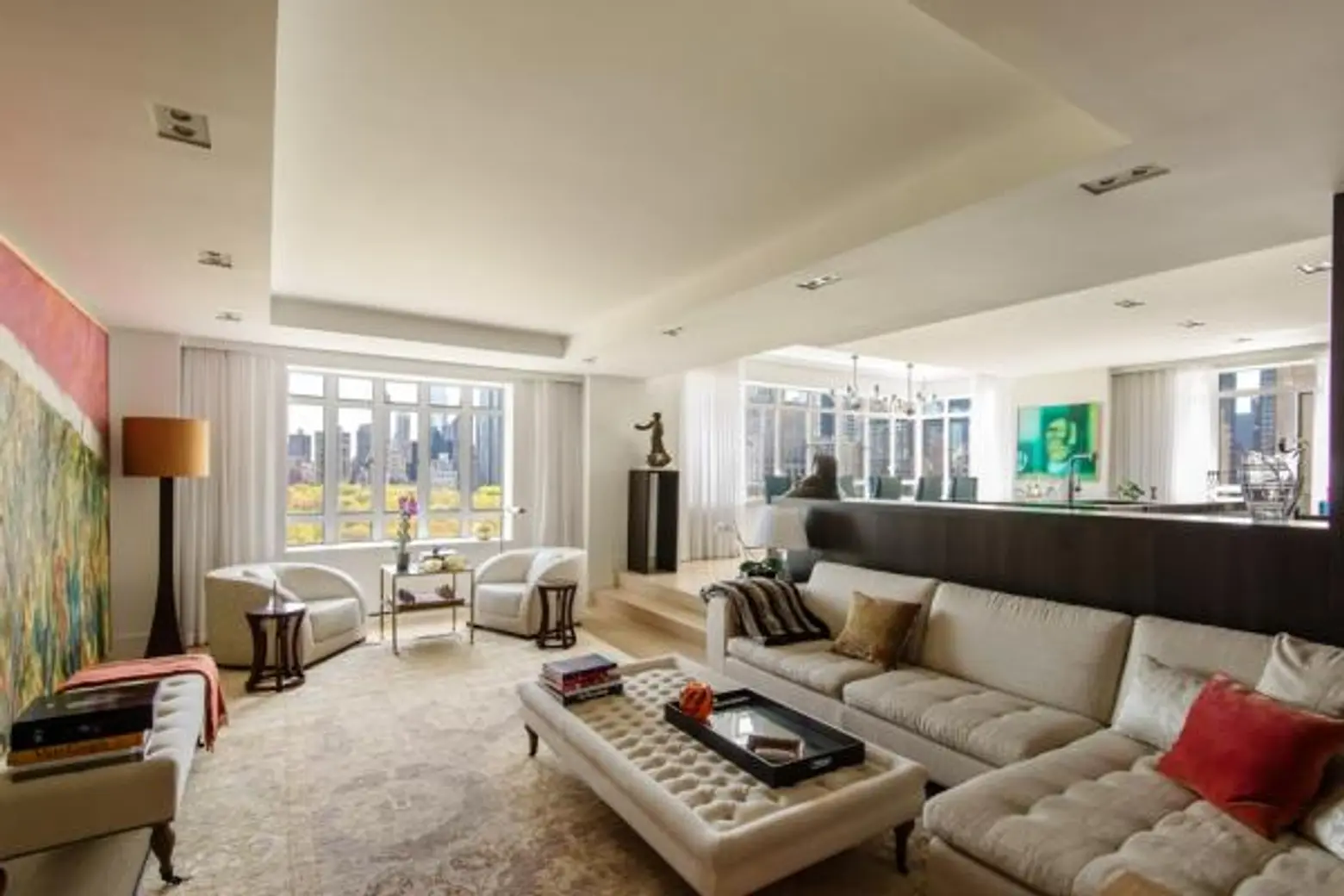
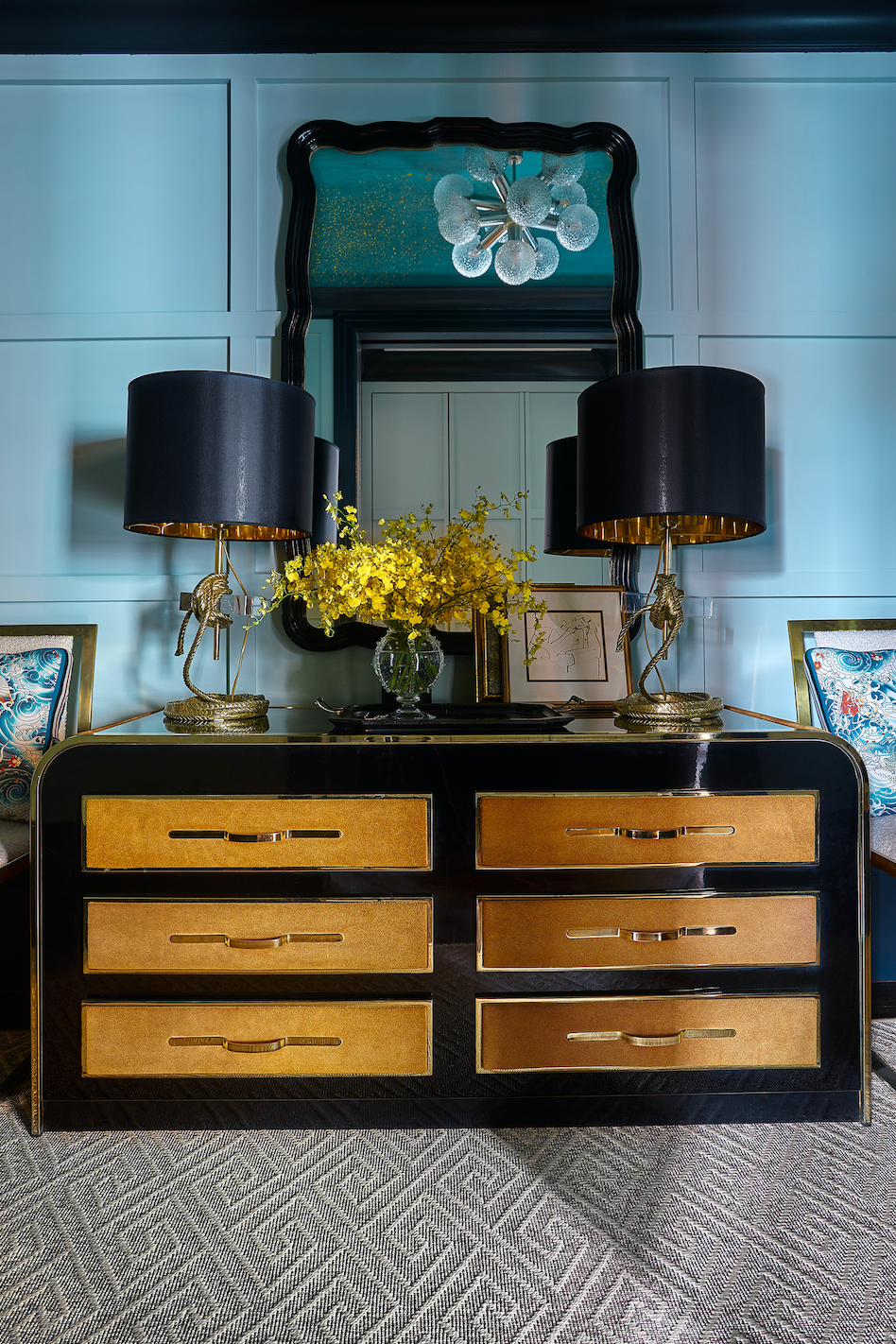
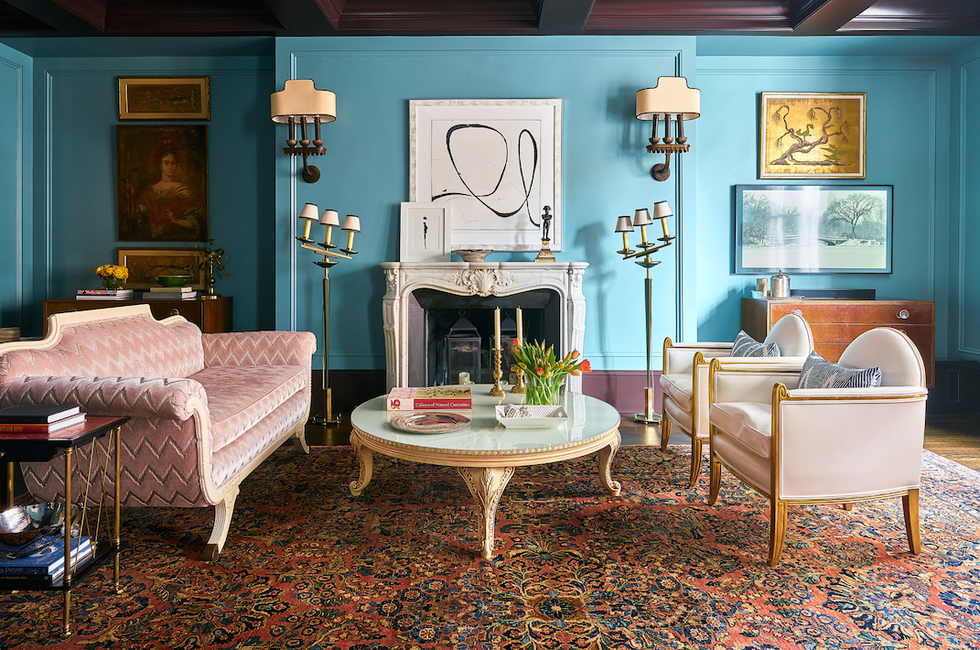
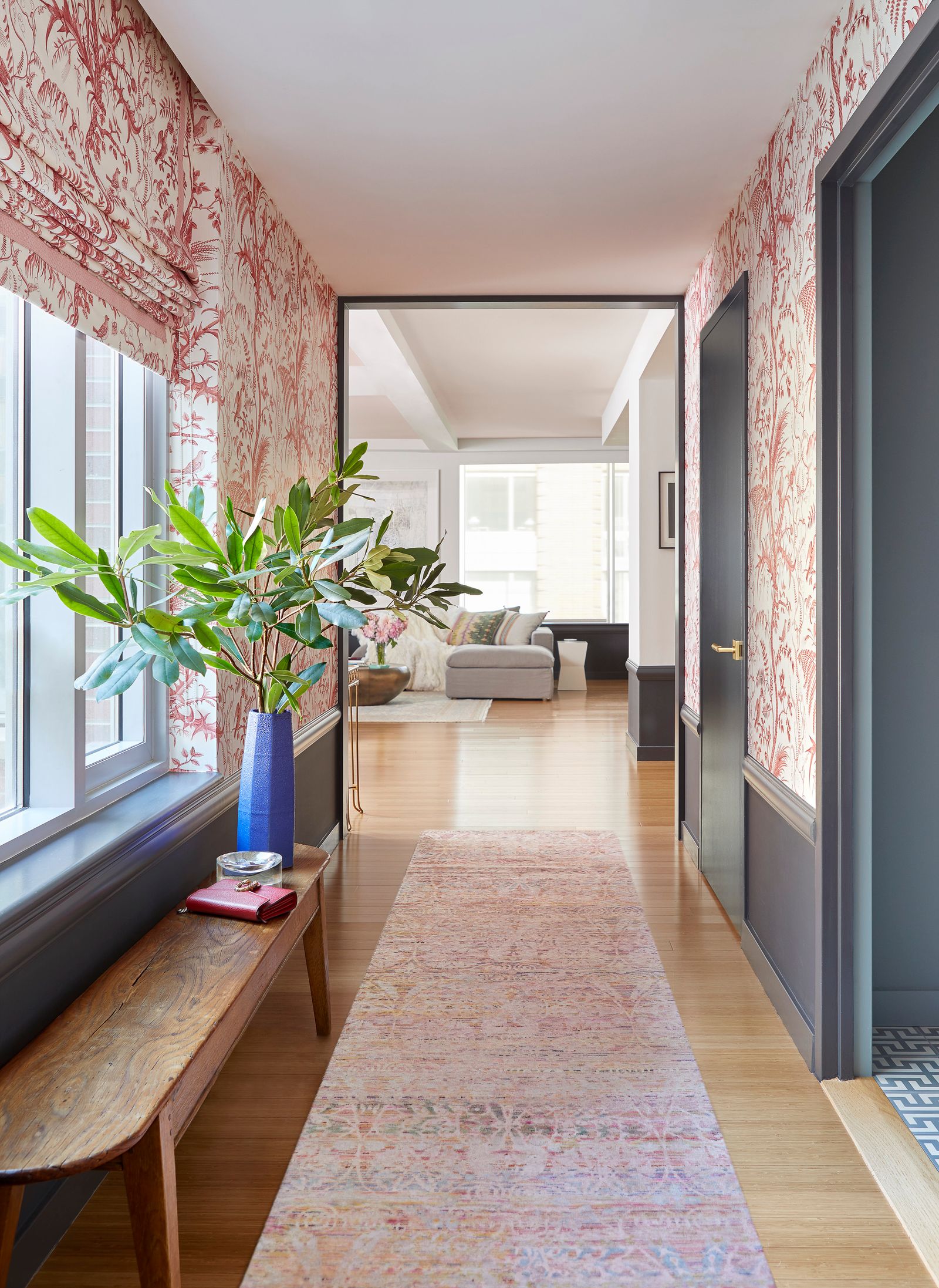
A-List designer David Netto embarked on a design project for a New York apartment, facing an initial challenge in defining a strong conceptual direction. The clients, who had combined two apartments in a 1929 Greenwich Village building, trusted Netto’s vision, allowing him to propose unconventional room-to-room connections for a more open, loft-like layout. The turning point arrived during a meeting when the client’s Italian name inspired Netto to create an "Italian New York apartment," not necessarily for the famous Agnelli family, but infused with their sophisticated spirit. The core concept involved radical combinations of old and new, emphasizing quality above all. This approach integrated traditional architecture with modern art, juxtaposing 18th-century antiques and silver with contemporary furniture. The client’s preference for a joyful color palette further guided the aesthetic.
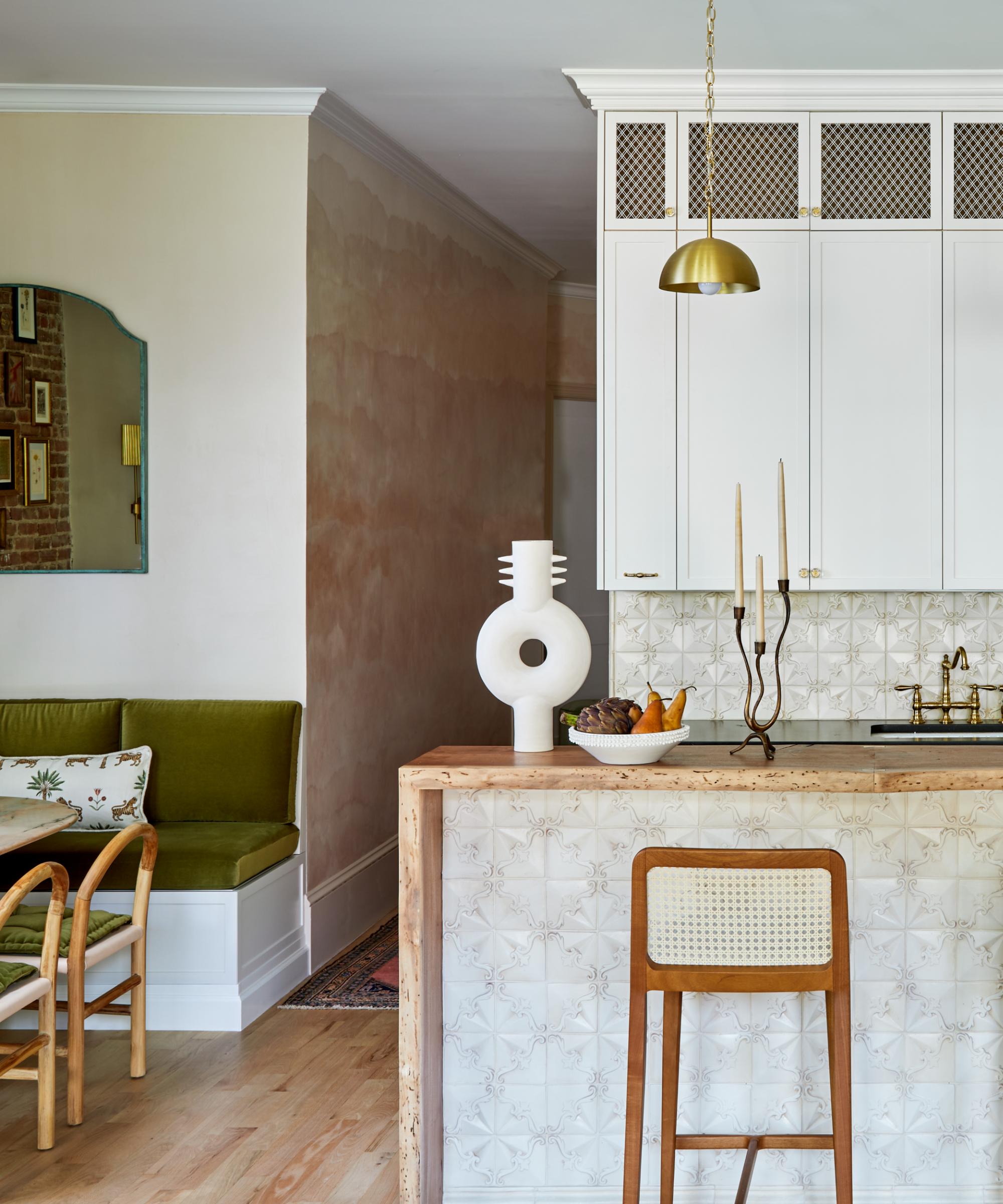
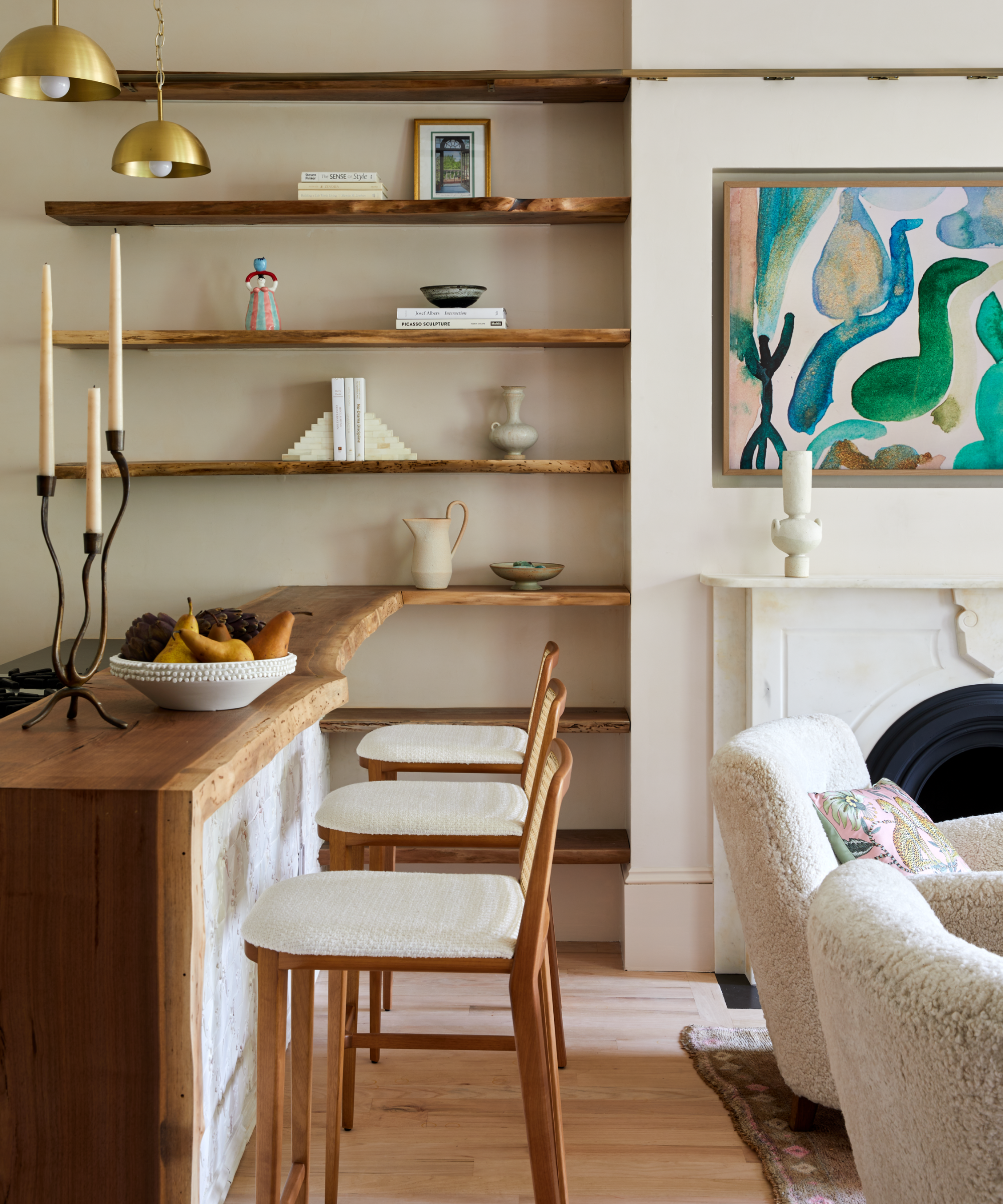
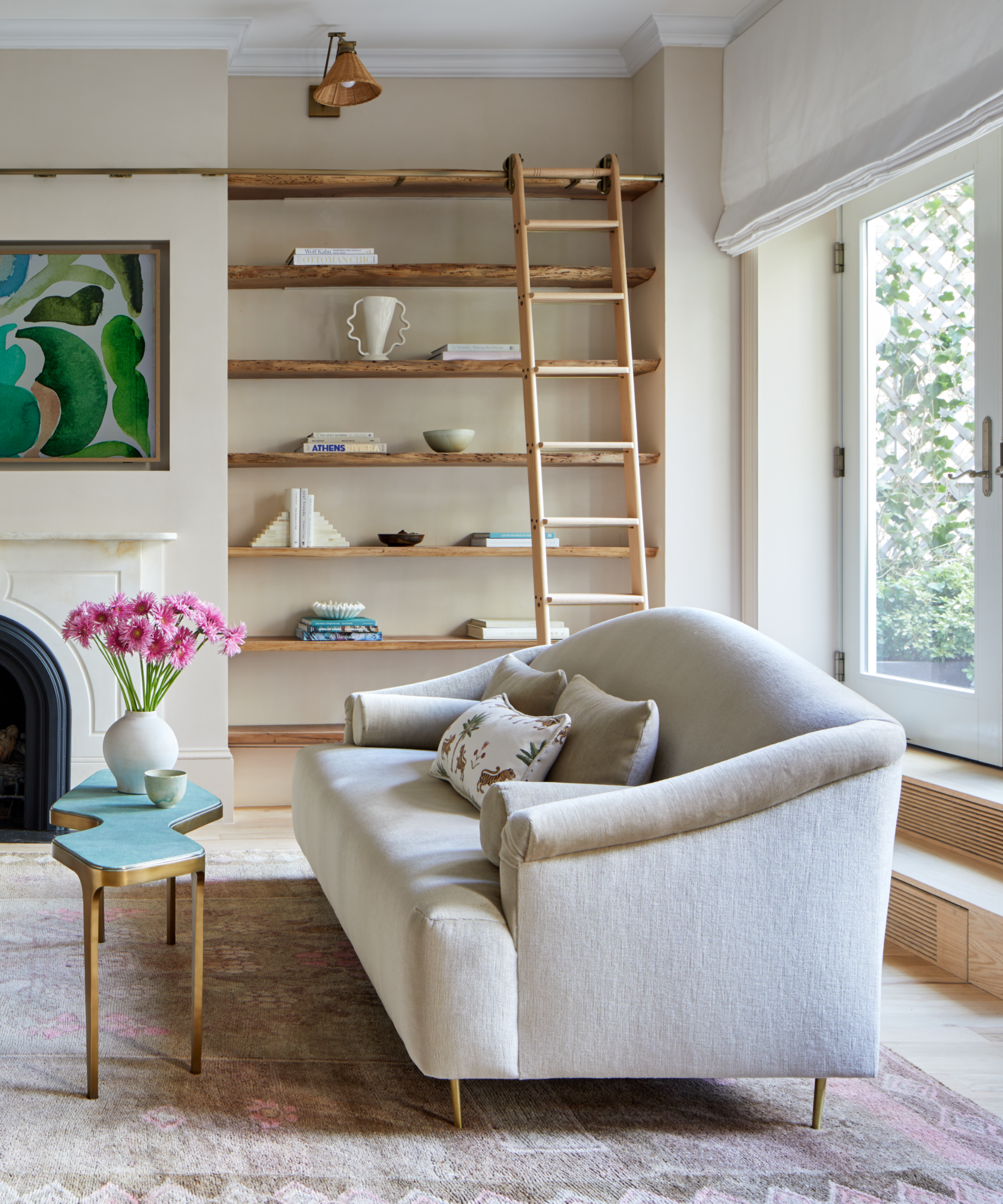
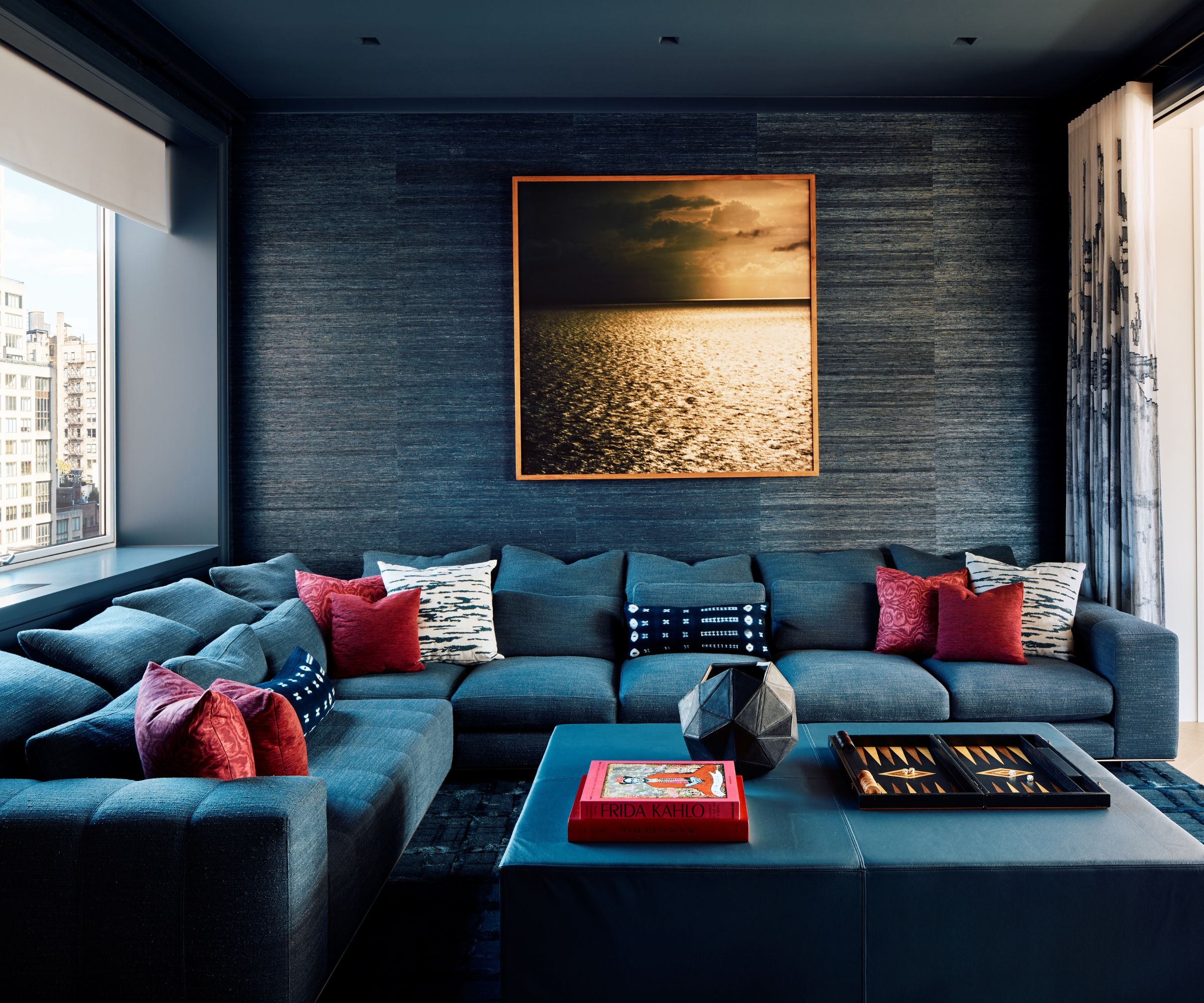
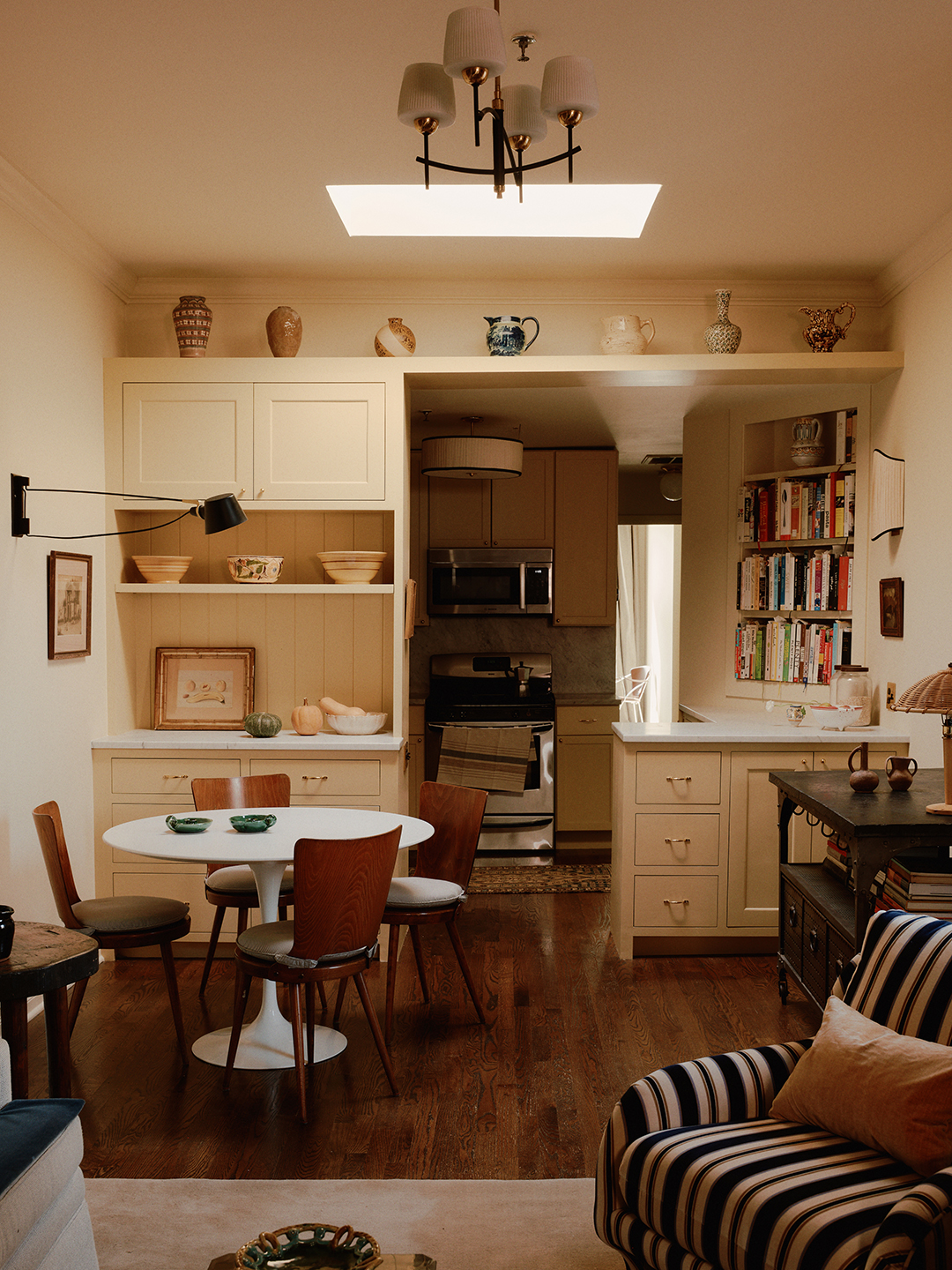
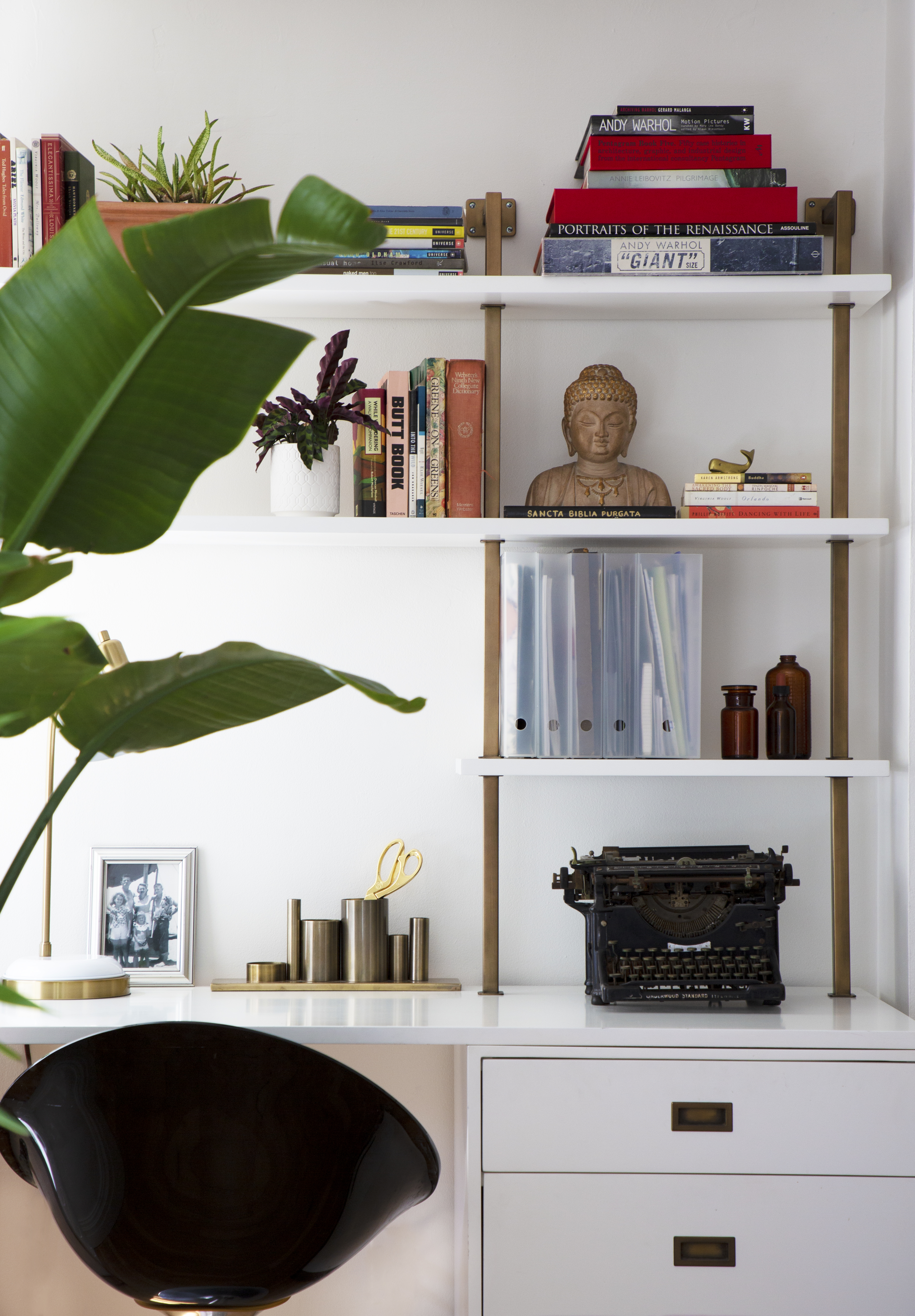
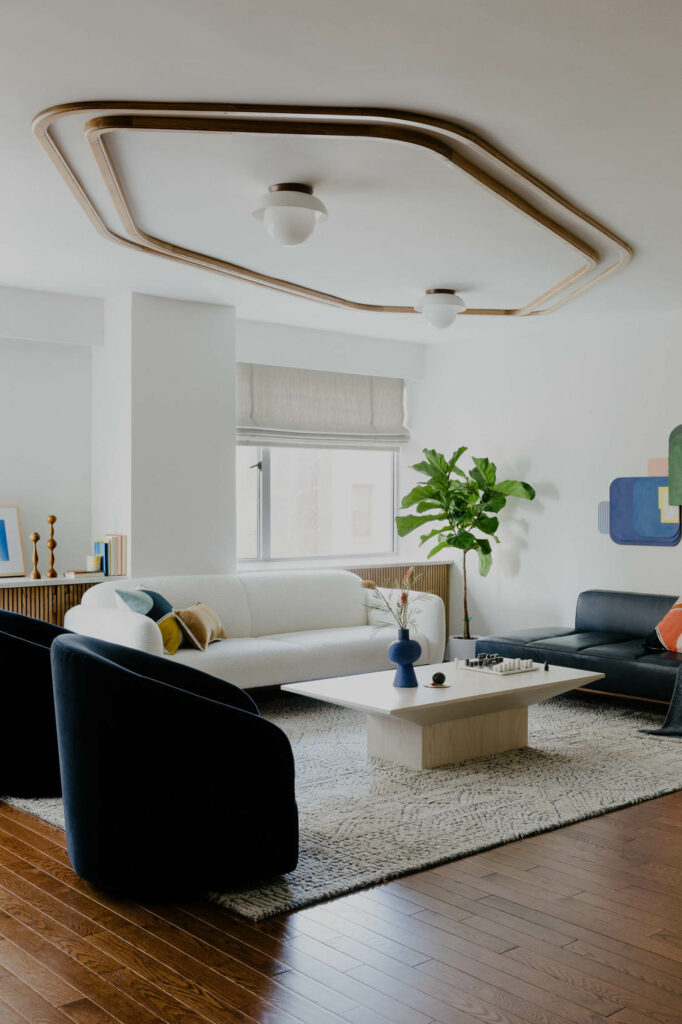
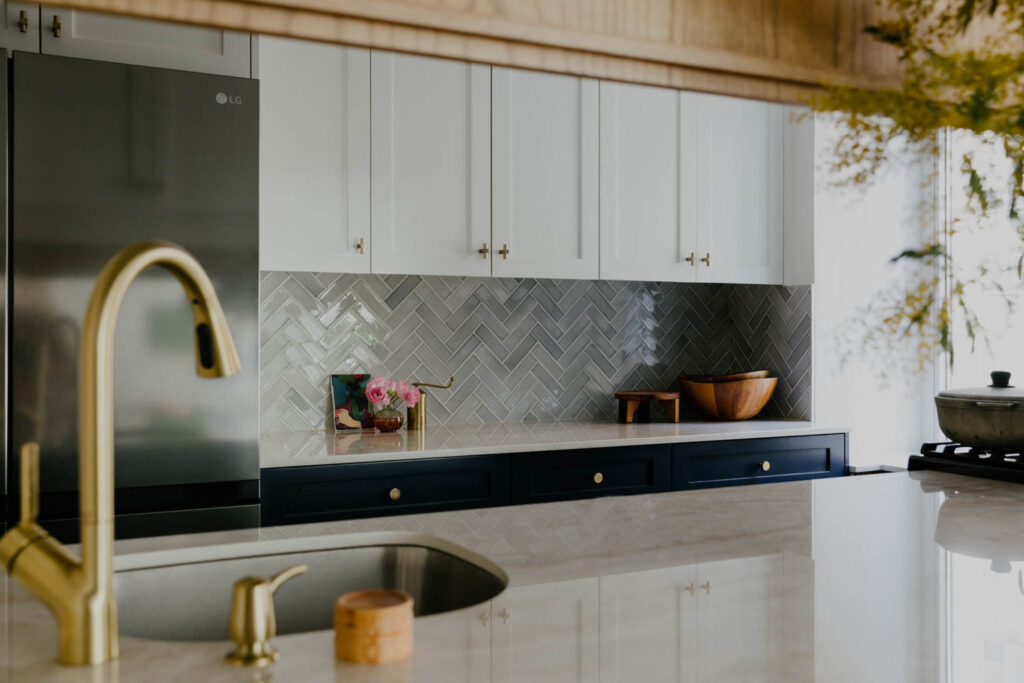
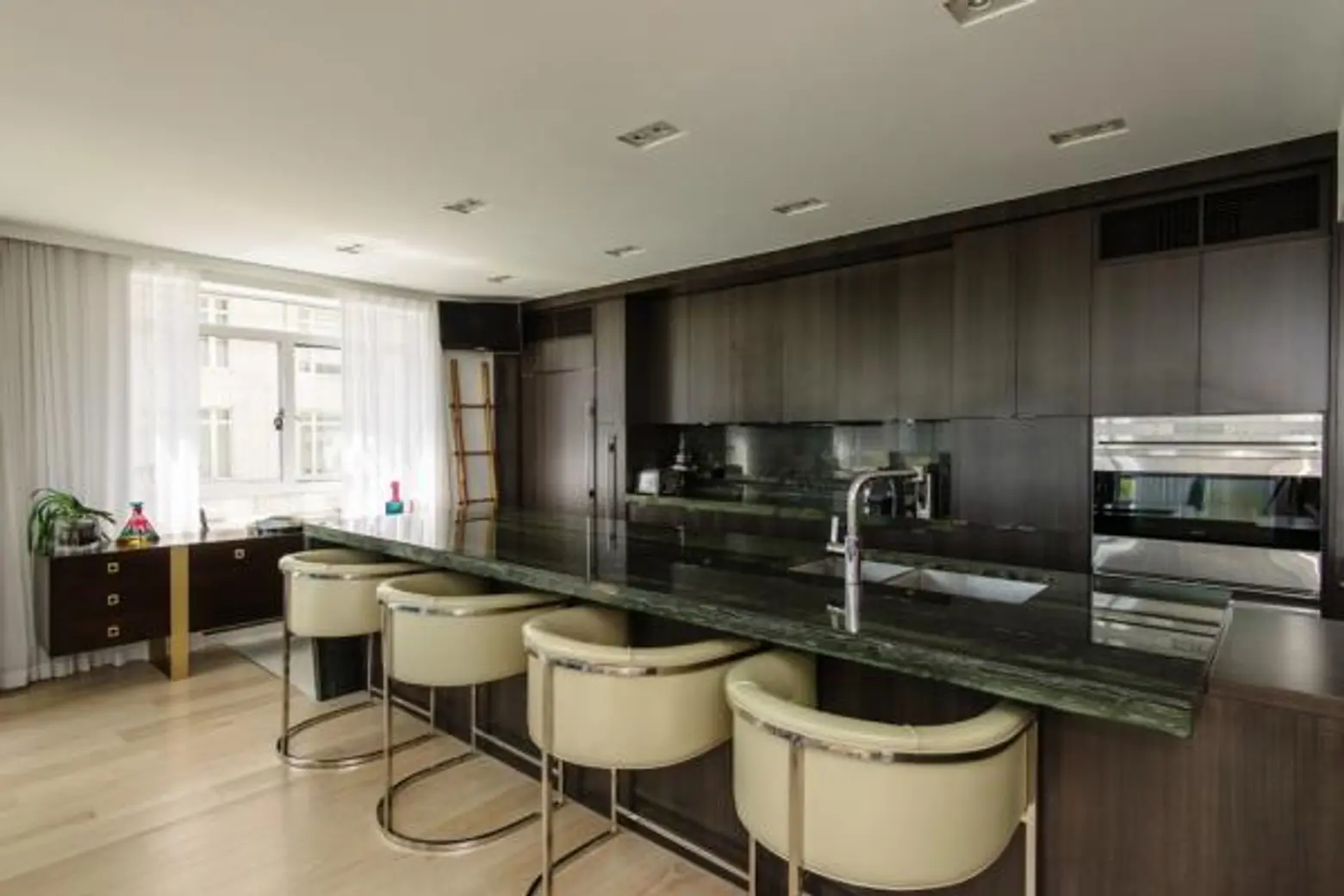
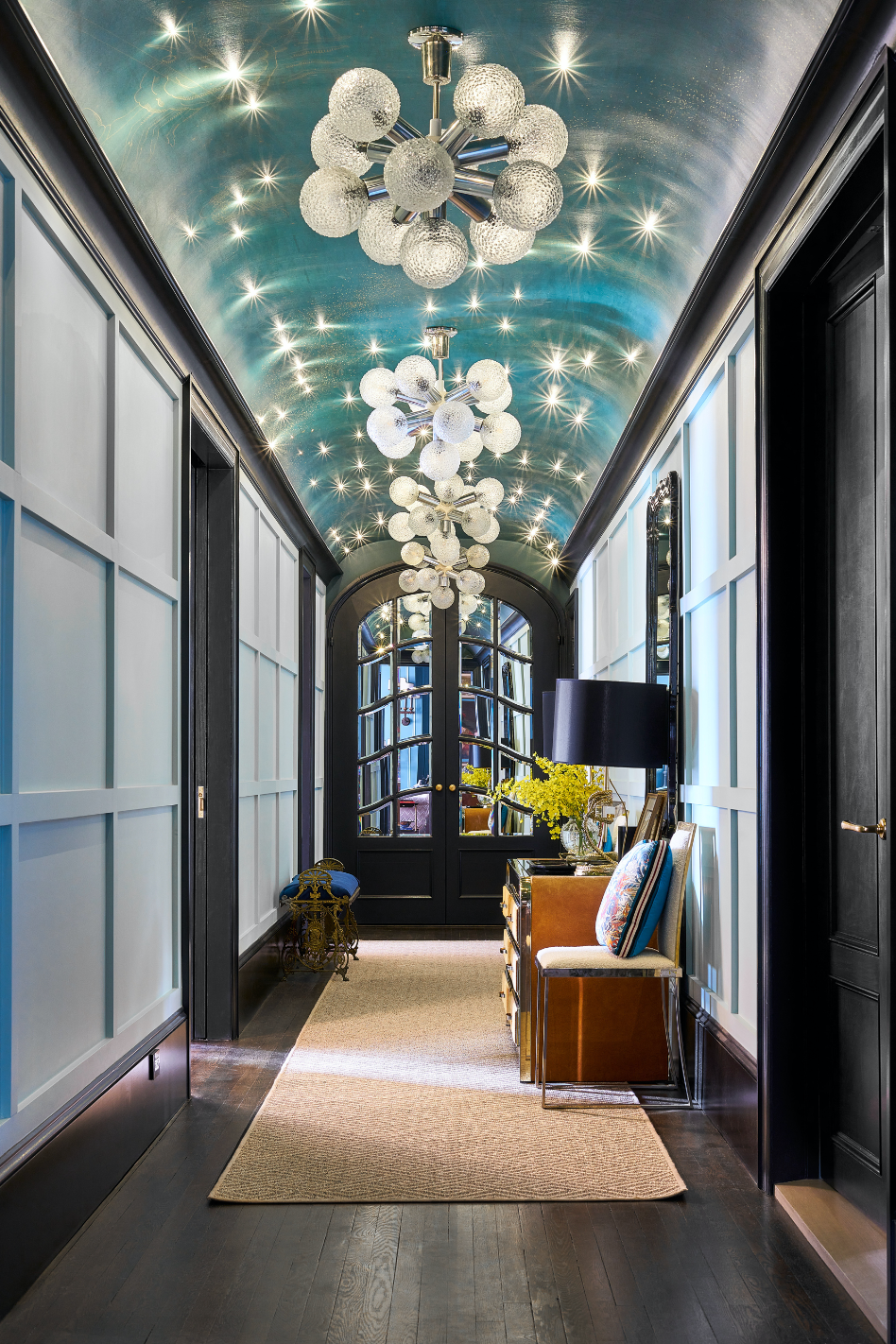
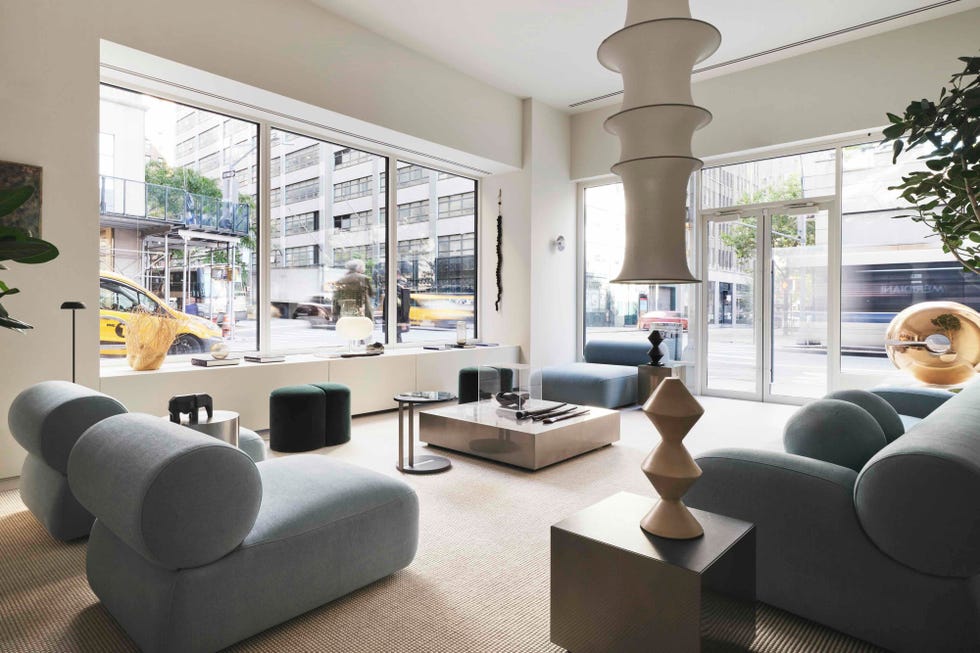
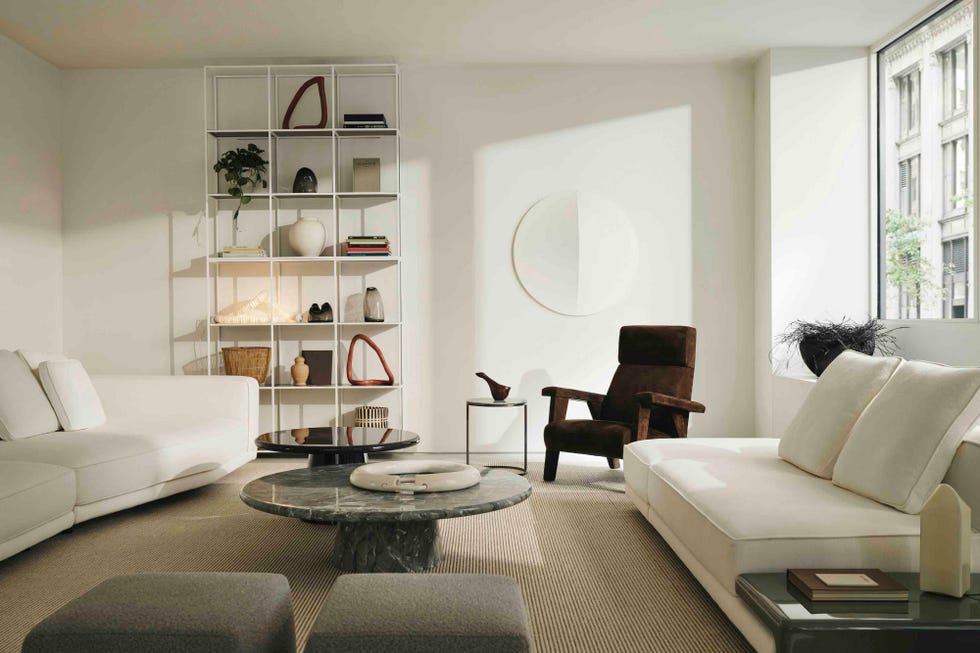
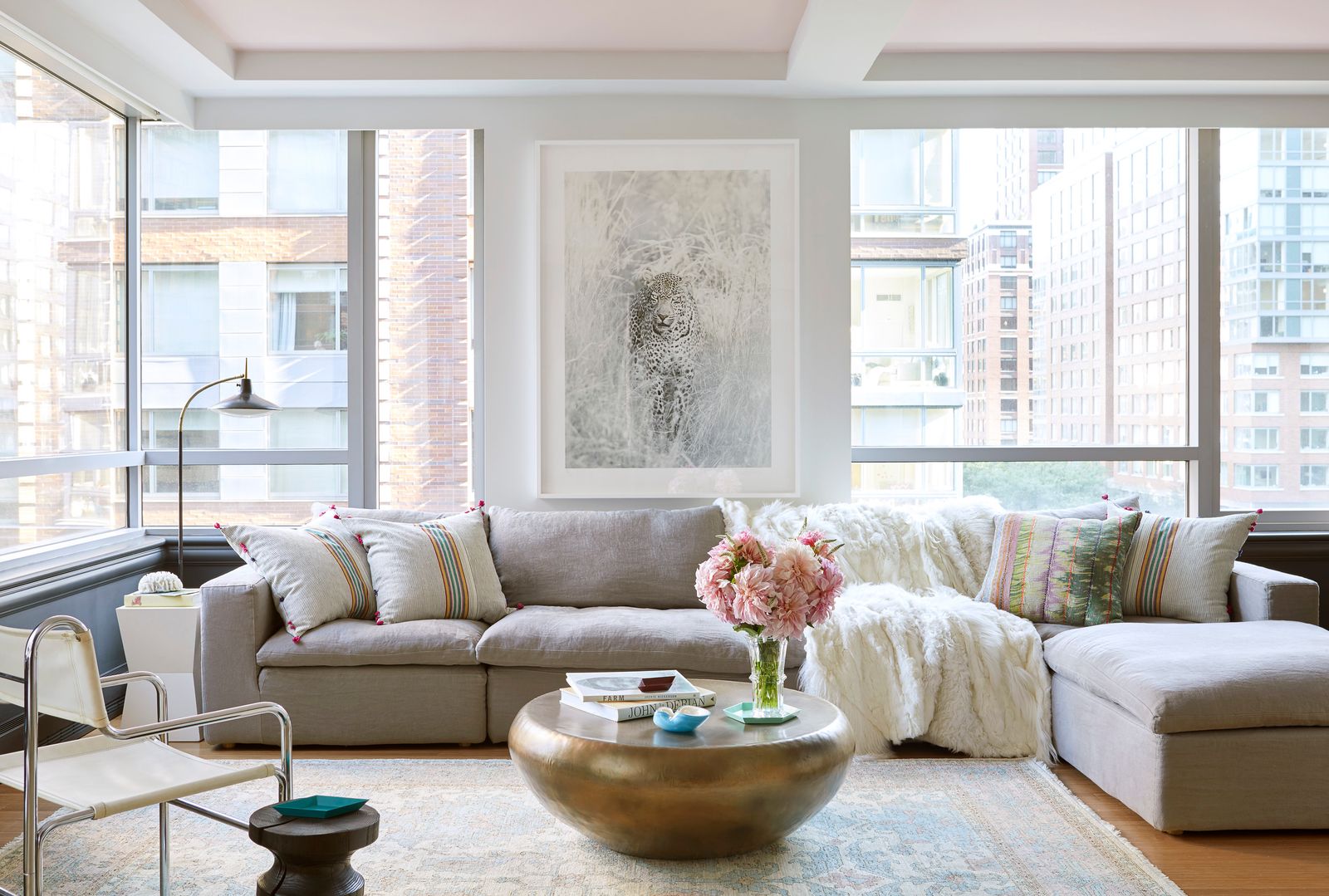
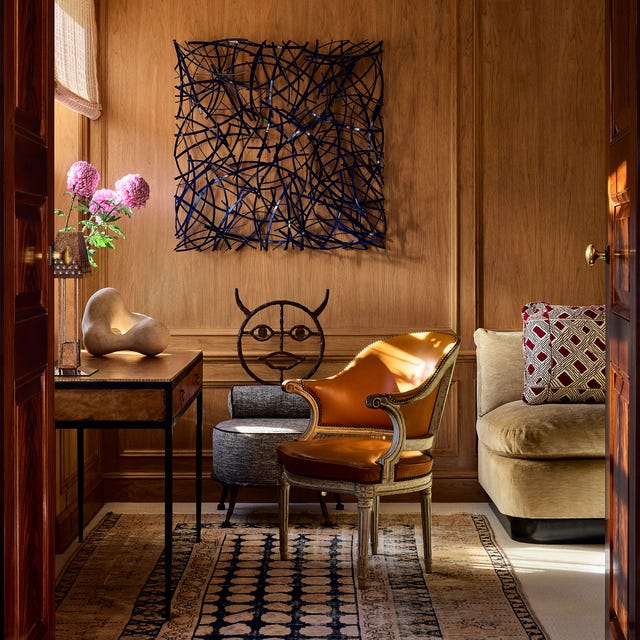
The project involved carefully curated objects and their unexpected pairings. For instance, the gallery features Louis XV blue and white ormolu-mounted cachepots from Emilio Terry and a cabinet from Henri Samuel, alongside chairs by Carlo Scarpa. The living room showcases a Noa mosaic coffee table by Elisabeth Garouste complementing a George III armchair from Gerald Bland. The library is anchored by an iron and leather desk inspired by Jean Michel Frank, an antique Louis XVI Fauteuil de Bureau, custom rift oak paneling, an antique rug by Katie Leede, and a sectional sofa upholstered in cinnamon-hued Claremont linen velvet. Throughout the apartment, contemporary Bonacina pieces are prominent. The finishes contribute significantly to the apartment's unique character, such as faux Iznik tiles in the kitchen backsplash, inspired by museum patterns, and a zigzag brown and white Parish Hadley floor in the music room.
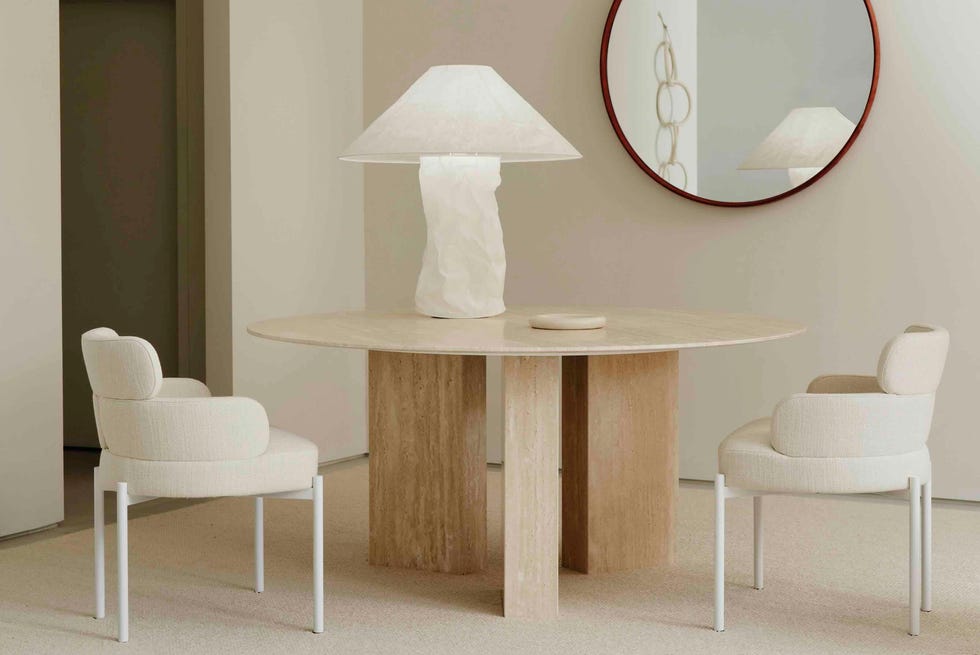
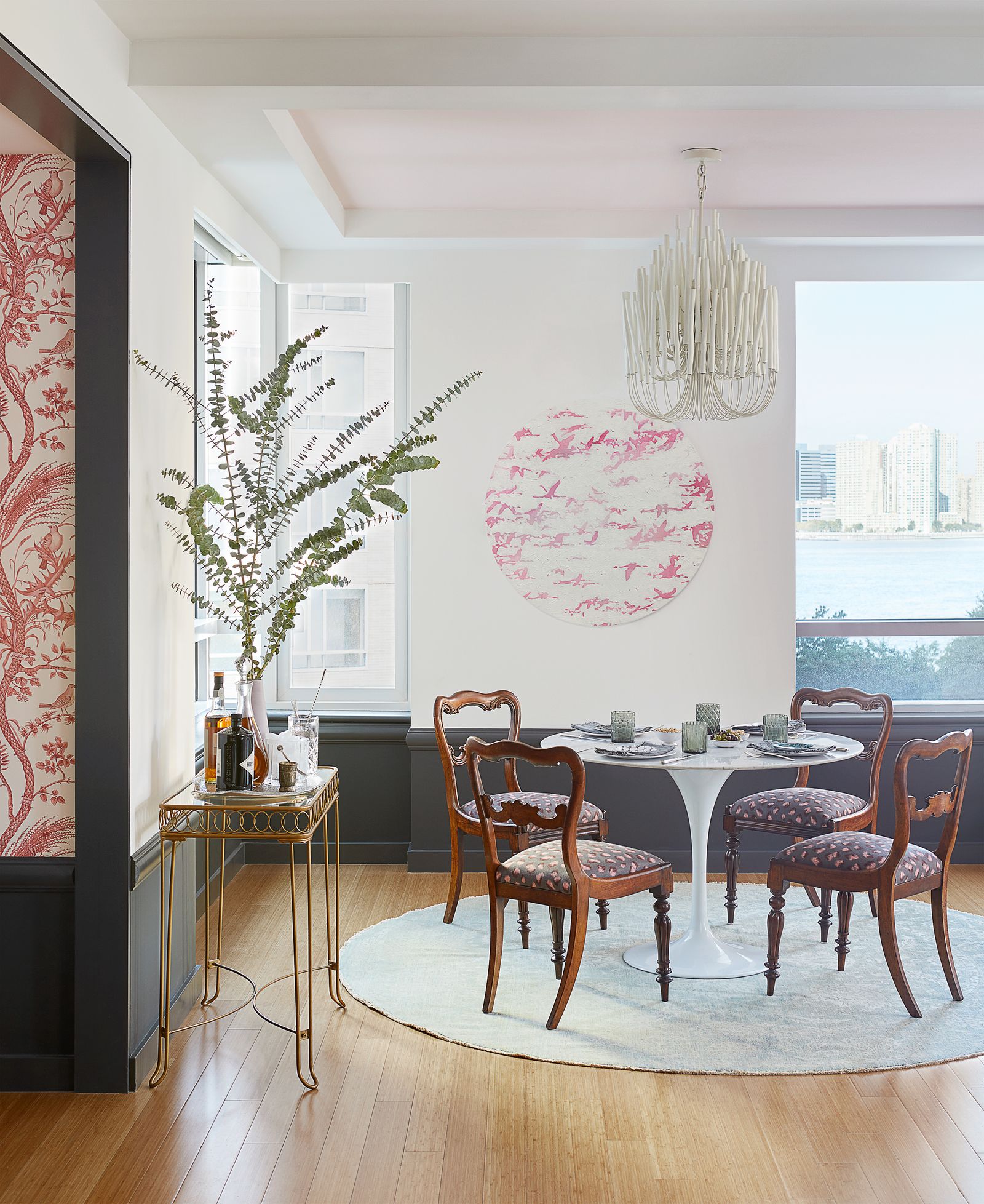
The dining room makes a bold statement with Zuber’s Combats des Grecs wallpaper, providing a vivid and sensual backdrop, subtly contrasted by contemporary rattan chairs by India Mahdavi. A more subtle Italian influence is observed in the higher mounting of door hardware, reminiscent of Venetian palazzos, an effect Netto previously witnessed in a theatrical New York apartment designed by Renzo Mongiardino. This detail aims to create a sensual rather than purely visual experience, encouraging an unfamiliar interaction with the space. The design process also involved defending choices, such as the use of architectural mirrors to enhance light and add glamour, which Netto argued would ultimately make walls “invisible.” The successful execution of the design is encapsulated as a recipe: a mix of art, boldness, and quality; a blend of 21st and 18th-century elements; a strong point of view; and, most importantly, a space meant for enjoyment and entertaining.
This design philosophy emphasizes that successful decorating engages multiple senses beyond sight, contributing to a truly immersive and personal living environment. The article highlights the importance of client trust and a clear design concept in transforming an ordinary space into an extraordinary one, reflecting a unique blend of cultures and eras through thoughtful curation and audacious choices.
#ItalianChic #NewYorkApartment #DavidNetto #InteriorDesign #EclecticStyle #LuxuryInteriors #HomeDecor #DesignProcess #ArtAndAntiques #ItalianChic #NewYorkApartment #DavidNetto #InteriorDesign #EclecticStyle #LuxuryInteriors #HomeDecor #DesignProcess #ArtAndAntiques
0 comment in total
 No comments yet
You may also like
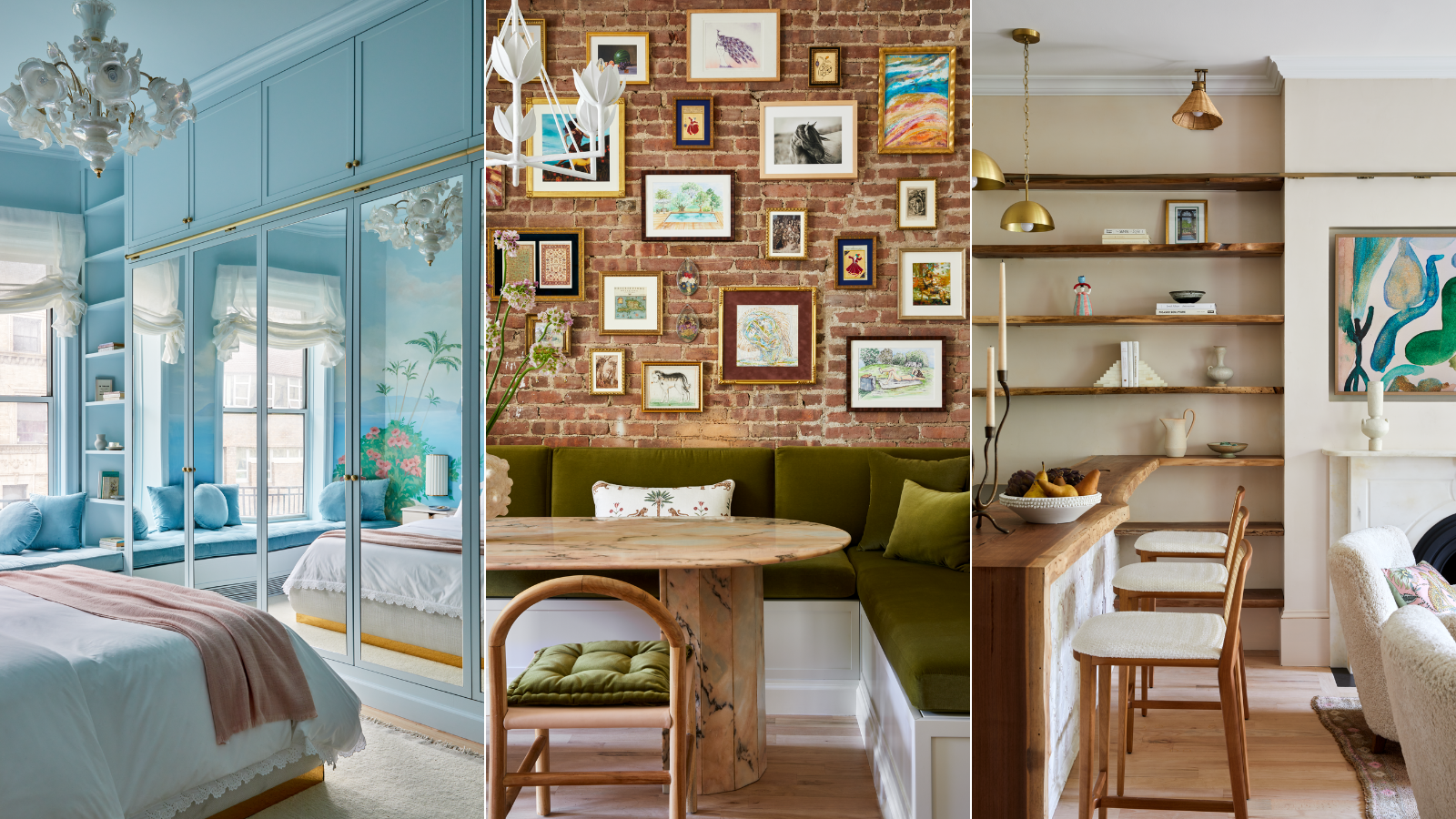
This whimsical Manhattan apartment perfectly reflects the free spirit of its artist owner

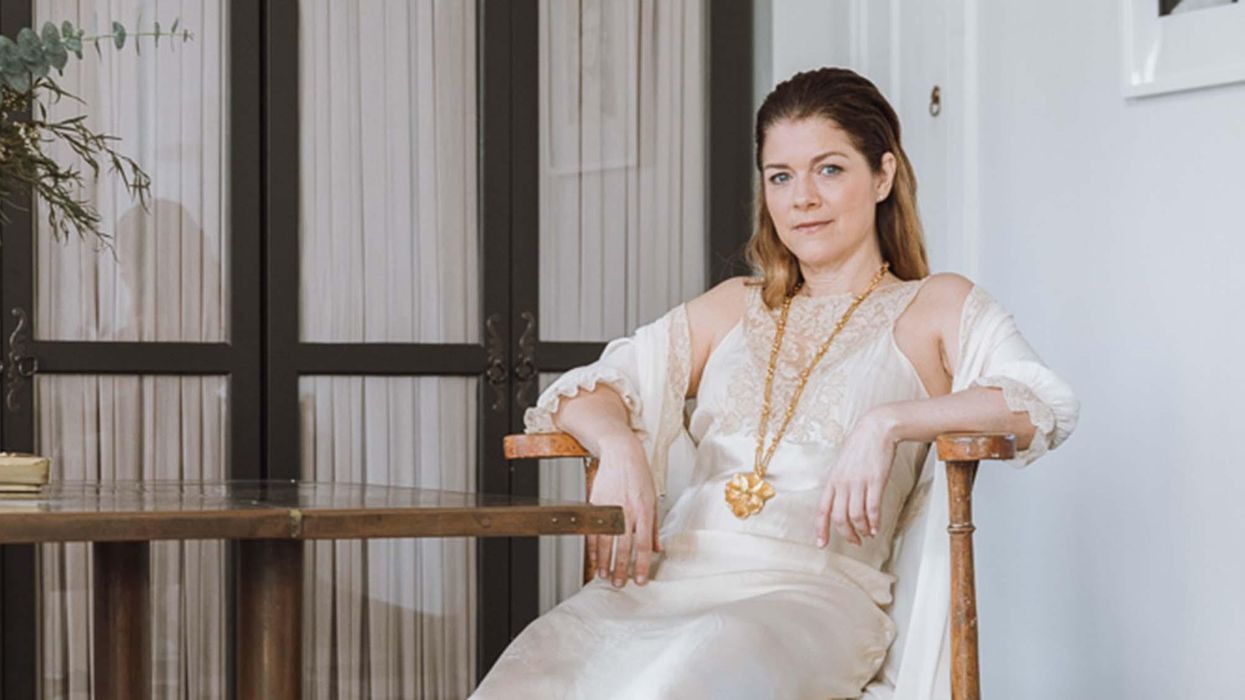
A Chicago Apartment That Celebrates the Mix of High & Low
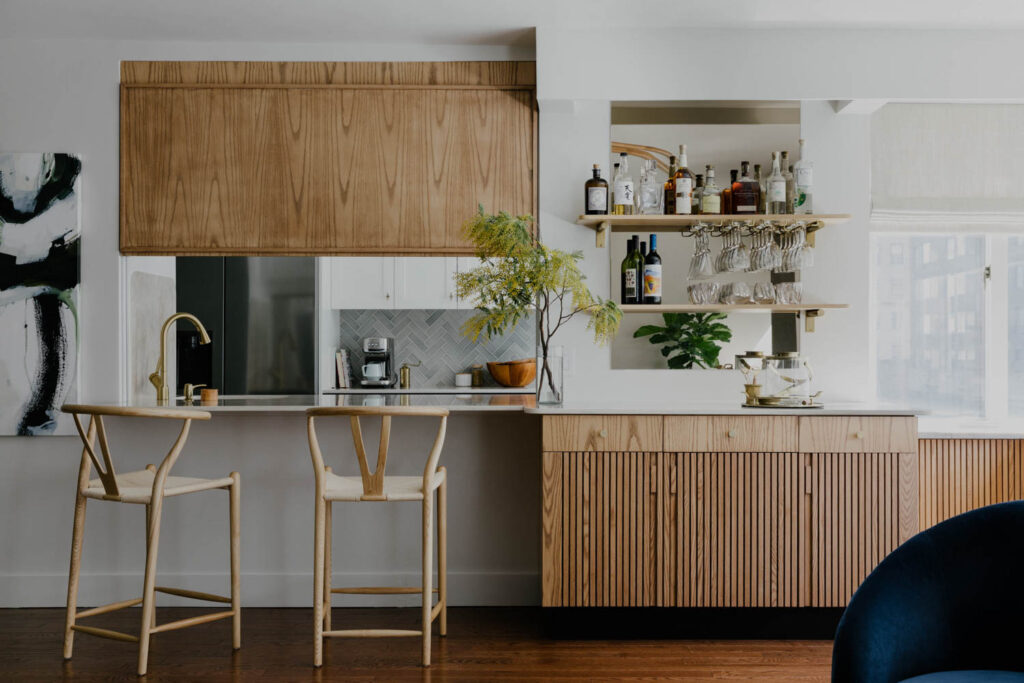
Playful Wallcoverings Enliven This Tranquil Manhattan Apartment

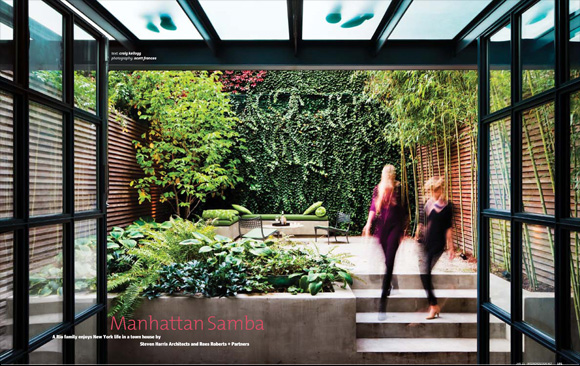
Manhattan Samba: A Brazilian Family’s New York Pied-a-Terre
California casual meets classic Upper East Side charm in this stylish New York apartment
A Sumptuous New York Town House Takes Center Stage
From Central Harlem to Hell’s Kitchen: We wanted a real two bedroom in a busy and convenient area

‘Oasis’ Soho loft with sliding glass doors seeks $5M
A Giant Tapestry Sets the Italian Villa Vibe in This 650-Square-Foot New Jersey Apartment

memphis aesthetics and mid-century modernism blend together in milanese apartment
Stunning Park Views, The Century at 25 Central Park West

Quintessential Italian Style Puts Down Roots in New York
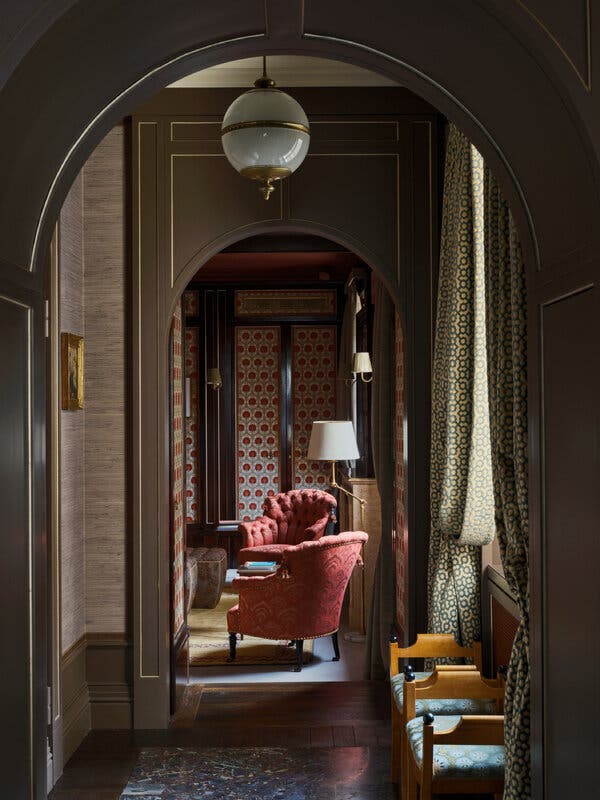
An Elegant Milan Apartment That Invites Peaceful Contemplation

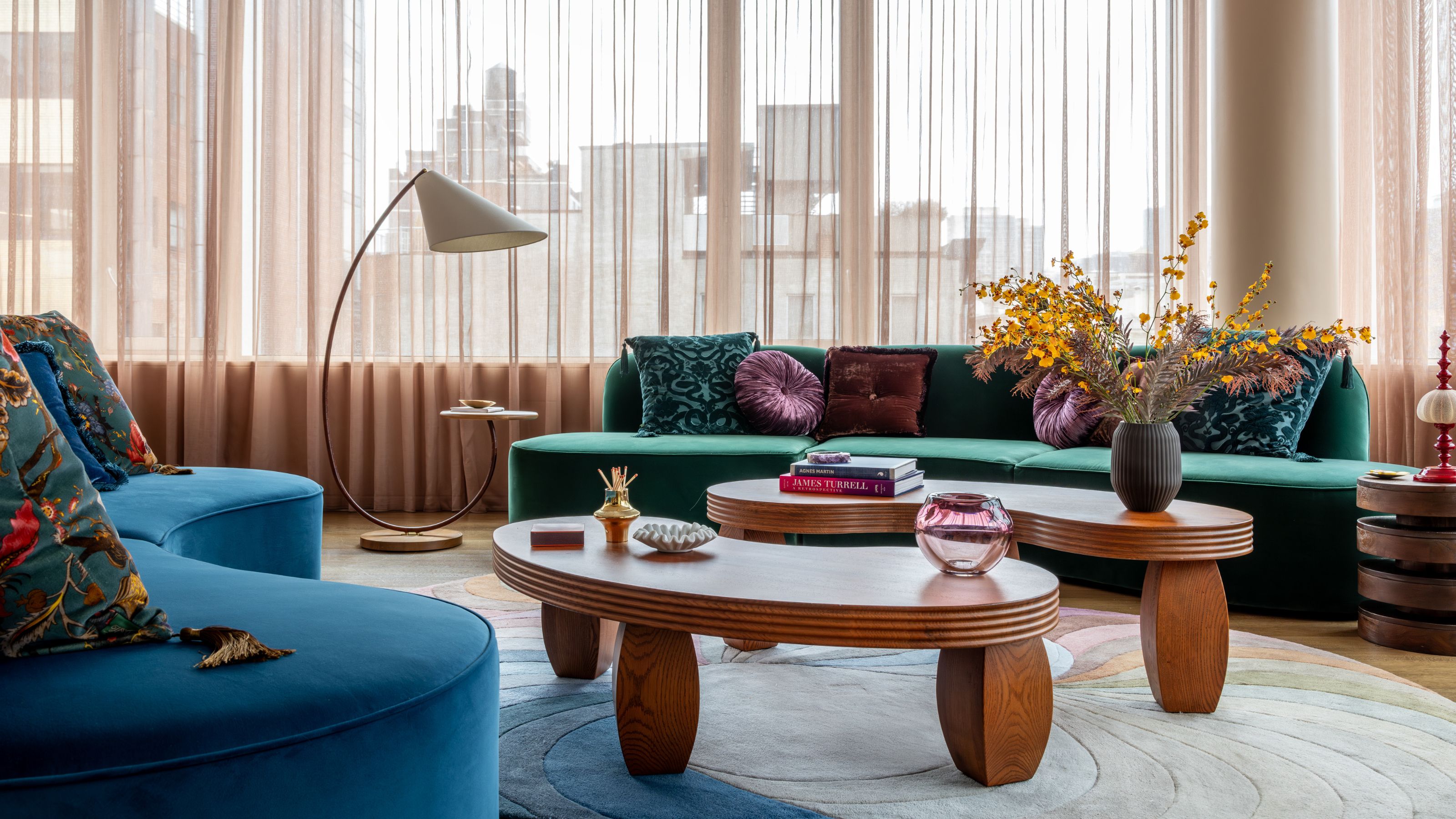
You would never know that high-street gems are hidden in this elegant New York apartment
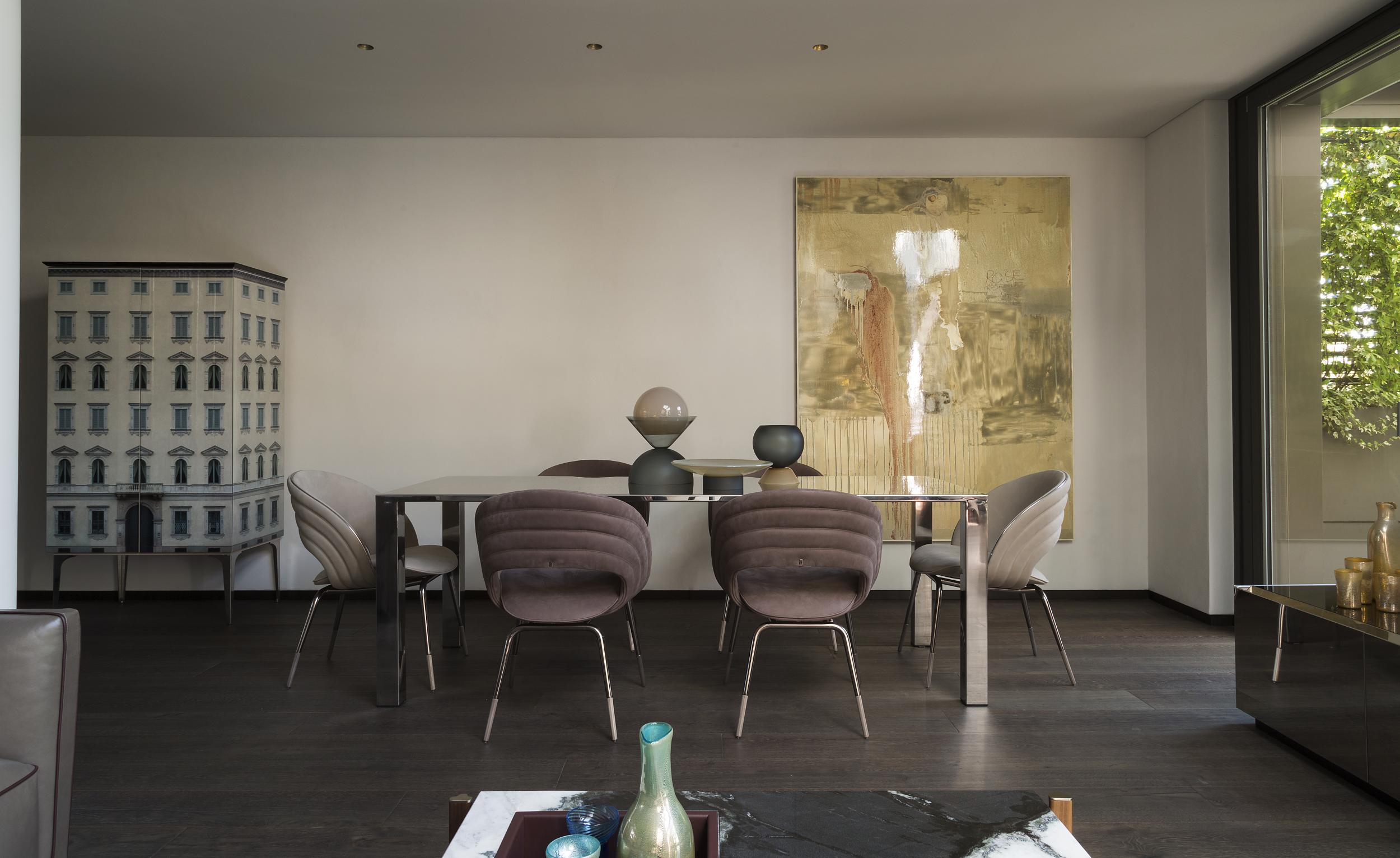
Step inside this Milanese urban oasis

Casey Neistat and Candice Pool Found Suburban Zen in a Concrete Jungle

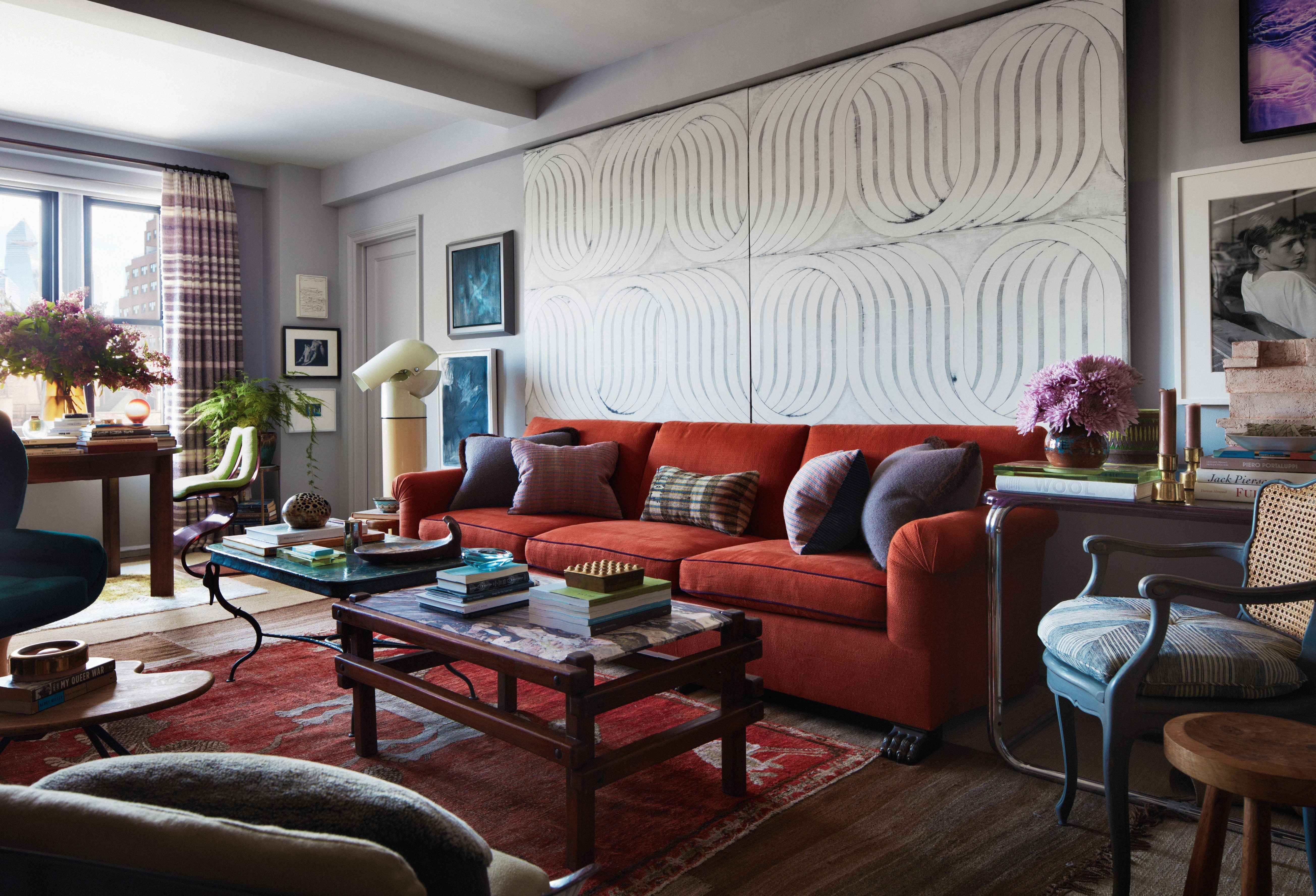
This multilayered New York apartment tells a story of passion for vintage design and craft
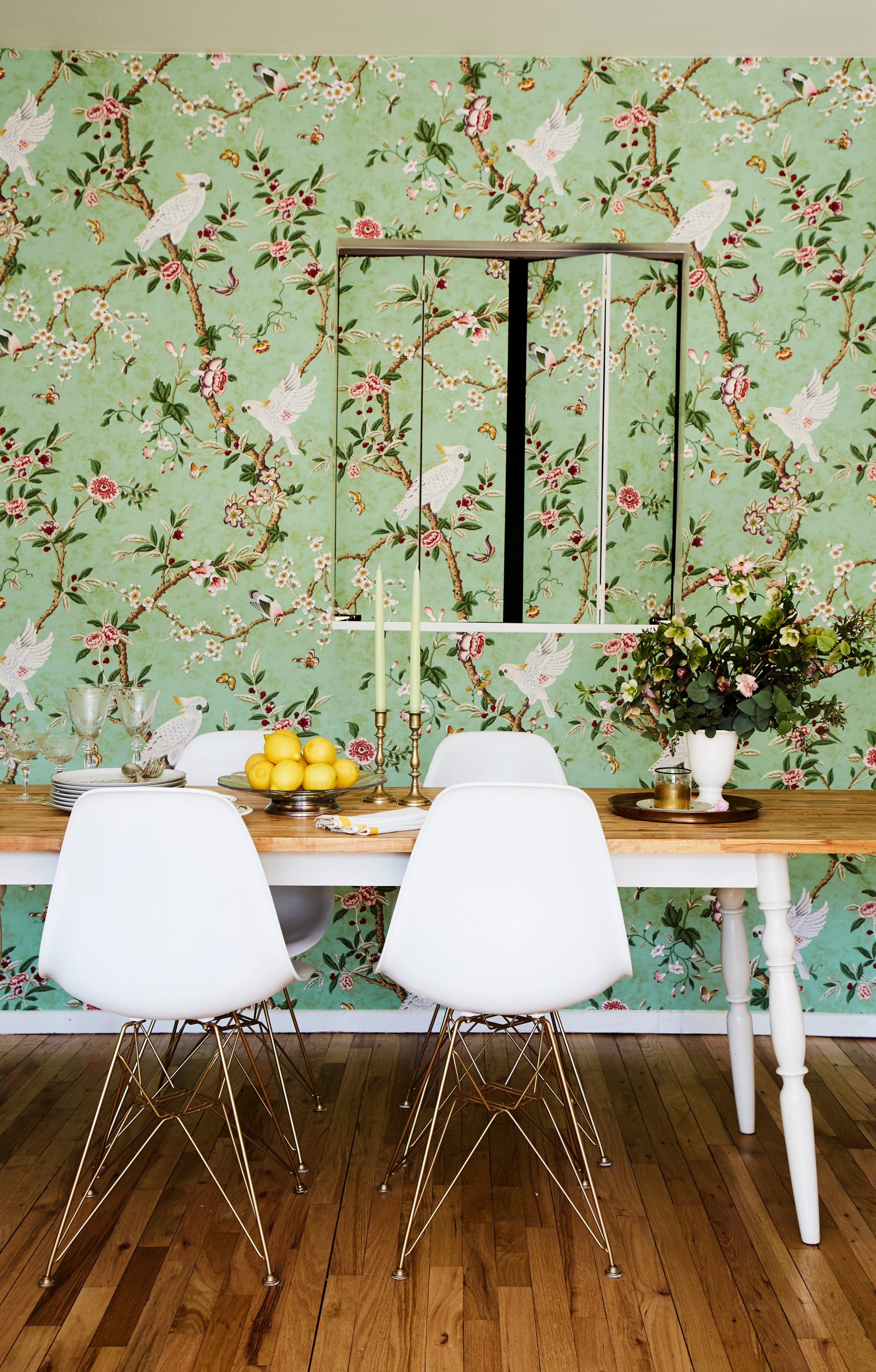
Mixing and Matching Has Never Looked Better Than in This NYC Apartment
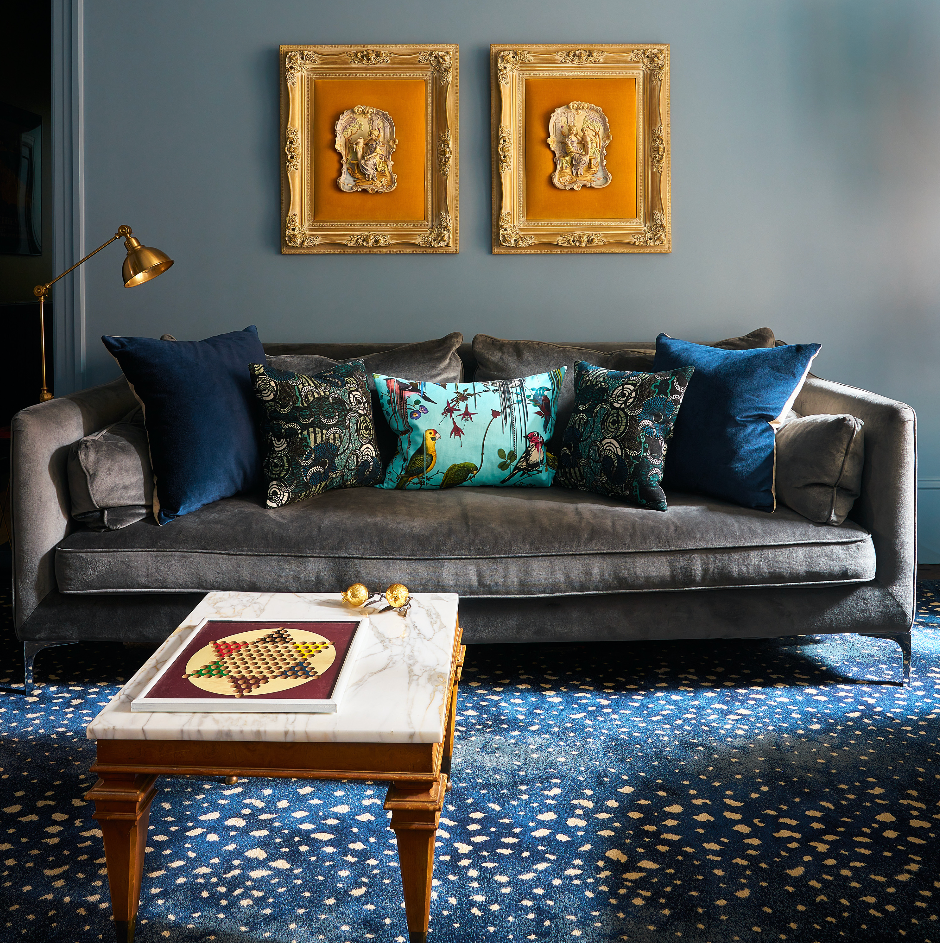
This NYC Apartment Features a Light-Up Replica of Grand Central Terminal's Ceiling
My Favorite Room: Downtown apartment is all about style