Why Dining Rooms Are Disappearing From American Homes
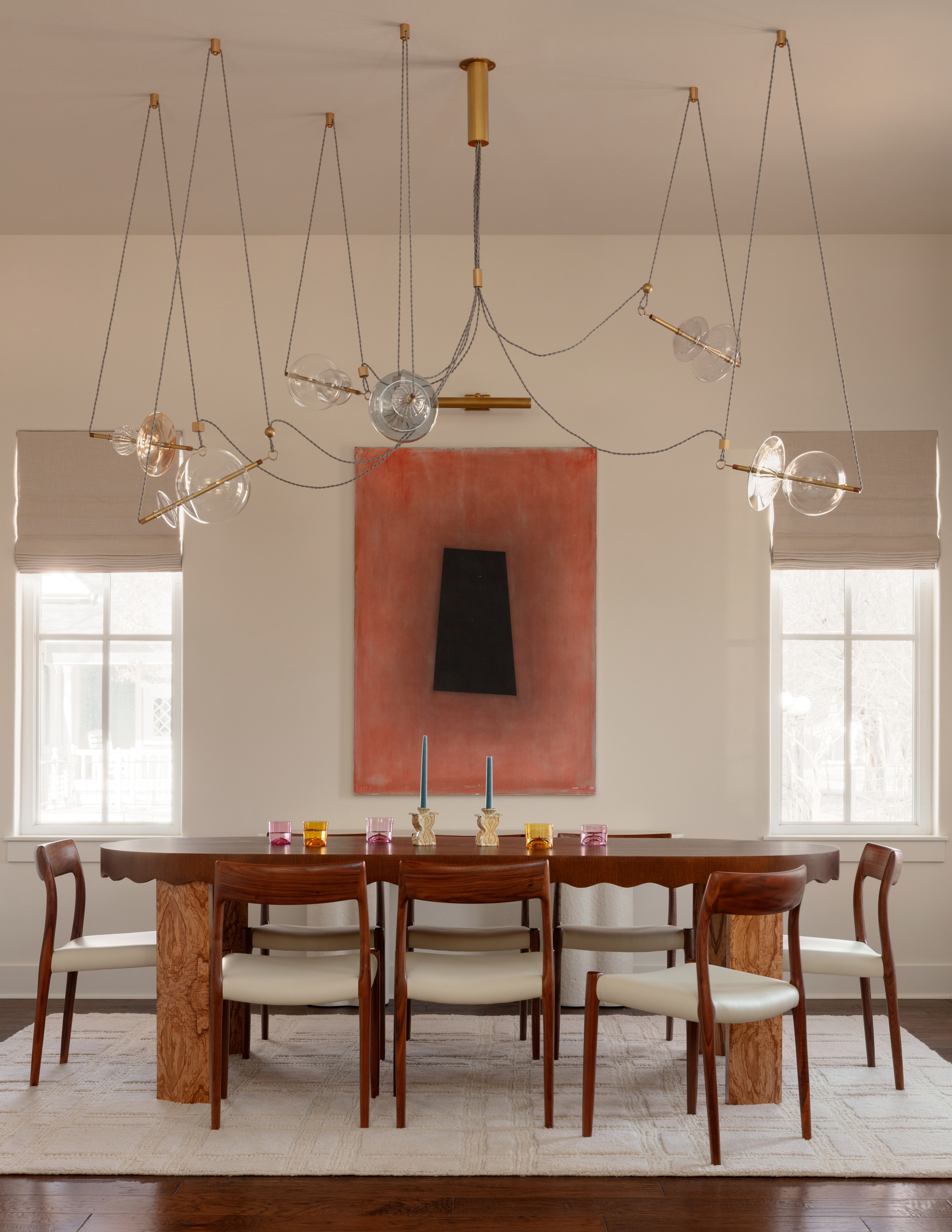
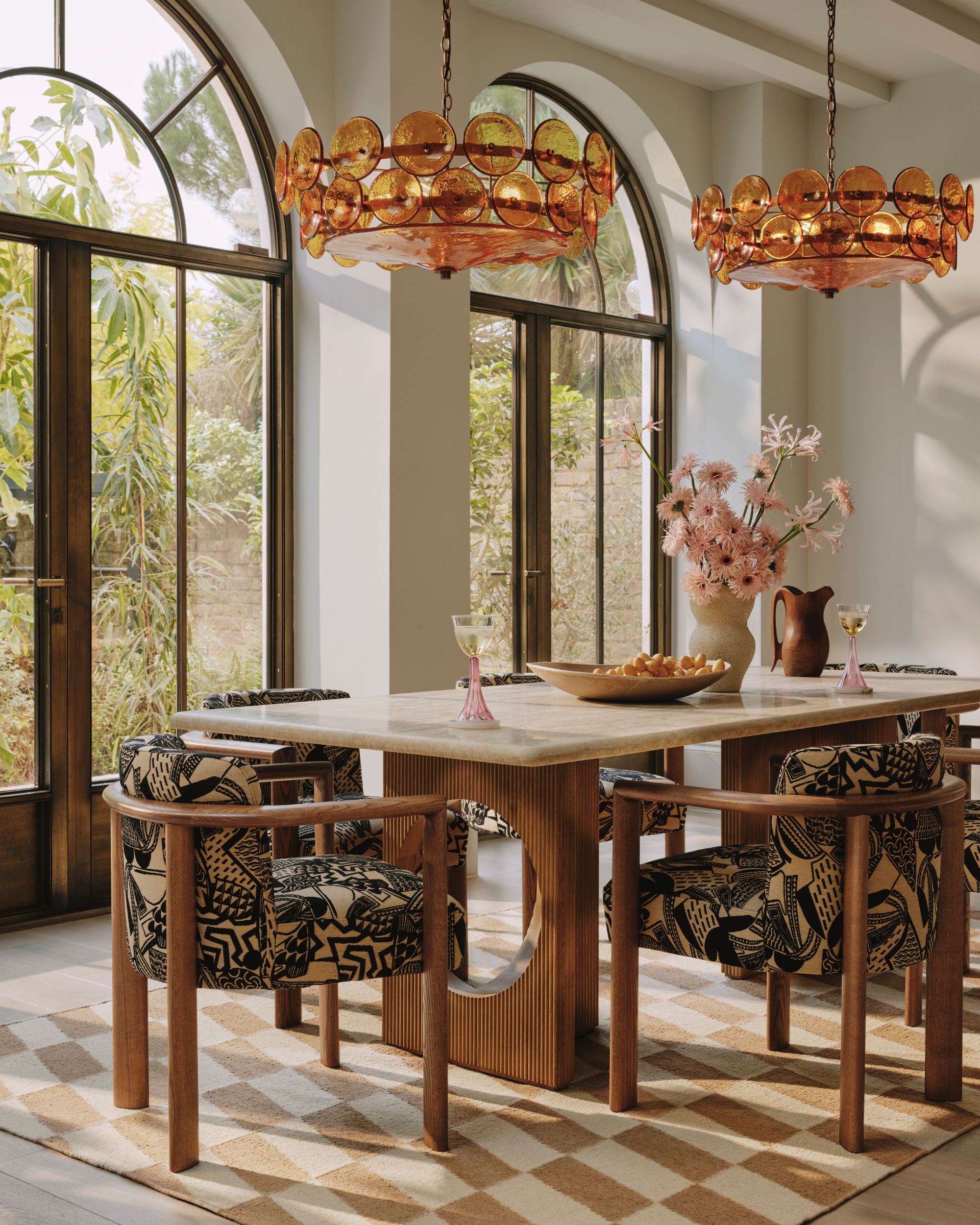
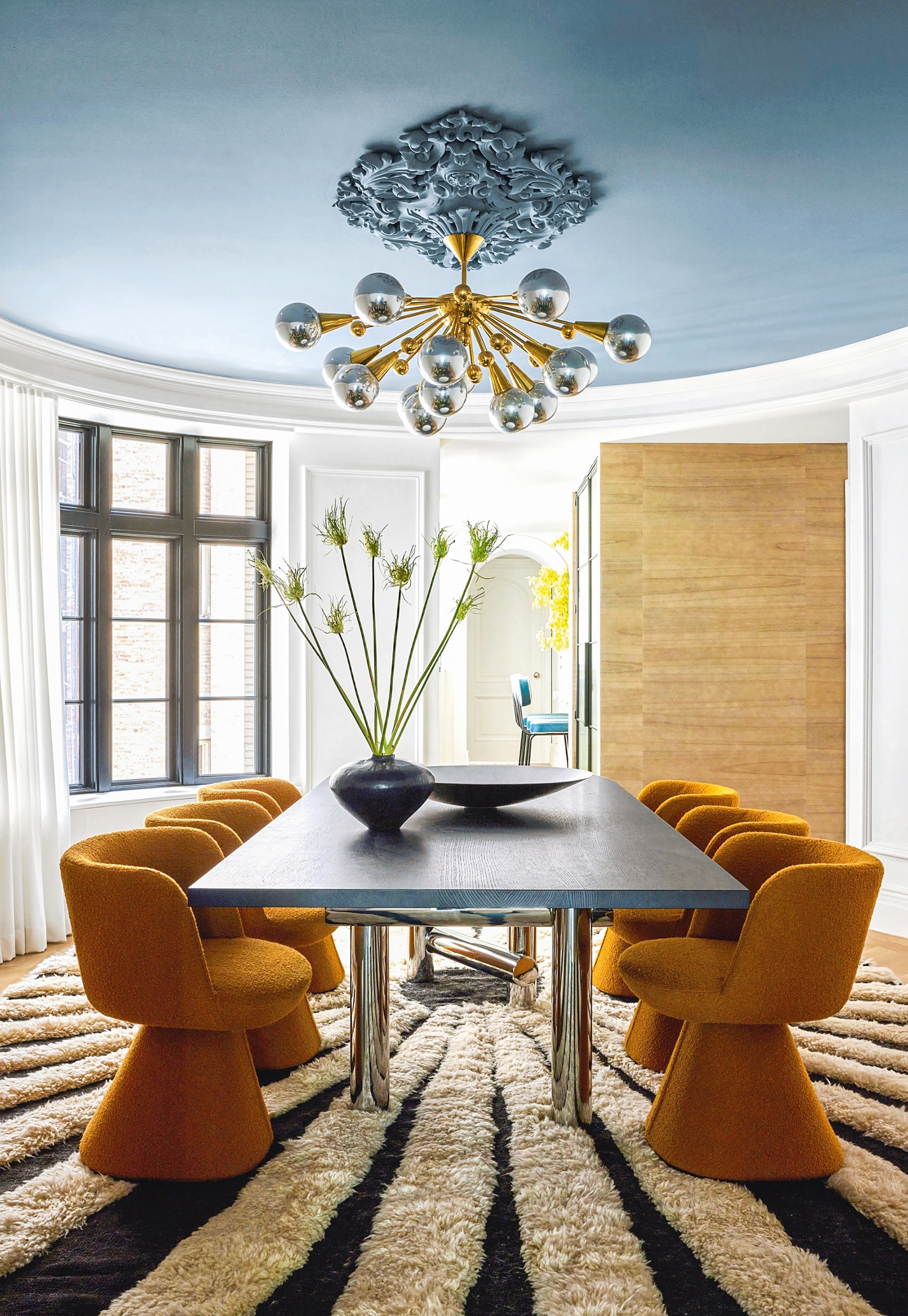
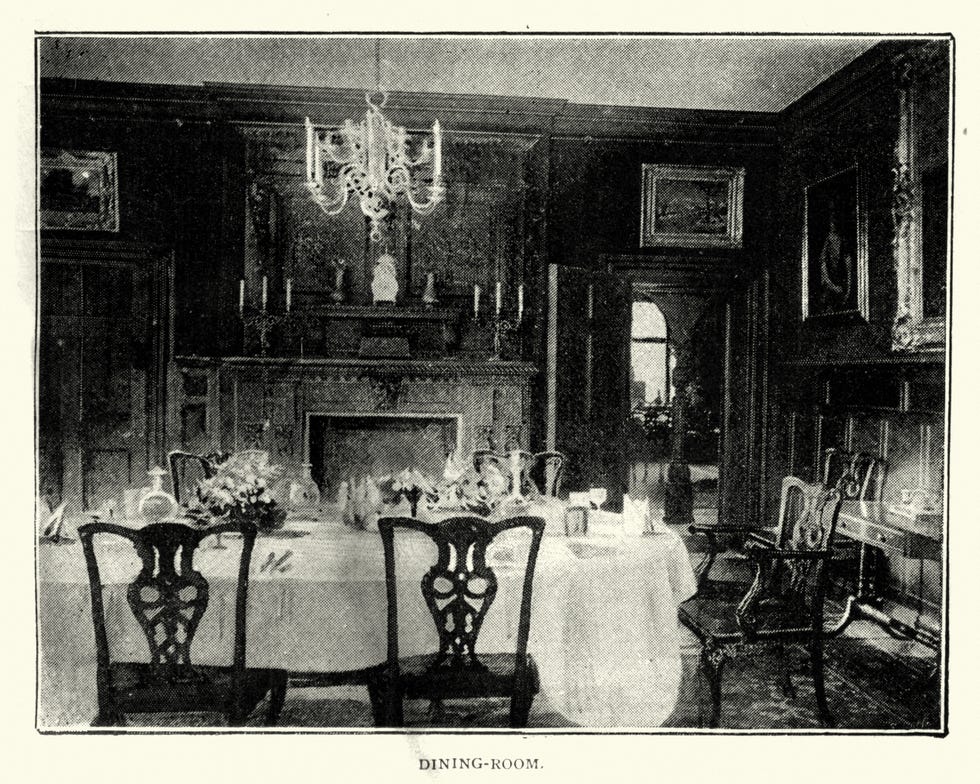
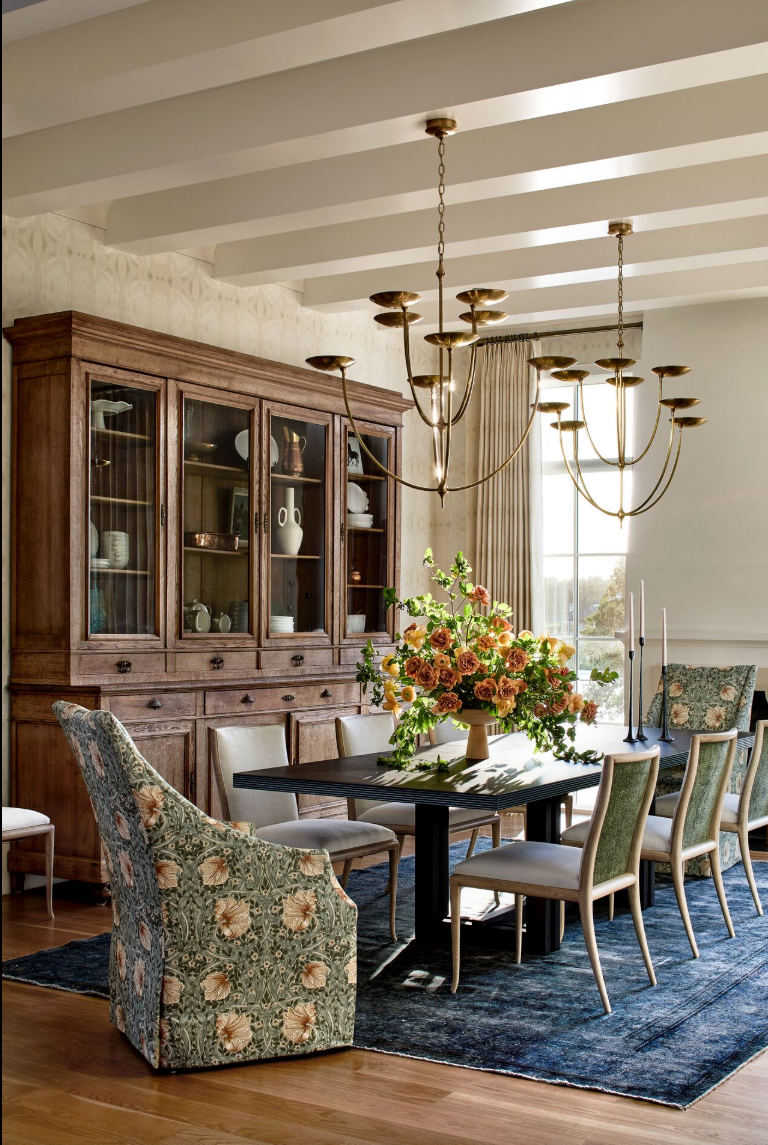
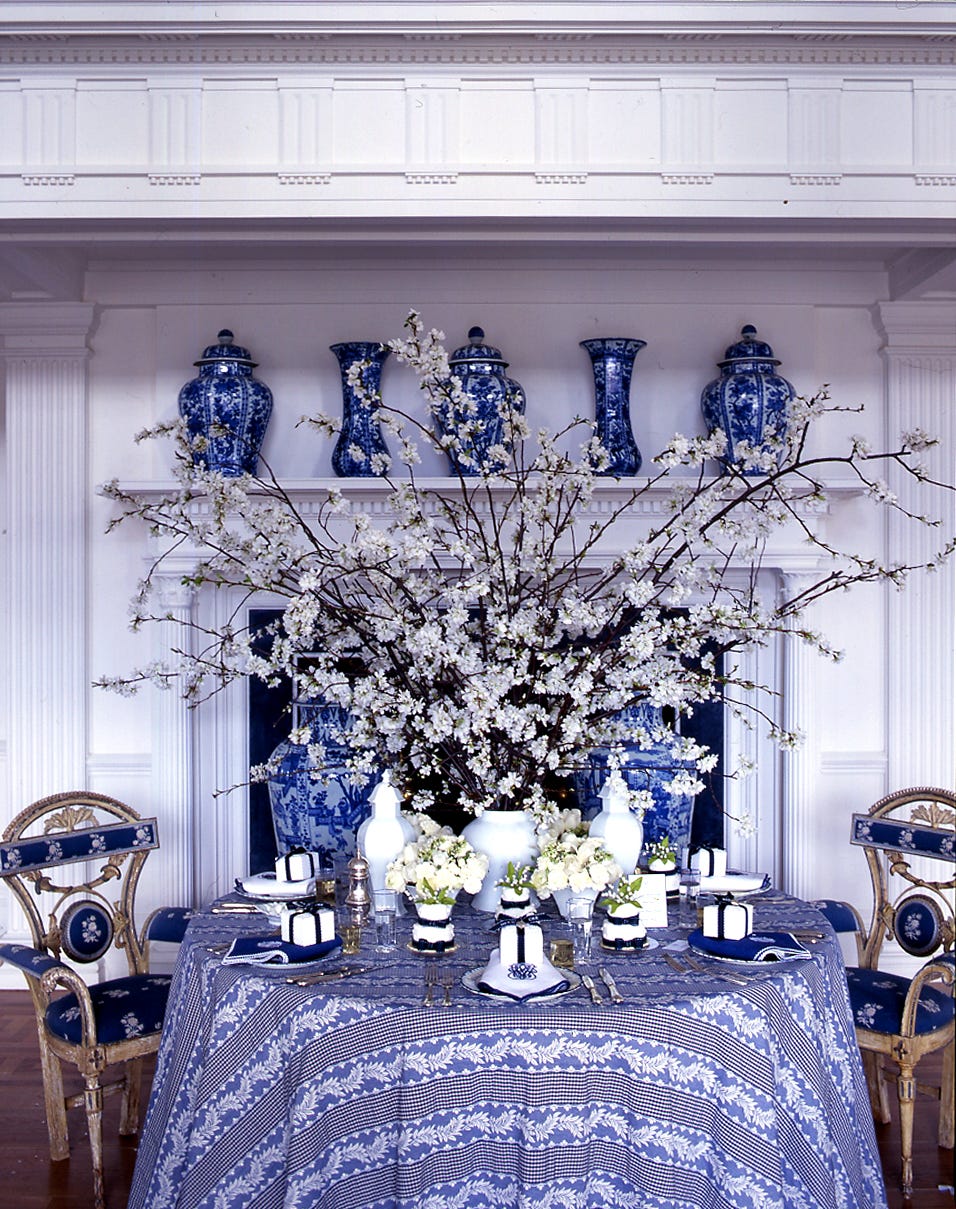
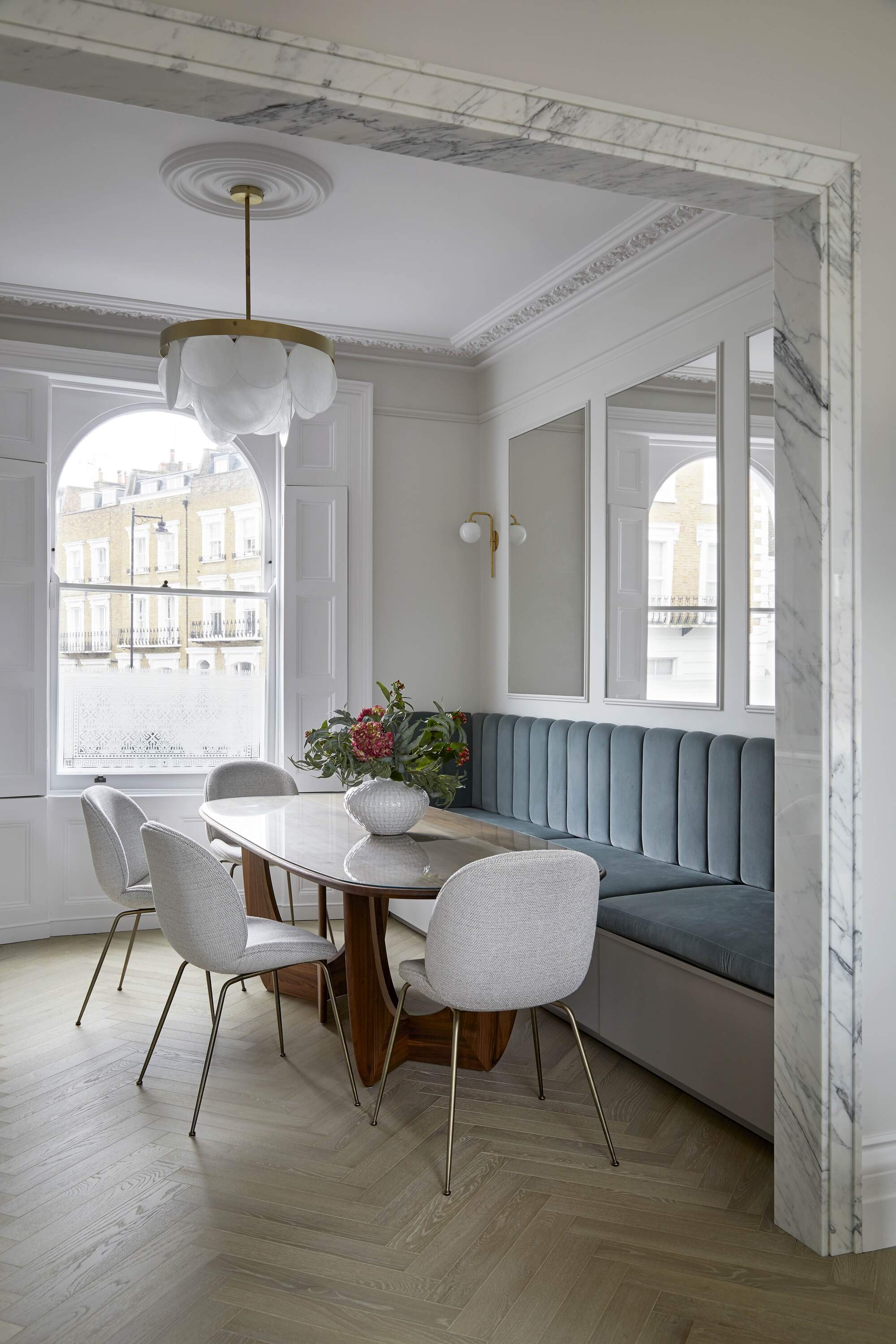
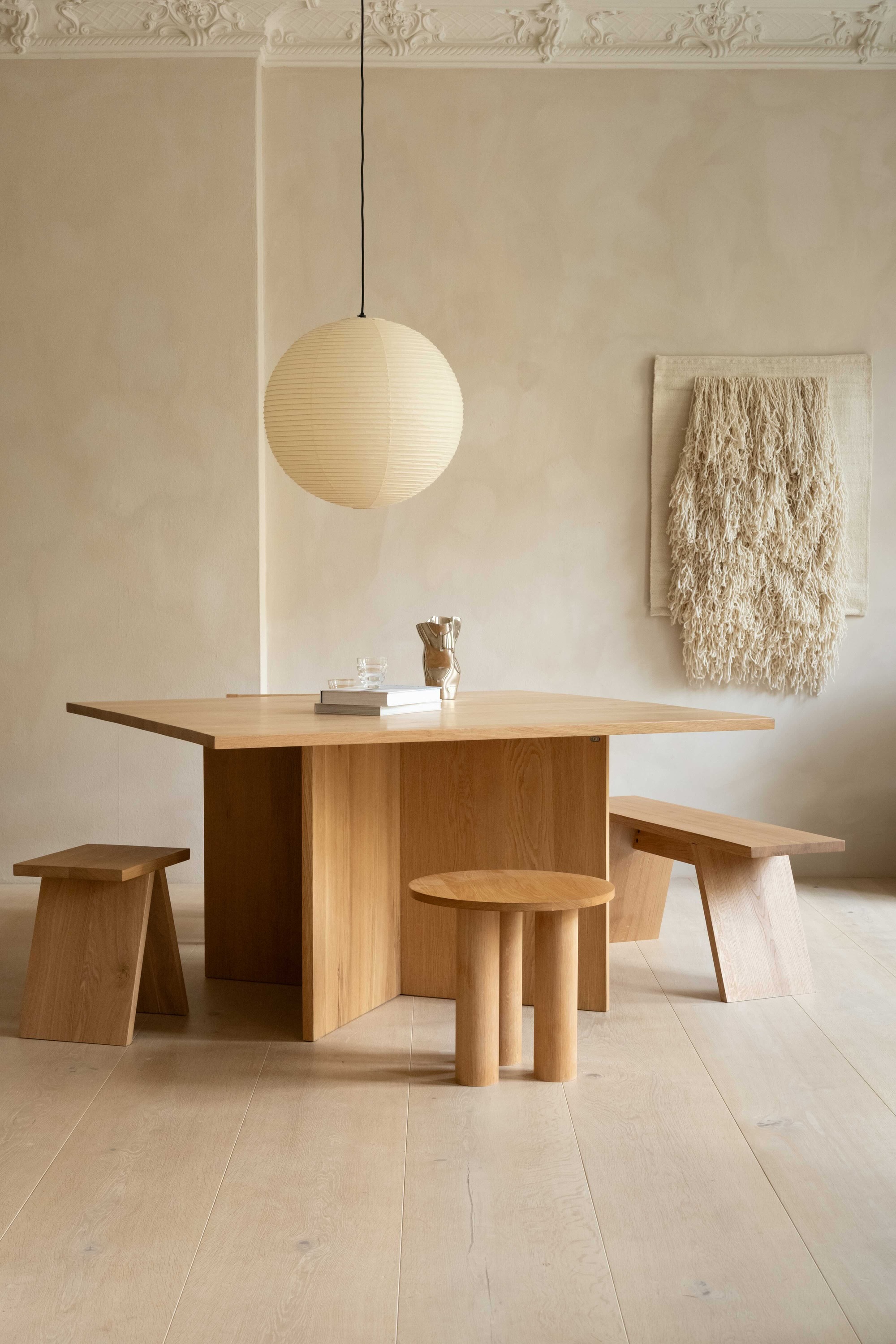
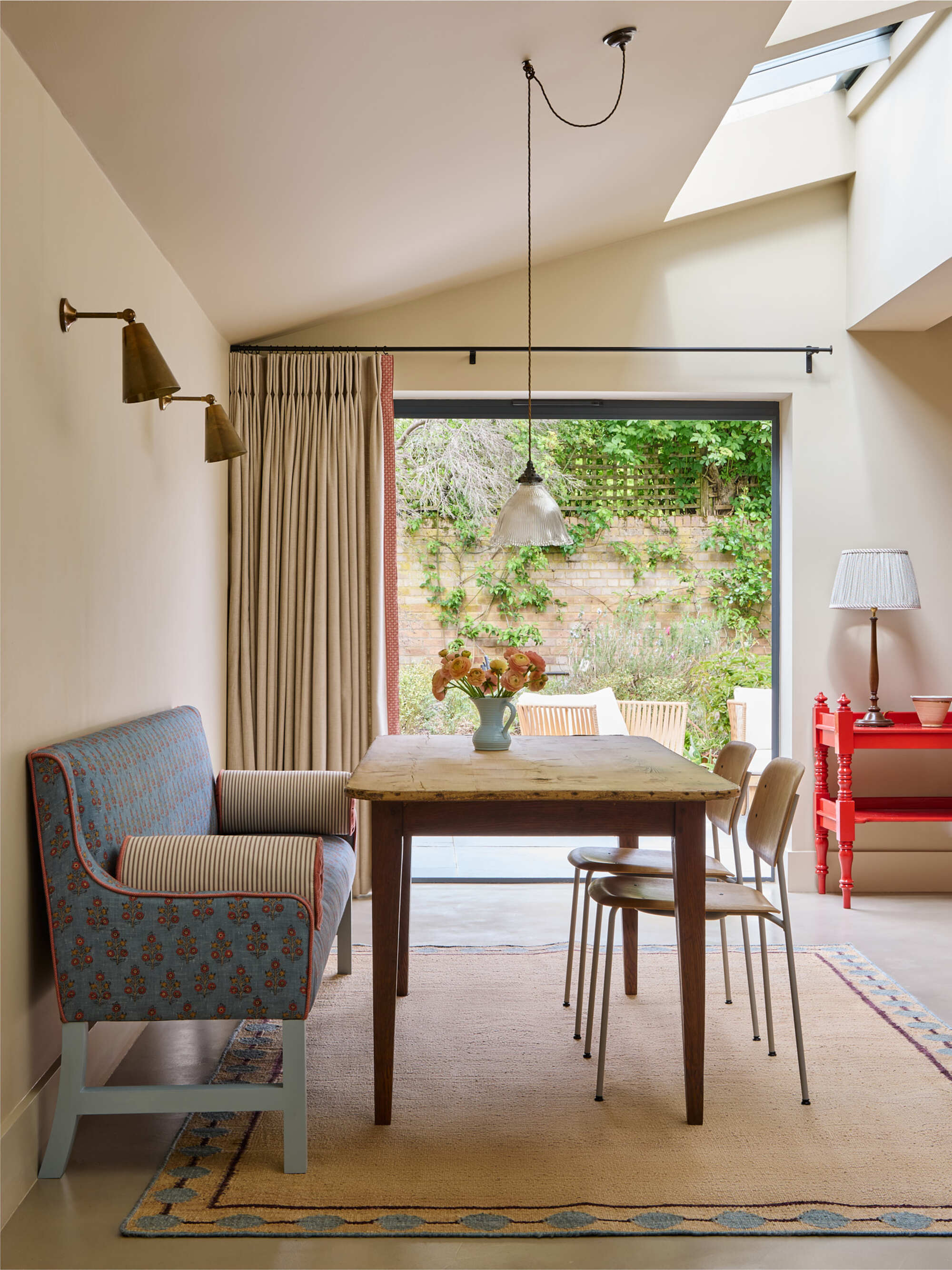
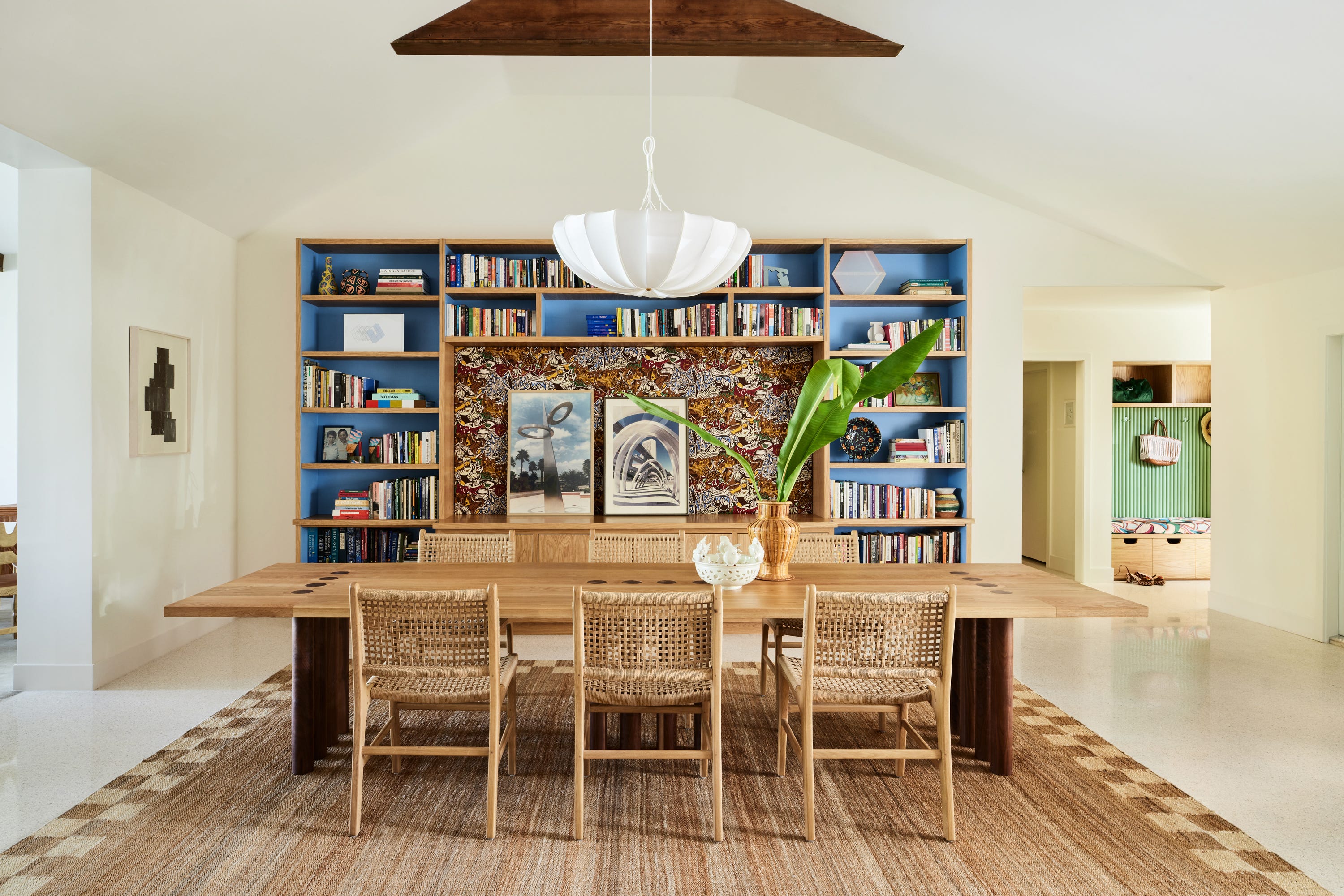
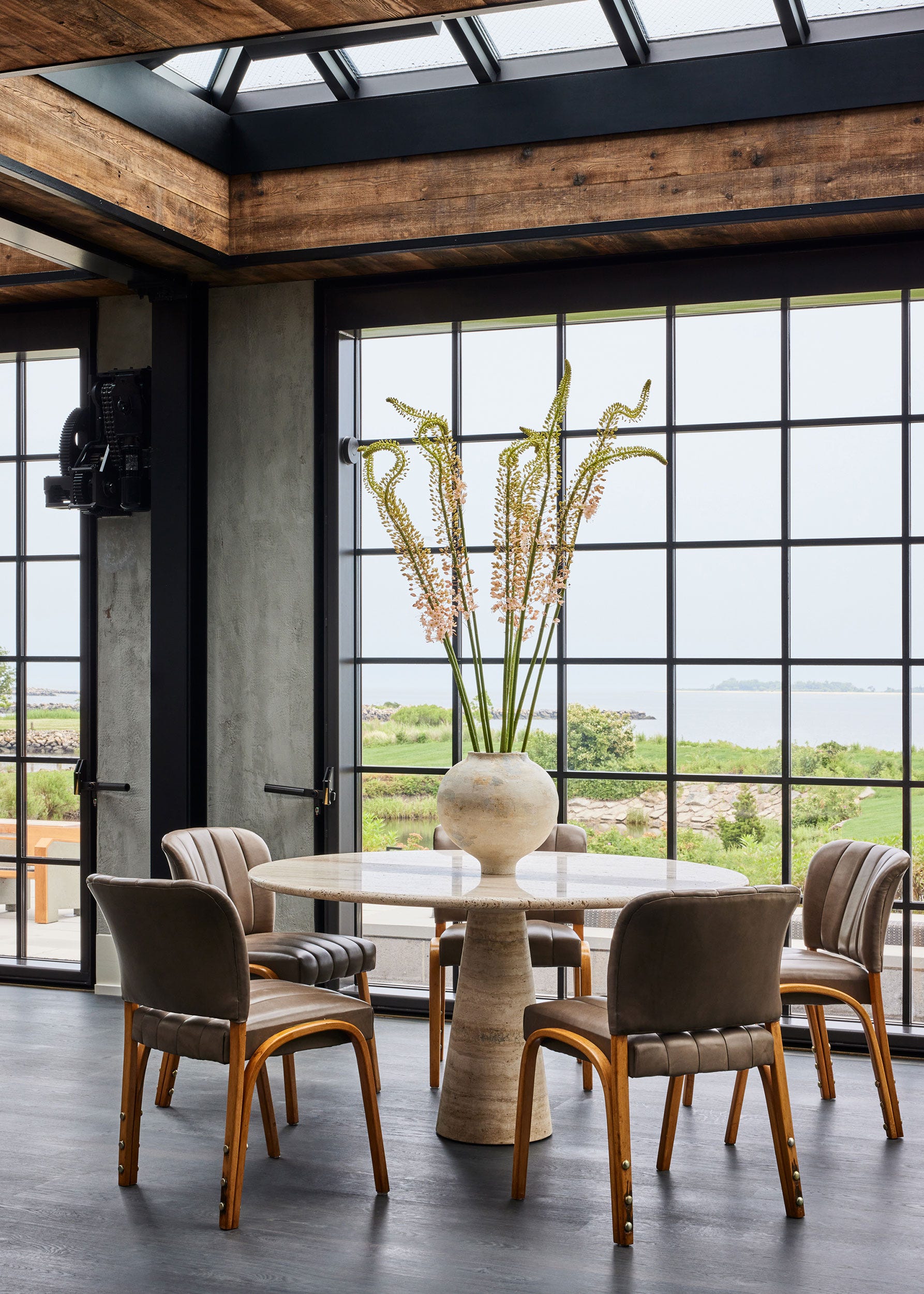
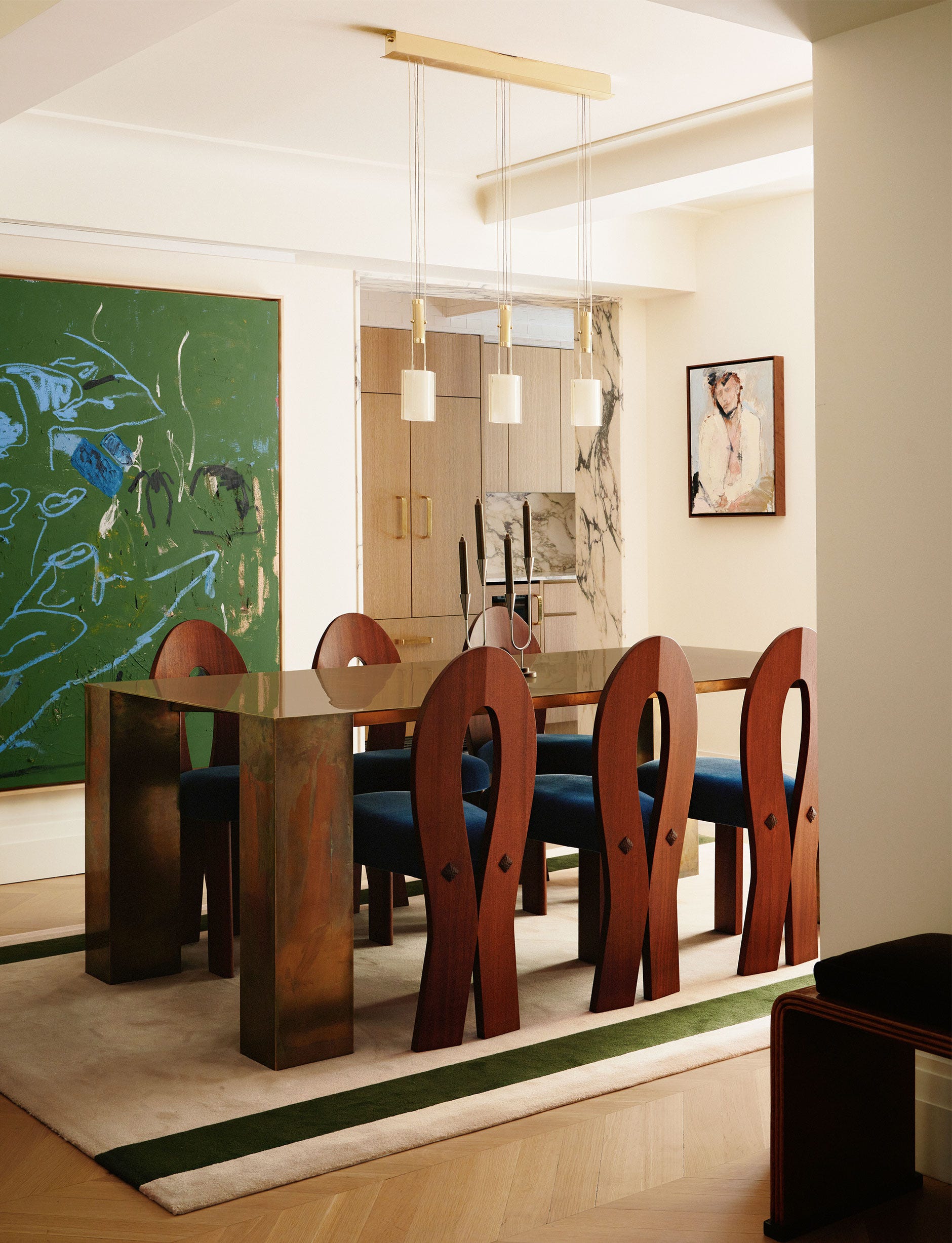
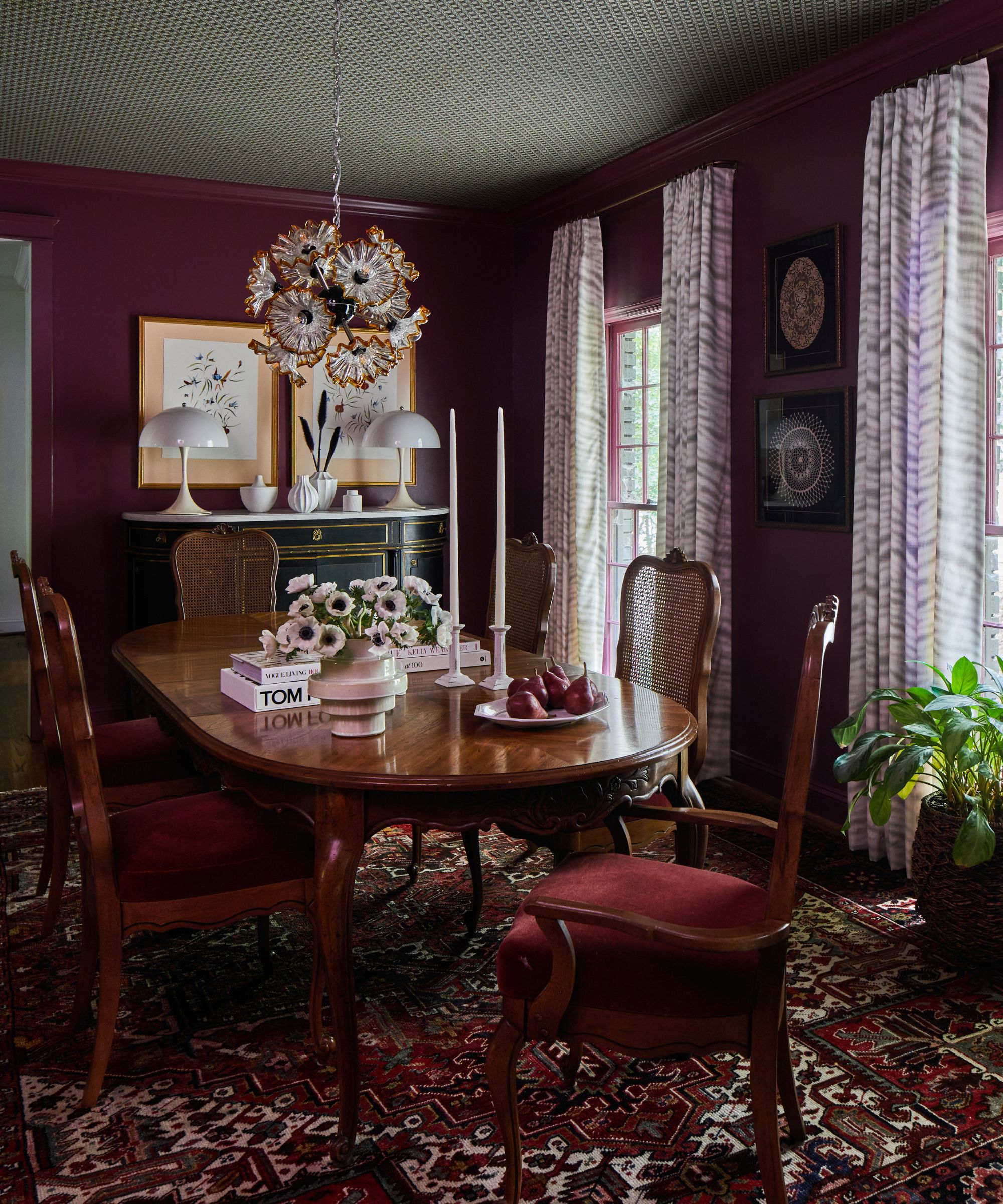
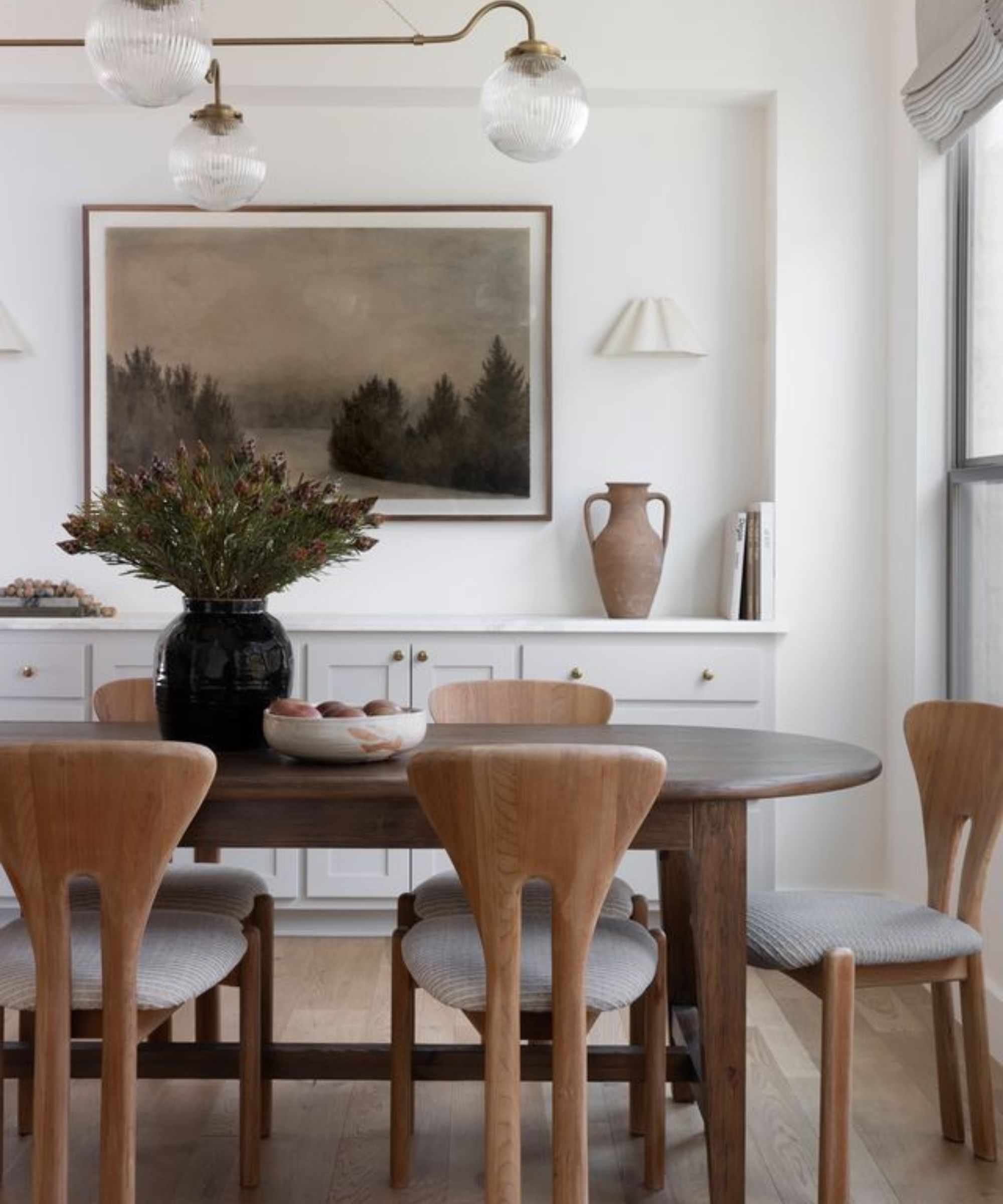
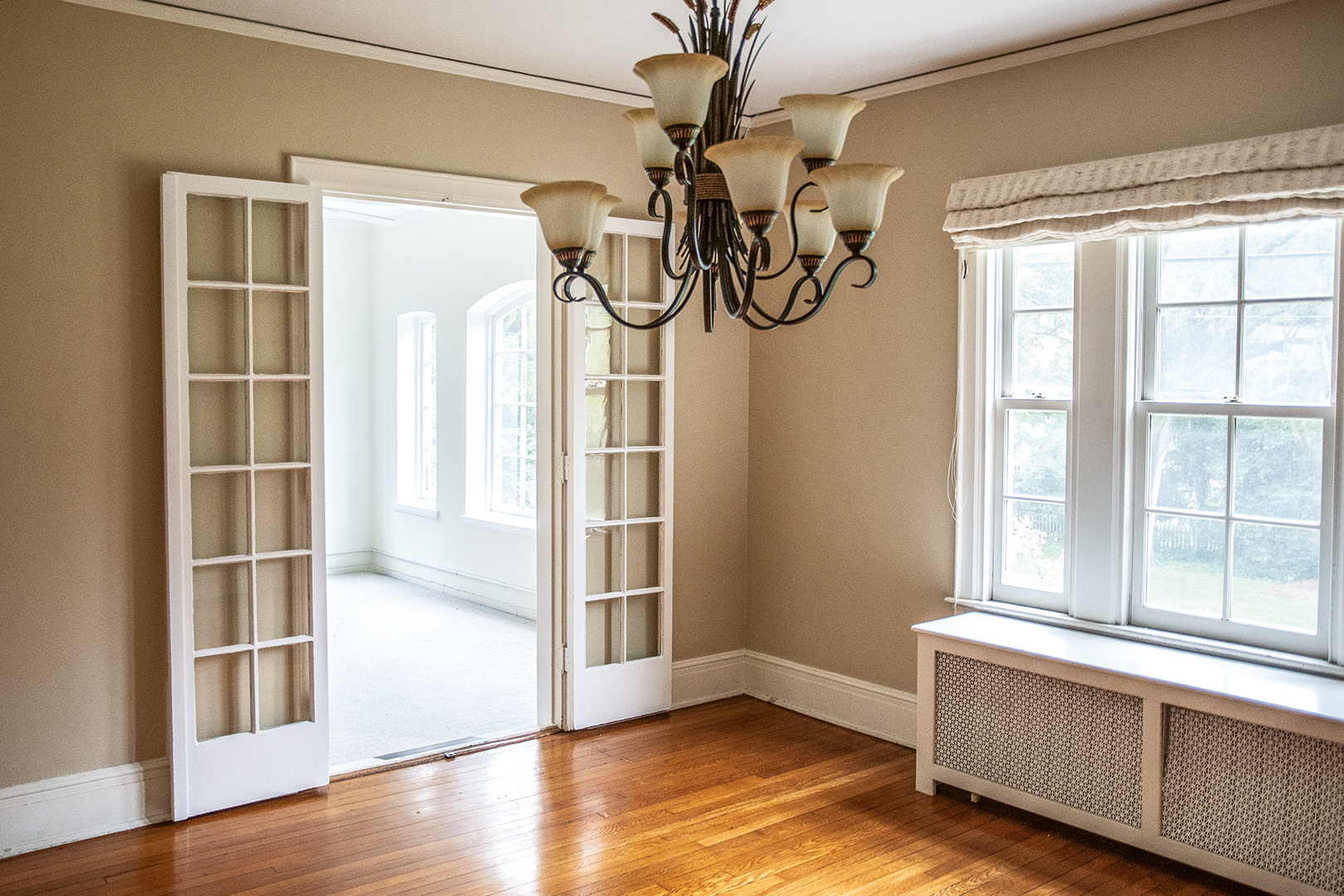
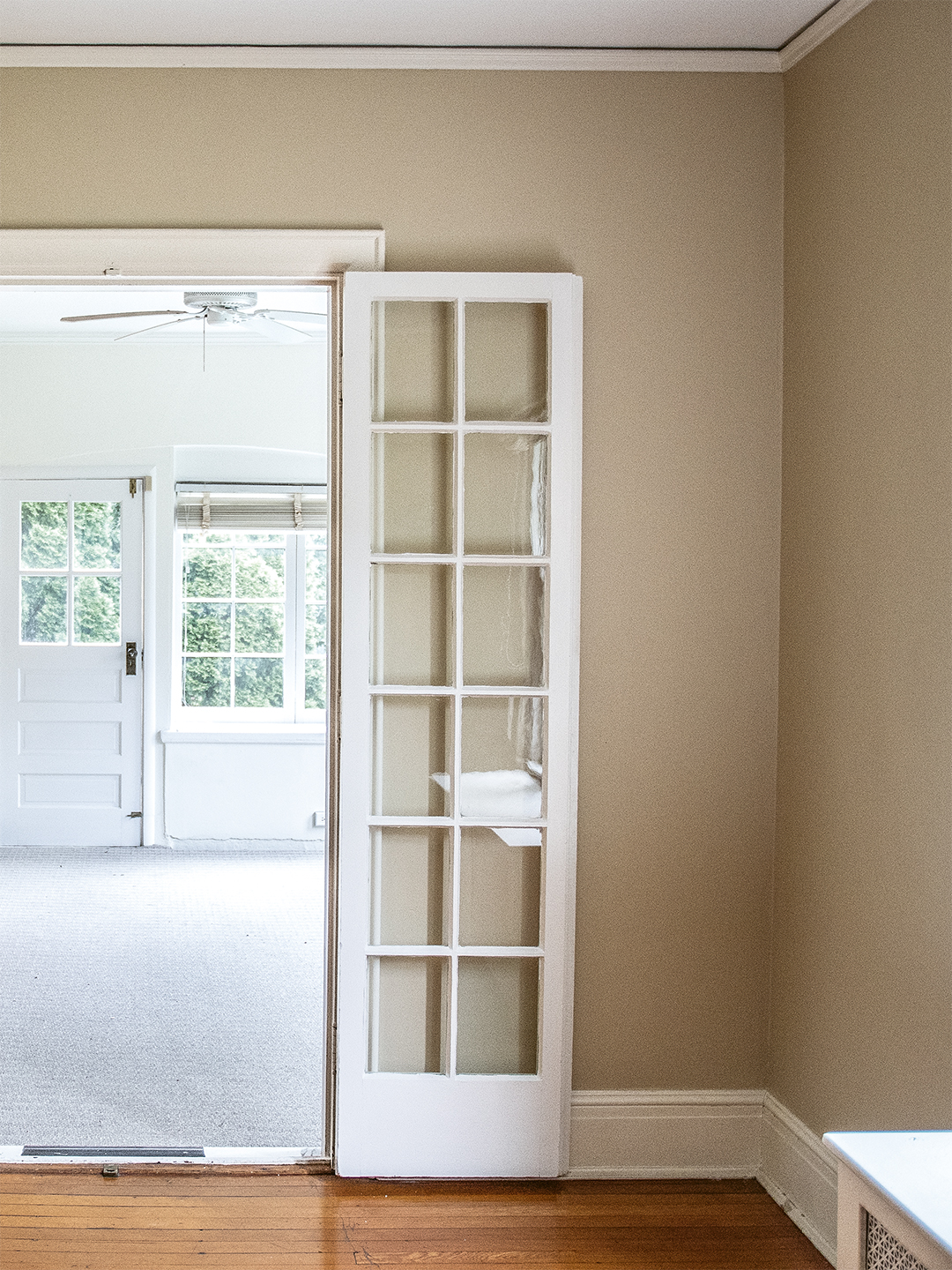
The traditional, walled-off dining room, once a common feature in American homes, is becoming increasingly rare in new single-family houses and is often completely absent from newly constructed apartments. This shift reflects both changing consumer preferences and the impact of the ongoing housing crisis and associated regulations. Historically, the dining room emerged in the early 20th century as a feature of upper-middle-class homes that employed domestic staff, creating a separate space for servants. In homes without servants, these separate spaces also reinforced gender norms, segregating male and female domains, with women primarily responsible for domestic tasks in kitchens and dining rooms. Over time, as gender roles evolved, the demand for separate, formal dining spaces decreased.
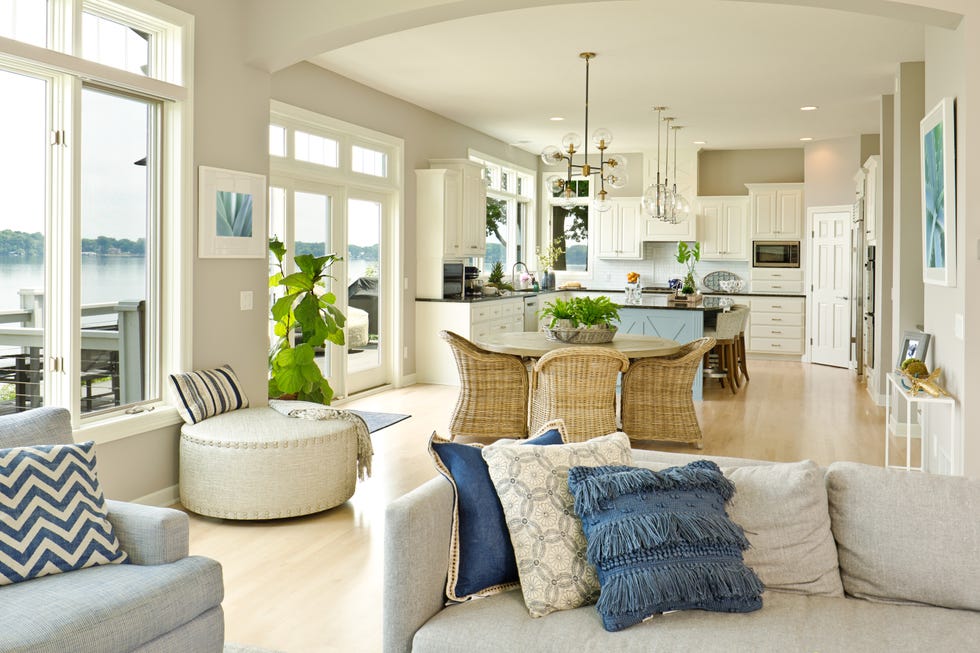
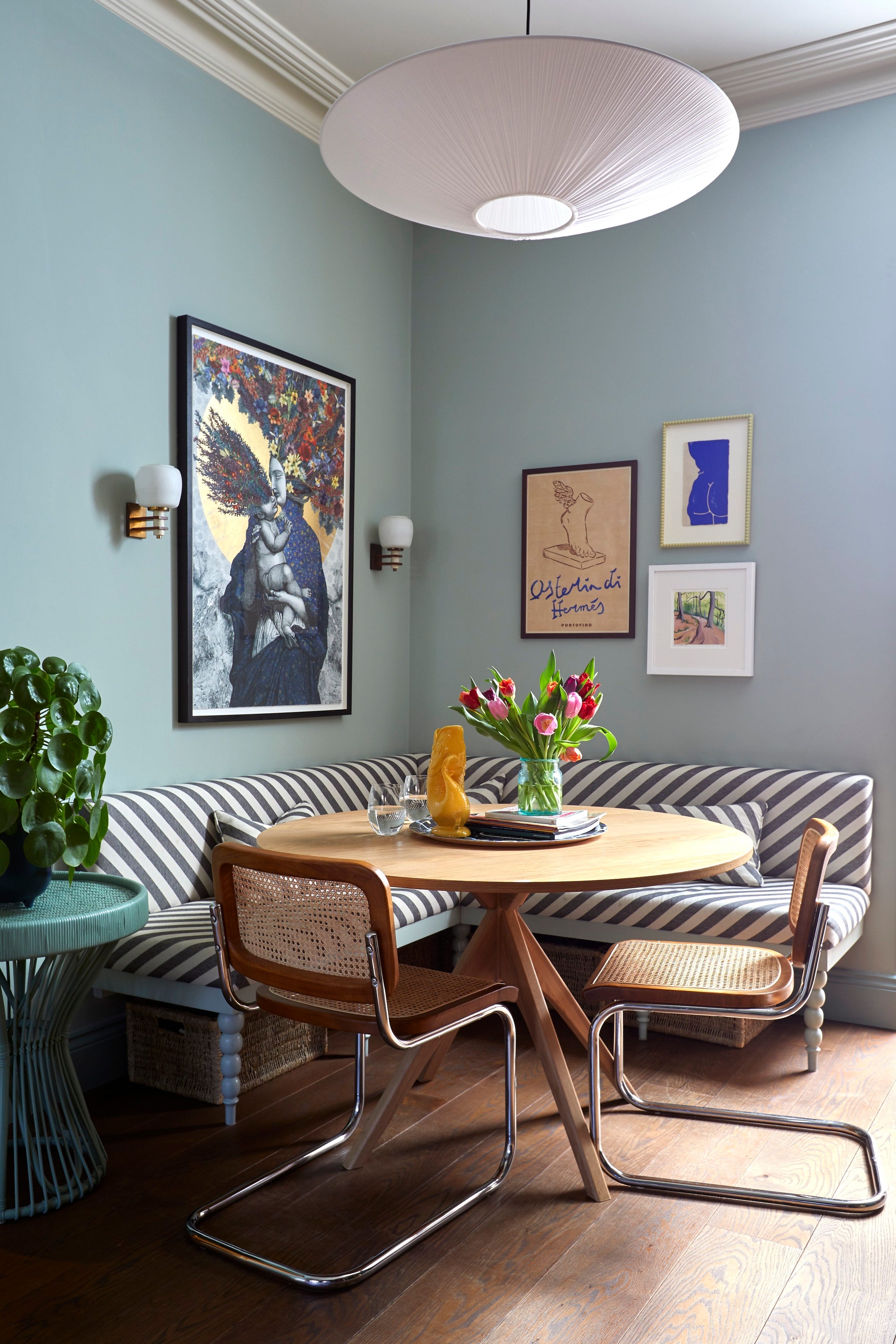
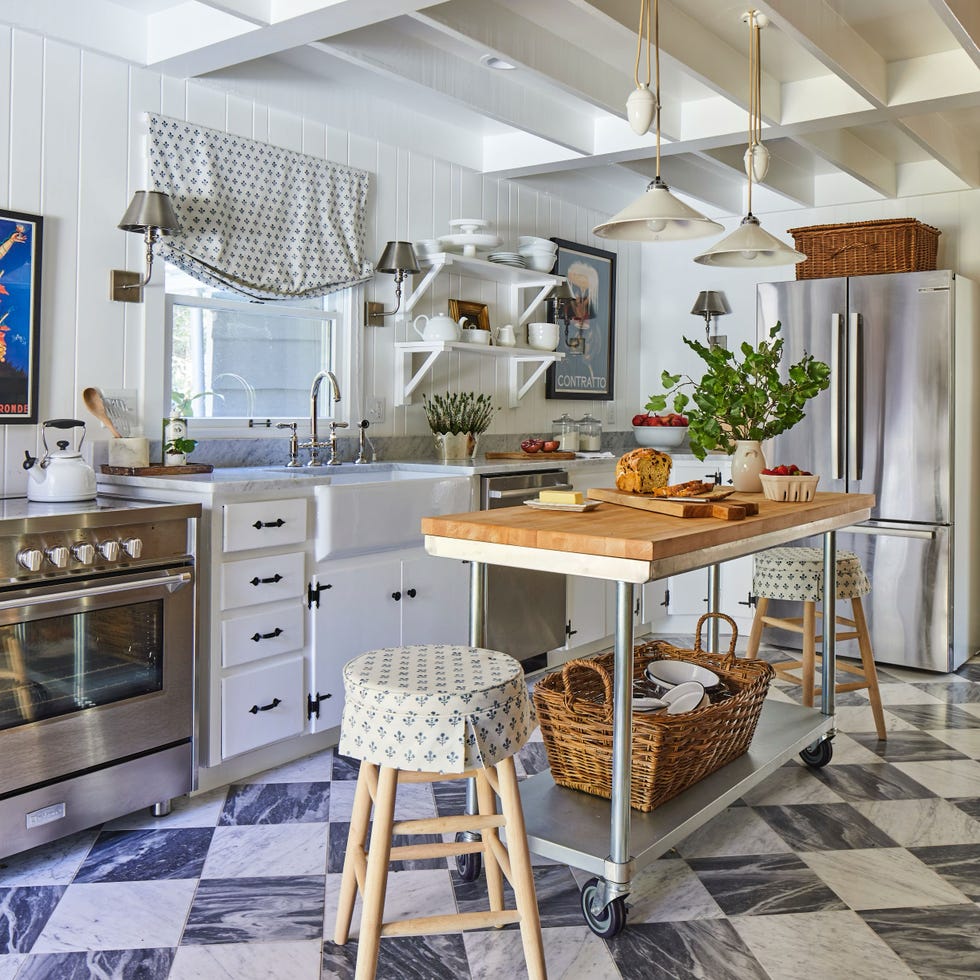
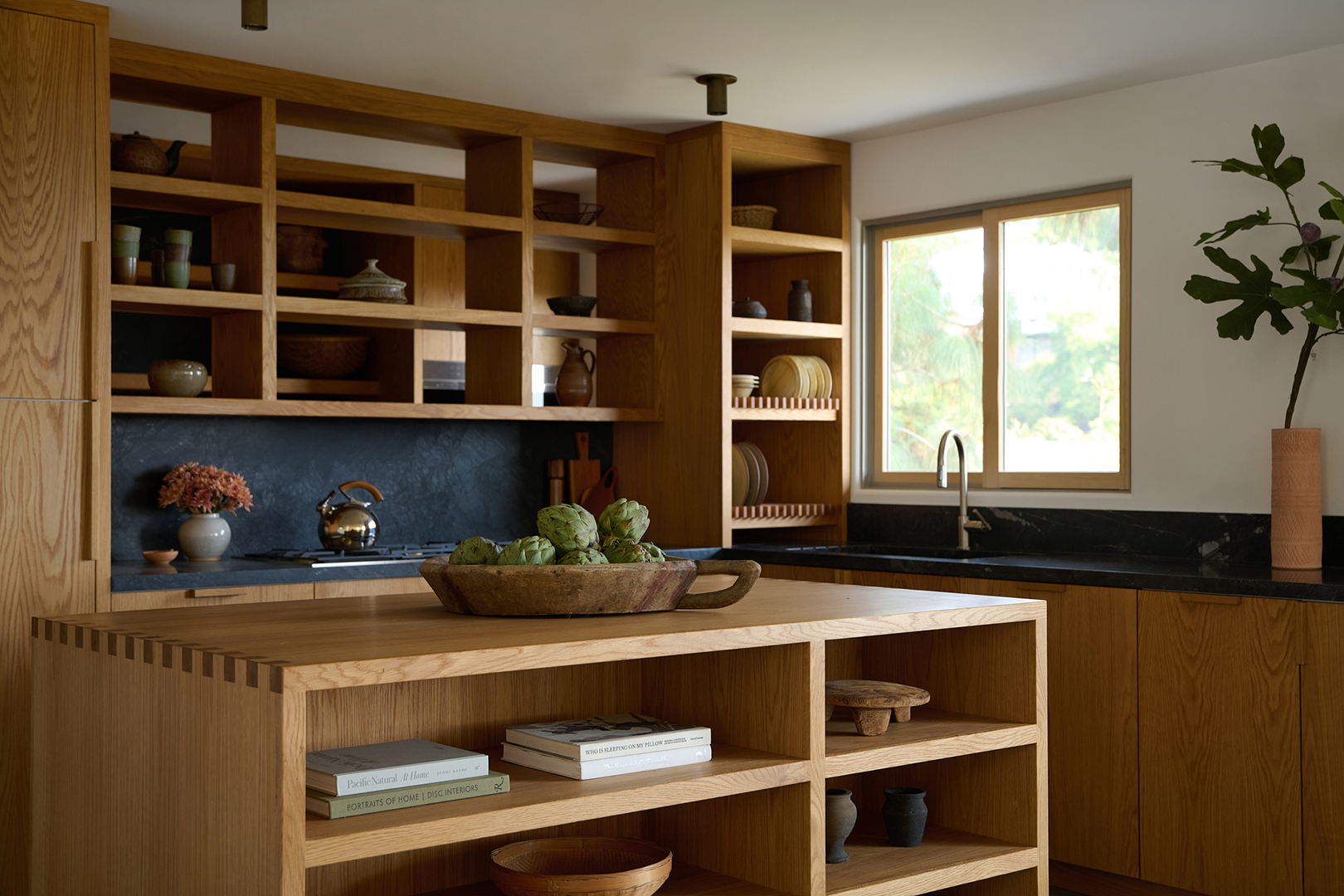
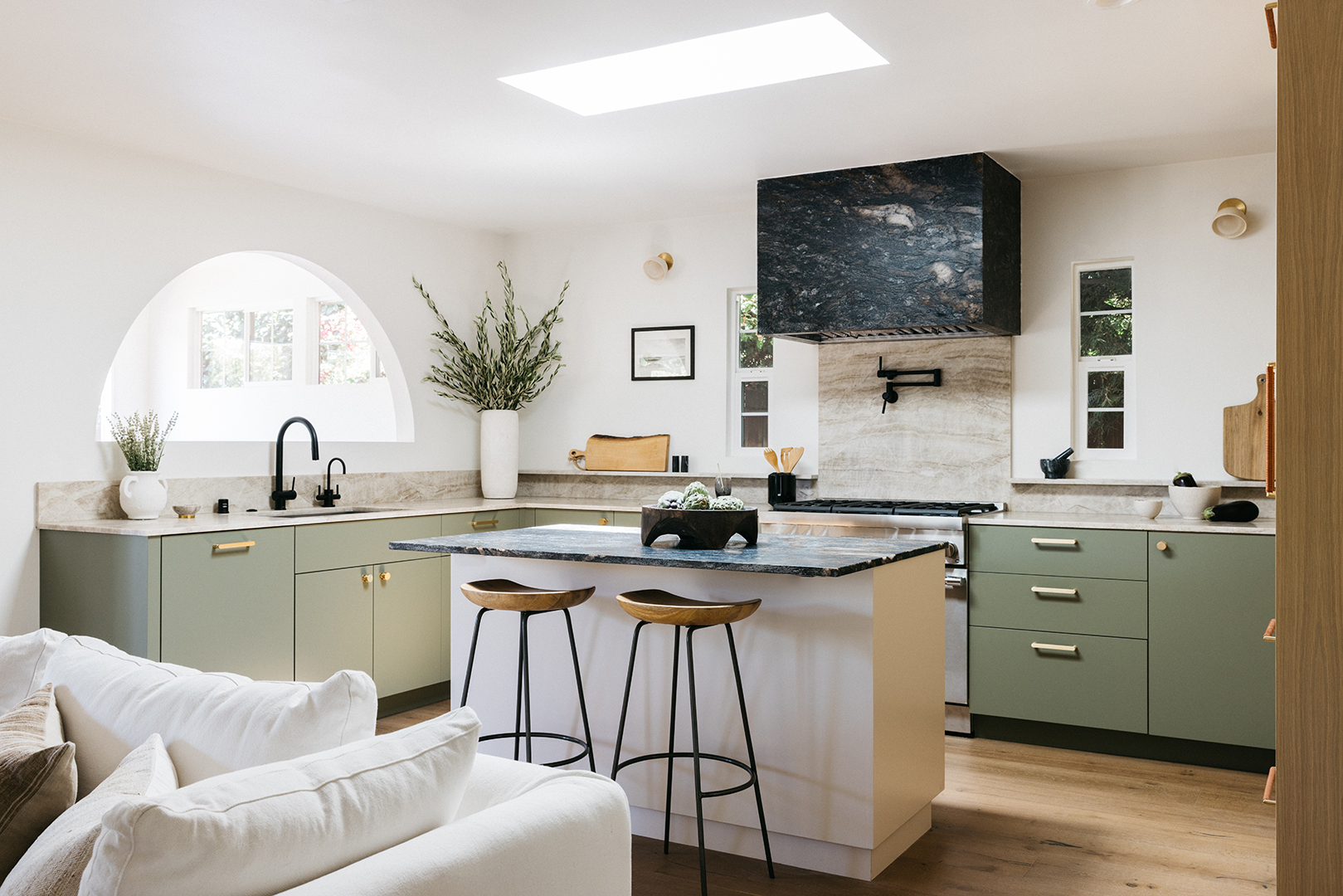
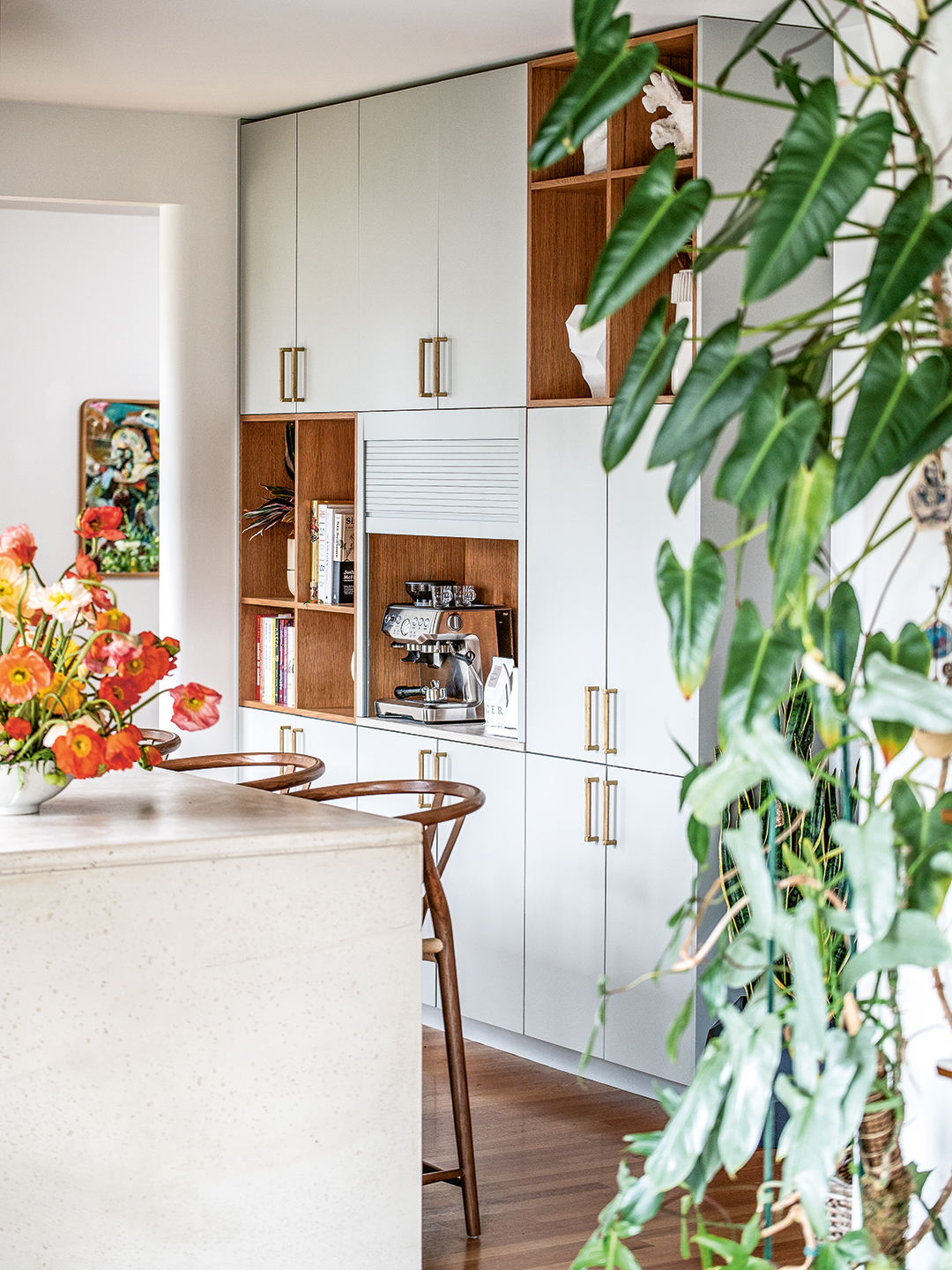
Today, the 'great room,' an open-plan design combining the living room, kitchen, and an informal dining area, has largely replaced the classic dining room in single-family homes. This design prioritizes maximizing usable square footage and caters to a desire for combined kitchen and dining spaces, with surveys indicating a strong preference for such layouts among homeowners. While many Americans welcome this evolution in houses, the situation in apartments is more complex. Real estate developers often sacrifice dining areas in apartments to allocate limited space to bedrooms and walk-in closets, especially given the shrinking average household size and the rise in one-person households. For young, unmarried apartment dwellers, developers aim to maximize personal space, leading to the omission of common dining areas.
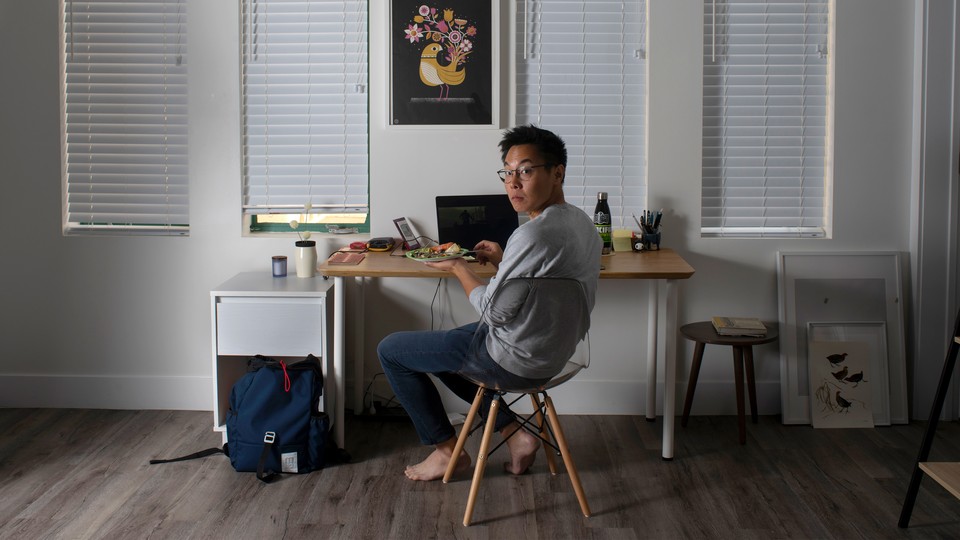
This absence of dedicated dining spaces has implications beyond architectural trends. Despite an increase in at-home dining, many new apartments offer only a kitchen island for eating. This contributes to a growing trend of Americans eating alone, which has been linked to the country's loneliness epidemic and various physical and mental health issues. The question arises whether this is a matter of consumer choice or a consequence of external factors like restrictive building codes and zoning regulations. For example, building codes in many U.S. cities mandate double-loaded corridors, making it difficult to construct larger apartments. When only small apartments with limited windows can be built, rooms, including dining rooms, are often eliminated, particularly those without natural light.
Cities with acute housing shortages and stringent zoning rules often result in numerous tiny apartments and a scarcity of dining rooms. This raises concerns about fostering social connection in an era where shared meals could be beneficial. The article suggests that just as scientists have found a previously unknown function for the appendix (as a reservoir for healthy gut bacteria), perhaps dining rooms, too, could serve a more crucial purpose in promoting social interaction and combating loneliness. The disappearance of dining rooms, particularly in urban apartment settings, highlights how housing policy and design choices can inadvertently shape social behaviors and well-being.
#HomeDesign #ResidentialArchitecture #FloorPlans #HousingCrisis #UrbanPlanning #InteriorDesignTrends #SocialImplications #ZoningLaws #HomeDesign #ResidentialArchitecture #FloorPlans #HousingCrisis #UrbanPlanning #InteriorDesignTrends #SocialImplications #ZoningLaws
0 comment in total
 No comments yet
You may also like
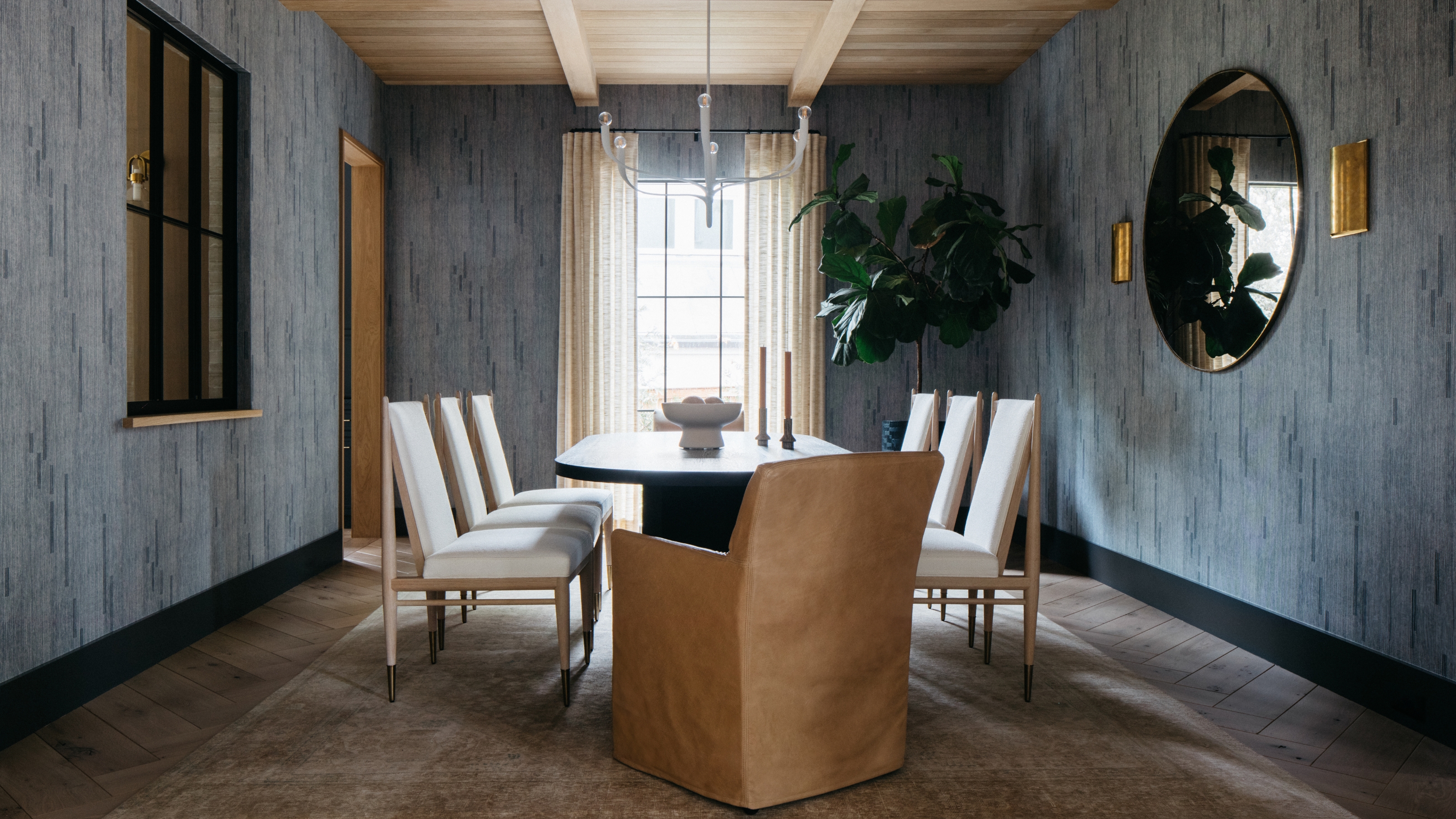
Are Formal Dining Rooms Out of Style? Designer's Discuss

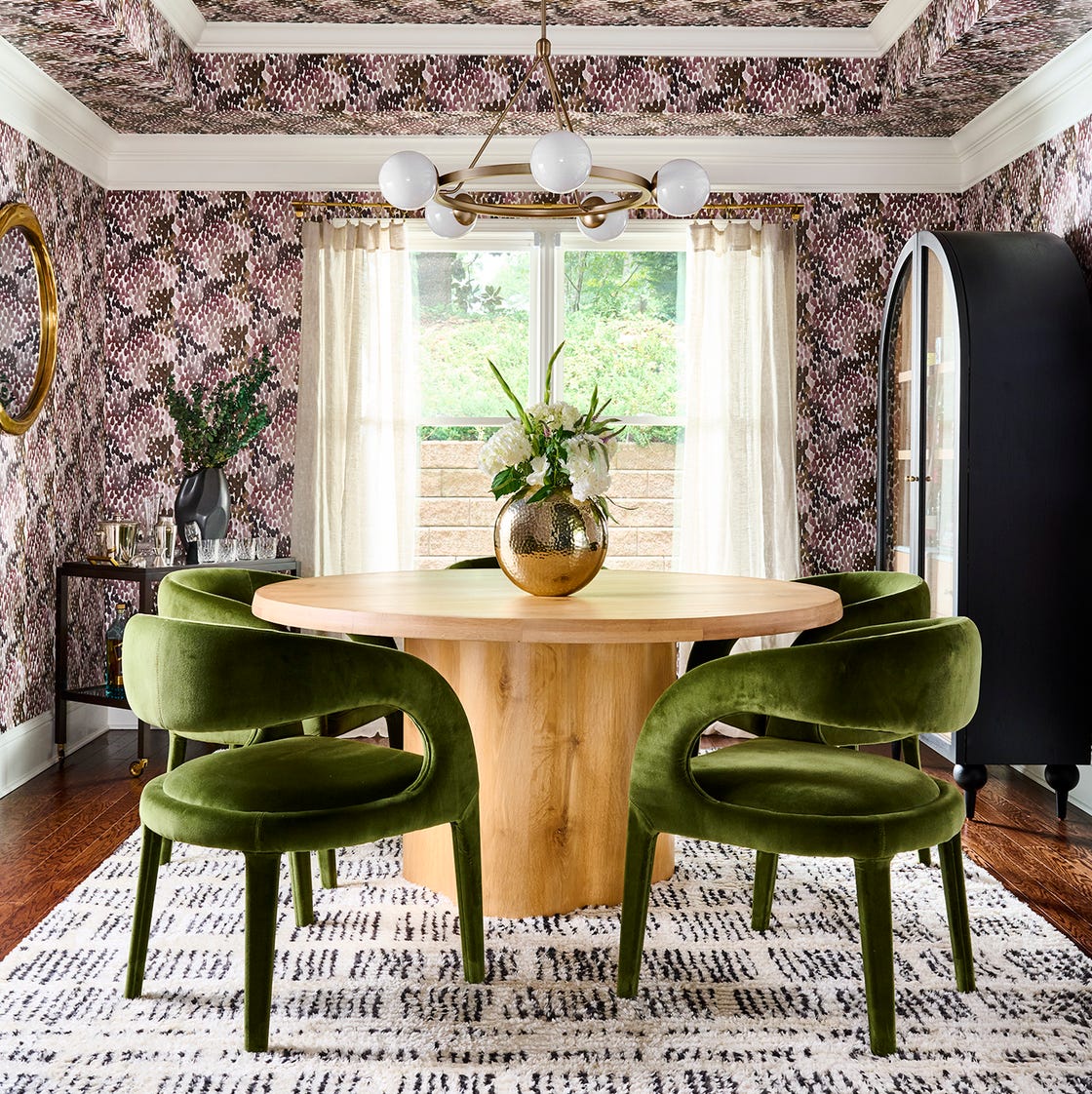
Top 12 Dining Room Trends Designers Are Expecting to Take Over in 2025

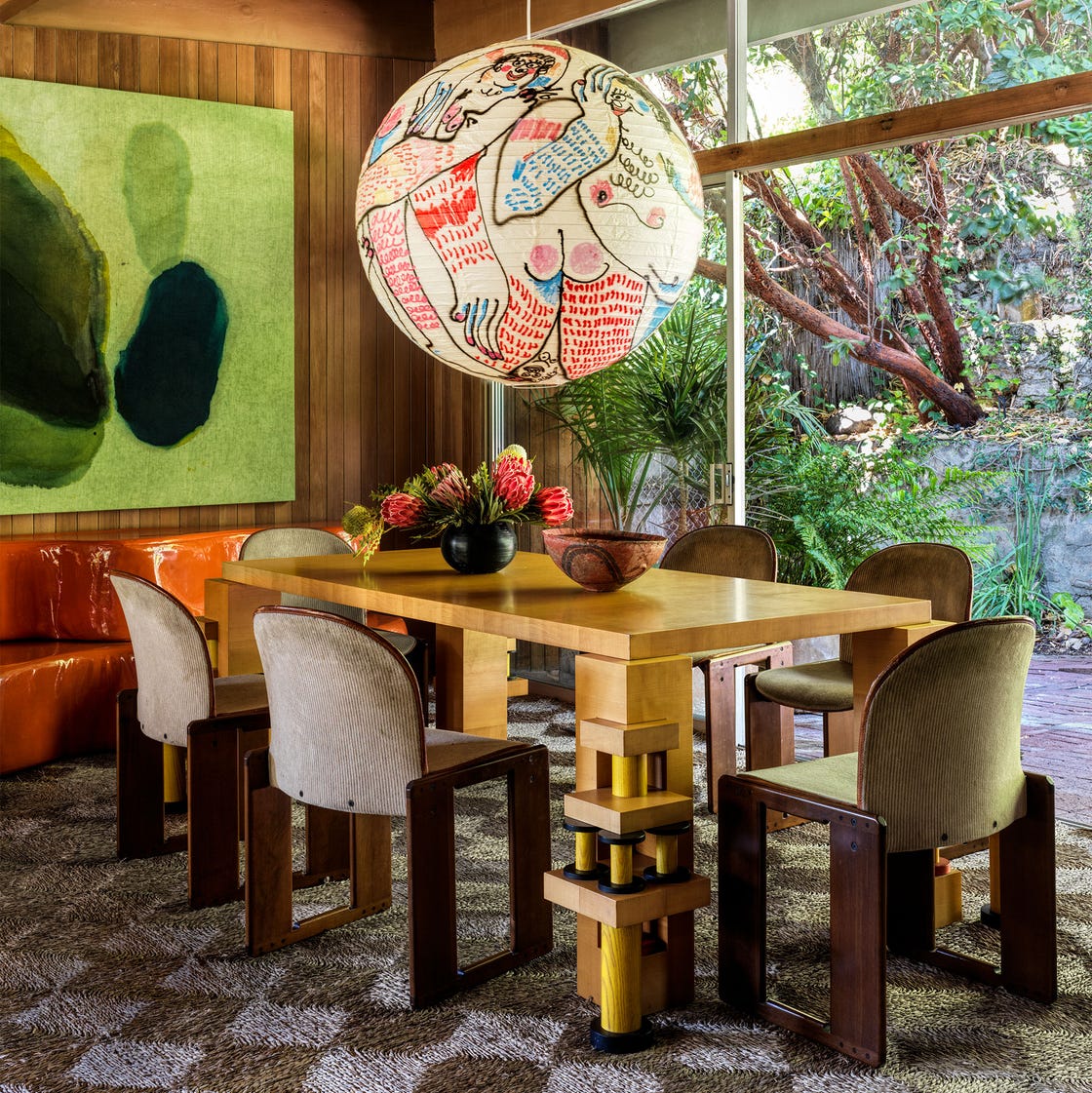
60 Dining Room Ideas That Will Make You Swear Off TV Dinners

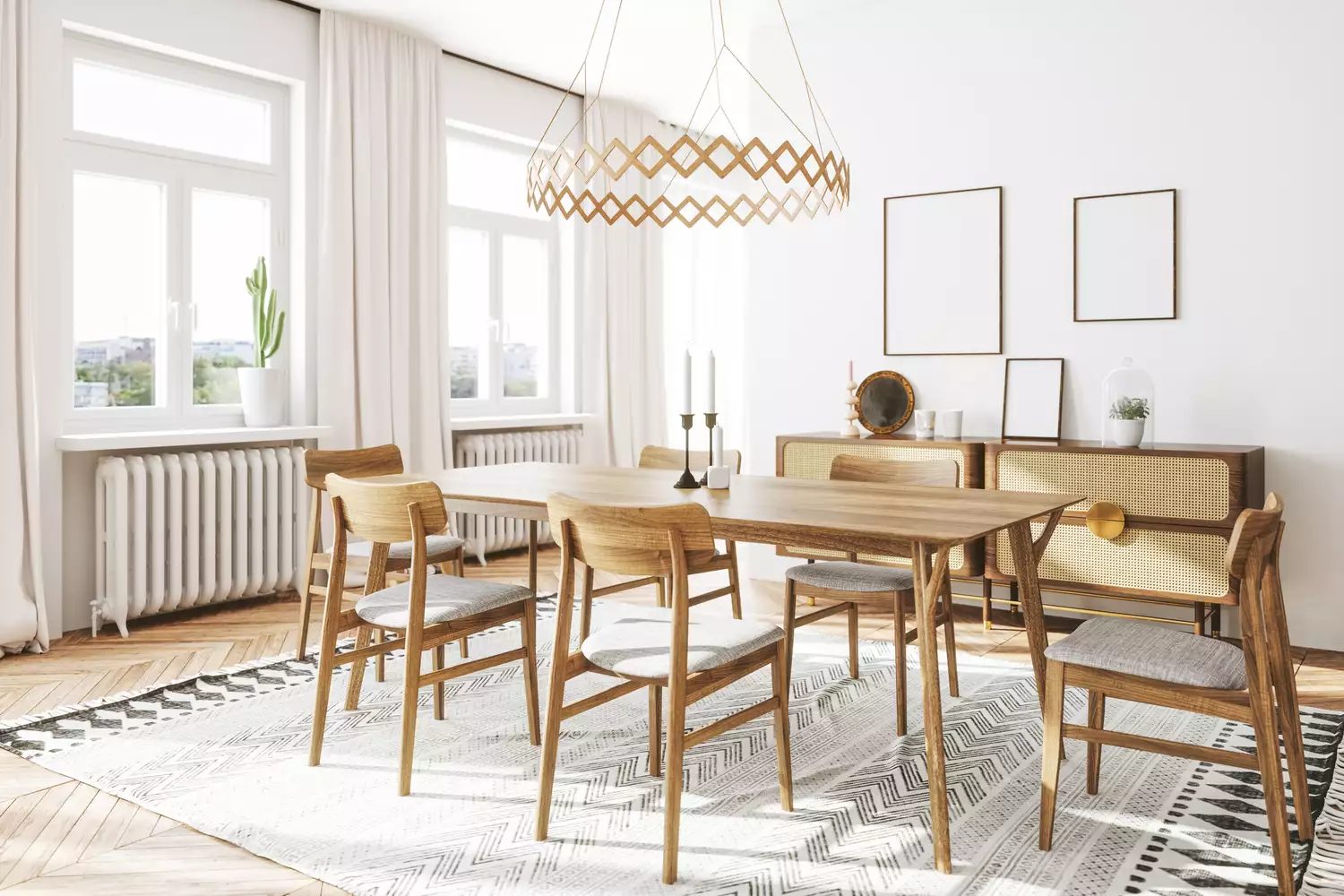
5 Dining Room Styles That Are Definitely Out of Style, Designers Say

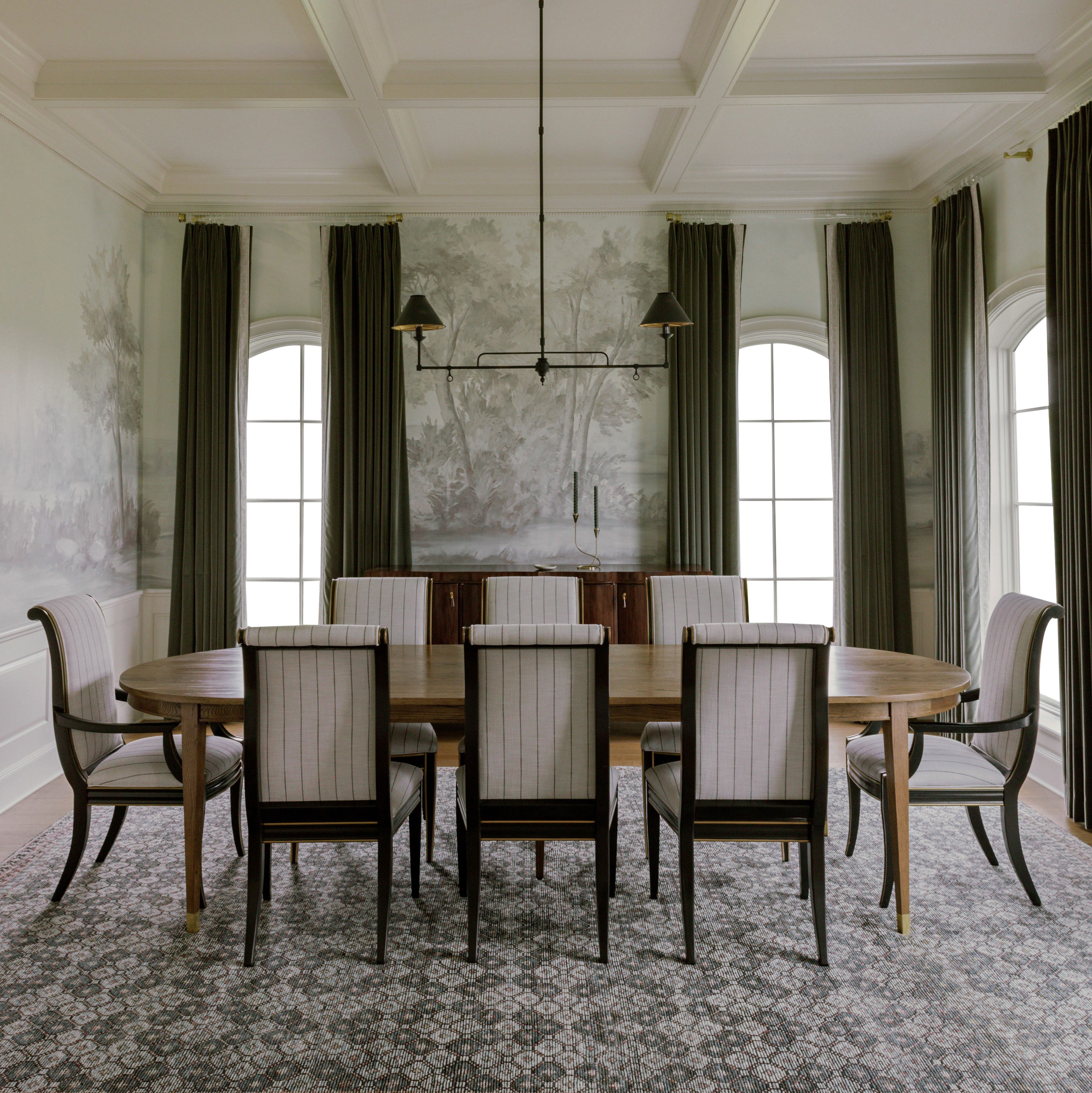
Are Formal Dining Rooms Coming Back? The Rise, Fall, and Resurgence of This Controversial Space
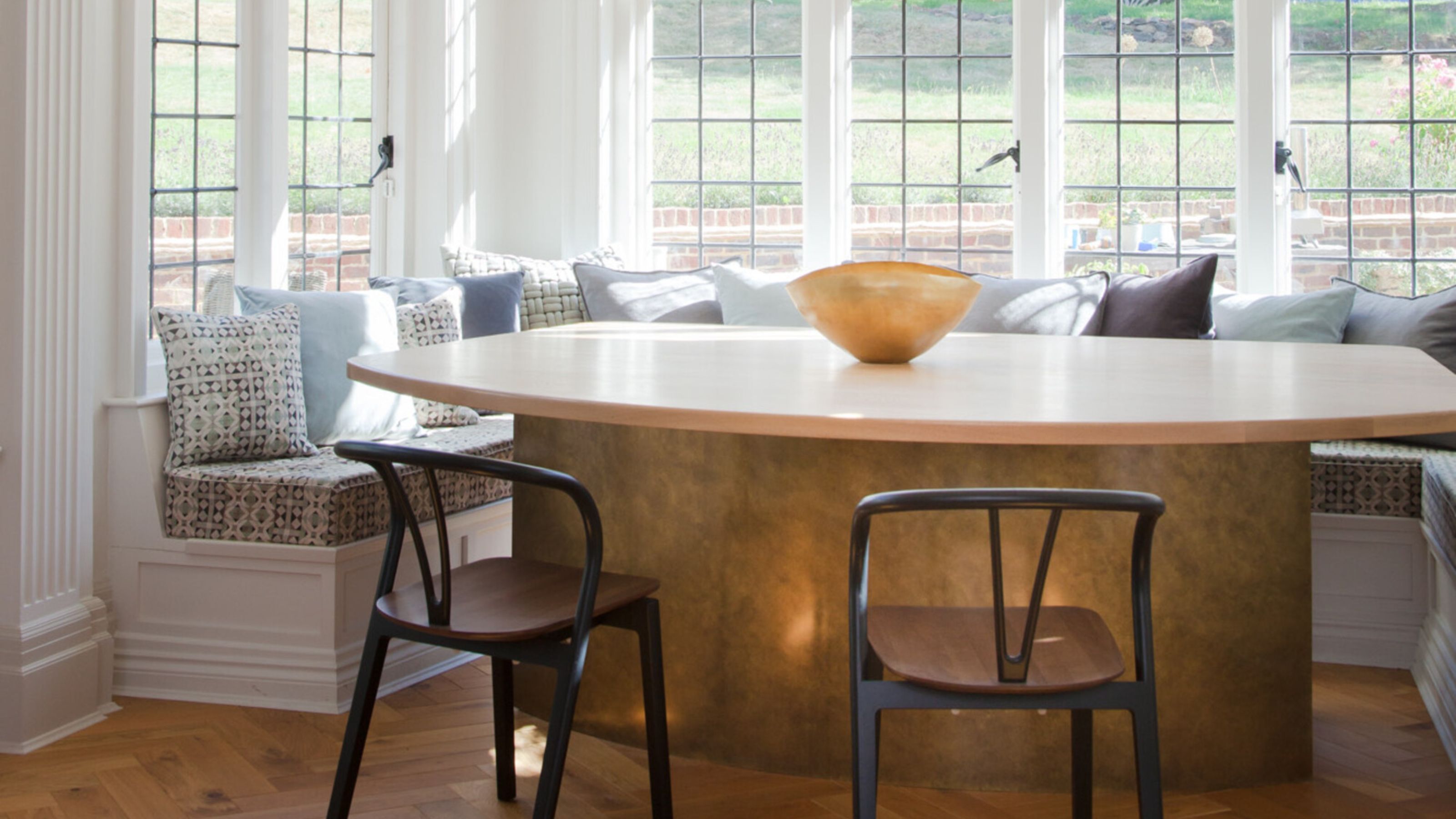
This Dining Room Seating Trend Transforms Your Setup

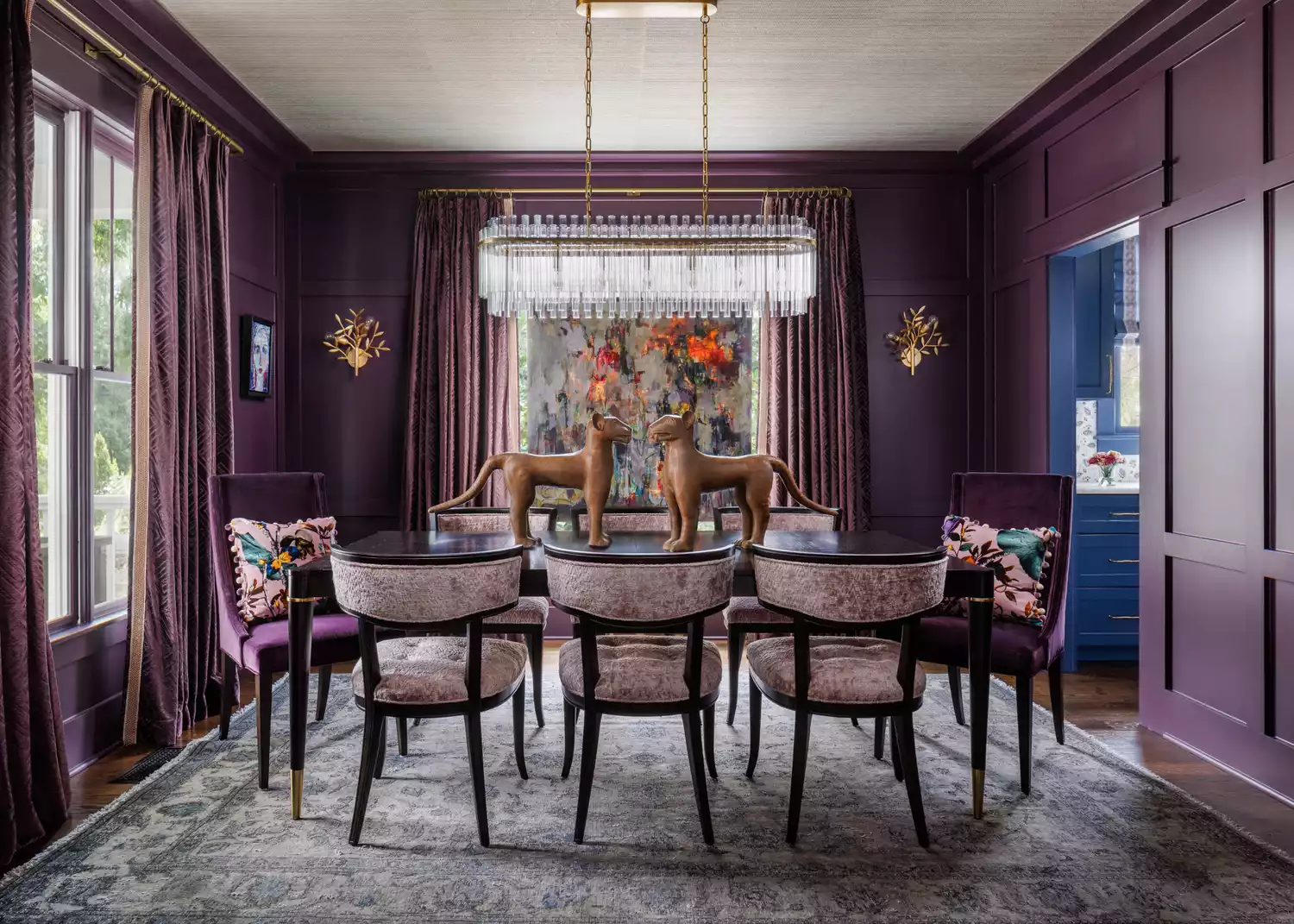
Are Formal Dining Rooms Out of Style? Why Pro Designers Say They Might Make a Comeback

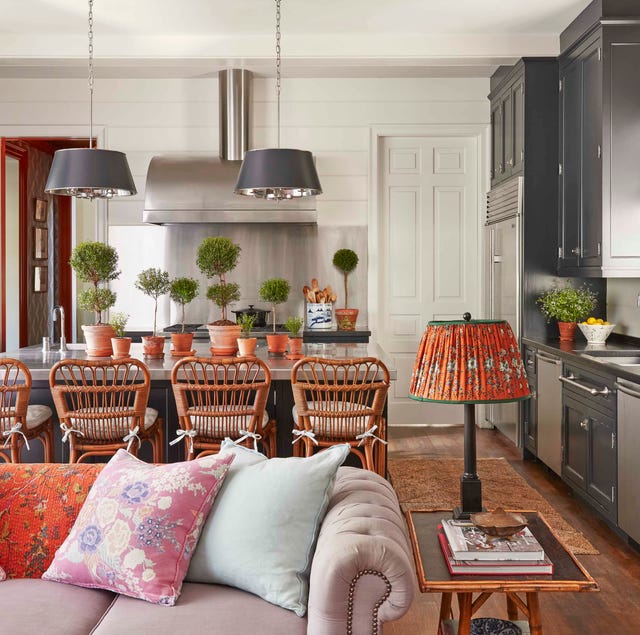
Why We’re Declaring the Kitchen the New Living Room

Did Instagram Kill Round Tables at Dinner Parties?

Are Traditional Dining Rooms a Thing of the Past? Here's What Designers Say

Designers Say These 5 Dining Room Clichés Are Going Out of Style

This Forgotten Kitchen Feature Is Popping Up More and More

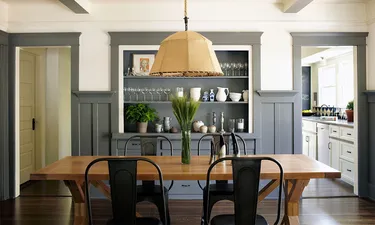
The Disappearing Dining Room: Out of Date or Overdue for a Comeback?
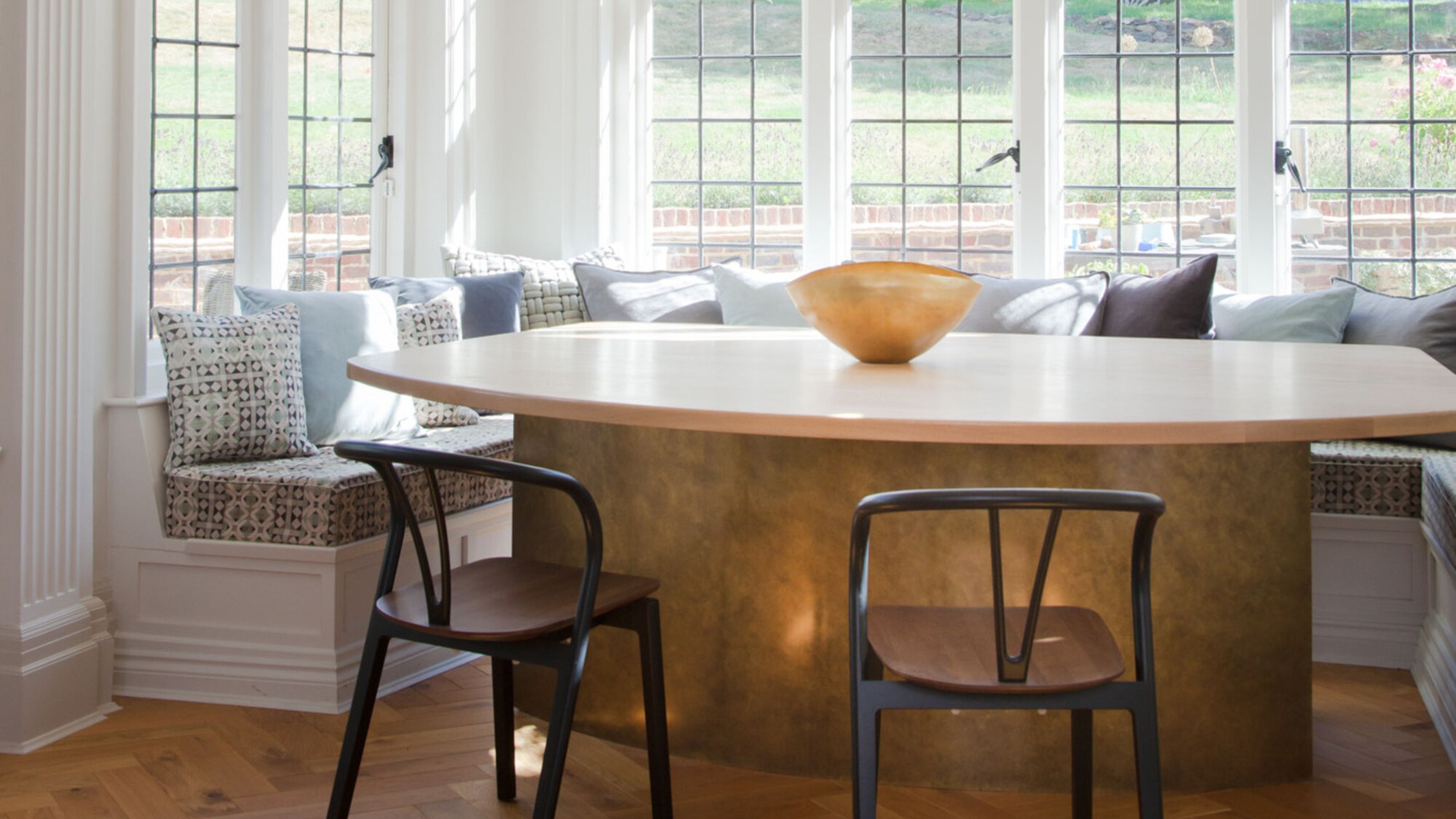
Forget Chairs — This Dining Room Seating Trend Takes Your Space From Casual to Comfortable, Convivial, and Curated
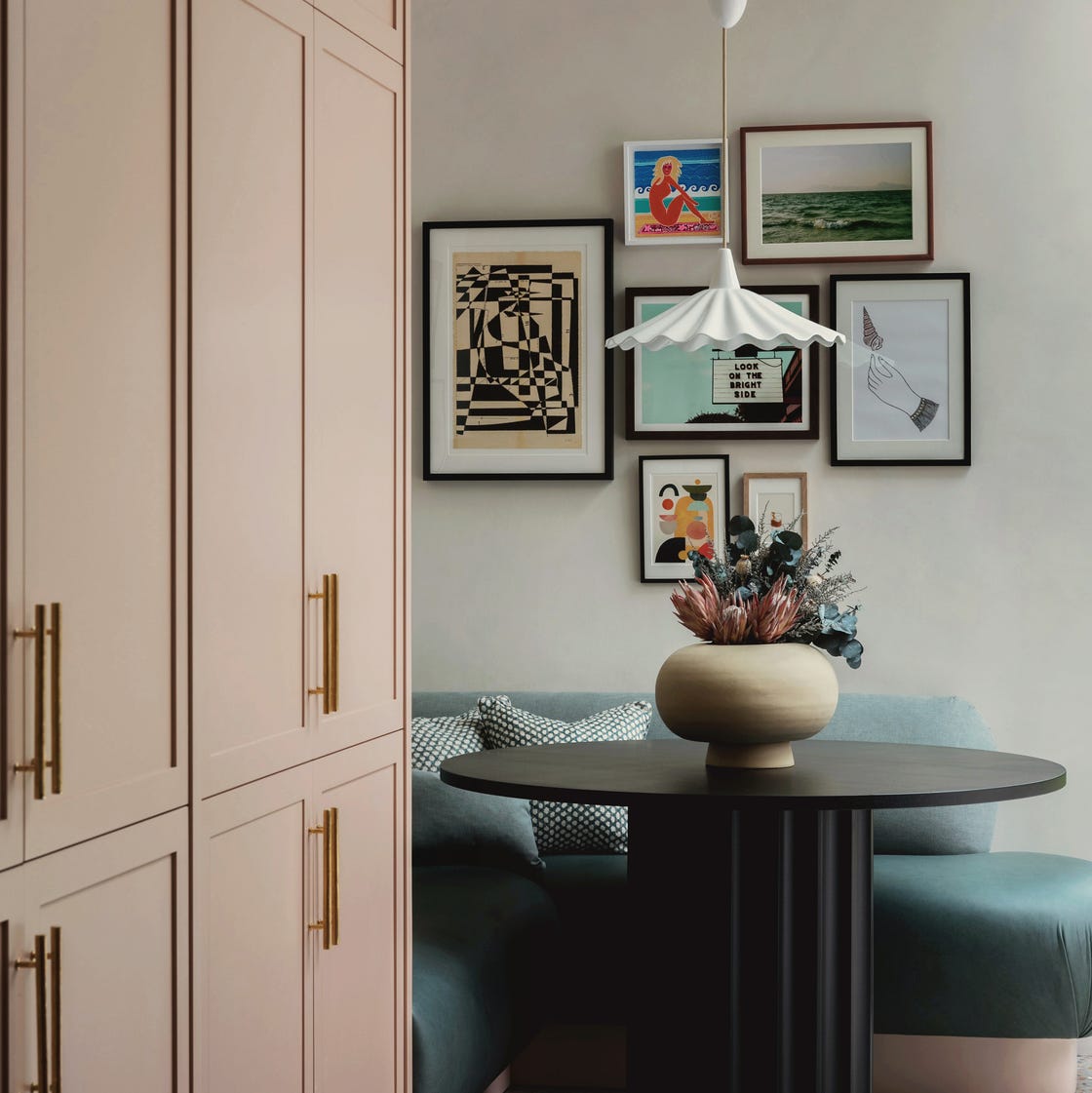
Top 12 dining room trends for 2025, according to design experts
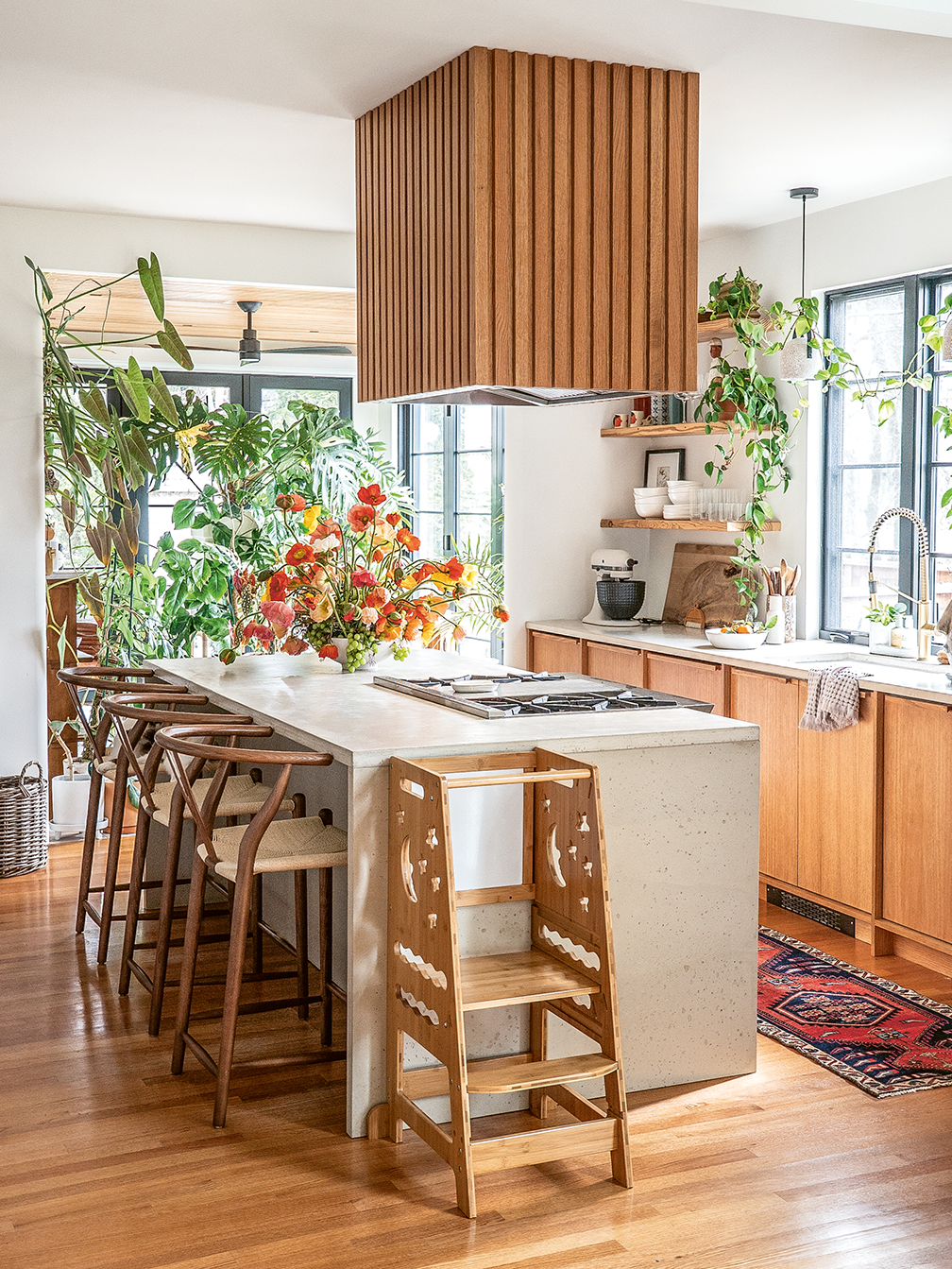
Hilton Carter’s Kitchen Reno Makes the Case for Ditching the Dining Room

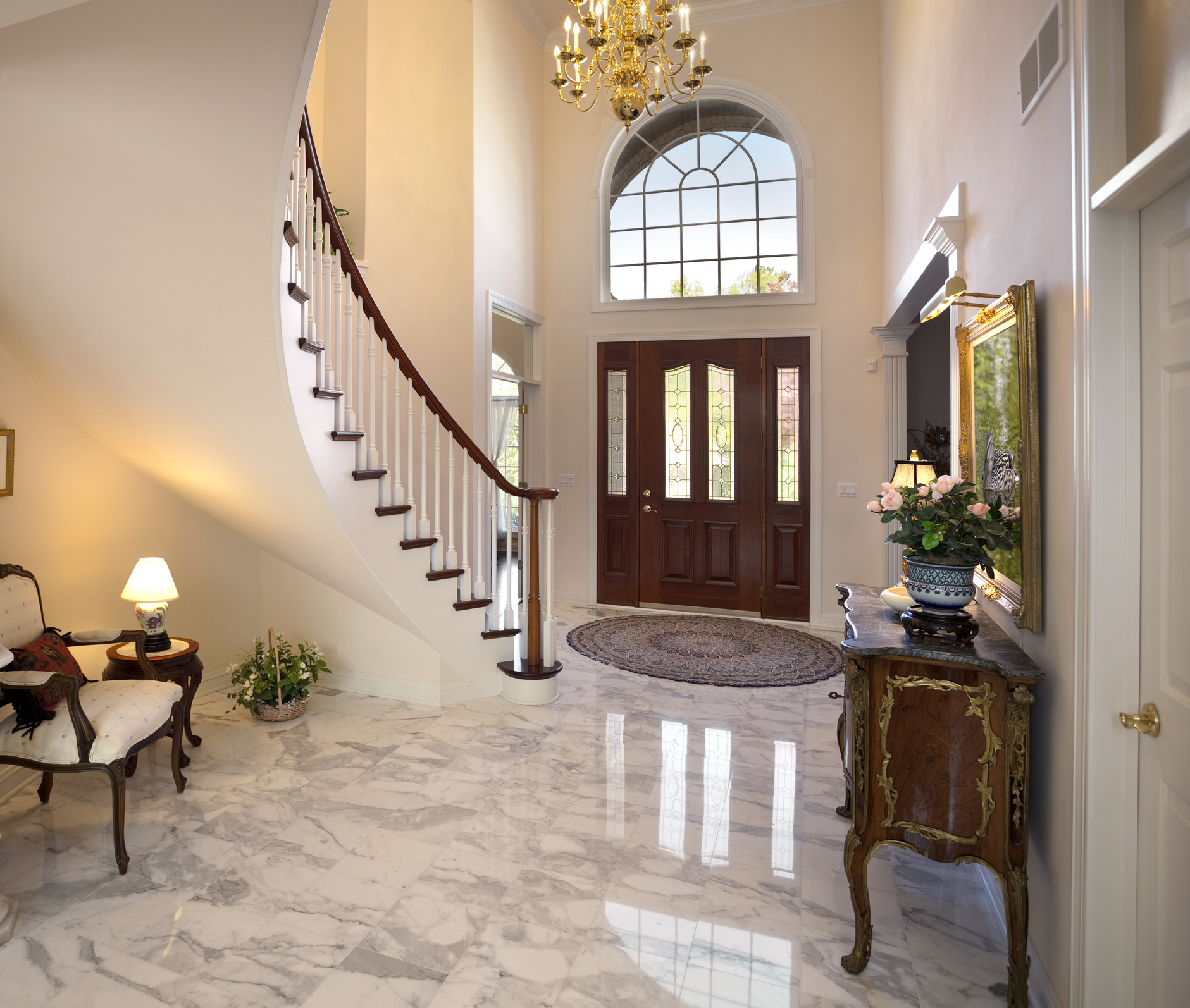
This Once-Popular Home Feature Is Falling Out of Favor

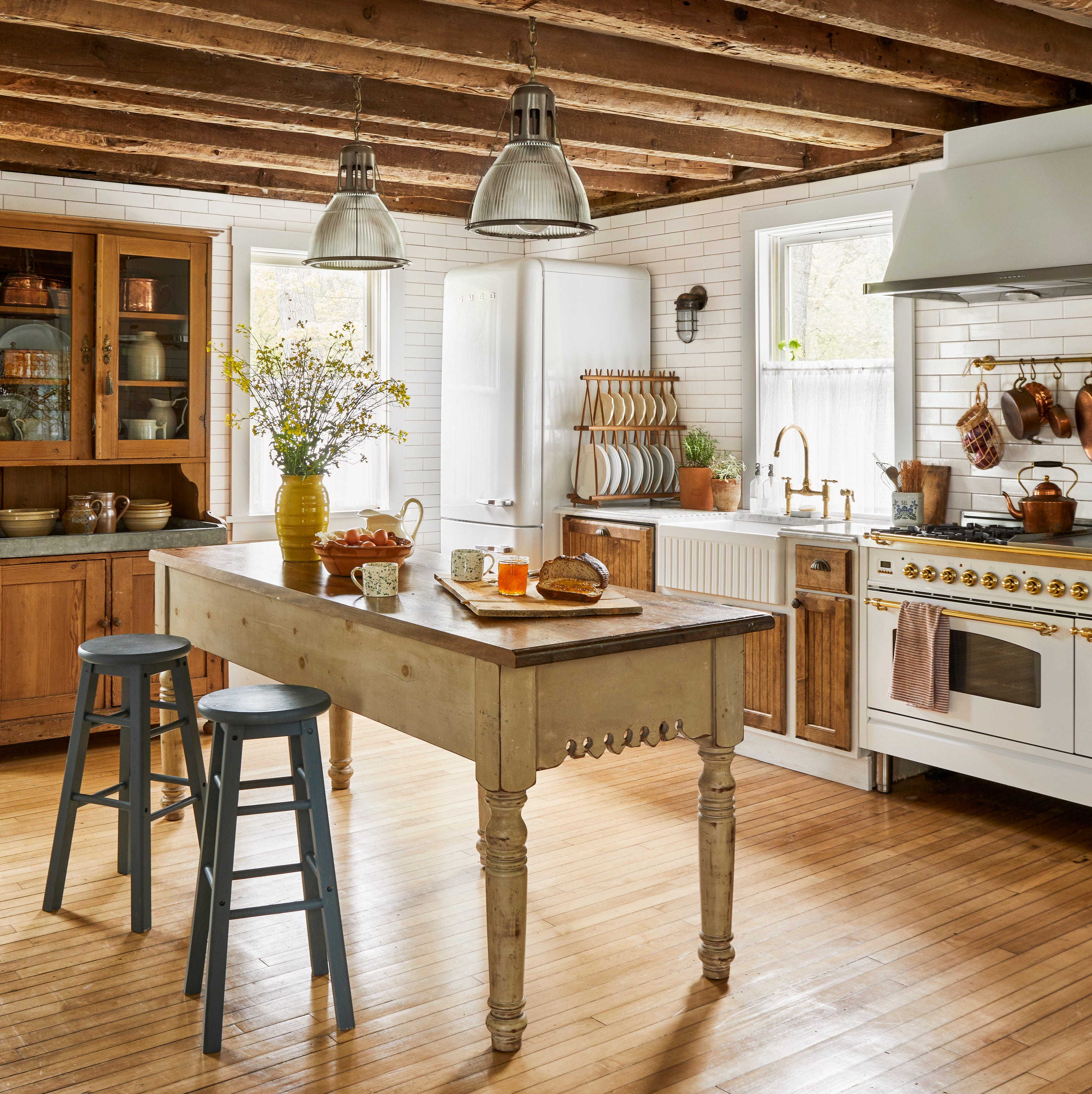
Why the 'unfitted kitchen' is fast becoming one of 2025's biggest trends
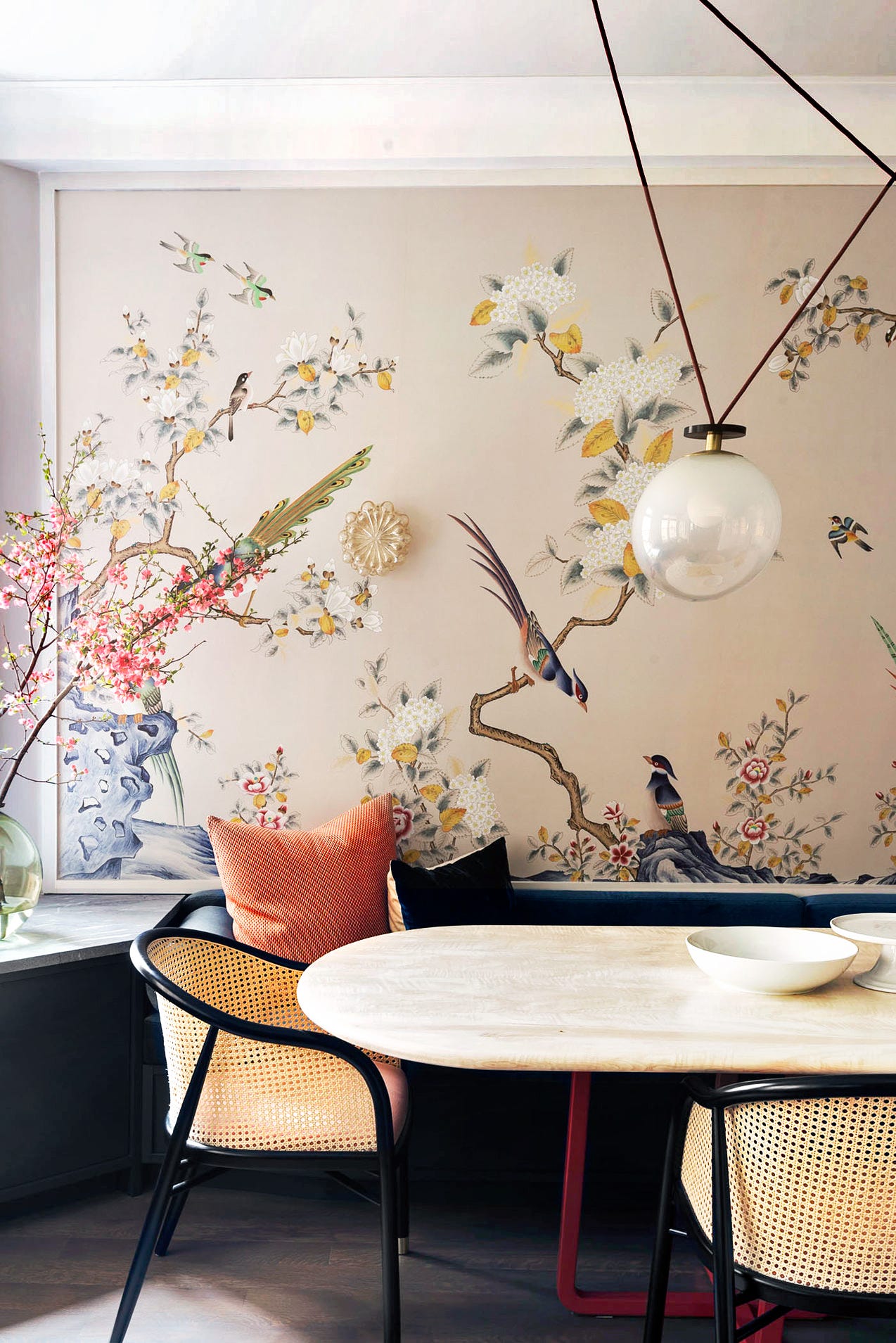
The Dining Room Design Trend That Elevates Every Dinner Party
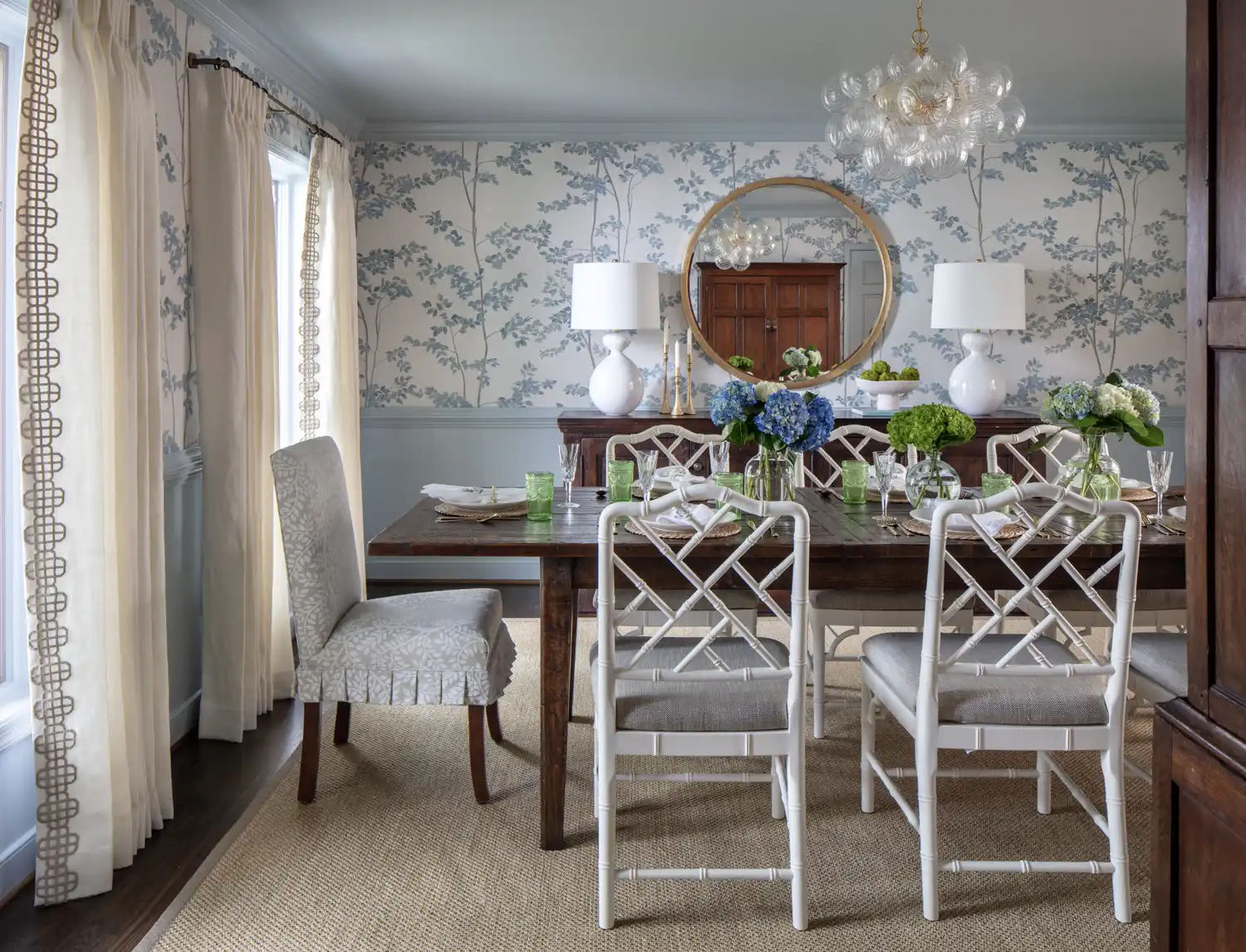
10 Dining Room Pieces Designers Say Are Outdated