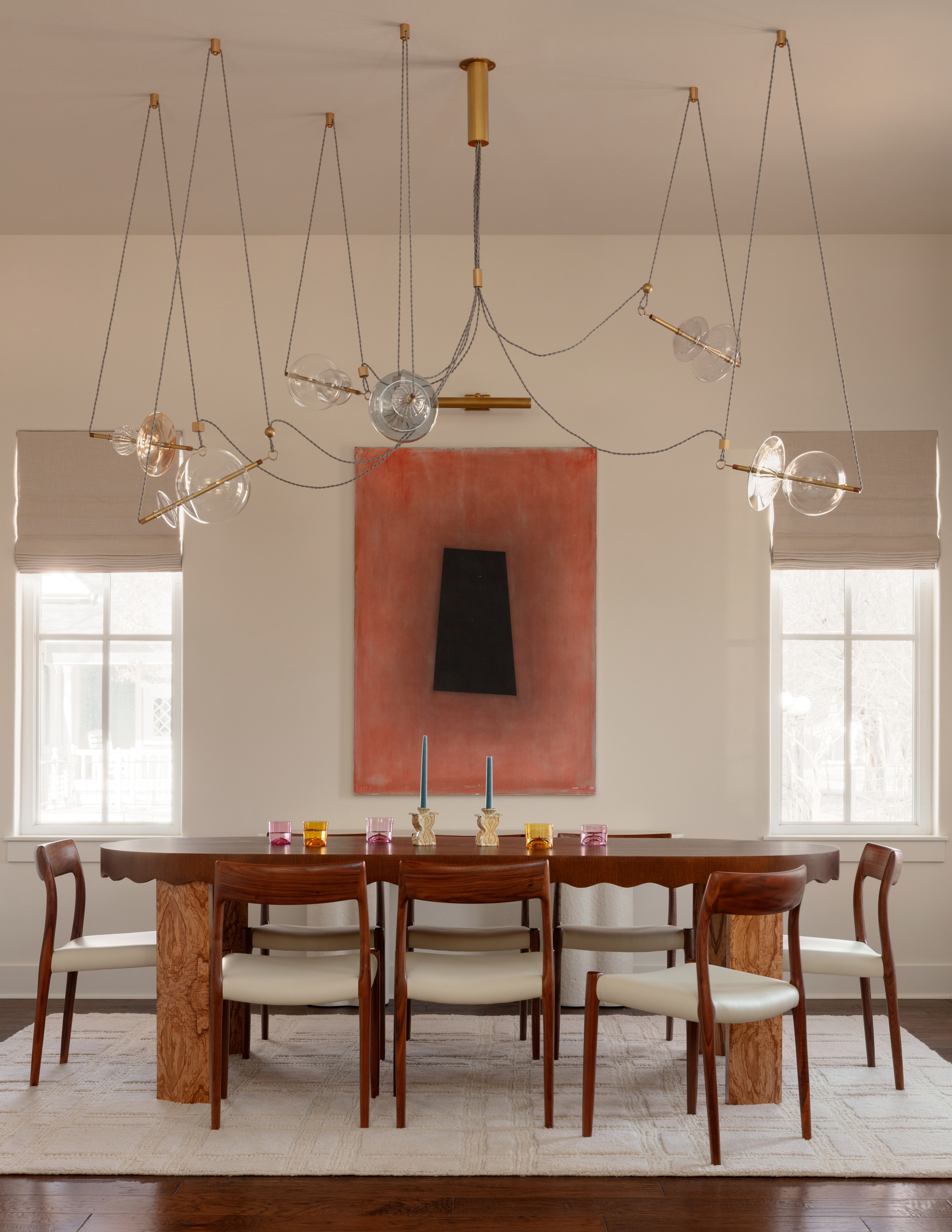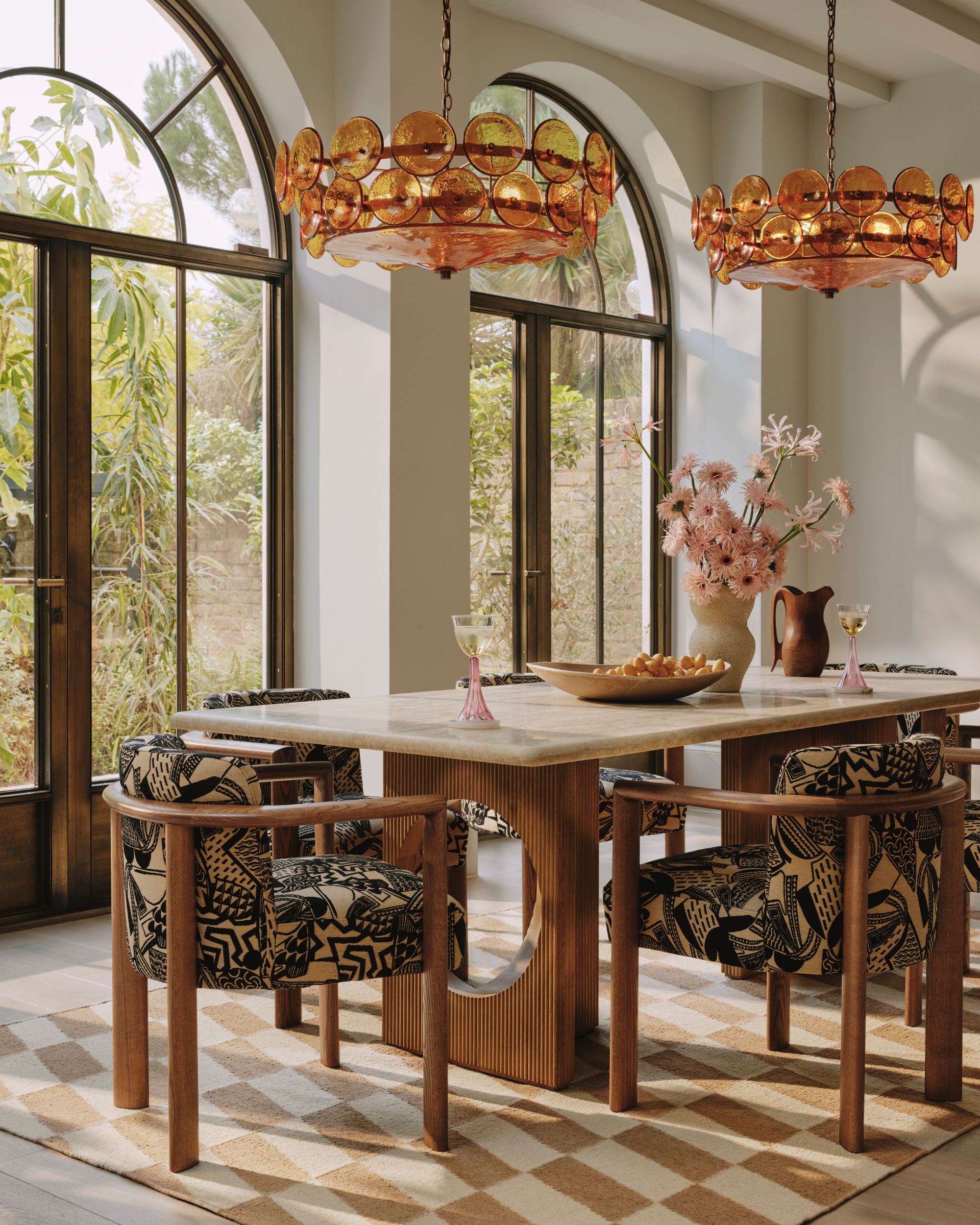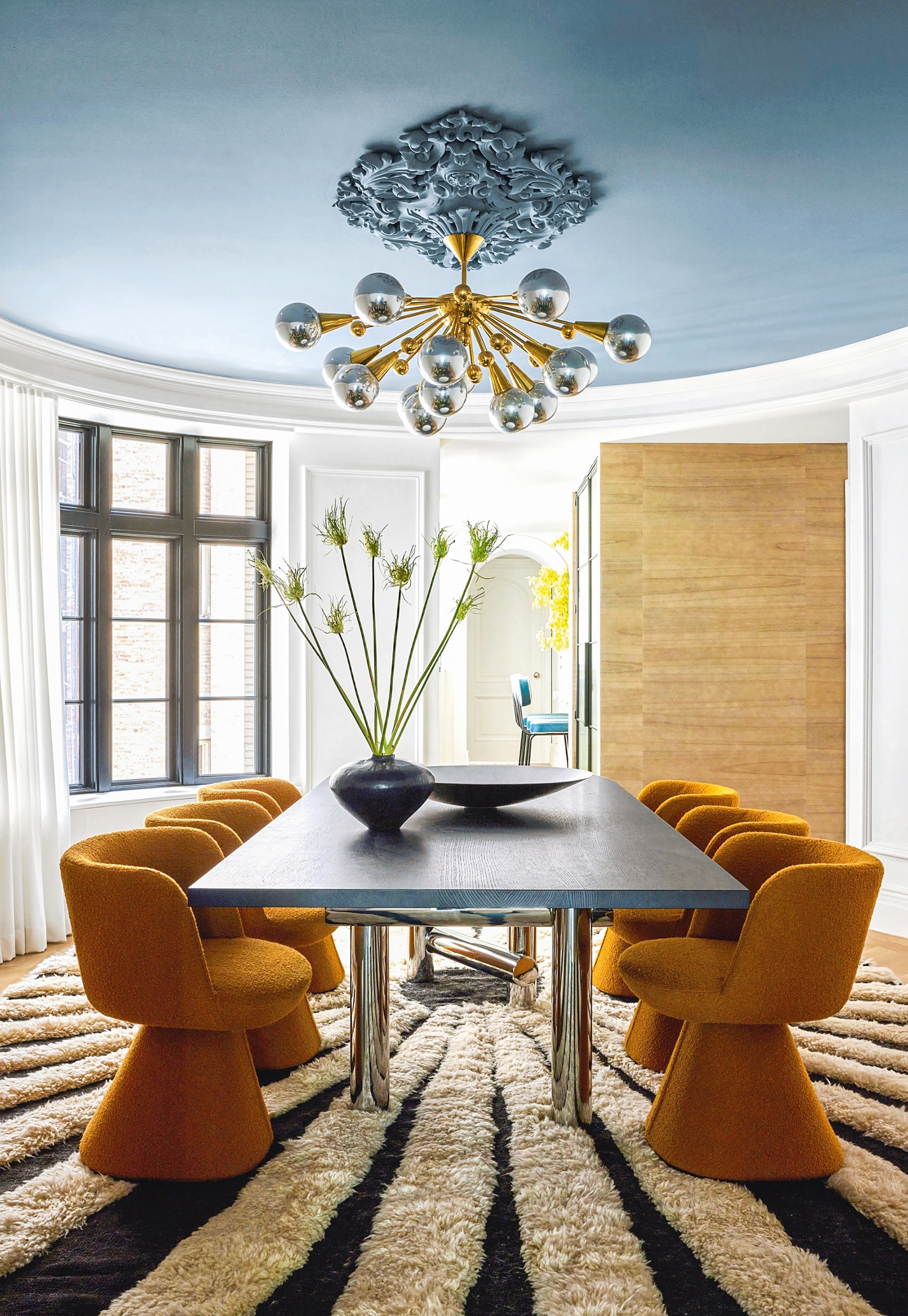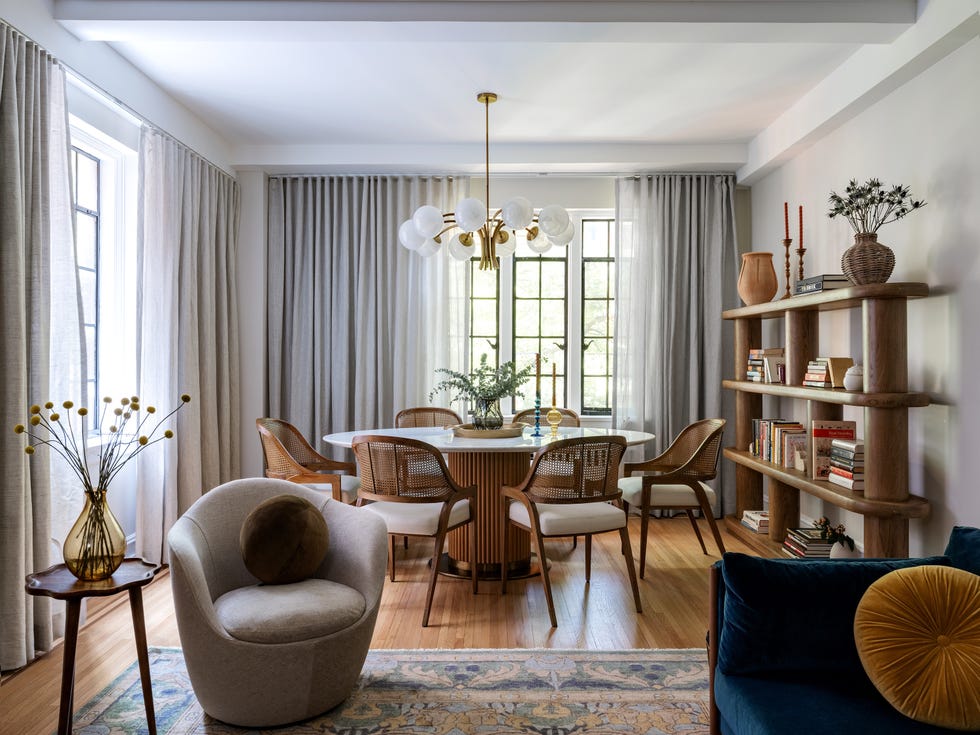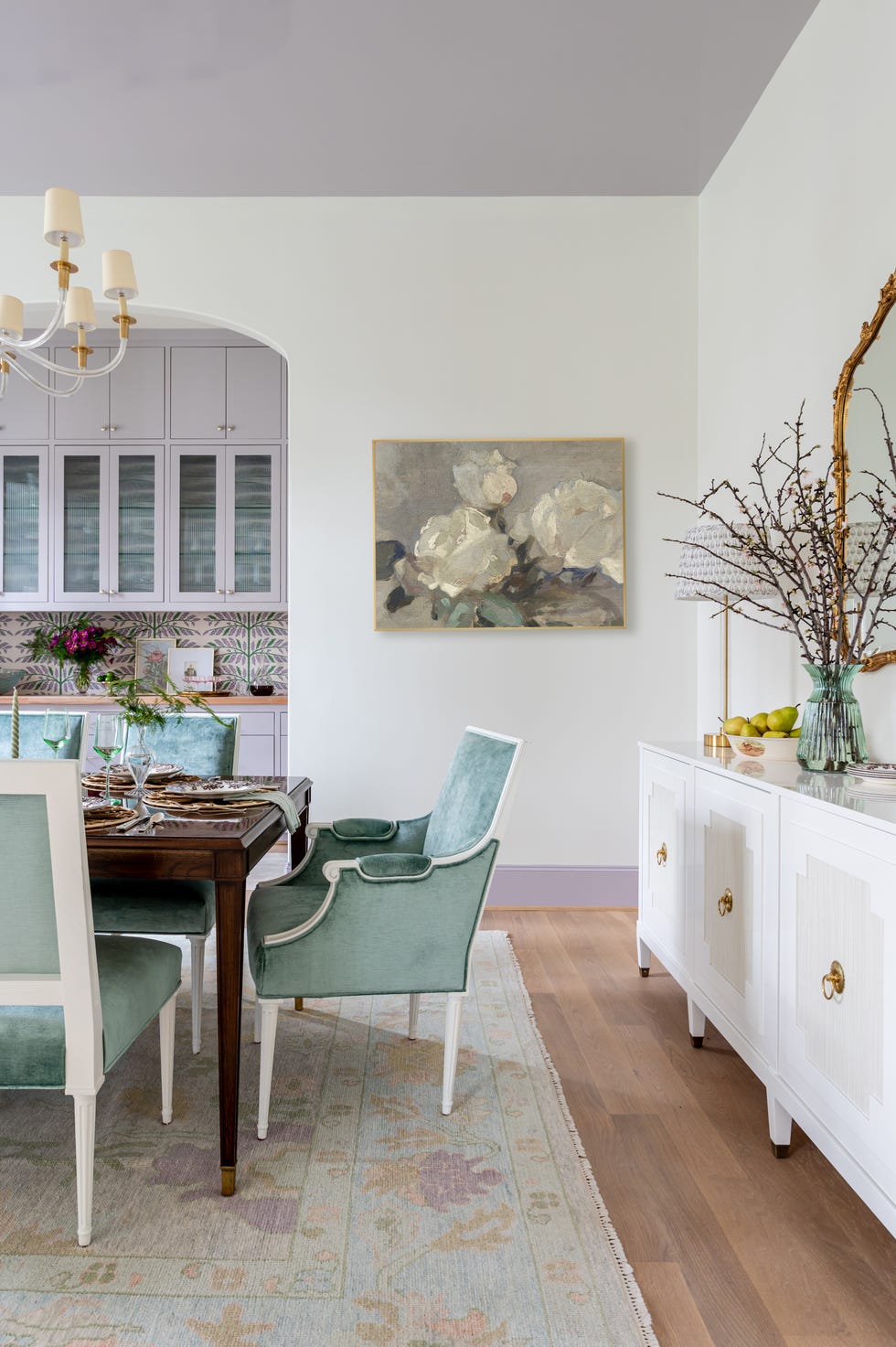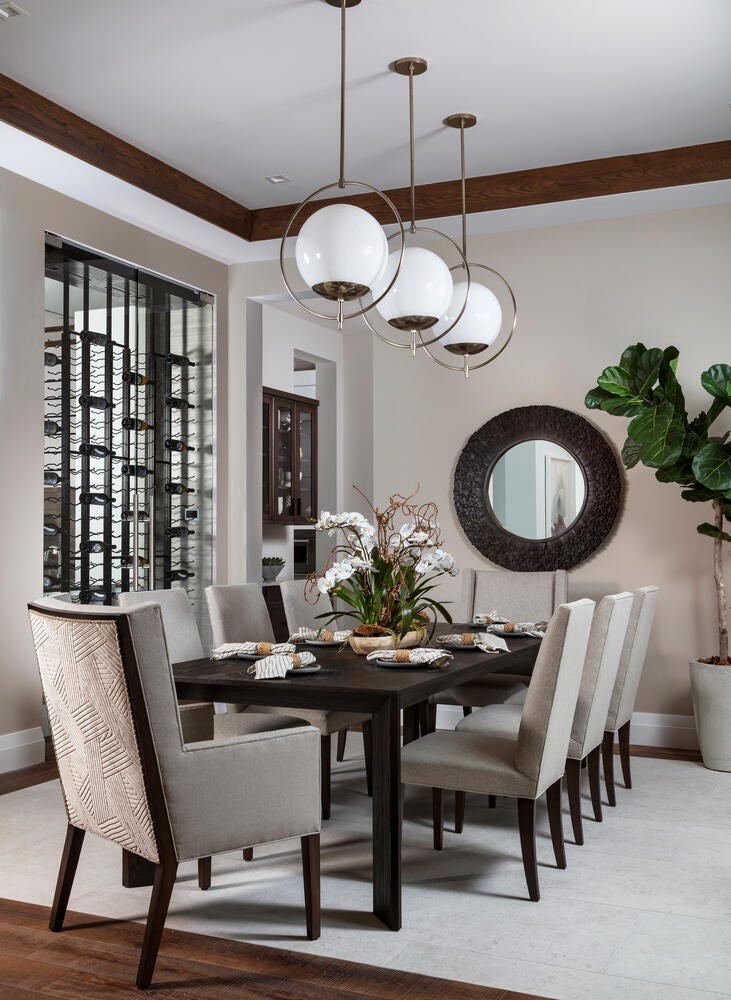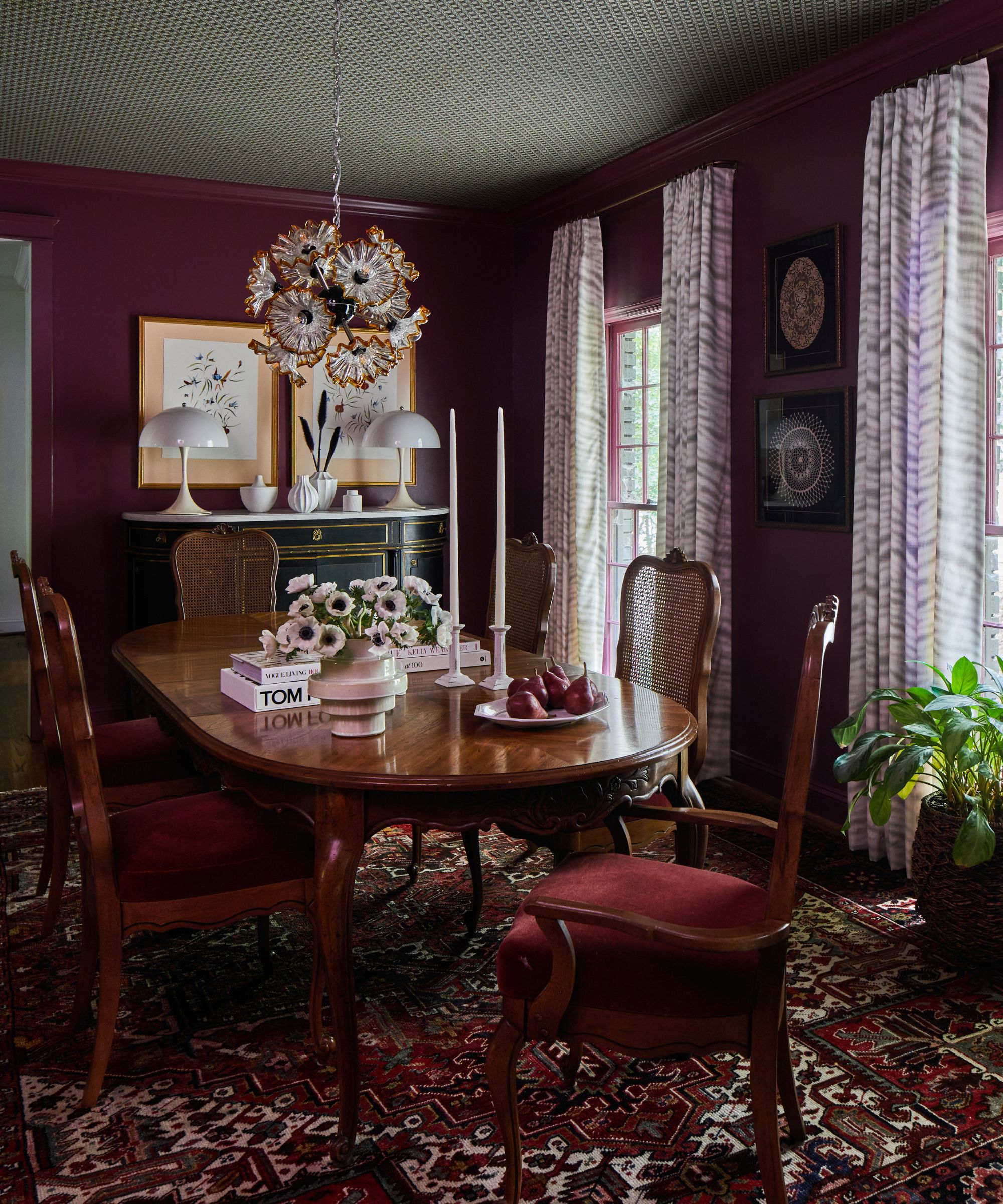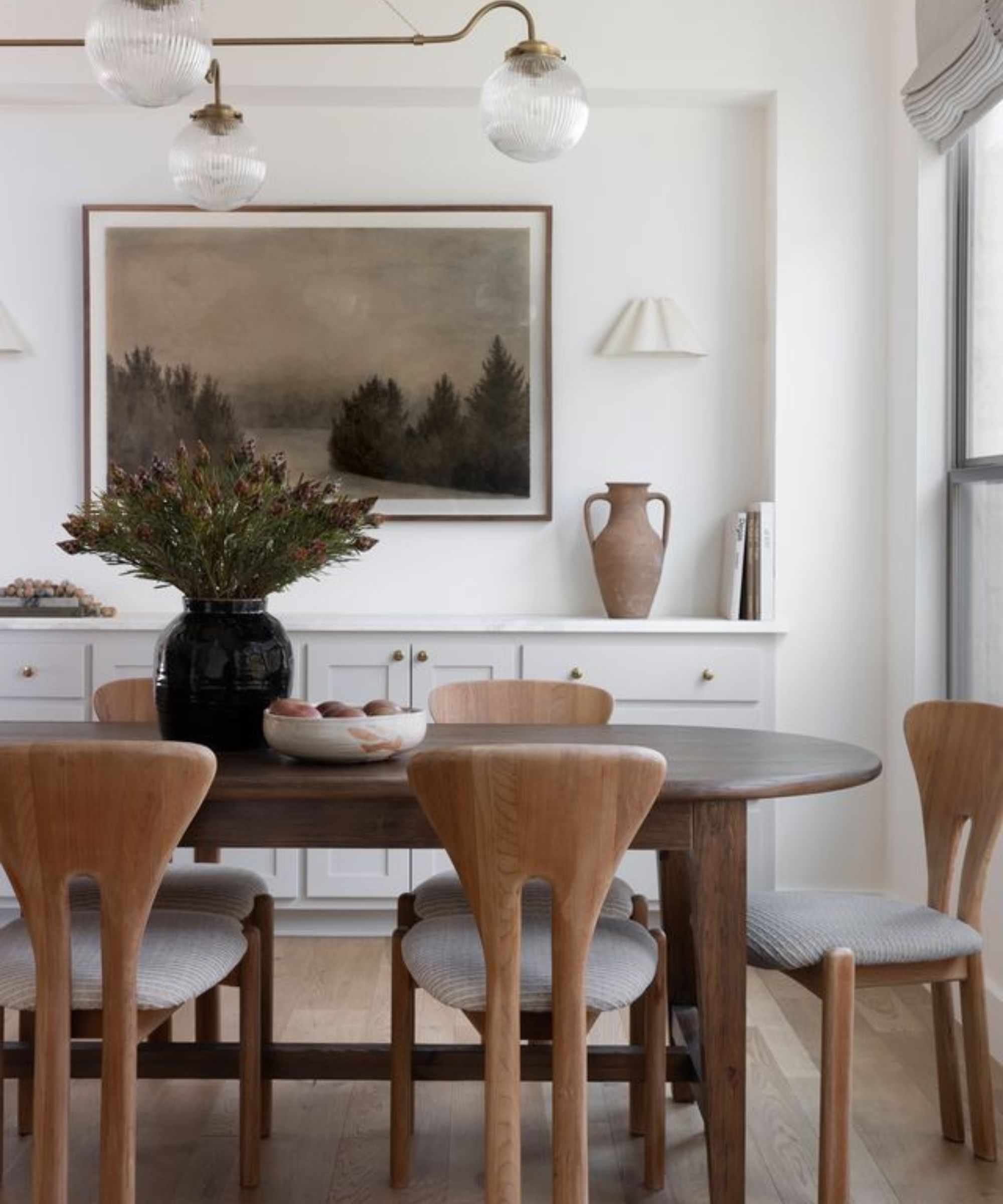
Are Traditional Dining Rooms a Thing of the Past? Here's What Designers Say
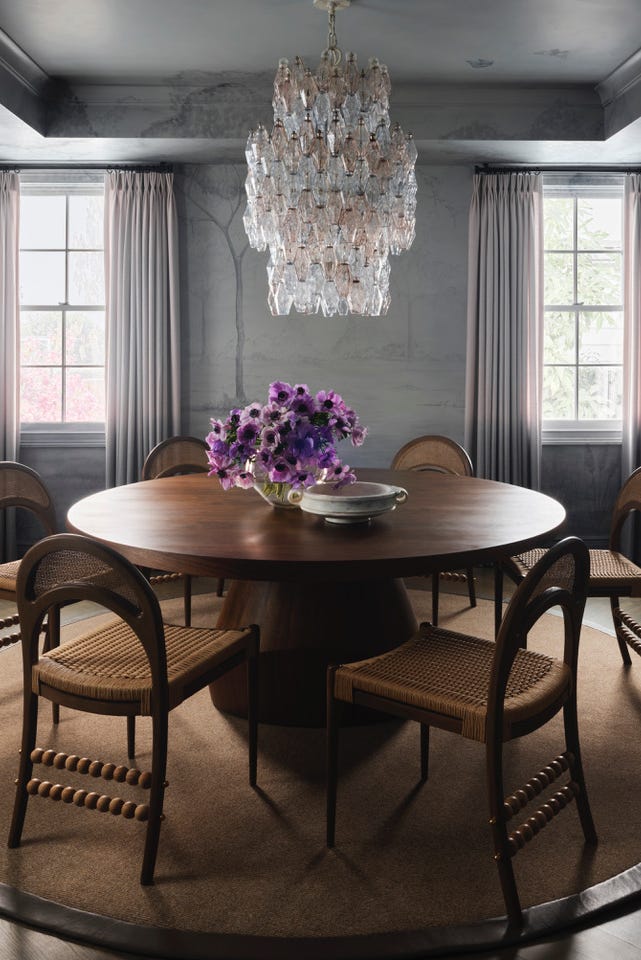
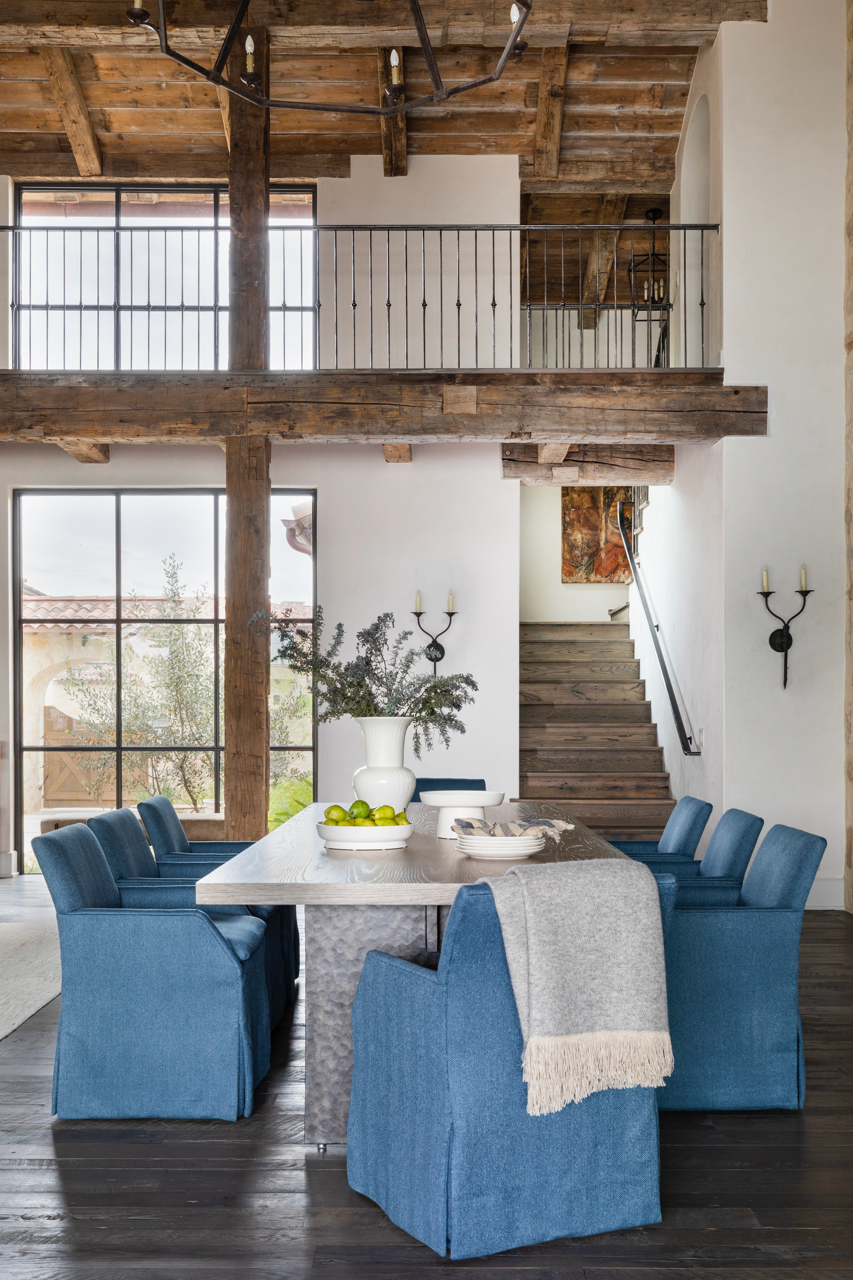
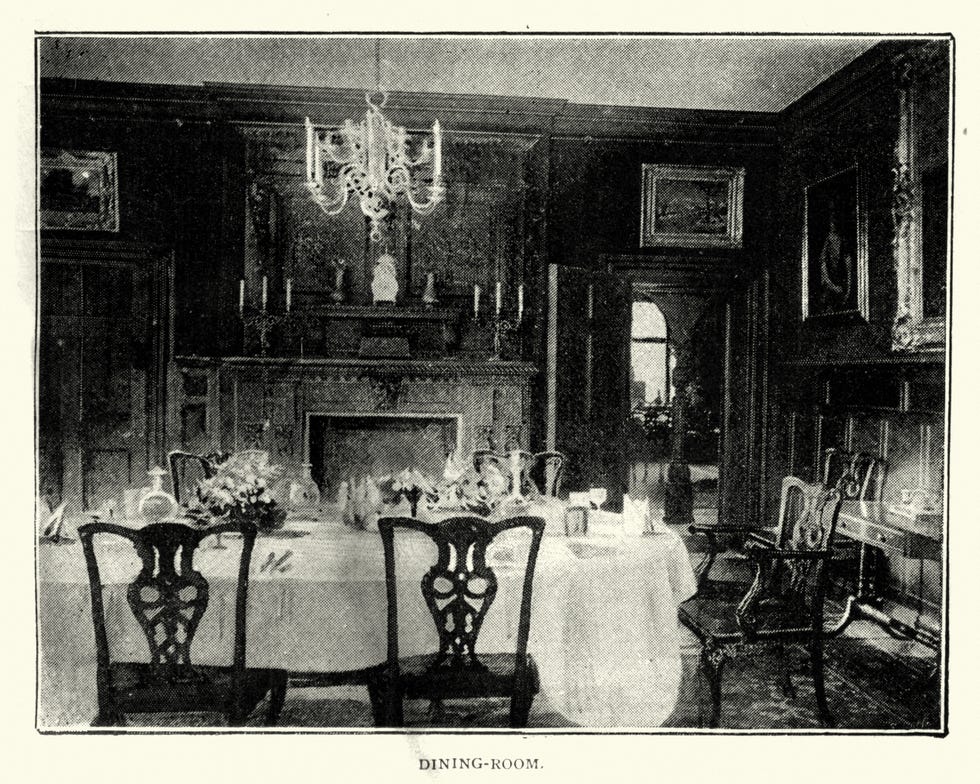
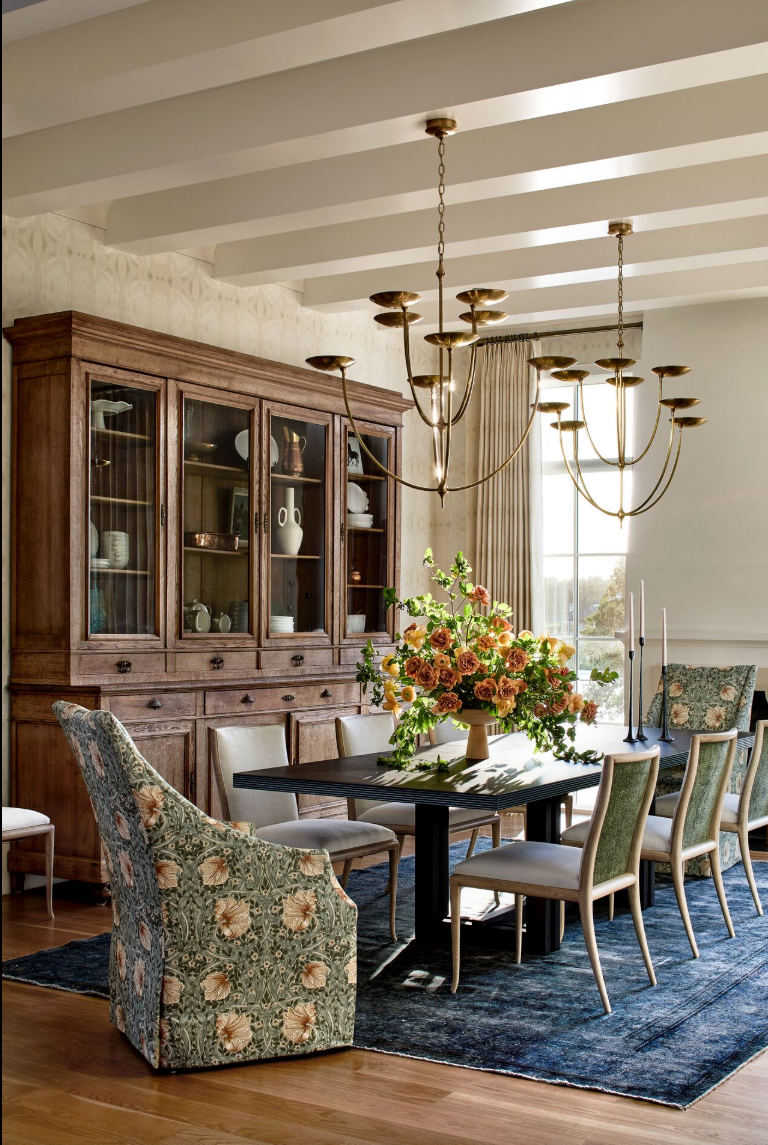
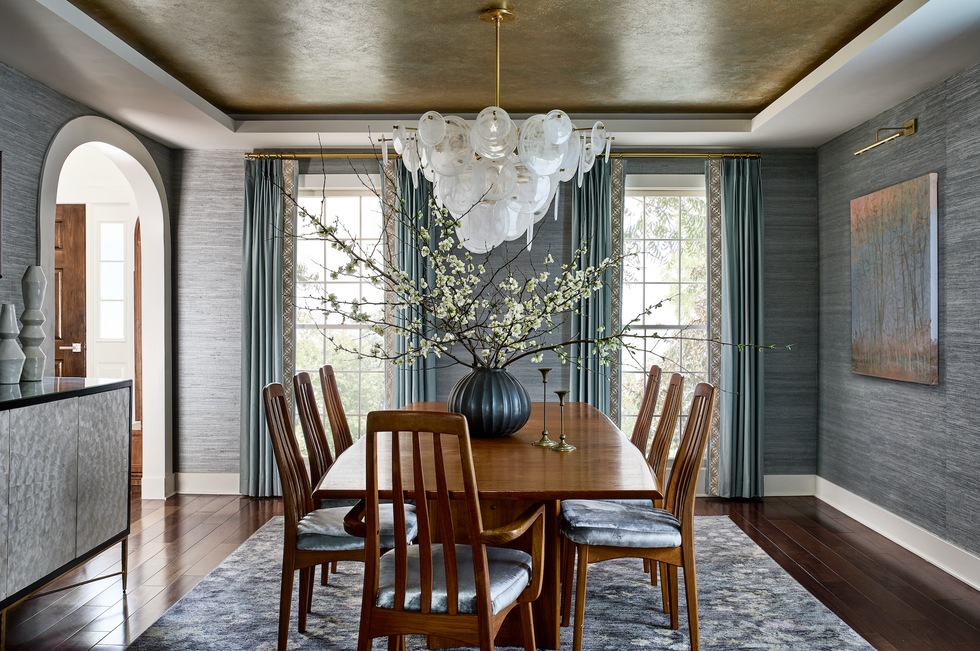
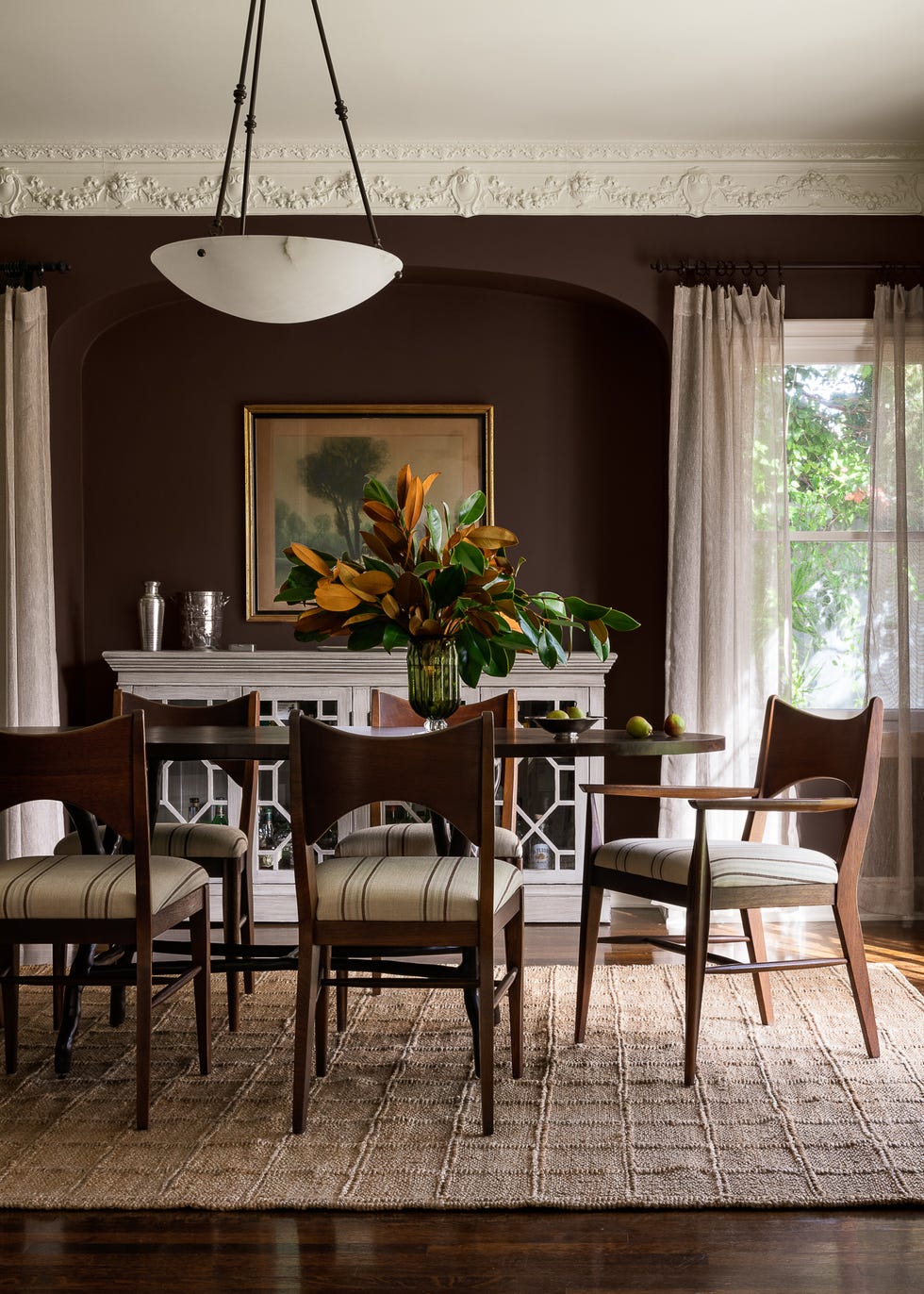
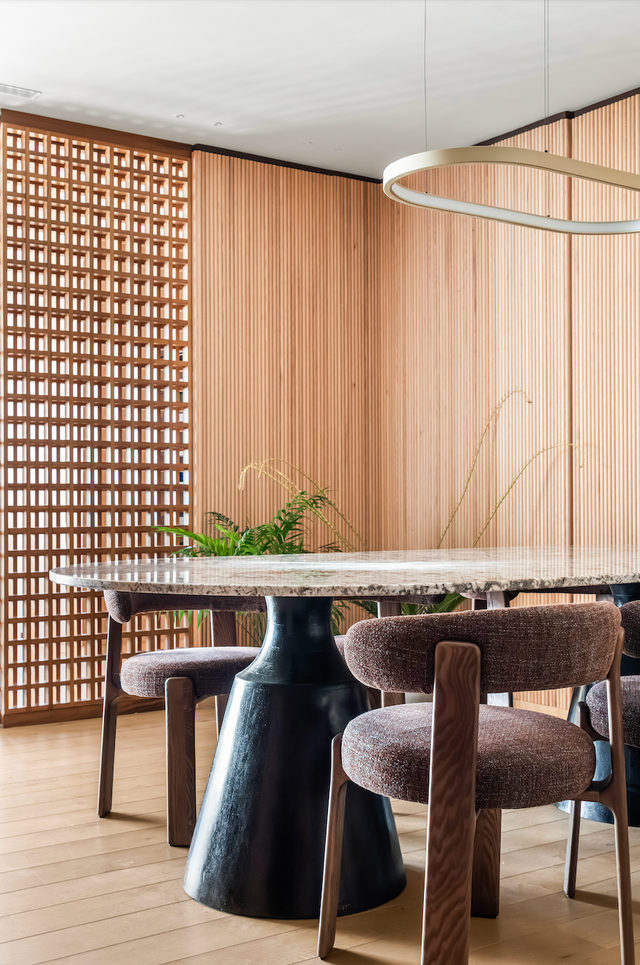
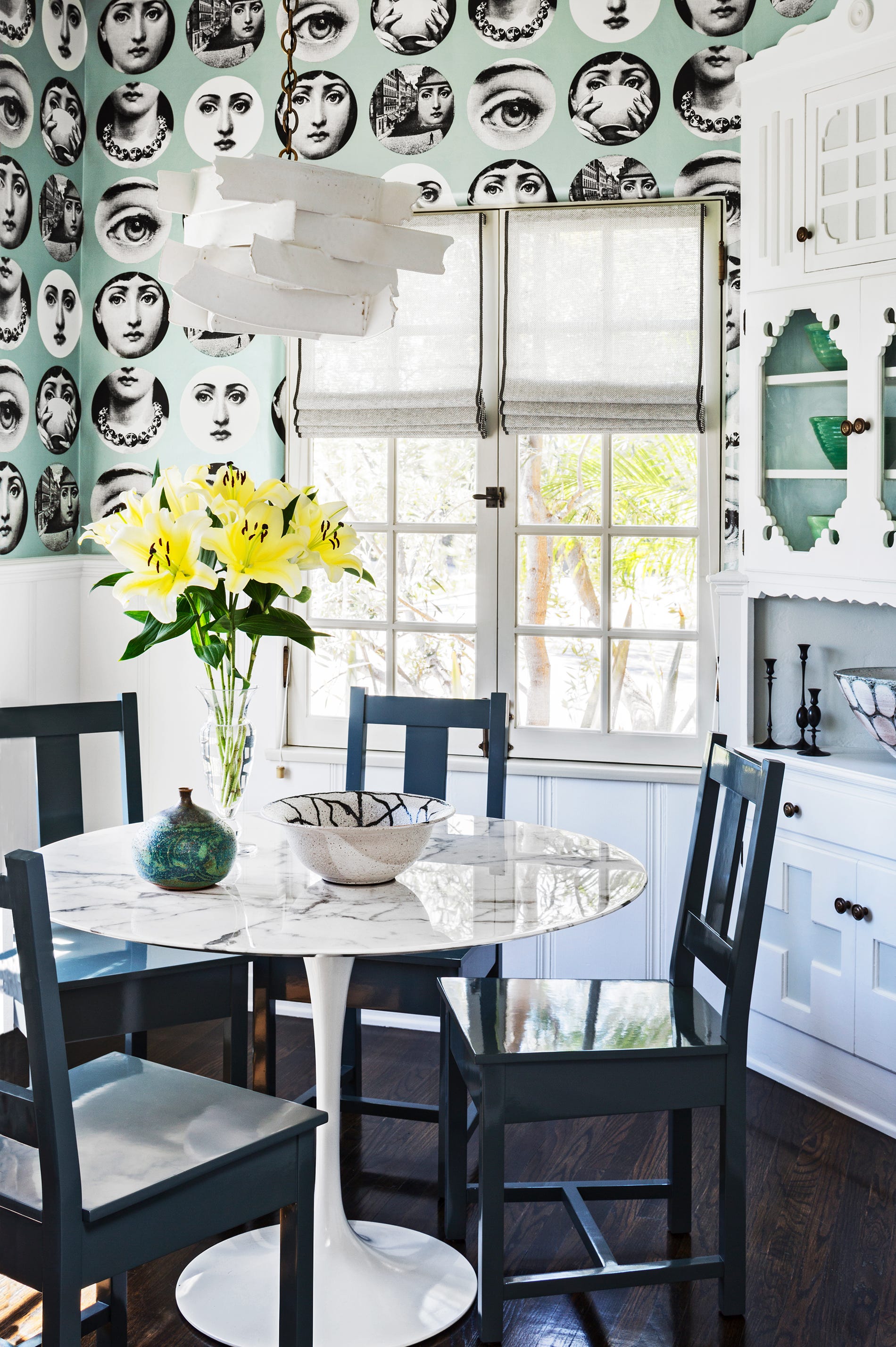
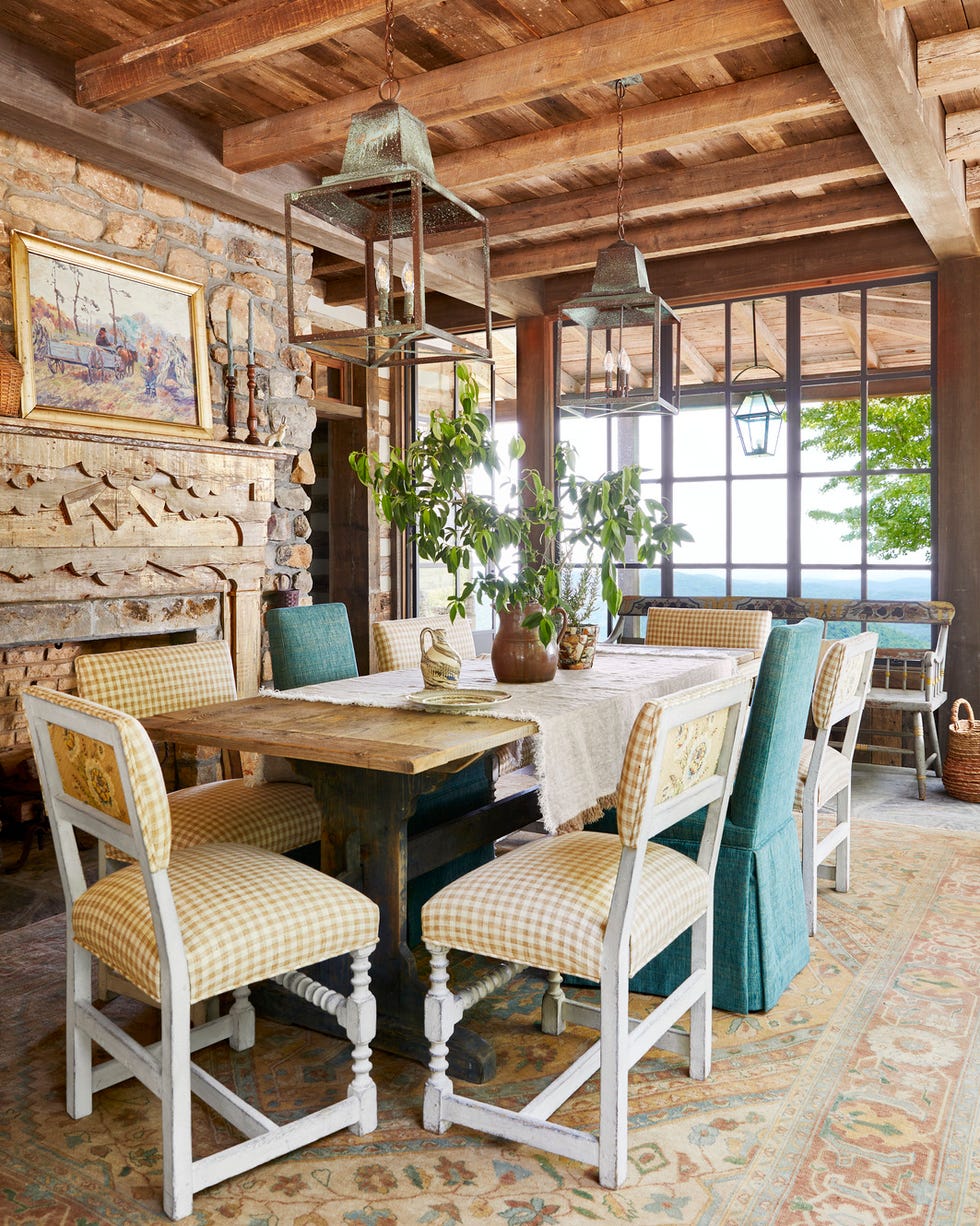
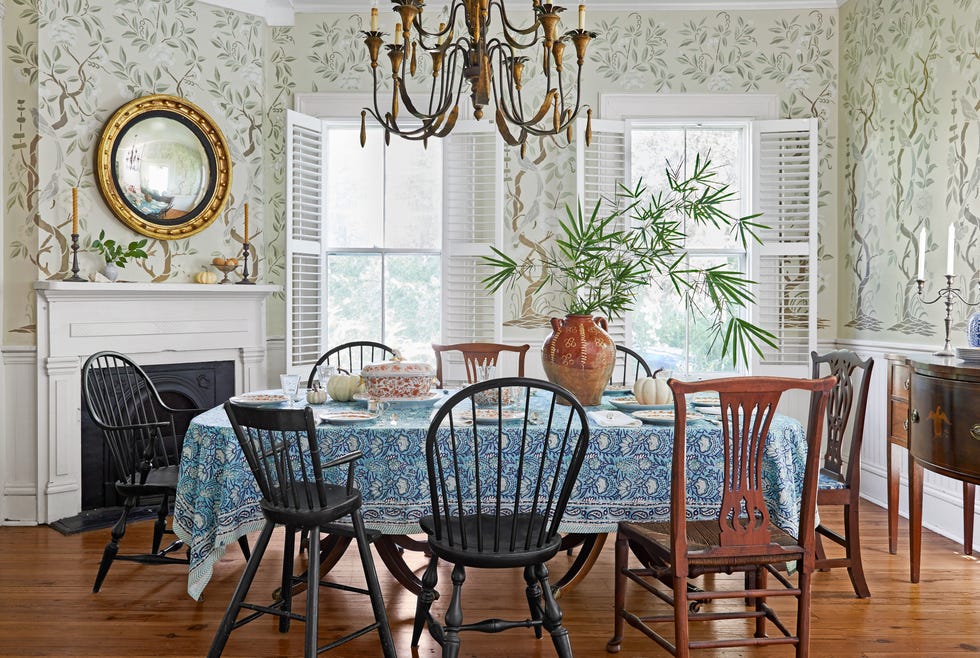
The concept of the traditional dining room has been undergoing significant changes due to various societal and economic shifts. Factors such as increased inaccessibility and unaffordability of home ownership for younger generations, leading to longer rental periods or smaller home purchases, and a rise in single-person households, have prompted a reevaluation of home layouts. Dining rooms, historically a staple in many homes, are particularly affected by these evolving living situations and design preferences.
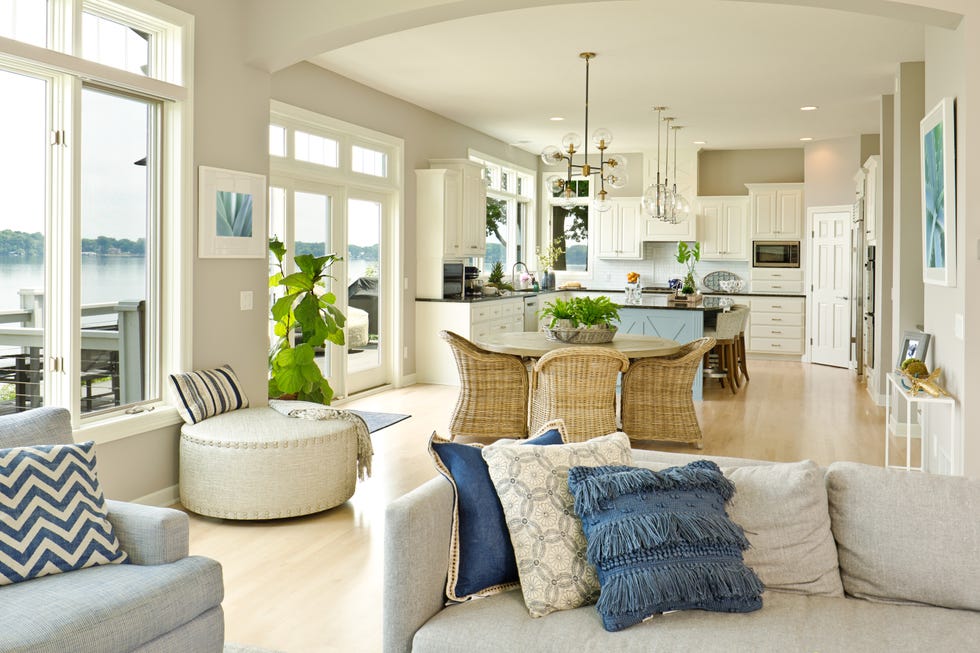
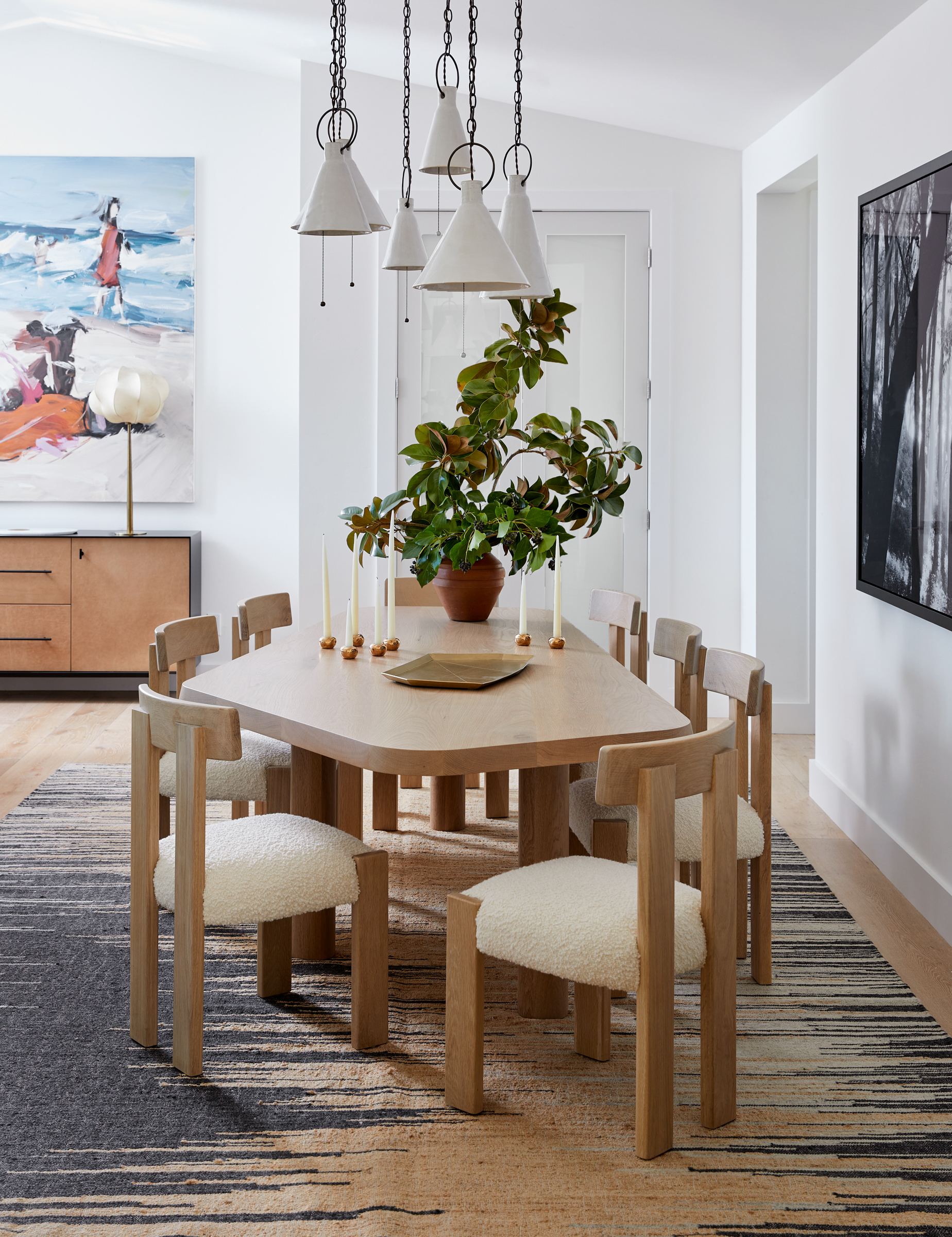
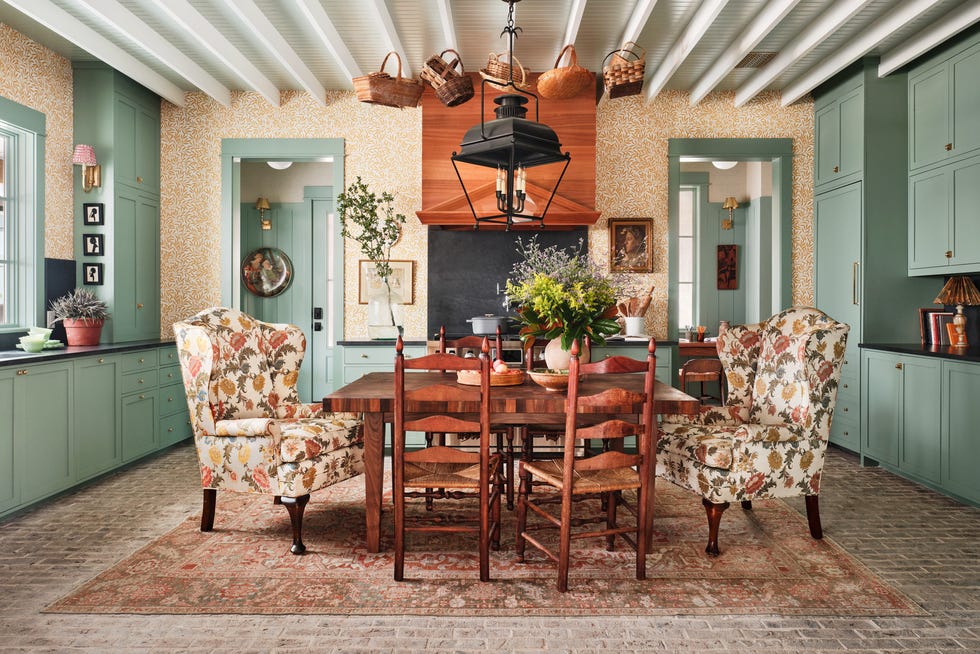
Historically, open floor plans contributed to the decline in favor of formal dining rooms. With kitchens evolving into the central hub of the home, often equipped with welcoming islands or adjacent breakfast nooks, the necessity for a dedicated, formal dining space diminished. However, a recent trend indicates a shift away from completely open floor plans. Design experts, including interior designers Hannah Goldberg and Emma Kemper, confirm that while dining rooms are not becoming obsolete, their function and style are definitely evolving.
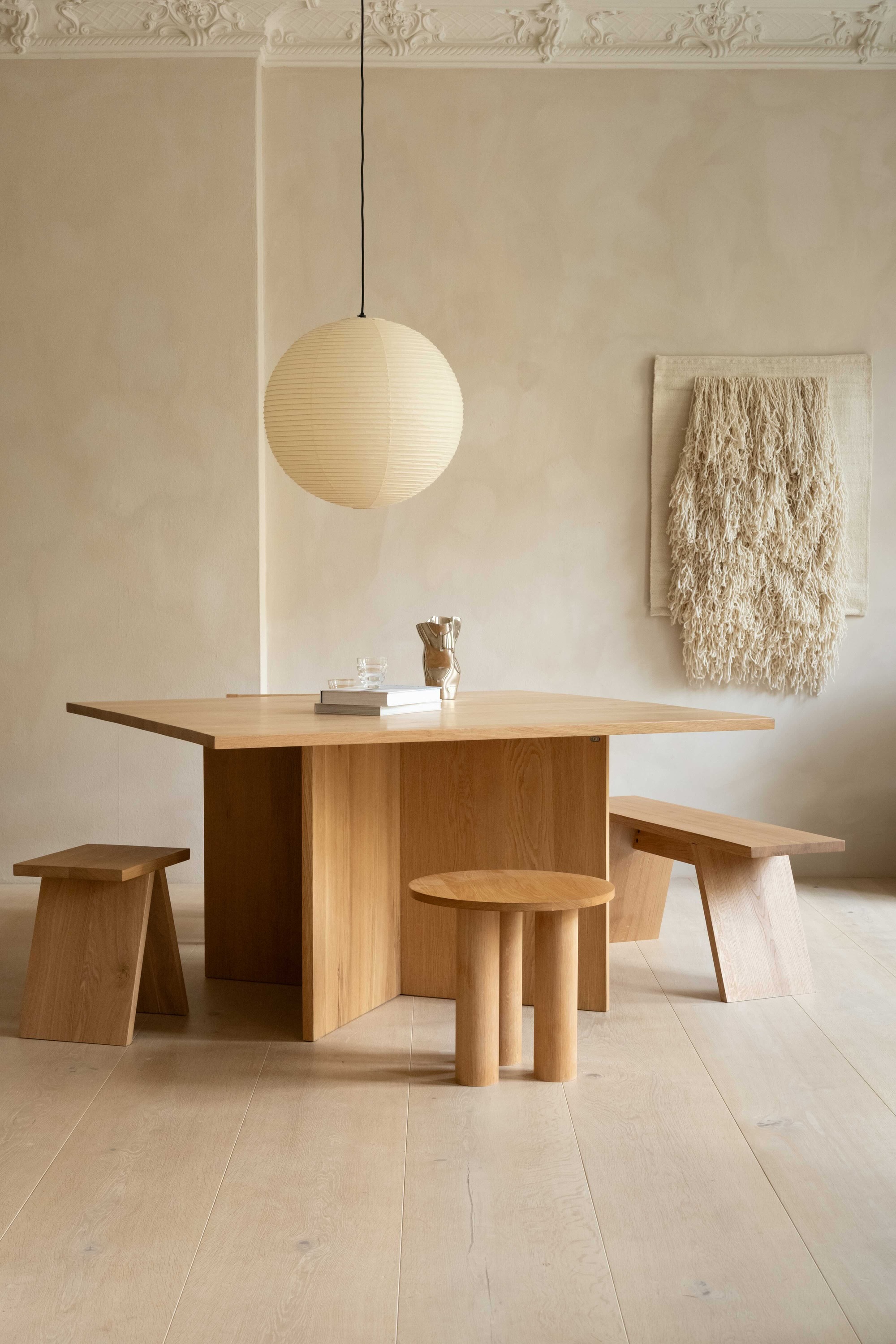
One of the most notable changes is the move from a singular, formal purpose to a more versatile, multifunctional use for dining room spaces. In the past, dining rooms were primarily reserved for daily meals and hosting dinner guests. The pandemic significantly accelerated this transformation, as dining rooms were adapted to serve multiple roles, such as homework stations, home offices, and other flexible spaces. Even post-pandemic, homeowners have appreciated the flexibility this adaptability provides, especially given that formal dining events are often infrequent.
For those whose traditional dining rooms are underutilized, designers suggest several creative alternatives to repurpose or add extra utility to the space. One popular suggestion is to convert the dining room into a cozy library. This involves installing bookshelves, using deep, earthy paint colors, and furnishing it to create a relaxing environment for reading or puzzles, with the option to add a desk for a work-from-home setup. Another practical alternative is to fully embrace its use as a home office, particularly since dining rooms are typically bright and spacious, offering ample room for a desk, storage, and a separate seating area.
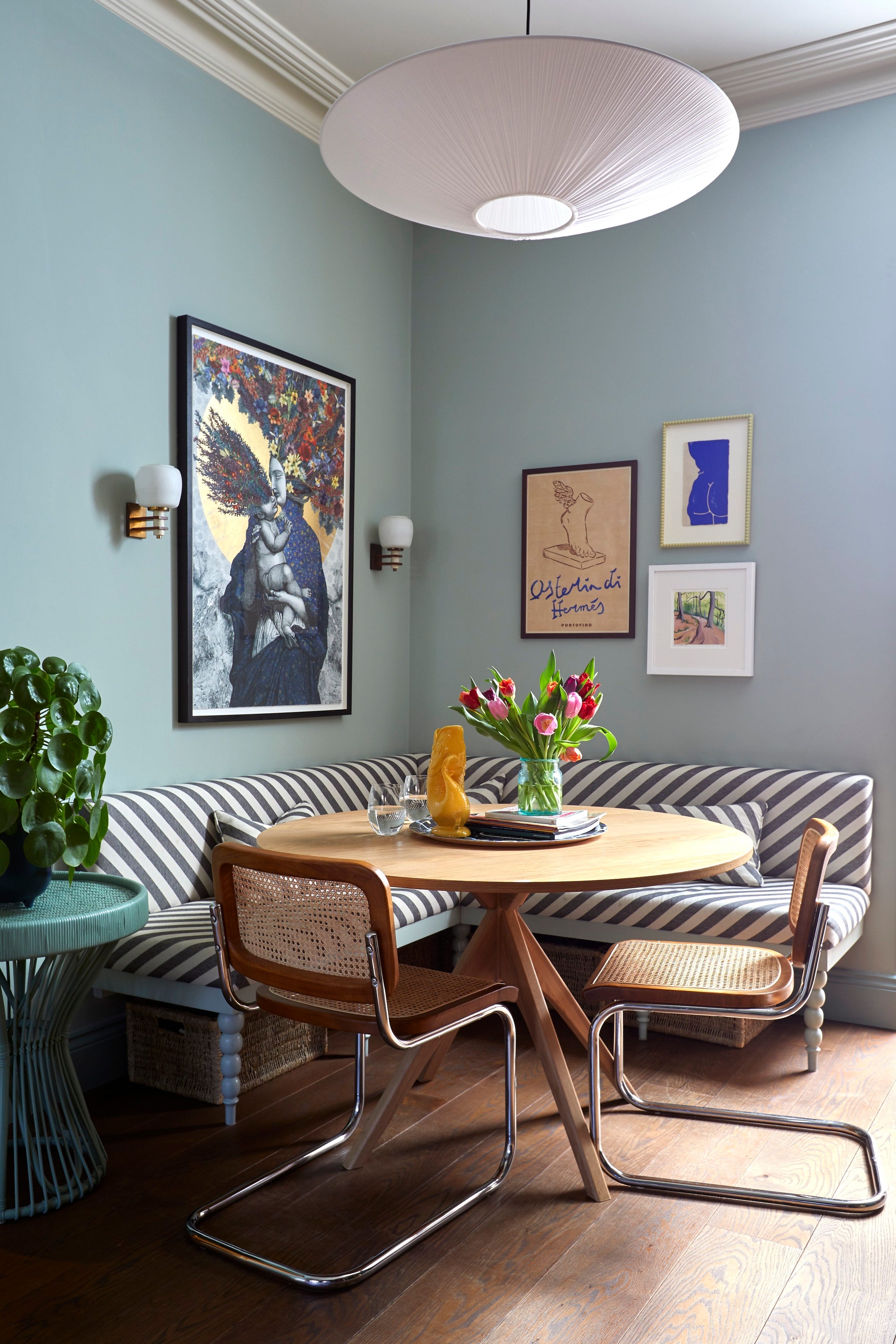
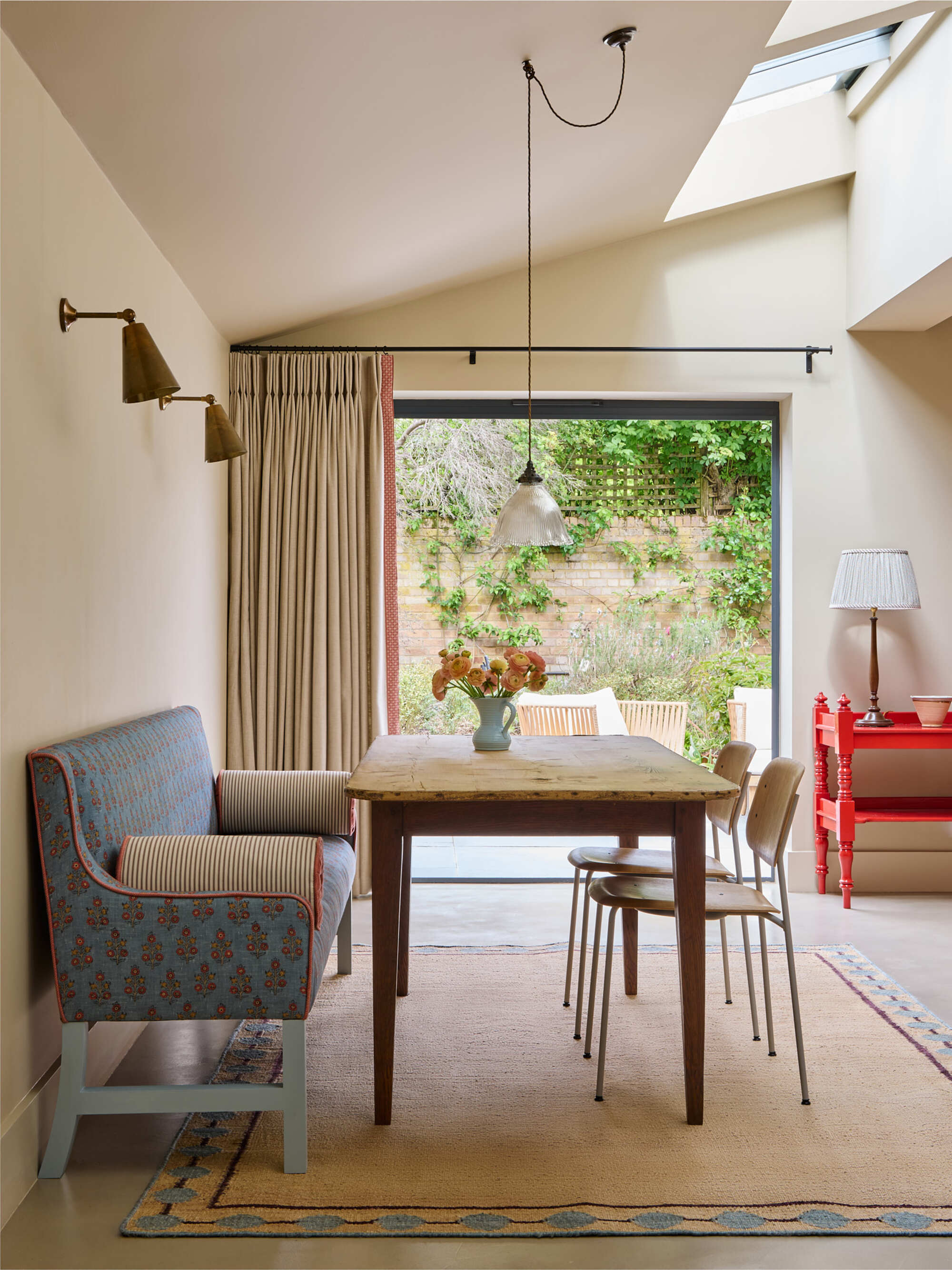
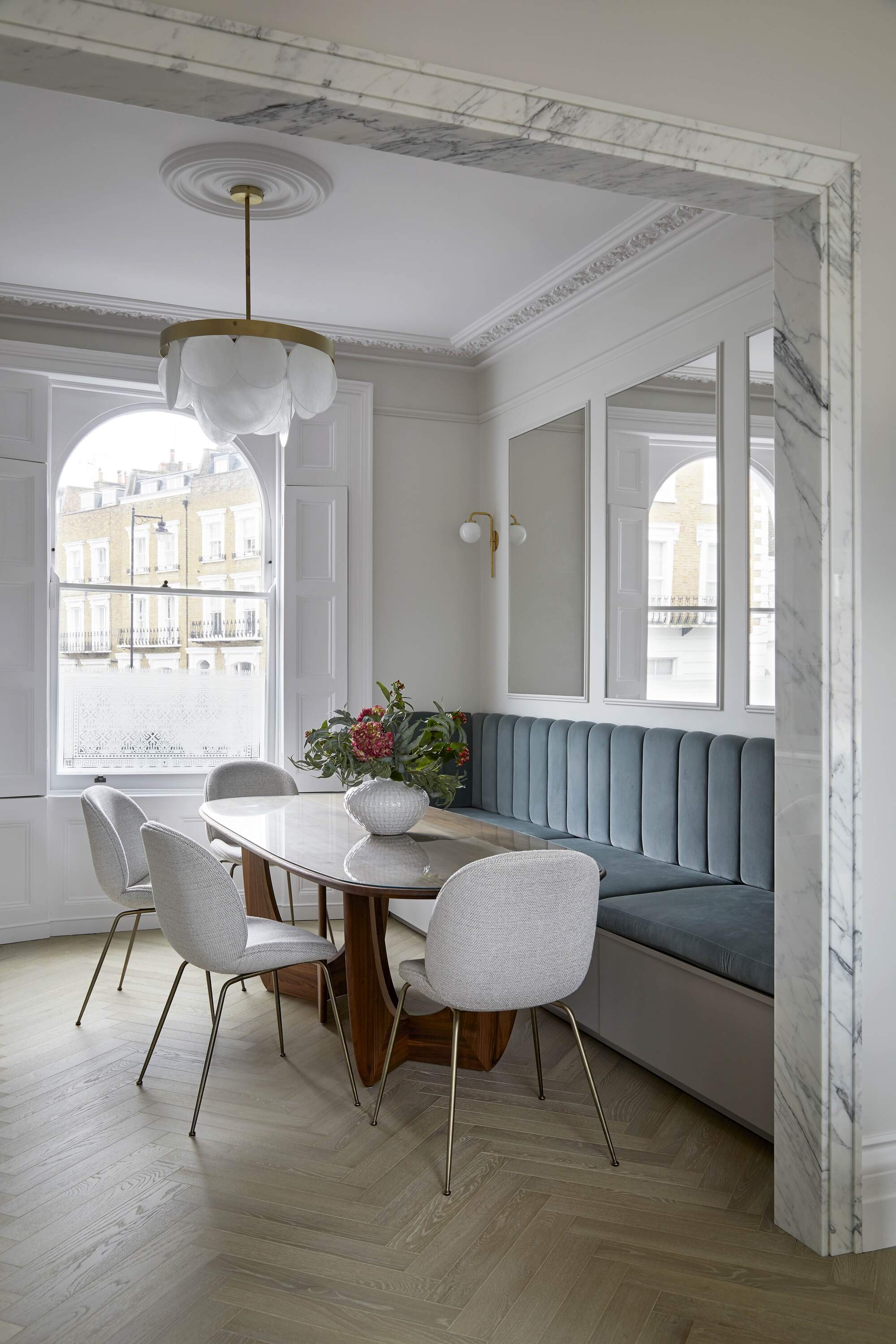
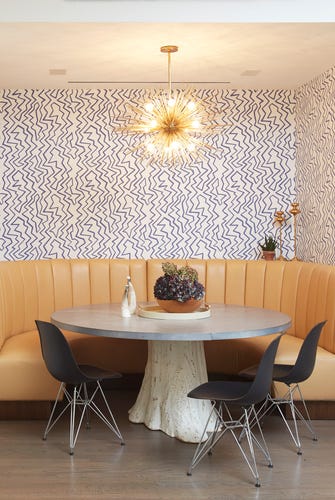
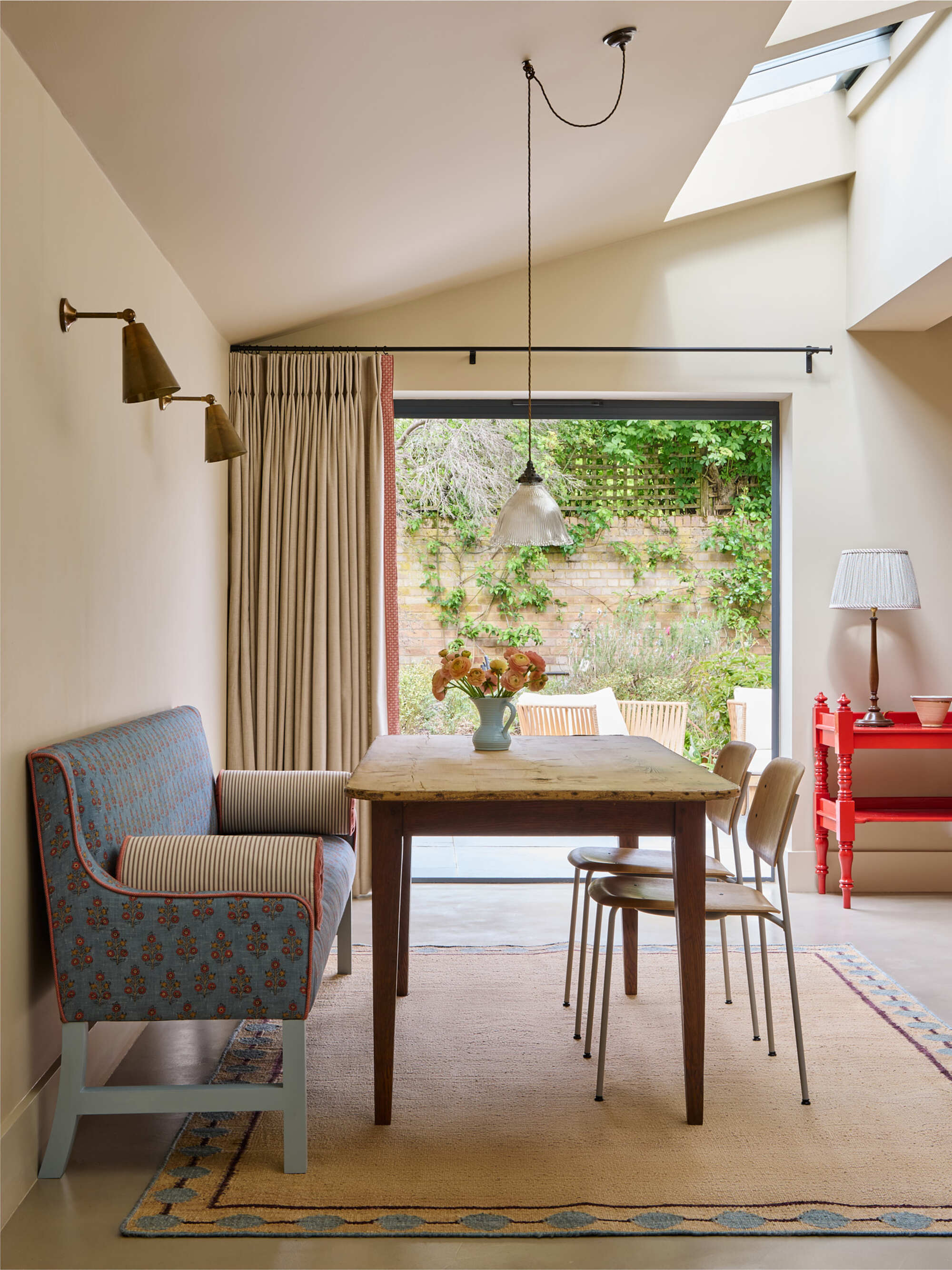
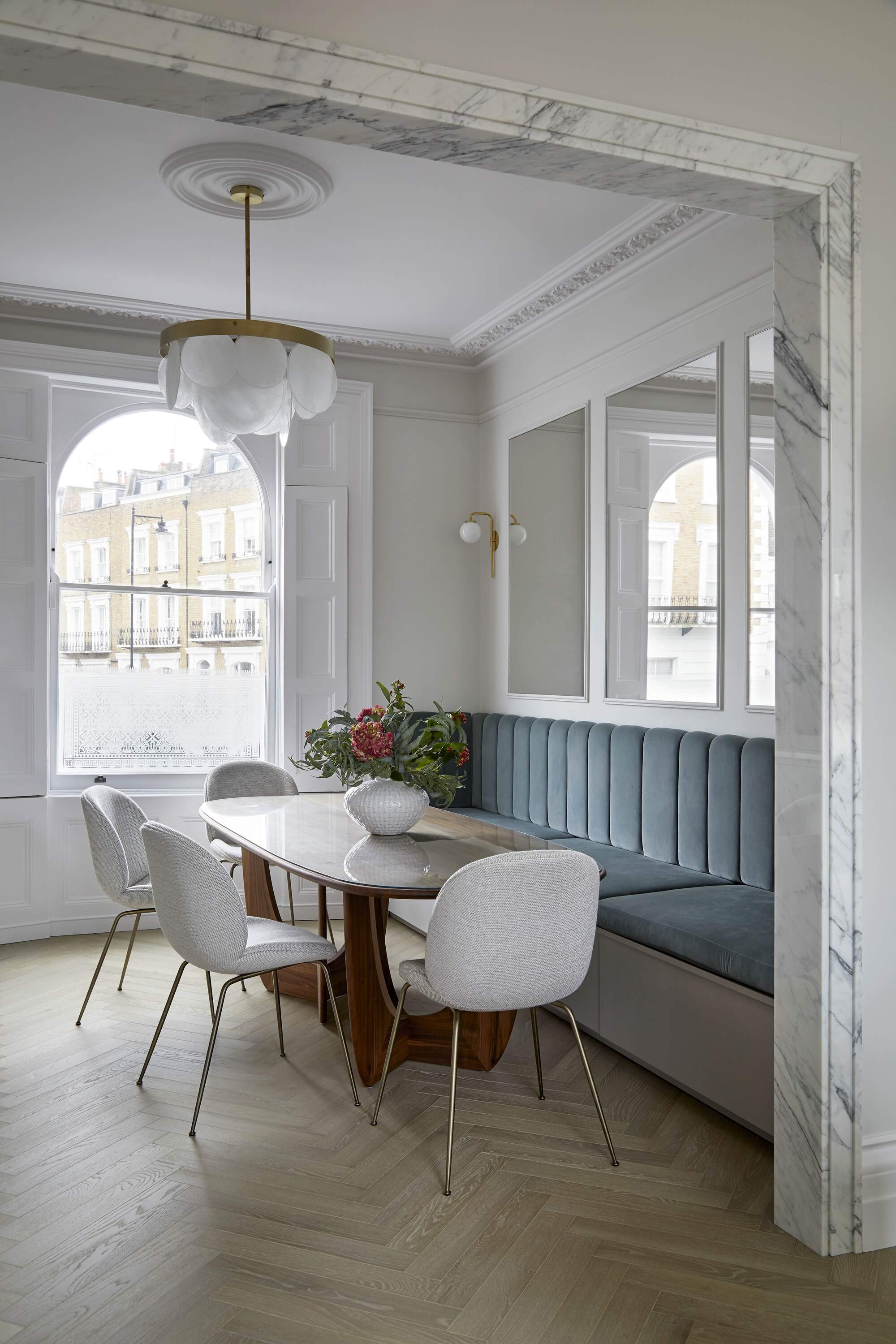
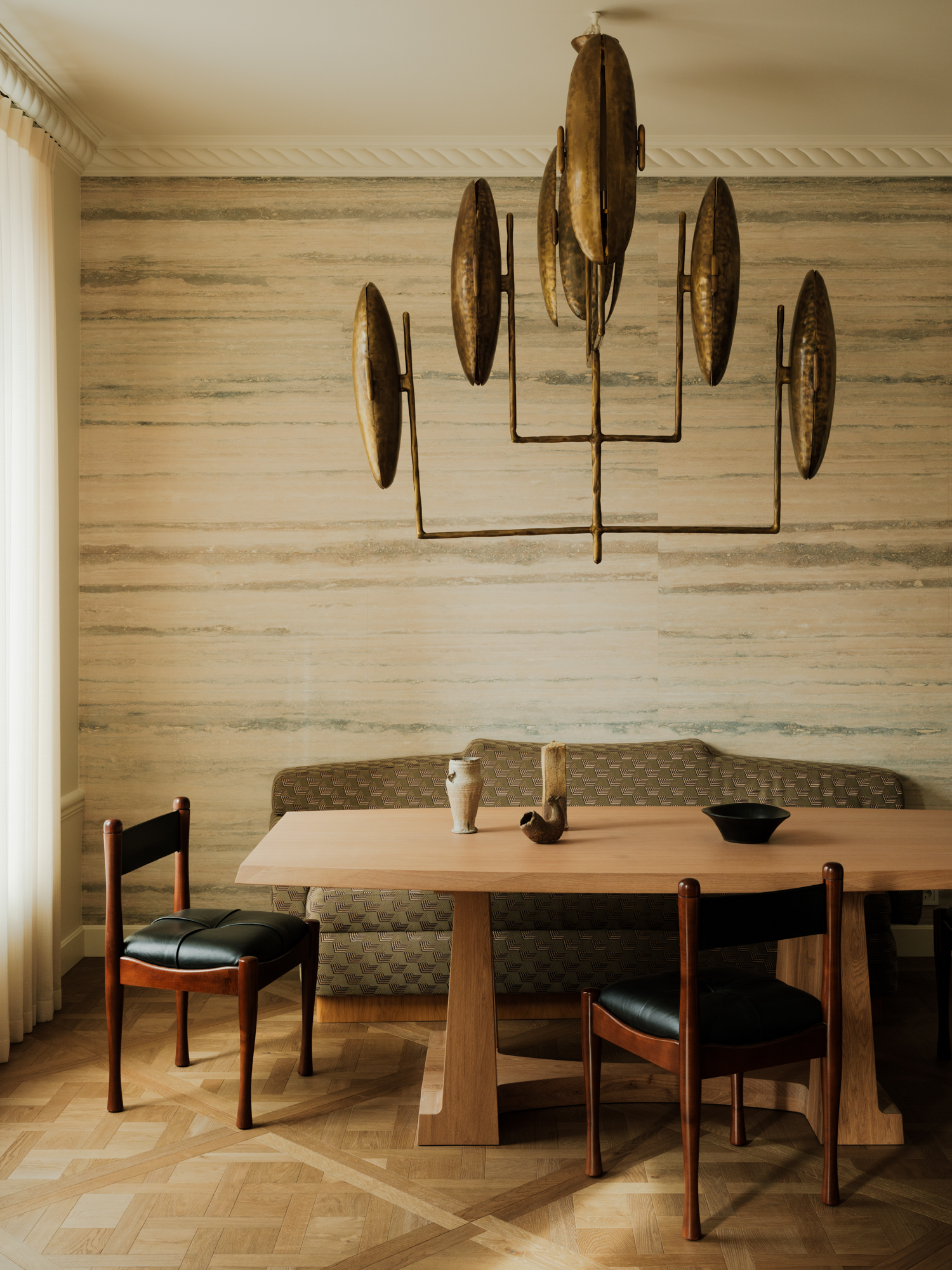
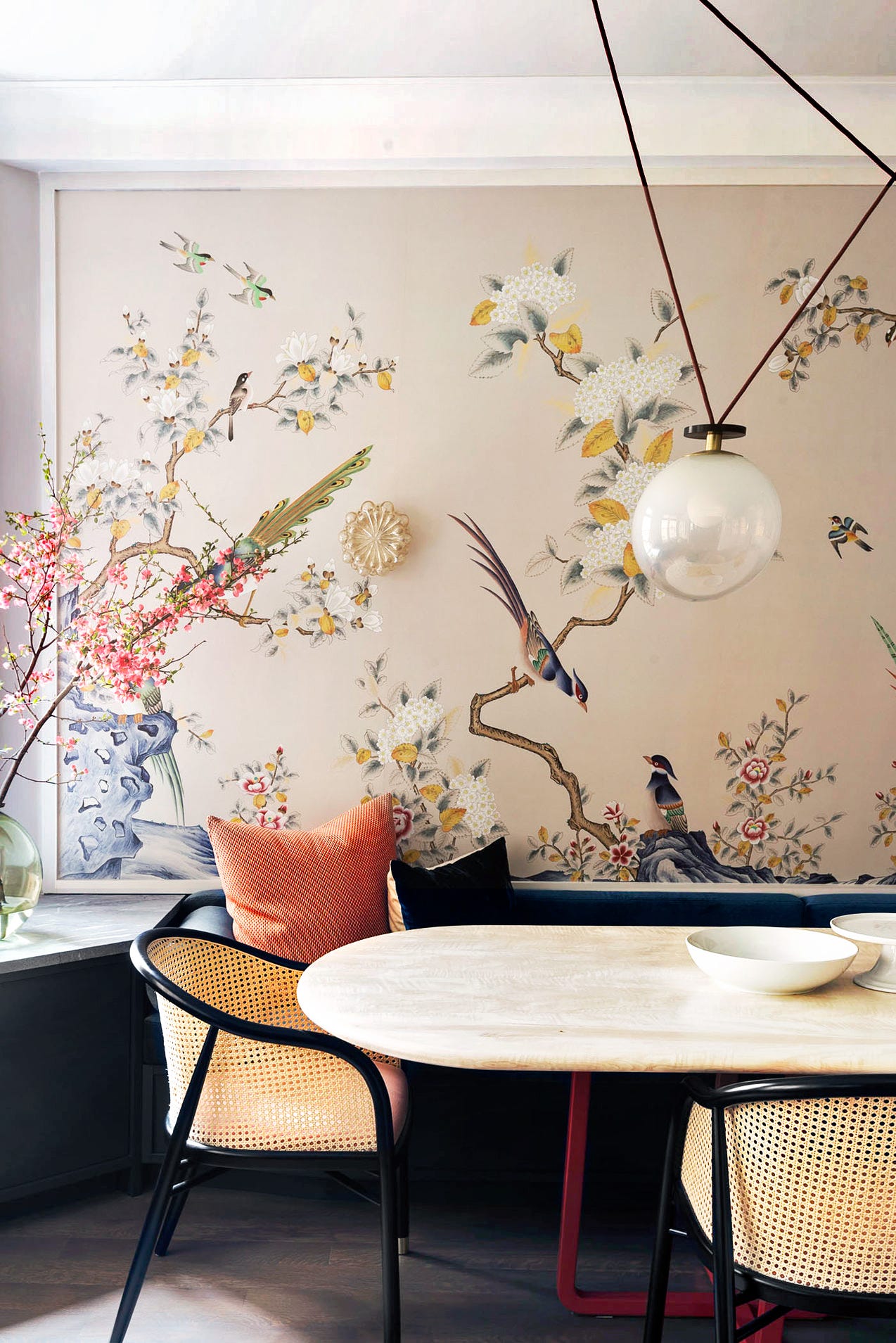
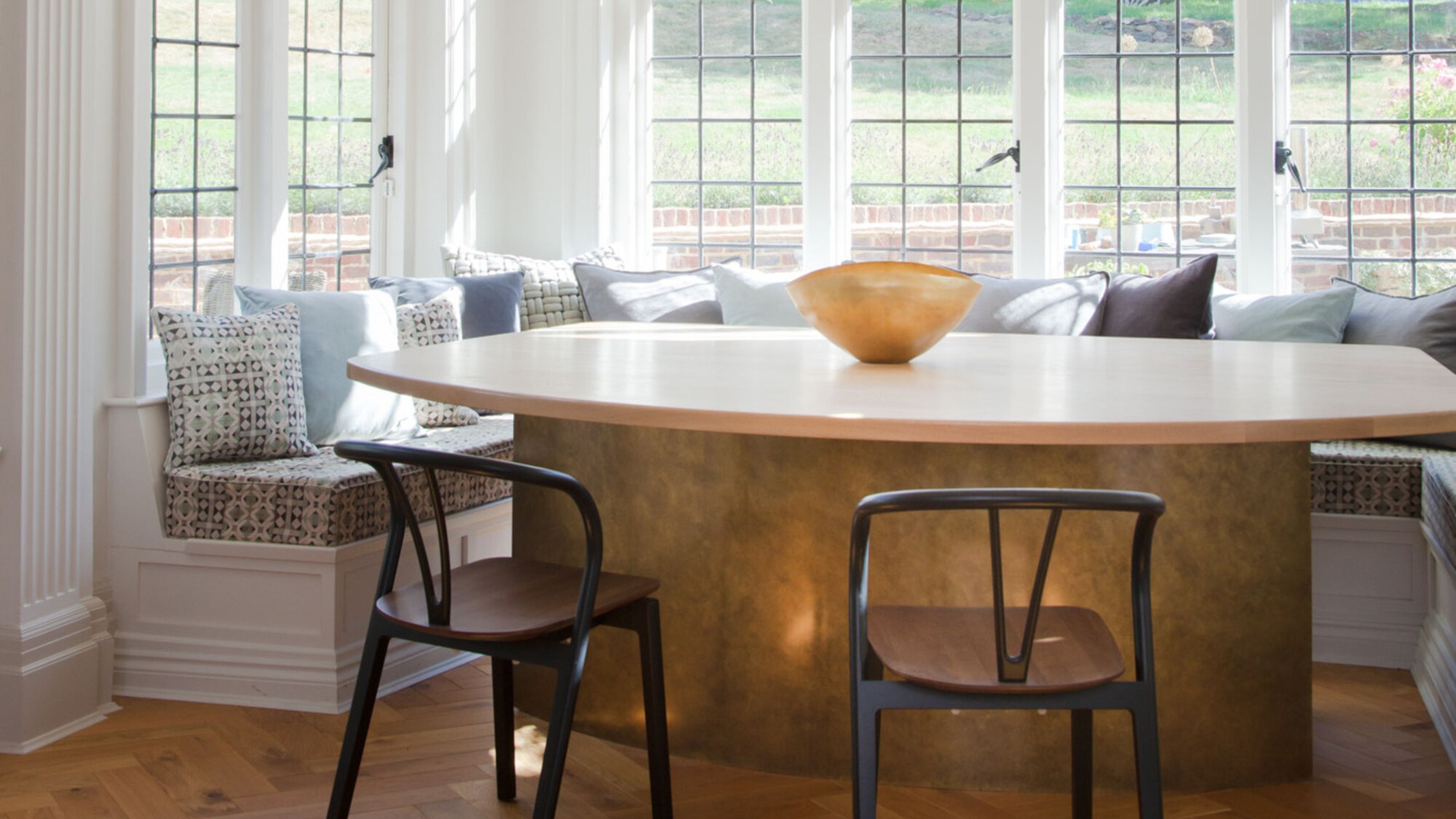
For homes where space is a premium or a separate dining room is not available, integrating a banquette off the kitchen can effectively create a designated dining area while maximizing space. Banquettes are lauded for their ability to evoke the feel of a formal dining room even in smaller homes. If a separate dining room exists but is not used for dining, a banquette elsewhere allows the bonus room to be repurposed. For families with young children, transforming the dining room into a playroom can be highly beneficial, containing toys and mess in a designated creative space, away from main living areas. Lastly, an unused dining room can be converted into a cozy den or an additional living room. This allows for a more relaxed lounging area, complete with comfortable furnishings like throw blankets and pillows, without compromising the formality of a main living space when guests are present.
#DiningRoomDesign #HomeInteriors #MultifunctionalSpaces #InteriorDesignTrends #HomeRenovation #SpaceUtilization #ModernLiving #ResidentialArchitecture #FlexibleHome #DiningRoomDesign #HomeInteriors #MultifunctionalSpaces #InteriorDesignTrends #HomeRenovation #SpaceUtilization #ModernLiving #ResidentialArchitecture #FlexibleHome
0 comment in total
 No comments yet
You may also like
Are Formal Dining Rooms Out of Style? Designer's Discuss

Top 12 Dining Room Trends Designers Are Expecting to Take Over in 2025

8 Dining Room Trends That Designers Say Will Be Everywhere in 2026

5 Dining Room Trends That Are Definitely on Their Way Out in 2026, Designers Warn

Is the Formal Dining Room Over? Designers Share Their Honest Take

Top 12 dining room trends for 2025, according to design experts
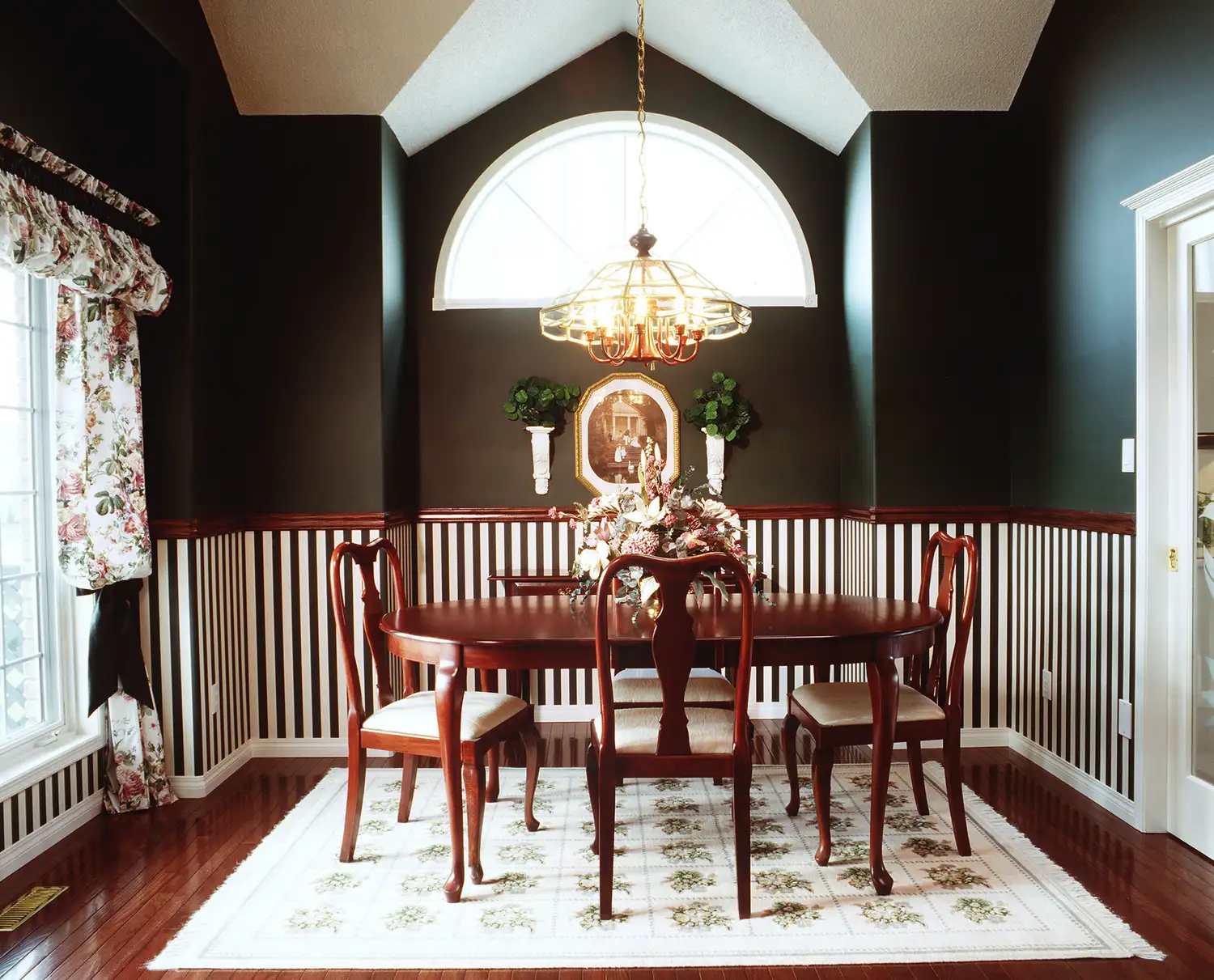
This Dining Room Feature Always Looks Outdated, Designers Say
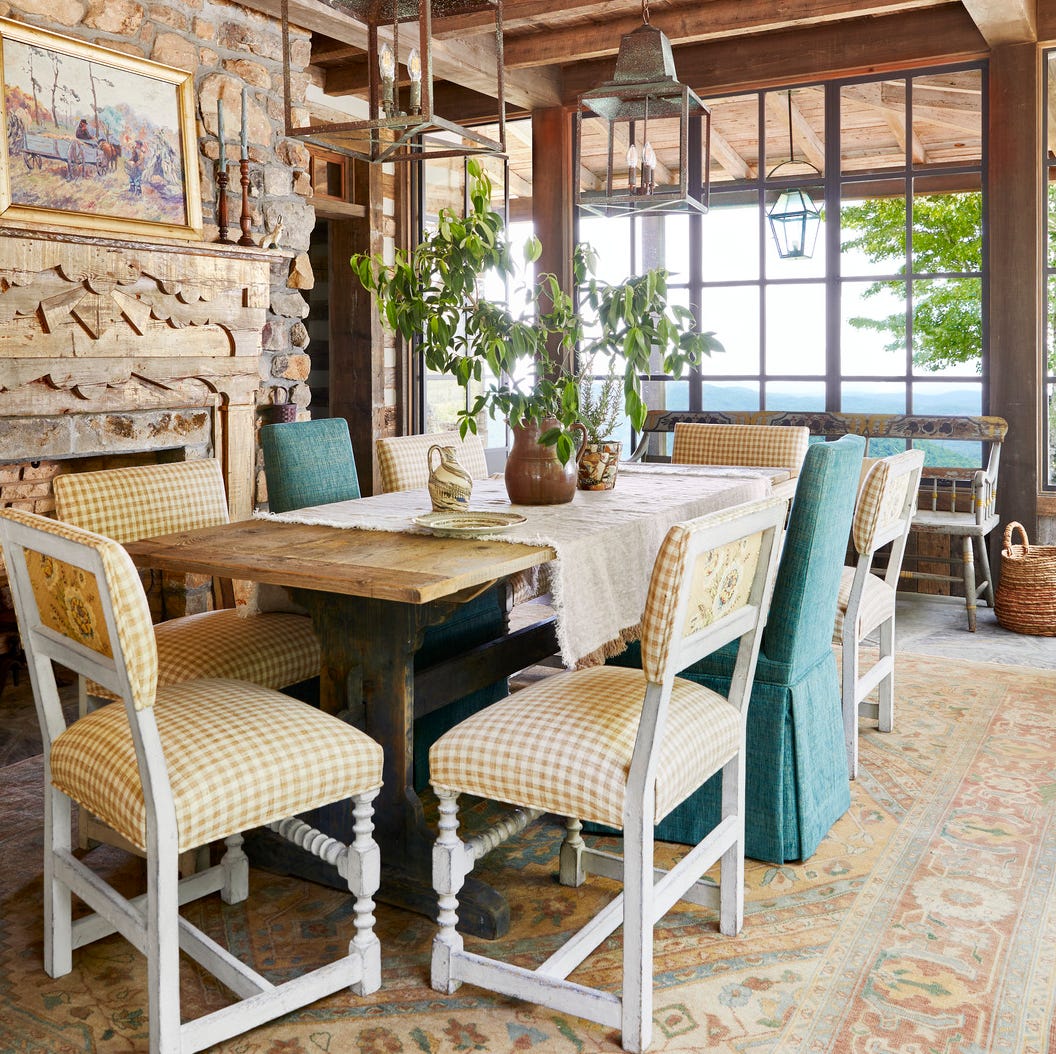
The Top 6 Dining Room Trends for 2025, According to Designers
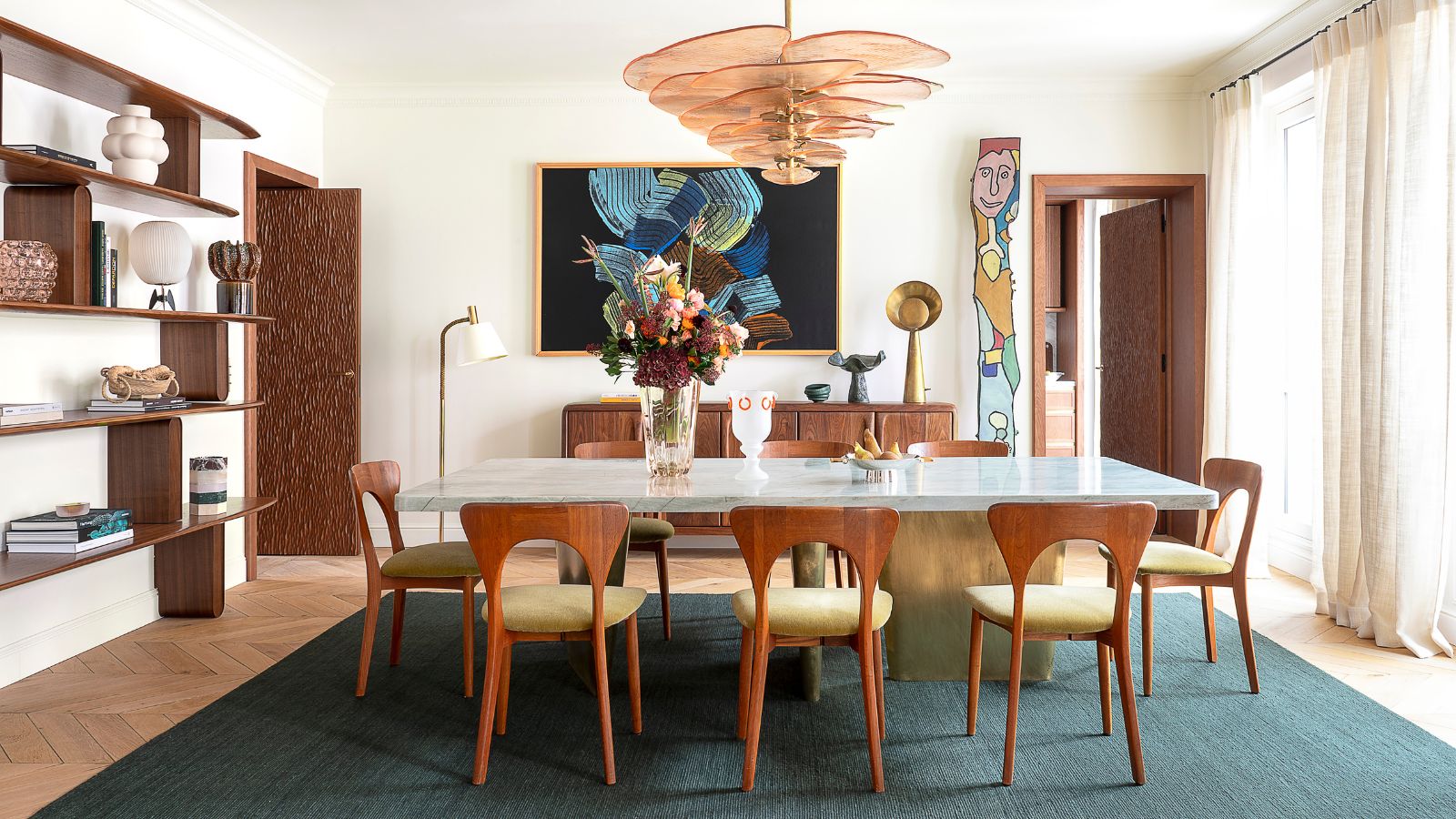
Designers Say These 5 Dining Room Clichés Are Going Out of Style

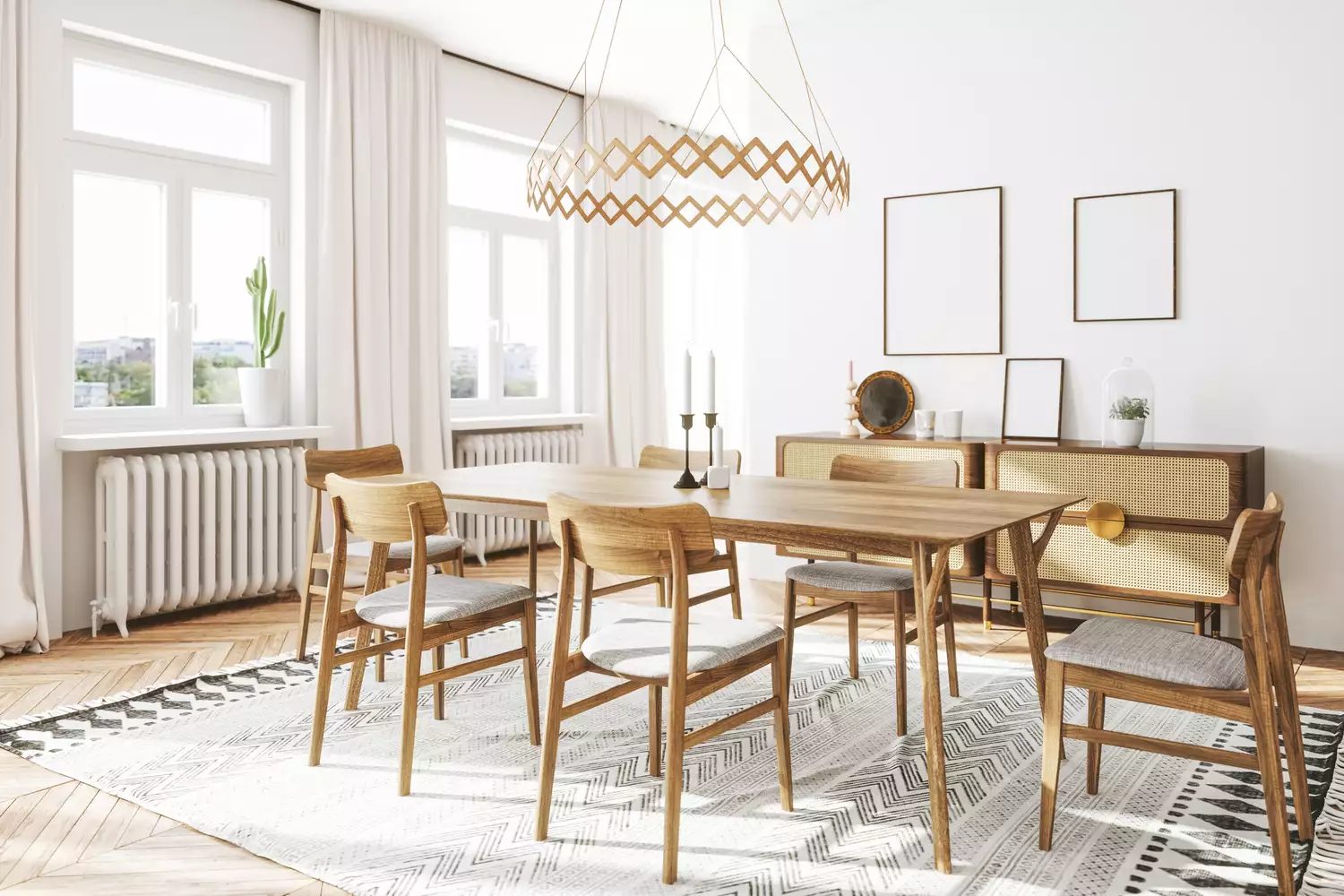
5 Dining Room Styles That Are Definitely Out of Style, Designers Say
The Dining Room Design Trend That Elevates Every Dinner Party
Forget Chairs — This Dining Room Seating Trend Takes Your Space From Casual to Comfortable, Convivial, and Curated

Are Formal Dining Rooms Out of Style? Why Pro Designers Say They Might Make a Comeback

Are Formal Dining Rooms Coming Back? The Rise, Fall, and Resurgence of This Controversial Space
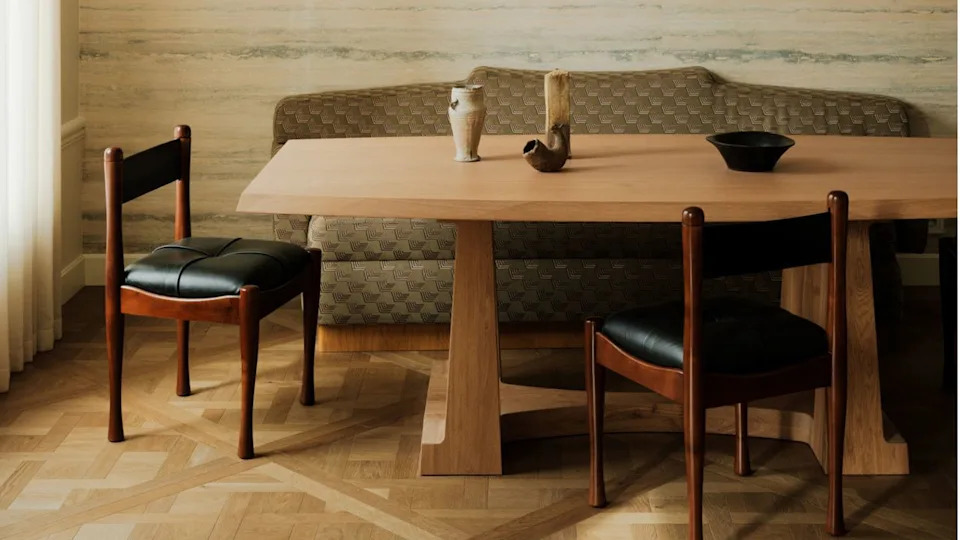
The Dining Table Trends for 2026 Have Been Set
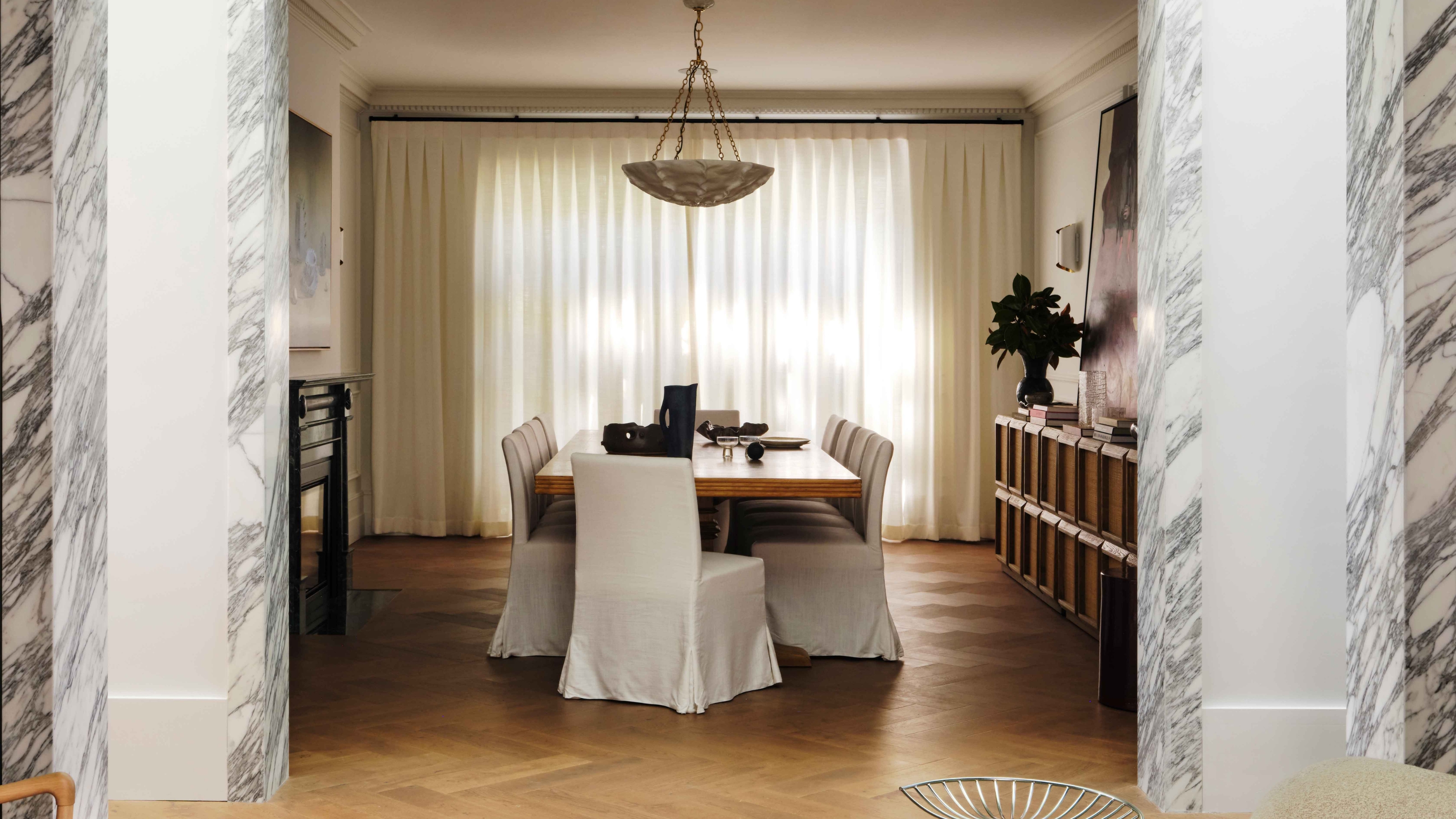
The 5 Dining Room Trends for 2026 You Need to Know
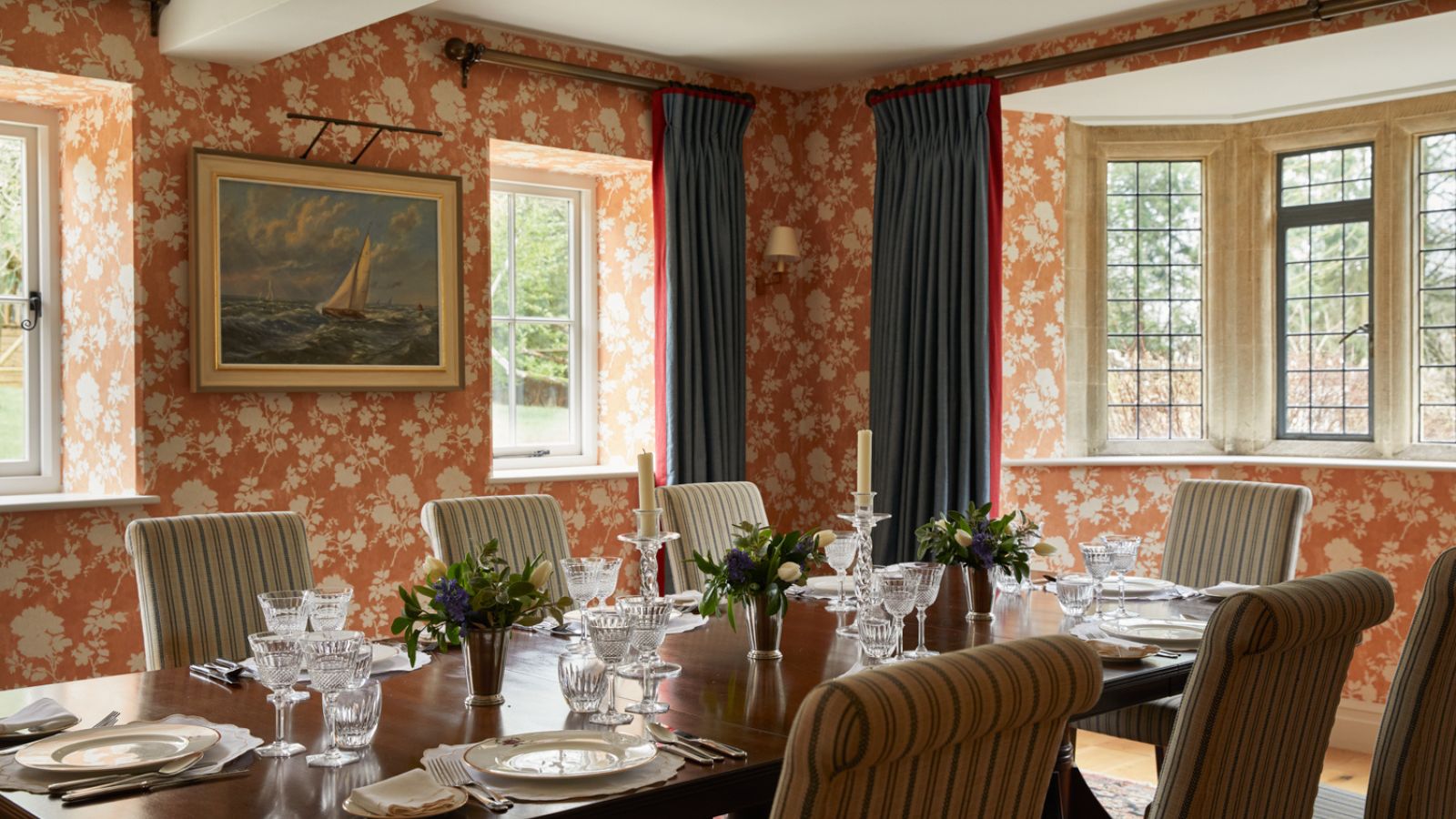
Interior Designers Have Spoken: These are the Dining Room Trends to Know About for 2026
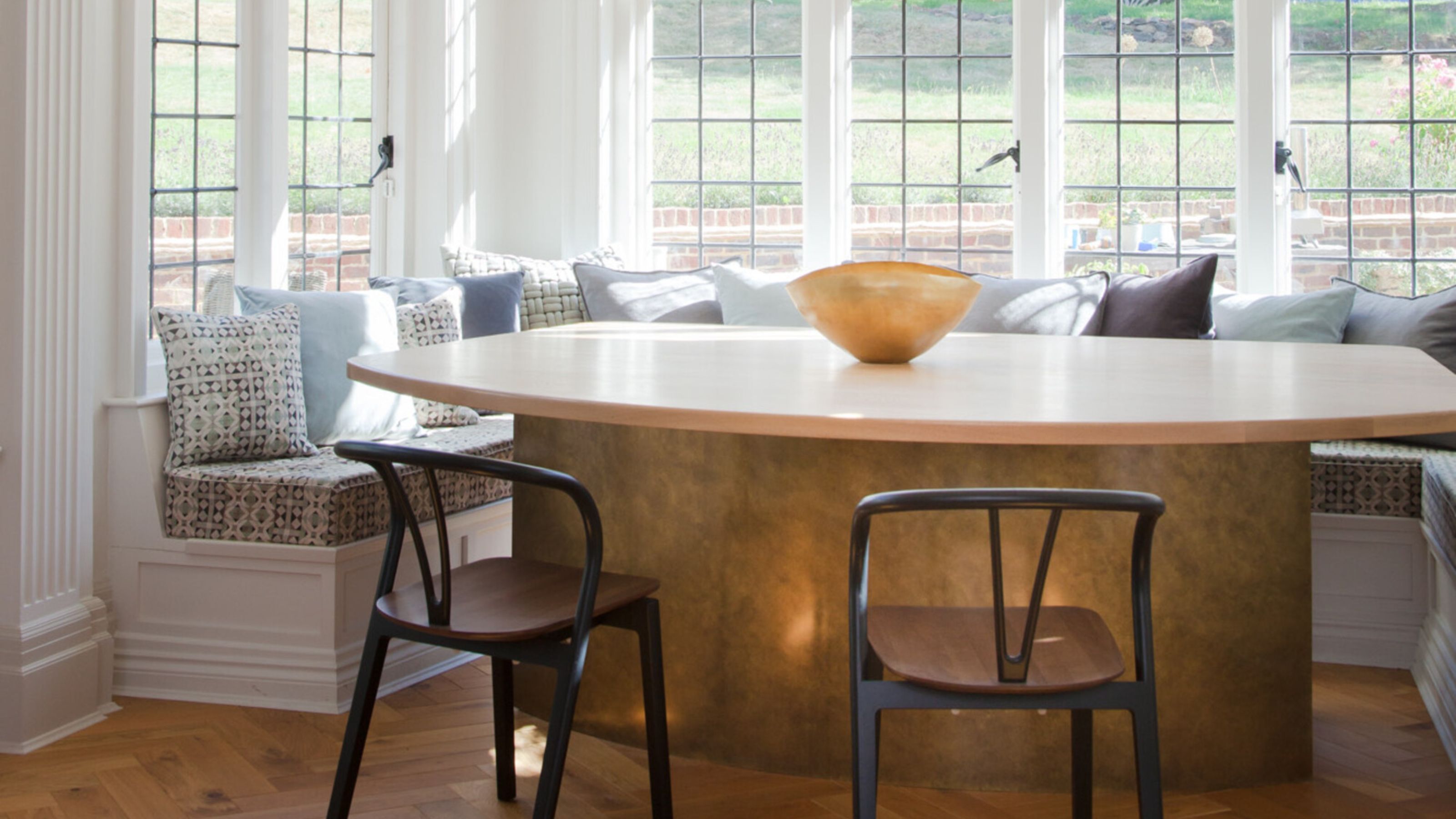
This Dining Room Seating Trend Transforms Your Setup
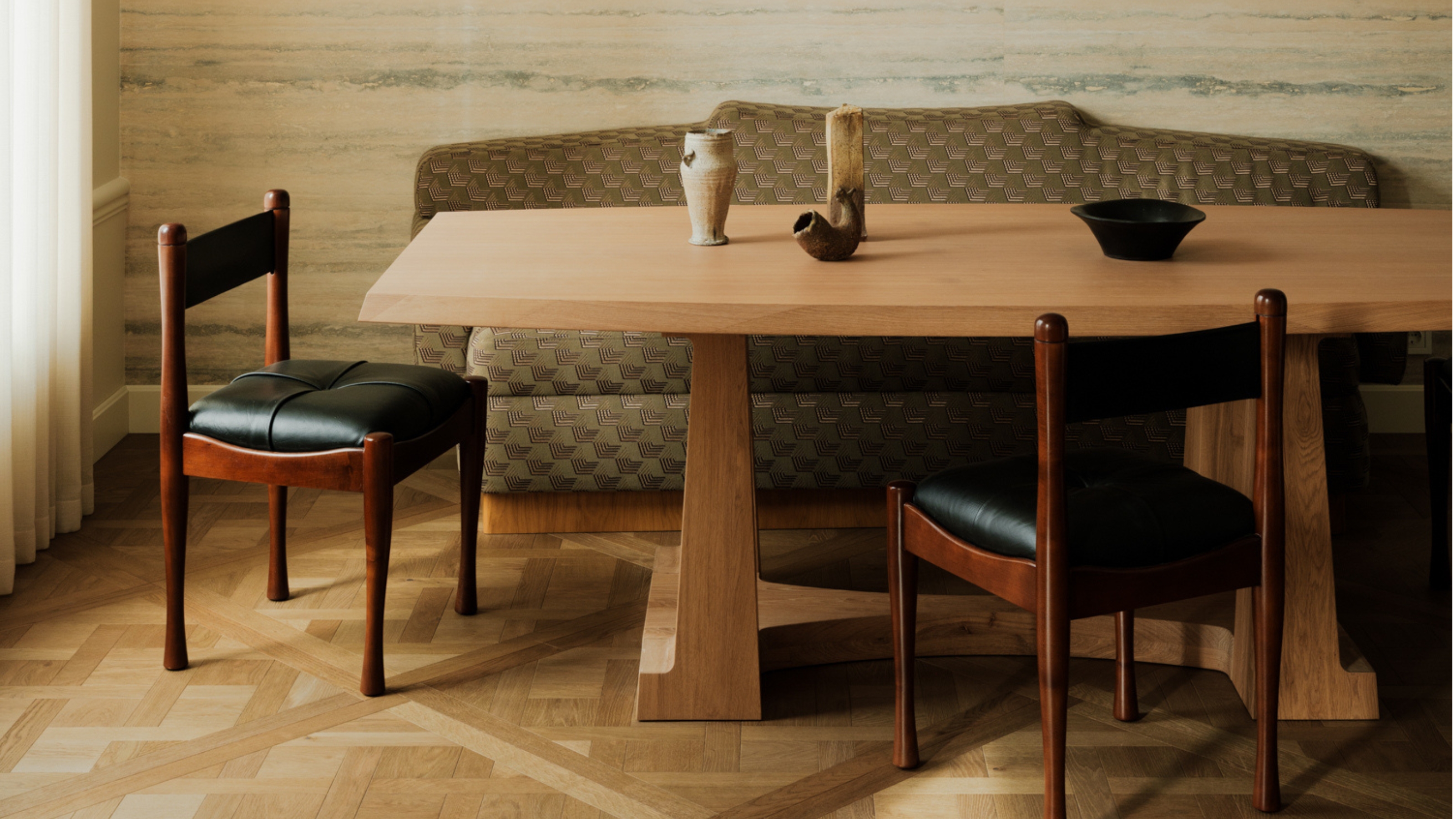
The Dining Table Trends for 2026 Have Been Set
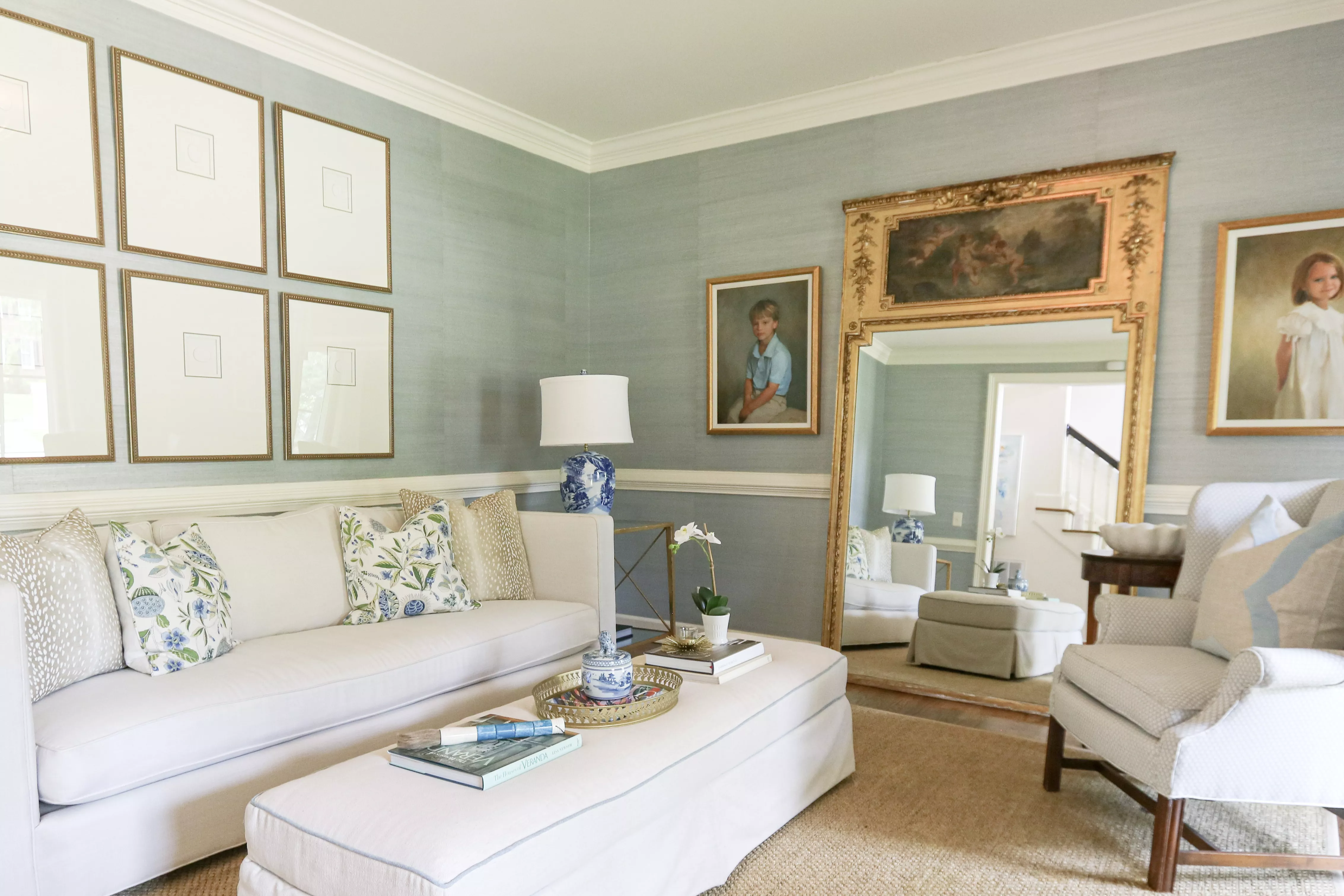
No, Sitting Rooms Aren't Obsolete—Here's How Designers Are Making Them Modern