Is It Safe to Paint Your Space When You’re Stuck Indoors?
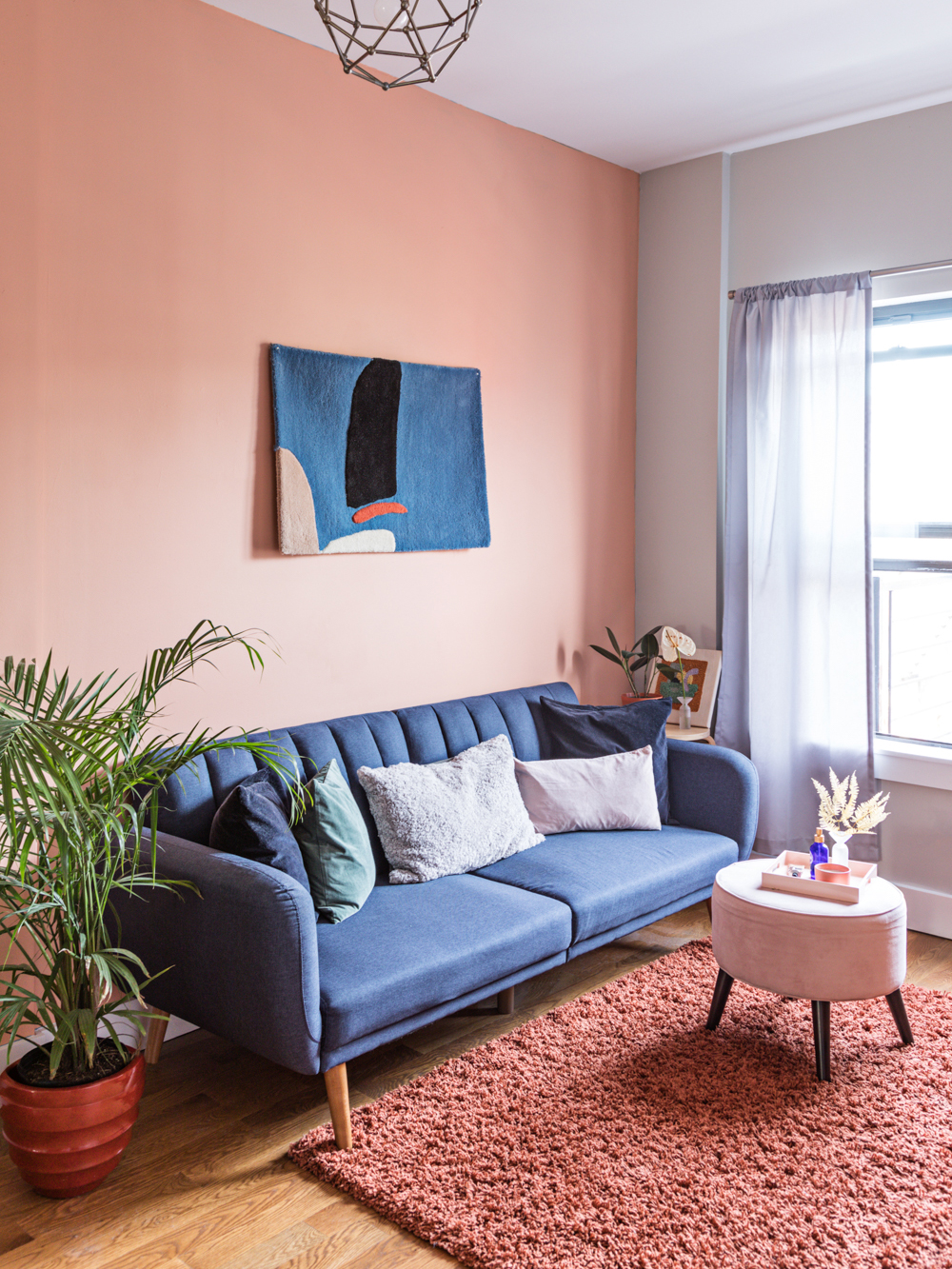
The article explores the safety of painting indoor spaces, particularly when individuals are confined to their homes. It addresses a common concern for those looking to refresh their living environment during periods of increased indoor time, such as during lockdowns or colder months. The central recommendation is to use low-VOC (volatile organic compound) paints, which are presented as a safer alternative to traditional paints due to their reduced emission of harmful fumes.
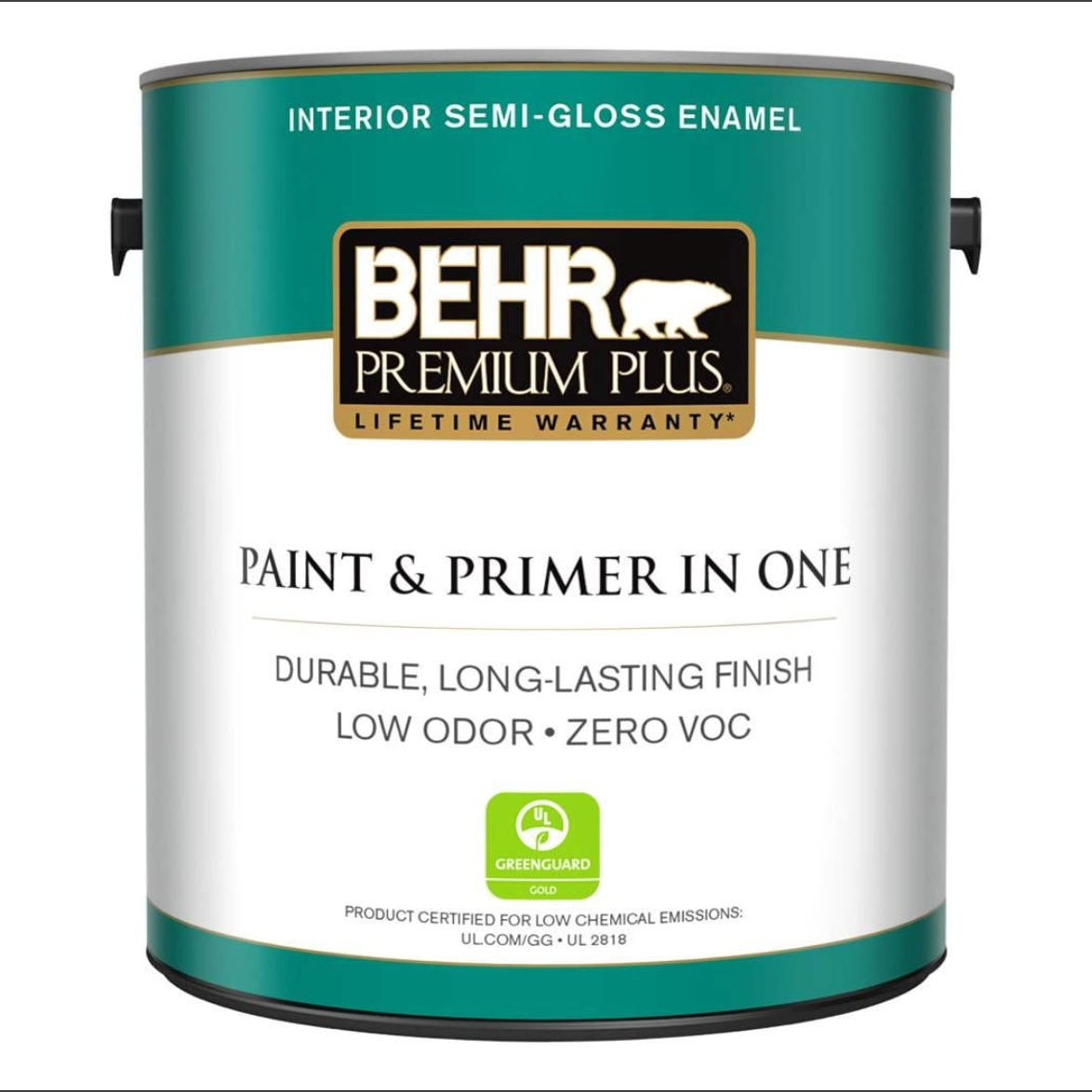
VOCs are identified as a significant contributor to indoor air pollution, capable of causing various health issues ranging from mild irritation to chronic respiratory problems. They also play a role in environmental concerns like smog formation. The article notes that while VOCs have historically been present in many household items, including conventional paints, a growing number of paint brands are now offering low-VOC formulations as a healthier and more environmentally conscious option. These low-VOC paints are especially beneficial for individuals with allergies, sensitivities to strong odors, and for households with children.
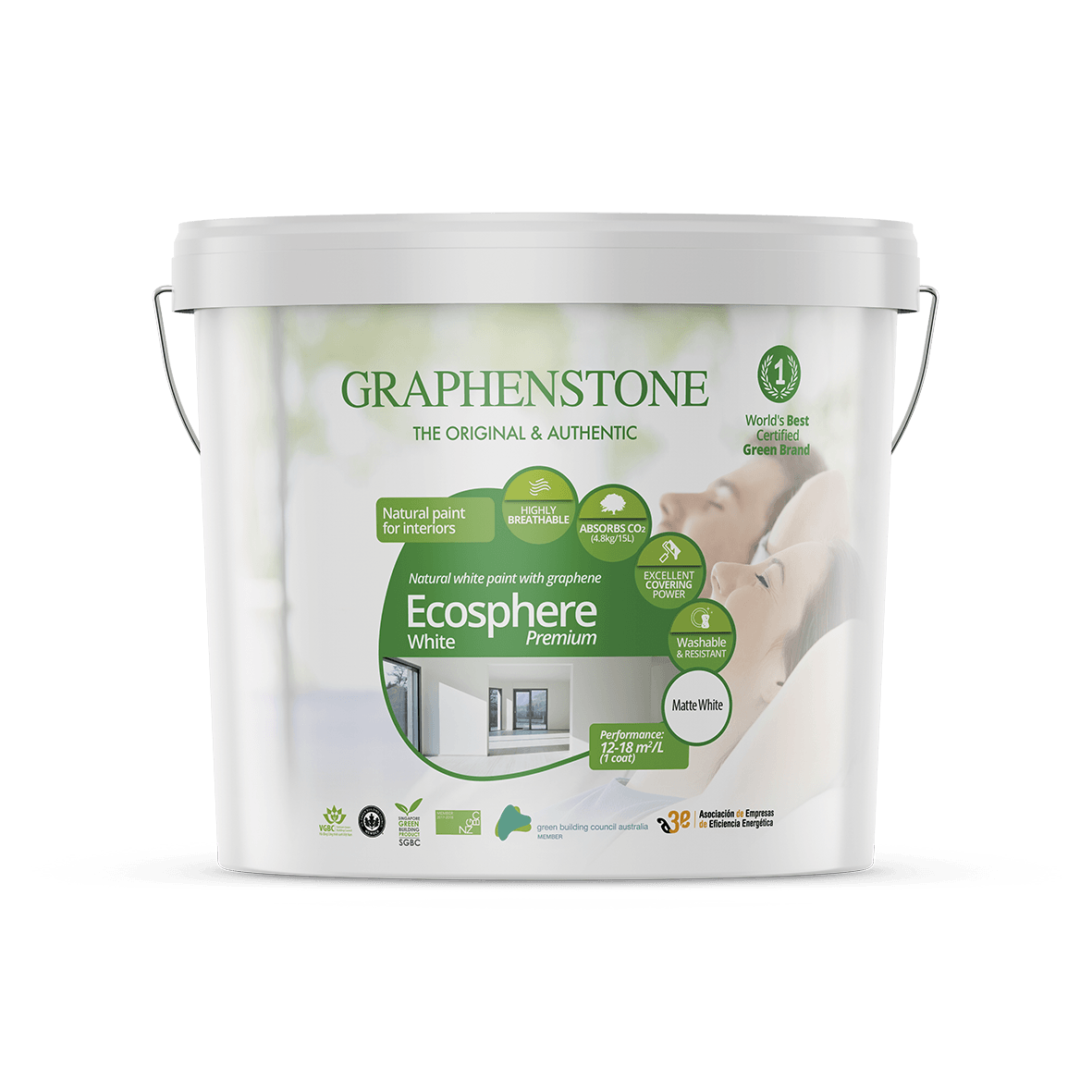
The content advises consumers to look for specific third-party certifications, such as GreenWise or GreenGuard, when selecting low-VOC paints. These certifications indicate that products have undergone rigorous testing to confirm their minimal impact on health and the environment. While low-VOC paints do off-gas, especially during the drying process, the emissions are significantly lower than those from conventional paints. To further minimize exposure, the article suggests opening windows and doors and using fans to ensure proper ventilation during and immediately after painting.
Despite their reduced VOC content, low-VOC paints are not entirely odorless. They will still emit a distinct paint smell, particularly before they are fully dry, though it will generally be less potent than the odor from traditional paints. The article reassures readers that if a bedroom is painted in the morning, it should be safe to sleep in by nightfall once the paint has dried.
Finally, the article provides guidance on the proper disposal of leftover paint. Even though low-VOC paints are more environmentally friendly, they should not be discarded in regular household trash. Instead, individuals are advised to contact local authorities for proper disposal instructions or to find their nearest recycling center. Alternatively, paint can be stored for future use, as it can last up to two years if kept in a securely sealed container and away from extreme temperatures.
#LowVOCPaint #IndoorAirQuality #HomePainting #PaintSafety #GreenLiving #HomeRenovation #DIYHome #LowVOCPaint #IndoorAirQuality #HomePainting #PaintSafety #GreenLiving #HomeRenovation #DIYHome
0 comment in total
 No comments yet
You may also like

The best time to paint a house exterior, according to pros


How paint colour in your home can affect your mood
How to prolong the life of your paint job, according to painters and decorators
Can you use interior paint outside? Paint professionals give their expert verdict

How often to paint a house – and three things that impact longevity
This Cabin Proves It's Actually Okay to Paint Over Wood Walls
Can You Use Interior Paint Outside? Pros Say It's Not Worth Your Time — Here's Why


Lick Paint Will Transform the Mood in Your Home Through Color Psychology

Decorating expert reveals this is the best time of year to paint your home

Should You Paint Inside if It’s Humid Out? Here's What the Experts Say

10 Zero-VOC Paints to Refresh Your Space Safely

7 rules designers always follow to find the best exterior paint for your home
Ask the Carpenter: Is it OK to use exterior paint inside?
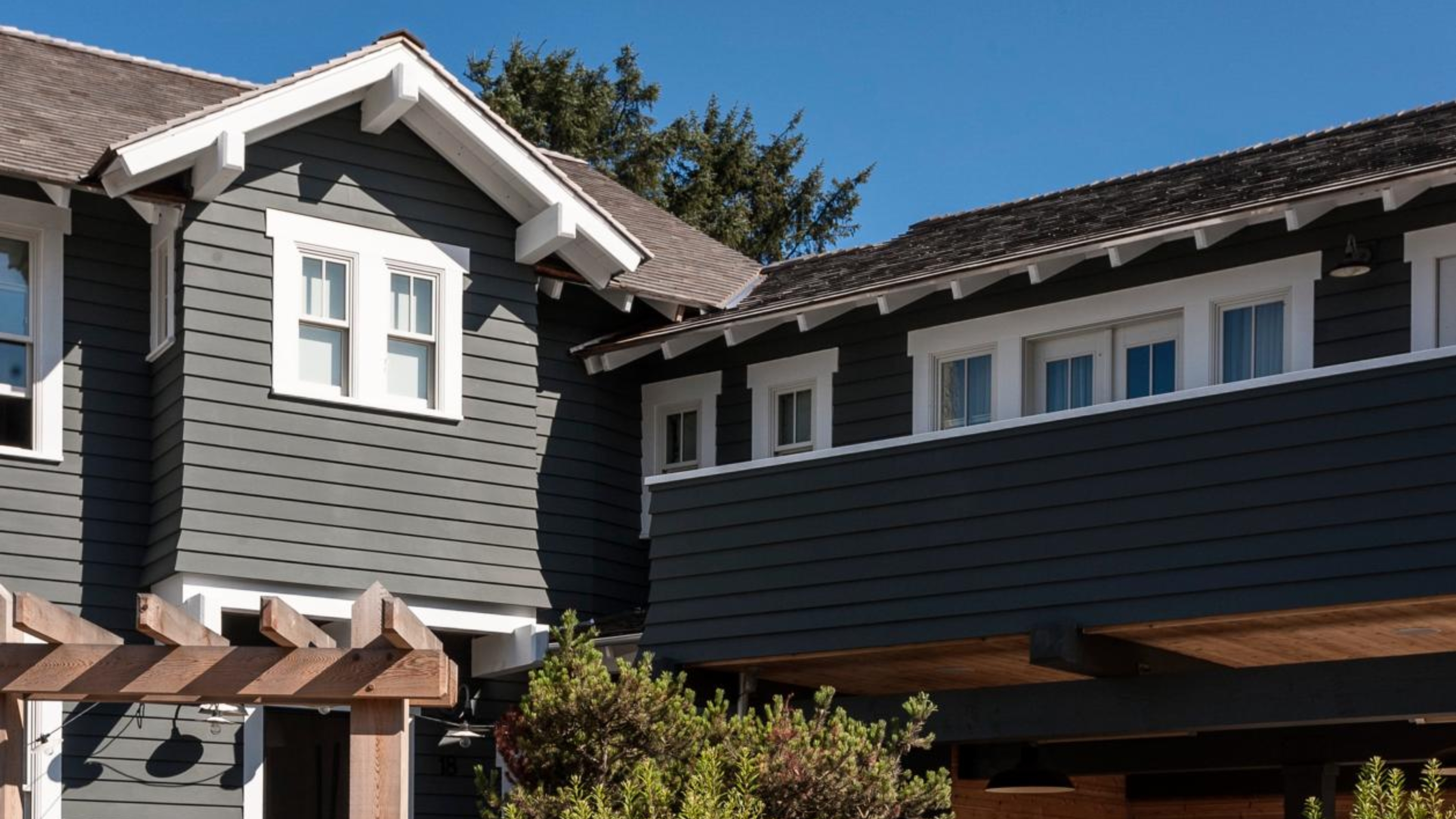
5 Exterior Paint Mistakes to Avoid If You Don't Want Your House to Become the Worst-Looking on the Street

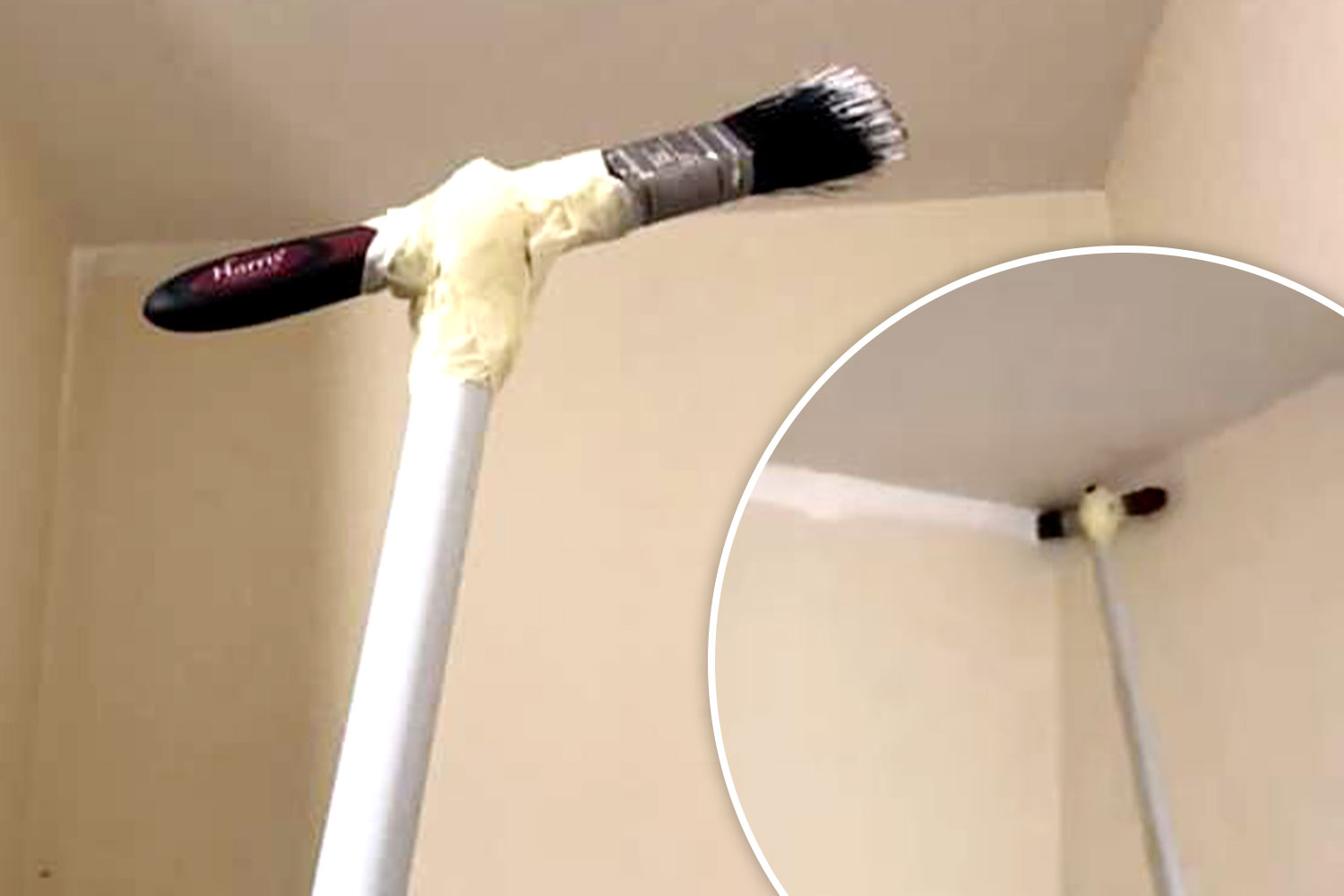
DIY fan shares easy way she paints high ceiling corners WITHOUT using a ladder

Interior Paint

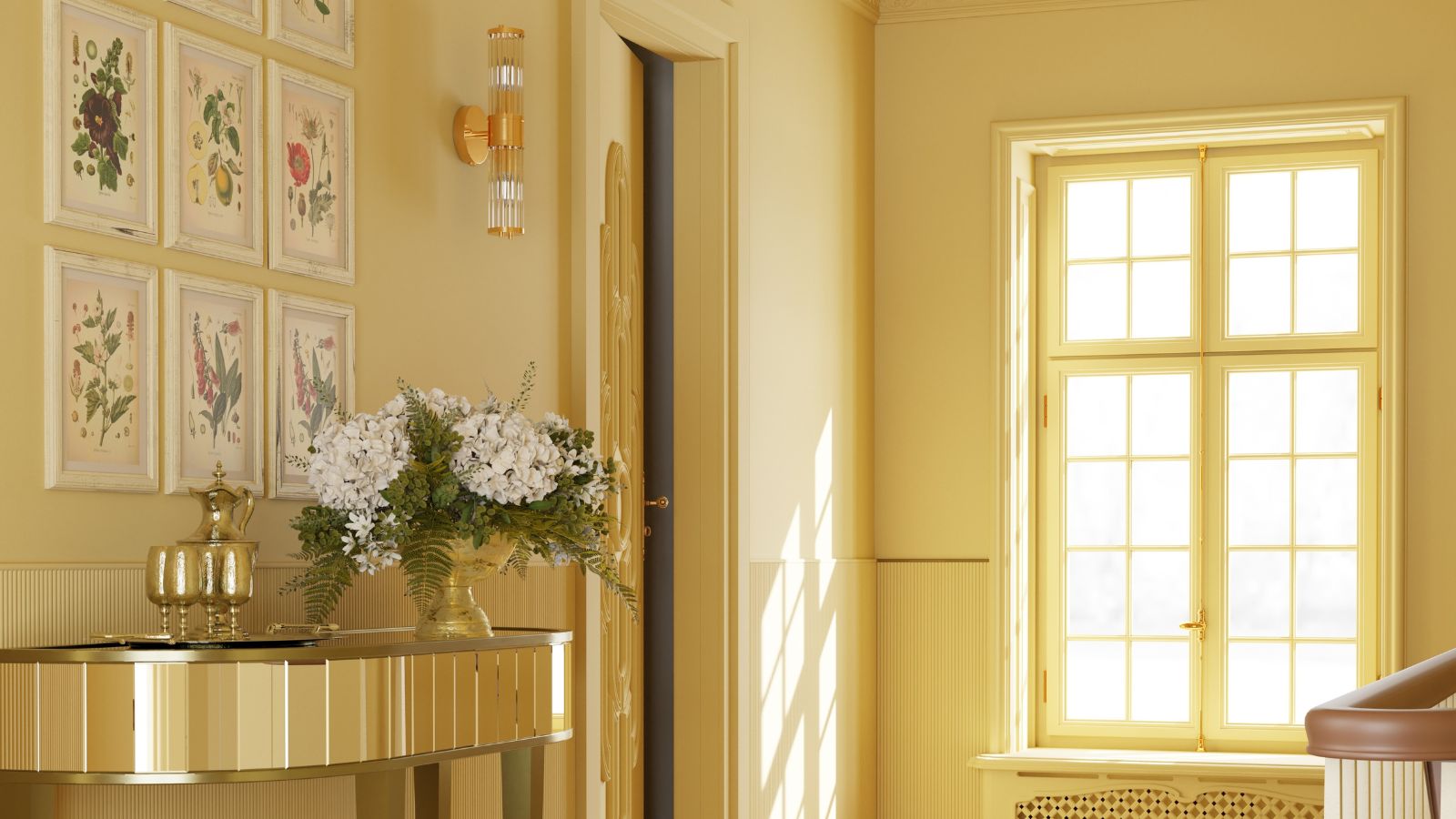
There's still time! I’m a painting expert and it's the best month to paint inside your home for a silky-smooth finish
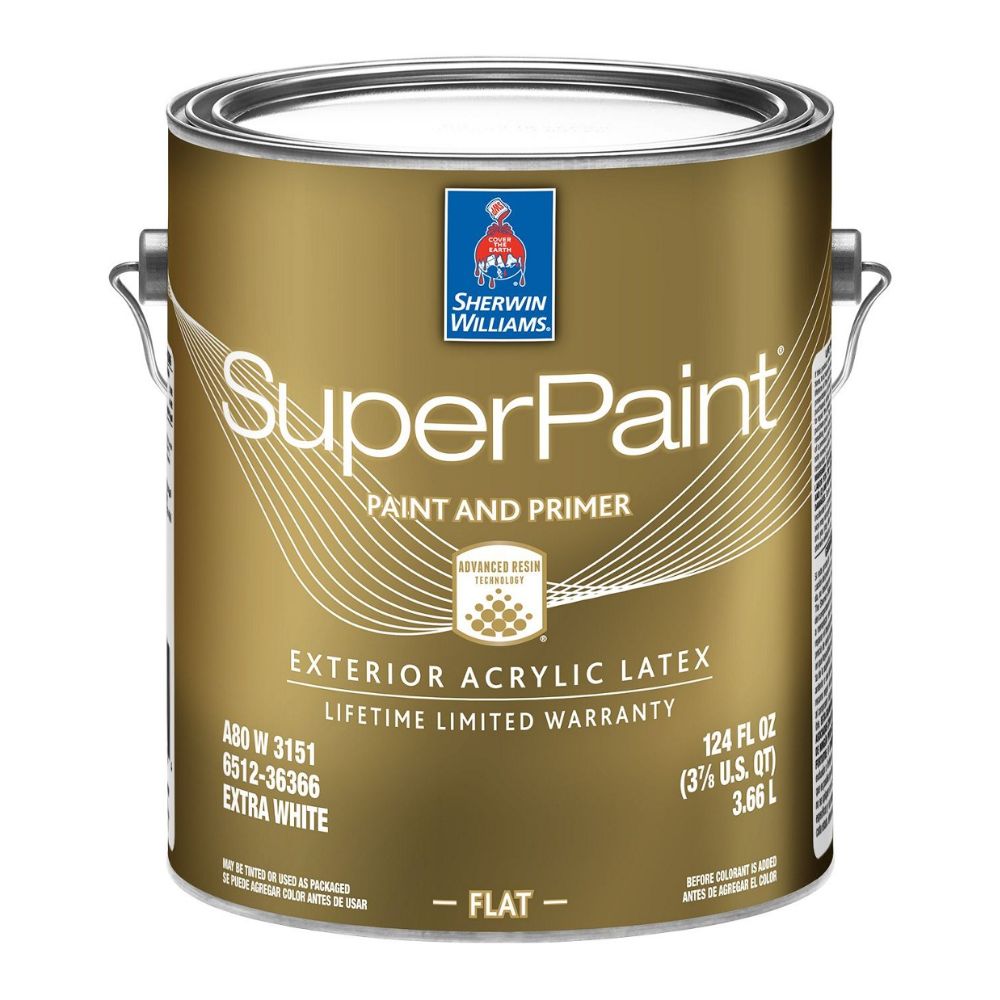
The Best Exterior Paints for Every Outdoor Surface

6 Best Exterior Paints for Your Home, According to Experts


Is it an okay temperature to paint outside? Why it might be too cold to decorate your home's exterior right now