1/7
9 things you need to know before upholstering furniture
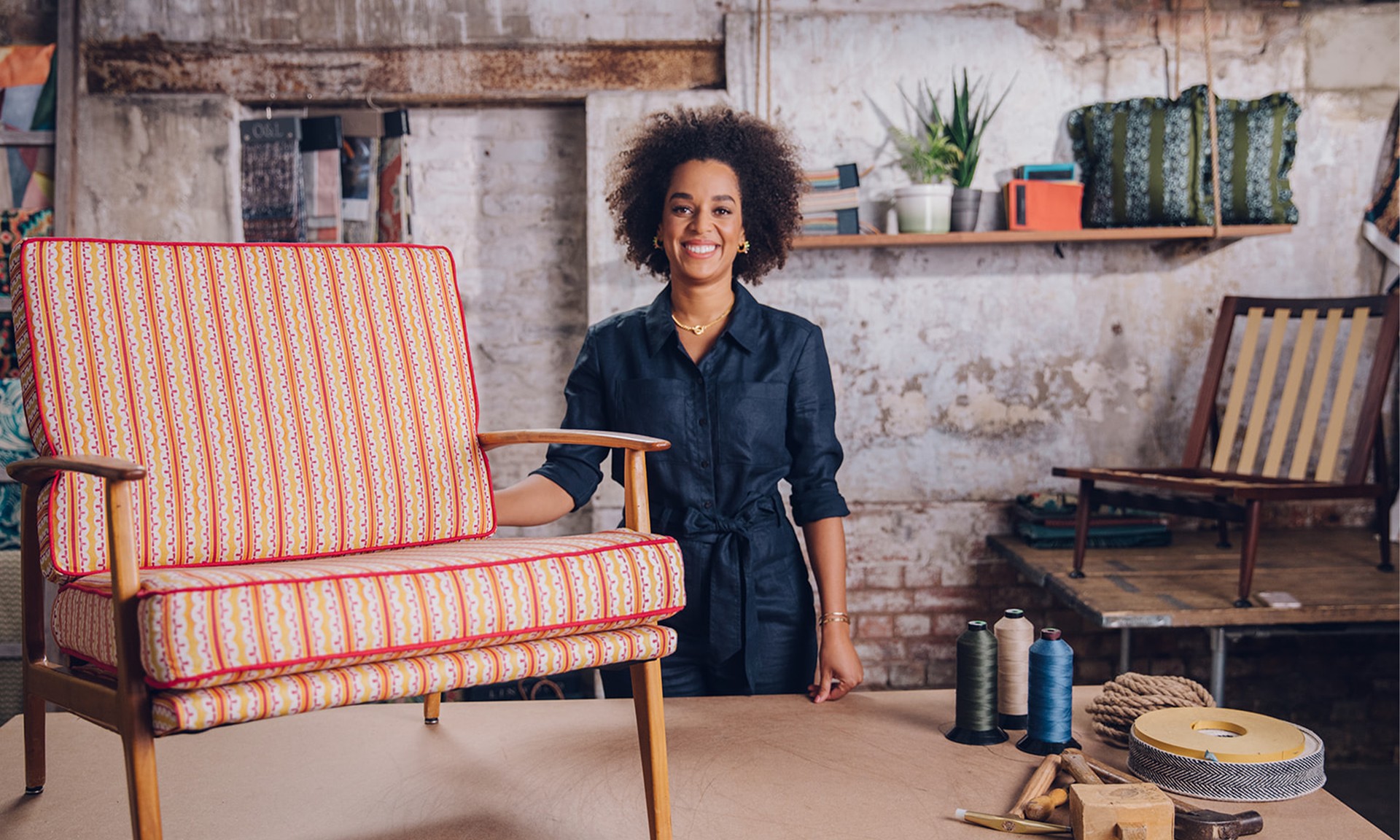
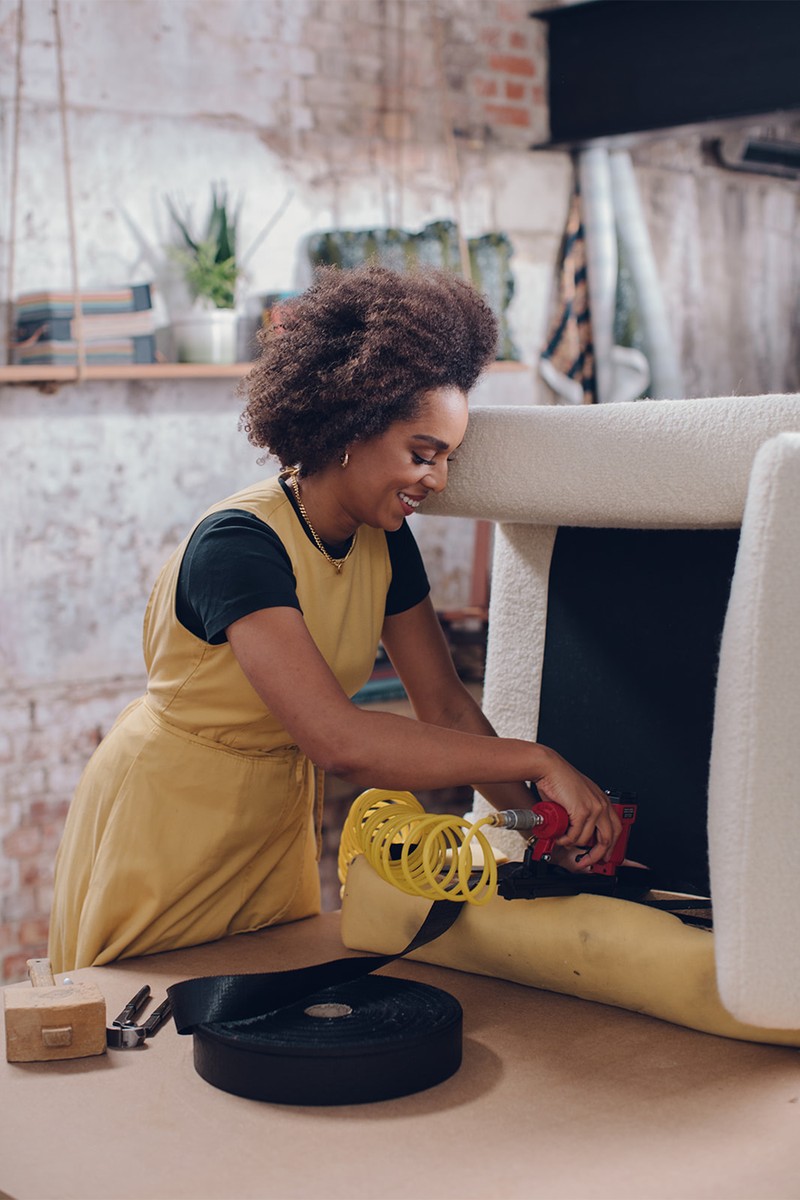
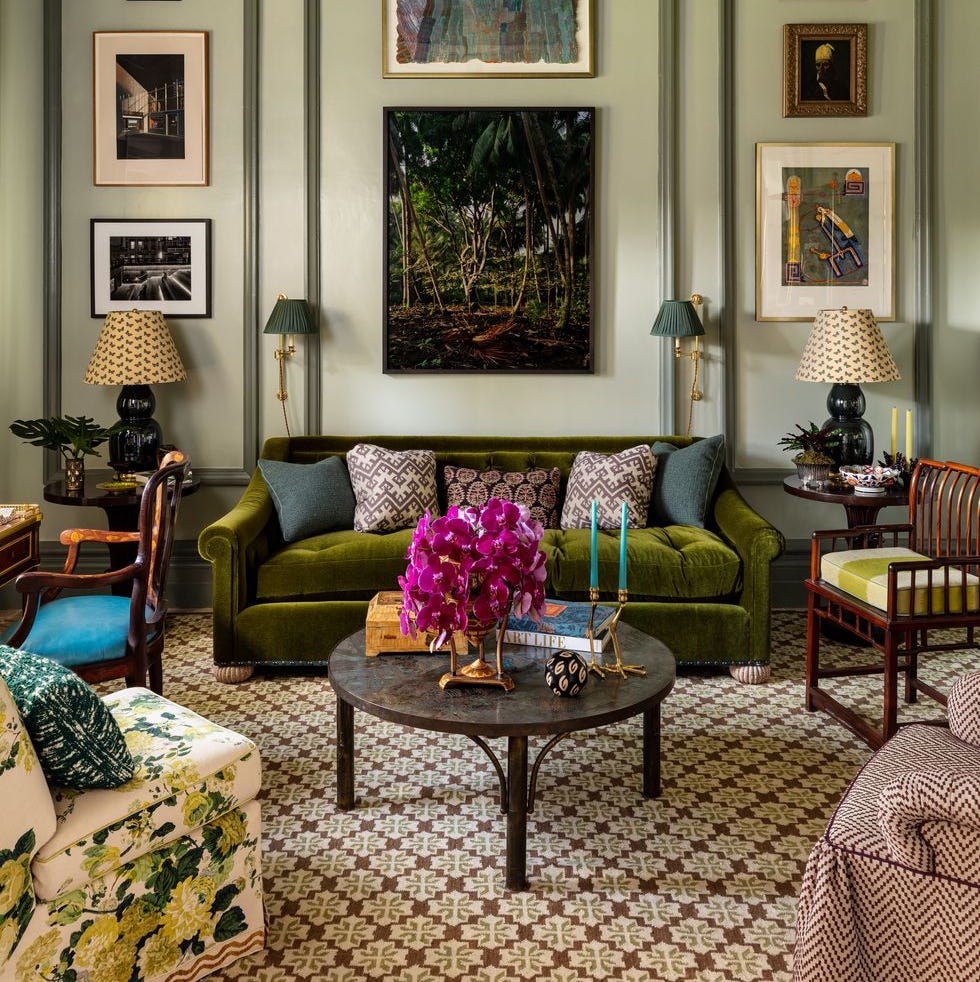
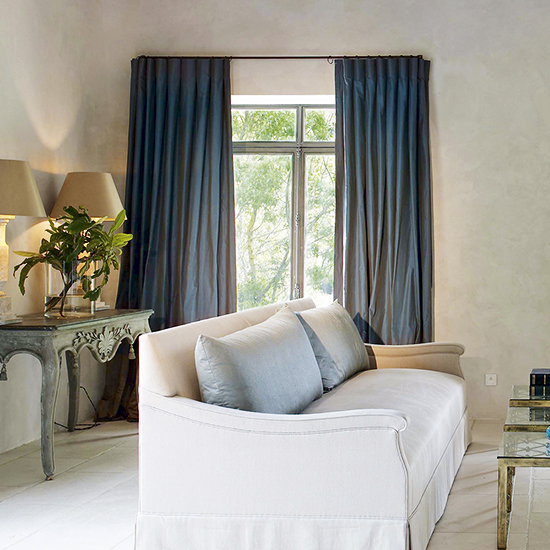
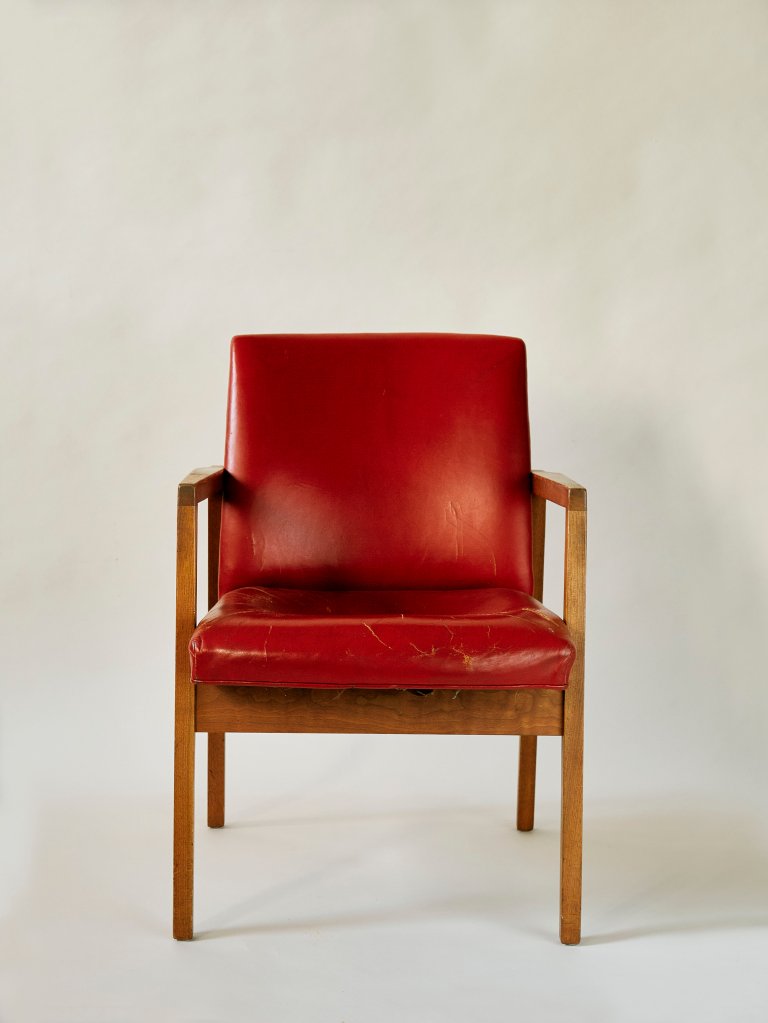
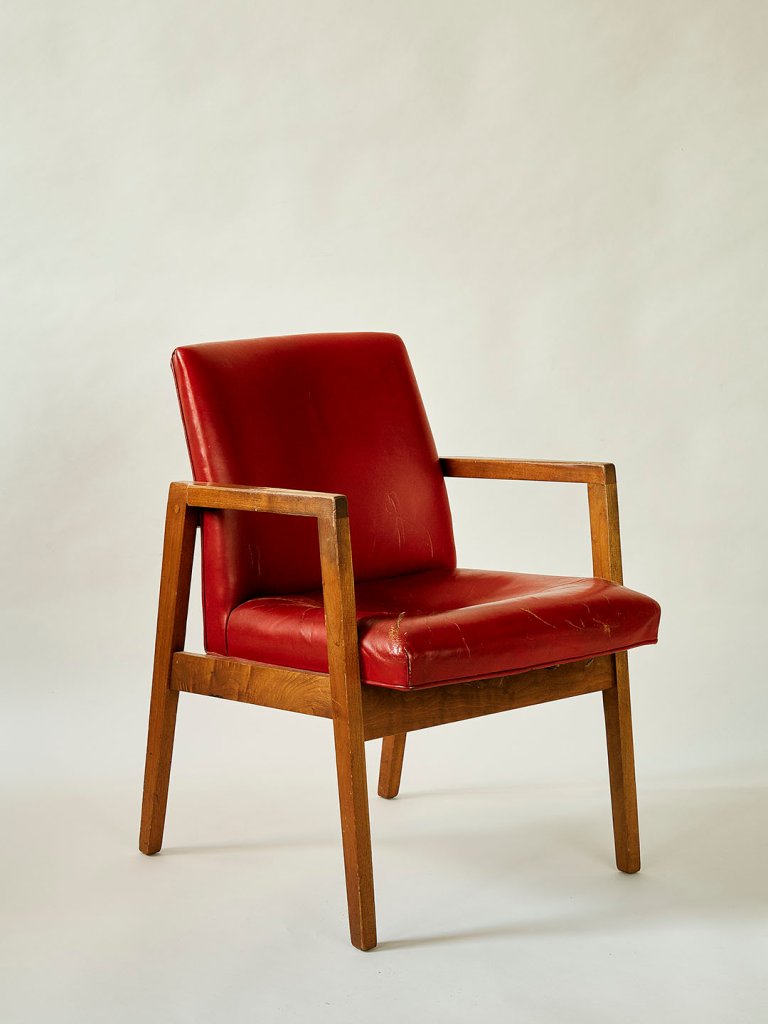
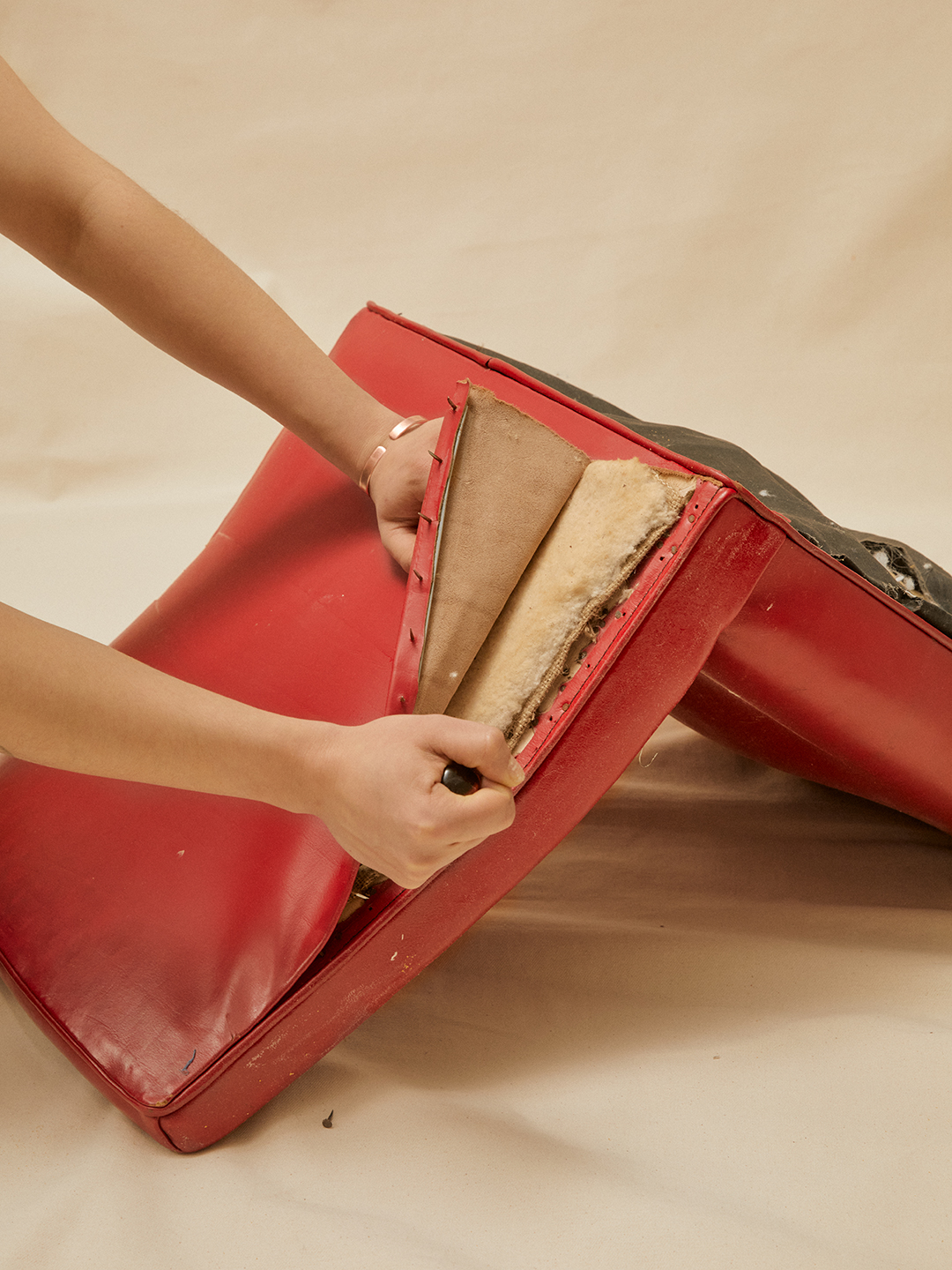
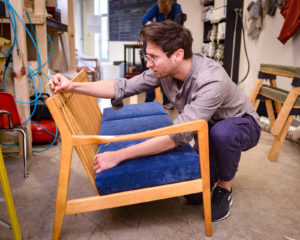
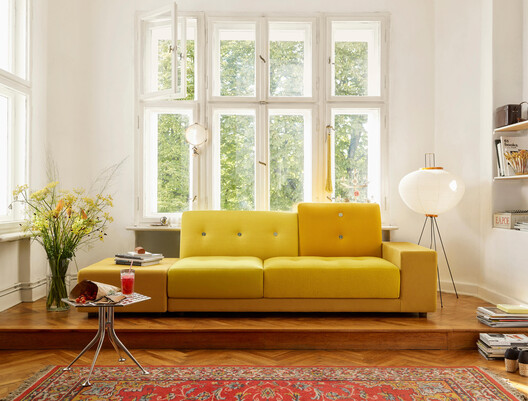
Upholstering furniture offers a unique opportunity to inject distinctive character and style into a home. This process begins with selecting the right pieces, emphasizing the importance of choosing comfortable, well-designed items with strong foundations. High-quality upholstered furniture distinguishes itself through careful craftsmanship, requiring well-proportioned designs that exude elegance and presence. A crucial element for longevity and a solid base for upholstery is a hardwood frame, ideally glued, screwed, and dowelled for maximum strength. The base should also be sprung to the front with coiled springs to ensure the highest levels of quality and comfort.
When it comes to cushion fillings, personal preference dictates the choice. Standard European duck feather offers good shape retention, though a foam core wrapped in feather provides a firmer cushion that maintains a neater appearance and requires less frequent fluffing. While pricing for these options is similar, a feather and down cushion is approximately 15 percent more expensive but is often preferred for its lighter feel and ease of plumping. Foam serves as a more economical alternative, though it lacks the natural aesthetic of feather fillings.
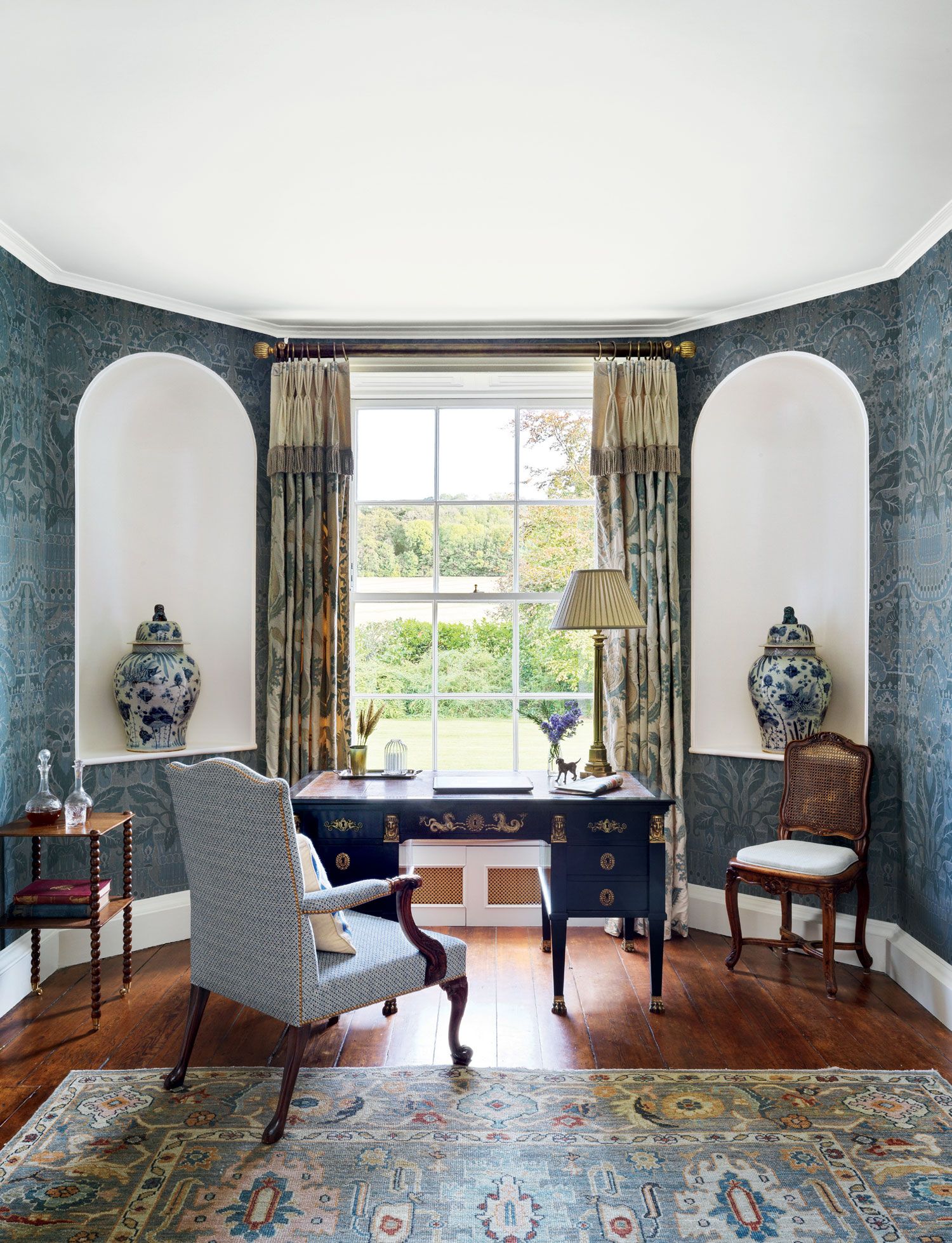
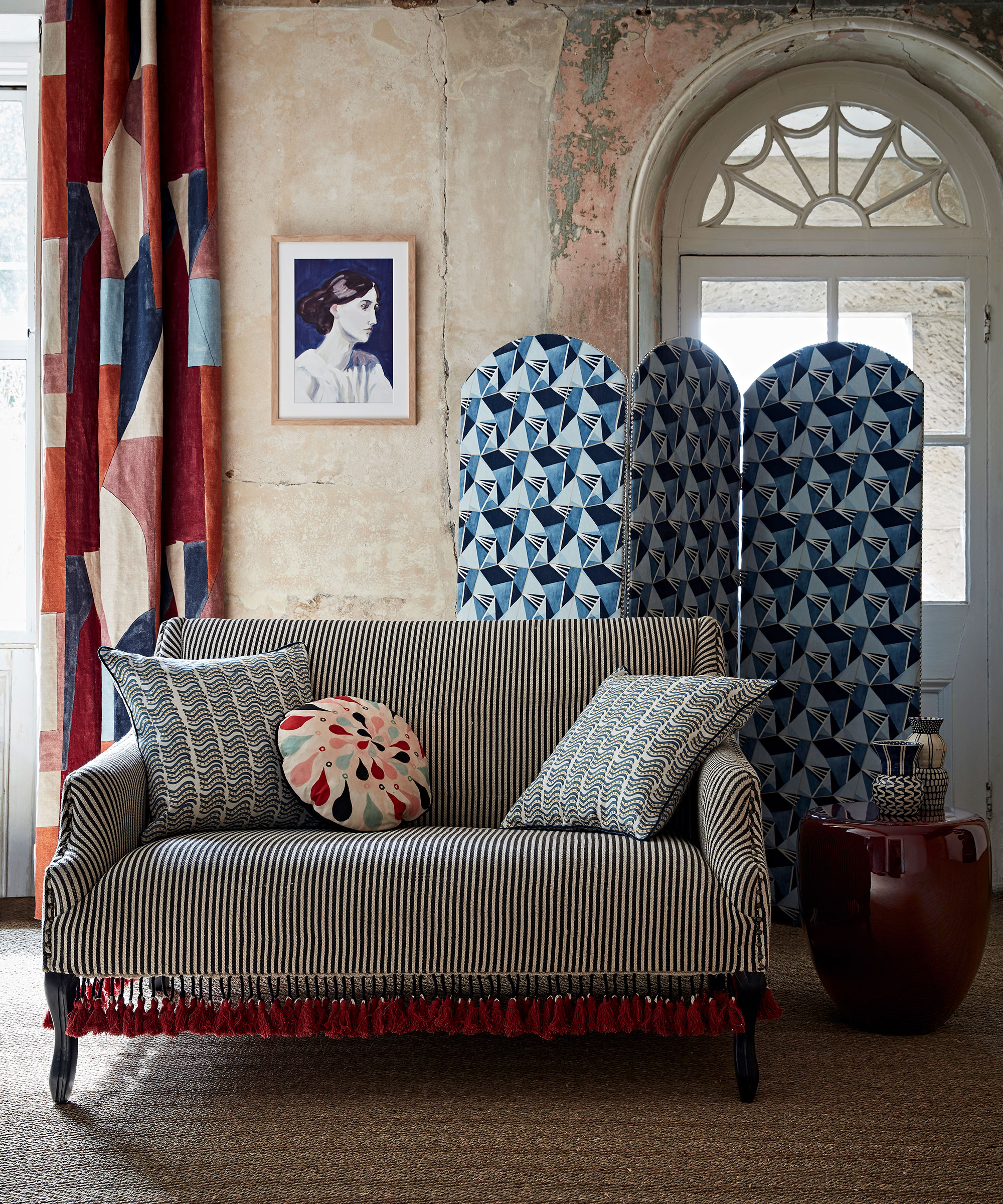
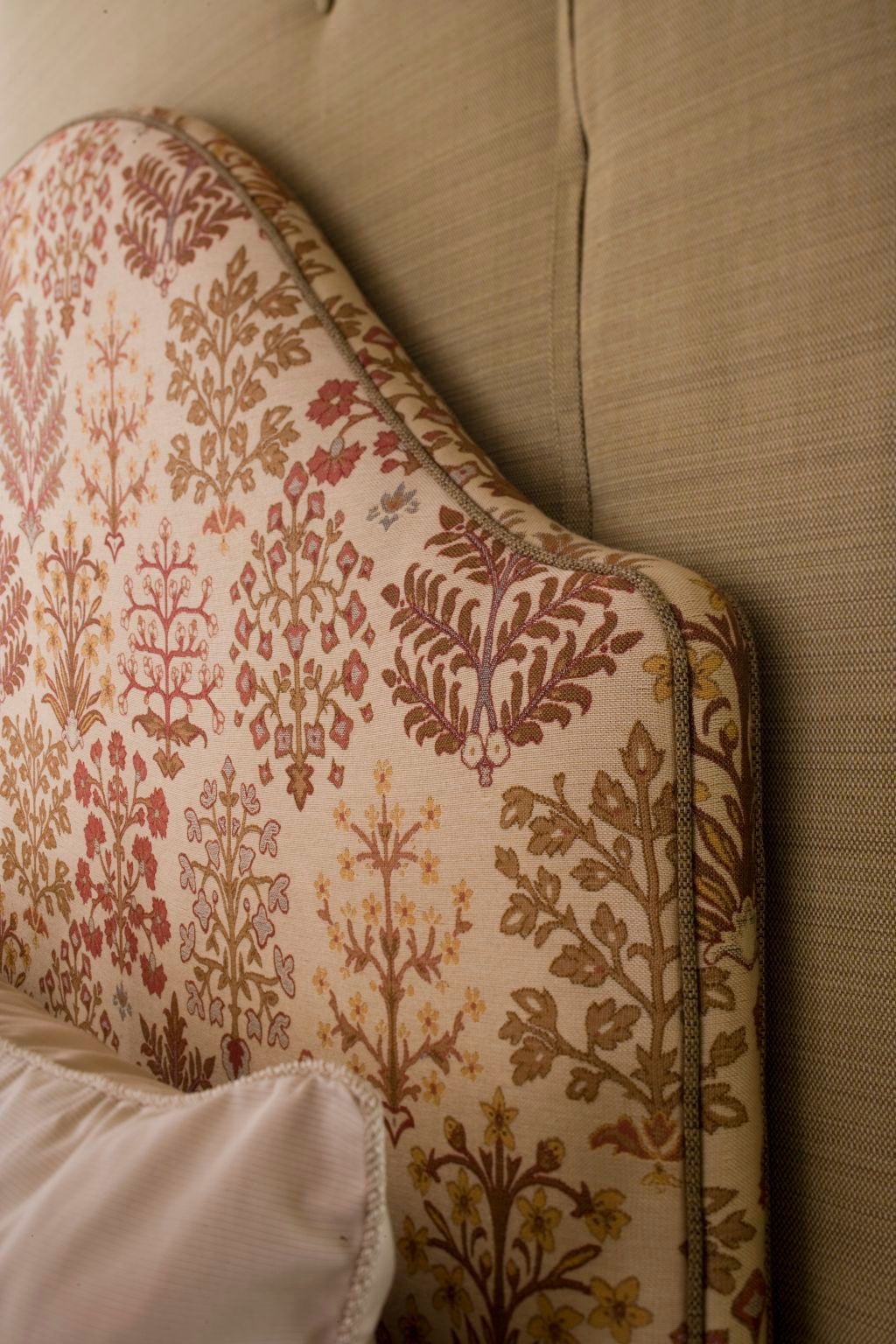
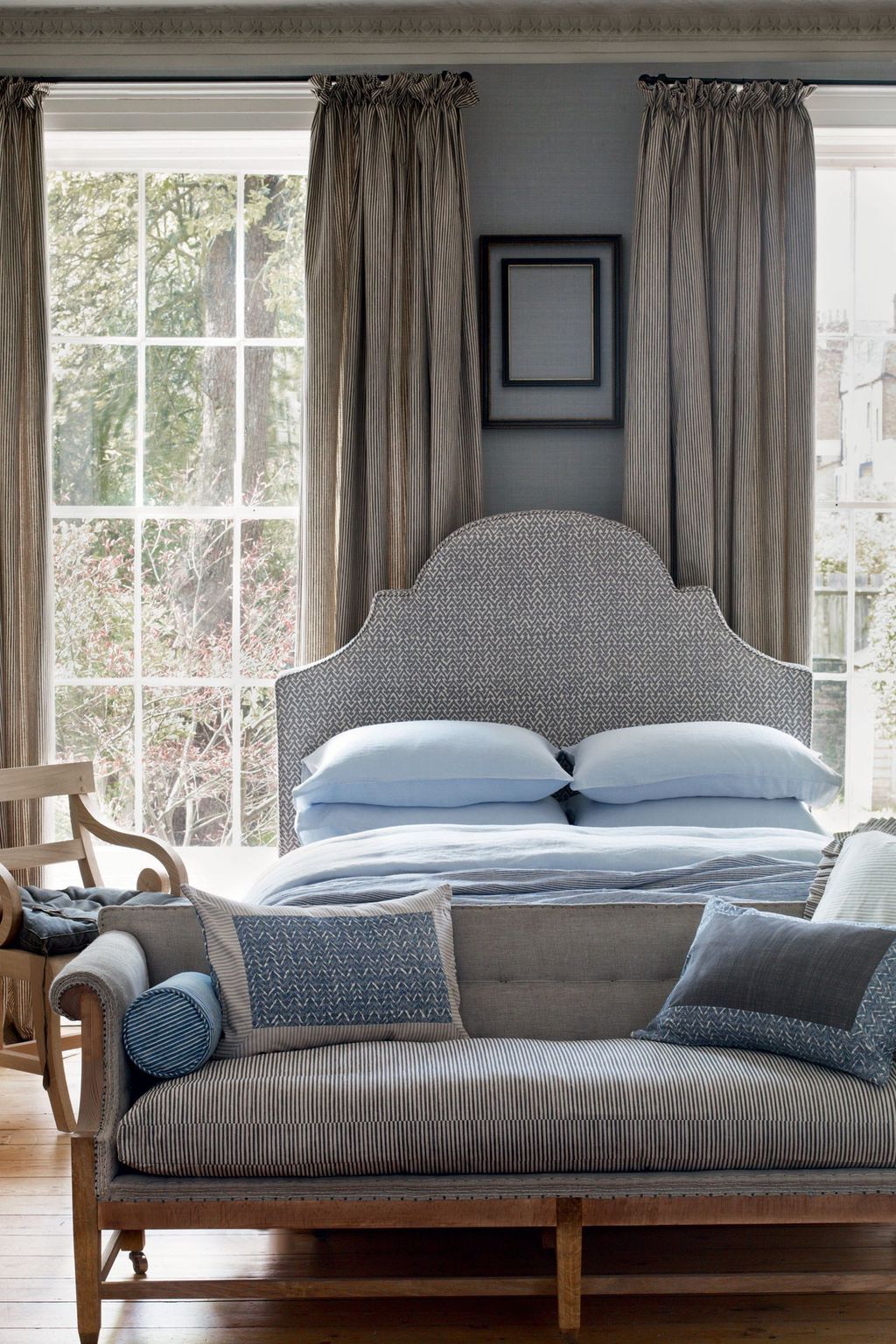
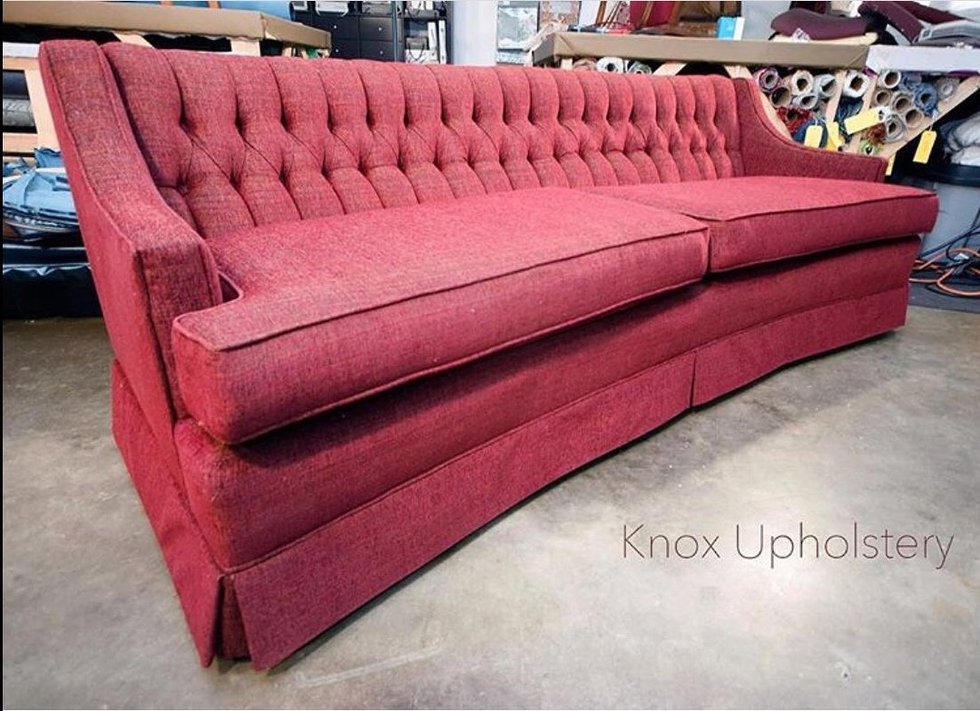
Finishing details play a significant role in the overall look of upholstered furniture. Self-piping or contrast piping creates a smart finish, with striped fabric cut on the cross achieving a rope effect for added visual interest. Conversely, seat cushions without piping offer a clean, contemporary aesthetic that is currently fashionable. Beyond piping, buttoning remains popular, encompassing deep buttoning with pleated dips and shallow buttoning in either matching or contrasting fabrics. Nailing, available in antique or modern nickel finishes, is also a sought-after detail.
Fabric selection is paramount, beginning with an assessment of the furniture's intended use. For frequently used pieces, a durable, hardwearing fabric is essential. Fabric durability is measured by the Martindale test, with results typically provided in pattern books, sample swatches, and on websites. Some fabrics also come with stain-repellent or Teflon finishes, offering protection against minor spills.
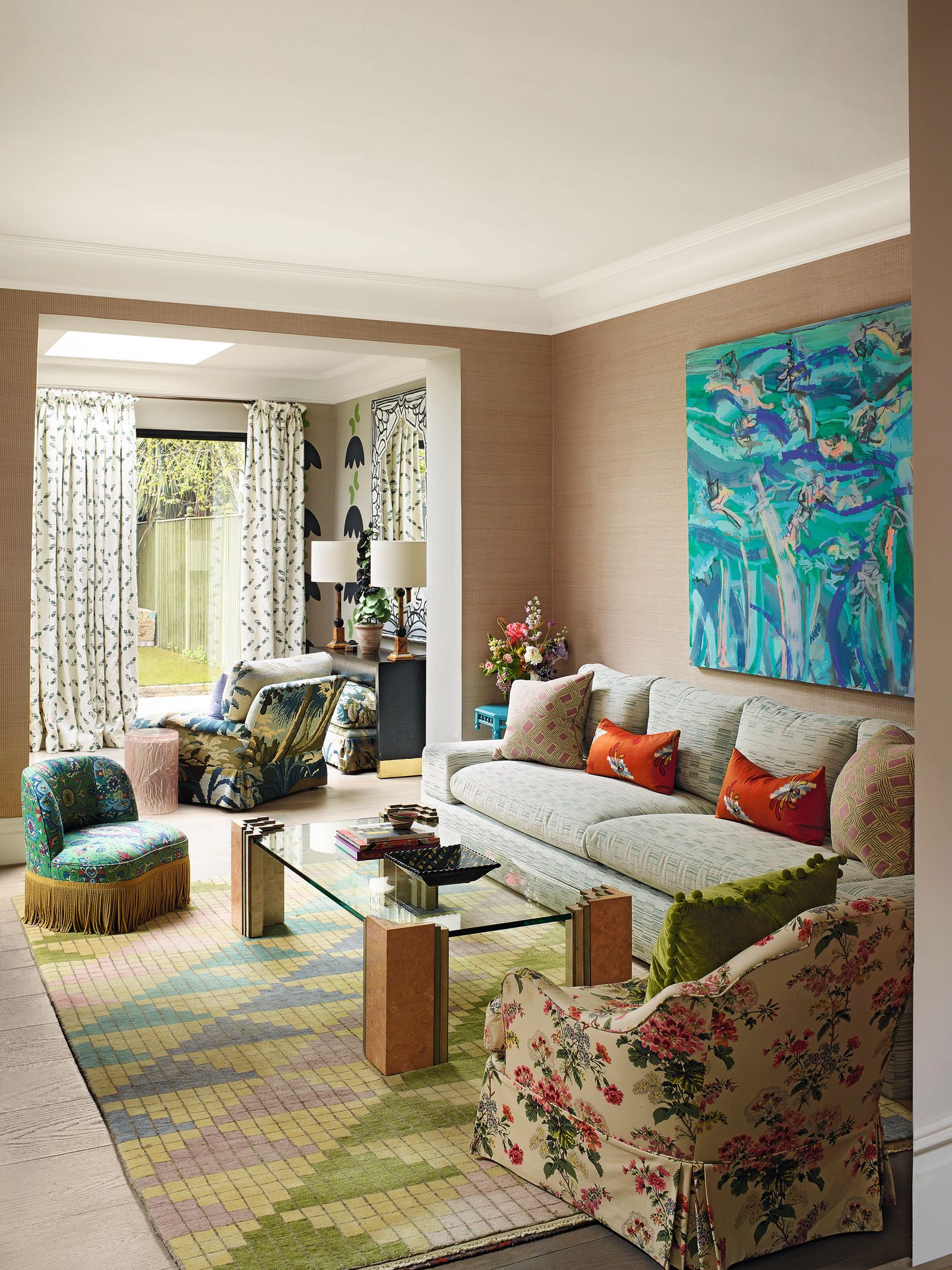
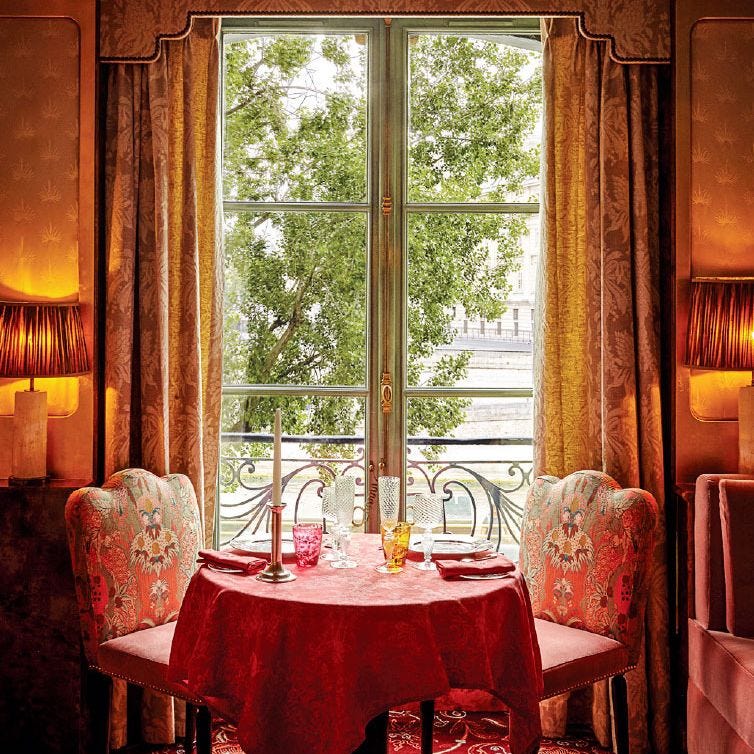
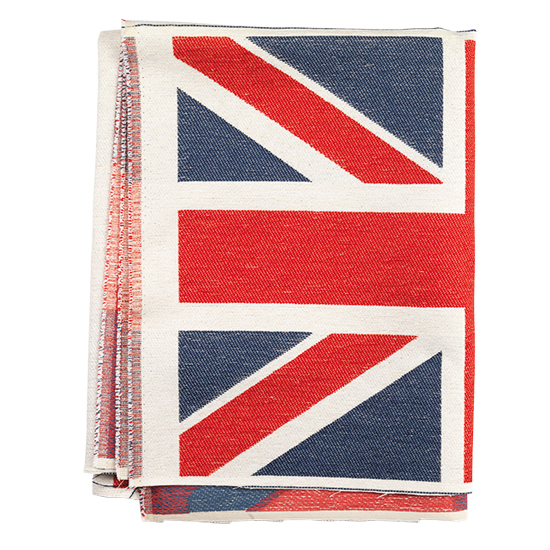
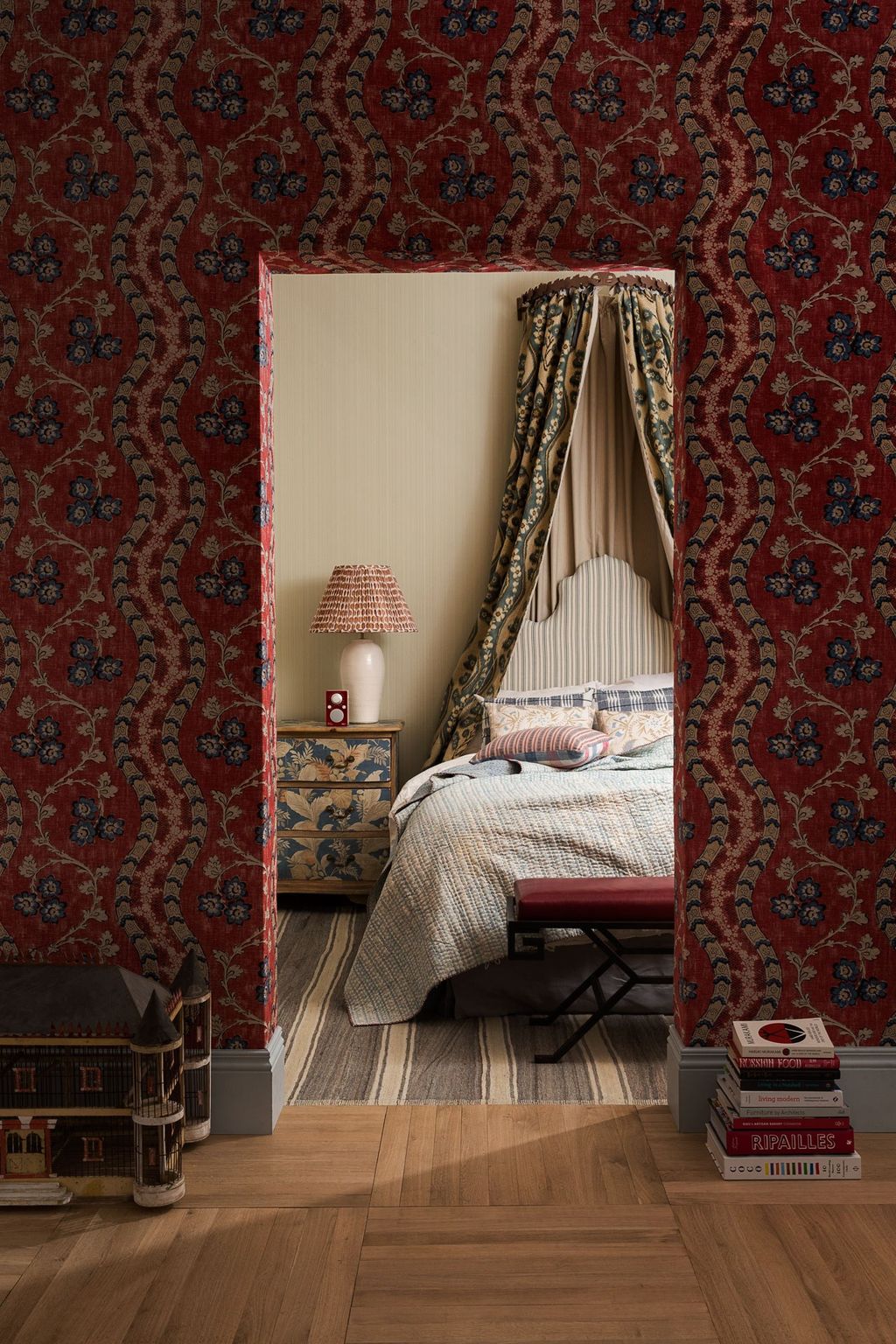
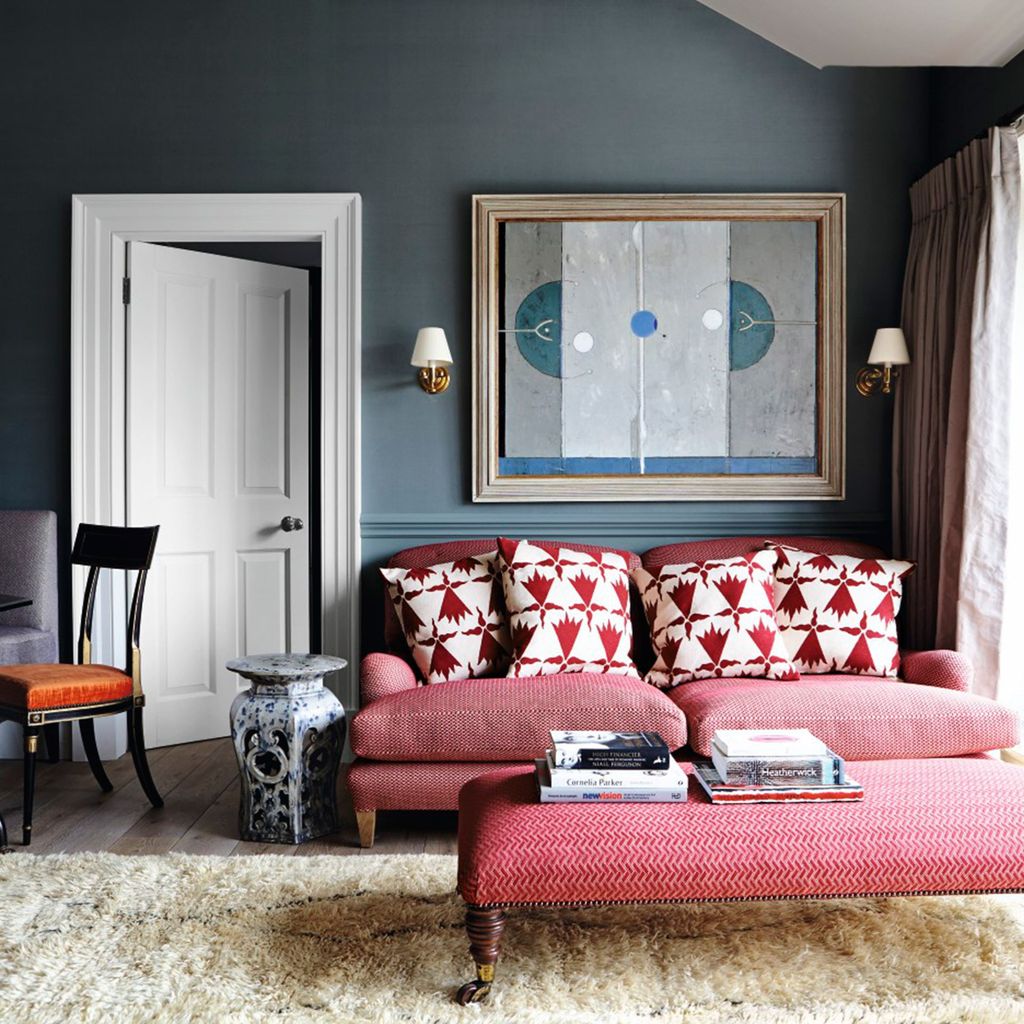
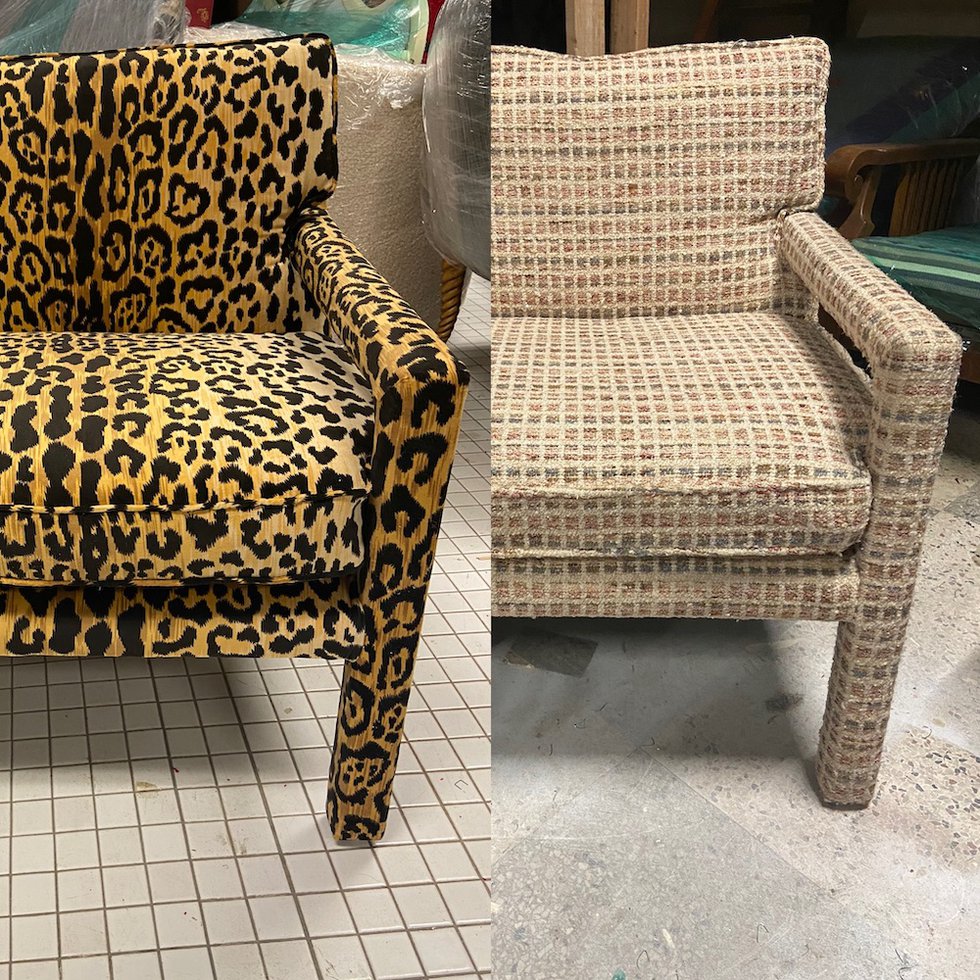
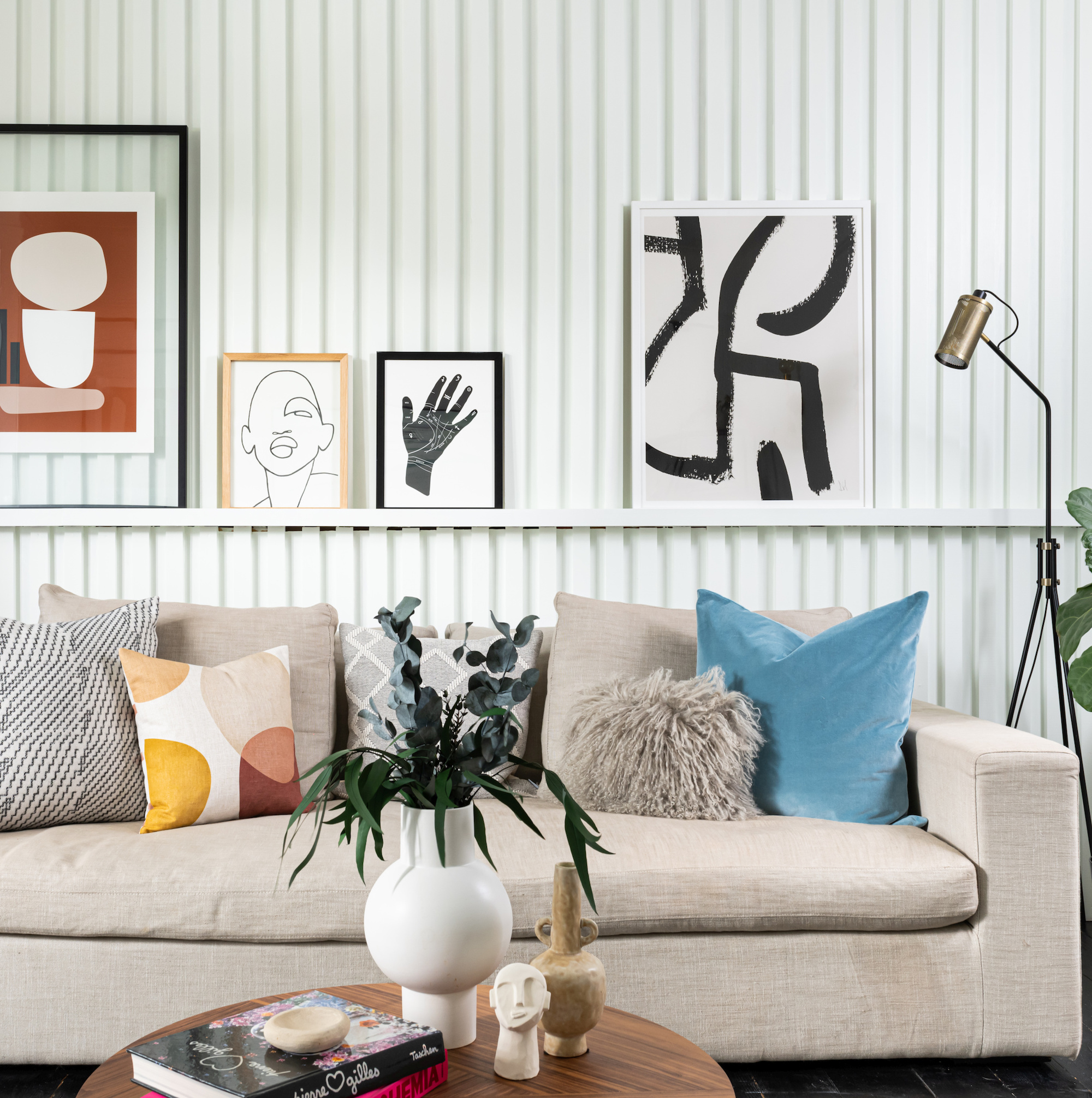
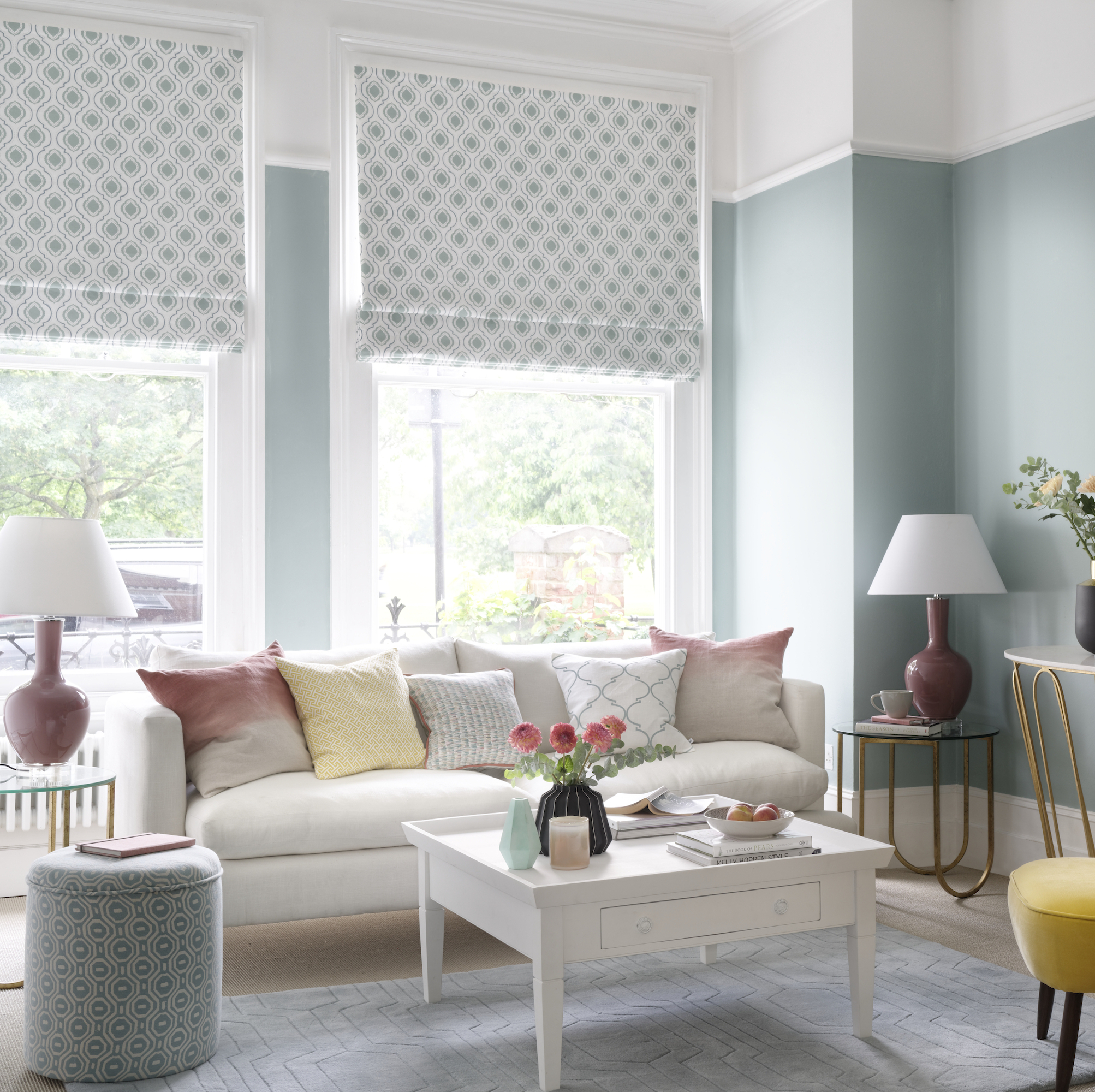
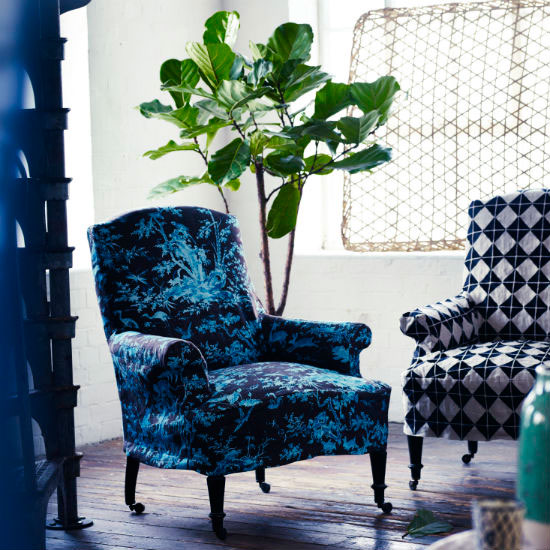
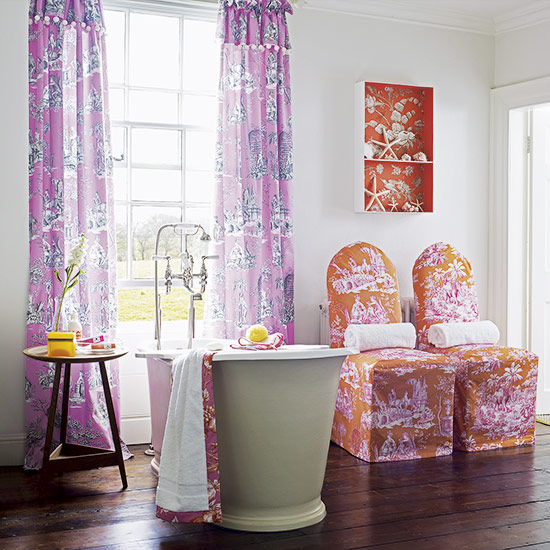
Embracing bold designs can make a significant statement. Contemporary patterns, such as abstract florals or striking geometrics in vibrant yet sophisticated colors, along with luxurious textural qualities, are ideal for creating eye-catching upholstery. Careful consideration of the pattern's size and repeat is necessary to ensure the design is fully appreciated, especially for large-scale motifs. Utilizing statement patterns on simpler furniture allows the design to be showcased in its entirety, maximizing its impact.
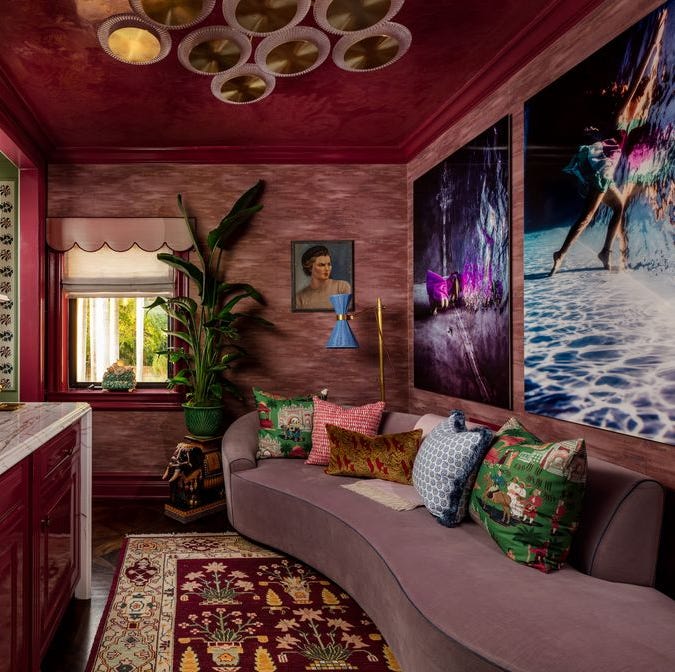
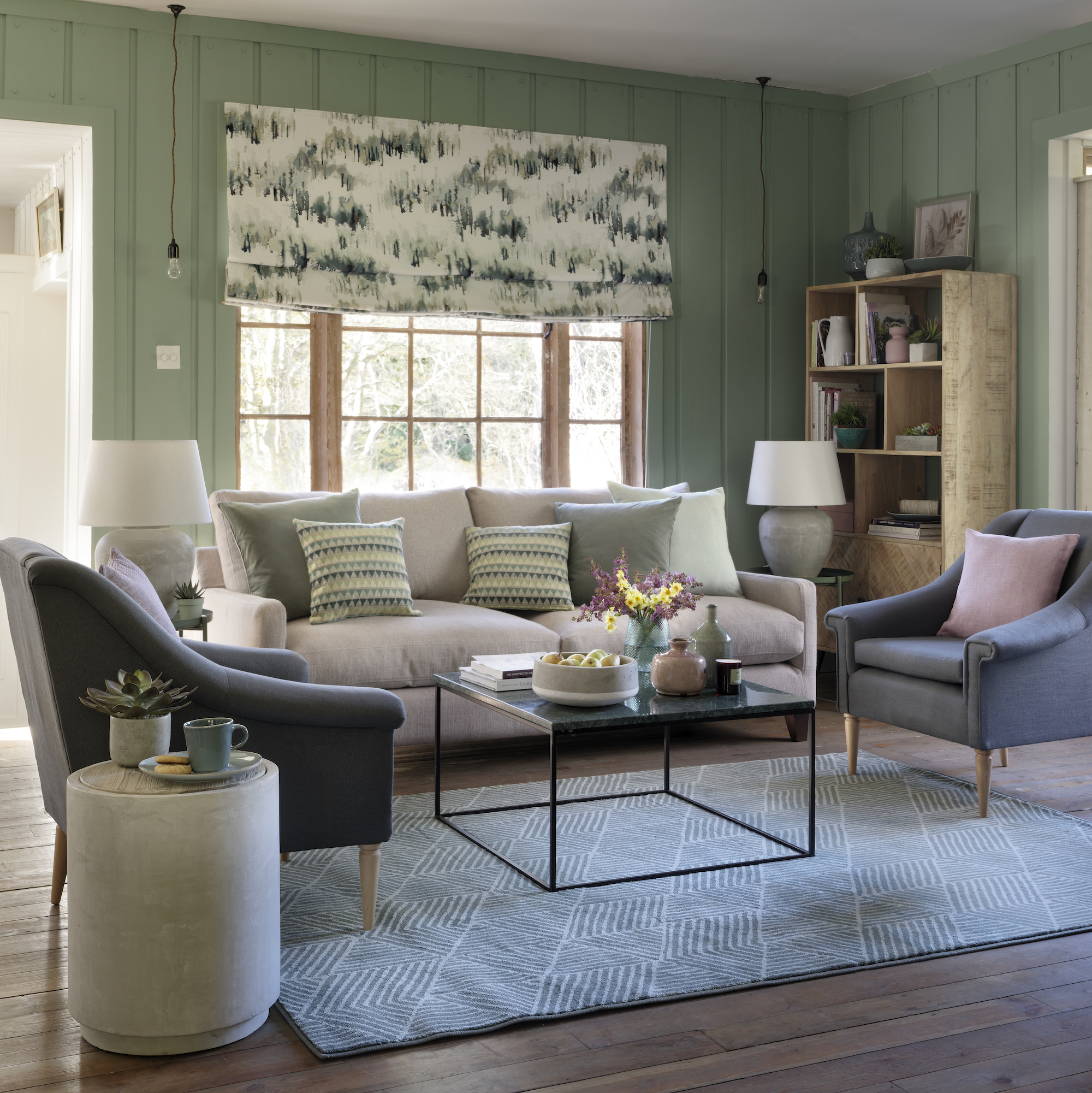
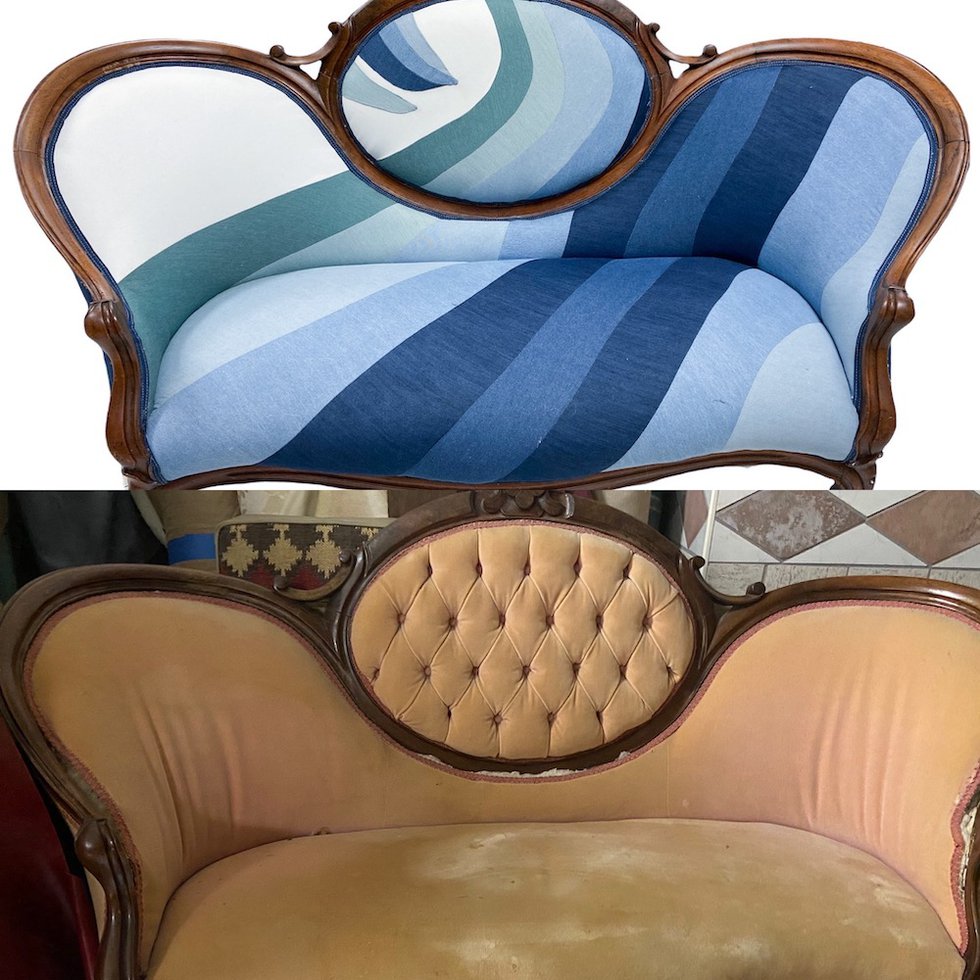
For those who prefer to avoid patterns, a bold color applied to an elegantly shaped piece of furniture can yield striking results. Colorful trims can further enhance interest and introduce a playful element. Staying current with seasonal trends also provides inspiration; velvets featuring innovative jacquards and distinctive prints are currently prominent, as are textural fabrics in contemporary shades like chunky chenille weaves in copper and teal tones. These elements collectively contribute to creating unique and stylish upholstered pieces that reflect personal taste and current design sensibilities.
#FurnitureUpholstery #DIYHomeDecor #InteriorDesign #FabricSelection #CushionFillings #HardwoodFrame #DesignTrends #HomeImprovement #TextileDurability #FurnitureUpholstery #DIYHomeDecor #InteriorDesign #FabricSelection #CushionFillings #HardwoodFrame #DesignTrends #HomeImprovement #TextileDurability
0 comment in total
 No comments yet
You may also like
The Upholstery Course You Need To Know About
7 sofa scaling secrets design experts want you to know – to get your sofa choice right first time

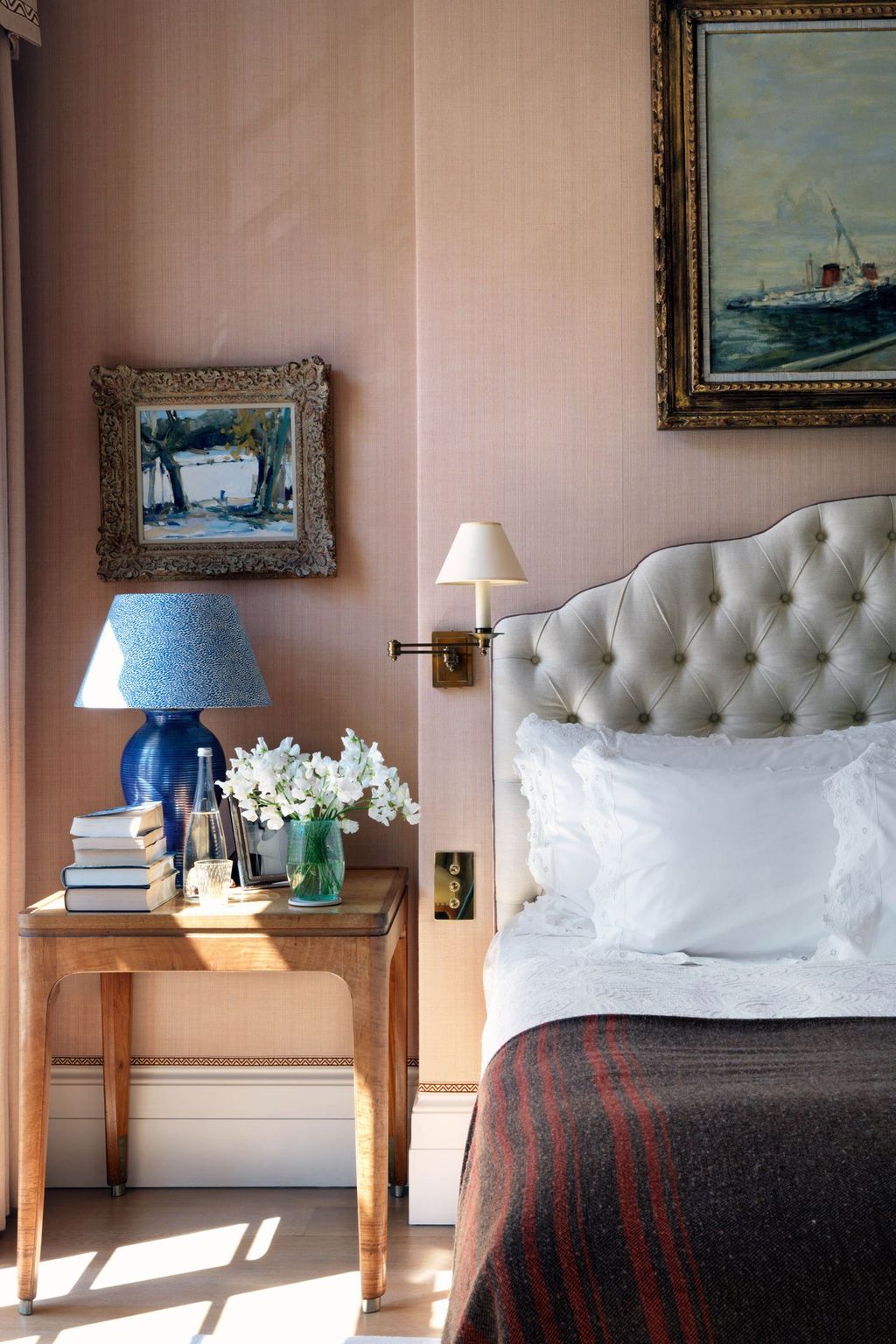
These upholstery ideas are instant room refreshers

An education in upholstery


Beginner’s Guide To Reupholstering Furniture

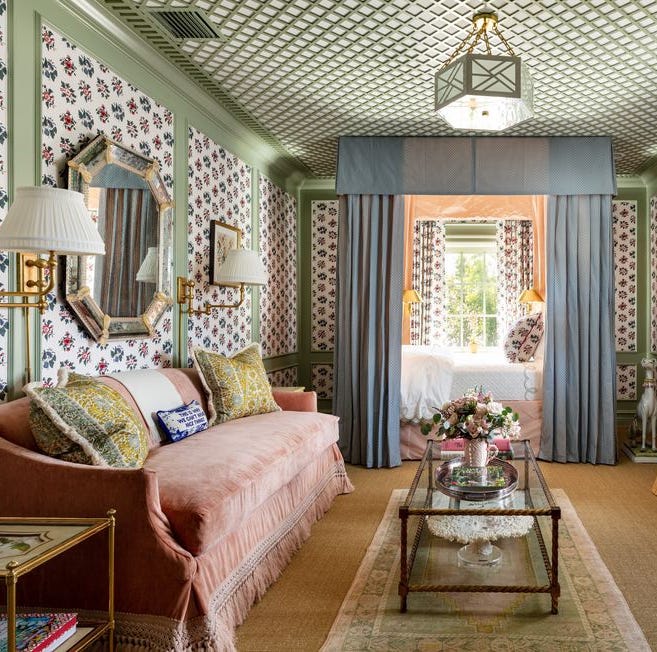
7 Upholstery Details That Make Your House Look More Expensive, According to Experts

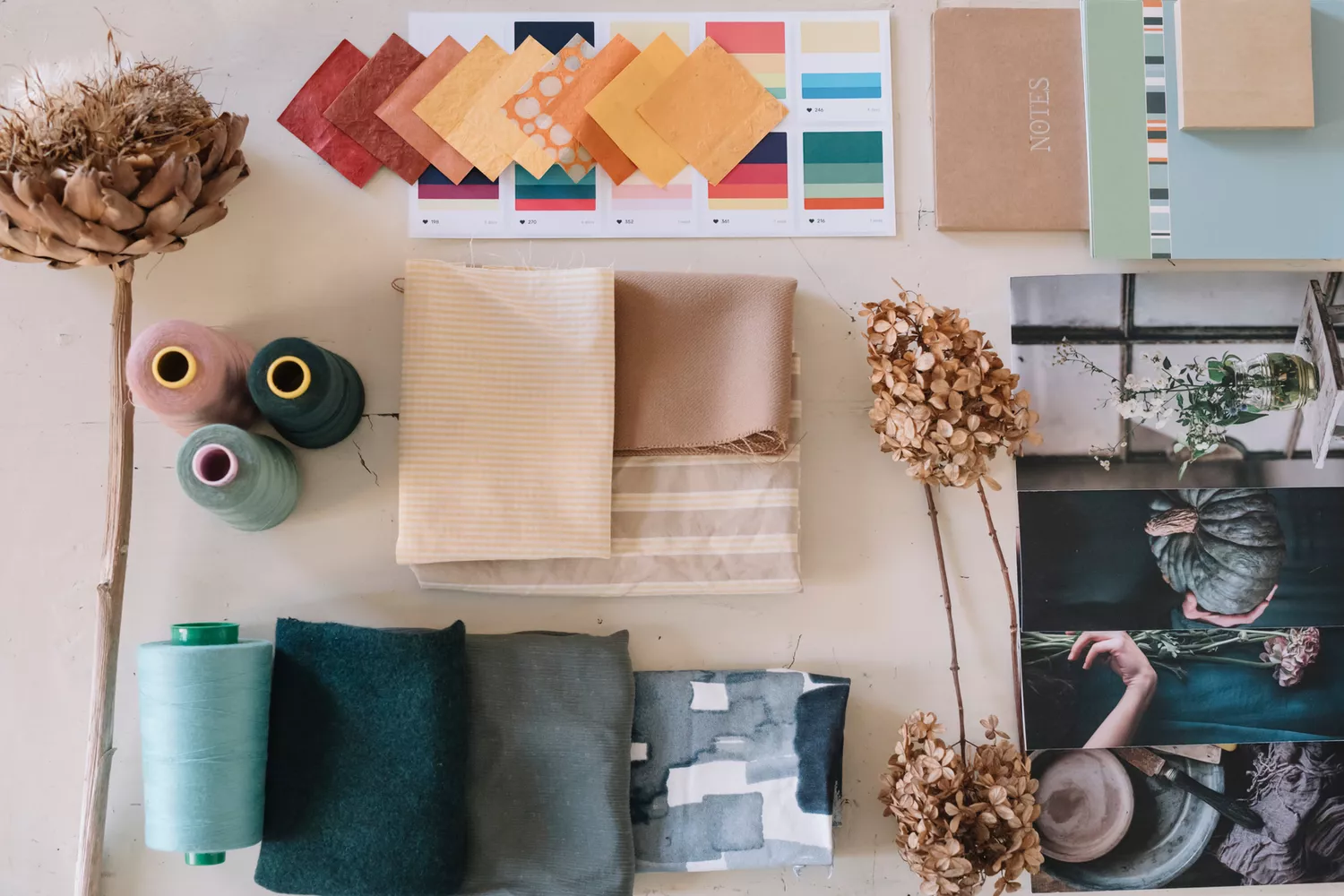
6 Things You Should Always Do Before Shopping for Furniture, Designers Say
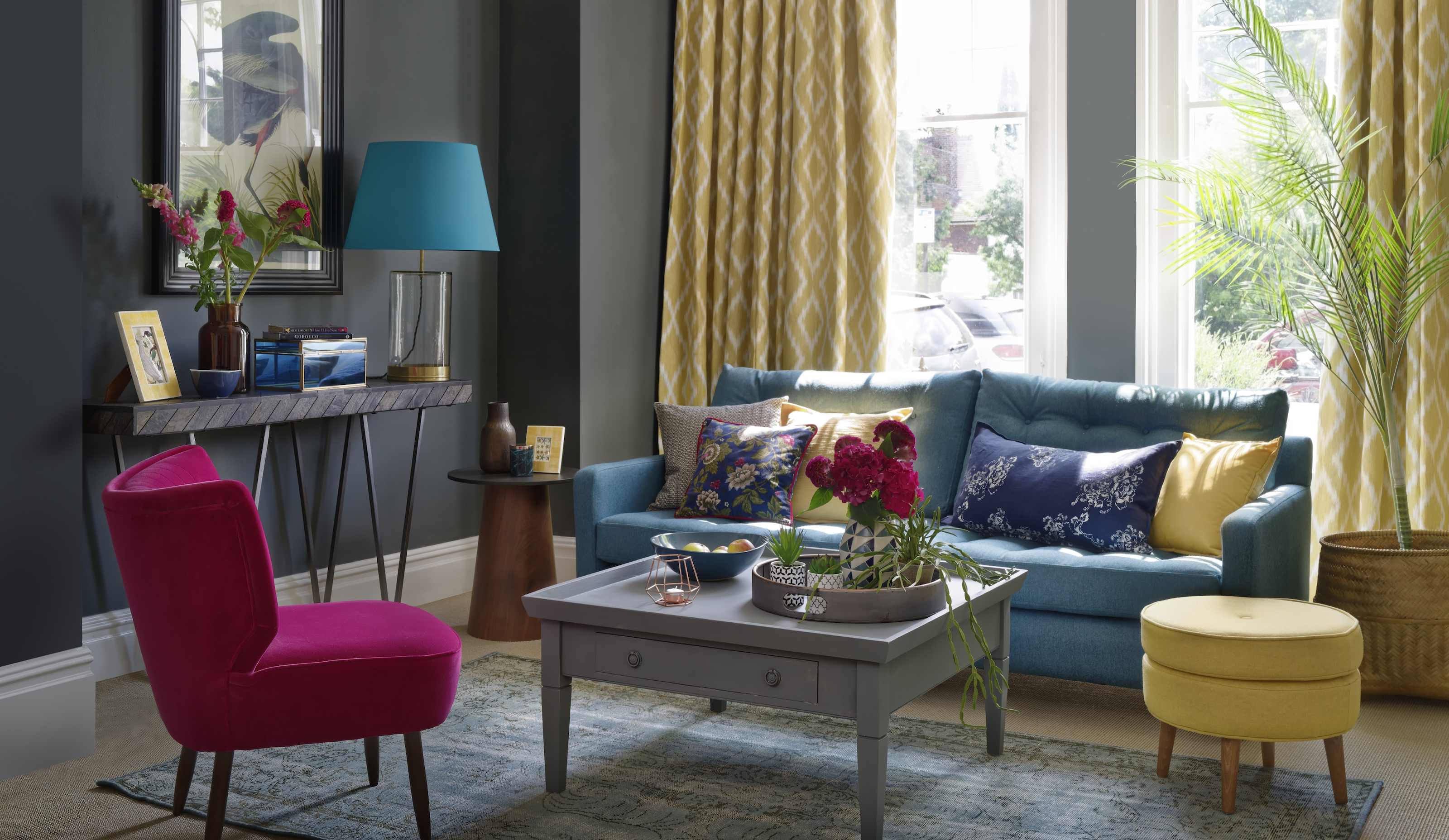
How much does it cost to reupholster a sofa? And why it's worth it

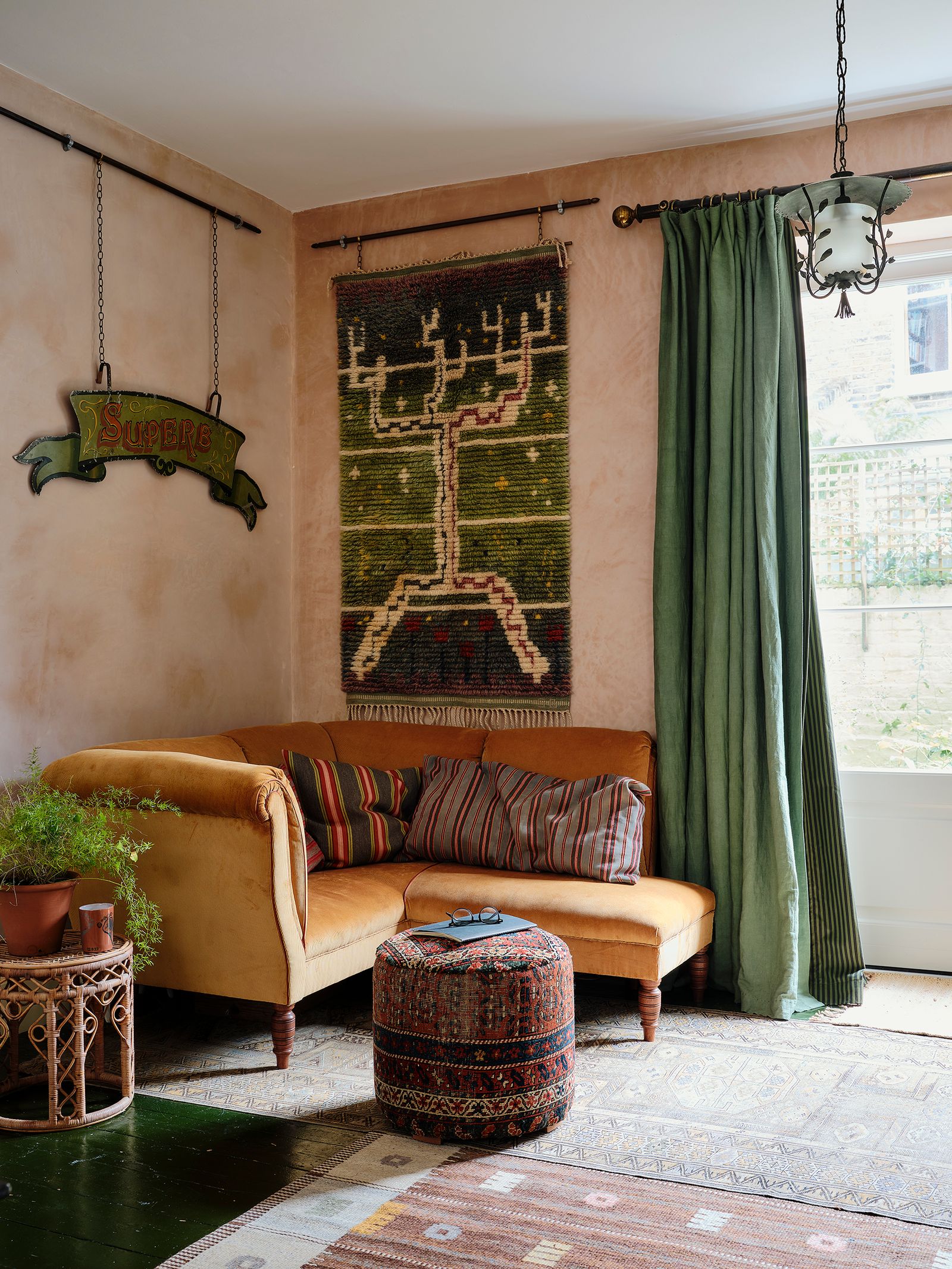
How to upholster furniture without breaking the bank
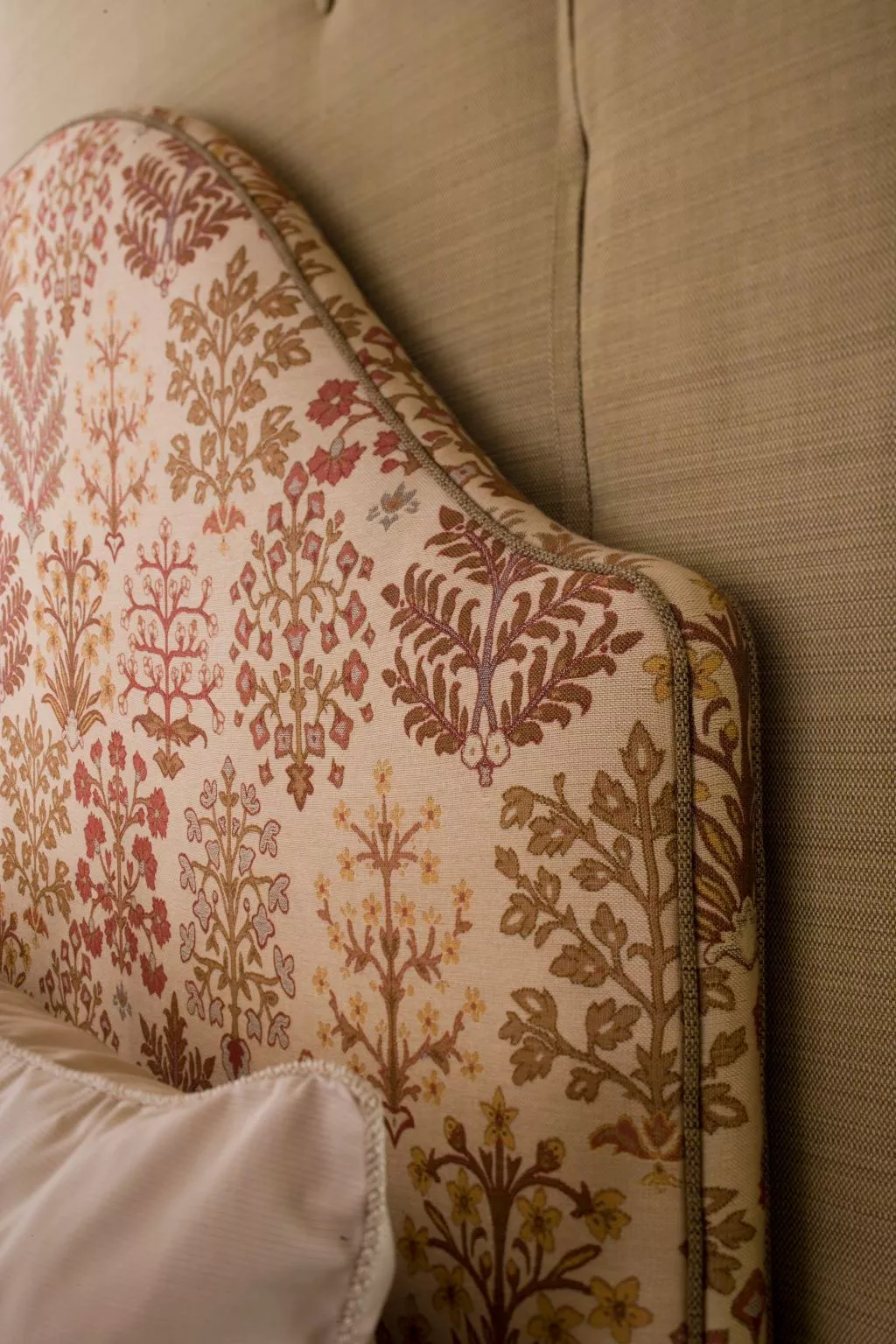
Common Upholstery Techniques: What You Need to Know to Reupholster Furniture

How to Reupholster a Chair So You Can Revamp Rather Than Replace

What To Know Before Recreating Fixer Upper's Staple Shiplap Look
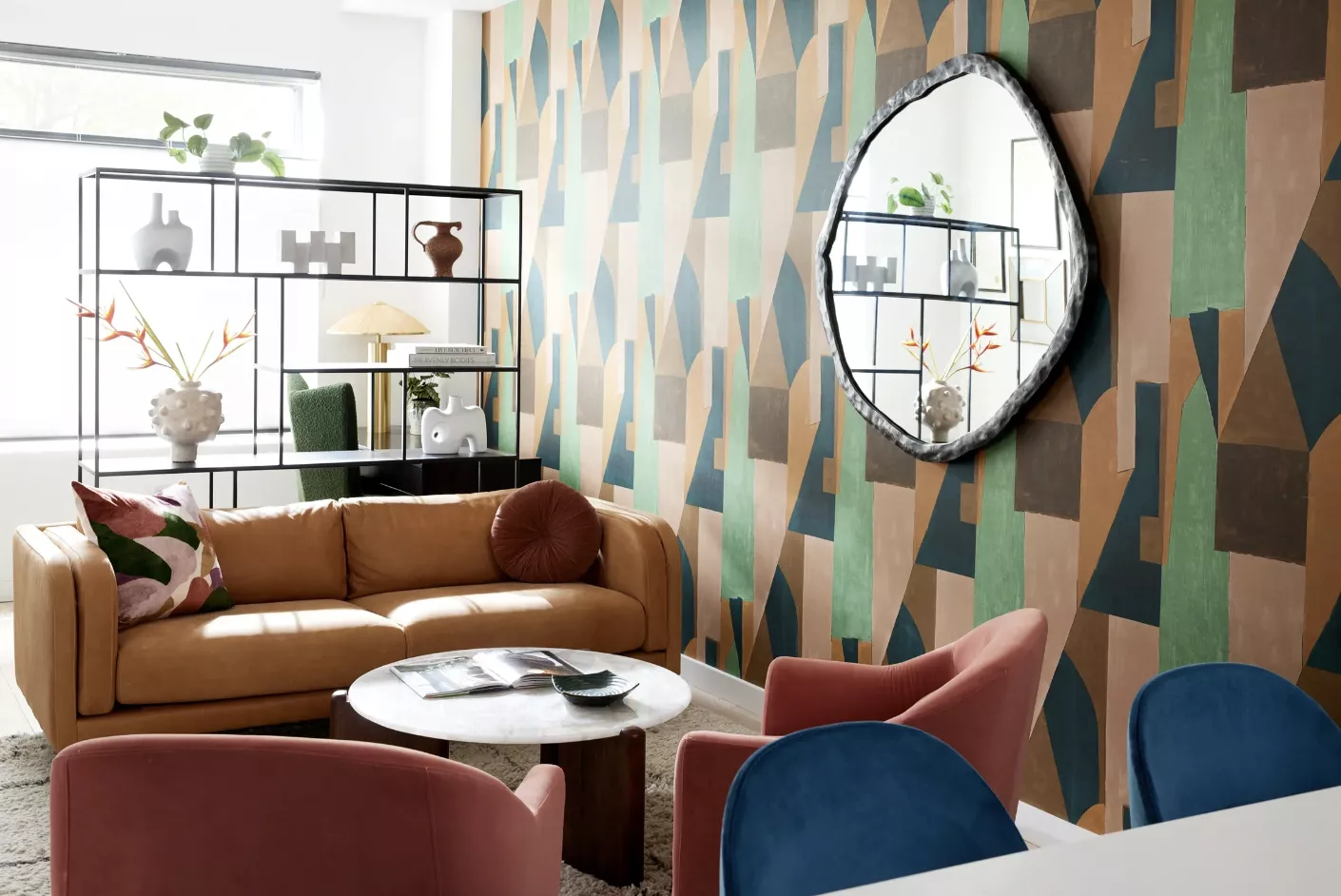
Thinking of Reupholstering Your Sofa? Everything You Should Know Before You Start

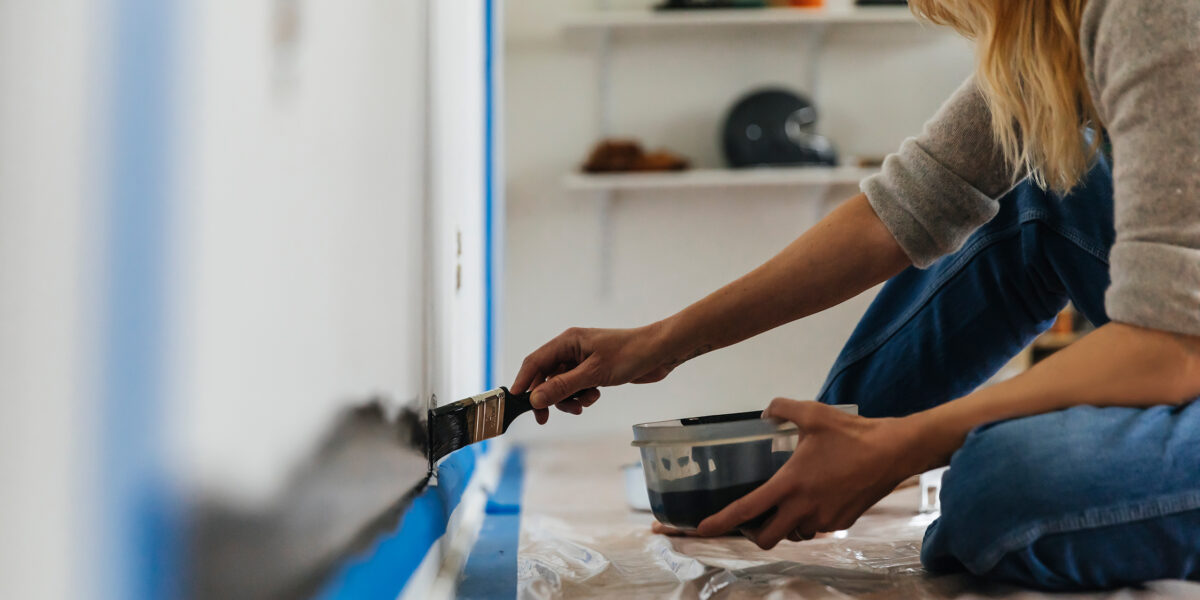
9 Things You Need to Know Before Renovating Your Home, According to Experts
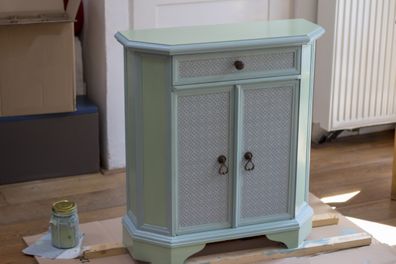
How to paint furniture: The one detail you need to get right for best results
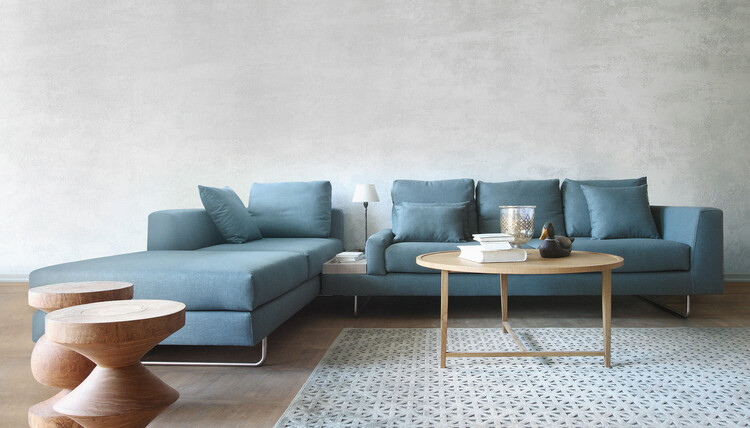
The Science of Sitting: 6 Rules for Choosing a Comfortable Sofa


Try Out Upholstery Classes with A Little Furniture Shop

Celia Rufey answers your fabric questions
Help wanted: Future workers of the upholstery trade

Designers Agree: These 6 Common Furniture Fabrics Look Great But Never Last