1/5
How to paint furniture: The one detail you need to get right for best results
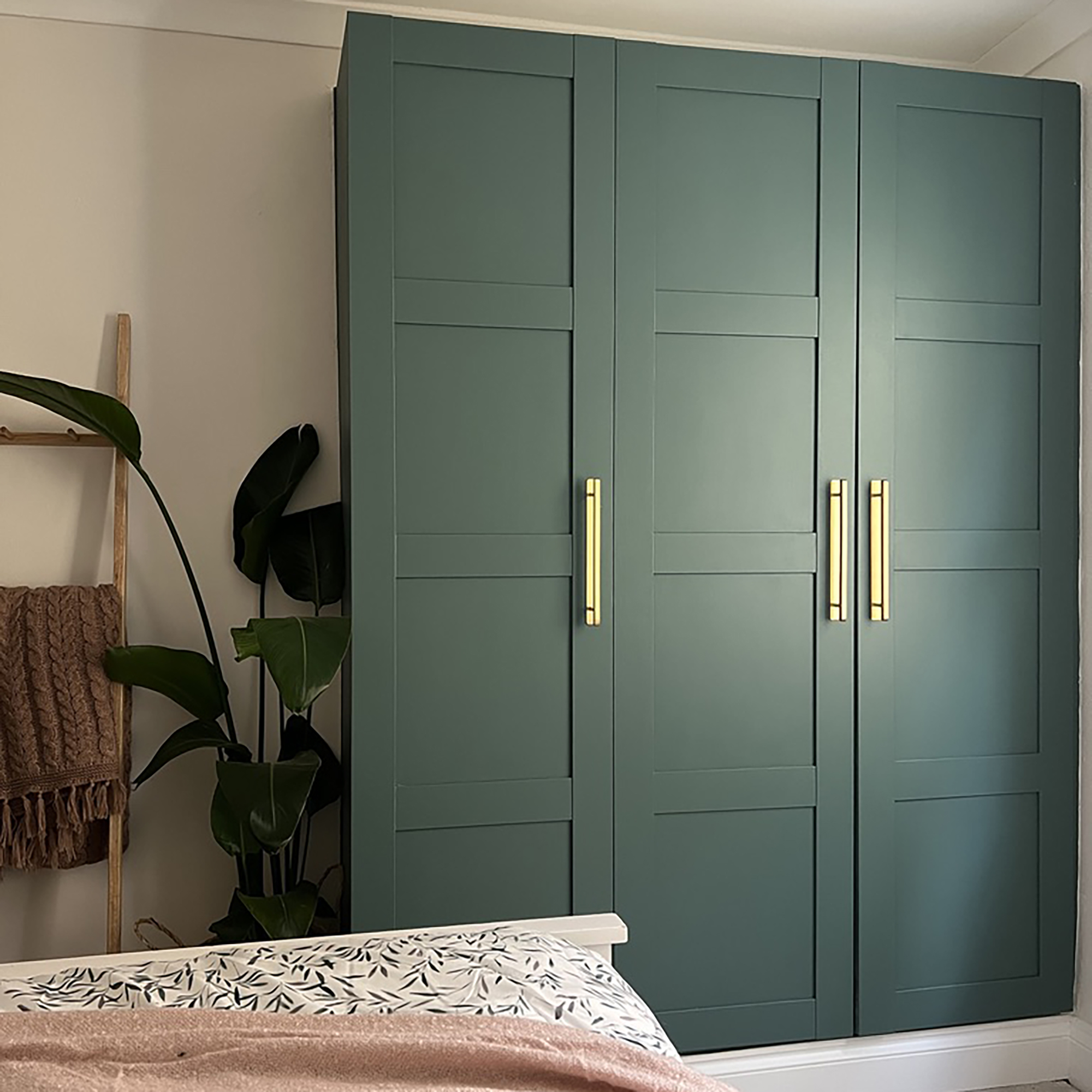
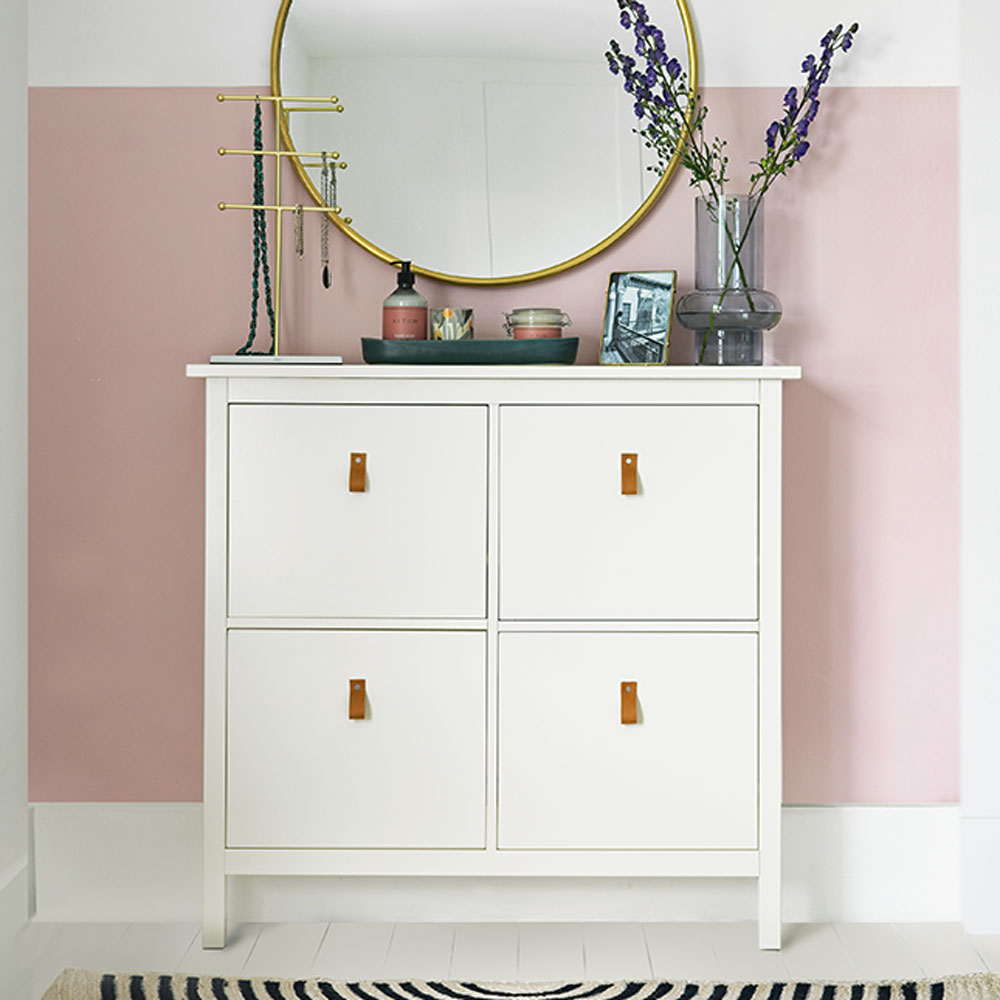
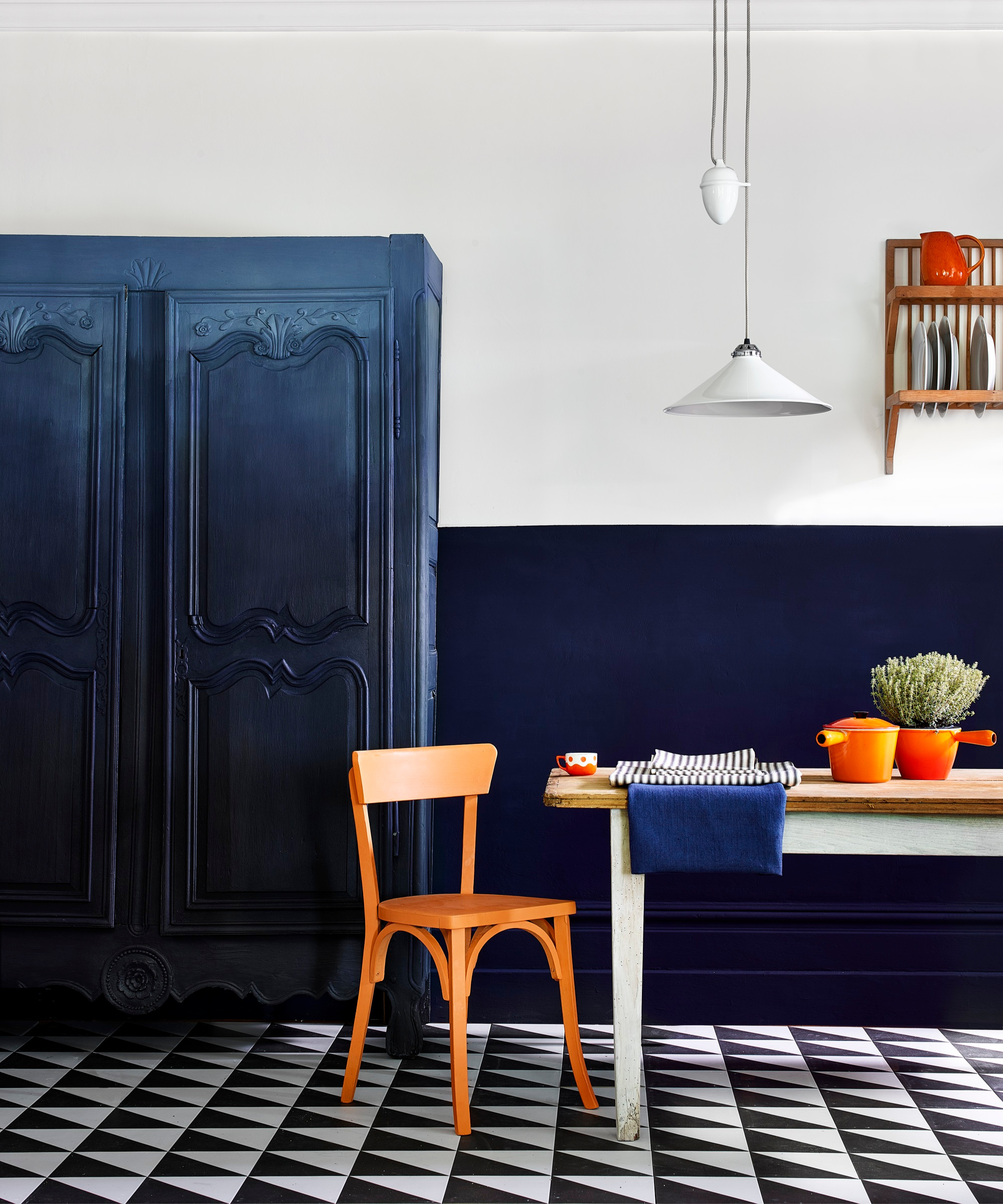
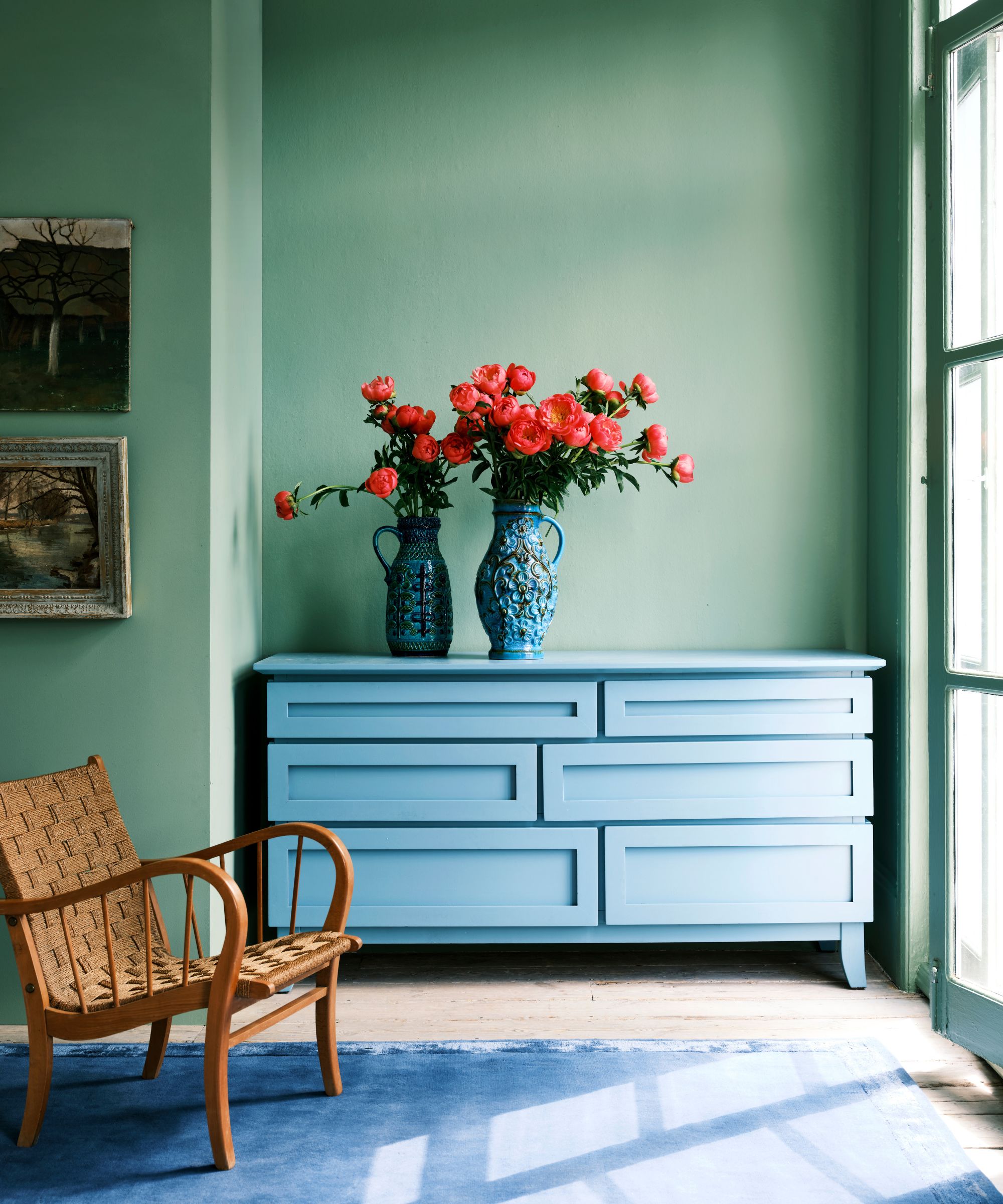
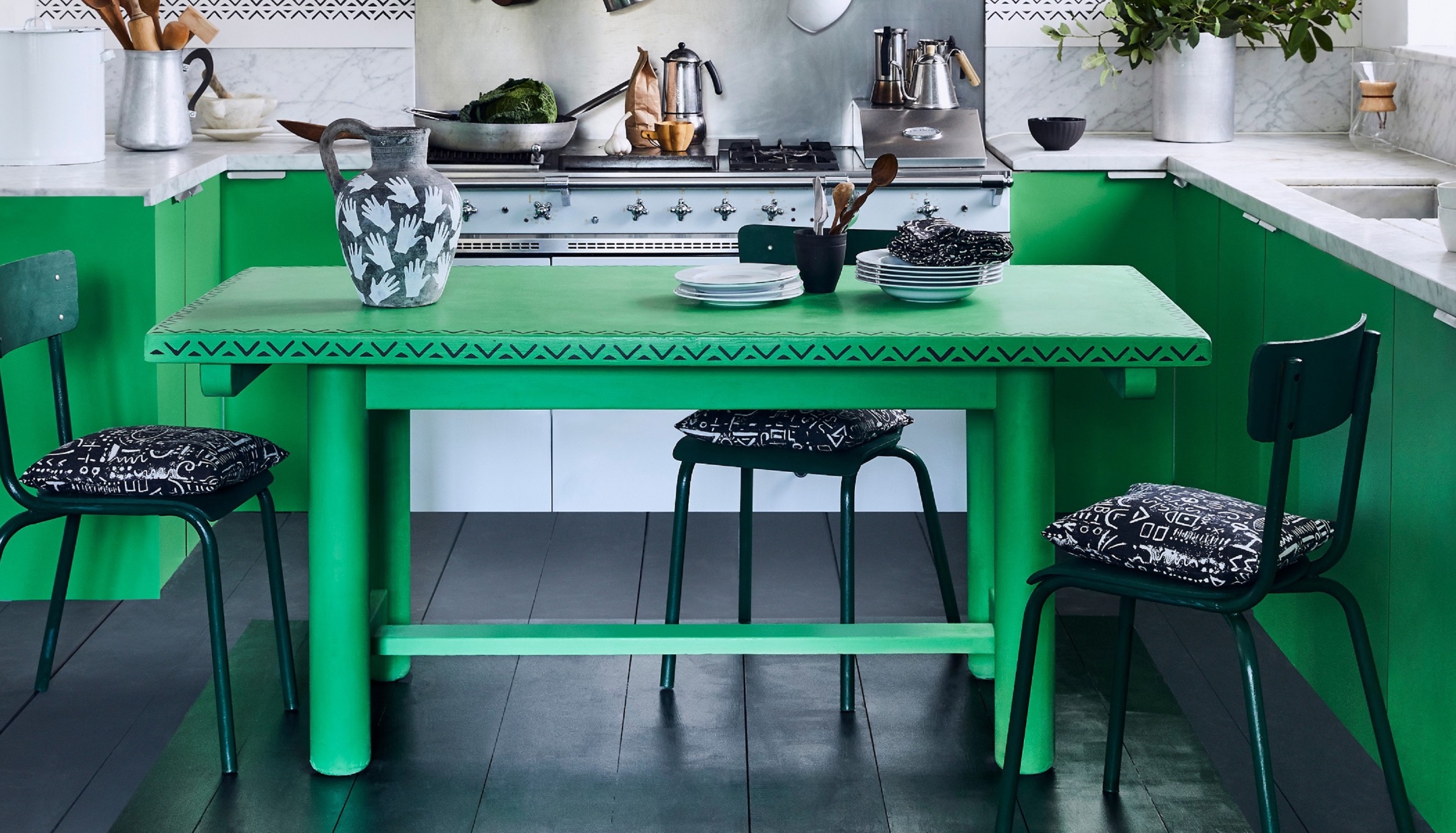
Painting furniture is a cost-effective DIY project that can significantly refresh a home's aesthetic, either by revitalizing existing pieces or transforming secondhand finds. Achieving durable and professional-looking results requires careful preparation and the right materials. Before beginning, it is crucial to select an appropriate workspace with good ventilation to avoid inhaling fumes and ensure proper paint drying. Adequate time must also be allocated for multiple paint coats and the necessary drying periods between each application.
A key initial step involves identifying the material of the furniture, whether it's wood, metal, plastic, or MDF, as this dictates the specific preparation and paint types required. For metal furniture, the process begins with thorough cleaning, followed by light sanding to create a rough surface for primer adhesion. A metal primer, such as Dulux Duramax 340g Flat Metal Primer, is essential to prevent rust. Oil-based or acrylic paints are recommended for their resistance to chipping and rust prevention.
Plastic furniture also necessitates cleaning and light sanding with fine-grit sandpaper to promote adhesion. A plastic-specific primer is then applied, followed by spray paint formulated for plastic to achieve a smooth and durable finish. For MDF (medium-density fiberboard) furniture, a common material for budget-friendly items, a light sanding addresses rough spots, and the surface is wiped clean of dust. Priming is crucial for MDF to seal the surface and ensure even paint absorption. Water-based latex or acrylic paints are suitable for MDF due to their ease of application and quick drying times.
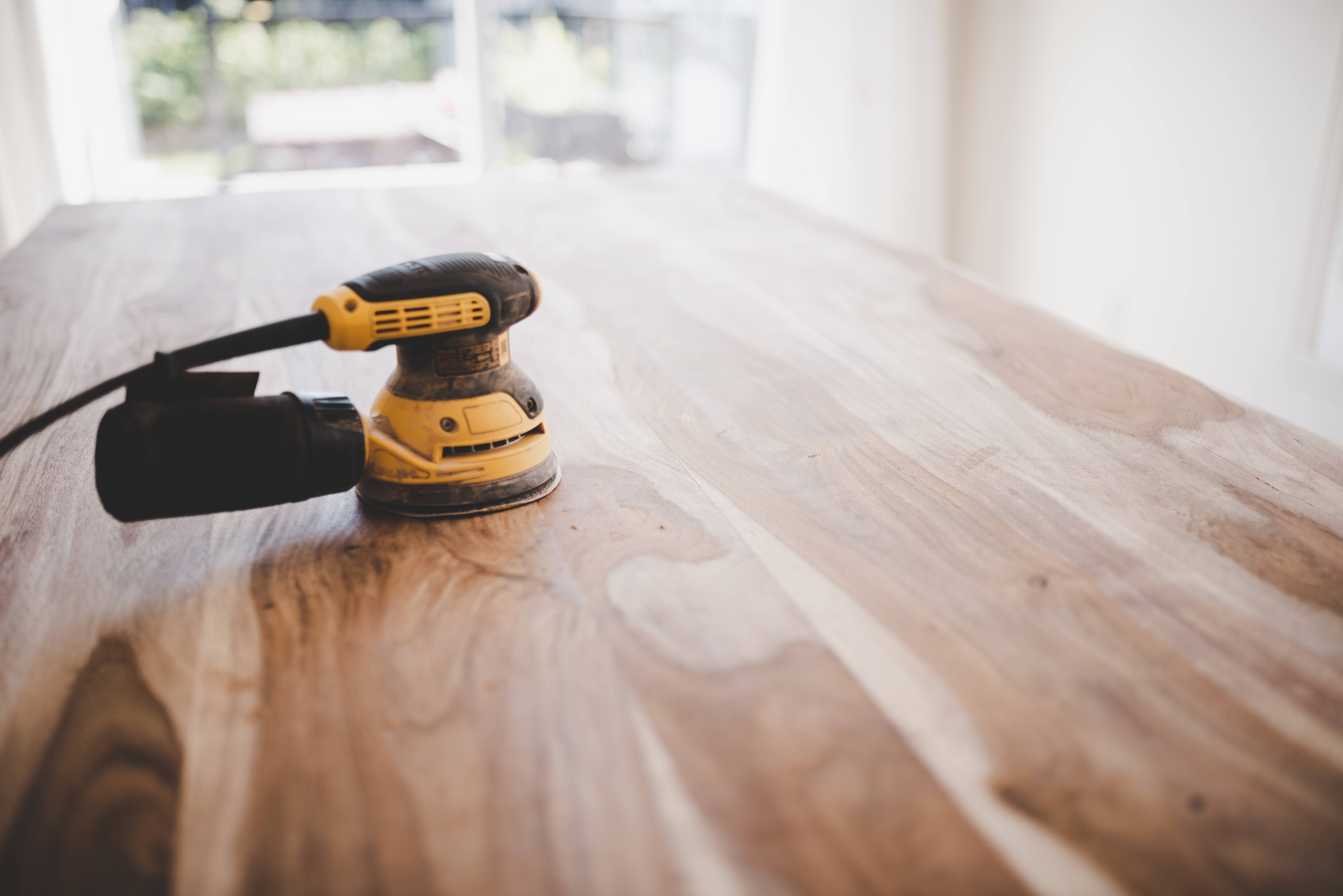
Solid wood furniture benefits from a thorough sanding to remove old finishes and smooth imperfections, followed by dust removal and the application of a wood primer. The choice of paint for wood depends on the desired finish and durability; oil-based paints offer a durable, smooth finish, while water-based latex paints provide easier cleanup and faster drying. Regardless of the material, multiple thin coats of paint are preferable to a single thick coat to prevent drips and achieve a smooth finish. Typically, one coat of primer and two to three coats of paint are applied, with ample drying time (four to six hours, as per product instructions) between each layer. Good ventilation can help accelerate the drying process.
After painting, proper care is essential to maintain the furniture's appearance. Applying a sealant, like Selleys 410g paintable sealant, can provide a waterproof seal and faster drying. Regular cleaning with a soft cloth and avoiding harsh chemicals are recommended. To prevent fading, newly painted furniture should not be placed in direct sunlight. Keeping leftover paint for future touch-ups is also a practical tip for addressing minor damages.
#FurniturePainting #DIYHomeImprovement #MetalFurniture #WoodFurniture #MDFFurniture #PlasticFurniture #PaintPreparation #HomeDecor #BunningsTips #FurniturePainting #DIYHomeImprovement #MetalFurniture #WoodFurniture #MDFFurniture #PlasticFurniture #PaintPreparation #HomeDecor #BunningsTips
0 comment in total
 No comments yet
You may also like
How to paint laminate furniture - the pro tips experts swear by for a perfect finish
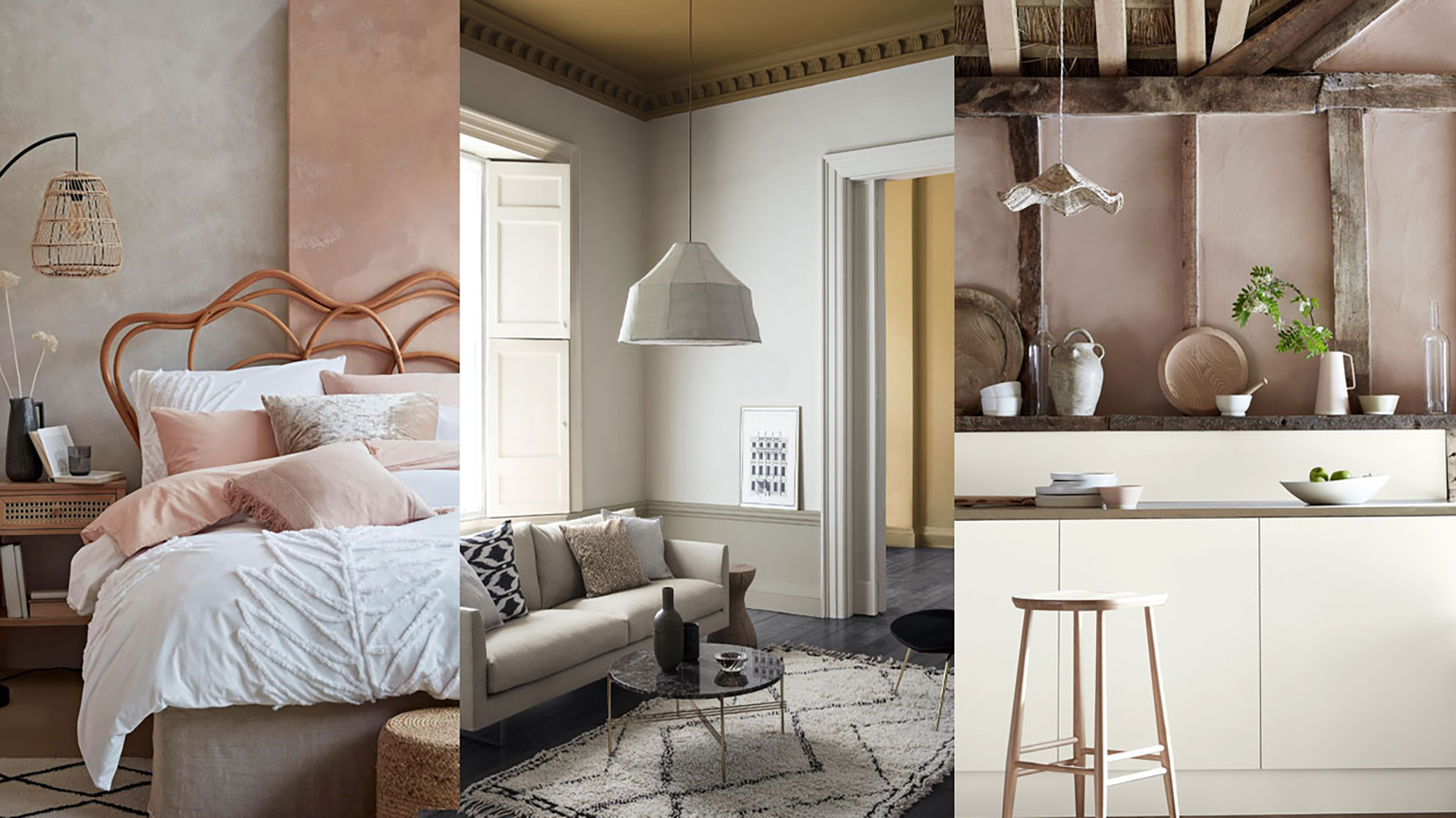
Paint finishes – a guide for every room

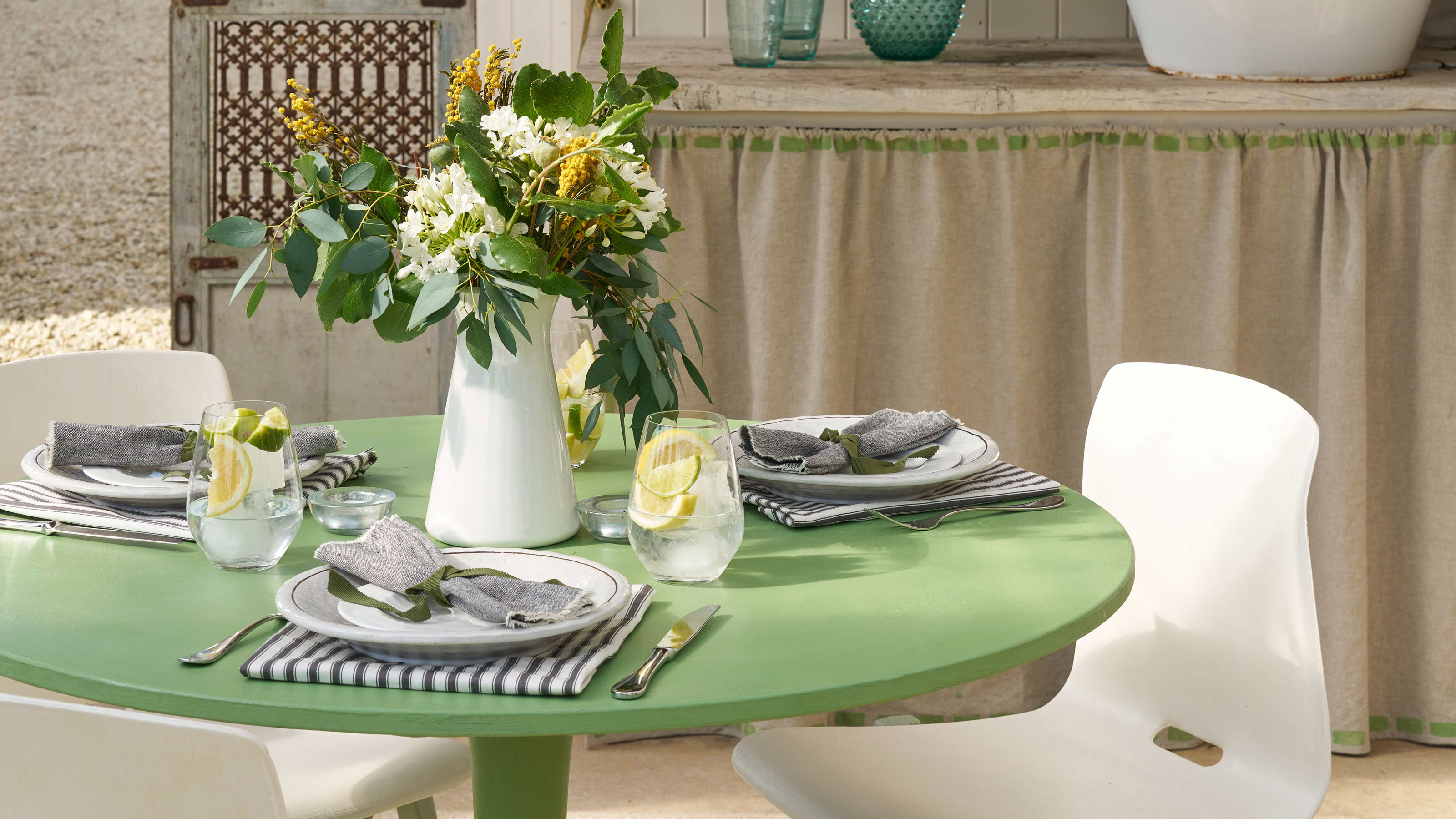
Painting a Dining Table — 6 Steps to Follow for a Durable Finish


How to Paint Wood Furniture—From Sanding to Sealing

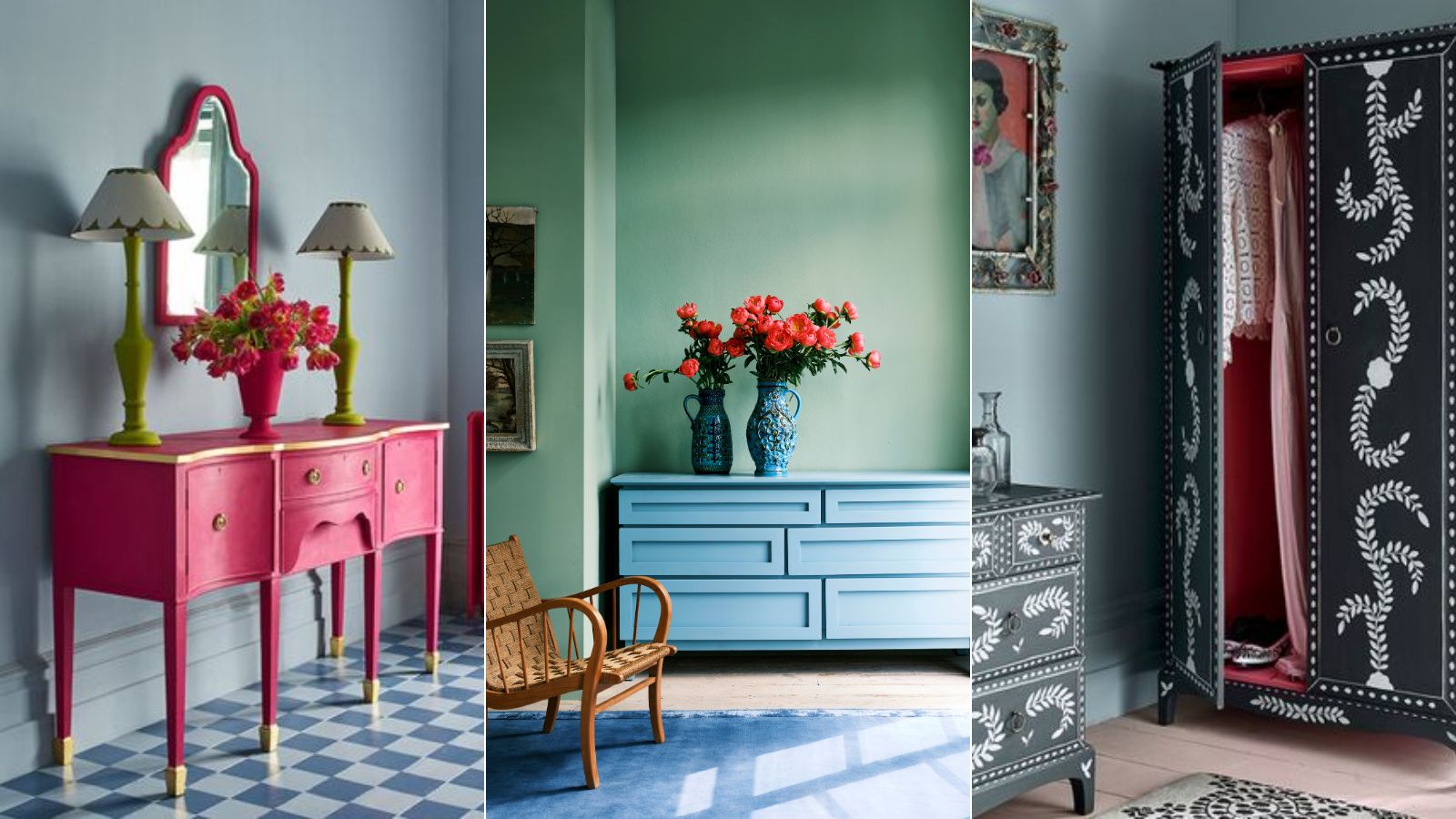
10 mistakes to avoid when painting wooden furniture, according to experts
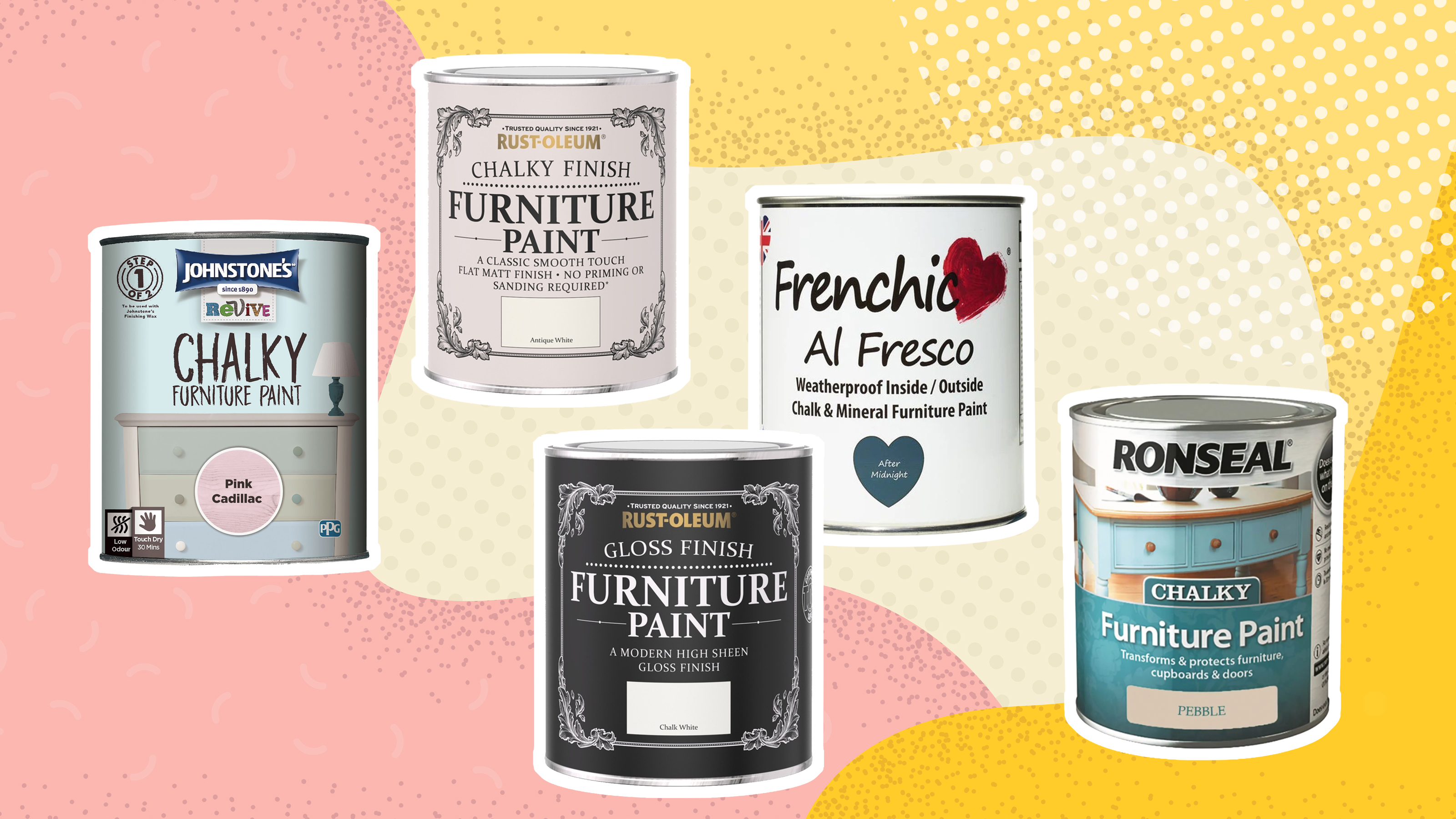
Best paint for furniture: 8 best furniture paints

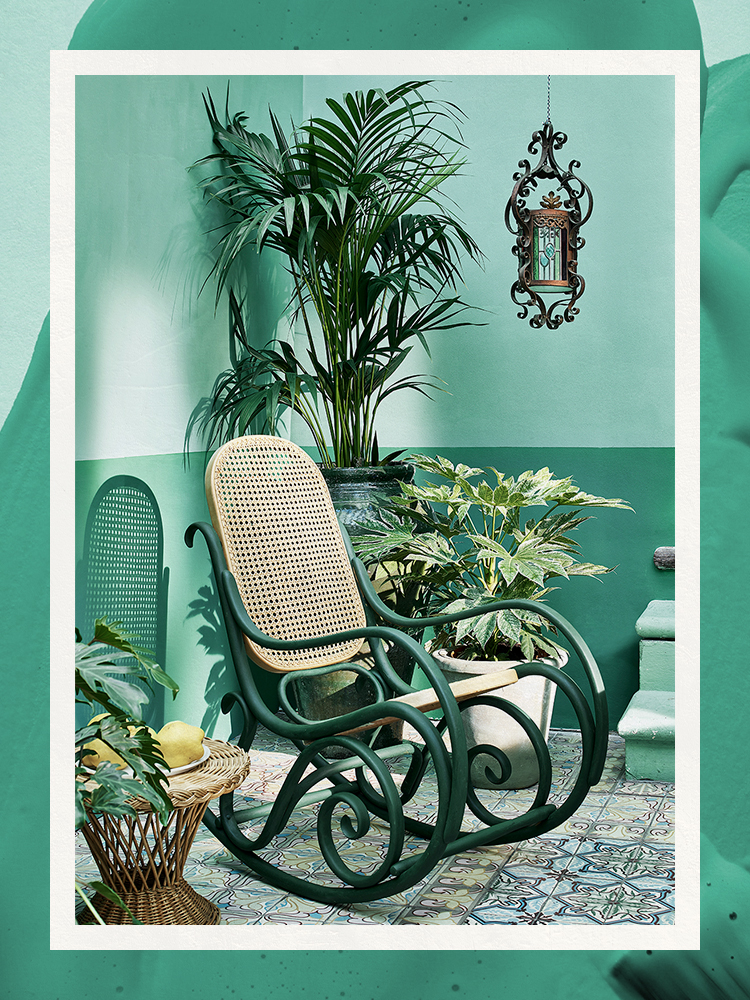
The Best Paint for Furniture Makeovers, According to Expert DIYers
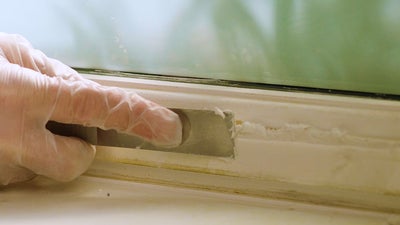
How to paint interior woodwork

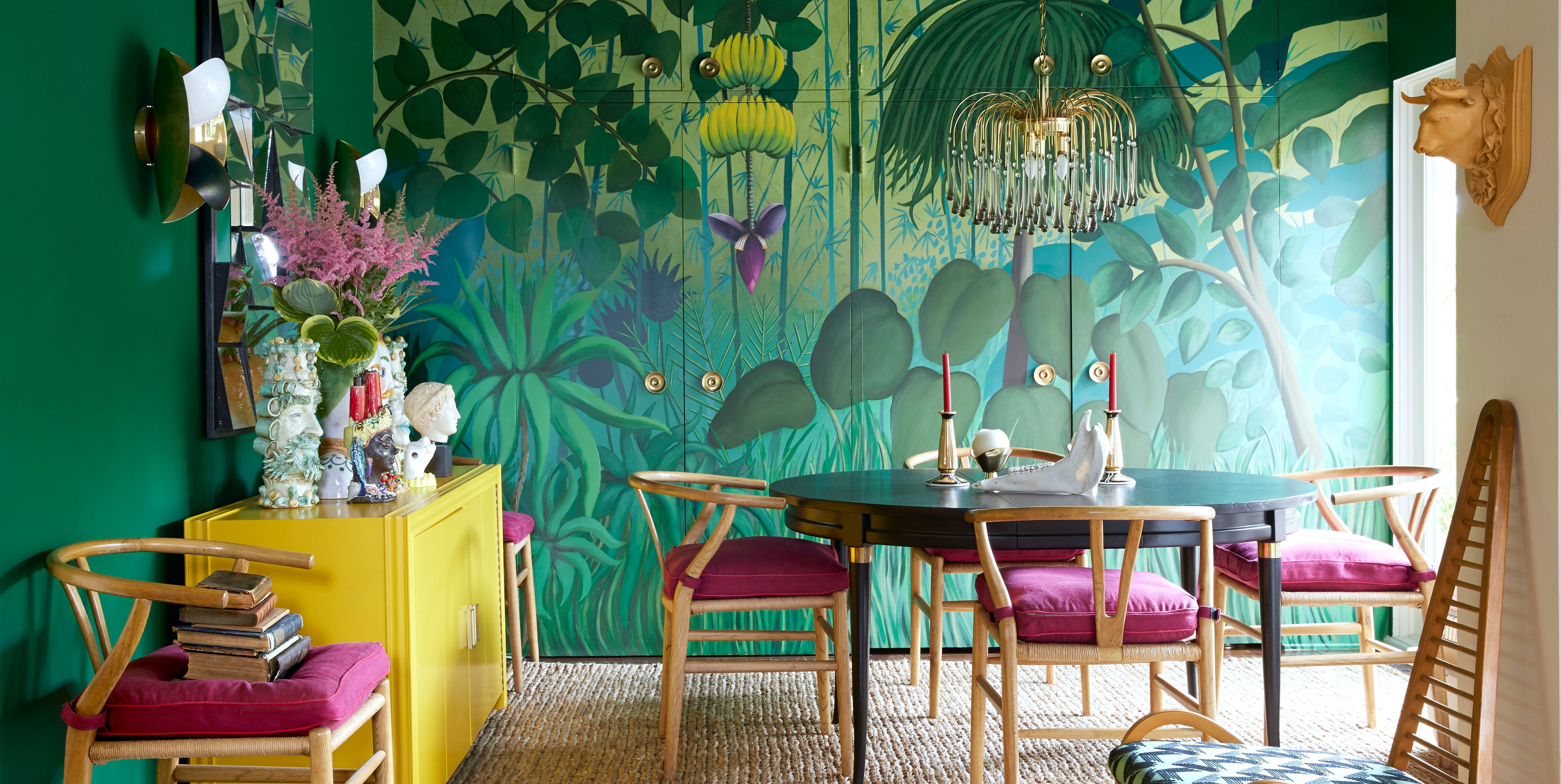
Need A Furniture Refresh? These Are Paint Colors That Top Designers Recommend

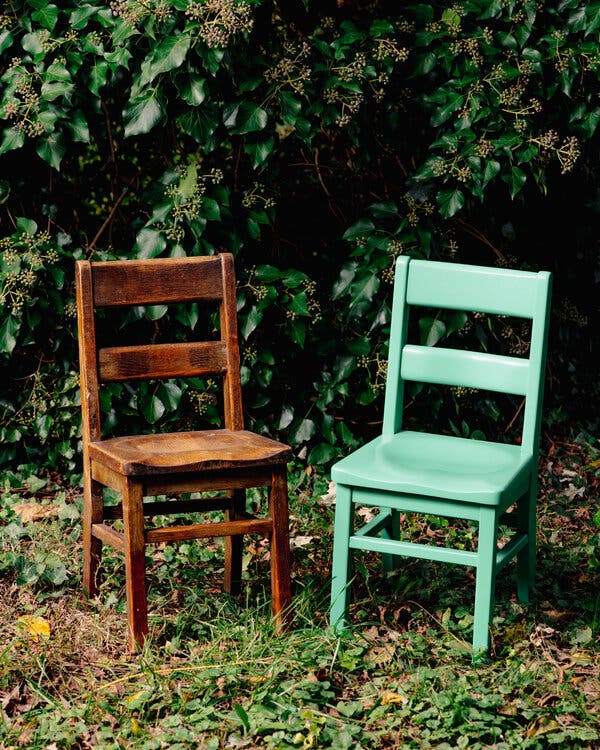
Let’s Learn How to Paint Furniture
What color should you paint woodwork? Expert ways to factor this small yet impactful detail into color schemes
The Best Furniture Paint of 2025

How to Paint Wood Furniture Like a Pro


Furniture Paint & Cupboard Paint

12 top interior painting tips from experts – for a flawless, fabulous finish
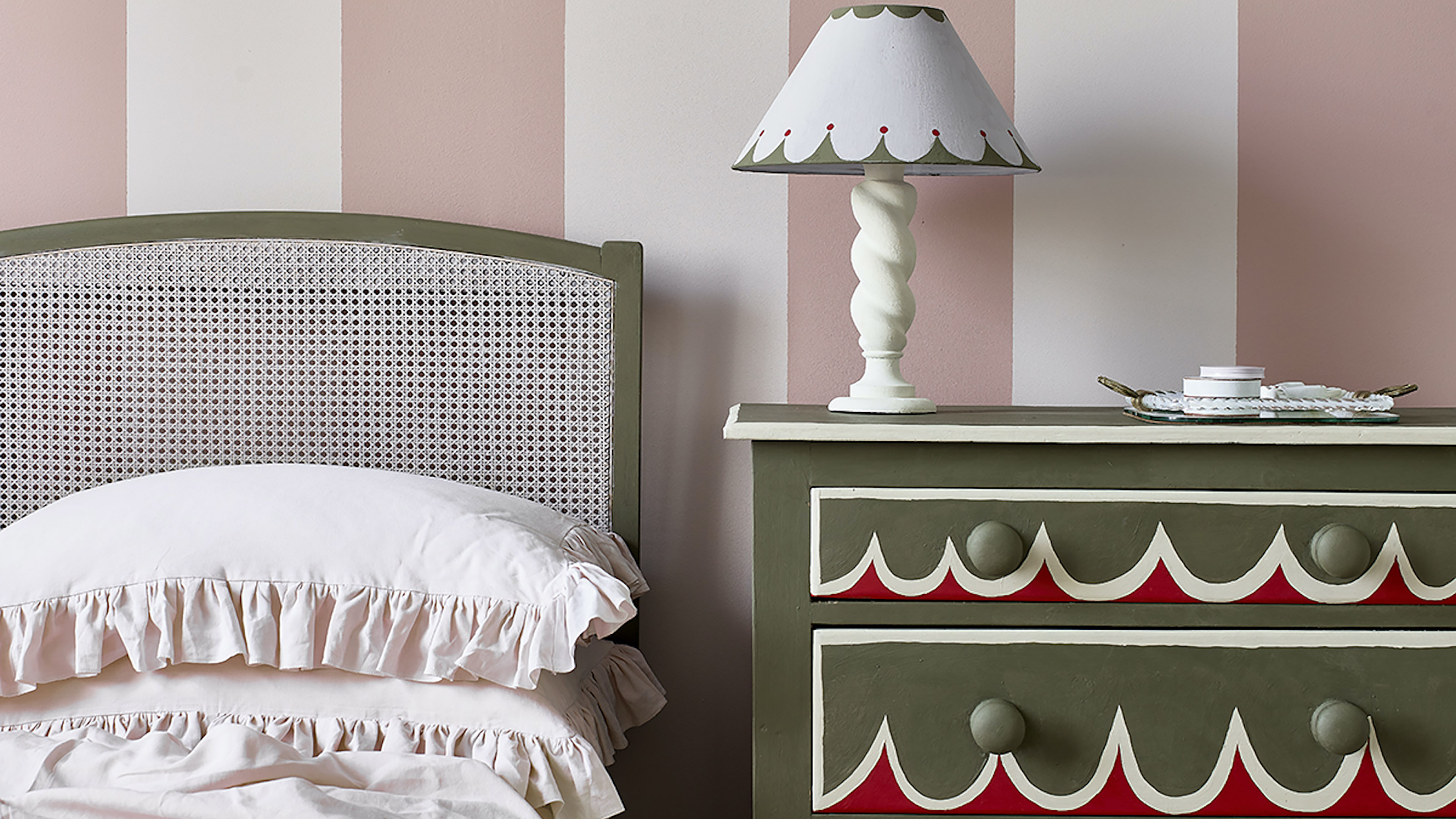
Best paint for furniture – 9 quick and easy paints for upcycling
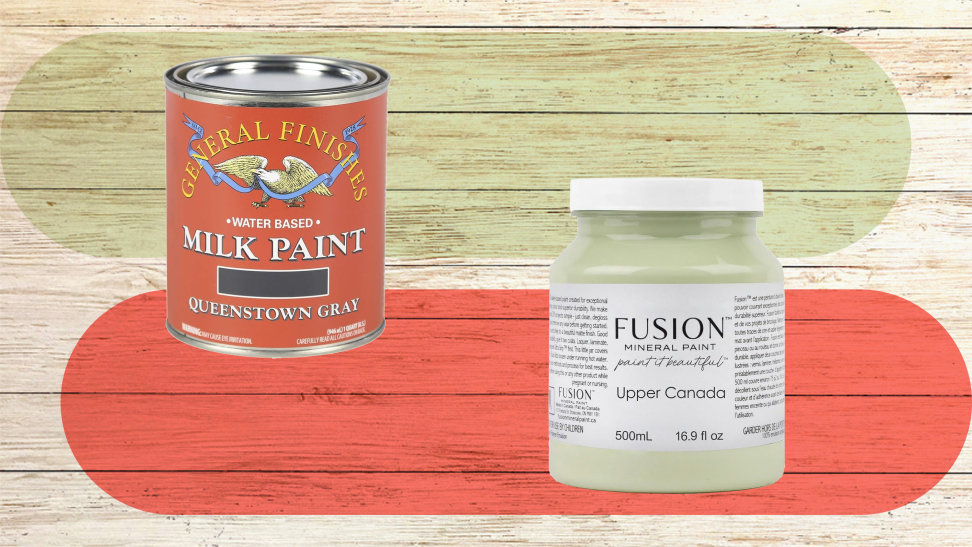
The Best Furniture Paint of 2026
Understanding paint finishes
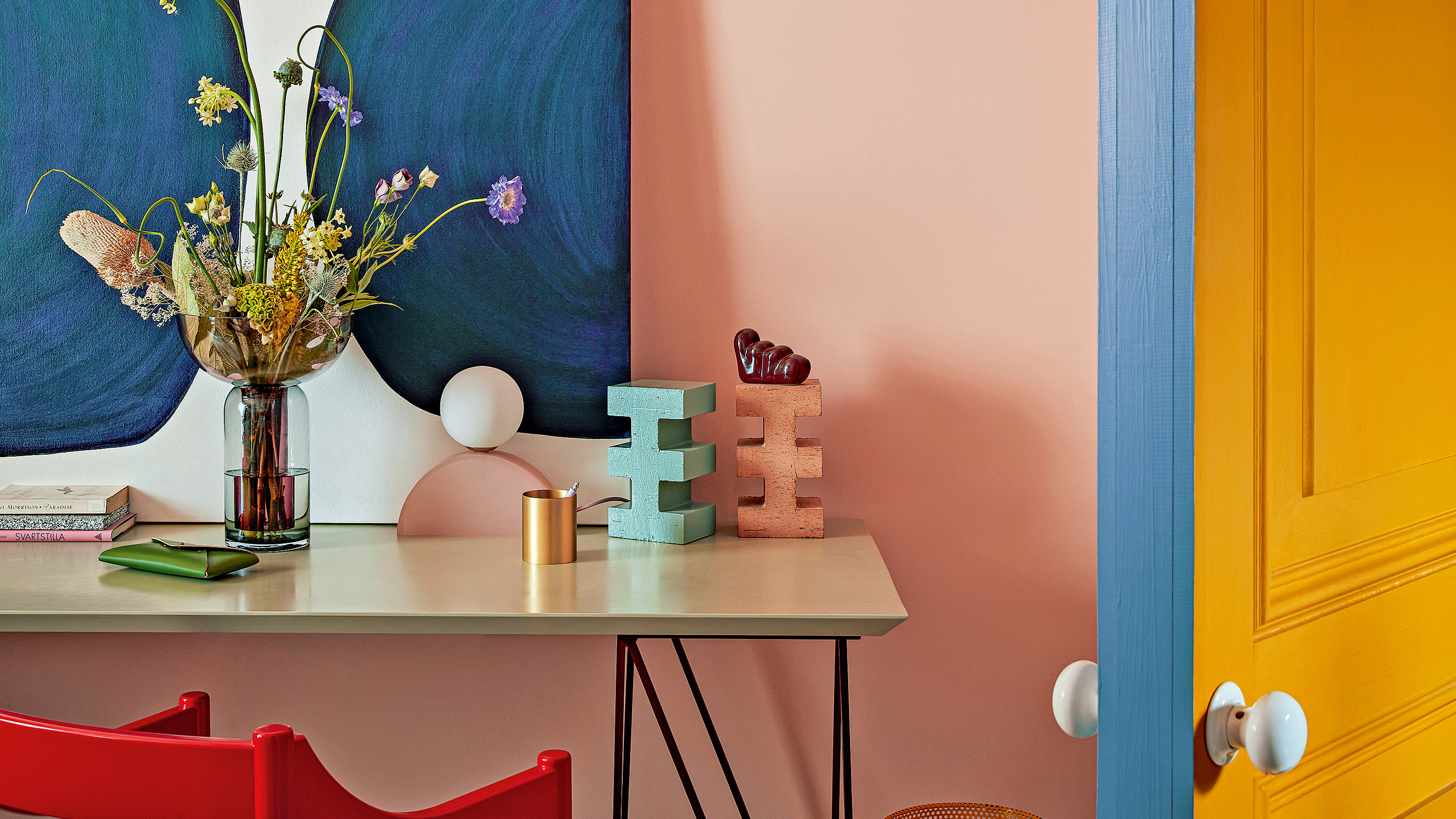
Paint finishes explained – an expert guide to choosing the perfect type of paint for your projects
Buying the Best Paint for Wood Means Nothing Without This Important First Step