The Best Paint for Furniture Makeovers, According to Expert DIYers
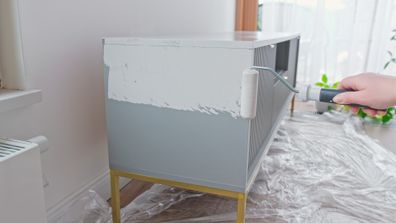
Reviving old or worn-out furniture with a fresh coat of paint is a transformative and cost-effective DIY project. This guide offers insights into choosing the best paint for various furniture materials, along with essential preparation and finishing tips, drawing on expert advice from professional DIYers and designers. The article addresses common challenges like scratches, chips, and tarnished surfaces, emphasizing that paint can instantly rejuvenate a piece.
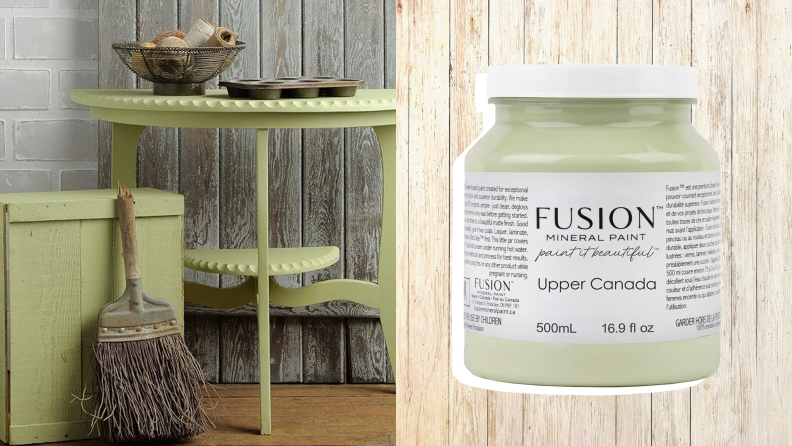
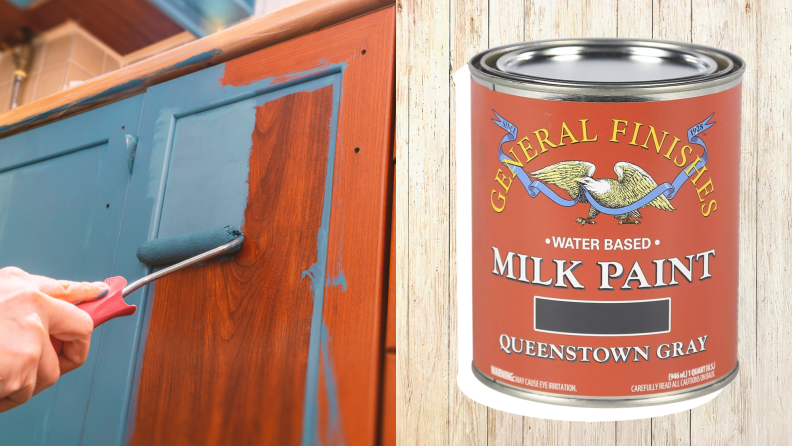
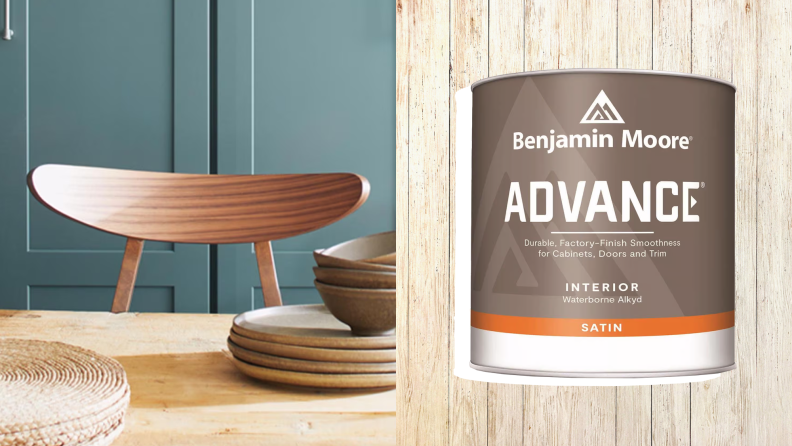
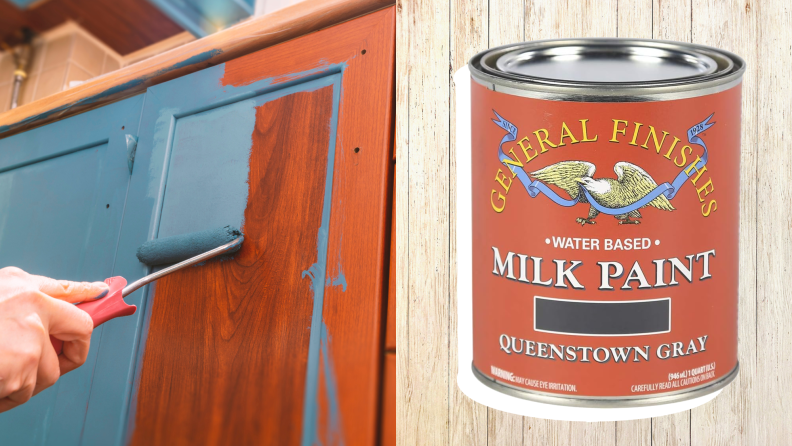
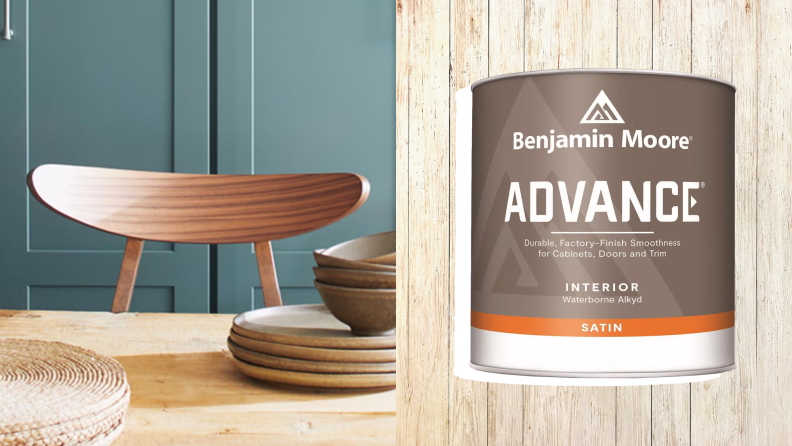
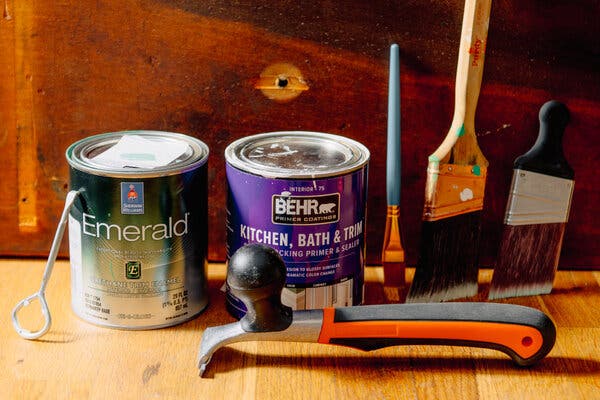
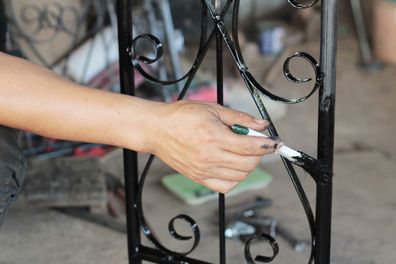
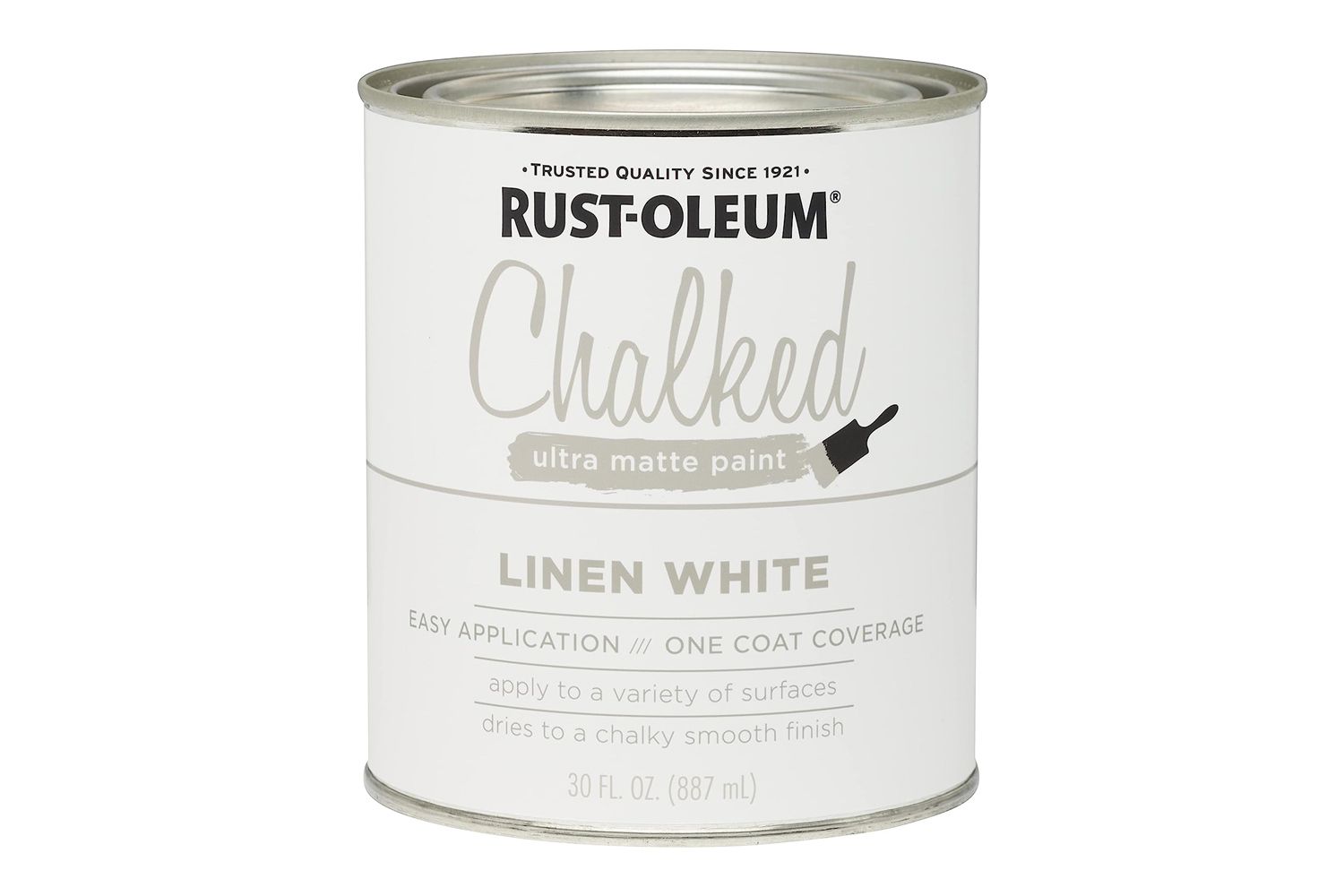
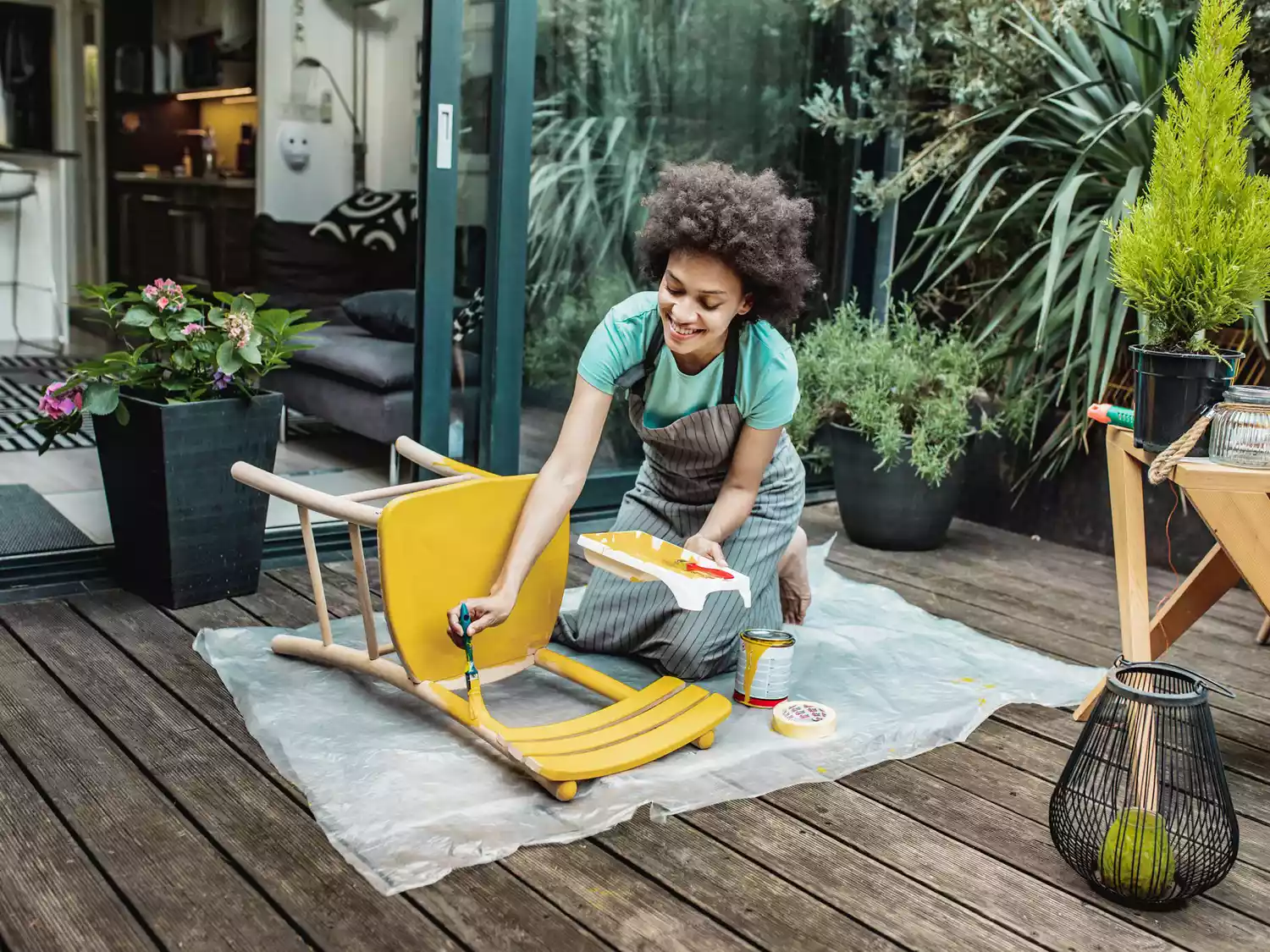
Key considerations for selecting furniture paint include the type of paint, necessary prep work, and the desired finish. Latex (acrylic) paint is popular for its affordability and wide color range, but for high-traffic items like cabinets and chairs, oil-based paint offers superior durability, albeit with higher VOCs. Chalk paint, a water-based, matte option, is versatile and requires minimal preparation for most surfaces. Regardless of the paint type, thorough preparation is crucial for adhesion. This involves cleaning the surface and, often, sanding or priming. Priming is especially recommended for wood to prevent yellowing of lighter colors and ensure better paint adhesion. For a durable finish, experts advise using shiny options like semigloss, lacquer, or a wax seal to protect against wear and tear, and to avoid acrylic paint due to its lower durability.
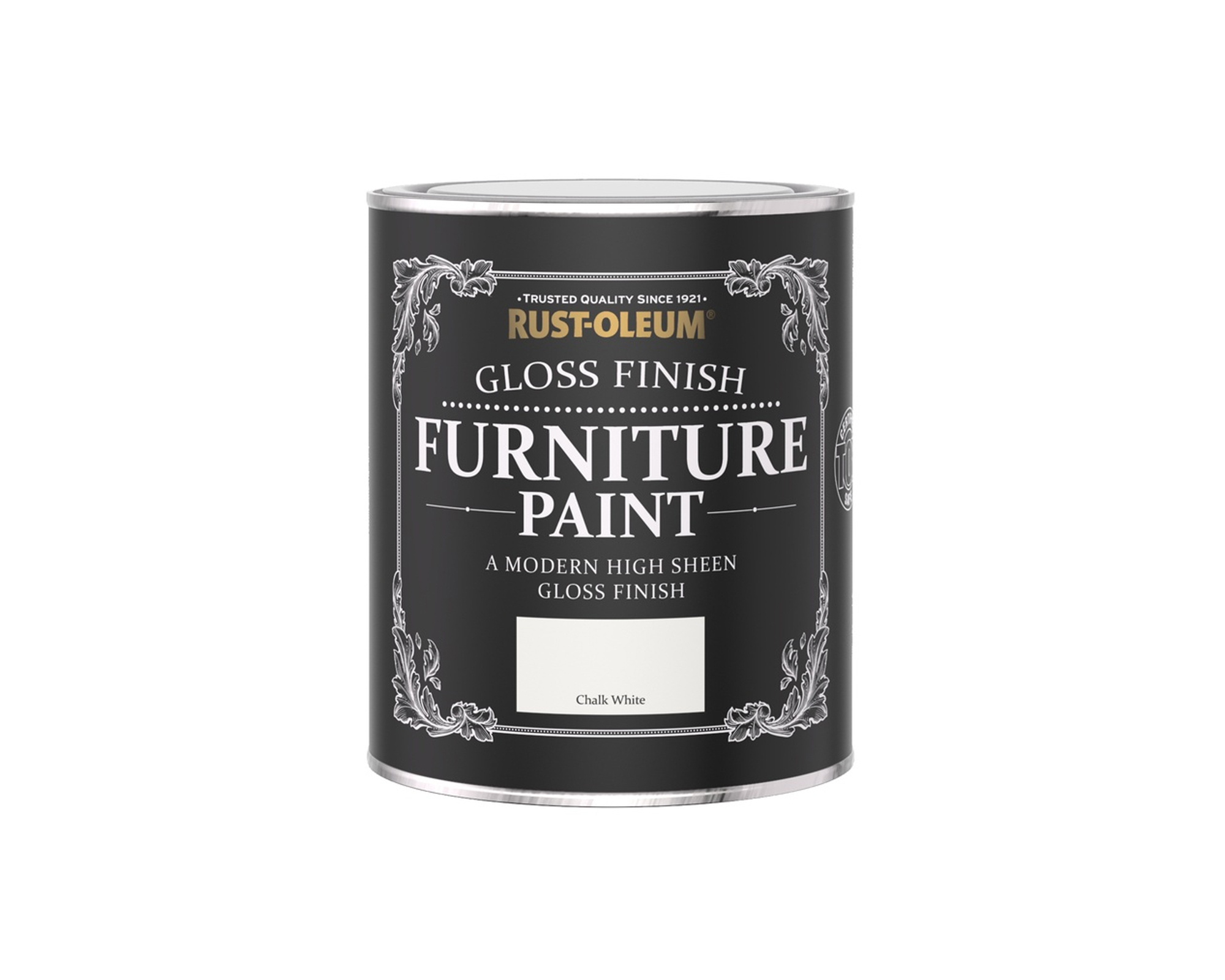
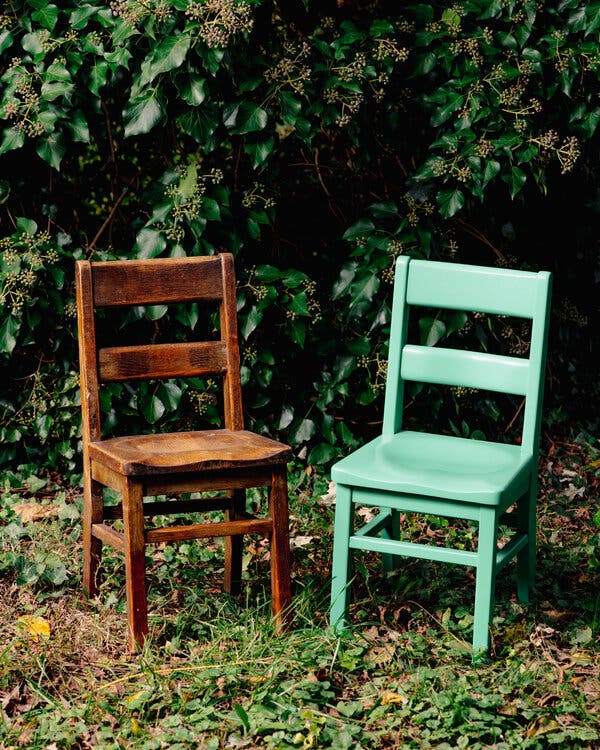
The article provides specific paint recommendations for different materials. For acrylic furniture, Rust-Oleum's Universal Flat Spray Paint is highlighted. Brady Tolbert, creative director at Bobby Berk, successfully used it to transform bright orange acrylic chairs into a more desirable color, emphasizing the technique of applying multiple thin coats to avoid drips and bubbles. For wood furniture, Valspar's Furniture Paint is recommended by UK-based DIYer Rachel Verney, who appreciated its built-in primer and vibrant color range for her refurbished dining chairs. She also stressed the importance of a lacquer topcoat for durability, especially in homes with active children.
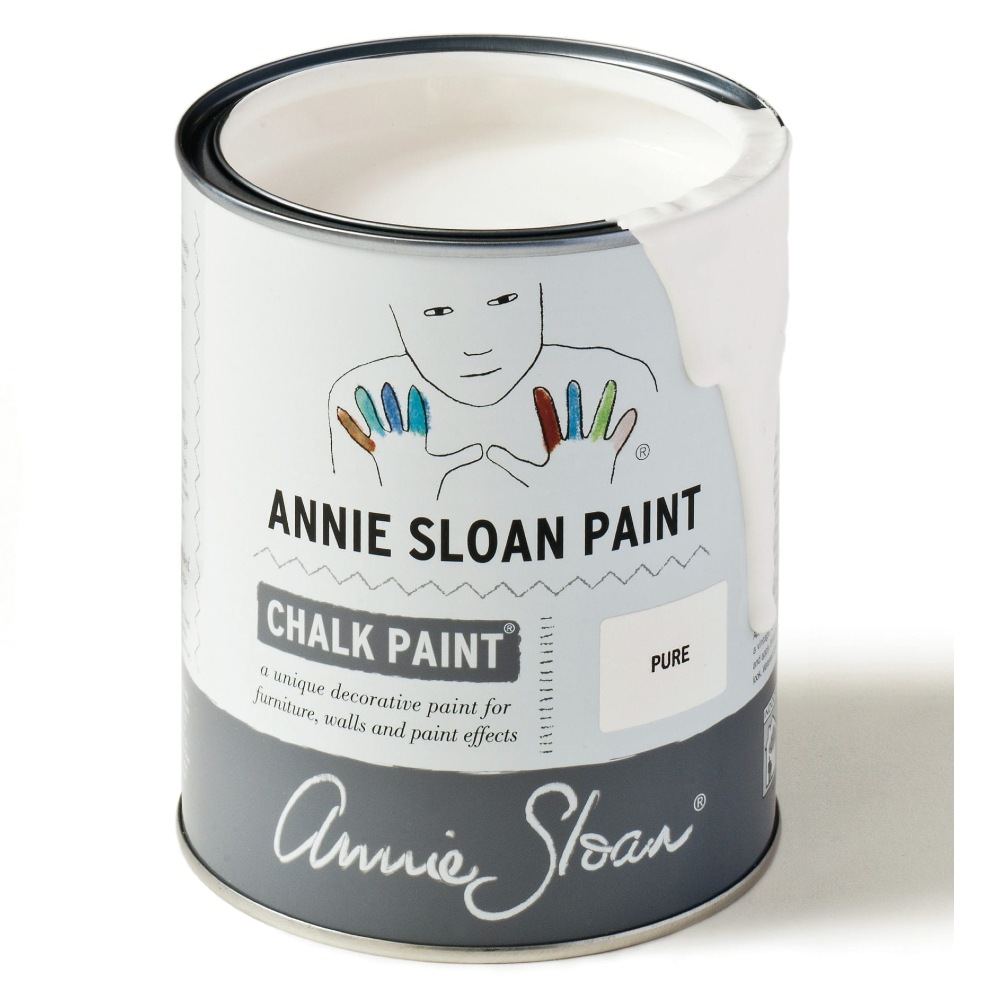
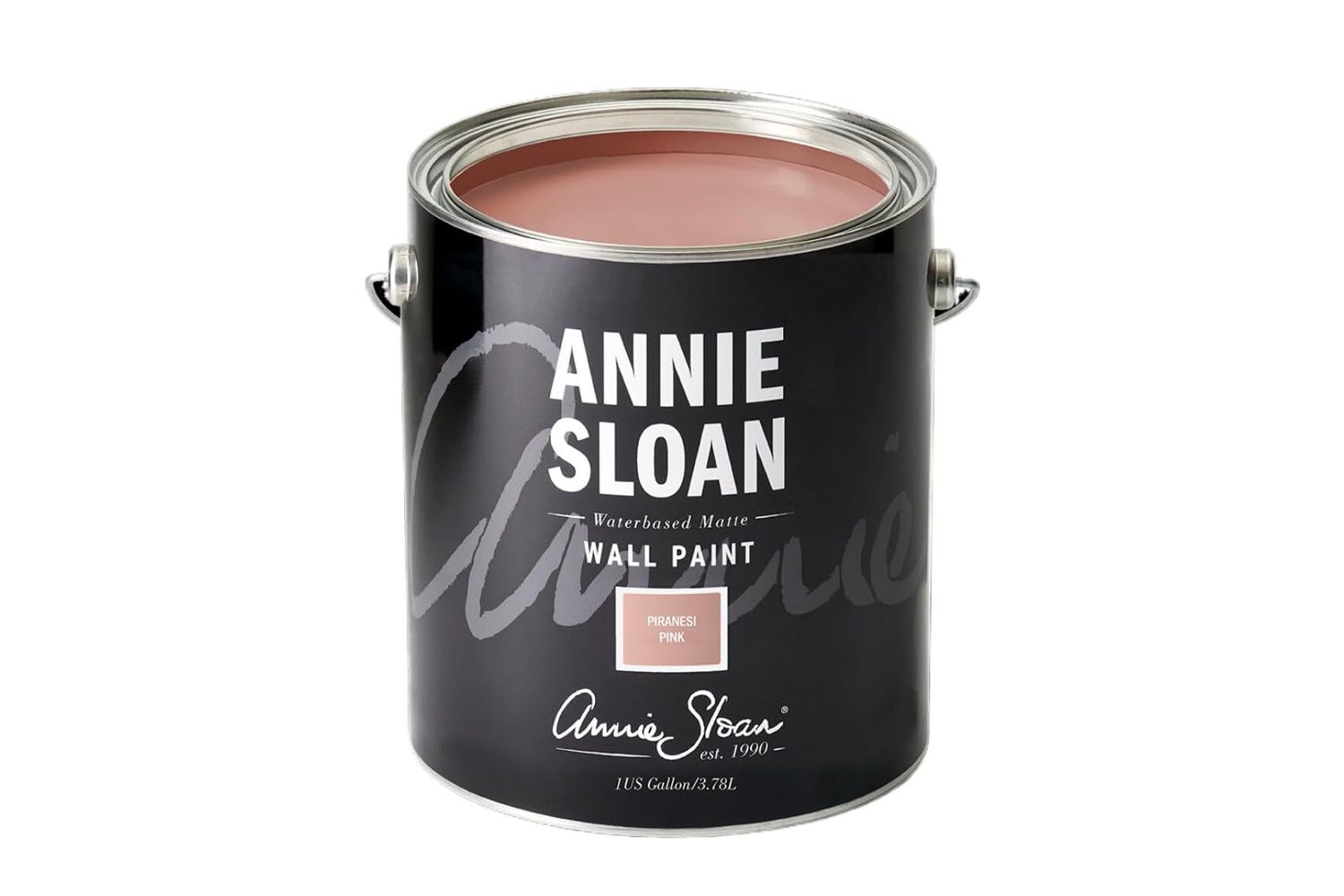
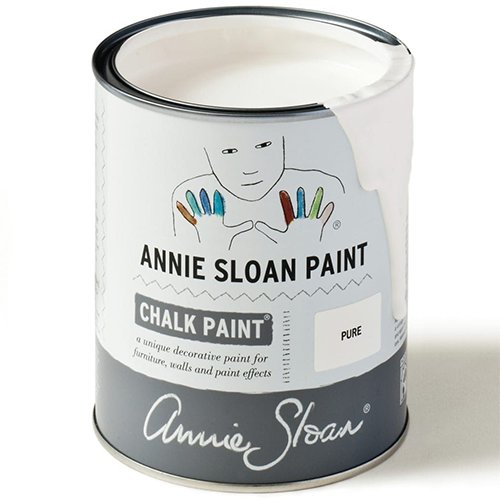
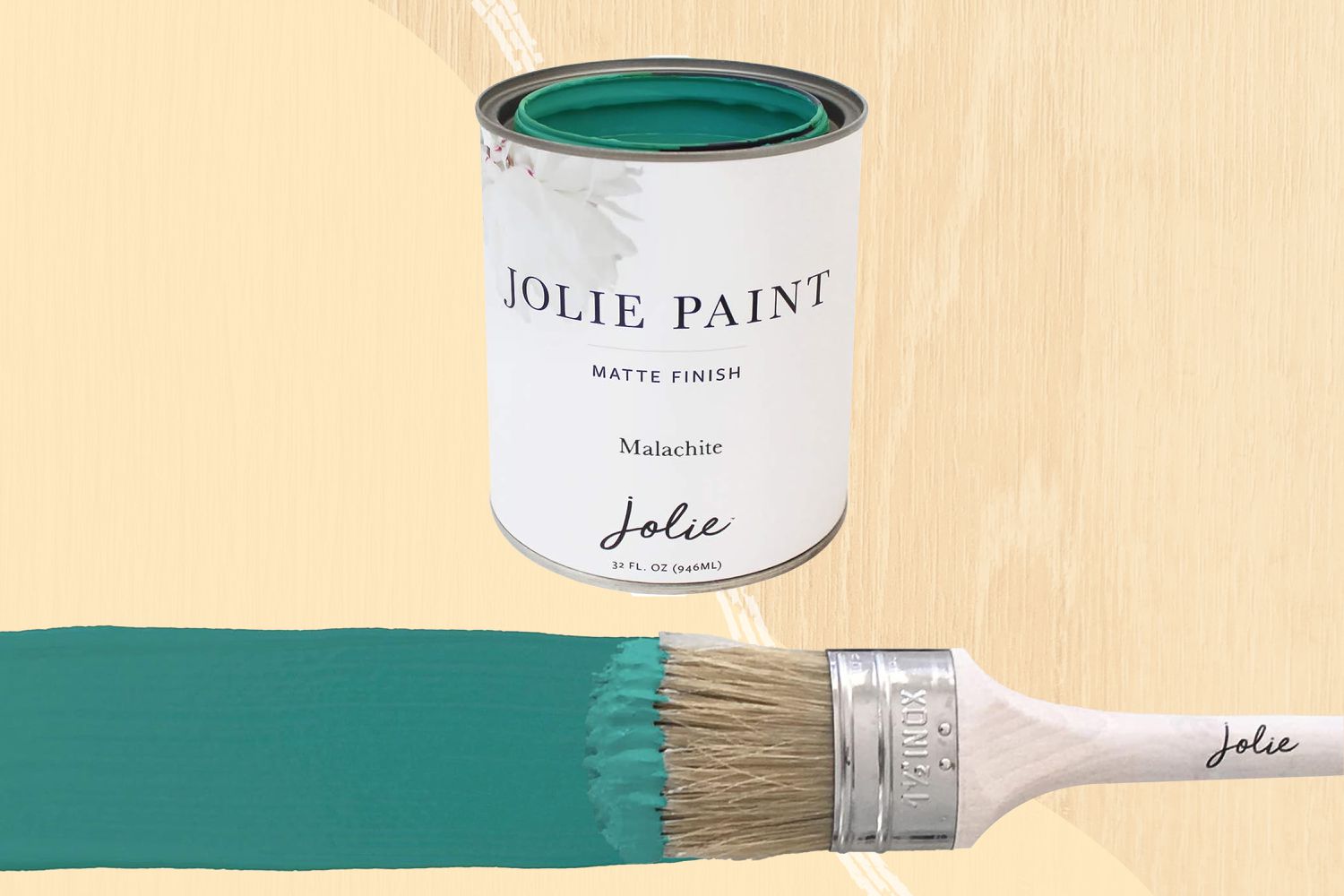
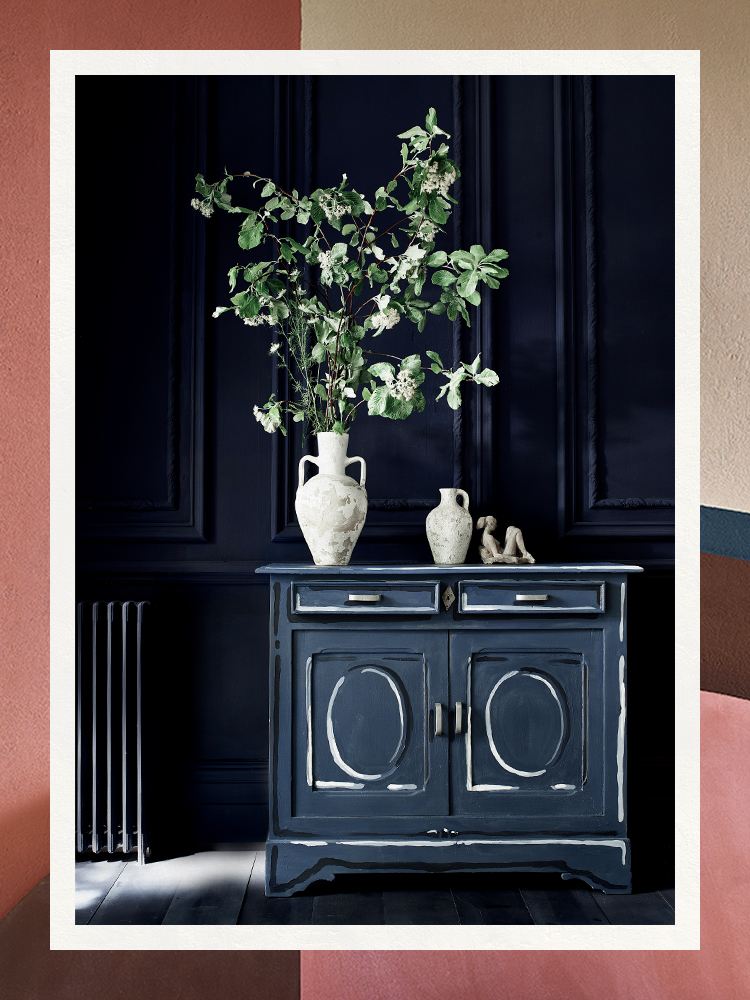
Annie Sloan's Chalk Paint is presented as an excellent option for polypropylene and other varied surfaces, capable of transforming items like IKEA Skarpo chairs with minimal prep. Sloan advises applying thin coats on shinier, plastic surfaces and finishing with a matte chalk paint lacquer for protection. For laminate, such as 1980s-era cupboards, Behr's Alkyd Semi-Gloss Enamel Paint is favored by India Shannon of Apt 528. Shannon notes its strong bond without primer, recommending three to four light coats for long-lasting results. Lastly, for rattan and wicker, Rust-Oleum's Satin Enamel Spray Paint is ideal due to its ability to cover intricate woven fibers evenly. DIYer Carrie Spalding advises thorough cleaning and brushing off old paint before spraying, and even painting unfinished undersides for outdoor rattan to prevent moisture damage.
Further advice addresses common questions, such as durability, recommending acrylic-heavy latex or oil-based paints, and a clear topcoat for extra protection. To avoid brush marks, India Shannon suggests using a foam roller for a smoother finish and sanding between coats. The product vetting process emphasizes a blend of form and function, expert approval, and positive real-world owner reviews, ensuring that the recommendations are practical and reliable for any furniture makeover project.
#FurnitureMakeover #DIYProjects #FurniturePaint #HomeImprovement #InteriorDesign #PaintTypes #ChalkPaint #SprayPaint #RenovationTips #FurnitureMakeover #DIYProjects #FurniturePaint #HomeImprovement #InteriorDesign #PaintTypes #ChalkPaint #SprayPaint #RenovationTips
0 comment in total
 No comments yet
You may also like
The Best Furniture Paint of 2026

Need A Furniture Refresh? These Are Paint Colors That Top Designers Recommend

Experts reveal the best living room paint colours to transform every space

Best paint finishes for living rooms explained – how to get an expert finish

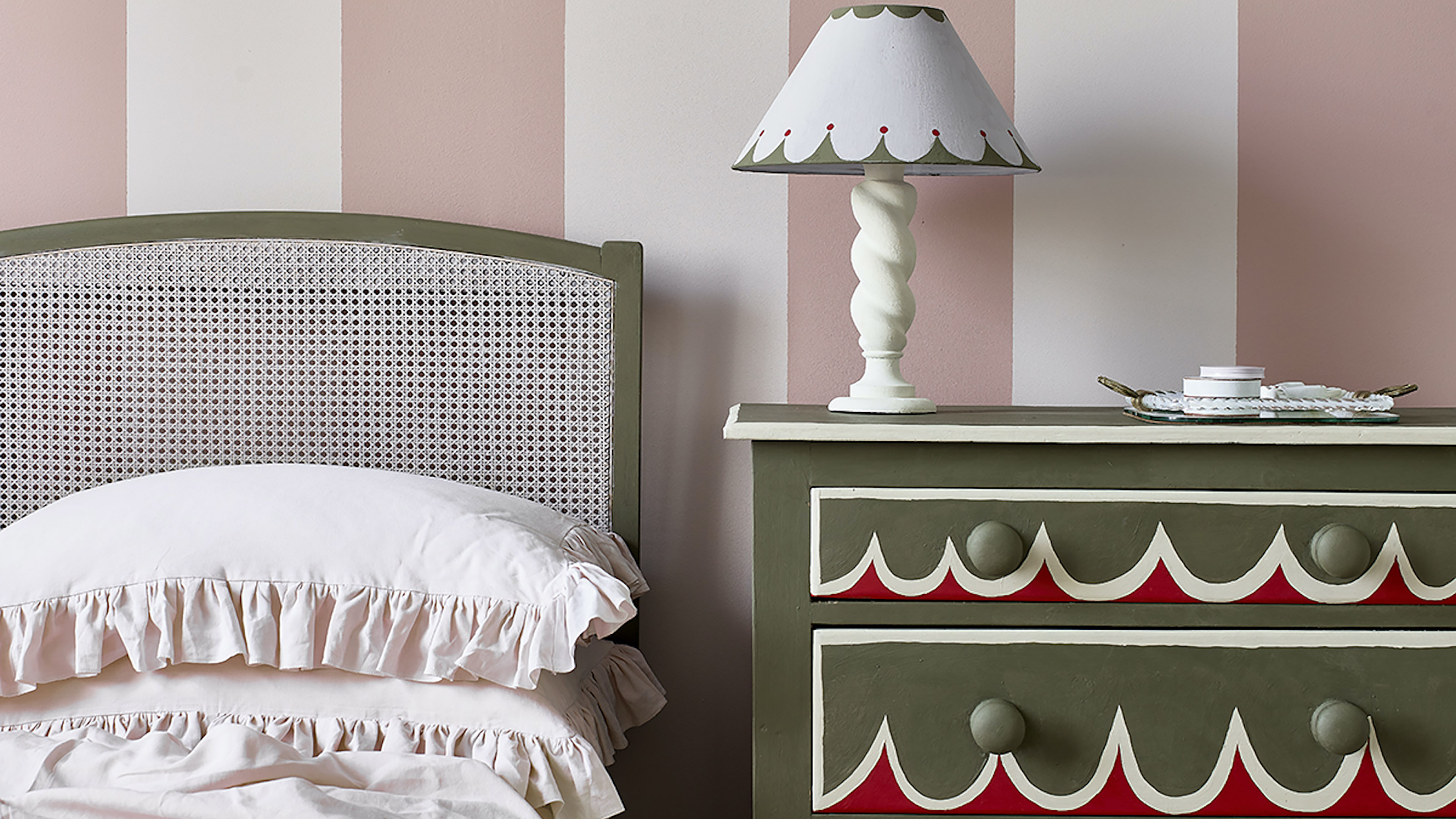
Best paint for furniture – 9 quick and easy paints for upcycling
The Best Furniture Paint of 2025
The 6 Best Paint Types for Furniture

The Best Interior Paints for Every Room of the House, Tested and Approved

Best paint for furniture: 8 best furniture paints

Let’s Learn How to Paint Furniture
We Found the 10 Best Chalk Paints for All Your Furniture Flipping and DIYs
The Best Interior Paint | Reviews by Wirecutter
How to Paint Wood Furniture Like a Pro

How to paint furniture: The one detail you need to get right for best results

Furniture Paint & Cupboard Paint

Understanding paint finishes

10 mistakes to avoid when painting wooden furniture, according to experts
The Best Interior Paints, According to Expert Testing

For the Perfect Distressed Furniture and Floors, You Need the Best Chalk Paint
Buying the Best Paint for Wood Means Nothing Without This Important First Step