Designers Agree: These 6 Common Furniture Fabrics Look Great But Never Last
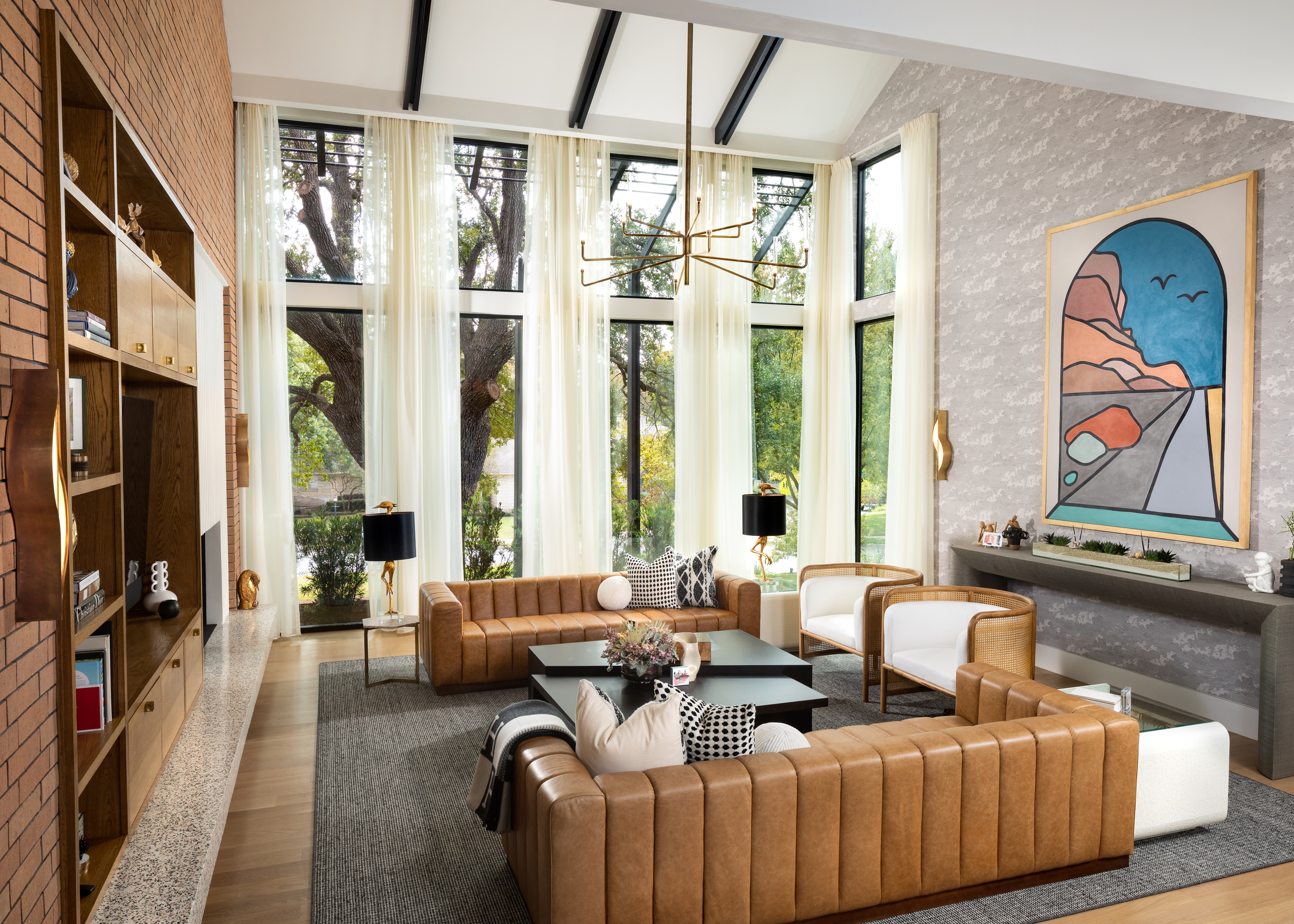
When selecting upholstery fabric for furniture, durability and longevity are key considerations, as certain materials wear out faster than others, leading to premature deterioration and potential financial waste. Interior designers Ashley Powell, Becky Asleson, and Jennifer Jones provide insights into fabrics to avoid for upholstery projects. They emphasize that while many fabrics may appear beautiful, they are not all suited for the wear and tear of frequently used furniture pieces like sofas and chairs. Instead, some delicate fabrics are better reserved for decorative items such as throw pillows, Roman shades, or the backs of dining chairs, where they experience minimal contact.
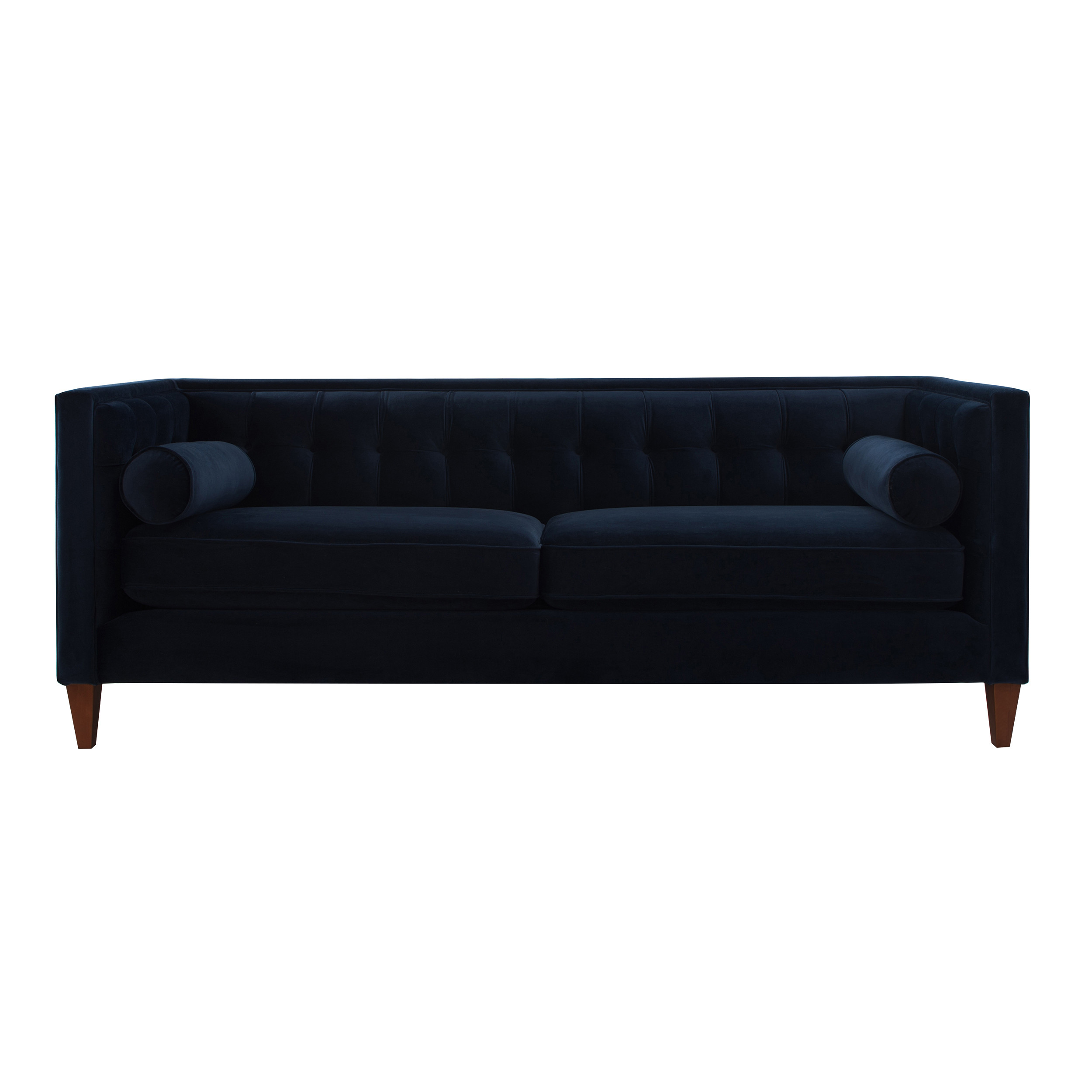
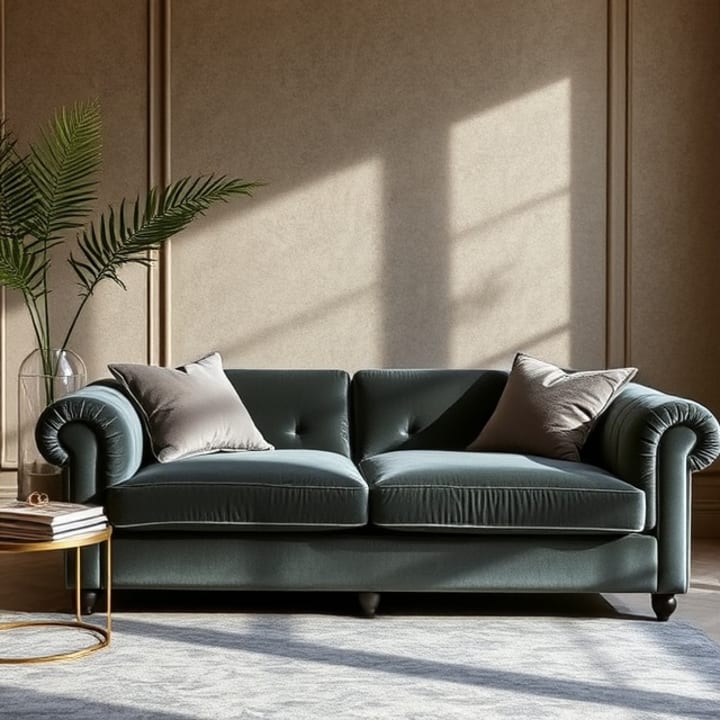
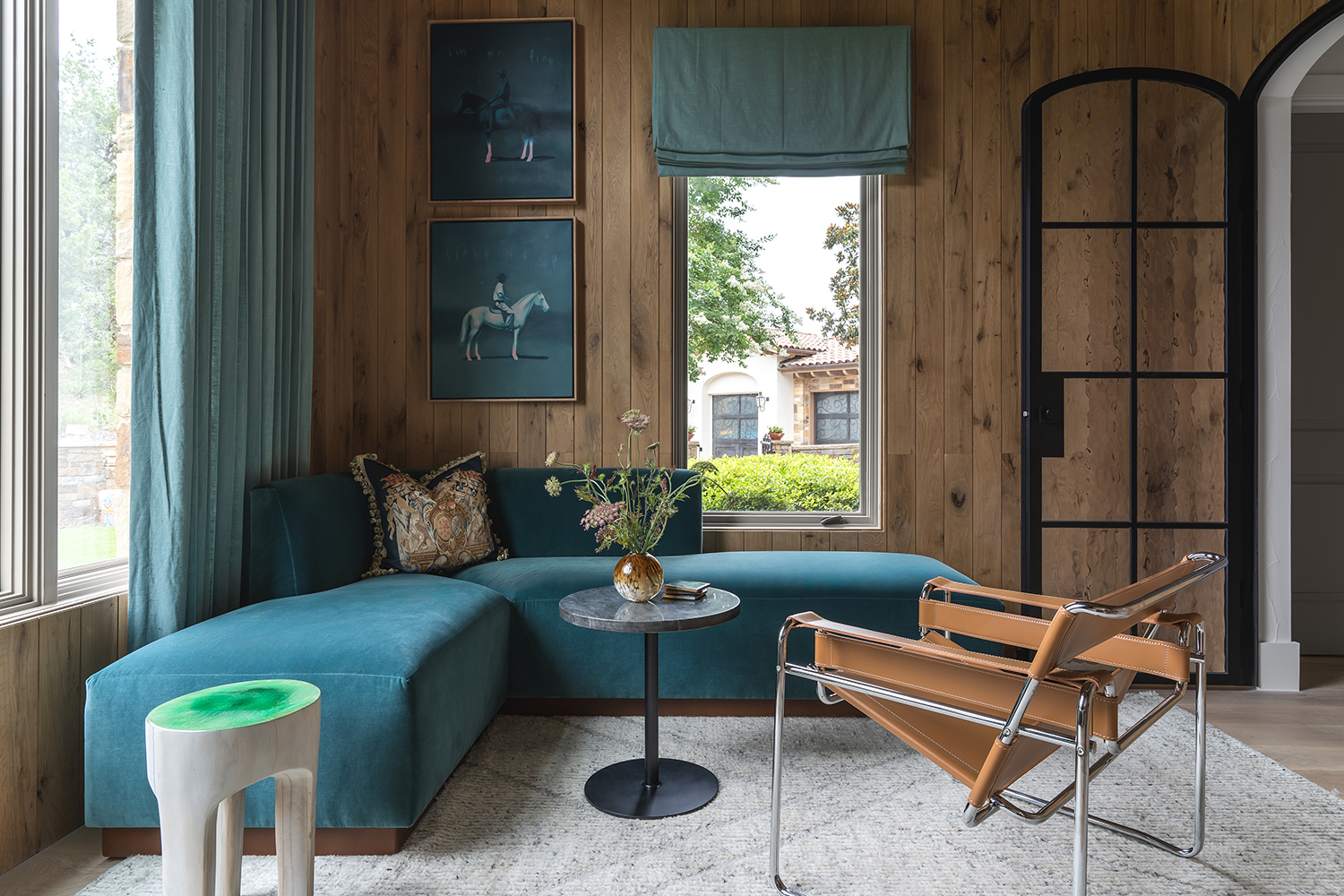
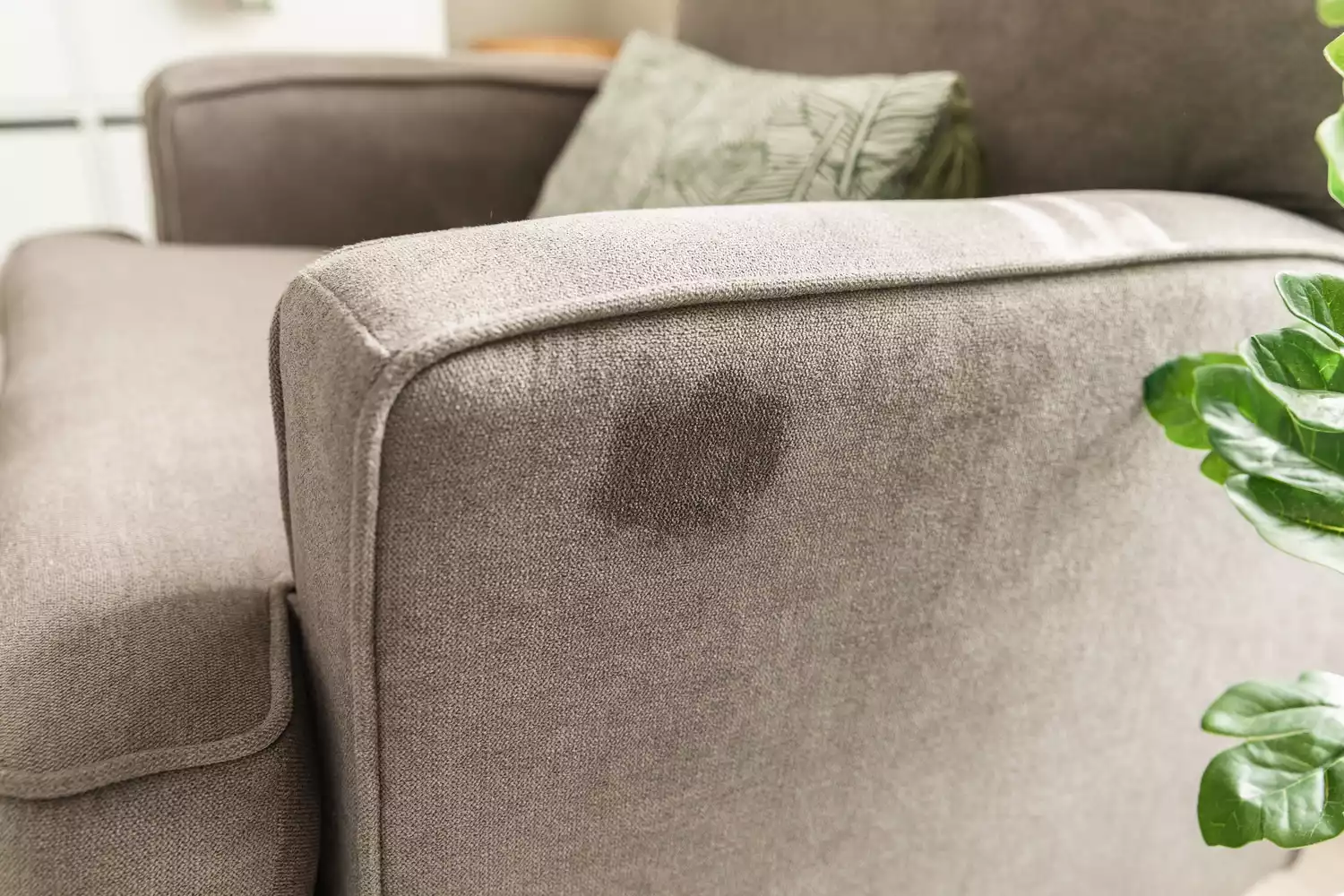
Six specific types of fabrics are identified as generally unsuitable for upholstery. Faux leather and inexpensive vinyl are discouraged due to their tendency to crack, peel, or become sticky with regular use, despite their initial sleek appearance and lower price point compared to real leather. Synthetic velvet is another fabric to approach with caution; unlike genuine velvet, which can be durable, synthetic versions are often thin, prone to showing marks, spills, and pet hair, and their pile can crush easily, resulting in a worn look much sooner than more resilient textiles.
Viscose, although mimicking the elegant drape of silk and being less expensive, shares silk's delicate nature and lack of longevity. Jennifer Jones highlights viscose's sensitivity to liquids and the difficulty in cleaning it, making it impractical for upholstery. Embroidered fabrics, while showcasing intricate craftsmanship, are also not recommended for high-contact furniture. The friction from sitting can snag the embroidery or weaken the fabric's integrity, suggesting their use for less-contacted items like decorative pillows.
Silk, especially raw linen silks with a low rub count, should be avoided entirely for any piece of upholstery that will see regular use. Such delicate fabrics are prone to thinning, developing weak spots, and even holes with frequent interaction. Similarly, lightweight wools are discouraged because they pill easily, much like sweaters, and this effect is exacerbated on furniture that experiences daily use. Designers advise against these materials to ensure the longevity and appearance of upholstered items.
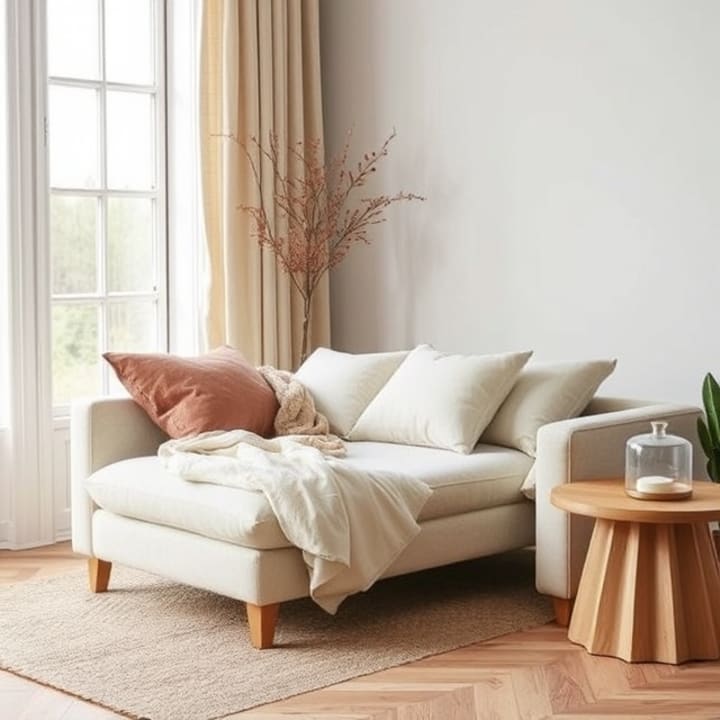
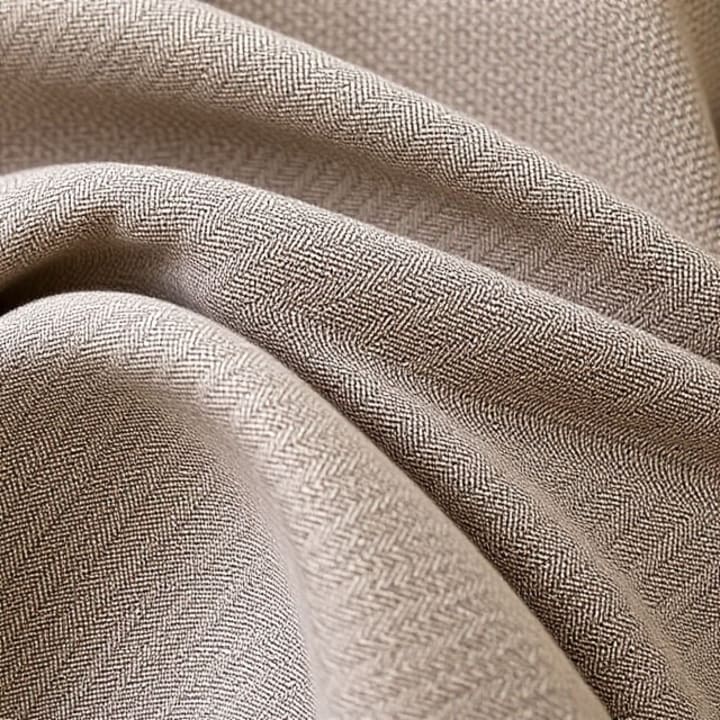
For those looking to invest in durable upholstery, designers suggest opting for natural fibers or performance synthetics. Breathable performance fabrics, such as treated linen or cotton blends, are highly recommended. These engineered fabrics are designed to be stain-resistant, easy to clean, and are particularly ideal for homes with families, children, or pets. Other suitable upholstery fabrics include cotton and cotton-blends, leather, microfiber, and polyester, all of which offer better resilience and maintain their appearance over time compared to the fabrics listed for avoidance. The experts underscore that price does not always equate to durability, and a beautiful fabric may still be impractical for high-traffic furniture if it lacks the necessary structural integrity.
#FurnitureFabrics #UpholsteryGuide #InteriorDesignTips #FabricDurability #HomeDecor #DesignersAdvice #MaterialSelection #HomeImprovement #FurnitureFabrics #UpholsteryGuide #InteriorDesignTips #FabricDurability #HomeDecor #DesignersAdvice #MaterialSelection #HomeImprovement
0 comment in total
 No comments yet
You may also like
6 Rug Styles That Are Everywhere Right Now, According to Designers

12 pieces of timeless furniture that will never go out of style |

Patterns Are the New Neutrals: 6 Designer Tips for Decorating With "Timeless" Prints in 2026
Designers Swear These 6 Decor Trends Will Age Well—Without Feeling Dated

6 Timeless Sofas Interior Designers say Will Never Make Your Living Room Look Dated
47 Luxury Furniture Brands That Never Miss, According to Designers

6 quick tips to find the right furniture fabric
9 Decorating Choices That'll Never Go Out of Style, According to Interior Designers

5 classic furniture designs that still have an enduring allure
6 Vintage Furniture Finds That Will Always Look Stylish No Matter the Year, Designers Say
6 Failsafe Color Combinations That Designers Always Fall Back on – 'They're so Reliable!'
6 colors designers pick for laundry rooms - exact paint matches, from classic choices to surprising shades
6 Furniture Trends Interior Designers Are Tired of Seeing Everywhere

What couch colors are going out of style in 2025? Designers say these 6 shades should be avoided
6 things making your living room furniture look cheap – explore the key mistakes to avoid and what designers do instead
6 Timeless Sofa Colors That Will Make Your Living Room Look Classy and Expensive
7 couch colors that will never go out of style, according to interior designers

The Best Upholstery Fabrics of 2025: Comfort, Durability, and Style

5 trends that look good right now but interior designers warn they won't last
6 Couch Styles That Are So Outdated, According to Designers