1/4
The Upholstery Course You Need To Know About
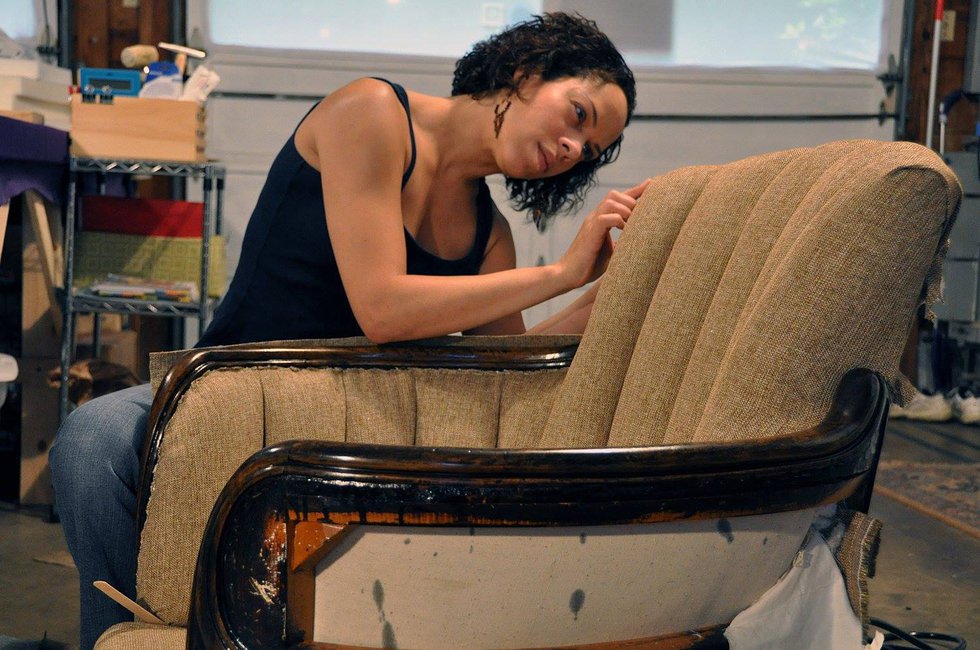
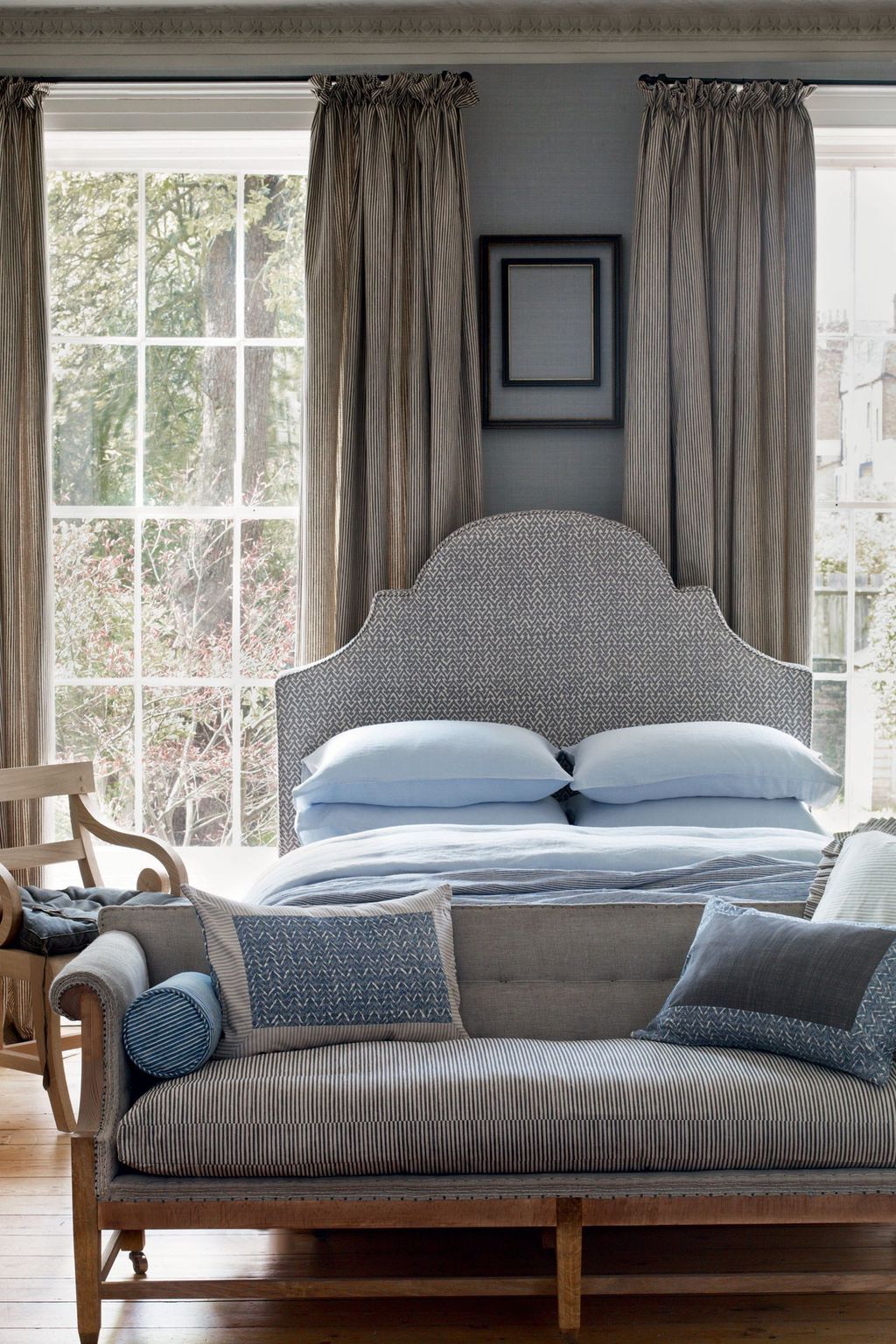
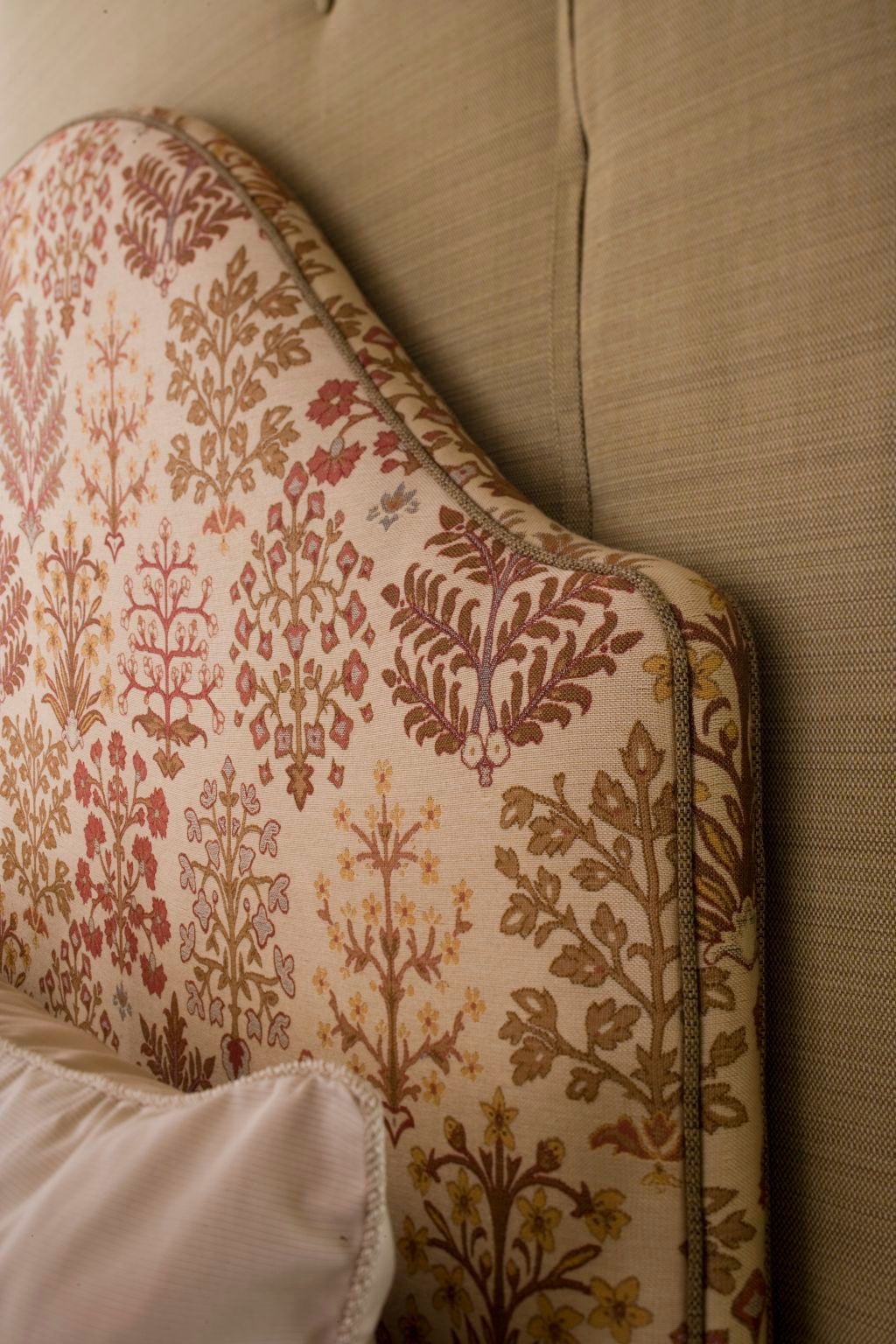
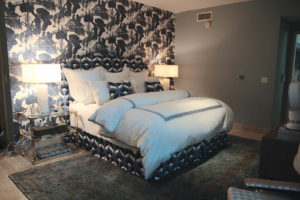
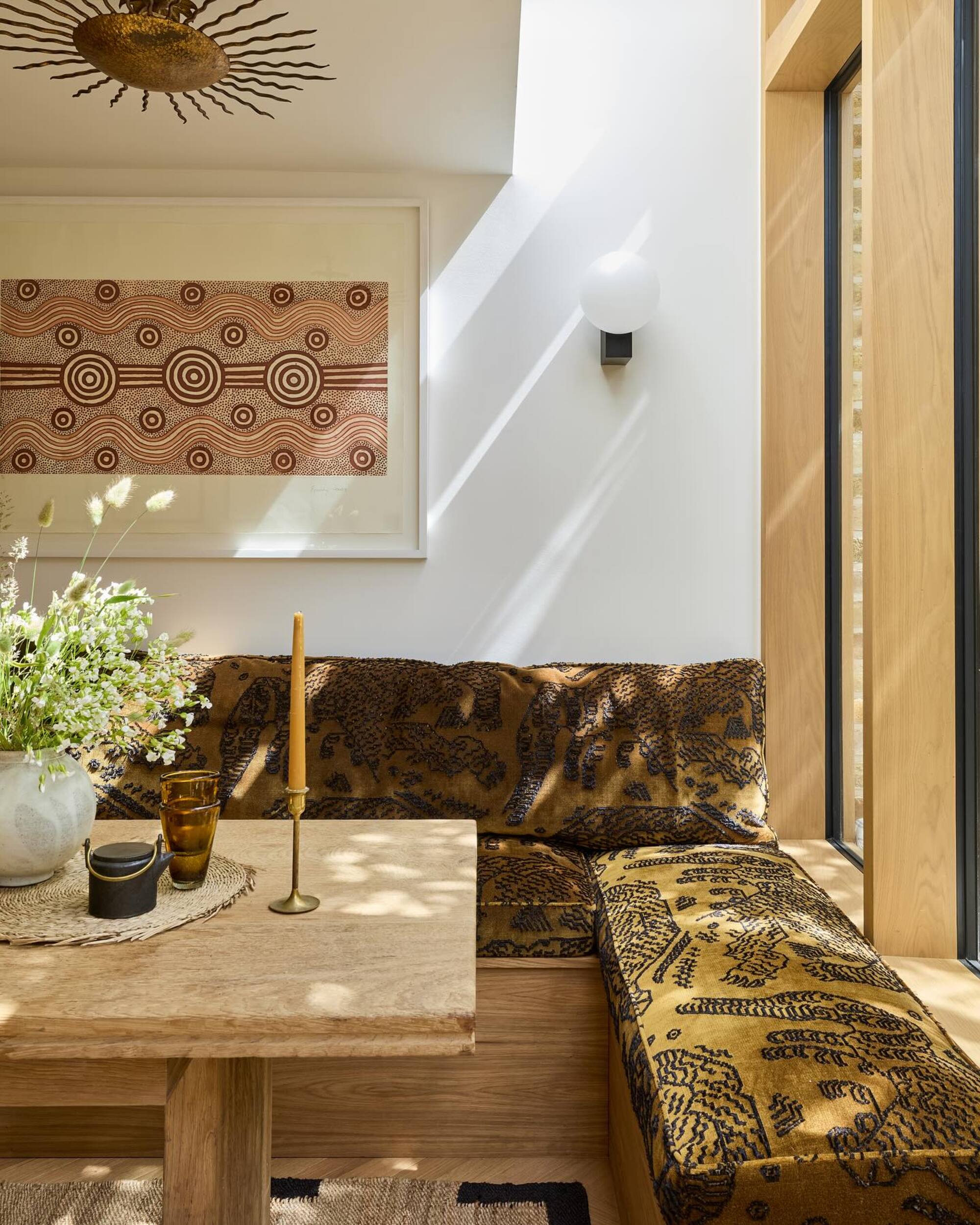
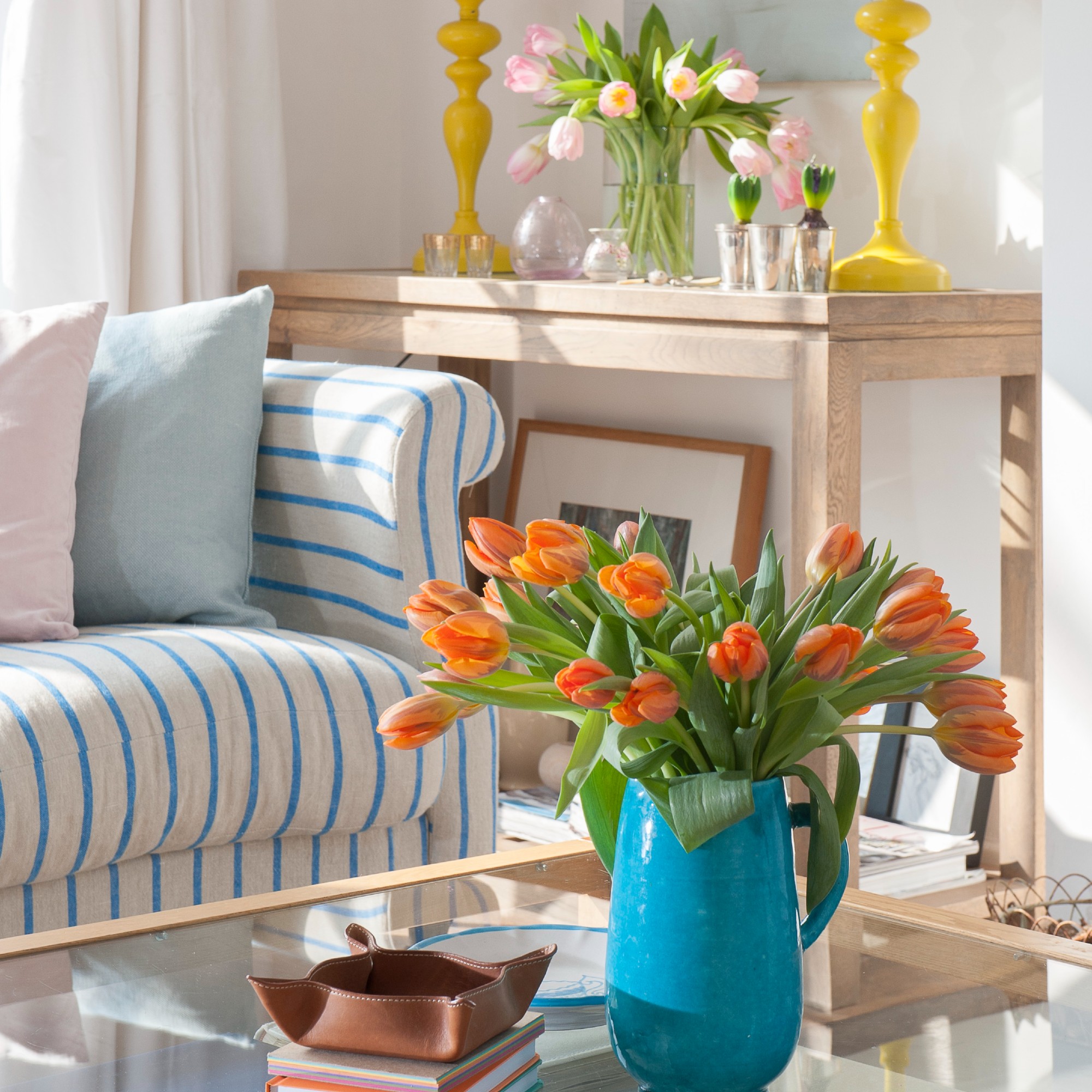
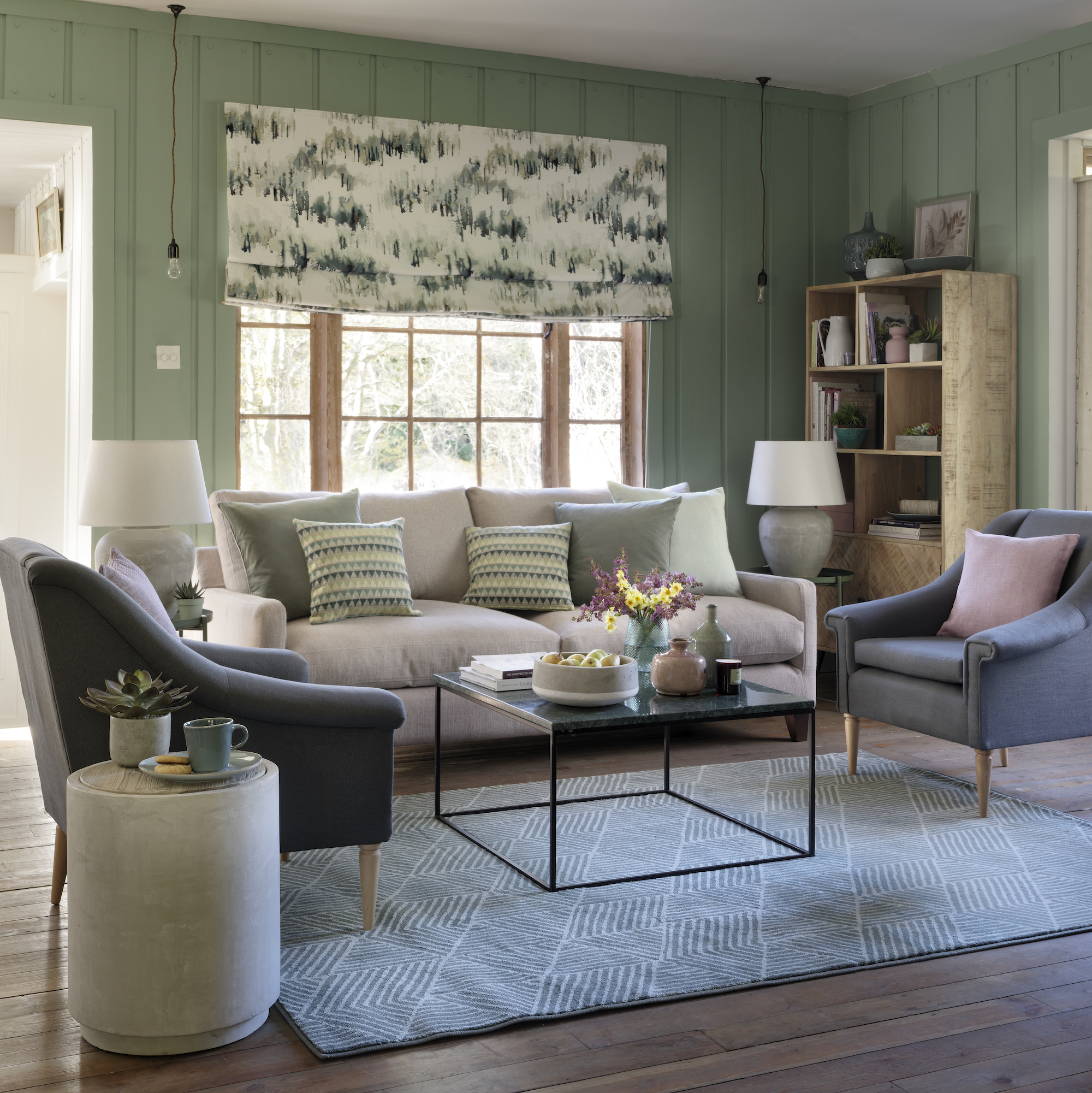
Upholstery, often perceived as a costly and specialized skill, is presented as an accessible and rewarding craft that can be learned at home, potentially saving significant money and time, and even fostering a new hobby. Interior designer Micaela Sharp, known for her background in carpentry and sewing, has collaborated with Create Academy to launch an online course focusing on modern upholstery techniques. This course aims to equip individuals with the skills to undertake achievable projects, starting with a headboard, and later progressing to more complex items like sofas and armchairs.
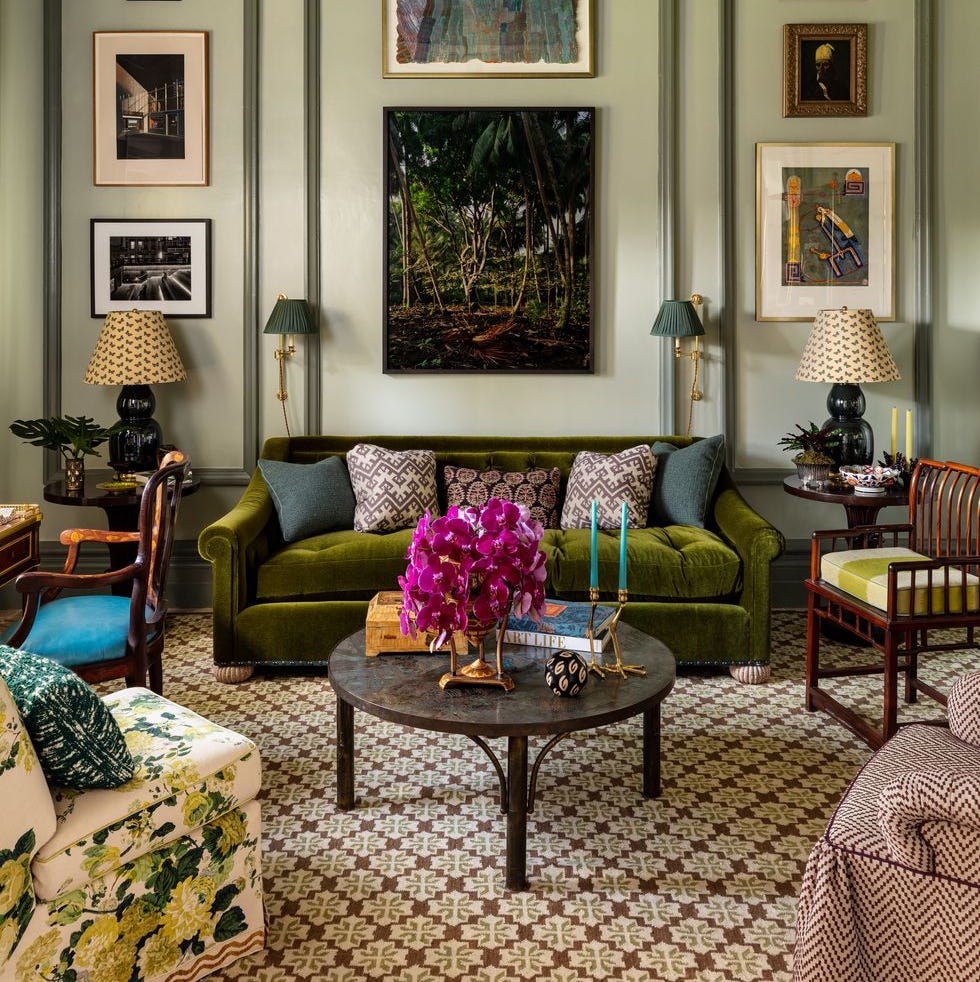
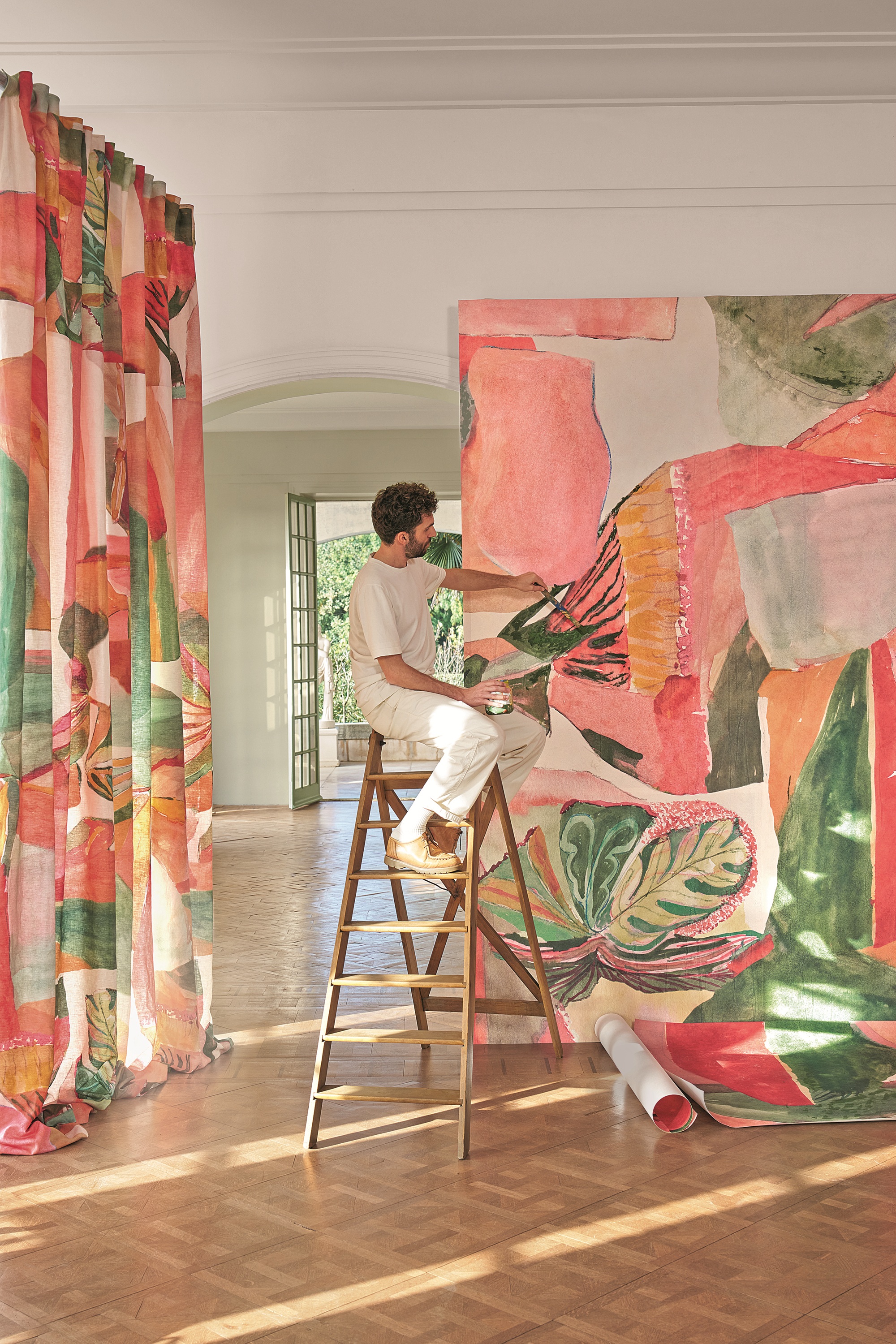
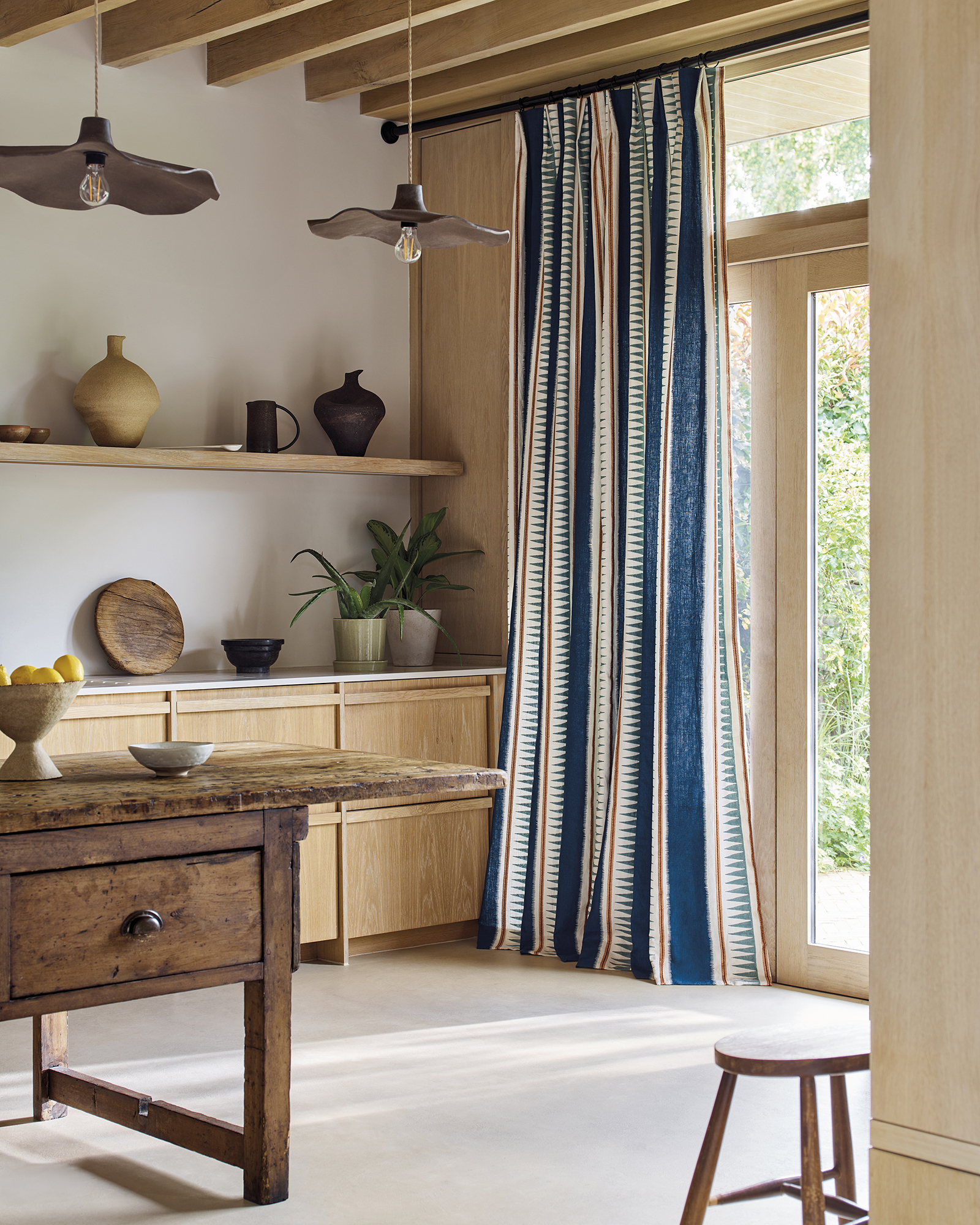
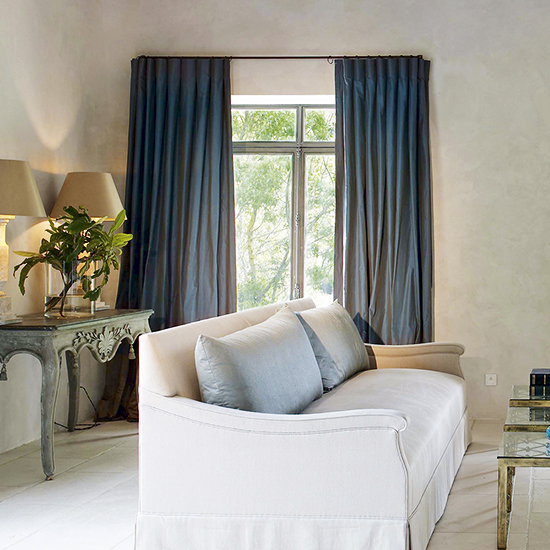
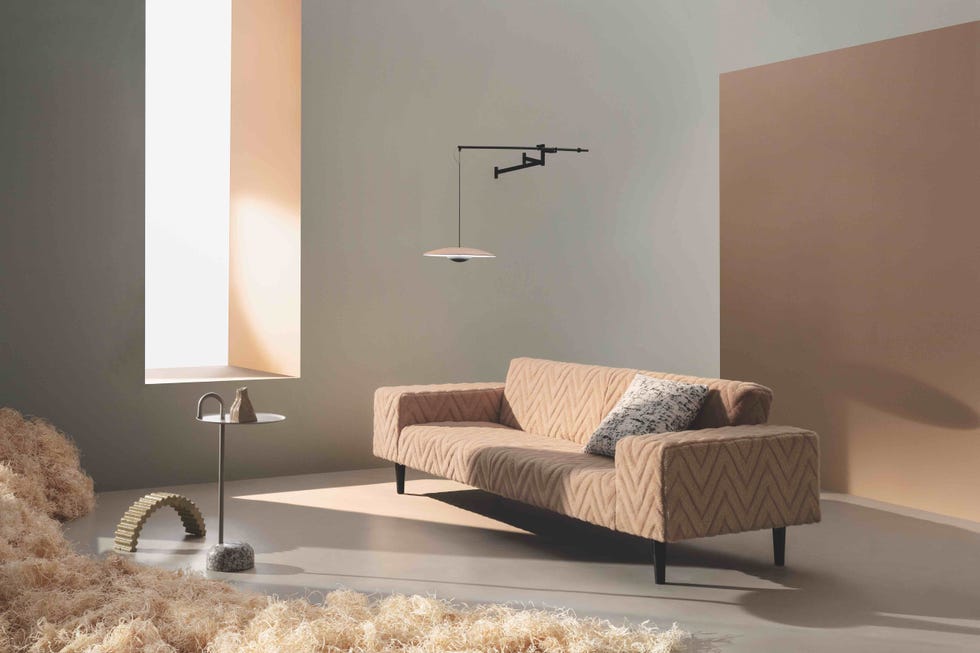
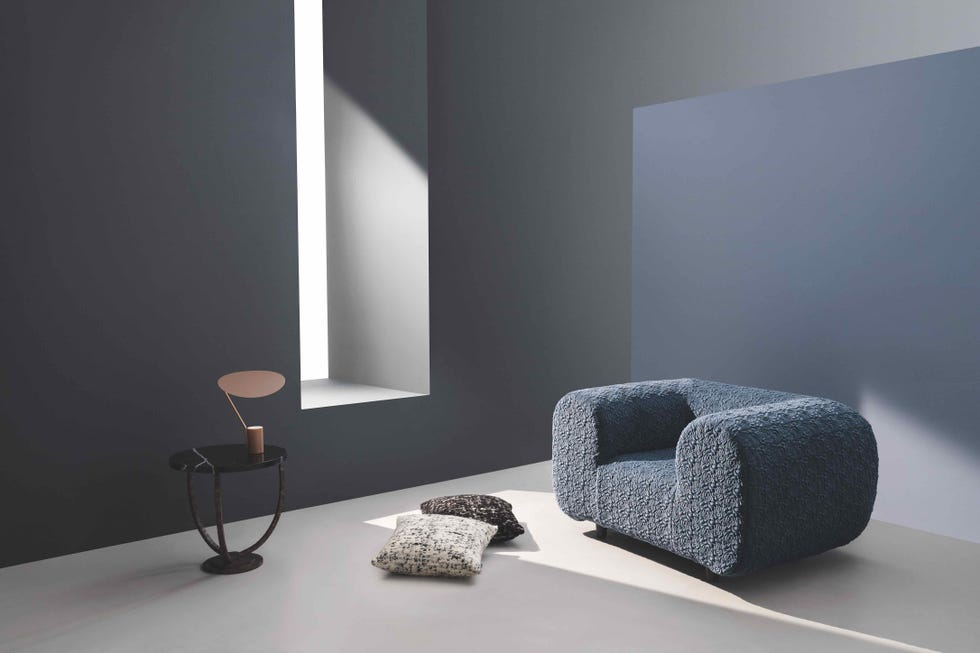
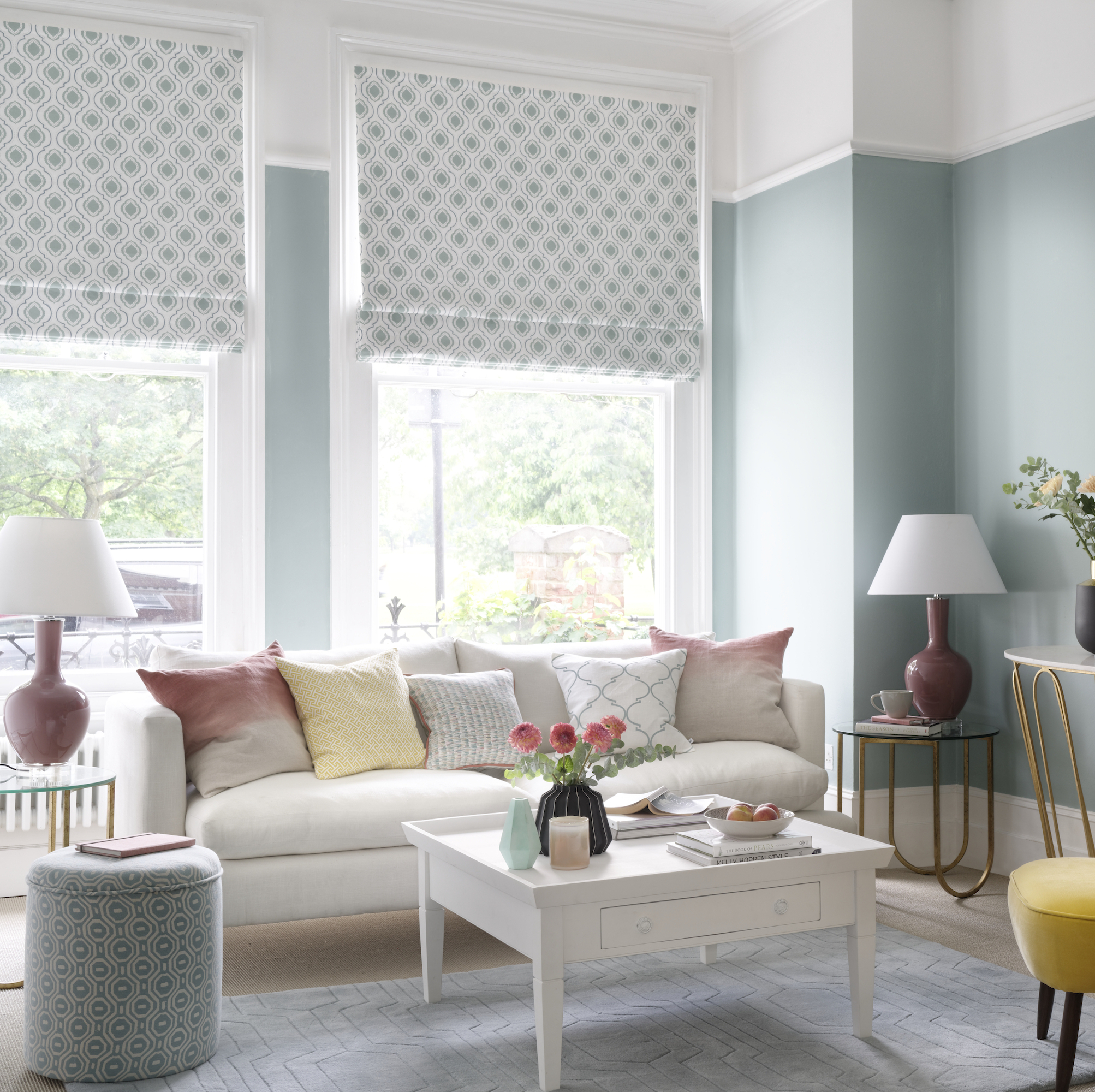
Sharp's upbringing with a thrifty grandmother who taught her to sew and a carpenter grandfather instilled in her an appreciation for hands-on making. She found upholstery to be a perfect blend of these skills, ultimately guiding her towards interior design with a unique perspective rooted in practical craftsmanship. For Sharp, fabrics are a significant element in design, offering a vast array of colors, textures, and patterns that introduce a softness often unattainable with furniture alone. She emphasizes how fabrics evoke memories and add character to living spaces.
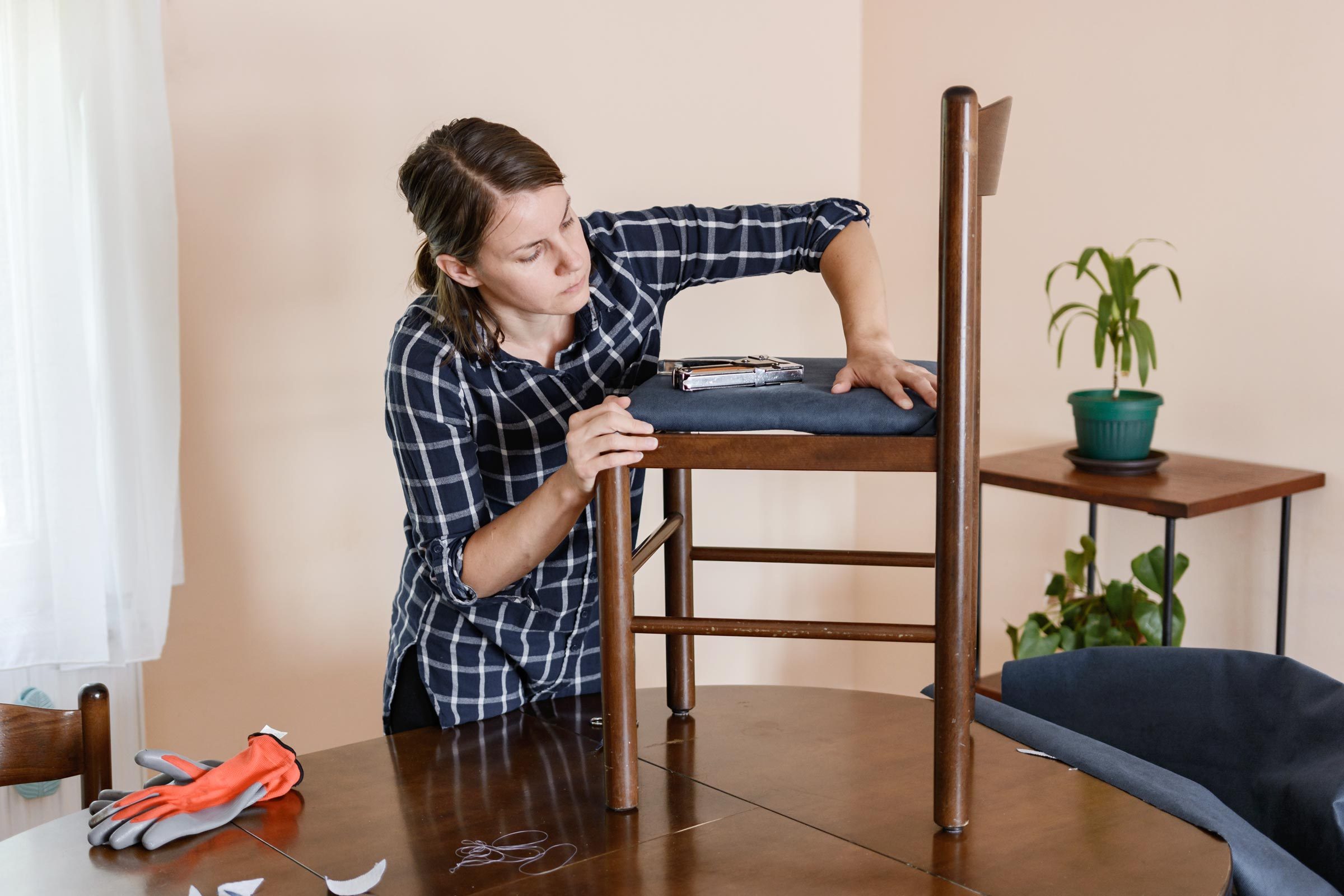
Regarding the distinction between traditional and modern upholstery, Sharp explains that traditional methods involve time-consuming processes using natural fibers like horsehair, leading to higher service costs. Modern upholstery, in contrast, utilizes readily available and more affordable materials such as foam, glue, and staples, making the process quicker and thus, her preferred approach for teaching.
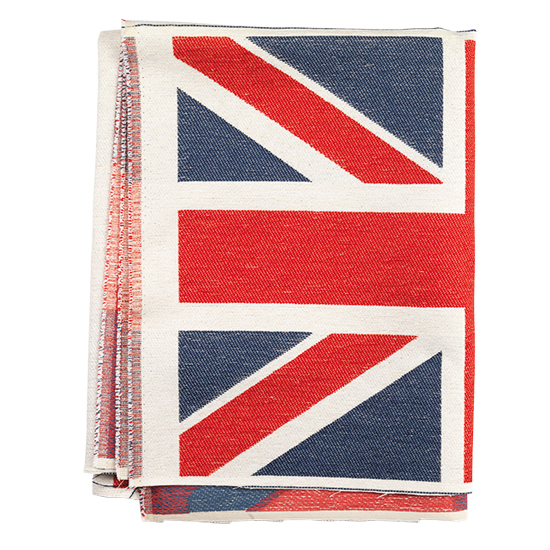
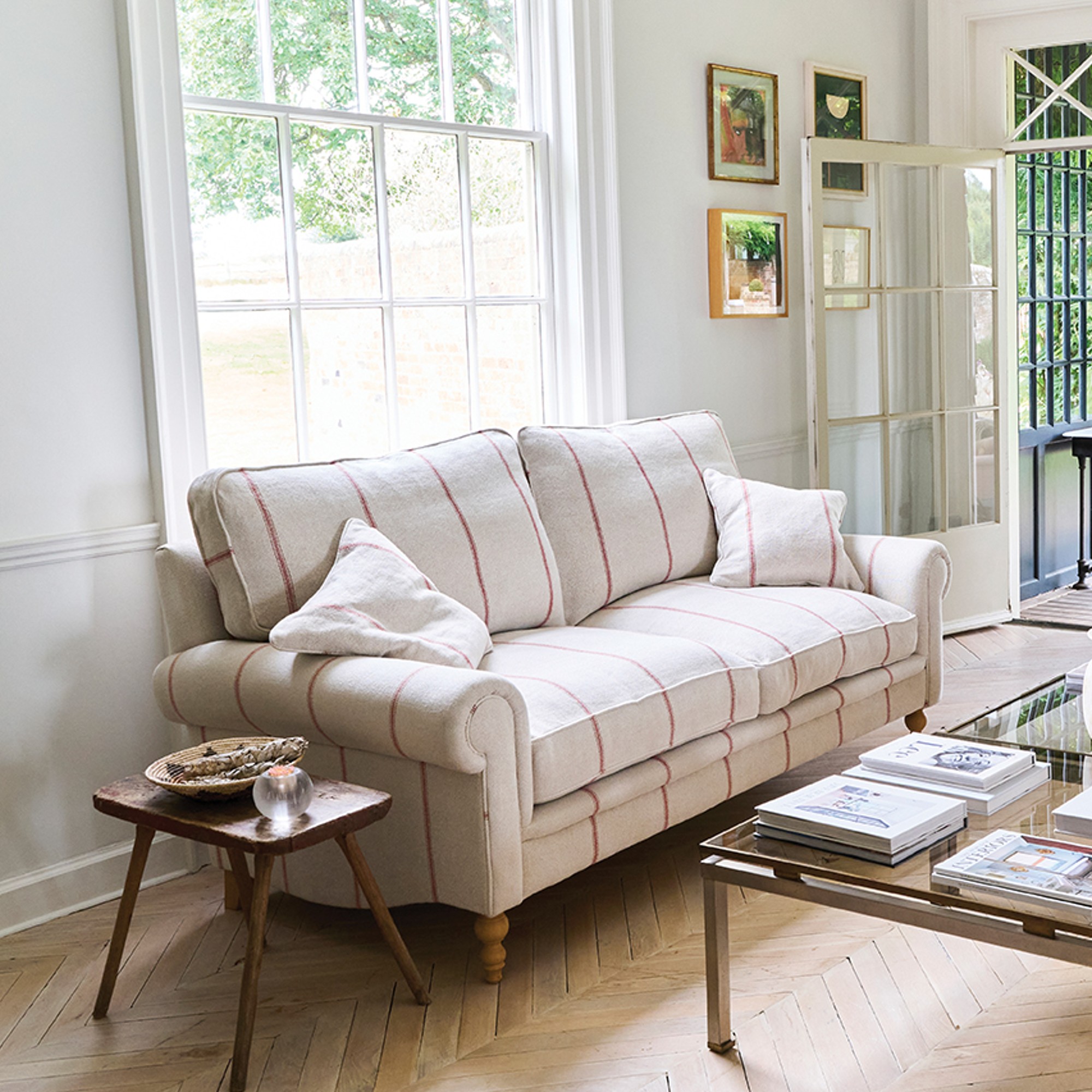
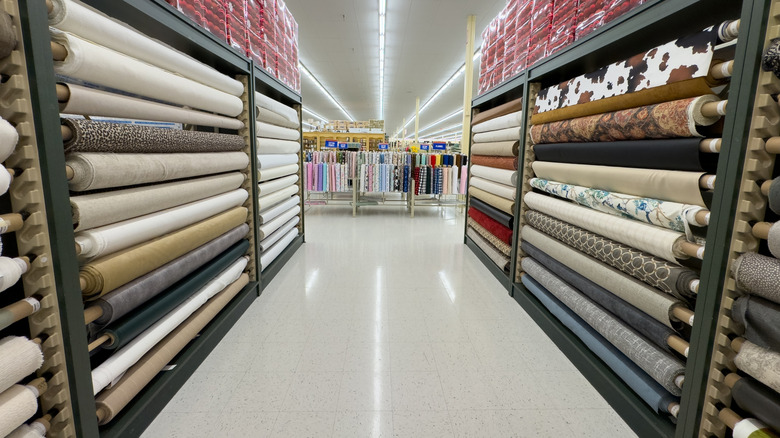
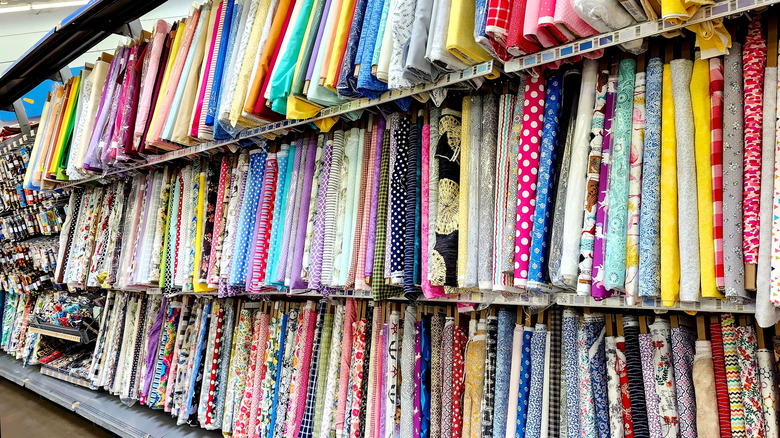
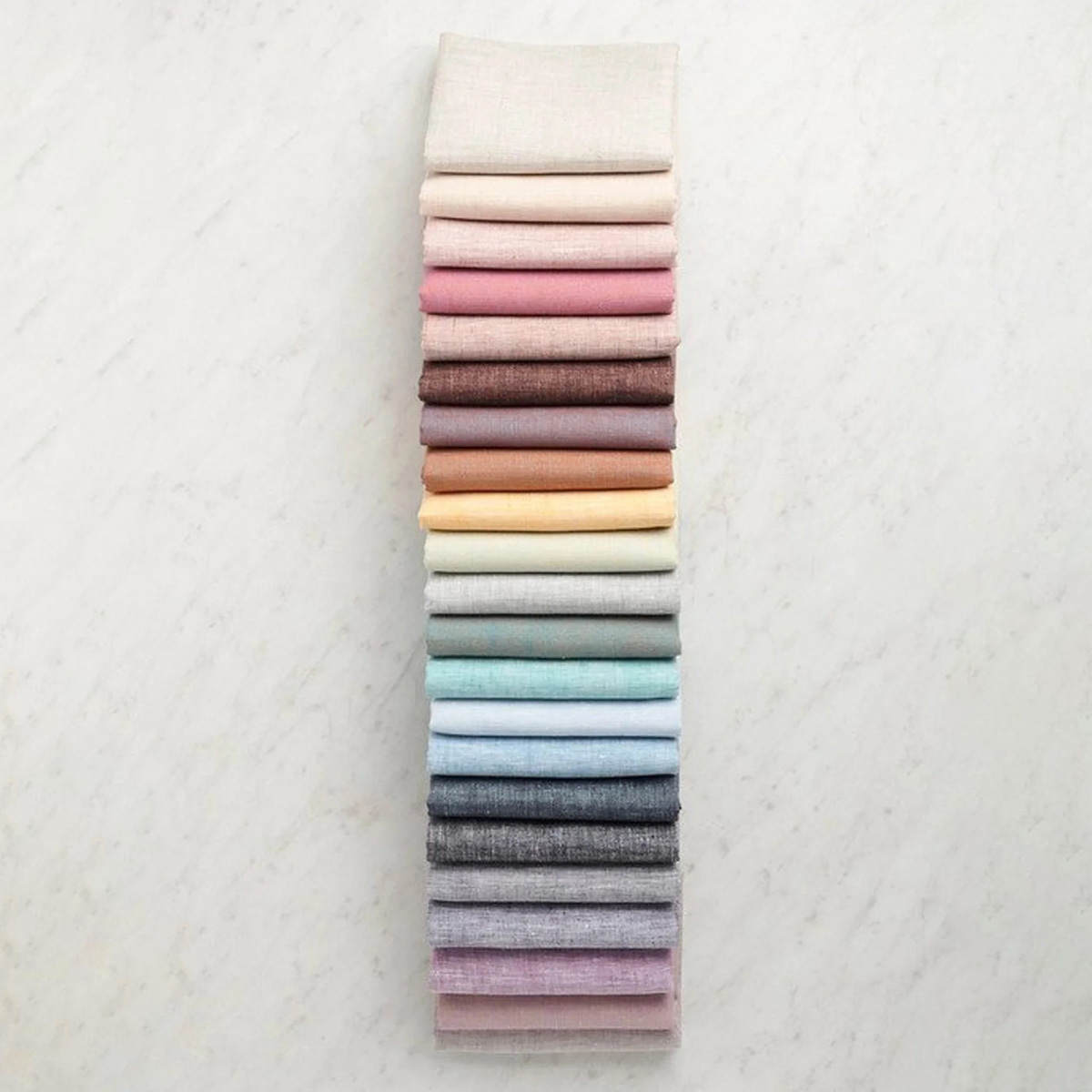
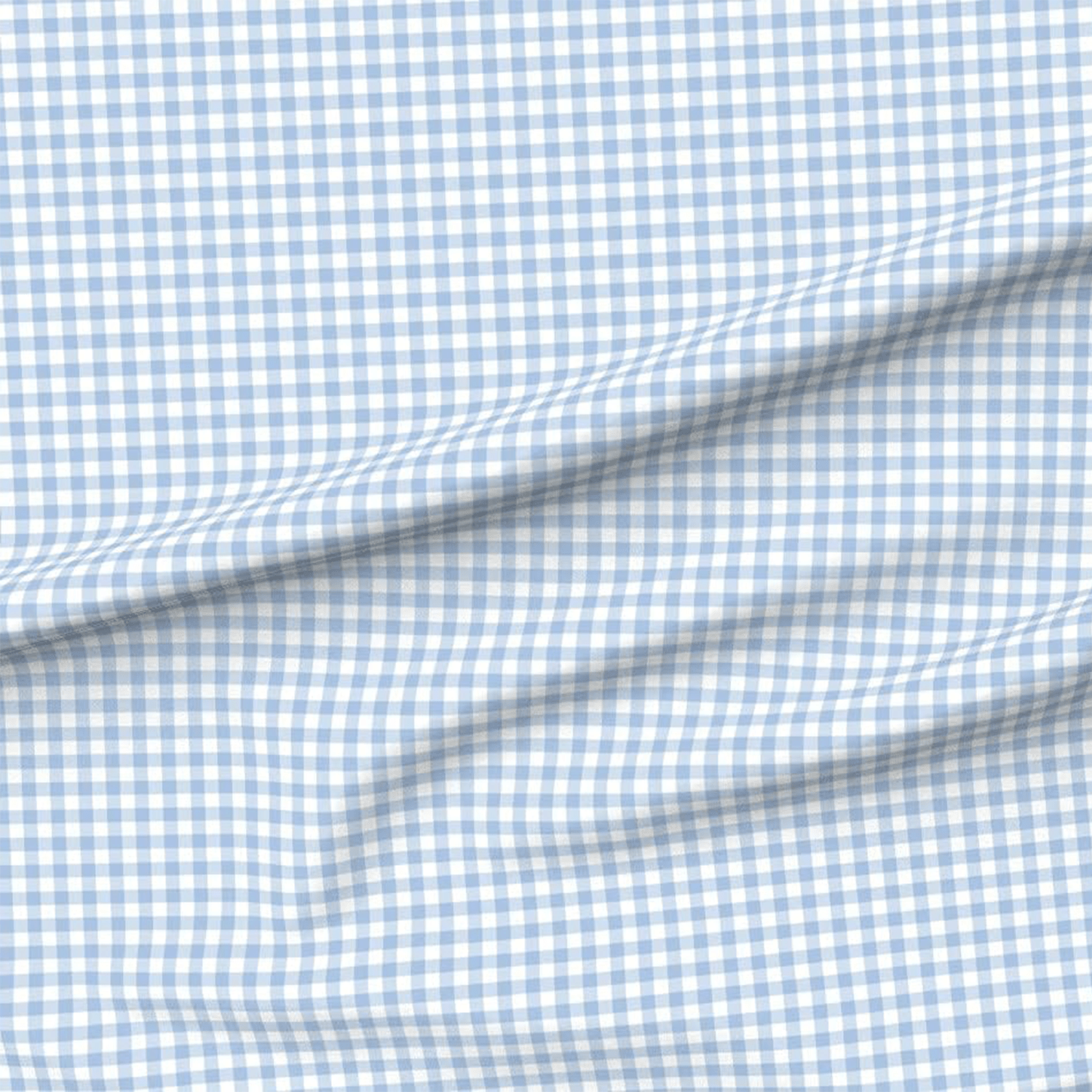
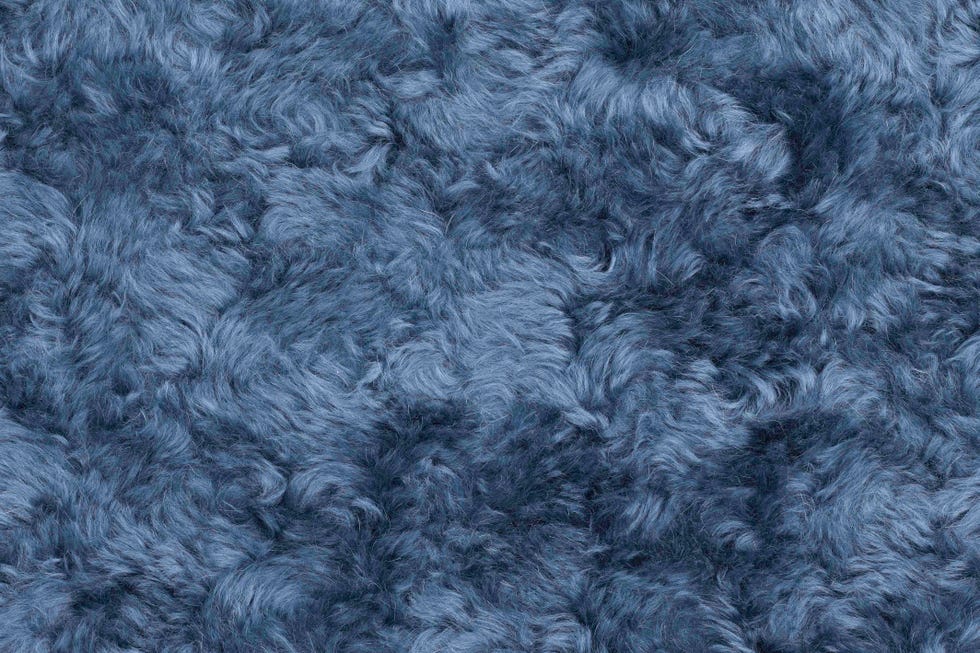
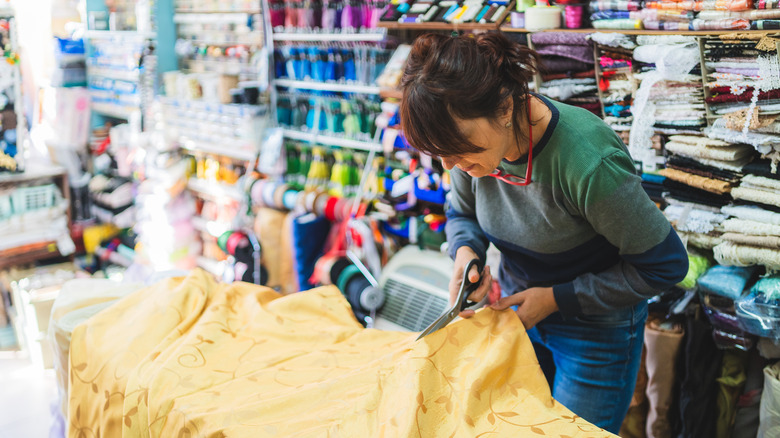
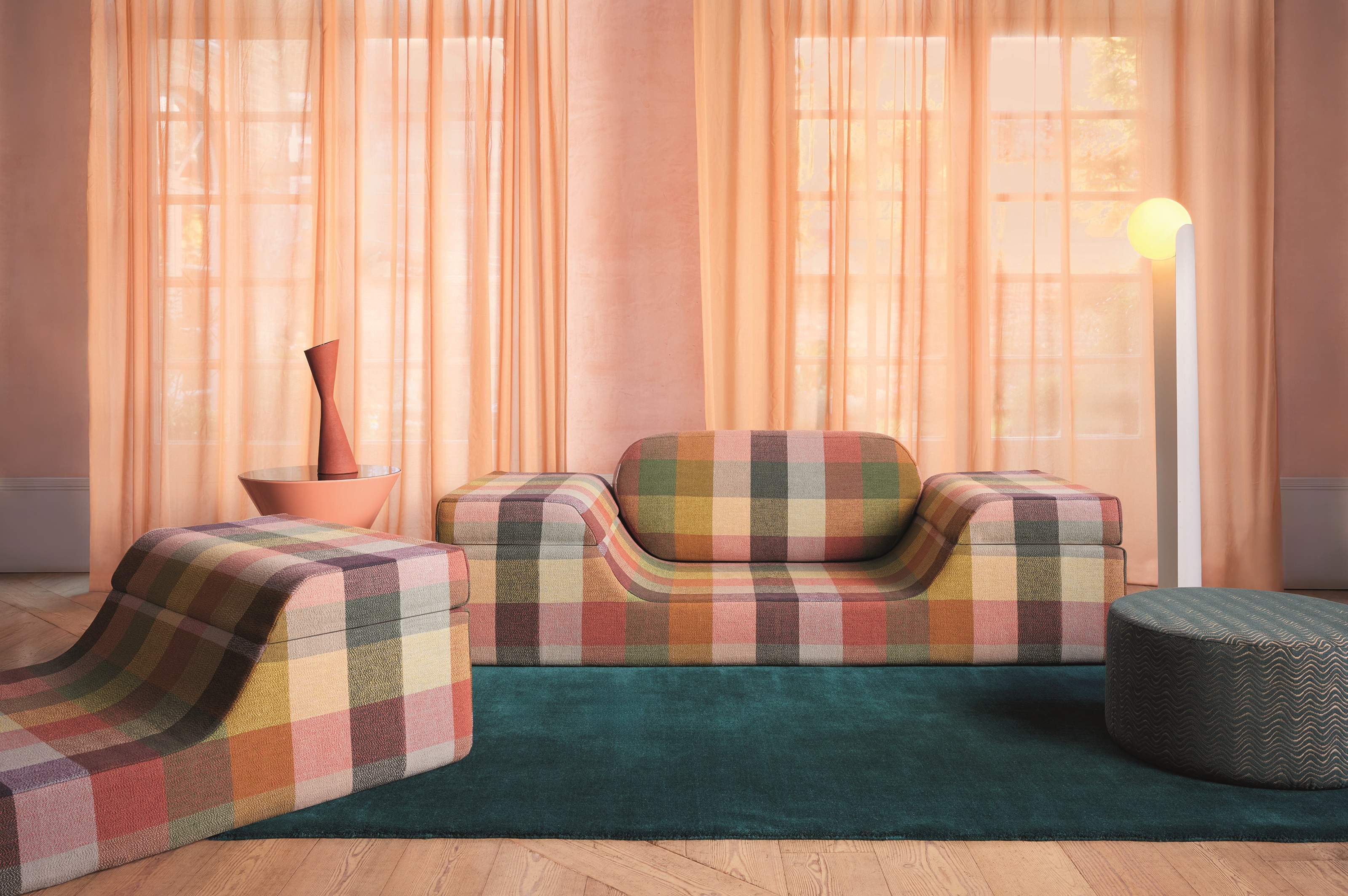
When selecting furniture for reupholstering, Sharp advises focusing on the quality and sturdiness of the frame rather than the existing fabric's condition. A robust frame is crucial for beginners, while a worn-out fabric can often indicate a good bargain. For fabric selection, she recommends considering the rub count for durability, particularly for domestic items, with a score over 35,000 indicating good resilience. Other factors include stain resistance for sofas, texture for footstools, and the preference for natural fibers. Delicate fabrics or embroidery are best suited for items with minimal wear, such as headboards.
One common challenge for first-time upholsterers is mastering fabric tension. Sharp debunks the myth of 'over-pulling' fabric, stressing that due to the soft layers of foam and Dacron, fabric must be pulled very tightly to prevent creases and wrinkles over time. Confidence is key, as staples can always be undone and fabric readjusted. She suggests starting with a headboard project, which, despite sounding complex, provides a larger, more satisfying scale for practicing initial skills before tackling more intricate 3D shapes.
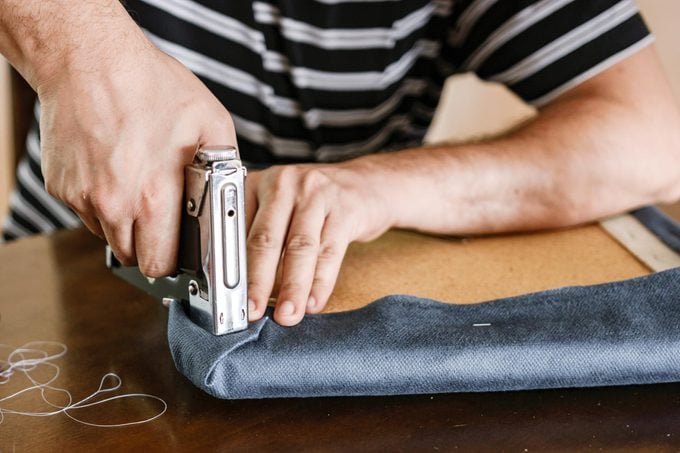
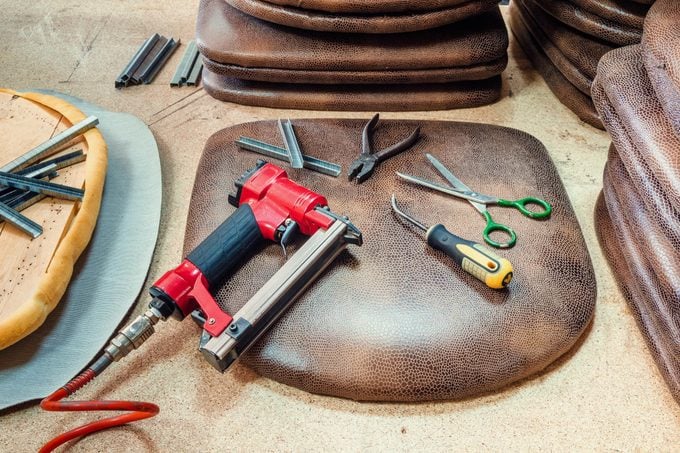
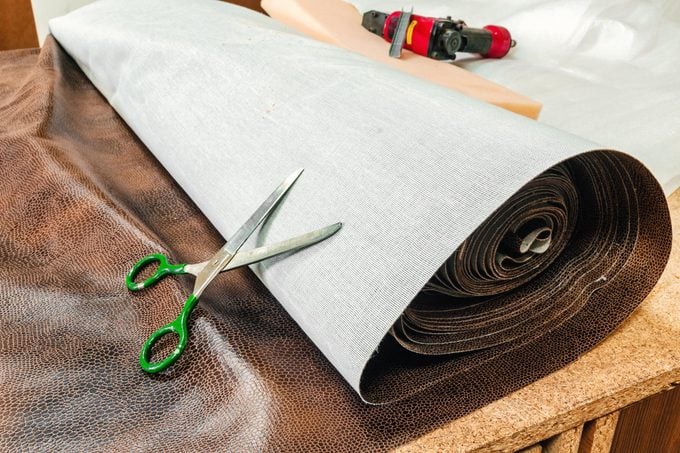
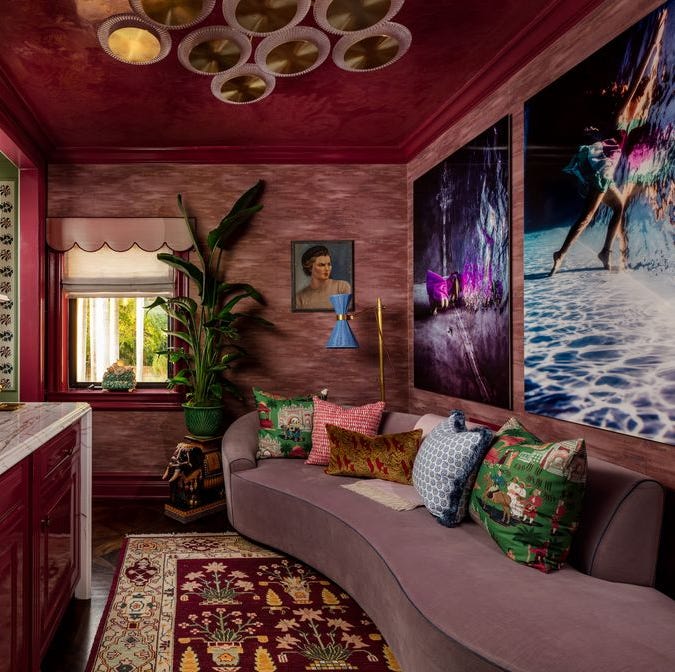
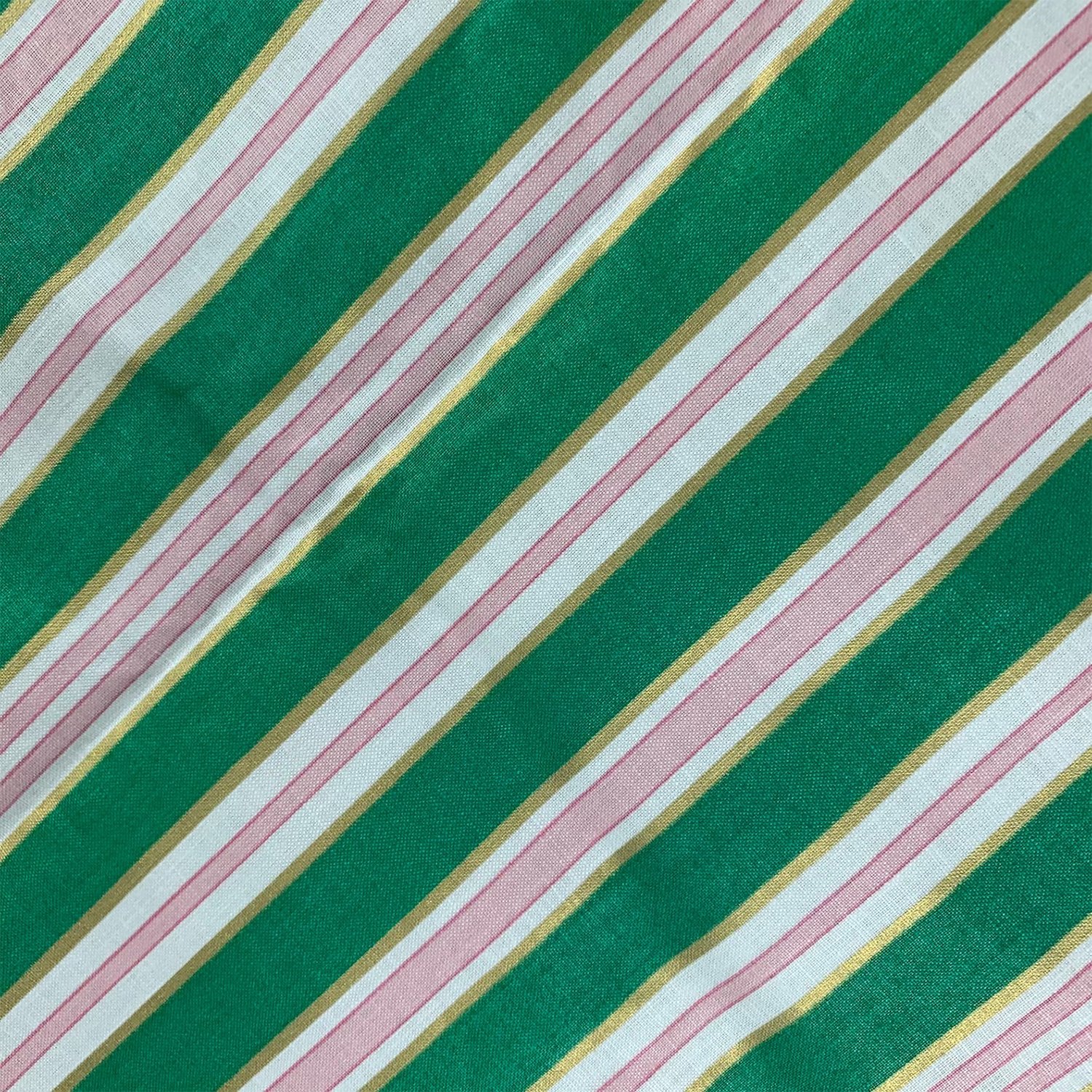
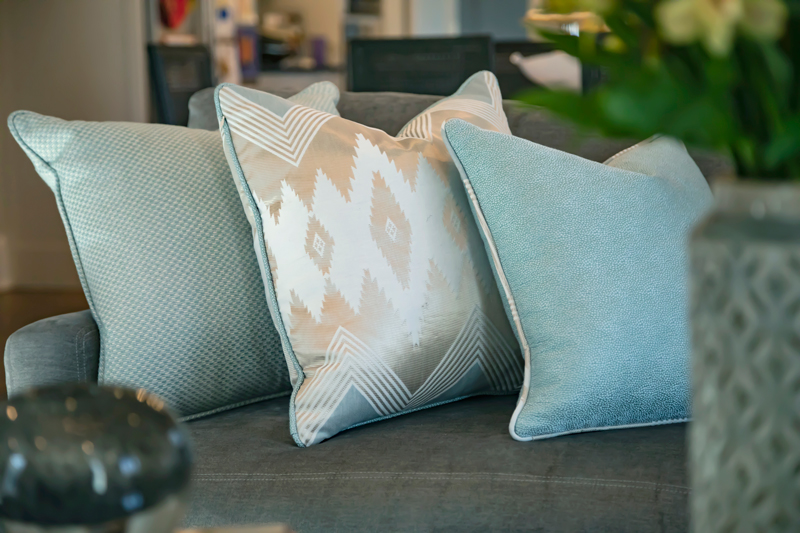
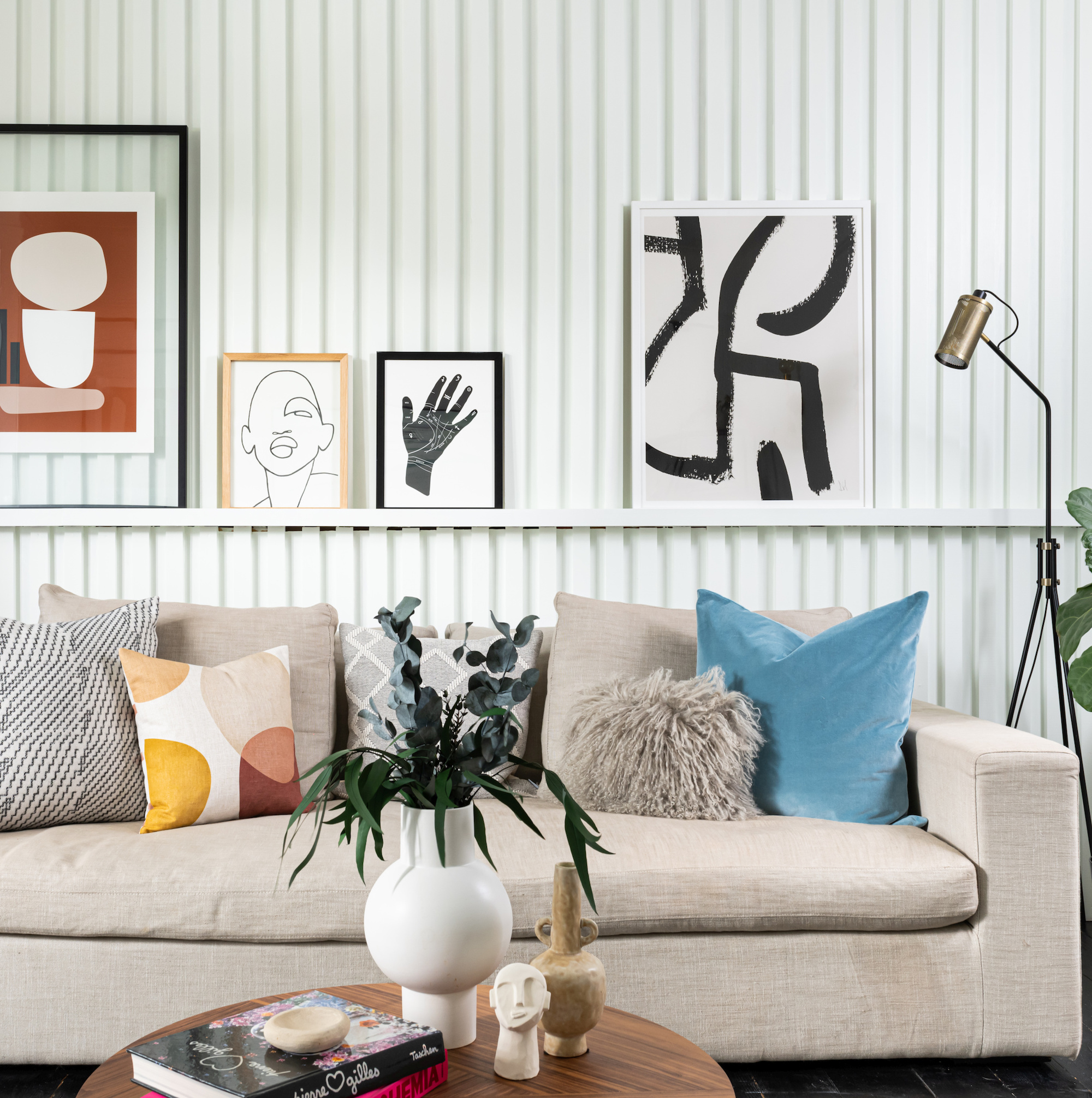
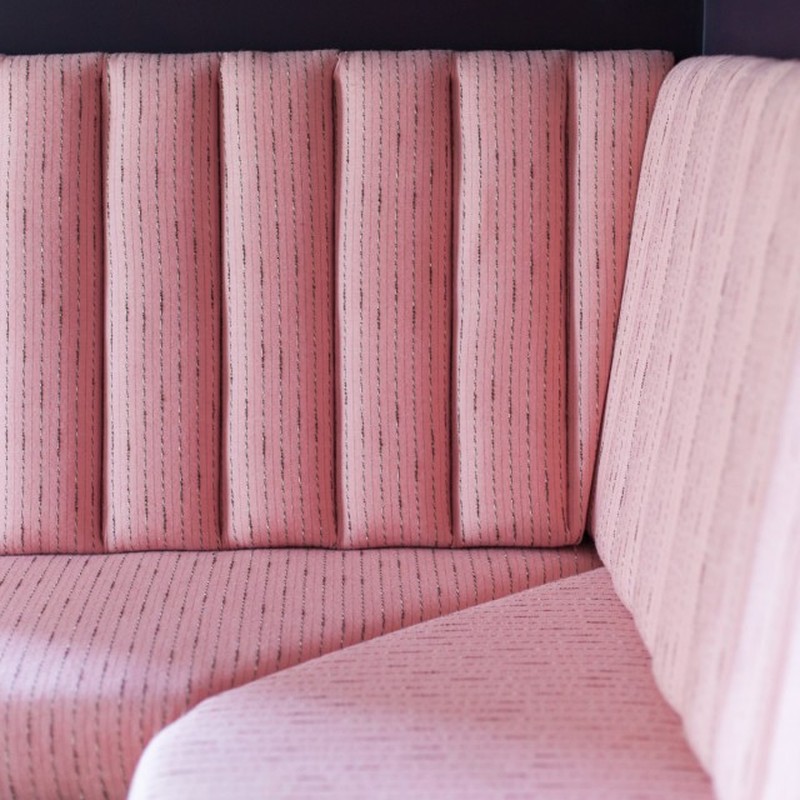
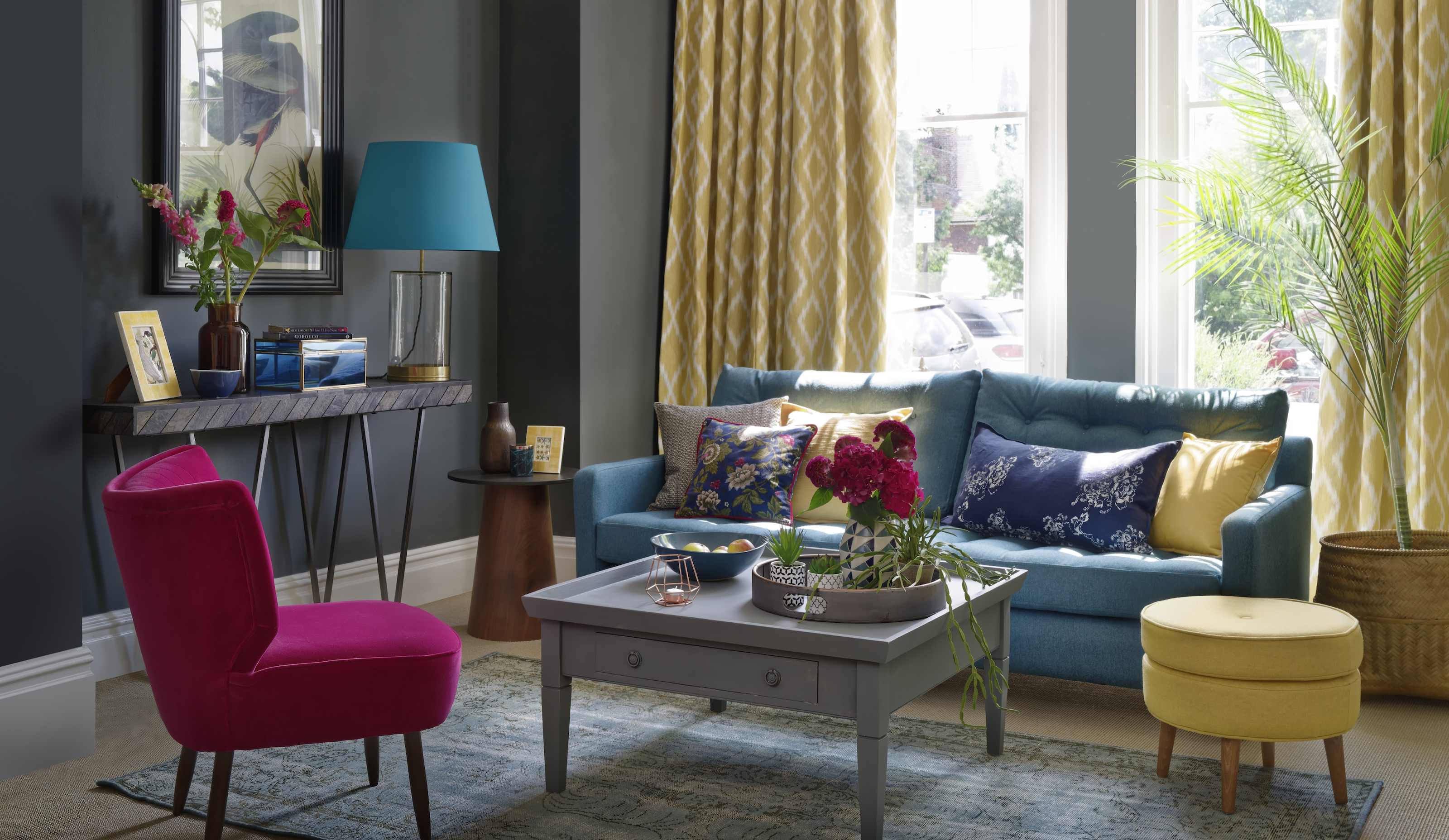
The course emphasizes that upholstery requires a relatively small number of affordable hand tools, easily found at hardware stores. The staple gun is highlighted as the most important tool, with an electric version recommended for larger projects to alleviate strain. Sharp also shares her favorite fabric brands, including Linwood for affordability, Sanderson and Morris & Co for traditional patterns, and Haines Collection for sustainable and designer fabrics at reduced prices. Her personal color preferences lean towards a vibrant yet calming pink and green combination, often anchored with dark walnut tones, while she generally avoids grey. Finally, she underscores the importance of finishing touches like contrast piping, playful fringe, and studs, which elevate upholstered pieces into unique, personalized items.
#UpholsteryCourse #InteriorDesign #DIYHome #FabricSelection #ModernUpholstery #HomeDecorSkills #MicaelaSharp #CreateAcademy #FurnitureRestoration #UpholsteryCourse #InteriorDesign #DIYHome #FabricSelection #ModernUpholstery #HomeDecorSkills #MicaelaSharp #CreateAcademy #FurnitureRestoration
0 comment in total
 No comments yet
You may also like
9 things you need to know before upholstering furniture
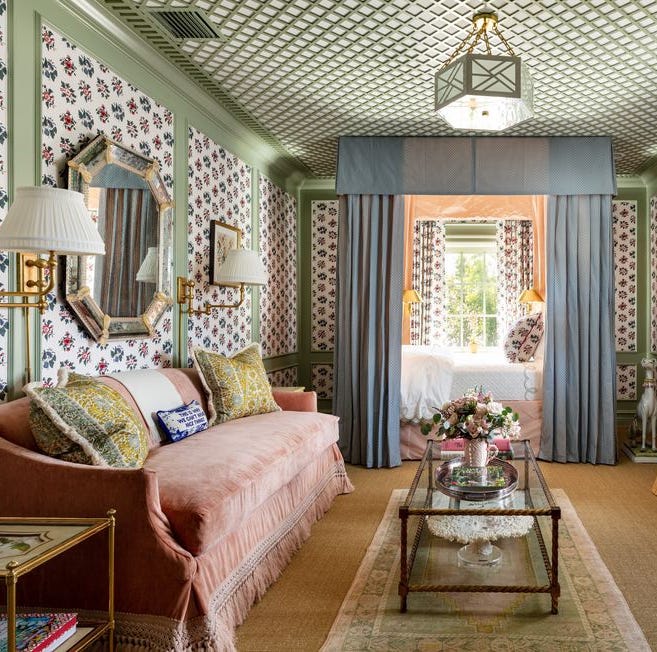
7 Upholstery Details That Make Your House Look More Expensive, According to Experts

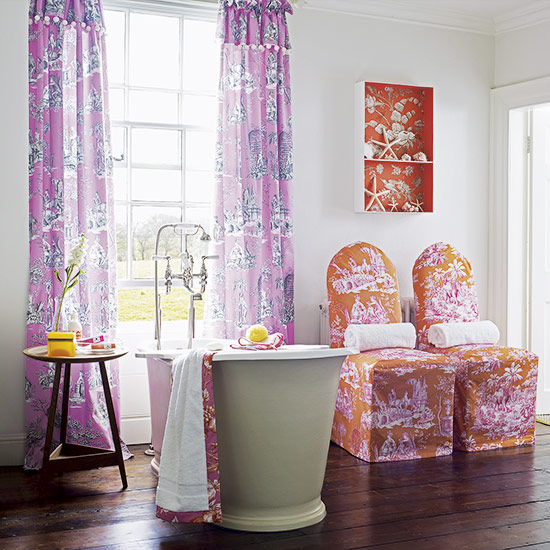
Celia Rufey answers your fabric questions
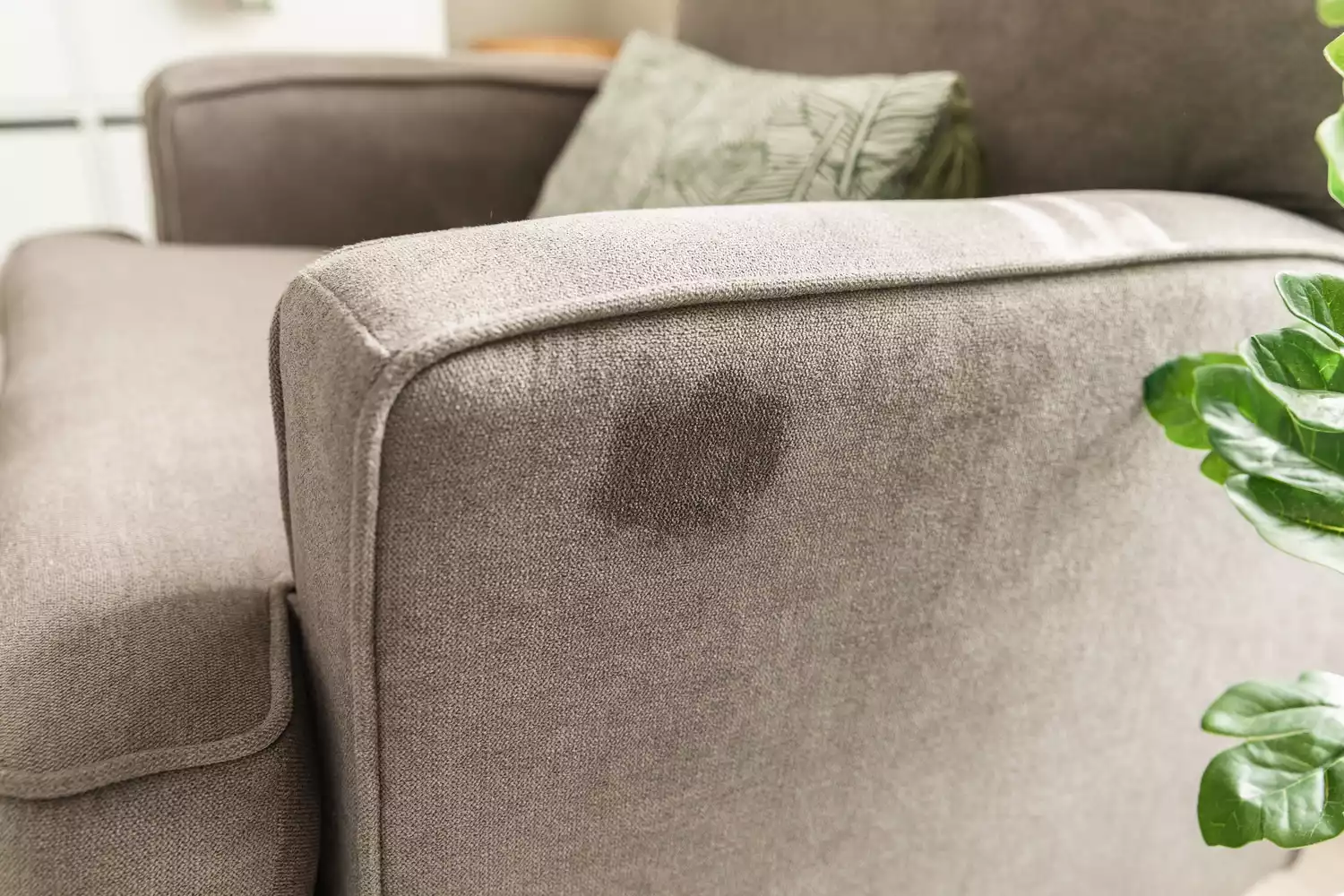
Designers Agree: These 6 Common Furniture Fabrics Look Great But Never Last


Try Out Upholstery Classes with A Little Furniture Shop

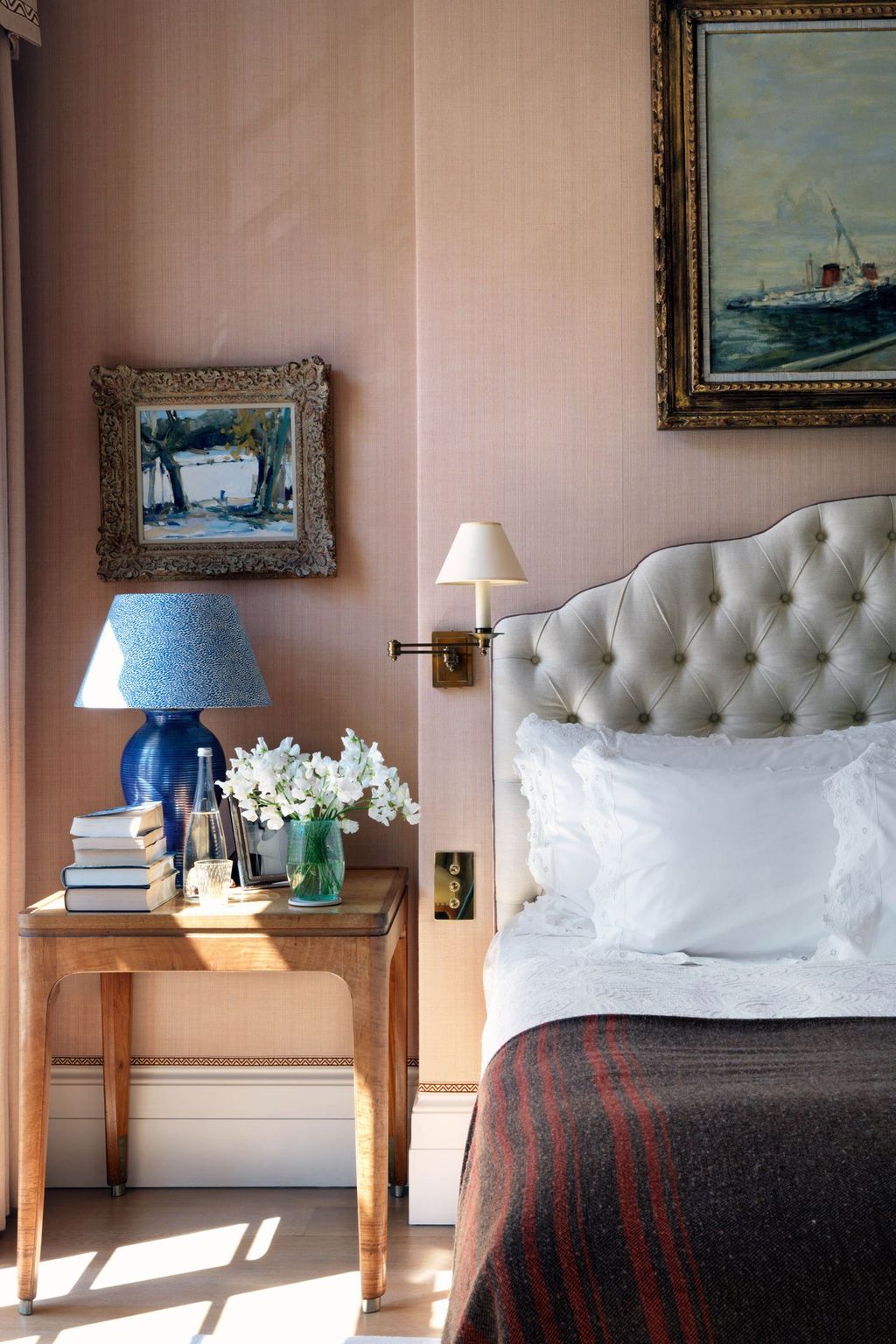
These upholstery ideas are instant room refreshers
Making a Living: Coming together at the seams
DLT Interiors Designs a Luxe Living Space in Scarsdale

Help wanted: Future workers of the upholstery trade

Common Upholstery Techniques: What You Need to Know to Reupholster Furniture

Experts say this timeless pattern is the next big upholstery trend – here's how to style it in your living room

Update your furniture with extreme texture, the biggest trend in upholstery…

An education in upholstery

Crossover skills give upholsterers business opportunities in many markets
Missing JoAnn Fabrics? The 13 Best Places To Buy Upholstery Fabric Now

How much does it cost to reupholster a sofa? And why it's worth it

Beginner’s Guide To Reupholstering Furniture

12 Fabric Brands Everyone Should Have in Their Little Black Book If You Want to Go Bespoke and Elevate Your Home

The Best Online Fabric Stores to Make Your Sofa Look Bespoke

Upholsterer Report