1/7
Marià Castelló and José Antonio Molina design concrete house with glazed corridor overlooking the sea
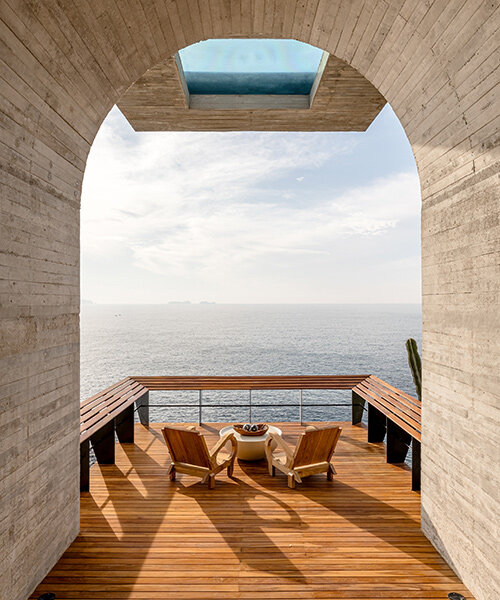
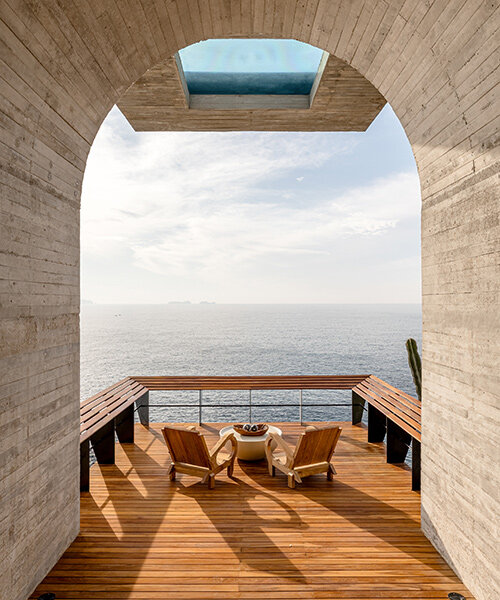
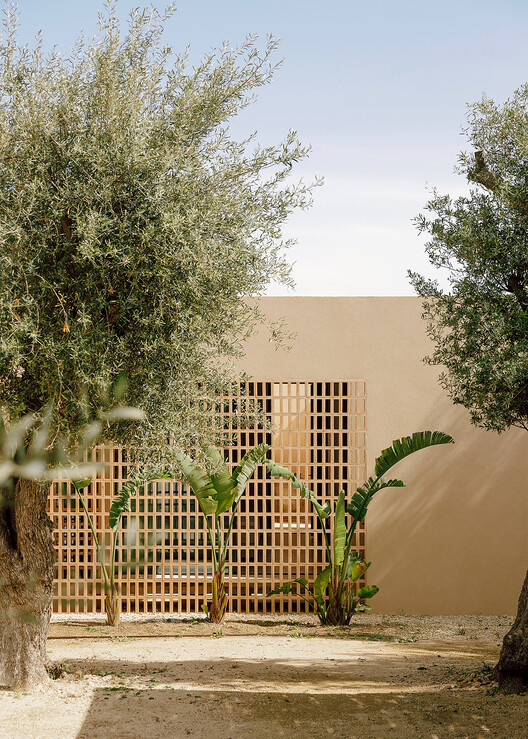
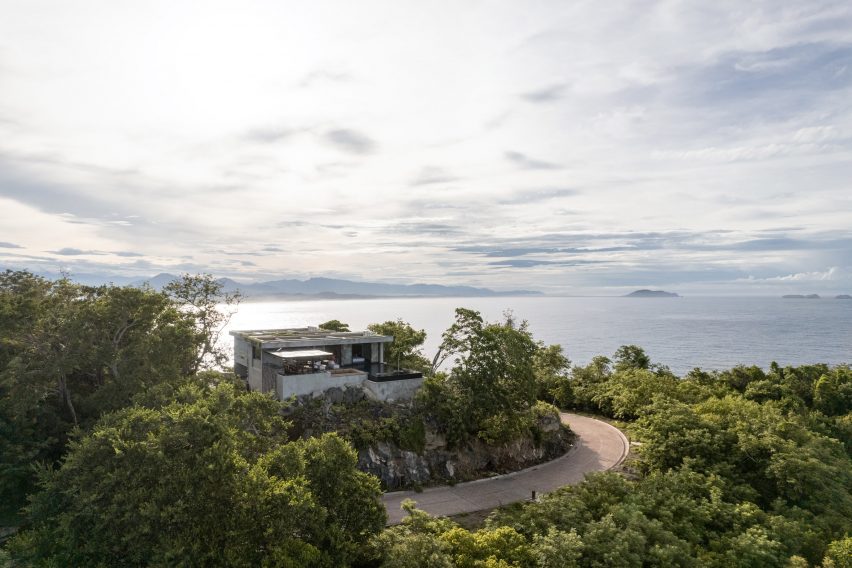
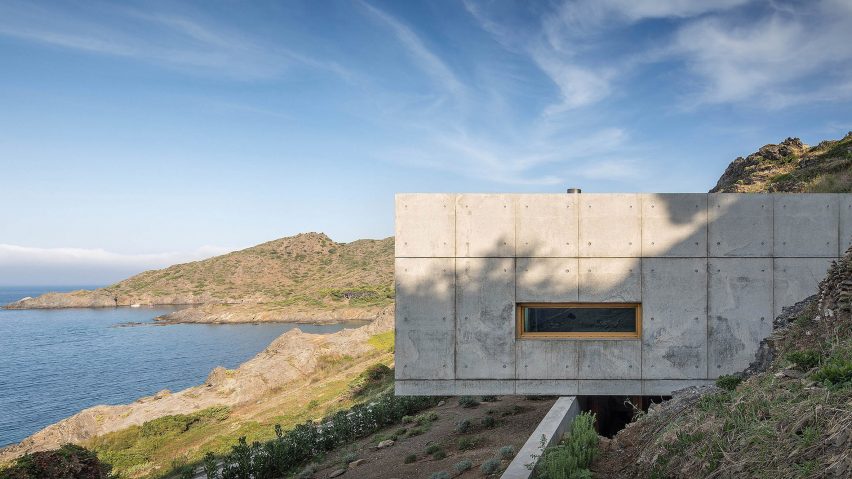
Architects Marià Castelló and José Antonio Molina have designed a family home in Port de la Selva, a small Spanish town in Costa Brava. This dwelling is embedded into a steep, rocky site that slopes towards the seafront and features dark volcanic rock outcrops. The design strategy balances openness and privacy by integrating a lower level into the ground with projecting volumes that offer sea views. This approach also minimizes the house's visual impact, allowing it to blend seamlessly into the landscape and creating various patios with distinct lighting conditions.
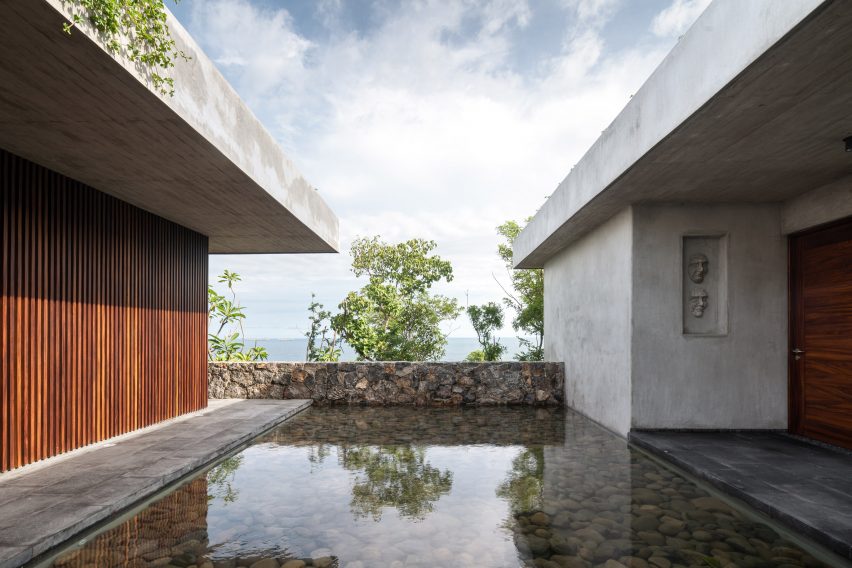
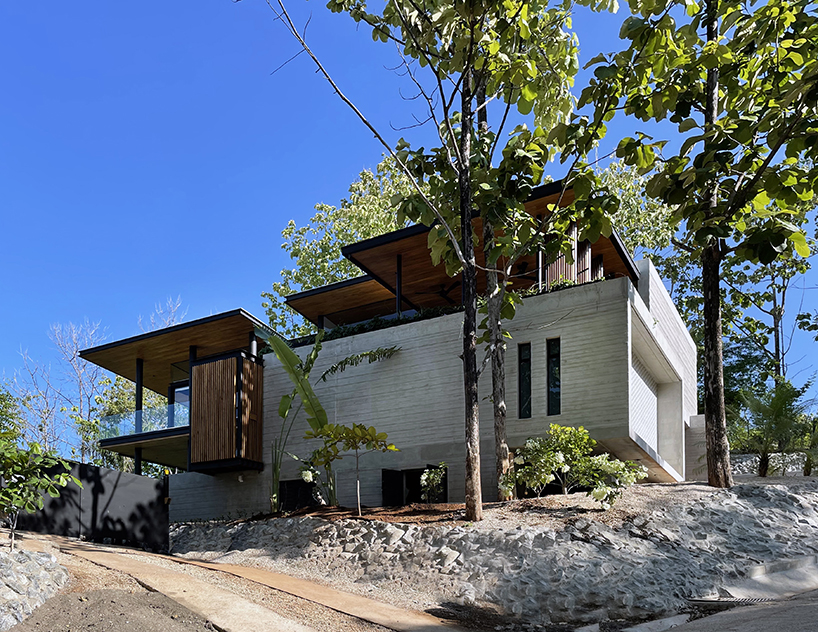
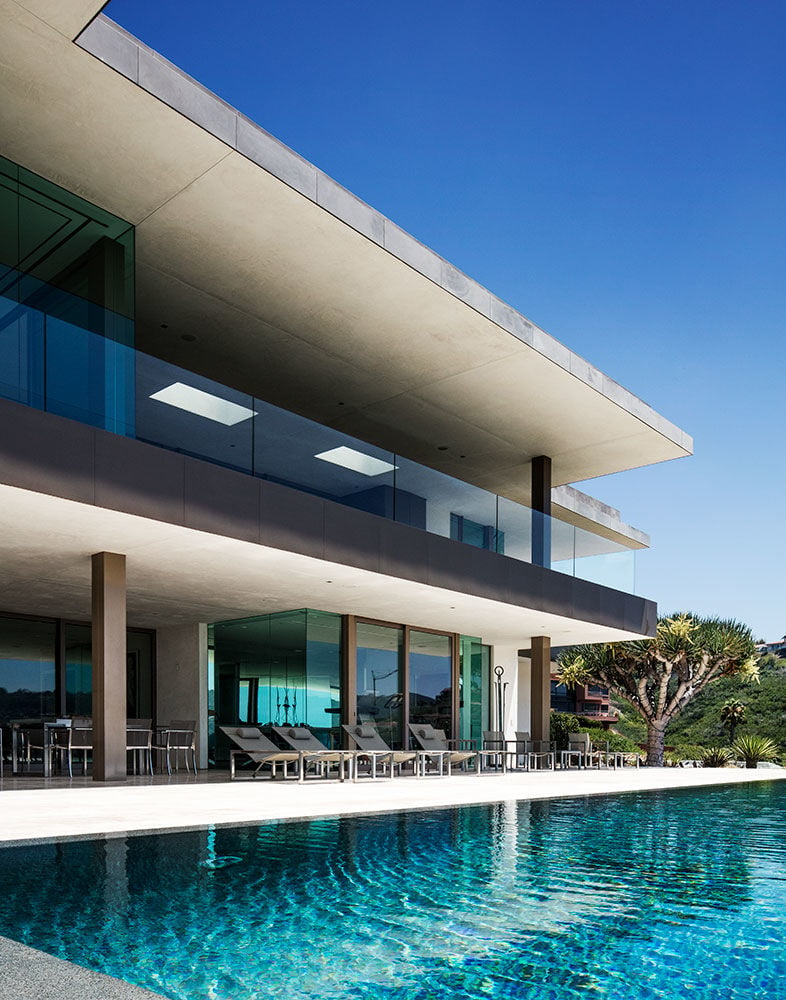
The house consists of two concrete volumes connected by a glazed corridor. The lower level, close to street level, establishes intimate connections with the outdoors through patios. These patios are framed by the natural rock formations of the site. In contrast, the upper level's two volumes are oriented to provide frontal views of the landscape and the sea horizon. This dual strategy of embedding and volumetric division reduces the apparent size of the intervention and enhances its integration with the surrounding environment.
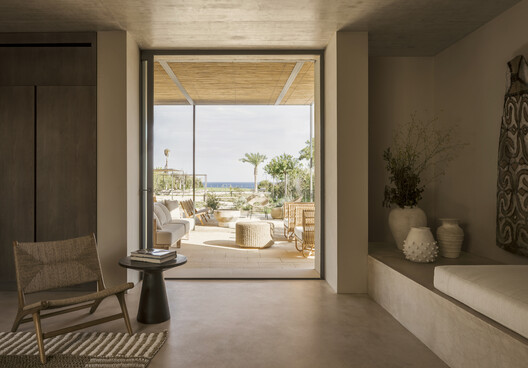
On the ground floor, a spacious main bedroom, a bathroom, and a living area open onto private patios. These private outdoor spaces are sheltered by the steep rock surfaces. The eastern volume on the upper level accommodates the children's bedrooms and a small swimming pool, while the western volume houses a kitchen, dining area, and an additional sleeping space. The glazed corridor, which also contains the vertical circulation, connects these two volumes. It offers expansive sea views on one side and a sheltered courtyard on the other, protected by the slope of the site. This glass nexus creates a wind-protected exterior space that maintains visual transparency towards the sea.
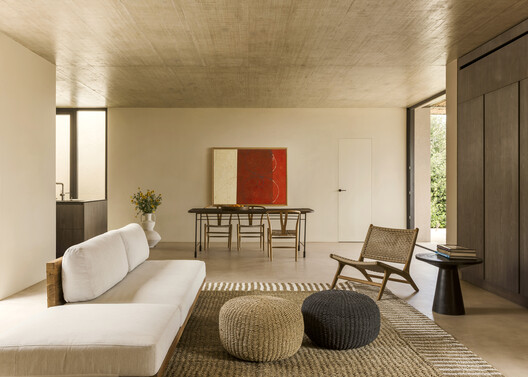
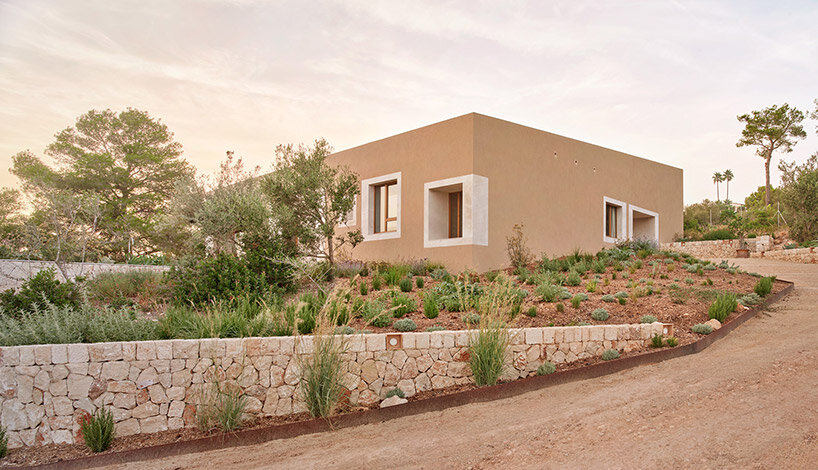
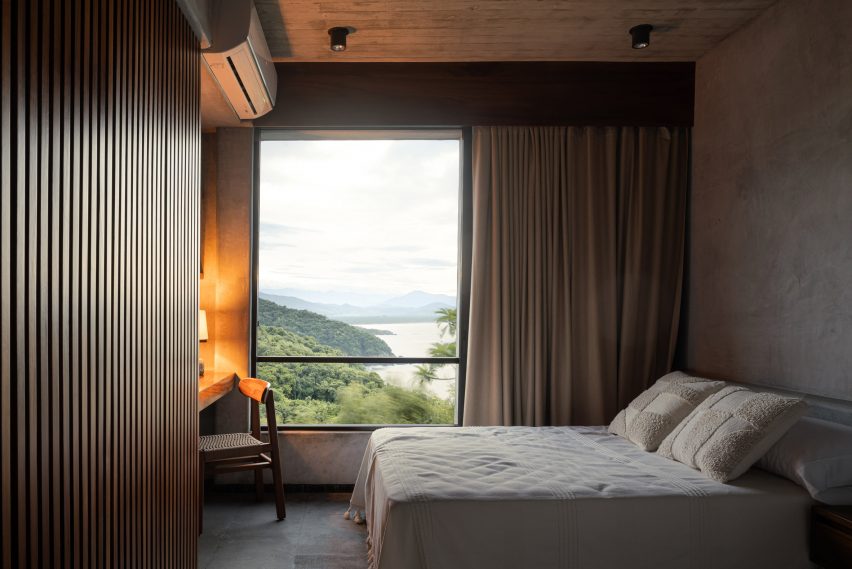
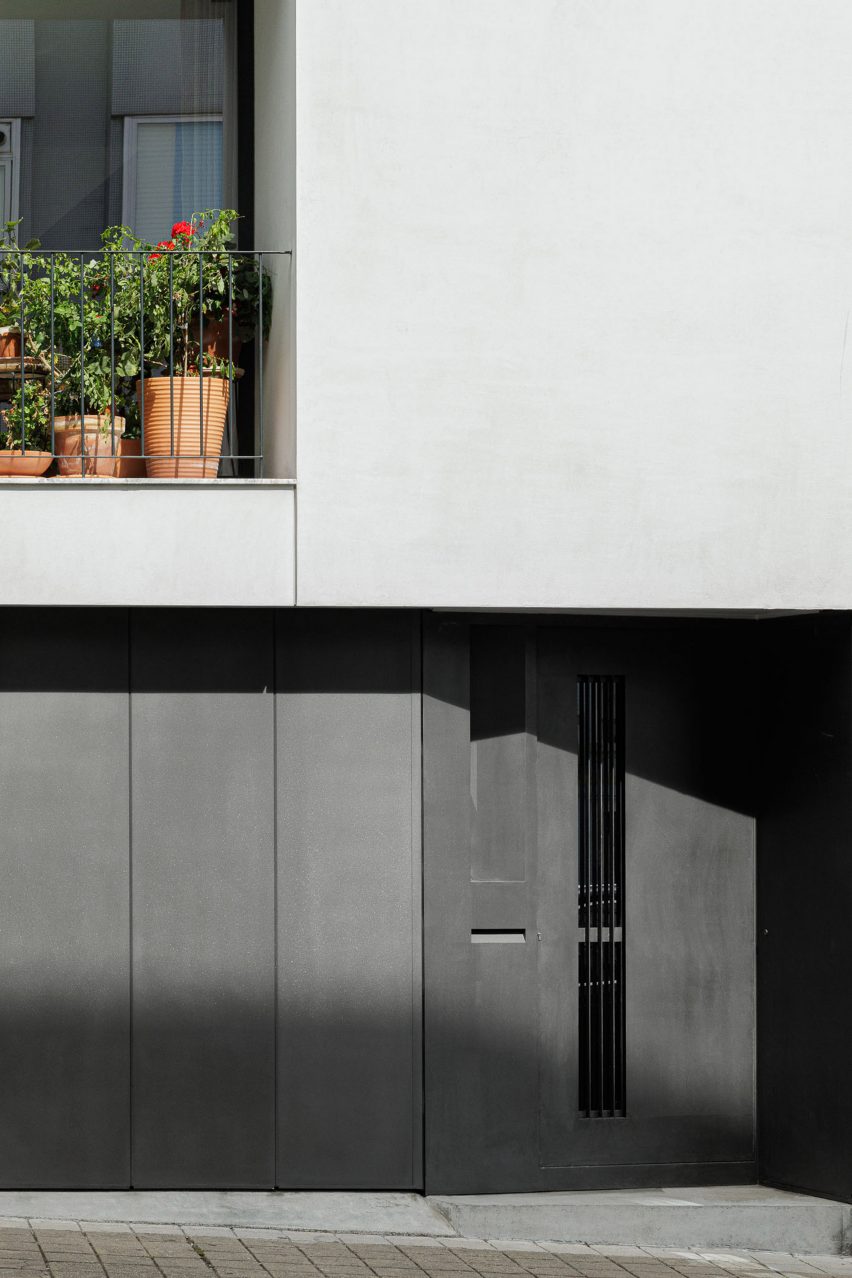
The exterior of the house features a concrete finish, chosen to harmonize with the natural characteristics of the site. Gravel excavated from the site was used to finish the building's roof, further integrating it into its surroundings. Inside, the rooms are characterized by white walls complemented by oak detailing and custom-made wooden furniture. This material palette was selected to introduce warmth and harmony, offsetting the inherent qualities of the concrete. The exterior carpentry and certain interior claddings are also crafted from oak wood.
Both Marià Castelló and José Antonio Molina lead their own architectural practices, Marià Castelló Architecture and José Antonio Molina Saiz, respectively. Their previous works include a geometric three-volume home on Formentera and an Ibizan retreat featuring glass corridors, open patios, and a pool. The construction management for this project was overseen by José Antonio Molina, Lorena Ruzafa, and Marià Castelló, with Joan Noguer as the building engineer, Think Enginyeria for structure engineering, and QS Enginyeria i Associats for facilities engineering. The design team included Lorena Ruzafa and Marga Ferrer, and Construccions Pòrfit served as the builder. The photography was conducted by Castelló, highlighting the architectural details and the house's relationship with its coastal setting.
#ResidentialArchitecture #ConcreteHouse #CoastalDesign #SpanishArchitecture #GlazedCorridor #IntegratedLandscape #ModernHome #PortDeLaSelva #ResidentialArchitecture #ConcreteHouse #CoastalDesign #SpanishArchitecture #GlazedCorridor #IntegratedLandscape #ModernHome #PortDeLaSelva
0 comment in total
 No comments yet
You may also like
Warning: This Stunning Peruvian Beach House Will Spark Some SERIOUS Vacation FOMO
Patio House / Solum Studio

wood and concrete volumes form seaside retreat by taller alberto calleja / TAC in mexico
concrete residence's L-shaped infinity pool merges with costa rica's pacific coast
Breeze-Block Walls and Pavilions Make This Spanish Villa Exceptionally Airy

low-tech industrial beach house with infinity pool overlooks ostional beach in costa rica

Get inspired by the Rivergum Homes’ new Bondi design
Exposed-concrete stair pulls light and views into Porto home by Tsou Arquitectos
Marco Island Home Blends Bold Design With Coastal Ease
meandre's shell-shaped house in spain presents an original space-planning layout
Comfort Meets Elegance in This Home Design at Tradition Golf Club
Inside a Contemporary La Jolla Glass House

The House that Glass Built
vaulted ceilings and arabic tiles shape ripolltizon's island house in mallorca
This Beautiful Mexican Painter’s Studio Is So Charming, It Even Has Its Own Donkeys
38 of the world's most colourful homes | loveproperty.com

zozaya arquitectos designs home with swimming pool suspended over mexico's pacific coast
K-Studio pairs stone with concrete for Greek holiday home
Zozaya Arquitectos orients Mexican beach house around reflecting pool
13 Luxurious Australian Coastal Homes That Inspire A Sea Change