1/7
Eight top tips to banish condensation this winter - starting with sleeping with your curtains open
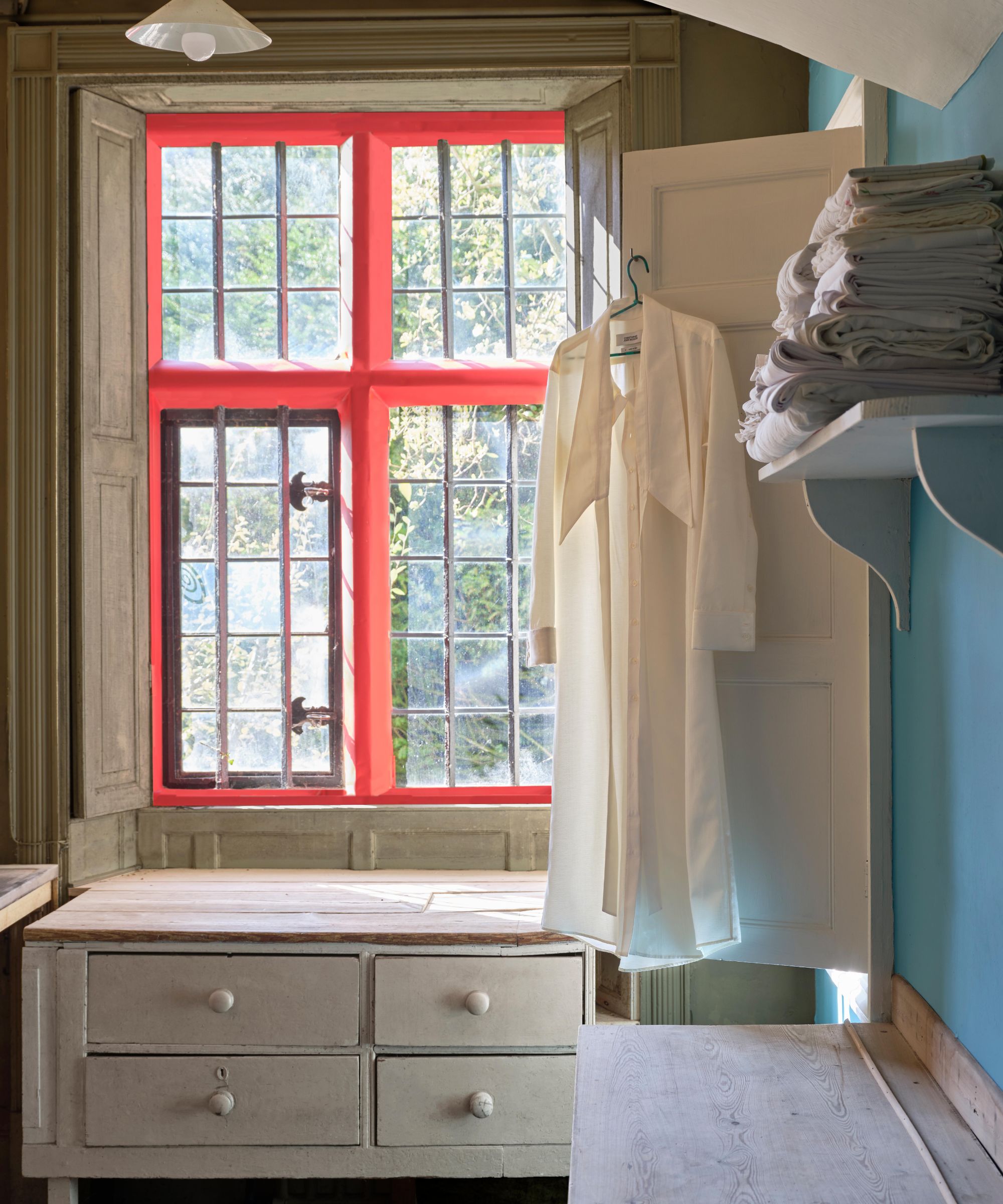
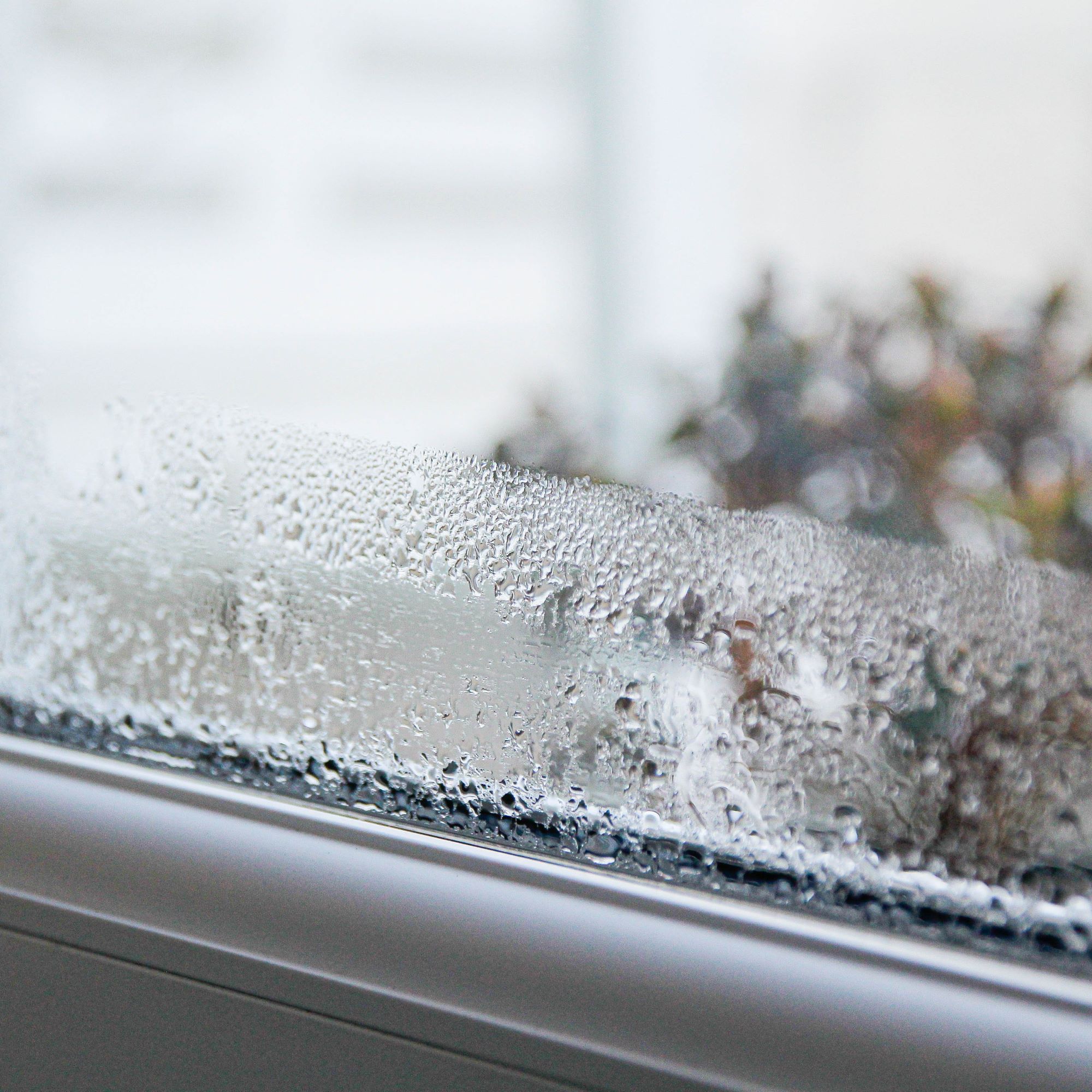
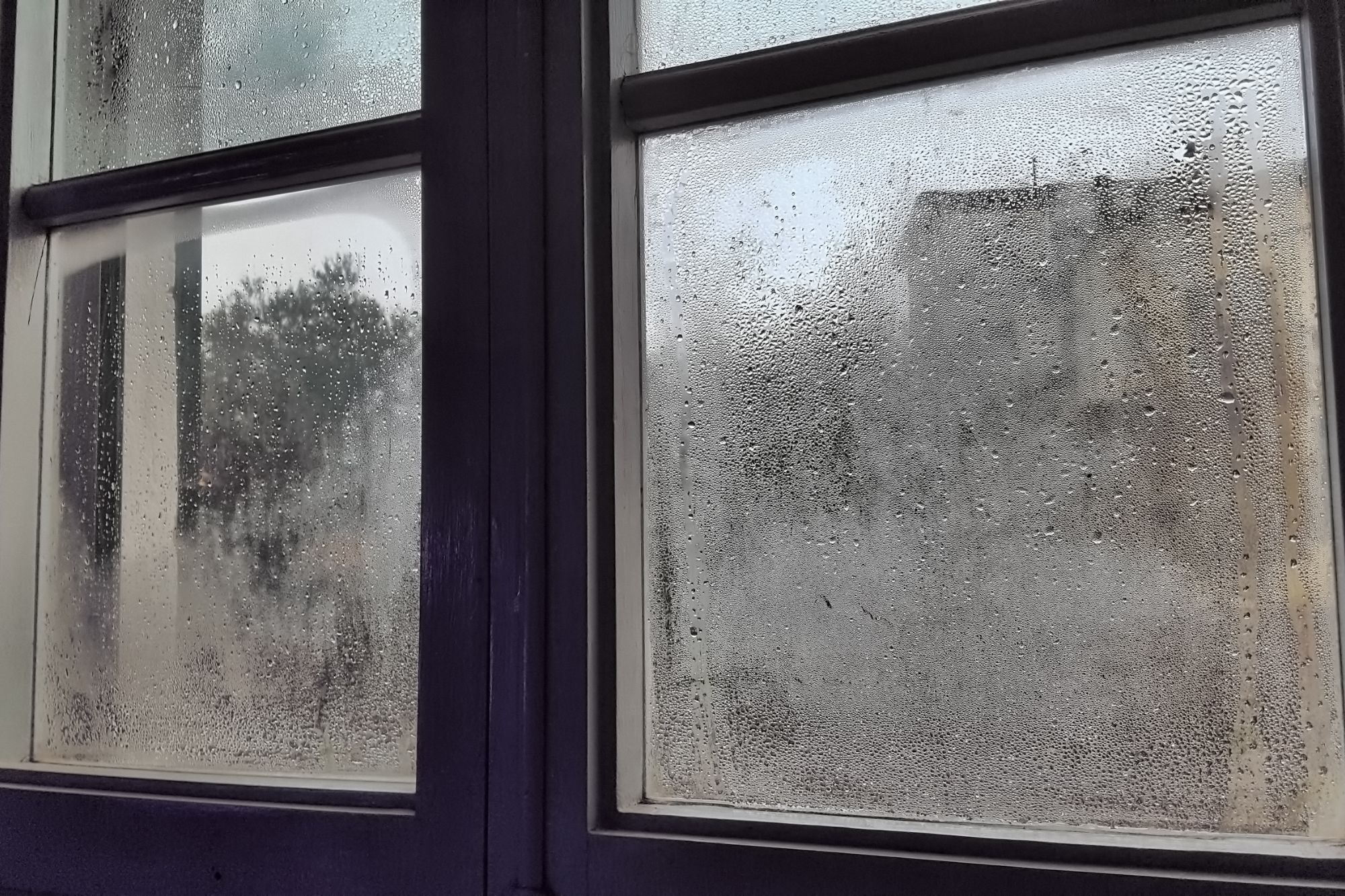
Condensation on windows is a common and annoying problem during winter, resulting from warm, moist air meeting cold surfaces. This phenomenon frequently affects windows, doors, walls, and unventilated areas like built-in wardrobes and cupboards. Rooms with high humidity, such as kitchens and bathrooms, are particularly susceptible, as are spaces where clothes are dried indoors or where people sleep, due to increased moisture in the air. If left unaddressed, condensation can lead to more serious issues like mold growth.
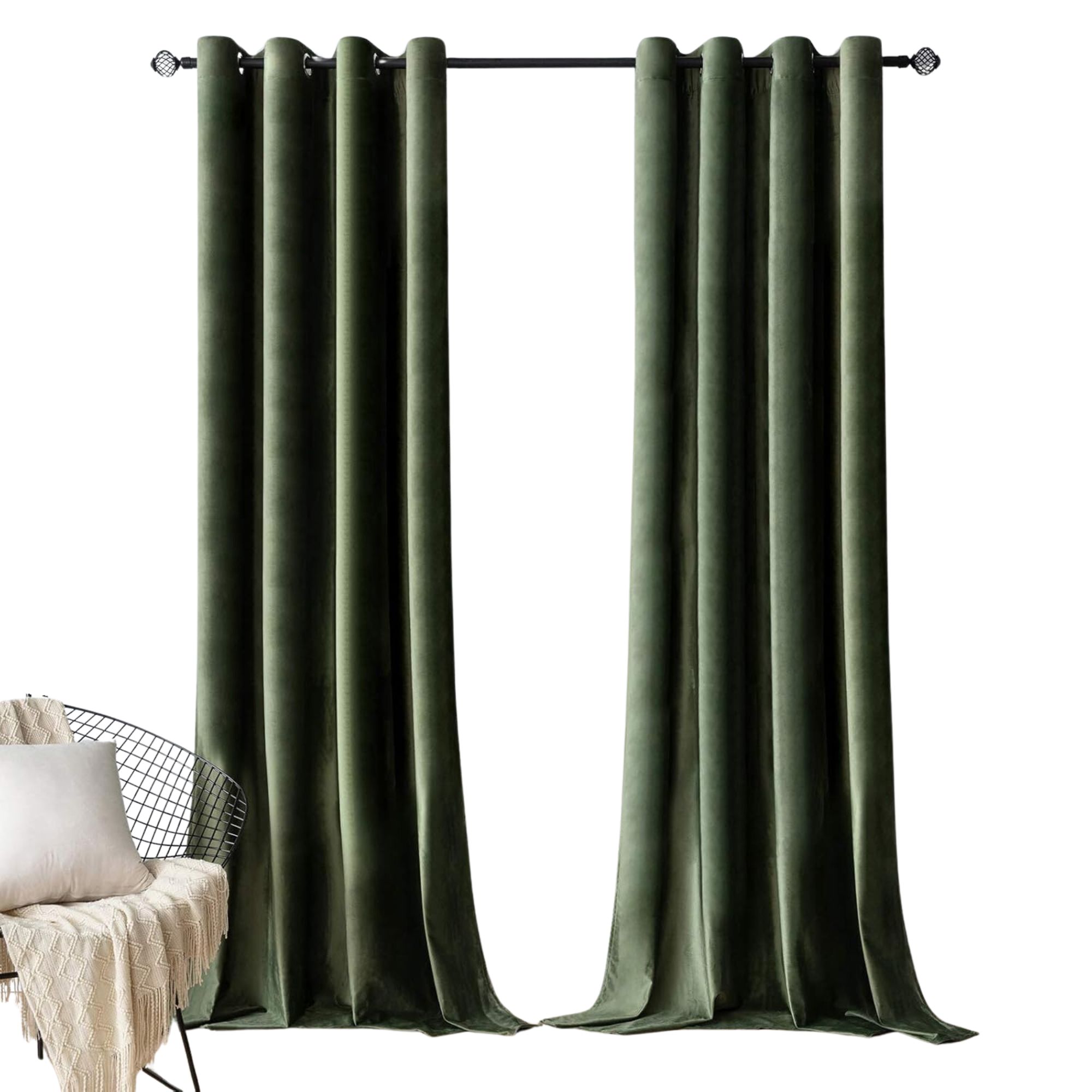
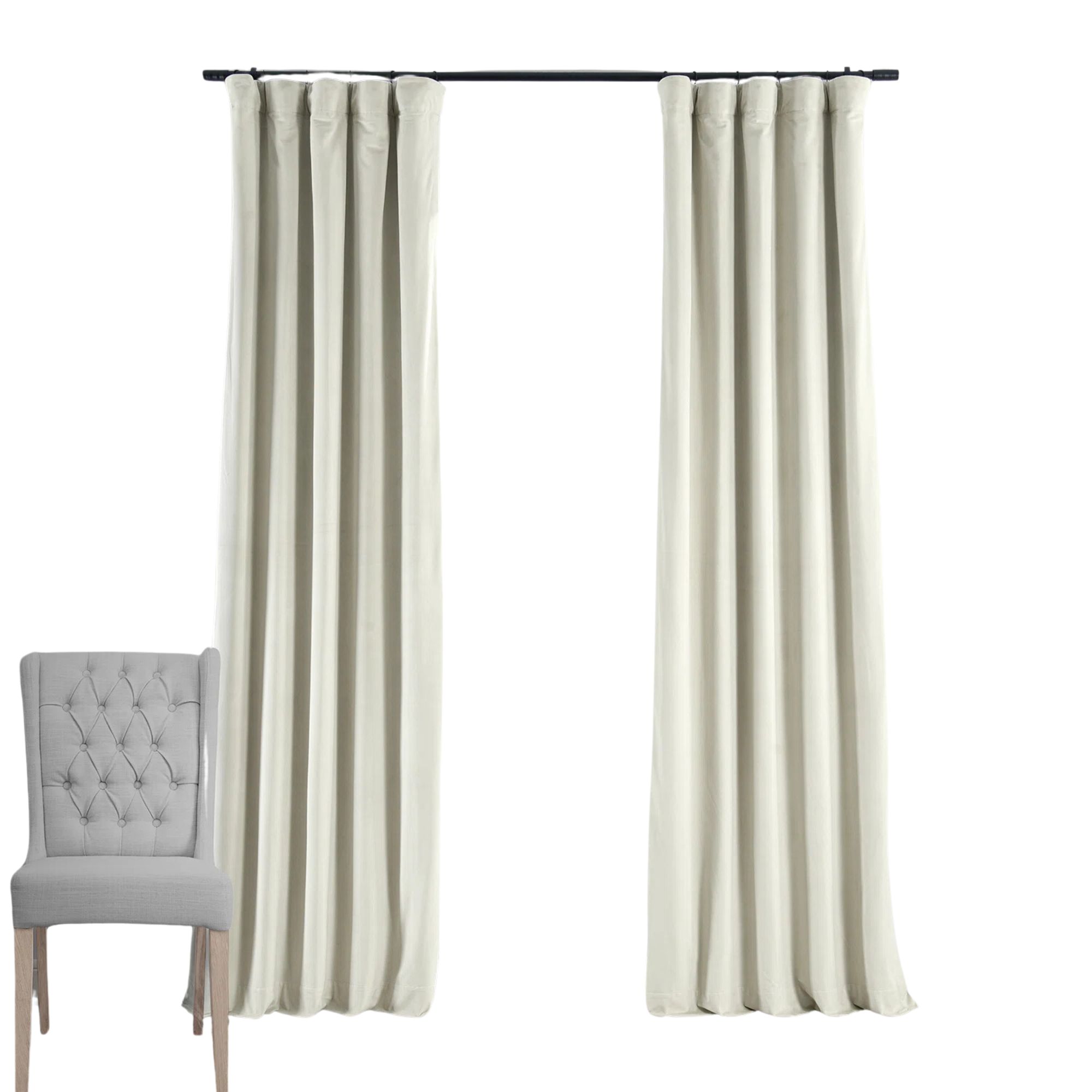
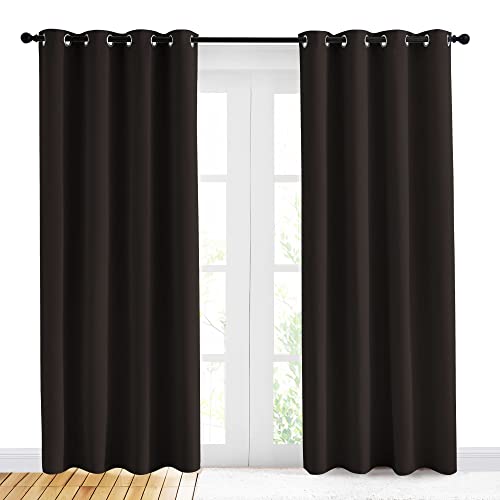
Experts at Screwfix offer several practical strategies to mitigate and prevent condensation in homes. A primary recommendation for bedrooms is to keep windows slightly open at night. This allows the humid air exhaled during sleep to escape, rather than accumulate and condense on cold windowpanes. Similarly, keeping curtains open at night is advised because closed curtains can prevent central heating from warming the window glass, making it colder and more prone to condensation. Allowing the glass to stay closer to room temperature through open curtains can significantly reduce moisture build-up. If full curtain opening is not feasible, opting for thinner curtains can still provide some benefit.
Ventilation is crucial in areas where significant moisture is generated. In bathrooms, opening windows during and after showering or bathing is essential to release the large amounts of steam produced. For kitchens, opening a window while cooking, using a kettle, or washing dishes helps warm, moist air to escape, preventing it from condensing on surfaces. Drying laundry outdoors whenever possible is another key recommendation, as indoor drying racks release substantial moisture into the air, contributing to humidity and condensation. If outdoor drying is not an option, clothes should be dried in a well-ventilated room, ideally with open windows and ample sunlight to aid faster drying.
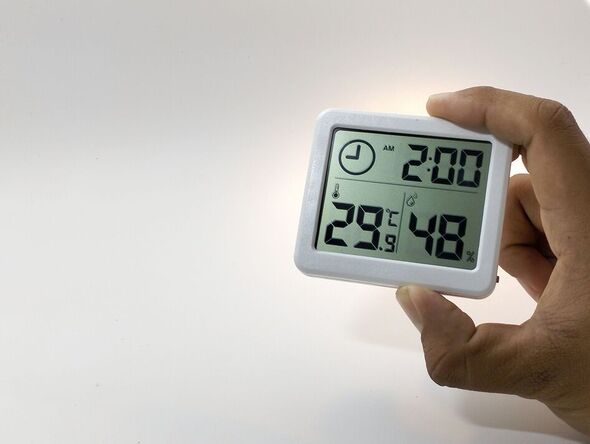
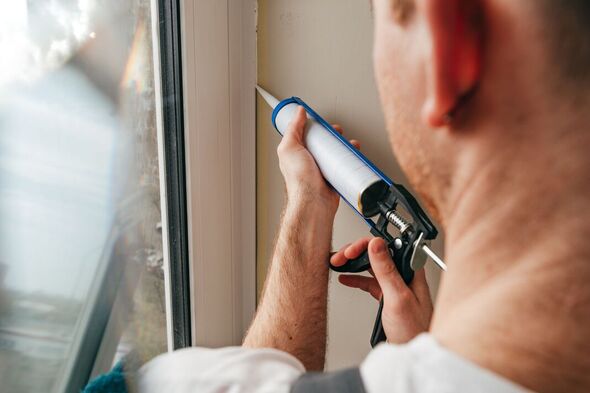
Heating practices also play a significant role in managing condensation. Instead of turning heating on and off at high temperatures, maintaining a constant, lower temperature helps prevent extreme fluctuations that cause windows to become very cold, then rapidly warm the air around them without warming the glass sufficiently. This consistent, lower heat keeps glass temperatures closer to room temperature, reducing the likelihood of condensation. Additionally, if condensation is observed between the panes of double-glazed windows, it indicates a fault in the window unit, requiring professional assessment and potential replacement. Lastly, addressing any underlying damp problems in the home is critical, as dampness increases overall humidity, exacerbating condensation issues. While excessive condensation can cause damp, structural damp problems also contribute to high humidity and must be resolved to effectively control condensation.
#HomeMaintenance #WinterTips #CondensationPrevention #HomeVentilation #EnergyEfficiency #MoistureControl #IndoorHumidity #HouseholdHacks #HomeMaintenance #WinterTips #CondensationPrevention #HomeVentilation #EnergyEfficiency #MoistureControl #IndoorHumidity #HouseholdHacks
0 comment in total
 No comments yet
You may also like

The 4 simple tricks that stopped condensation from forming on my bedroom windows – I no longer have to wipe my windows down every morning

Do thermal curtains keep heat out in the summer? Experts reveal whether these window dressings are worth buying

7 easy and efficient ways to keep your house warm this winter
Top 10 Winter Energy Saving Tips


7 curtain hacks for a warmer home this winter


5 easy DIY tricks to draft-proof sunrooms for winter

Winterize Those Drafty Windows Now (Save Money on Heating Bills Later)

How Can I Make My Curtains Warmer? 7 Expert Solutions That Are Stylish, Too


This $8 hack to keep the cold out works almost as well as double glazing

6 Expert-Backed Ways to Keep Cold Air—and High Energy Bills—Out of Your House This Winter


8 Gorgeous Blackout Curtains That Will Actually Improve Your Sleep


Fed Up with Chilly Nights? HVAC Pros Reveal One Quick and Free Bedroom Tweak to Keep You Warmer Without Raising Bills
Prep for Winter Weather with These 8 Window Insulation Kits

How to 'warm up' cold walls and 'protect' your home from condensation and mould growth

This is the only thing keeping my windows condensation-free
5 effective ways to stop condensation gathering on your bathroom mirror

Stop Bedroom Damp with This 84-Cent Natural Home Fix

The winter bedroom reset: How to sleep better this season

Hot Tip: A Bed Canopy Might Help You Get 8 Hours of Sleep
The 8 Best Door Draft Stoppers for Winter-Proofing Your Home