1/6
5 effective ways to stop condensation gathering on your bathroom mirror
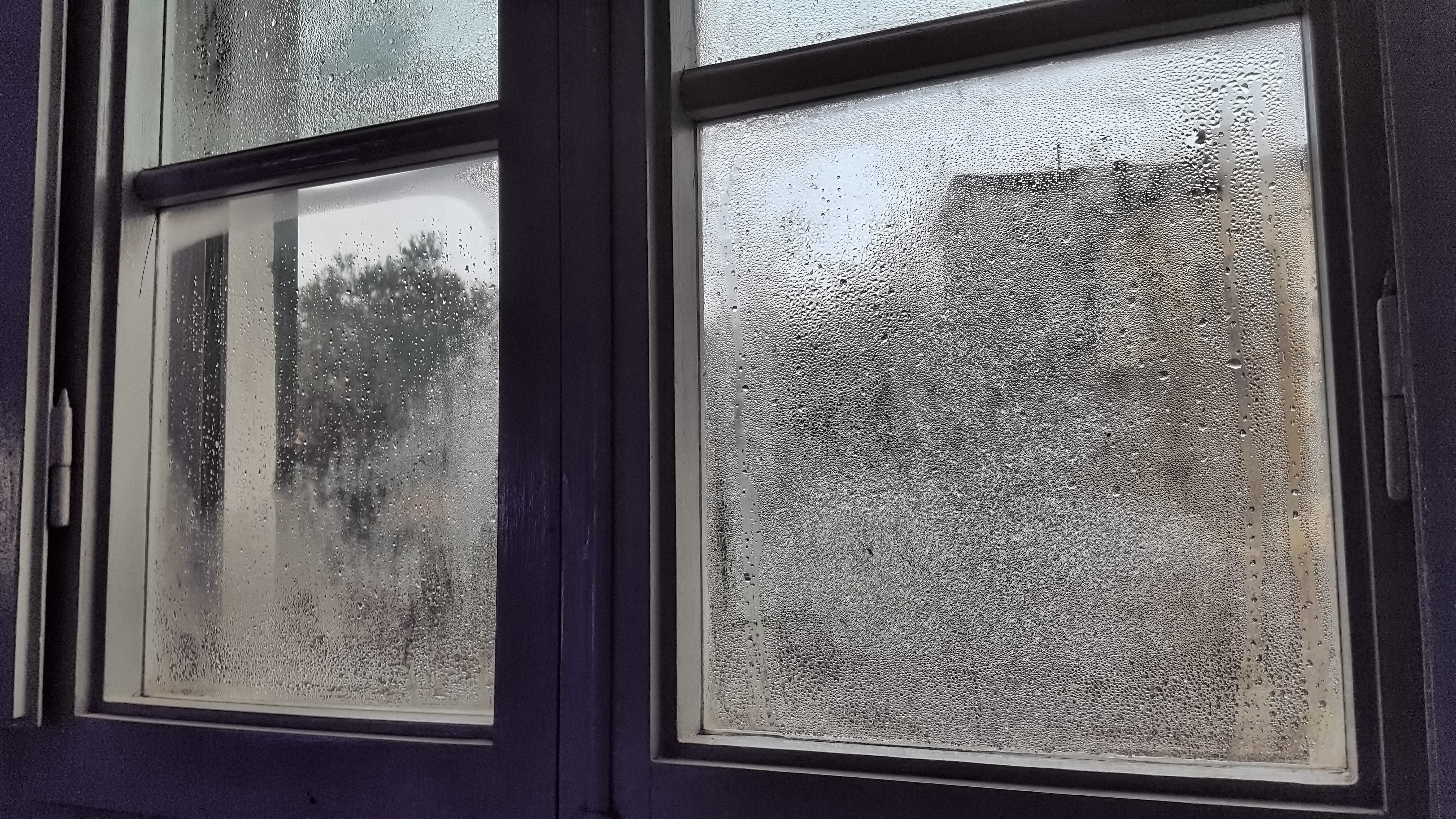
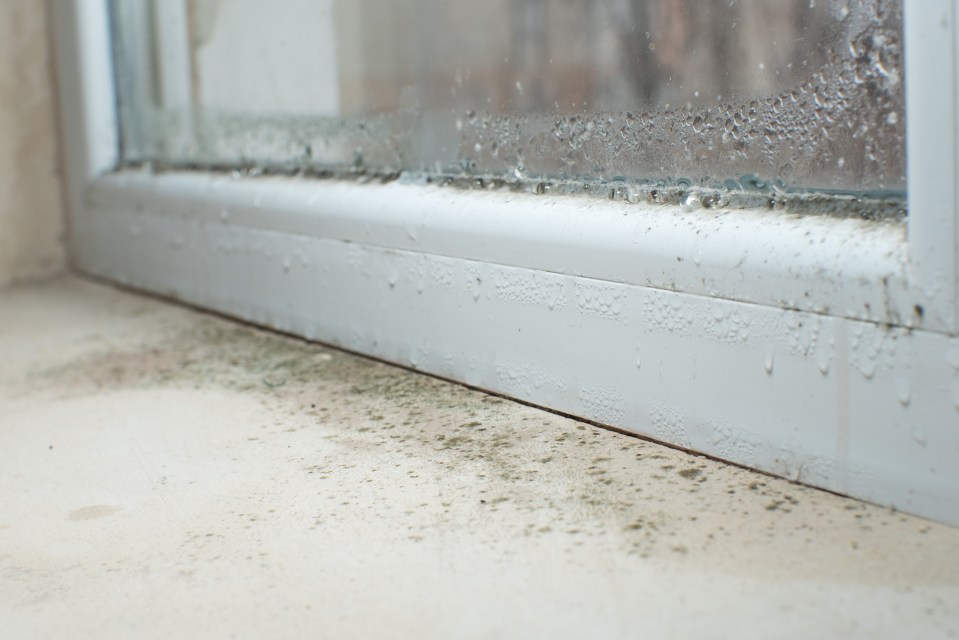
Condensation on bathroom mirrors is a common issue, particularly during colder months when hot showers and baths are taken with closed windows. While seemingly minor, persistent condensation can lead to significant problems, including the growth of mold and mildew, which poses health risks and can cause unsightly black spots on mirrors, known as desilvering. It also obscures visibility, making the mirror less functional.
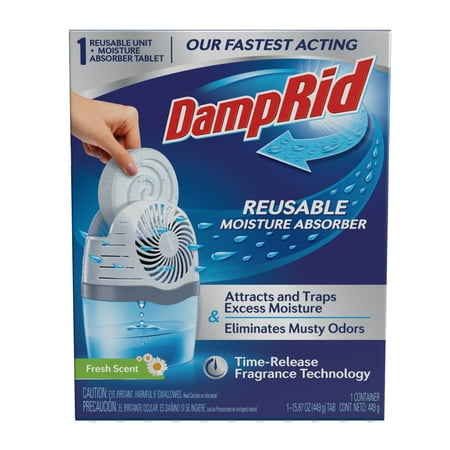
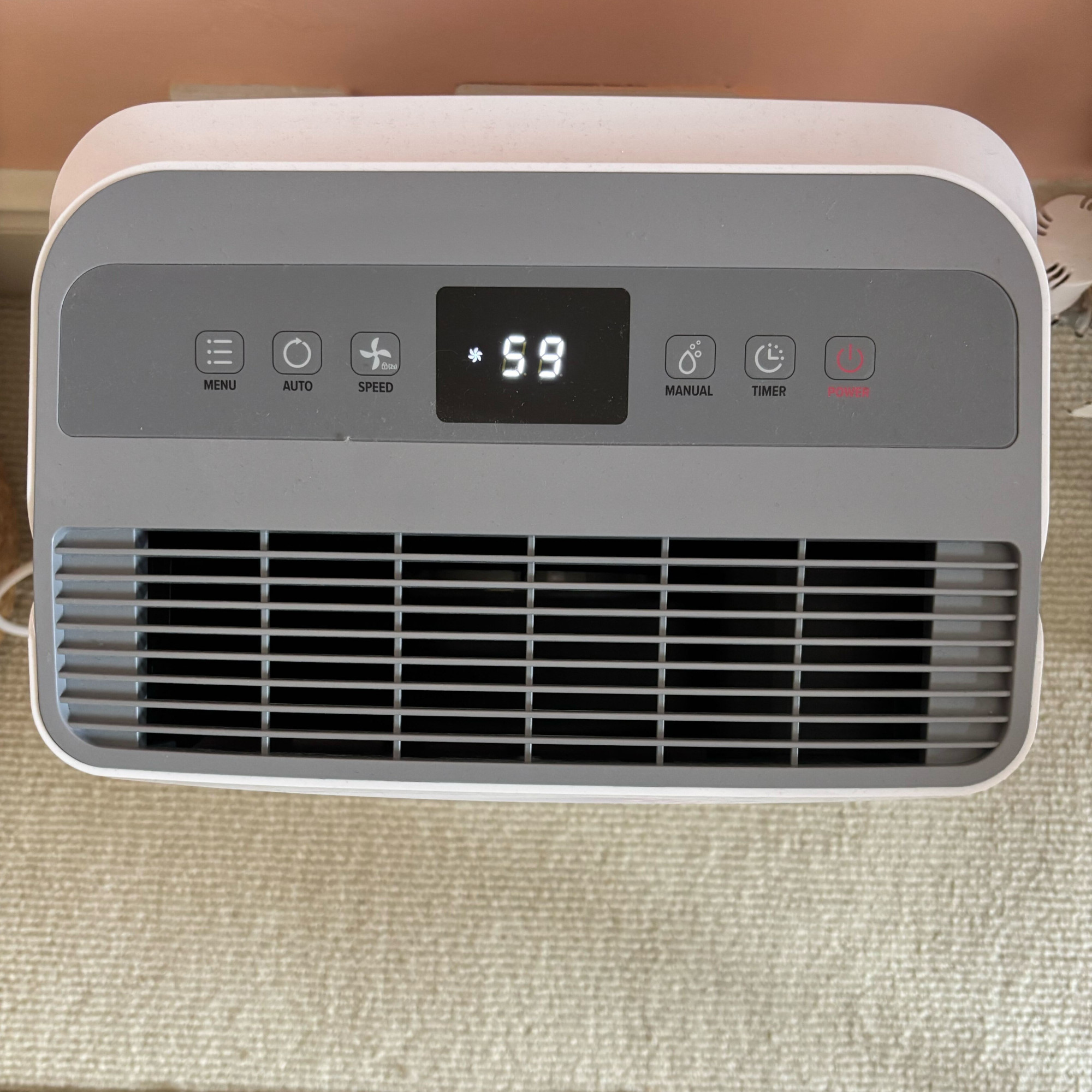
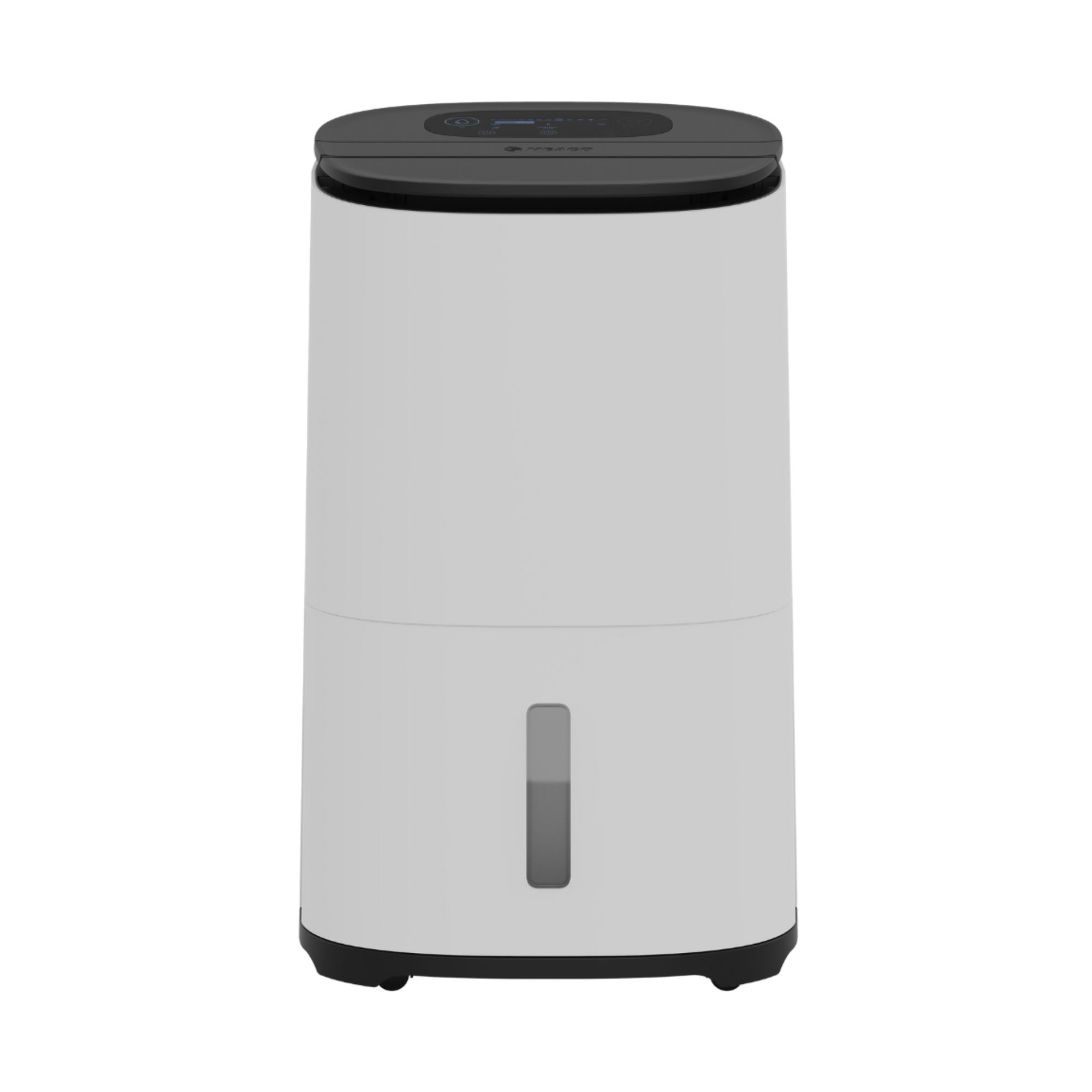
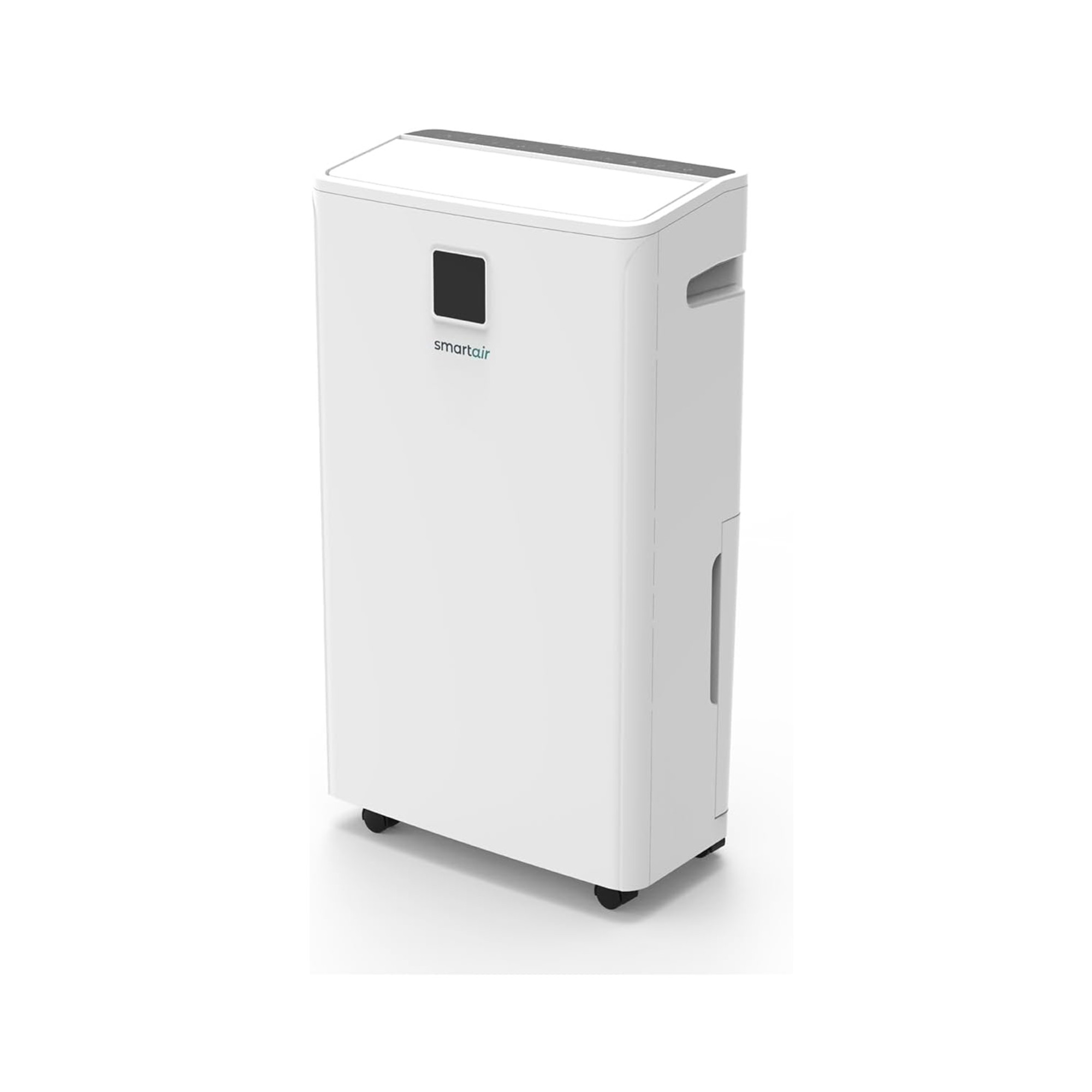
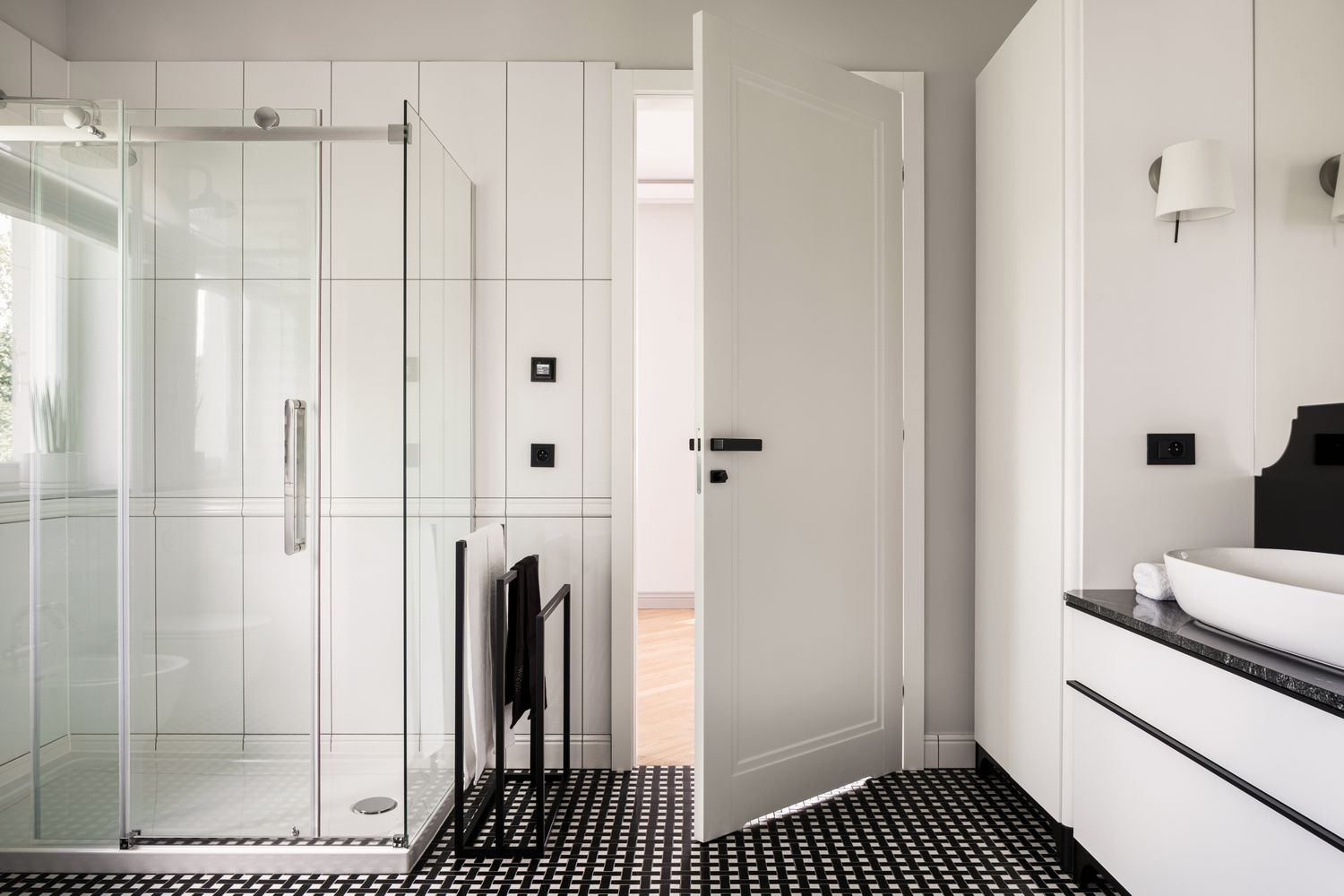
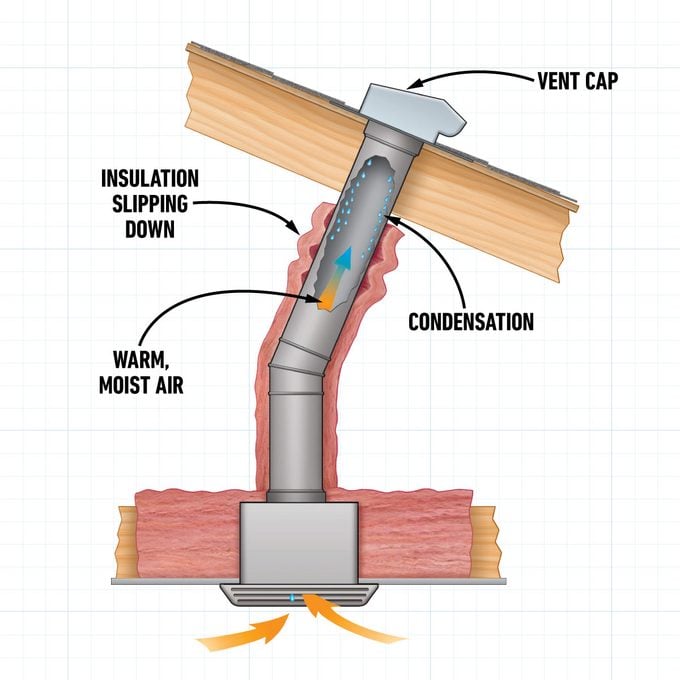
To combat this, various methods can be employed. The most fundamental approach involves improving bathroom ventilation. This can be achieved by opening windows, which helps warm, humid air escape and cooler, fresh air to enter, thus regulating the room's temperature. Running an exhaust fan during and for 10-15 minutes after a shower is also highly effective. For bathrooms without fans, keeping a window or the door slightly ajar can make a difference. Complementing ventilation with a dehumidifier further enhances moisture control. However, for safety reasons, dehumidifiers should be placed outside the bathroom, preferably near an open door, as bathrooms are considered wet rooms. Moisture absorbers can also be used in the bathroom for additional humidity reduction.
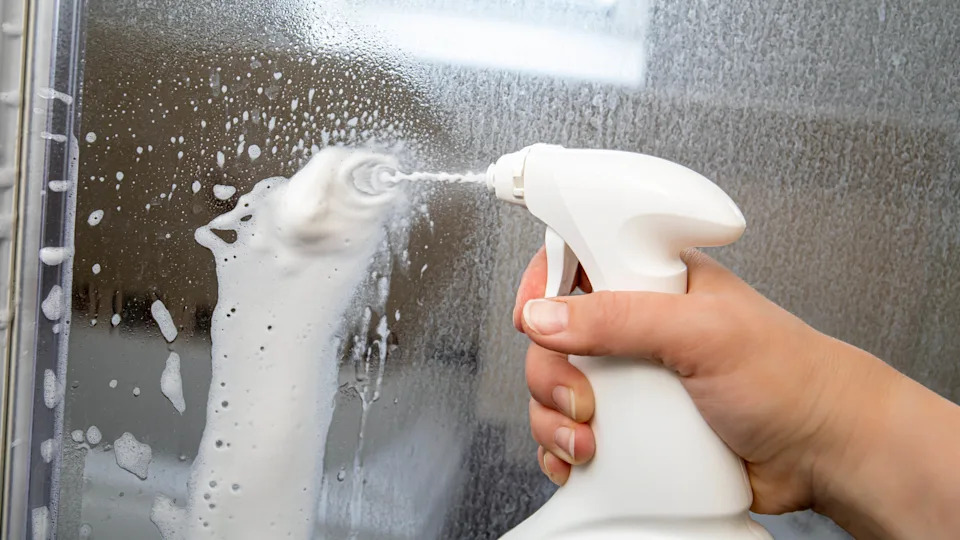
Another effective solution is the application of anti-fog sprays. These sprays create a protective, water-repellent coating on the mirror's surface. Users should clean the mirror thoroughly before applying the spray, then wipe it evenly with a microfiber cloth and allow it to dry. Reapplication is typically needed every few weeks for optimal results. Brands like Invisible Glass Anti-Fog Windshield Treatment are recommended for their durability and ease of use.
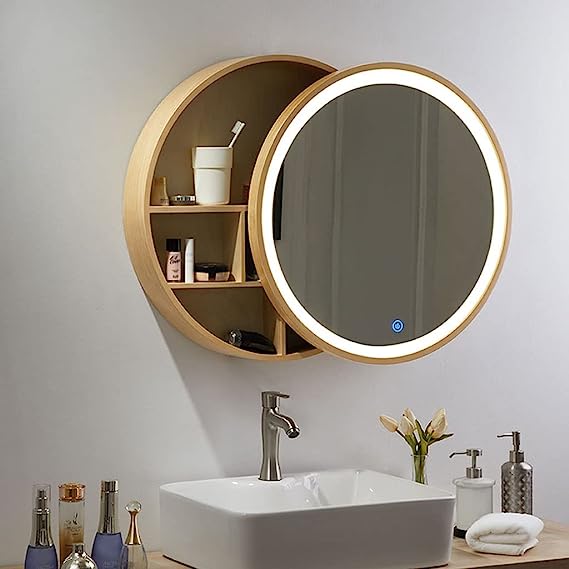
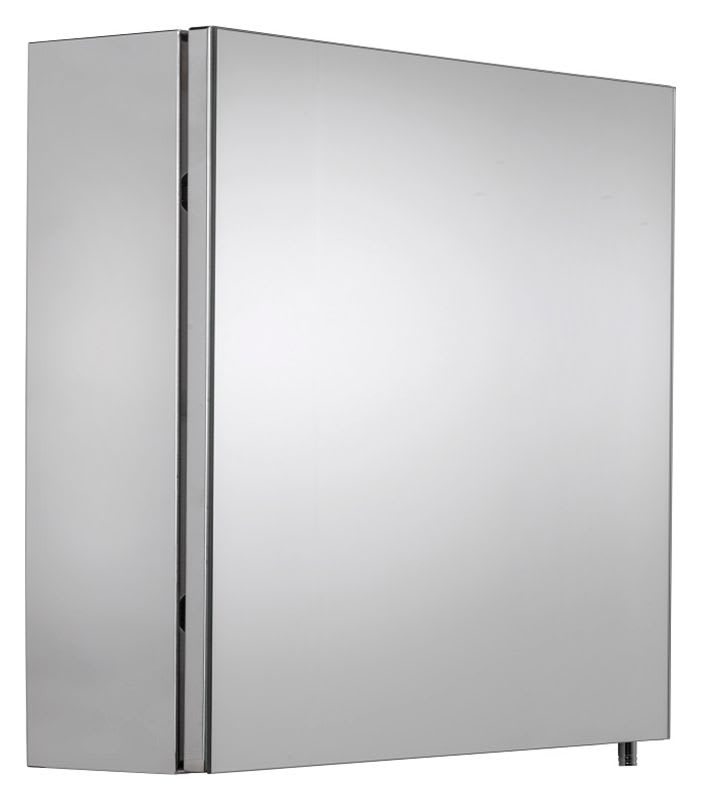
For a more permanent solution, heated mirror pads or mirrors with built-in anti-fog technology can be installed. Heated mirror pads, such as ClearlyYou™ Mirror Defoggers, are affixed to the back of the mirror and warm its surface, preventing condensation. These can be wired to turn on with the bathroom light switch. Alternatively, investing in a new mirror with integrated heating elements or special coatings, like those from Hauschen Home, completely eliminates the fogging problem. Mirrored cabinet doors are also noted to fog up less due to reduced steam exposure.
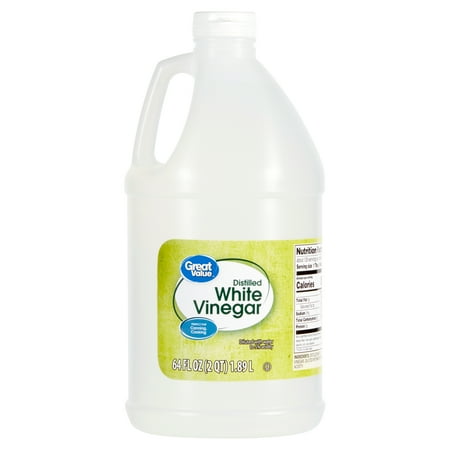
Several DIY remedies can offer short-term relief. Applying a thin layer of soap or shampoo to the mirror and buffing it with a dry cloth can reduce water's surface tension, preventing droplet formation, though it may leave smudges. A mixture of equal parts water and vinegar, sprayed and wiped off, can also be effective, but caution is advised with older mirrors or porous frames. Shaving cream, when rubbed on and wiped off, leaves an invisible layer that prevents fogging for a few days, though it requires frequent reapplication. If condensation persists despite these efforts, it indicates consistently high humidity levels in the bathroom. In such cases, monitoring humidity with a hygrometer (aiming for 30-50% relative humidity) and consistently using a dehumidifier or moisture absorbers is crucial to prevent long-term issues like mold growth.
#BathroomDesign #HomeMaintenance #CondensationControl #AntiFogSolutions #DehumidifierUse #DIYHomeHacks #MirrorCare #IndoorAirQuality #BathroomDesign #HomeMaintenance #CondensationControl #AntiFogSolutions #DehumidifierUse #DIYHomeHacks #MirrorCare #IndoorAirQuality
0 comment in total
 No comments yet
You may also like

Stop Bedroom Damp with This 84-Cent Natural Home Fix

Have a window above your bathroom sink? Emily Henderson's simple hack will let you fit a mirror in too

Are these mirror cleaning mistakes ruining your shine? Professional cleaners reflect on what we're doing wrong
Why Is Water Dripping from My Bathroom Fan?


The 4 simple tricks that stopped condensation from forming on my bedroom windows – I no longer have to wipe my windows down every morning

7 ways to winter proof your bathroom

Speed Up Your Bathroom Cleaning Routine with These Smart, Time-Saving Tips
Did You Know You Can Technically Add a Demister to Any Bathroom Mirror? Here's What You Need to Know


This 'Suspended' Mirror Trend Solves Your Bathroom Layout

10 Items You Should Never Store In The Bathroom

6 bedroom storage mistakes that could be causing mould – and what to do instead

Bathroom Cabinets & Storage

Foggy bathroom mirror? Plug in your hair dryer!

Eight top tips to banish condensation this winter - starting with sleeping with your curtains open


Bathroom vanity mirror ideas – 10 practically perfect looks

How to prevent mould in wardrobes - expert-approved tips to protect your furniture and your clothes

How to stop damp in a bedroom - 10 foolproof ways to keep mould at bay
My bathroom mirror is a lint magnet — I asked an expert how to get a spotless finish

The free condensation-busting item which comes in the post - but you're binning

25 Low-Effort Ways To Keep Your Bathroom Clean