1/7
How to soundproof an apartment – 6 renter-friendly changes that will block out noisy neighbors
Living in an apartment, condo, or flat often means close proximity to neighbors, leading to potential noise issues. While full soundproofing typically requires professional intervention involving structural changes to walls and floors, there are several less intrusive and renter-friendly methods to mitigate noise transfer. These solutions focus on simple modifications and strategic use of decor, offering practical ways to reduce unwanted sounds within your living space.
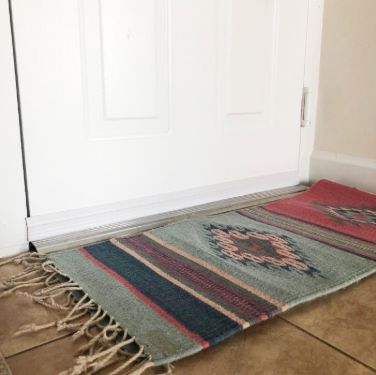
One of the most effective initial steps is to seal doors. For exterior doors, installing a commercial-grade door sweep can prevent noise, dust, and drafts. Additionally, hanging a door curtain in the entryway can help absorb sound. For internal doors, draft excluders that slide under the door provide a tool-free solution for reducing noise. Similarly, sealing windows is crucial. Using foam weatherstripping, which is an adhesive-backed foam, can effectively seal out air and significantly reduce noise transmission through windows. This method also contributes to energy saving.

Window treatments play a significant role in noise reduction. Layering windows or using specially designed noise-lowering materials can be very effective. Sound-dampening curtains are known to reduce noise reverberation, while wooden shutters can block external noise. For optimal results, combining both curtains and shutters is recommended, and seeking a specialist for measurement and fitting can ensure aesthetic appeal and effectiveness. Soft furnishings are another powerful tool for sound dampening. Items such as large rugs with rug pads, cushions, blankets, and even art can help absorb sound. Choosing thicker materials and opting for soft furnishings like ottomans over hard coffee tables can further enhance sound absorption, preventing noise from entering or leaving the space.
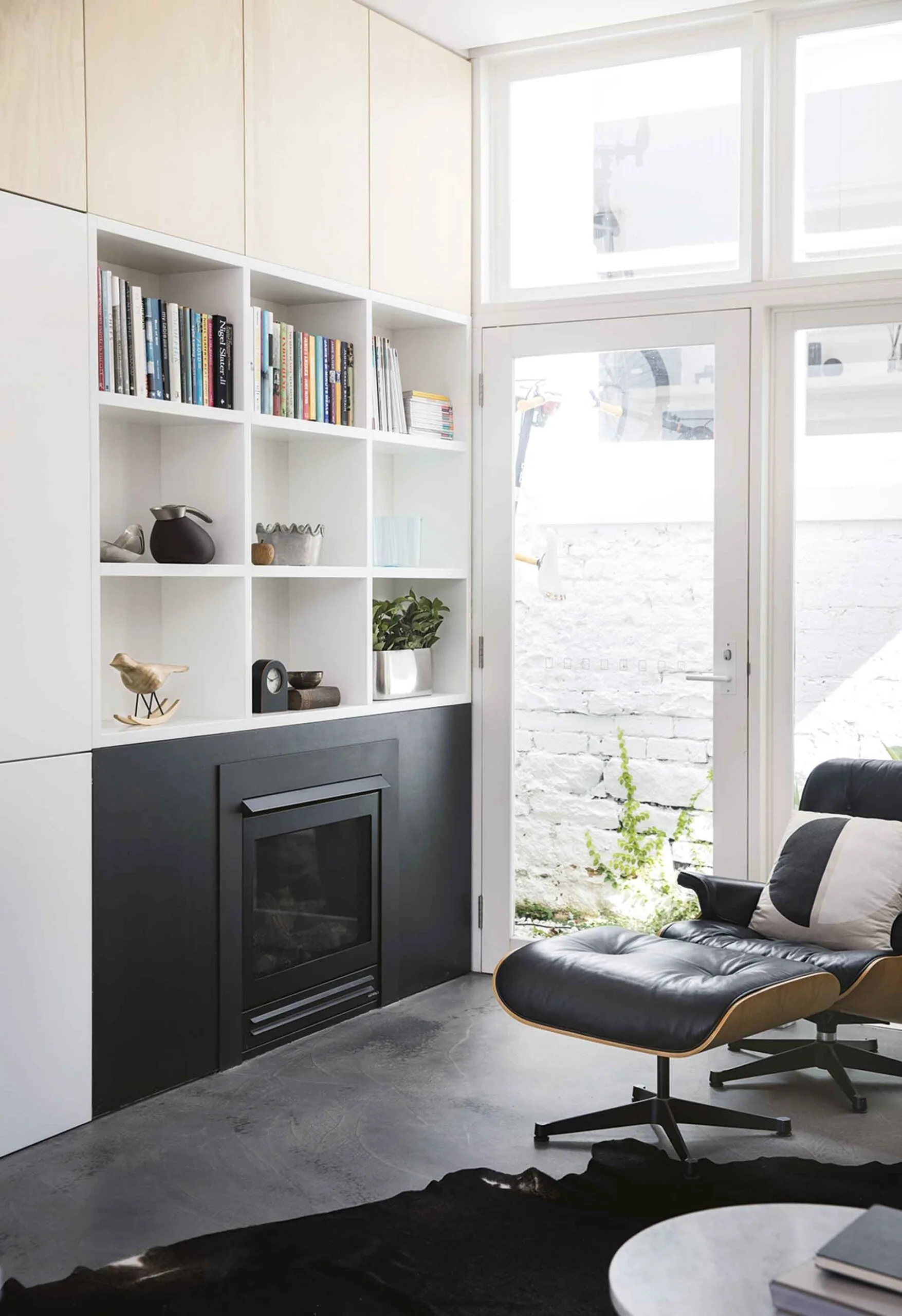
Making use of full-height joinery or shelves, particularly filled with dense objects like books, can also contribute to muffling sound coming from adjacent properties. While this provides sound absorption rather than true soundproofing, it can significantly improve the acoustic comfort of a room. Incorporating plants into your decor offers an additional benefit; a good selection of indoor plants can help absorb sound while also improving air quality. Large plants like the fiddle leaf fig tree are particularly effective due to their scale and presence.
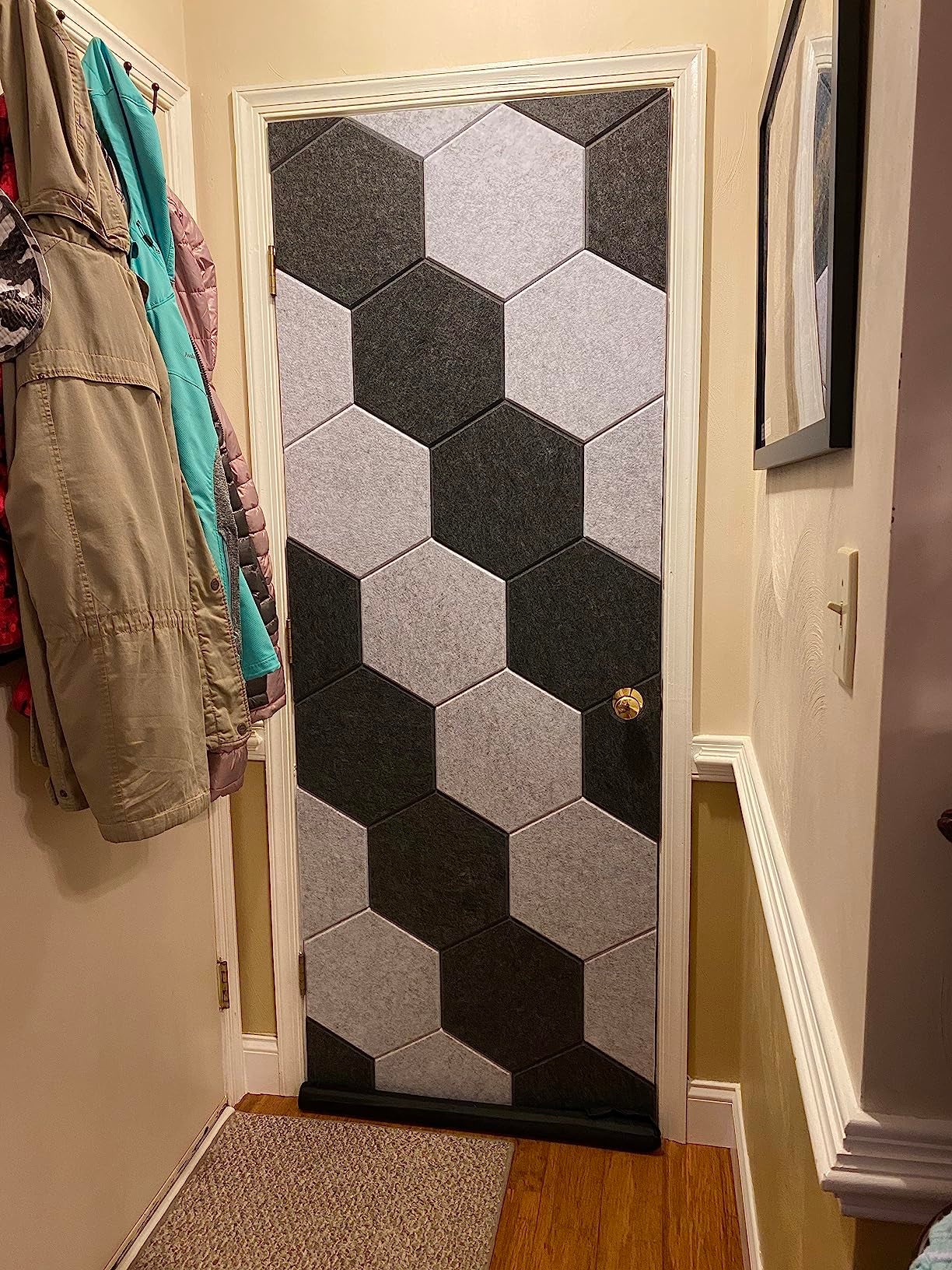
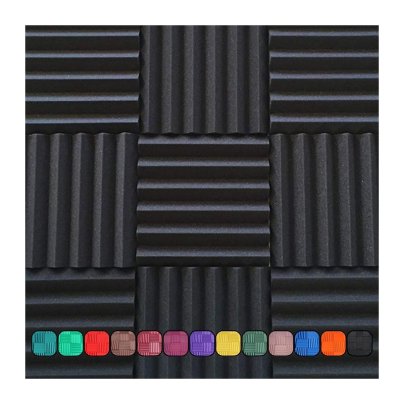
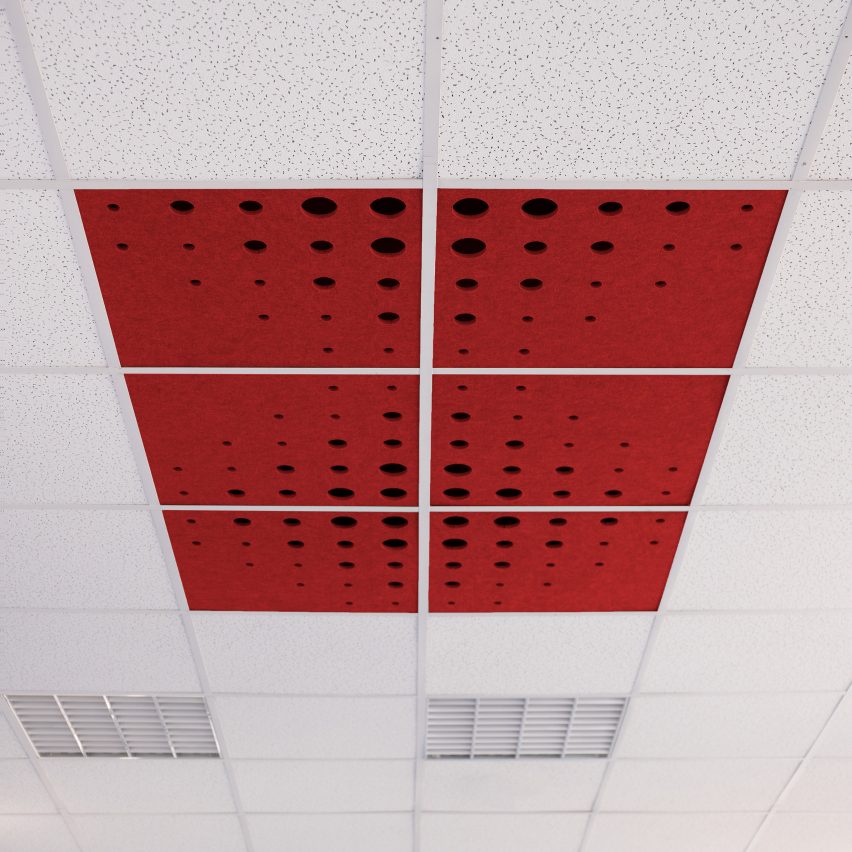
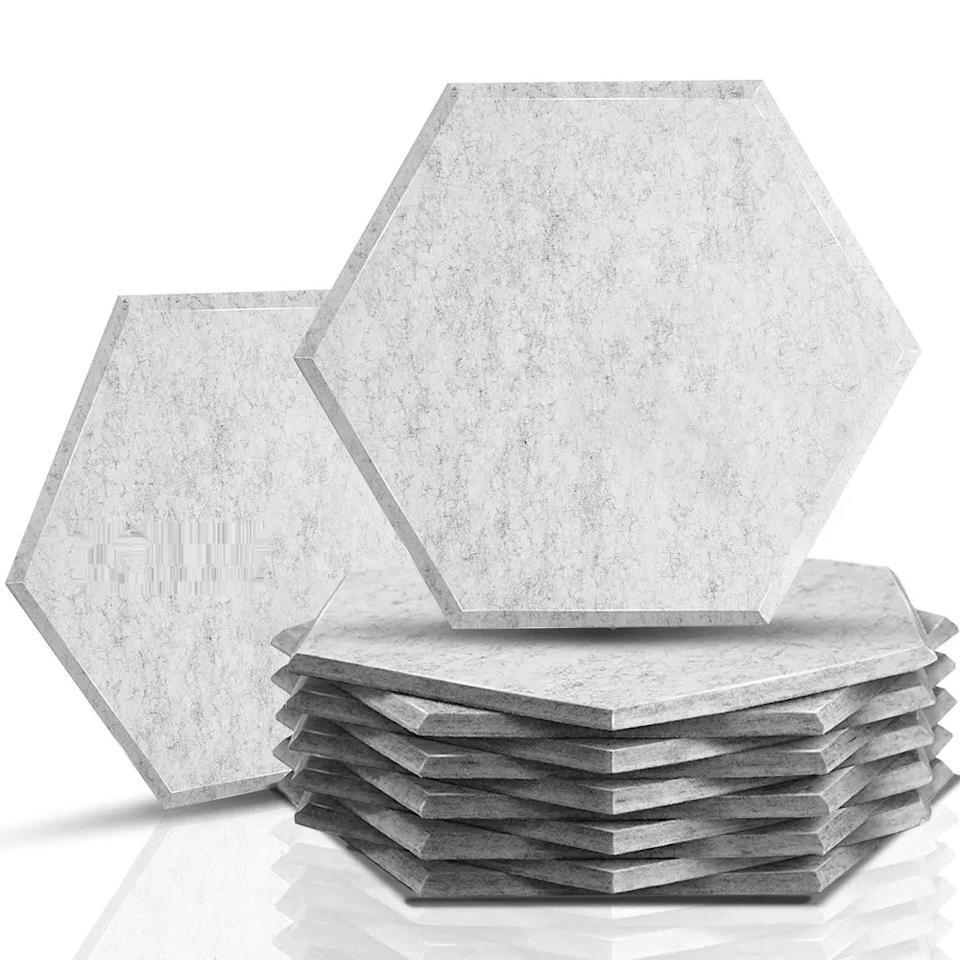
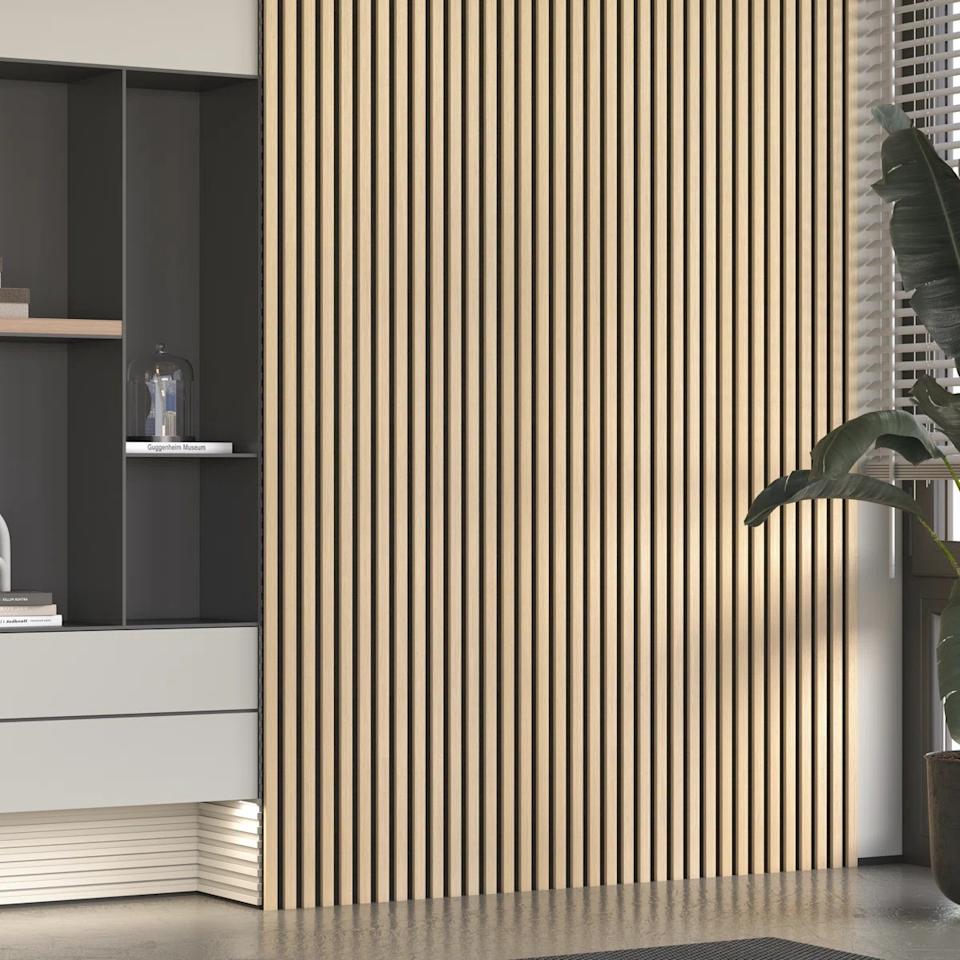
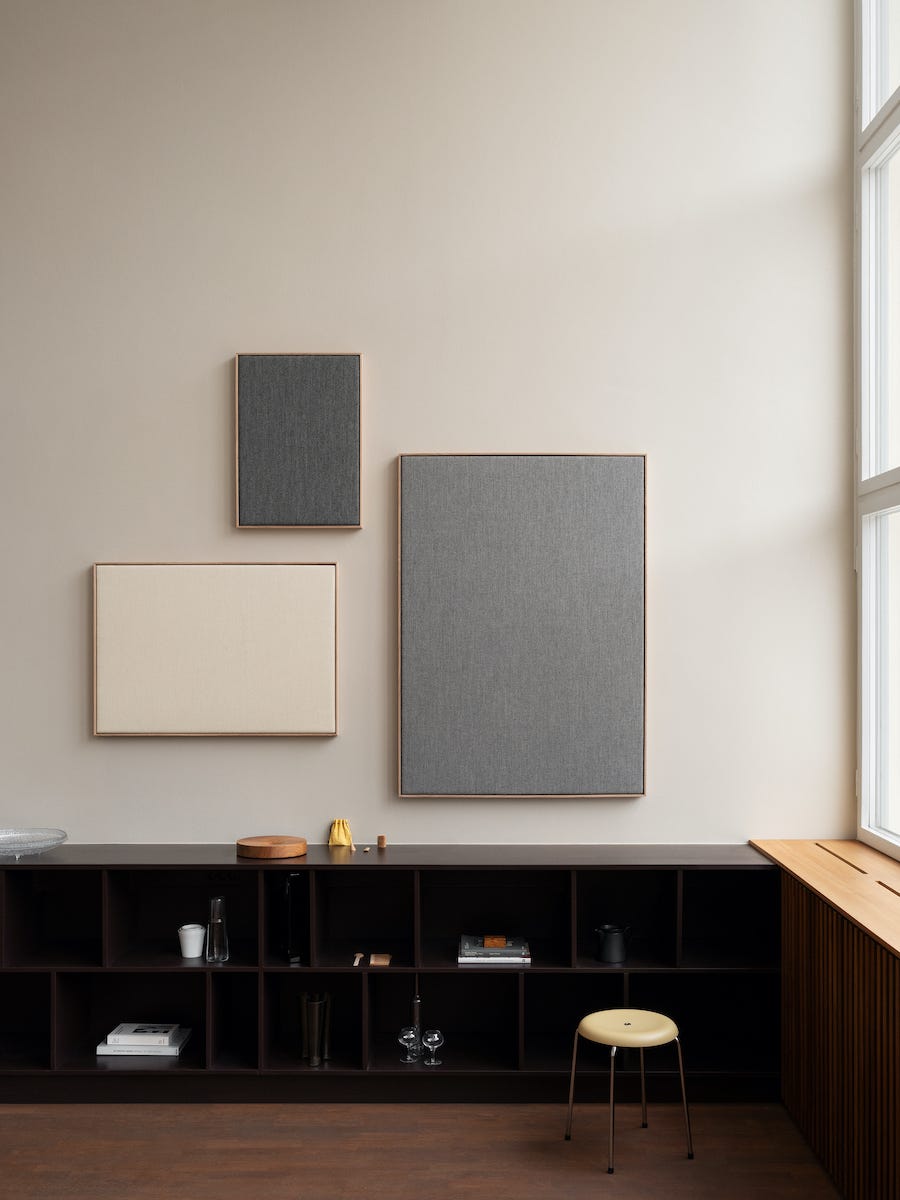
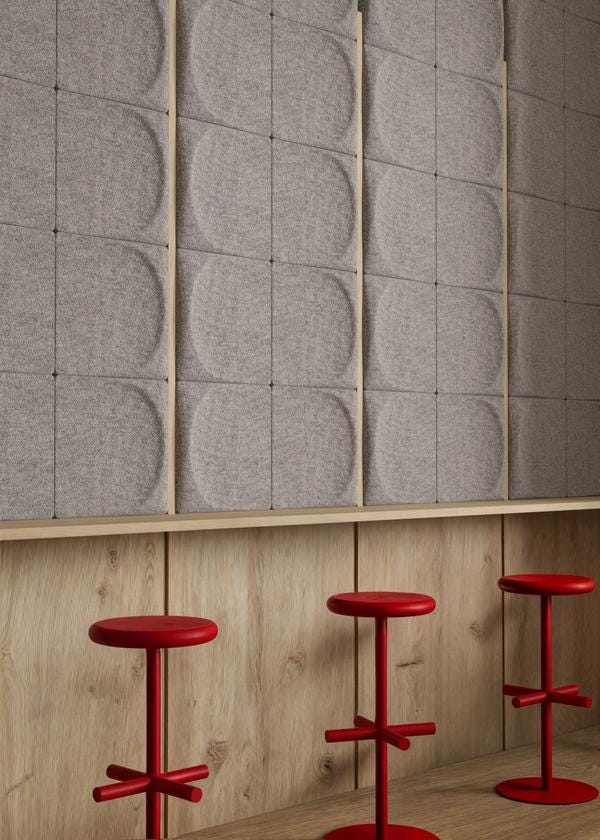
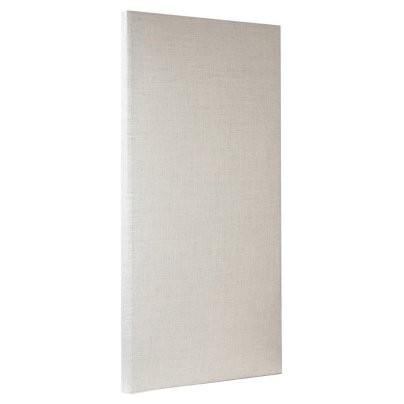
While complete soundproofing of a property requires eliminating all gaps and connecting materials and often professional advice, several DIY tips can cut down on sound transfer. These include sealing gaps around windows and doors with acoustic sealing kits or secondary glazing, hanging interlined curtains, replacing hollow interior doors with solid wooden ones, and using acoustic underlay beneath carpets. For homes with open fires, inserting a chimney balloon when not in use can help reduce external noise. Acoustic wall panels can absorb noise once it's inside the apartment, though they don't prevent its entry. These combined strategies offer a comprehensive approach for renters seeking to create a quieter living environment without undertaking major renovations.
#ApartmentLiving #Soundproofing #RenterFriendly #NoiseReduction #InteriorDesign #HomeDecor #AcousticSolutions #DIYHome #ApartmentLiving #Soundproofing #RenterFriendly #NoiseReduction #InteriorDesign #HomeDecor #AcousticSolutions #DIYHome
0 comment in total
 No comments yet
You may also like

How to soundproof a bedroom – five easy and affordable fixes for a quiet night's sleep

Six acoustic products that control noise levels in busy interiors

Improving floor/ceiling sound control in multifamily projects

The sound of silence: Strategies to keep out the noise in condo suites

How to soundproof a room according to an expert


How to soundproof your kitchen and stop noisy appliances disturbing your peace

4 Effective Ways to Soundproof Your Bedroom


How To Soundproof Your Garden

If Your Home Is Super Noisy, You’ll Appreciate These 24 Noise-Dampening Products

5 cheap and easy ways to soundproof a room, whether you're a homeowner or a renter

Joanna Gaines’s secret trick for a calmer, quieter home instantly solved my noisy neighbor problem –and it's only $60

How do I make my kitchen quieter? The tricks designers use to stop noise ruining an open-plan home

How to soundproof your apartment

The Best Soundproofing Materials for Any Room in Your Home


These Acoustic Wall Panels Make Any Room a Quiet Place to Work or Relax

Sound-Absorbing Panels: The New Domestic Landscapes Inhabited by Sound
9 expert tips for soundproofing a room – how to sort acoustics while losing nothing of the aesthetics

Eight acoustic items that help to quieten down lively interiors
5 ways to insulate a wall to lower your energy bills and block out noise – and which ones are a mistake to DIY


Need help with soundproofing your NYC apartment? Here’s Brick’s best advice