5 cheap and easy ways to soundproof a room, whether you're a homeowner or a renter
Soundproofing a room can be an effective solution for minimizing noise, whether it's from neighbors in an apartment building or to prevent disturbing sleeping children. The process involves absorbing soundwaves from both airborne noise, such as a playing TV, and structure-borne noise, like footsteps from an upstairs resident. To achieve this, focus on areas where noise typically enters or exits a room, including walls, floors, ceilings, doors, and windows.
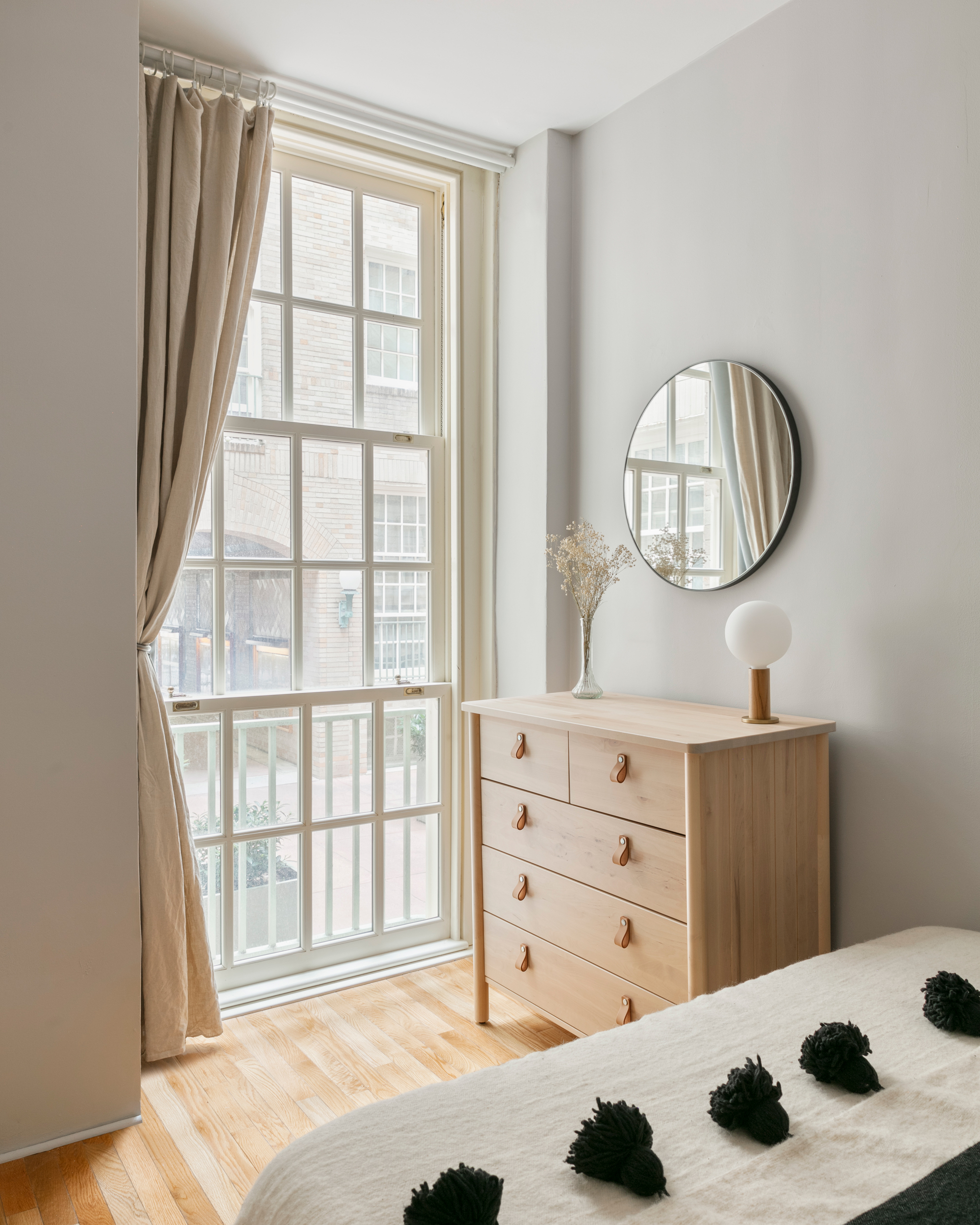
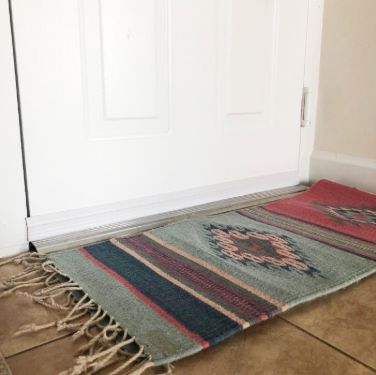
One of the most accessible and budget-friendly methods to soundproof a room is by incorporating soft materials. Hard surfaces tend to amplify sound waves, while dense, soft materials like blankets, rugs, and curtains absorb them. For renters or those with limited budgets, this approach is ideal as it's temporary. Heavier blankets are more effective at blocking airborne noise, and specialized soundproof hanging blankets or curtains, often filled with dense fiberglass or wool, offer superior noise absorption. These can be easily hung when needed and removed when not.
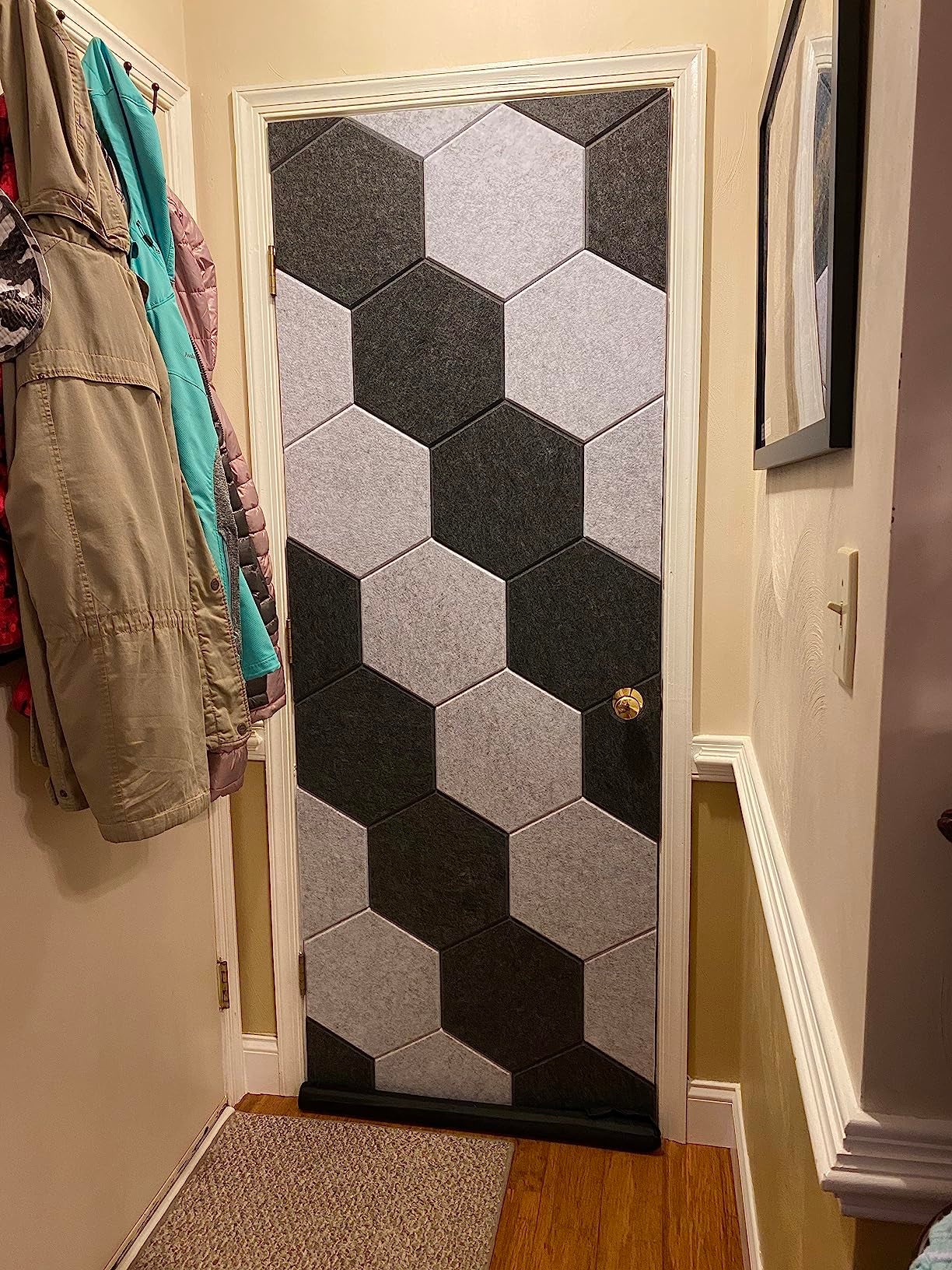
Doors are a common source of noise transmission. While closing a door helps, most interior doors lack the tight seal necessary for significant noise reduction. Adding weather stripping around doors can create a tighter seal, effectively minimizing noise without permanent alterations, making it suitable for renters. Attaching a soundproof blanket to the back of a door also contributes to sound absorption. For more permanent solutions, replacing a hollow door with a fiber door, which contains sound-absorbing foam, is an option. When building or renovating, sliding glass doors can be considered for their durability and superior sealing properties, which aid in noise reduction.
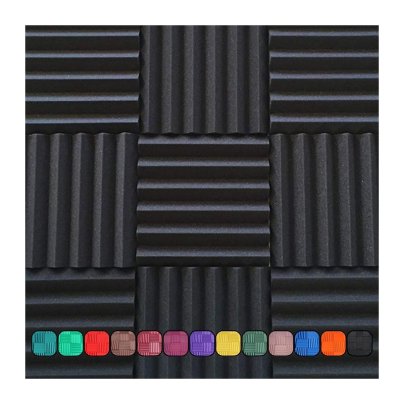
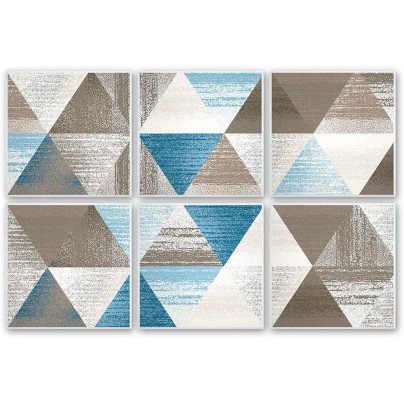
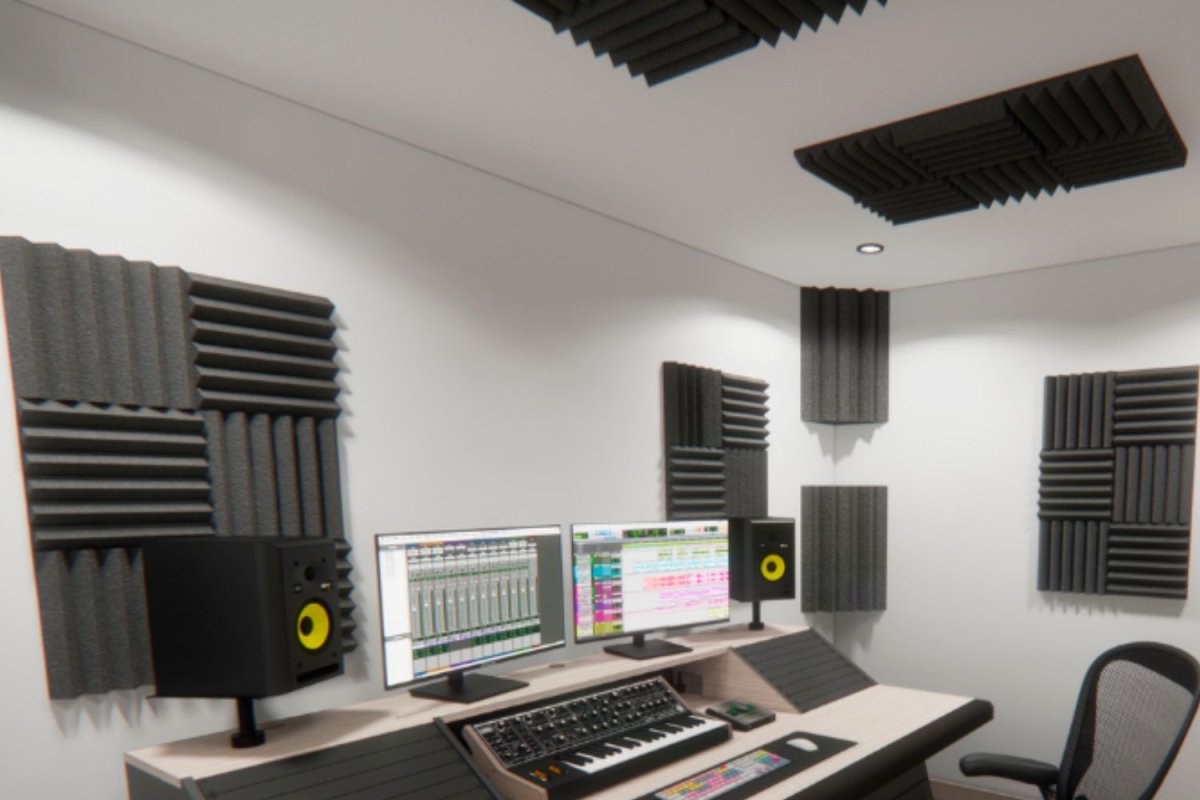
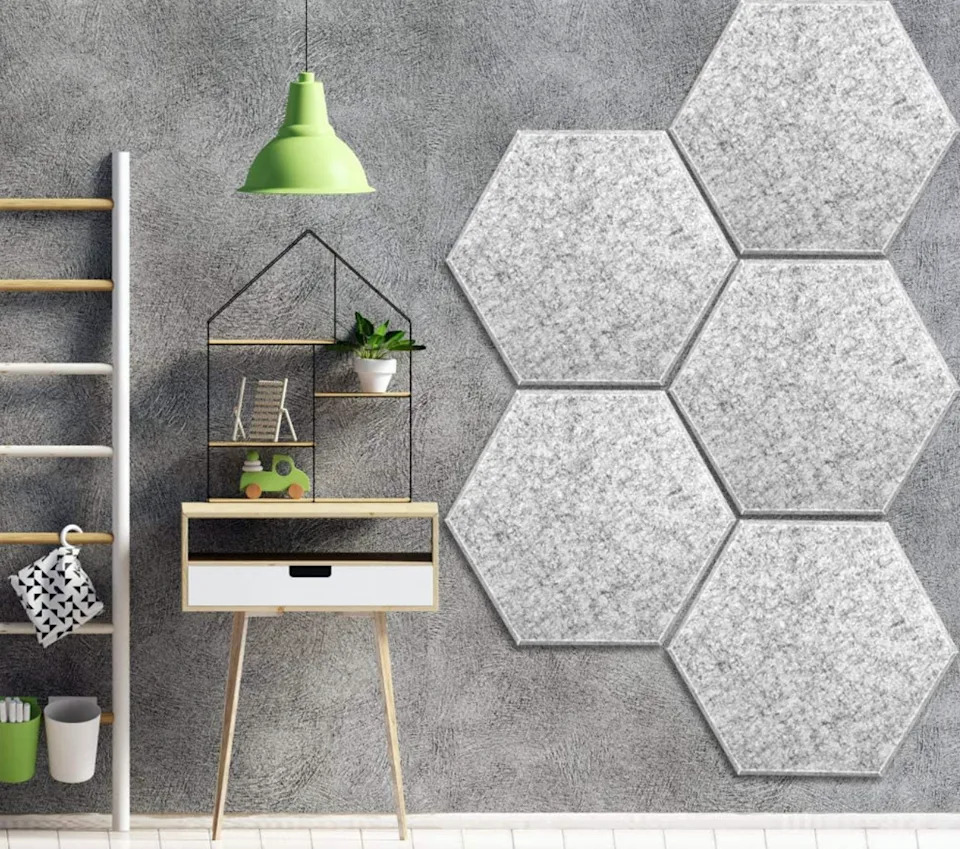
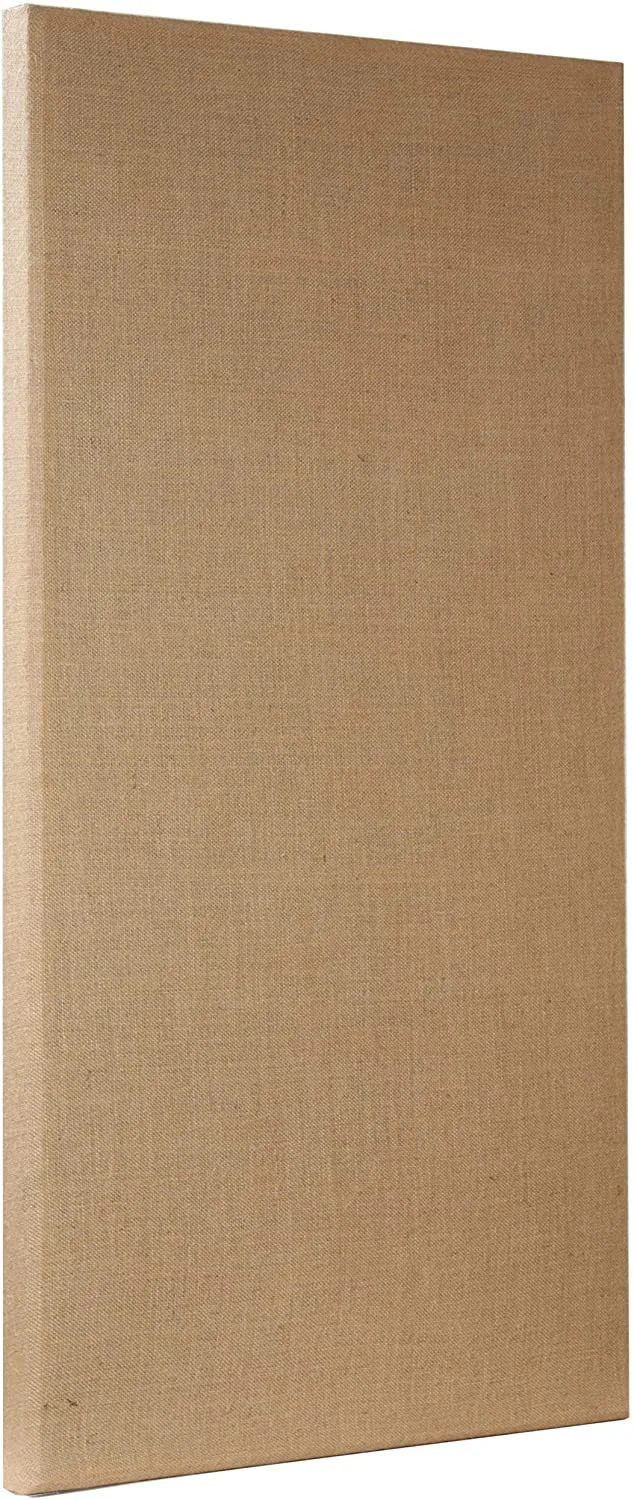
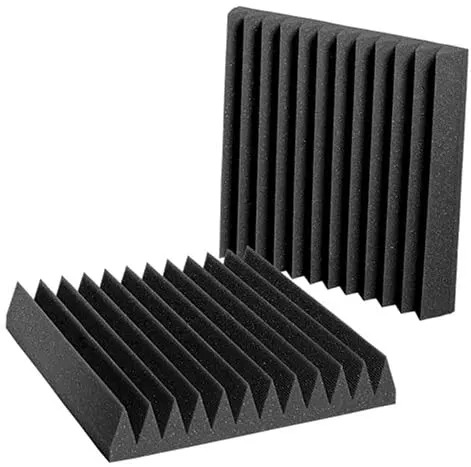
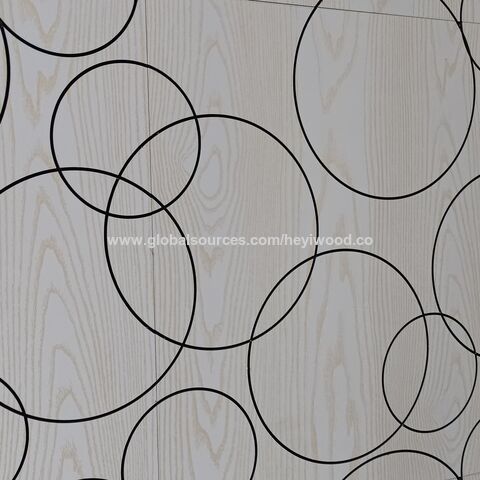
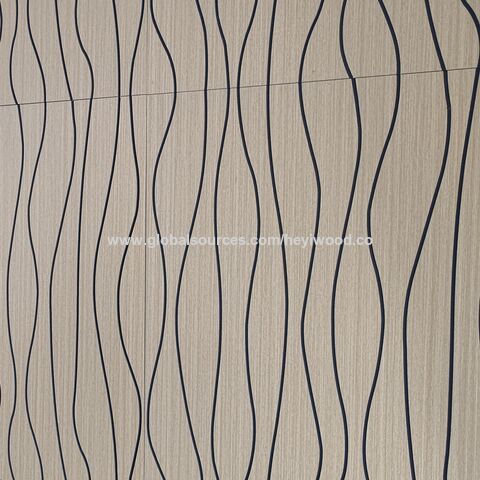
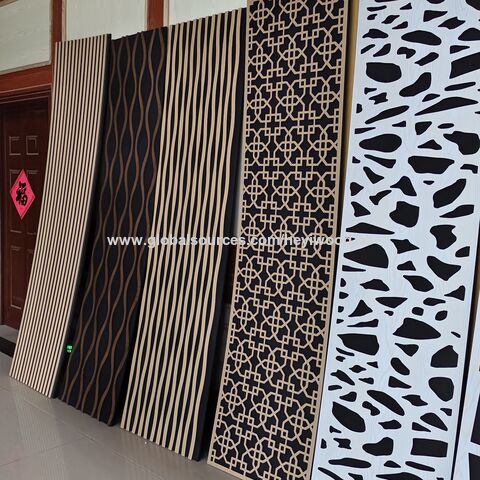
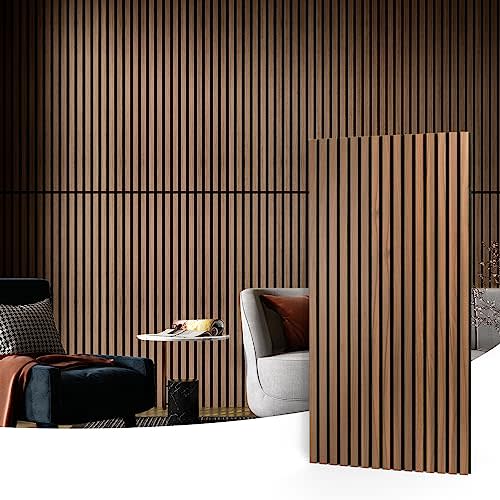
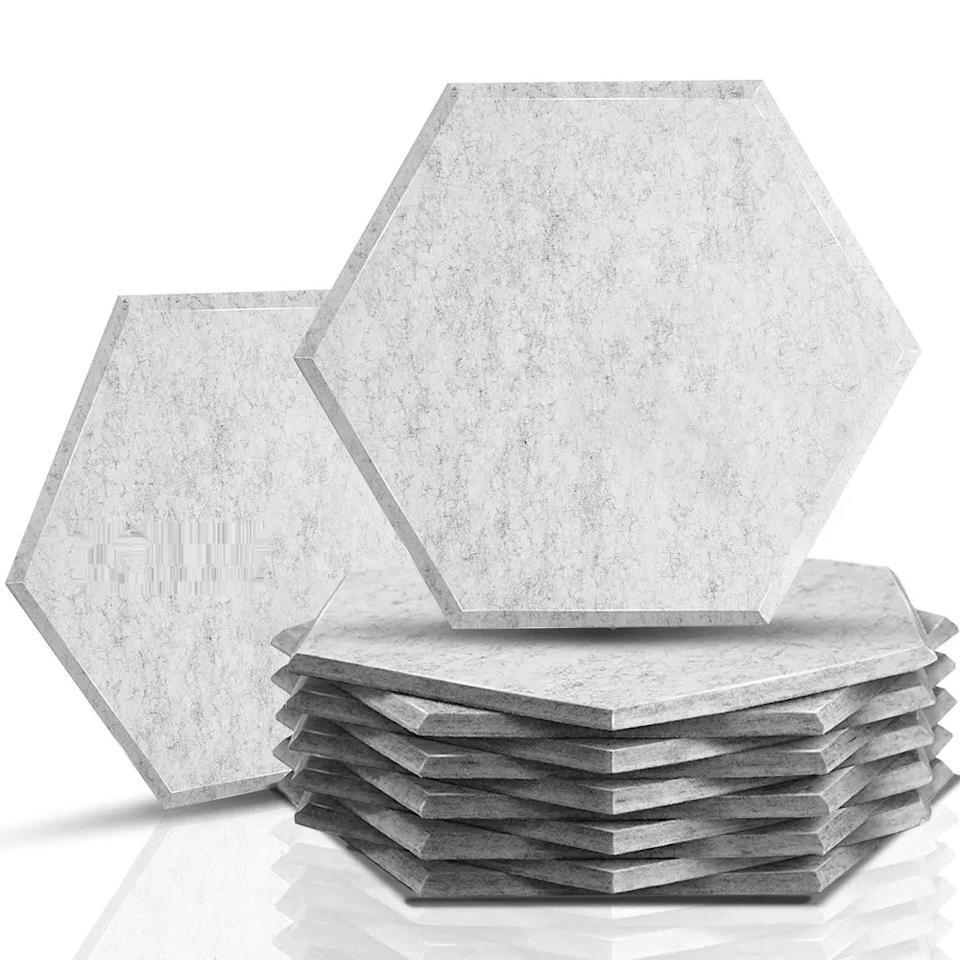
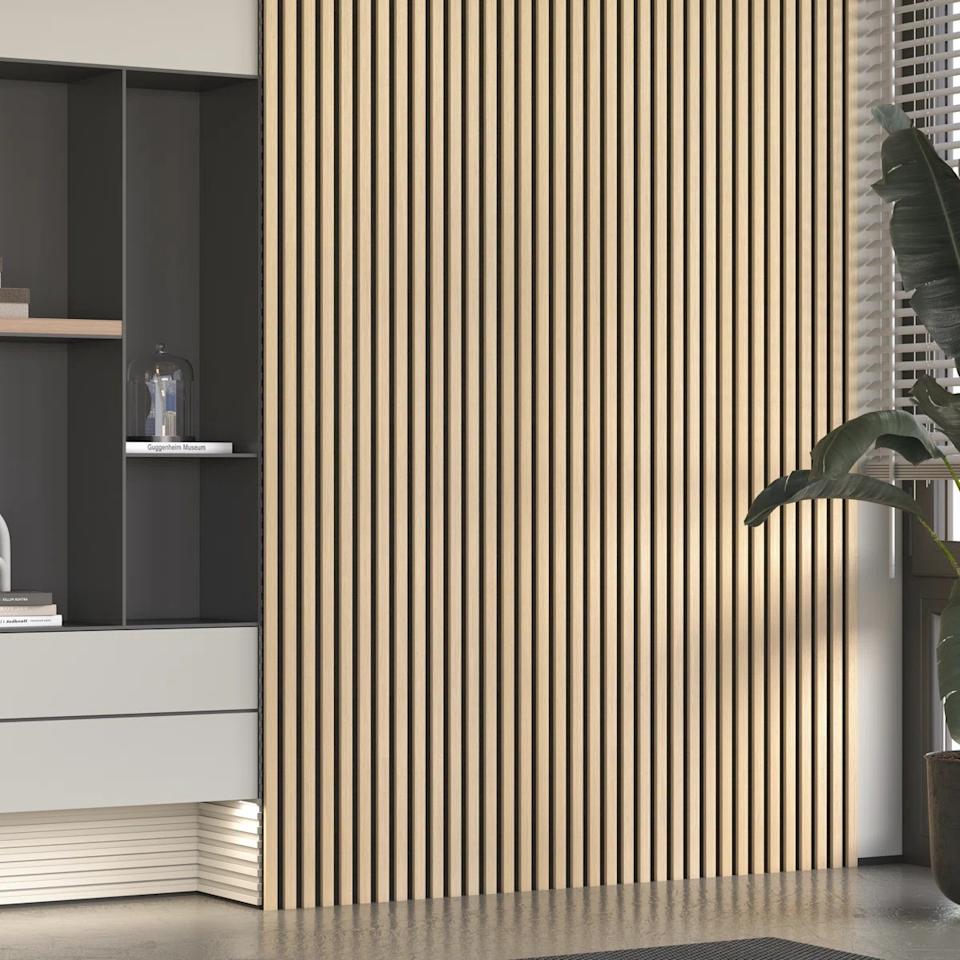
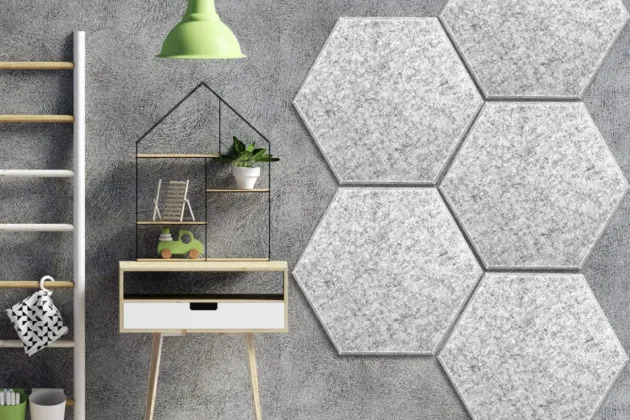
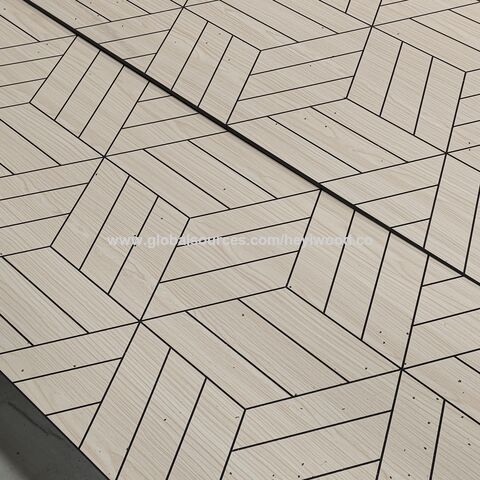
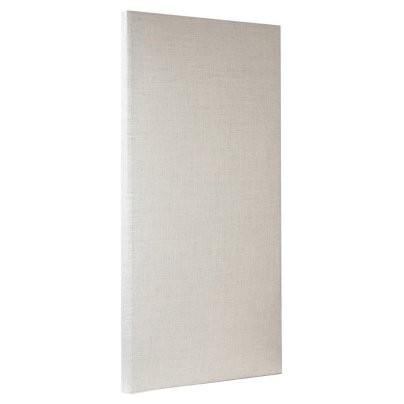
Acoustic panels, which are wood frames filled with foam, offer a versatile solution. They absorb all frequencies of noise, thereby soundproofing a room, reducing echoes, and preventing noise transfer from adjacent spaces. These panels are particularly useful in apartment buildings, condos, or homes with multiple residents. Modern acoustic foam panels come in various colors and sizes, allowing them to be integrated seamlessly into a room's decor. They can be temporarily mounted like picture frames, providing a non-permanent option.
Floors are another significant pathway for noise, especially in multi-family dwellings. Installing carpet can help reduce noise transmission through flooring. EVA (ethylene vinyl acetate) foam flooring is excellent for absorbing noise in high-traffic areas, such as home workout spaces. These puzzle-piece style mats don't stick to the ground, making them suitable for rented properties. For a more intensive and permanent solution, installing sound-absorbing underlayment during floor renovations is recommended. This foamy material prevents soundwaves from propagating through floors and can be used under tile, wood, or carpet. When selecting underlayment, look for an Impact Insulation Class (ICC) rating of 60 or higher, as a higher ICC indicates better sound-absorbing efficiency.
For major renovations, adding layers of building material significantly enhances soundproofing. This approach leverages the principle that mass inhibits sound wave transfer. A simple method is to add a second layer of drywall. Incorporating green glue noiseproofing compound between these layers further boosts effectiveness. On ceilings, textured paint can also aid in noise absorption. These projects are permanent and labor-intensive, often requiring professional assistance unless one is an experienced DIY-er. Ultimately, effective soundproofing involves a combination of soft, absorbent materials, proper sealing of openings, and, for more extensive projects, structural layering.
#Soundproofing #HomeImprovement #NoiseReduction #RenterFriendly #HomeownerSolutions #AcousticPanels #InteriorDesign #DIYSoundproofing #Soundproofing #HomeImprovement #NoiseReduction #RenterFriendly #HomeownerSolutions #AcousticPanels #InteriorDesign #DIYSoundproofing
0 comment in total
 No comments yet
You may also like
How to soundproof a bedroom – five easy and affordable fixes for a quiet night's sleep
9 expert tips for soundproofing a room – how to sort acoustics while losing nothing of the aesthetics

5 ways to insulate a wall to lower your energy bills and block out noise – and which ones are a mistake to DIY


4 Effective Ways to Soundproof Your Bedroom

How to soundproof an apartment – 6 renter-friendly changes that will block out noisy neighbors
These Acoustic Wall Panels Make Any Room a Quiet Place to Work or Relax

How to Soundproof a Room (Published 2021)

How To Soundproof Your Garden


How to soundproof a room according to an expert

How to soundproof your apartment

If Your Home Is Super Noisy, You’ll Appreciate These 24 Noise-Dampening Products

Stylish sound-absorbing artwork for a quieter home

5 easy ways to soundproof your home office

These Acoustic Wall Panels Make Any Room a Quiet Place to Work or Relax

New design patterns Soundproof Acoustic Panels for Interior Wall Decor Paneling


Joanna Gaines’s secret trick for a calmer, quieter home instantly solved my noisy neighbor problem –and it's only $60
The Best Soundproofing Materials for Any Room in Your Home

How to soundproof your kitchen and stop noisy appliances disturbing your peace

Do acoustic wall panels soundproof a room? Experts…

How to Soundproof Your Bedroom for a Calm and Quiet Sleep Sanctuary